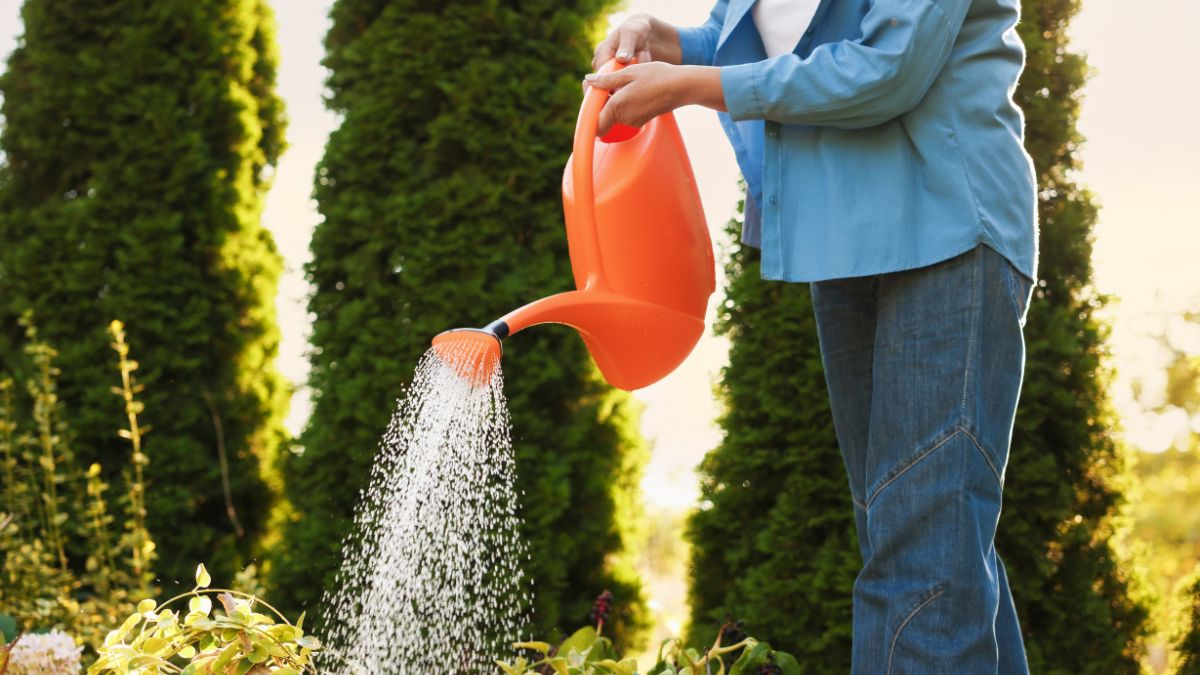
Most gardeners assume that more water means healthier plants, but overwatering is actually one of the most widespread causes of garden failure worldwide. The damage it causes often mimics the symptoms of underwatering, making it difficult to identify without knowing what to look for. Horticulturalists and experienced gardeners consistently point to subtle daily habits and misguided routines as the real culprits behind soggy, struggling soil. Understanding these patterns can dramatically improve the health and longevity of your garden. Here are 25 ways you may be overwatering your garden without even realizing it.
Fixed Schedules

Watering your garden on a rigid daily or weekly timetable ignores the actual moisture needs of your plants at any given time. Soil conditions change significantly depending on recent rainfall, temperature shifts, and seasonal humidity levels. Plants require water based on their current environment rather than a predetermined calendar. Sticking to a fixed routine without checking soil moisture first is one of the most common overwatering mistakes gardeners make.
Finger Test Skipping
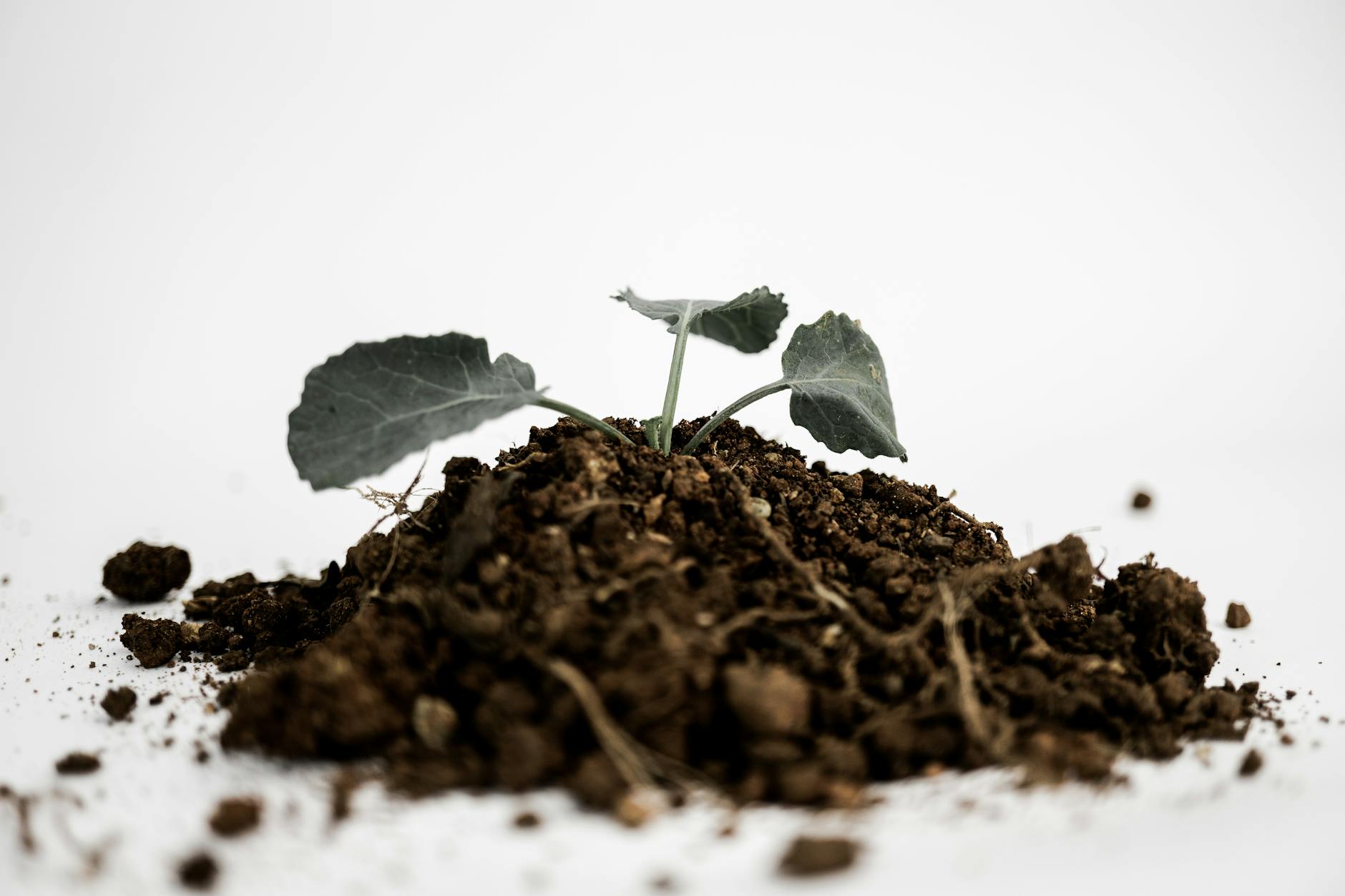
Failing to check soil moisture before each watering session leads to adding water to ground that is already sufficiently hydrated. The finger test involves pressing a finger approximately two inches into the soil to assess whether moisture is present at root level. Most plants do not need watering until that depth feels dry to the touch. Skipping this simple check is a habit that silently contributes to chronic overwatering over time.
Shallow Rooting
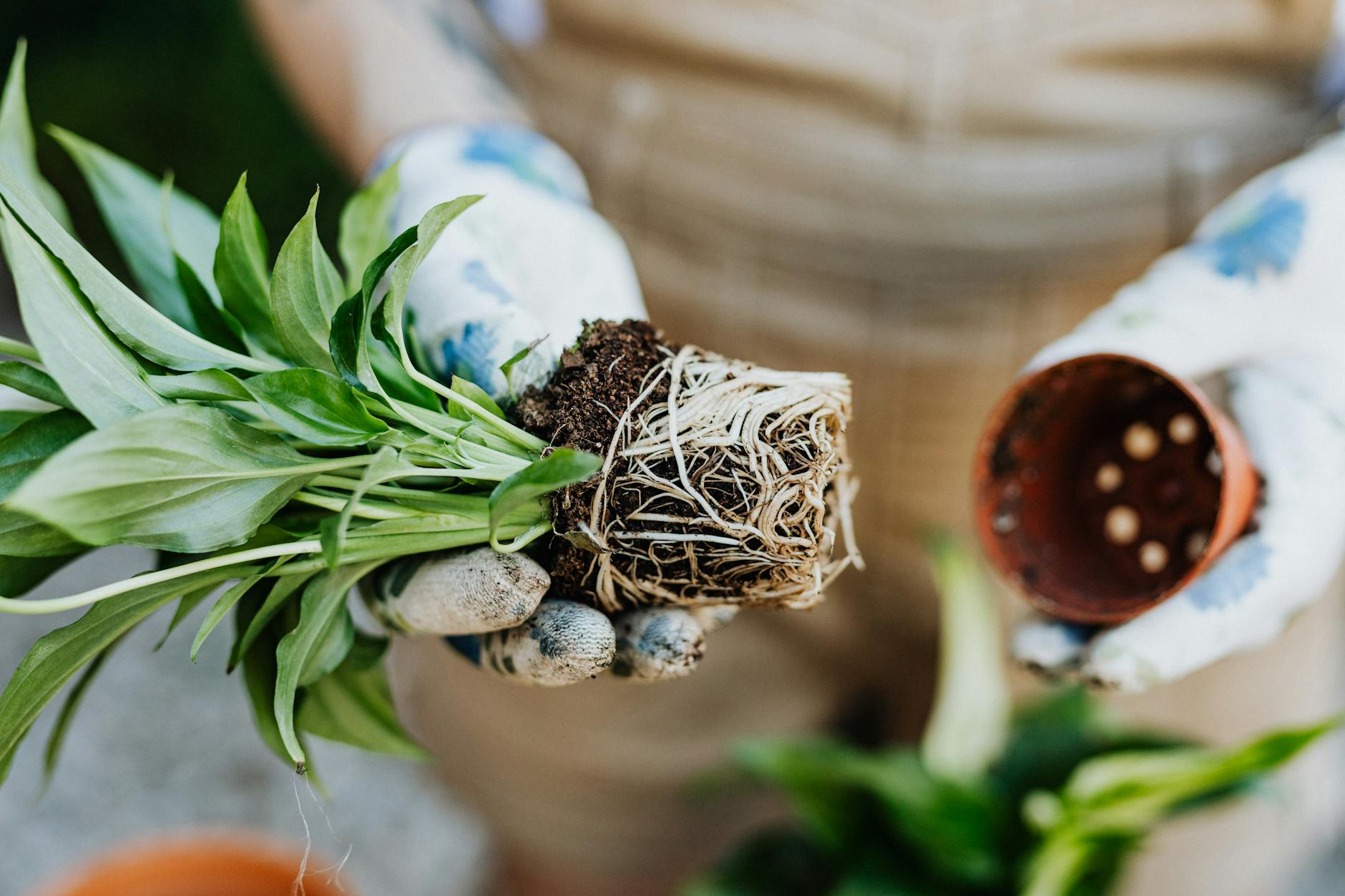
Frequent light watering encourages roots to stay close to the surface rather than growing deep into the soil in search of moisture. Shallow root systems make plants more vulnerable to drought stress, temperature extremes, and physical disturbance. Deep and infrequent watering trains roots to travel downward where moisture and nutrients are more stable. This foundational principle is consistently overlooked by gardeners who water little and often out of habit.
Wrong Mulch Depth
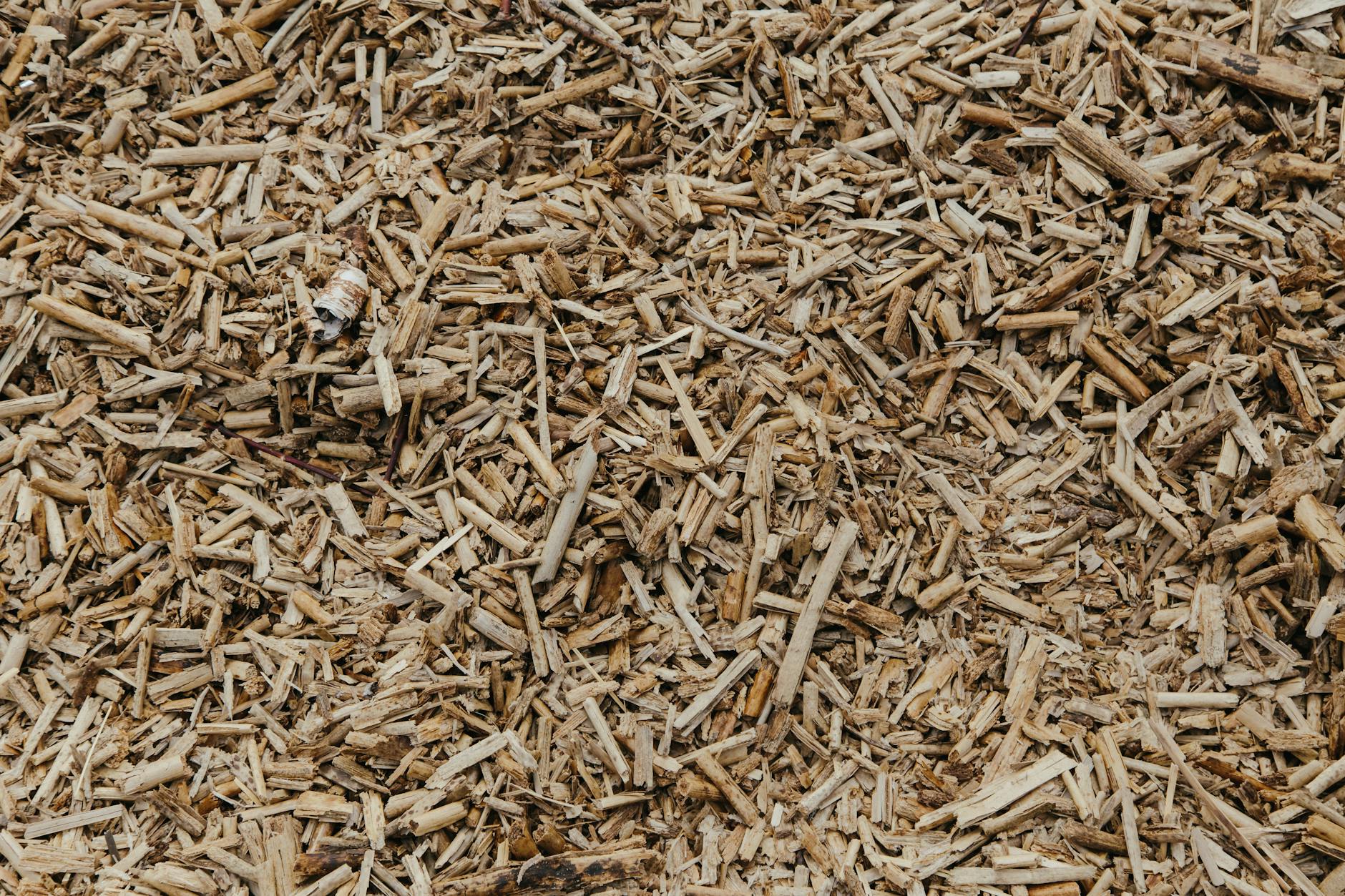
Applying mulch too thickly around plants traps excessive moisture against the soil surface and prevents natural evaporation. While mulch serves an important role in moisture retention, a layer exceeding three to four inches can create persistently saturated conditions. The area immediately around plant stems is particularly vulnerable to rot when mulch is piled too deeply. Monitoring mulch depth regularly and keeping it away from stems helps maintain a healthy moisture balance.
Sprinkler Misdirection
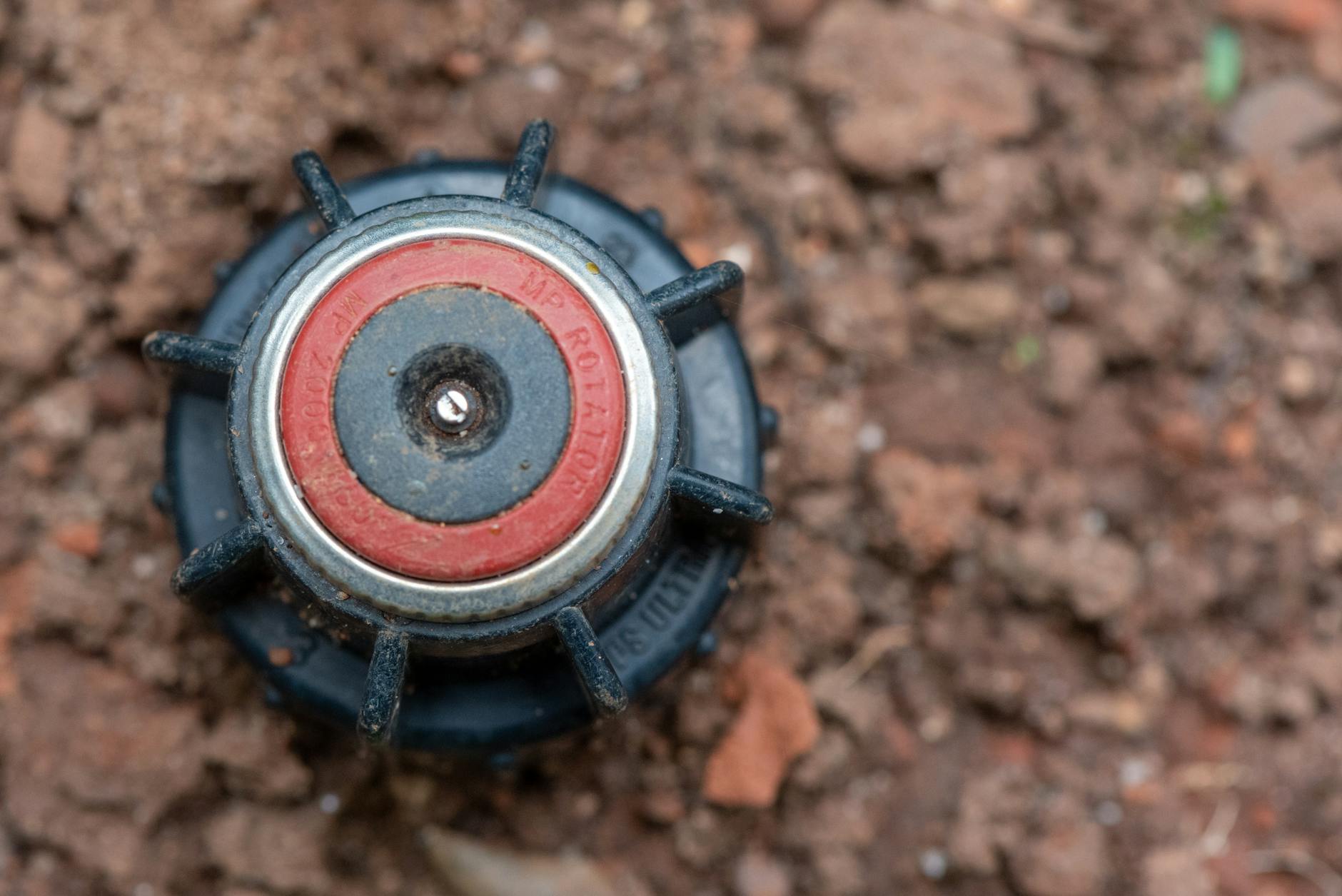
Sprinkler systems that are poorly aimed or have overlapping coverage zones deliver far more water to certain areas than plants actually need. Many gardeners set up automated sprinklers once and rarely reassess whether the coverage still matches the garden layout. Plants positioned at the intersection of two sprinkler arcs receive double the intended water volume with every cycle. Regularly auditing sprinkler direction and overlap is an essential maintenance step that is frequently neglected.
Rain Ignorance
Continuing to water according to a regular schedule after significant rainfall adds unnecessary moisture on top of already saturated ground. Many automated irrigation systems lack rain sensors and will activate regardless of recent or ongoing precipitation. Gardeners who water manually often do so out of routine without checking whether rain has already met the garden’s needs. Installing a rain gauge or a smart irrigation controller helps eliminate this form of invisible overwatering.
Pot Without Drainage
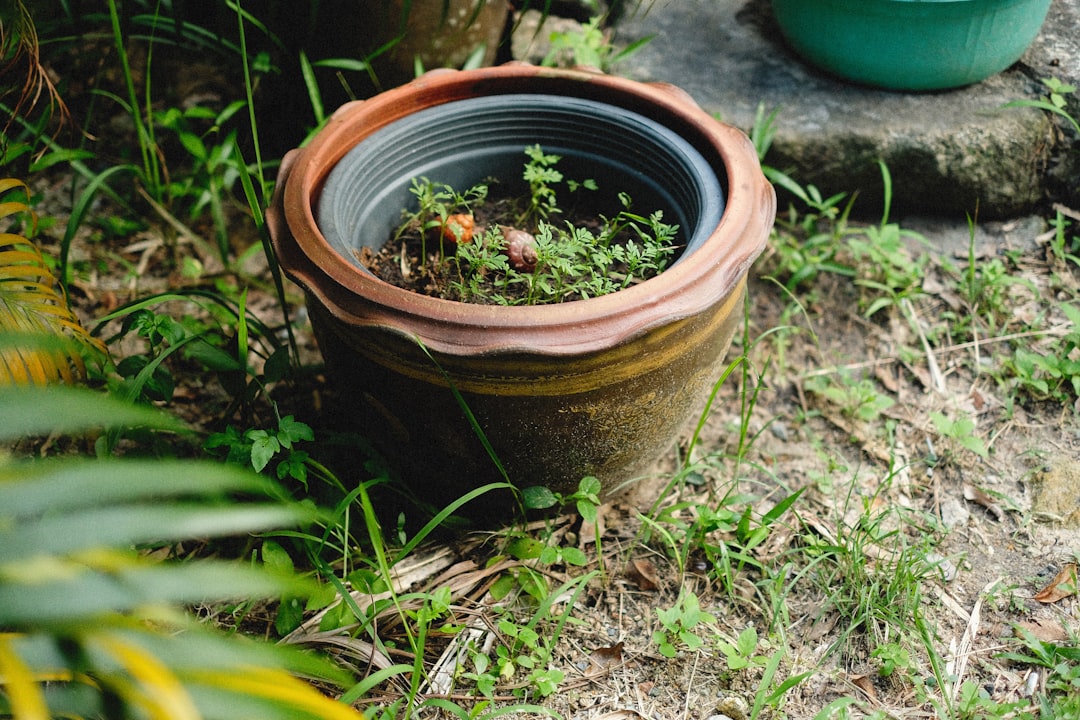
Growing plants in containers that lack adequate drainage holes causes water to pool at the bottom and saturate roots continuously. Even if the top layer of soil appears dry the lower portion of a drainage-free pot can remain waterlogged for extended periods. Root rot develops rapidly in these conditions and is often mistaken for underwatering because the plant visibly wilts and declines. Ensuring every container has sufficient drainage is a non-negotiable step in healthy potted plant care.
Evening Watering
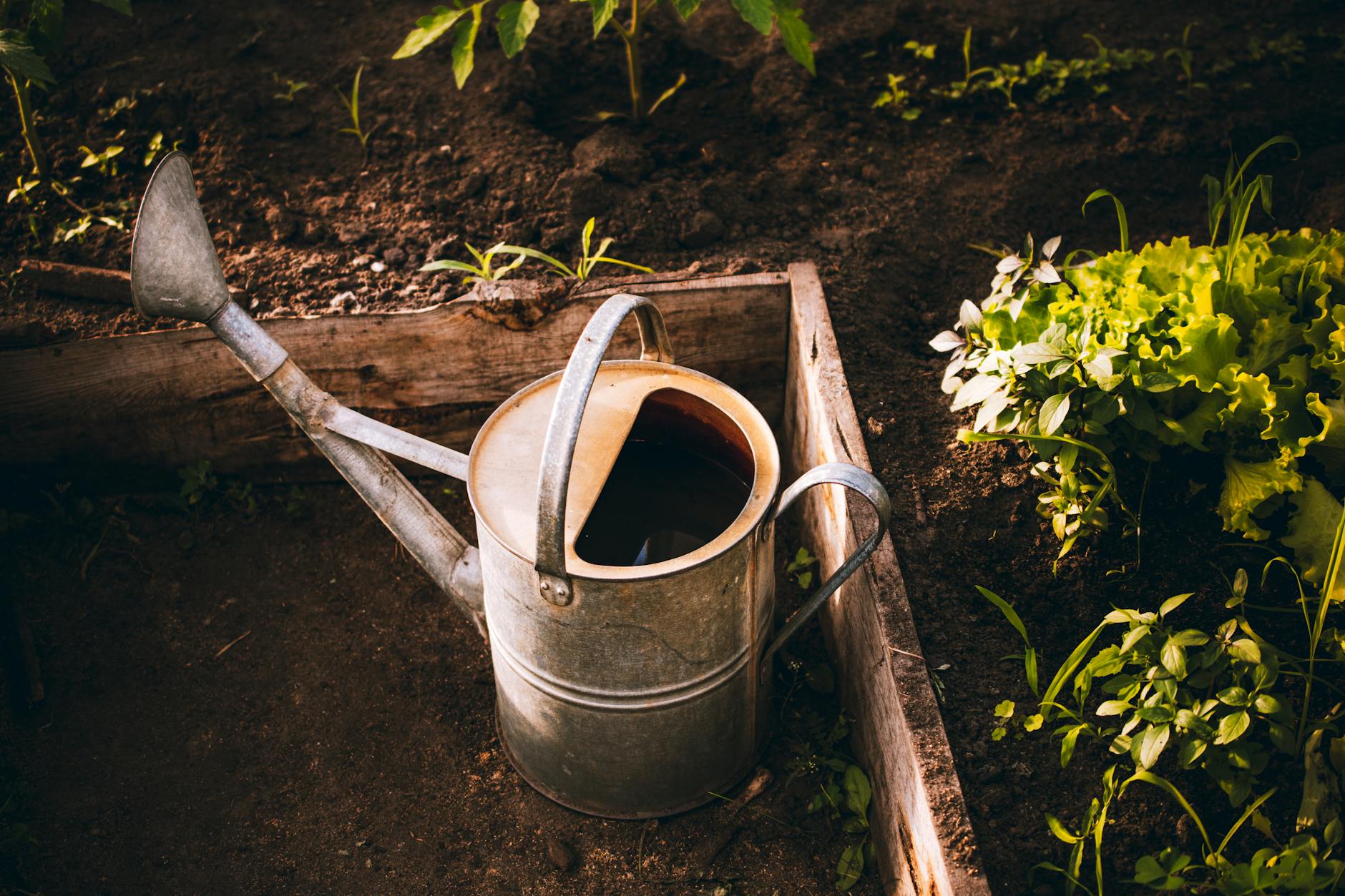
Watering plants late in the day leaves moisture sitting on foliage and at the soil surface through the cooler overnight hours. Reduced evaporation during nighttime means water lingers far longer than it would during a morning watering session. This extended moisture encourages fungal growth and creates conditions favorable to root disease. Morning watering allows excess surface moisture to evaporate naturally throughout the day while still delivering hydration to the root zone.
Saucer Overflow
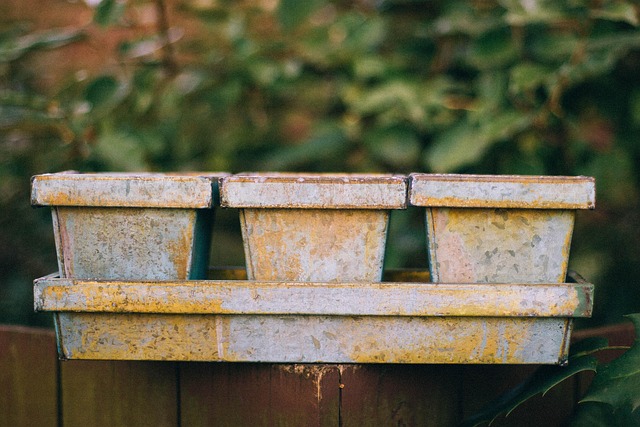
Leaving standing water in saucers beneath potted plants creates a reservoir that keeps the base of the pot and the lower root zone permanently wet. Plants sitting in pooled water for hours or days are at significant risk of oxygen deprivation at the root level. Emptying saucers within thirty minutes to an hour after watering is a practice recommended by most horticulturalists. Many gardeners overlook saucers entirely and focus only on the amount of water applied from above.
Hose Lingering
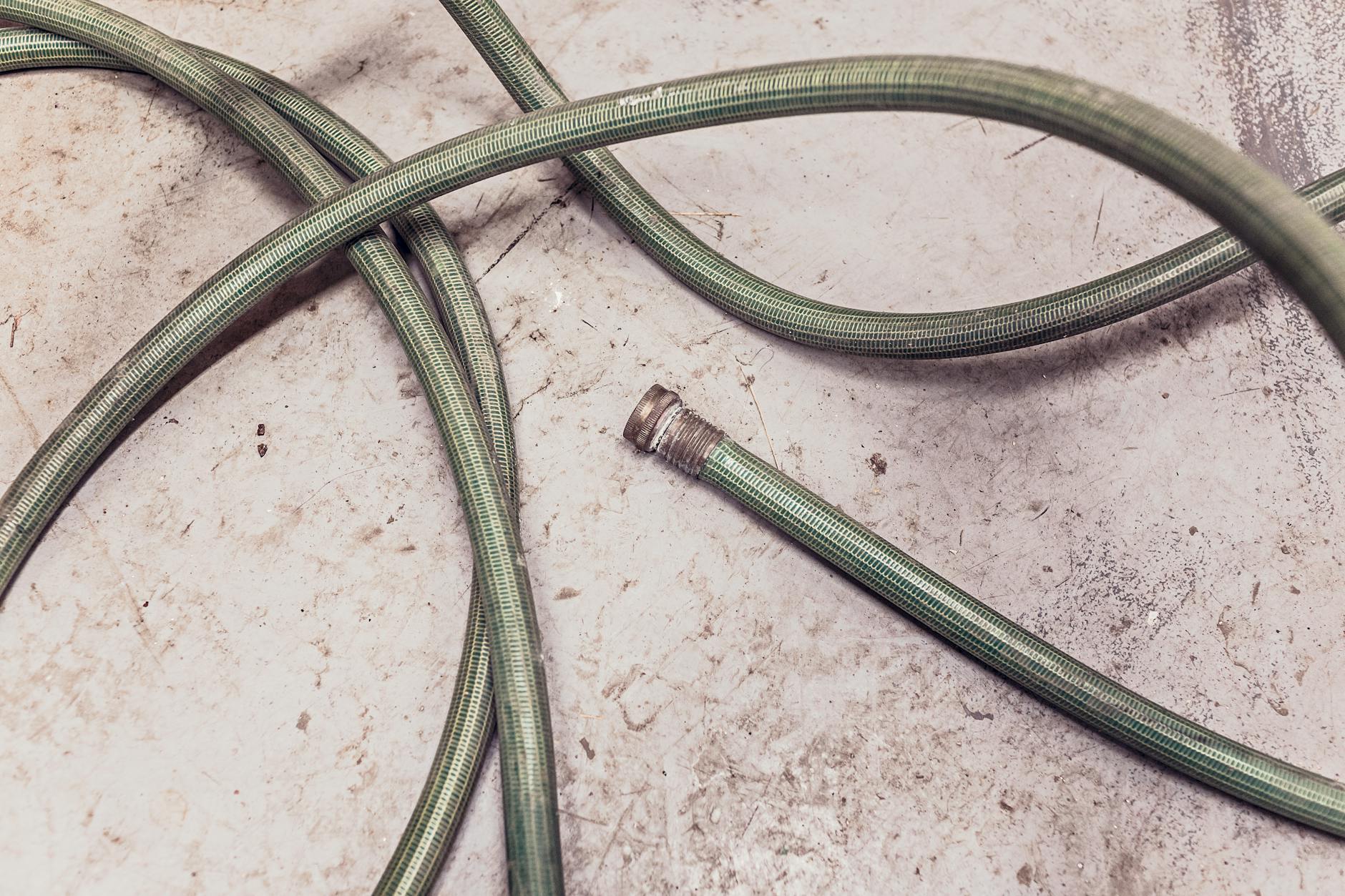
Holding a garden hose over a single area for too long delivers a concentrated volume of water that quickly exceeds soil absorption capacity. Water that cannot be absorbed fast enough runs off or pools rather than penetrating to root depth. Moving the hose steadily across different areas of the garden ensures more even and controlled distribution. Lingering in one spot is a habit that often develops when gardeners are distracted or multitasking during watering sessions.
Wilting Misreading
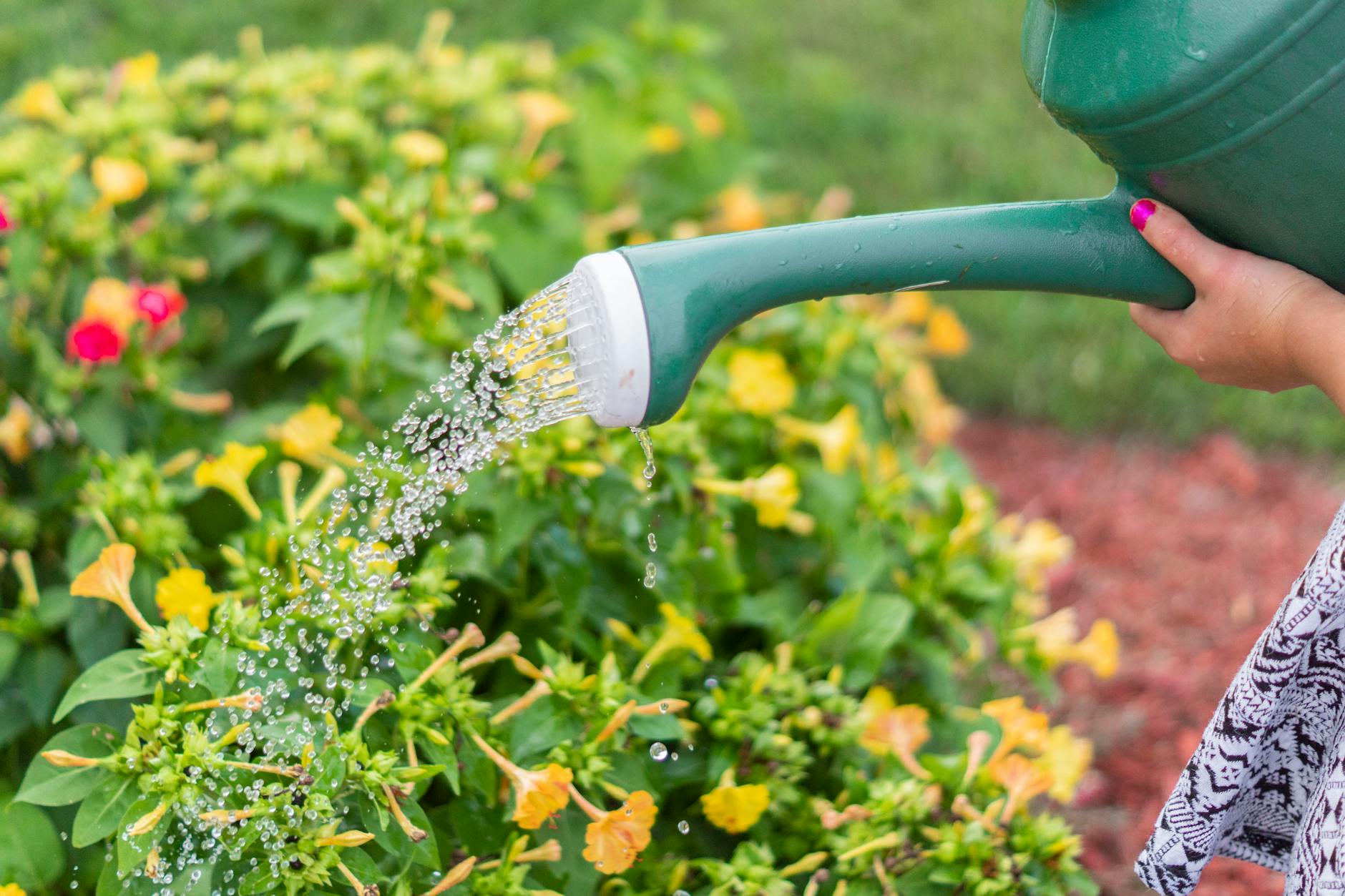
Assuming that any wilting plant immediately needs water is one of the most common misinterpretations in home gardening. Many plants wilt temporarily during peak afternoon heat as a protective response to temperature rather than as a sign of dehydration. Watering a plant that has wilted from heat stress but whose soil is already moist compounds the problem significantly. Checking soil moisture before responding to visible wilting is essential to distinguishing heat stress from genuine water deficit.
Clay Soil Unawareness
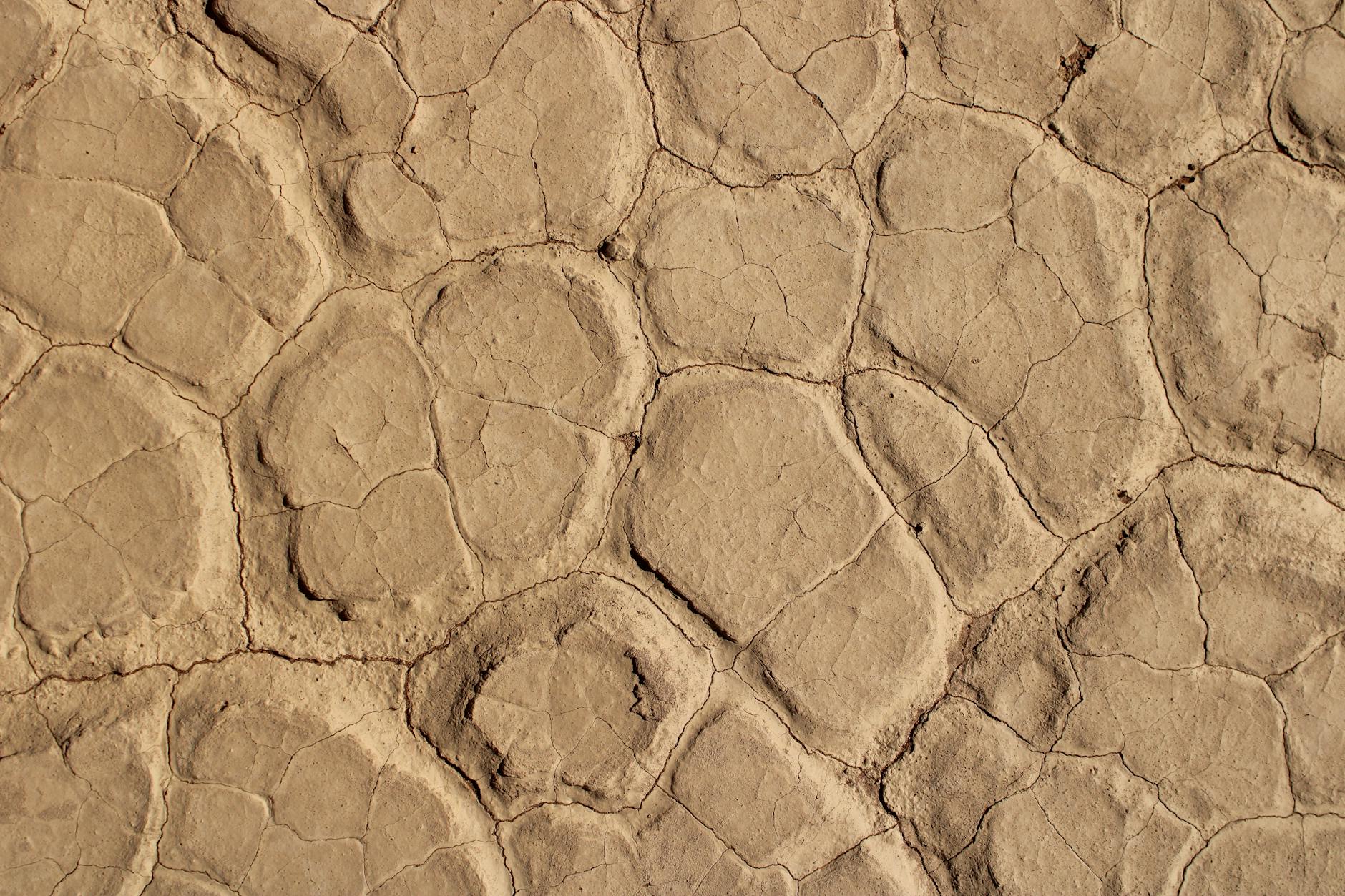
Gardening in clay-heavy soil without adjusting watering frequency leads to chronic saturation because clay retains moisture far longer than sandy or loamy soils. Water applied at the same rate as it would be for well-draining soil accumulates in clay and creates persistently wet conditions around roots. Gardeners who move to a new property with different soil composition often carry old watering habits that no longer suit the new environment. Understanding your soil type is a prerequisite for setting an appropriate watering strategy.
Automatic Timer Trust
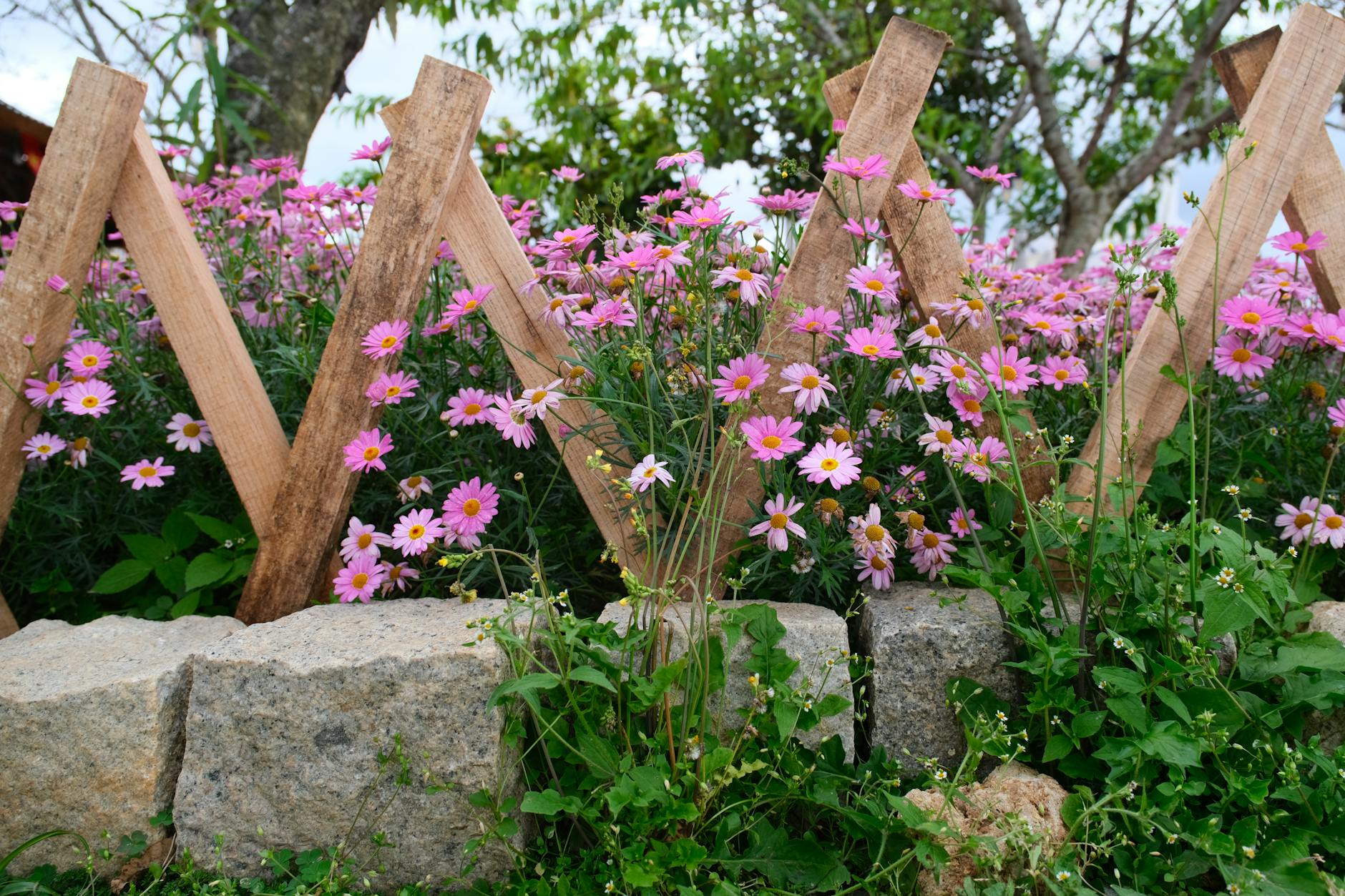
Relying entirely on an irrigation timer without seasonal adjustments results in the same volume of water being delivered year-round regardless of changing plant needs. Water requirements drop significantly during cooler months, overcast periods, and times of natural rainfall. A timer set during a dry summer month will dramatically overwater a garden through autumn and winter if left unchanged. Revisiting and adjusting irrigation schedules with each seasonal transition is a maintenance task that prevents months of unintentional overwatering.
Seedling Soaking
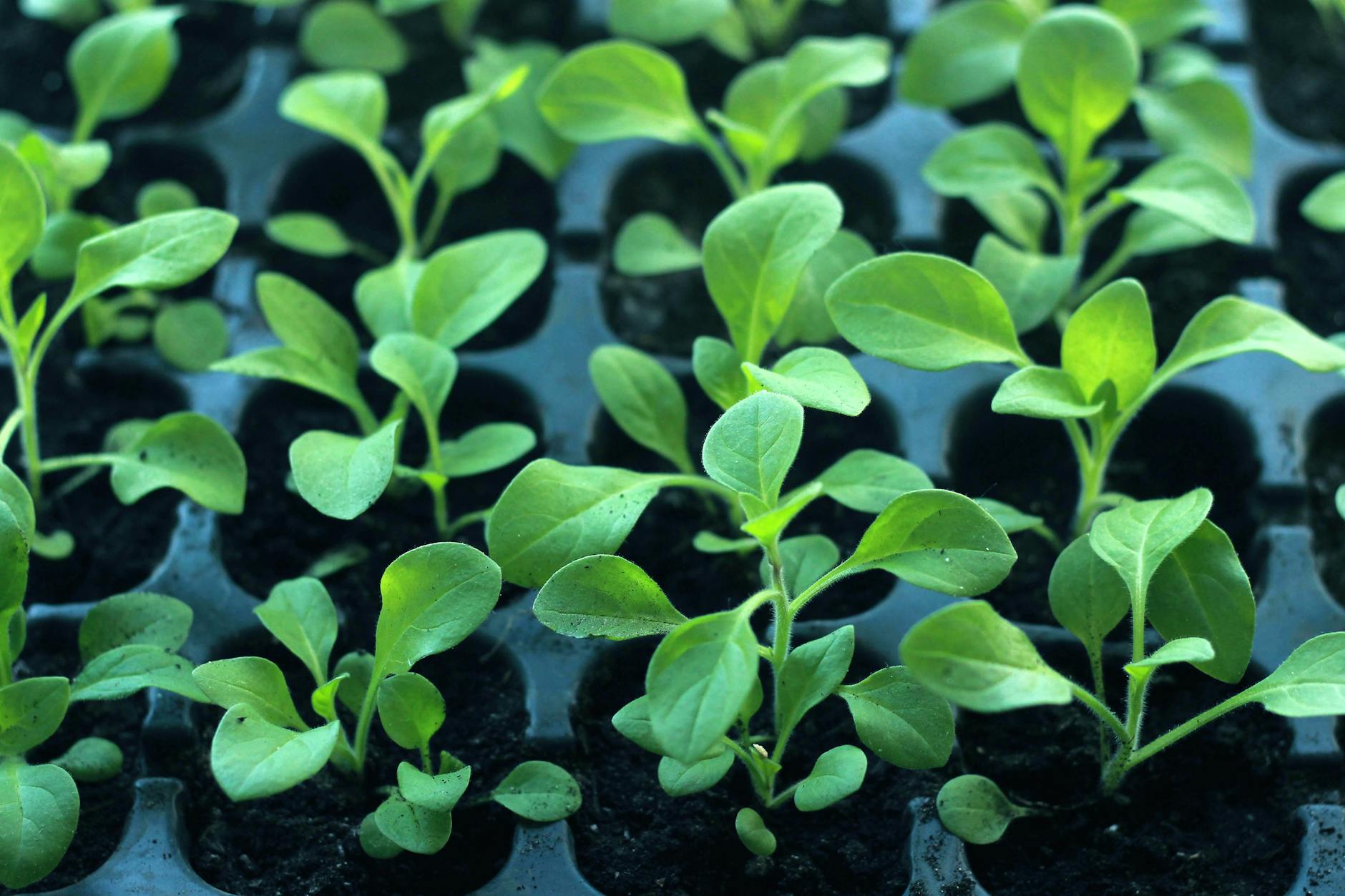
Applying the same volume of water to seedlings as to established plants overwhelms their immature root systems and compact growing medium. Seedlings require consistent but light moisture rather than deep soaking because their roots occupy only a small area of soil. Saturating the growing medium of a seedling tray or small pot leaves no opportunity for the beneficial dry and wet cycles that encourage healthy root development. A fine mist or gentle pour targeted precisely at the base is the appropriate technique for young plants.
Compacted Soil Neglect
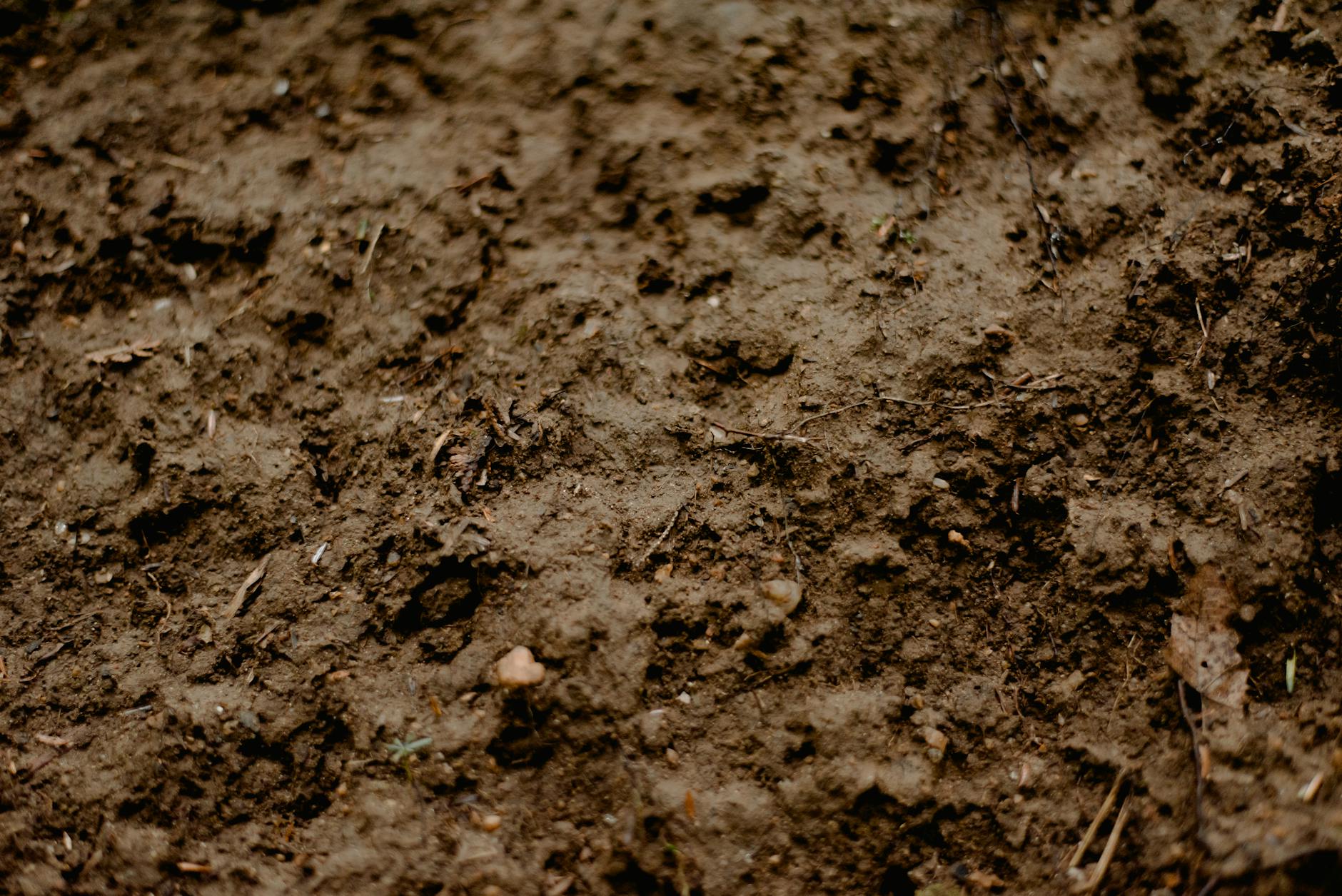
Watering compacted soil without first aerating it causes water to run across the surface rather than absorbing evenly and deeply. When it does penetrate, compacted soil holds water poorly in terms of distribution but retains pooled moisture in certain pockets. Gardeners often increase watering frequency because plants appear dry at the surface while the soil structure below is actually waterlogged. Aerating compacted areas before the growing season significantly improves water movement and prevents hidden saturation.
Weather App Neglect

Watering the garden without consulting a weather forecast means missing upcoming rainfall that will render the session entirely unnecessary. A scheduled watering the day before a significant rain event doubles the moisture load the soil must absorb in a short period. Many smart home devices and gardening apps provide localized precipitation forecasts that can directly inform daily watering decisions. Incorporating a quick weather check into your gardening routine is a simple habit that prevents repeated overwatering.
Group Planting Errors
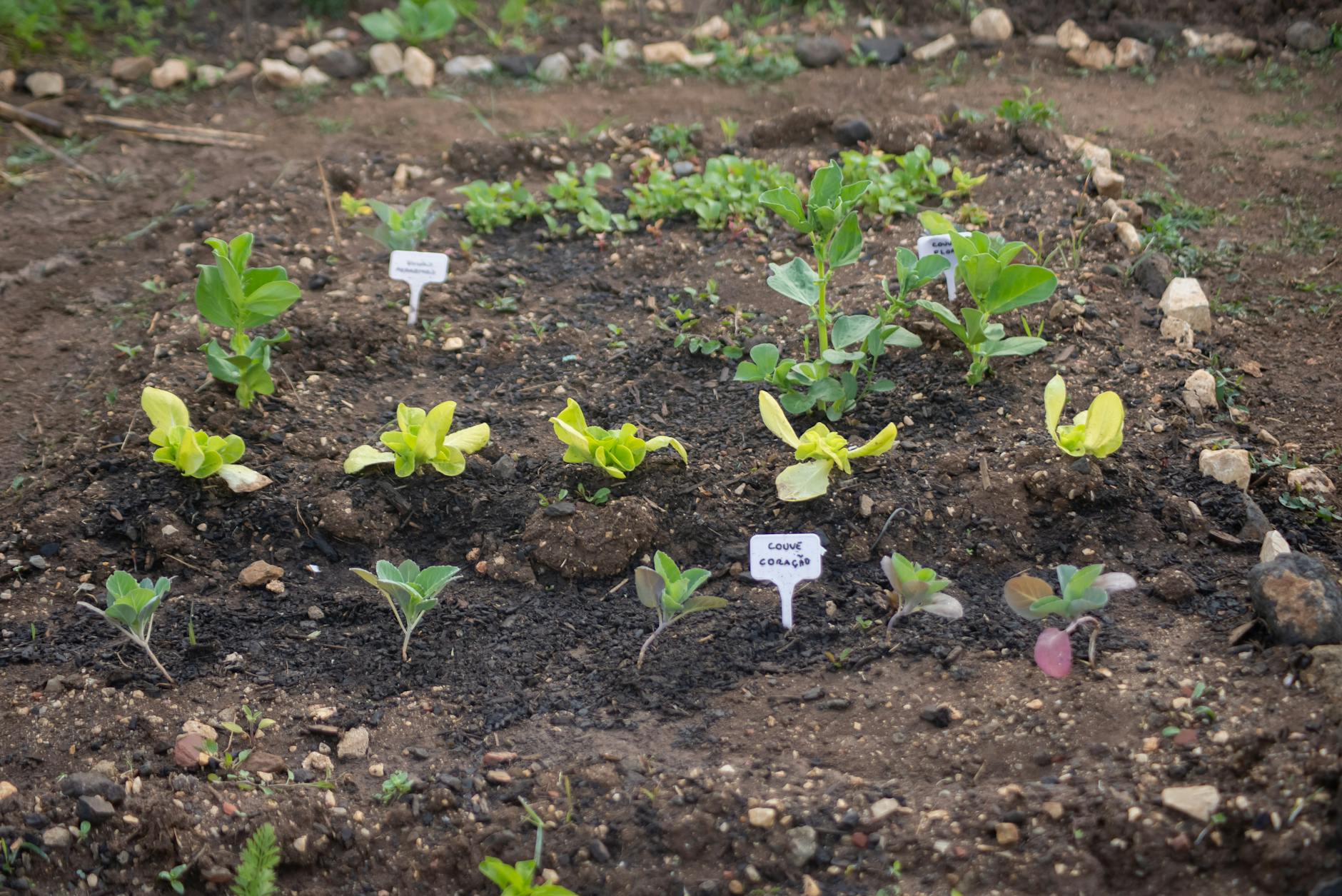
Planting species with very different water requirements close together forces a single watering routine onto plants with incompatible needs. Drought-tolerant plants positioned alongside high-moisture varieties will inevitably receive more water than their physiology can handle. This grouping mistake is common in mixed ornamental borders where visual aesthetics are prioritized over horticultural compatibility. Organizing garden beds by water requirement rather than appearance alone significantly reduces the risk of chronic overwatering in drought-tolerant species.
Grow Bag Overuse
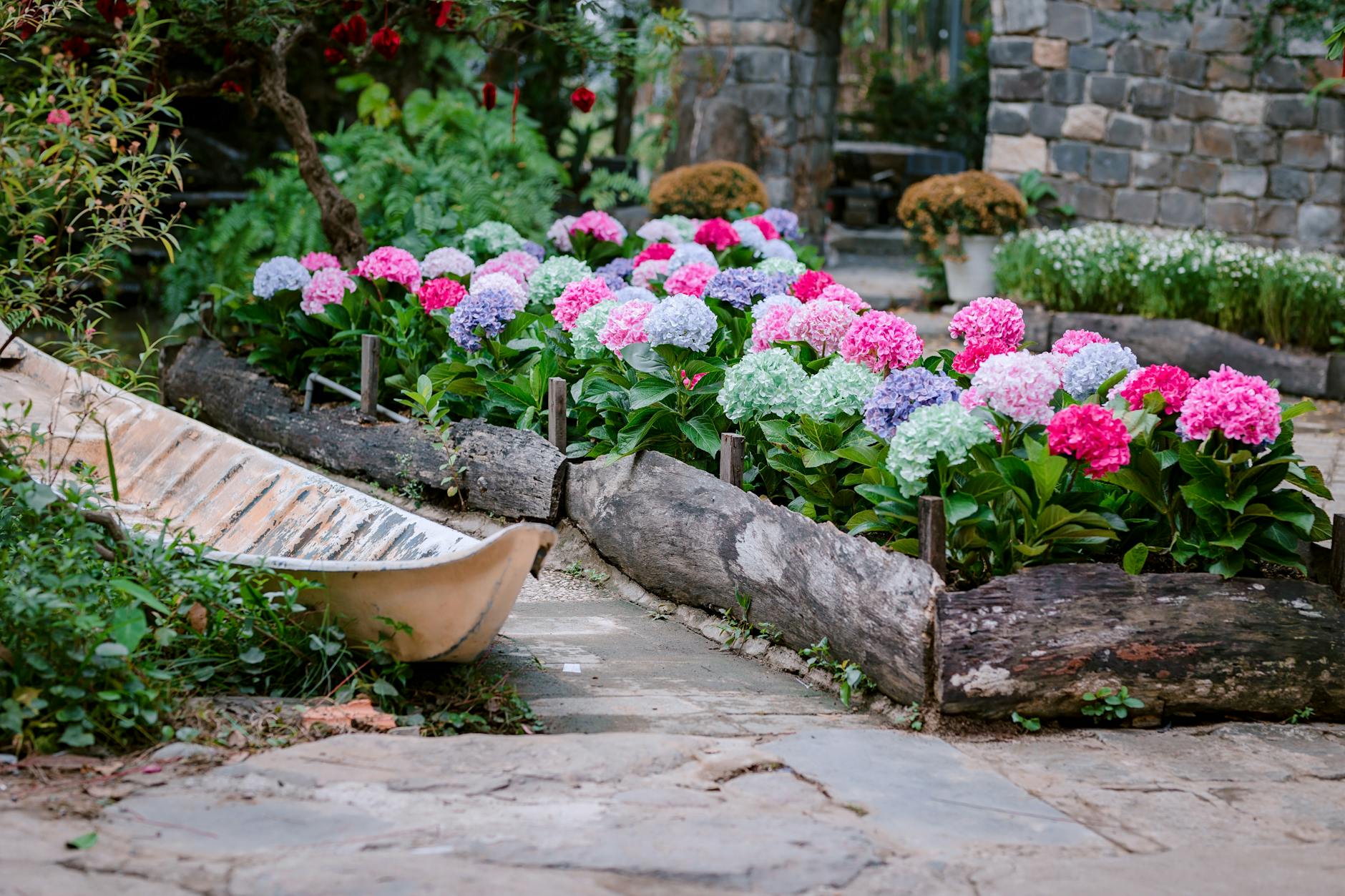
Watering grow bags as frequently as traditional garden beds ignores the fact that fabric containers drain and dry at very different rates depending on their material and placement. Some gardeners apply the same daily watering routine to grow bags that they use for raised beds without accounting for faster drainage or conversely for bags placed in shaded areas where evaporation is minimal. Grow bag moisture levels should be assessed individually rather than assumed to follow a garden-wide schedule. Treating all growing vessels identically regardless of material and position leads to inconsistent and often excessive moisture delivery.
Lawn Runoff
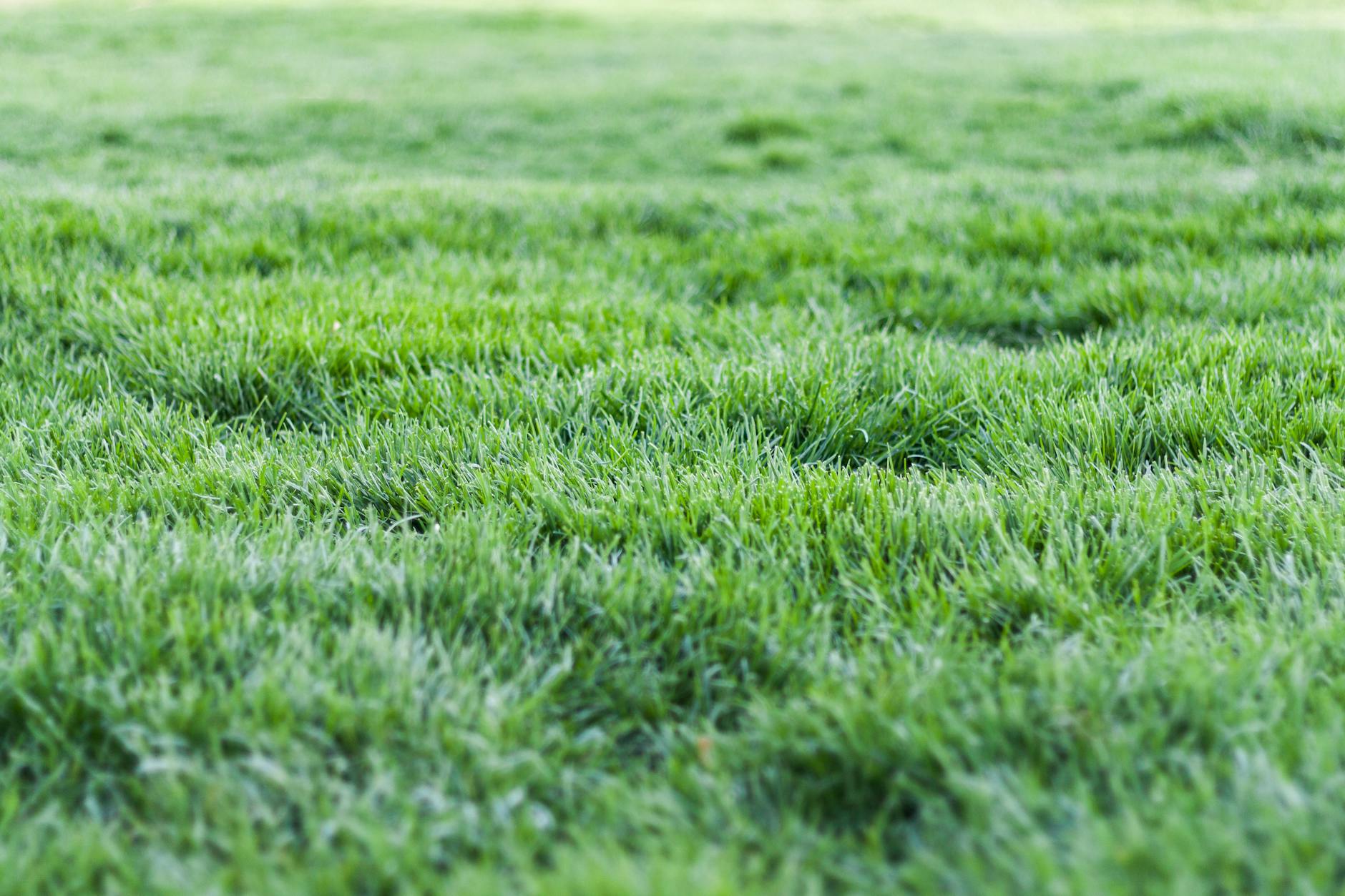
Positioning garden beds at the base of a lawn slope allows irrigation or rainfall runoff from the grass to flow continuously into planting areas below. The lawn itself receives its own watering in addition to the natural drainage directed toward the lower garden beds. Plants in these low-lying positions can receive two to three times the intended moisture without any direct watering from the gardener. Regrading slope drainage or installing a physical barrier between the lawn and garden beds helps prevent this invisible source of overwatering.
Drip Line Neglect
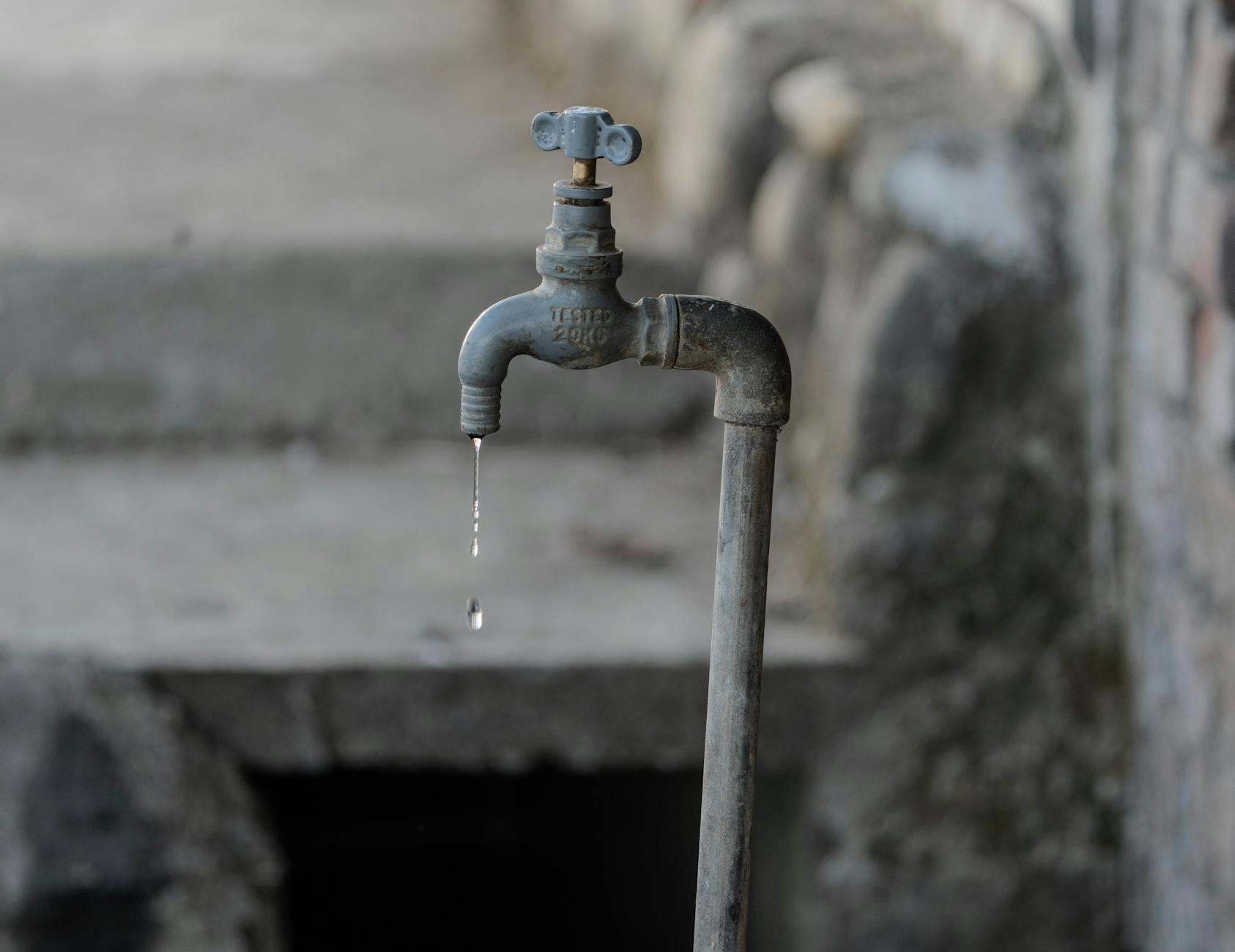
Installing a drip irrigation system and failing to inspect it regularly allows emitters to clog, shift, or malfunction in ways that deliver uneven and often excessive water to specific spots. A single blocked emitter can cause neighboring emitters to compensate by increasing pressure and output in adjacent zones. Drip systems require periodic flushing, emitter replacement, and positional adjustments as plants grow and garden layouts change. Treating a drip system as a set-and-forget solution is a reliable path to unnoticed localized overwatering.
Indoor Overcare
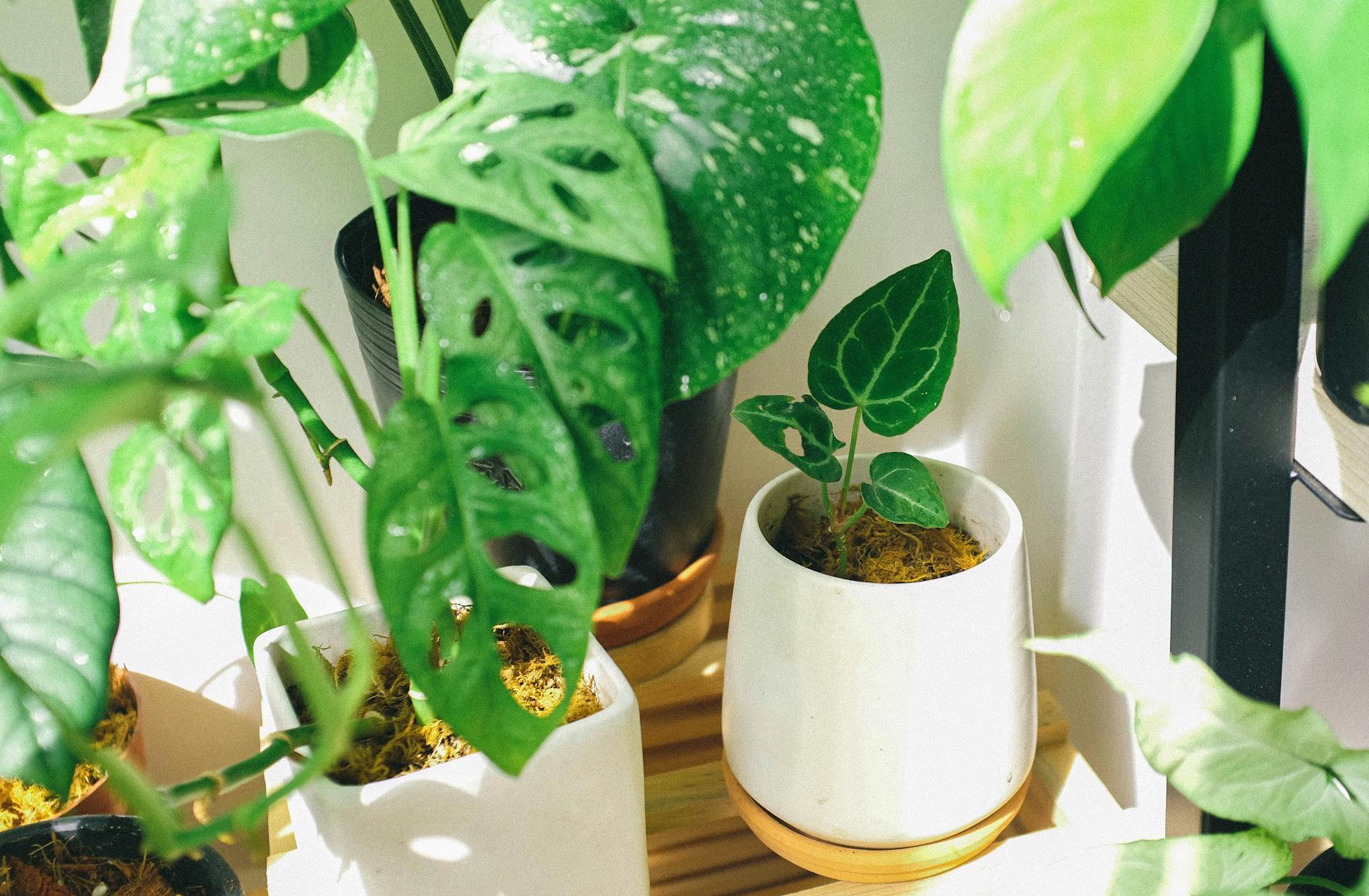
Applying outdoor watering instincts to indoor houseplants dramatically overestimates their moisture requirements given the reduced light, airflow, and temperature fluctuation of an interior environment. Indoor plants transpire and metabolize far more slowly than their outdoor counterparts and therefore consume water at a significantly lower rate. Many popular houseplants including succulents, pothos, and snake plants thrive on benign neglect and are among the most frequently killed by overwatering. Treating each indoor plant as an individual species with specific moisture needs rather than applying a blanket routine prevents a very common form of overwatering.
Soil Amendment Oversight
Adding water-retentive amendments such as peat moss, coconut coir, or water crystals to soil without reducing watering frequency creates conditions where moisture is held far beyond what plant roots require. These amendments are designed to reduce watering frequency not to supplement it. Gardeners who add them during a seasonal soil refresh and then maintain the same watering schedule are unknowingly creating persistently damp conditions. Any change to soil composition should prompt a reassessment of how often and how much water is applied.
Vegetable Overattention
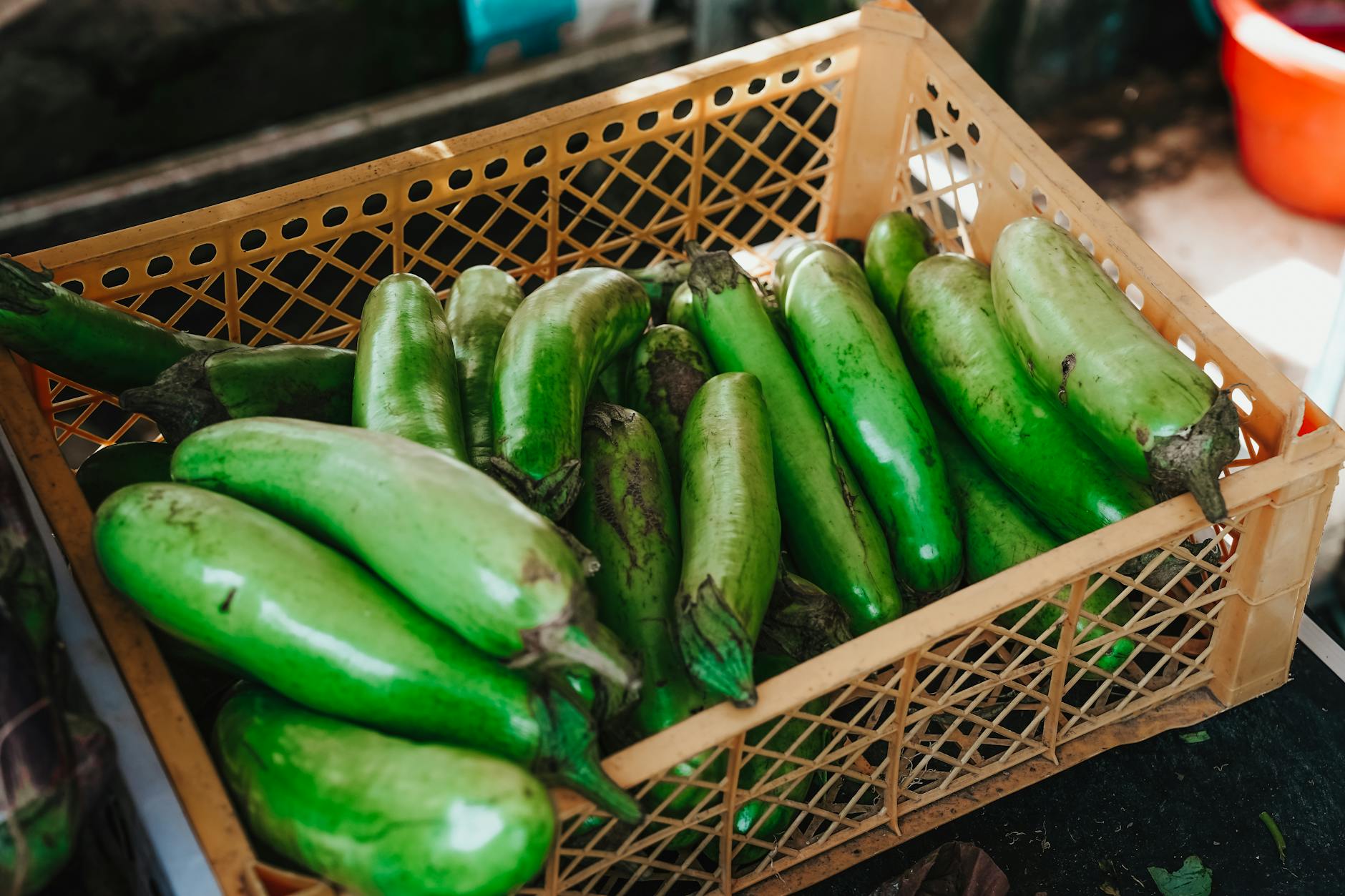
Vegetable gardens receive more frequent attention and watering from gardeners than almost any other planting area due to the emotional investment in their yield. This attentiveness often translates into daily watering regardless of actual soil conditions or weather patterns. Most vegetable crops require deep watering two to three times per week rather than light daily sessions. Over-attentive watering of vegetable beds is a well-documented pattern among new food gardeners that consistently reduces crop quality and root health.
New Plant Overwatering
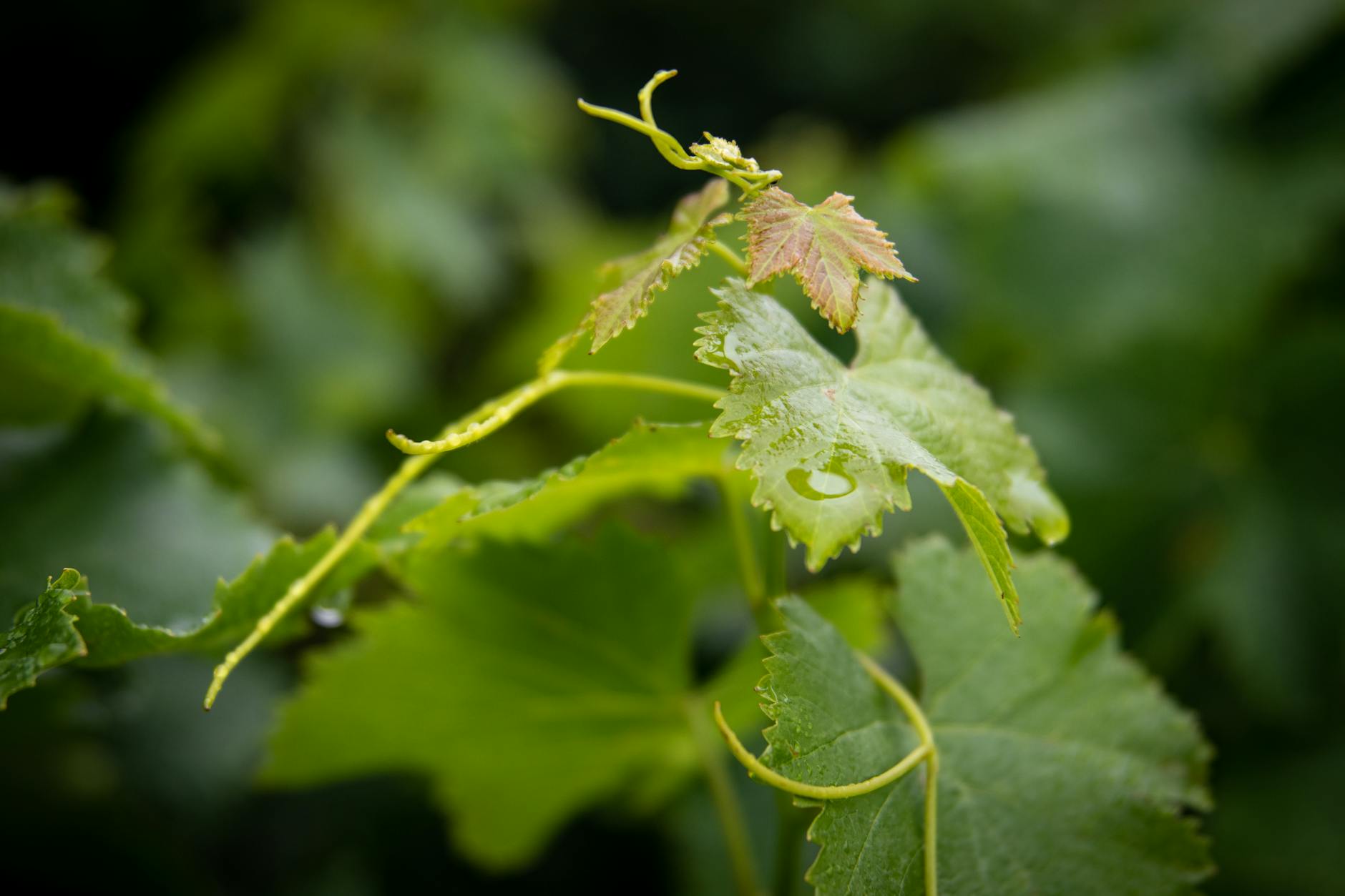
Establishing a newly planted shrub or perennial with excessive water in the belief that it accelerates establishment actually stresses the root system during a critical period. Newly planted specimens need consistent moisture but not saturation as their roots are still adjusting to the surrounding soil. Overwatering during the establishment phase deprives roots of the oxygen they need to expand and anchor effectively. A measured approach that keeps soil evenly moist rather than wet gives new plants the best foundation for long-term health.
Puddle Tolerance
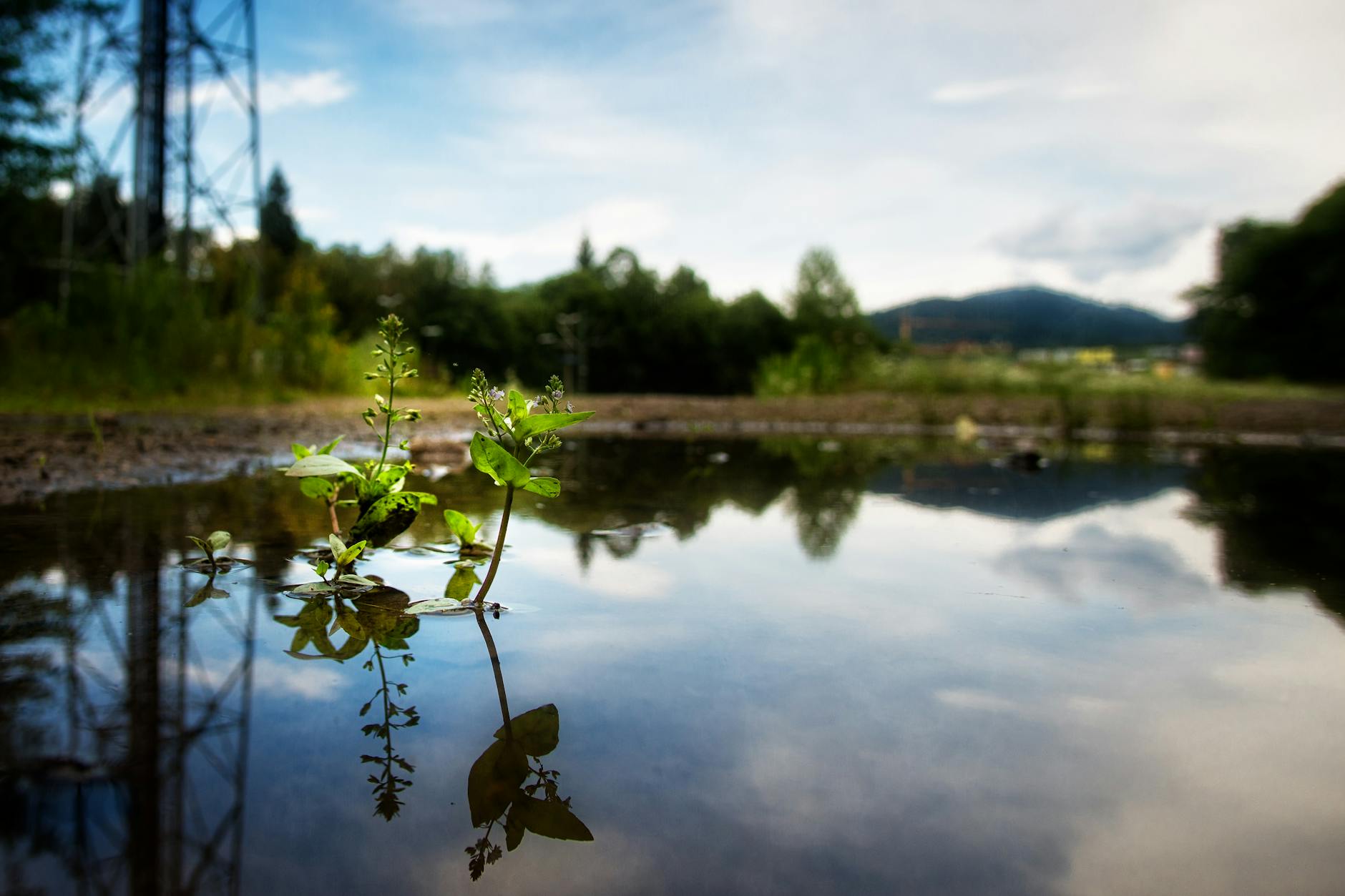
Accepting visible puddles or standing water on garden soil after watering as normal is a clear sign that more water is being applied than the ground can absorb or drain. Healthy, well-managed garden soil should absorb water steadily without pooling at the surface for extended periods. Persistent puddles indicate either compaction, poor drainage, or excessive water volume and should prompt an immediate reduction in watering output. Observing how your soil responds during and after watering is one of the most reliable indicators of whether your routine needs adjustment.
Share your own garden watering habits and any overwatering signs you have noticed in your garden in the comments.




