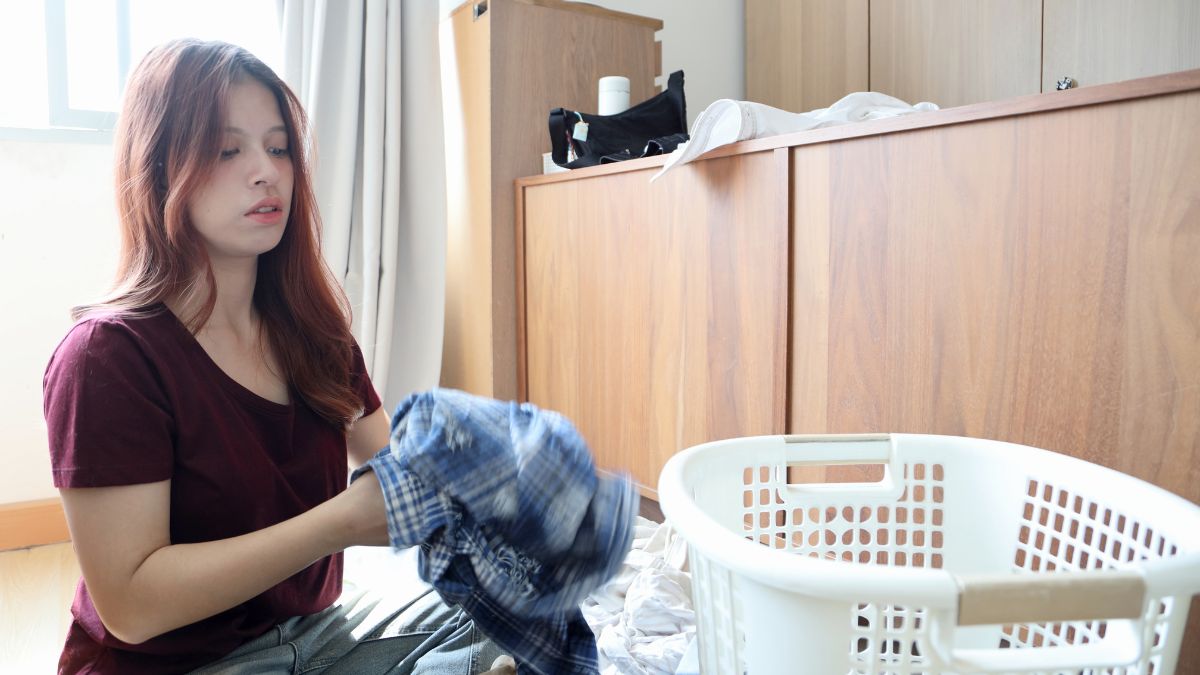
The moment a homeowner hands over their keys and drives away, the psychological dynamic inside that house shifts in ways that most people who have never house-sat would find genuinely surprising. Stories shared across online communities, home security forums, and property management platforms reveal a pattern of behaviors that range from mildly inconsiderate to outright revolting. Homeowners who have returned to discover unexpected evidence of these habits describe a particular kind of violation that goes beyond simple property damage. The behaviors below are drawn from documented accounts, property manager reports, and candid admissions from house-sitters themselves. Here are things house sitters do when they think no one is watching.
Fridge Raiding

Systematically working through a homeowner’s refrigerator and pantry as though the assignment includes full grocery privileges is one of the most commonly reported house-sitting complaints. House sitters have been known to consume specialty items, expensive condiments, and carefully stored leftovers without any apparent hesitation. Some go further by reorganizing the fridge entirely after depleting its contents in an apparent attempt to disguise the extent of what was consumed. Homeowners returning from trips have described finding shelves virtually bare despite leaving a well-stocked kitchen behind.
Bed Swapping
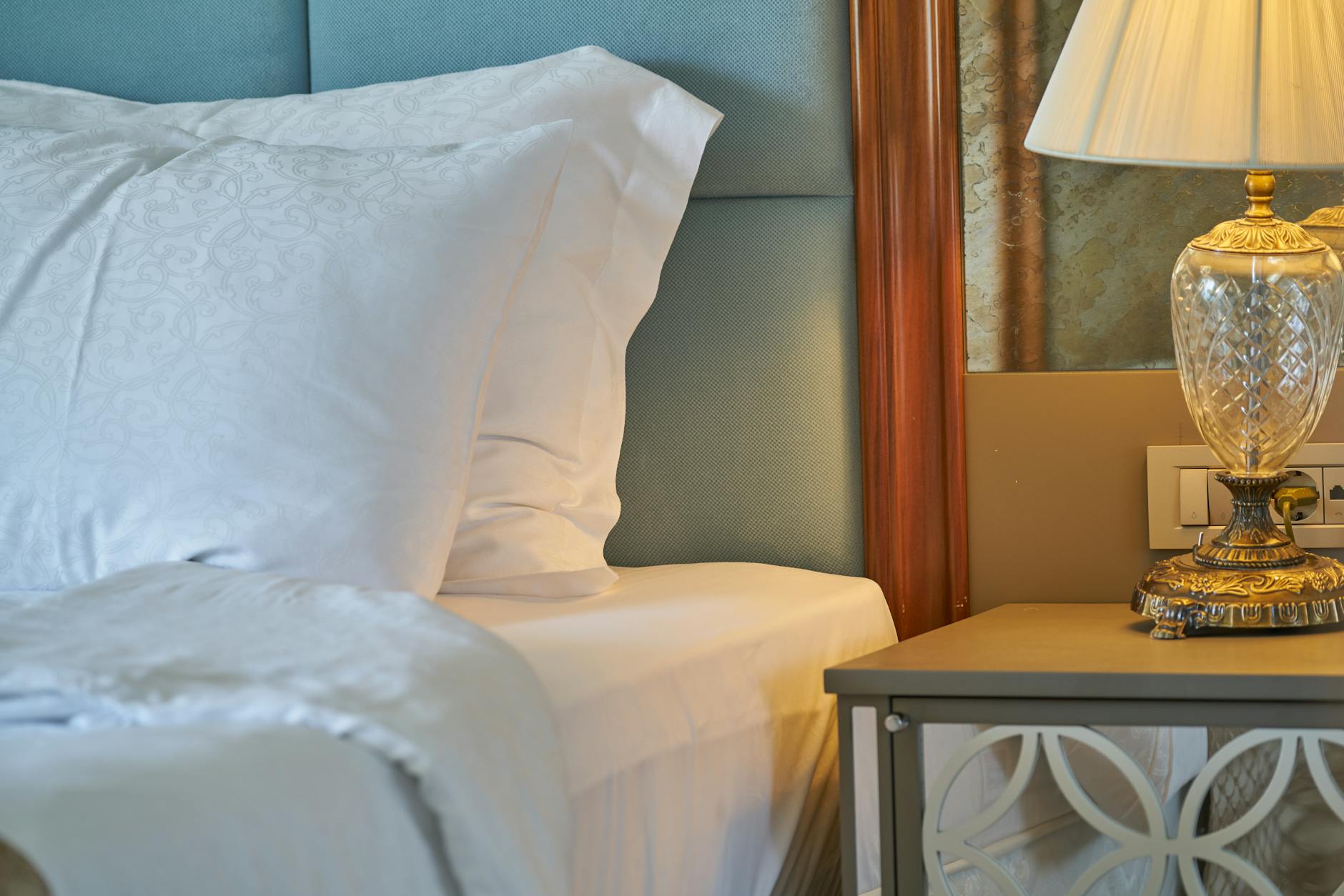
Moving from the designated sleeping area into the homeowner’s personal bedroom is a boundary violation reported with striking regularity across house-sitting platforms and forums. The master bedroom, with its larger bed, better linens, and more comfortable setup, proves too tempting for a significant number of house sitters. Some sitters rotate through multiple bedrooms over the course of a longer stay, using each one and leaving behind the evidence of their presence in the form of rumpled sheets and misplaced pillows. Discovering that someone has slept in your personal bed without permission is described by homeowners as one of the most unsettling returns from travel they have experienced.
Pet Neglect
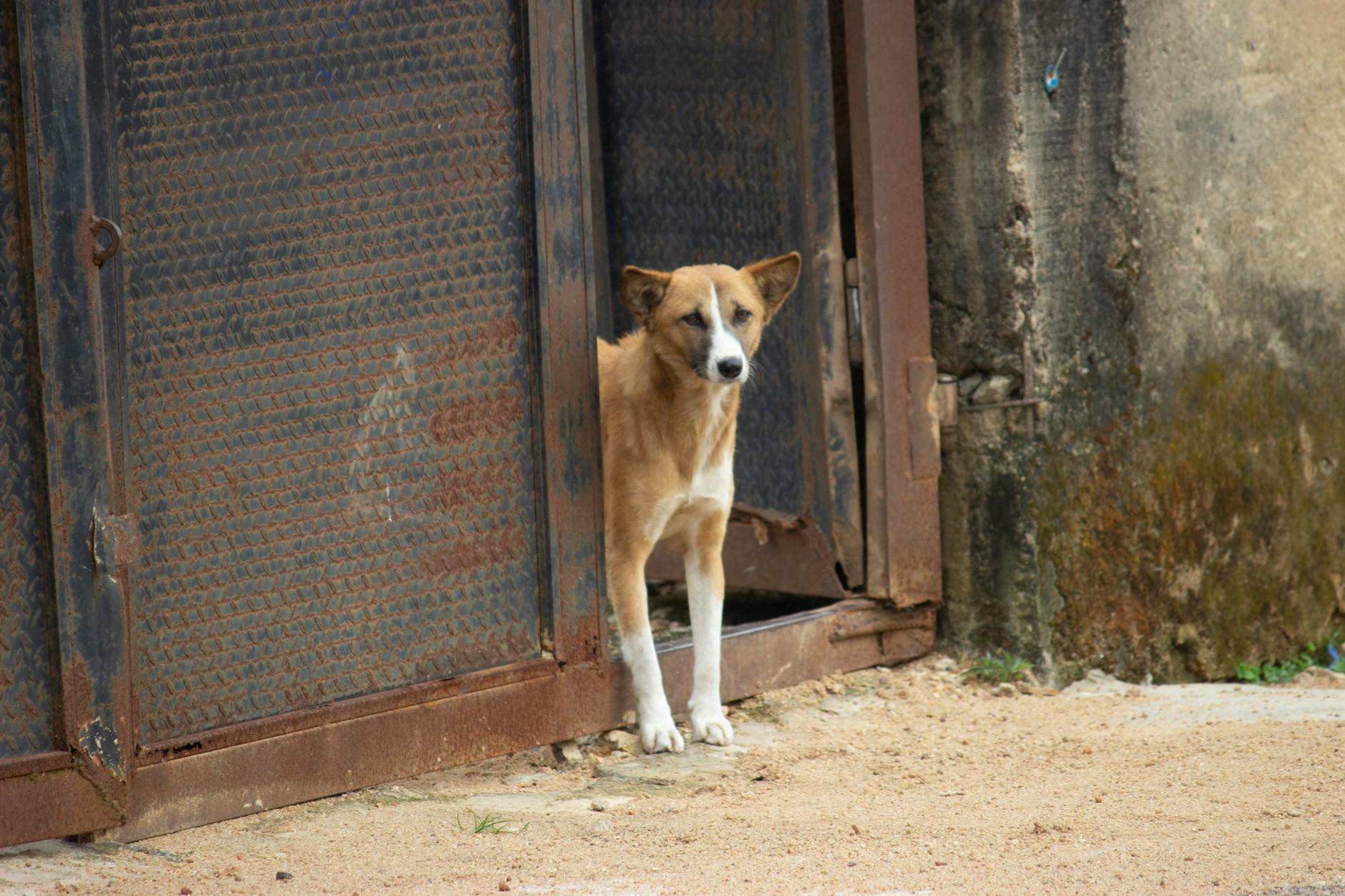
Failing to provide contracted care for pets including irregular feeding, skipped walks, and minimal interaction is a form of negligence that causes genuine distress to the animals involved. Some house sitters accept assignments specifically advertising pet care responsibilities and then largely ignore the animals once the homeowner has departed. Pets left without adequate stimulation, exercise, or affection during extended sits develop visible behavioral changes that homeowners notice immediately upon return. Security footage has captured house sitters leaving animals confined for hours beyond reasonable limits while they pursue their own social activities outside the property.
Personal Item Use

Helping themselves to the homeowner’s personal belongings including clothing, jewelry, toiletries, and grooming products is a behavior that house sitters themselves have admitted to in anonymous online confessions. Expensive skincare products, luxury fragrances, and personal care items stored in bathrooms and bedrooms are among the most frequently misappropriated items. Some sitters rationalize this behavior by telling themselves they are causing no real harm because the items are being used rather than taken permanently. The intimacy of using someone’s personal hygiene products without permission places this habit in a category that most homeowners find deeply violating.
Unauthorized Guests
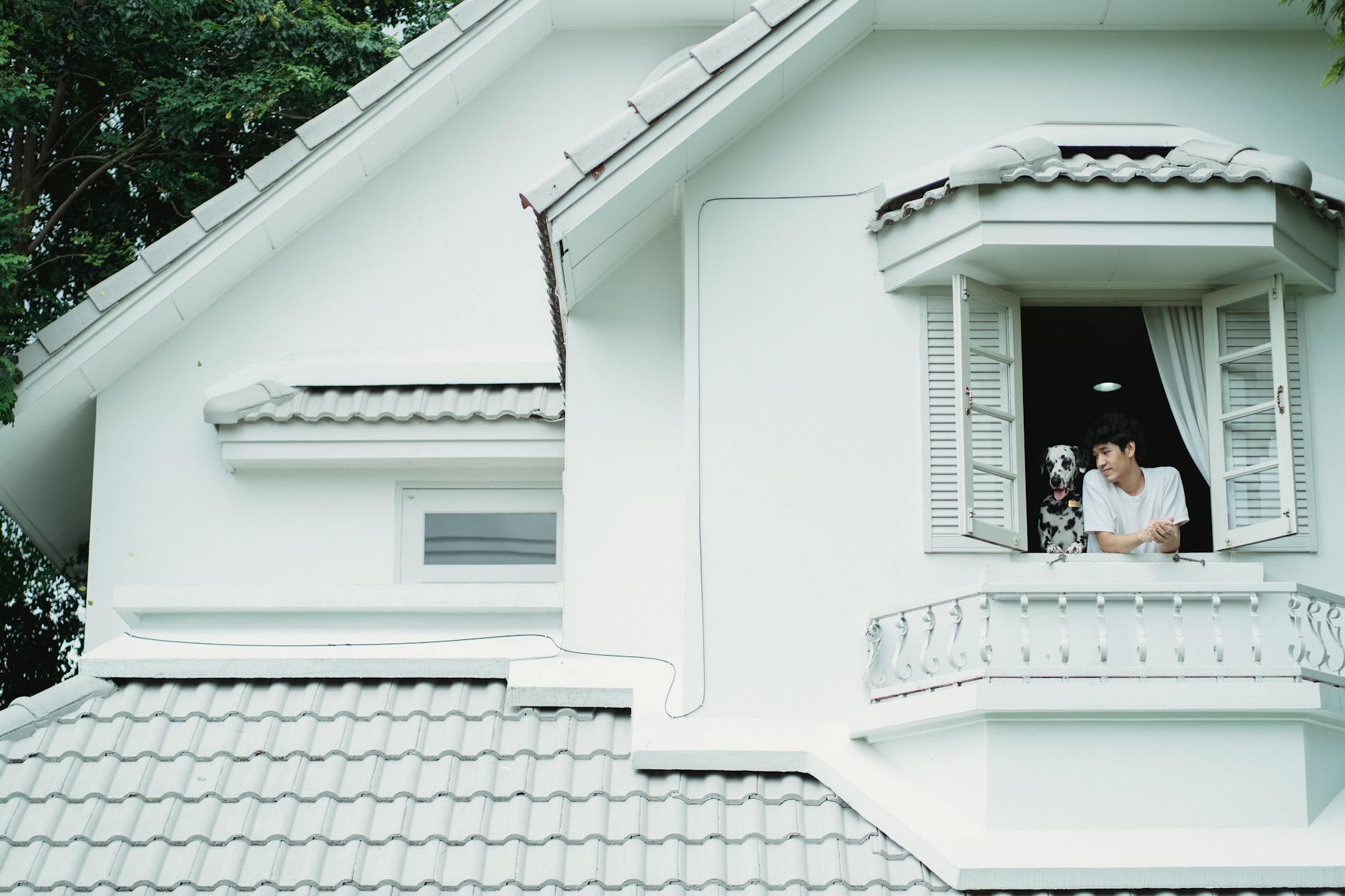
Inviting friends, romantic partners, or large groups of people into a property without prior approval from the homeowner is one of the most serious and widely reported house-sitting violations. What begins as one uninvited guest for an evening can escalate into extended stays, impromptu gatherings, and in documented cases full parties involving people the homeowner has never met. Each additional person introduced into the property increases the risk of damage, theft, and the kind of wear and tear that homeowners return to find without explanation. Many house-sitting agreements now include explicit no-guest clauses precisely because this behavior became so prevalent.
Furniture Relocation
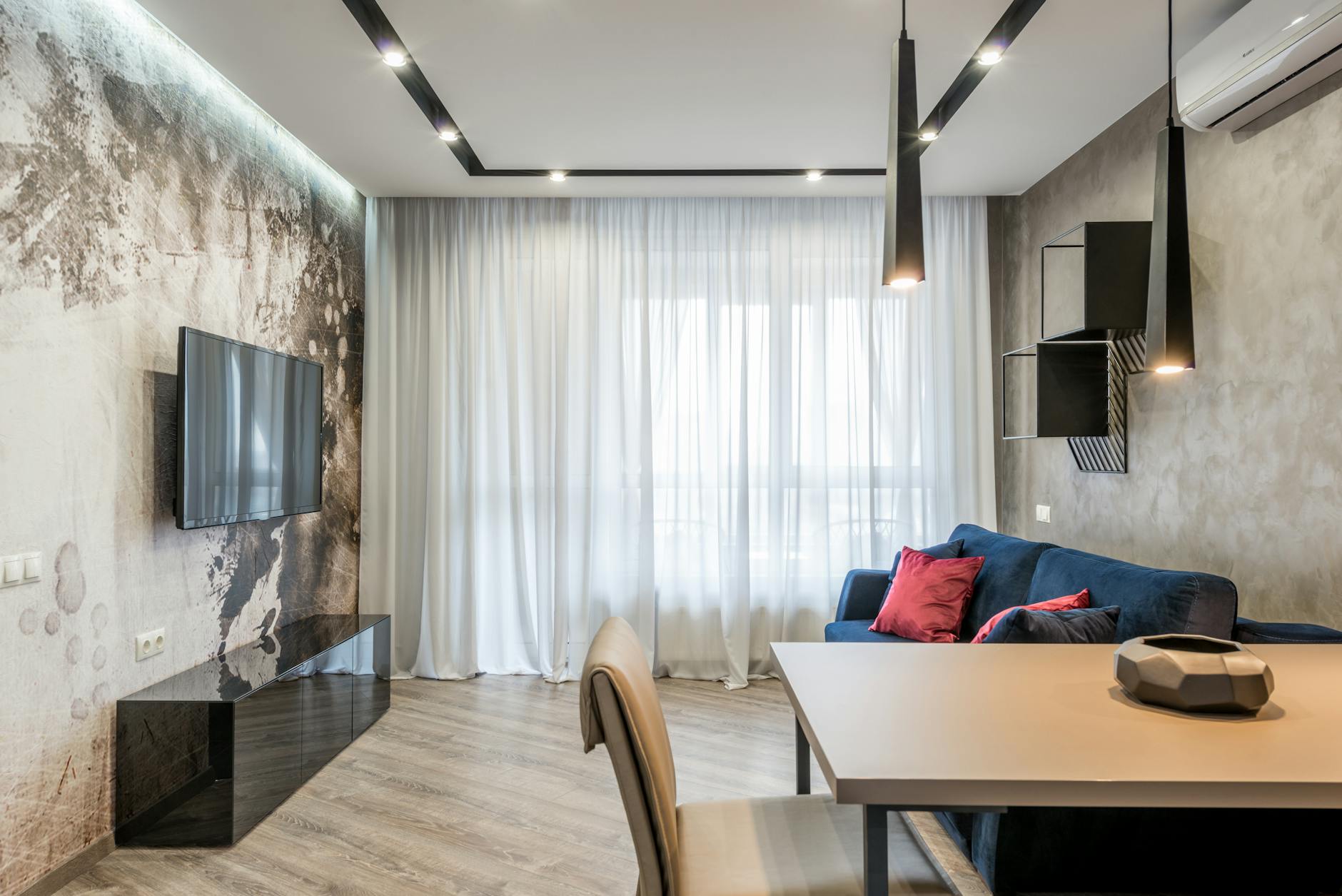
Rearranging furniture, moving decorative items, or redecorating shared spaces to suit personal preferences during a house-sitting stay reveals a remarkable disregard for the homeowner’s established environment. Sitters have been found to have pushed sofas into different configurations, moved artwork, removed items they found visually unpleasant, and generally treated the property as a staging opportunity for their own aesthetic preferences. While some minor adjustments might be functionally necessary the wholesale rearrangement of living spaces goes well beyond any reasonable interpretation of house-sitting responsibilities. Homeowners describe the experience of returning to a rearranged home as disorienting and deeply presumptuous.
Cleaning Neglect
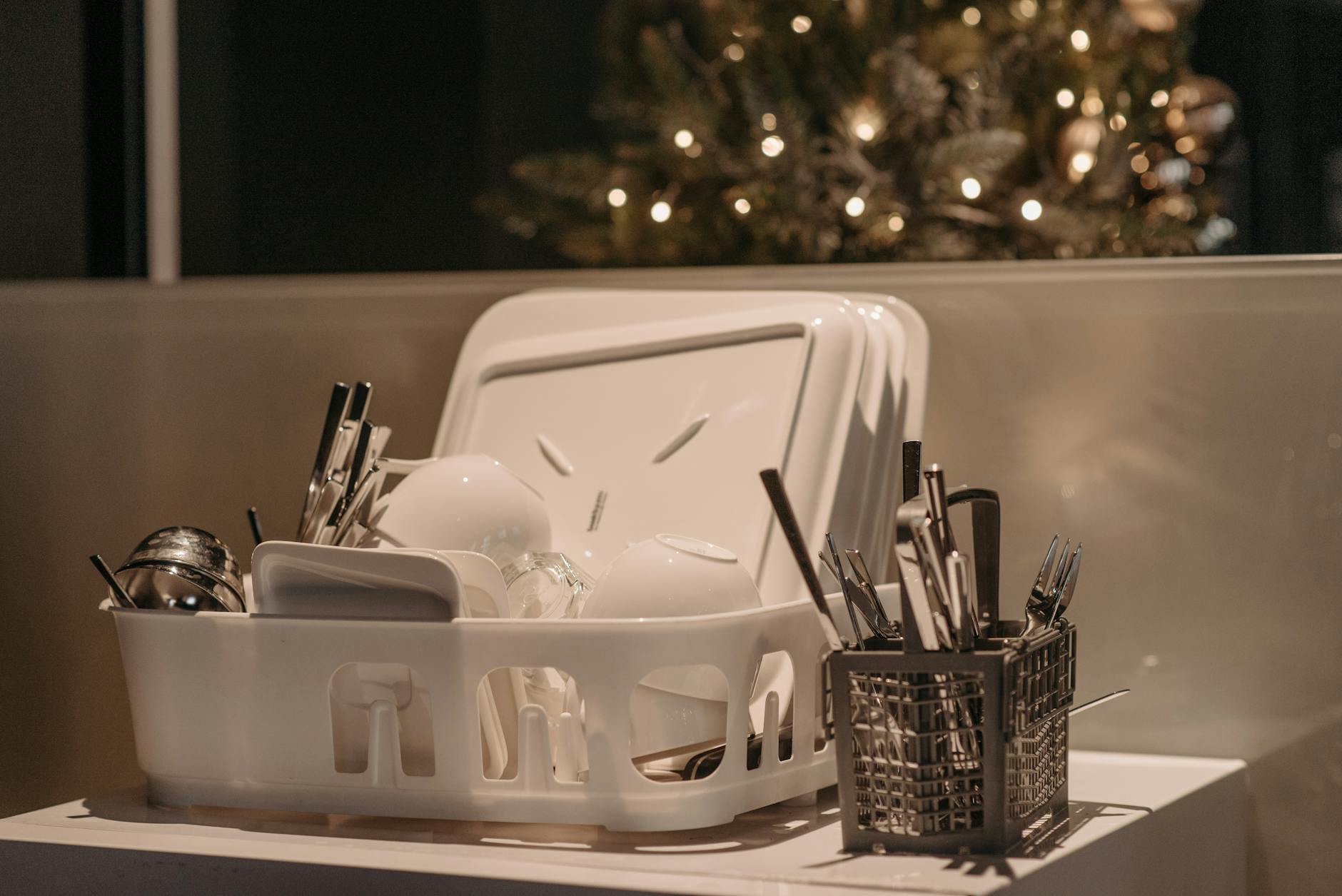
Allowing dishes to accumulate, surfaces to become grimy, and general household hygiene to deteriorate significantly over the course of a sit reflects a standard of living that many house sitters apparently consider acceptable when staying in someone else’s home. The understanding that a house sitter will maintain the property in the condition it was received is fundamental to the arrangement and yet photographic evidence shared by homeowners tells a different story with some regularity. Kitchens left with baked-on residue on stovetops, bathrooms with visible mold growth from neglected surfaces, and living areas buried under food packaging have all been documented. The temporary nature of the arrangement appears to remove any motivation for basic maintenance in a subset of house sitters.
Thermostat Abuse
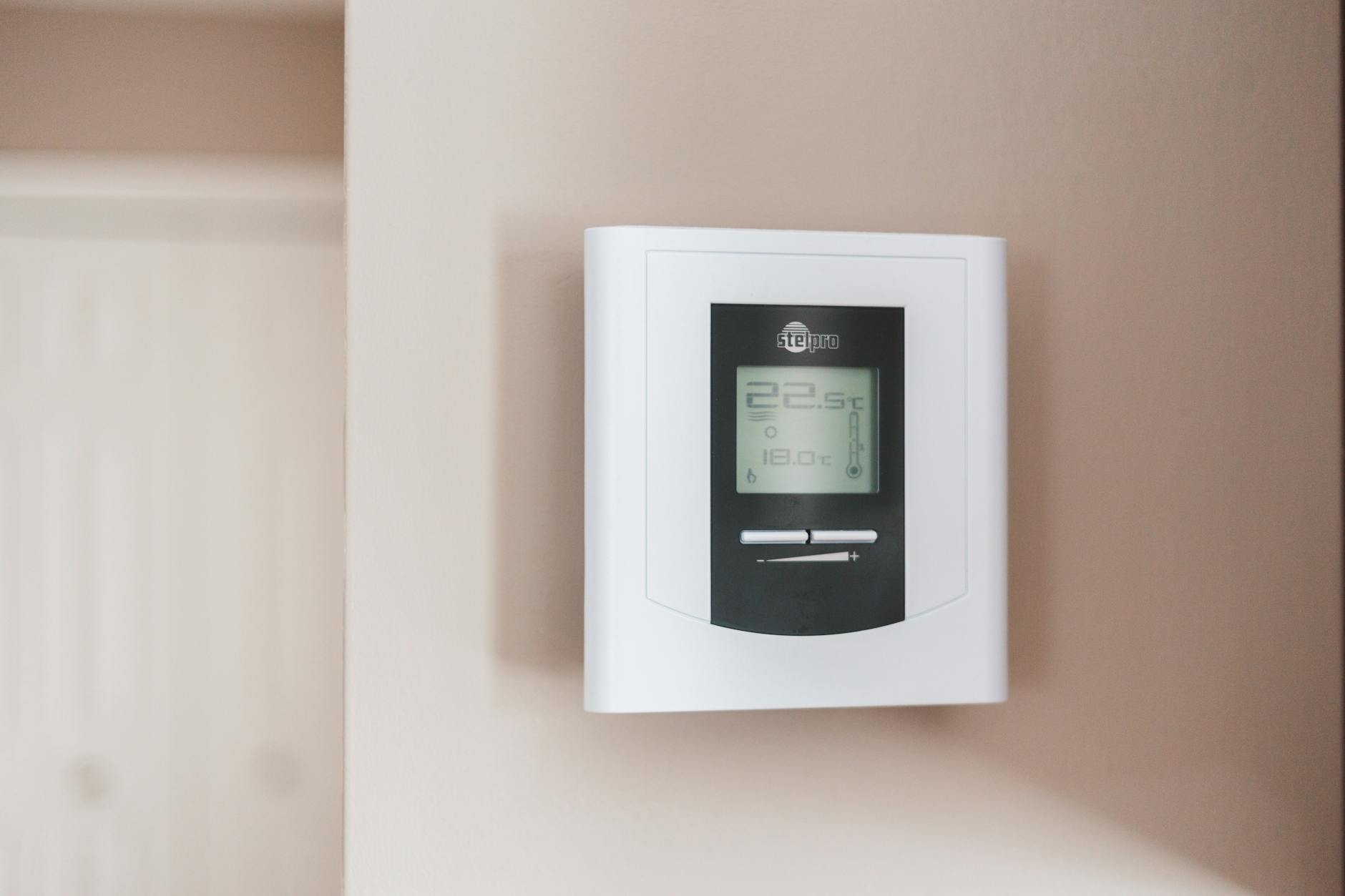
Cranking heating or air conditioning to extreme settings without regard for the resulting utility costs is a habit that becomes visible when homeowners receive their energy bills following a house-sitting period. Some sitters maintain their preferred temperature around the clock including in unused rooms, treating the homeowner’s utilities as a completely unlimited resource. Smart home systems and connected thermostats have made this behavior increasingly documentable, with usage logs showing dramatic spikes during house-sitting periods. The financial impact of thermostat abuse over a two or three week sit can be surprisingly significant and entirely invisible until the bill arrives.
Bathroom Neglect
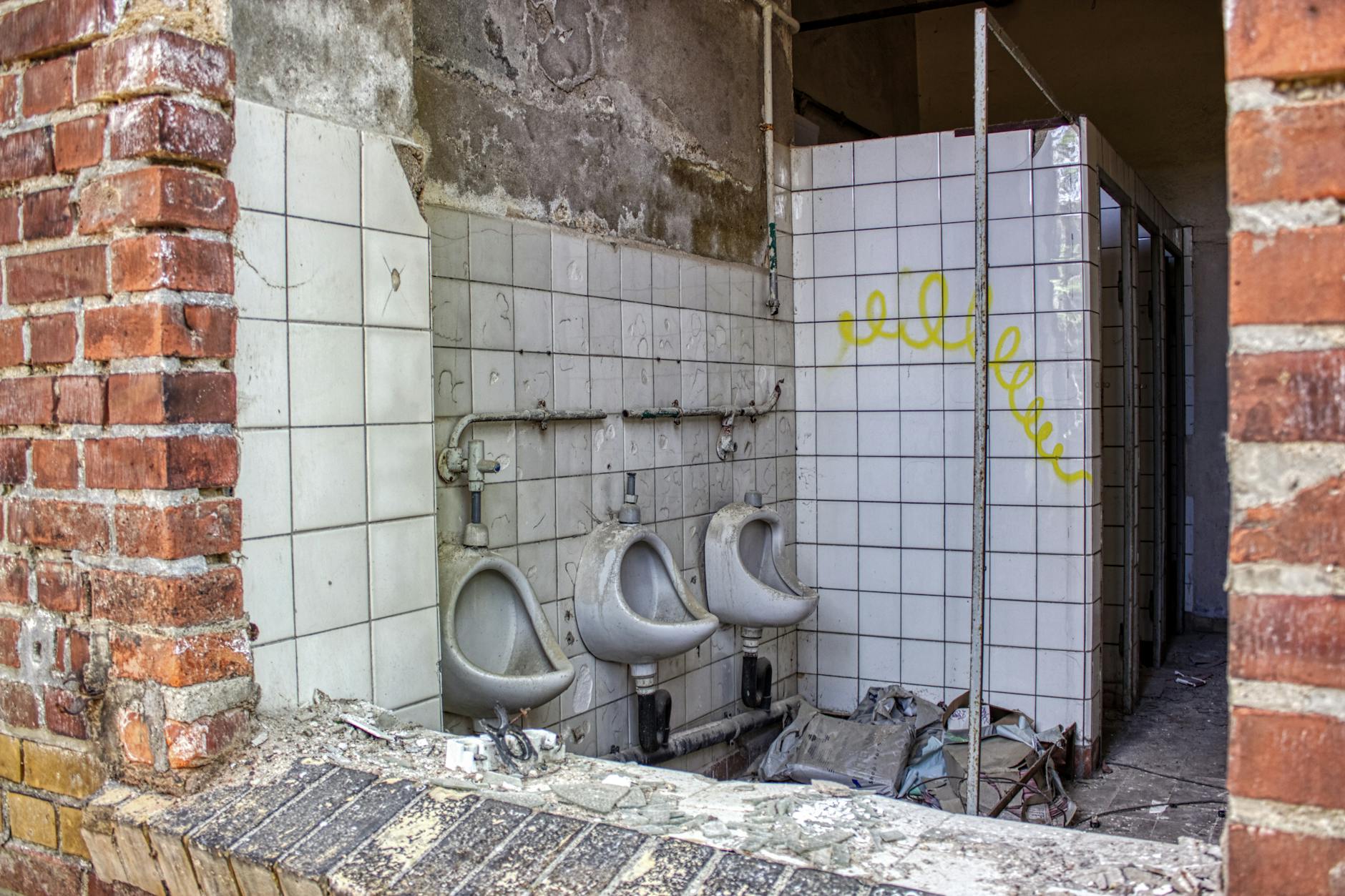
Leaving bathrooms in states of hygiene that they would never tolerate in their own homes is a pattern documented through homeowner accounts and security system footage reviewed after unexplained messes. Toilets left unflushed, floors used without bath mats and never mopped, and showers left with accumulated residue are among the conditions homeowners have returned to find. The assumption that someone else will address the mess before it matters appears to operate as a powerful disinhibitor for house sitters occupying someone else’s bathroom space. Some homeowners have described their bathrooms post-sit in terms that suggest a complete suspension of normal hygiene standards.
Secret Smoking

Smoking inside a property that has been clearly established as a non-smoking home and then attempting to disguise the evidence with air fresheners and open windows is a betrayal of basic house-sitting trust. The smell of cigarette or other smoke permeates soft furnishings, carpets, and curtains in ways that no amount of ventilation fully eliminates within a typical house-sitting timeframe. Homeowners with respiratory sensitivities, allergies, or simply a strong preference for a smoke-free environment return to find their spaces compromised in a way that can take weeks to fully address. The attempt to conceal the behavior with scented products rather than simply not smoking inside compounds the original violation.
Food Mess Hiding
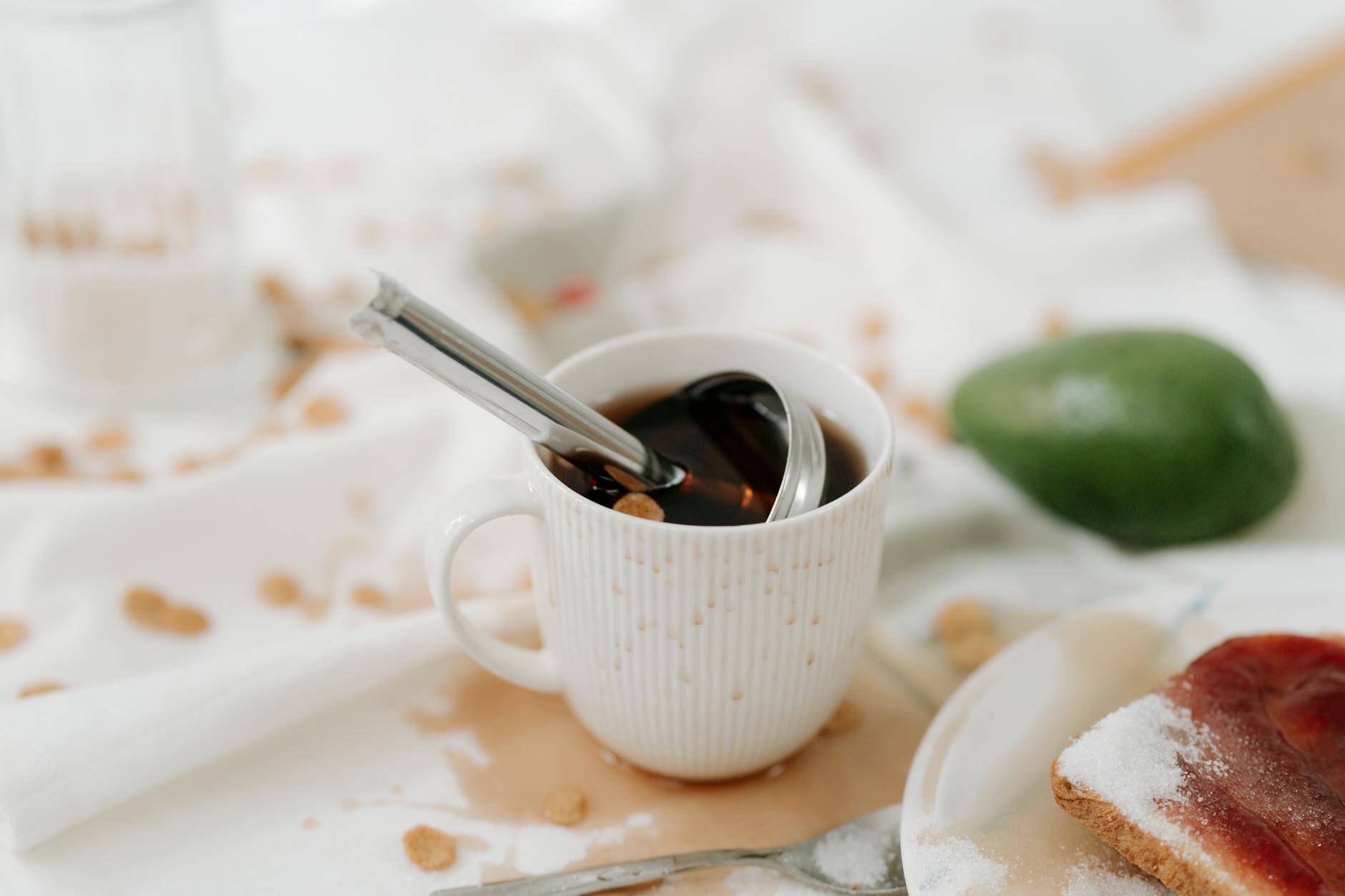
Concealing food spills, stains, or residue rather than cleaning them properly is a specific form of negligence that creates long-term damage to upholstery, carpeting, and surfaces. House sitters have been found to have turned cushions over to hide staining, pushed furniture against walls to conceal carpet damage, and covered marks with strategically placed objects. The delayed discovery of these hidden messes often means that what could have been easily cleaned immediately has had time to set, stain permanently, or develop mold. This behavior combines both the original negligence of creating the mess and the dishonesty of attempting to hide it.
Laundry Misuse
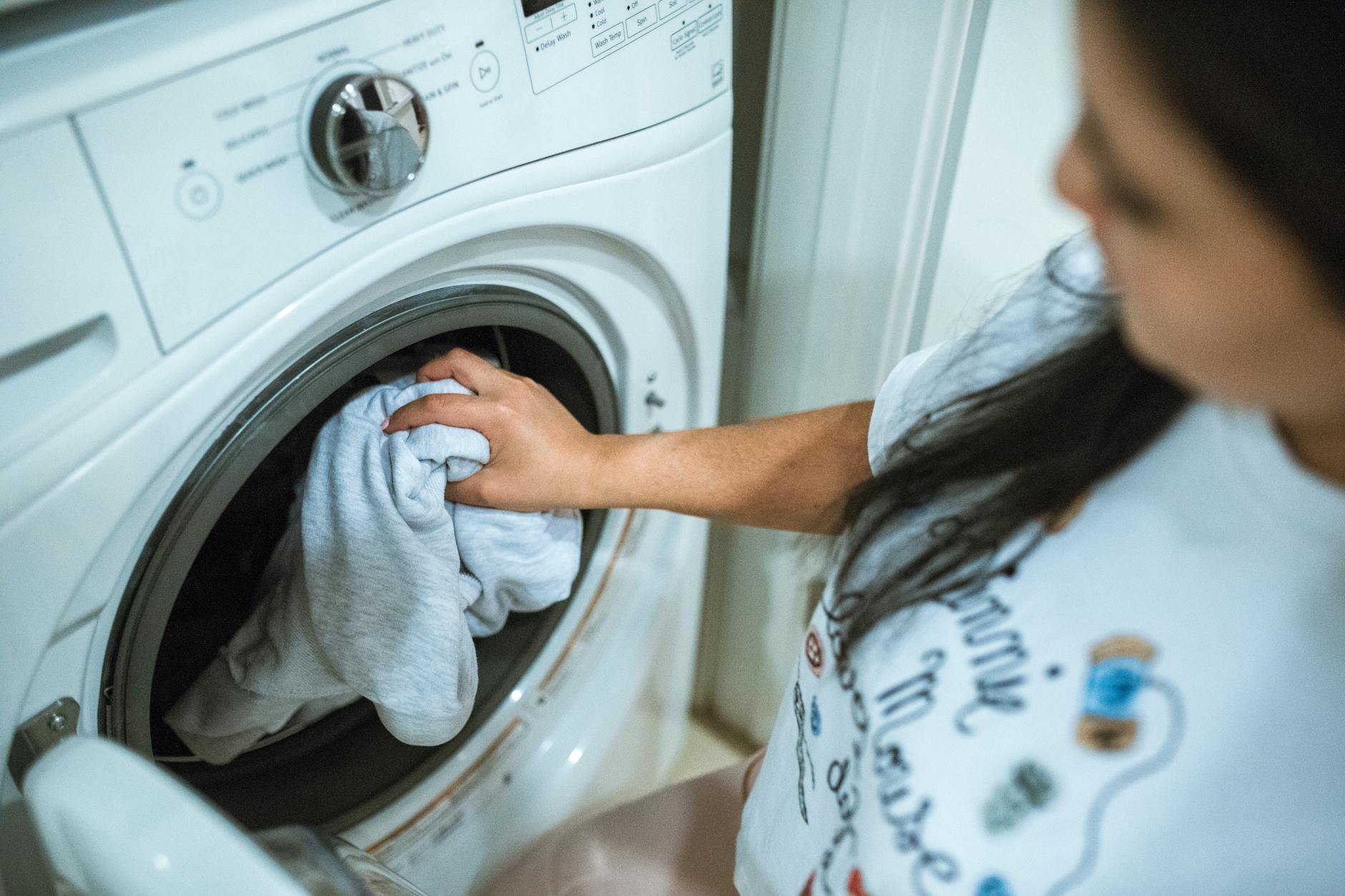
Using the homeowner’s washing machine and dryer for extensive personal laundry loads including items brought specifically to the property for this purpose treats private appliances as a free laundromat service. Some sitters have been documented washing not only their own clothes but those of their unauthorized guests, running multiple loads daily throughout a sit. Beyond the utility costs involved, improper use of laundry appliances including overloading, incorrect detergent use, and failure to clean lint traps creates wear and the risk of mechanical damage. Homeowners who discover a depleted detergent supply alongside unfamiliar clothing items left behind have little difficulty reconstructing what occurred.
Garden Destruction
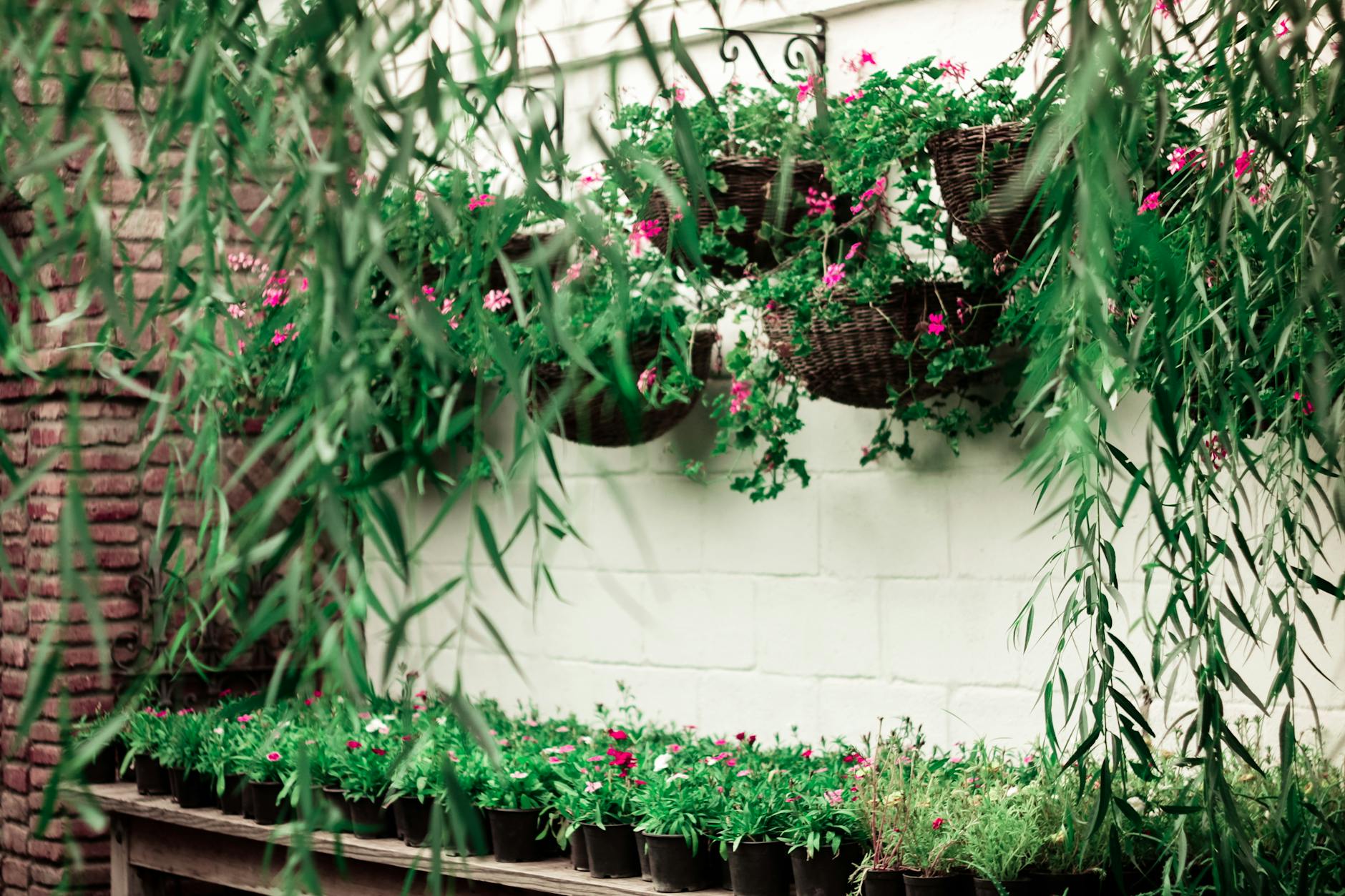
Ignoring agreed-upon garden maintenance responsibilities and allowing plants, lawns, and outdoor areas to deteriorate significantly during a sit is a failure with consequences that outlast the house-sitter’s departure by weeks or months. Watering schedules abandoned for extended periods, potted plants left to die, and lawns left uncut beyond reasonable growth thresholds have all been reported by returning homeowners. Some sitters actively damage garden areas through careless behavior including driving or parking on lawn areas, discarding materials in garden beds, and allowing pets to destroy plantings. The visual and practical impact of garden neglect is immediately apparent and can take an entire growing season to reverse.
Alcohol Cabinet Raiding

Treating a homeowner’s liquor cabinet or wine collection as part of the house-sitting compensation is a behavior that surfaces repeatedly in property owner complaints and anonymous house-sitter admissions. Expensive bottles opened with no apparent consideration for their value, wine collections depleted by multiple bottles, and spirits replaced with cheaper alternatives in original bottles are among the documented examples. Some house sitters operate under an apparent assumption that consumable items in the home are implicitly available for their use in a way that extends to alcohol without any such agreement having been made. The financial value of a depleted alcohol collection can be substantial and is rarely discussed or reimbursed by the sitter responsible.
Mail Intrusion
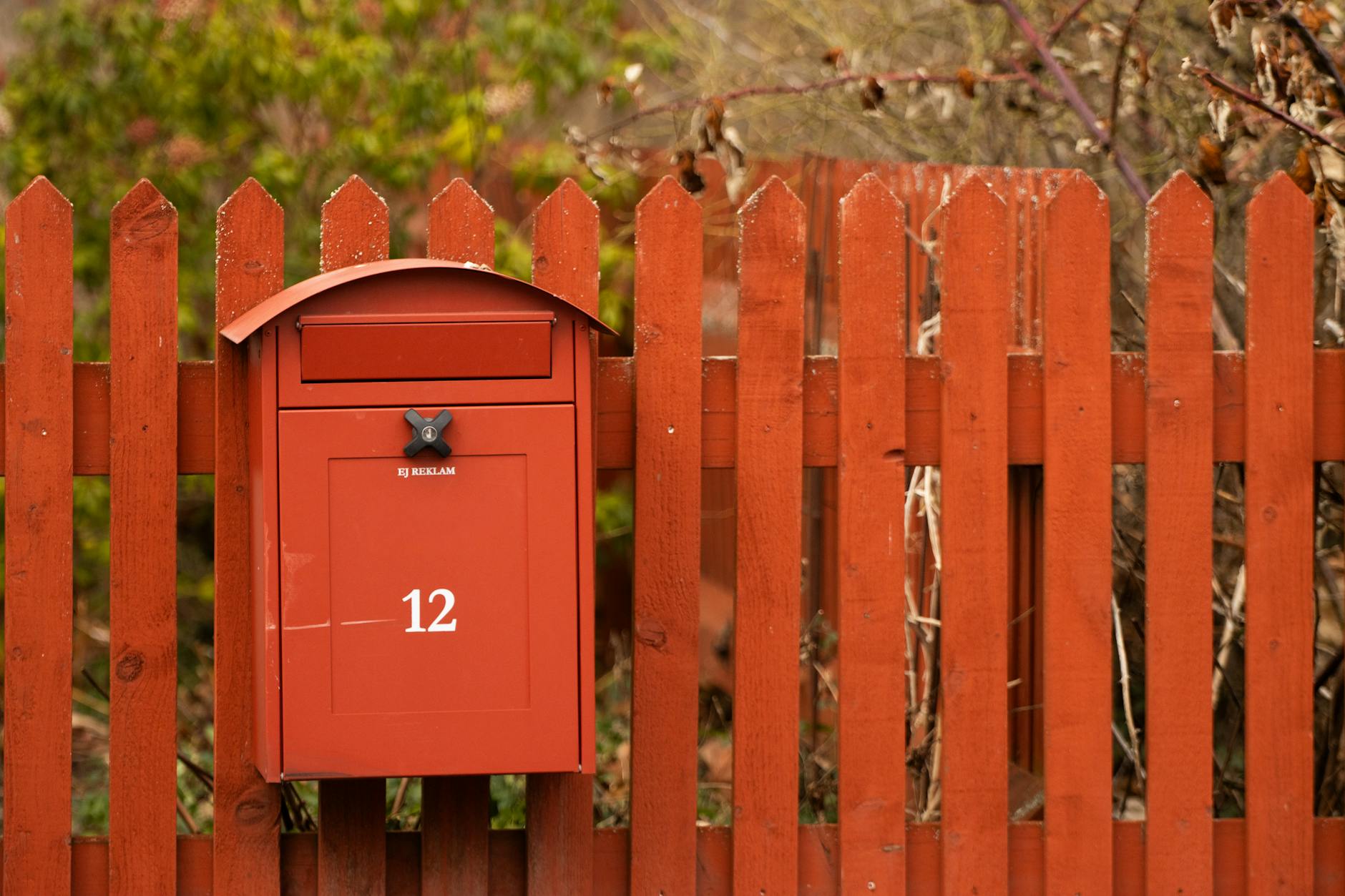
Opening, reading, or interfering with the homeowner’s personal mail and delivered packages goes beyond simple curiosity into territory that is in many jurisdictions a legal violation. House sitters have been reported to open parcels, read personal correspondence, and in some cases handle sensitive financial or legal documents that arrive during their stay. The rationalization that they are simply managing arrivals on behalf of the homeowner does not extend to opening sealed personal mail without explicit instruction to do so. Homeowners who discover opened correspondence upon return describe the experience as a significant privacy violation that reframes everything else about the house-sitting arrangement.
Workspace Invasion
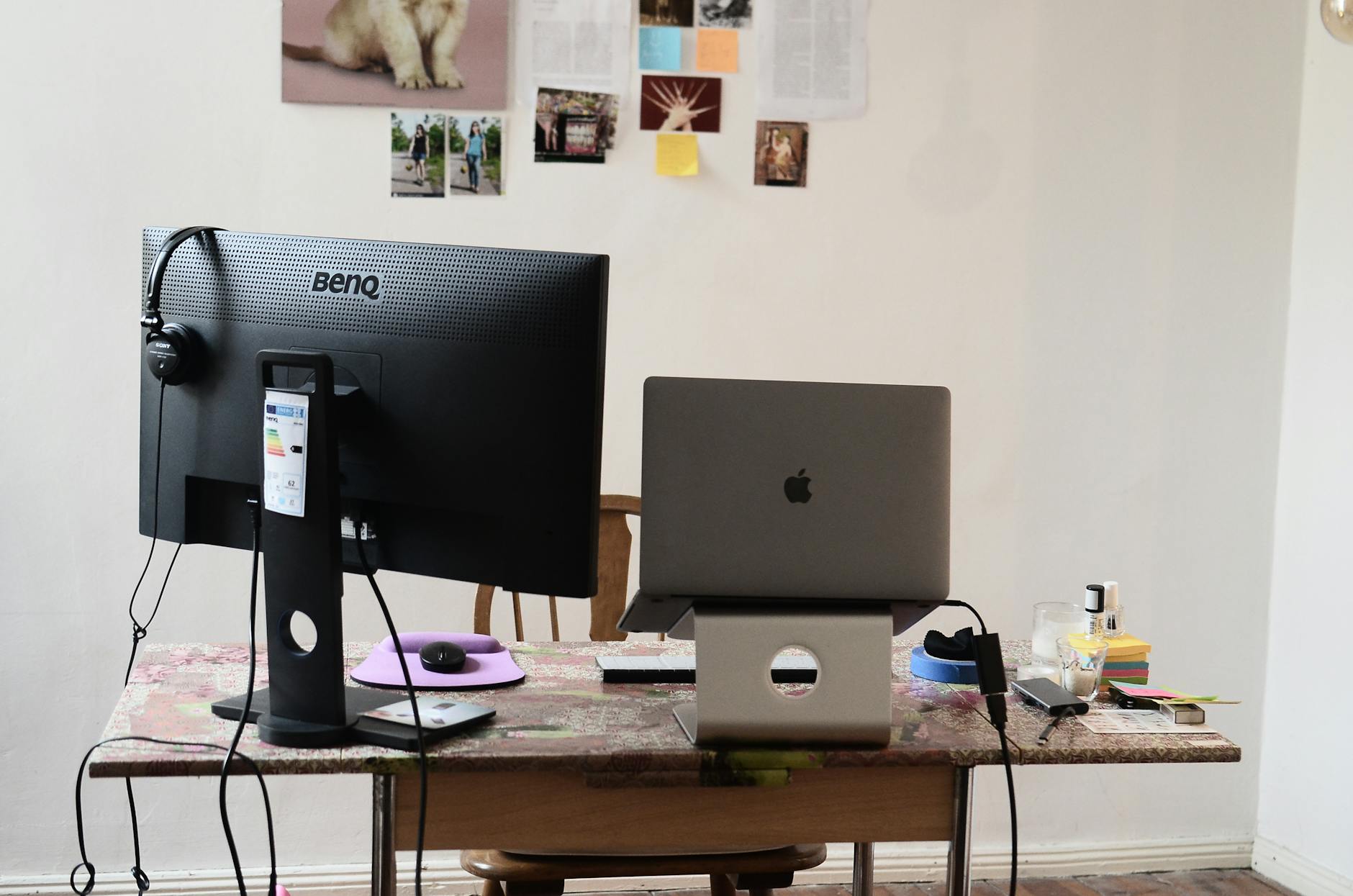
Using the homeowner’s personal computer, home office equipment, or professional workspace without permission is a form of intrusion that carries both privacy and security implications. Logging into personal devices, accessing home office printers for personal use, and using professional equipment including cameras, recording devices, and specialized tools have all been documented. Some house sitters browse personal files, photo libraries, and stored documents on unlocked devices with an apparent belief that the physical access granted by the house-sitting arrangement extends to digital access as well. The security implications of an unauthorized person using a homeowner’s connected devices are significant and often irreversible.
Noise Negligence

Producing levels of noise including loud music, television at extreme volumes, and disruptive activity at unreasonable hours that affect neighbors and violate any reasonable interpretation of respectful house-sitting conduct is a complaint that arrives not only from homeowners but from the surrounding community. Neighbors who raise concerns with returning homeowners about noise during the sit period are providing evidence of behavior that the house sitter presumably believed would go unnoticed or unreported. Some sitters appear to treat the temporary removal of the homeowner as permission to operate the property as though normal community standards have been suspended. The relational damage between homeowners and their neighbors that results from a house sitter’s noise behavior can persist long after the sit has ended.
Sacred Space Disrespect

Entering rooms, areas, or spaces that were explicitly designated as off-limits during the house-sitting arrangement is a direct and deliberate violation of the agreed terms of the stay. Homeowners lock or restrict access to certain rooms for a range of legitimate reasons including the protection of valuable items, sensitive documents, personal memorabilia, or simply private space. House sitters who bypass these boundaries through spare keys, unlocked entry points, or simply testing whether restrictions are enforced reveal a fundamental disregard for the terms they agreed to. The discovery of evidence that a restricted space has been entered is cited by homeowners as one of the most trust-destroying outcomes of a house-sitting arrangement.
Plumbing Misuse
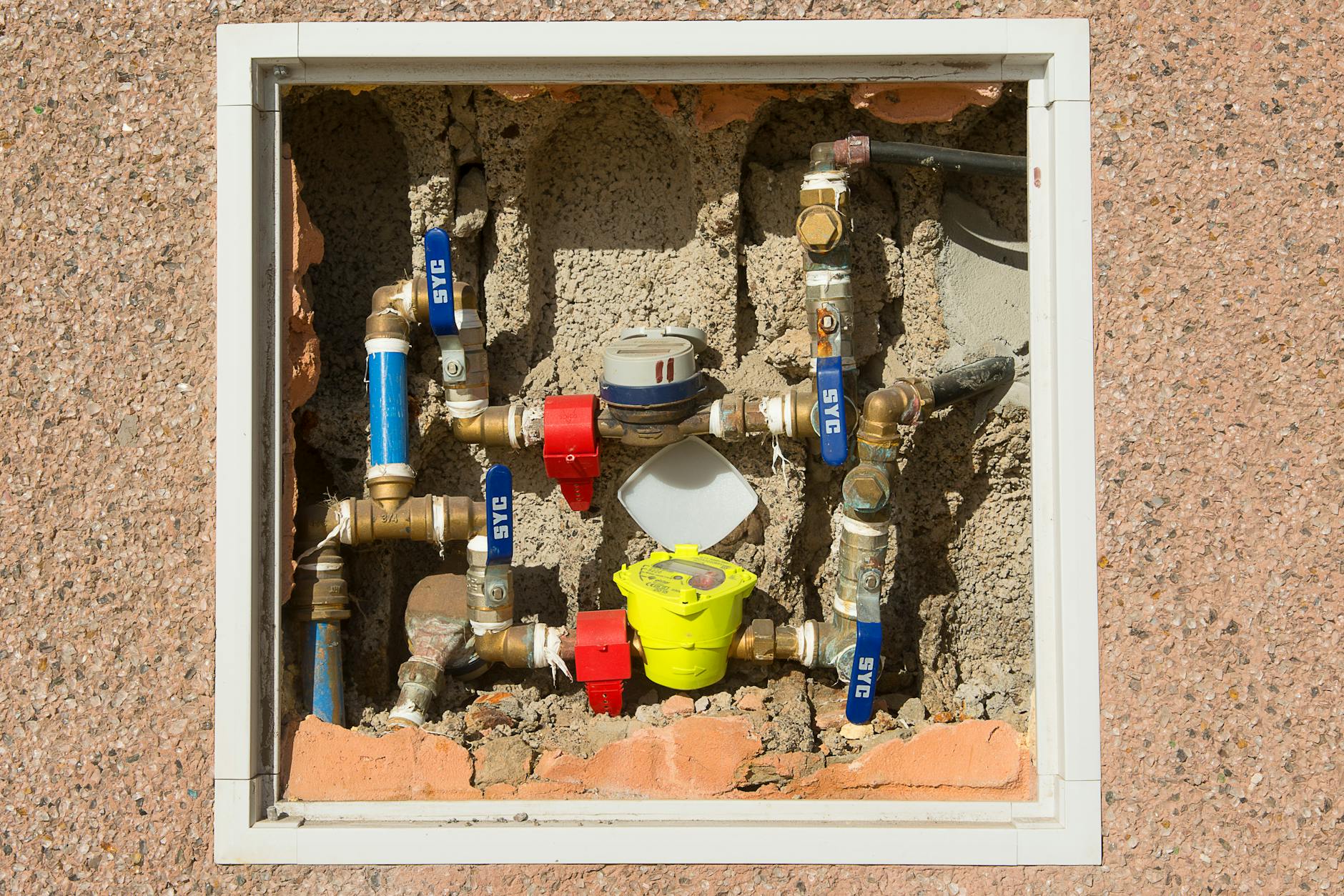
Causing plumbing issues through improper use of toilets, drains, and disposal systems and then either ignoring the resulting problem or attempting to conceal it creates damage that can escalate significantly before the homeowner returns. Flushing items that are not suitable for plumbing systems, overloading garbage disposals, and ignoring slow drains that develop into blockages during the sit are all documented examples. Some house sitters have left properties with significant plumbing issues clearly in progress without contacting the homeowner or taking any action to address them. The cost of plumbing repairs attributed to misuse during a house-sitting period is a recurring source of post-sit disputes between homeowners and sitters.
Security Negligence
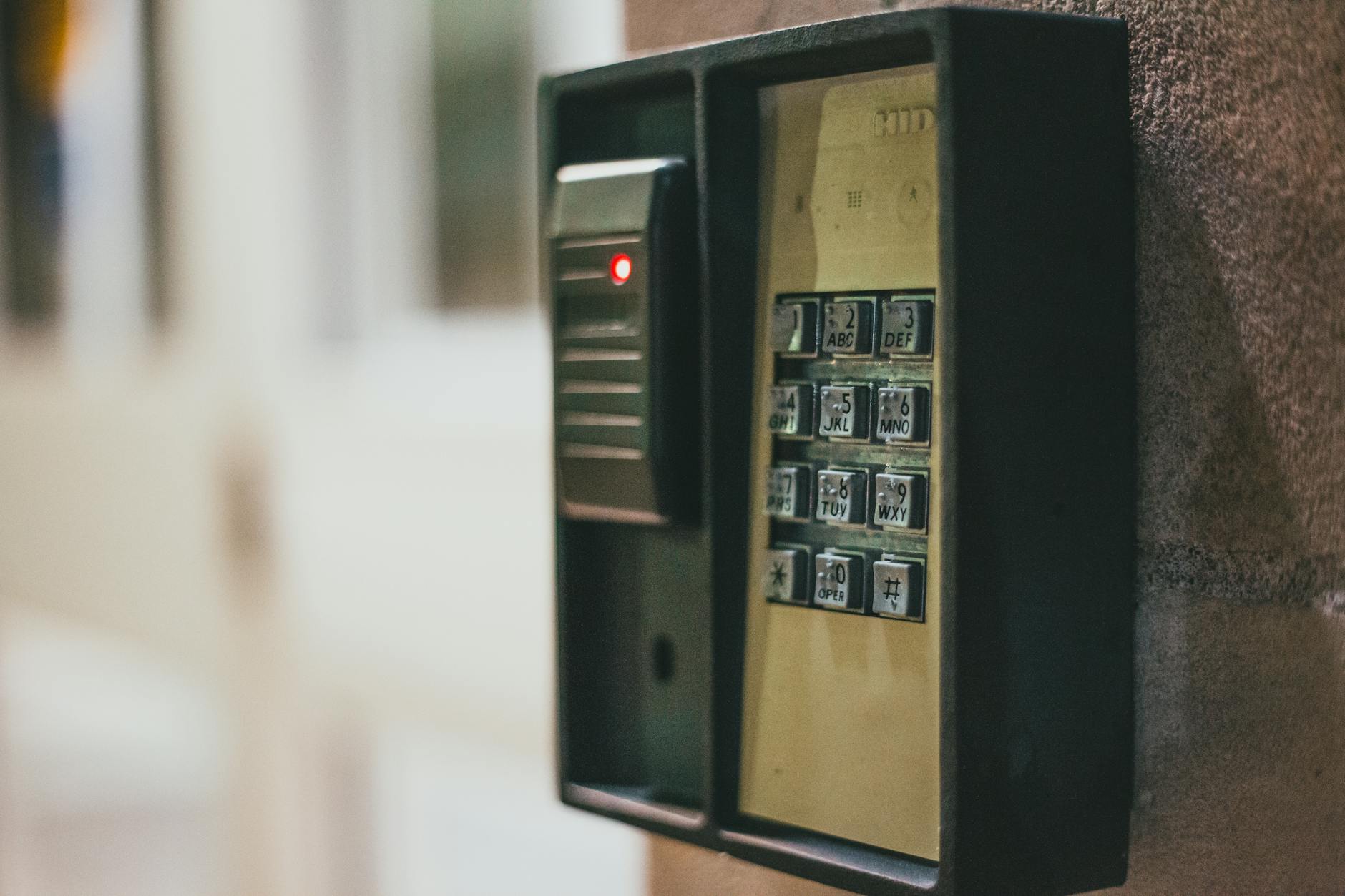
Leaving doors unlocked, disabling alarm systems for convenience, providing entry codes to unauthorized visitors, or otherwise compromising the security of a property places both the home and its contents at genuine risk. Some house sitters find the process of managing security systems cumbersome and quietly disable them for the duration of their stay rather than learning to use them correctly. Others share door codes or key access with friends and guests without any consideration for the security implications of doing so. Homeowners who discover that their security arrangements were compromised during a sit face not only the immediate concern about what may have occurred but also the practical challenge of changing codes, locks, and security protocols.
Valuables Handling

Handling, moving, examining, or in some cases photographing the homeowner’s valuable possessions including art, collectibles, jewelry, and personal heirlooms without any authorization to do so is a violation reported across house-sitting communities with troubling frequency. Items that are clearly personal, fragile, or valuable are treated by some sitters as curiosities to be explored during the slow hours of a long sit. The act of handling valuable items significantly increases the risk of accidental damage and in cases where items later go missing creates a legitimate question about what occurred during the sit. Homeowners who inventory their valuables before and after a sit not uncommonly discover items that have been moved, damaged, or in some cases are unaccounted for entirely.
Pet Boundary Crossing
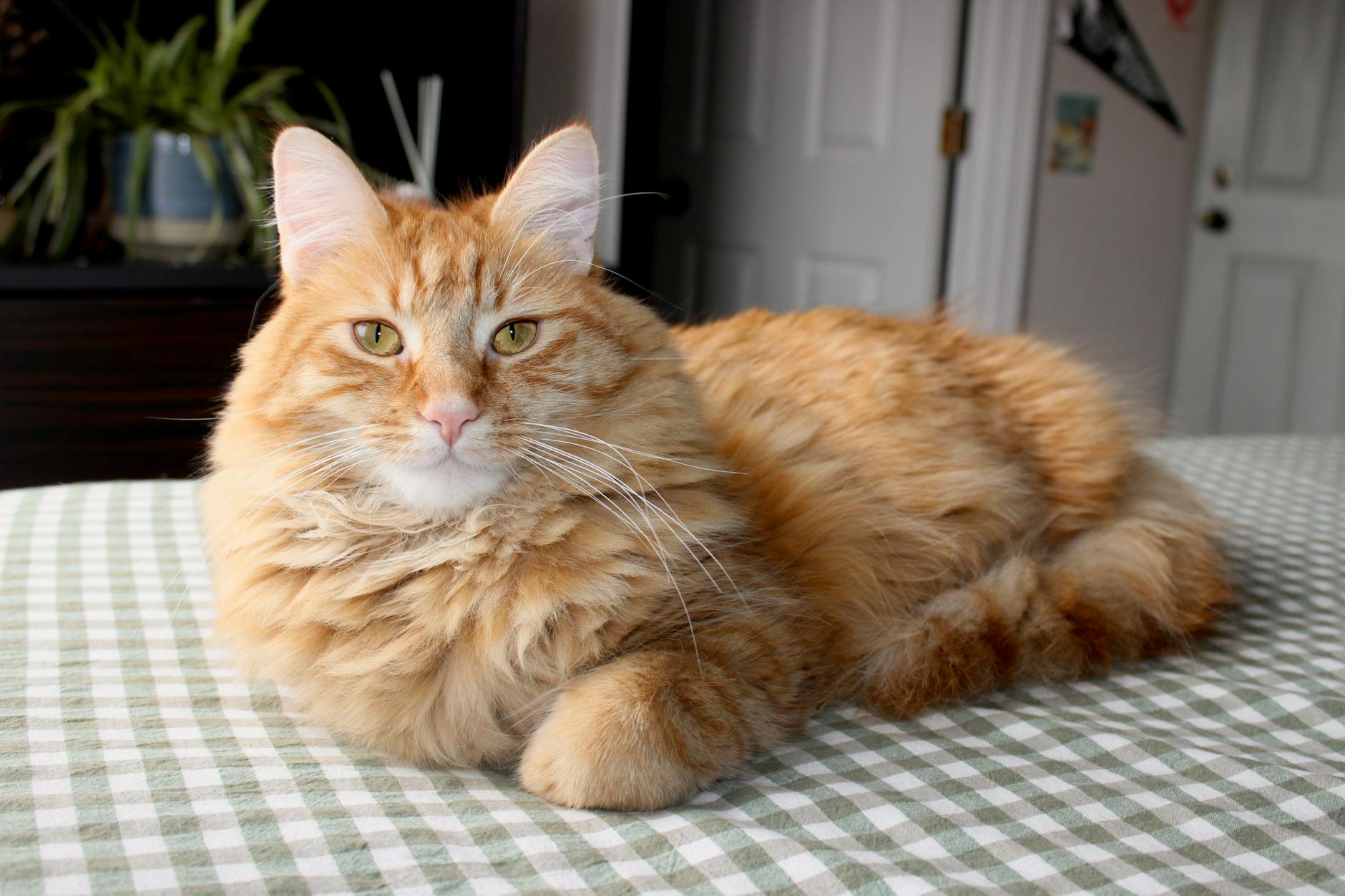
Allowing pets into rooms, onto furniture, or into outdoor areas that were specifically identified as restricted zones during the care instructions provided by the homeowner creates behavioral patterns in animals that persist after the sitter has gone. Dogs trained to stay off furniture develop confusion and regression when a house sitter spends two weeks allowing them on the sofa, and the homeowner returns to an animal whose boundaries have been entirely erased. Beyond the behavioral impact, permitting pets into restricted areas can expose them to hazards the homeowner was specifically protecting against. This form of house-sitting negligence is particularly frustrating because its consequences are experienced by the homeowner and the pet long after the sitter has left.
Utility Waste
Running water continuously, leaving lights on throughout unoccupied areas of the property, operating appliances unnecessarily, and generally treating utilities as an unlimited and cost-free resource is a pattern of behavior that becomes financially visible to homeowners in the billing cycle that follows the sit. Some house sitters appear to operate on a different standard of resource consumption in someone else’s home than they would ever apply to their own utility bills. The cumulative cost of a house sitter’s utility waste across heating, cooling, water, and electricity over a multi-week stay can represent a meaningful and entirely unexpected expense for the homeowner. This behavior rarely rises to the level of deliberate exploitation and more often reflects a simple absence of consideration for the financial reality behind the resources being consumed.
Evidence Staging
Spending time in the final hours of a house-sitting stay attempting to restore the property to its original condition after weeks of careless behavior is a calculated effort to avoid accountability that homeowners and home security systems have exposed with increasing regularity. The rushed deep-clean, the rearranged furniture returned to approximate positions, and the depleted items replaced with generic substitutes all tell a story that experienced homeowners have learned to read. Security footage reviewed after a concerning return has in numerous documented cases shown a frantic last-day effort to conceal the evidence of everything that took place during the sit. The staging of a seemingly normal return scene is in many ways the most revealing behavior of all because it confirms that the sitter was fully aware throughout that what they were doing was unacceptable.
If you have experienced any of these behaviors as a homeowner or have your own house-sitting stories to share leave your thoughts in the comments.




