The 1990s defined a unique era of pop culture that brought grunge music and the dawn of the internet alongside questionable aesthetic choices. Fashion and beauty trends from this decade often prioritized experimental looks that frequently sacrificed comfort and practicality. Many individuals look back at family photos from this period with a mix of heavy nostalgia and aesthetic confusion. While some retro styles eventually return to the runway with modern updates, certain fads from the 90s deserve to remain in the past permanently.
Pencil Thin Eyebrows
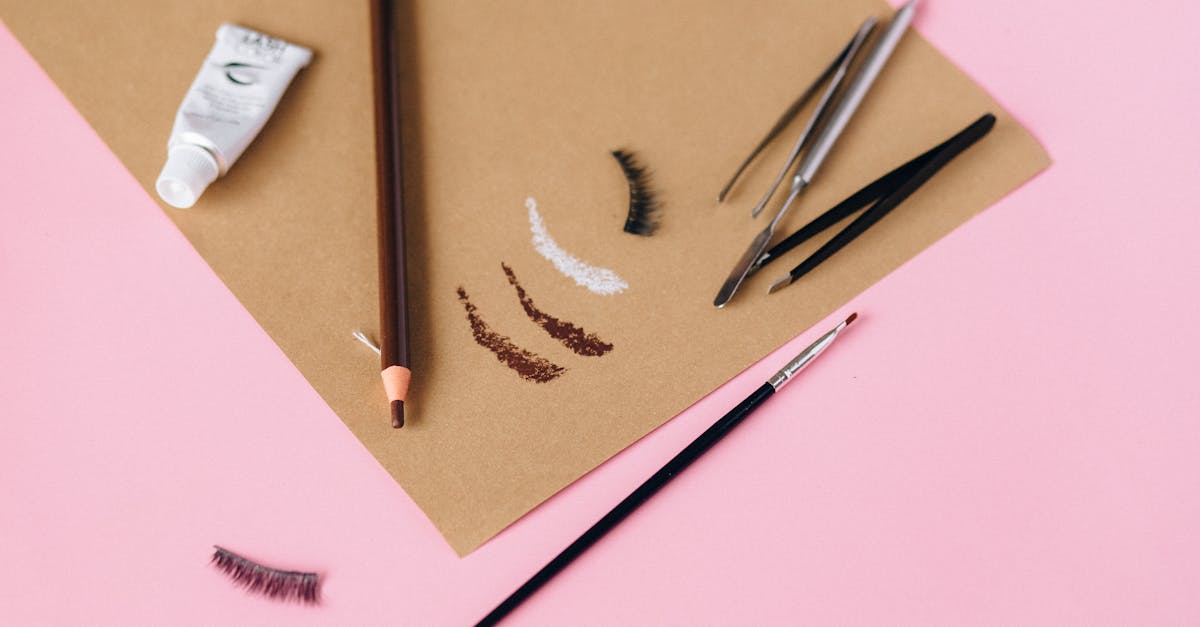
This beauty trend involved over-plucking eyebrows until they resembled mere pencil lines drawn high onto the forehead. Many individuals permanently damaged their hair follicles and struggled to regrow their natural arches later in life. The severe look often created a perpetually surprised expression that lacked natural definition or facial framing. Makeup artists today spend significant time correcting this past mistake through microblading and shading techniques to restore fullness.
Frosted Tips

Boy bands popularized the distinct hairstyle of spiking hair with excessive gel and bleaching only the very ends. The high contrast between dark roots and platinum tips created a harsh and unnatural aesthetic that required constant maintenance. Keeping the look fresh was difficult because the tips would frequently turn brassy or break off due to chemical damage. This hairstyle remains one of the most recognizable yet regretted grooming choices for men during that decade.
Inflatable Furniture

Plastic chairs and sofas filled with air were marketed as the ultimate futuristic room decor for teenagers and college students. These items were incredibly uncomfortable to sit on and stuck unpleasantly to bare skin during warm weather. The squeaking noise produced by the slightest movement disrupted conversations and movie nights alike. Durability was nonexistent since a single accidental puncture rendered the entire piece of furniture completely useless.
JNCO Jeans
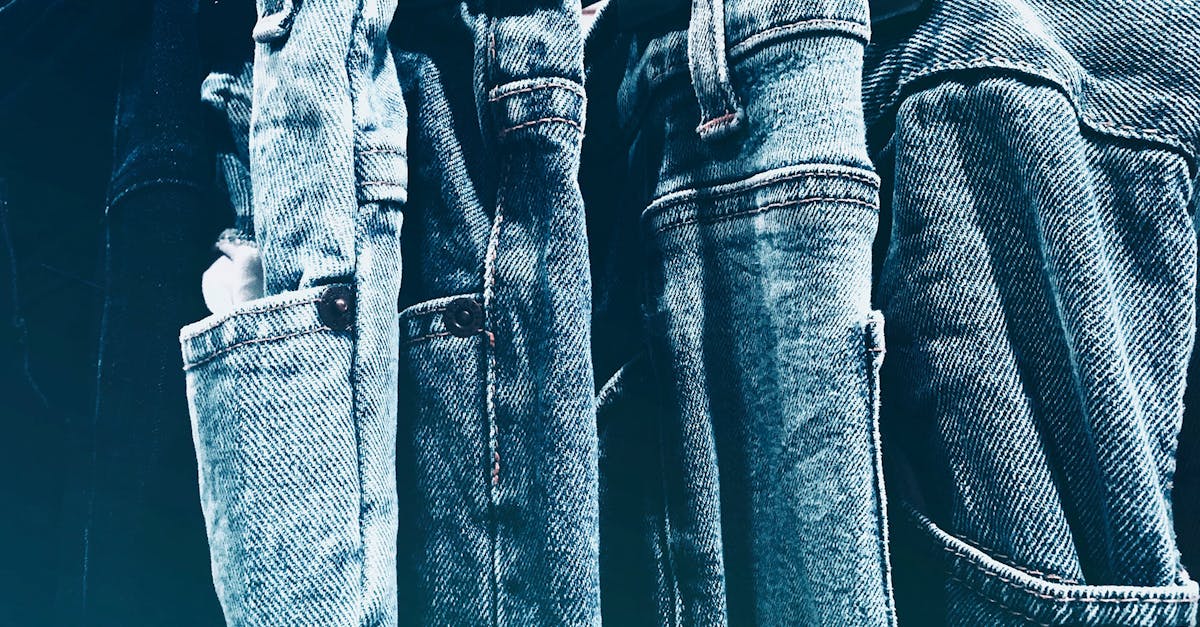
These denim trousers featured excessively wide leg openings that could measure over fifty inches in circumference. The sheer weight of the fabric made walking difficult and often caused the hems to drag through puddles and mud. Wearers frequently tripped over their own pant legs or got them caught in bicycle chains and escalators. The exaggerated silhouette swallowed the human form and offered no practical function despite the deep pockets.
Popcorn Shirts

These distinctive tops appeared tiny enough to fit a doll but expanded to accommodate an adult size when worn. The textured fabric resembled rows of small pyramids that pressed into the skin and left temporary indentations. They were notoriously difficult to fold or hang because they would shrink back to their original minuscule shape immediately. The synthetic material often trapped heat and felt scratchy against the body during prolonged wear.
Butterfly Clips

Hairstyles in the late 90s often involved twisting small sections of hair and securing them with dozens of plastic clips. The plastic claws frequently scraped the scalp and caused headaches due to the tension required to keep them in place. Removing them at the end of the day was a tedious process that often resulted in pulled or broken hair strands. The chaotic visual effect often distracted from the face rather than enhancing the hairstyle.
Wallet Chains
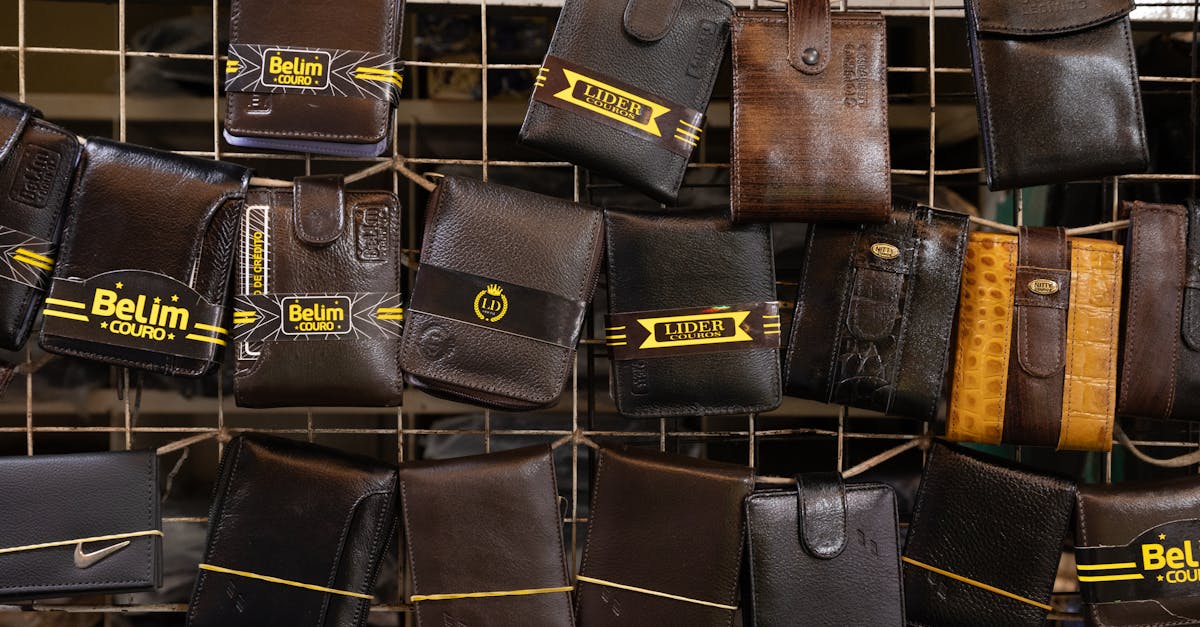
Long metal chains connecting a wallet to a belt loop became a staple accessory for the grunge and skater demographics. The heavy metal swung against the leg with every step and created a constant clinking noise. They posed a safety hazard as the loops could easily snag on door handles or furniture corners. While intended to prevent theft, the accessory often drew unnecessary attention to the location of the wearer’s money.
Platform Flip-Flops

Designers combined the casual nature of a beach sandal with a dense foam sole that added several inches of height. The lack of ankle support combined with the unstable platform led to frequent twisted ankles and stumbling. Walking in these shoes produced a loud clapping sound that announced the wearer’s arrival well in advance. The foam material compressed unevenly over time and led to poor posture and foot alignment.
Bowl Cuts

Parents and barbers frequently gave children a haircut that looked as if a bowl had been placed over the head as a guide. The style featured a straight fringe cut excessively short with the rest of the hair shaved or cropped close underneath. This mushroom-like silhouette was unflattering for most face shapes and grew out awkwardly. It remains a shared source of embarrassment for many adults who grew up during the decade.
Visible Thongs
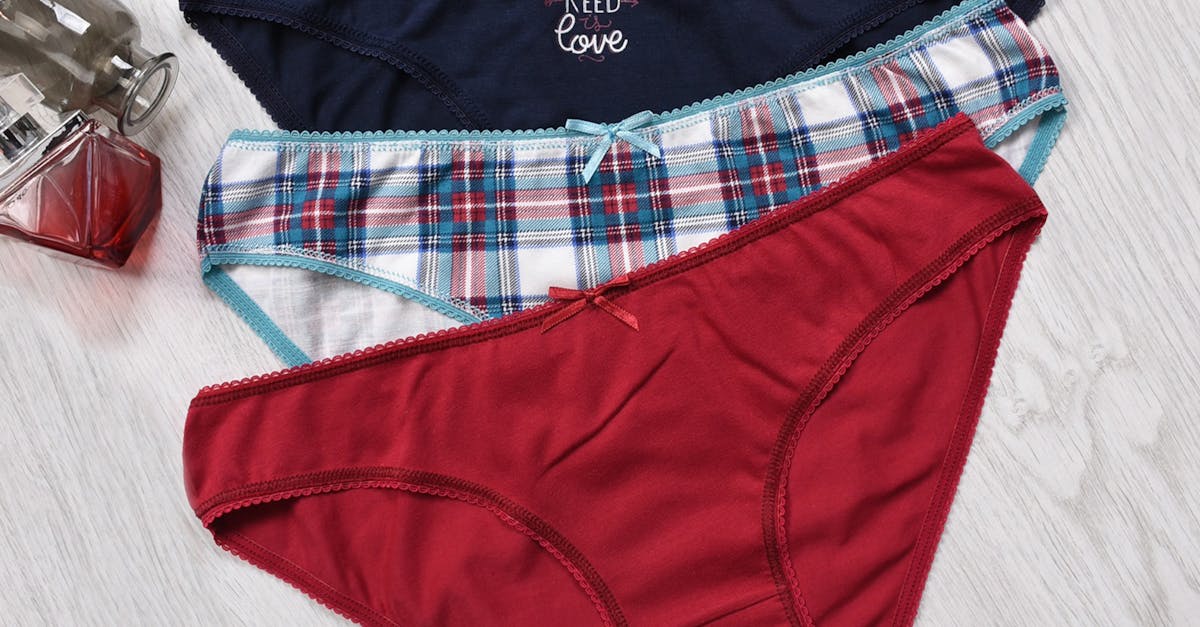
Low-rise jeans were often paired with high-waisted undergarments to intentionally expose the straps above the waistband. This trend eliminated the boundary between intimate apparel and public clothing in a way that many found inappropriate. It required constant adjustment to ensure the straps remained visible without riding up uncomfortably. The look created a disjointed silhouette that interrupted the visual line of the outfit.
Frosted Lipstick

Cosmetic brands released lip colors with a metallic or pearlescent finish that often contained blue or silver undertones. The formula tended to be drying and settled into the fine lines of the lips which highlighted texture imperfections. The pale and icy shades frequently washed out the complexion and made the wearer look ill. This makeup trend clashed with natural skin tones and lacked the warmth found in modern lip products.
Zip-Off Cargo Pants

These convertible trousers allowed the wearer to detach the lower pant legs via a zipper to create shorts. The zippers often jammed or chafed against the knees during movement. The detached legs had to be carried around which defeated the purpose of convenience and minimalism. The fabric around the zipper line was often stiffer than the rest of the pant which created an odd silhouette.
Puka Shell Necklaces

Small white shells strung together on a short cord became the quintessential accessory for surfers and beachgoers. The jagged edges of the shells often scratched the neck and caught on collar fabrics. They were difficult to clean as sweat and sand would accumulate inside the porous material of the shells. The necklace became so ubiquitous that it lost its connection to surf culture and became a generic fashion fail.
Sun-In Hair Lightener

Teenagers used this spray-in product combined with heat from the sun to bleach their hair at home. The chemical reaction frequently turned dark hair a bright rusty orange rather than the intended blonde. Overuse of the product led to severe dryness and breakage that required months to grow out. Professional stylists often refused to color over hair treated with this product due to unpredictable chemical reactions.
Visors Worn Upside Down
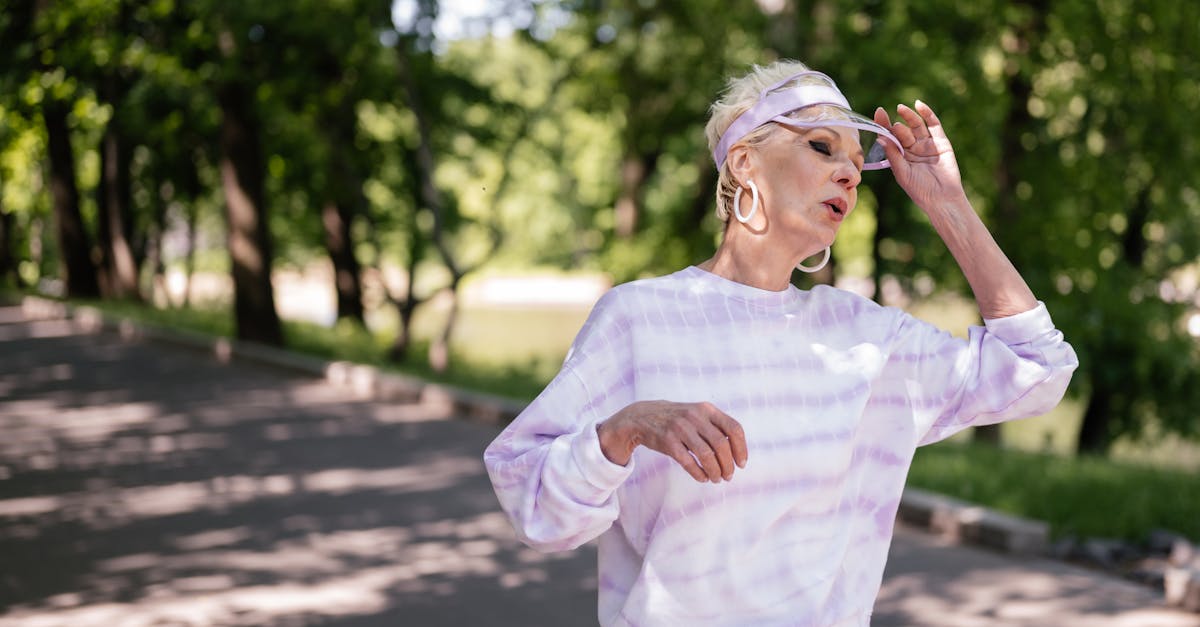
The standard sun visor was repurposed by wearing it upside down and backwards around the neck or head. This styling choice rendered the accessory completely useless for its intended purpose of blocking the sun. It was often uncomfortable as the hard plastic brim pressed against the back of the neck or forehead. The look became a confusing status symbol that signaled nothing but a blind adherence to a fleeting fad.
Body Glitter

Gel or spray containing large flecks of glitter was applied liberally to the chest and arms for nights out. The adhesive base was often sticky and attracted dirt or lint throughout the evening. Removing the glitter was nearly impossible as the particles would cling to skin and transfer to bedding and furniture. The coarse plastic flecks were also an environmental hazard and could cause eye irritation if applied too high.
Hypercolor T-Shirts

These heat-sensitive garments changed color when touched by hands or exposed to body heat. The novelty wore off quickly when users realized the shirts highlighted sweat patches in the underarm and back areas. The chemical dye required specific washing instructions and often stopped working after a few laundry cycles. The shirts ultimately drew attention to areas of the body that most people preferred to keep discreet.
Slap Bracelets

Flat metal strips covered in fabric curled around the wrist when slapped against the arm. The cheap fabric casing often frayed quickly and exposed the sharp metal edges underneath. Schools frequently banned them after students sustained cuts and injuries from enthusiastic use. The bracelets offered little aesthetic value and functioned more as a dangerous toy than a fashion accessory.
Toe Rings

Jewelry designed specifically for the toes became popular during the summer sandal season. The metal bands caused blisters and discomfort when wearing closed-toe shoes or walking long distances. They frequently fell off in the ocean or swimming pools due to the lubricating effect of water. Maintaining the accessory required meticulous foot care that many wearers neglected.
Bandana Tops

Large paisley handkerchiefs were folded into triangles and tied around the back to function as a shirt. The lack of structural support meant the top required constant adjustment to avoid wardrobe malfunctions. The fabric offered no insulation and was usually too thin to provide adequate coverage. This makeshift garment was strictly casual and often looked out of place in any setting other than a beach.
Mood Rings

These accessories contained thermochromic elements that changed color based on the temperature of the wearer’s skin. The colors were marketed as indicators of emotional state but simply reflected body heat fluctuations. The cheap metal used for the bands often turned the wearer’s finger green after prolonged contact. The novelty aspect overshadowed the fact that the jewelry itself was often poorly constructed and bulky.
Overalls with One Strap Down

Denim overalls were worn with one shoulder strap unbuckled and hanging loosely down the front or back. The uneven weight distribution caused the garment to sag and required the wearer to constantly pull them up. The loose metal buckle swung around and struck objects or people as the wearer moved. This intentional disarray defeated the utilitarian purpose of the garment and looked messy rather than stylish.
Terry Cloth Clothing
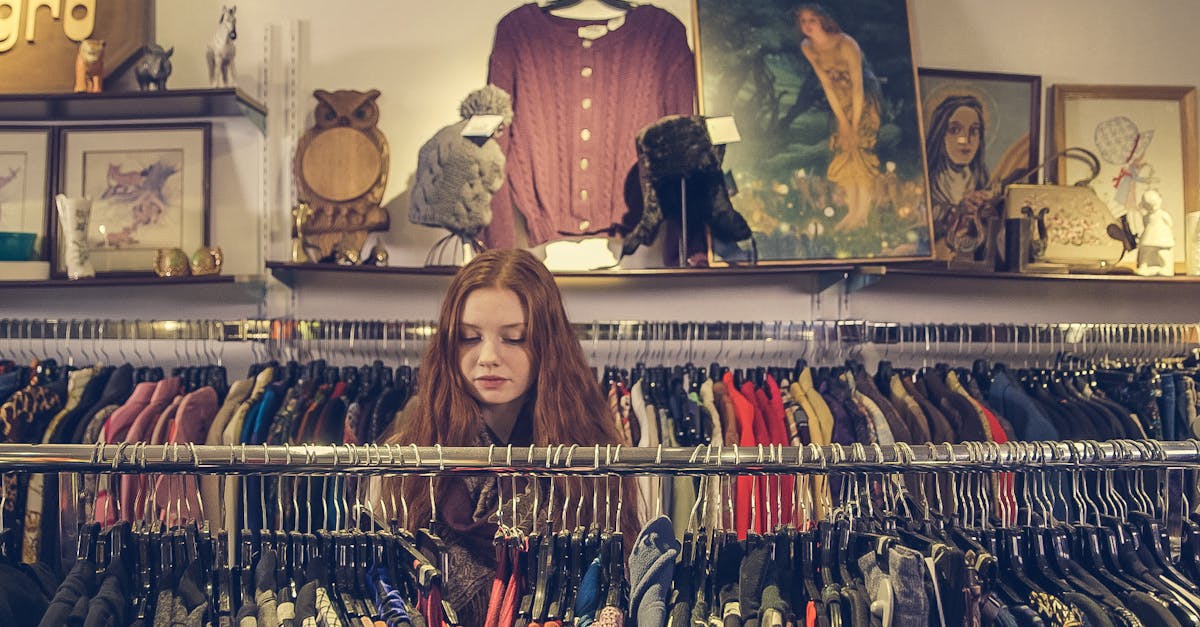
Designers used the absorbent fabric typically reserved for towels to create dresses and tracksuits. The material was heavy when wet and provided poor ventilation on hot days despite being summer wear. The looped fabric snagged easily on jewelry and rough surfaces which caused pulls and runs. These garments often looked more like bathrobes than acceptable public attire.
Skirts Over Trousers
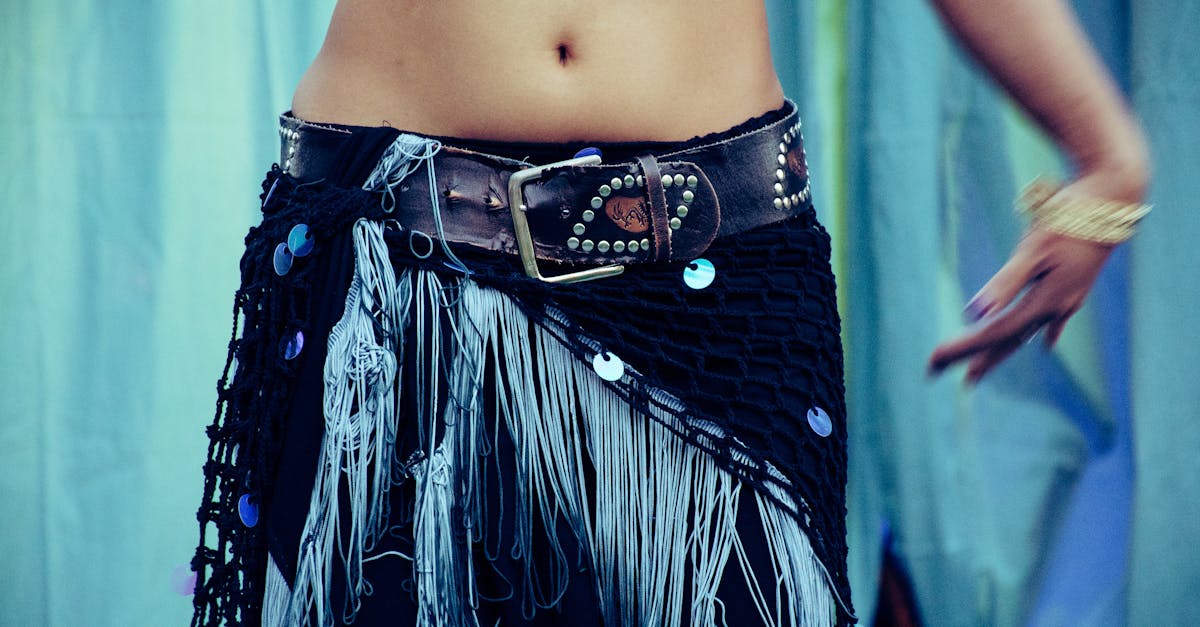
This layering trend involved wearing a dress or skirt directly over a pair of jeans or dress pants. The combination added unnecessary bulk to the midsection and hips while shortening the appearance of the legs. The contrasting fabrics and silhouettes rarely complemented each other and looked cluttered. It created a visual confusion that suggested the wearer could not decide between two different outfits.
Zig-Zag Hair Parts
Combs were used to create a precise geometric line separating the hair on the scalp. The style required significant amounts of hairspray or gel to maintain the sharp angles throughout the day. It exposed more of the scalp than a natural part and was prone to sunburn if not protected. The severe styling often looked rigid and took away from the natural movement of the hair.
Blossom Hats

Floppy velvet or denim hats with large faux flowers attached to the front were a staple for younger demographics. The brim was often too soft to hold its shape and would droop over the eyes and obstruct vision. The heavy fabric caused the head to sweat and flattened any volume in the hair underneath. The oversized floral embellishment was difficult to coordinate with other patterns and accessories.
Bike Shorts with Lace Trim

Spandex shorts designed for cycling were modified with a delicate lace border for casual wear. The tight synthetic fabric was not breathable and trapped moisture against the skin. The lace trim often frayed or tore after washing and lost its shape quickly. This garment blurred the line between athletic gear and lingerie in a way that lacked versatility.
Sweater Vests Without Shirts

Knitted vests were worn directly against the skin rather than layered over a blouse or button-down. The wool or acrylic yarn was often itchy and irritating to the sensitive skin of the arms and neck. The armholes were frequently cut low and exposed undergarments or required awkward adjusting. This styling choice removed the preppy context of the vest and left it looking incomplete.
Stick-On Earrings

Adhesive plastic shapes were marketed to children and teenagers who did not have pierced ears. The weak glue meant the earrings would fall off within minutes of application and end up lost on floors. They posed a choking hazard for younger siblings and offered very little in terms of realistic appearance. The adhesive residue often remained on the earlobe and collected dirt until scrubbed off.
Grunge Flannels Around the Waist

Plaid flannel shirts were tied around the waist as an accessory rather than worn on the body. The sleeves dragged on furniture and got caught in doors as the wearer moved through daily life. It added bulk to the hips and often ruined the silhouette of the outfit underneath. The trend transformed a functional layer for warmth into a cumbersome tail of fabric.
Please tell us which of these 90s trends you found most regrettable in the comments.




