
Packing for international travel involves far more than choosing comfortable shoes and weather-appropriate layers, yet most travelers give almost no thought to how their clothing choices will be received by the cultures they are about to enter. What reads as casual, fashionable, or entirely unremarkable at home can communicate disrespect, ignorance, or provocation in another country without the wearer having the slightest awareness of the impact they are creating. Cultural dress codes are deeply embedded in history, religion, national identity, and social values that outside visitors rarely encounter in any meaningful way before arriving. Anthropologists, travel writers, and cultural etiquette experts consistently document the same categories of clothing-related offense being committed by otherwise well-intentioned tourists. Here are 27 common things you wear that secretly offend people in other countries.
Revealing Tops

Wearing low-cut, sleeveless, or midriff-exposing tops in countries where modest dress is a deeply held cultural or religious expectation signals a disregard for local values that residents notice immediately. In large parts of the Middle East, South Asia, and Southeast Asia, the amount of skin visible on a visitor’s upper body is read as a direct statement of disrespect rather than a simple style preference. Many sacred sites in these regions enforce dress codes precisely because foreign visitors have repeatedly arrived in clothing considered wholly inappropriate for the space. The offense generated is rarely expressed directly to the visitor but is consistently documented in local commentary and traveler etiquette guides.
Short Shorts

Wearing very short shorts in conservative communities across Asia, the Middle East, North Africa, and parts of Southern and Eastern Europe creates a level of discomfort among local residents that many tourists entirely underestimate. In rural and religious communities in particular, exposed thighs on either men or women are considered a meaningful breach of the modesty standards that govern how adults present themselves in public. Some countries have implemented specific policies restricting entry to government buildings, religious sites, and cultural landmarks for visitors dressed this way. Travelers who explore local markets, villages, and everyday community spaces in short shorts often create an impression that reflects poorly on their country of origin in the minds of the people they encounter.
Camouflage Clothing

Wearing camouflage print clothing as a casual fashion choice is legally problematic and socially offensive in a significant number of countries where military dress is tightly regulated and deeply politically charged. In nations including Barbados, Jamaica, the Philippines, and several African countries, civilians wearing camouflage patterns can be stopped, questioned, fined, or detained by authorities. The association between camouflage and active military or paramilitary forces in these contexts means that a tourist in camouflage print trousers is not making a fashion statement but an inadvertent political one. Travel advisories from multiple governments specifically list camouflage clothing as an item to leave at home when visiting certain destinations.
Religious Symbol Jewelry
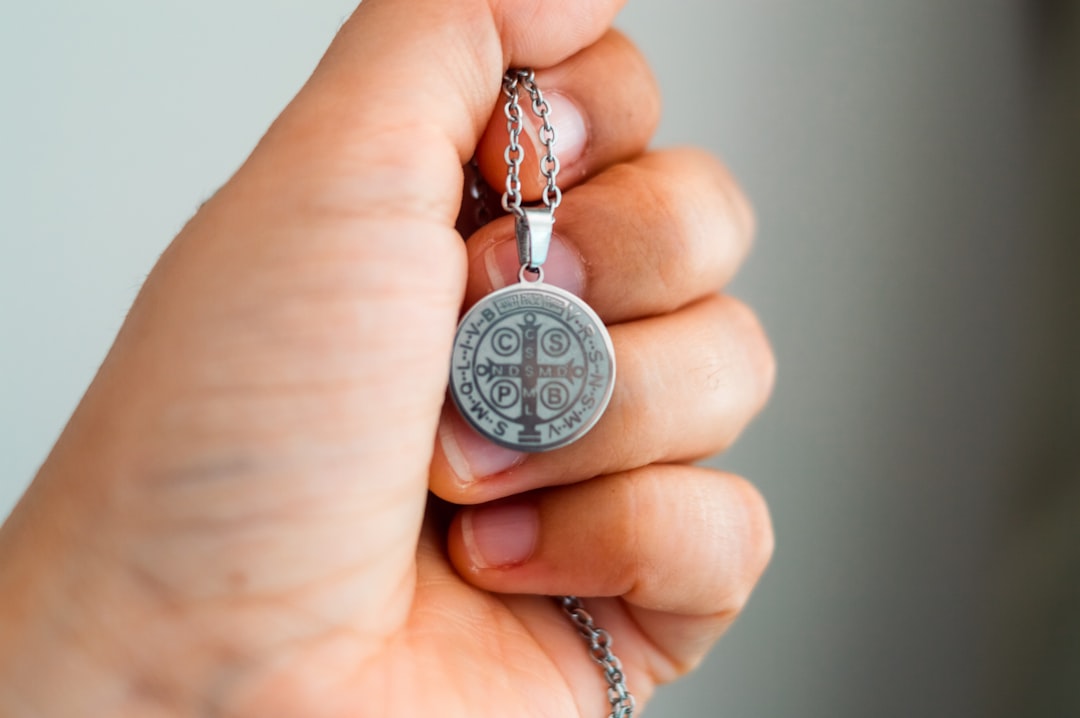
Wearing religious symbols from faiths other than your own as decorative accessories is received as trivializing and disrespectful in many deeply devout communities around the world. Buddhist imagery worn as fashion jewelry, Hindu deity pendants treated as aesthetic accessories, and Islamic calligraphy printed on clothing items are among the most commonly cited examples of this form of unintentional offense. In countries where these faiths are practiced with profound seriousness, seeing their sacred symbols reduced to decoration by foreign visitors generates a quiet but genuine cultural hurt. The fashion industry’s long history of appropriating religious iconography has made many communities in these regions particularly attuned to and wearied by this pattern.
Tight Clothing

Form-fitting clothing that closely follows the contours of the body is considered inappropriate public dress in numerous conservative cultures where modesty norms apply to the shape of clothing as well as the amount of skin it covers. In Iran, Saudi Arabia, and parts of Indonesia and Malaysia, tight clothing on women is subject to both social disapproval and in some cases legal sanction regardless of how much skin is technically covered. Male travelers are not exempt from this consideration in certain deeply conservative communities where tight or body-conscious clothing on men is equally outside acceptable norms. The distinction between covered and modest is one that many Western travelers do not recognize until it is pointed out to them.
Flag Clothing
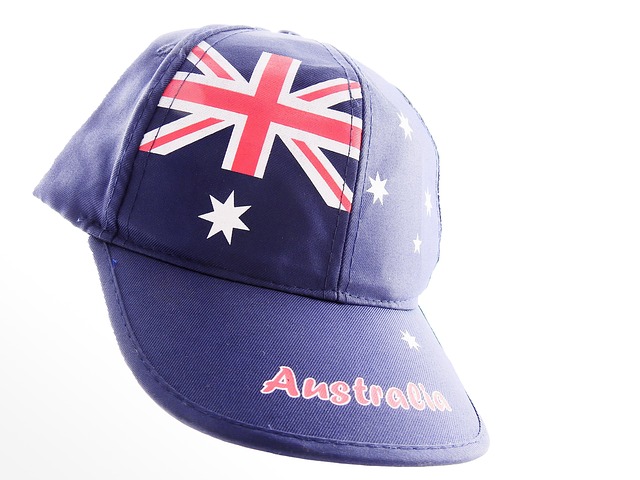
Wearing another country’s national flag as clothing, printed on swimwear, or incorporated into casual fashion is considered deeply disrespectful in many nations where the flag carries a near-sacred status in national culture. In countries including Germany, South Korea, and numerous nations across Latin America and the Middle East, the flag is understood as a formal national symbol that belongs on official display rather than on a tourist’s beach shorts. Even wearing one’s own country’s flag as clothing can generate negative reactions in regions where that nation’s foreign policy history has created lasting resentment. The casual attitude toward national symbols that some cultures permit does not translate universally and assuming otherwise is a common source of unintended offense.
Fur Products

Wearing real fur clothing or accessories in countries with strong animal rights cultures, particularly across Scandinavia, the Netherlands, and urban centers of the United Kingdom, generates visible social disapproval that can range from pointed looks to direct confrontation. Several European nations have implemented or are actively pursuing bans on fur farming, and public sentiment in these regions treats real fur as a morally unacceptable choice in a way that many visitors from countries with different attitudes do not anticipate. The offense is not limited to activists and is broadly shared across mainstream public opinion in these societies. Travelers wearing fur in these environments often find that it becomes a defining and negative feature of how they are perceived by local residents.
Leather in Temples

Bringing leather goods including belts, bags, shoes, and jackets into Hindu or Jain temples in India and Nepal is a significant religious offense because the cow is considered sacred in Hindu tradition and Jain philosophy prohibits harm to all living beings. Some temples display signage requesting that leather items not be brought onto the premises but many do not, leaving foreign visitors to navigate the expectation without explicit instruction. The offense is not limited to what is worn on the body and extends to leather accessories carried into the space. Travelers who research temple etiquette before visiting are consistently advised to leave all leather items outside or stored at their accommodation.
Offensive Printed Tees

Wearing t-shirts featuring political slogans, crude humor, or imagery that is considered obscene or provocative under local standards generates reactions that range from social discomfort to official intervention in countries with strict public decency or political speech regulations. In Thailand, any clothing featuring imagery or text that could be construed as disrespectful toward the monarchy carries serious legal consequences under laws that are applied to foreign nationals without exception. In China, Vietnam, and several other nations, politically sensitive imagery on clothing is treated as a statement rather than a fashion choice. Travelers who wear graphic tees without considering how the content reads in a foreign political and cultural context regularly create problems for themselves and discomfort for those around them.
Swimwear Off-Beach

Wearing swimwear including bikinis, board shorts, and one-piece swimsuits while walking through towns, restaurants, markets, or public spaces away from the beach is a source of significant irritation and offense in coastal communities across Europe, the Caribbean, and Southeast Asia. Many towns in Greece, Croatia, Portugal, and Spain have implemented fines for swimwear worn in public spaces beyond designated beach areas in direct response to the behavior of tourists who treat entire destinations as extensions of the beach. Local residents who use these same public spaces daily experience the normalization of swimwear in community areas as a form of disrespect for the place they live. The issue has become significant enough in several destinations to generate formal municipal legislation.
Shoes in Sacred Spaces

Failing to remove shoes before entering temples, mosques, many private homes, and designated sacred spaces across Japan, India, Thailand, South Korea, and much of the Middle East is one of the most universally documented forms of unintentional cultural offense committed by foreign visitors. The removal of footwear before entering these spaces is not a suggestion but a deeply embedded cultural and religious practice that carries real meaning for the people who observe it. Tourists who walk past clearly displayed signs requesting shoe removal or who observe other visitors removing their shoes and do not follow suit are noticed and remembered. Beyond the offense generated, keeping shoes on in these spaces is in many cases a direct violation of posted rules that staff are required to enforce.
Exposed Shoulders

Entering churches, cathedrals, mosques, synagogues, and many cultural institutions across Europe, Latin America, the Middle East, and Asia with bare shoulders is consistently flagged as one of the most common and avoidable dress code violations committed by tourists. Catholic churches across Italy, Spain, Greece, and Portugal are among the most frequently cited examples where exposed shoulders prompt staff to deny entry or offer cover-ups to visitors who arrive underdressed. The expectation of shoulder coverage in these spaces is not an archaic or unenforced formality but an active policy that reflects the genuine values of the communities that maintain these sites. Many travelers report being turned away from significant cultural landmarks purely because they did not anticipate this requirement.
Branded Sportswear
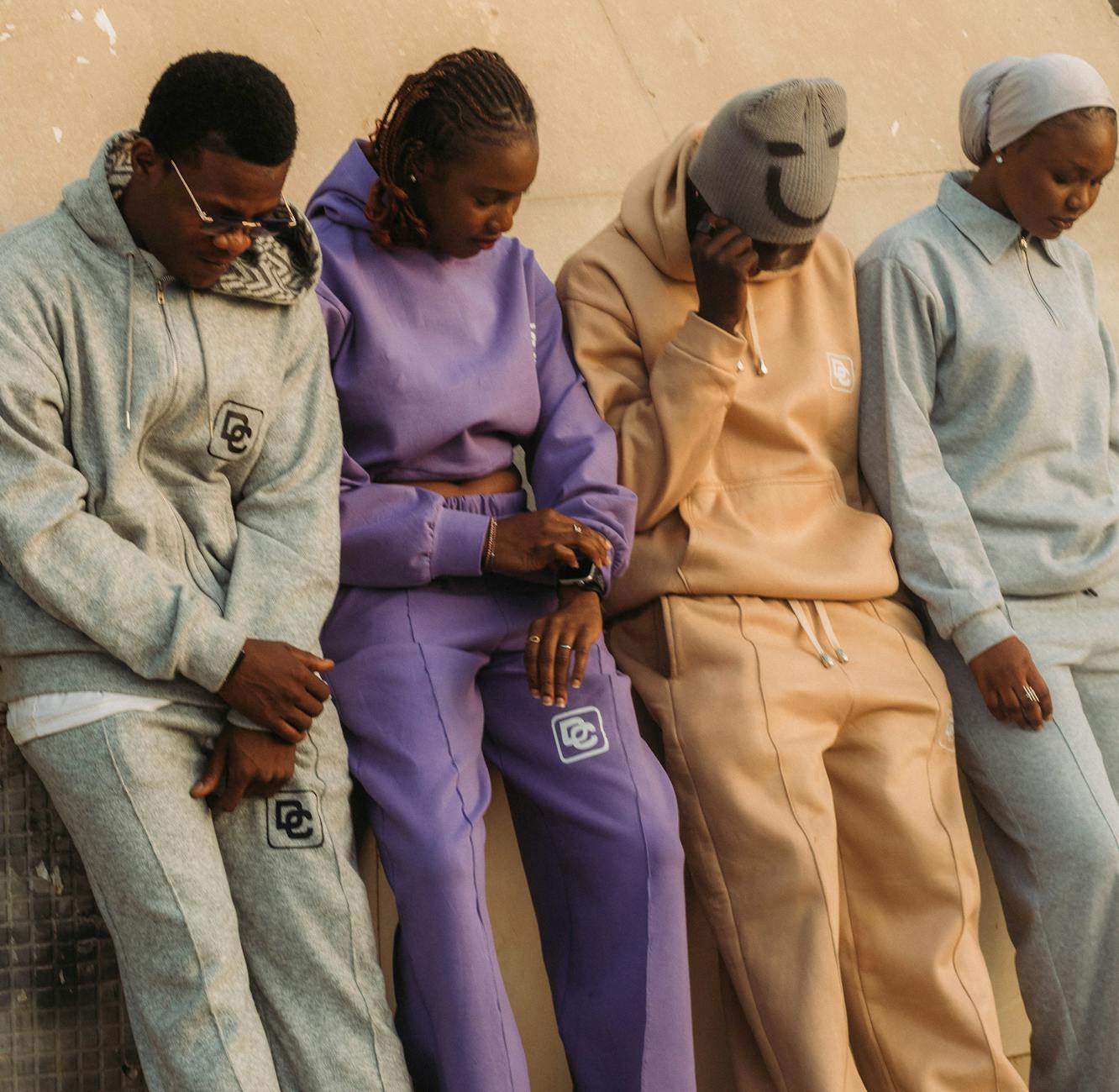
Wearing clothing associated with specific sports teams, particularly football clubs, in cities or regions with intense and historically charged rivalries is a form of social provocation that many tourists engage in with no awareness of the local significance. In Glasgow, the visual association of certain football club colors and insignia with deeply rooted sectarian tensions means that the wrong shirt in the wrong neighborhood carries implications that a foreign tourist is almost certainly not equipped to navigate. Similar dynamics exist in cities across South America, Southern Europe, and parts of the Middle East where club allegiances intersect with political, ethnic, or religious identity. What presents itself as ordinary fan merchandise in one cultural context can function as a loaded statement in another.
Miniskirts

Wearing miniskirts in conservative religious communities, rural areas of deeply traditional cultures, and certain urban environments across the Middle East, North Africa, and parts of Asia creates a level of social tension that many female travelers genuinely do not anticipate based on their home culture experience. Beyond the social discomfort generated among local residents, women wearing miniskirts in certain destinations report being refused entry to public buildings, receiving unwanted and aggressive attention, or being asked to leave public spaces by authorities. The experience of wearing a miniskirt in a location where it represents a significant departure from community dress standards is qualitatively different from wearing one in an environment where it is normalized. Cultural etiquette guides for these regions consistently place miniskirts at the top of the list of clothing items to leave behind.
Socks with Sandals
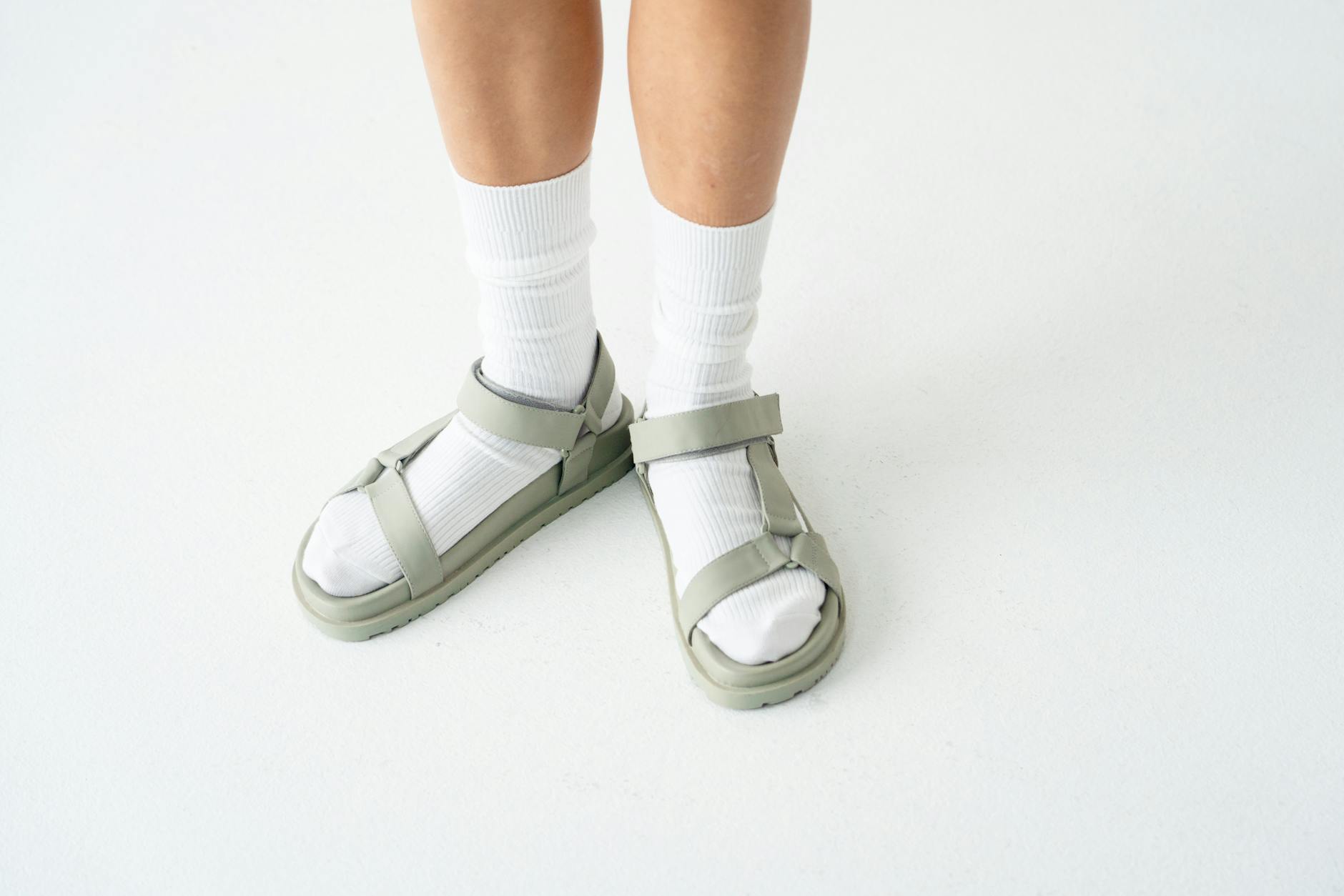
While primarily viewed as a fashion misstep in Western contexts, wearing socks with sandals carries specific practical offense in Japan and other East Asian countries where the combination creates a complication when navigating the frequent transitions between shoe-wearing and bare-foot spaces. Removing sandals while wearing socks in a home or sacred space leaves a visitor in a state that feels neither properly shod nor appropriately barefoot and creates a minor but noticeable social awkwardness. In the context of Japanese cultural attention to the details of presentation and the social significance of proper dress transitions, this combination is noticed and regarded as evidence of insufficient cultural preparation. The issue is subtle but appears consistently in cultural etiquette resources prepared for visitors to Japan.
Hats in Churches
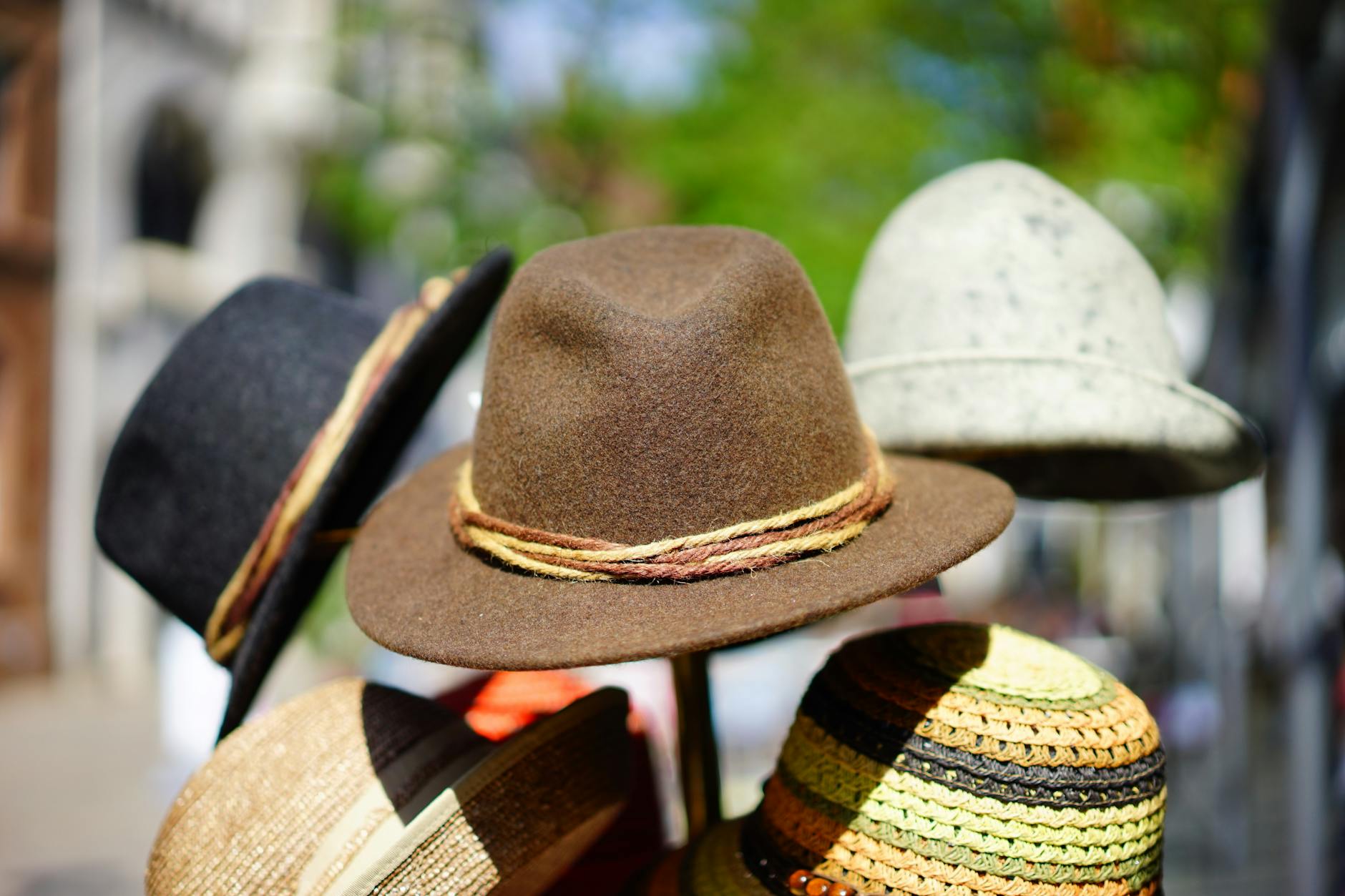
Wearing hats inside Christian churches, cathedrals, and chapels across Europe, Latin America, and the Philippines is considered disrespectful in traditions where head covering for men during worship and entry is associated with a failure to show appropriate reverence. While the specific theological reasoning varies across denominations, the broadly observed expectation in Catholic and many Protestant traditions is that men remove head coverings upon entering a place of worship. Tourists wearing baseball caps, beanies, or sun hats who fail to remove them upon entry are noticed by congregants and staff regardless of whether a sign is posted. This expectation is less universally enforced than it once was but remains a meaningful social norm in many active religious communities.
Handmade Cultural Dress
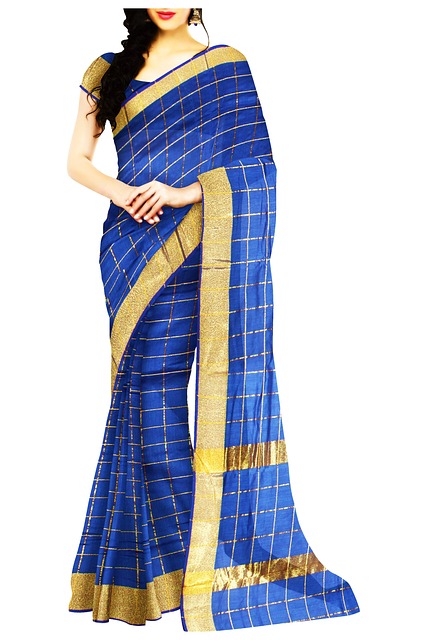
Wearing traditional dress from a culture other than your own as a costume, festival outfit, or casual fashion statement is received as appropriative and disrespectful in many communities where that clothing carries deep cultural, spiritual, or historical significance. Native American headdresses worn at music festivals, Japanese kimonos worn as dress-up by non-Japanese visitors, and Indigenous Australian ceremonial dress replicated for commercial fashion are among the most frequently cited and publicly debated examples. The offense is rooted in the fact that the clothing in question is not merely aesthetic but carries meaning, history, and in many cases spiritual significance that is being reduced to decoration by someone with no connection to that tradition. Community responses to this form of cultural appropriation have become increasingly vocal and organized across multiple affected cultures.
Logos in North Korea
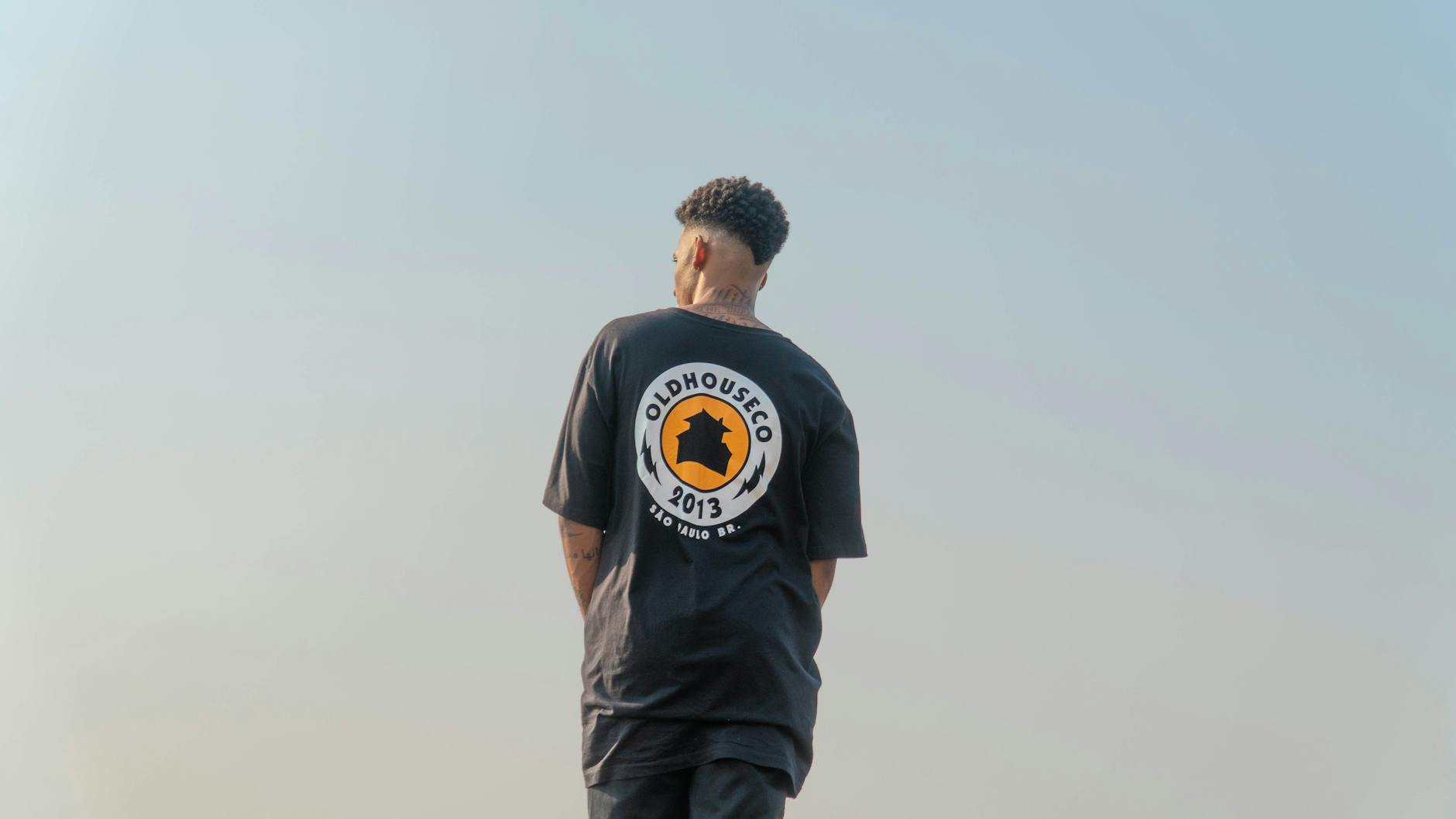
Wearing clothing bearing the logos of American brands, Western media companies, or any imagery associated with capitalist consumer culture in North Korea is not merely socially awkward but represents a genuine legal and political risk in a country where Western cultural influence is formally prohibited. Tourists visiting on organized tours are specifically advised to remove or avoid any clothing that could be interpreted as promoting Western ideology or commercial culture. The restrictions extend to clothing with English-language text in some contexts and reflect the broader ideological framework that governs public life in the country. Violating these norms in North Korea carries consequences that bear no resemblance to the social discomfort that dress code violations generate in other destinations.
Yellow Clothing

Wearing yellow clothing in Malaysia carries a specific political sensitivity rooted in the country’s recent history of pro-democracy protests in which yellow became the symbolic color of the reform movement. Public gatherings featuring yellow clothing have been subject to police intervention in Malaysia and the color retains a charged political meaning in certain contexts that foreign visitors are almost never aware of before arriving. While everyday yellow clothing does not typically generate confrontation the associations attached to the color in this specific national context mean that travelers wearing it during politically sensitive periods can find themselves in uncomfortable situations. This is among the more obscure dress-related cultural sensitivities but appears consistently in detailed travel advisories for Malaysia.
Low-Rise Pants

Wearing low-rise trousers or jeans that expose the lower back or waistband area in public spaces is considered inappropriate in conservative communities across the Middle East, South Asia, and parts of Southeast Asia where the display of this area of the body falls outside acceptable modesty standards. The exposure is often inadvertent and the wearer may be entirely unaware of it particularly when sitting, bending, or moving in ways that shift the waistband lower. In some countries this form of exposure generates the same social response as more obviously revealing clothing because community modesty expectations apply to all exposed skin regardless of which body part is involved. Travelers who pack low-rise styles for warm-weather destinations without considering local standards create unintentional offense on a daily basis throughout their stay.
Pointed Shoes

Wearing shoes with very pointed toes in parts of rural Mexico and certain Latin American communities carries an unexpected association with a regional subculture that uses extremely elongated pointed footwear as a form of identity expression with specific social connotations. While standard pointed toe shoes worn by international visitors are unlikely to generate serious misunderstanding the overlap in silhouette has caused confusion and occasional unwanted social interaction for travelers who were completely unaware of the local cultural context attached to that shoe shape. This example sits at the more obscure end of cross-cultural dress sensitivities but is well-documented in cultural travel writing about the region. It illustrates how deeply localized and specific the meaning attached to clothing and footwear can be in ways that are virtually impossible to anticipate without prior research.
White Clothing

Wearing white to weddings across many Asian cultures including Chinese, Korean, Indian, and Vietnamese traditions is a significant faux pas because white is the color associated with mourning, death, and funerary ritual in these societies rather than the purity and celebration it signifies in Western wedding tradition. Foreign guests attending weddings in these cultural contexts who arrive dressed in white are making what the host family and their guests recognize immediately as a deeply inappropriate choice even when it is clearly unintentional. The same sensitivity applies in modified form to other celebratory events in these cultures where color choices carry specific social and symbolic meanings. This is one of the most practically relevant cross-cultural dress sensitivities for travelers who may be invited to attend local events during their visits.
Visible Tattoos

Displaying visible tattoos in Japan, South Korea, and parts of Southeast Asia creates access restrictions and social discomfort rooted in the historical association between tattoos and organized crime in these cultures. In Japan, visible tattoos remain prohibited in many public bathhouses, hot spring facilities, gyms, and swimming pools and this restriction is enforced regardless of the nationality or intent of the tattooed visitor. The association between tattoos and the yakuza in Japanese cultural consciousness is historical and deeply embedded in ways that coexist awkwardly with the global normalization of tattoos as mainstream self-expression. Travelers with visible tattoos to these destinations are consistently advised to research specific venue policies and carry cover-up clothing for contexts where tattoos will create barriers to access.
Provocative Slogan Bags

Carrying handbags, tote bags, or backpacks printed with provocative slogans, political statements, or crude language into countries with strict public decency or political speech regulations creates the same category of risk as offensive printed clothing but is often overlooked because accessories receive less pre-travel scrutiny than outfits. In Singapore, public display of material deemed offensive under the city-state’s broad decency regulations can result in official intervention regardless of whether the display is on a garment or an accessory. Political slogans that are considered normal expressions of free speech in their country of origin can read as provocative or inflammatory in countries with different political histories and legal frameworks around expression. Treating bags and accessories as subject to the same cultural awareness applied to clothing is a step that most travel etiquette guides now explicitly recommend.
Bikini Tops as Tops

Wearing bikini or bandeau tops as everyday upper-body clothing while exploring towns, villages, cultural sites, and public spaces beyond the beach is a behavior that generates widespread irritation among local residents in coastal destinations across Southern Europe, Southeast Asia, and the Caribbean. The practice has become common enough in heavily touristed areas that it now features in municipal dress code campaigns and has prompted formal warnings in destinations including Bali, Barcelona, and several Greek island communities. Local residents who navigate the same public spaces for work, family life, and community activities experience the normalization of beachwear as everyday clothing as a form of disrespect for the place they call home. The distinction between what is appropriate at the water’s edge and what is appropriate in a shared community space is one that a significant number of tourists continue to collapse despite increasing public awareness of the issue.
Overly Casual Funeral Dress

Attending funeral services, memorial ceremonies, or mourning visits in casual Western clothing including jeans, sneakers, and informal tops in cultures where funeral dress codes are formal and color-specific creates offense that the bereaved family is unlikely to express directly but will register deeply. In Japan, China, Korea, and many Middle Eastern and African cultures, attendance at funeral events carries specific and well-understood clothing requirements including color restrictions, formality standards, and in some cases gender-specific dress codes. A foreign visitor who attends a local funeral in casual clothing out of ignorance rather than malice is nonetheless communicating a message about how seriously they regard the occasion and the people involved. Cross-cultural etiquette researchers consistently identify funeral and mourning events as among the highest-stakes situations for clothing choices when traveling internationally.
Dirty or Torn Clothing

Wearing visibly dirty, heavily worn, or deliberately torn clothing as a fashion aesthetic in cultures where personal presentation in public is treated as a form of social respect generates a quiet but genuine negative impression that shapes how local residents perceive and interact with the visitor. In Japan, South Korea, many parts of Southeast Asia, and across the Middle East, public presentation standards reflect a collective understanding that how you present yourself in shared community spaces communicates your regard for the people around you. The deliberate distressing of clothing as a Western fashion trend does not translate as edgy or stylish in many of these contexts but rather as a form of social negligence. Travelers who arrive in destinations with high public presentation standards wearing clothing that appears uncared for often find that they receive a qualitatively different quality of social interaction than they might otherwise expect.
If any of these cultural dress surprises have caught you off guard during your own travels share your experiences and tips in the comments.




