
The moment a real estate agent walks through your front door for the first time, a rapid and ruthlessly honest assessment begins that bears almost no resemblance to the polite and encouraging conversation that follows. Industry veterans describe a private professional language of knowing glances, suppressed reactions, and carefully neutral phrasing that kicks in the moment certain decorating choices come into view. Agents who have walked through thousands of properties develop an almost involuntary cataloguing system for the decorative decisions that reliably signal how difficult a listing is going to be to sell and at what price. The gap between what homeowners believe elevates their space and what agents privately observe is wider and more consistent than most sellers would ever suspect. Here are 26 tacky home decorations that make real estate agents secretly laugh at you.
Carpet Tiles
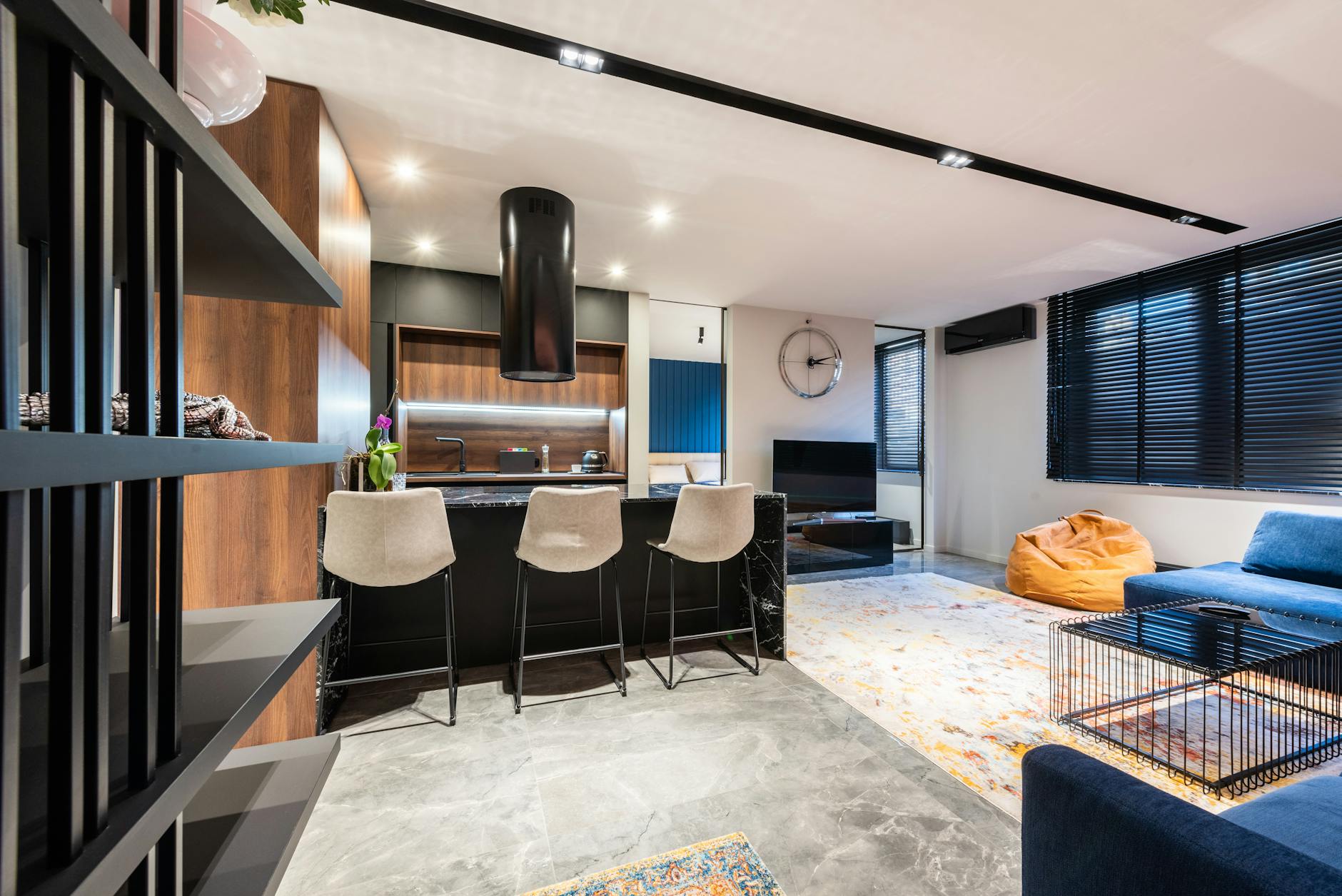
Installing carpet tiles in a residential living space rather than professionally fitted broadloom or hard flooring immediately reads to agents as a budget-driven shortcut that most buyers will mentally add to their renovation list before they have finished crossing the threshold. The visible grid of seams running across a floor creates a commercial or institutional impression that is almost impossible to overcome regardless of the tile color or pattern chosen. Real estate professionals consistently report that buyers register carpet tiles as a sign of deferred investment rather than a deliberate design decision. The association with office break rooms and school corridors is one that no amount of furniture styling can fully counteract.
Motivational Wall Text

Large vinyl lettering or wooden sign installations bearing motivational phrases, family slogans, or inspirational quotations applied directly to walls are among the most frequently cited decorating choices that agents privately roll their eyes at during property walkthroughs. Phrases celebrating gratitude, family togetherness, or kitchen-related humor have become so ubiquitous in a certain tier of home decorating that agents now regard them as reliable shorthand for a broader set of stylistic choices throughout the property. Beyond personal taste, these installations raise a practical concern for agents because they are frequently applied in ways that leave visible damage to wall surfaces when removed. Buyers touring a home mentally processing renovation costs do not benefit from being reminded that the current occupants have strong feelings about the importance of laughter.
Artificial Flowers

Displaying artificial flower arrangements throughout a home in an attempt to add color and freshness achieves precisely the opposite effect on agents and buyers who immediately register the fakeness as a form of aesthetic dishonesty. Dust-collecting silk flowers in vases, plastic botanicals in pots, and synthetic wreaths on doors communicate to professionals that the homeowner is attempting to simulate care and vitality without investing in it. Fresh flowers or well-maintained real plants signal entirely different things about how a home has been looked after. The artificial flower aesthetic has a strong association in real estate circles with a broader pattern of surface-level presentation that conceals rather than addresses the underlying condition of a property.
Taxidermy Displays

Mounting taxidermy animals including deer heads, full-body mounts, or glass-eyed trophy pieces in living spaces creates an immediate and powerful atmosphere that significantly narrows the pool of buyers who can envision themselves in the home. Agents universally acknowledge that taxidermy is among the most polarizing decorative choices a homeowner can make and that the negative reaction it produces in the majority of buyers is both immediate and difficult to move past during a viewing. Beyond personal taste, prominent taxidermy displays draw attention to themselves so forcefully that buyers struggle to assess the actual qualities of the room they are standing in. The professional advice from agents is consistent and unambiguous on this subject regardless of the personal or cultural significance the pieces hold for the owner.
Popcorn Ceilings
Retaining original popcorn ceilings without addressing them before listing a property signals to agents that the homeowner either does not know or does not care how significantly this feature diminishes buyer interest and perceived property value. The textured finish became popular in mid-century construction for its acoustic and coverage properties and has been firmly out of fashion for decades in ways that are well understood across the real estate industry. Agents walking into a room with an untouched popcorn ceiling are already calculating the cost of remediation and adjusting their pricing expectations accordingly. The ceiling is typically the first surface a buyer looks at when entering a room and opening that first impression with a texture associated with dated construction is a disadvantage that no amount of staging on the floor level can fully correct.
Novelty Doormats

Greeting potential buyers with a novelty doormat featuring crude humor, aggressive messaging, or excessively casual slogans sets a tonal register for the property viewing that agents and buyers carry with them through the rest of the tour. The doormat is the first decorative choice a visitor consciously registers and its message creates an immediate impression about the homeowner’s approach to the property more broadly. Real estate professionals note that novelty doormats featuring bathroom humor or sarcastic phrases are disproportionately common in homes that present other staging challenges. A plain, clean, well-proportioned doormat communicates something entirely different about the care and intentionality applied to the property.
Ceiling Fans with Lights

Installing ceiling fan and light combination units in principal living spaces and master bedrooms as the primary lighting and climate solution is a decorating choice that agents associate strongly with a certain budget tier of home finishing that buyers immediately price into their offers. The integrated fan-light unit is functional but visually heavy, stylistically dated, and immediately signals that no further investment in lighting design was made at any point during the home’s renovation history. Agents describe the fan-light combination as one of those fixtures that buyers notice without necessarily being able to articulate why the room feels slightly off. Replacing them with separate, considered lighting and climate solutions is among the most reliably recommended pre-sale upgrades in the industry.
Busy Wallpaper

Covering walls with bold, high-pattern, or intensely colored wallpaper throughout multiple rooms of a home presents agents with one of their most reliable pre-sale conversation challenges because the homeowner who loves the wallpaper and the buyer who needs to imagine themselves in the space are operating from entirely different aesthetic frameworks. Agents privately acknowledge that heavily wallpapered homes take longer to sell and generate more complicated offer conversations regardless of how well executed the original installation was. The practical concern of removal adds a financial dimension to a purely aesthetic reaction and buyers consistently factor wallpaper removal into their price calculations. Agents who have guided sellers through the wallpaper conversation describe it as one of the more delicate recurring features of their professional lives.
Mirrored Furniture
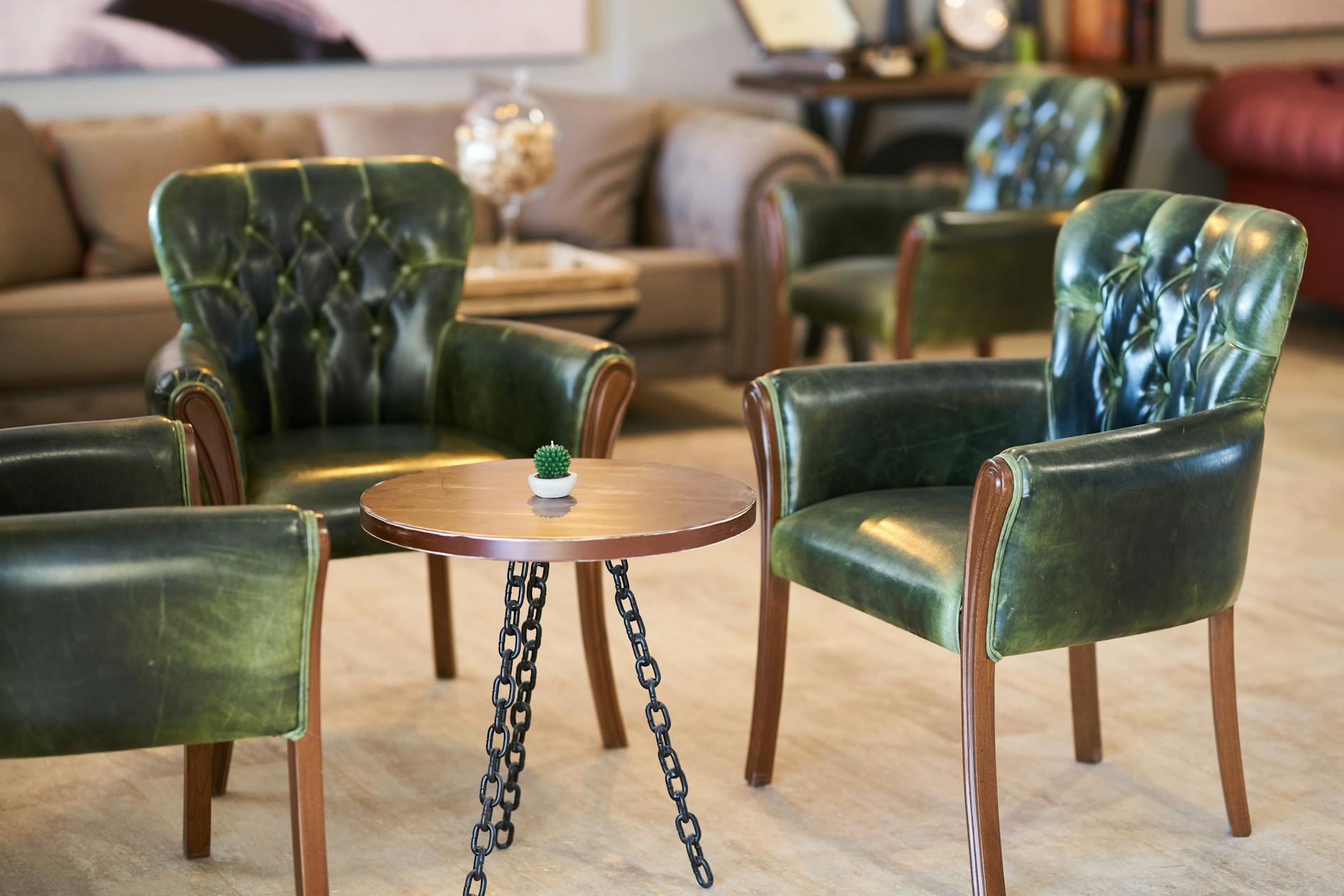
Furnishing living spaces, bedrooms, and entryways with mirrored furniture including mirrored dressers, side tables, console tables, and wardrobes creates a visual busyness that agents associate with a specific early-2000s glamour aesthetic that has not aged into the kind of timeless neutrality that helps buyers project their own lives onto a space. The reflective surfaces multiply visual information in ways that make rooms feel simultaneously larger and more chaotic, an effect that works against the calm, spacious impression that effective property staging aims to create. Agents note that mirrored furniture also shows fingerprints, dust, and wear in ways that are very difficult to manage during active viewings. The overall effect communicates an era of interior design that most current buyers are actively moving away from.
Themed Rooms
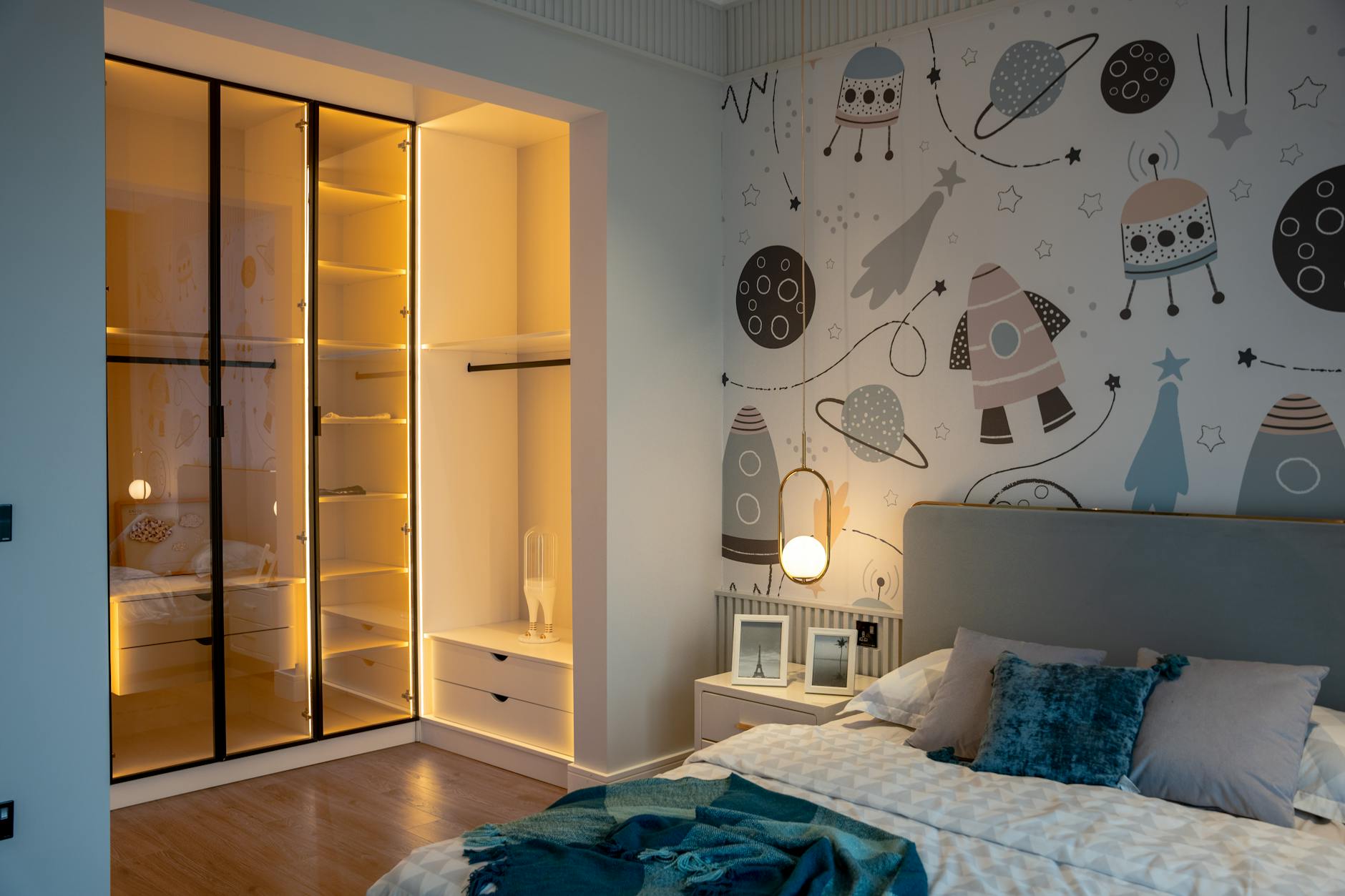
Designing entire rooms around a single theme including nautical bedrooms, safari living rooms, sports team dens, or Tuscan-style kitchens creates a space that is so visually specific to the current owner’s personality that buyers struggle to see past the theme to the room’s underlying potential. Real estate agents describe themed rooms as one of the more challenging staging conversations they have with sellers because the homeowner’s investment in the theme is typically deep and personal while the buyer’s experience of it is one of visual noise they would need to entirely remove. A room that requires a complete imaginative override from every buyer who walks through it is not working as a selling asset regardless of how lovingly it was created. The more immersive and complete the theme, the more work it creates for the buyer’s imagination and the harder the agent’s job becomes.
Tuscan Kitchen Decor
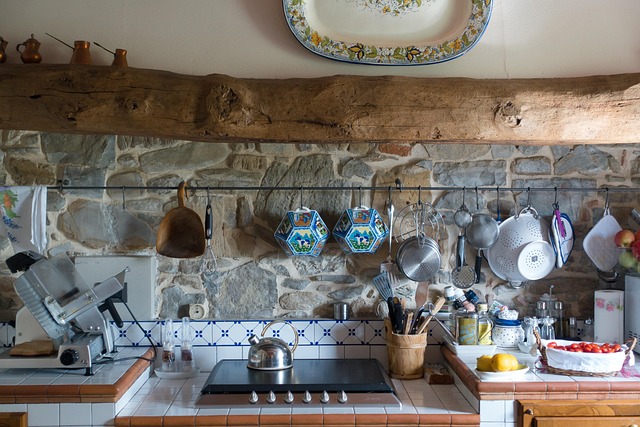
The Tuscan kitchen aesthetic featuring terracotta tones, wrought iron fixtures, ceramic rooster collections, faux-aged cabinetry, and grape vine motifs occupies a specific position in real estate agent folklore as a decorating choice that had a peak moment and has been visibly declining in buyer appeal ever since. Agents walking into a full Tuscan kitchen in the current market are privately calculating the full cost of its removal while maintaining the facial expression of professional neutrality. The aesthetic became so prevalent in a particular era of home renovation programming that it now serves as a reliable marker of a kitchen that has not been updated in fifteen to twenty years. Buyers who might otherwise accept dated cabinetry or appliances find the additional layer of themed ornamentation creates an overwhelming sense of renovation scope.
Live Edge Everything
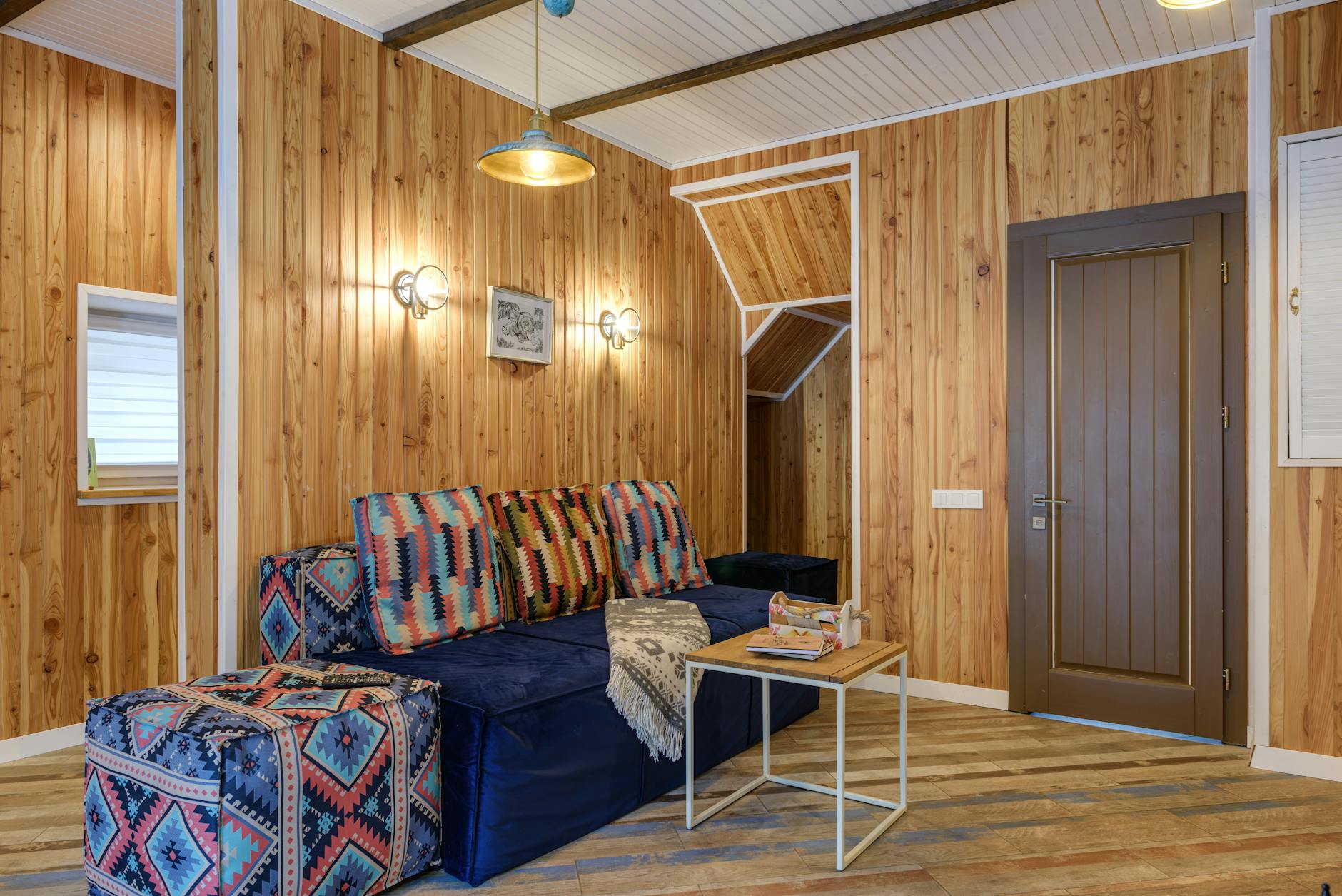
Incorporating live edge wood elements as the single dominant design feature throughout a home including live edge dining tables, live edge coffee tables, live edge shelving, and live edge headboards creates a visual repetitiveness that agents recognize as a decorating trend that arrived quickly and is showing visible signs of oversaturation in the current market. While a single well-chosen live edge piece can anchor a room effectively, the all-in approach to the aesthetic signals a trend-follower rather than a confident design sensibility and buyers respond to that distinction intuitively. Agents in markets where the live edge trend hit hardest are already noting buyer fatigue with the aesthetic in their walkthrough feedback. The irony of a natural material feeling visually exhausting is not lost on the professionals who encounter it daily.
Barn Doors

Installing sliding barn doors as interior room dividers, bathroom doors, or bedroom closet covers throughout a home is a design choice that agents now associate so strongly with a specific and passing renovation trend that its presence immediately dates the property in the minds of buyers who have been actively following design cycles. The barn door had a substantial moment across renovation television and social media platforms and its ubiquity during that period means it now carries the aesthetic weight of trend-chasing rather than considered design. Beyond the style question, agents privately note that barn doors provide minimal sound and privacy separation and that buyers with young children or shared households register this functional limitation quickly during viewings. The combination of trend fatigue and practical limitation makes the barn door a surprisingly complicated selling feature.
Excessive Crosses

Covering walls throughout a home with decorative crosses in multiple sizes, materials, and styles creates a religious atmosphere that agents gently describe as one of the more challenging personal expression choices to navigate in a property listing. While a single meaningful religious item is entirely unremarkable in a family home, walls densely covered with decorative crosses create an immersive atmosphere that a significant portion of buyers find difficult to see past when trying to assess the property objectively. Agents are trained to present all properties neutrally but privately acknowledge that heavy religious decoration is among the factors that can narrow buyer pool in ways that affect both time on market and final sale price. The advice to depersonalize a home before listing it exists partly for exactly this reason.
Laminate Countertops
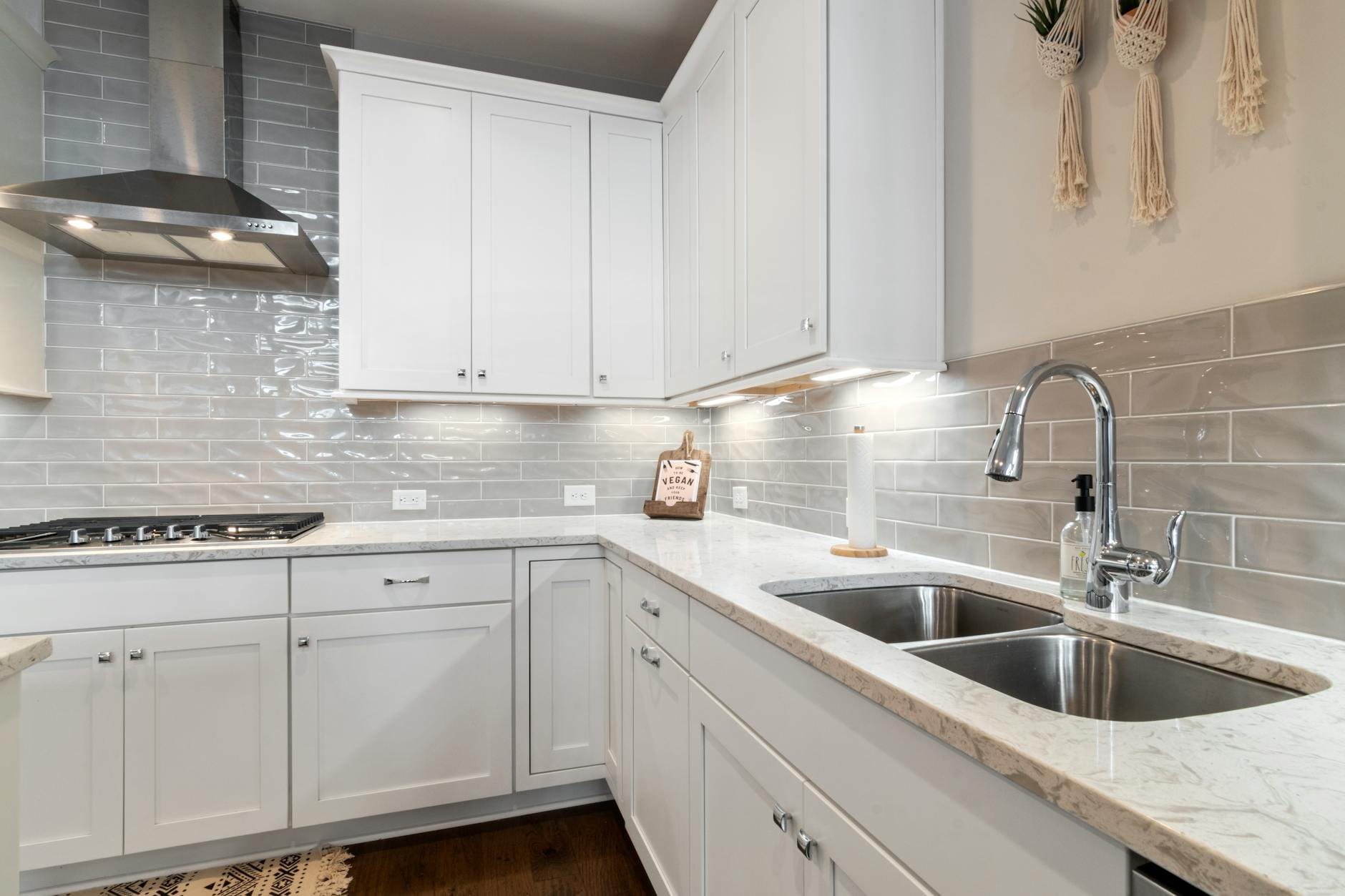
Retaining laminate countertops in kitchens and bathrooms without acknowledging them in the pricing of the property is a choice that agents privately flag as one of the more consistent sources of tension between seller expectations and buyer reality in the current market. Buyers across virtually all price points have been so thoroughly exposed to stone, engineered stone, and solid surface countertop options through renovation media that laminate now reads as a significant and budget-costly deficiency rather than a neutral feature. Agents describe the moment a buyer runs their hand across a laminate surface and registers what it is as a reliable inflection point in the viewing experience after which offers consistently come in lower. Sellers who price their laminate-countered kitchens as though they were stone-countered equivalents create a negotiation dynamic that agents find both predictable and exhausting.
Neon Signs

Installing decorative neon or LED neon signs featuring bar-related slogans, motivational phrases, or aesthetic words in living spaces, home bars, or bedrooms is a decorating trend that agents now encounter regularly enough to have developed a privately shared shorthand for properties that have leaned heavily into it. The neon sign aesthetic communicates a strong social media influence on the homeowner’s decorating decisions which agents associate with a broader pattern of trend-driven choices throughout the property that buyers will be inheriting the reversal of. Beyond the stylistic question, neon signage creates a very specific atmospheric quality in a room that makes it difficult for buyers to imagine the space serving any purpose other than the one the sign announces. Agents routinely recommend removing neon signs before listing and note that the wall repair required after removal is often more complicated than anticipated.
Painted Brick

Painting over original brick whether interior feature walls, fireplaces, or exterior facades is a modification that agents privately regard as one of the more irreversible and value-diminishing decisions a homeowner can make regardless of how fashionable the painted brick look appeared at the moment it was applied. Original brick is considered a desirable architectural feature by a significant majority of buyers and its elimination through paint removes a selling point while simultaneously creating a maintenance obligation and a restoration challenge that many buyers price heavily into their offers. Agents describing painted brick in listing feedback often use carefully neutral language that nonetheless communicates the same professional frustration. The before and after of a painted brick renovation reliably runs in the opposite direction from the homeowner’s intentions in terms of market value.
Shag Rugs

Placing large, deep-pile shag rugs in primary living areas creates a reaction in agents and buyers that combines aesthetic judgment with a very practical concern about what those fibers have absorbed over years of household life. The deep pile of a shag rug is genuinely difficult to clean thoroughly and buyers touring a home where a prominent shag rug occupies the center of the main living area are performing an unconscious hygiene calculation alongside their decorative assessment. Agents staging homes for sale consistently recommend removing shag rugs before listing and replacing them with flat-weave or short-pile alternatives that read as cleaner and more contemporary. The visual weight of a large shag rug also tends to anchor a room in a way that makes it harder for buyers to assess the floor beneath it and the space it occupies.
Posters Without Frames
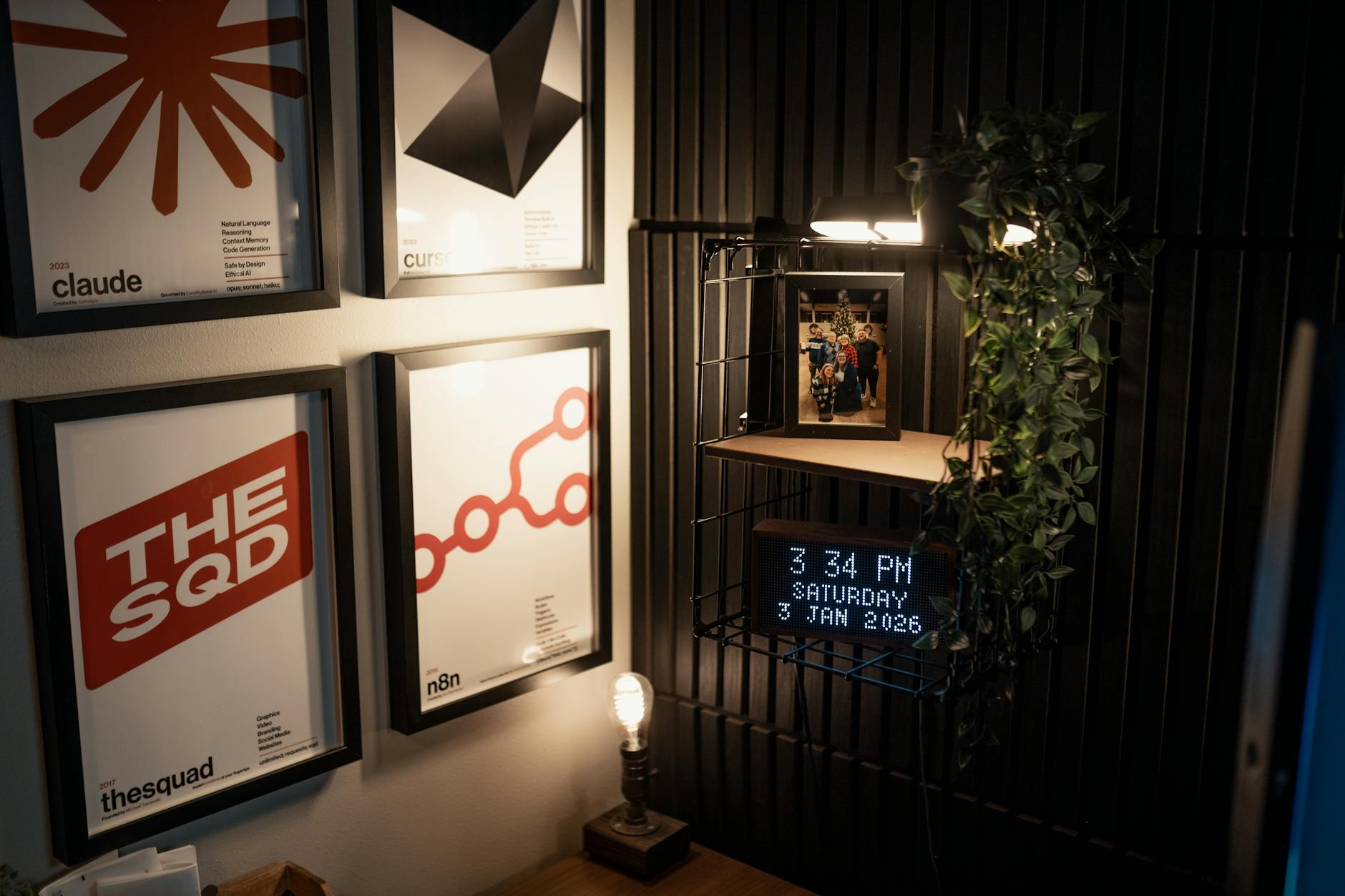
Displaying printed posters, photographs, or artwork attached directly to walls without framing in adult living spaces signals a level of finish and investment in the home’s presentation that agents associate with a tenant mentality rather than an owner’s pride of place. The unframed poster has a specific visual register that reads as temporary, student-era, or simply unfinished regardless of the quality or interest of the image itself. Agents note that the overall impression of a home is assembled from dozens of small details and that unframed wall art contributes to a cumulative picture of a space that has not been fully invested in. The gap between the care taken with furniture choices and the carelessness of wall art presentation is a dissonance that buyers register even when they cannot immediately identify its source.
Carpeted Bathrooms
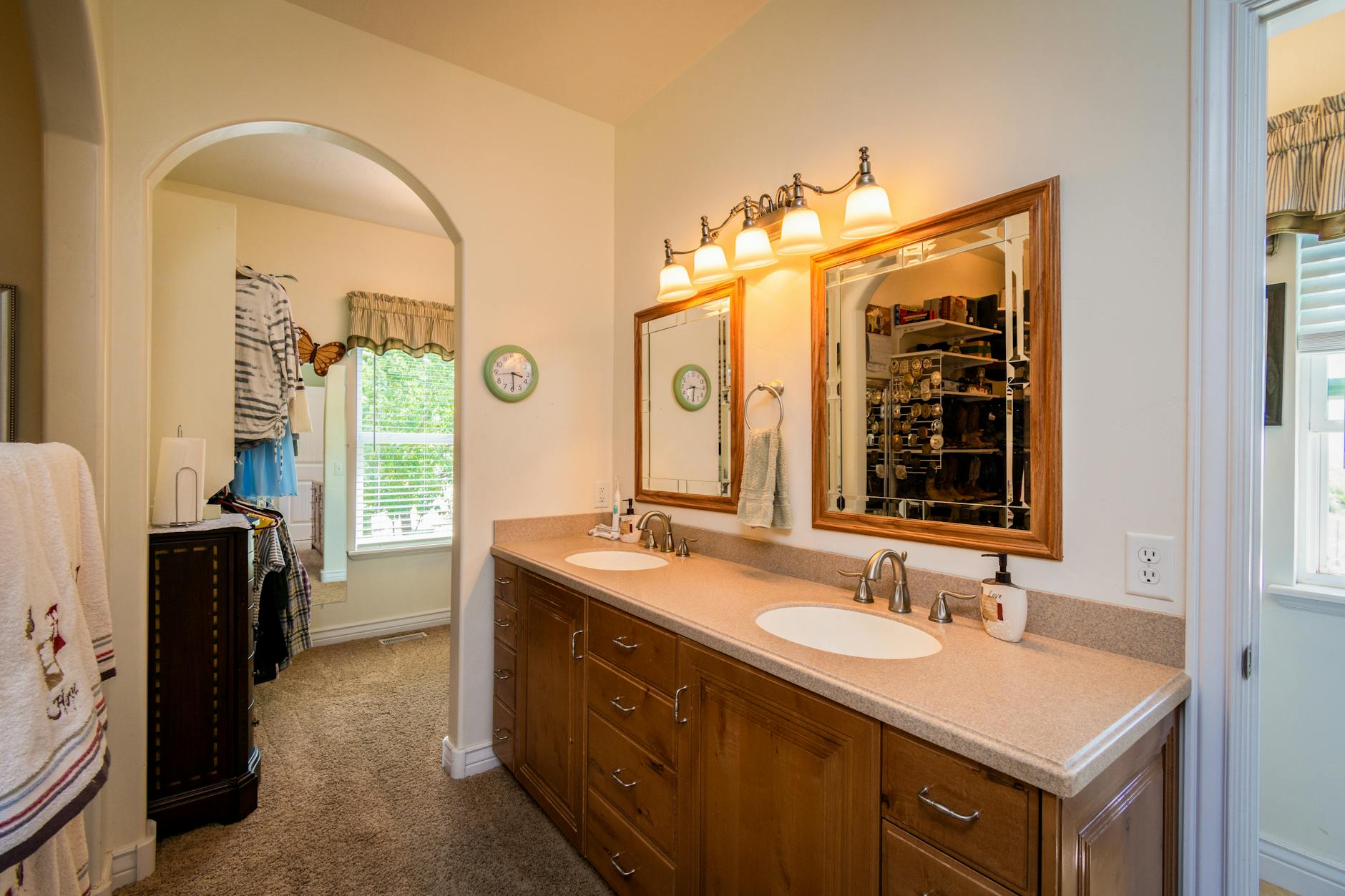
Discovering carpet in a bathroom creates one of the most universally consistent reactions in real estate agent experience, combining aesthetic displacement with an immediate and well-founded hygiene concern that is very difficult to move past during a viewing. The moisture environment of a bathroom makes carpet a genuinely problematic flooring choice that accumulates biological material in ways that no surface cleaning fully addresses, a reality that agents and buyers understand instinctively even when they do not articulate it explicitly. Properties with carpeted bathrooms generate a specific quality of listing feedback that agents have developed a practiced neutrality in delivering to sellers. The removal of bathroom carpet is among the most consistently recommended pre-sale improvements in the industry and the reasoning requires almost no explanation.
Drop Ceilings

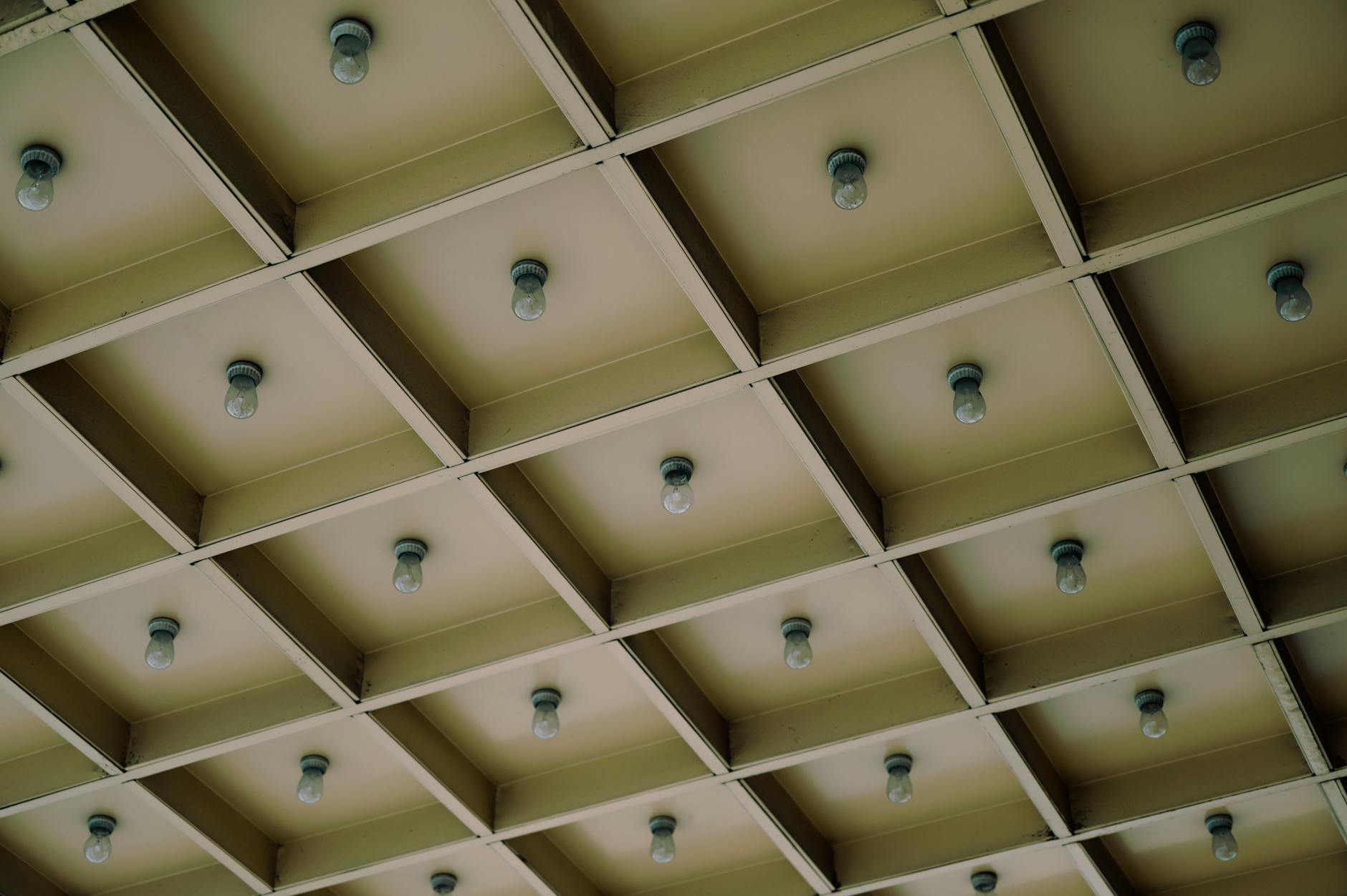
Installing or retaining drop ceilings featuring suspended grid systems and acoustic tiles in residential living spaces creates an immediate commercial or basement-office impression that buyers find very difficult to overlook when trying to assess a room’s residential potential. The drop ceiling is a functional solution in certain contexts but its presence in a primary living area, kitchen, or bedroom dramatically reduces the perceived ceiling height, eliminates architectural interest, and signals that something above the tiles either needed to be accessed or was not worth finishing properly. Agents privately note that the question of what is above a drop ceiling is one that buyers ask consistently and that the answer is rarely reassuring. Homes with drop ceilings in prominent spaces take measurably longer to generate competitive offers in most markets.
Wicker Furniture Indoors
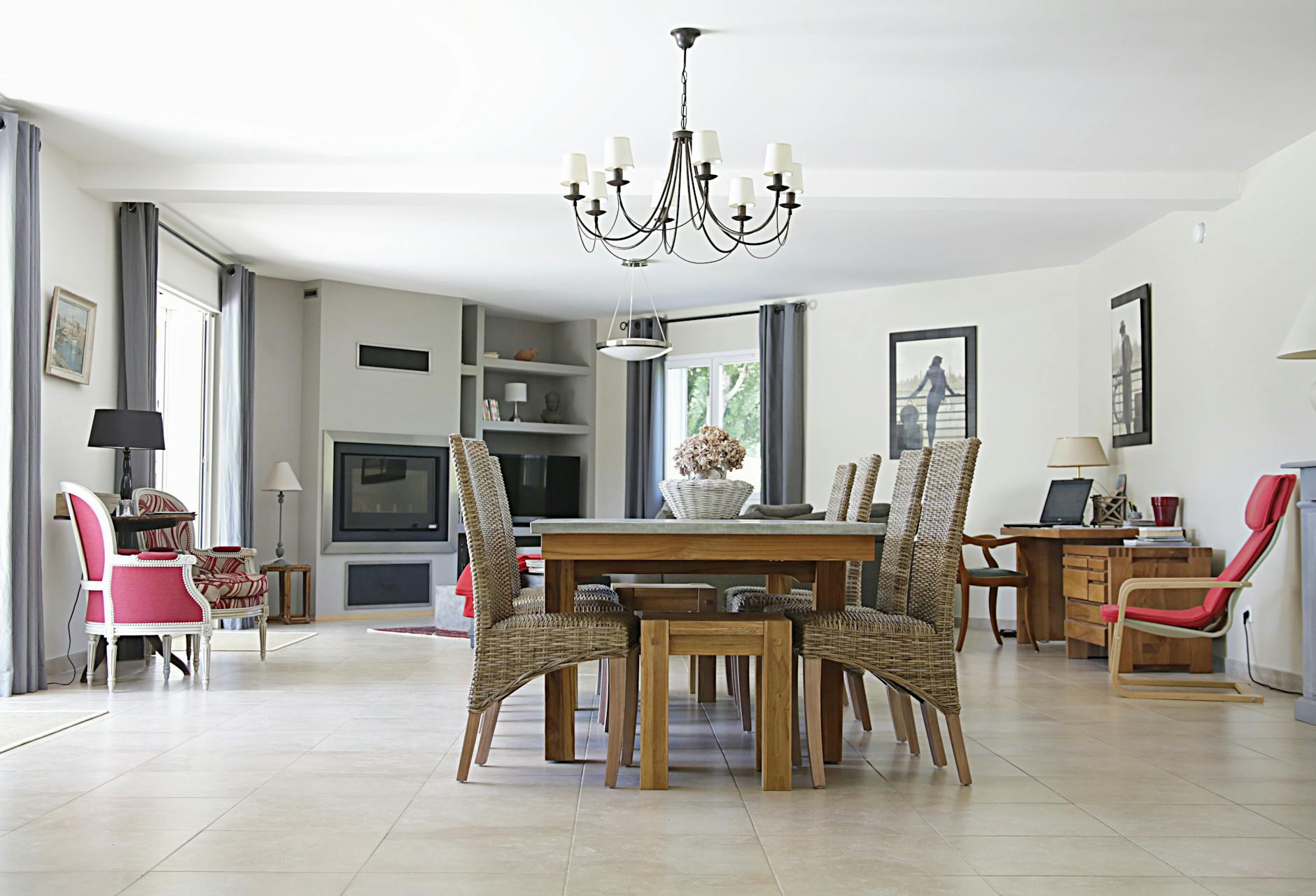
Furnishing interior living spaces primarily with wicker or rattan furniture in ways that were not intentionally designed for the space creates an impression that agents describe as stylistically stranded between an outdoor setting and an interior one without achieving the relaxed intentionality of either. There is a significant difference between a curated indoor-outdoor aesthetic that incorporates natural materials deliberately and a living room furnished with patio-adjacent pieces because they were available or affordable. Buyers touring a home with prominent wicker seating in the main living area register an overall impression of improvisation that colors their assessment of the property’s broader finish level. Agents recommend ensuring that all furniture in a property being listed reads as intentionally chosen for its specific setting rather than repurposed from another context.
Clashing Gallery Walls

Assembling large gallery walls featuring a combination of personal photographs, mass-produced inspirational prints, children’s artwork, decorative plates, and miscellaneous wall hangings in a single dense installation creates a visual experience that agents describe as one of the more challenging features to navigate during a showing. The gallery wall concept has genuine design merit when executed with restraint and curation but the version agents most commonly encounter is an accumulation rather than a composition, driven more by available wall space and sentimental attachment than by any coherent visual intention. The density of personal imagery in these installations also makes it harder for buyers to depersonalize the space mentally and imagine their own lives within it. Agents advising sellers on pre-listing preparation consistently recommend editing gallery walls down to a small number of carefully chosen and impersonally framed pieces.
Plastic Chair Covers
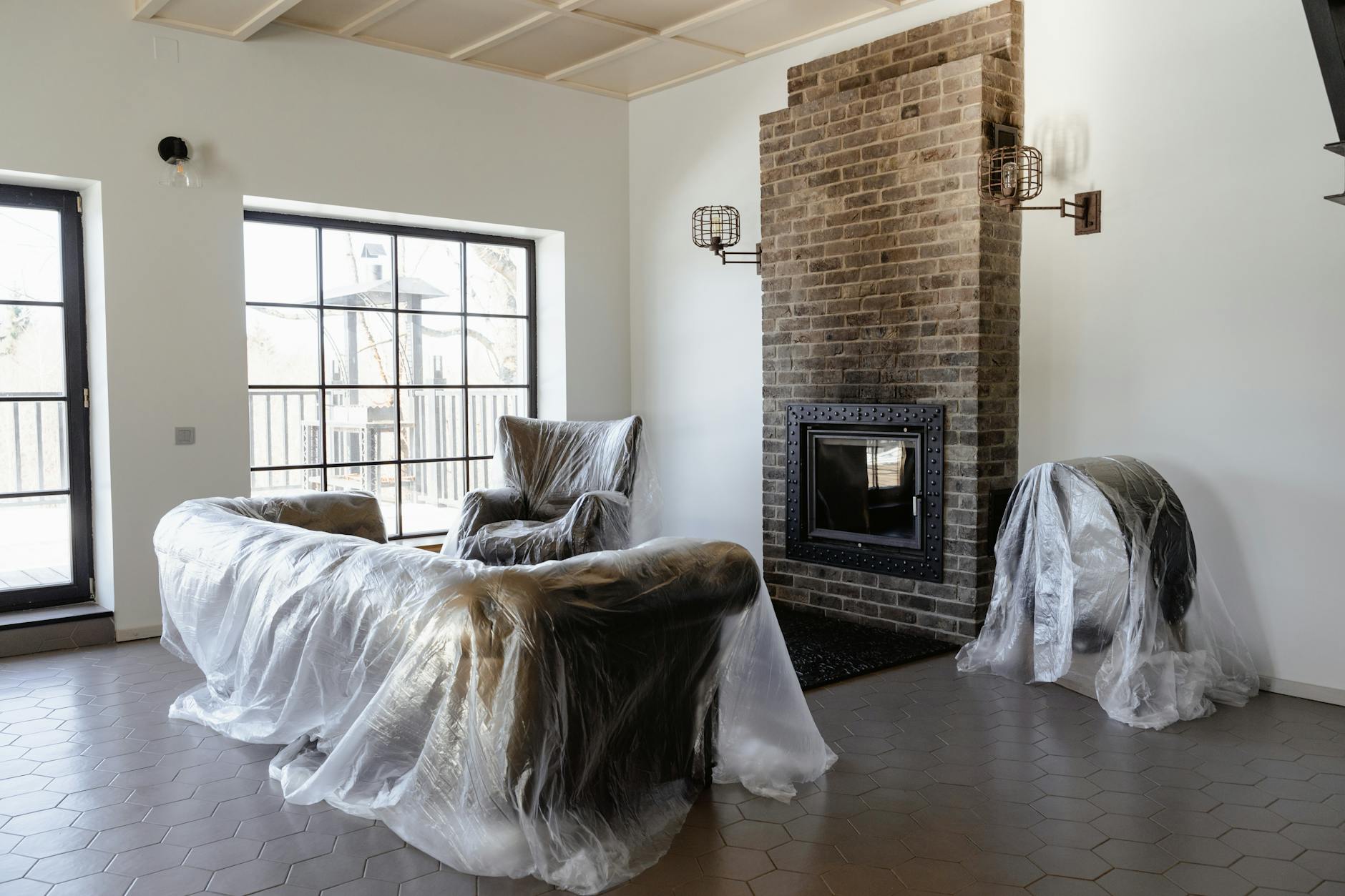
Maintaining plastic protective covers on sofas, armchairs, or dining chairs in a home being prepared for sale is among the most reliable signals in real estate that the seller’s relationship with their property is going to make the transaction complicated in ways that go beyond decoration. The plastic cover communicates a set of priorities around preservation over livability that buyers find difficult to reconcile with their vision of making the space their own. It also raises the question of what the furniture beneath looks like and why it required protection of a kind that was never intended to be temporary. Agents encountering plastic-covered furniture during a listing walkthrough tend to adjust their expectations for the entire conversation that follows.
Brass Fixtures Throughout

Retaining original brass fixtures throughout a home including door handles, light switch plates, tap fittings, cabinet hardware, and light fittings without updating any of them presents buyers with a comprehensive renovation task that they immediately begin pricing rather than appreciating. Brass had multiple significant moments in residential design history and is experiencing a selective revival in the current market but the original builder-grade brass of the 1980s and 1990s occupies a very different aesthetic category from the warmer antique and brushed brass that contemporary design embraces. Agents describe the all-brass home as one of those properties where the sum of the fixtures creates a stronger dated impression than any single piece would in isolation. Updating even a selection of the most prominent hardware before listing creates a disproportionately positive shift in the overall impression the property makes.
Conversation Pit Remnants

Discovering a sunken conversation pit or the poorly filled remnants of one in a living space is a finding that experienced agents receive with a very particular combination of recognition and resignation. The conversation pit was an architectural feature of a specific mid-century design moment that never successfully transitioned into the safety, cleaning, and practicality expectations of subsequent generations of homeowners. Properties that still contain an active conversation pit present agents with an unusual combination of structural curiosity, safety concern, and the near-impossible task of finding a buyer who shares both the aesthetic appreciation and the lifestyle compatibility required. Those that have been filled in improperly are if anything more challenging because the evidence of a previous structural modification without professional finish creates additional questions that buyers and their inspectors will pursue.
If any of these decorating choices are currently on display in your home share your thoughts and staging plans in the comments.




