Winter often brings a sharp increase in household expenses as heating systems work overtime to combat dropping temperatures. Homeowners frequently overlook small inefficiencies that cumulatively result in substantial monthly costs during the coldest months of the year. Implementing a comprehensive strategy for energy conservation involves examining every aspect of the home from insulation to daily habits. The following list provides practical methods to reduce energy consumption and maintain a comfortable living environment without overspending.
Programmable Thermostats
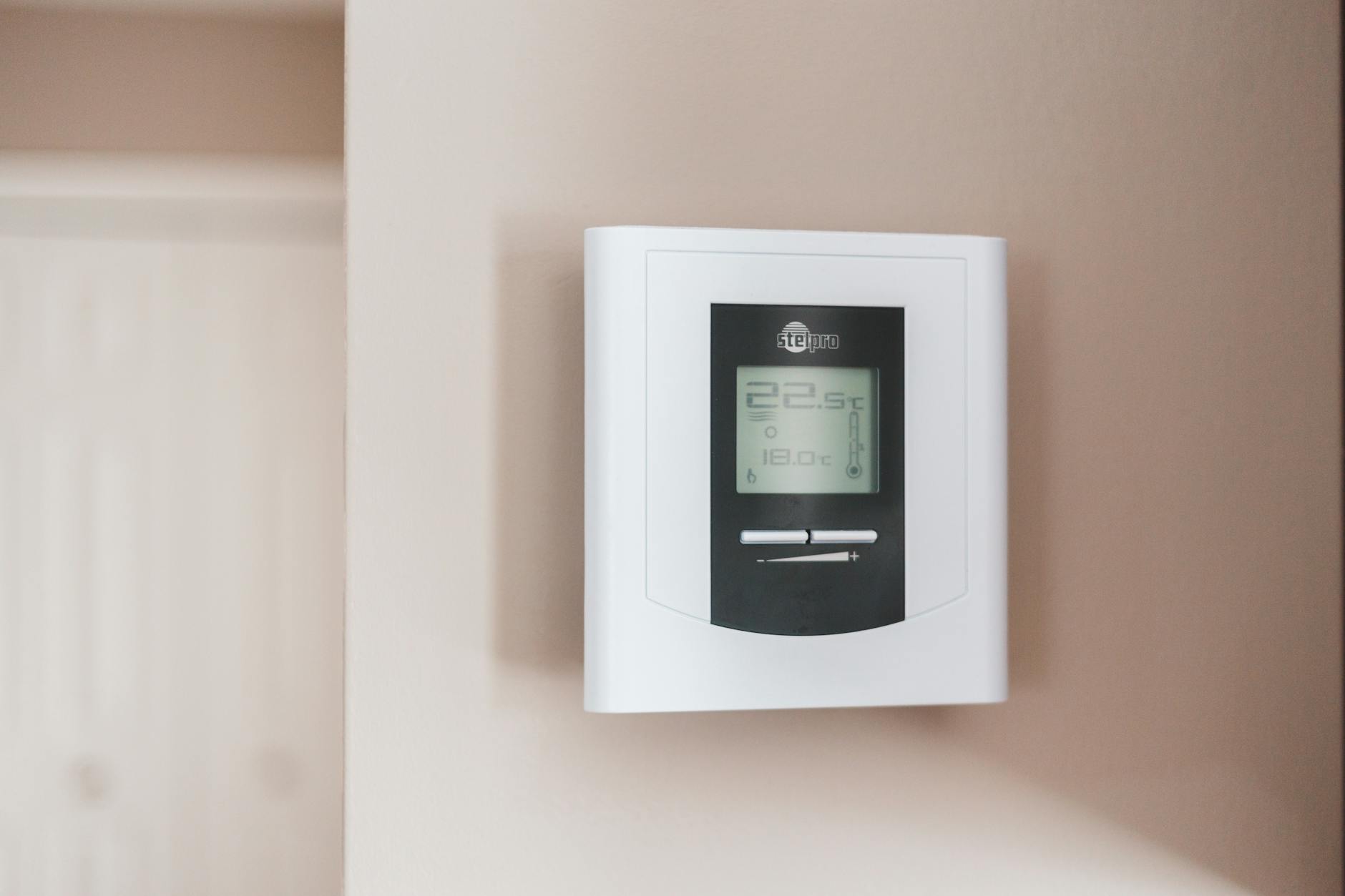
Installing a programmable thermostat allows homeowners to establish a heating schedule that aligns with their daily routine. You can lower the temperature automatically when the house is empty or during sleeping hours to reduce unnecessary energy consumption. Modern smart devices offer remote control capabilities through smartphone applications for adjustments on the go. This simple upgrade prevents heating an empty home and can lead to significant savings over the course of the winter season.
Sunlight Utilization

Opening curtains on south-facing windows during the day invites natural solar heat into your living spaces. The greenhouse effect created by the glass warms the interior air without requiring any electricity or fuel. You should close the window coverings immediately after the sun sets to trap the accumulated heat inside for the evening. This passive heating technique is entirely free and reduces the workload on your furnace during sunny afternoons.
Ceiling Fan Direction

Most ceiling fans feature a switch that reverses the direction of the blades to operate in a clockwise motion. This setting creates an updraft that pushes warm air near the ceiling down into the living space. Circulating trapped heat helps maintain a consistent room temperature and eliminates cold spots near the floor. You can keep the thermostat set lower while feeling just as warm thanks to better air distribution.
Furnace Filter Replacement

A clogged furnace filter restricts airflow and forces the heating system to work harder to circulate warm air. Checking the filter monthly ensures that the unit operates at peak efficiency and prevents unnecessary strain on the motor. Replacement filters are generally inexpensive compared to the cost of running a compromised system. Clean filters also improve indoor air quality by trapping dust and allergens more effectively.
Draft Snakes

Draft snakes are fabric tubes filled with insulating material that block cold air from entering under exterior doors. Placing these at the base of entryways prevents heat from escaping and stops chilly breezes from cooling the floor. You can purchase commercial versions or easily make them using rolled towels or heavy fabric scraps. This low-tech solution provides an immediate barrier against drafts and improves comfort in hallways or entry rooms.
Window Film Insulation

Applying shrink-wrap window film creates an airtight seal over drafty glass panes to improve insulation. The clear plastic sheet traps a pocket of air between the film and the window to reduce thermal transfer. You can install this material easily using double-sided tape and a standard hair dryer to shrink it tight. This affordable addition significantly reduces heat loss in older homes with single-pane windows.
LED Light Bulbs

Replacing incandescent bulbs with LED alternatives reduces the electricity required for lighting by a significant margin. LEDs consume a fraction of the power and emit very little heat while providing the same level of brightness. These bulbs have a much longer lifespan and reduce the frequency of replacements needed throughout the year. Switching your entire home to efficient lighting lowers the baseload of your electric bill regardless of the season.
Water Heater Temperature

lowering the temperature setting on your water heater to 120 degrees Fahrenheit prevents scalding and saves energy. This adjustment reduces the standby heat loss that occurs when the tank maintains water at unnecessarily high temperatures. Most households find this setting sufficient for hot showers and cleaning dishes without running out of hot water. It is a simple maintenance task that requires only a screwdriver and a few minutes of your time.
Cold Water Laundry

Washing clothes in cold water eliminates the energy required to heat the water for every load. Modern detergents are formulated to work effectively at lower temperatures and still remove stains. Switching to cold cycles prevents fabric shrinkage and color bleeding while reducing utility costs. This habit significantly lowers the workload on your water heater during the colder months.
Air Drying Dishes

The heated drying cycle on a dishwasher consumes a large amount of electricity to produce hot air. Opening the dishwasher door after the wash cycle finishes allows the dishes to dry naturally via evaporation. Many modern units offer an energy-saving mode that automatically skips the heat-dry phase. This small change in routine reduces electricity usage without impacting the cleanliness of your kitchenware.
Sealing Electrical Outlets
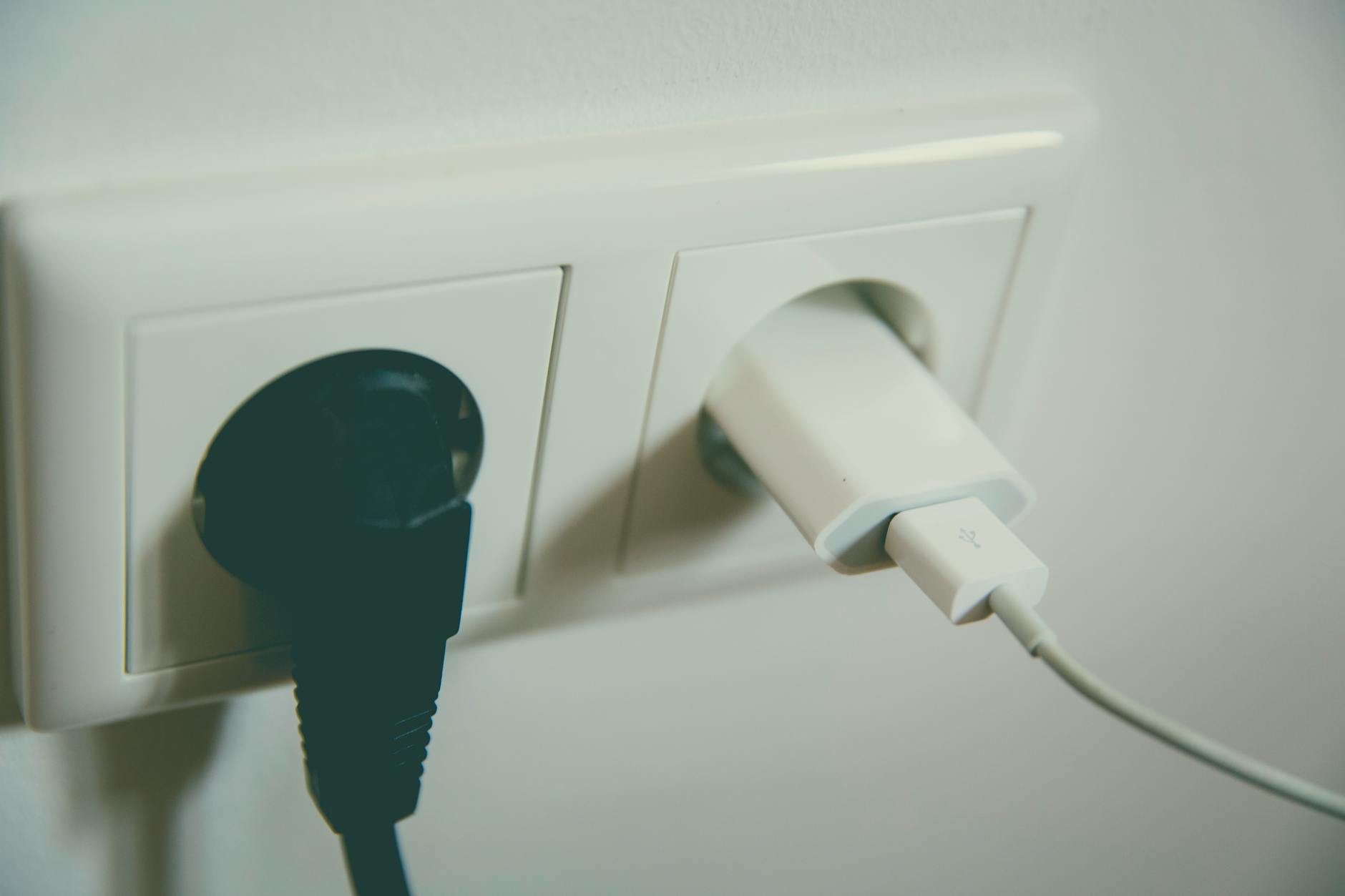
Electrical outlets and switch plates on exterior walls often allow cold air to leak into the home. Installing foam gaskets behind these covers seals the gaps and prevents drafts from entering through the wall cavity. These inexpensive foam inserts are easy to install with just a screwdriver and provide an effective thermal break. Stopping these small leaks helps maintain a consistent internal temperature in drafty rooms.
Humidifier Usage

Moist air holds heat better than dry air and makes the room feel warmer to the human body. Running a humidifier adds necessary moisture to the air and allows you to feel comfortable at a lower thermostat setting. Increased humidity also alleviates dry skin and respiratory issues often associated with winter heating. Using a humidifier strategically can enhance comfort while reducing the reliance on the furnace.
Chimney Dampers

Leaving a chimney damper open when the fireplace is not in use acts like an open window that sucks warm air out of the house. You must ensure the damper fits tightly and remains closed whenever a fire is not actively burning. Inflatable chimney balloons can provide an extra layer of seal for fireplaces that are rarely used. Proper chimney management prevents massive heat loss and keeps the living area comfortable.
Rugs on Bare Floors

Covering hardwood or tile floors with area rugs adds a layer of insulation that prevents heat loss through the ground. Rugs provide a warmer surface for feet and help the room retain thermal energy more effectively. The added texture also improves acoustic dampening and makes the space feel cozier during winter evenings. This decorative solution serves a functional purpose by reducing the chill radiating from cold subfloors.
Door Sweeps

Installing heavy-duty door sweeps on exterior doors closes the gap between the door bottom and the threshold. This hardware prevents cold air infiltration and keeps insects or moisture from entering the home. Rubber or brush sweeps automatically adjust to uneven floor surfaces to maintain a tight seal. Adding this barrier is a permanent fix for one of the most common sources of drafts.
Caulking Window Frames

Cracks and gaps around window frames allow warm air to escape and cold air to penetrate the interior. Applying fresh caulk to the exterior and interior edges of window casings seals these leaks effectively. You should inspect old caulk for cracking or peeling and remove it before applying a new bead. A well-sealed window frame improves the overall thermal envelope of the house.
HVAC Maintenance

Scheduling an annual tune-up for your heating system ensures it runs safely and efficiently throughout the winter. A professional technician cleans the components and checks for potential issues that could lower performance. preventative maintenance extends the lifespan of the unit and prevents costly emergency repairs during freezing weather. An optimized system uses less fuel to reach the desired temperature and saves money on monthly bills.
Smart Power Strips

Electronics often consume power even when they are turned off due to standby modes and indicator lights. Smart power strips automatically cut power to peripheral devices when the main device is turned off. You can use these for entertainment centers or home office setups to eliminate phantom energy loads. This automated solution prevents energy waste without requiring you to unplug devices manually.
Zone Heating
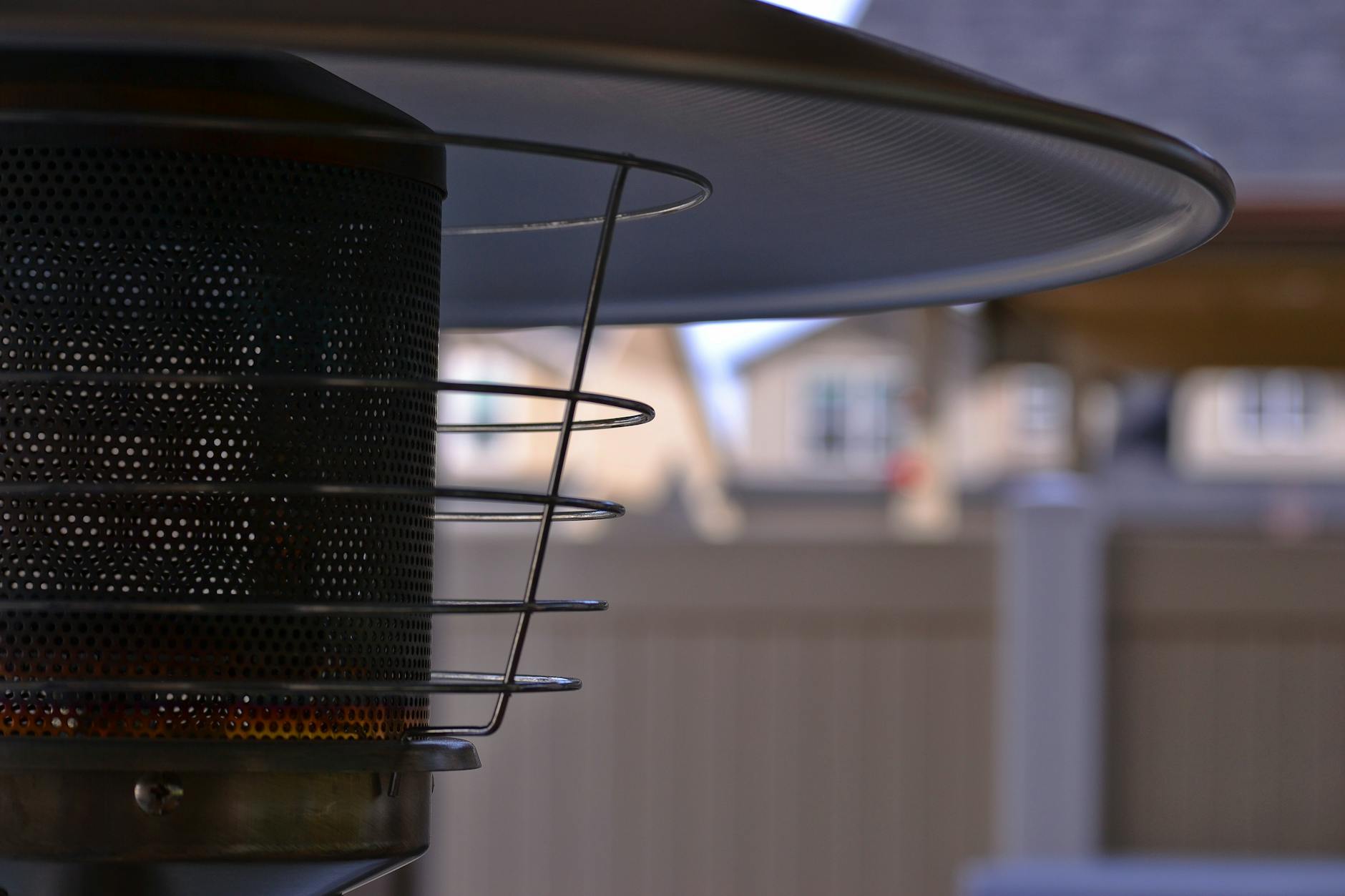
Using a portable space heater in the room you are occupying allows you to lower the central thermostat for the rest of the house. This strategy focuses heat only where it is needed rather than warming empty rooms. You must use space heaters safely and keep them away from flammable materials to avoid fire hazards. Zone heating is particularly effective for people who spend most of their day in a single home office or living area.
Dryer Balls

Wool dryer balls tumble with your laundry to separate items and improve air circulation within the drum. This action speeds up the drying process and reduces the time the appliance needs to run. They also naturally soften fabrics and reduce static without the need for chemical dryer sheets. Shorter drying cycles translate directly to lower electricity or gas consumption for every load of laundry.
Lint Trap Cleaning
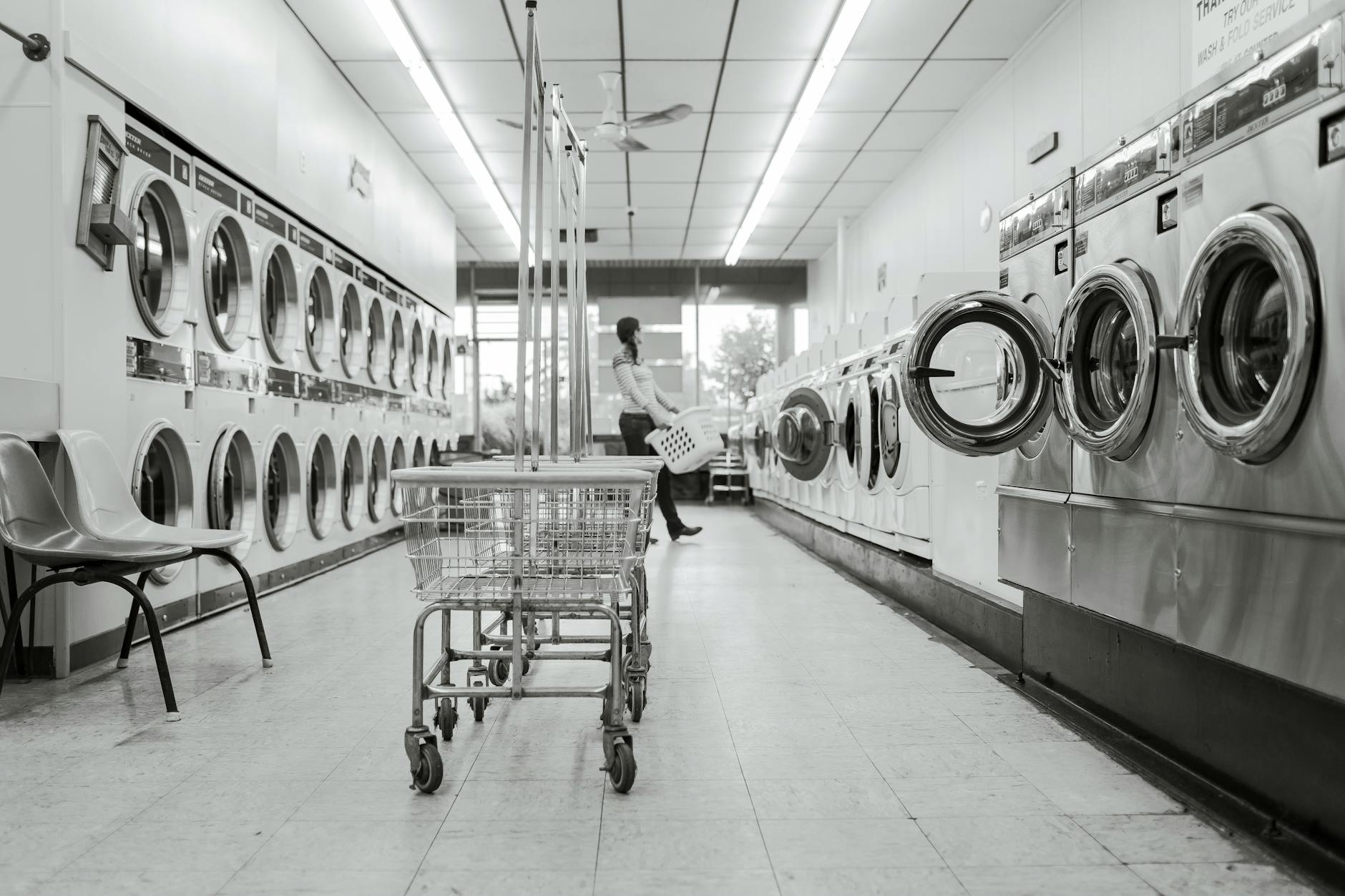
Cleaning the lint trap before every load of laundry maintains proper airflow through the dryer vent. A clogged screen restricts air movement and forces the dryer to run longer to dry the clothes completely. Regular cleaning also prevents lint buildup in the ductwork which reduces the risk of dryer fires. This quick habit ensures maximum efficiency and protects the appliance from overheating.
Oven Door Discipline

Opening the oven door to check on food releases a significant amount of heat and forces the appliance to use more energy to recover the temperature. You should use the oven light and the glass window to monitor cooking progress whenever possible. keeping the door closed maintains a steady cooking temperature and ensures meals are prepared efficiently. This practice reduces energy spikes and helps food cook more evenly.
Residual Oven Heat

Turning off the oven a few minutes before the cooking time is complete utilizes the trapped heat to finish the process. The insulated compartment retains high temperatures long enough to complete the baking or roasting. You can also leave the oven door open after cooking to let the residual heat warm up the kitchen. This technique maximizes the utility of the energy already consumed for meal preparation.
Microwave Cooking

Microwaves use significantly less energy than conventional ovens to heat or cook small portions of food. Using the microwave for reheating leftovers or cooking side dishes reduces the need to power up the large stove. The shorter cooking times also contribute to overall energy savings in the kitchen. This appliance is an efficient alternative for quick meals that do not require baking or roasting.
Pot Lids

Covering pots and pans with lids traps steam and heat to cook food faster and more efficiently. This simple action allows you to lower the burner setting while maintaining a boil or simmer. Faster cooking times mean less gas or electricity is used for every meal preparation. Keeping the heat contained also prevents excess moisture from condensing on kitchen surfaces.
Refrigerator Coils

Dust and pet hair accumulate on the condenser coils located at the back or bottom of the refrigerator. This buildup acts as insulation and forces the compressor to work harder to cool the interior. Vacuuming these coils every six months helps the appliance run more efficiently and extends its lifespan. A clean refrigerator uses less electricity to maintain safe food storage temperatures.
Freezer Efficiency
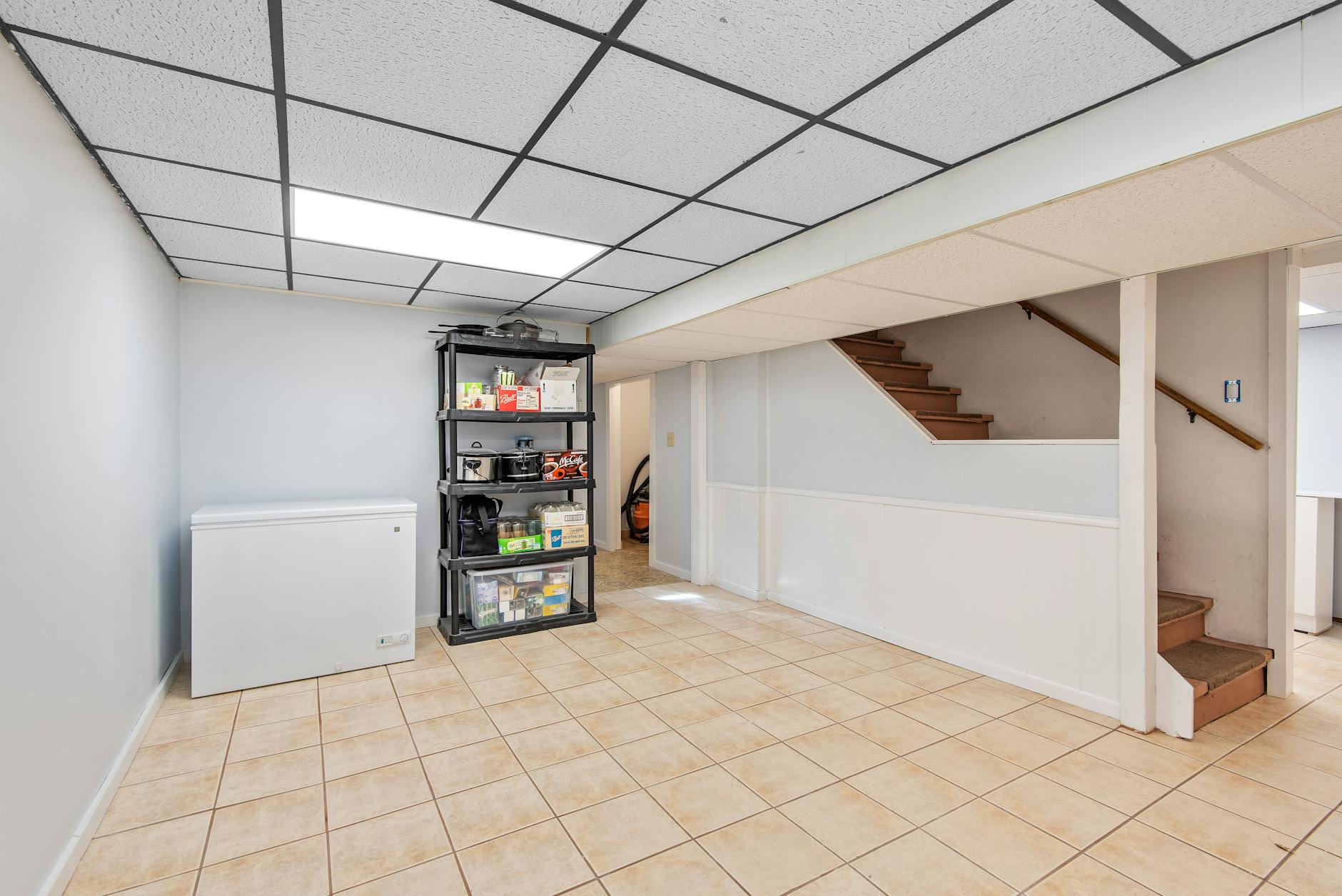
A full freezer retains cold better than an empty one because frozen items help cool the surrounding space. You can fill empty spaces with jugs of water if you do not have enough food to stock the shelves completely. However you must leave enough room for air to circulate to ensure the thermostat reads the temperature accurately. maintaining thermal mass in the freezer reduces the frequency of compressor cycles.
Weatherstripping Doors

Applying adhesive weatherstripping around the perimeter of door frames creates a compression seal when the door is closed. This material fills the gaps that develop as homes settle and doors warp over time. You should replace weatherstripping that has become brittle or flattened to ensure continued effectiveness. A tight seal around entry doors is a fundamental step in weatherproofing a home.
Attic Insulation

Adding insulation to an attic prevents the rising heat from escaping through the roof of the house. Many older homes have insufficient insulation levels that fall below current energy recommendations. You can often roll out fiberglass batts or hire a professional to blow in cellulose for better coverage. Improving attic insulation offers one of the highest returns on investment for energy efficiency upgrades.
Radiator Reflectors
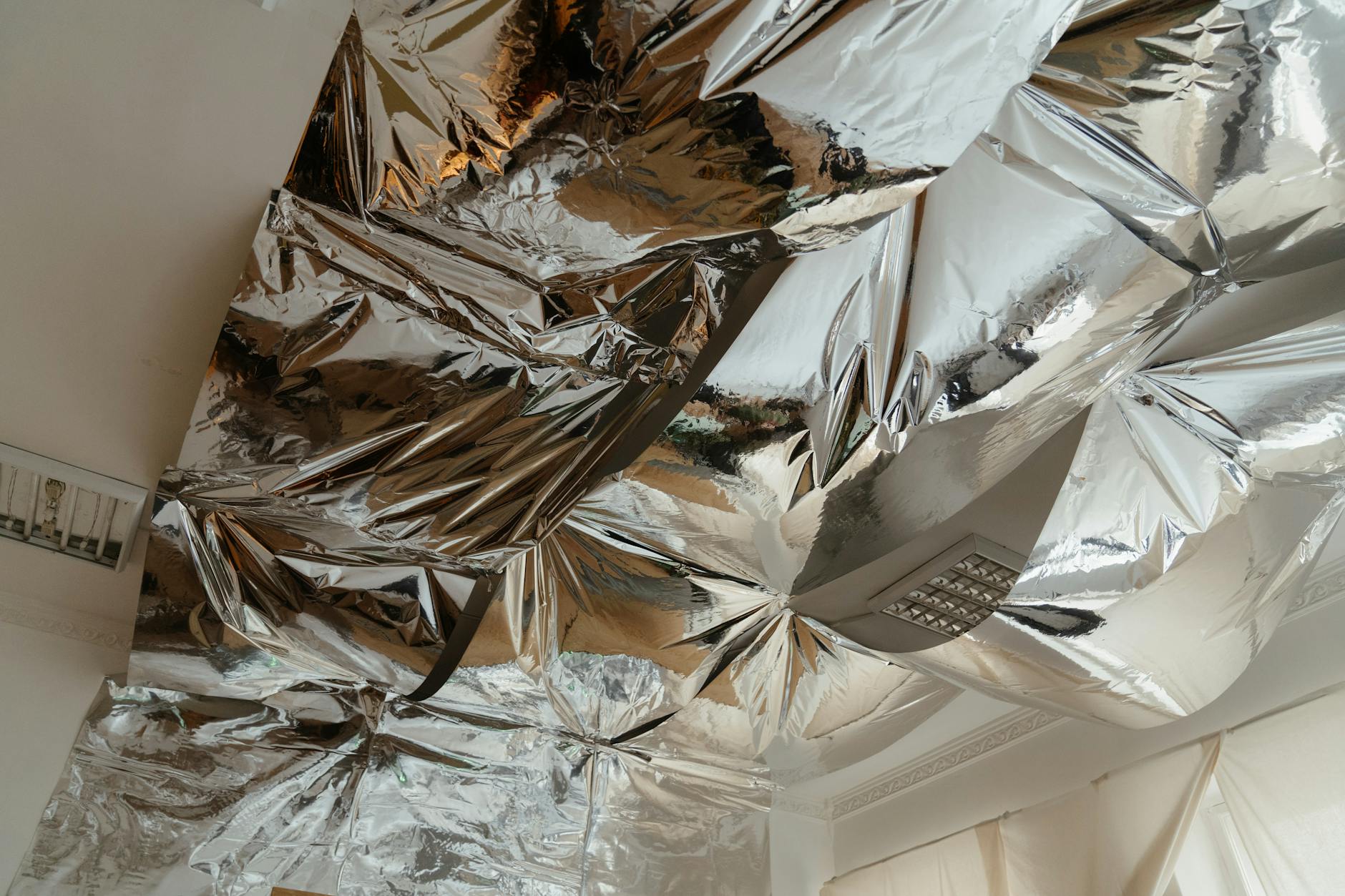
Placing a reflective foil sheet behind radiators on exterior walls reflects heat back into the room. Without this barrier a significant portion of the heat is absorbed by the cold wall and lost to the outside. You can purchase specialized radiator foil or use high-quality kitchen foil mounted on cardboard. This trick maximizes the effectiveness of hydronic heating systems in older buildings.
Bleeding Radiators

Trapped air bubbles in hot water radiators prevent hot water from circulating through the entire unit. Bleeding the radiators releases this air and allows the system to heat the room to its full capacity. You should perform this maintenance at the start of the heating season and whenever a radiator feels cold at the top. A fully functional radiator heats the space faster and reduces boiler runtime.
Exhaust Fan Management

Kitchen and bathroom exhaust fans pull warm indoor air out of the house and vent it to the exterior. You should turn these fans off as soon as they have cleared the moisture or odors from the room. Leaving them running unnecessarily can evacuate a surprising amount of heated air in a short period. Using timers on exhaust switches helps prevent them from being left on by accident.
Pipe Insulation
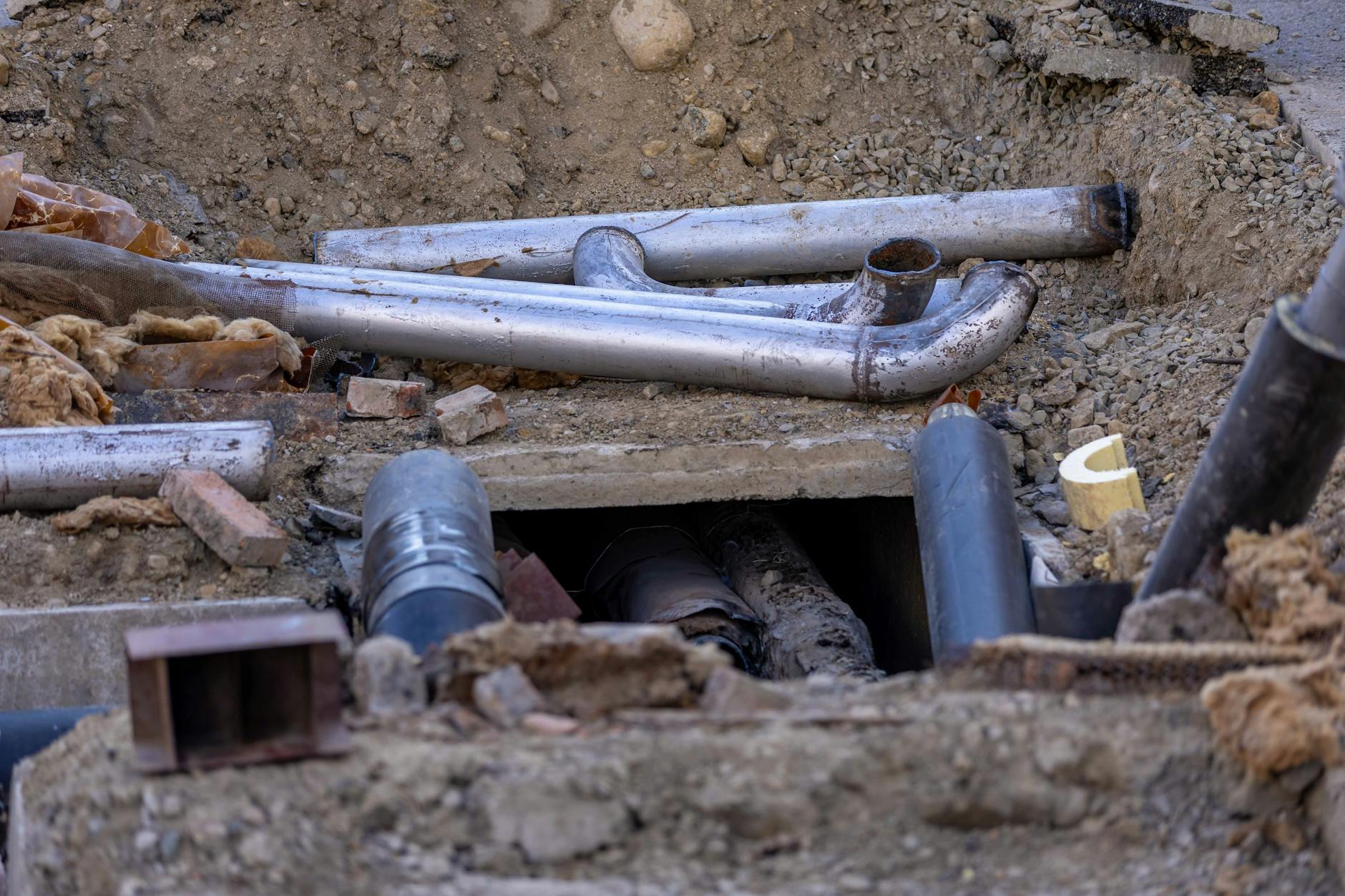
Insulating hot water pipes in unheated basements or crawl spaces reduces heat loss as water travels to your faucets. Foam pipe sleeves are inexpensive and easy to slip over exposed plumbing lines. This insulation delivers hotter water to the shower and sink while reducing the wait time for hot water. It also provides protection against freezing pipes during extreme cold snaps.
Low-Flow Showerheads

Installing a low-flow showerhead reduces the volume of hot water used without sacrificing water pressure. Less water consumption means the water heater uses less energy to heat the supply for daily showers. modern aerating models provide a satisfying spray pattern while using significantly fewer gallons per minute. This upgrade saves money on both the water bill and the energy bill simultaneously.
Shorter Showers
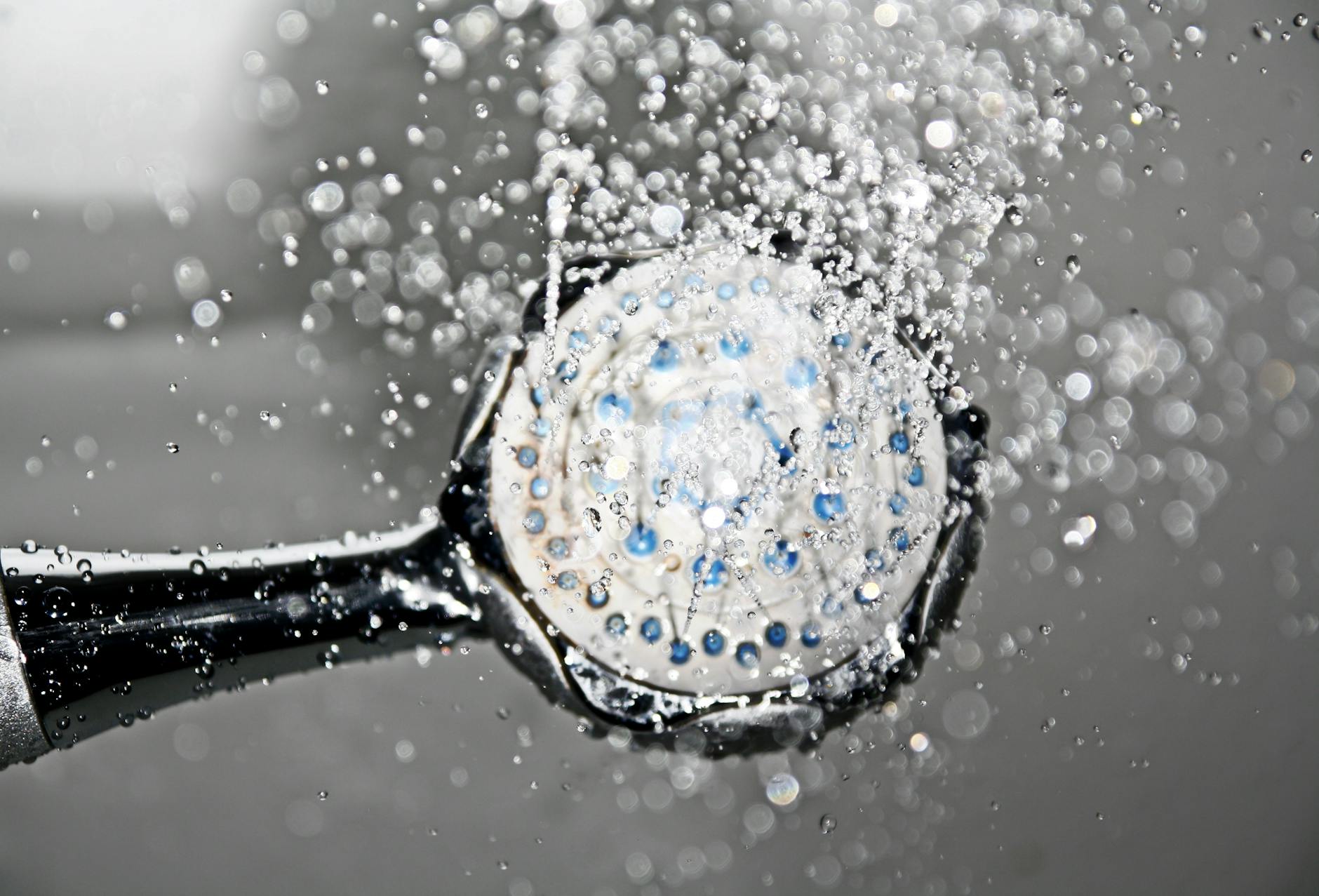
Reducing your shower time by just a few minutes saves gallons of hot water every single day. You can use a shower timer or play a specific song to keep track of how long the water has been running. This behavioral change requires no financial investment and yields immediate savings. Consistent efforts by all family members can lead to a noticeable reduction in utility costs.
Unblocking Vents
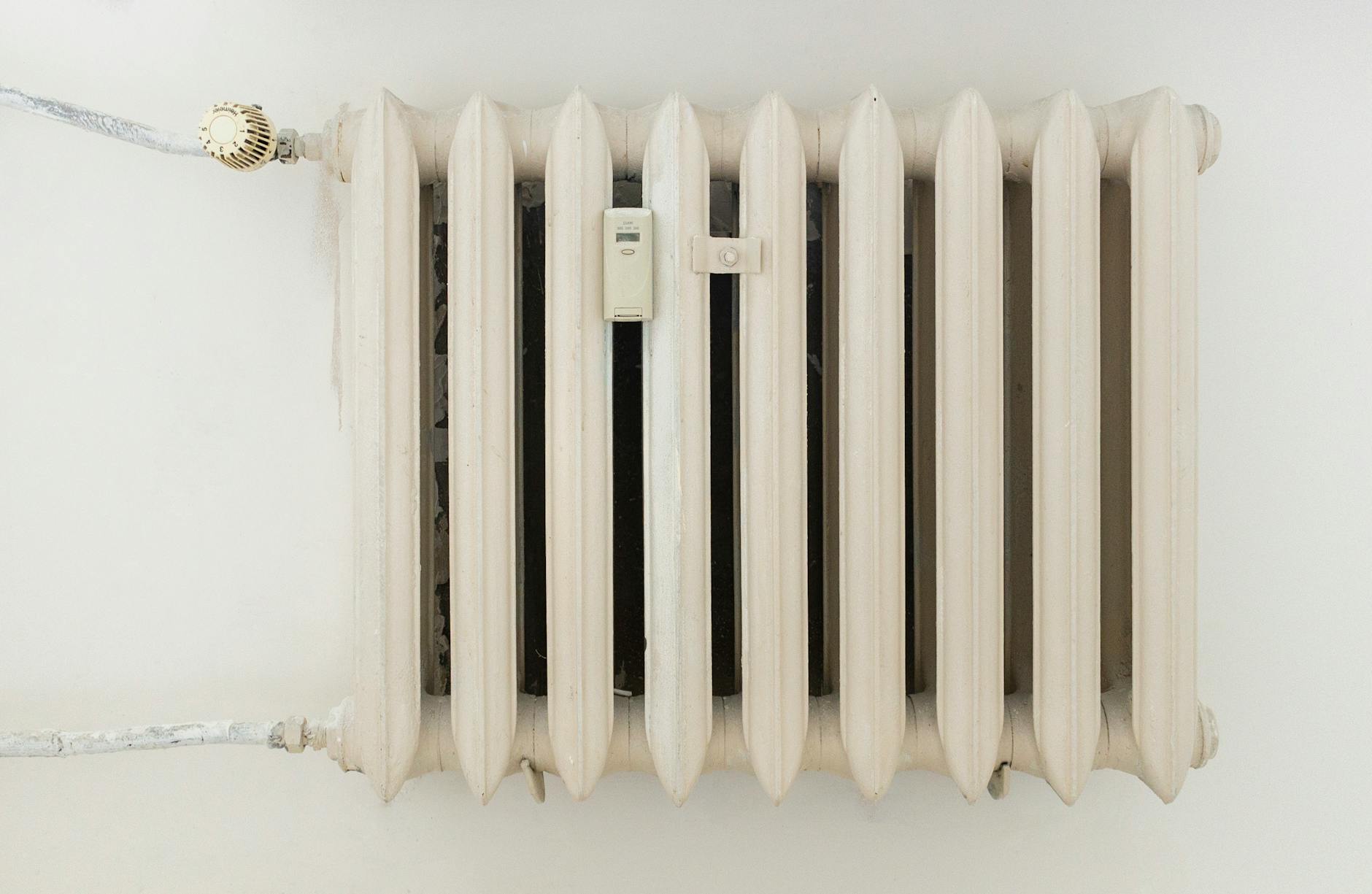
Furniture and curtains often accidentally block heating vents and radiators which obstructs airflow. You should rearrange the room layout to ensure heat sources have a clear path to circulate warm air. Deflectors can be used to guide air out from under sofas or beds if moving furniture is not an option. Unobstructed vents allow the system to heat the room evenly and quickly.
Gasket Replacement

Refrigerator and freezer door gaskets can lose their magnetic seal or become brittle over time. A faulty seal allows cold air to escape and warm air to enter which forces the motor to run continuously. You can test the seal by closing the door on a dollar bill and checking if there is resistance when you pull it out. Replacing a worn gasket restores the efficiency of the appliance immediately.
Storm Windows

Installing storm windows provides a second layer of glass that improves the insulation value of existing windows. They create a dead air space that reduces heat conduction and minimizes drafts during the winter. You must ensure the weep holes are open at the bottom to prevent moisture buildup between the panes. Storm windows are a cost-effective alternative to full window replacement.
Energy Audit

Many utility companies offer free or discounted home energy audits to identify specific areas of energy waste. A professional auditor uses thermal cameras and blower door tests to pinpoint leaks and insulation gaps. The resulting report provides a prioritized list of improvements tailored to your specific home. Acting on these recommendations ensures you are targeting the most critical efficiency issues first.
Off-Peak Usage

Some utility providers offer time-of-use plans that charge lower rates for electricity during off-peak hours. You can save money by running energy-intensive appliances like dishwashers and dryers during these cheaper time slots. checking your local rate schedule allows you to plan your chores around the most increased savings. This strategy shifts demand away from the grid during busy periods and lowers your monthly bill.
Solar Outdoor Lights

Replacing wired outdoor lighting with solar-powered fixtures eliminates the electricity cost for exterior illumination. These lights charge during the day and turn on automatically at dusk to light up pathways and porches. They require no wiring and can be placed anywhere with access to direct sunlight. Solar lights provide security and visibility without adding to the electric load.
Dishwasher Packing

Running the dishwasher only when it is fully loaded maximizes the value of the energy and water used for the cycle. You should organize the dishes efficiently to ensure water reaches all surfaces without overcrowding. frequent small loads waste resources and increase the wear and tear on the machine. A full load strategy is the most efficient way to manage kitchen cleanup.
Vacuuming Vents

Dust and debris can accumulate on the intake and output vents of your heating system. Vacuuming these grilles regularly ensures that air can flow freely into and out of the rooms. Blocked returns can starve the furnace of air and reduce its ability to heat the home effectively. Keeping the airflow path clean supports the overall health of the HVAC system.
Basement Door Sealing

The door leading to an unheated basement is often a major source of cold drafts in the main living area. Treating this door like an exterior entry by adding weatherstripping and a sweep improves thermal separation. You should keep this door closed at all times to prevent cold air from sinking into the basement or rising from it. proper isolation of unconditioned spaces keeps the heated square footage comfortable.
Attic Hatch Insulation

The access hatch to the attic is frequently uninsulated and acts as a chimney for escaping heat. You can attach a rigid foam board to the back of the hatch door to add thermal resistance. using weatherstripping around the hatch opening creates an airtight seal when the panel is closed. Addressing this specific weak point prevents a concentrated stream of heat loss.
Carpeted Floors

Wall-to-wall carpeting adds significant thermal resistance to the floor and prevents heat loss into the subfloor. The fibers trap air and create a barrier that keeps the room warmer than hard surface flooring. If installing carpet is not feasible large area rugs offer a similar benefit in high-traffic zones. Warmer floors increase perceived comfort and reduce the need for higher ambient temperatures.
Slow Cooker Meals

Slow cookers use a low amount of electricity over several hours to cook meals compared to an electric oven. The contained heat and heavy lid make them highly efficient for preparing stews and soups in winter. You can prepare dinner in the morning and have a hot meal ready without heating up the kitchen in the evening. This appliance offers both convenience and energy savings for home cooks.
Leak Repair

Dripping faucets waste a tremendous amount of water and energy if the leak comes from the hot water line. You should repair worn washers or cartridges as soon as you notice a drip to stop the waste. Even a slow drip adds up to hundreds of gallons of wasted water over the course of a year. Fixing leaks is a basic maintenance task that protects your wallet and your plumbing.
Towel Drying

Towel drying your hair thoroughly before using a blow dryer reduces the amount of time the electric device needs to run. The less time you spend using high-heat styling tools the less electricity you consume. This habit also reduces heat damage to your hair while saving energy. Small changes in personal grooming routines contribute to overall household efficiency.
Utility Rebates
Researching rebate programs offered by your local utility provider can offset the cost of buying energy-efficient appliances. Companies often provide incentives for upgrading to Energy Star rated washers, dryers, and smart thermostats. You may also find discounts on LED bulbs or low-flow water fixtures through their online marketplace. taking advantage of these offers lowers the upfront cost of efficiency upgrades.
Share your own favorite tips for keeping utility costs down during the winter months in the comments.




