
Bullying does not always leave visible marks, and the most damaging forms often go undetected for months at a time. Children who are targeted frequently hide what is happening out of shame, fear of retaliation, or a belief that adults cannot help. Parents who know what to look for are far better equipped to intervene early and protect their child’s emotional wellbeing. These subtle signs are easy to overlook but carry significant weight when noticed together.
Appetite Changes

A child who suddenly loses interest in food or begins overeating may be processing emotional distress they cannot verbalize. The digestive system is highly sensitive to anxiety, and chronic stress from bullying often manifests as nausea, stomachaches, or a general aversion to mealtimes. Some children eat compulsively as a coping mechanism when they feel powerless or unsafe. Parents should take note when eating patterns shift dramatically without any clear physical cause. Consistent changes in appetite alongside other behavioral shifts are worth a closer conversation.
Sleep Disruption

Children who are being bullied often experience heightened anxiety that makes it difficult to fall or stay asleep. Nightmares, bedwetting in older children, and repeated requests to sleep in a parent’s room can all signal emotional disturbance. A child who was previously a sound sleeper but suddenly dreads bedtime may be replaying social interactions in their mind. Exhaustion from poor sleep can then compound the problem by making the child more emotionally reactive and less able to cope at school. Sleep disruption that persists beyond a week or two deserves careful attention.
Unexplained Injuries

Bruises, scrapes, or torn clothing that a child cannot explain clearly are among the most direct physical indicators of bullying. Children who are being physically targeted often fabricate vague or inconsistent stories to avoid revealing what actually happened. Even minor recurring injuries in the same areas of the body may suggest repeated physical confrontations. A child who flinches unexpectedly or becomes tense when touched may also be carrying physical memories of aggression. Parents should approach these observations calmly and without alarm to encourage honest disclosure.
Mood Swings
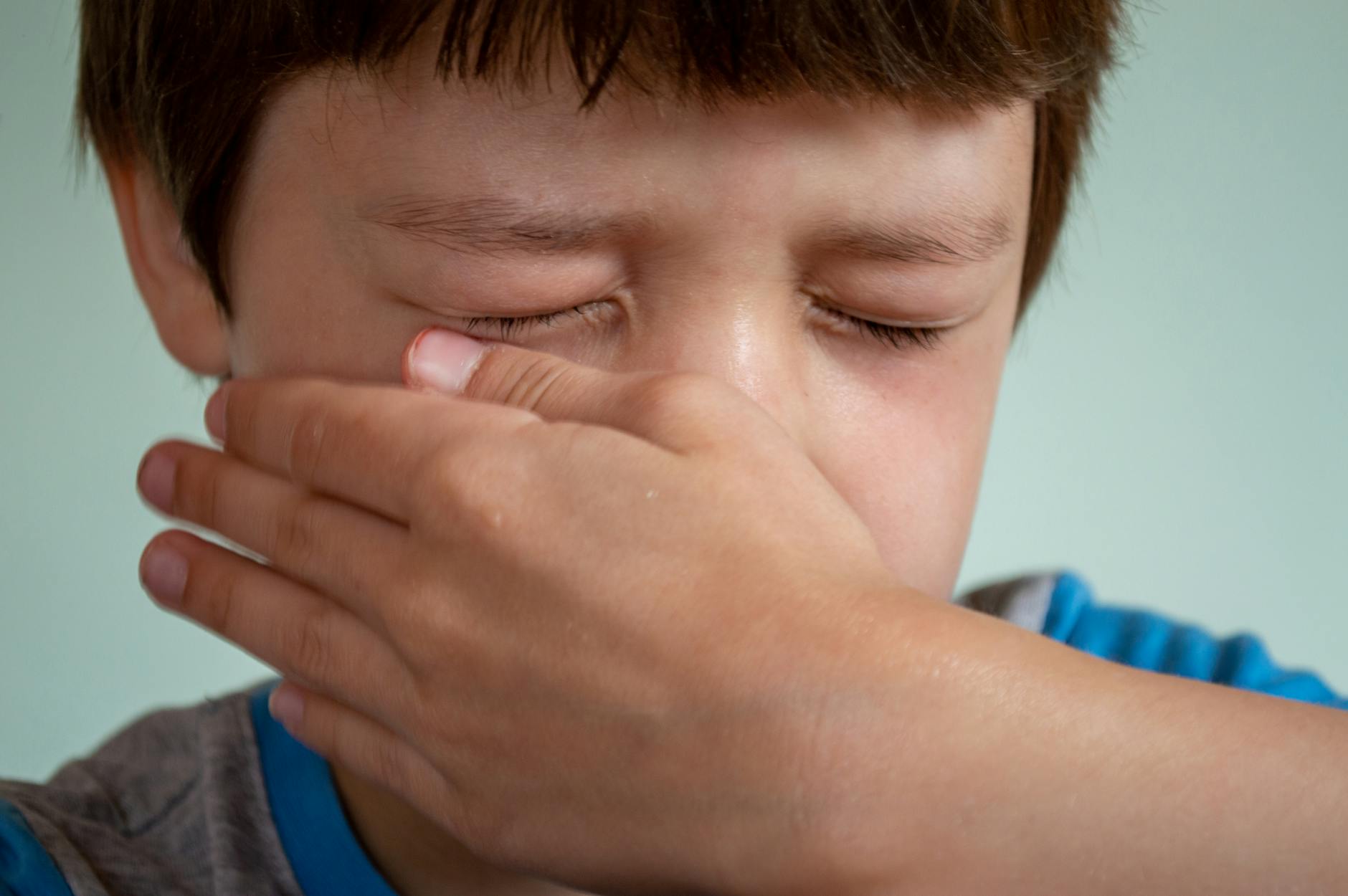
Sudden and intense shifts in mood that seem disproportionate to everyday situations can be a sign that a child is managing significant hidden stress. A child who was generally cheerful but has become irritable, tearful, or withdrawn may be carrying emotional weight from social experiences at school. Aggression at home sometimes reflects powerlessness felt in the school environment, where the child has no outlet for their frustration. These emotional swings are not simply a phase if they appear suddenly and persist over time. Tracking when mood changes occur can help identify whether they are linked to school days or social events.
Declining Grades

A noticeable drop in academic performance without a clear academic explanation is a common but often overlooked sign of bullying. Children who feel unsafe or socially humiliated at school struggle to concentrate, participate in class, or complete assignments. The mental energy consumed by navigating a hostile social environment leaves little room for learning. Teachers may also report that a previously engaged student has become withdrawn or reluctant to answer questions. Academic decline combined with a change in attitude toward school is a signal worth investigating.
Fake Illness

Children who regularly complain of headaches, stomachaches, or fatigue on school mornings without a diagnosable medical cause may be seeking a legitimate reason to avoid school. These physical complaints are often real in the sense that anxiety genuinely produces somatic symptoms in children. A child who recovers quickly once the school day has passed or on weekends is exhibiting a pattern consistent with social avoidance. Medical appointments that repeatedly find nothing wrong should prompt parents to consider emotional rather than physical explanations. Persistent school avoidance is one of the clearest behavioral signals that something is wrong in the social environment.
Destroyed Belongings

Missing, broken, or damaged personal items that a child cannot adequately explain may indicate that belongings are being stolen, hidden, or destroyed by peers. Bullies frequently target possessions as a form of humiliation and control, knowing it is harder for victims to report. A child who frequently needs replacement items like stationery, headphones, or lunch money may be too ashamed to explain the real reason. Parents may also notice that a child becomes unusually protective of their belongings or anxious when carrying specific items to school. Repeated losses without plausible explanations are a pattern worth addressing directly.
Social Withdrawal
A child who pulls away from friends, family gatherings, or activities they previously enjoyed may be experiencing shame or social exhaustion related to bullying. Victims often internalize the negative messages they receive from peers and begin to believe they are unworthy of connection. Withdrawal can appear as spending excessive time alone in their room, losing interest in hobbies, or declining invitations that would once have excited them. Some children become unusually clingy with parents as a substitute for peer connection they feel they have lost. Social withdrawal that represents a clear shift from a child’s baseline personality is a meaningful warning sign.
Technology Avoidance

A child who suddenly becomes reluctant to use their phone, tablet, or computer may be experiencing cyberbullying and avoiding the platforms where it occurs. Conversely, a child who becomes secretive or distressed while online and then shuts down devices quickly when a parent approaches may be receiving harmful messages. Either extreme represents a significant departure from typical digital behavior in children of school age. Online harassment often feels inescapable to children because it follows them home and continues outside school hours. Changes in technology use are among the most relevant behavioral indicators for contemporary bullying patterns.
Skipping Lunch

Children who come home unusually hungry on school days or who stop mentioning lunchtime may be avoiding the cafeteria due to social exclusion or harassment. The school cafeteria is a highly visible and unstructured social space where bullying frequently occurs away from direct teacher supervision. A child who has no one to sit with or who fears public humiliation during lunch may choose to skip the meal entirely. Some children spend lunch periods hiding in bathrooms or libraries to avoid a hostile social environment. Hunger combined with reluctance to discuss the school day is a pairing that warrants a gentle conversation.
Regression
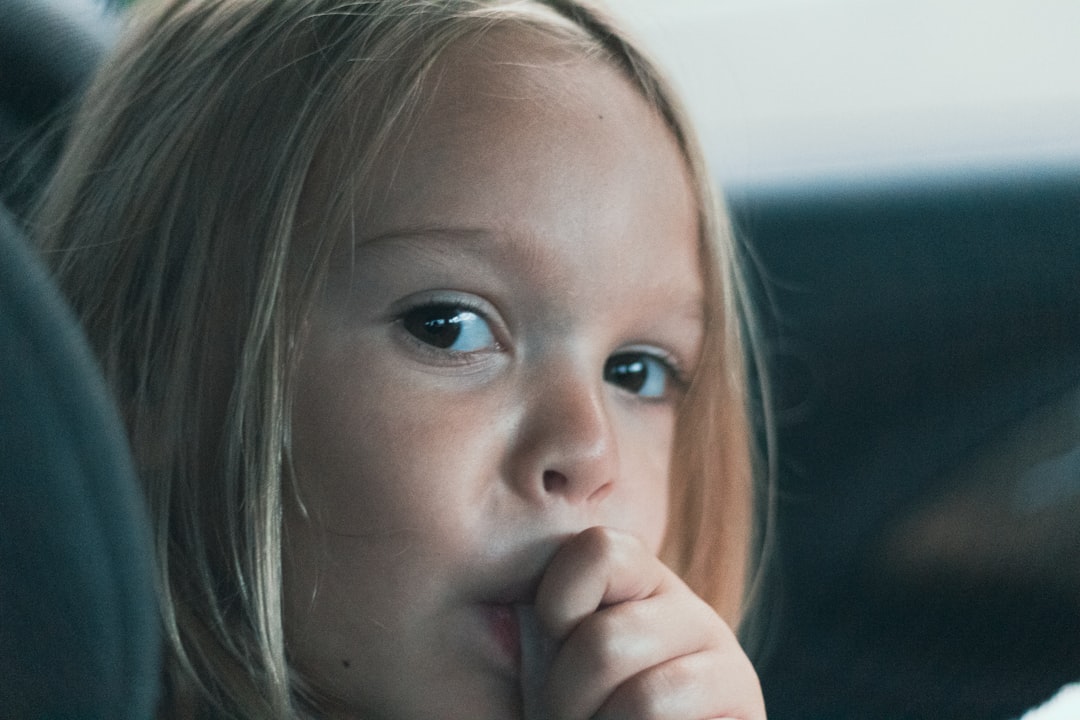
Behavioral regression in children refers to the reappearance of habits or behaviors that were outgrown at an earlier developmental stage. Thumb sucking, baby talk, bedwetting, or a sudden preference for much younger toys or activities can all indicate that a child is under significant emotional stress. These regressive behaviors serve as a psychological retreat to a time when the child felt safer and more protected. Parents sometimes dismiss regression as attention seeking without recognizing it as a distress signal. When regression appears suddenly and without any obvious life disruption such as a new sibling or house move, bullying should be considered as a possible cause.
Nervous Habits

The development of new nervous habits such as nail biting, hair pulling, skin picking, or repetitive fidgeting can indicate that a child is managing chronic anxiety. These self soothing behaviors often emerge when a child feels they have no control over a stressful situation and no safe outlet for their feelings. Unlike occasional fidgeting, stress related habits tend to intensify over time and become more difficult for the child to control consciously. Parents may notice these behaviors escalating on Sunday evenings or school mornings when anticipatory anxiety peaks. New or worsening nervous habits alongside other behavioral changes form a recognizable pattern of hidden distress.
Friendship Decline

A child who gradually loses friends or who stops mentioning classmates they previously spoke about often may be experiencing social exclusion orchestrated by a bully or group of peers. Relational bullying specifically targets a child’s social connections by spreading rumors, encouraging others to exclude the victim, or manipulating group dynamics. Children on the receiving end of this behavior frequently do not recognize it as bullying because it leaves no physical evidence and can feel like a natural social shift. A parent who notices that playdates have stopped, birthday invitations have dried up, or that a child eats lunch alone deserves to take that observation seriously. Social isolation imposed by peers is one of the most psychologically damaging forms of bullying.
Route Changes
A child who begins taking unusual routes to or from school, asks to be driven when they previously walked, or arrives home much later than expected may be avoiding specific locations or individuals. Bullying frequently occurs in transitional spaces such as hallways, bus stops, or routes home where adult supervision is minimal. A child who engineers detours or delays without explanation is expending deliberate effort to avoid a threat they feel unable to name. Parents may also notice anxiety or reluctance around the specific times associated with commuting to school. Unexplained changes in travel patterns are a behavioral clue that is easy to overlook but highly significant.
Teacher Complaints

When a teacher or school staff member begins reporting behavioral problems in a child who was previously cooperative and engaged, bullying should be considered as a contributing factor. Children who feel unsafe or humiliated at school sometimes act out in class as a displacement of emotions they cannot express in any other way. A child who becomes disruptive, defiant, or disengaged in the classroom may be responding to a hostile peer environment rather than exhibiting a personal character flaw. Schools tend to focus on managing the behavior rather than investigating the cause, which can leave the underlying issue unaddressed. Parents who receive unexpected behavioral feedback from school should widen their investigation beyond academic performance.
Self Esteem Drops
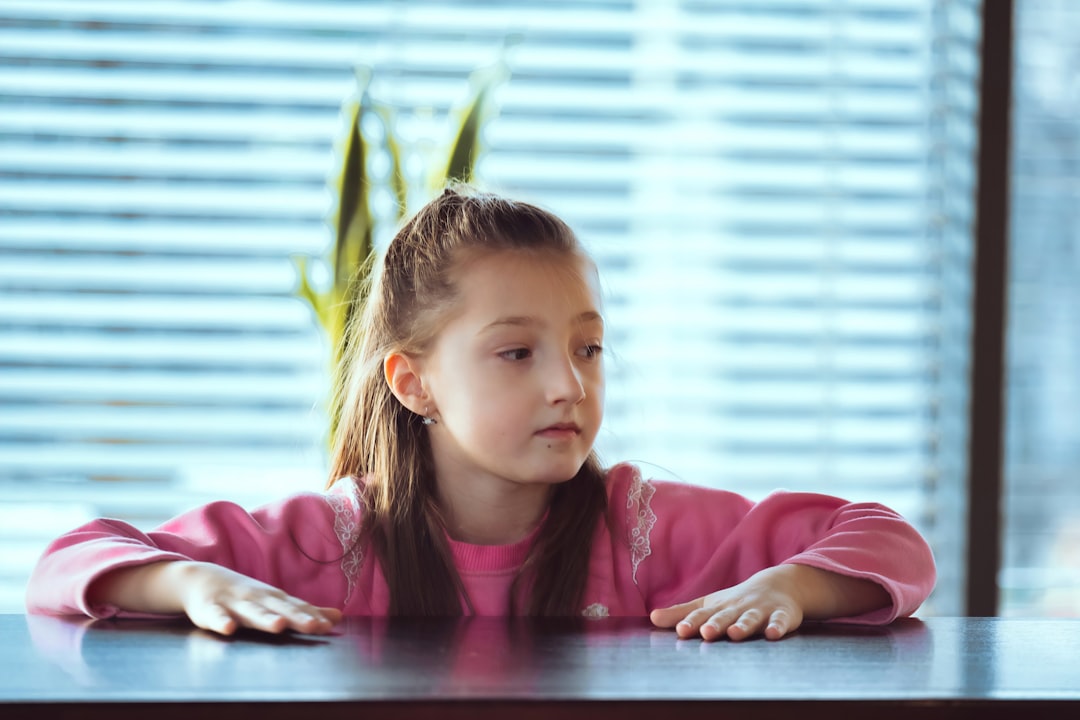
Children who are being bullied frequently begin to internalize the messages directed at them, leading to visible declines in self confidence and self worth. A child who stops taking pride in their appearance, gives up activities they were once passionate about, or frequently makes negative comments about themselves may be absorbing a narrative imposed by peers. Statements like no one likes me or I am bad at everything should never be dismissed as typical childhood negativity. Research consistently shows that prolonged bullying has measurable long term effects on a child’s sense of identity and emotional resilience. Parents should respond to drops in self esteem with curiosity rather than reassurance alone.
Reluctance to Talk
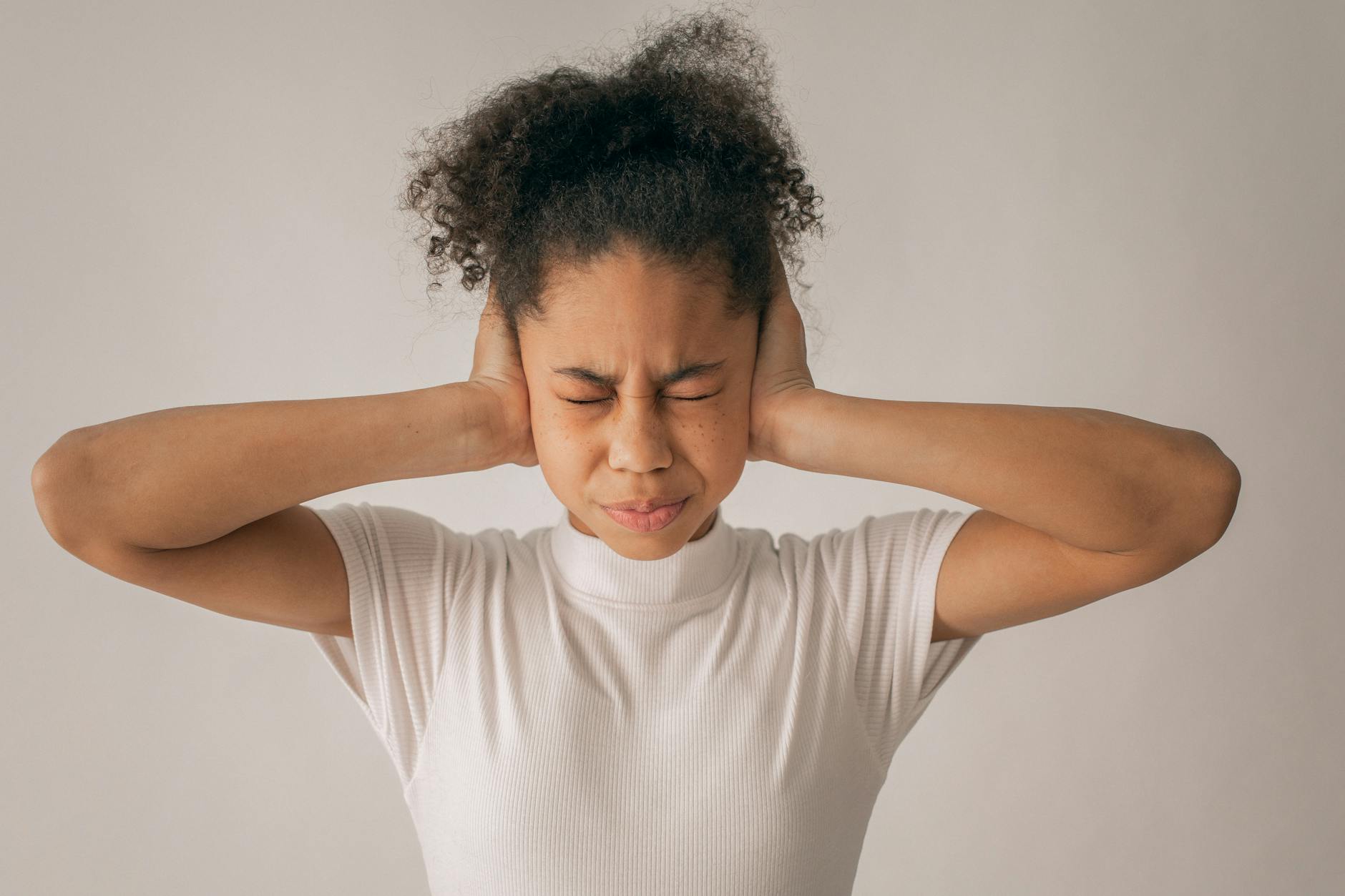
A child who becomes notably closed off about their school day and responds to questions with one word answers or silence may be protecting a secret they feel unable to share. Children who are bullied often stay silent because they fear making the situation worse, losing privileges such as devices or social activities, or disappointing their parents. A child who was previously open and communicative but has become evasive specifically around school topics is exhibiting a meaningful behavioral shift. Silence is not always a sign of a private personality and should be evaluated in the context of the child’s usual communication style. Parents who create consistent low pressure opportunities for conversation are more likely to eventually hear the truth.
If you recognize any of these signs in your child, share what first made you take notice in the comments.




