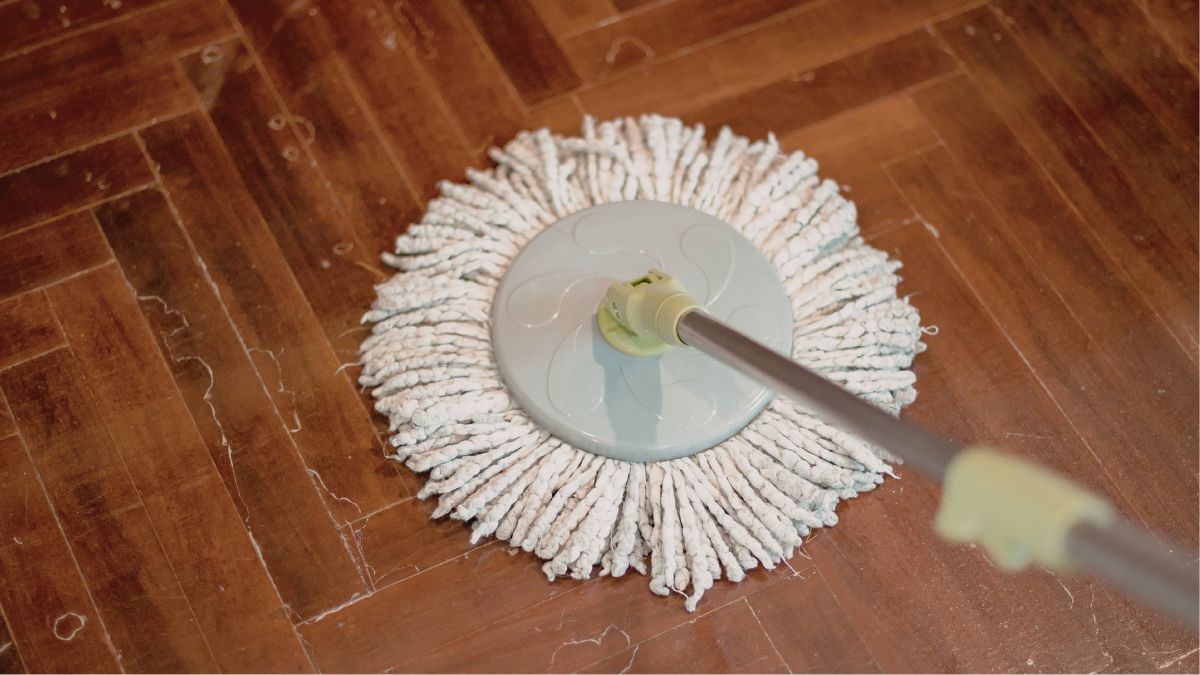
Hardwood floors are a beautiful and lasting investment, but even the most well-intentioned cleaning habits can cause serious damage over time. Many homeowners unknowingly strip finishes, warp planks, and dull surfaces simply by reaching for the wrong product or technique. Understanding what not to do is often just as important as knowing the right approach. These are the most common mistakes people make when cleaning their hardwood floors.
Wet Mopping
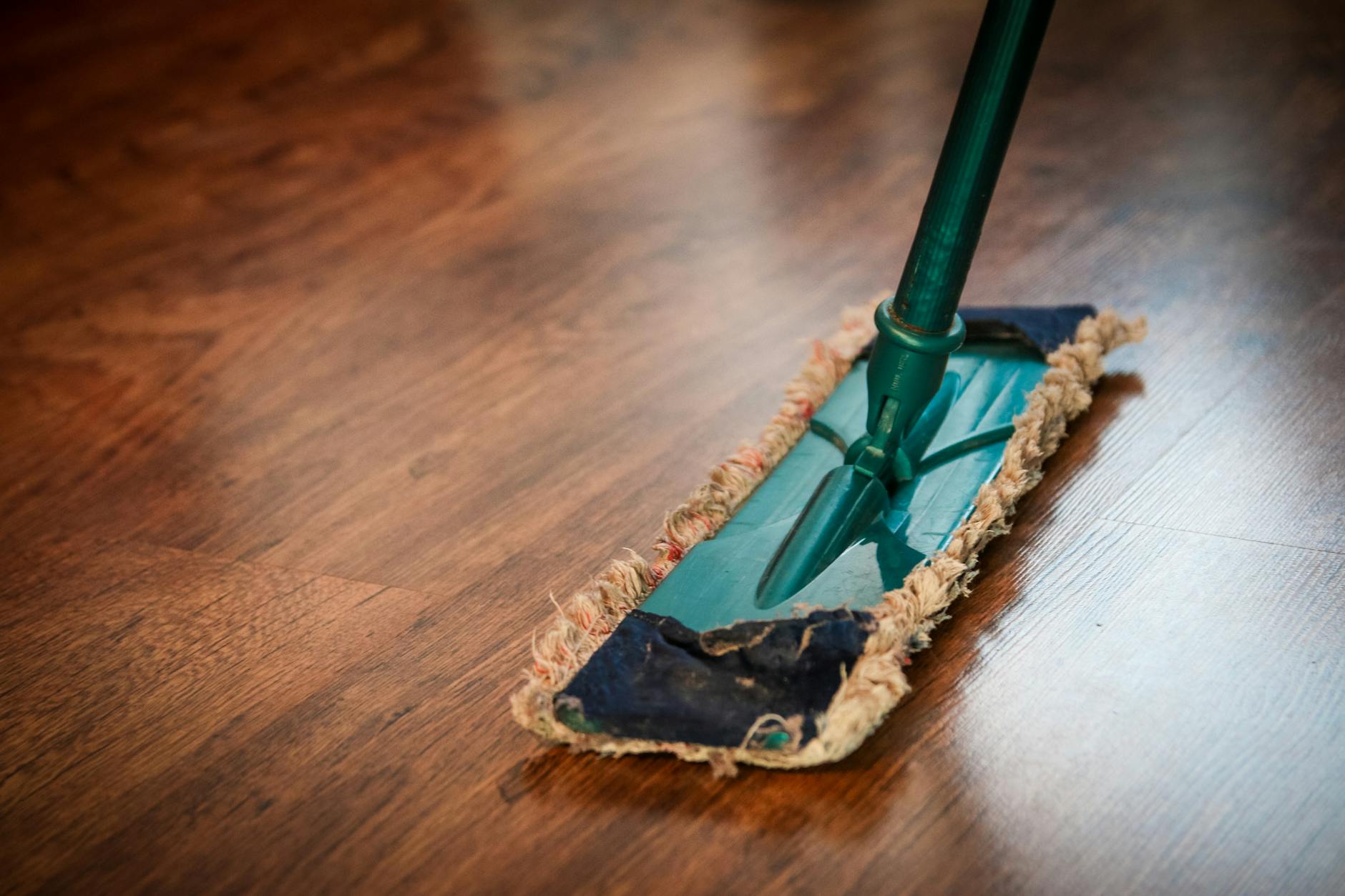
Using a soaking wet mop on hardwood floors is one of the fastest ways to cause lasting damage. Excess water seeps into the wood grain and beneath the planks, leading to warping, swelling, and even mold growth over time. Most hardwood flooring manufacturers explicitly advise against wet mopping as a regular cleaning method. A damp mop that has been thoroughly wrung out is the safest option when mopping is necessary. Even then, the floor should dry completely within minutes of cleaning.
Steam Mops
Steam mops may seem like a powerful and hygienic cleaning solution, but they are widely considered harmful to hardwood floors. The intense heat and moisture they produce can penetrate deep into the wood, causing the planks to warp, buckle, or crack. Many flooring manufacturers will void warranties if steam cleaning is used on their products. The damage from steam exposure is often not immediately visible, making it easy to underestimate until it becomes severe. Hardwood floors require gentle, low-moisture methods to preserve their structure and finish.
Vinegar Solutions
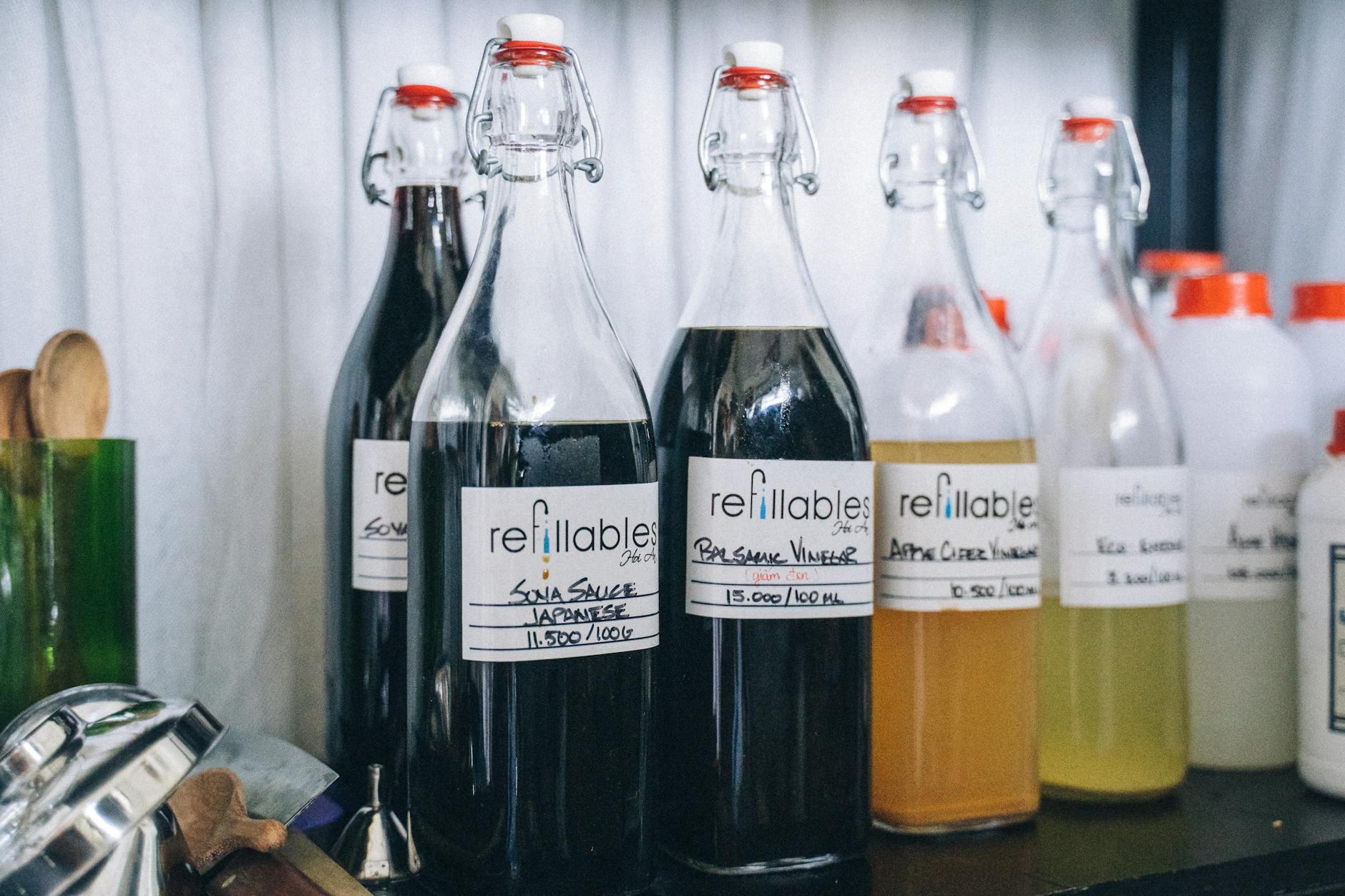
White vinegar is a popular natural cleaning agent, but it is acidic enough to break down the finish on hardwood floors with repeated use. Over time, cleaning with vinegar strips away the protective coating that gives floors their shine and durability. Many homeowners do not notice the damage until the finish appears dull, hazy, or uneven. The acidity also makes the wood more vulnerable to scratches and moisture absorption. Purpose-made hardwood floor cleaners are the safer choice for maintaining both appearance and longevity.
Dish Soap
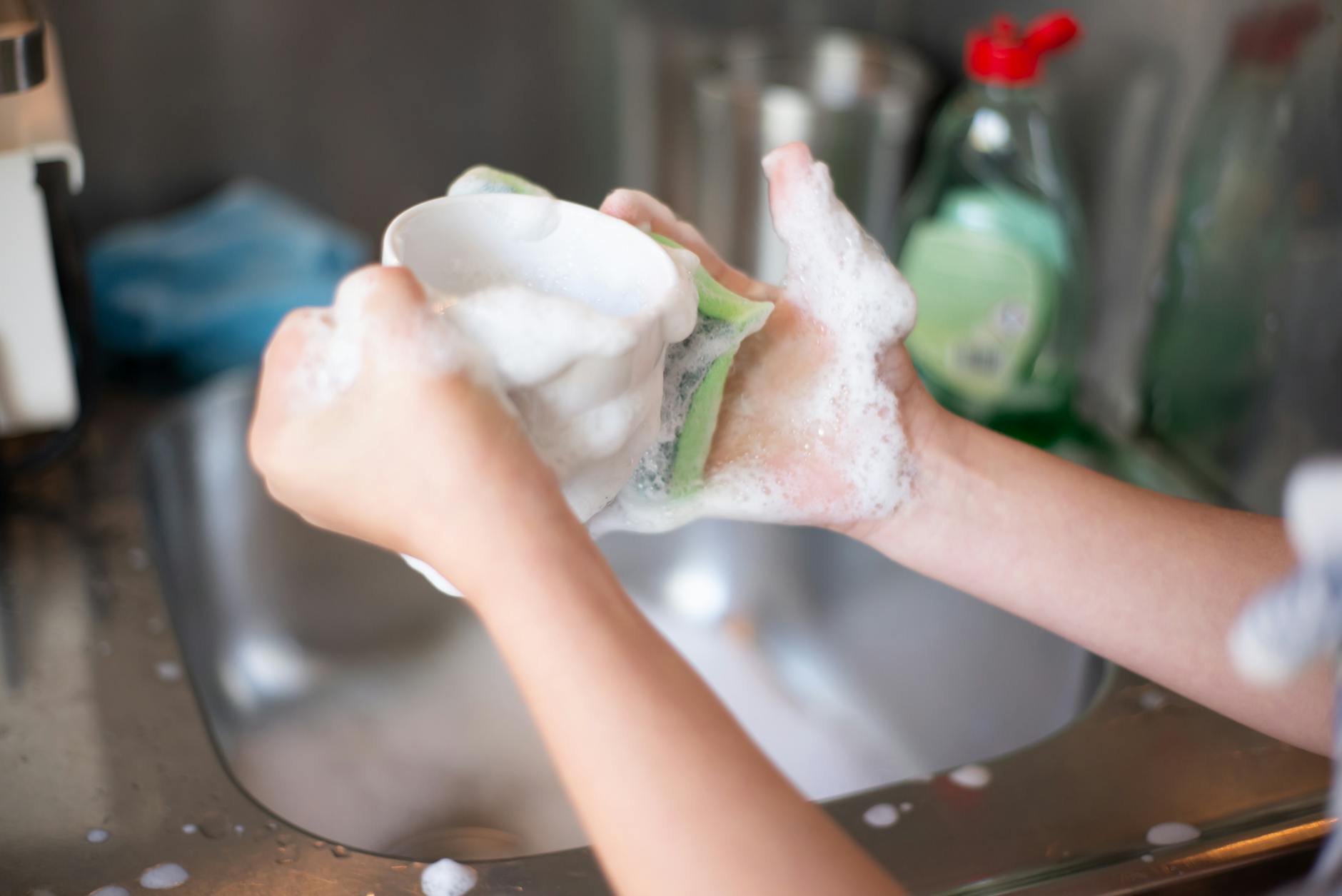
Dish soap may seem like a harmless cleaning alternative, but it is formulated to cut through grease and oils in ways that are too harsh for hardwood surfaces. Regular use leaves behind a soapy residue that dulls the finish and attracts dirt rather than repelling it. The surfactants in dish soap can also gradually erode the protective sealant on the floor. Rinsing the soap off completely is nearly impossible without introducing excessive moisture to the wood. Floors cleaned this way often end up looking streaky and worn far sooner than they should.
Ammonia Cleaners
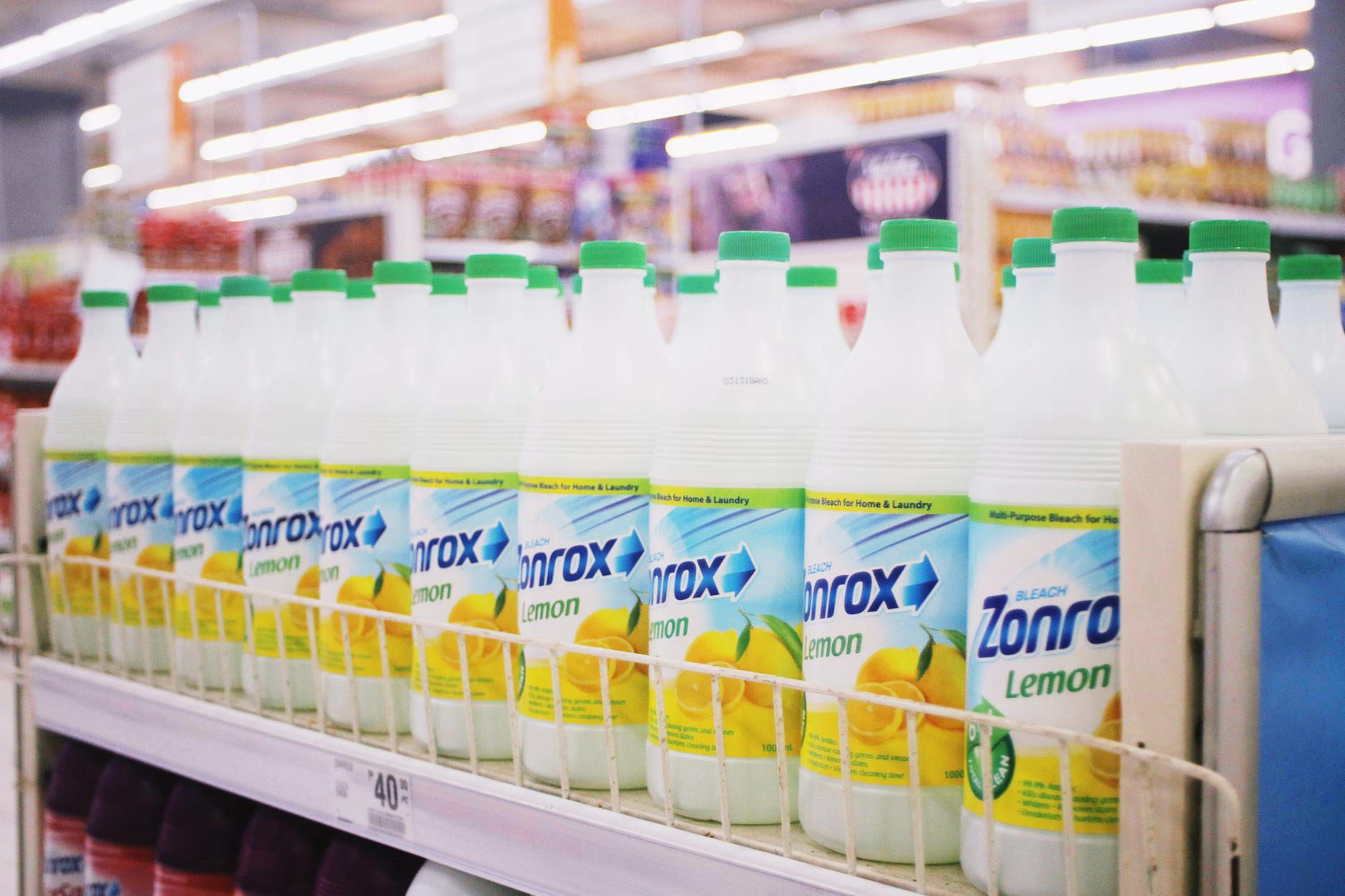
Ammonia-based cleaning products are commonly found in households but are highly damaging to hardwood floor finishes. The chemical strips the protective layer from the surface, leaving the wood exposed to scratches, staining, and moisture. Many glass and multi-surface cleaners contain ammonia, making them an easy mistake to reach for without realizing the harm they cause. Repeated exposure weakens the finish to the point where refinishing may be required earlier than expected. Always check product labels carefully before applying any cleaner to a hardwood surface.
Baking Soda
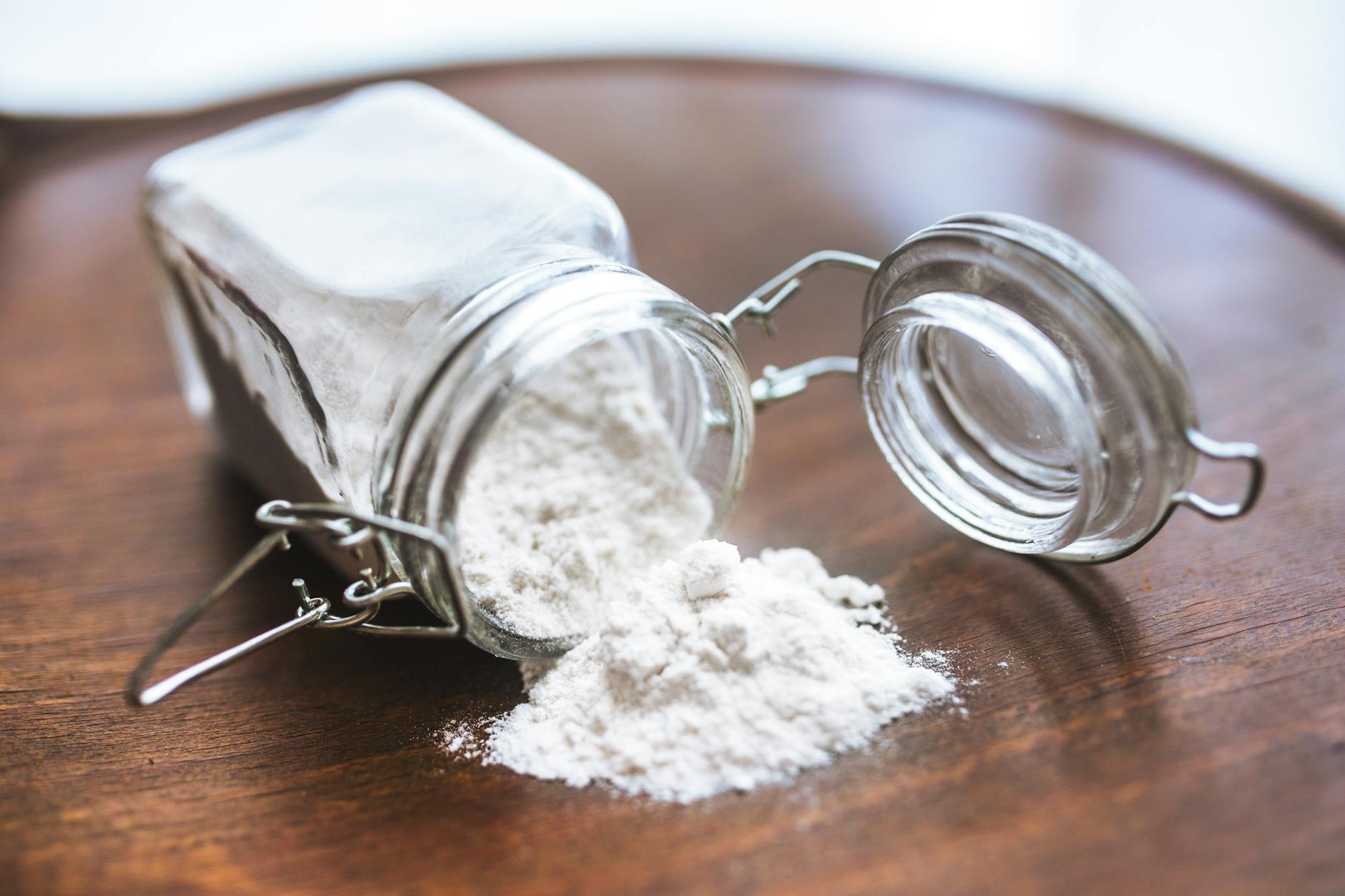
Baking soda is a mildly abrasive substance that can scratch and cloud the finish on hardwood floors when used as a cleaning agent. While it is effective on many surfaces, the gritty texture works against the smooth, sealed surface of finished wood. Scrubbing with baking soda can create fine surface scratches that become more visible over time as they accumulate. It can also leave behind a white powdery residue that is difficult to remove without using excess water. The combination of abrasion and moisture risk makes baking soda a poor choice for hardwood floor care.
Wrong Vacuum Settings
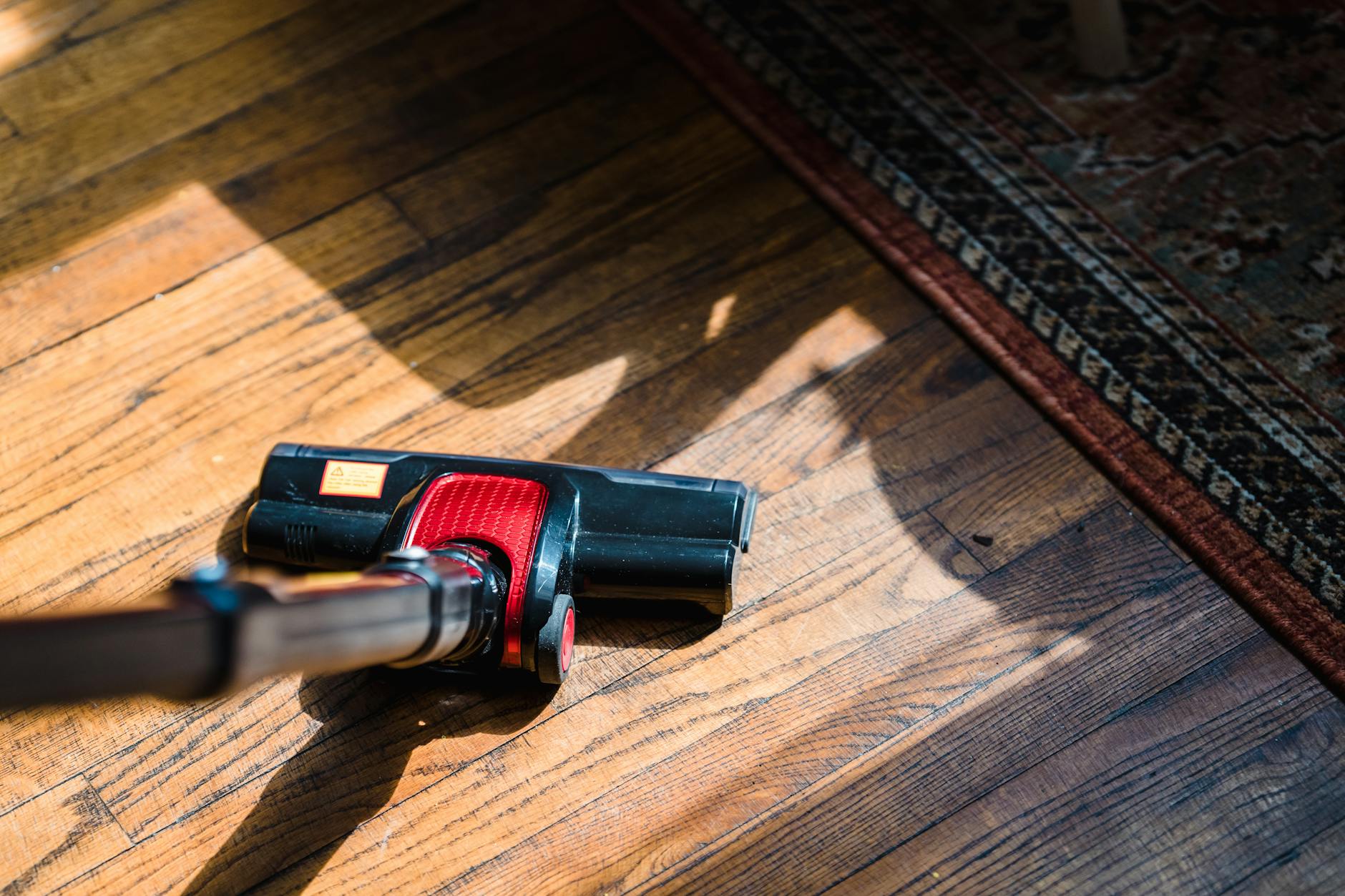
Vacuuming is a recommended method for keeping hardwood floors free of dust and debris, but using the wrong settings causes unnecessary damage. Vacuums with a beater bar or rotating brush attachment are designed for carpet and will scratch and scuff hardwood surfaces repeatedly. Even small scratches build up over time and dull the overall appearance of the floor. The correct approach is to use a vacuum set to the hard floor mode with the brush roll deactivated. Suction-only attachments and felt-tipped heads are the safest options for regular hardwood vacuuming.
Oil-Based Cleaners

Oil-based soaps and cleaners are marketed as natural and gentle, but they tend to leave a waxy buildup on hardwood floor surfaces. This residue traps dust and grit, which then acts as an abrasive underfoot with every step. Over time the buildup becomes difficult to remove without professional treatment or chemical stripping. Floors cleaned regularly with oil-based products often develop a cloudy, sticky appearance that resists ordinary cleaning efforts. Water-based hardwood floor cleaners formulated specifically for sealed wood are a far more reliable option.
Paper Towels
Paper towels may seem like a convenient tool for cleaning up spills on hardwood floors, but their coarse texture can leave fine scratches on finished surfaces. They are also too small and inefficient for general floor cleaning, encouraging people to scrub harder and introduce more friction than necessary. Most paper towels disintegrate when wet, leaving small fibrous particles behind on the floor. For spot cleaning, a soft microfiber cloth is a much gentler and more effective alternative. Microfiber lifts moisture and particles without dragging abrasive material across the wood grain.
Furniture Polish

Furniture polish is sometimes mistakenly applied to hardwood floors as a way to restore shine, but it creates a dangerously slippery surface. The silicone and wax compounds in most furniture polishes are not designed for flooring and interfere with any future refinishing treatments. These products build up in layers with repeated use, creating a thick film that attracts dirt and dulls the natural appearance of the wood. Removing the buildup typically requires a professional-grade cleaner and significant effort. Restoring shine to hardwood floors is best achieved with products specifically labeled for that purpose.
What cleaning mistakes have you discovered the hard way when it comes to your hardwood floors? Share your experiences in the comments.




