
Flight delays are one of the most frustrating experiences in modern travel, yet the reasons behind them are far more complex than most passengers ever realize. Flight dispatchers work behind the scenes around the clock to coordinate the safe and efficient movement of aircraft, weighing dozens of variables that never appear on a departure board. Understanding their perspective can transform the way travelers interpret and respond to delays. The next time a flight is held at the gate, these are the things dispatchers most want passengers to know.
Weather Systems

Weather is the single most common cause of flight delays, and its effects extend far beyond what passengers can see out the terminal window. A storm system hundreds of miles away can create cascading disruptions across an entire network of flights throughout the day. Dispatchers monitor real-time meteorological data and work closely with pilots to determine whether conditions along a route are safe for departure. Holding a flight on the ground is always safer than launching into deteriorating conditions mid-route. Passengers in sunny cities are often delayed because of storms they will never personally encounter.
Air Traffic Control
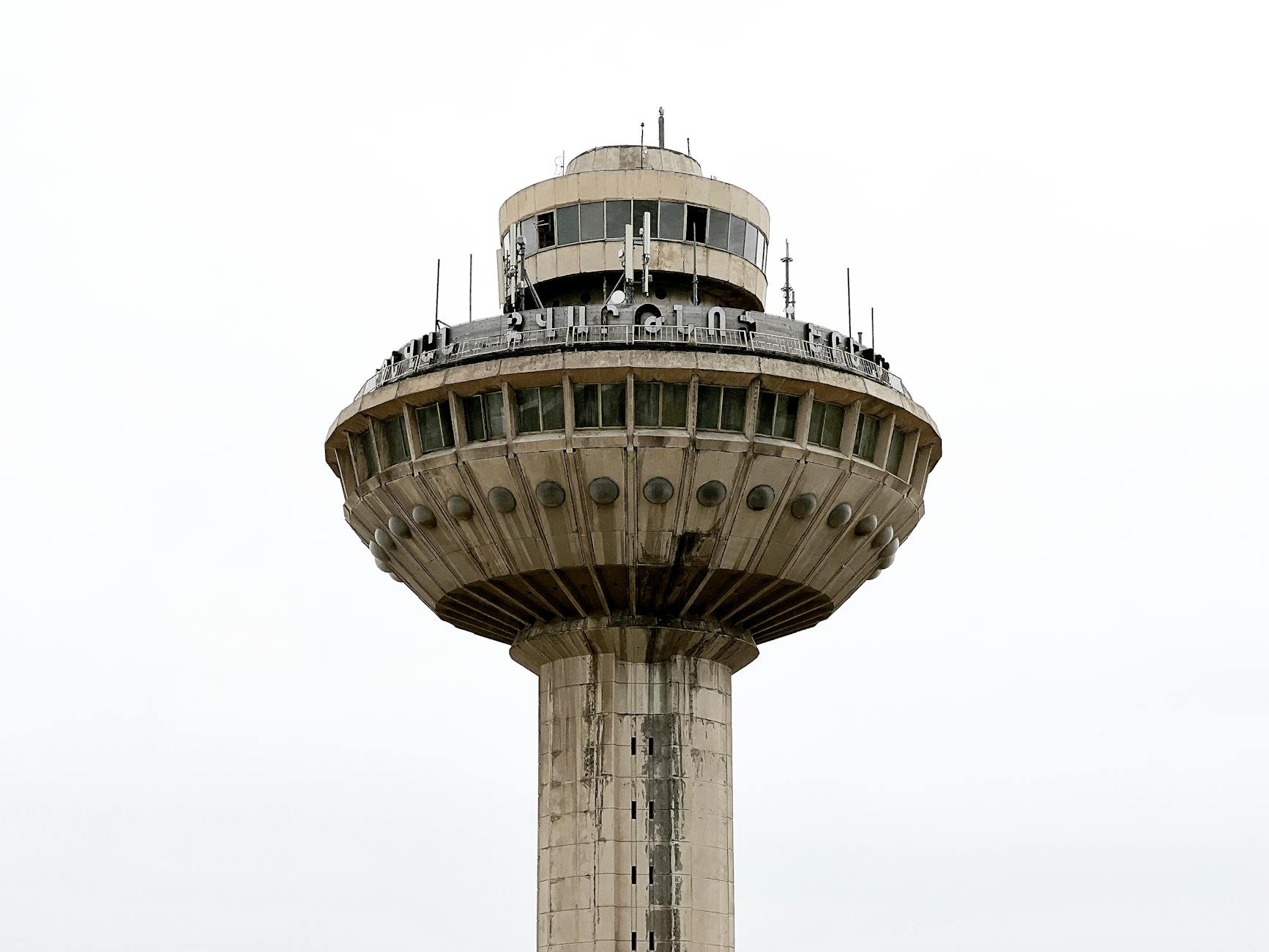
Air traffic control manages the flow of thousands of aircraft through shared airspace, and congestion at one major hub can ripple outward across the country within hours. Dispatchers coordinate directly with ATC facilities to receive departure clearances, re-routes, and ground delay program assignments. When the volume of flights exceeds airspace capacity, aircraft are sequenced and held to maintain safe separation at all times. These delays are not arbitrary and are calculated to protect every aircraft in the system simultaneously. The dispatcher has no authority to override an ATC ground stop, regardless of how simple the fix might appear from the passenger’s perspective.
Aircraft Rotation
Commercial aircraft operate on tightly choreographed schedules where the same plane flies multiple legs throughout the day. If an inbound aircraft is delayed in another city, every subsequent flight on that rotation is affected automatically. Dispatchers track the location and status of each aircraft in a fleet and work to reassemble schedules as quickly as operationally possible. Swapping aircraft is sometimes an option but depends on availability, maintenance status, and crew legality at that specific station. Passengers boarding an afternoon flight may be experiencing the downstream effects of a problem that began at six in the morning.
Crew Rest Rules

Federal aviation regulations strictly govern how many consecutive hours a flight crew can legally work, and these rules exist entirely to protect passenger safety. A crew that has exceeded their allowable duty time cannot legally operate a flight under any circumstances, regardless of how short the delay might seem. Dispatchers monitor crew legality in real time and must arrange qualified replacement crews when a timing issue arises. Finding available and legal crew members at the right station is not always a fast process. These regulations are not loopholes or bureaucratic inconveniences but hard limits designed to prevent fatigue-related accidents in the air.
Maintenance Holds
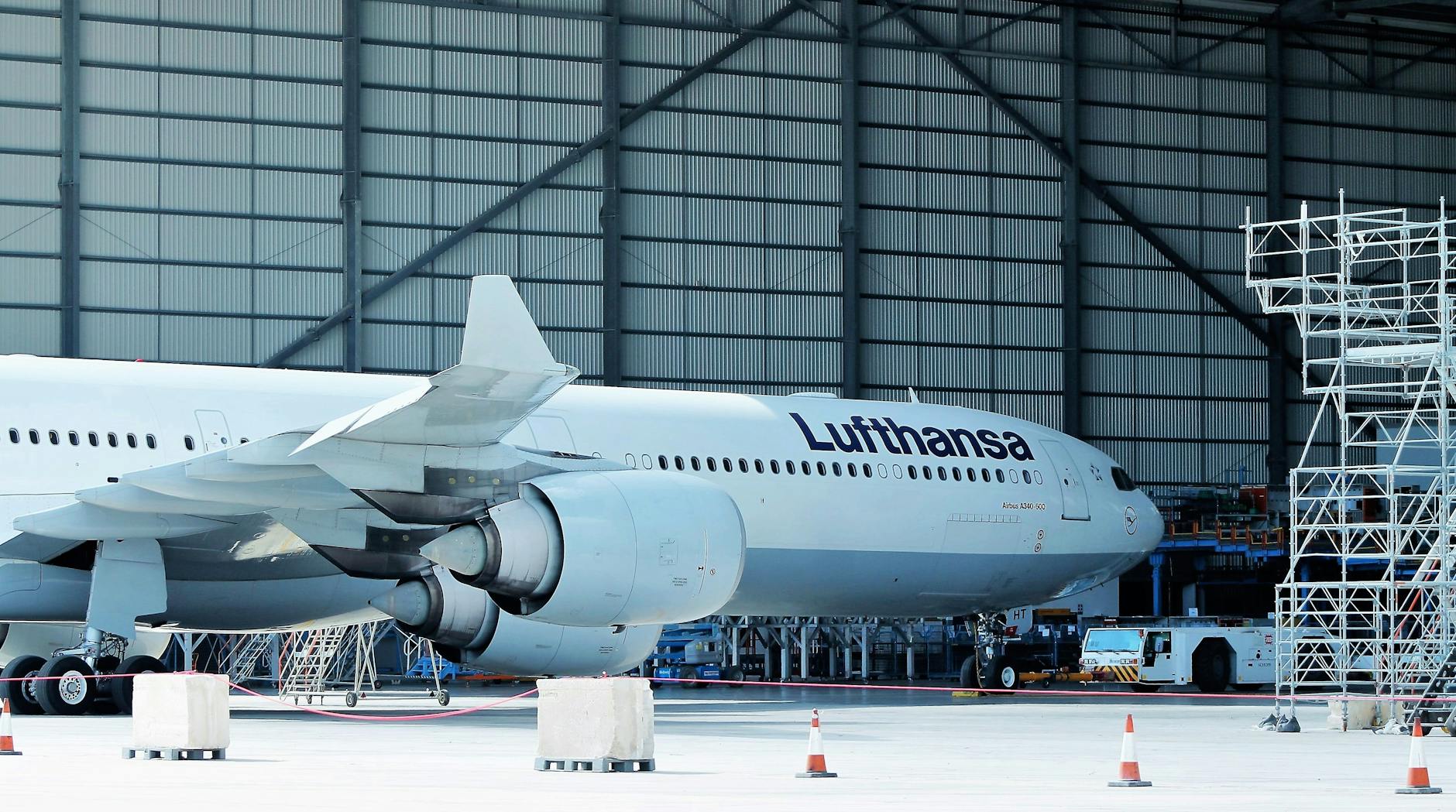
Every aircraft must meet strict airworthiness standards before a dispatcher will release it for flight, and even minor mechanical findings require proper evaluation. When a maintenance issue is identified, technicians assess whether the item can be deferred under the aircraft’s minimum equipment list or whether it requires an immediate fix. Dispatchers work in close communication with maintenance control to understand the scope and timeline of any repair. Releasing an aircraft with an unresolved airworthiness concern is never an option regardless of schedule pressure. The time spent on the ground addressing a mechanical issue is always preferable to encountering it at altitude.
Fuel Planning

Fuel loads are calculated with extraordinary precision before every flight, accounting for route distance, anticipated winds, alternate airport requirements, and regulatory reserves. If conditions change after the initial fuel plan is filed, dispatchers may need to increase the load, which can require repositioning the aircraft to a fuel station or waiting for a tanker truck. Heavier fuel loads also affect performance calculations and may require adjustments to the departure plan. Dispatchers and pilots must both sign off on the final fuel release, making this a collaborative and legally binding decision. What looks like an unexplained gate hold is sometimes a dispatcher ensuring the aircraft has every contingency covered before leaving the ground.
Slot Restrictions
Many of the world’s busiest airports operate under slot-controlled conditions that limit the number of arrivals and departures permitted within a given time window. Missing an assigned slot due to a late pushback or an unexpected delay can mean waiting for the next available window, sometimes by an hour or more. Dispatchers work to protect slot times by anticipating delays and communicating early with ground operations teams. Arriving airports also impose flow restrictions during peak periods that affect when a flight can be expected to land. These restrictions are coordinated at a national and international level and fall well outside the control of any single airline dispatcher.
Weight and Balance
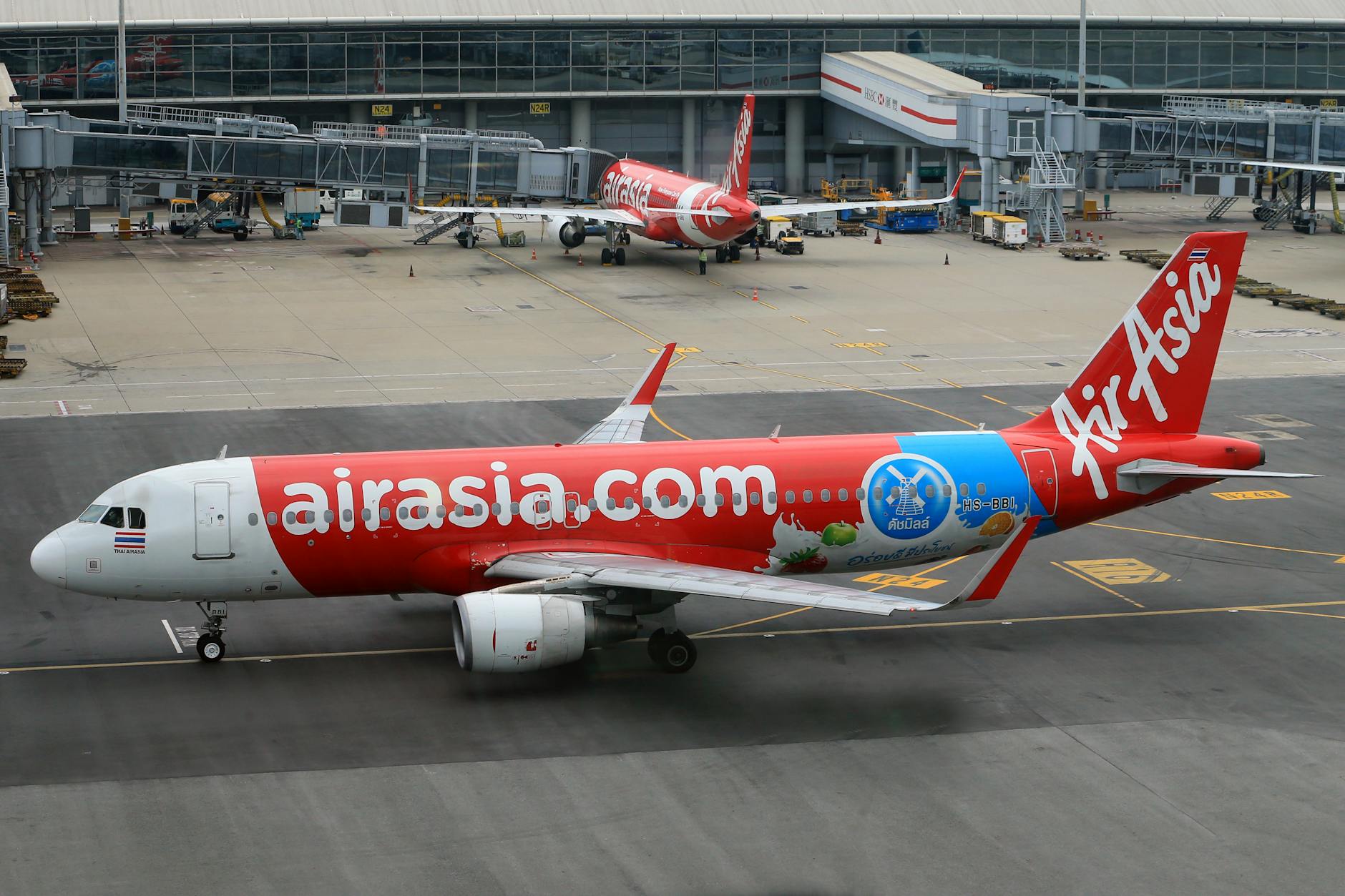
Every flight must be loaded within specific weight and balance parameters to ensure the aircraft performs safely throughout all phases of flight. Last-minute changes to passenger counts, baggage loads, or cargo manifests can require a complete recalculation of the load plan. Dispatchers work with load planners to confirm that the final configuration falls within the approved envelope before issuing a release. If the numbers do not work, freight may need to be offloaded or seating assignments adjusted to shift the center of gravity. These calculations are not formalities but precise engineering requirements tied directly to the aircraft’s handling characteristics.
NOTAM Reviews
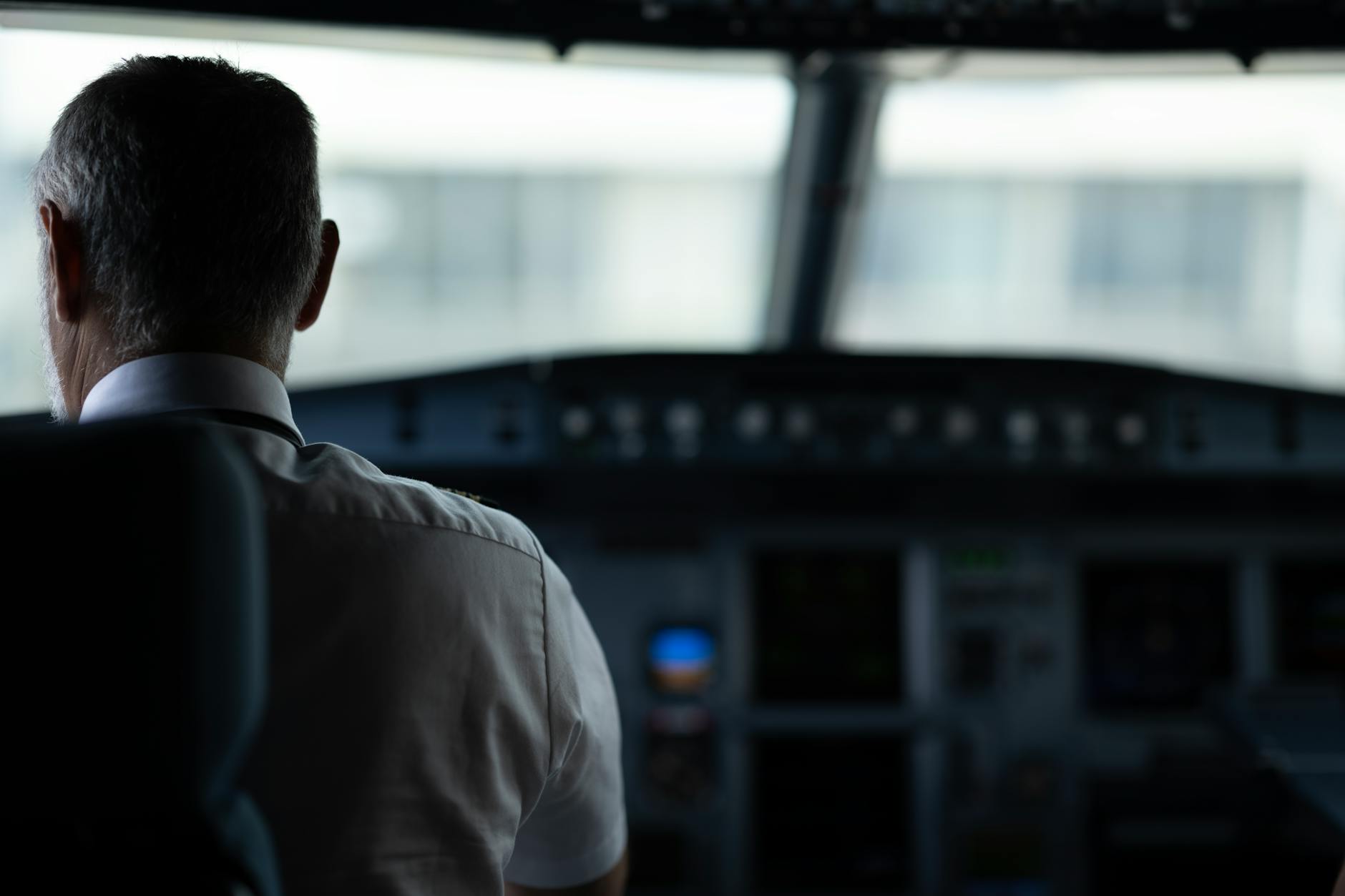
Notices to Air Missions are official advisories that inform dispatchers and pilots of temporary changes to airports, airspace, navigation aids, and flight procedures. Reviewing and interpreting the relevant NOTAMs for a given flight is a mandatory part of every dispatch release. A closed taxiway, an inoperative instrument approach, or a temporary restricted airspace zone can all affect routing, alternates, or fuel planning in ways that require additional preparation time. The volume of NOTAMs issued on any given day across the global system is enormous, and filtering the operationally relevant ones requires experience and focused attention. Passengers rarely see this work happening, but it is one of the most detail-intensive tasks a dispatcher performs before every single release.
Security Holds
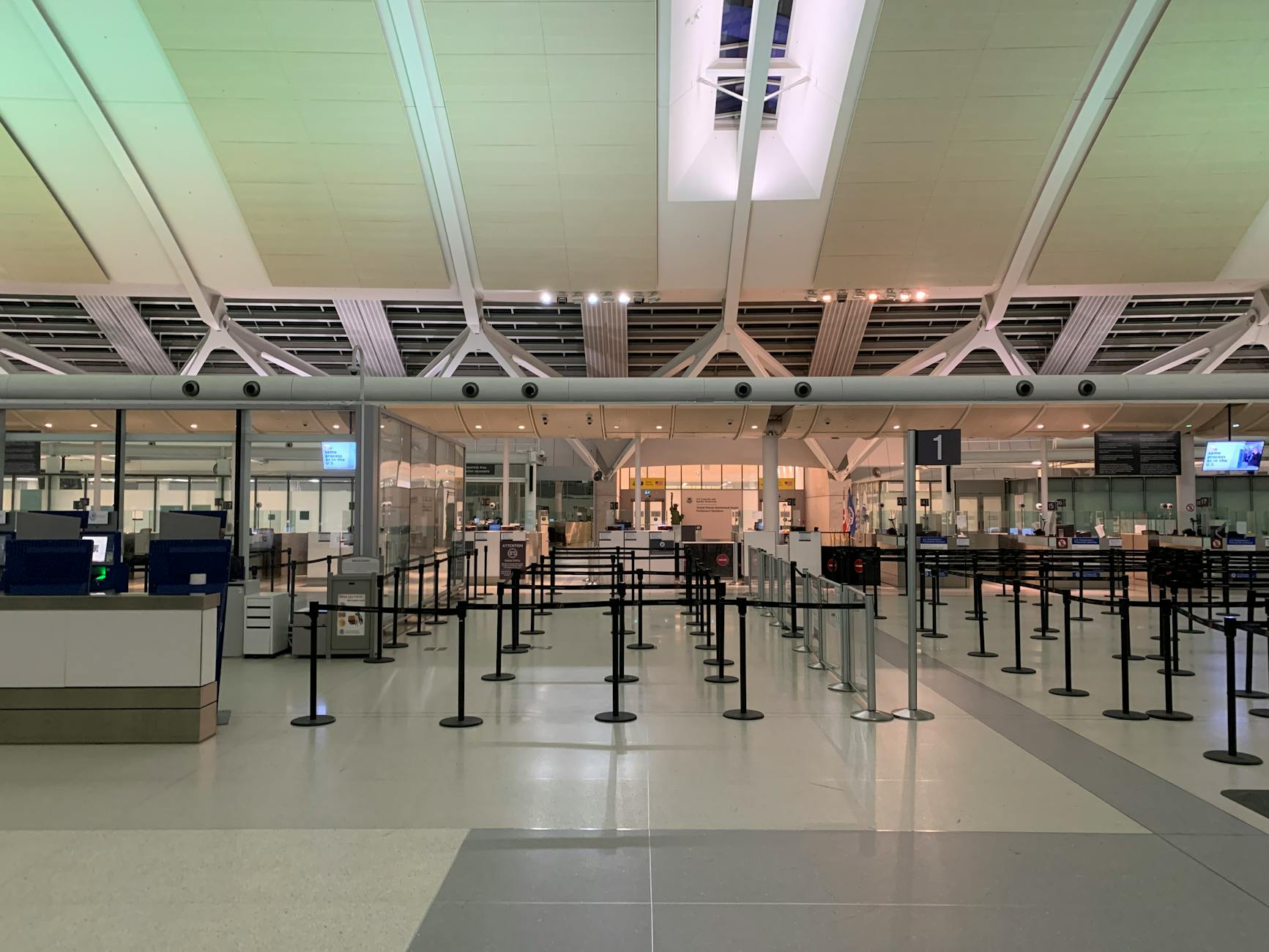
Security-related holds can be initiated at any point in the boarding or pre-departure process and may require the complete offloading of passengers and baggage for re-screening. Dispatchers are informed of security events but have no authority over their resolution, which rests entirely with law enforcement and airport security agencies. The timeline for clearing a security hold is unpredictable and cannot be shortened by any airline operational decision. Dispatchers use this time to update fuel figures, review any changes to crew legality, and prepare a revised release as soon as clearance is given. What feels like an unexplained wait at the gate often involves a multi-agency coordination process unfolding out of passenger view.
System-Wide Events
Major disruptions such as severe weather systems, infrastructure outages, or national airspace ground stops affect hundreds of flights simultaneously and overwhelm the recovery resources of every airline at once. Dispatchers triage their flight banks during these events to prioritize which aircraft can realistically operate and which need to be cancelled to free up crew and gates for recovery. Recovery from a system-wide event rarely happens within a single day and often extends disruptions well into the following morning. Airlines use complex algorithms to rebuild schedules, but dispatchers must validate every release individually before an aircraft can move. The sheer scale of coordination required during these events is something most passengers never have visibility into.
Communication Gaps
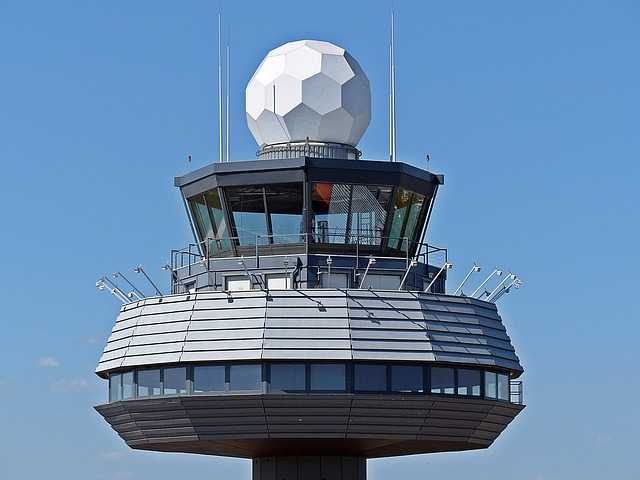
Dispatchers are in constant contact with pilots, operations staff, crew scheduling, maintenance, and ATC simultaneously, yet they have no direct communication channel to the passengers sitting at the gate. The information a gate agent shares with travelers passes through multiple layers of operational teams before it is translated into a public announcement. By the time an update reaches the boarding area it may already be slightly out of date given how quickly conditions can change. Dispatchers are often aware of a developing situation long before a formal delay is announced, as they work to confirm details before anything is communicated outward. Building patience for that information gap is one of the most useful things a traveler can do when a departure time begins to slip.
Have you ever experienced a delay that made more sense after learning what goes on behind the scenes? Share your thoughts in the comments.




