
From vertical living walls to mirror illusions, creative gardeners around the world have discovered unconventional techniques that completely transform ordinary outdoor spaces. These methods go far beyond traditional planting and pruning, drawing on psychology, design theory, and a touch of the unexpected. The results are outdoor spaces that feel secluded, immersive, and deeply personal. Whether working with a modest suburban plot or a sprawling backyard, these tricks have been proven to dramatically elevate the atmosphere of any yard.
Sunken Seating
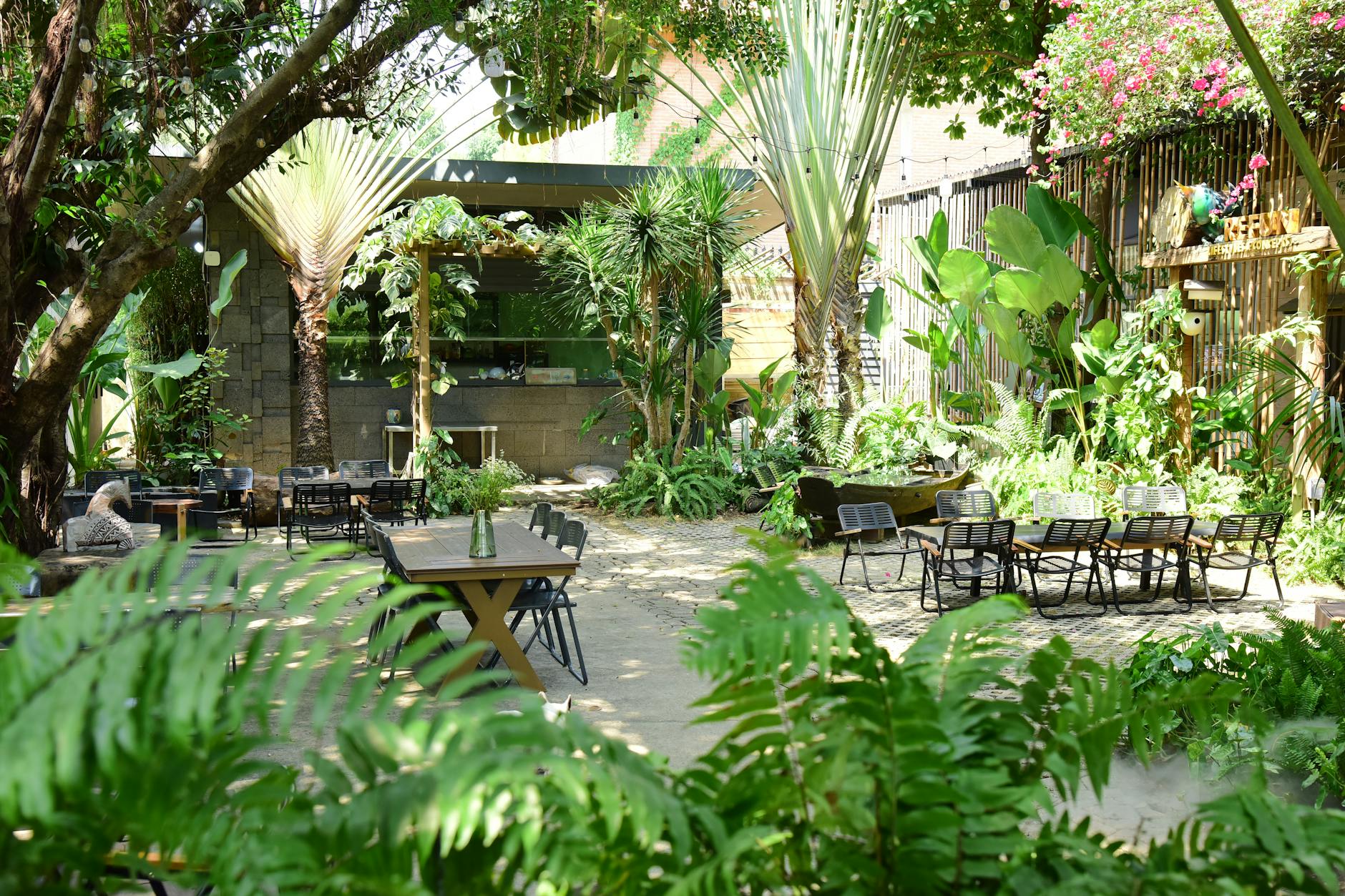
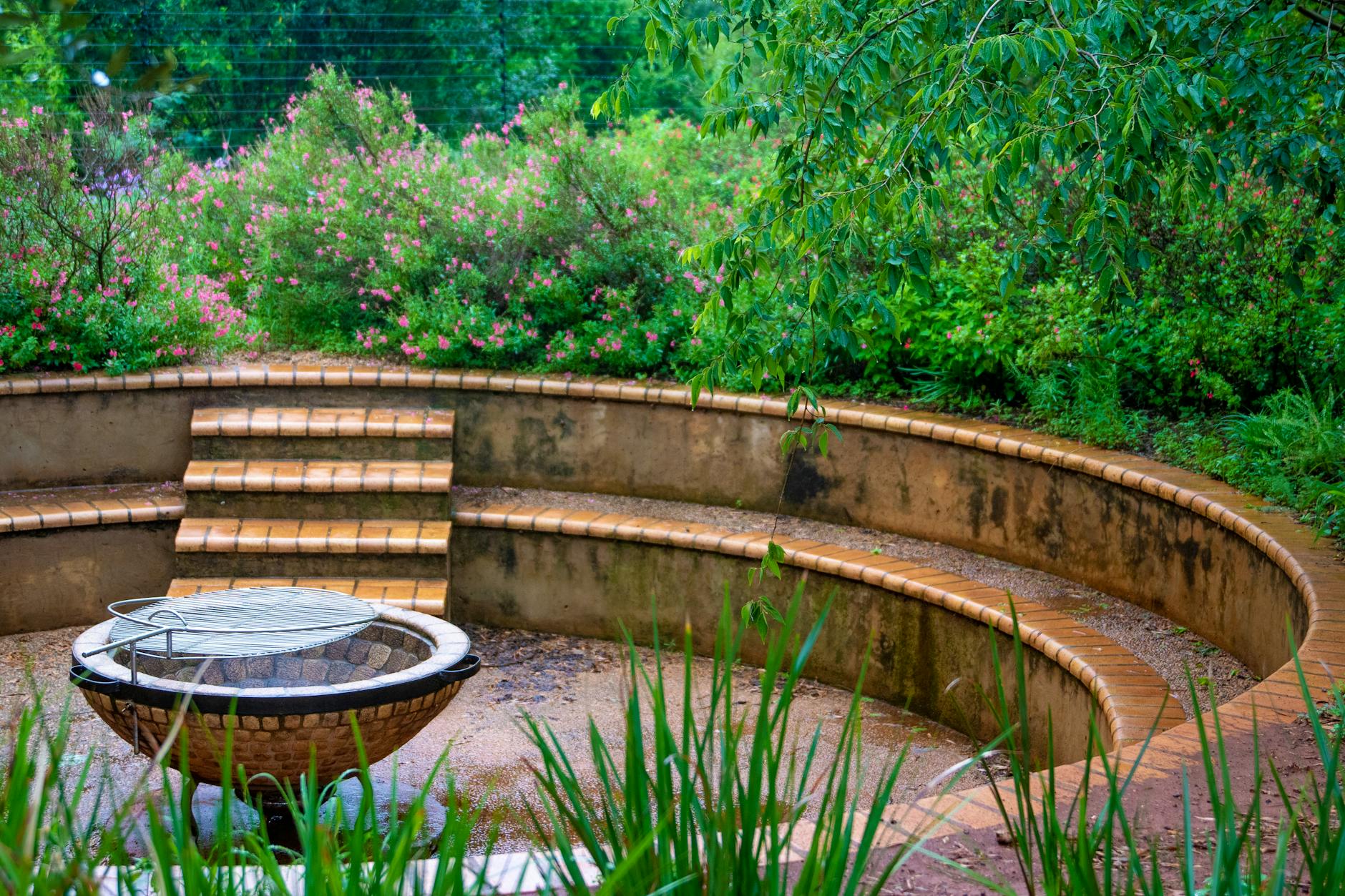
Digging a seating area below ground level is one of the most effective ways to create an instant sense of enclosure and privacy outdoors. The sunken pit creates a natural windbreak and reduces noise from surrounding streets and neighbors. Lining the walls with timber sleepers or dry-stacked stone adds texture and visual warmth to the space. Planting ornamental grasses or low hedging around the perimeter reinforces the sheltered feeling without blocking natural light. This technique has been used in Scandinavian and Japanese garden design for centuries with remarkable results.
Mirror Panels

Large outdoor mirrors installed against fences or walls create a striking optical illusion that appears to double the size of a yard. Weatherproof mirror panels reflect greenery back into the space, making dense planting feel even more lush and layered. Placing a mirror at the end of a garden path gives the impression of a path continuing into another world beyond. The reflected light also brightens shaded corners that would otherwise feel dim and overlooked. This trick is widely used by professional garden designers working with compact urban spaces.
Bamboo Screening

Fast-growing bamboo planted in a dense row creates one of the most effective natural privacy screens available to home gardeners. Unlike traditional hedging plants, bamboo can reach full screening height within a single growing season under the right conditions. The rustling sound of bamboo leaves in a breeze adds an ambient acoustic layer that masks urban noise pollution remarkably well. Choosing a clumping variety rather than a running variety prevents invasive spreading into neighboring properties or garden beds. The visual effect is a lush and exotic boundary that transforms an ordinary yard into something that feels entirely secluded.
Fog Machines

Low-lying garden fog machines designed for outdoor use produce a ground-hugging mist that gives yards an otherworldly and mysterious atmosphere. These devices are weatherproof, low-energy, and designed to operate safely around plants, pets, and people. When used near a water feature or dense planting, the mist creates a layered visual depth that makes the garden feel considerably larger and more dramatic. Evening use is particularly effective as the fog catches ambient lighting from garden lanterns or LED strips. Landscape designers have begun incorporating fog elements into high-end residential projects as demand for immersive outdoor experiences grows.
Curved Pathways
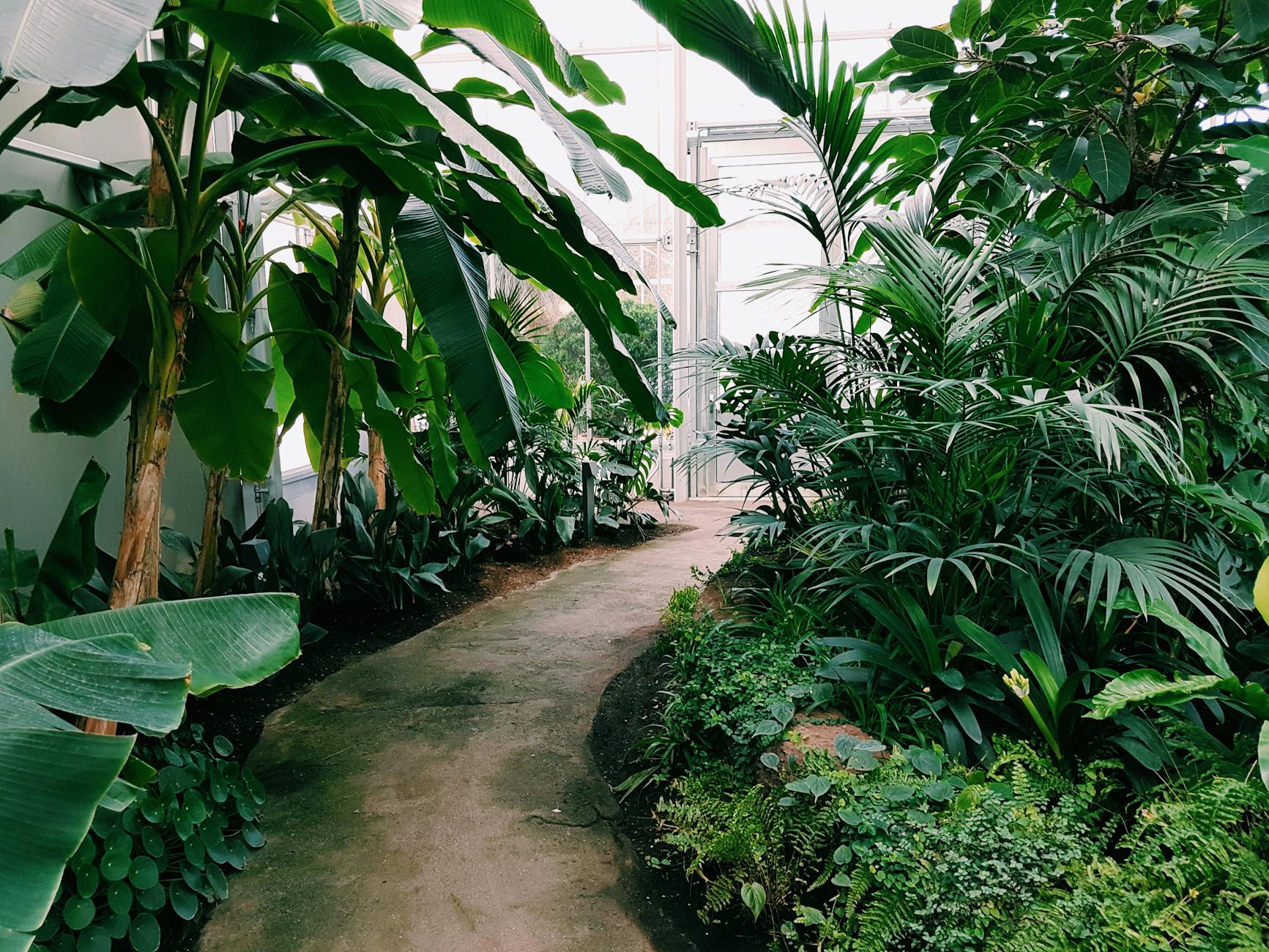
Replacing straight garden paths with gently curved alternatives is a psychological trick rooted in landscape design principles that date back to eighteenth century English gardens. A curved path conceals what lies ahead, creating a sense of mystery and encouraging visitors to explore further into the space. The illusion of depth and distance is significantly stronger along a winding route than a direct line from one point to another. Natural materials like crushed gravel, stepping stones, or reclaimed brick enhance the organic quality of a curved pathway. Even a modest yard feels like a destination worth wandering through when the route through it is thoughtfully meandering.
Living Archways
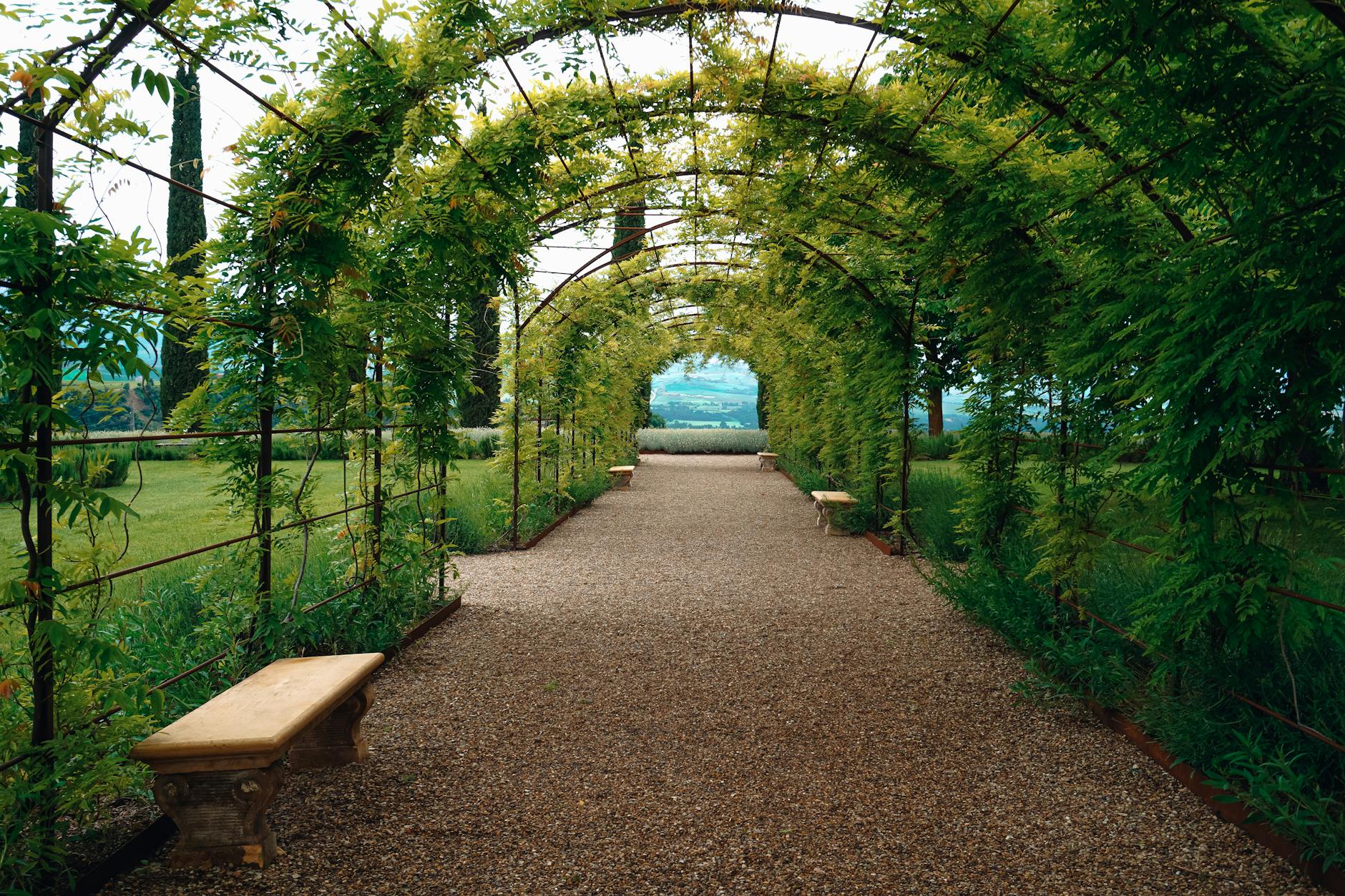
Training climbing plants over a series of arches creates a tunnel-like passage that instantly transforms an entry point into something dramatic and immersive. Roses, wisteria, and jasmine are among the most popular choices for living archways due to their density of growth and seasonal flowering. Walking beneath a canopy of flowering vines triggers a psychological shift that makes the space beyond feel like a separate and private world. Metal arch frames are inexpensive and widely available, requiring only basic installation before planting can begin. Over two or three growing seasons a modest row of arches becomes a fully enclosed green corridor with remarkable visual impact.
Gabion Walls

Gabion walls constructed from wire cages filled with stones or recycled materials offer a bold structural privacy element that doubles as a design feature. Originally used in civil engineering for erosion control, gabions have been widely adopted in contemporary garden design for their industrial texture and durability. They can be built to any height or length without specialist skills, making them an accessible option for confident home gardeners. Planting trailing greenery or ferns along the top softens the hard edges and integrates the wall into the surrounding landscape naturally. The thermal mass of the stone filling also creates a warmer microclimate on the sheltered side of the wall.
Sound Bowls

Large ceramic or metal sound bowls placed strategically around a garden create a subtle acoustic environment that masks intrusive external noise. When partially filled with water and positioned near a breeze, the bowls produce a low resonant hum that adds an almost meditative quality to the outdoor space. Sound has a profound effect on perceived privacy and the introduction of controlled ambient noise significantly reduces awareness of street traffic and neighbors. Tibetan-inspired garden sound bowls have become a growing feature in wellness-oriented outdoor design. Pairing sound elements with scented planting creates a multi-sensory sanctuary effect that few conventional garden features can replicate.
Canopy Tents
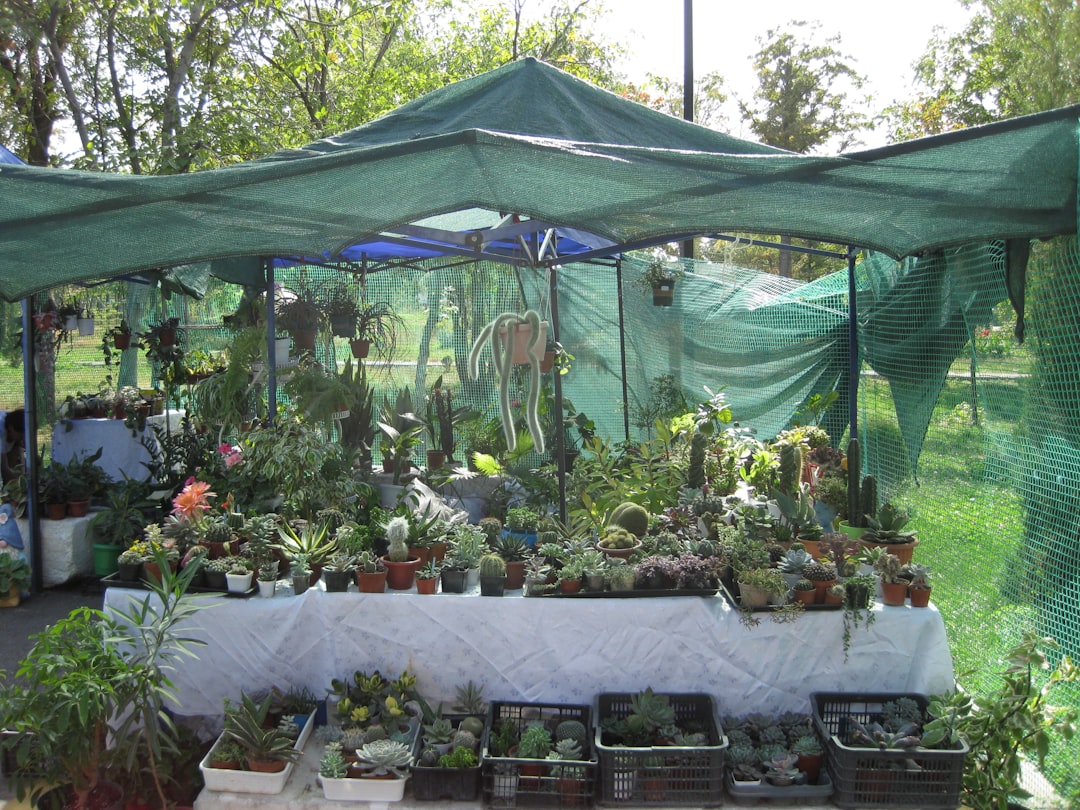
Permanent or semi-permanent fabric canopy structures installed above a seating area create an immediate room-like quality in an open yard. The overhead element is one of the most psychologically powerful tools in outdoor design as humans instinctively feel more sheltered and secure beneath a defined ceiling. Weatherproof canvas, woven shade cloth, or natural thatching are all widely used materials depending on the desired aesthetic and climate. Side panels can be added to enhance privacy further and to provide protection from wind or lateral sun. A well-designed canopy transforms an exposed patio into a space that genuinely functions as an outdoor room throughout much of the year.
Scent Zoning
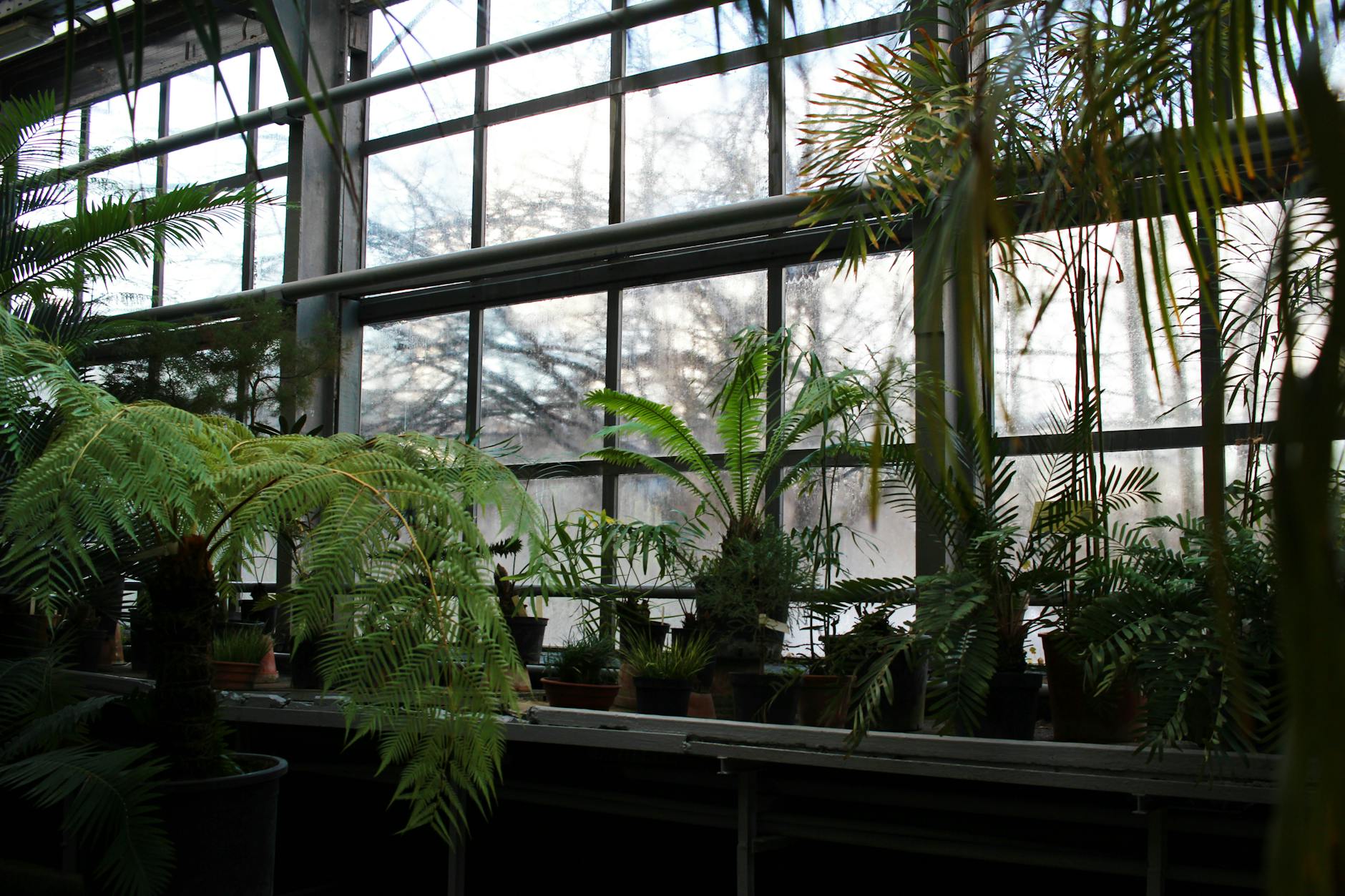
Dividing a garden into distinct zones based on fragrance creates an invisible but highly effective form of spatial separation between areas. Planting lavender, rosemary, or eucalyptus along borders establishes aromatic boundaries that the brain registers as transitions from one distinct space to another. This technique is used in therapeutic garden design to create immersive environments that engage visitors on a sensory level beyond the purely visual. The choice of scent can also influence mood and behavior within each zone with calming herbs placed near seating and energizing citrus plants near active or kitchen garden areas. Scent zoning adds a hidden layer of sophistication to a garden that most visitors will feel but never consciously identify.
Vertical Gardens
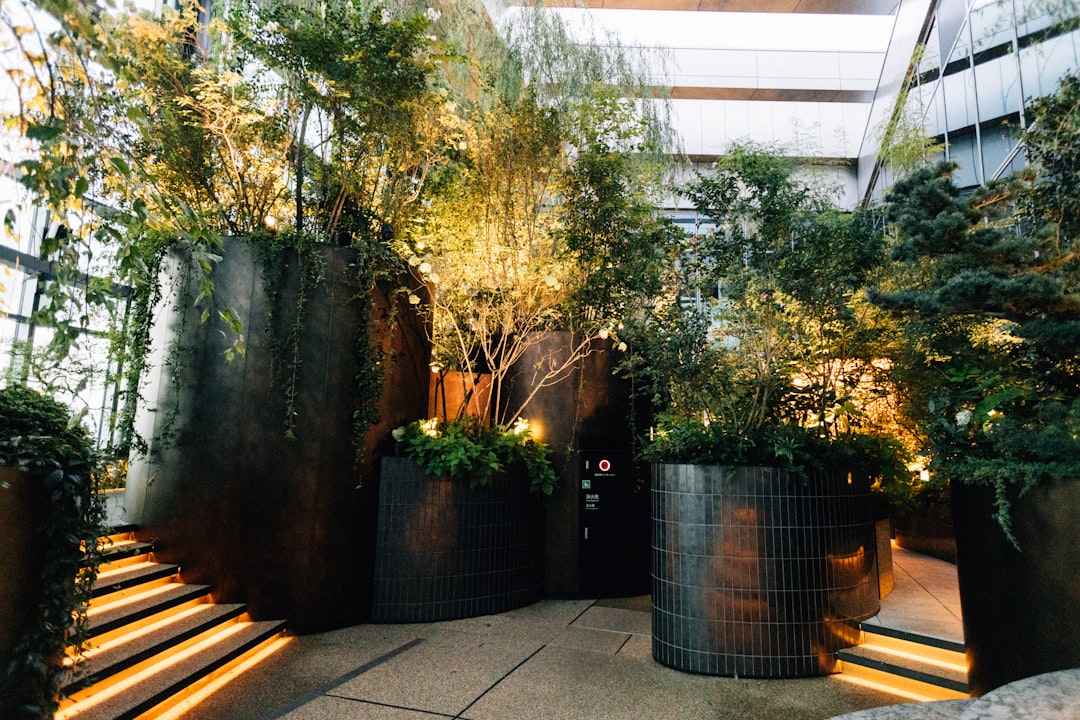
Covering a fence or exterior wall with a planted vertical structure is one of the most space-efficient ways to introduce dense greenery into a compact outdoor area. Modular vertical garden systems are widely available and can accommodate a mix of edible plants, succulents, ferns, and flowering species within the same installation. The visual effect of a floor-to-ceiling living wall dramatically increases the sense of enclosure and natural immersion in a yard of any size. Vertical gardens also provide meaningful insulation benefits for the walls behind them and can reduce ambient temperatures in urban outdoor spaces during warm months. The transformation from a bare fence to a lush green surface is one of the most dramatic single changes available to any home gardener.
Gravel Moats
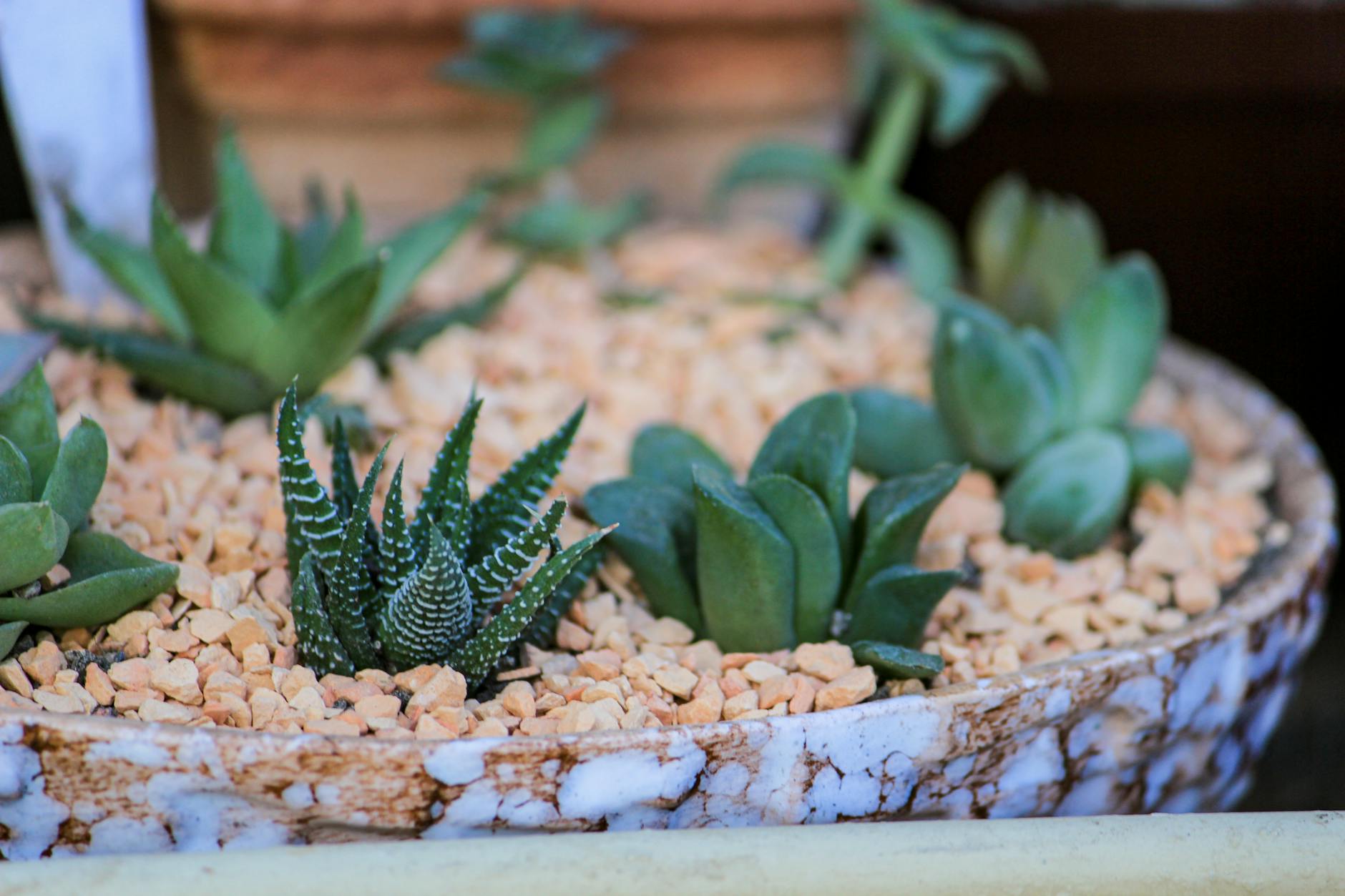
Laying a band of decorative gravel around the perimeter of a seating area or lawn creates a subtle but effective visual and psychological boundary within the garden. The crunching sound of footsteps on gravel acts as a natural alert system that reinforces the sense of a defined and protected inner zone. Japanese garden design has used gravel as a spatial and symbolic tool for centuries and its effectiveness in creating calm enclosure is well documented. Choosing a gravel color that contrasts with surrounding planting and paving draws attention to the boundary and reinforces the separation of spaces. Even a narrow gravel border can completely change the way a garden area is perceived and experienced.
Rope Lighting

Weaving rope lighting through hedging, along fences, or beneath raised decking creates a warm ambient glow that completely transforms the character of a yard after dark. Evening lighting is one of the most underused tools in residential garden design despite its dramatic effect on atmosphere and perceived enclosure. Low-voltage LED rope lighting is energy-efficient, weatherproof, and available in a wide range of warm tones suited to outdoor environments. The selective illumination of specific garden features at night draws the eye inward and away from surrounding properties, creating a strong sense of a self-contained world. A garden that functions beautifully after dark effectively doubles its usability across the full calendar year.
Willow Domes

Planting living willow rods in a dome or tunnel formation creates a sculptural green structure that roots, grows, and weaves together into a permanent architectural feature. Willow is one of the fastest-rooting plants available and a basic dome structure can become a self-supporting green shelter within a single season. The interior of a fully grown willow dome creates one of the most enclosed and magical sanctuary spaces achievable through natural planting alone. Children and adults alike respond strongly to the sense of shelter and discovery that a willow dome provides within a garden setting. This technique has been used in community gardens, therapeutic landscapes, and private estates as a low-cost organic building method.
Moss Carpets
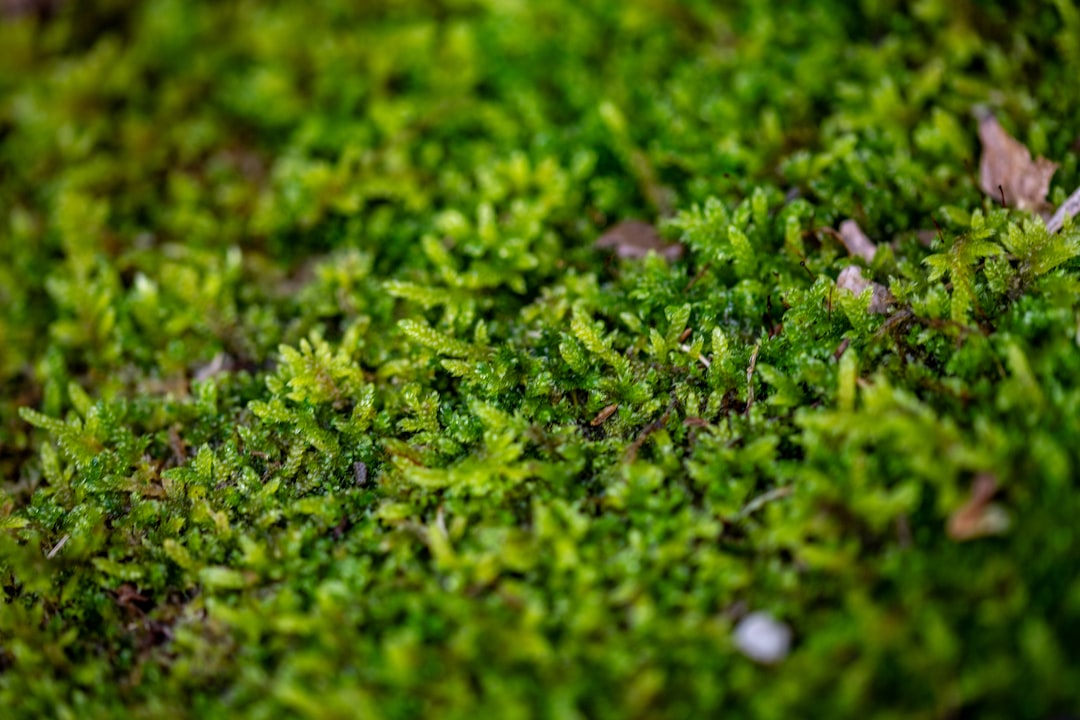
Encouraging moss to establish across shaded ground areas or stone surfaces creates a soft and ancient-feeling texture that transforms a garden into something that feels profoundly settled and timeless. Moss thrives in moist and shaded conditions where conventional lawn grasses struggle, making it an ideal solution for problem areas beneath trees or along north-facing boundaries. A moss carpet requires no mowing, no feeding, and minimal maintenance once established, making it one of the most practical ground cover options available. The deep green velvet appearance of mature moss adds a quality of age and permanence that younger gardens are typically unable to achieve through conventional planting. Some gardeners actively cultivate moss by blending it with water and buttermilk and painting the mixture onto stone or soil surfaces to encourage rapid spread.
Cloche Gardens

Placing large glass or acrylic cloches over individual plants or small planting zones creates a Victorian-inspired display that is both functional and visually striking. The cloche acts as a miniature greenhouse that extends the growing season while simultaneously drawing attention to the plants within as specimens worthy of close observation. Grouping several cloches of varying sizes across a garden bed creates a curated and intentional aesthetic that elevates the overall design quality of the space. Antique and reproduction cloches are widely available through garden suppliers and online marketplaces at a broad range of price points. This technique transforms an ordinary planting bed into something that feels closer to a botanical collection than a conventional garden.
Pebble Mosaics

Creating a mosaic surface from carefully arranged pebbles, stones, or tiles turns a plain garden path or courtyard floor into a permanent work of decorative art. This technique has been practiced in Mediterranean and Middle Eastern garden traditions for thousands of years and remains one of the most visually distinctive floor treatments available to home gardeners. Natural pebbles in contrasting colors and sizes can be set into a sand and mortar base by a confident amateur without specialist skills or expensive tools. The resulting surface is durable, permeable, and unique to the garden in which it is created. Even a small section of pebble mosaic installed near an entrance or seating area creates a focal point that significantly elevates the perceived quality of the surrounding space.
Hugelkultur Beds

Hugelkultur is a traditional European technique that involves building raised garden beds over a buried core of logs, branches, and organic matter to create self-sustaining growing mounds. The decomposing wood core retains moisture, generates heat, and releases nutrients over many years, reducing the need for watering and feeding considerably. Above ground the mounded form of a hugelkultur bed adds sculptural topography to an otherwise flat yard and creates natural divisions between different garden zones. The technique is widely practiced in permaculture design and has gained significant attention in sustainable gardening communities across Europe and North America. A well-constructed hugelkultur bed can remain productive for a decade or more without significant additional input from the gardener.
Pleached Trees

Pleaching involves training the branches of trees grown in a row to interweave and form a flat elevated screen of foliage supported on bare trunks. The result is a raised green wall effect that provides privacy at exactly the height required without blocking light at ground level. Hornbeam and lime are the most widely used species for pleaching due to their flexibility, density of leaf cover, and tolerance of regular clipping. This technique is frequently used in formal European garden design but translates equally well to contemporary residential settings seeking a structured natural boundary. A pleached row requires patience and consistent seasonal pruning but produces a level of refined architectural greenery that no fence or panel can replicate.
Outdoor Curtains
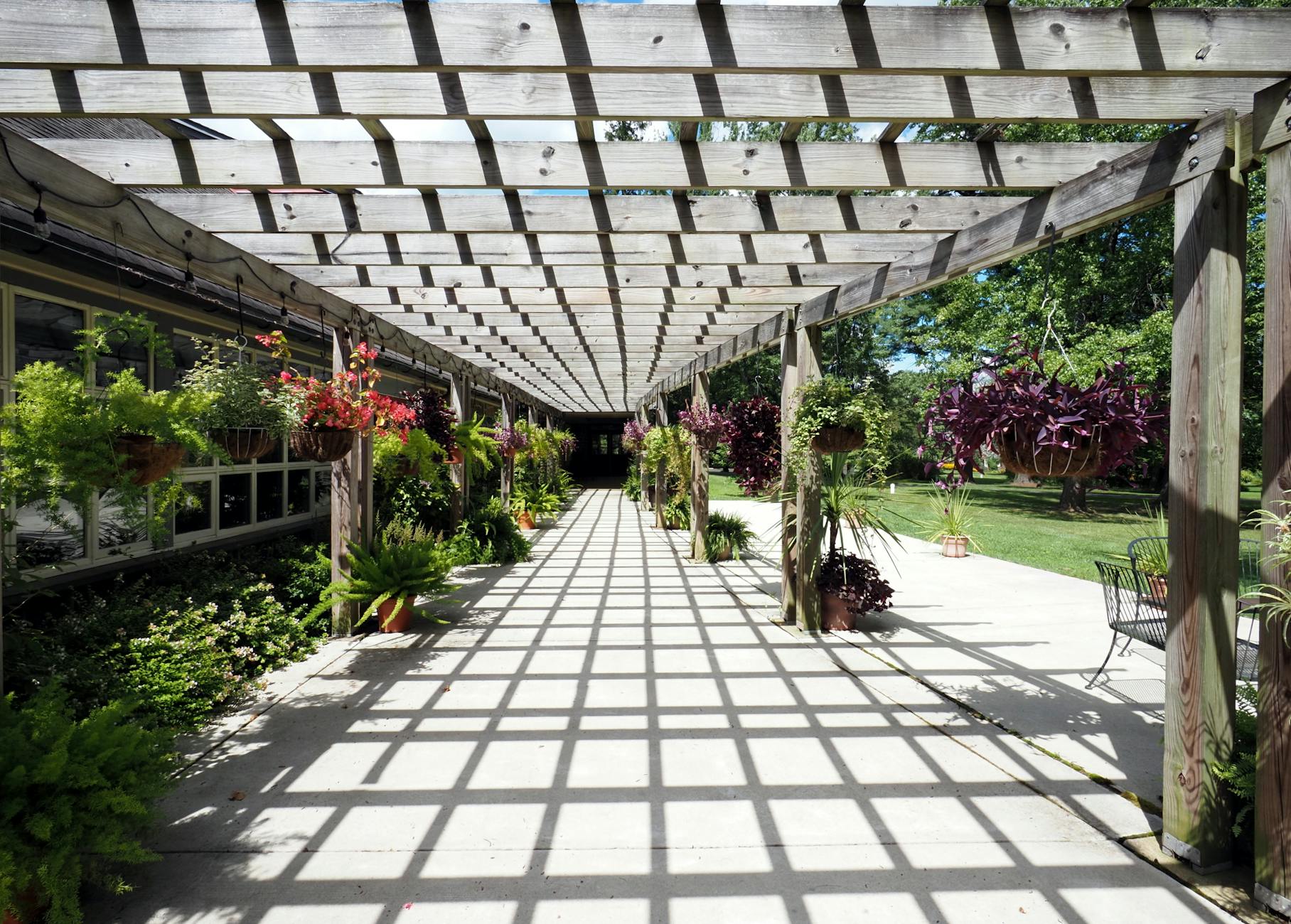
Hanging weatherproof curtains from a pergola, beam, or freestanding frame creates a soft and flexible privacy screen that transforms an outdoor area into something that feels genuinely interior in character. Outdoor fabrics designed for permanent exterior use are fade-resistant, water-repellent, and available in a wide range of colors and weights suited to different climates. Drawing curtains around a seating area on three sides produces a pavilion-like enclosure that is both physically sheltered and visually private from surrounding properties. The movement of fabric curtains in a breeze adds a dynamic and sensory quality that rigid screens and solid fencing cannot provide. This technique is used extensively in luxury resort and hospitality design and is increasingly accessible to residential garden owners.
Topiary Walls

Training dense hedging plants into geometric or sculptural topiary forms creates a living wall structure that doubles as an art installation within the garden. Box, yew, and privet are among the most widely used species for topiary due to their compact growth habit and tolerance of precise clipping. Repeated geometric forms such as spheres, cubes, or spirals planted in a row create a rhythmic boundary element that strongly defines the edge of a garden space. Unlike flat hedging, topiary forms add three-dimensional depth and visual interest to boundaries throughout the year regardless of flowering season. The perceived maintenance requirement of topiary deters many gardeners but basic geometric forms require only one or two careful clips per year to remain sharp.
Rain Chains

Replacing conventional downpipes with hanging rain chains turns functional water drainage into a decorative and acoustically engaging garden feature. As rainwater descends through the chain it produces a gentle musical sound that varies in intensity with rainfall and adds an entirely natural layer of ambient sound to the garden. Rain chains originated in Japanese architecture where they have been used for hundreds of years as both a practical and aesthetic drainage solution. Copper and aluminum versions are the most widely available and both weather attractively over time developing a natural patina that integrates well into planted garden settings. Positioning a rain chain above a pebble basin or small water feature extends the visual and acoustic effect throughout the space below.
Hanging Beds

Suspending a sleeping or lounge platform from a sturdy overhead structure creates a striking focal point that immediately signals the garden as a destination space rather than merely a functional outdoor area. Hanging beds constructed from weatherproof timber or rattan with exterior-grade cushions and fixings are suitable for year-round outdoor installation in most temperate climates. The gentle movement of a hanging structure adds a sensory dimension that ground-level furniture cannot replicate and which most visitors find deeply relaxing. Positioning a hanging bed beneath a tree canopy or pergola enhances the sense of enclosure and creates one of the most coveted sanctuary spots available in residential garden design. This feature has become a signature element in aspirational outdoor living photography and continues to grow in popularity across European and North American lifestyle markets.
Rock Gardens

Building a rock garden using large natural boulders arranged around drought-tolerant alpine plants creates a landscape that appears to have emerged organically from the ground over many years. The key to a convincing rock garden lies in burying a significant portion of each boulder below the surface so that it appears rooted rather than placed. Alpine plants including sedum, thyme, and saxifrage are well suited to the free-draining conditions created between rocks and require minimal care once established. A well-designed rock garden introduces strong three-dimensional topography to a flat yard and creates a series of micro-environments that support a diverse range of plant species. This technique draws on traditions of Japanese rock garden design as well as the British alpine garden movement of the nineteenth century.
Coppicing Fences

Coppicing is an ancient woodland management technique that involves cutting trees or shrubs back to ground level to produce a dense mass of straight new shoots that can be harvested and woven into living fences and screens. Hazel is the most widely used species for coppiced fencing due to the strength and flexibility of its shoots and the speed of its regrowth after cutting. A living coppiced fence integrates naturally into a planted garden setting and supports significantly greater biodiversity than any manufactured panel or post-and-rail alternative. The technique requires only basic tools and produces usable materials for staking, weaving, and rustic construction throughout the garden as a byproduct of regular maintenance. Revived interest in traditional land management skills has brought coppicing back into mainstream garden design and sustainability-focused horticultural practice.
Cloud Pruning

Cloud pruning is a Japanese technique called niwaki that involves shaping the canopy of trees and large shrubs into rounded cloud-like forms through careful and precise selective cutting. Unlike topiary which aims for geometric regularity, cloud pruning celebrates the natural irregular growth habit of each individual tree by emphasizing its most characterful branches and forms. Japanese black pine, olive, and photinia are among the species most commonly treated with cloud pruning in contemporary garden design. A single cloud-pruned specimen placed in a key garden position creates an immediate focal point of considerable sculptural authority that anchors the surrounding planting. The technique has been practiced in Japan for over four hundred years and has seen extraordinary growth in interest among Western garden designers over the past two decades.
Nest Seating
Installing a large nest-shaped seating structure woven from willow, rattan, or steel creates an enclosed and enveloping resting space that provides both physical privacy and a strong sense of organic shelter. Oversized nest chairs and freestanding nest pods are produced by specialist outdoor furniture manufacturers and are available in a range of materials suited to permanent exterior use. The enclosed form of nest seating triggers a primal sense of security and retreat that conventional garden chairs and benches are unable to replicate. Positioning a nest seat within dense planting or beneath a tree canopy deepens the sense of enclosure and creates a genuinely secluded spot within an otherwise open yard. This feature has appeared consistently across high-end garden show installations and luxury outdoor living editorials over the past several years.
Share your own bizarre gardening discoveries and sanctuary-building secrets in the comments.




