
Financial secrecy is one of the most damaging forms of dishonesty in a long-term relationship. Many people carry hidden debt for months or even years before their partner begins to notice something is wrong. The signs are often subtle at first, blending into everyday behavior in ways that are easy to dismiss or overlook. Recognizing these patterns early can protect both partners from serious financial and emotional consequences down the line.
Vague Financial Answers

When a partner consistently deflects or gives unclear answers about money matters, it can signal that something is being concealed. Questions about bills, bank accounts, or spending habits are met with short responses or a swift change of subject. This kind of evasiveness tends to become a pattern over time rather than an isolated incident. A partner with nothing to hide will generally feel comfortable discussing shared finances openly. Persistent vagueness around money warrants a calm and direct conversation.
Mail Habits
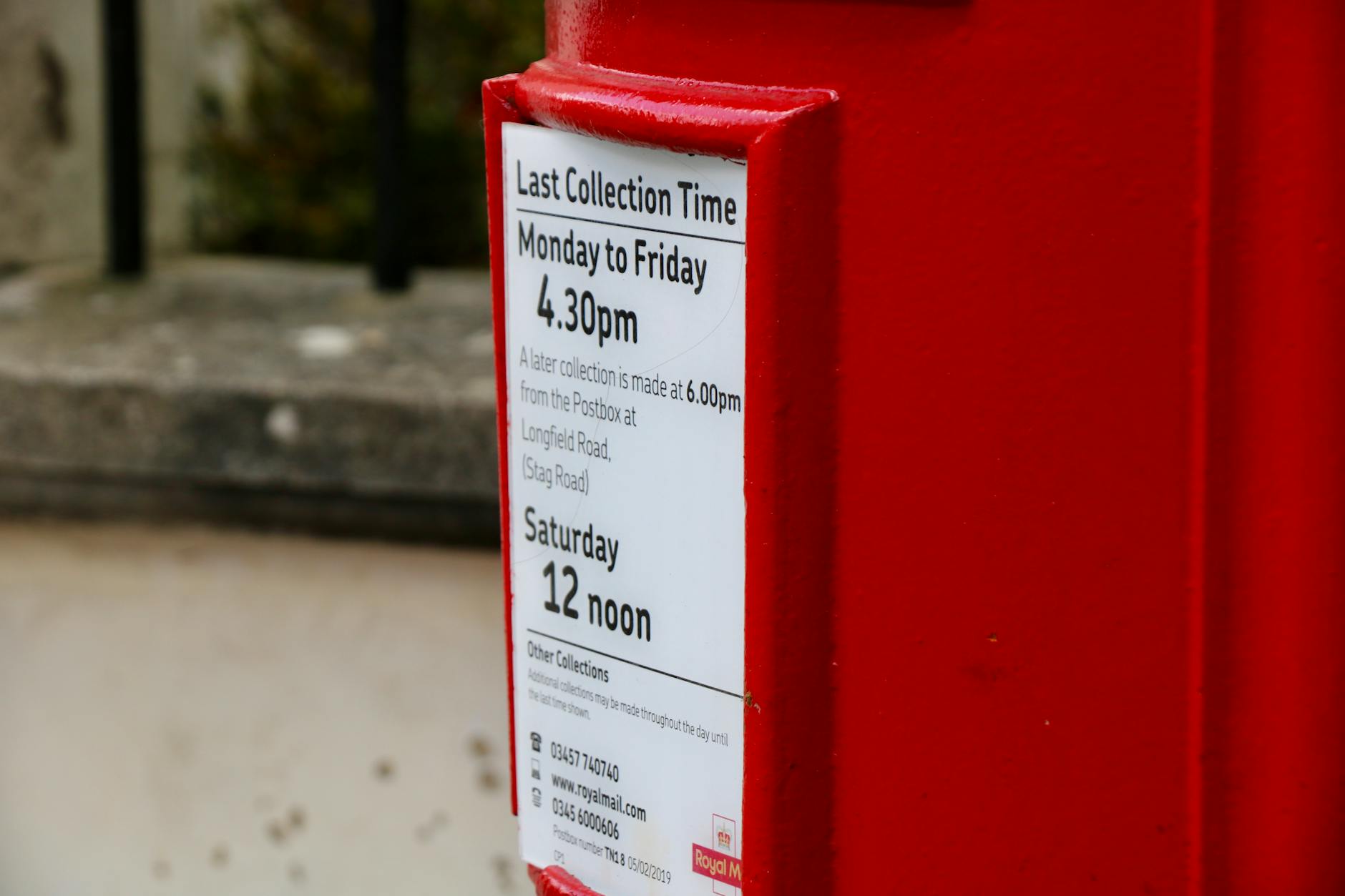
A sudden shift in how mail is handled can be an early indicator of hidden financial trouble. A partner who begins rushing to collect the post before anyone else sees it may be intercepting statements or collection notices. Some people switch to paperless billing specifically to keep debt-related correspondence off the radar. Hiding or immediately discarding envelopes from financial institutions is a behavior worth noting. Mail interception is one of the most common ways people conceal debt from those they live with.
Card Declines

A credit or debit card being declined unexpectedly is one of the more visible signs of financial distress. If this happens repeatedly and is always explained away with excuses like a banking glitch or a forgotten payment, it may point to something deeper. Partners hiding debt often have maxed-out cards or overdrawn accounts they have not disclosed. The embarrassment of a decline is frequently brushed off quickly to prevent further questioning. Patterns of declined transactions deserve a thoughtful and non-confrontational conversation about the state of shared finances.
New Accounts
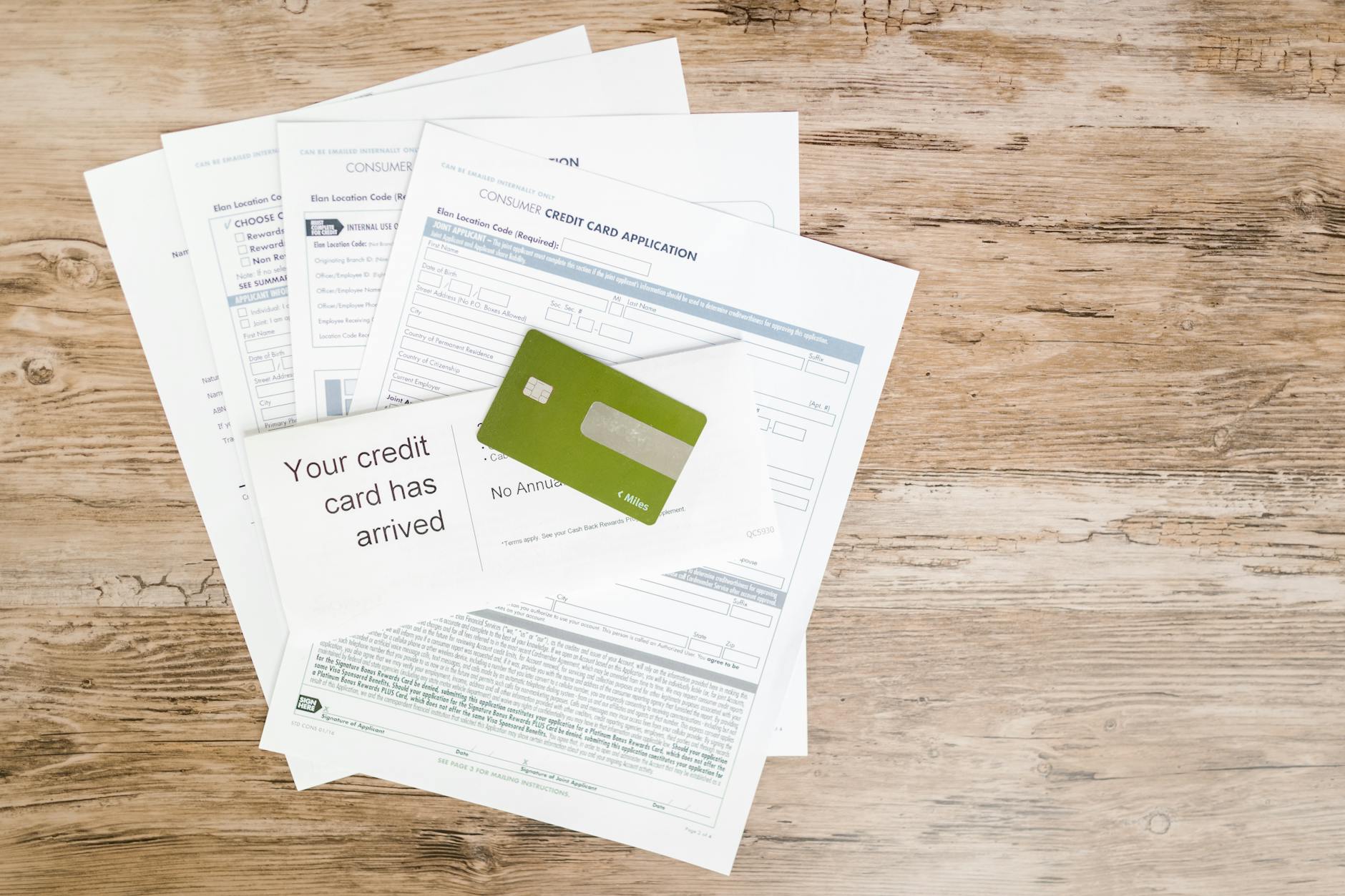
Discovering an unfamiliar credit card or bank account in a partner’s name can be a significant red flag. People managing secret debt sometimes open new lines of credit without informing their partner, using them to cover existing obligations. These accounts rarely appear in shared financial discussions and are often kept entirely separate from household budgets. Statements are redirected to personal email addresses or hidden among other paperwork. The existence of undisclosed financial accounts is a serious breach of financial transparency in a committed relationship.
Cash Withdrawals
An unusual increase in cash withdrawals from a shared account can suggest that spending is being deliberately kept off the digital record. Cash is harder to trace than card transactions, making it a preferred method for those trying to hide financial activity. A partner who suddenly prefers cash for everyday purchases after years of using cards may be avoiding a traceable paper trail. Large or frequent ATM withdrawals that are unaccounted for in the household budget are worth addressing. Financial openness includes being able to explain where cash is going without hesitation.
Mood Around Payday

A noticeable shift in mood or anxiety levels around payday can indicate that income is being directed toward hidden debts. Partners carrying secret financial burdens often experience heightened stress at the end of the month when payments are due. This tension may seem disconnected from anything visible in the household, making it confusing for the other person. If a partner seems relieved immediately after a paycheck arrives but stressed again within days, debt repayment cycles may be the cause. Emotional patterns tied to the financial calendar are worth paying attention to.
Secretive Phone Use

Guarding a phone obsessively or angling the screen away during banking notifications can be a sign of hidden financial activity. Many lenders and debt collectors communicate primarily through apps, texts, and emails, all of which land on a smartphone. A partner who never used to care about phone privacy but has recently become protective of it may be receiving messages they do not want seen. Deleting banking notifications or muting financial apps can also indicate active concealment. Secretive device behavior combined with other financial red flags is a meaningful pattern to consider.
Skipping Social Plans

Frequently canceling plans or avoiding social situations that involve spending money can be a quiet sign of financial strain. A partner dealing with hidden debt may manufacture excuses to skip dinners, trips, or events that would require them to contribute financially. This behavior is often framed as disinterest rather than inability, making it easy to misinterpret. Over time, a pattern of avoidance around group spending becomes noticeable. Social withdrawal linked specifically to money-related activities is worth exploring gently.
Minimum Payments
Only ever making the minimum payment on shared credit accounts while debt balances fail to decrease can indicate that more is owed elsewhere. A partner focused on keeping hidden debt serviced may divert funds that would otherwise go toward reducing household obligations. This results in shared balances remaining stagnant or growing despite regular payments being made. The financial math of a household begins to feel off without a clear explanation. Understanding where money goes each month is a reasonable expectation in any financially intertwined relationship.
Overdraft Fees
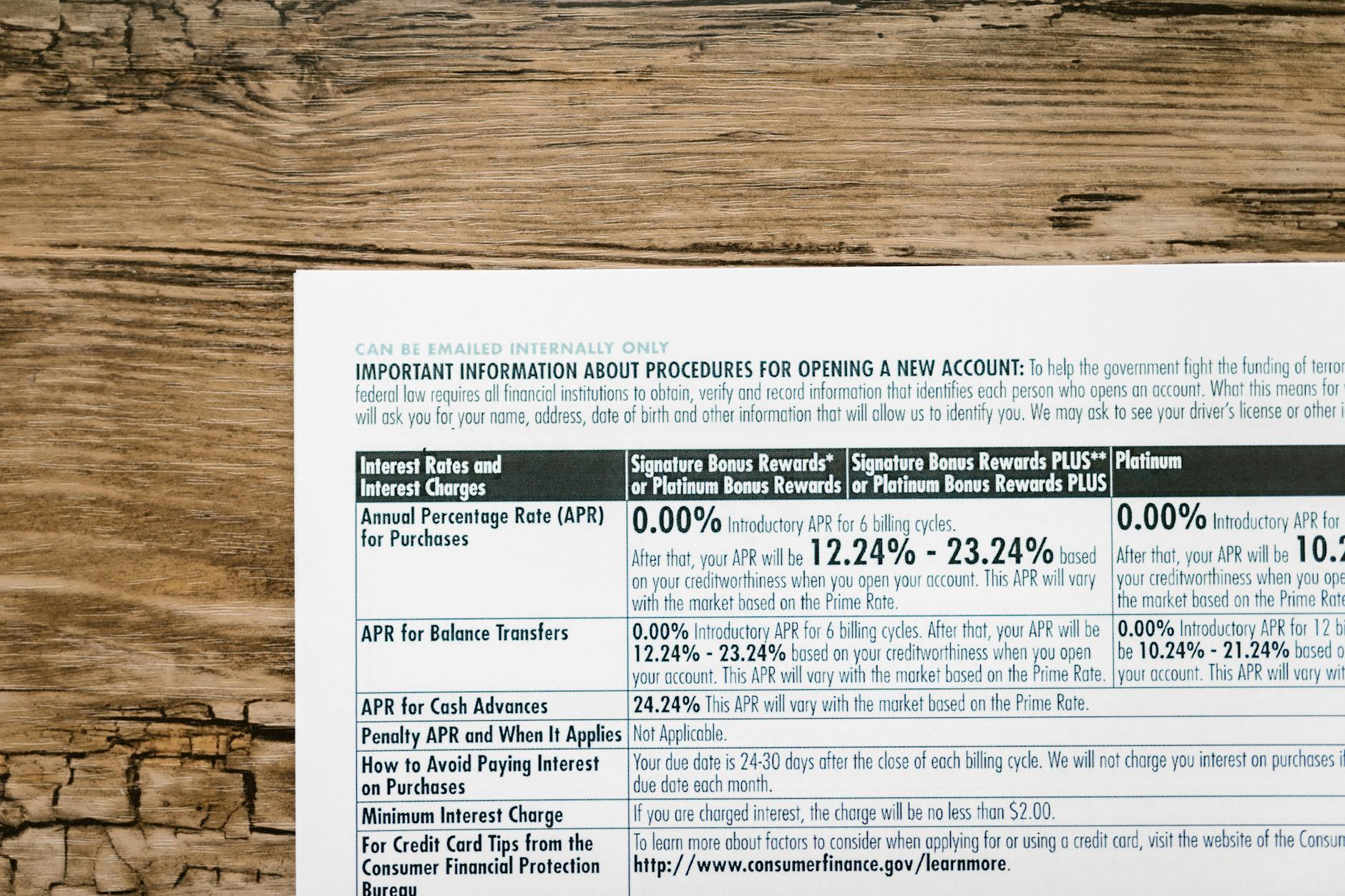
Recurring overdraft fees appearing on bank statements suggest that accounts are being pushed past their limits on a regular basis. A partner managing secret debt may be pulling money from accounts that cannot sustain the withdrawals. These fees are often small enough to go unnoticed individually but add up significantly over time. Explanations for why the account keeps dipping into overdraft tend to be vague or inconsistent. Habitual overdraft activity is a financial pattern that points to spending or obligations not reflected in the shared budget.
Login Changes
Changing passwords on banking or financial apps without explanation can be a deliberate move to restrict a partner’s access. In relationships where finances were previously open or at least mutually visible, sudden lockouts are significant. A partner may claim the change was for security reasons, but if it coincides with other suspicious behaviors, the timing is worth noting. Restricted access to accounts that were once viewable creates an information imbalance in the relationship. Financial transparency requires that both partners have a reasonable understanding of the household’s economic reality.
Loan Requests

Asking to borrow money from friends or family members quietly, without involving or informing a partner, is a sign that financial resources are running thin. People managing hidden debt often exhaust traditional options and turn to personal connections in secret. A partner who receives small loans from others and never mentions them may be papering over a larger financial problem. These informal debts carry their own complications and can eventually surface in unexpected ways. Concealing borrowed money from a partner is a form of financial dishonesty regardless of the source.
Work Hour Changes

Suddenly working significantly more hours or taking on extra jobs without a clear explanation can indicate an urgent need for additional income. While ambition is not inherently suspicious, a dramatic and unexplained shift in work habits often has a motivating factor. Partners hiding debt may take on freelance work, second jobs, or overtime specifically to service obligations their partner does not know about. The extra income never seems to improve the household financial situation despite the additional effort. A mismatch between increased earnings and unchanged financial comfort is a meaningful discrepancy.
Purchase Denial

Flatly refusing to discuss or consider any significant household purchases, even well within a reasonable budget, can suggest underlying financial pressure. A partner aware that their hidden debt is straining overall resources may become defensive or dismissive when spending is proposed. This behavior is sometimes framed as frugality or caution, making it easy to accept at face value. The refusal tends to be consistent and disproportionate to the actual cost of what is being suggested. Inflexibility around spending decisions without transparent reasoning is worth questioning.
Tax Avoidance

Resisting the idea of filing taxes jointly or being evasive about individual tax situations can point to financial complications being kept hidden. Partners with significant undisclosed debt, particularly debt involving wage garnishments or tax liens, may be reluctant to merge financial documents at tax time. Excuses for filing separately that change from year to year or are never fully explained are worth noting. Tax documents reveal a detailed picture of income, debts, and financial obligations that can be difficult to obscure. A partner unwilling to share that picture may have reasons they are not prepared to discuss openly.
If any of these signs feel familiar in your relationship, share your experience or thoughts in the comments.




