
Walking into a mechanic’s shop with confidence is one thing, but actually knowing your stuff is another entirely. Experienced mechanics develop a sharp eye and ear for customers who genuinely understand vehicles versus those who are simply guessing. From the words people use to the questions they ask, every interaction reveals a little more about a person’s automotive knowledge. These insider signals are things most mechanics never openly discuss, but they shape every conversation that happens in the shop.
VIN Knowledge

Every vehicle has a 17-character Vehicle Identification Number that serves as its unique fingerprint, encoding details like the manufacturer, model year, engine type, and country of origin. A customer who can recite their VIN from memory or knows exactly where to locate it on their dashboard impresses mechanics immediately. This number is essential for ordering correct parts and verifying recall information, so familiarity with it signals real vehicle ownership awareness. Mechanics note that many customers have never looked at their VIN, let alone understood what each segment means. Knowing yours puts you in a small but respected group of genuinely informed drivers.
OBD-II
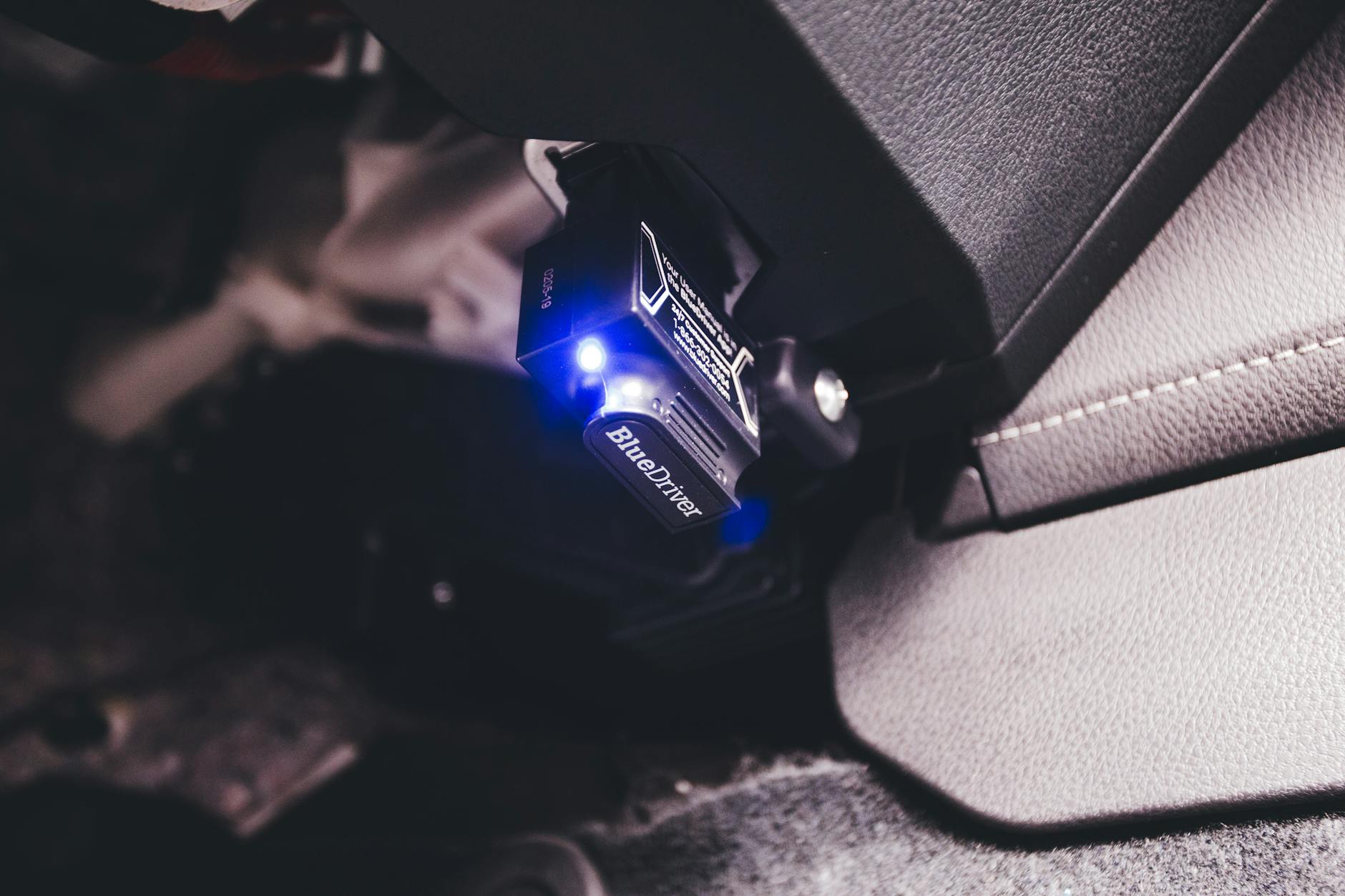
The On-Board Diagnostics port found in vehicles manufactured after 1996 is a standard interface that mechanics use to pull diagnostic trouble codes directly from the car’s computer. Customers who arrive having already scanned their own codes with an affordable handheld reader immediately earn credibility in the shop. Understanding that a code like P0300 indicates a random misfire rather than a vague engine problem shows real familiarity with how modern vehicles communicate faults. Mechanics appreciate when customers use code terminology correctly rather than simply describing a warning light as “the orange one.” Owning a basic OBD-II scanner is a clear sign that someone takes their vehicle maintenance seriously.
Torque Specs
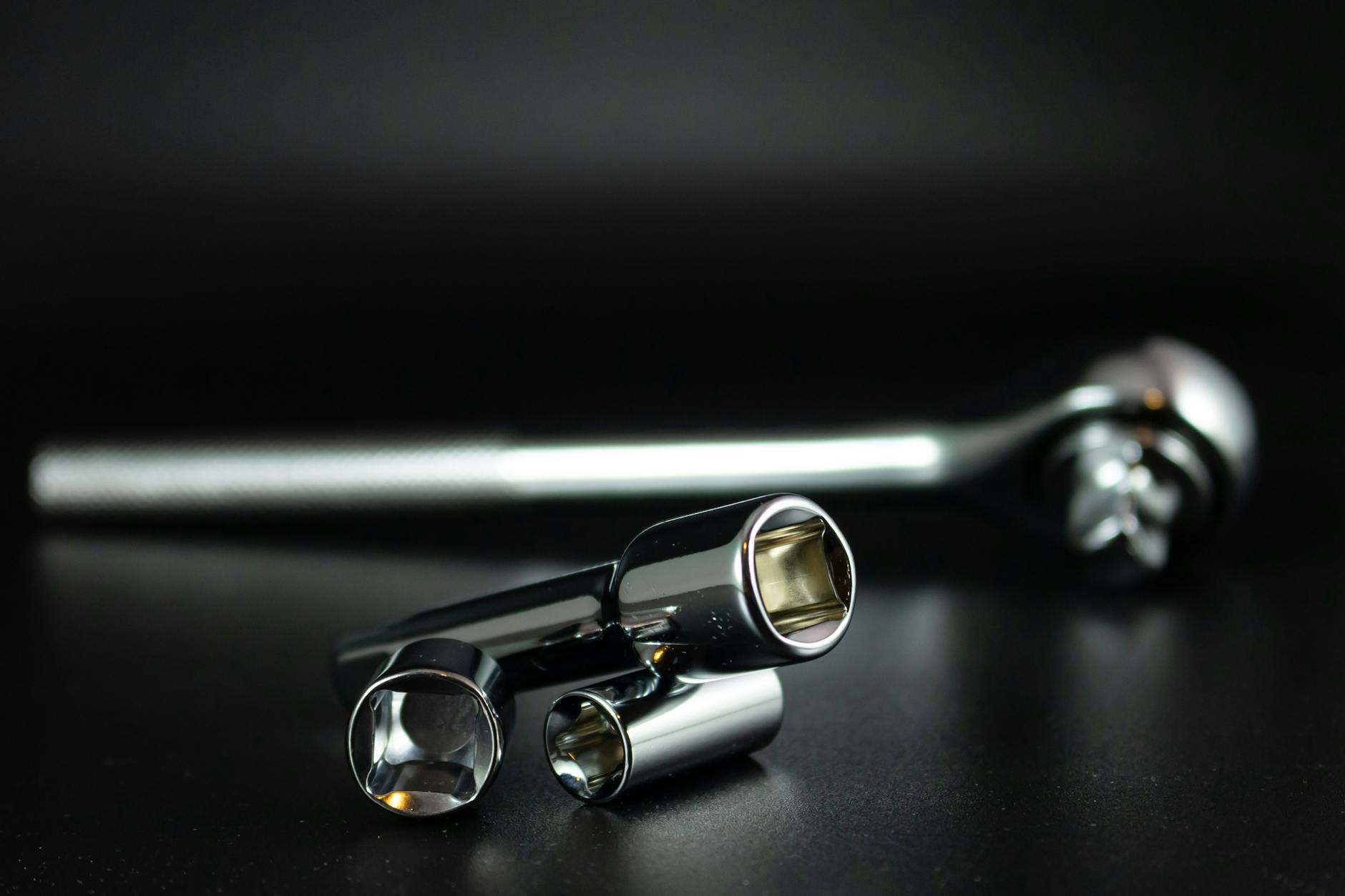
Torque specifications dictate exactly how tightly bolts must be fastened throughout a vehicle, from lug nuts on wheels to cylinder head bolts in the engine. A driver who references torque specs when discussing a brake job or wheel installation demonstrates knowledge that goes well beyond casual car ownership. These figures are found in factory service manuals and vary significantly depending on the bolt size, material, and application. Mechanics are often surprised when customers know that over-torquing a lug nut can warp a brake rotor just as surely as under-torquing can allow a wheel to come loose. Bringing up torque specs naturally in conversation is one of the clearest signals of genuine mechanical literacy.
Compression Testing
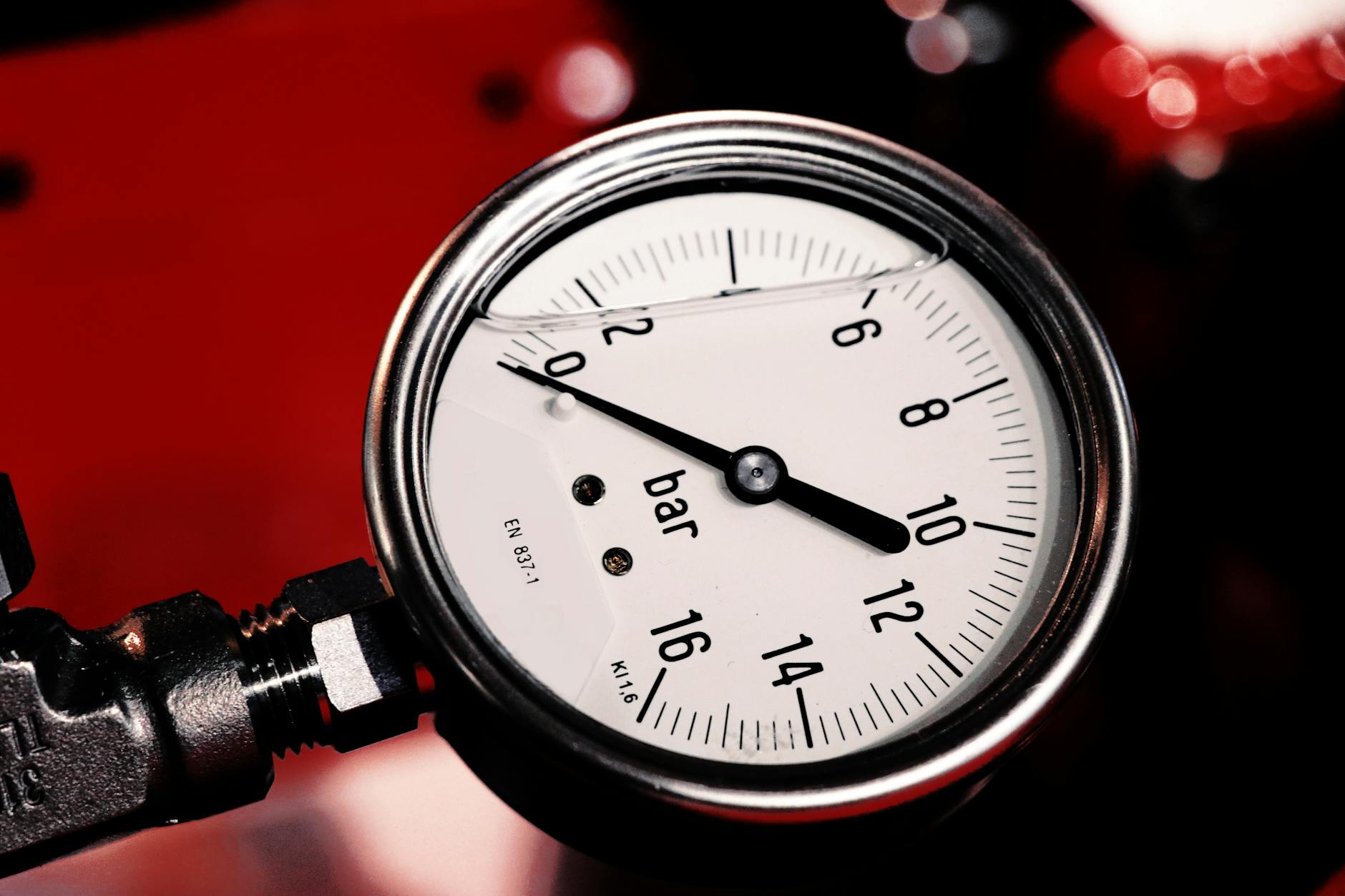
A compression test measures the pressure each engine cylinder can generate and is one of the most reliable ways to assess overall engine health. Customers who request a compression test by name when investigating performance issues or a rough idle signal that they understand internal combustion fundamentals. Low compression in one or more cylinders can point to worn piston rings, a damaged valve, or a failing head gasket. Mechanics are accustomed to customers describing symptoms in vague terms, so someone who asks for specific diagnostic procedures stands out immediately. Understanding why compression matters shows awareness of what keeps an engine running efficiently over time.
Timing Belt Intervals
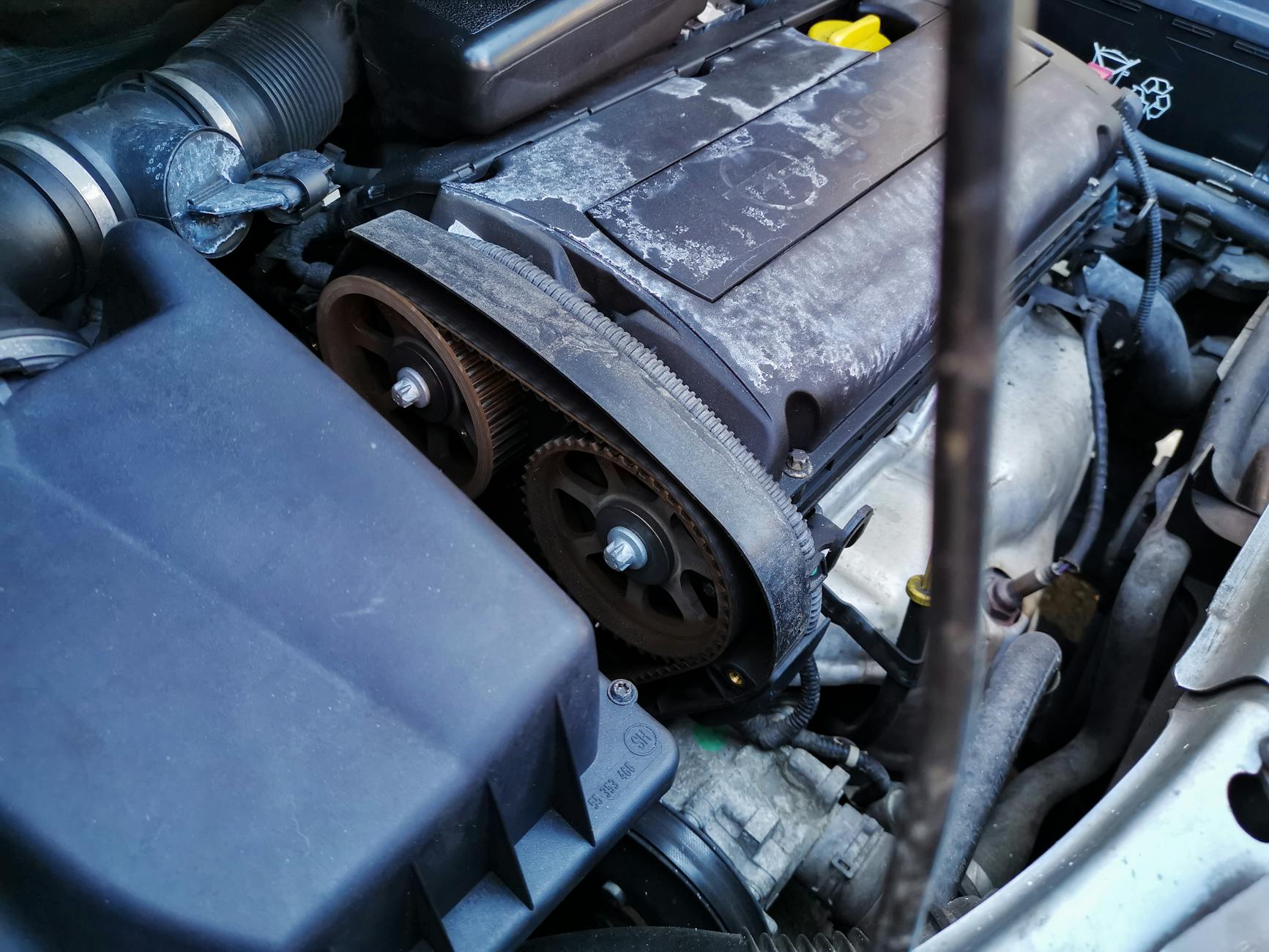
The timing belt or timing chain synchronizes the rotation of the crankshaft and camshaft, ensuring valves open and close at precisely the right moments during the combustion cycle. Knowing the manufacturer-recommended replacement interval for this component is something surprisingly few drivers are aware of, yet its failure can cause catastrophic and expensive engine damage. A customer who proactively mentions their timing belt mileage or asks about interference engine risk shows a level of preparedness mechanics rarely encounter. The difference between an interference and non-interference engine is particularly significant because a snapped belt in an interference engine typically destroys internal components immediately. Referencing timing belt intervals by mileage rather than by feel or appearance is a strong signal of real automotive knowledge.
Coolant Flush

Engine coolant does far more than prevent freezing in winter temperatures. It also raises the boiling point of the cooling system, inhibits corrosion, and transfers heat away from the engine efficiently. Over time the additives in coolant degrade, causing it to become acidic and potentially damaging to aluminum components throughout the system. A customer who asks about coolant pH or electrolytic activity in the cooling system is displaying knowledge that many professional drivers lack. Mechanics pay attention when someone understands that old coolant is corrosive rather than simply dirty. Asking about flush intervals based on the specific coolant type rather than a generic time frame reveals a thoughtful and systematic approach to maintenance.
Differential Service

The differential allows wheels on the same axle to rotate at different speeds during cornering, a function that is critical to safe and efficient vehicle handling. Many drivers go years without servicing their differential fluid, unaware that it degrades like any other lubricant and can lead to premature wear in the gears and bearings. Customers who ask specifically about front, rear, or center differential service intervals on their all-wheel or four-wheel drive vehicles immediately stand out in a shop. Knowing whether their vehicle uses a limited-slip differential and what that means for fluid selection shows a deeper understanding of drivetrain mechanics. Mechanics often view differential knowledge as one of the clearest dividing lines between casual and knowledgeable vehicle owners.
Brake Bias
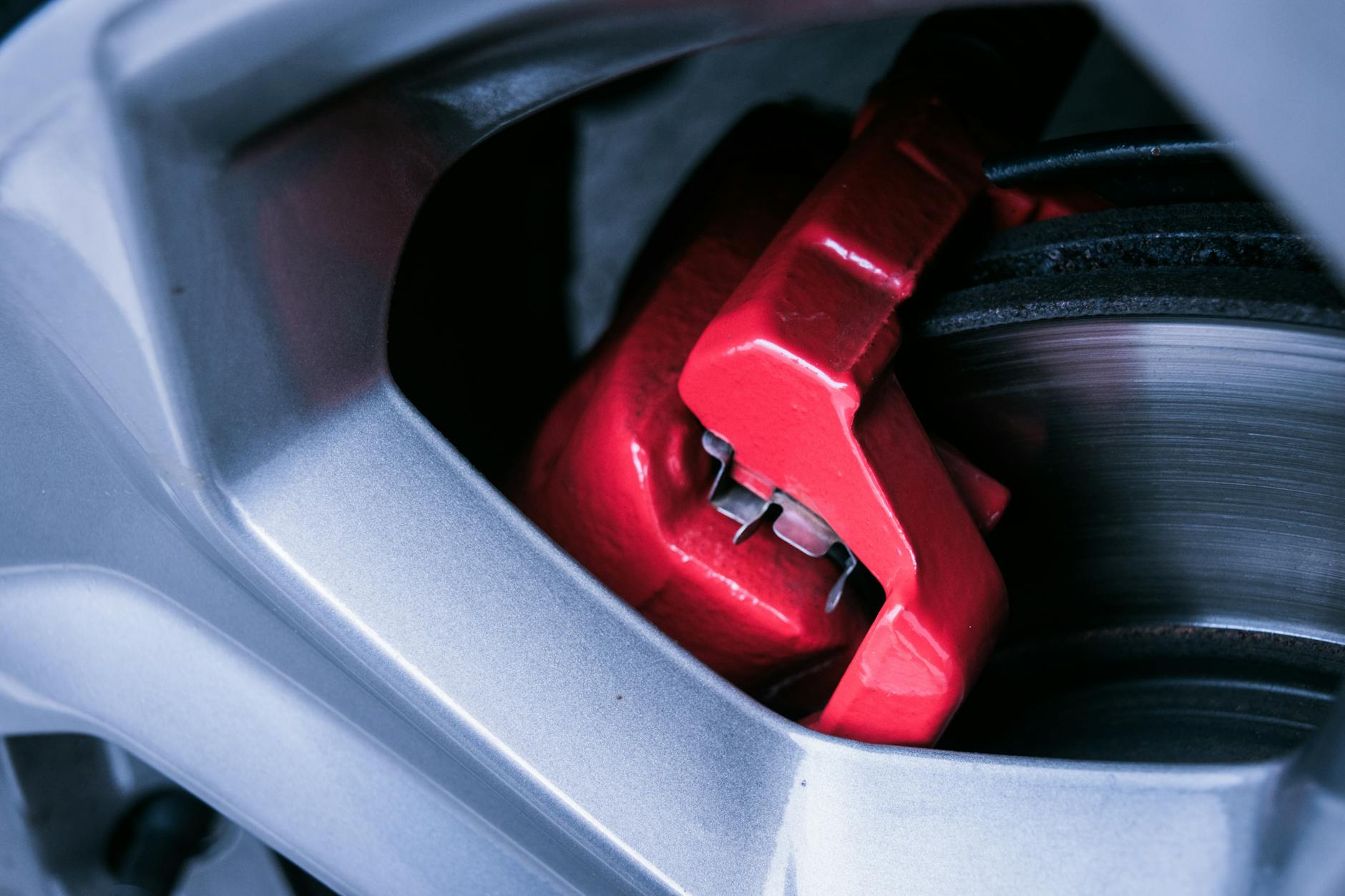
Brake bias refers to the distribution of braking force between the front and rear axles of a vehicle, a balance that manufacturers engineer carefully based on weight distribution and intended use. Most drivers assume that pressing the brake pedal applies equal force to all four wheels, which is rarely the case in a properly designed braking system. A customer who understands that front brakes typically handle a greater proportion of stopping force due to weight transfer during braking shows awareness of vehicle dynamics beyond the basics. Mechanics take note when someone asks about brake bias adjustments after changing to aftermarket suspension or track use setups. This level of knowledge suggests the driver is actively engaged with how their vehicle behaves rather than simply operating it.
Fuel Trims

Short-term and long-term fuel trims are values generated by the engine control unit that indicate how much the fuel delivery system is being adjusted to maintain the ideal air-to-fuel ratio. A customer who asks a mechanic to pull fuel trim data rather than simply reporting a rough idle or poor fuel economy immediately signals advanced diagnostic awareness. Positive fuel trim values suggest the engine is running lean and compensating by adding fuel, while negative values indicate a rich condition requiring fuel reduction. These numbers help pinpoint issues like vacuum leaks, failing oxygen sensors, or dirty fuel injectors far more efficiently than symptom descriptions alone. Understanding fuel trims separates customers who have done real research from those relying entirely on guesswork.
TPMS Sensors
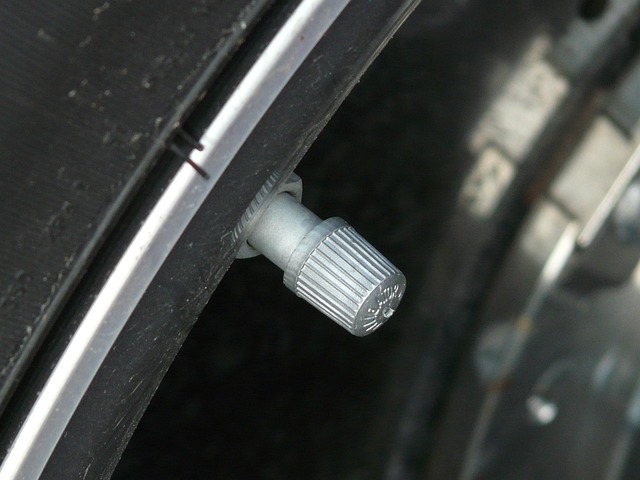
The Tire Pressure Monitoring System alerts drivers when tire pressure drops to an unsafe level, but the system relies on individual sensors mounted inside each wheel that have their own battery life and failure modes. A customer who knows that TPMS sensors typically last between five and ten years and must be replaced or reprogrammed when new tires are installed shows real awareness of the system’s limitations. Mechanics often encounter confusion when customers assume the warning light means a sensor needs inflating rather than servicing. Understanding the difference between a direct TPMS system with individual pressure readings and an indirect system that uses wheel speed sensors to infer pressure loss is a detail very few drivers know. Referencing TPMS sensor battery life or recalibration requirements marks a customer as someone who has genuinely done their homework.
Idle Air Control

The idle air control valve manages the amount of air bypassing the throttle plate at idle, allowing the engine to maintain a stable and consistent RPM when no throttle input is applied. A rough or fluctuating idle that a customer correctly attributes to a dirty or failing idle air control valve rather than a generic engine problem immediately catches a mechanic’s attention. This component is particularly prone to carbon buildup on older vehicles with port fuel injection systems. Knowing that cleaning the valve is often a viable fix before replacement shows cost-conscious and informed thinking. Customers who understand idle air control demonstrate familiarity with how throttle body management works in modern fuel-injected engines.
Camshaft Phasing

Variable valve timing systems adjust the timing of the intake and exhaust camshafts in response to driving conditions, optimizing power delivery and fuel efficiency across different RPM ranges. A customer who mentions camshaft phaser noise or asks about VVT solenoid health on a high-mileage engine signals an impressive level of powertrain knowledge. These components depend heavily on clean and properly pressurized engine oil, so neglecting oil change intervals can accelerate their wear significantly. Mechanics are rarely asked about camshaft phasing by the average driver, making those conversations particularly memorable. Understanding how variable valve timing affects both performance and longevity demonstrates a sophisticated grasp of modern engine design.
Head Gasket Symptoms
The head gasket seals the combustion chamber from the cooling system and the engine oil passages, making its integrity essential to engine function. A customer who correctly identifies symptoms like white exhaust smoke, milky oil residue on the dipstick, or unexplained coolant loss as possible head gasket indicators shows diagnostic awareness that most drivers simply do not have. Mechanics appreciate when customers resist the urge to self-diagnose definitively and instead present these observations as clues for professional evaluation. Knowing that a combustion leak test or a chemical block test is the appropriate way to confirm a head gasket failure without immediately tearing apart the engine is an impressive detail. This kind of systematic thinking signals a customer who understands both the severity of the component and the proper approach to diagnosing it.
Catalytic Converter Function

The catalytic converter uses precious metal catalysts including platinum, palladium, and rhodium to convert harmful exhaust gases into less toxic compounds before they exit the tailpipe. A driver who understands that a failing catalytic converter can cause reduced engine performance and trigger specific oxygen sensor codes rather than simply causing a smell demonstrates real emissions system knowledge. Mechanics note that many customers are unaware that running an engine with a misfiring cylinder can overheat and permanently damage the converter. Knowing that ethanol-blended fuels and certain oil additives can contaminate catalytic substrates shows awareness of how maintenance choices affect emissions components. Customers who ask about catalyst efficiency readings from downstream oxygen sensor data are operating at a level mechanics genuinely respect.
Wheel Bearing Play

Wheel bearings allow the wheels to rotate with minimal friction while supporting the full weight of the vehicle, and their condition directly affects both handling precision and safety. A customer who checks for bearing play by grabbing a tire at the 12 and 6 o’clock positions and rocking it to detect looseness has clearly done hands-on inspection at some point. Mechanics pay attention when someone correctly distinguishes between a worn wheel bearing hum and a tire noise, noting that bearing noise typically changes with lateral load during lane changes. Understanding that some modern vehicles use integrated hub bearing assemblies rather than serviceable tapered roller bearings shows awareness of how designs have evolved. Referencing specific diagnostic methods for wheel bearing wear marks a customer as genuinely experienced rather than simply curious.
Engine Bay Cleanliness
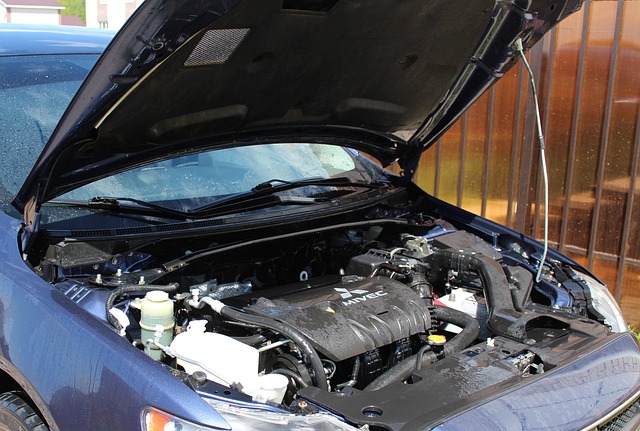
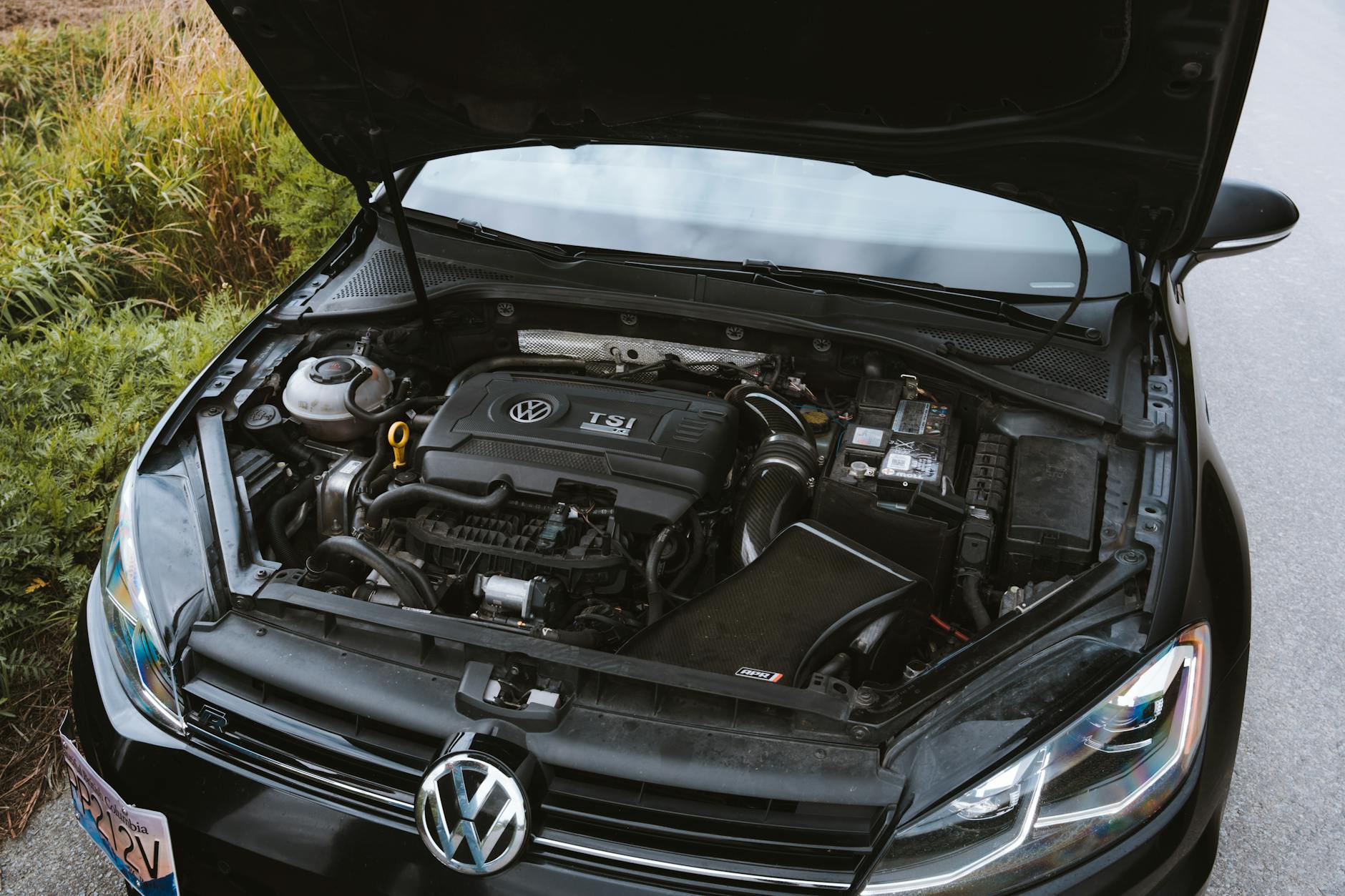
The condition of an engine bay communicates a great deal to an experienced mechanic before a single diagnostic tool is connected. A clean and organized engine compartment typically suggests an owner who maintains their vehicle attentively and notices new leaks, cracks, or wear quickly. Mechanics note that extreme over-cleaning with high-pressure water can damage electrical connectors and sensors, so knowing how to clean an engine bay correctly is itself a form of knowledge. Customers who maintain their engine bay without damaging sensitive components show both pride of ownership and mechanical awareness. An engine bay that is dirty in predictable ways around valve covers or coolant hoses tells a story, and customers who can read that story alongside the mechanic earn immediate respect.
Transmission Fluid Color
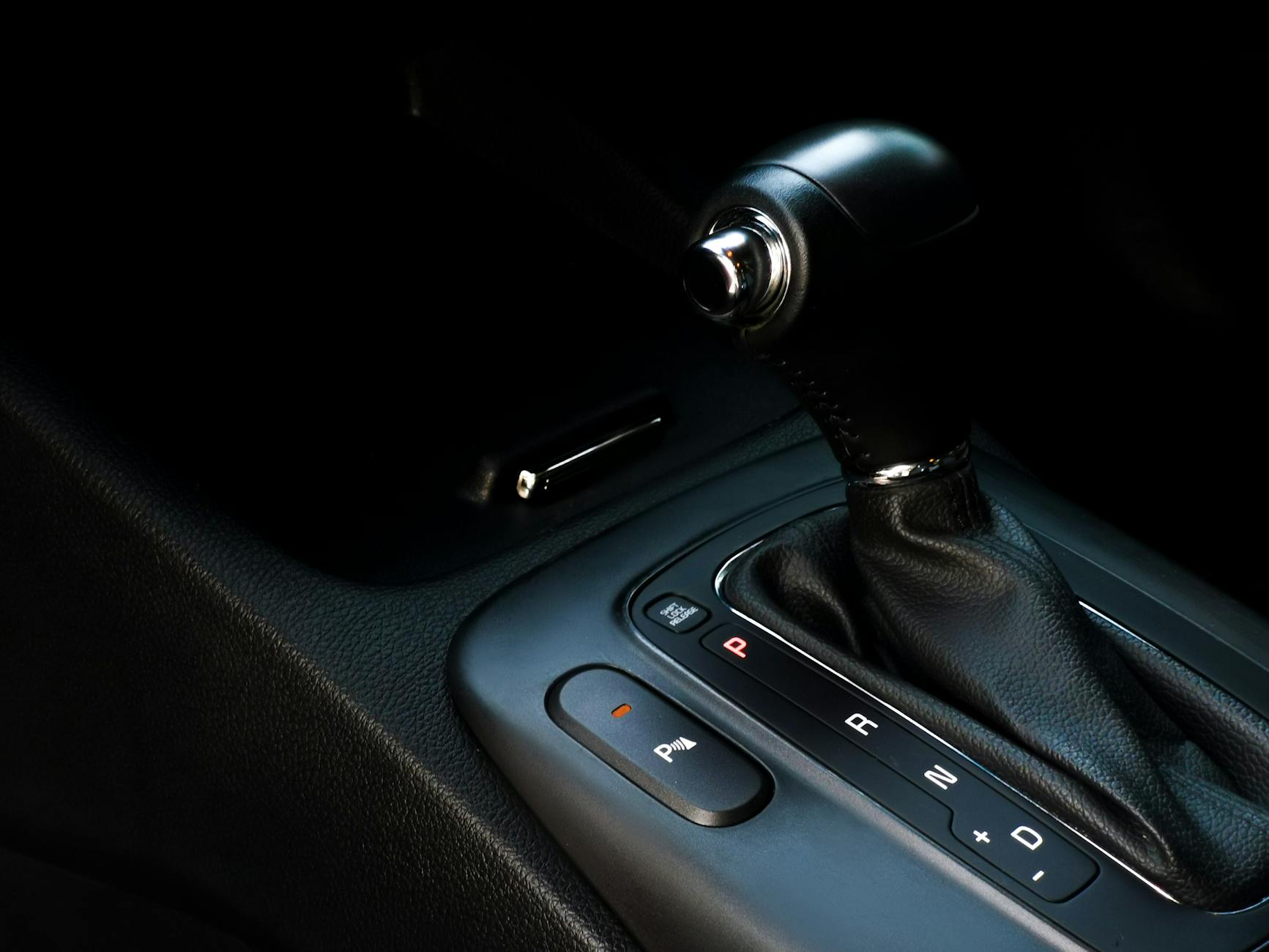
Automatic transmission fluid serves as both a hydraulic medium and a lubricant, and its color and smell provide immediate clues about the health of the transmission. Fresh fluid is typically a bright red or pink, while fluid that has darkened to brown or carries a burnt smell indicates significant heat stress or contamination. A customer who checks their transmission fluid regularly and arrives describing its current color and odor rather than simply reporting a shifting complaint shows proactive maintenance habits. Mechanics rarely encounter drivers who monitor transmission fluid between service intervals, so those who do are noted immediately. Understanding that dark fluid does not always mean imminent failure but does indicate that a service is overdue reflects a measured and informed perspective.
Knock Sensor Role
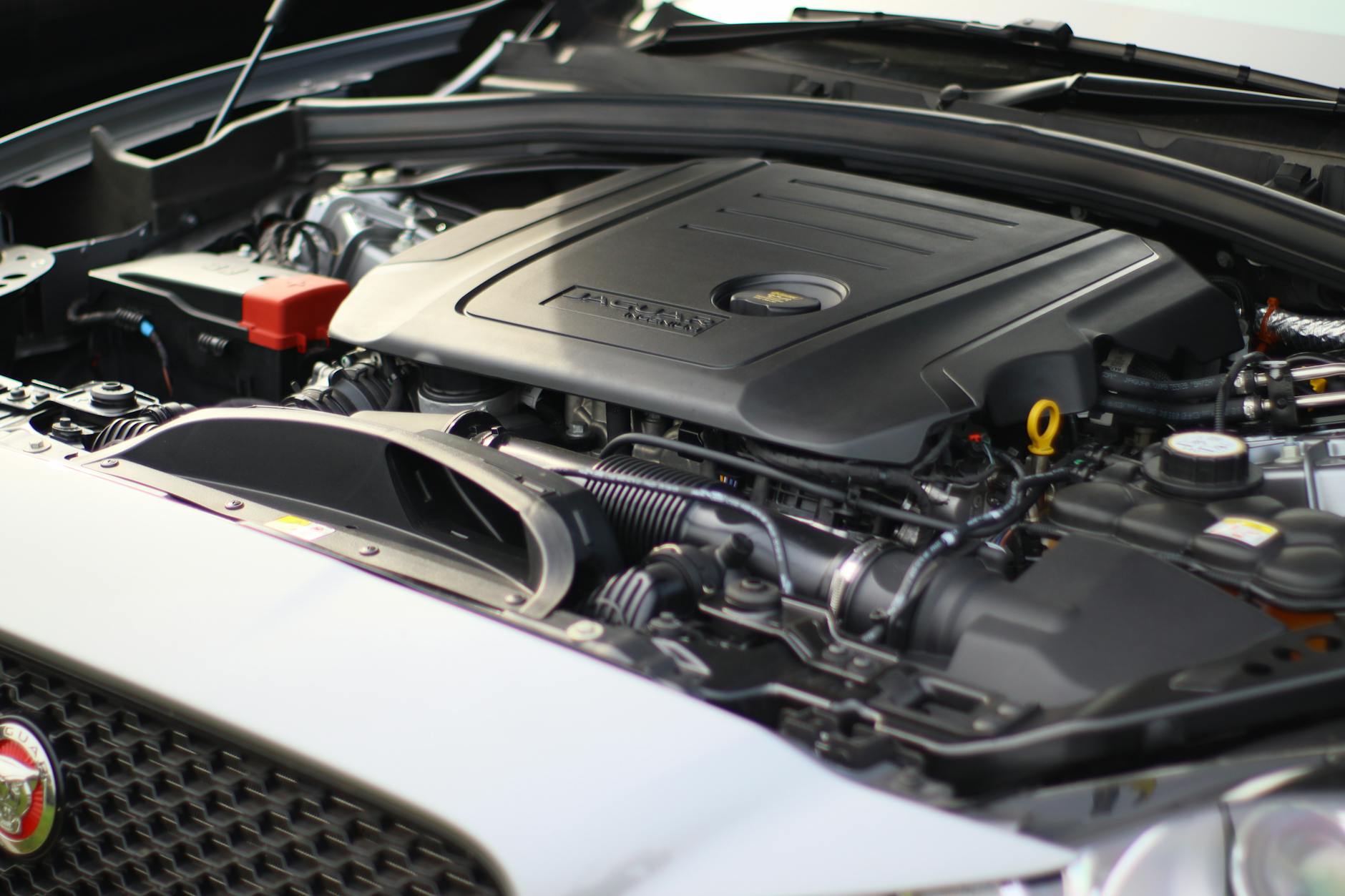
The knock sensor detects abnormal combustion events inside the engine, commonly known as detonation or pinging, and signals the engine control unit to retard ignition timing to prevent damage. A customer who understands why using lower octane fuel than recommended in a high-compression engine triggers knock sensor activity and reduces performance is displaying genuine powertrain knowledge. Mechanics note that a faulty knock sensor does not always cause immediate symptoms but can allow undetected detonation to damage pistons over time. Knowing that the knock sensor is a critical feedback device rather than simply a warning component shows understanding of how the engine management system protects itself. Customers who ask about knock sensor function when investigating timing or fuel quality issues are clearly informed beyond the surface level.
Serpentine Belt Routing

The serpentine belt drives multiple engine accessories simultaneously including the alternator, power steering pump, air conditioning compressor, and water pump, following a specific path dictated by a routing diagram. A customer who can describe the belt path on their engine or knows to consult the underhood sticker when replacing it shows practical mechanical familiarity. Mechanics appreciate when customers understand that belt tension is maintained automatically by a spring-loaded tensioner and know to inspect both the tensioner and idler pulleys during a belt replacement. Knowing that a glazed or cracked belt can slip rather than break outright and cause subtle charging or cooling issues demonstrates awareness of how failure modes develop. Referencing serpentine belt routing by name rather than calling it the fan belt immediately signals a more informed level of automotive vocabulary.
Fuel Injector Pulse Width
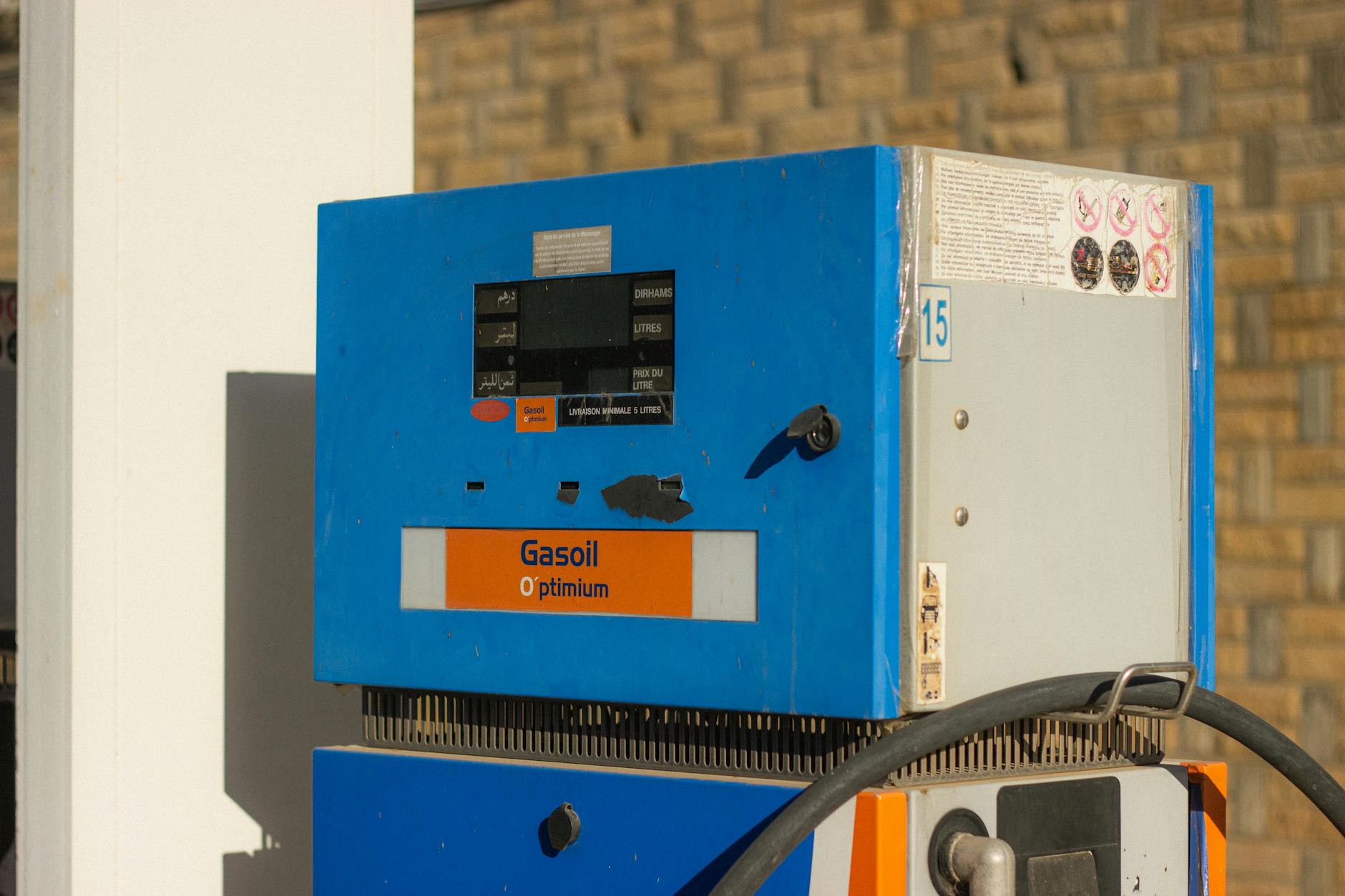
Fuel injectors deliver precise amounts of fuel into the engine by opening and closing thousands of times per minute, with the duration of each opening known as the pulse width. A customer who asks about injector pulse width data when diagnosing a lean condition or fuel economy complaint is operating at a level most mechanics do not expect from non-professionals. The engine control unit adjusts pulse width in response to inputs from multiple sensors including the mass airflow sensor, oxygen sensors, and coolant temperature sensor. Knowing that clogged injectors can create an erratic pulse pattern that mimics other sensor failures helps explain why injector cleaning is sometimes misdiagnosed as a more expensive repair. Customers familiar with fuel injector operation understand that fuel delivery is a precision system rather than a simple on-and-off mechanism.
Ethanol Blend Awareness

Fuel labeled E10 or E85 contains varying percentages of ethanol, a compound that affects energy density, fuel system compatibility, and cold weather starting behavior in ways that not all drivers appreciate. A customer who knows that ethanol absorbs moisture, can degrade older rubber fuel lines, and delivers fewer miles per gallon than pure gasoline is demonstrating awareness of chemistry that directly affects their vehicle. Mechanics in regions where fuel blends vary seasonally note that customers with older vehicles who understand ethanol compatibility concerns arrive far better prepared for fuel system maintenance conversations. Knowing that flex-fuel vehicles are specifically engineered with ethanol-resistant components and recalibrated fuel maps distinguishes an informed customer from one who assumes all gasoline is identical. Ethanol blend awareness signals the kind of research-oriented ownership that mechanics genuinely appreciate.
Heat Soak

Heat soak occurs when residual engine heat after shutdown raises under-hood temperatures to levels that can cause fuel vaporization in the fuel rail, expand components beyond their operating tolerances, and stress heat-sensitive electronics. A customer who correctly identifies heat soak as the cause of difficult hot restarts on a warm day rather than attributing the behavior to a failing starter or battery shows strong diagnostic reasoning. Mechanics note that performance enthusiasts are often more aware of heat soak than average drivers because intake air temperature directly affects power output. Knowing that certain modifications like heat wraps, thermal barriers, and improved underhood ventilation are designed specifically to combat heat soak reveals familiarity with both the problem and its solutions. Raising heat soak as a factor in a diagnostic conversation places a customer firmly in the knowledgeable category.
Mass Airflow Sensor

The mass airflow sensor measures the volume and density of air entering the engine, providing the engine control unit with data essential for calculating the correct fuel delivery amount. A customer who suspects a dirty mass airflow sensor when experiencing hesitation, rough idle, or stalling and asks about cleaning it with dedicated MAF sensor cleaner shows practical repair knowledge. Mechanics note that this sensor is particularly sensitive to contamination from oily aftermarket air filters, making filter choice a related and important conversation. Understanding that a failing MAF sensor can cause the engine to run rich or lean depending on whether it reads high or low is a detail that demonstrates systems-level thinking. Customers who know to avoid touching the sensing element during cleaning are clearly familiar with how delicate and precise this component is.
Power Steering Fluid

Power steering fluid transmits the hydraulic pressure that assists steering effort in vehicles equipped with hydraulic power steering systems, and its condition affects both the feel and longevity of the rack and pump. A customer who checks their power steering fluid level and notes its color and consistency when reporting a whining noise or heavy steering demonstrates proactive diagnostic habits. Mechanics often find that customers confuse electric power steering systems with hydraulic ones, so a driver who correctly identifies which system their vehicle uses earns immediate credibility. Knowing that foamy or discolored fluid can indicate air intrusion or internal seal degradation rather than simply low fluid level shows a more complete understanding of hydraulic system behavior. Monitoring power steering fluid as part of a regular under-hood inspection routine is a habit that signals thorough and attentive vehicle ownership.
PCV Valve Function

The Positive Crankcase Ventilation valve routes blow-by gases from the engine crankcase back into the intake manifold to be burned during combustion rather than released into the atmosphere. A customer who identifies a faulty PCV valve as a potential cause of oil consumption, increased crankcase pressure, or rough idle is demonstrating knowledge of engine breathing systems that most drivers overlook entirely. Mechanics note that this small and inexpensive component is one of the most frequently neglected items in standard maintenance routines. Knowing that a stuck-closed PCV valve can force oil past gaskets and seals due to pressure buildup shows understanding of how one small component affects the entire engine. Customers who include PCV valve inspection in their regular maintenance awareness signal a thorough and systematic approach to caring for their vehicle.
Share which of these signals you recognize in yourself or your own mechanic in the comments.




