The home is widely understood to be a place of rest and recovery, yet research in environmental psychology consistently shows that ordinary household conditions can quietly activate the body’s stress response without any obvious warning signs. Cortisol, the hormone released during perceived threat or overwhelm, does not require a dramatic event to spike. Subtle visual, acoustic, thermal, and olfactory cues encountered dozens of times each day are more than sufficient to keep levels chronically elevated. Understanding which hidden features of domestic life are contributing to this physiological load is the first step toward creating a home that genuinely supports calm.
Notification Sounds
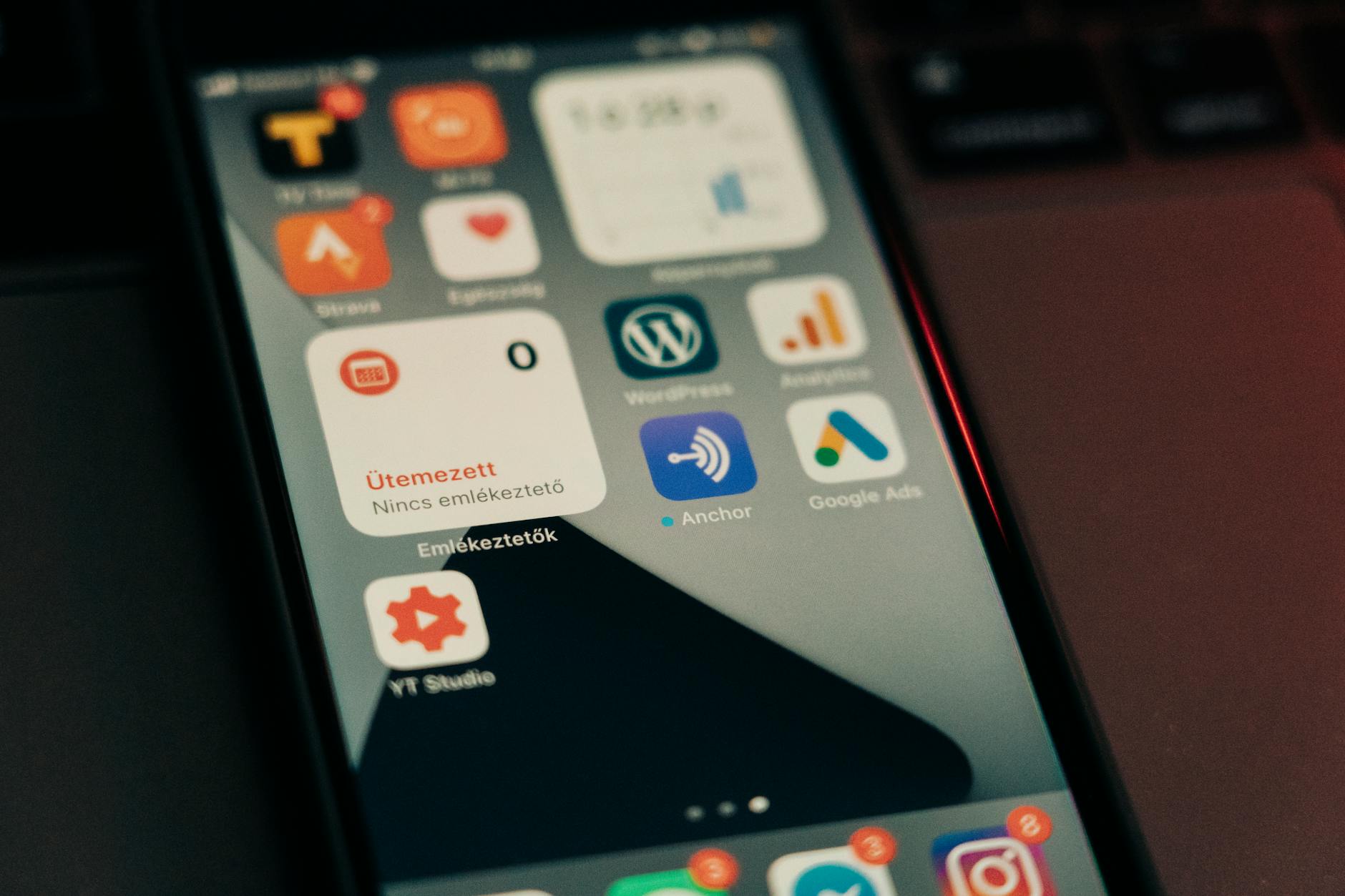
Every alert tone produced by a phone, tablet, or smart device triggers a brief orienting response in the nervous system that is physiologically identical in structure to a mild alarm reaction. Over the course of a typical day a household may generate hundreds of these micro-interruptions, each one nudging cortisol fractionally upward. Research in attention and cognitive load has linked high notification frequency to sustained elevations in perceived stress even when individual alerts are ignored. The brain cannot fully habituate to sounds that have been conditioned to signal urgency and required action. Reducing notification sounds to the absolute minimum necessary is one of the highest-impact low-effort changes available in a domestic environment.
Flickering Lights
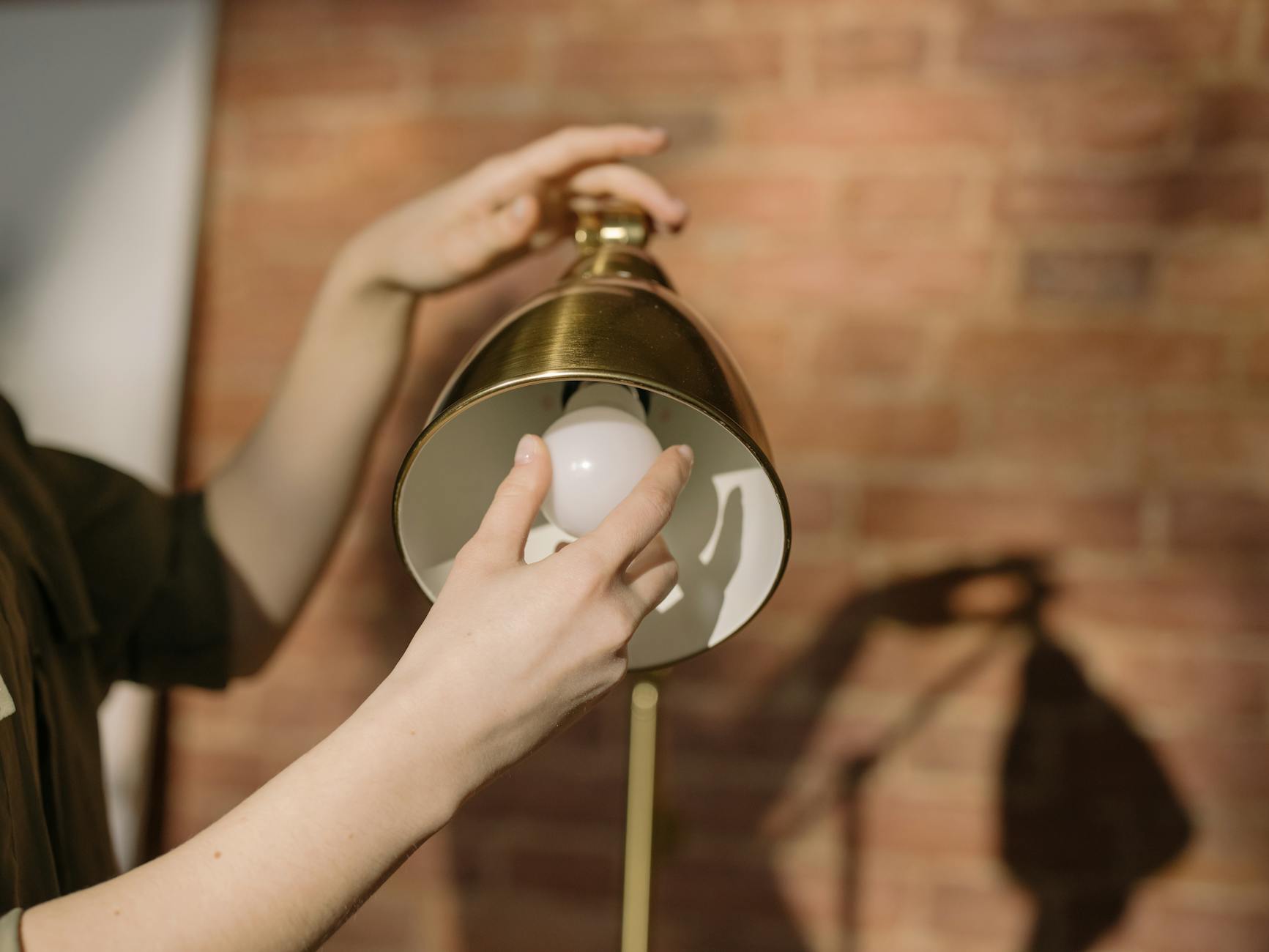
Fluorescent tubes and older LED drivers that produce an imperceptible flicker operate at a frequency the conscious mind does not register but which the visual cortex processes continuously as an irregular and unresolved stimulus. Extended exposure to flickering light sources has been associated with elevated fatigue, headache frequency, and heightened stress reactivity in occupational health research. The effect is compounded in rooms where flickering light is the primary source of illumination for several hours each day. Replacing aging fluorescent fittings with high-quality flicker-free LED alternatives is a straightforward intervention with measurable effects on visual comfort and subjective calm. Even a single flickering bulb in a frequently used room represents a persistent low-grade stressor operating below conscious awareness.
Unread Emails

A visible unread email count displayed on a phone screen or desktop shortcut functions as a persistent visual reminder of unresolved obligations and pending demands. Studies examining digital communication habits have found that awareness of an accumulating inbox activates the same anticipatory anxiety circuits as an unfinished task left in plain sight. The brain assigns motivational salience to incomplete items and continues to allocate background cognitive resources to them regardless of whether conscious attention is directed elsewhere. This effect is significantly amplified when email is checked in domestic environments that are otherwise associated with rest and recovery. Disabling badge counters and scheduling dedicated email review windows rather than maintaining continuous inbox visibility substantially reduces this cortisol-adjacent cognitive load.
Synthetic Fragrances
Air fresheners, scented candles manufactured with artificial fragrance compounds, and plug-in diffusers releasing synthetic aromatic chemicals introduce volatile organic compounds into the home atmosphere that the body processes as environmental irritants. The olfactory system has a direct and unusually fast neural pathway to the amygdala and hypothalamus, meaning that chemical signals in ambient air can influence hormonal activity with remarkable efficiency. Several synthetic fragrance compounds commonly found in household products have been identified in toxicology research as mild endocrine disruptors with potential effects on cortisol regulation. The association of artificially pleasant scents with chemical irritation creates a conflicted physiological response that is difficult for the body to resolve cleanly. Replacing synthetic fragrances with natural essential oil diffusion or simply improving ventilation removes this input entirely.
Clutter Piles

Visual clutter in the form of accumulated objects stacked on surfaces, piled in corners, or arranged without clear organizational logic places a measurable demand on the brain’s attentional and categorization systems. Research using cortisol measurement and neuroimaging has confirmed that women in particular show elevated stress hormone levels in homes described as cluttered or unfinished compared to those characterized as restful and organized. The brain interprets an unresolved visual environment as a problem requiring a solution and maintains a low-level state of readiness in response to that unresolved demand. This effect is present even when the individual is not consciously thinking about or noticing the clutter in question. Reducing the number of visible objects in frequently used rooms is one of the most evidence-supported environmental stress interventions available without renovation.
Expired Food
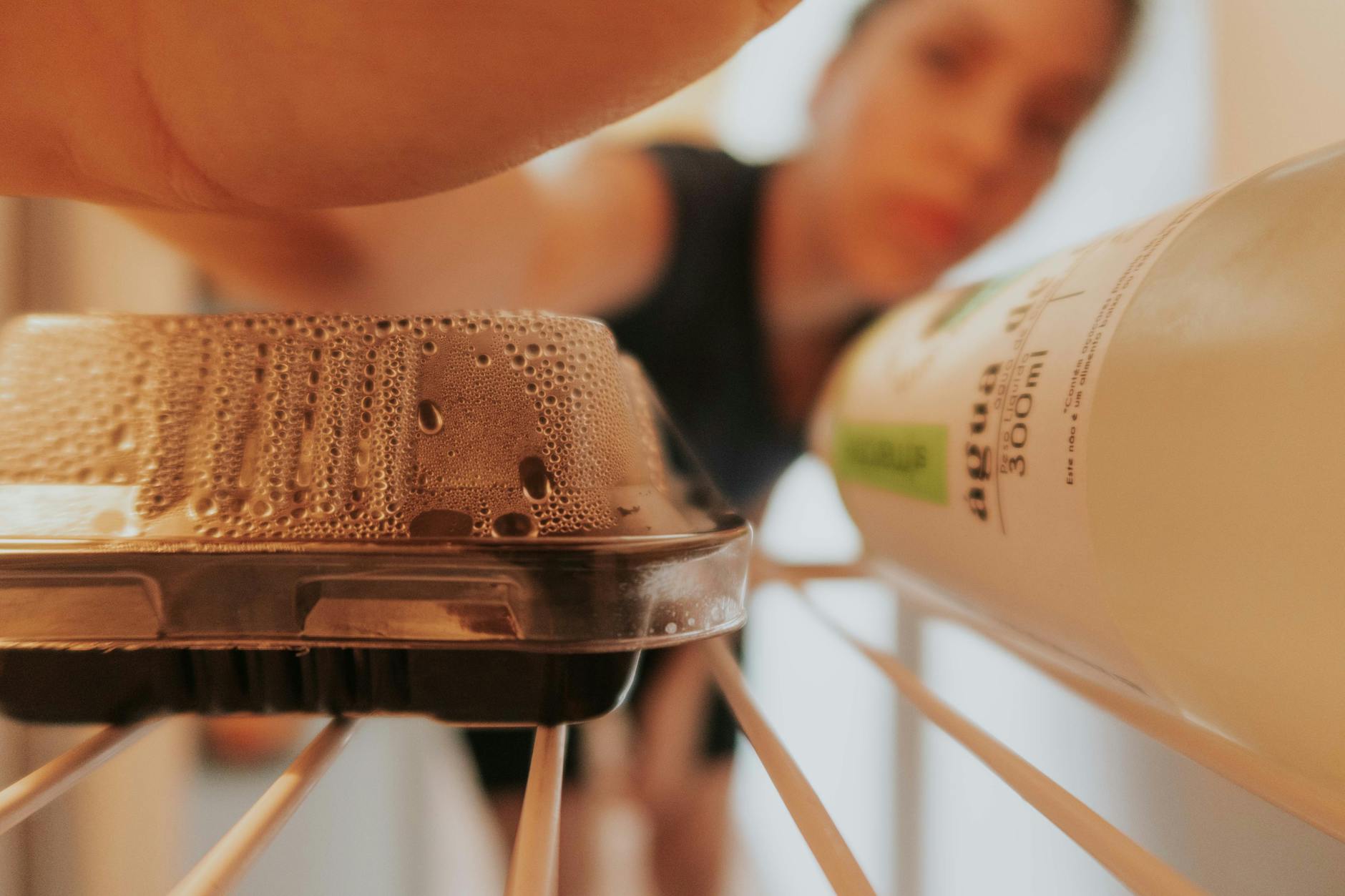
Keeping expired, rotting, or visually deteriorating food items in a visible refrigerator or fruit bowl activates a deeply hardwired aversion response rooted in the evolutionary importance of contamination avoidance. The visual and olfactory signals associated with food decay are processed by the brain as environmental threat cues that elevate vigilance and mild physiological arousal. This response operates largely below conscious awareness but contributes to a generalized sense of domestic disorder that compounds across other environmental stressors present in the home. The refrigerator in particular is opened multiple times daily, making any unpleasant olfactory or visual stimulus within it a frequently repeated stress exposure. Regular and thorough clearance of expired items is among the simplest possible steps toward a physiologically calmer domestic environment.
Overhead Lighting

Bright overhead lighting positioned directly above the primary field of vision creates a visual environment more consistent with a workplace or commercial space than with a domestic setting associated with recovery and calm. The human nervous system associates overhead illumination with alertness, productivity, and daytime wakefulness, making it poorly suited to evening hours when cortisol levels are naturally declining in preparation for sleep. Exposure to bright overhead light in the hours before sleep has been repeatedly linked in sleep research to delayed melatonin onset and elevated evening cortisol. Switching to low-level ambient or floor-based lighting in the evening is a chronobiologically informed intervention with documented effects on hormonal and sleep quality outcomes. Dimmer switches installed on overhead circuits offer a flexible solution that costs very little relative to its physiological impact.
Unfinished Projects

A half-painted wall, an assembled piece of furniture awaiting attachment to a wall, or a renovation left at an interim stage registers in the brain as an open loop that demands eventual closure and continues to consume background cognitive resources until resolved. Environmental psychologists describe this phenomenon in relation to the Zeigarnik effect, which describes the tendency of the brain to assign disproportionate mental attention to incomplete tasks relative to completed ones. Each visible unfinished project in a home multiplies this effect and collectively they can create a persistent ambient sense of inadequacy and overwhelm. The stress response associated with unfinished domestic projects is particularly pronounced in individuals who use their home as a primary place of psychological recovery. Completing or temporarily concealing unfinished projects reduces this source of cortisol-adjacent cognitive activation meaningfully.
Hard Water Marks

Limescale deposits and hard water staining on taps, shower screens, tiles, and sink surfaces create a visual impression of dirtiness and neglect that triggers a low-level aversion response even in individuals who are not consciously aware of or concerned by the marks. The brain categorizes environmental cues rapidly and automatically and a surface that reads as dirty or degraded is processed as a mild environmental negative regardless of its actual health significance. In rooms that are used for personal hygiene and care such as bathrooms this contrast between the expected cleanliness of the space and its actual visual condition is particularly activating. Regular descaling of high-visibility surfaces removes this repeated visual stressor from the daily domestic environment. The psychological effect of a genuinely clean and scale-free bathroom is disproportionately positive relative to the modest effort required to achieve it.
Loud Appliances
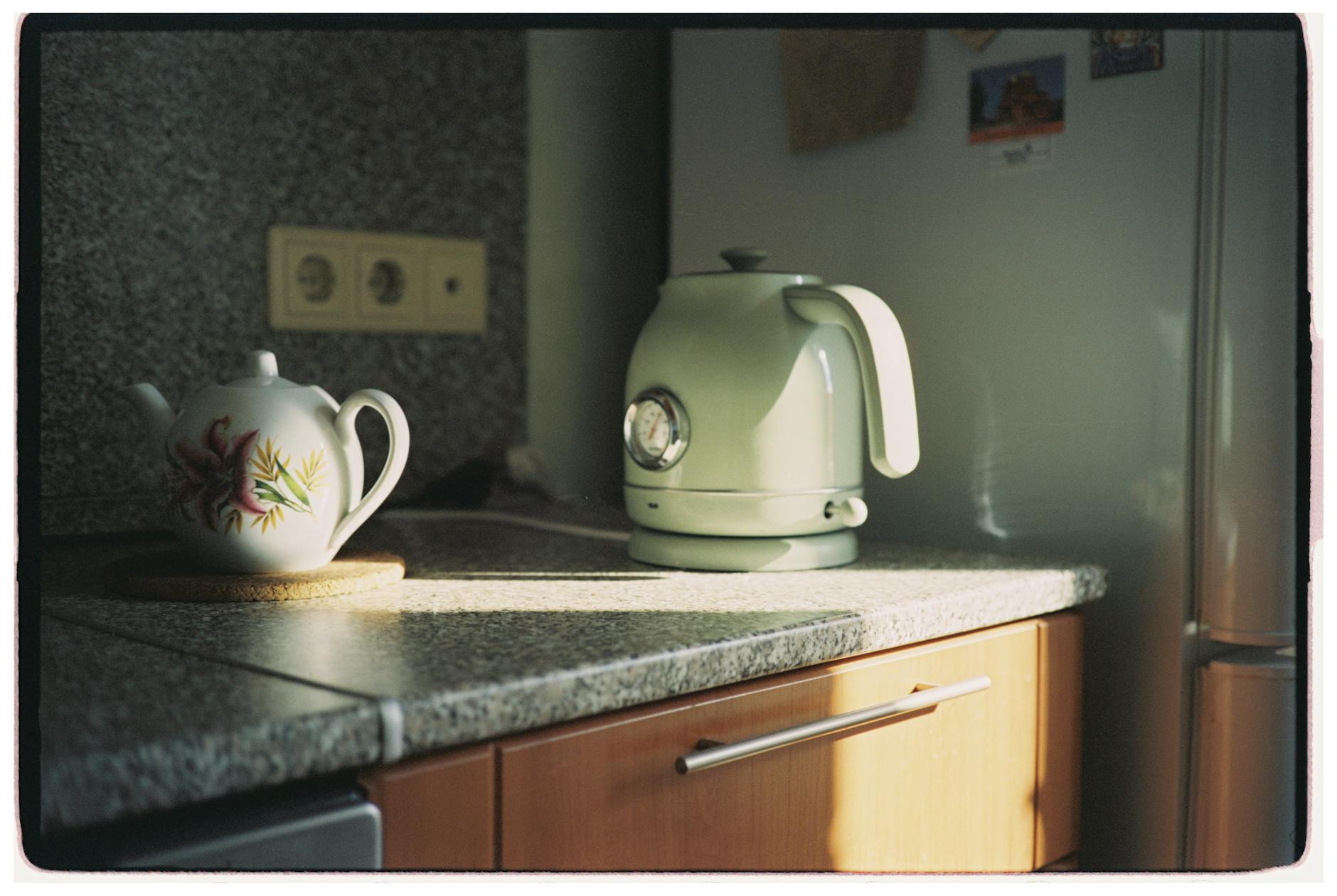
Dishwashers, washing machines, and extractor fans that operate above approximately sixty decibels introduce a sustained noise load into the domestic environment that the autonomic nervous system registers as a background demand requiring monitoring. Noise research consistently identifies chronic low-level sound exposure as a reliable predictor of elevated cortisol, impaired sleep quality, and increased cardiovascular reactivity. Unlike sudden loud sounds which produce an acute stress response, continuous appliance noise produces a sustained low-grade activation that is harder to consciously identify but no less physiologically significant. Scheduling noisy appliance cycles during periods of absence or low cognitive demand rather than during rest or focused activity reduces total daily noise exposure. Replacing aging appliances with quieter models is an investment that pays returns in reduced daily stress load over many years of use.
Unmade Beds

A consistently unmade bed observed at the start of each day sets a visual tone of incompletion and low environmental control that primes the nervous system for a mildly disordered relationship with the space it is about to inhabit. Research on morning routines and stress resilience has linked the simple act of making a bed with improved mood, greater sense of control, and modestly lower reported stress levels throughout the day. The bedroom as the first environment perceived upon waking has outsized influence on the psychological set point established for the hours that follow. The brain forms associations between environmental conditions and internal states and a consistently disordered sleep space reinforces associations of low order and low control with rest itself. This is among the most widely cited and replicated findings in domestic psychology research despite its apparent simplicity.
Blue Light Screens
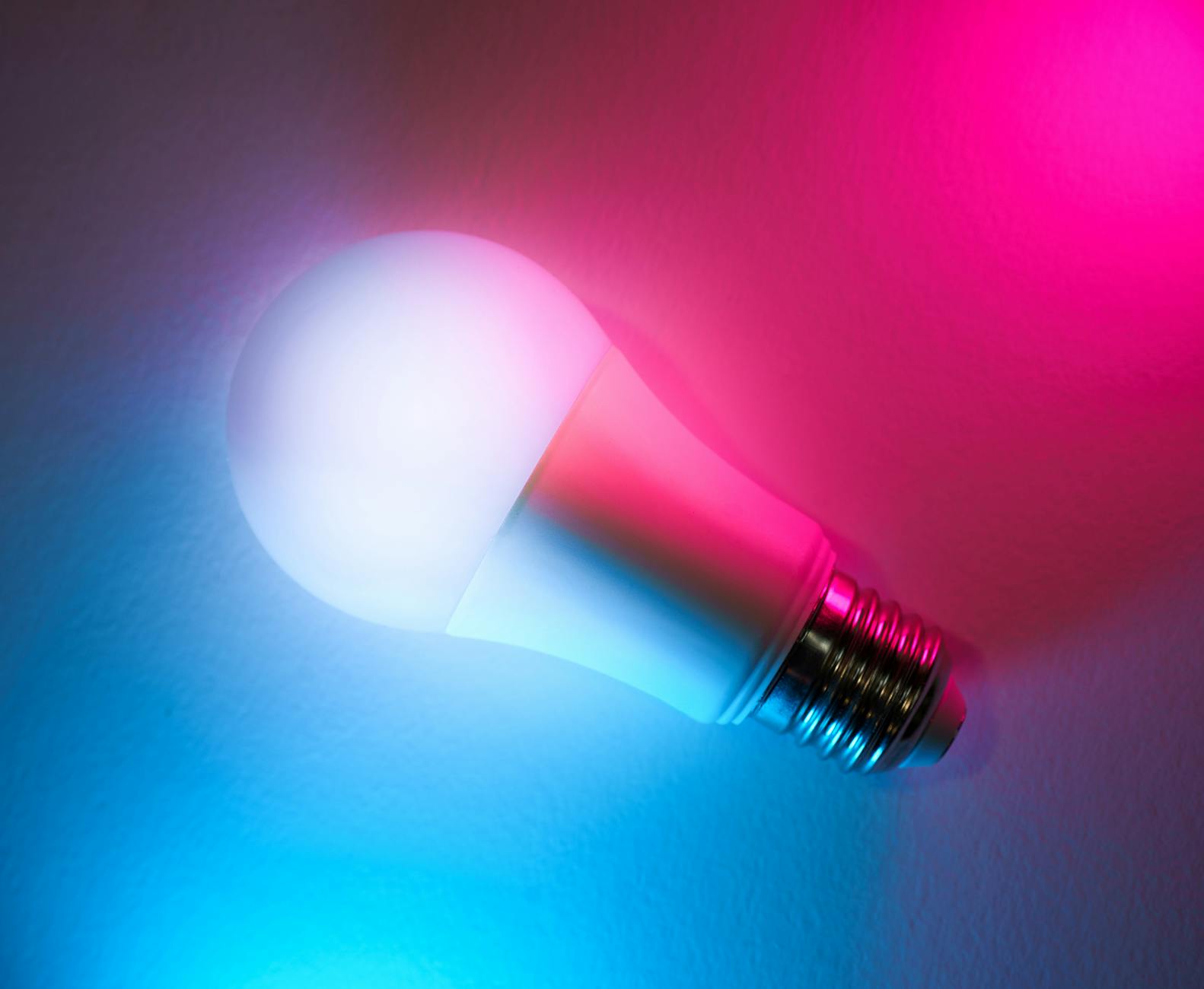
Screens emitting blue-spectrum light in the evening hours directly suppress melatonin production via photoreceptor cells in the retina that are maximally sensitive to wavelengths in the 460 to 480 nanometer range. Delayed melatonin onset is consistently associated with elevated late-evening cortisol in endocrinological research, creating a hormonal profile that is misaligned with the body’s natural circadian rhythm. The effect is compounded by the cognitively and emotionally activating content that screens typically deliver regardless of the specific application in use. Evening screen use in the bedroom is a particularly potent combination of light-based circadian disruption and content-driven psychological arousal. Using night mode settings, blue-light filtering glasses, or implementing a screen-free period before sleep are all evidence-based interventions with documented effects on cortisol and sleep hormone profiles.
Blocked Windows
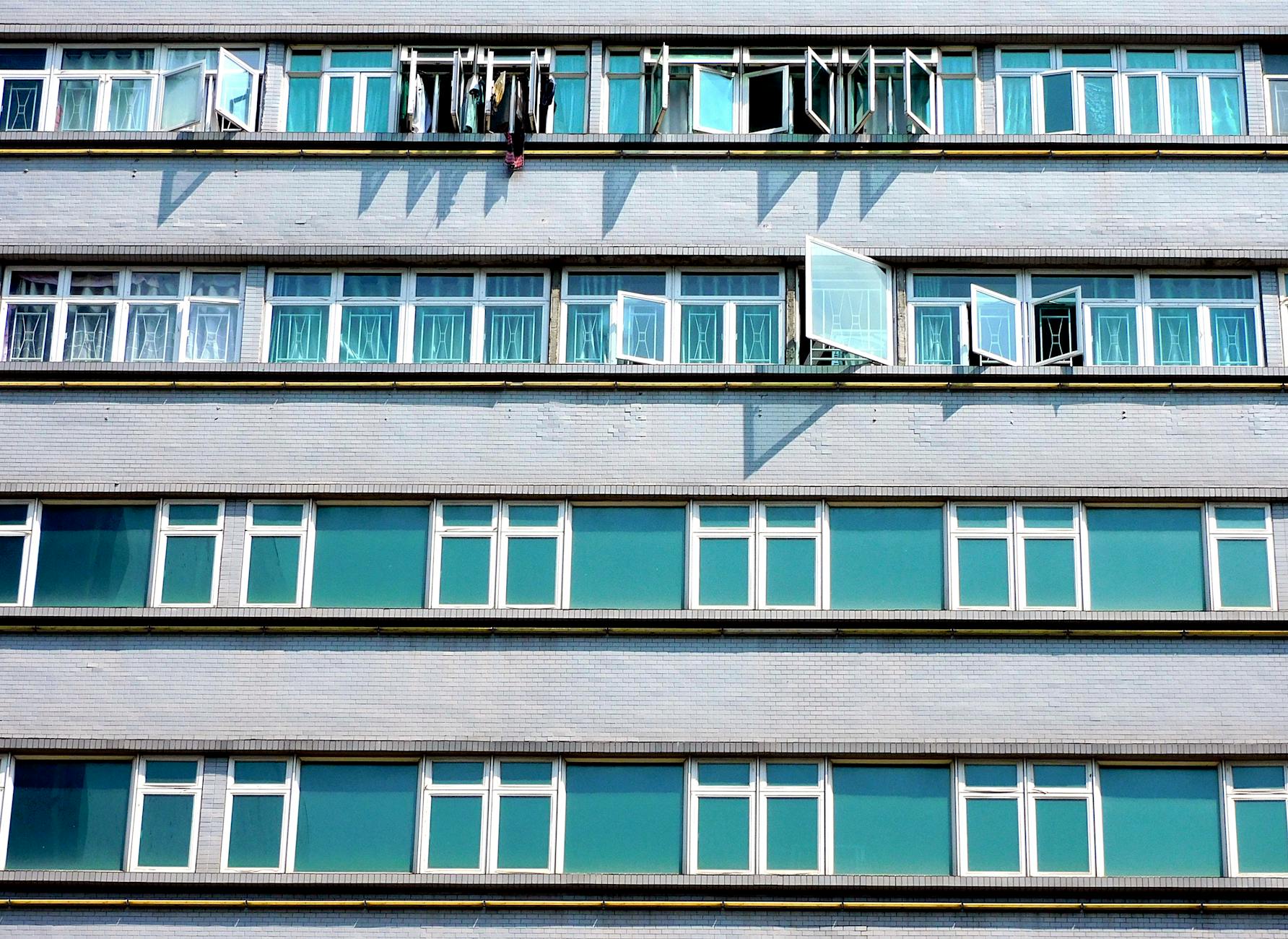
Windows obscured by heavy curtains, blinds left permanently closed, or frosted glass that eliminates the view of natural outdoor scenery deprive the home’s occupants of a natural stress-regulating stimulus that environmental psychology research treats as significant. Access to natural views, particularly those including vegetation, sky, and outdoor depth of field, has been consistently associated with faster stress recovery, lower cortisol reactivity, and improved subjective wellbeing in both residential and clinical research settings. The absence of natural light through blocked windows also disrupts daytime cortisol rhythm, which depends on morning light exposure to establish the daily hormonal arc correctly. Even a brief unobstructed view of a garden or sky provides a measurable restorative input that is entirely unavailable behind permanently closed coverings. Maximizing natural light penetration and outdoor views wherever possible is among the most physiologically grounded recommendations in biophilic design.
Ticking Clocks
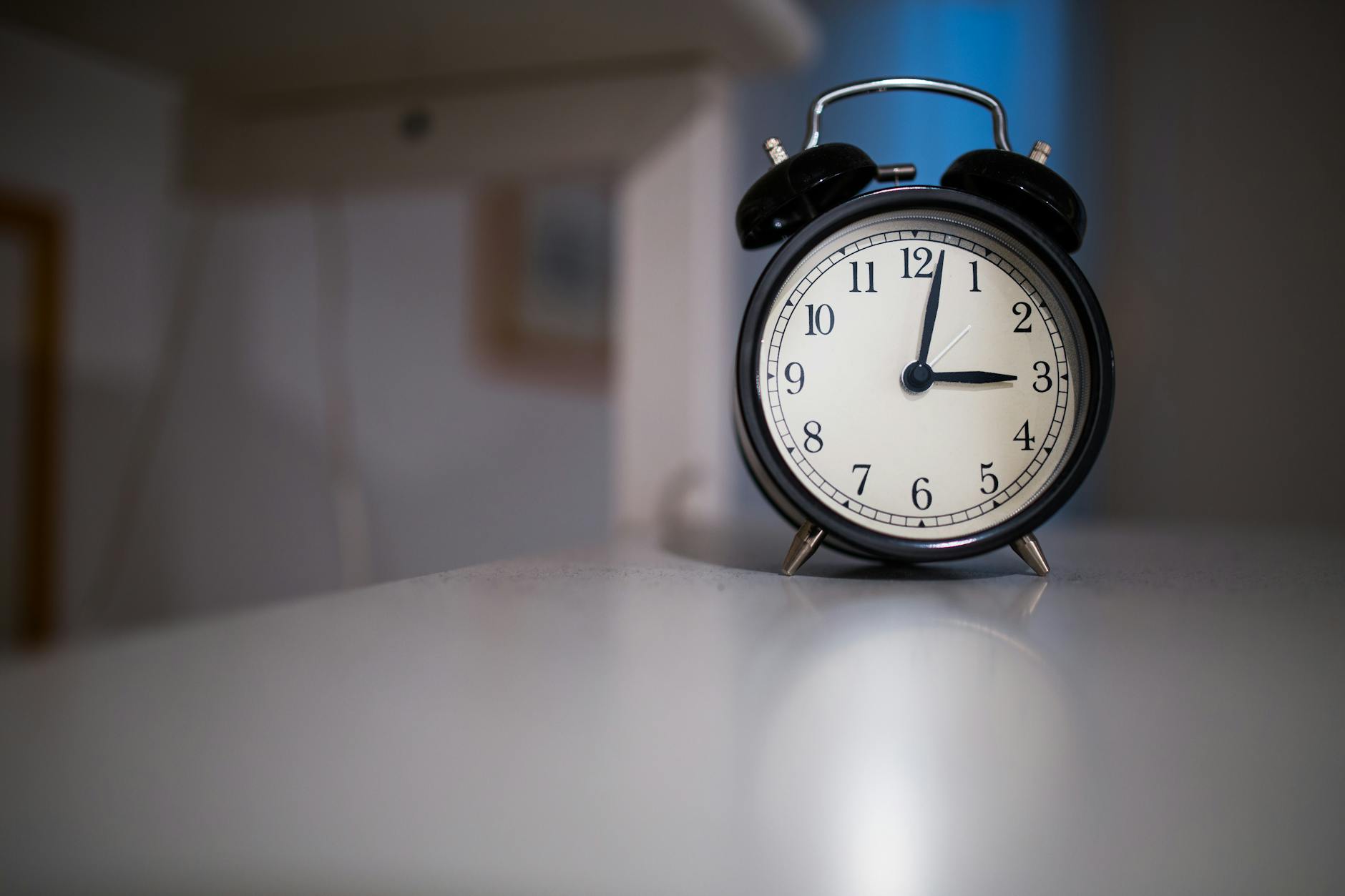
An audible mechanical clock placed in a quiet room introduces a metronomic sound stimulus that the brain processes as a time-pressure cue due to the cultural and conditioned associations of ticking with deadlines, appointments, and urgency. This association is particularly activating in environments intended for rest such as bedrooms and living rooms where the contrast between the intended relaxation and the implied urgency of clock ticking creates a low-grade unresolved tension. Sleep research has identified audible ticking as a significant sleep onset disruptor in sensitive individuals operating through both acoustic irritation and psychological association. The effect on cortisol is modest individually but compounds with other temporal pressure cues present in the domestic environment. Replacing audible mechanical clocks with silent quartz or digital alternatives removes this stimulus entirely at negligible cost.
Dying Plants

Houseplants that are visibly wilting, yellowing, or dying occupy an unusual psychological position in the domestic environment because they are simultaneously associated with natural calm and with neglect and failure when in poor condition. Research on biophilic response consistently shows that healthy plants reduce stress and lower cortisol in indoor environments, but this effect reverses when plants are visibly unhealthy. The dying plant serves as a daily reminder of an unmet care obligation and triggers a mild but real guilt-adjacent stress response in individuals who placed value on the plant’s acquisition. Cluttered shelving displaying a mixture of healthy and visibly struggling plants produces a net negative biophilic effect relative to a smaller number of thriving specimens. Removing or composting dying plants promptly and replacing them only with species suited to the specific conditions of their location removes this persistent low-level stressor.
Tangled Cables
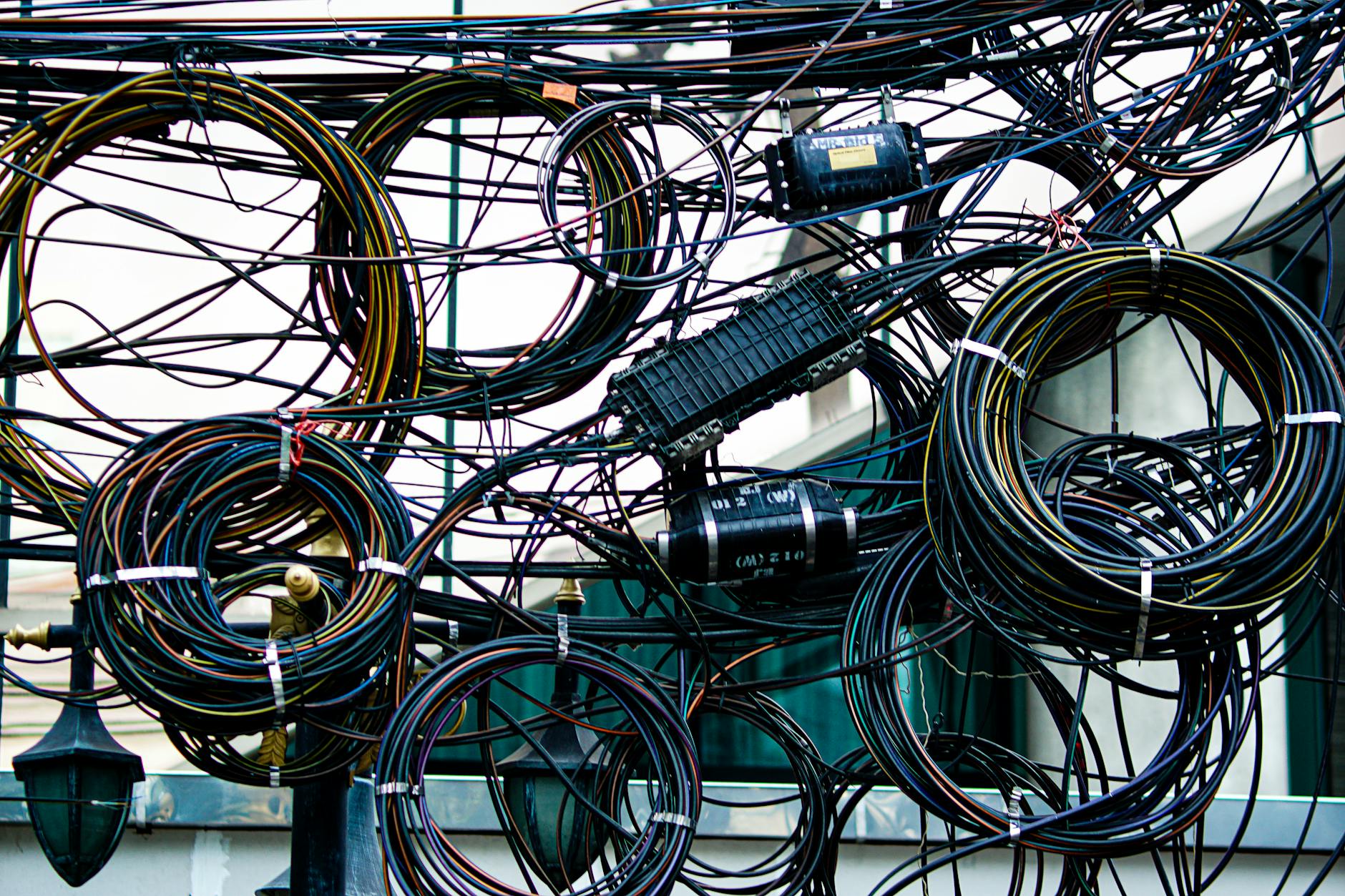
Visible cable clutter beneath desks, behind televisions, or across work surfaces registers in the brain’s visual processing system as a form of disorder that activates the same organizational demand response as physical clutter in other areas of the home. The irregular and overlapping forms of tangled cables resist the brain’s preference for resolvable visual order and create a low-level aesthetic irritation that compounds over repeated daily exposure. In home office environments where cognitive performance is also required, cable clutter adds visual noise to a space that benefits from clean and minimal visual input. The association of cable disorder with technological complexity and unresolved setup tasks compounds the stress load beyond its purely visual dimension. Cable management solutions are inexpensive, widely available, and require only a single investment of time to eliminate this stressor permanently.
Narrow Hallways
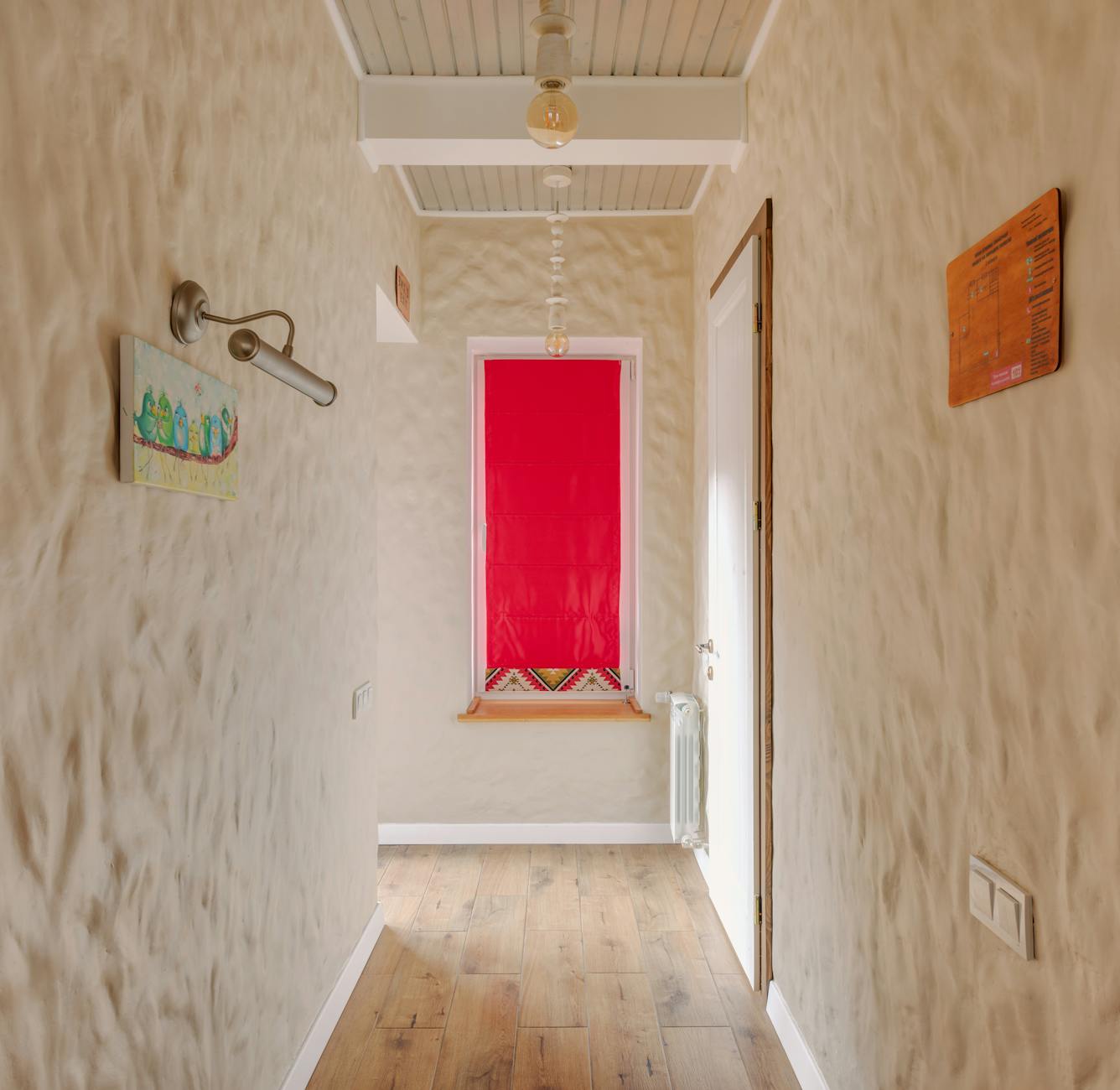
A constricted entry corridor or hallway that requires physical narrowing of movement creates a mild proprioceptive stress response rooted in the body’s hardwired sensitivity to spatial restriction and reduced escape routes. Environmental psychologists studying proxemics have documented that confined built spaces elevate physiological arousal and reduce perceived safety in ways that translate to measurable autonomic nervous system activation. The hallway as the first interior space encountered upon entering a home has particular influence on the psychological transition from exterior to domestic environment and a stressful entry experience primes the nervous system before any other domestic stimulus has been encountered. Maximizing perceived spaciousness through the removal of unnecessary furniture, the use of mirrors, and the maintenance of clear floor paths meaningfully improves the physiological welcome that a home provides. This effect is consistent across a wide range of cultures and architectural traditions in environmental psychology research.
Aggressive Art

Artwork displaying violent, chaotic, distressing, or emotionally aggressive imagery generates a measurable affective response each time it falls within the visual field, even when the viewer believes they have become habituated to its presence. Neuroaesthetics research has demonstrated that emotionally negative visual imagery activates the amygdala and triggers hormonal cascades that include cortisol release even during brief and incidental viewing rather than sustained contemplation. The home environment is unusual in that its visual content is encountered dozens or hundreds of times daily across a wide range of emotional and physiological states including vulnerable states such as illness, fatigue, and grief. Artwork selected for its confrontational or deliberately unsettling qualities appropriate to a gallery context takes on a different character when it is the dominant visual stimulus in a bedroom or living room. Replacing physiologically activating imagery with neutral, natural, or positively valenced visual content is a straightforward intervention with measurable environmental psychology support.
Dripping Taps

The irregular or metronomic sound of a dripping tap is processed by the auditory system as an unresolved stimulus requiring source identification and threat assessment each time it recurs within the field of hearing. The brain’s acoustic monitoring system is specifically sensitive to water sounds in enclosed spaces due to their historical association with environmental hazard and structural problems requiring urgent attention. Research on domestic noise annoyance has identified dripping water as one of the most reliably irritating and sleep-disruptive household sounds relative to its actual decibel level. The persistence of an unrepaired dripping tap also activates the open-loop cognitive load associated with unfinished maintenance tasks. Repairing leaking taps is among the most clearly beneficial home maintenance interventions available from a stress physiology perspective.
Poor Ventilation

A home with inadequate air circulation accumulates elevated levels of carbon dioxide, volatile organic compounds, and particulate matter that have measurable effects on cognitive function, mood regulation, and stress reactivity. Research in indoor air quality has established that carbon dioxide concentrations above approximately one thousand parts per million produce perceptible increases in fatigue, reduced concentration, and heightened irritability independent of any other environmental factors. The body’s autonomic stress response is sensitive to perceived respiratory adequacy and air that feels stale or insufficient activates a mild but real physiological vigilance response. Modern well-insulated homes are particularly prone to inadequate ventilation as their energy efficiency reduces the natural air exchange that older less sealed buildings provided. Opening windows for at least twenty minutes daily and installing mechanical ventilation in kitchens and bathrooms are evidence-based interventions for reducing indoor air quality as a cortisol contributor.
Mismatched Furniture
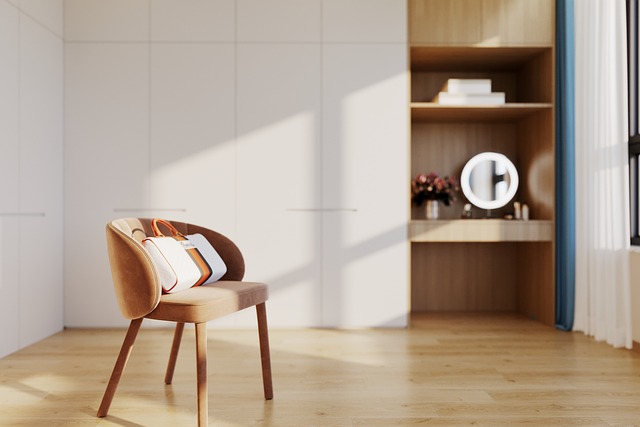
A domestic environment assembled from furniture pieces that are inconsistent in scale, style, or color palette creates a visual dissonance that the brain’s aesthetic processing system attempts repeatedly and unsuccessfully to resolve into a coherent whole. Gestalt psychology principles explain why visual environments that lack unity and coherence produce a sustained low-level demand on perceptual processing resources that well-designed and harmonious spaces do not. This effect is most pronounced in rooms used for rest and recovery where the nervous system’s expectation of visual calm is most sharply violated by aesthetic disorder. Interior design research consistently demonstrates that occupants rate their subjective stress levels significantly lower in visually coherent rooms compared to those with high aesthetic inconsistency. Achieving visual coherence does not require expensive renovation and can often be addressed through editing, repainting, or strategic rearrangement of existing pieces.
Basement Dampness
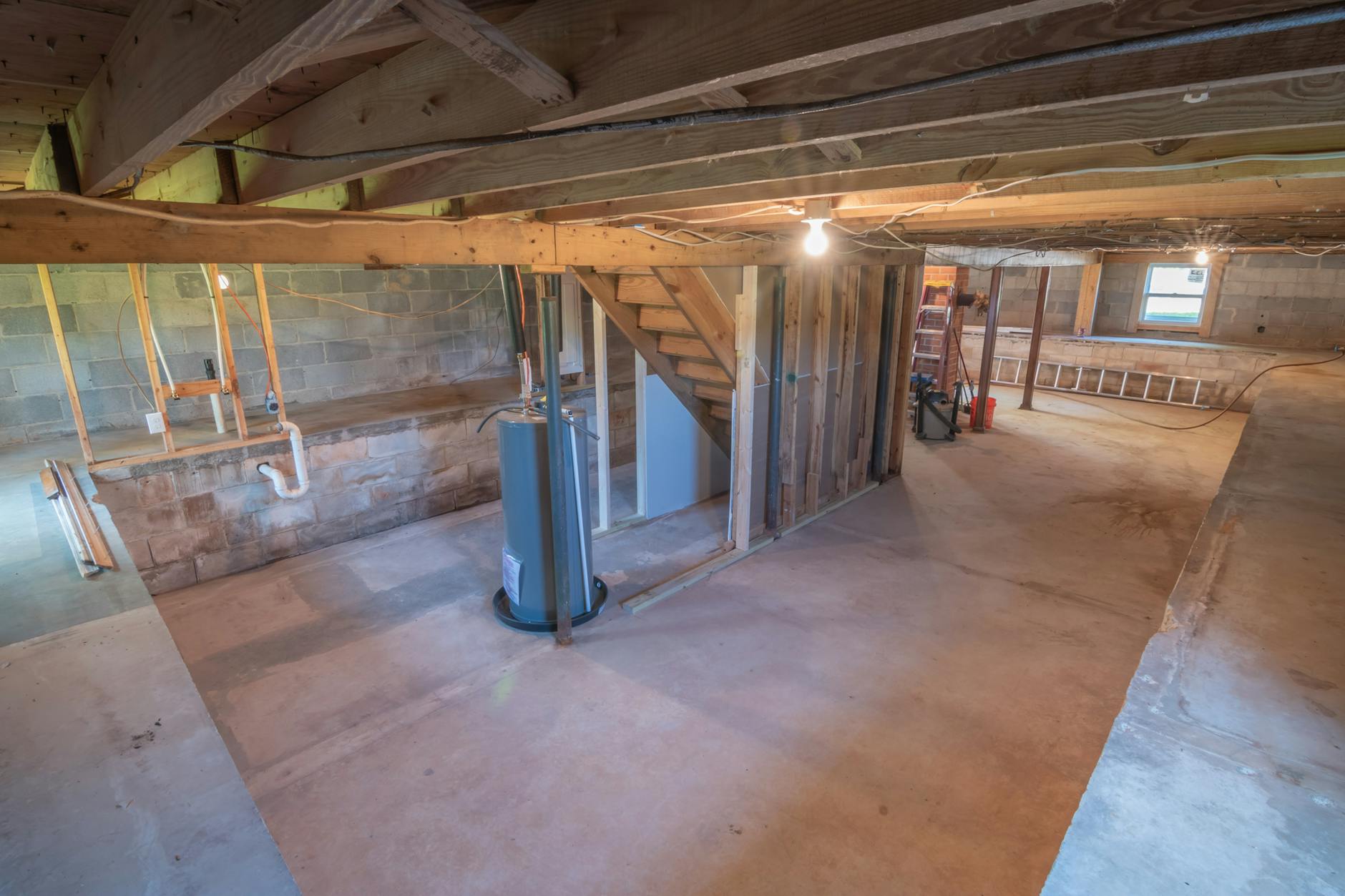
The musty odor produced by mold, mildew, and damp building materials in basement or below-grade spaces permeates the home through air circulation systems and is processed by the olfactory system as a direct environmental threat signal. Mold spores and the mycotoxins produced by certain mold species have documented effects on neurological function and have been associated with anxiety, fatigue, and cognitive impairment in residential exposure research. The brain responds to the olfactory signature of biological decay and contamination with a hard-wired aversion and mild stress activation that does not diminish with habituation in the way that neutral odors do. Basement dampness is a particularly insidious domestic stressor because its source is frequently invisible and its effects are experienced throughout the home rather than only in the affected space. Professional damp remediation combined with improved below-grade ventilation addresses both the physiological and psychological dimensions of this stressor simultaneously.
Inbox Counters

Digital notification badges displaying unread message counts on phone home screens and application icons function as persistent numerical stress stimuli that are observed involuntarily dozens of times each day during routine device use. Each observation of an accumulating unread count activates an anticipatory processing response as the brain begins to model what the unread items might contain and what responses they might require. This anticipatory cognitive load is physiologically indistinguishable in its early stages from the cortisol-activating anticipation of a known stressor. The effect is compounded in domestic environments where devices are kept visible during rest periods that would otherwise support hormonal recovery. Disabling numerical badge displays on all non-critical applications is a zero-cost intervention with immediate and measurable effects on involuntary digital stress exposure.
Squeaky Floors
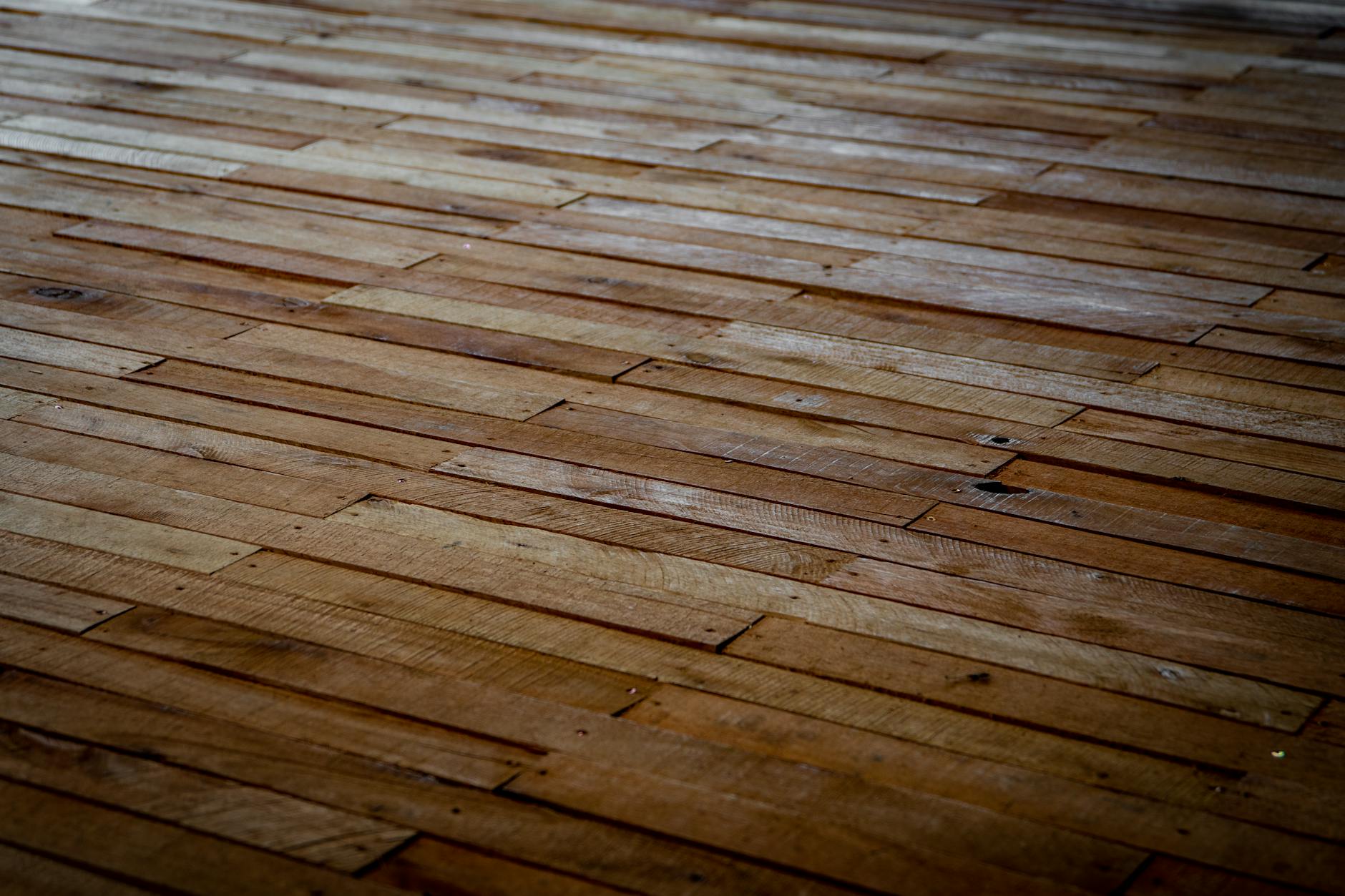
Floorboards that produce unpredictable creaking sounds under foot traffic introduce a startle-adjacent acoustic stimulus that is particularly disruptive in quiet domestic environments where ambient sound levels are otherwise low. The acoustic contrast between a quiet resting environment and a sudden structural sound activates the orienting response in the same neurological pathway as a mild alarm, producing a brief but real autonomic arousal event. In households with sleeping infants, light-sleeping partners, or individuals with heightened acoustic sensitivity this stressor is significantly amplified by the additional anxiety of potentially disturbing others. Repeated daily exposure to unavoidable domestic sounds that trigger involuntary startle responses contributes to a state of ambient acoustic vigilance that is incompatible with genuine physiological rest. Securing loose floorboards with appropriate fixings or applying lubricant to creaking joints is a practical and permanent resolution of this specific stressor.
Sharp Furniture Corners
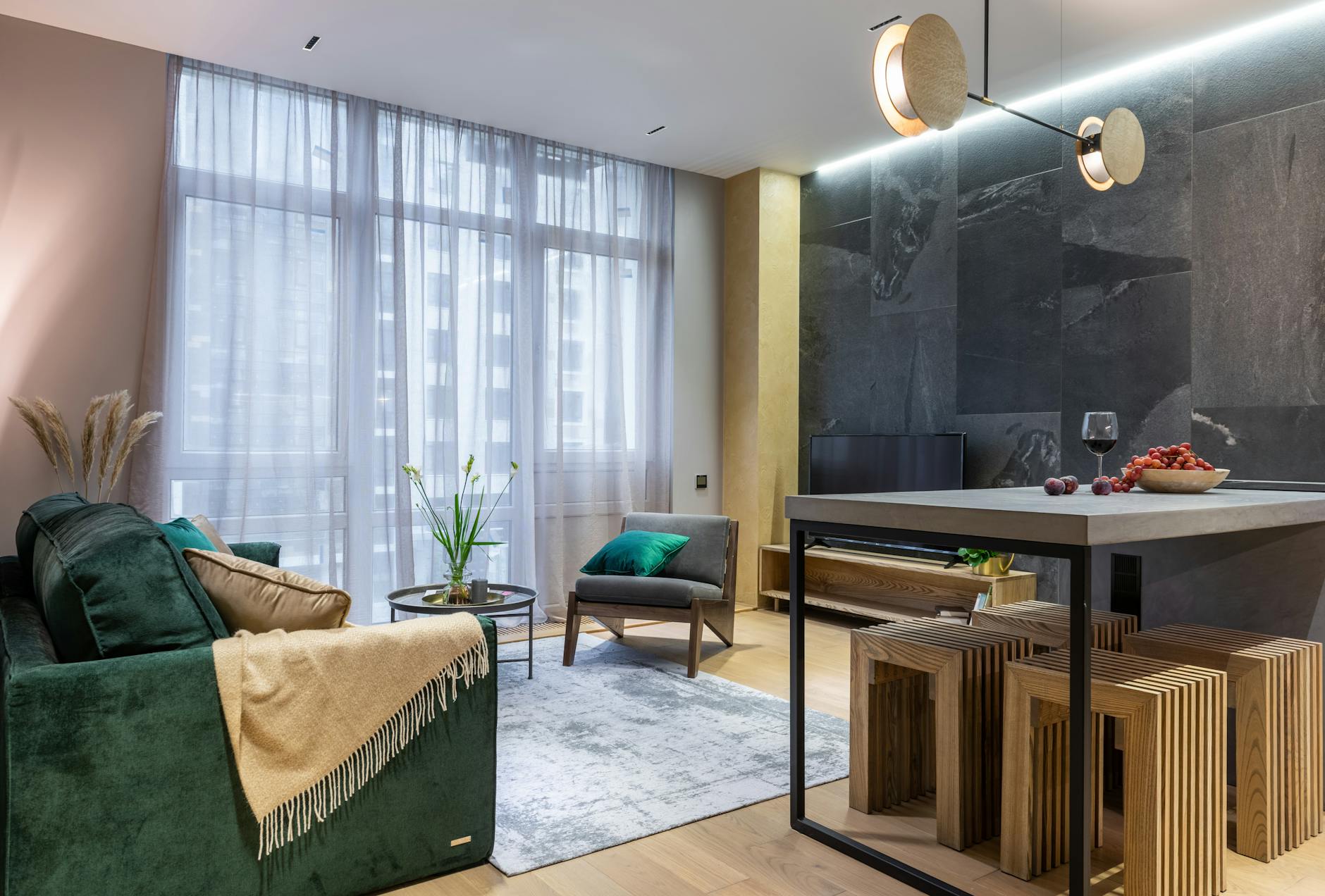
Furniture pieces with prominent sharp corners and edges positioned within the natural movement paths of a home generate a continuous low-level proprioceptive vigilance response as the body’s collision-avoidance system monitors their proximity during navigation. This vigilance is most pronounced in smaller rooms where proximity to sharp furniture corners is unavoidable and in homes with young children where the associated anxiety extends beyond personal discomfort to child safety concern. Environmental psychologists studying domestic stress have noted that homes with high density of hard angular furniture edges are rated as less comfortable and less safe by their occupants than equivalent spaces furnished with rounded or cushioned alternatives. The body’s avoidance response to perceived physical threat stimuli is involuntary and persistent and cannot be fully suppressed by conscious reassurance. Corner guards, furniture rearrangement, or replacement with rounded-edge alternatives all reduce this specific proprioceptive stress load effectively.
Overloaded Shelves
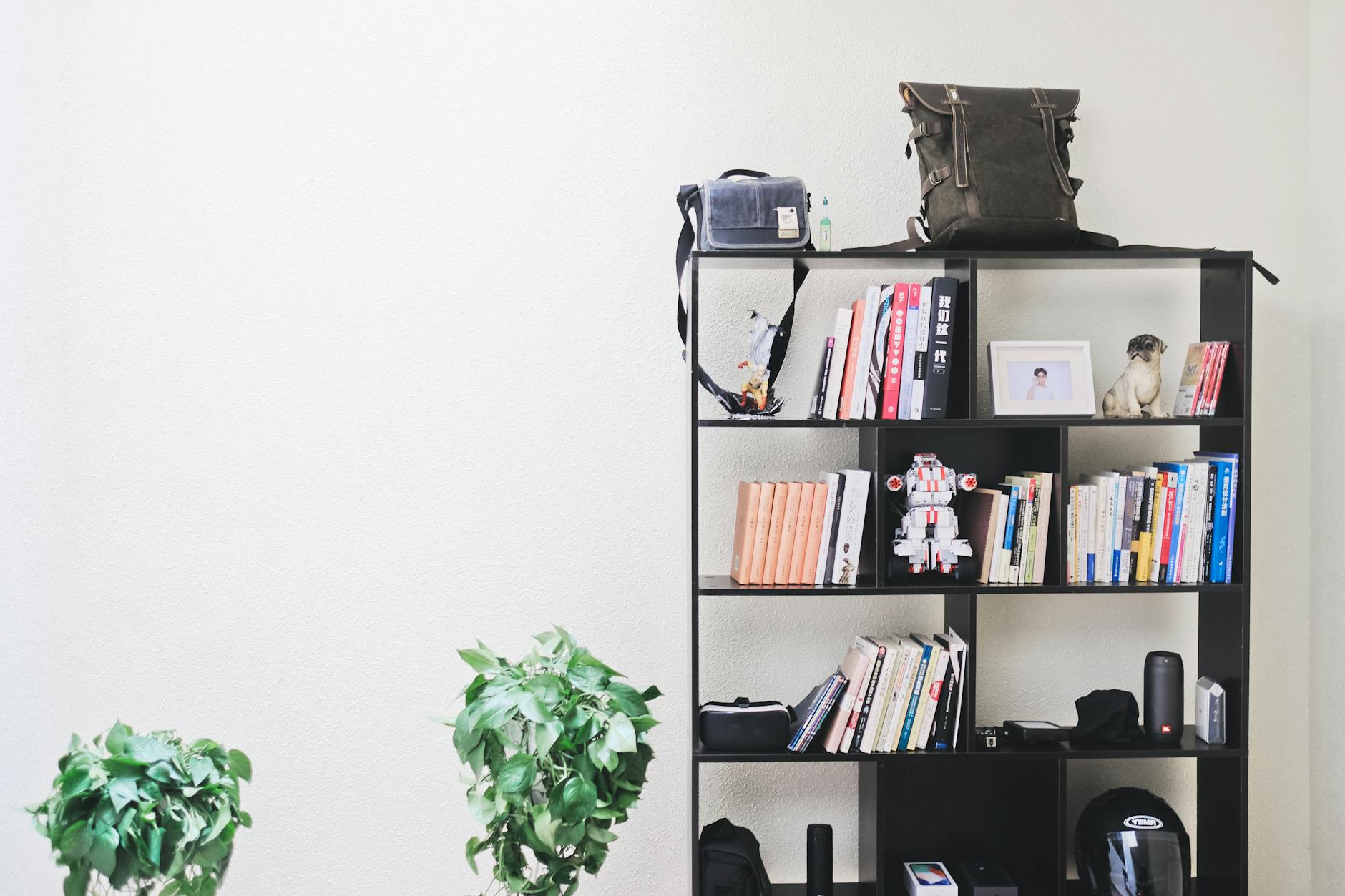
Bookshelves, storage units, and display surfaces filled beyond their natural visual carrying capacity create a compression effect that the brain processes as a space under strain and at risk of disorder or structural failure. The perceptual system is sensitive to visual imbalance and instability and an overloaded shelf activates a low-level monitoring response that is difficult to fully suppress during extended exposure. This effect is compounded when items on overloaded shelves are visibly precarious, dusty, or randomly organized without clear categorical logic. Storage psychology research has established that the perceived density of objects in a domestic space is a reliable predictor of reported stress levels independent of actual clutter quantity. Reducing shelf density through systematic decluttering and implementing organizational logic visible from a normal viewing distance transforms overloaded storage from a stress stimulus to a calming and controlled display.
Cold Bathrooms
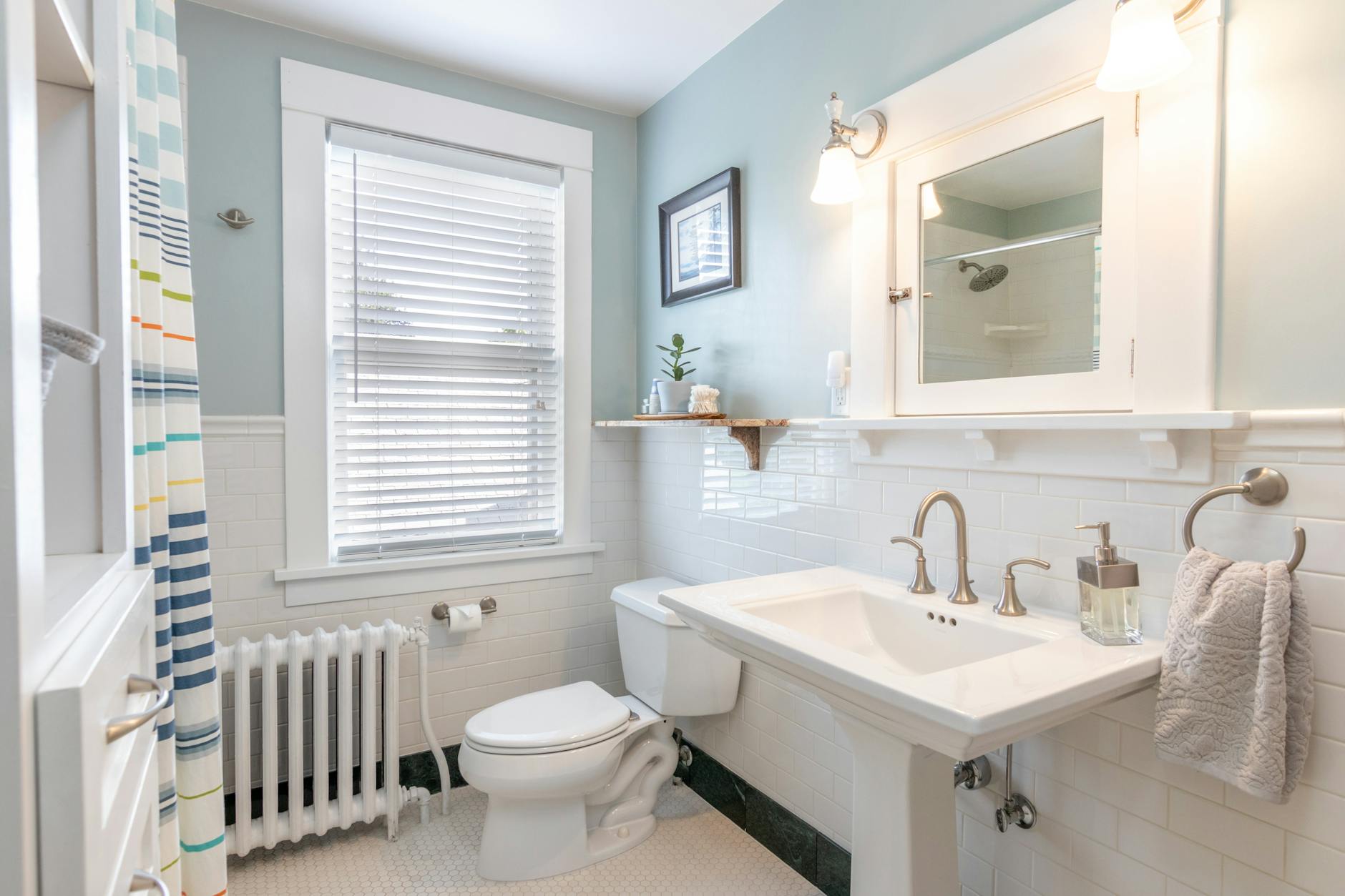
A bathroom that is consistently colder than the rest of the home triggers a mild thermal stress response upon entry that activates the sympathetic nervous system and produces a brief but real cortisol pulse as the body mobilizes heat generation resources. This effect occurs every morning during the most physiologically vulnerable window of the day when the body is transitioning from sleep and cortisol levels are already at their natural daily peak. The thermal shock of a cold bathroom amplifies and extends this cortisol peak beyond its natural duration and sets a stress-primed physiological tone for the early part of the day. Research on thermal comfort and stress consistently identifies unexpected cold as one of the most reliable non-psychological cortisol triggers available in laboratory conditions. Heated towel rails, underfloor heating, or a simple programmable electric panel heater set to activate before waking are practical interventions that remove this daily cortisol amplifier.
Harsh Alarm Sounds

A conventional alarm clock or smartphone alert using a sharp, sudden, or acoustically jarring sound as its morning trigger produces one of the most dramatic cortisol spikes achievable by any domestic stimulus due to the combination of acoustic surprise and sleep disruption. The abrupt transition from deep sleep or REM sleep phases to full wakefulness via a startling sound initiates a stress response that researchers have described as physiologically equivalent to a brief threat event. This morning cortisol spike is measurably higher when produced by harsh alarm sounds than when waking occurs naturally or via gradual light-based simulation. The tone and acoustic character of a wake-up alarm has a documented carry-over effect on morning mood, perceived stress, and cognitive readiness that persists for a measurable period beyond the moment of waking. Replacing harsh alarm tones with gradually increasing nature sounds, soft music, or a dawn simulation alarm clock is an evidence-based morning cortisol intervention with strong research support.
Mirrors Facing Beds
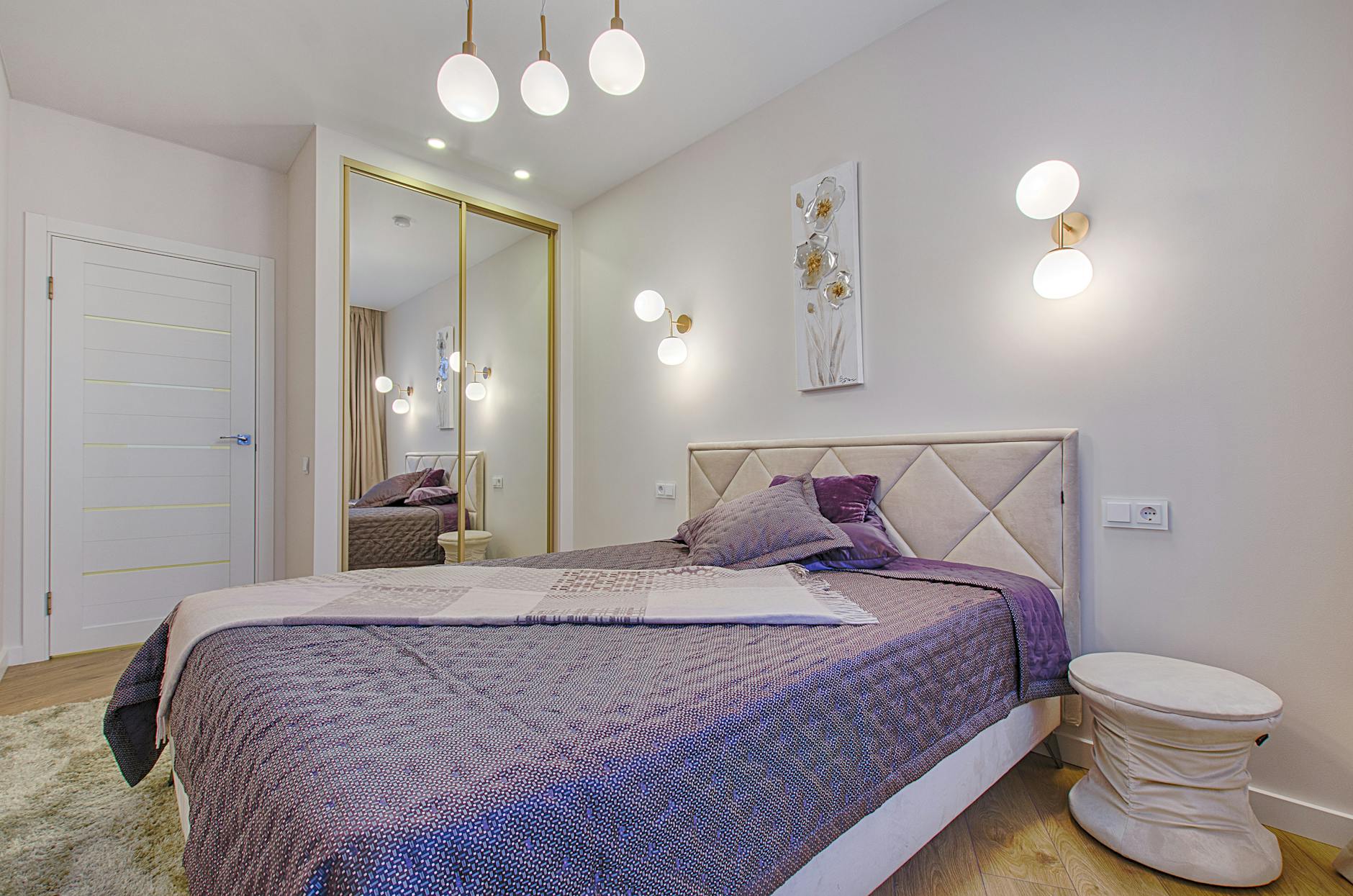
A mirror positioned directly opposite or adjacent to a bed creates a visual stimulus field that the sleeping or waking brain interprets as containing movement or additional presence in the room due to the mirror’s reflection of the occupant’s own physical motion during sleep. Sleep psychologists have documented that mirrors facing sleeping positions increase arousal, reduce sleep depth, and are associated with elevated rates of night waking and sleep anxiety particularly in individuals already predisposed to light sleeping. Many traditional and cultural sleep hygiene practices across diverse global traditions independently arrived at the recommendation to avoid mirrors facing the bed, suggesting a cross-cultural basis for this discomfort. The reflection of a darkened room containing a sleeping figure activates ancestral threat-detection circuitry that is incompatible with the physiological state of deep rest. Repositioning mirrors or covering them at night is an inexpensive and immediately implementable intervention for this specific sleep-cortisol interaction.
Unsorted Post

A pile of unsorted mail, bills, and correspondence accumulating on a hallway table or kitchen counter functions as a highly specific open-loop stressor due to the association of physical post with financial obligations, administrative demands, and potentially unwelcome news requiring action. Each unprocessed envelope represents an unknown obligation and the brain maintains anticipatory processing resources allocated to unknown quantities in a way that resolved and processed information does not require. Research on financial stress and cortisol has established that ambiguity about potential financial demands is more physiologically activating than confirmed obligations of equivalent magnitude because the unknown is processed as potentially unlimited. The visual presence of an unsorted pile compounds this effect by making the unresolved demand permanently visible within the daily domestic environment. Establishing a daily or weekly post-processing habit and removing accumulation points reduces this specific stressor to zero with minimal time investment.
Poor Mattress Quality
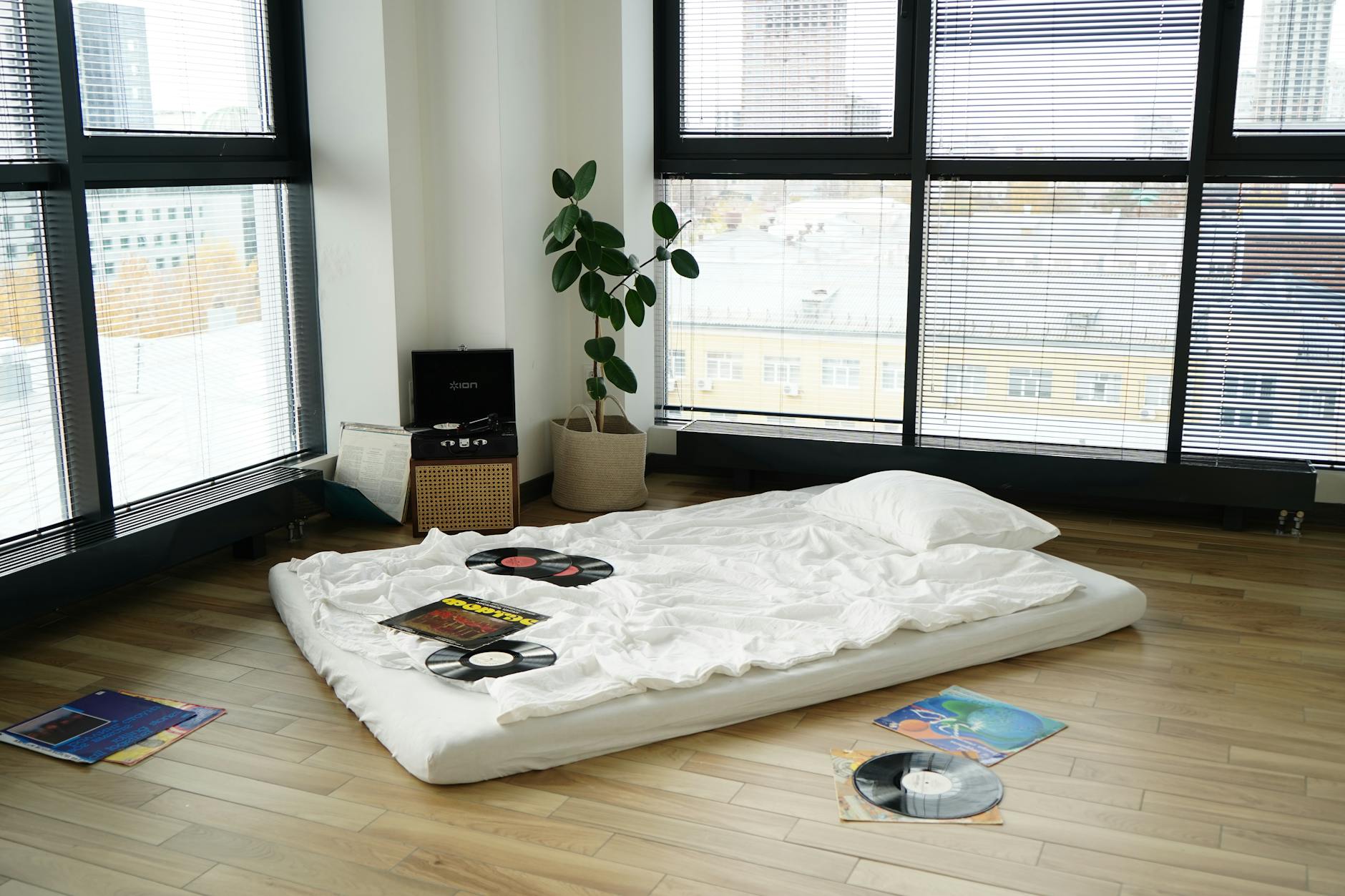
A mattress that has degraded beyond its functional lifespan introduces a physical discomfort dimension to sleep that activates the body’s pressure and pain-signaling systems repeatedly throughout the night, each activation representing a micro-arousal that fragments sleep architecture. Sleep fragmentation has a direct and well-documented relationship with elevated morning cortisol through its disruption of the restorative sleep stages during which hormonal regulation and stress recovery primarily occur. The cumulative cortisol elevation associated with months or years of poor sleep quality on a degraded mattress is among the most significant domestic health impacts available from any single household item. Most mattresses have a functional lifespan of seven to ten years and retain their shape in a way that makes physical degradation difficult to assess through visual inspection alone. Investing in a quality replacement mattress when sleep quality declines is one of the highest-return domestic health investments relative to its physiological impact on daily cortisol regulation.
Broken Fixtures
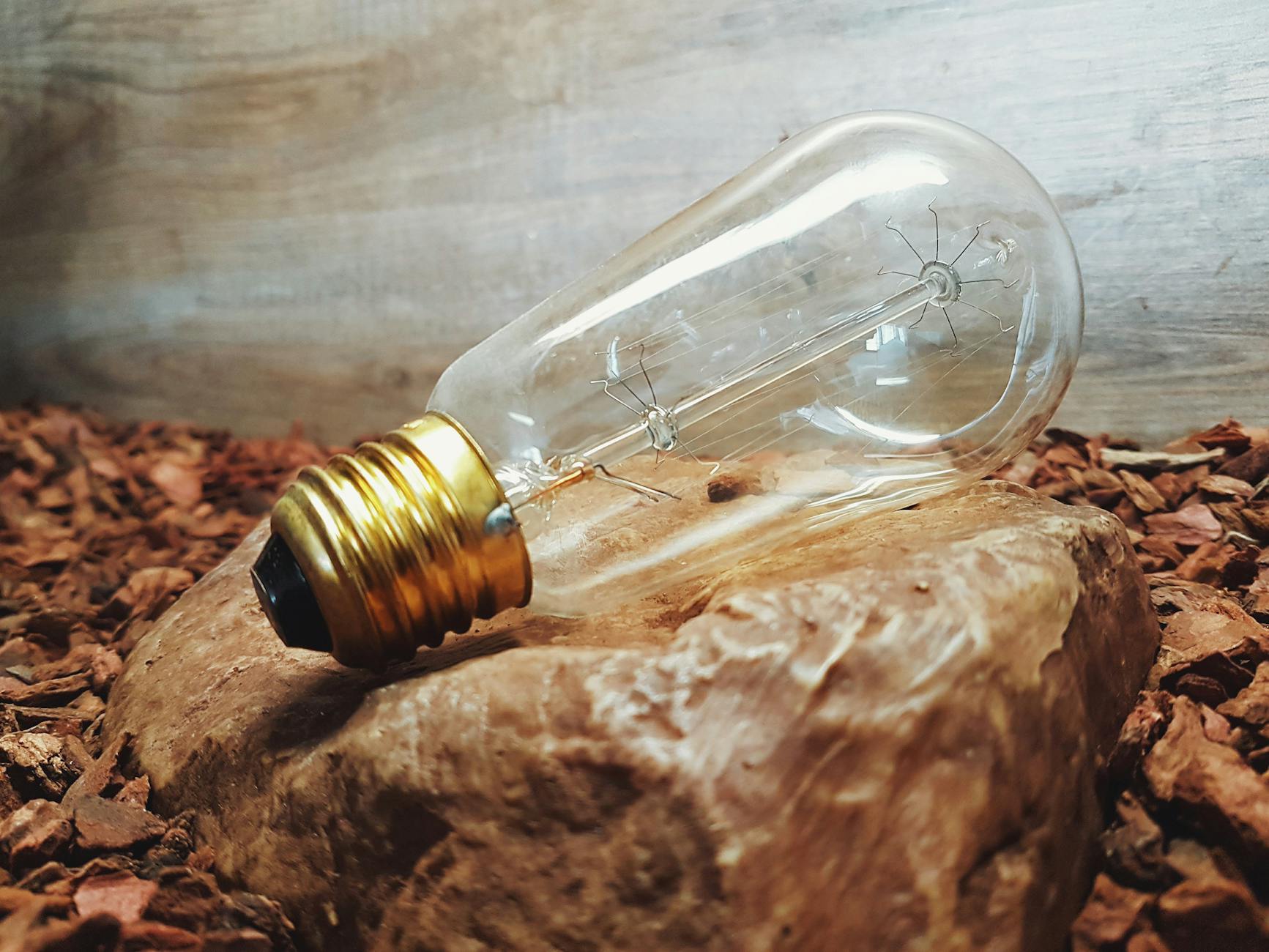
Light switches that do not function reliably, door handles that require learned manipulation to operate, or appliances that work inconsistently introduce a repeated experience of environmental unpredictability and failed agency that is among the most reliable non-social cortisol triggers in psychological research. The experience of exerting effort toward an expected outcome and receiving a random or failed result activates the same stress circuitry as more significant experiences of loss of control. In a domestic environment where smooth and predictable functioning is the baseline expectation, each broken fixture represents a micro-violation of environmental agency that compounds across repeated daily encounters. The accumulated psychological effect of living with multiple broken fixtures has been characterized in domestic stress research as a form of chronic low-grade helplessness. Prioritizing the repair of frequently encountered broken fixtures over cosmetic improvements to the home is consistently supported by the evidence on domestic cortisol drivers.
TV in Bedroom
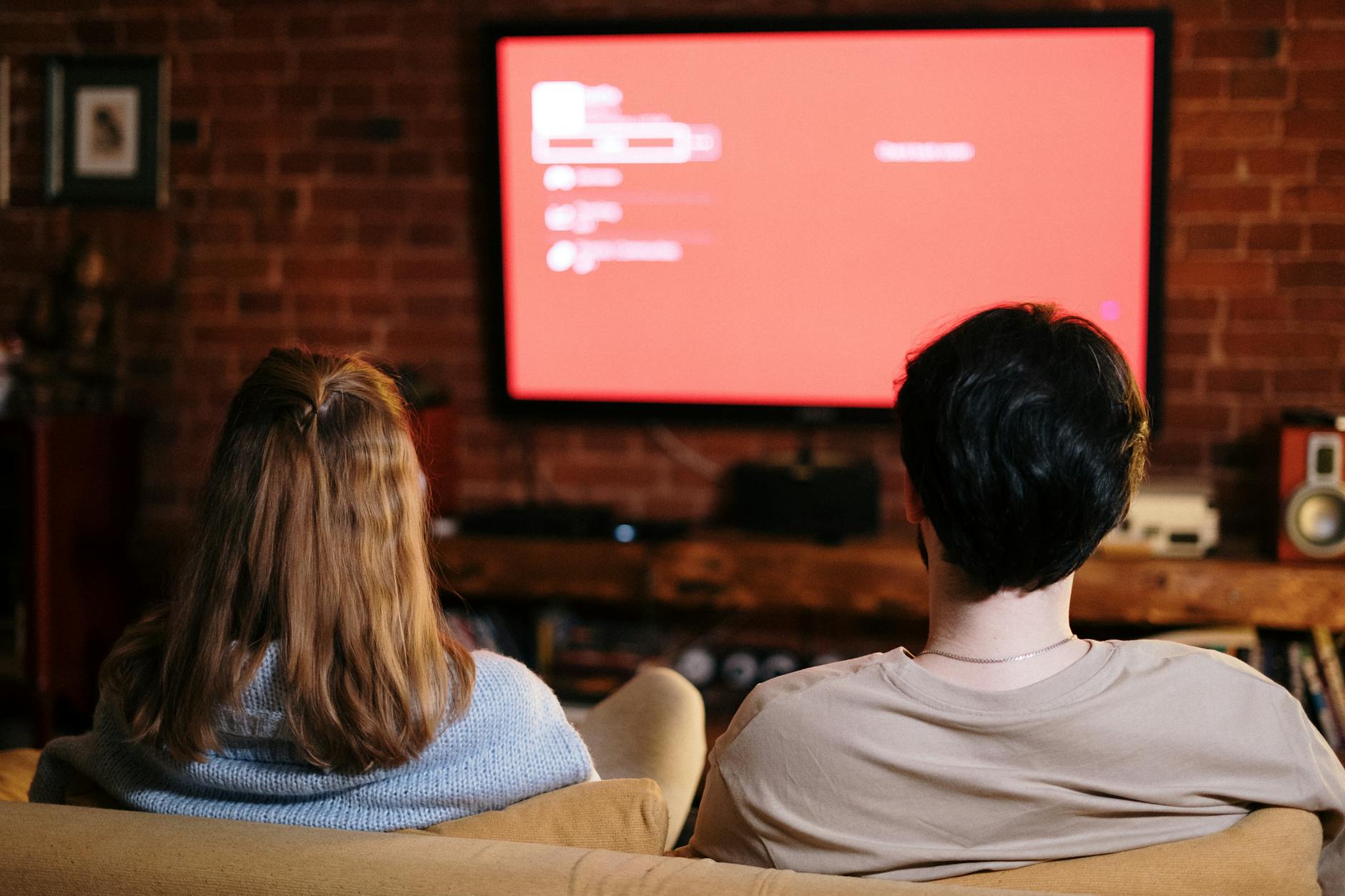
A television installed in the bedroom introduces the primary delivery mechanism for news, conflict narratives, emotionally activating entertainment, and blue-spectrum light into the space most critical for cortisol recovery, sleep initiation, and morning hormonal regulation. Sleep medicine researchers consistently identify bedroom television use as one of the most reliable predictors of poor sleep quality, delayed sleep onset, and elevated evening cortisol independent of the specific content being watched. The bedroom’s effectiveness as a cortisol recovery environment depends on the brain maintaining strong associative connections between the space and the physiological states of sleep and rest, associations that are progressively weakened by the introduction of activating stimuli including television. Couples who watch television in bed report higher rates of sleep discordance and greater mutual sleep disruption than those who restrict bedroom use to sleep and intimacy. Removing television from the bedroom is one of the most strongly evidence-supported single interventions available in domestic sleep and stress hygiene.
Cluttered Desktops
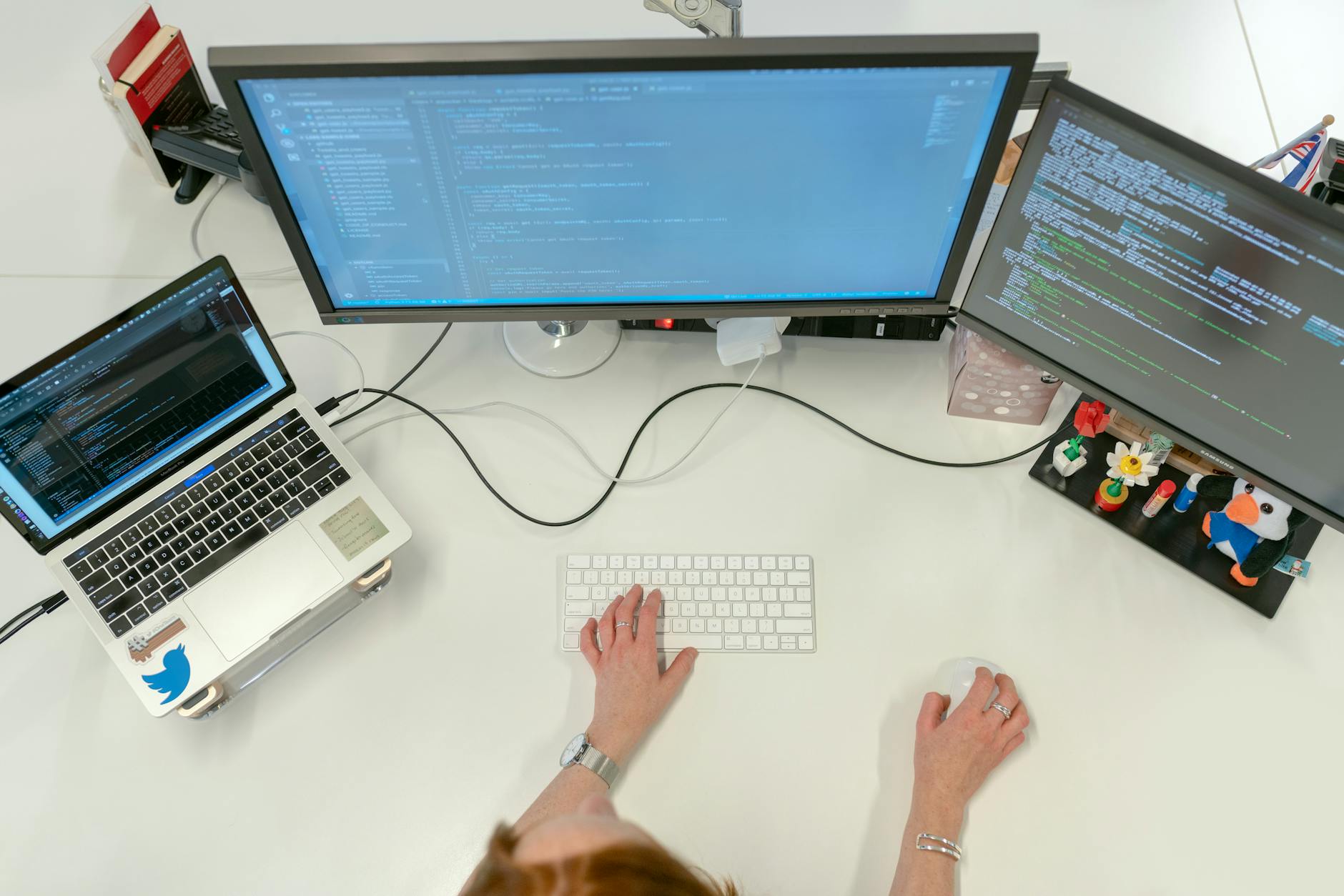
A computer desktop displaying dozens of unsorted file icons, screenshots, and document thumbnails creates a digital visual environment that activates the same organizational demand response as physical clutter in the surrounding workspace. Research on cognitive load and digital environments has established that a visually disordered digital workspace increases task-switching costs, reduces focus quality, and elevates self-reported stress during work sessions. The desktop is typically the first visual environment encountered when a computer is opened and a disordered opening screen sets a cognitively loaded tone before any specific work task has begun. The accumulation of unorganized files also represents an unresolved information management task that contributes to the open-loop cognitive load associated with incomplete organizational demands. Organizing desktop files into a simple folder structure and clearing the desktop surface to a minimal state is a high-leverage digital stress reduction intervention requiring only a single investment of twenty to thirty minutes.
Automatic Porch Lights

Motion-activated exterior lighting that triggers in response to animals, passing vehicles, or wind-blown vegetation introduces unpredictable light flashes into the bedroom environment during night hours that reliably produce micro-arousals and brief cortisol pulses in sleeping occupants. The brain’s threat-monitoring system remains partially active during sleep and responds to sudden light changes with an orienting response that elevates arousal and can fully wake light-sleeping individuals. Security lighting designed for deterrence typically operates at intensities far above those required to produce sleep disruption through window coverings of normal opacity. Adjusting the sensitivity and directionality of motion-triggered exterior lights to eliminate false activations caused by non-human stimuli is a specific and practical nighttime cortisol intervention. Blackout curtains in the bedroom provide an additional layer of protection against this specific external light-based sleep disruptor.
Crowded Kitchen Counters

Kitchen surfaces covered with appliances, utensils, containers, condiments, and miscellaneous items that are not used on a daily basis create a visual complexity in the room most associated with domestic nurturing and functional competence that activates the organizational demand response with particular intensity. Research on domestic stress and environment has found that kitchen disorder is among the most reliable predictors of elevated cortisol in home-based studies, with women in cluttered kitchen environments showing measurably higher stress hormone levels than those in organized ones. The kitchen is a high-frequency room entered many times daily and the repeated experience of navigating a disordered work surface compounds across visits in a way that a disorder in a less-used room does not. Clearing counters to contain only daily-use appliances and storing everything else significantly below surface level transforms the kitchen’s physiological character with each entry. This single organizational intervention consistently produces among the highest reported improvements in domestic comfort of any room-specific decluttering effort.
Inconsistent Room Temperature
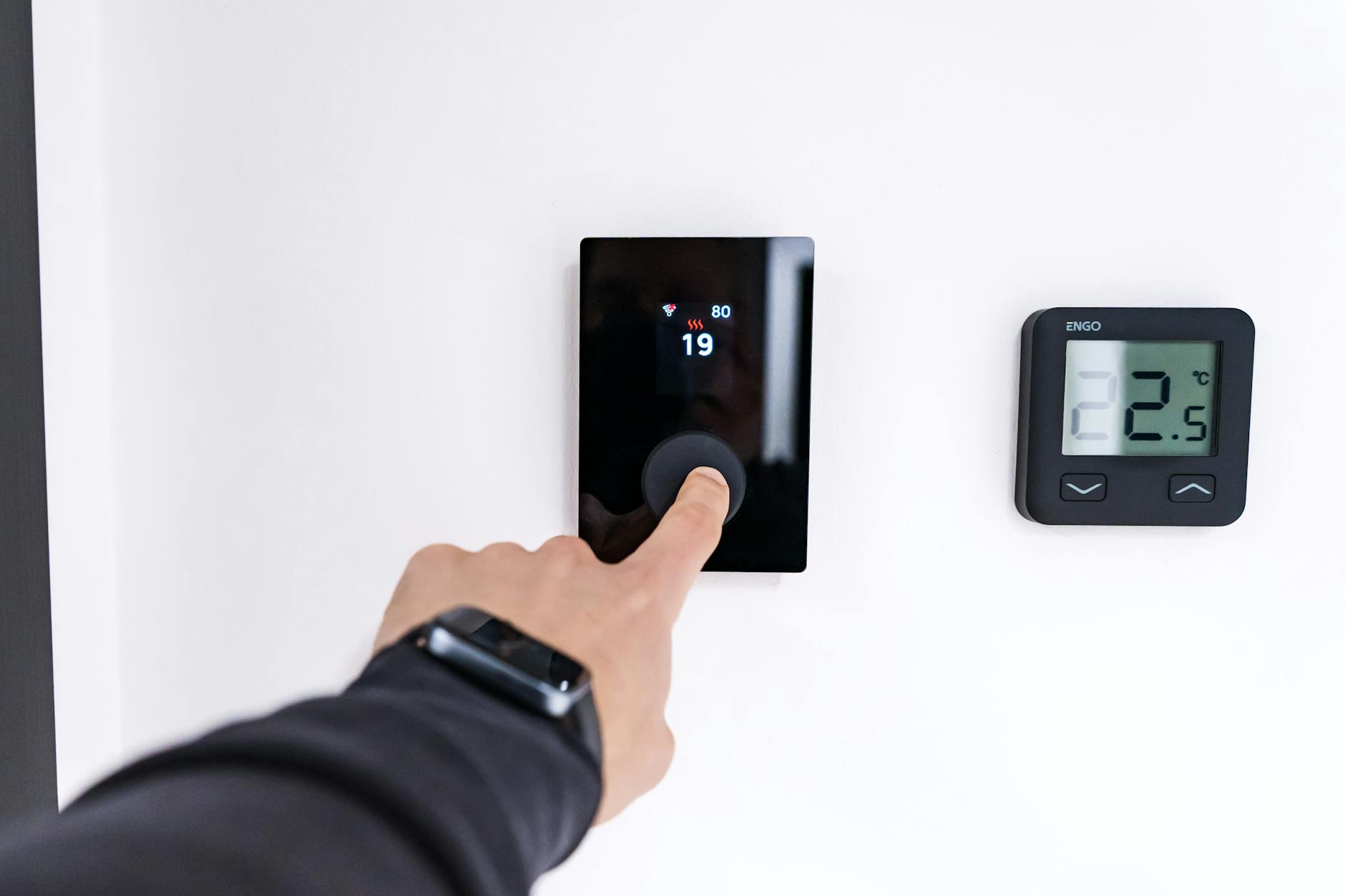
A home in which temperature varies significantly between rooms or fluctuates unpredictably across the day keeps the body’s thermoregulatory system in a state of continuous adaptive demand that draws on the same autonomic resources as other forms of low-level stress response. Thermal physiology research has established that the body expends meaningful energy maintaining core temperature stability in variable environments and that this energy expenditure is accompanied by measurable autonomic activation. Moving repeatedly between a warm living room and a cold bathroom or bedroom resets thermal comfort baselines multiple times daily, each reset requiring a physiological adjustment period. Consistent ambient temperature within the broadly comfortable range of eighteen to twenty-two degrees Celsius has been repeatedly identified as a prerequisite condition for optimal sleep, cognitive performance, and stress hormone regulation. Addressing temperature inconsistency through zoned heating, draft exclusion, or improved insulation removes this physiological demand from the daily domestic environment.
Children’s Toy Chaos
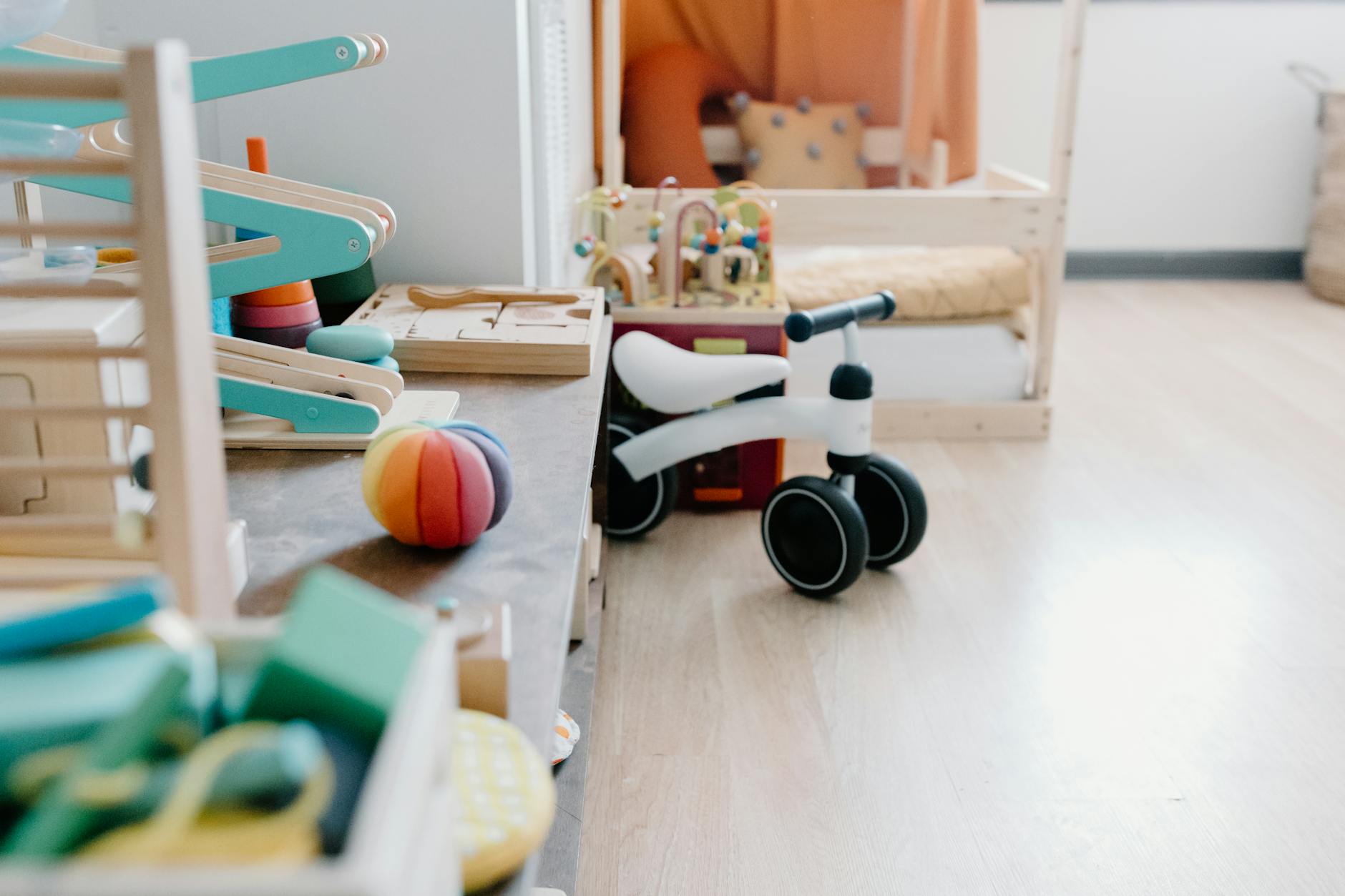
A living space chronically occupied by scattered toys, building blocks, and play equipment creates an environment in which adult occupants are persistently reminded of incomplete tidying obligations and simultaneously face a physical navigation hazard that activates the body’s collision-avoidance proprioceptive monitoring system. Parenting and domestic stress research has consistently identified toy disorder as a significant contributor to parental cortisol elevation that operates independently of the direct stressors of childcare itself. The visual complexity introduced by brightly colored, irregularly shaped, and randomly distributed play objects is among the highest of any domestic clutter category and produces a particularly intense organizational demand response. Establishing defined storage systems with low barriers to use by children themselves reduces the daily toy chaos burden without requiring constant adult intervention. Achieving a child-appropriate baseline of living space order at the end of each day has been associated with meaningfully lower morning cortisol in parents compared to waking in an environment where toy chaos from the previous day remains unaddressed.
Peeling Paint
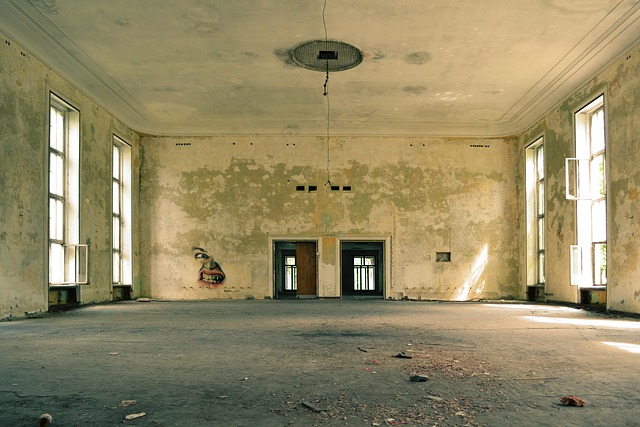
Walls, ceilings, or woodwork displaying peeling, flaking, or bubbling paint create a persistent visual stimulus of physical degradation that the brain processes as evidence of environmental neglect and structural deterioration requiring remediation. The perception of a home as in a state of physical decline has measurable effects on the occupant’s sense of environmental mastery and control, both of which are among the most reliably documented psychological predictors of cortisol regulation quality. Peeling paint is particularly activating as a stressor because it is typically caused by underlying moisture or adhesion problems that imply further undiscovered damage beyond what is visible. In rooms used for rest, the visual reminder of unresolved maintenance demands is particularly incompatible with the physiological disengagement from problem-solving that recovery requires. Addressing peeling paint promptly and identifying its underlying cause removes both the visual stressor and the anxiety associated with unresolved structural concern.
Expired Medications

A medicine cabinet or bathroom shelf containing expired medications, empty packaging, and no-longer-relevant health products creates a specific category of domestic disorder associated with health anxiety and the unresolved management of physical wellbeing. Research on health behavior and cortisol has established that environments containing visual reminders of illness, medical treatment, and health vulnerability activate health anxiety circuits that can elevate stress reactivity in susceptible individuals. The expired medication in particular occupies a psychologically loaded position because its expiry implies both the passage of time and the possibility that future health needs will arrive in an inadequately prepared environment. Regular clearance of expired and unused medications from visible storage restores the medicine cabinet to a state that communicates preparedness and order rather than neglect and medical disorder. This is a low-effort high-impact domestic organization intervention that combines practical safety benefits with measurable environmental stress reduction.
Exposed Rubbish Bins

A rubbish or recycling bin positioned within the primary visual field of a kitchen, living area, or entry space introduces olfactory and visual stimuli associated with waste, decay, and hygiene compromise into an environment the brain is simultaneously attempting to categorize as clean and safe. The olfactory system’s sensitivity to decay-associated compounds means that even a well-sealed bin in a prominent position influences ambient air perception in a way that activates mild contamination aversion. Research on domestic hygiene perception has established that visible waste storage is among the most reliably rated negative features of a domestic environment across diverse cultural contexts. Repositioning bins to enclosed cabinetry, dedicated utility spaces, or external storage removes both the olfactory and visual dimensions of this stressor simultaneously. Paired with a regular emptying schedule that prevents odor accumulation this single change can measurably improve the olfactory and psychological character of a kitchen environment visited dozens of times daily.
Background News
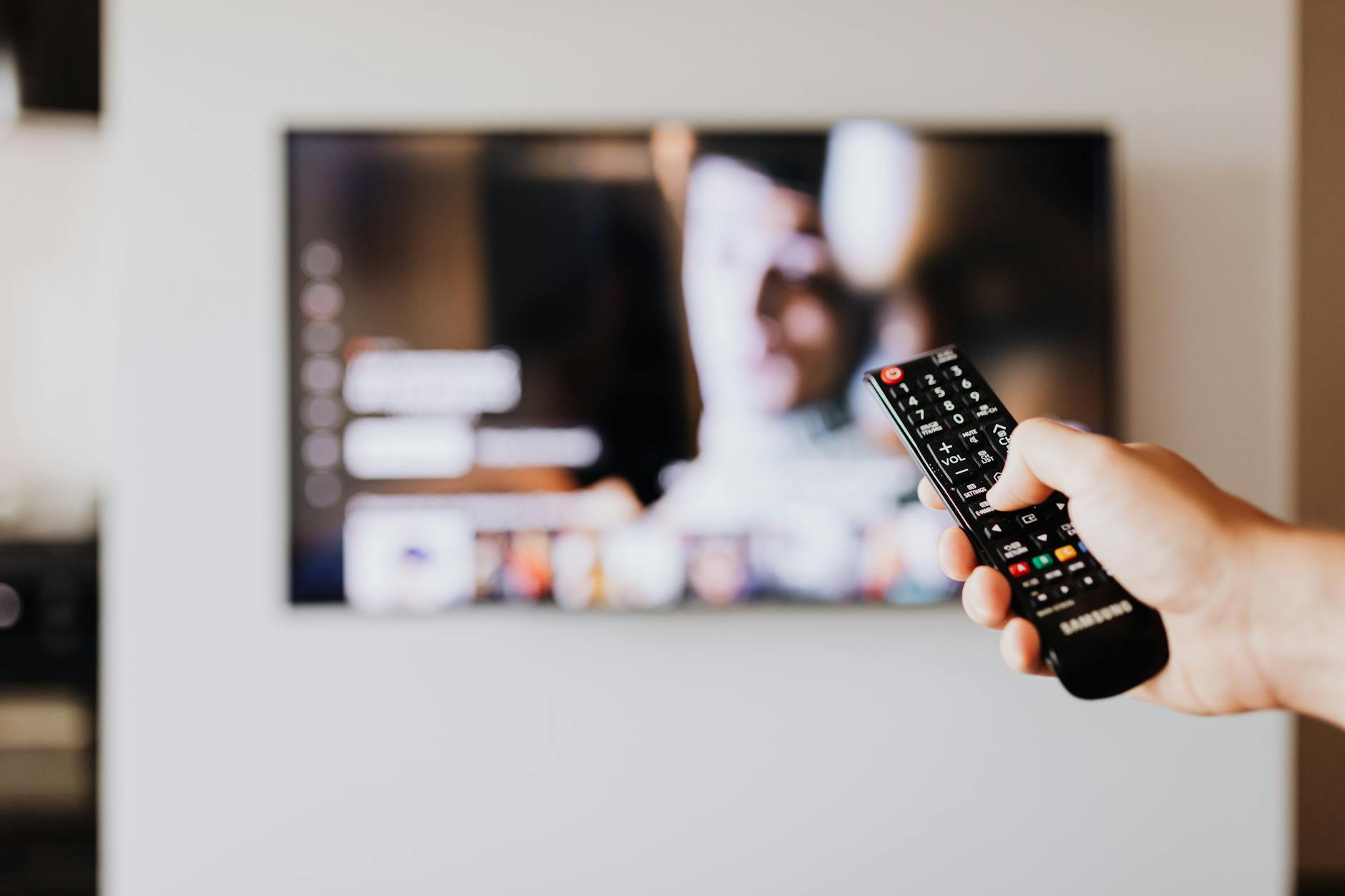
A television or radio providing continuous background news coverage in a domestic space introduces a stream of threat-relevant, conflict-oriented, and emotionally activating verbal and visual content into the home environment that the brain’s monitoring systems process as requiring ongoing threat assessment. Media research on news exposure and cortisol has established a reliable dose-response relationship between daily news consumption volume and elevated chronic stress hormone levels. The background mode of exposure is in some respects more insidious than deliberate news watching because it bypasses the protective intentionality of a chosen viewing decision and delivers activating content during domestic activities intended to be restful and restorative. The amygdala processes threat-relevant auditory content automatically and without voluntary engagement meaning that background news elevates cortisol through a pathway that conscious intention to ignore it cannot reliably block. Replacing background news with music, nature sounds, or silence in domestic rest periods is one of the most evidence-consistent media hygiene interventions available for cortisol management at home.
Share your own hidden household stress triggers and the changes that made the biggest difference in the comments.




