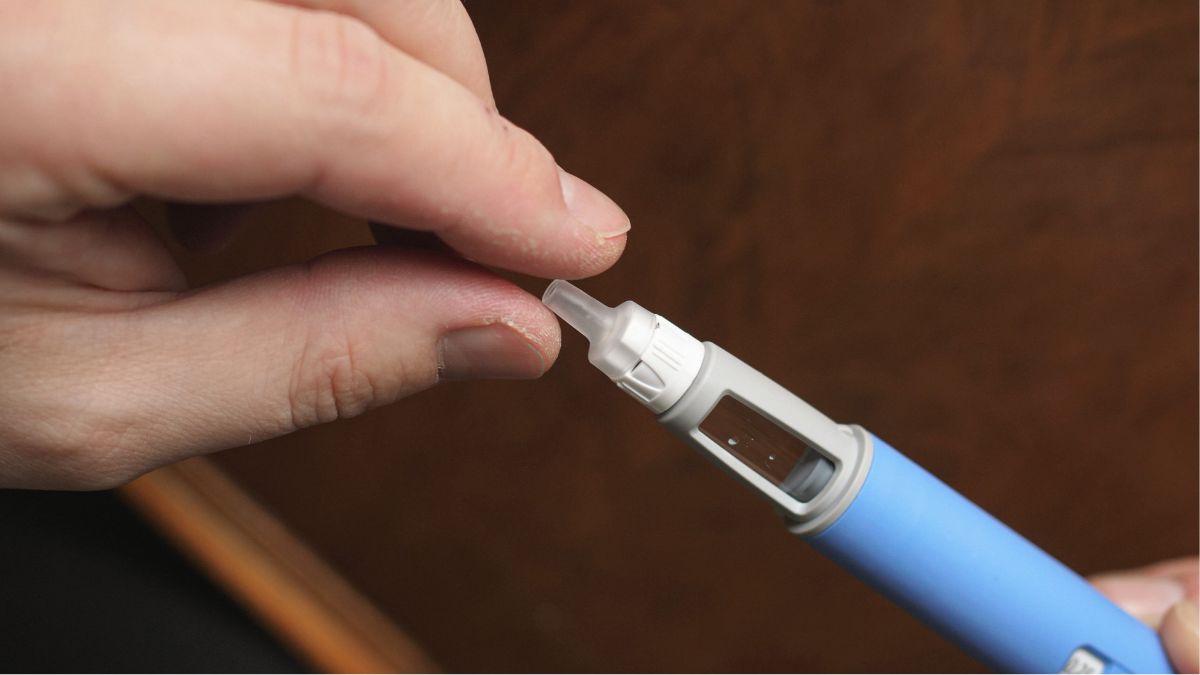
GLP-1 medications like Ozempic and Zepbound have transformed the way doctors approach obesity and type 2 diabetes treatment. But a surprising new pattern has emerged among people taking these drugs for those established reasons. Some users who also have ADHD are reporting an unexpected side effect that has nothing to do with blood sugar or appetite — they feel calmer, more focused, and better able to manage their impulses. While the anecdotes are compelling, the medical community is urging caution before drawing any firm conclusions.
GLP-1 receptor agonists work by mimicking a gut hormone that helps regulate hunger signals sent to the brain. When someone takes one of these medications, the gut sends fewer hunger cues upward, which in turn slows the passage of food through the stomach and helps the body process blood sugar more effectively. The FDA has already expanded approval of these drugs beyond diabetes and weight loss to include conditions like sleep apnea and serious cardiovascular problems. Early research is also exploring their potential to reduce cravings and compulsive behaviors, with ongoing studies looking at their possible role in treating alcohol, opioid, and nicotine dependence.
One of the more plausible explanations for the reported ADHD improvements involves the relationship between these medications and obsessive food-related thoughts. Dr. Craig Surman, an associate professor of psychiatry at Harvard, explains that sugary, fatty, and ultra-processed foods stimulate the brain’s reward systems, which is why people crave them even when they are not hungry. GLP-1 drugs appear to act on those same reward centers, dialing down the intensity of those cravings. As Surman described it to Newsweek, “It may be that GLP-1 acts like noise-canceling headphones. It reduces some of the distracting factors because you are not so focused on hunger signals or the desire for your body to look different. But it is very individual.” When the mental noise of constant food preoccupation quiets down, some people find they have more cognitive bandwidth available for focus and impulse control.
One woman who was diagnosed with ADHD twelve years ago shared that she had struggled with relentless food-related thoughts for years. It was only after starting Ozempic five years ago that those thoughts finally subsided — and along with them, some of her ADHD symptoms. She noted that whenever she pauses her medication, the symptoms return.
The science behind a possible direct connection points to dopamine, the brain chemical responsible for the sensation of reward and pleasure, which functions differently in people with ADHD. Some research suggests that GLP-1 drugs may alter how dopamine is released and influence parts of the brain involved in impulse control and emotional regulation. However, Surman was quick to caution that these studies were conducted in mice. “When what works in mice always worked in humans, we would have cured many diseases,” he noted. Dr. David Goodman, an assistant professor of psychiatry at Johns Hopkins University, added another important caveat. Based on current knowledge, the regions of the brain responsible for attention and executive function — the core areas affected in ADHD — do not appear to have GLP-1 receptors. That makes it unlikely these medications could serve as a standalone ADHD treatment, though they might offer some benefit for impulsivity specifically.
Physicians also point out that some of the improvements people experience may be indirect rather than pharmacological. A person with sleep apnea who loses weight on a GLP-1 drug may start sleeping significantly better, which alone can lead to sharper daytime concentration. Others may simply be experiencing a placebo effect. Currently, there are no active clinical trials testing GLP-1 medications specifically for ADHD. As Goodman put it, “It is extremely early for any serious clinical application. I know that the internet and influencers are making a lot of noise about it, but without scientific evidence it is hard to recommend these medications for ADHD, especially without checking their safety for those patients.”
There are also real risks to consider for anyone thinking about combining GLP-1 drugs with stimulant medications already prescribed for ADHD. Since both types of medication can suppress appetite, the combination can lead to excessive weight loss or dangerously low blood sugar. Common side effects of GLP-1 drugs include digestive issues, headaches, and dizziness. Surman stressed that people with ADHD already tend to struggle with independent health tasks like meal planning and consistent exercise, making professional oversight even more important in these cases. “We know the brain functions better when it is nourished and rested and when the body moves and exercises,” he said. “I hope the opportunity that GLP-1 medications provide is not just to change one aspect of a person, but to encourage a healthier way of life for the brain.”
The bottom line from the medical community is consistent: while there are intriguing anecdotal accounts and some theoretical pathways through which GLP-1 drugs might ease certain ADHD symptoms, particularly the burden of intrusive food thoughts, there is simply not enough research yet to support using them as an ADHD therapy. These medications should not replace proven treatments. Anyone curious about how GLP-1 drugs might interact with their own ADHD symptoms should have that conversation with their doctor rather than taking cues from social media.
Ozempic’s active ingredient, semaglutide, was originally developed by the Danish pharmaceutical company Novo Nordisk and first approved by the FDA in 2017 specifically for type 2 diabetes — its explosion into the weight loss conversation didn’t come until years later when researchers noticed how dramatically it reduced body weight as a secondary effect. ADHD itself affects an estimated 15 to 20 million adults in the United States, yet fewer than one in five adults with the condition receives consistent treatment, which may partly explain why so many people are chasing alternatives they read about online.
Have you or someone you know tried a GLP-1 medication and noticed unexpected effects on focus or mood? Share your experience in the comments.




