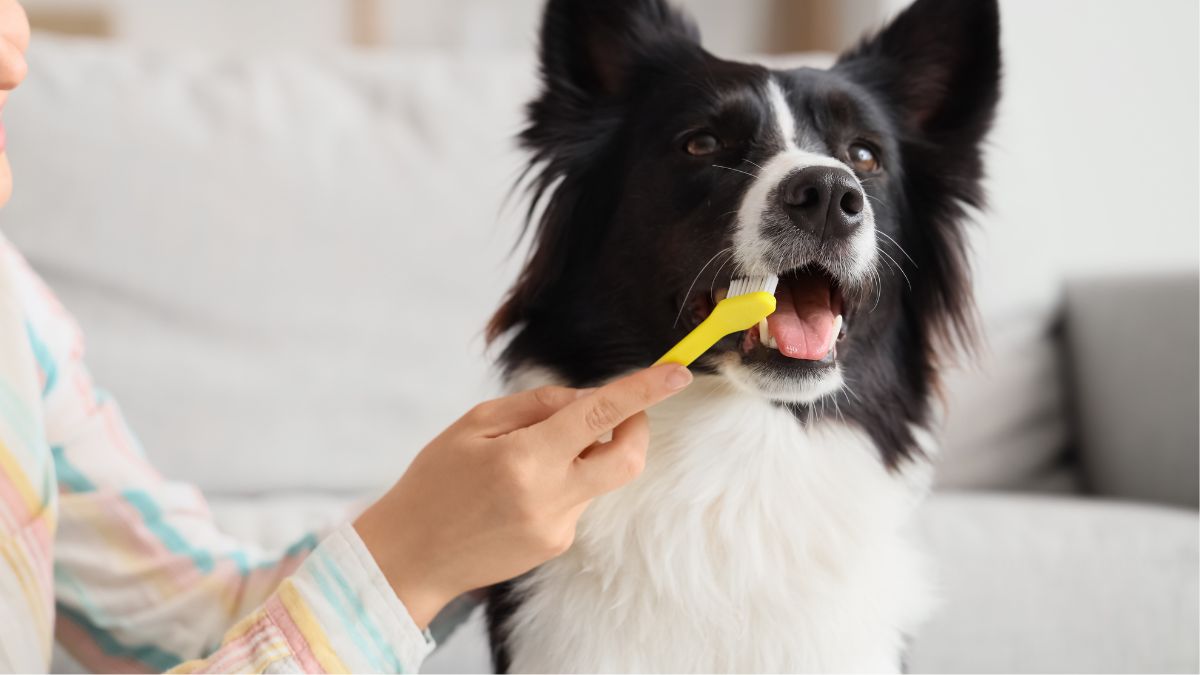
Dogs pour unconditional love into every tail wag, every greeting at the door, and every quiet moment spent beside their owners. Returning that devotion means looking after more than just their meals and walks. One of the most overlooked aspects of canine care is dental hygiene, and the consequences of ignoring it go far beyond bad breath. Healthy teeth and gums are directly connected to a dog’s overall physical wellbeing, which is why veterinary experts are urging pet owners to take this part of their routine far more seriously.
Veterinarian Dr. Michael Tokiwa, known to his followers as Dr. T, has been vocal about the risks that come with neglecting a dog’s oral health. He points out that the bacteria responsible for dental disease do not simply stay in the mouth. “What worries me is that those bacteria can cause infection and enter the bloodstream,” Dr. T explained in a video he shared on YouTube. “From there, they travel through the blood from the mouth to vital organs like the kidneys, heart, and liver.” That kind of systemic damage is preventable, but only if owners commit to consistent dental care at home.
The numbers are sobering. According to Dr. T, by the time a dog reaches three years of age, somewhere between 75 and 80 percent of pets have developed some form of moderate dental disease. What makes this statistic so striking is that the condition is almost entirely preventable. Dr. T also notes that dogs dealing with kidney problems frequently show signs of poor oral health at the same time, reinforcing just how interconnected these systems are in a dog’s body. You can watch YouTube video here.
One of the most important things pet owners need to know before starting any dental care routine is that human toothpaste is off the table entirely. The chemicals and foaming agents found in toothpaste made for people can irritate a dog’s stomach. Instead, owners should reach for enzymatic pet toothpaste, which works by breaking down tartar buildup while being completely safe for dogs to swallow. These products often come in flavors like mint or chicken, which can make the whole experience far more appealing to a reluctant pup.
According to ParadePets, a solid at-home dental routine for dogs comes down to three straightforward steps. The first and most foundational is brushing with a pet-specific toothbrush and enzymatic toothpaste. Apply the paste generously and work it gently along the teeth, paying particular attention to the outer surfaces where plaque tends to accumulate. If owners start introducing the toothbrush during puppyhood, dogs are far more likely to accept it without a struggle. Twice daily is the ideal goal, but once a day is widely considered the gold standard for keeping dental disease at bay.
The second step adds an extra layer of cleaning without requiring much effort. After brushing, wrap a microfiber cloth around a finger, add a small amount of enzymatic toothpaste, and gently rub it along the teeth and gumline. This motion helps lift any residue the toothbrush may have missed and gives the breath an added boost of freshness. It takes only a minute and can make a meaningful difference in the overall health of the gums.
The third step is arguably the most enjoyable for the dog. A daily dental chew serves double duty as both a treat and a cleaning tool. The mechanical action of chewing helps physically scrape away plaque and tartar from the surface of the teeth, and dogs tend to experience it as a reward rather than a chore. Choosing the right dental chew can turn an otherwise clinical routine into something a dog genuinely looks forward to each day.
@lykapetfood Healthy teeth starts with a healthy diet 🥩 @Dr Nicole Rous ♬ Dazey – Double Parked
While regular professional cleanings at a veterinary clinic are valuable, they can be stressful for animals and come with costs that add up quickly over time. The far better strategy is consistent preventive care at home paired with routine veterinary checkups. Letting dental hygiene slide for months or years almost always results in problems that require tooth extractions or treatment for serious infections, with consequences that ripple well beyond the mouth.
Bad breath in a dog is not just an unpleasant quirk. It is a reliable signal that bacteria and tartar have had too much time to build up unchallenged. Treating it as a warning sign rather than a personality trait is the first step toward giving a dog a longer, healthier life.
Dogs actually have 42 permanent teeth, compared to the 32 that adult humans have, which means there is quite a lot of surface area for plaque to quietly go about its business. The domestic dog’s wolf ancestors kept their teeth cleaner largely through gnawing on raw bones, a behavior that ancient dental science apparently had figured out long before toothbrushes existed. Some dog breeds, particularly small ones like Chihuahuas and Yorkshire Terriers, are genetically prone to more severe dental disease because their teeth are crowded together in a much smaller jaw, making professional cleanings even more critical for them.
Do you brush your dog’s teeth regularly, and what tricks have worked for getting them to cooperate? Share your experience in the comments.




