Dogs are intelligent creatures that require mental engagement just as much as physical exercise to maintain a balanced and happy life. Many behavioral issues often labeled as disobedience or aggression actually stem from a simple lack of cognitive challenges during their daily routine. Recognizing the subtle and overt signals of boredom allows owners to intervene with puzzles or training that enriches their pet’s environment. Addressing these signs early prevents destructive habits and fosters a deeper bond between the dog and its human companion.
Excessive Barking

Dogs often vocalize to express frustration when they lack adequate mental engagement throughout the day. This type of barking tends to be repetitive and monotonous rather than reactive to a specific trigger like a doorbell. Owners may notice the noise continues for long periods even when the house is quiet and calm. Providing interactive toys can help redirect this vocal energy into a constructive activity.
Destructive Chewing

Dogs explore the world with their mouths and may target table legs or sofa cushions when they have nothing else to do. This behavior indicates a need to release pent-up energy that a simple walk did not address. Using bitter sprays provides only a temporary fix without solving the underlying lack of stimulation. Durable chew toys offer a safe outlet for this natural canine urge.
Digging Holes
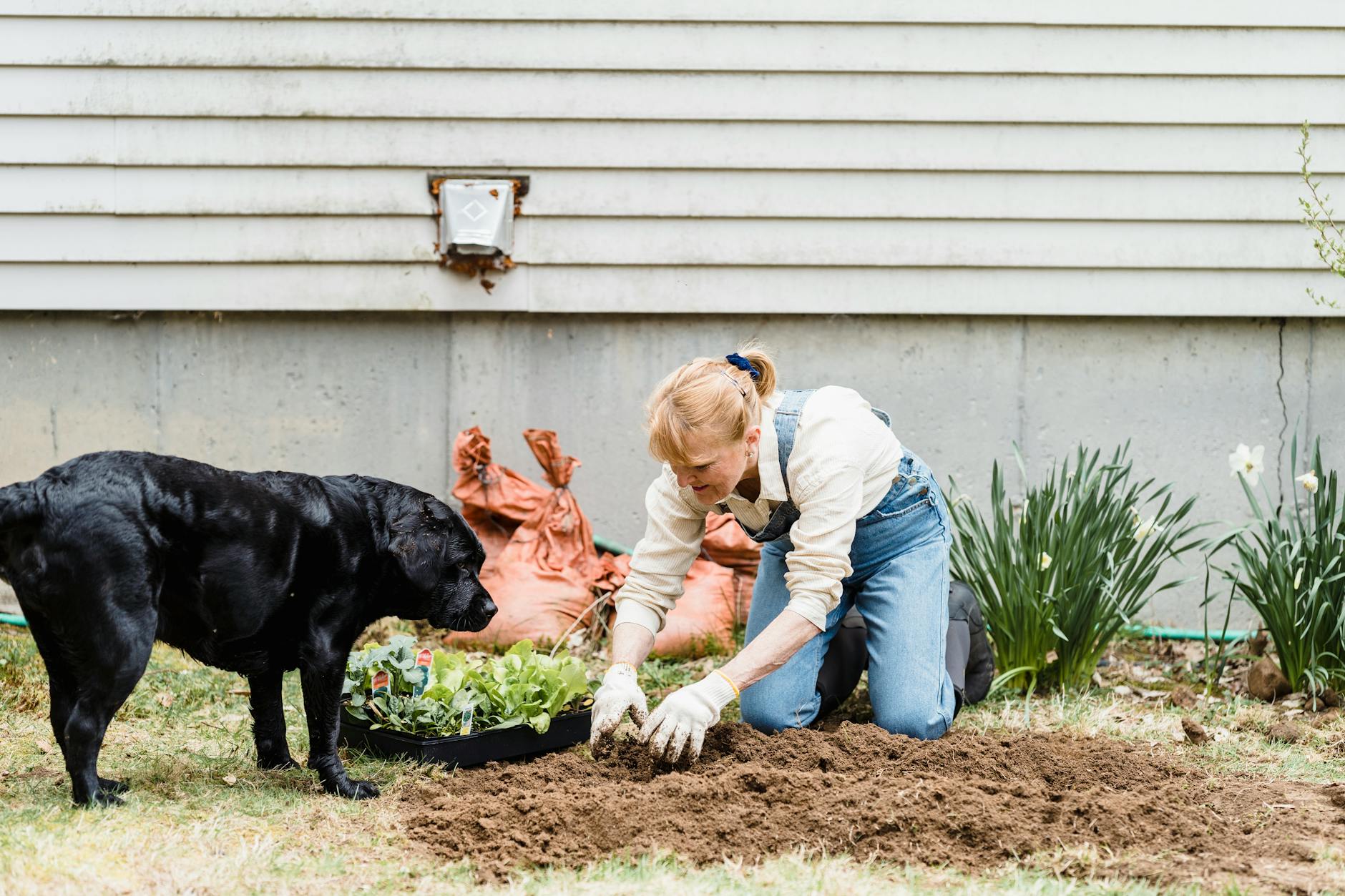
Excavating the backyard often serves as a self-rewarding activity for a bored canine looking for entertainment. The physical sensation of moving dirt and the discovery of roots or bugs keeps their mind occupied. This behavior frequently intensifies when the dog is left alone outside for extended periods. Creating a designated digging sandpit can save your garden while satisfying their instinct.
Compulsive Pacing

A dog walking in repetitive patterns or circles often experiences high levels of stress due to boredom. This rhythmic movement mimics the behavior of caged animals that lack sufficient environmental enrichment. It suggests the dog has excess energy that it cannot channel into productive tasks. Breaking this cycle requires introducing complex games that force the dog to think rather than just move.
Excessive Licking
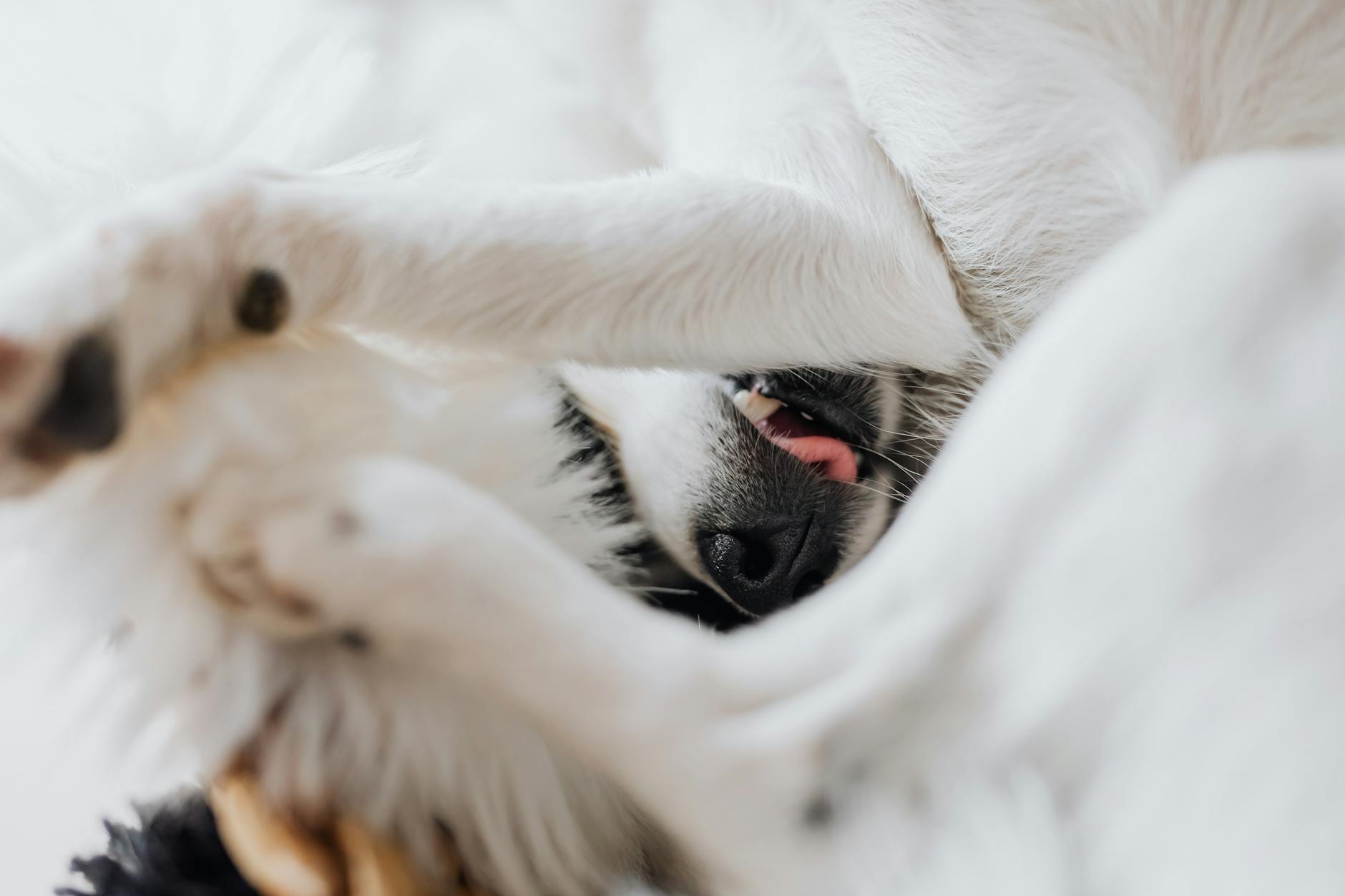
Constantly grooming a specific spot on the leg or paw can result in acral lick dermatitis. This obsessive behavior releases endorphins that soothe a dog when they feel understimulated or anxious. It often occurs when the animal is lying down with no toys or interaction available. Veterinary checkups should rule out allergies before assuming it is purely behavioral.
Tail Chasing

Spinning in circles to catch a tail is often seen as funny but can signal severe boredom in adult dogs. This compulsive activity provides a physical outlet when mental challenges are absent from their daily routine. It can escalate into a neurological issue if the boredom persists over long durations. Interruption and redirection to a puzzle toy usually stop the spinning immediately.
Incessant Whining

Vocalizing with high-pitched sounds often serves as a plea for attention from an otherwise occupied owner. This behavior usually happens when the dog physically sees you but feels ignored or sidelined. It indicates a desire for interaction or a job to do within the household. Ignoring the whining works best when paired with scheduled playtime later.
Jumping Up

Leaping onto owners or guests frequently stems from a desire to force an interaction. A bored dog learns that this physical invasion of space guarantees a reaction even if that reaction is negative. It demonstrates a lack of impulse control often caused by insufficient mental training. Teaching a sit command provides a mental workout that replaces the physical jumping.
Food Theft

Counter surfing or stealing snacks from tables becomes a thrilling game for a dog seeking excitement. The reward is instant and self-reinforcing because the food tastes good and the heist requires problem-solving skills. Prevention involves managing the environment while teaching the leave it command to work the brain. This turns mealtime into a training opportunity rather than a battle of wills.
Shredding Paper

Tearing up tissues or mail provides a satisfying sensory experience involving sound and texture. Dogs enjoy the immediate visual result of their work as the confetti spreads across the floor. This act transforms a mundane object into an interactive toy when actual toys are lacking. Replacing paper with cardboard boxes containing hidden treats offers a cleaner alternative.
Scratching Doors

Clawing at exits suggests the dog believes something more interesting exists on the other side. This behavior often points to a desire for exploration or a change of scenery. It damages property and indicates the current environment is too stagnant for the animal. Installing a dog door or scheduling more outdoor adventures can alleviate this restlessness.
Harassing Other Pets
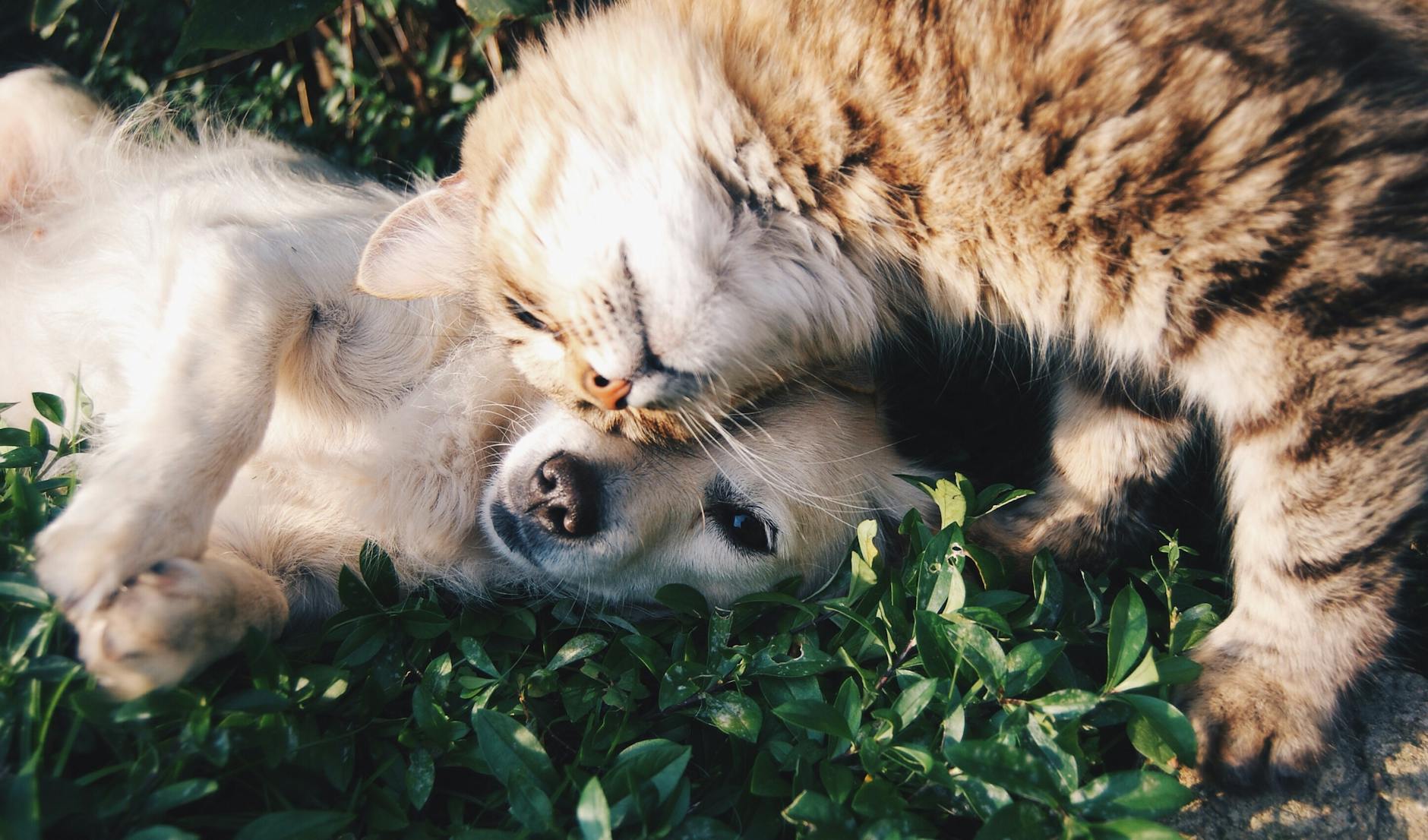
A bored dog may annoy cats or other dogs in the house to provoke a reaction. This rough play often ignores the social cues of the other animal in favor of alleviating boredom. It turns the other pet into a living toy when the instigator lacks inanimate ones. Supervised separation and individual training sessions help restore peace to the multi-pet household.
Lethargy

Sleeping more than usual sometimes mimics depression caused by a monotonous daily routine. The dog essentially shuts down because there is nothing worth staying awake for in their environment. This differs from normal relaxation as the dog appears disinterested even when offered affection. Varying walking routes can help reignite their spark and interest in the world.
Selective Hearing

Ignoring known commands often happens when a dog finds the environment more interesting than the owner. It suggests the dog is creating its own entertainment because the training rewards are not stimulating enough. This behavior requires retraining with higher value treats to reengage the dog’s focus. Mental fatigue from a good training session actually improves listening skills later.
Escaping the Yard

Roaming gives a dog the ultimate sensory overload of new smells and sights. Dogs that constantly test fence lines are looking for adventure that they do not get at home. This dangerous habit exposes them to traffic and requires immediate intervention with secure fencing. Increasing the difficulty of hide and seek games indoors can satisfy the urge to search.
Hyperactive Greetings
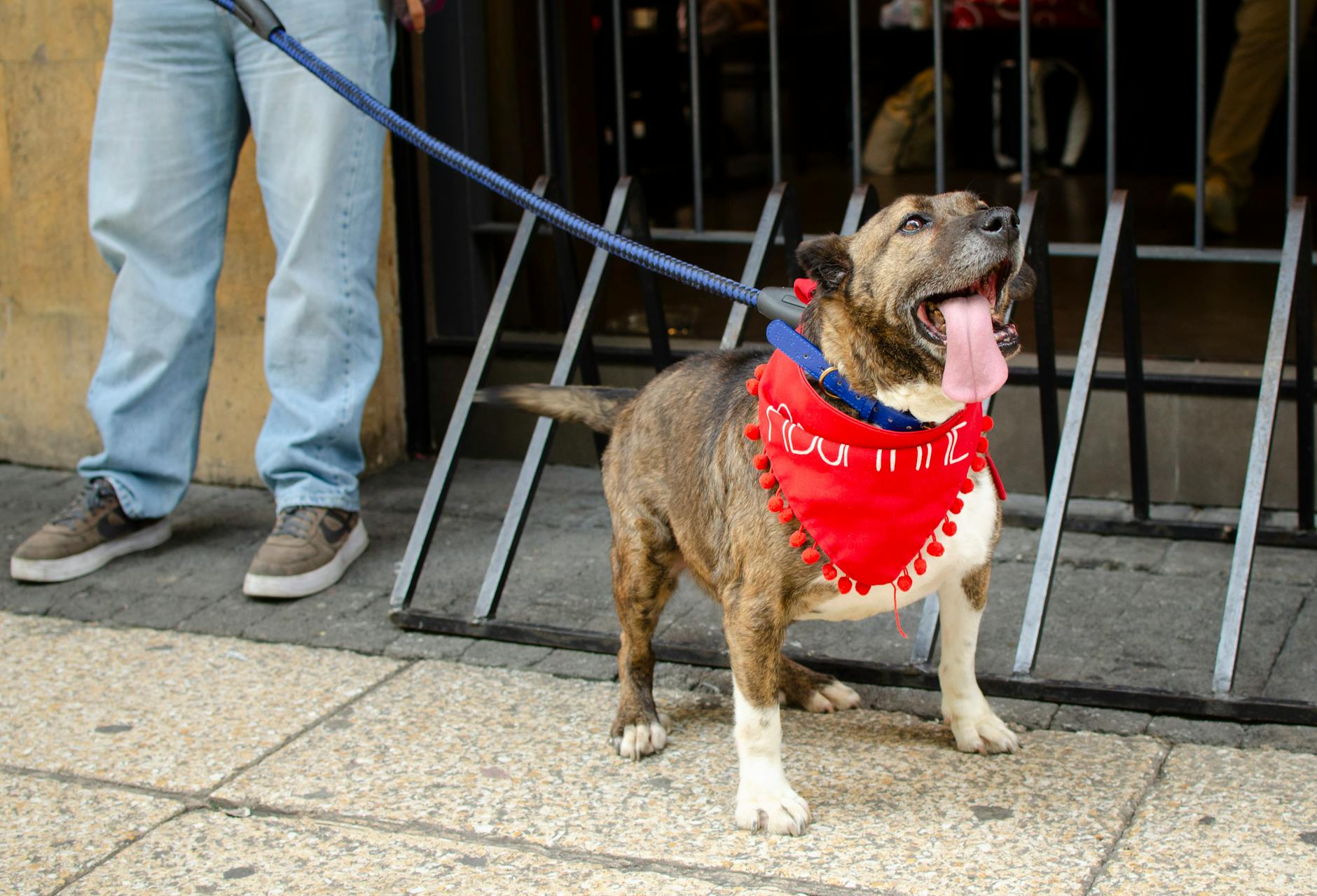
Overwhelming excitement when an owner returns indicates the dog spent the entire day waiting for that single event. The explosion of energy shows that the dog had no other outlet during the hours alone. It often involves frantic spinning or loud vocalizations that take minutes to subside. Puzzle feeders left during the day can help regulate this energy distribution.
Nipping Heels

Herding breeds often resort to nipping at ankles when they lack a proper job to perform. This instinctual behavior surfaces when the dog tries to control the movement of people in the house. It is a clear sign that the dog needs organized activities like agility or treibball. Redirecting this drive prevents injury to family members and guests.
Intense Staring

A dog fixing its gaze on an owner for long periods is silently demanding entertainment or food. This psychological pressure creates an uncomfortable dynamic where the dog waits for the human to make a move. It shows the dog relies entirely on the owner for stimulation rather than self-soothing. Teaching the place command gives the dog a specific job to do while you relax.
Rearranging Objects

Moving shoes or pillows from one room to another creates a scavenger hunt for the owner. The dog engages in this behavior to change its environment and make the space feel new. It is rarely done to destroy the item but rather to interact with it. Rotating the dog’s actual toys keeps their own items fresh and exciting.
Panting Without Exercise

Rapid breathing in a cool room can indicate stress or anxiety linked to understimulation. The physiological response prepares the body for action that never comes. It often accompanies pacing or other restless behaviors mentioned in this list. Calming brain games like snuffle mats can lower the heart rate and reduce panting.
Heavy Sighing

Audibly exhaling while lying down with open eyes often communicates resignation or boredom. The dog remains alert to sounds but feels no motivation to move or investigate. It is a passive signal that the current situation is unfulfilling for the animal. Initiating a quick trick training session can immediately change the dog’s demeanor.
Zoomies

Frenetic random activity periods involve sprinting at high speeds around the house or yard. While normal in puppies these bursts in adults often signal a desperate need to burn off stored energy. The dog runs blindly and may crash into furniture or walls during the episode. Regular mental work prevents this energy from accumulating to such explosive levels.
Toy Hoarding

Gathering toys in a pile without playing with them suggests the dog is guarding resources out of boredom. The act of collecting becomes the activity rather than the play itself. It reflects a need to control the environment and possess items of value. Engaging the dog in fetch or tug breaks the hoarding cycle effectively.
Unprovoked Aggression

Sudden irritability or snapping can arise when a dog is frustrated by a lack of mental outlets. The pent-up energy manifests as a shorter fuse for minor annoyances. This serious sign requires professional assessment to ensure safety for everyone involved. Mental stimulation often acts as a stress reliever that reduces these reactive outbursts.
Constant Begging

Pawing at the leg or staring at food indicates the dog is looking for a high-value interaction. Food becomes the focal point of the day because nothing else competes with its interest level. This habit leads to obesity if owners confuse boredom with genuine hunger. Using food puzzles makes the dog work for calories and extends the mealtime experience.
Bedding Destruction

Ripping apart expensive dog beds is a common result of a dog being left alone with nothing to do. The stuffing provides a tactile sensation that is fun to pull apart and scatter. It often happens shortly after the owner leaves the house for the day. Providing tough rubber toys stuffed with frozen treats saves money on replacement beds.
Shadow Chasing

Fixating on shadows or light reflections on the wall is a compulsive behavior rooted in boredom. The dog tries to catch something that cannot be caught which leads to endless frustration. It simulates the hunting instinct but offers no closure or reward. Covering windows or changing lighting can help while introducing scent work games.
Fly Snapping

Biting at the air as if catching imaginary flies indicates a disconnect from reality due to understimulation. This hallucinatory behavior can become obsessive if the dog is not distracted. It requires immediate redirection to a tangible object or command. Increasing daily aerobic exercise often helps reduce the frequency of this habit.
Indoor Marking

Lifting a leg on furniture despite being house-trained can be an act of claiming territory due to insecurity or boredom. The dog marks the environment to make it smell familiar and stimulating. It forces the owner to clean which is technically an interaction. Enzymatic cleaners remove the scent while training addresses the root boredom.
Coprophagia

Eating feces is a repulsive habit that can stem from a desire to clean the area or scavenge. Bored dogs may investigate waste because it has a strong scent and texture. It sometimes points to a nutritional deficiency but frequently relates to environmental monotony. Immediate cleanup and increased supervision are necessary to break the habit.
Pawing at You

Repeatedly hitting an owner with a paw is a tactile demand for attention or play. The dog learns that this physical contact makes it impossible for the human to ignore them. It often escalates in force if the owner attempts to push the dog away. Asking for a high-five converts the annoying behavior into a rewarded trick.
Hyperactivity

An inability to settle down even after a walk suggests the dog needs a brain workout. Physical exercise alone does not tire out working breeds that were bred to solve problems. The dog remains on high alert and reacts to every sound or movement. Mental games exhaust a dog much faster than physical running does.
General Restlessness

A dog that cannot find a comfortable spot and constantly shifts position is showing signs of unease. This low-level anxiety indicates the dog is waiting for something to happen. It prevents deep sleep and keeps the dog in a state of agitation. Massage or Tellington TTouch can help soothe the animal into a relaxed state.
Leash Dragging

Pulling hard on the leash during walks often means the dog is desperate to reach new smells quickly. The walk is the highlight of the day and the dog wants to maximize the sensory input. It turns a relaxing stroll into a power struggle between dog and owner. Stop and go training teaches the dog that patience yields the reward of moving forward.
Trash Raiding
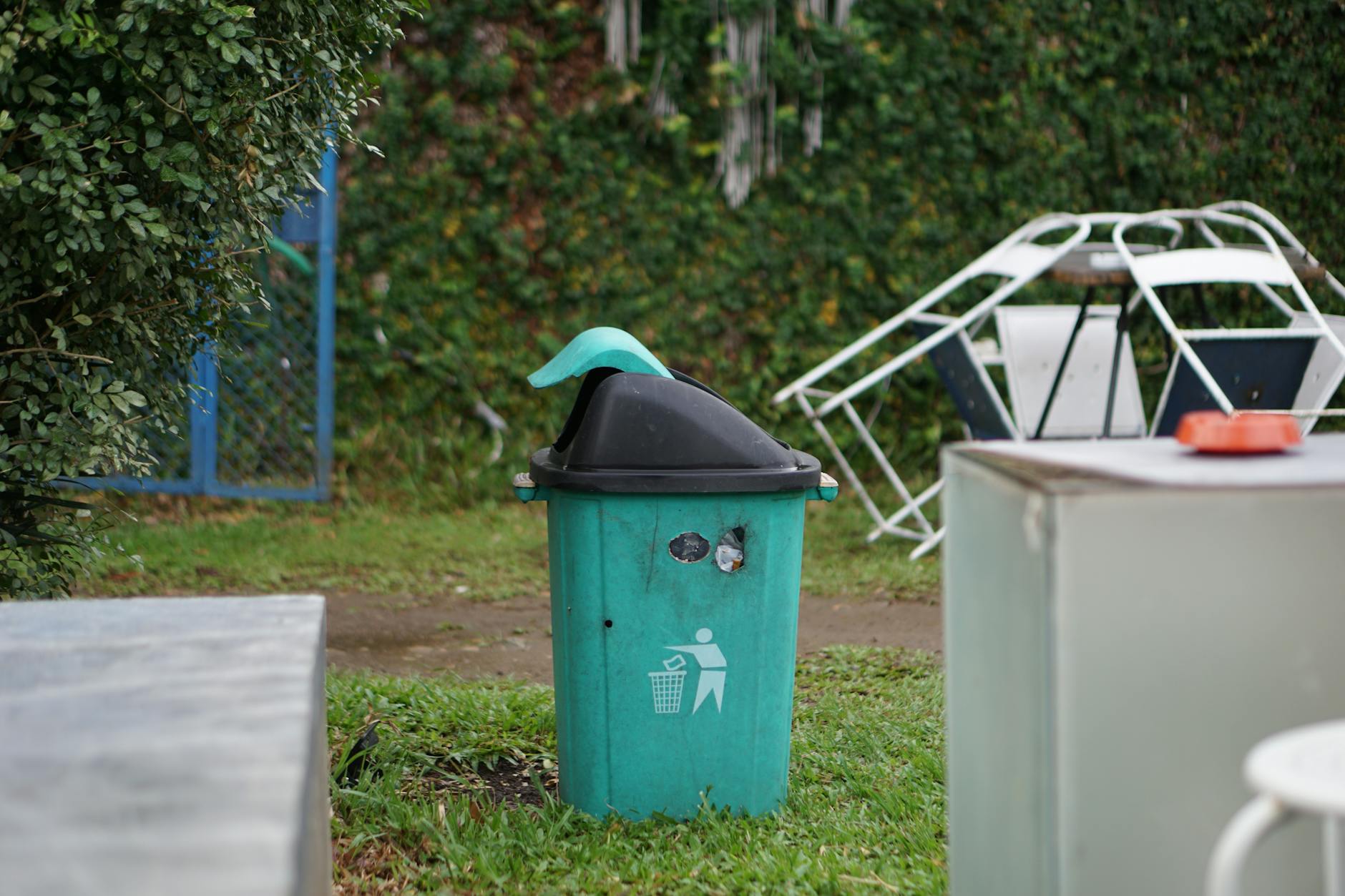
Knocking over garbage cans provides a treasure trove of smells and tastes for a bored scavenger. The noise and mess are secondary to the excitement of discovering discarded food scraps. Secure lids are essential but do not solve the underlying desire to forage. Hide and seek games with treats replicate this scavenging drive safely.
Unprovoked Howling

Singing or howling without a siren trigger is a way for a dog to call out to its pack. It expresses loneliness and a need for social connection during quiet times. This primitive vocalization carries over long distances and can annoy neighbors. Playing music or leaving the TV on can provide comforting background noise.
Mouthing Hands

Putting teeth on human skin is a puppy behavior that persists in bored adults. It is an invitation to roughhouse and implies a lack of bite inhibition training. The dog seeks the tactile feedback of skin contact to initiate play. Withdrawing attention immediately teaches the dog that teeth end the interaction.
Velcro Behavior

Following an owner from room to room shows the dog relies solely on the human for entertainment. The dog is terrified of missing out on any potential activity or snack. It creates a tripping hazard and signals a lack of independence. Teaching the stay command helps build the dog’s confidence to be alone.
Ignoring Toys

A dog that refuses to play with existing toys is often bored with the specific selection available. The novelty has worn off and the items no longer present a challenge. The toys are essentially dead prey that do not move or smell interesting. Rotating toys weekly keeps them feeling new and valuable.
Chasing Cars

Lunging at moving vehicles is a dangerous manifestation of the prey drive in bored herding or hunting breeds. The motion of the car triggers an instinctive reaction to pursue and control. This life-threatening behavior requires strict leash management and desensitization training. Diverting attention to a tug toy can break the visual lock on the vehicle.
Share your own experiences with keeping your dog entertained in the comments.




