Few days carry as much emotional weight as a wedding, where months of careful planning and heartfelt intention come together in a single celebration. Yet sometimes a guest’s shocking behavior becomes the only thing anyone remembers about the day. These moments of poor judgment, selfishness, or outright cruelty have fractured relationships that once seemed unbreakable. What follows are the most egregious guest offenses that couples have cited as the reason a friendship came to a permanent and painful end.
Uninvited Plus One
A guest who arrives with an unexpected companion forces immediate logistical chaos on an already high-pressure day. Seating arrangements are disrupted, catering counts fall short, and the couple is put in the deeply uncomfortable position of managing the situation mid-celebration. The uninvited guest often has no connection to anyone at the event, creating awkward social dynamics that ripple through the reception. Wedding planners consistently identify this as one of the most disrespectful boundary violations a guest can commit. Couples have ended longstanding friendships over this single act of presumption.
White Dress
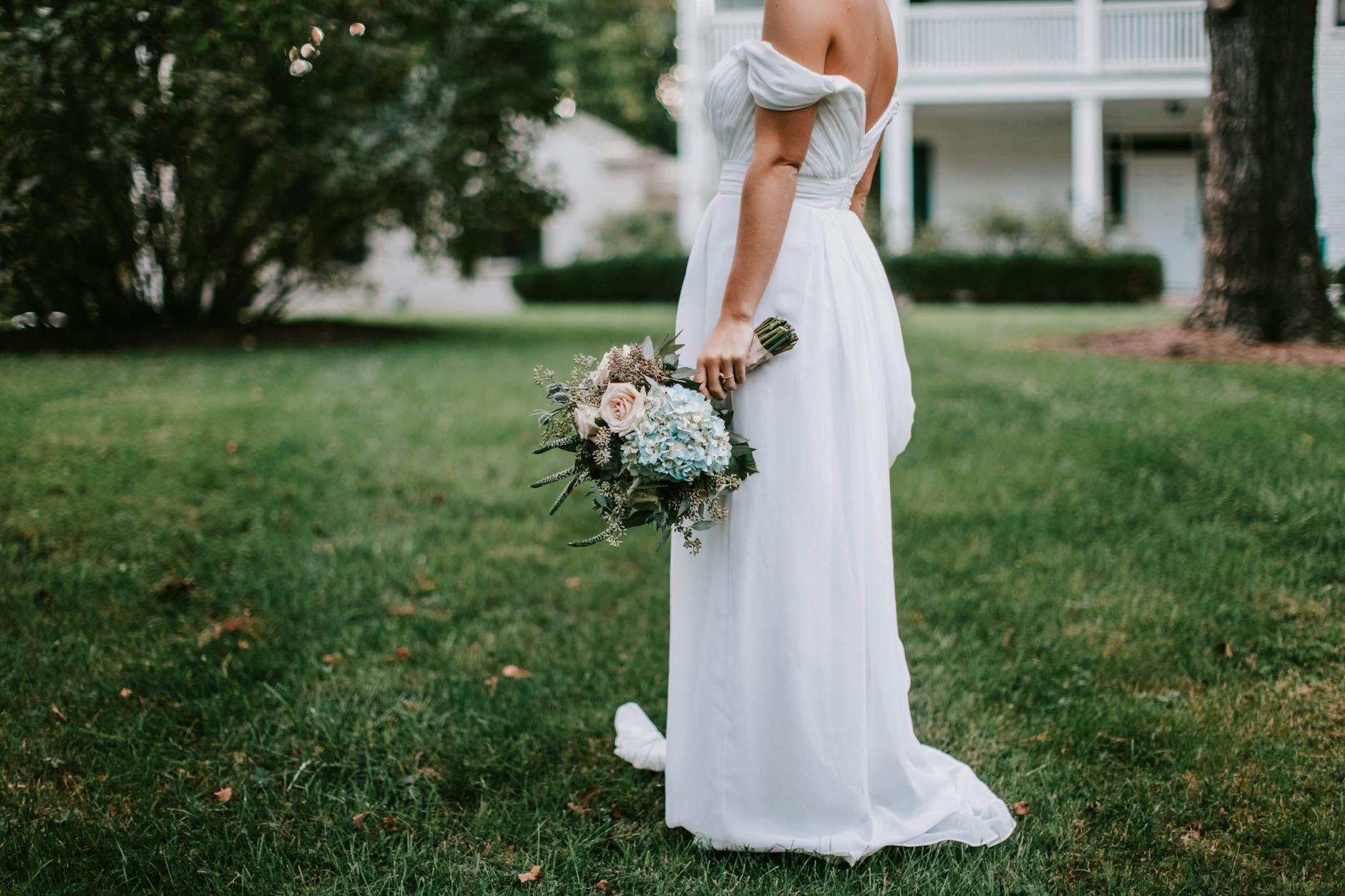
Arriving at a wedding in a white or ivory gown is a social transgression recognized across nearly every Western wedding tradition. The choice signals either a stunning lack of awareness or a deliberate attempt to draw attention away from the bride. Photographs capture every moment of the day permanently, meaning the offense lives on well beyond the celebration itself. In documented cases, brides have asked the offending guest to leave or change before the ceremony proceeded. This act of wardrobe defiance has severed friendships, caused family rifts, and even prompted public fallouts on social media.
Public Toast
A wedding toast is a privilege extended in trust, intended to honor the couple with warmth and sincerity. Some guests have used that platform to air old grievances, share humiliating stories, or even make veiled remarks about an ex-partner of the bride or groom. The entire room witnesses the moment, leaving the couple powerless to intervene without creating further disruption. The emotional damage done in those few minutes can overshadow every other memory of the reception. Couples have unanimously described poorly judged toasts as impossible to forgive when delivered with apparent intent to harm.
Secret Affair Reveal
A wedding gathering, where emotions run high and family members who rarely see each other are brought together, has occasionally become the setting for devastating personal revelations. A guest disclosing an affair, a hidden pregnancy, or a long-buried family secret on this day inflicts maximum damage at the worst possible moment. The couple’s celebration is immediately hijacked by drama that has nothing to do with them. In several widely discussed accounts, the revelation caused scenes that brought the reception to a complete halt. The friendship between the couple and the responsible guest did not survive in any of the documented cases.
Ceremony Phone
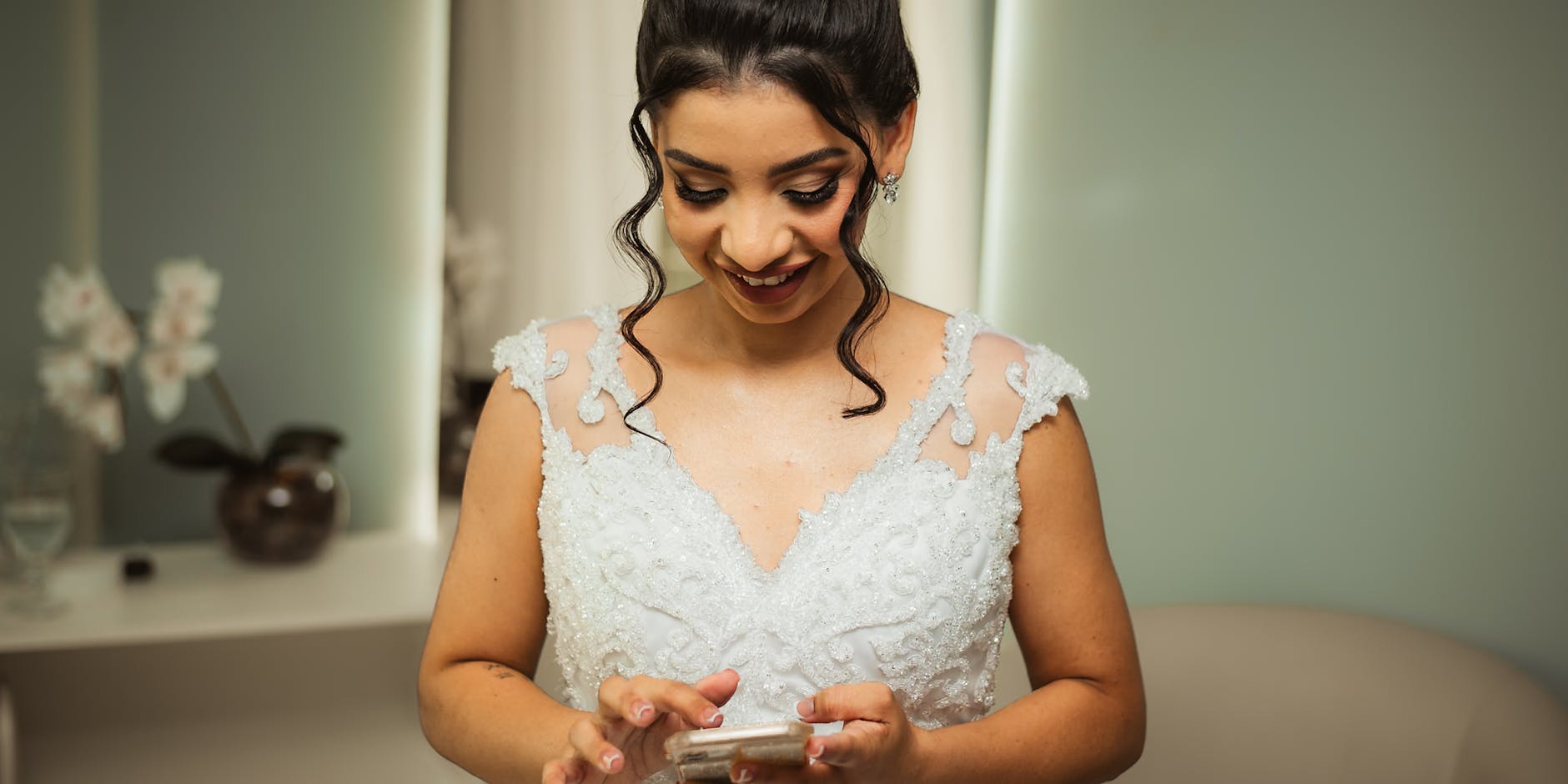
Mobile phones have introduced a modern category of wedding guest offense that photographers and couples now consistently rank among their top frustrations. A guest who steps into the aisle to capture a photo on their phone can physically block the professional photographer from recording an unrepeatable moment. Beyond the logistical damage, the behavior signals that the guest prioritizes their own social media content over the couple’s wishes. Many couples now include explicit unplugged ceremony requests on their invitations and ceremony programs. Those who ignore these requests have been confronted directly after the ceremony and in several cases were not invited to future family events.
Drunk Behavior
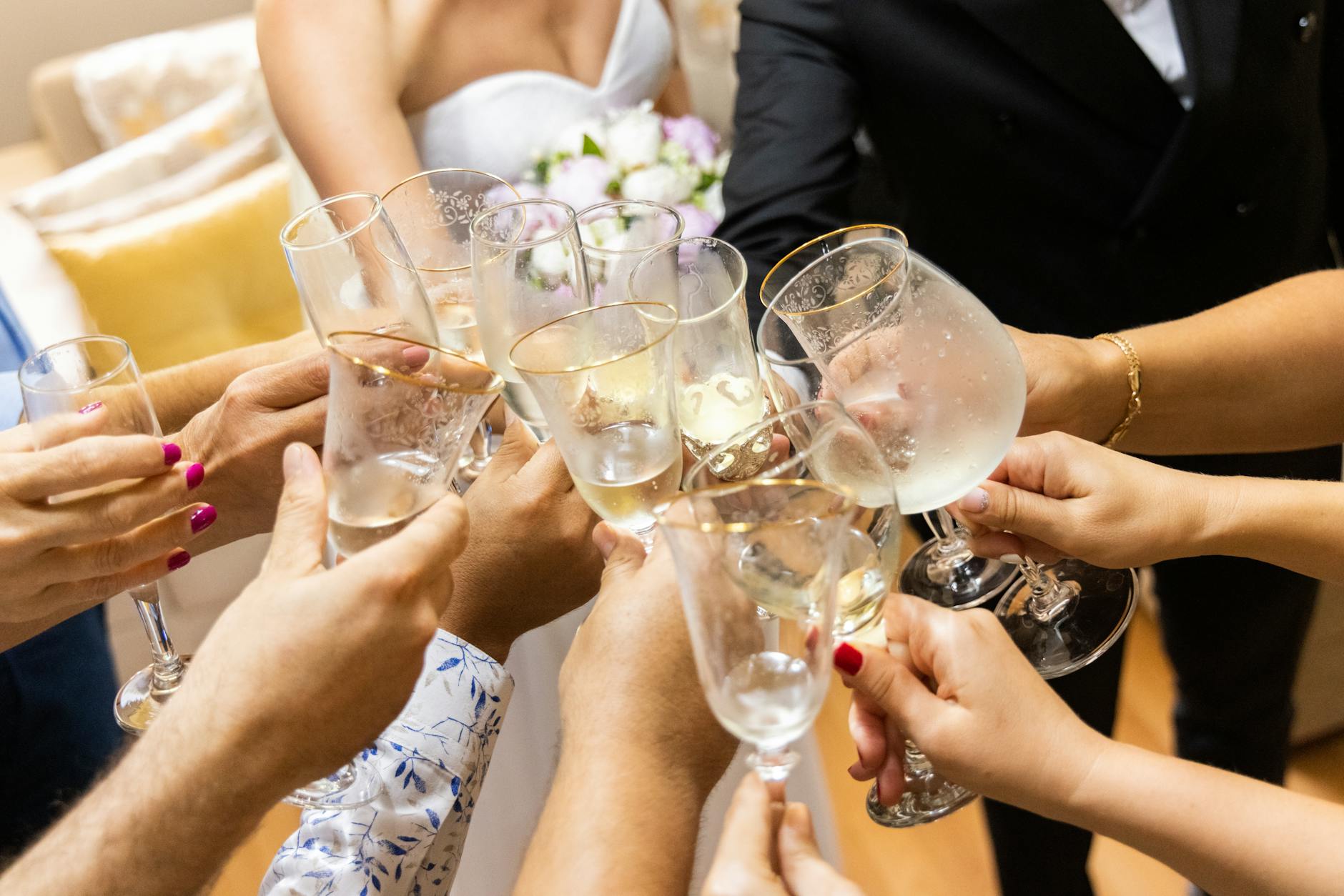
Alcohol is a central feature of most wedding receptions, but a guest who loses control creates consequences that extend far beyond their own experience. Falling on the dance floor, making offensive comments to family members, or becoming physically aggressive has transformed joyful receptions into stressful and sometimes dangerous environments. Venue staff have been placed in the position of removing guests, creating scenes that interrupt the flow of the entire evening. The couple bears the emotional and sometimes financial cost of the disruption, including damaged venue property or distressed relatives. Friends who have been responsible for this level of chaos are rarely welcomed back into the couple’s social circle.
Uninvited Speech
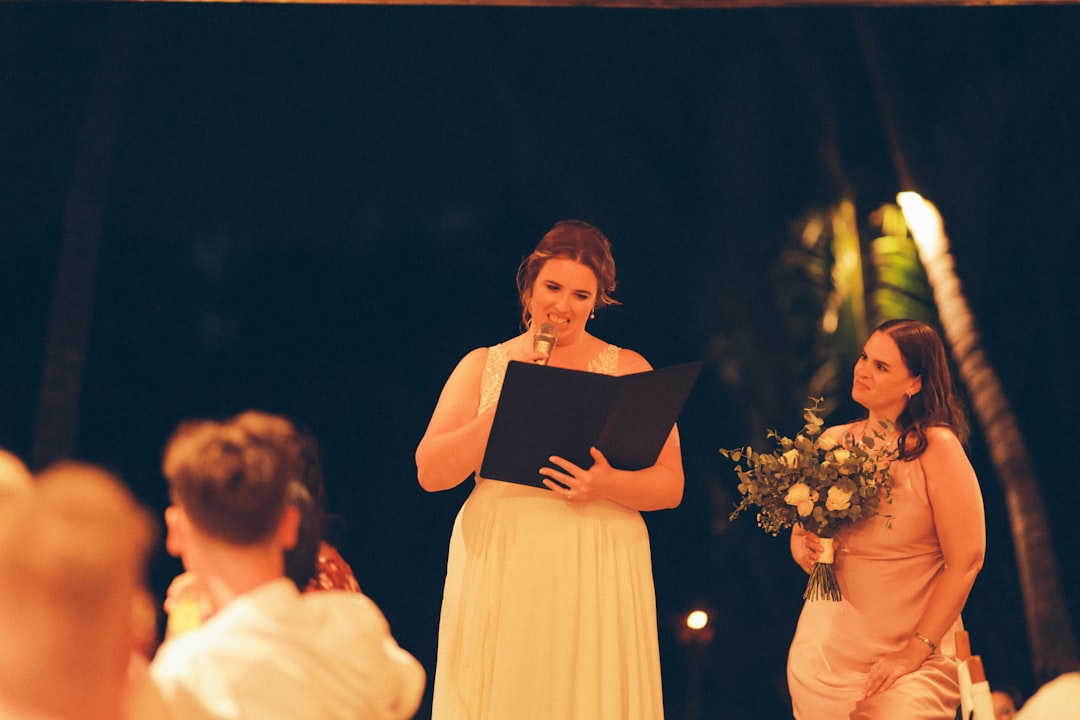
Standing up uninvited to deliver a speech is a bold act of self-insertion that immediately puts the couple and their MC in an impossible position. The content of these unplanned speeches is rarely appropriate, ranging from rambling anecdotes to emotionally charged declarations that have no place in a public setting. Event coordinators note that stopping an uninvited speaker mid-speech creates its own form of awkward scene, leaving the couple with no ideal choice. The person delivering the speech typically believes they are doing something generous and memorable, which compounds the frustration felt by the couple. The friendship consequences have been swift and final in cases where the speech caused visible distress to either partner.
Gift Card Theft

Wedding gifts represent the generosity of an entire community of people who care about the couple’s future together. In a small number of deeply documented and discussed cases, a guest has been discovered stealing cash envelopes or gift cards from the designated gift table. Security footage, witness accounts, and missing items have all been used to identify the individual responsible after the event. The financial loss is damaging, but the psychological betrayal of being robbed by someone trusted enough to attend the wedding is described as far more devastating. Criminal charges have been filed in some instances, and the friendship ends not with a conversation but with legal proceedings.
Ex Appearance
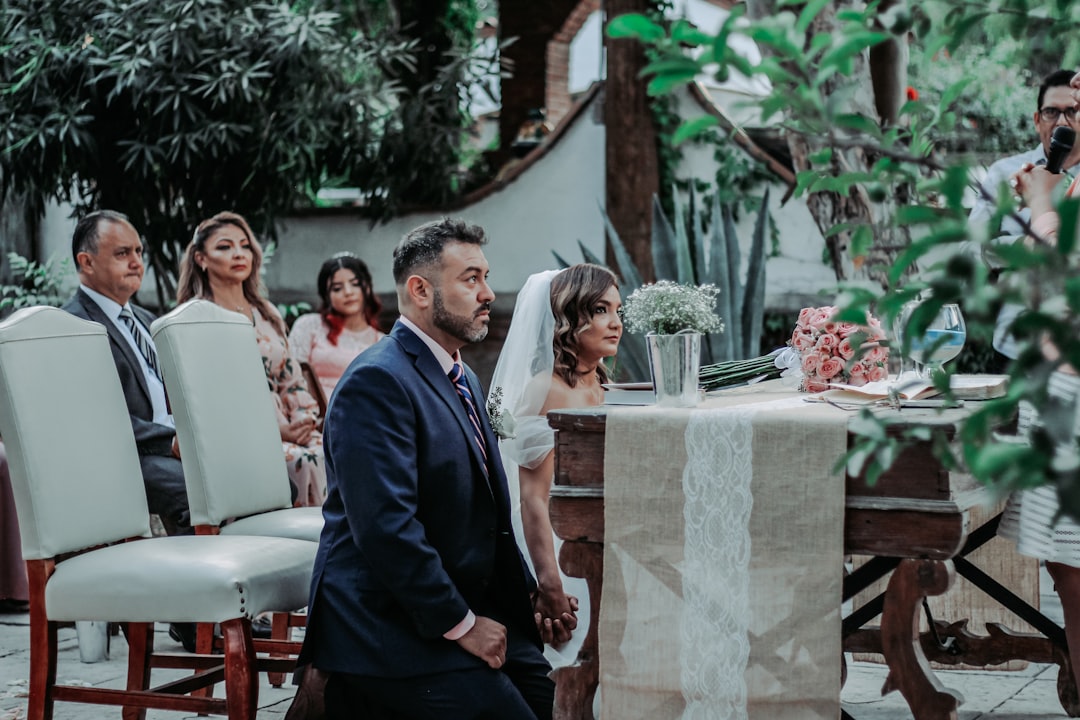
An uninvited ex-partner appearing at a wedding represents a significant emotional and logistical disruption regardless of their stated intentions. Whether they arrive out of lingering attachment, a desire to create drama, or a misguided belief that their presence would be welcomed, the impact on the couple is immediate and stressful. Security and family members are often pulled away from their roles to manage the situation. The guest who facilitated the ex’s knowledge of the event details is frequently identified as equally culpable and held responsible. Friendships with both the ex and any enabling guest have ended permanently in documented accounts of this scenario.
Ceremony Objection
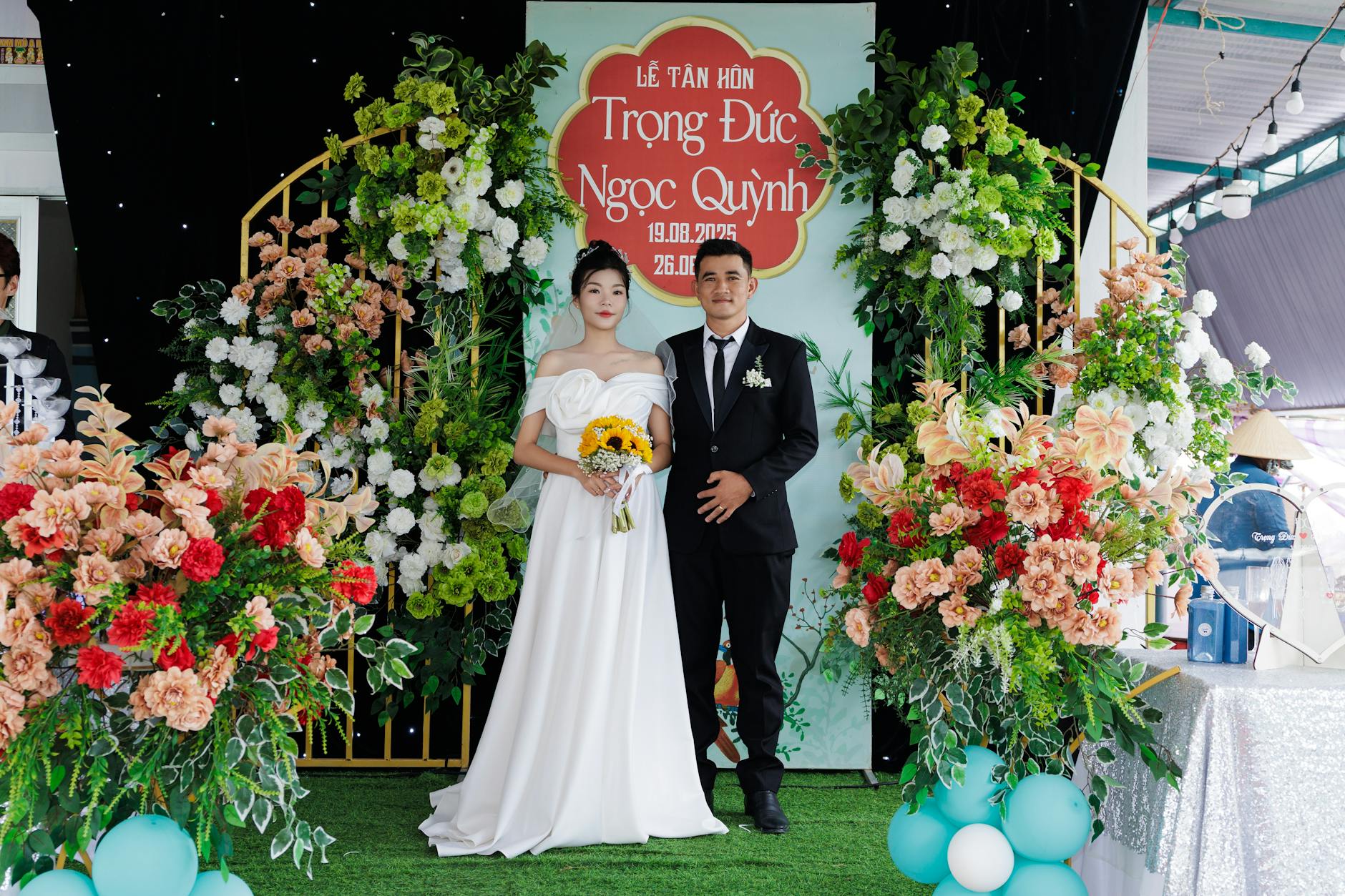
The traditional “speak now or forever hold your peace” moment exists as a ceremonial formality and is not a genuine invitation for dissent in modern weddings. A guest who chooses this moment to voice a real objection, whether rooted in personal feelings for one partner or a disclosed secret, creates a trauma that the couple carries into their marriage from its very first moment. Officiants are not trained to manage genuine objections and the ceremony effectively collapses into crisis management. Guests who have witnessed this describe it as one of the most uncomfortable social experiences of their lives. No friendship has been recorded as surviving this level of deliberate or reckless interference.
Dress Code Ignorance
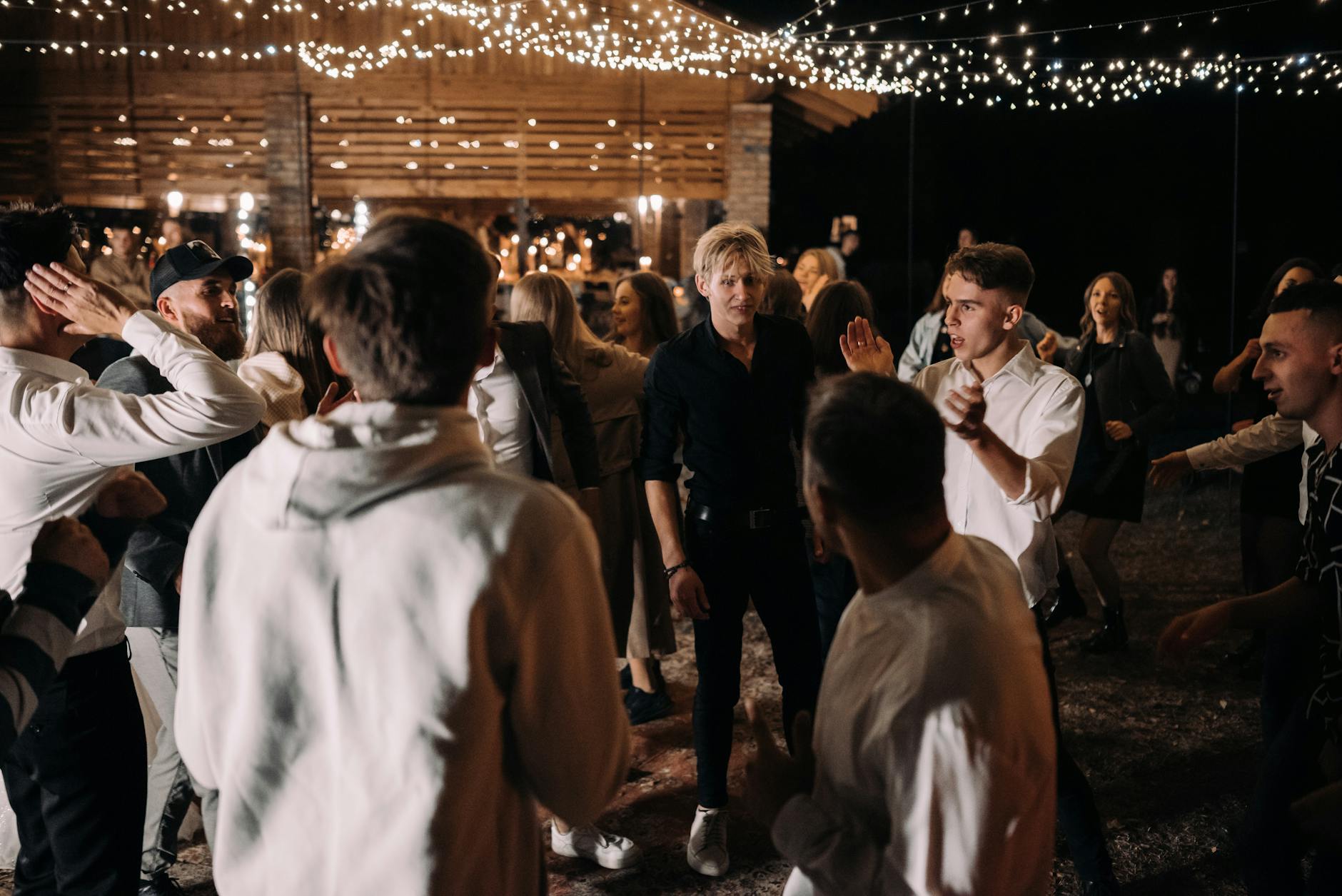
A clearly stated dress code is a form of communication from the couple about the atmosphere and level of formality they have worked to create. Guests who arrive in casual clothing at a black-tie event, or who wear themed attire to a traditional ceremony, visually disrupt the cohesive environment the couple envisioned. Group photographs are permanently altered by the presence of one or two conspicuously dressed individuals who ignored the stated guidelines. While occasional genuine confusion does occur, repeated or flamboyant dress code violations are read as deliberate acts of indifference. Couples have cited this behavior as evidence of a deeper disrespect that contributed to the eventual end of the relationship.
Venue Damage
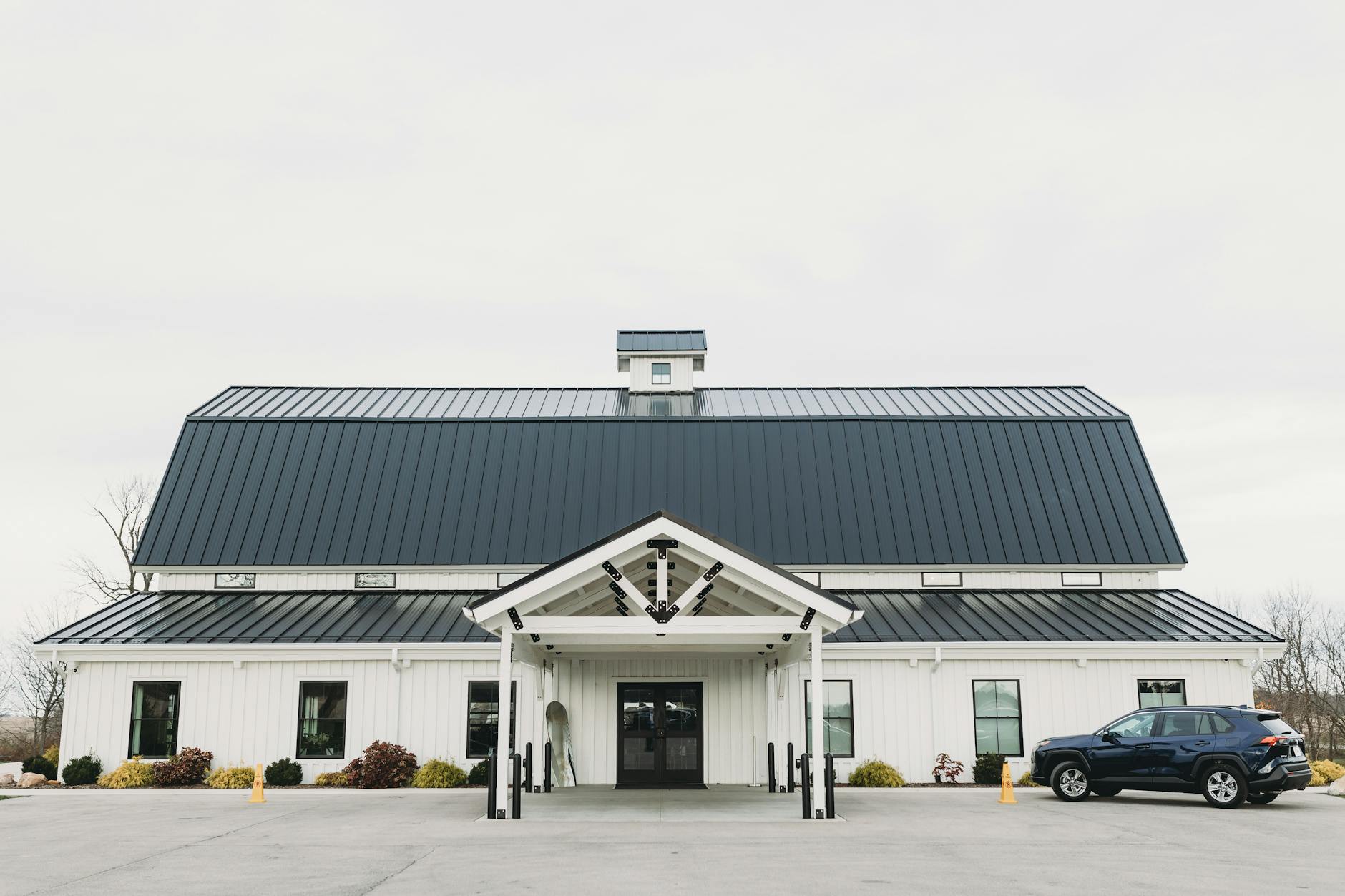
Property damage at a wedding venue creates immediate financial consequences that can run into thousands of dollars and are typically charged directly to the couple. A guest who breaks furniture, damages decor, or causes harm to the venue’s infrastructure through reckless behavior forces the couple to use honeymoon or savings funds to cover costs they never anticipated. The venue may also add the couple to a banned list, affecting future events they might have wished to host in the same location. The responsible guest rarely steps forward voluntarily, leaving the couple to investigate and absorb the damage alone. Friendships in these cases have ended with formal demands for reimbursement and in some instances small claims court filings.
Social Media Posting
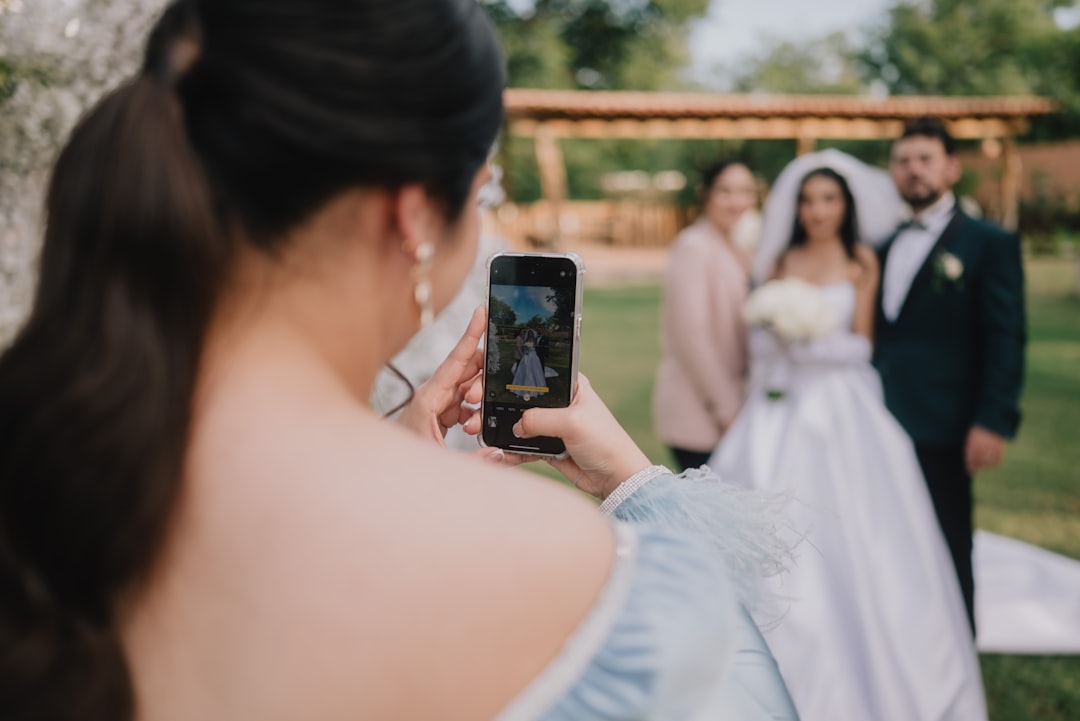
A couple’s right to control how and when their wedding images are shared publicly is now a recognized and widely discussed boundary. Guests who post ceremony or reception images before the couple has had the opportunity to share their own professional photographs violate a modern but firmly established social norm. In cases where the couple had chosen to keep the event entirely private, premature posts have exposed the event to uninvited public attention and media scrutiny. The offending guest typically believes they are sharing a joyful moment and does not anticipate the scale of the couple’s reaction. Friendships have ended over this issue with a swiftness that has surprised outside observers unfamiliar with the depth of feeling involved.
Ceremony Interruption
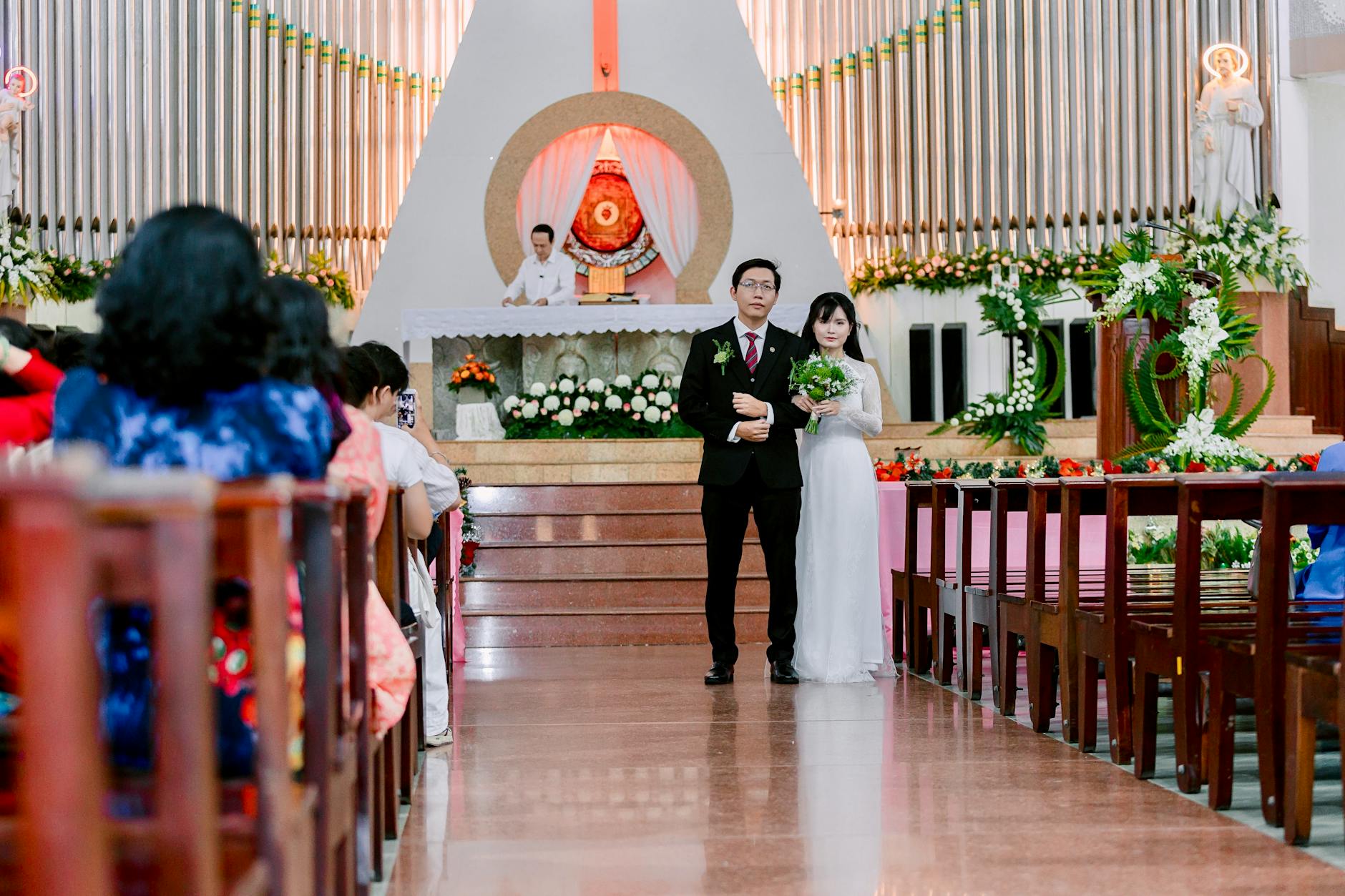
A guest who interrupts the ceremony itself by arriving loudly after it has begun, allowing a phone to ring audibly, or interjecting commentary crosses a line that is difficult for any couple to move past. The ceremony is the singular most sacred portion of the day and the moment the couple has most specifically prepared for and anticipated. Any disruption during vows, ring exchanges, or readings draws attention away from the couple at the precise moment they most desire it. Officants have noted that even brief interruptions can break the emotional momentum of a ceremony in ways that are not recoverable in the moment. Couples who have experienced significant ceremony disruptions report that the memory of it remains vivid and painful long after the day has passed.
Food and Bar Behavior
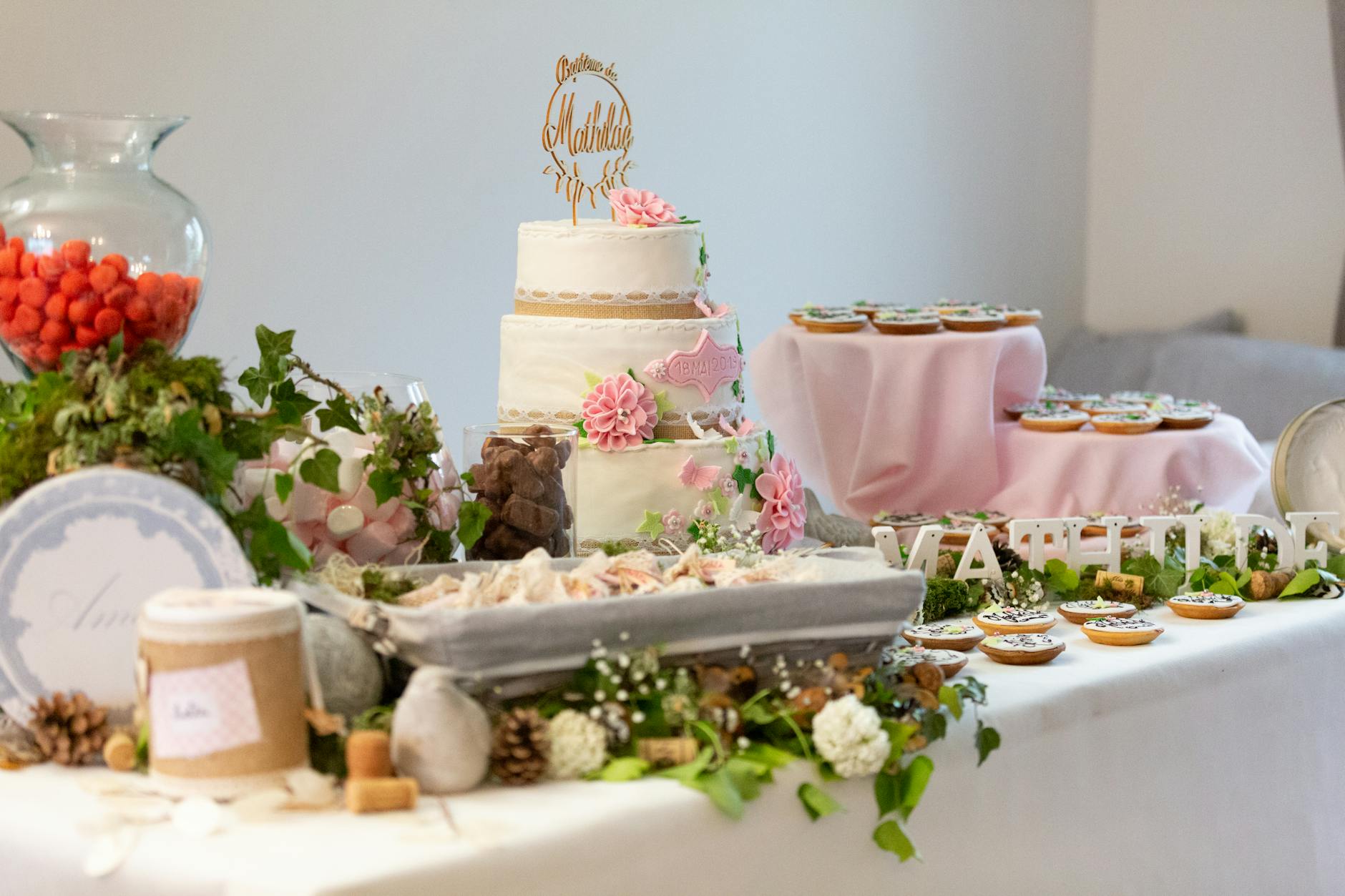
Excessive behavior around food and the open bar creates problems that cascade through multiple aspects of the reception experience. Guests who monopolize serving staff, overload their plates in ways that deplete food before other guests are served, or treat the open bar as an unlimited personal resource create resource shortages and staff stress. Catering managers have documented cases where a small number of guests consumed enough to leave other tables without adequate food. The couple, who has paid per head for a specific level of service and quantity, bears the financial and relational cost of the disruption. Friends identified as responsible for these situations have been asked to contribute to additional catering costs and have subsequently exited the couple’s social lives.
Reception Fight
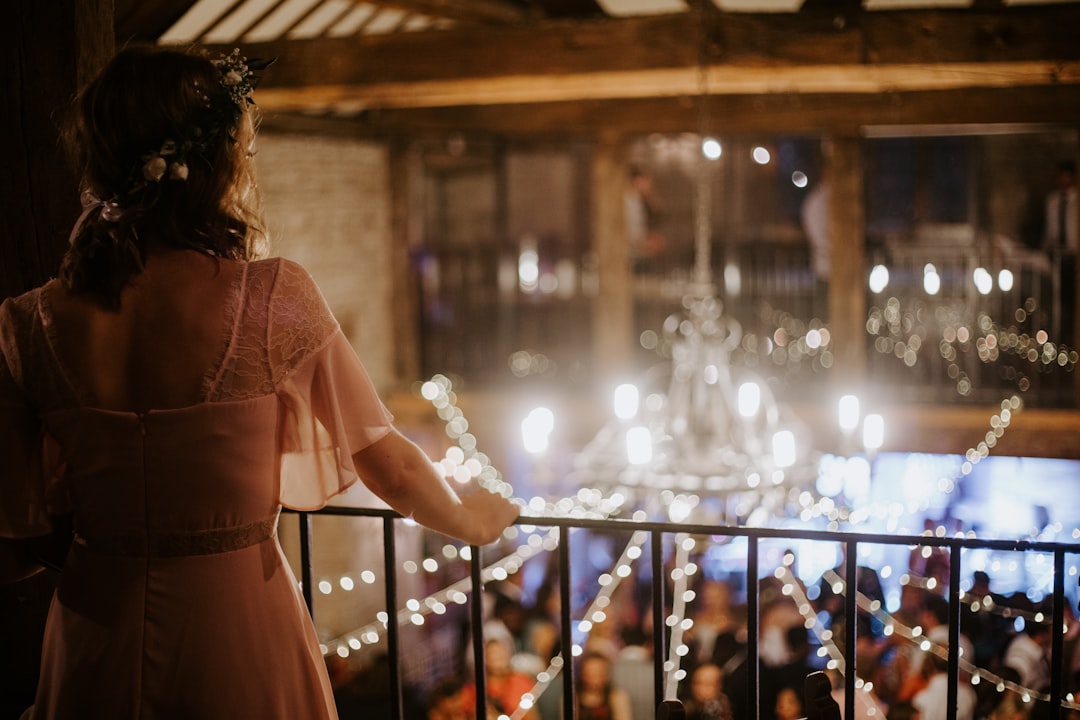
A physical or verbal altercation between guests at a wedding reception is one of the most visible and traumatic disruptions a couple can experience. Whether rooted in pre-existing tensions, alcohol, romantic jealousy, or family conflict, the fight immediately becomes the defining story of the evening for every witness. Venue staff, security personnel, and sometimes local authorities become involved, introducing formal and legal dimensions into what should have been a celebration. The couple spends the aftermath managing the fallout rather than enjoying the beginning of their marriage. The guest or guests responsible for initiating the confrontation are universally described as having permanently ended their place in the couple’s lives.
Pregnancy Announcement
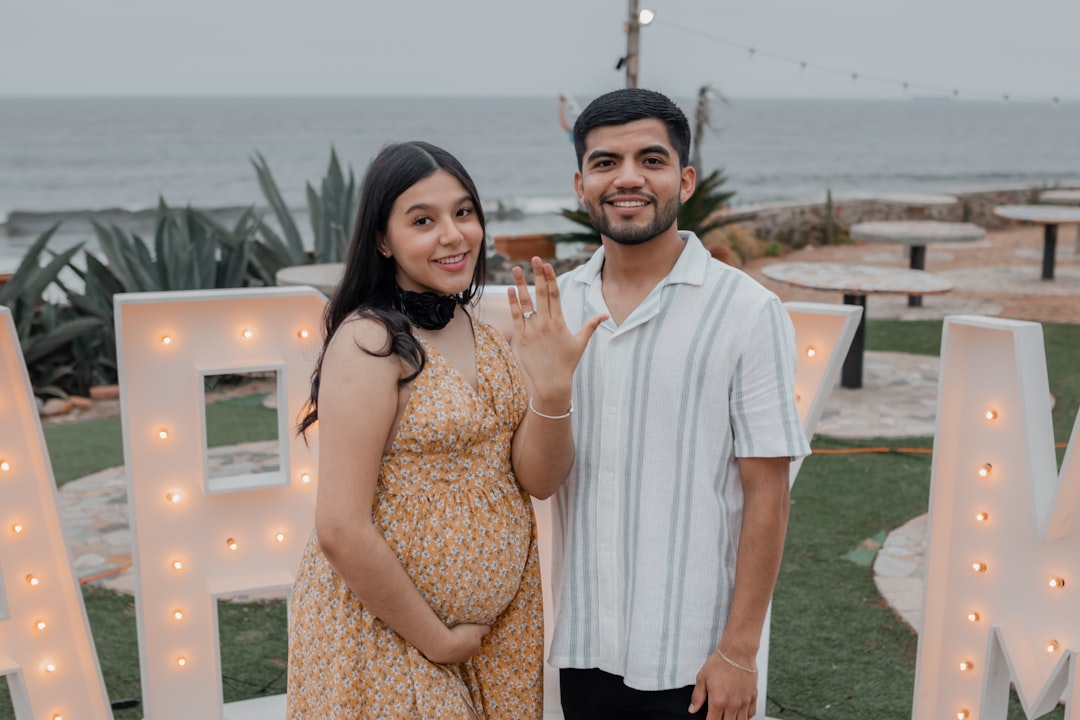
Announcing a personal milestone at someone else’s wedding redirects the celebratory attention of the room toward the announcer at the expense of the couple. A pregnancy announcement made during a toast, across the dinner table, or on social media from the wedding venue has been cited in numerous accounts as one of the most tone-deaf acts a guest can commit. The couple’s family and friends spend the remainder of the evening discussing the announcement rather than focusing on the wedding itself. The guest making the announcement rarely perceives the impact they have had until they encounter the couple’s cold response in the days that follow. Friendships ended by this behavior have been described as irreparable because the act reveals a fundamental self-centeredness that the couple finds impossible to overlook.
Vendor Interference
The professional vendors hired to execute a wedding have specific roles, timelines, and requirements that are established through formal contracts and pre-event coordination. A guest who offers unsolicited direction to the photographer, interferes with the caterer’s service flow, or attempts to change the DJ’s playlist mid-event creates disruptions that can delay the entire schedule. Vendors have reported feeling professionally undermined by guest interference, and some have escalated the issue directly to the couple during the event. The resulting delays and tensions create a stress that the couple absorbs while trying to remain present and joyful. Guests who have behaved this way have been removed from future vendor recommendations and have lost their place in the couple’s inner circle.
Vow Mocking
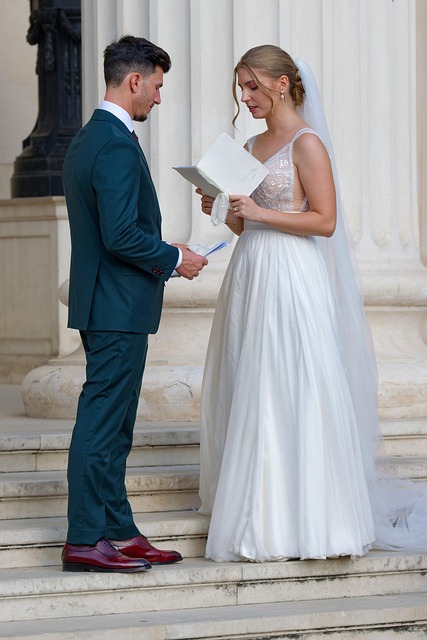
Any display of visible cynicism during the vow exchange, including audible laughter, eye-rolling witnessed by the couple or their families, or whispered commentary to a neighboring guest, constitutes one of the most intimate forms of disrespect possible at a wedding. The vows are the emotional and legal core of the ceremony and represent the couple’s most personal expression of commitment. Family members who witness the behavior frequently report it to the couple, ensuring it does not go unnoticed even if the couple themselves missed it in the moment. The guest responsible typically underestimates how thoroughly their behavior has been observed and how long the account of it will circulate. Couples who have been told about this behavior post-ceremony have described the knowledge as deeply hurtful and relationship-ending.
Plus One Drama
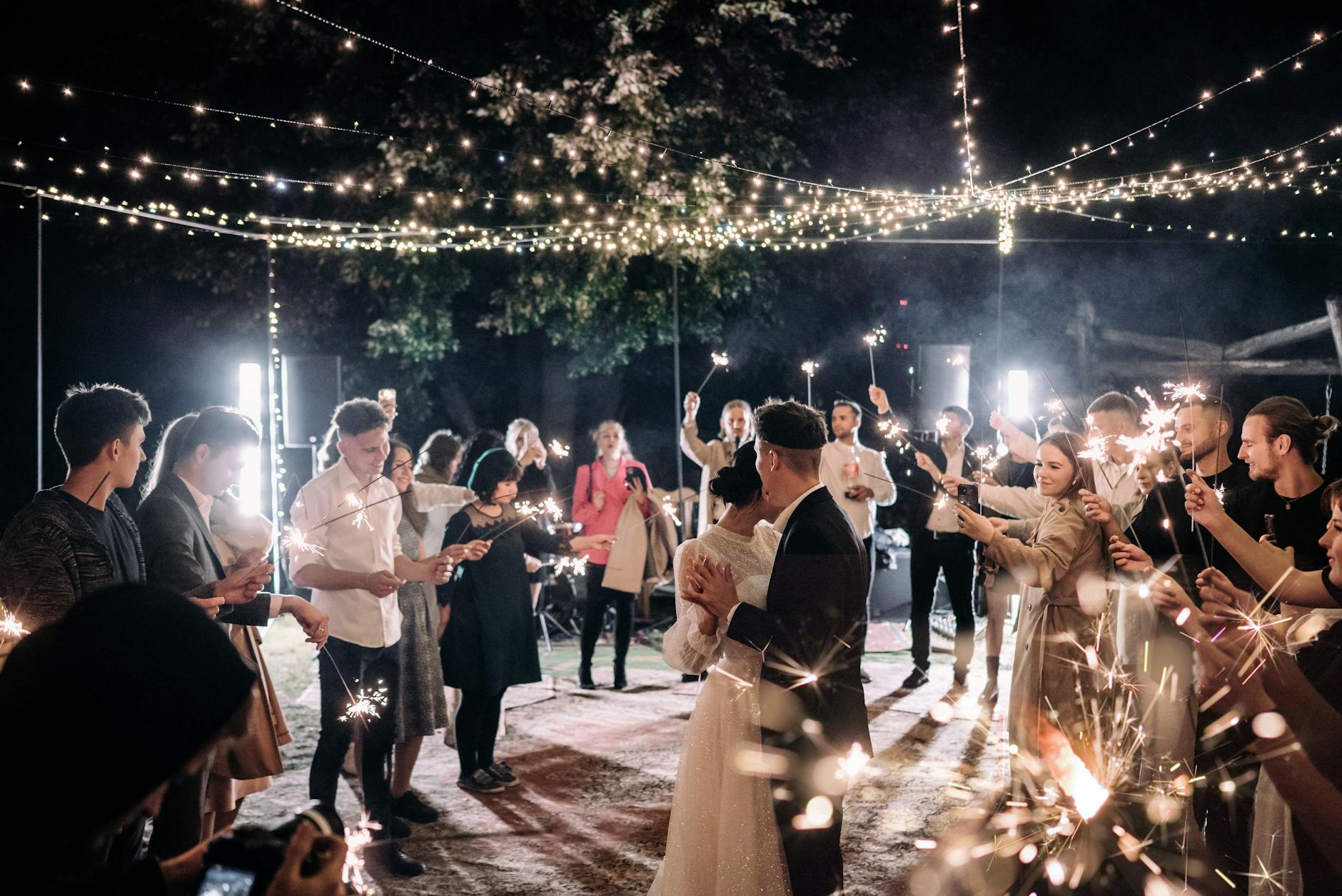
A guest’s romantic partner or plus one who creates independent drama at the wedding introduces an entirely separate social problem into the couple’s day. Arguments between the guest and their partner, flirtatious behavior directed toward other guests, or offensive remarks made during mingling have all been documented as sources of significant disruption. The original guest is held responsible for the behavior of the individual they brought into the couple’s celebration. Couples note that managing someone else’s relationship crisis on their wedding day is an imposition they find extremely difficult to forgive. The original friendship ends not because of the plus one’s behavior in isolation but because the guest failed to take responsibility for the situation they introduced.
Gift Criticism
A guest who publicly comments on the quality, size, or perceived inadequacy of gifts given by other guests introduces a toxic social dynamic into an already emotionally loaded gathering. Audible comparisons between gift values or pointed remarks about a couple’s registry choices have been reported as sources of genuine embarrassment for the couple. The behavior signals a preoccupation with financial status and social judgment that contradicts the spirit of communal celebration. Other guests who witness the comments feel uncomfortable and the couple becomes aware of the atmosphere shift. Friendships dissolved over this behavior are rarely mourned by the wider social group, who frequently shared in the discomfort the offending guest created.
Emotional Outburst
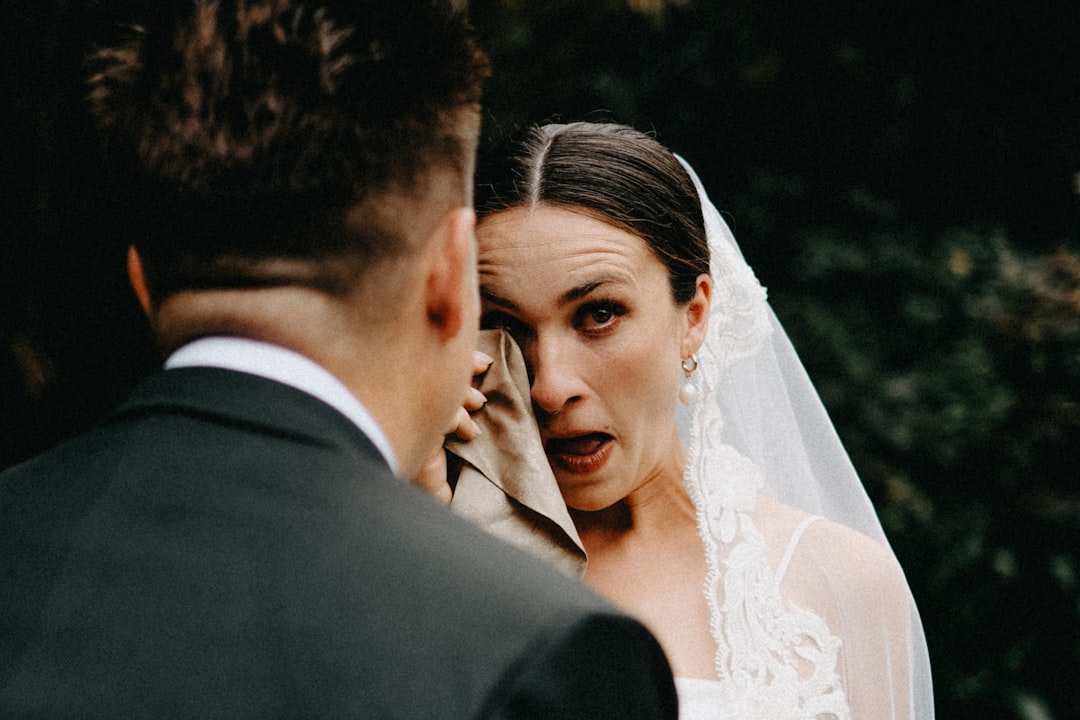
A guest who becomes visibly and uncontrollably emotional in ways that shift the room’s focus toward them creates a particular kind of disruption that is difficult to address gracefully. Loud crying during vows that overshadows the couple’s own emotional exchange, dramatic reactions to toast content, or tearful public confrontations with other guests all constitute forms of emotional intrusion. While genuine emotion is welcome at weddings, the distinction between heartfelt feeling and disruptive performance becomes clear in the moment. Photographers and videographers have noted that uncontrolled emotional displays from guests have appeared in wedding footage in ways the couple did not want preserved. Couples have distanced themselves from individuals who proved unable to regulate their behavior in a shared public setting.
Seating Refusal
A guest who refuses to sit in their assigned seat and insists on rearranging themselves, their companions, or other guests disrupts the carefully designed social architecture of the reception. Seating plans account for family dynamics, dietary requirements, accessibility needs, and a range of interpersonal considerations that the guest is rarely fully aware of. Venue coordinators have reported that seating disputes initiated by individual guests can delay the entire meal service and create tensions that persist through the evening. The couple who spent hours agonizing over the arrangement is forced to watch it unravel in real time without the ability to fully address it. This specific behavior has been described as emblematic of a broader pattern of boundary disrespect that the couple ultimately decided they were no longer willing to accommodate.
Honeymoon Spoiling
A guest who makes dismissive or negative remarks about the couple’s chosen honeymoon destination, travel plans, or post-wedding arrangements introduces an unwelcome note of criticism into a moment of shared joy. Comments about cost, destination safety, travel logistics, or the wisdom of the couple’s plans have been reported as sources of lasting irritation that the couple replays long after the day has ended. The remarks are typically framed as concern but are received as condescension by couples who have made deliberate and considered choices. Travel agents and wedding planners note that this behavior is more common than couples expect and that it consistently leaves a negative impression. Friendships that ended partly because of honeymoon criticism are usually those where a broader pattern of unsolicited judgment had already begun to strain the relationship.
RSVP Ghosting
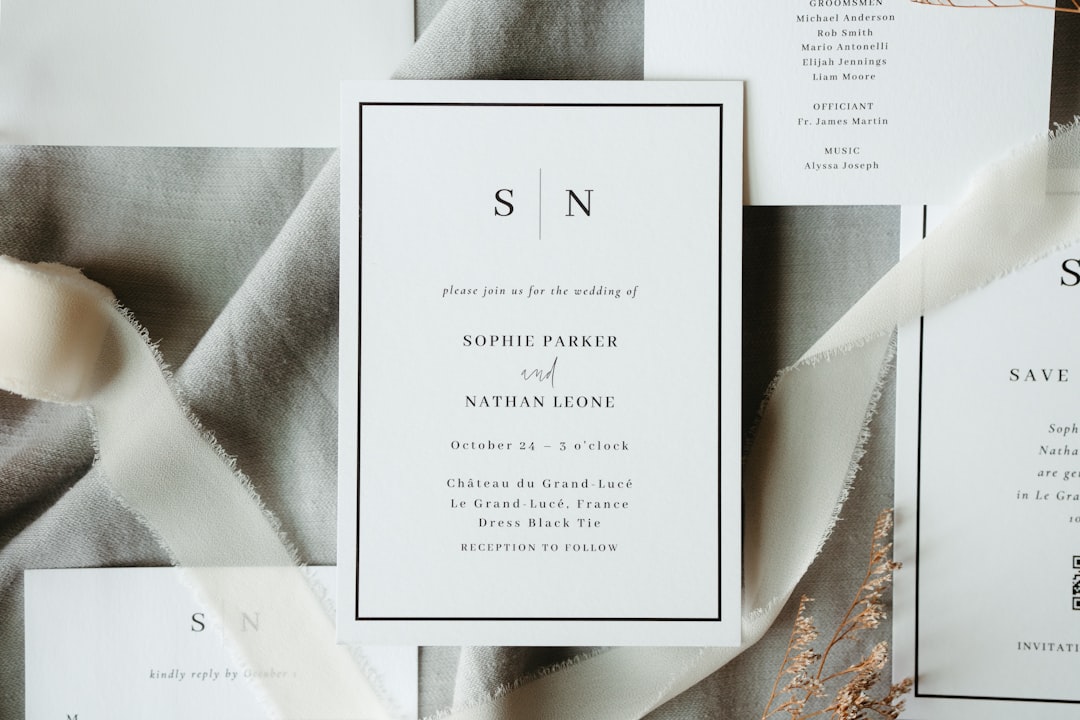
Failing to respond to a wedding invitation forces the couple into an uncomfortable position as they attempt to finalize catering counts, seating arrangements, and event logistics under time pressure. A guest who then appears on the day without warning, or who confirms attendance and fails to appear without communication, creates both logistical and emotional disruption. Caterers charge per confirmed head and venues plan for specific occupancy numbers, meaning no-shows and surprise arrivals both carry financial consequences. The couple is left wondering throughout the event whether to hold a seat or release it, a minor but persistent source of stress during an already demanding day. Couples have described the combination of poor communication and disregard for their planning process as one of the clearest indicators that a friendship had run its natural course.
What is the worst guest behavior you have ever witnessed at a wedding? Share your stories in the comments.




