The gas station is one of the most routinely visited and least scrutinized environments in daily life. Most people arrive distracted, in a hurry, and focused entirely on the mechanical task of refueling rather than on their surroundings or the technology they are interacting with. This combination of familiarity and inattention creates a predictable and exploitable pattern that sophisticated scammers have studied and built entire operations around. What follows are the most dangerous mistakes drivers make at the gas station and the specific ways criminals are positioned to take advantage of each one.
Card Skimmers
Inserting a payment card into a compromised pump without checking for tampering is the foundational mistake that card skimming operations depend on entirely. Skimming devices are installed over or inside the card reader slot and are designed to capture the full magnetic stripe data from every card inserted during the period they remain in place. Modern skimmers have become sophisticated enough to transmit stolen data wirelessly to a nearby criminal in real time, meaning the thief never needs to return to the pump to retrieve the device. Security researchers have documented skimmers that remained undetected at busy stations for weeks, capturing thousands of card numbers during that window. A brief visual and physical check of the card reader before inserting a card costs nothing and represents the single most effective individual defense against this form of theft.
Pump Selection
Consistently choosing the pump closest to the street or furthest from the station’s interior removes the natural deterrent effect that staff visibility provides to would-be tamperers. Criminals installing skimming devices, tampering with equipment, or approaching distracted drivers deliberately target pumps that are out of the direct sightline of station employees. Security camera analysis from documented skimming cases shows an overwhelming preference among criminals for perimeter pumps over those positioned directly in front of the main building. The few extra steps required to use a more central pump represent a meaningful reduction in risk that most drivers never consider. Choosing a pump that is clearly within the line of sight of an employee inside the station is a simple and consistently recommended precaution.
PIN Entry

Entering a debit card PIN at a gas station pump exposes that number to keypad overlays and camera installations that are specifically designed to capture it in combination with the card data collected by a skimmer. The combination of card data and PIN allows a criminal to create a fully functional counterfeit card that can be used to withdraw cash directly from the cardholder’s bank account. Credit card transactions do not require a PIN and carry significantly stronger fraud protections under federal consumer law, making them a considerably safer option at any unmanned payment terminal. Financial security experts consistently advise against using debit cards at gas station pumps for precisely this reason. The habit of defaulting to credit or contactless payment at the pump eliminates the PIN exposure risk entirely.
Distraction Acceptance
Allowing a stranger who approaches during the refueling process to engage in extended conversation, ask for directions, or request assistance is one of the most consistently reported setups for theft at gas stations. The approaching individual is frequently a distraction operative whose role is to occupy the driver’s attention while a second person reaches into the vehicle, takes items from the roof or hood, or accesses a bag left visible through the window. Law enforcement agencies in multiple countries have documented coordinated distraction theft teams operating specifically at gas stations where drivers are stationary and their attention is divided. The refueling period typically lasts between three and five minutes, which is more than sufficient time for an experienced theft team to complete an operation. Keeping interactions with approaching strangers brief, maintaining awareness of the vehicle’s interior, and keeping windows closed and doors locked during refueling significantly reduces this vulnerability.
Fuel Cap Negligence
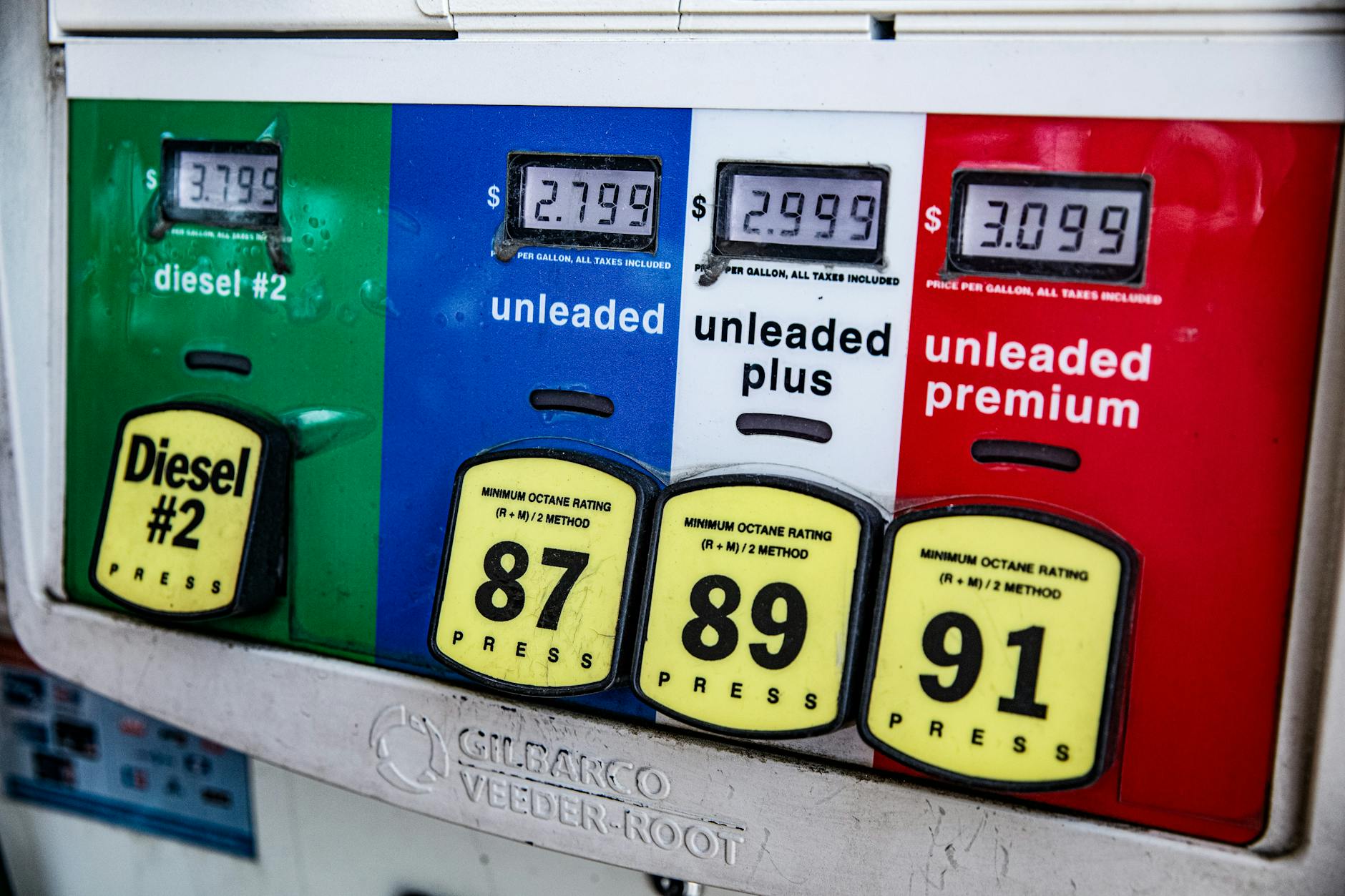
Leaving the fuel cap area unattended and unobserved during the refueling process allows for the insertion of contaminants, dye packets, or tracking substances into the tank by individuals with access to the pump island. While less common than electronic fraud, physical fuel tampering has been documented in cases involving targeted vehicle sabotage and in schemes designed to force a driver to seek mechanical assistance from a confederate further down the road. The classic follow-up scam involves a second individual who flags down the driver to report smoke or a strange smell coming from the vehicle before directing them to a specific repair location. Maintaining awareness of who is near the fuel cap area and completing the refueling process without extended distraction limits exposure to this category of interference. Locking the vehicle and keeping the fuel cap area visible throughout the stop are the primary recommended precautions.
Receipt Skipping
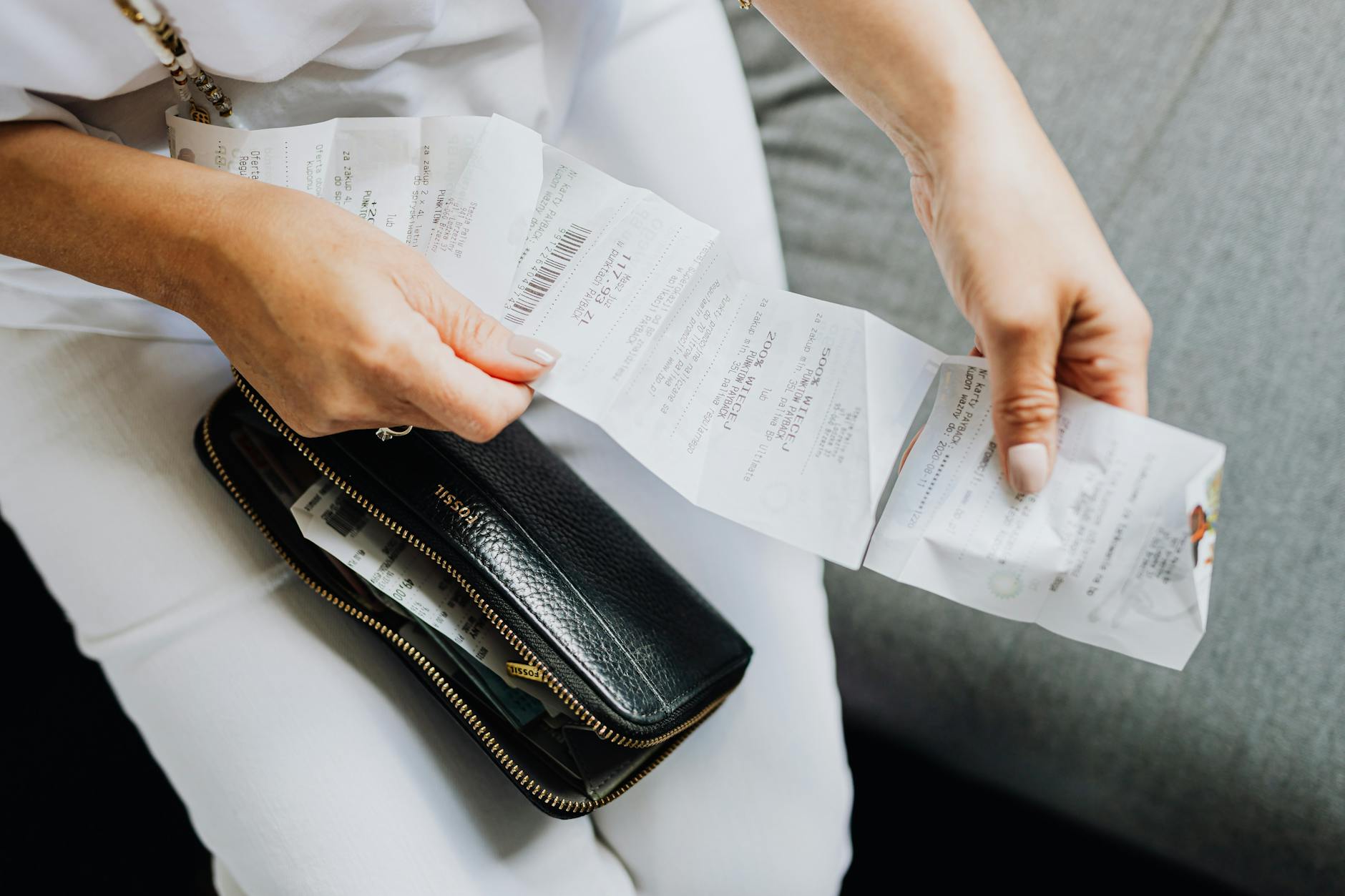
Driving away without taking the printed receipt or canceling the transaction properly can leave a partially completed session in a state that a waiting individual can exploit at certain older pump models. Beyond this technical vulnerability, the receipt provides the only immediate paper record of the transaction amount and authorization code that a driver can compare against their statement later. Fraudulent pump overcharges, in which a tampered pump charges significantly more than the amount displayed, are detectable only when the customer retains and reviews their receipt against their bank statement. Consumer protection agencies note that overcharging schemes at gas stations frequently go unreported because customers do not retain receipts and do not notice small discrepancies in their statements. Taking the receipt and reviewing it against the bank statement within twenty-four hours closes both the technical and financial monitoring gaps this habit creates.
Nighttime Complacency
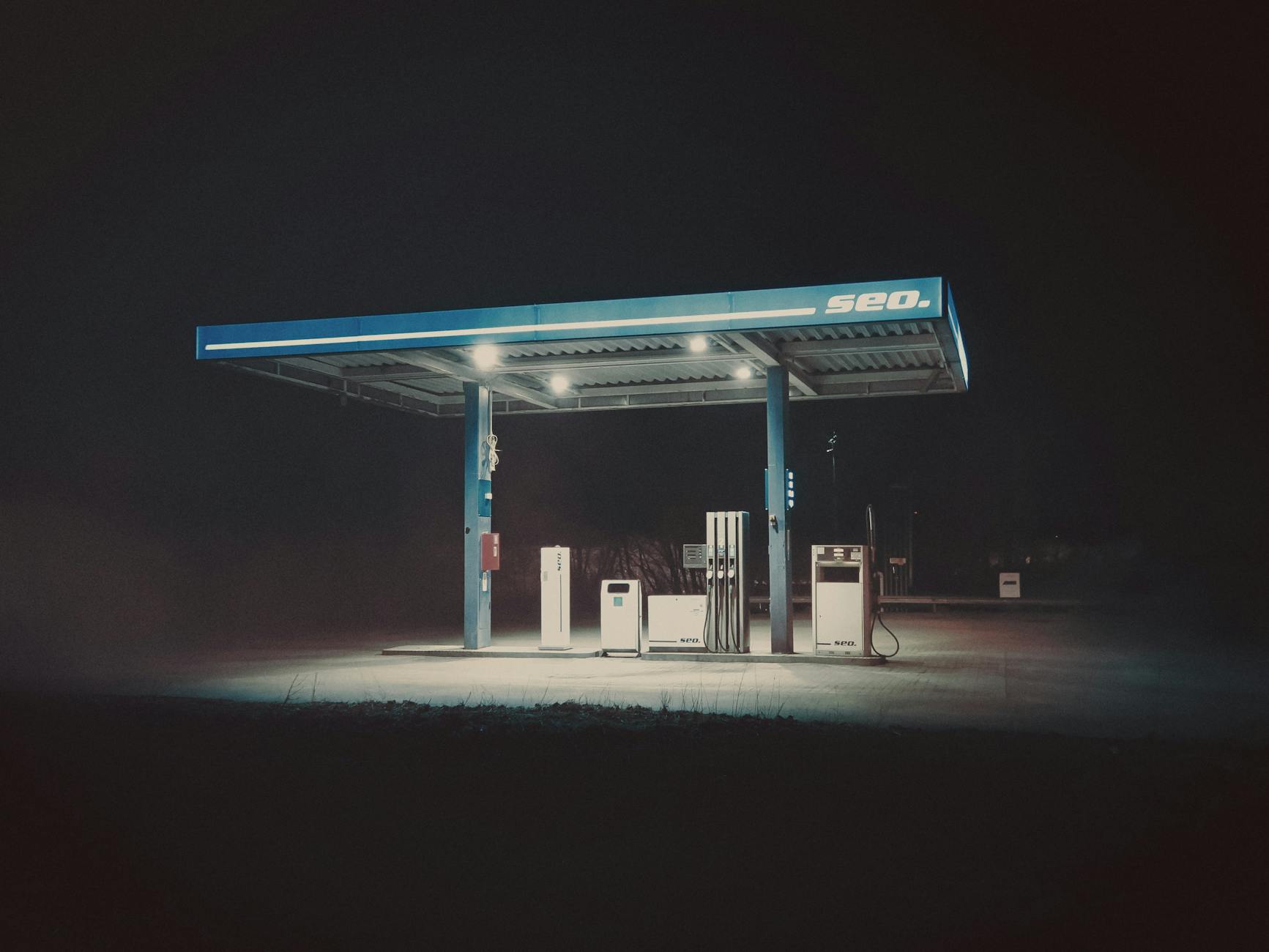
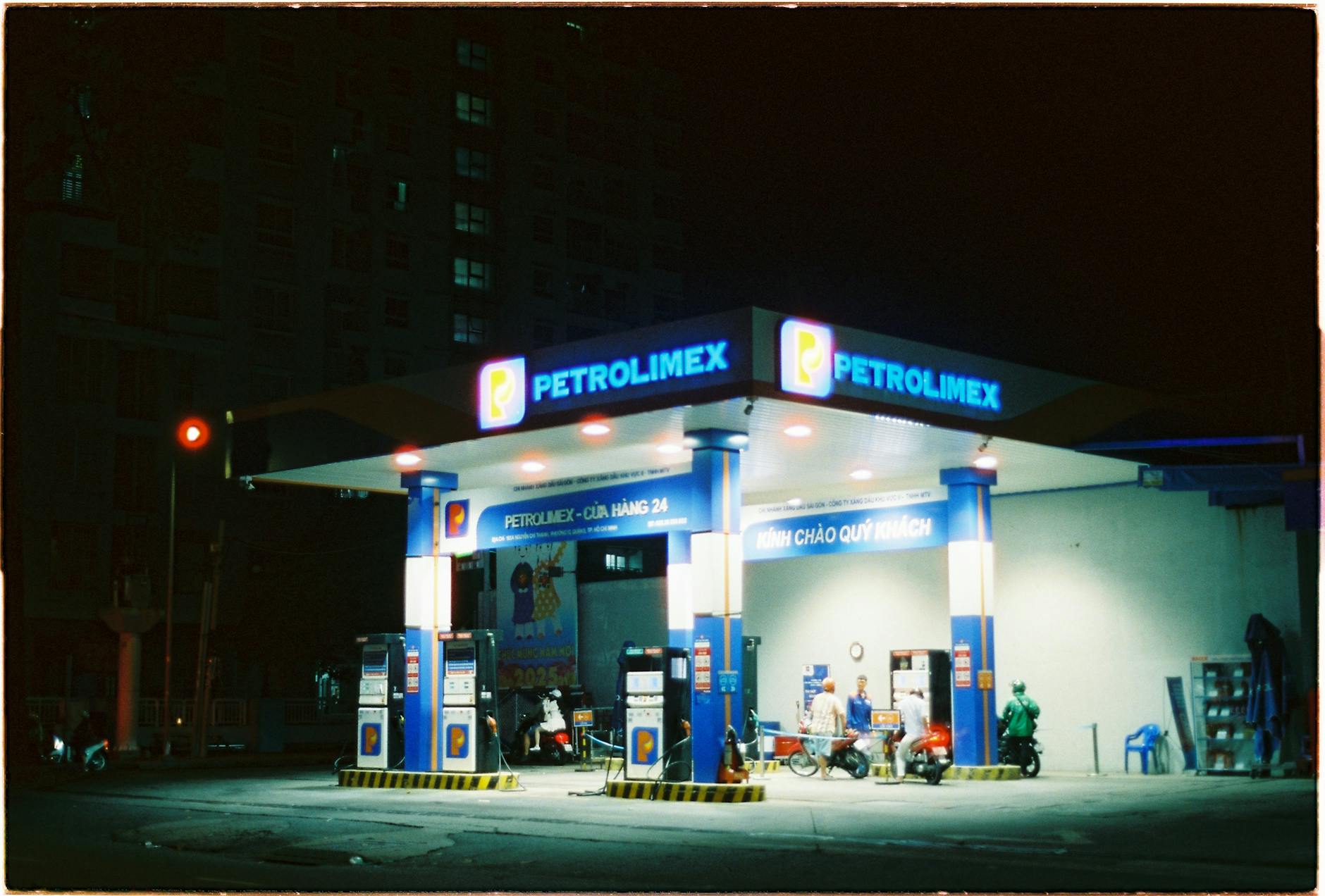
Refueling at an isolated or poorly lit gas station late at night increases exposure to virtually every category of gas station crime simultaneously. Reduced visibility limits a driver’s ability to assess their surroundings, inspect equipment for tampering, or identify individuals who are behaving suspiciously near the pumps. Criminal activity at gas stations peaks during late night hours when staff levels are reduced, surveillance footage quality degrades significantly, and the volume of witnesses is at its lowest. Personal safety researchers consistently identify nighttime refueling at low-traffic stations as one of the higher-risk routine activities in urban and suburban environments. Planning refueling stops during daylight hours at well-lit and well-staffed stations eliminates the environmental conditions that make this time window so attractive to criminals.
Prepay Avoidance
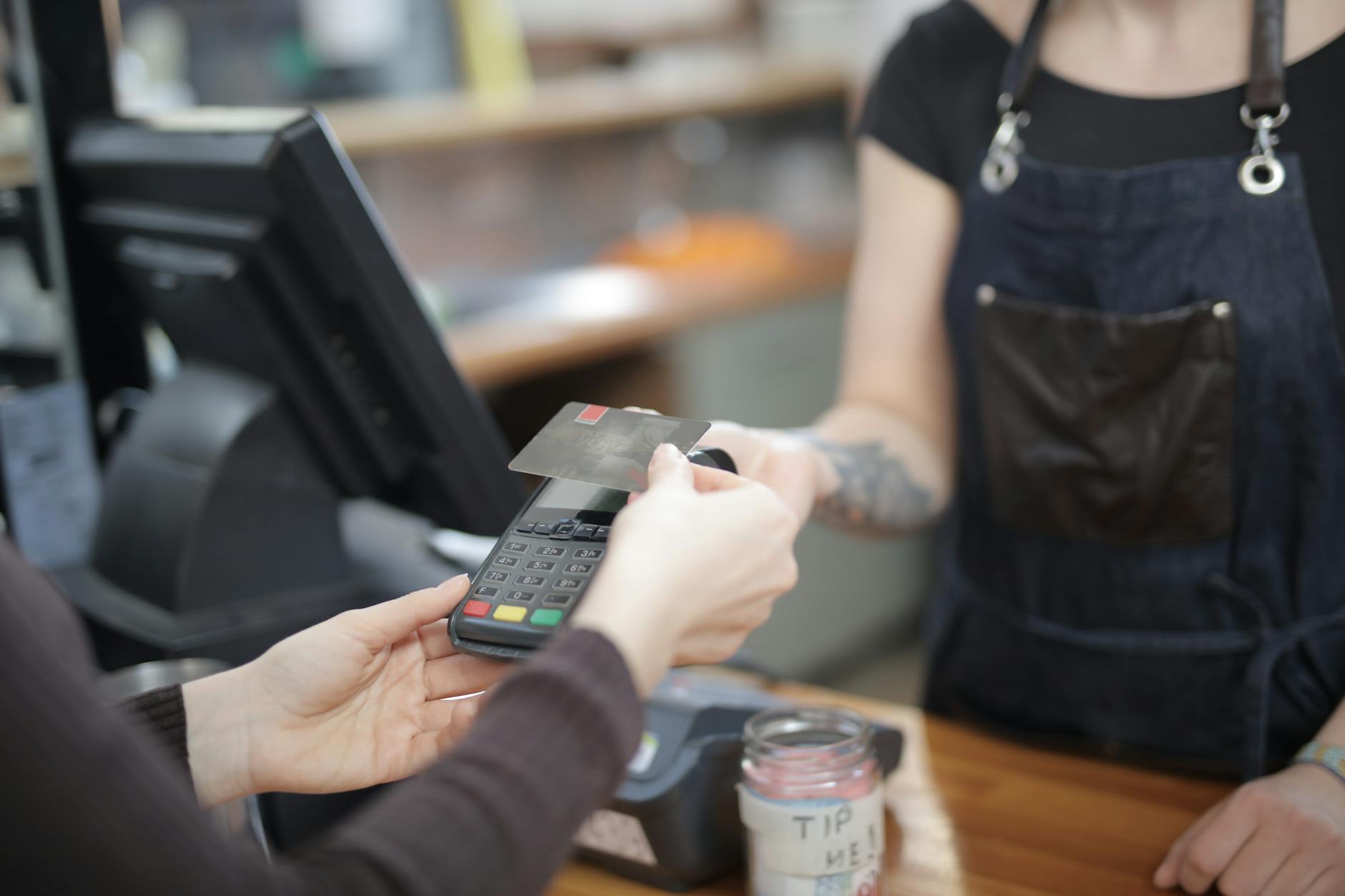
Choosing to pay at the pump with a card rather than prepaying inside at the register removes the transaction from the oversight environment of a staffed counter and places it entirely within a potentially compromised machine. Inside payment terminals are located in a monitored, staffed, and camera-covered environment that makes tampering significantly more difficult and detection significantly more likely. Pump-based payment systems are accessed only during installation and maintenance windows and are therefore more vulnerable to tampering during the longer periods when they operate unobserved. Many security professionals and consumer advocates recommend prepaying inside as the single most comprehensive protection against pump-based fraud because it bypasses the compromised equipment entirely. The additional time required to pay inside represents a worthwhile investment for drivers who regularly use gas stations in unfamiliar areas.
Window Washing Distraction

Accepting assistance from an individual who approaches offering to wash the windshield without being asked is one of the oldest and most persistently reported distraction schemes at gas stations worldwide. The washer positions themselves at the front of the vehicle where their extended arms and body naturally draw the driver’s gaze forward and away from the sides and interior of the car. A confederate uses this window of diverted attention to open an unlocked rear door, remove items from a visible bag on the passenger seat, or access belongings on the roof or trunk. Law enforcement records show this scheme remains active across multiple countries despite being widely publicized, precisely because drivers continue to engage politely with the approaching washer rather than declining immediately. Firmly but politely declining the offer and keeping attention distributed around the full perimeter of the vehicle is the recommended response.
Contactless Neglect
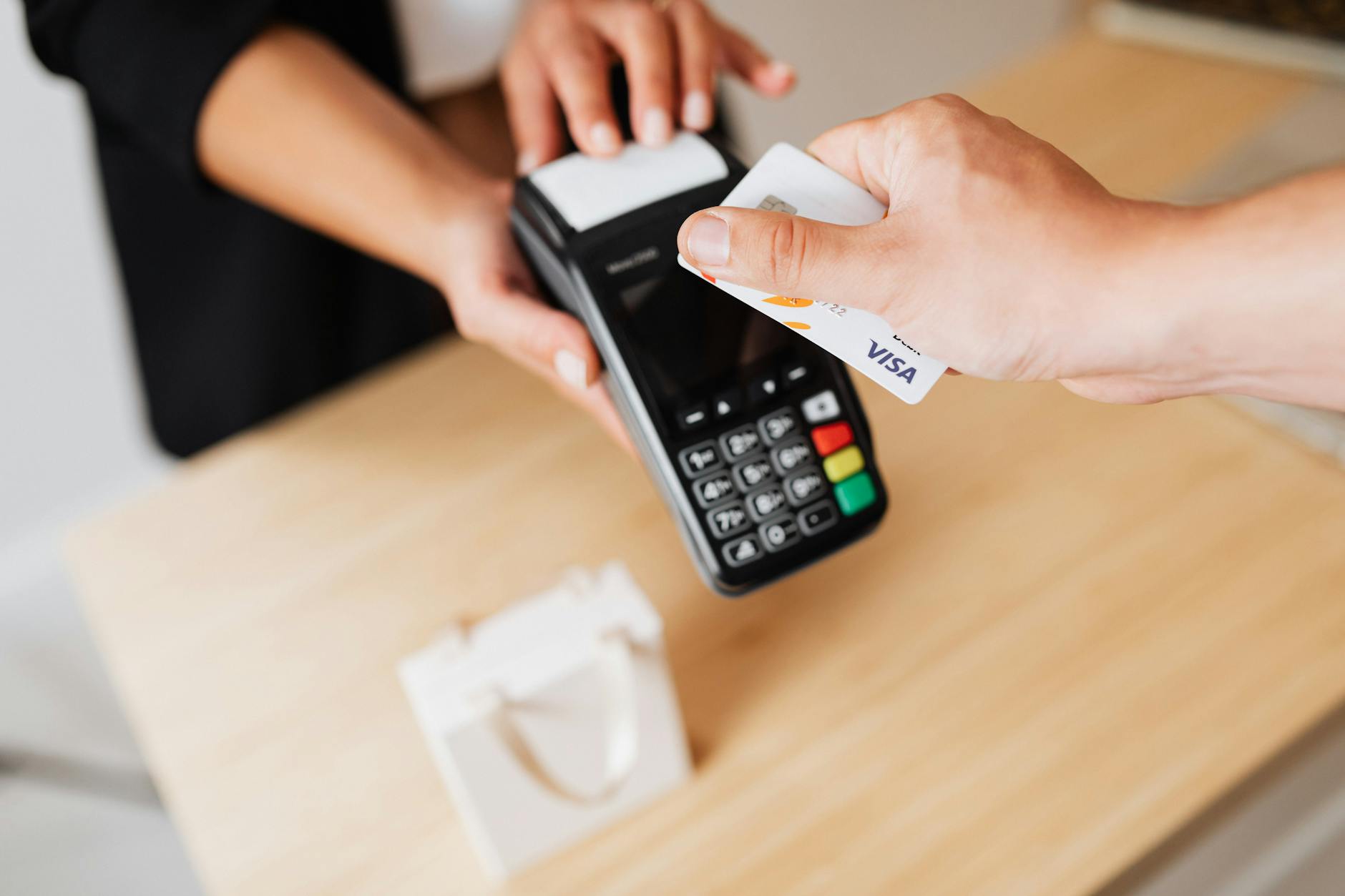
Failing to use contactless payment options when they are available at the pump in favor of inserting a physical card is a missed opportunity to bypass the skimmer hardware entirely. Contactless payment systems including tap-to-pay cards and digital wallets operate through encrypted near-field communication technology that does not expose the card’s magnetic stripe data at any point during the transaction. Skimming devices have no mechanism to capture data from a contactless transaction because there is no card insertion and no magnetic stripe read involved in the process. Consumer financial technology researchers note that the adoption of contactless payment at fuel pumps remains lower than at retail point-of-sale terminals, partly because drivers are not aware that the option exists at most modern pumps. Selecting the contactless option whenever it is available represents the most technically robust protection against skimming currently accessible to the average consumer.
Overpayment Scam
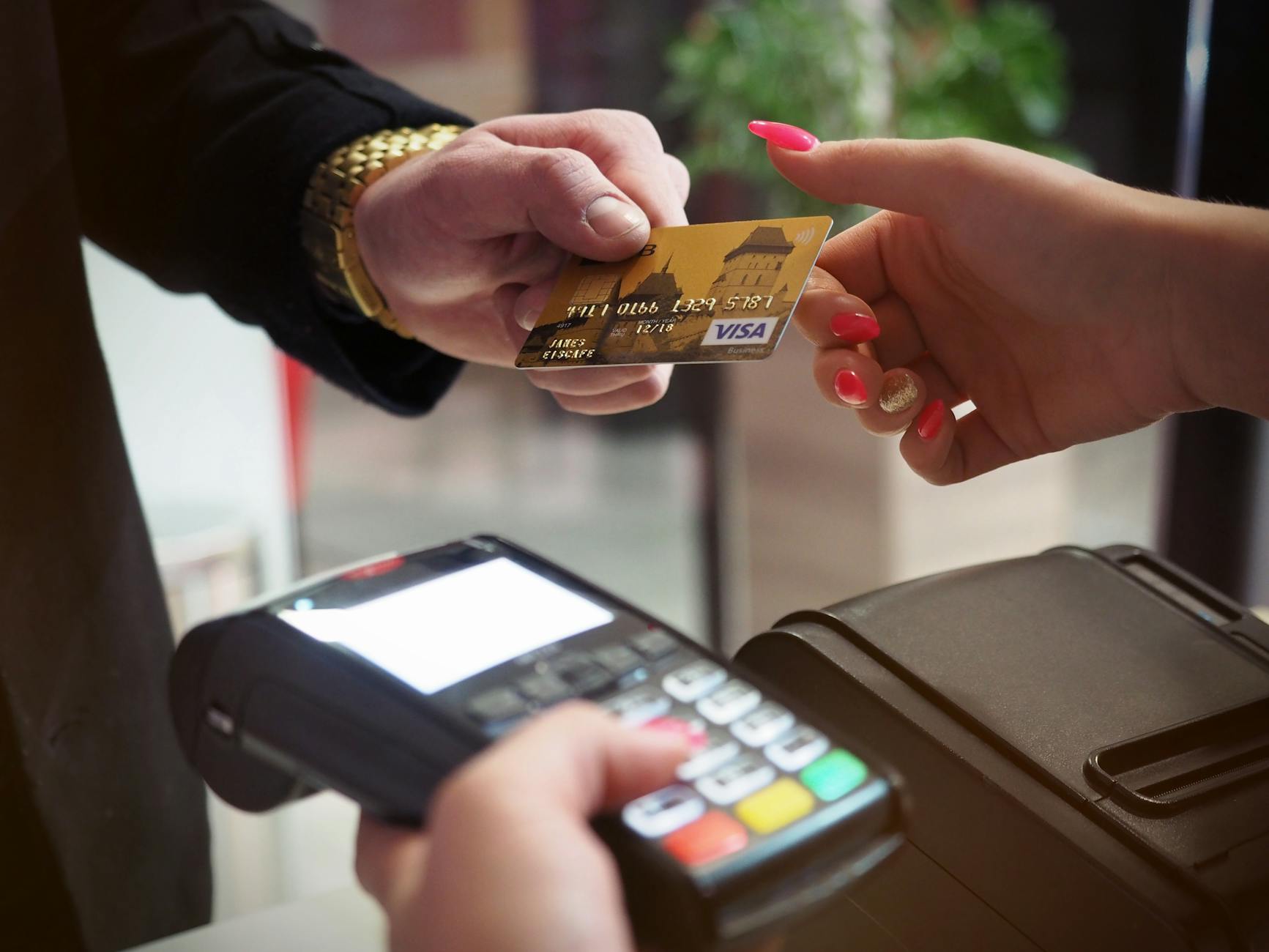
Handing over cash and accepting change from an individual who approaches claiming to be collecting for the pump or offering to assist with the transaction is a social engineering scheme that targets drivers who are unfamiliar with self-service payment procedures. The individual creates a plausible narrative around helping, collecting, or processing the payment before pocketing the cash and disappearing before the driver realizes no transaction has occurred. Gas stations do not employ roaming cash collectors at the pump, and any individual claiming this role is operating a fraud. Newly arrived immigrants, elderly drivers, and individuals visiting unfamiliar gas station formats are disproportionately targeted by this scheme because they are more likely to be uncertain about the correct payment procedure. All payment at a gas station should occur either at the pump’s own card reader or at the staffed interior register.
Tailgate Vulnerability

Leaving the vehicle running and unattended while paying inside creates a window for vehicle theft that is specifically exploited by criminals who patrol gas stations looking for this exact opportunity. The combination of an unlocked running vehicle and a driver who has moved thirty or more feet away represents one of the most accessible vehicle theft scenarios in any urban environment. Insurance industry data consistently identifies gas stations as one of the top locations for opportunistic vehicle theft, with the majority of incidents occurring during the brief period when the driver is inside paying. Many jurisdictions also carry legal penalties for leaving a running vehicle unattended, meaning the driver faces both theft risk and potential citation from a single moment of inattention. Turning off the engine and locking the vehicle before entering the station eliminates both the theft opportunity and the legal exposure simultaneously.
Pump Seal Checking
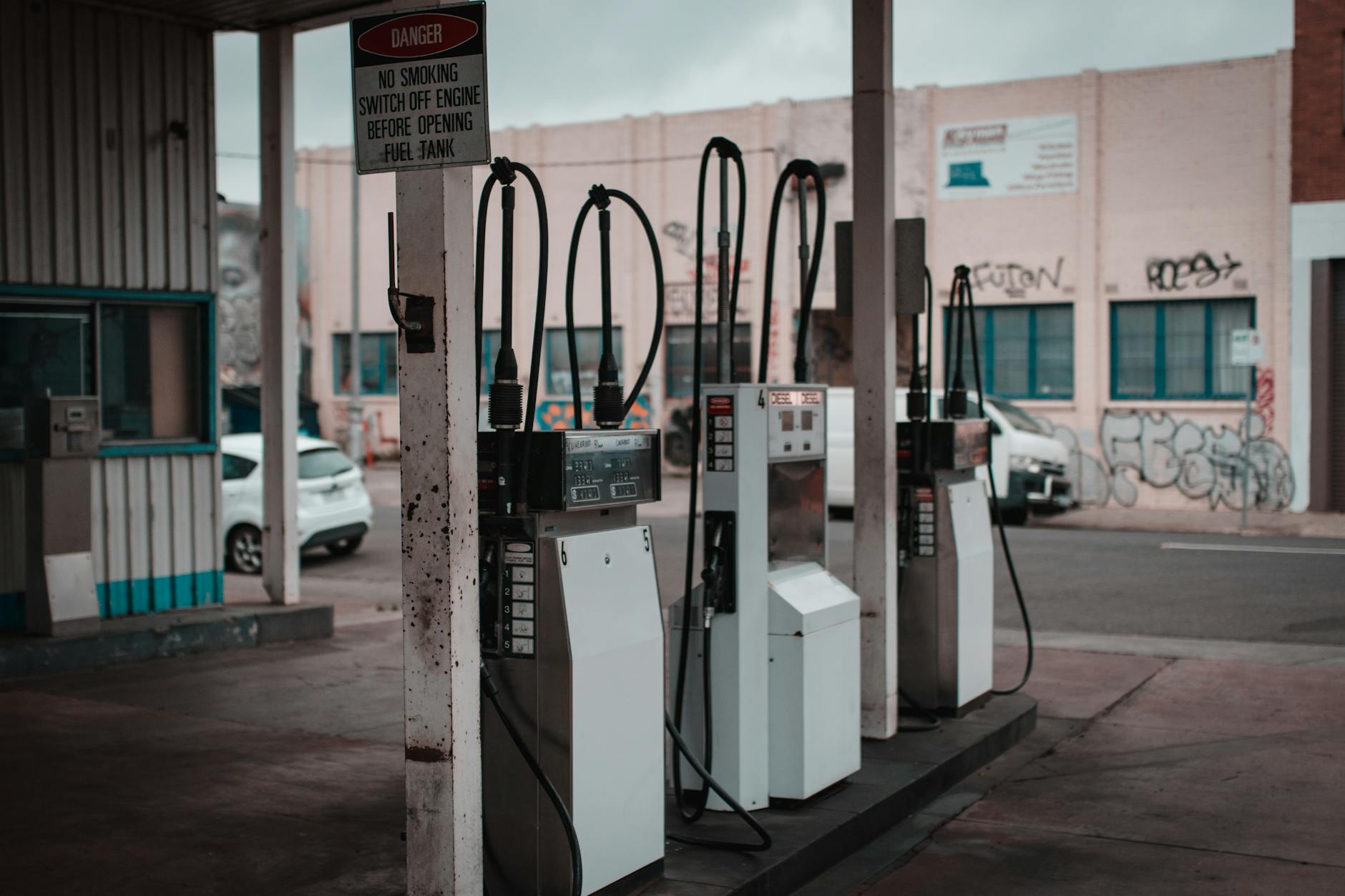
Failing to inspect the security seal on the pump cabinet door before inserting a card misses the most visible evidence that the interior of the machine has been accessed and potentially compromised. Payment Card Industry security standards require gas stations to apply tamper-evident seals to pump cabinet doors, and a broken, missing, or visibly altered seal is a reliable indicator that the pump’s interior has been opened outside of an authorized maintenance window. Criminals who install internal skimming devices must open the pump cabinet to do so, and a damaged seal is frequently the only externally visible sign that this has occurred. Consumer payment security organizations recommend checking the seal as the very first step before any interaction with a pump-based payment terminal. Reporting a broken seal to the station immediately and choosing a different pump or payment method protects not only the individual driver but every subsequent customer who would have used the compromised equipment.
Phone Distraction
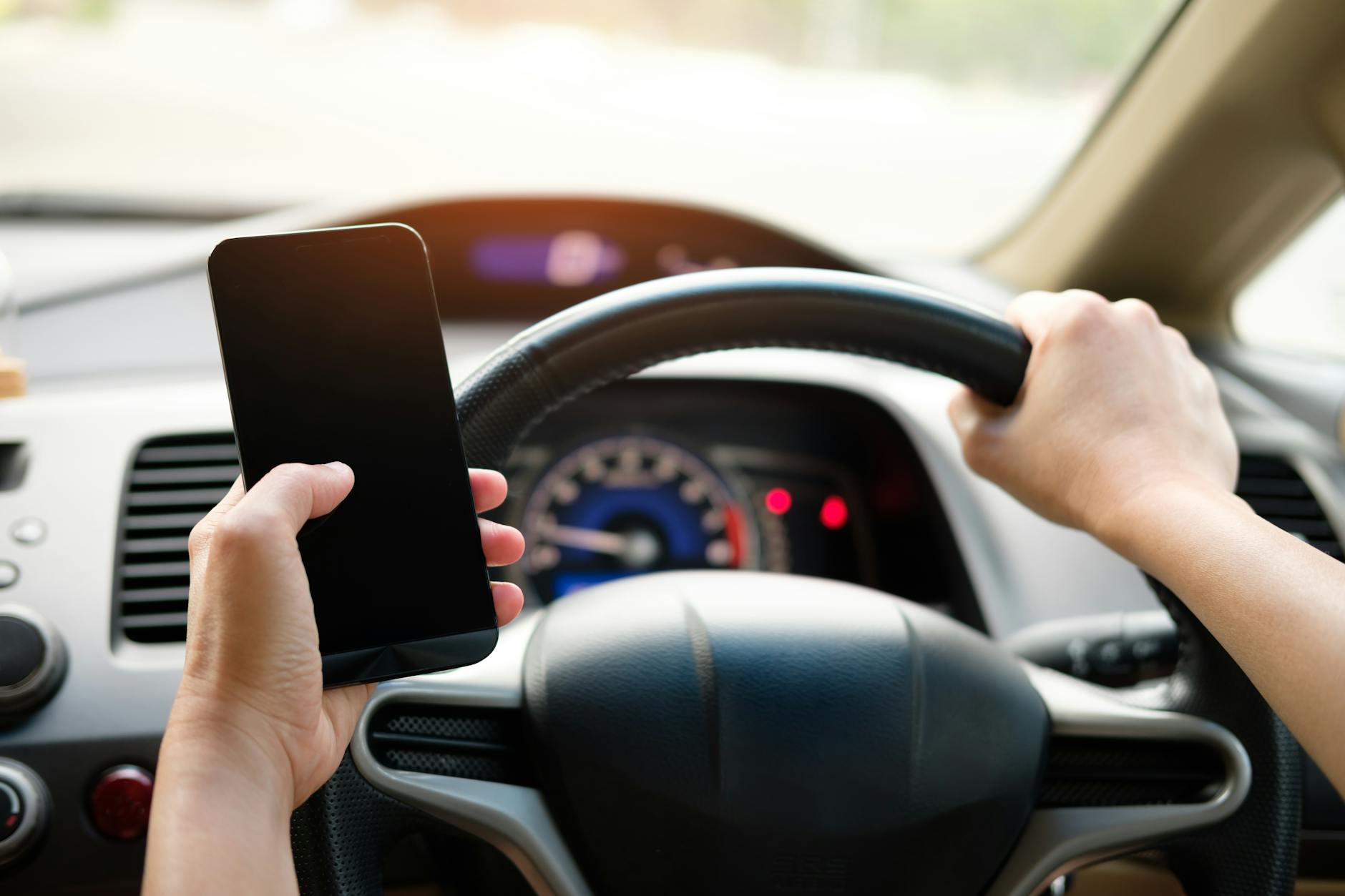
Using a mobile phone during the refueling process reduces environmental awareness to a degree that criminals actively look for and exploit. A driver who is visibly engaged with their phone is signaling that their attention is fully captured and that they are unlikely to notice someone approaching the vehicle, accessing their belongings through an open window, or manipulating equipment in their immediate vicinity. Personal safety researchers have documented that phone-engaged individuals take measurably longer to notice changes in their environment and respond more slowly to threats when they do become aware of them. The three to five minutes of a typical refueling stop represents a manageable window during which full environmental awareness requires only minimal effort. Keeping the phone in the vehicle or pocket during the refueling process costs nothing and restores the situational awareness that represents the most basic layer of personal security.
Unfamiliar Station Use
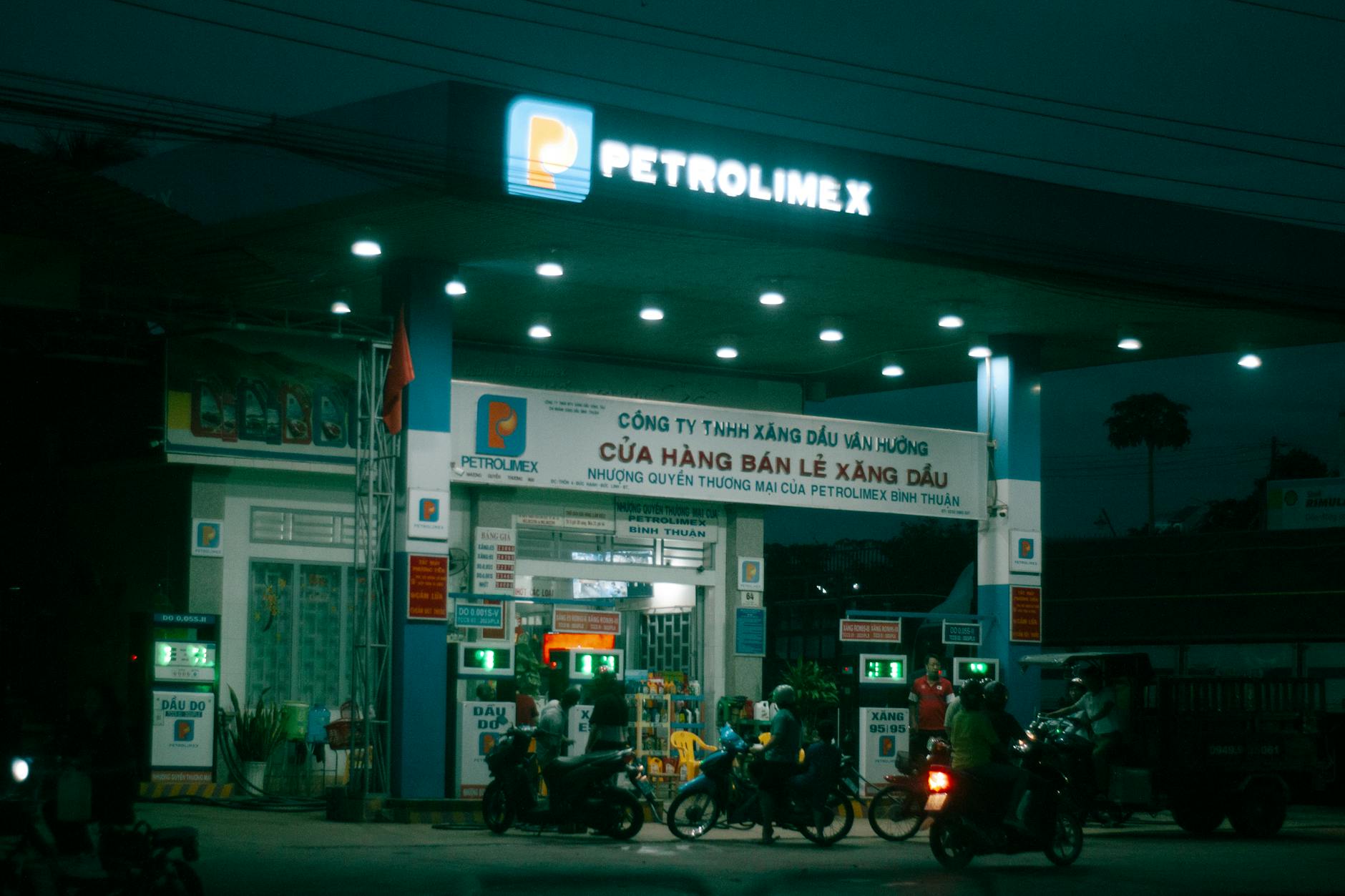
Stopping at an unfamiliar or visibly poorly maintained gas station rather than continuing to a known or better-maintained location increases the probability of encountering compromised equipment and inadequate security infrastructure. Consumer fraud researchers have documented higher rates of skimmer installation at independent stations with lower staff levels, older pump equipment, and less frequent compliance inspections than at well-maintained chain locations. Older pump models also present a lower technical barrier to tampering, as newer pump designs incorporate anti-skimming features that require more sophisticated hardware to defeat. The decision to stop at any available station when the fuel level allows for more selective choice is a convenience preference that carries a meaningful security cost. Identifying preferred stations in unfamiliar areas before travel using navigation applications that filter by brand and user rating is a simple precautionary step that frequent travelers have found consistently useful.
Wallet Visibility

Placing a wallet, purse, or phone on the vehicle’s roof or hood during refueling is a habit so common that it has become a standard target behavior for gas station theft teams. Items placed on an exterior surface are accessible to anyone who passes within arm’s reach of the vehicle without requiring them to open a door or engage with the driver in any way. A distraction operative who approaches from the front of the vehicle can create a sightline block that allows a partner to sweep items from the roof from the opposite side without either individual appearing to interact with the car. Law enforcement briefings on gas station theft consistently identify rooftop item placement as one of the most reliably exploited behaviors they observe. Keeping all valuables inside the locked vehicle throughout the stop removes this specific category of theft opportunity entirely.
Pump Number Confusion
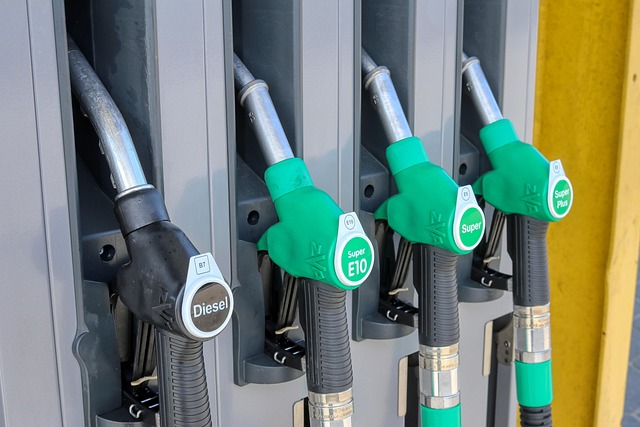
Misremembering or failing to note the correct pump number before going inside to prepay is a minor navigational error that scammers have developed a specific scheme to exploit. An individual monitoring the pump area identifies a driver who has gone inside to pay and approaches a neighboring pump, presenting themselves at the counter as paying for that pump number before the legitimate customer reaches the register. The criminal then receives the fuel credit intended for the driver who initiated the transaction, leaving the legitimate customer confused about what went wrong and frequently too embarrassed or uncertain to report the incident. The scheme works precisely because it is so difficult to explain and so easy for station staff to misunderstand. Making a clear note of the pump number before walking inside and proceeding directly and promptly to the register eliminates the timing window that this scam depends on.
Helping Strangers
Agreeing to purchase fuel for a stranger who presents a sympathetic story about being stranded, having a lost card, or needing emergency assistance is a social engineering scheme that relies on the driver’s instinct toward generosity and their presence at a location where the request appears entirely plausible. The individual requesting help frequently has no vehicle present or has a vehicle visible at a distance that is never actually refueled regardless of whether the driver agrees to assist. Fuel charity schemes at gas stations are well-documented by consumer fraud agencies and are prevalent enough that some stations display notices warning customers about them. Drivers who wish to assist someone genuinely stranded are better served by directing them to the station’s interior staff or offering to call emergency services rather than providing direct cash or card payment. The request feels urgent and reasonable in the moment specifically because it is designed to create those conditions before the driver has time to consider the situation critically.
Loyalty App Spoofing

Scanning a loyalty code or QR code displayed on a pump, a sticker, or a card handed over by a stranger in order to collect fuel rewards is a relatively new but rapidly growing category of gas station fraud. Fraudulent QR codes placed over legitimate station loyalty codes redirect the driver’s phone to a phishing site designed to capture login credentials, payment information, or personal details under the appearance of a rewards registration or verification process. The Federal Trade Commission has documented a significant increase in QR code-based fraud across retail environments, with gas stations representing a particularly vulnerable location because of the established prevalence of legitimate loyalty programs there. Drivers who wish to use loyalty programs at gas stations are advised to access the relevant application directly through their phone rather than scanning any code displayed on or near the pump. Treating any unexpected QR code at a gas station as a potential fraud vector regardless of how official it appears is the safest default position.
Tank Topping
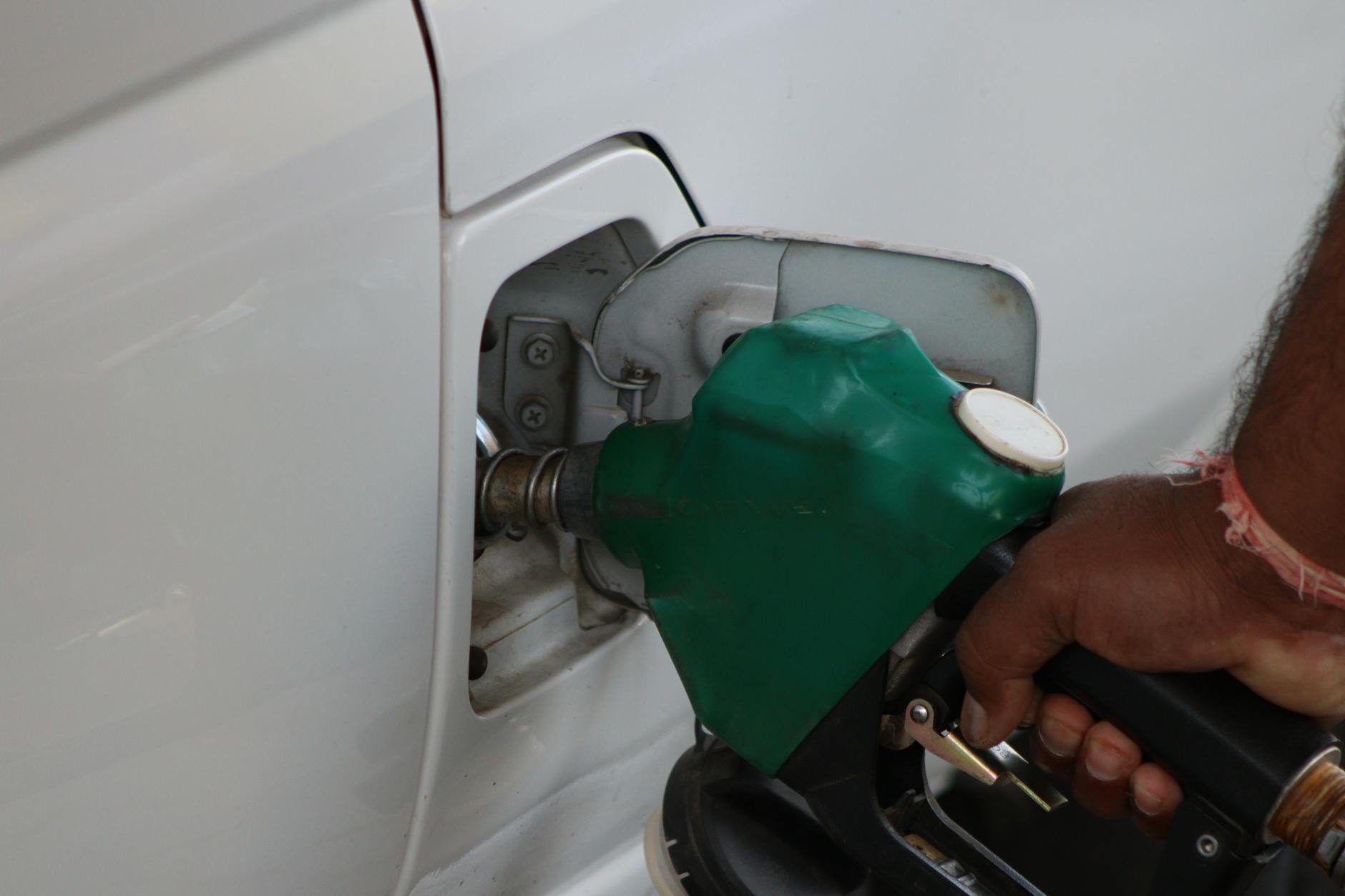
Continuing to add fuel after the automatic shutoff has triggered damages the vehicle’s evaporative emissions system and also makes the driver inattentive and stationary for longer than necessary. The additional time spent at the pump during topping-off behavior extends the window during which the driver is distracted, stationary, and focused downward at the fuel nozzle rather than on their surroundings. Mechanics consistently advise against topping off both for the vehicle’s mechanical wellbeing and because the excess fuel frequently flows back out through the vapor recovery system, meaning the driver pays for fuel that is not actually retained in the tank. Scammers who operate in gas station environments specifically look for drivers who are engaged in extended pump interactions because the behavior signals distraction and a longer window of opportunity. Stopping at the first automatic shutoff and replacing the nozzle promptly reduces both mechanical risk and the duration of the vulnerability window.
Charity Solicitation

Responding to individuals who approach at the pump soliciting cash donations for charities, causes, or personal hardship stories introduces a social interaction that is designed to create distraction, emotional engagement, and physical proximity. Legitimate charitable organizations do not solicit donations at gas station pump islands, and individuals who do so are operating outside any regulated fundraising framework regardless of the legitimacy of the cause they claim to represent. The solicitation creates a moment of social awkwardness during which the driver’s attention is directed toward the approaching individual rather than their surroundings and their vehicle. Consumer fraud researchers note that solicitation-based distraction at gas stations frequently operates as a coordinated two-person scheme in which the solicitor is the visible distraction and a partner executes the actual theft. Declining the solicitation immediately without extended engagement and redirecting attention to the surroundings is the recommended response in every documented case.
Hose Inspection Skipping
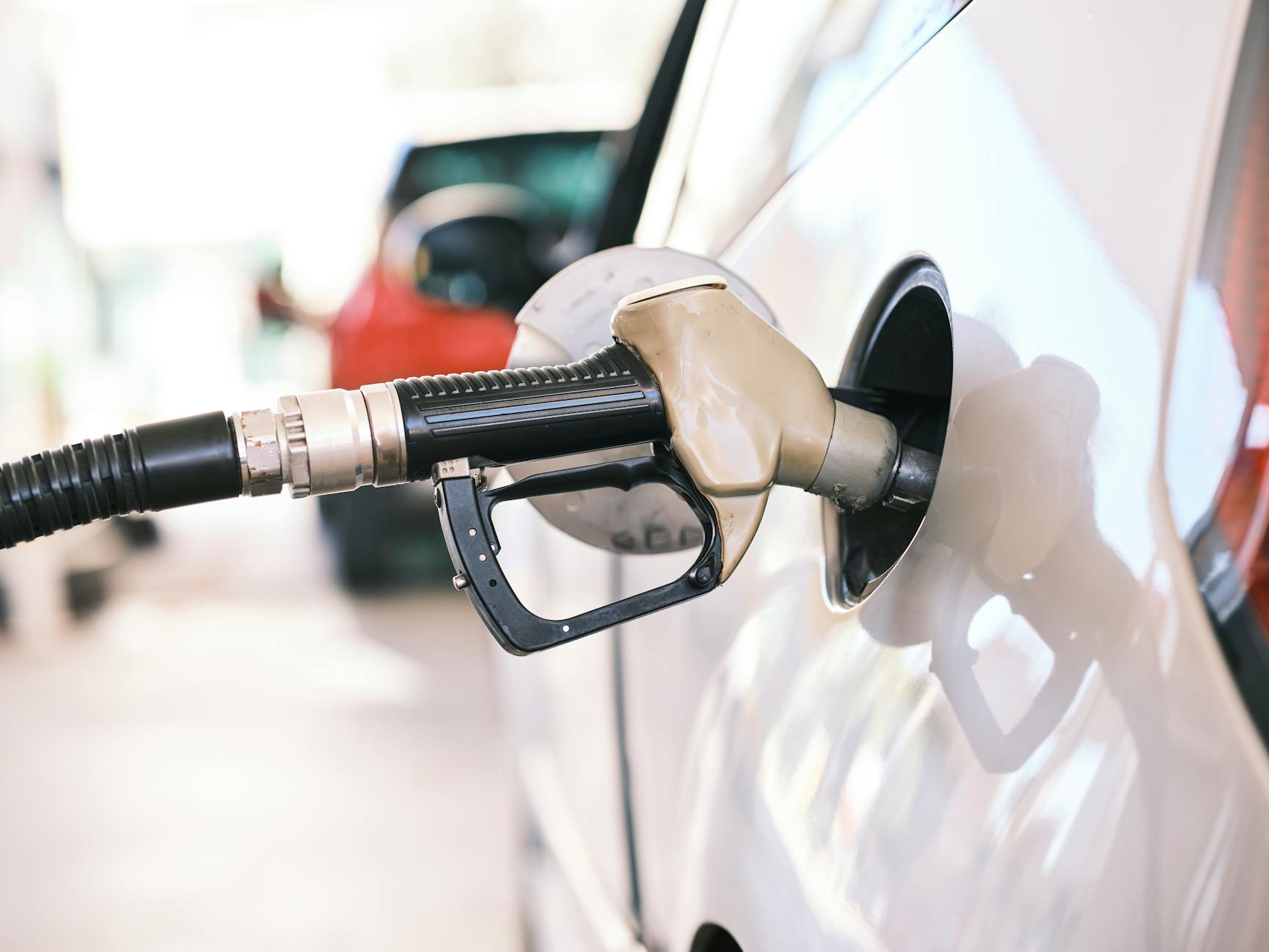
Failing to briefly inspect the fuel hose and nozzle before inserting it into the tank misses a small but meaningful check that can reveal physical tampering or equipment damage that affects the accuracy of the transaction. Compromised hoses and nozzles have been documented in schemes designed to slow the flow rate while the meter continues at full speed, effectively delivering less fuel than the customer is paying for. While this category of fraud requires access to the equipment and is less common than electronic skimming, it has been documented at stations with inadequate maintenance oversight and limited regulatory inspection. A brief visual check of the hose connection and nozzle condition before fueling also identifies legitimate equipment damage that could result in fuel spillage or injury during the transaction. Reporting any visible equipment damage to station staff before using the pump protects the driver and creates a record of the condition that the station is then obligated to address.
Gas Cap Replacement
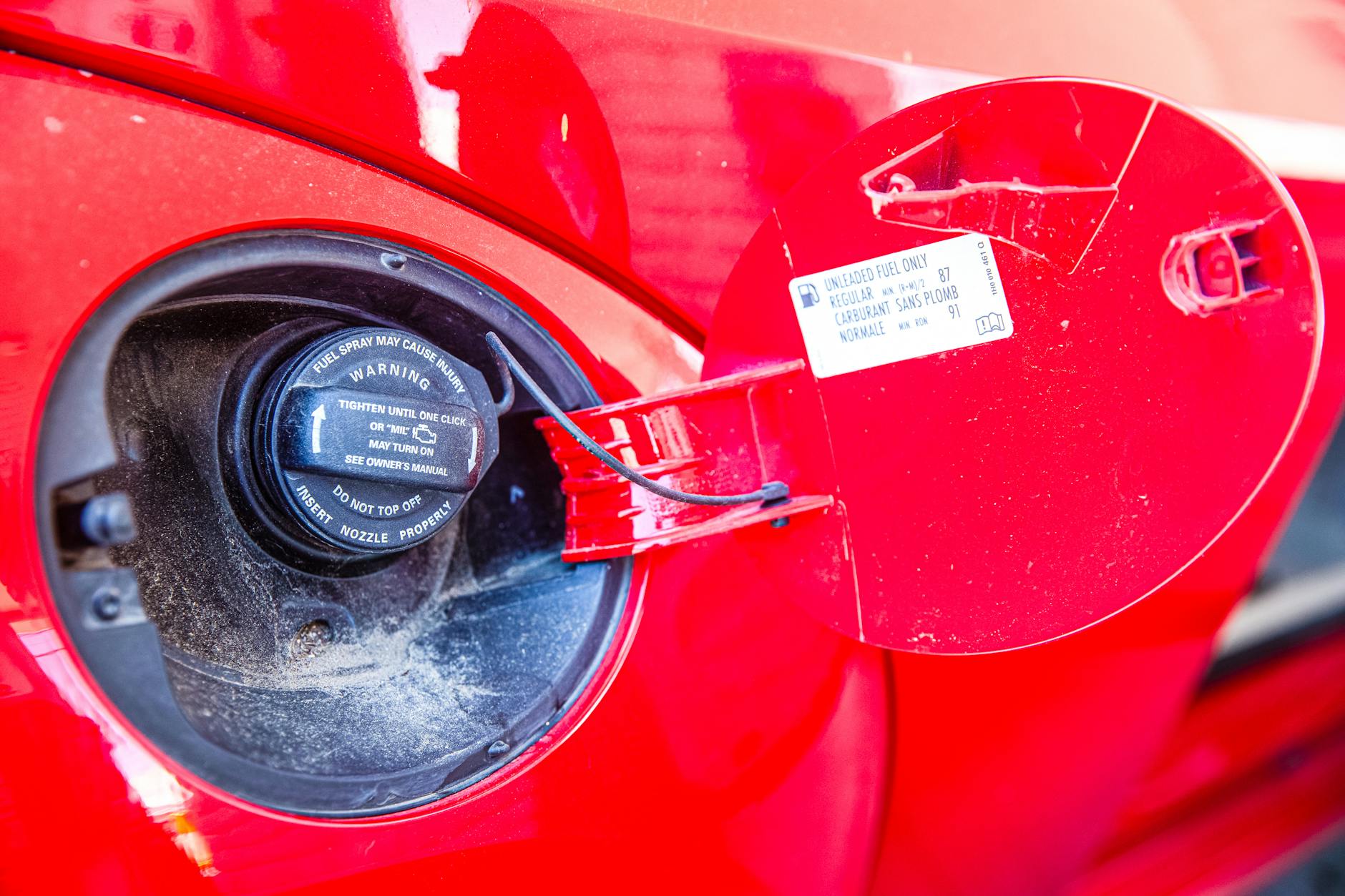
Driving away without fully replacing and locking the fuel cap is a distraction-related error that has been exploited in schemes where a waiting individual approaches during the final moments of the transaction and engages the driver in brief conversation precisely as they are completing the process. The resulting inattention to the cap replacement step leaves the vehicle with an unsecured fuel system that generates a warning light, creates the appearance of a mechanical problem, and sets up the driver to be flagged down by a confederate who offers to diagnose the issue. The roadside diagnosis scheme has been documented as a follow-on to gas station distraction with a second team member positioned along the driver’s typical exit route. Completing the full cap replacement and confirmation step before engaging in any interaction or moving toward the vehicle door eliminates the mechanical pretext the follow-on scheme depends on. Making fuel cap replacement a deliberate final step rather than an automatic motion ensures it is completed correctly regardless of what else is happening in the environment.
Change Scam
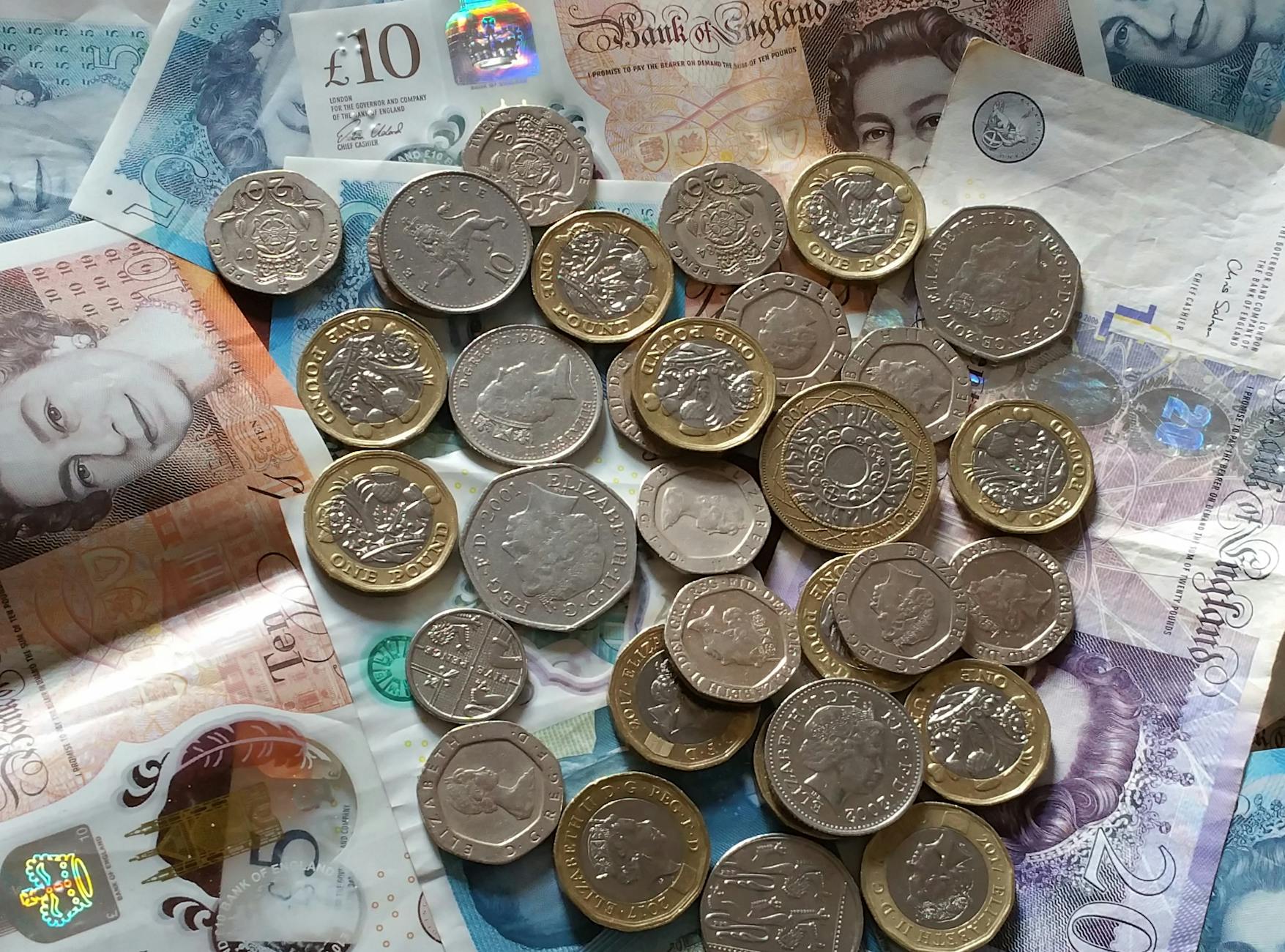
Accepting change from a transaction conducted with a high-denomination bill creates an opportunity for sleight of hand and deliberate miscounting that is specifically practiced by individuals who target gas station cash transactions. The scammer typically conducts the change-counting process quickly, with multiple reconfigurations of the bills, and in a way that creates confusion about the total before the driver has had time to verify it. Consumer fraud agencies document the short-change scheme as one of the longest-running and most consistently reported forms of gas station cash fraud, operating in virtually every country where cash fuel payment is common. Counting the change fully and deliberately before moving away from the counter or accepting the transaction as complete is the most effective individual defense. Requesting that large bills be broken into smaller denominations inside the station rather than at the pump removes the outdoor distraction environment that makes the misdirection easier to execute.
Surroundings Neglect
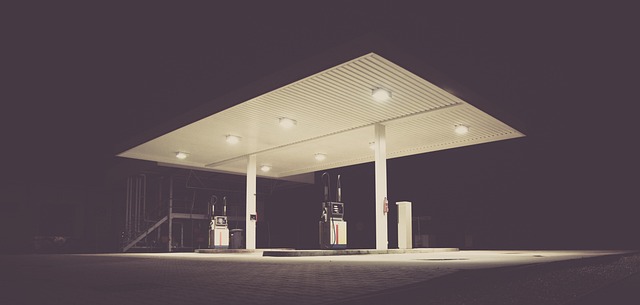
Failing to conduct a basic visual sweep of the immediate environment upon arriving at a gas station is the foundational error from which nearly every other category of gas station vulnerability flows. Threat awareness researchers identify the arrival moment as the most critical window for establishing a baseline understanding of who is present, where they are positioned, and whether any individual or vehicle appears to be monitoring the pump area rather than engaging with it purposefully. Criminals who operate at gas stations rely on the predictable inattentiveness of arriving drivers to position themselves, communicate with partners, and prepare for their approach before the driver has registered their presence. The entire behavioral profile of a gas station scam operation assumes that the target will not look around carefully upon arriving and will proceed immediately to the mechanical task of refueling. Taking fifteen seconds upon arrival to observe the full pump area, note who is present, and identify anything that appears out of place is the single habit that most comprehensively disrupts the preconditions that every category of gas station fraud depends on.
Have you ever encountered suspicious activity at a gas station or narrowly avoided a scam? Share your experience in the comments.




