
Coffee is the most widely consumed psychoactive substance on the planet and for hundreds of millions of people it is the first and most anticipated ritual of the day. Its effects on mood, energy, and mental clarity are so familiar and so immediate that most drinkers never pause to consider what is happening beneath the surface of that reliable morning lift. The endocrine system operates through a network of chemical messengers so sensitive and interconnected that even substances consumed with complete regularity can produce systemic effects that accumulate invisibly over months and years. What follows are the most significant and least discussed ways that daily coffee consumption may be quietly disrupting the hormonal environment your body depends on for health, mood, and function.
Cortisol Timing

Drinking coffee immediately upon waking during the window when cortisol is naturally at its highest point of the daily cycle blunts the body’s own hormonal rise and initiates a dependency cycle that progressively weakens the natural response. Cortisol follows a predictable daily rhythm known as the cortisol awakening response, which peaks sharply in the first thirty to forty-five minutes after waking and is designed to provide the alertness and energy needed to begin the day. Consuming caffeine during this natural peak delivers stimulation on top of an already elevated hormonal state, which the body interprets as excess and begins to compensate for by reducing its own cortisol output over time. Endocrinologists who study circadian hormone patterns note that consistent morning coffee consumption before the cortisol peak has subsided is one of the most common and least recognized contributors to adrenal fatigue symptoms. Shifting the first coffee of the day to ninety minutes after waking allows the natural cortisol rhythm to complete its rise and fall before caffeine is introduced.
Estrogen Metabolism

Regular coffee consumption influences the rate at which the liver processes and clears estrogen from the body, with research indicating that high intake is associated with measurably altered estrogen levels in both men and women. The liver’s cytochrome P450 enzyme system, which is responsible for metabolizing estrogen among many other compounds, is directly affected by caffeine and the hundreds of other bioactive compounds present in coffee. Studies examining hormonal profiles in high coffee consumers have found associations with both elevated circulating estrogen in some populations and accelerated clearance in others, depending on genetic variation in metabolic enzyme activity. For women navigating perimenopause, endometriosis, or estrogen-dominant conditions, the additional metabolic variable introduced by daily coffee consumption represents a clinically relevant consideration that is rarely discussed in standard care settings. Functional medicine practitioners who work with hormonal health conditions frequently identify coffee reduction as one of the first dietary modifications worth exploring in patients with estrogen-related symptoms.
Insulin Sensitivity

Caffeine consumption has a documented acute effect on insulin sensitivity, temporarily reducing the body’s ability to respond efficiently to glucose and requiring the pancreas to produce more insulin to achieve the same blood sugar clearing effect. This mechanism is particularly significant when coffee is consumed alongside or shortly before a carbohydrate-containing meal, as the combination creates a more pronounced blood sugar spike and a correspondingly larger insulin demand than the meal alone would produce. Research published in endocrinology journals has found that habitual coffee drinkers show measurable differences in fasting insulin levels compared to non-consumers, with the relationship being most pronounced in individuals who are already at metabolic risk. The long-term implications of chronically elevated insulin demand include progressive insulin resistance, increased fat storage particularly around the midsection, and an elevated risk of developing type 2 diabetes over time. Choosing to consume coffee away from meals and monitoring the response of energy and hunger signals after consumption provides useful individual data about the degree to which this mechanism is active.
Thyroid Absorption

Drinking coffee within sixty minutes of taking thyroid medication is a well-documented but frequently ignored interaction that significantly reduces the absorption of the active compound and effectively renders the prescribed dose less potent than intended. Beyond the medication interaction, coffee’s effect on gut motility and intestinal absorption more broadly can influence how efficiently thyroid-supporting nutrients including selenium, zinc, and iodine are taken up from food consumed around the same time. The thyroid gland is exquisitely sensitive to nutritional status and to the hormonal environment created by the adrenal axis, both of which are directly influenced by regular caffeine consumption. Individuals who experience persistent thyroid symptoms despite being on what their physician considers an adequate medication dose are sometimes found upon investigation to have absorption patterns that are significantly disrupted by their coffee timing habits. Endocrinologists who specialize in thyroid conditions routinely counsel patients to separate thyroid medication from coffee by at least an hour and to consider the broader timing implications of their daily consumption pattern.
Progesterone Levels

Research examining the relationship between caffeine intake and reproductive hormone levels has found associations between high coffee consumption and reduced progesterone levels, particularly during the luteal phase of the menstrual cycle. Progesterone plays an essential role in regulating mood, supporting sleep quality, maintaining uterine health, and balancing the effects of estrogen, making its suppression consequential across multiple body systems simultaneously. Women who experience symptoms of luteal phase deficiency including premenstrual mood disturbance, sleep disruption, spotting before menstruation, or difficulty maintaining early pregnancy may be experiencing hormonal patterns that are being exacerbated by their coffee intake. The mechanism appears to involve caffeine’s stimulation of the adrenal axis, which competes with the reproductive hormone pathway for the same precursor compounds in a process sometimes described as pregnenolone steal. Reproductive endocrinologists and fertility specialists have begun incorporating caffeine intake assessment as a standard component of hormonal evaluation in patients presenting with cycle-related symptoms.
Sleep Architecture

Caffeine’s well-documented interference with sleep onset and sleep quality produces downstream hormonal consequences that extend far beyond tiredness, disrupting the entire nocturnal hormone secretion sequence that the body depends on for repair and regulation. Growth hormone, which is essential for tissue repair, metabolic regulation, and body composition, is secreted in its largest daily pulse during the first cycle of deep slow-wave sleep, a stage that caffeine consumption suppresses even when the individual feels they have no difficulty falling asleep. Leptin and ghrelin, the hormones that govern hunger and satiety, are reset during sleep and are measurably disrupted by even one night of poor sleep quality, contributing to increased appetite and reduced fullness signaling the following day. Sleep researchers who study caffeine’s pharmacological effects have found that its half-life of approximately five to seven hours means that a coffee consumed at three in the afternoon still has half its stimulant concentration present in the body at eight or nine in the evening. Establishing a personal caffeine cutoff time based on individual metabolism and sleep quality data is one of the most practically impactful adjustments a daily coffee drinker can make for hormonal health.
Adrenal Stress

Caffeine stimulates the adrenal glands to release adrenaline and noradrenaline by mimicking the neurological conditions of a threat response, effectively placing the body in a low-grade stress state that the adrenals are then required to sustain for the duration of caffeine’s active window. In individuals whose adrenal function is already compromised by chronic stress, irregular sleep, or demanding lifestyle conditions, the additional stimulation demand created by daily coffee consumption accelerates the depletion of the glands’ functional capacity. The adrenal glands are also responsible for producing a portion of the body’s sex hormones after menopause and for supporting the stress hormone response in men, meaning their compromised function carries reproductive as well as metabolic consequences. Naturopathic physicians who work with adrenal dysfunction note that caffeine is one of the most common perpetuating factors in patients who present with fatigue, morning difficulty, and the inability to sustain energy through the afternoon without stimulant support. The reliance on coffee to feel functional in the morning is often itself a symptom of the adrenal insufficiency that the coffee habit is simultaneously creating and masking.
Melatonin Suppression

Caffeine consumed in the afternoon and evening hours suppresses the production and release of melatonin, the hormone responsible for initiating the physiological preparation for sleep, through a mechanism that involves blocking adenosine receptors and stimulating cortisol production at a time when both should be declining. Research measuring urinary melatonin metabolites in coffee consumers has found measurable suppression of melatonin output even in individuals who report no subjective difficulty falling asleep, suggesting the hormonal disruption occurs below the threshold of conscious awareness. Melatonin functions as more than a sleep signal and is understood by researchers to play roles in immune regulation, antioxidant activity, and reproductive hormone timing, making its chronic suppression consequential beyond the domain of sleep quality alone. Women who are tracking their cycles for fertility awareness or managing perimenopausal symptoms find that melatonin disruption introduces variability into the hormonal patterns they are attempting to monitor and support. The cumulative effect of years of afternoon caffeine consumption on melatonin rhythm is an area of growing research interest that has not yet translated into widespread public awareness.
Gut Microbiome

Coffee’s effect on the gut microbiome is bidirectional and complex, promoting the growth of certain beneficial bacterial species while simultaneously increasing gut motility and acidity in ways that can disrupt the microbial balance that hormonal metabolism depends on. The gut microbiome plays a central role in estrogen metabolism through a collection of bacteria known as the estrobolome, which regulate the reactivation and recirculation of estrogen metabolites through the enterohepatic circulation. Disruption of the estrobolome through dietary factors including excessive coffee consumption has been associated with altered estrogen clearance, contributing to the hormonal imbalances that manifest as cycle irregularity, mood changes, and skin symptoms. Gastroenterologists who work at the intersection of gut health and hormonal function note that the acidity of coffee also compromises the integrity of the intestinal lining in some individuals, increasing the absorption of endotoxins that trigger inflammatory responses with downstream hormonal consequences. Fermented foods, prebiotic fiber, and adequate hydration are among the dietary factors that practitioners recommend to support microbiome resilience in individuals who are unwilling to reduce coffee intake.
Testosterone Production

Regular caffeine consumption has been associated in research settings with both increases and decreases in testosterone levels depending on the population studied, the amount consumed, and the individual’s existing hormonal baseline, making the relationship more nuanced than simple stimulation or suppression. In men who are already experiencing the cortisol-testosterone trade-off that occurs under chronic stress, additional adrenal stimulation from daily coffee consumption can tip the balance further toward cortisol dominance and away from testosterone production. Women who depend on healthy testosterone levels for libido, mood, motivation, and bone density may find that adrenal-stressing lifestyle factors including high coffee intake contribute to the low-testosterone symptoms they experience. Sports scientists studying recovery and hormonal adaptation in training athletes have noted that caffeine’s acute testosterone-elevating effect in exercise contexts is followed by a suppressive rebound that affects the recovery window. The net effect of daily habitual consumption on testosterone balance is highly individual and is best assessed through comprehensive hormonal testing rather than assumed from population-level research findings.
Blood Sugar Dysregulation
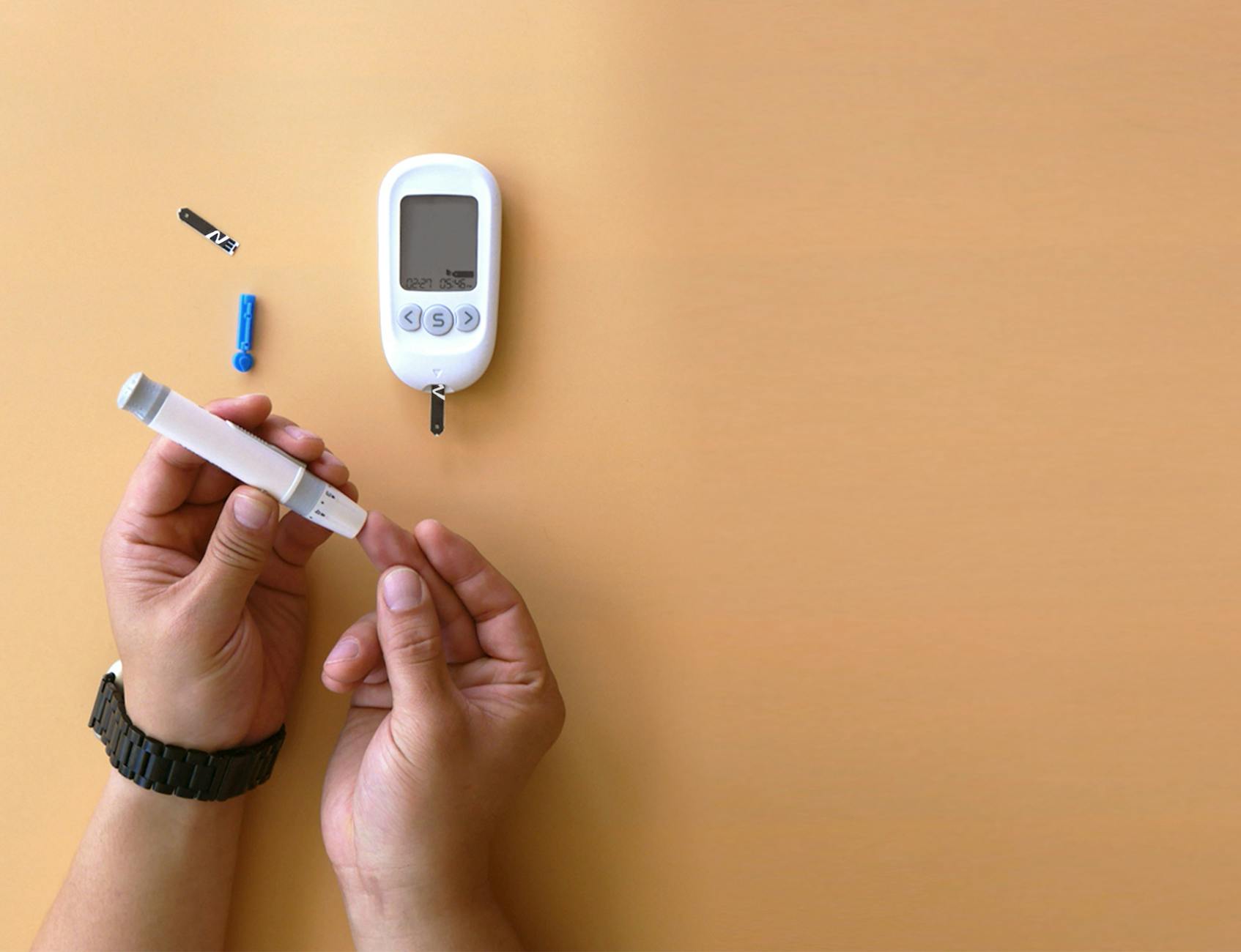
The cortisol and adrenaline release triggered by morning coffee consumption initiates a cascade of metabolic effects that includes the release of stored glucose from the liver into the bloodstream, producing a blood sugar rise that occurs independently of any food consumption. This mechanism means that a black coffee consumed on an empty stomach can produce a blood sugar spike followed by a reactive dip that drives hunger, cravings, and mood instability in a pattern that many people attribute to their food choices rather than to their coffee habit. Metabolic health researchers who use continuous glucose monitors have documented highly variable individual blood sugar responses to identical coffee doses, with some individuals showing virtually no response and others experiencing significant glycemic excursions from a single cup. The blood sugar instability created by coffee-driven cortisol release is particularly problematic when it is then managed by consuming refined carbohydrates, as the resulting insulin cycle compounds the hormonal disruption initiated by the coffee itself. Pairing coffee with a protein and fat-containing food rather than consuming it alone represents a practical strategy for moderating the glycemic response in individuals who are sensitive to this mechanism.
Bone Density

Caffeine accelerates calcium excretion through the kidneys and has been associated in long-term studies with reduced bone mineral density, particularly in women who have low dietary calcium intake and who are navigating the estrogen-related bone loss that accompanies perimenopause and menopause. The hormonal dimension of this relationship involves caffeine’s stimulation of parathyroid hormone activity, which governs calcium mobilization from bone tissue in response to changes in circulating calcium levels. Women who rely on coffee as a primary morning ritual while consuming inadequate calcium and vitamin D in their diets may be unknowingly accelerating the bone density loss trajectory that becomes clinically significant in the decade following menopause. Rheumatologists and bone health specialists note that caffeine’s diuretic effect compounds the calcium loss mechanism by increasing the overall fluid and mineral clearance rate. Ensuring adequate calcium and vitamin D intake and considering the timing and volume of coffee consumption in relation to bone health targets are adjustments that practitioners increasingly recommend during routine bone density screening conversations.
Stress Hormone Loop

The artificial energy and alertness produced by caffeine creates a learned dependency in which the body reduces its own endogenous energy-generating mechanisms in proportion to the external stimulation it receives, establishing a self-reinforcing loop of hormonal suppression and stimulant requirement. This cycle begins when regular caffeine consumption trains the adrenal glands to produce less spontaneous cortisol in the morning because the exogenous stimulation signal consistently arrives before the natural hormone has time to do its work. The result is a progressive diminishment of the body’s ability to generate natural alertness and energy, making the individual feel genuinely unable to function without coffee rather than simply preferring it. Endocrinologists who work with patients attempting to reduce caffeine intake note that the withdrawal period involves a temporary window of profound fatigue that reflects the degree of adrenal suppression the habit has created. Understanding this loop as a physiological rather than psychological dependency is the first step toward addressing it through gradual reduction rather than repeated failed attempts at abrupt cessation.
Liver Detoxification
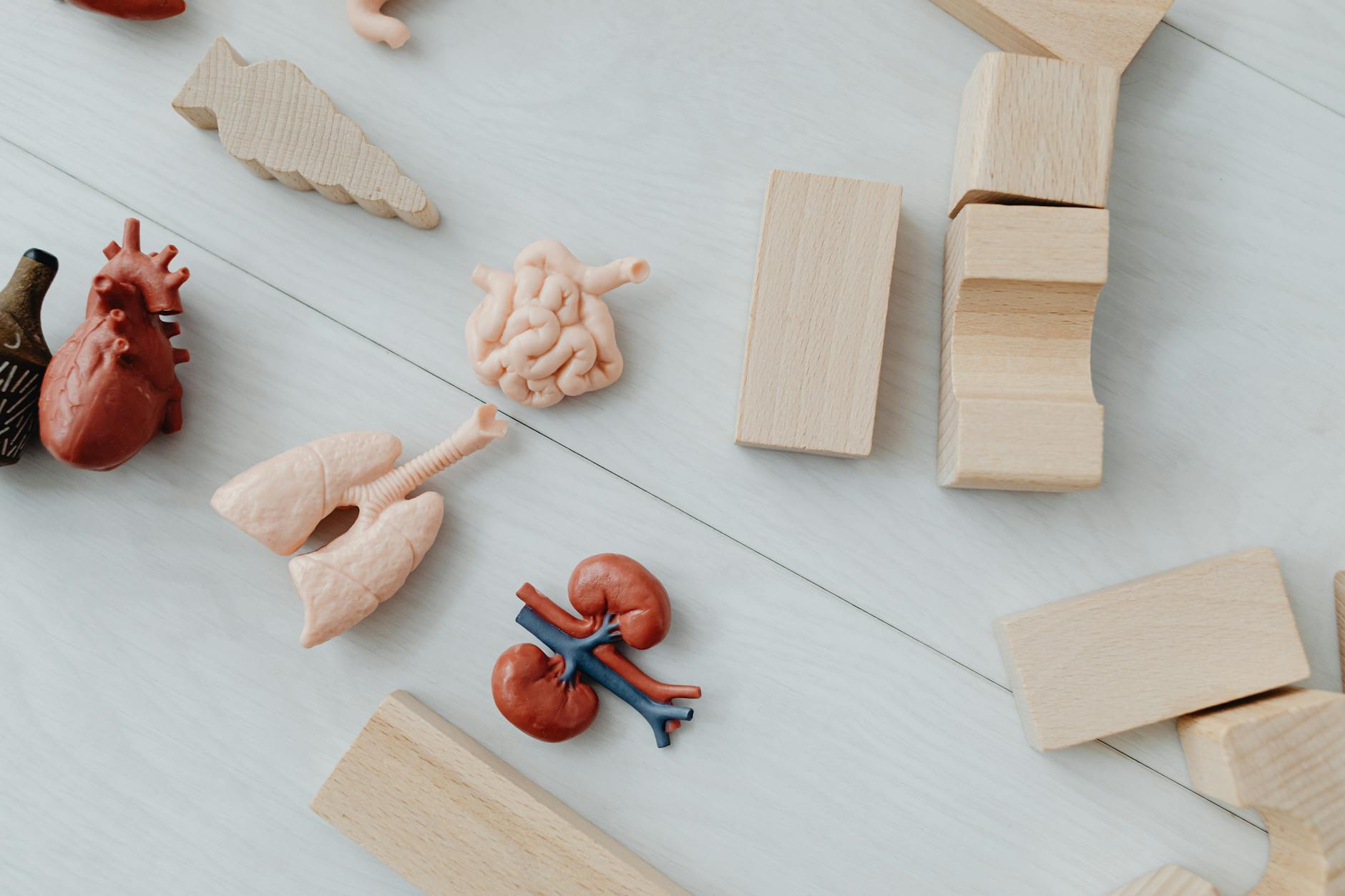
The liver’s detoxification pathways are directly influenced by the volume and regularity of caffeine metabolism that the organ is required to perform alongside its other hormonal processing responsibilities. In individuals who consume multiple cups of coffee daily, the cytochrome P450 system that handles caffeine is simultaneously responsible for clearing synthetic hormones, environmental estrogens, medications, and metabolic waste products, creating a processing competition that affects the efficiency of all these functions. Functional medicine practitioners who assess liver detoxification capacity note that high caffeine loads can shift the balance of phase one and phase two liver detoxification in ways that favor the accumulation of intermediate metabolites that are more hormonally active and potentially more harmful than the original compounds. Women who use hormonal contraceptives or hormone replacement therapy may find that high coffee intake alters the metabolism of these compounds in ways that affect both their efficacy and their side effect profile. Supporting liver detoxification capacity through adequate hydration, cruciferous vegetable consumption, and moderated caffeine intake is a cornerstone recommendation in integrative hormonal health protocols.
Fertility Signals

Research examining caffeine intake in relation to fertility outcomes has found associations between high consumption levels and longer time to conception, increased risk of early pregnancy loss, and measurable alterations in the hormonal patterns that govern ovulation and implantation. The World Health Organization and multiple reproductive medicine bodies have issued guidance recommending that individuals who are attempting to conceive reduce caffeine intake to below two hundred milligrams daily, reflecting the accumulated evidence of its reproductive hormonal effects. The mechanism involves caffeine’s influence on the hypothalamic-pituitary-ovarian axis, the hormonal communication chain that governs follicle development, ovulation timing, and the luteal phase support necessary for early pregnancy maintenance. Men who are part of fertility investigations are increasingly assessed for caffeine intake as well, given research suggesting associations between high consumption and altered sperm parameters that reflect hormonal disruption. Reproductive endocrinologists note that caffeine reduction is among the most modifiable dietary variables in fertility support and that its impact is typically observable within one to three menstrual cycles of consistent reduction.
Anxiety and Cortisol

The bidirectional relationship between caffeine consumption and anxiety operates through the cortisol and adrenaline pathways in a way that creates a self-amplifying cycle particularly difficult to identify when coffee has been a daily constant for many years. Individuals who experience generalized anxiety, social anxiety, or panic disorder frequently find that their coffee consumption is directly amplifying their symptoms through the sustained adrenal stimulation it produces, but they rarely connect the two because the symptoms feel like a pre-existing condition rather than a dietary response. Psychiatrists who screen for dietary contributors to anxiety disorders note that caffeine is one of the most consistently underestimated variables in anxious patients’ symptom profiles. The cortisol elevation produced by caffeine consumption in an already-anxious individual raises the baseline arousal level to a point where normal daily stressors trigger disproportionate hormonal responses. A structured caffeine reduction trial conducted over four to six weeks is among the most informative interventions a psychiatrist or psychologist can recommend for a patient who presents with anxiety that has been unresponsive to other approaches.
Hydration and Hormones

Coffee’s mild diuretic effect creates a fluid balance challenge that has direct implications for hormonal function, as the majority of the body’s hormones are transported through and regulated within an aqueous medium that requires consistent hydration to maintain its chemical environment. Aldosterone, the hormone responsible for regulating sodium and potassium balance and overall fluid volume, is directly activated by dehydration signals and chronically elevated aldosterone from habitual mild dehydration is associated with blood pressure elevation, fatigue, and electrolyte imbalances that affect nerve and muscle function. Individuals who begin their day with coffee before consuming any water are starting their hormonal morning in a state of relative dehydration that the caffeine-induced diuresis then compounds before any corrective fluid has been consumed. Hormone-focused nutritionists consistently recommend consuming at least one full glass of water before the first coffee of the day as a foundational practice that costs nothing and addresses the dehydration component of the morning hormonal environment. The simple habit of hydrating before caffeinating shifts the biochemical context in which the morning’s hormonal activity unfolds and represents one of the most accessible individual interventions available.
Perimenopause Amplification

Women in the perimenopausal transition who are already experiencing hormonal volatility find that caffeine consumption amplifies the intensity and frequency of the symptoms that define this phase, including hot flashes, night sweats, mood instability, and sleep disruption. The mechanism involves caffeine’s stimulation of the sympathetic nervous system and the adrenal axis at a time when declining ovarian hormone production is already stressing these regulatory systems beyond their usual adaptive capacity. Research examining hot flash frequency in perimenopausal women has found consistent associations between caffeine intake and increased vasomotor symptom occurrence, with the relationship being particularly pronounced in women who consume coffee in the afternoon or evening hours. Menopause specialists who work within integrative frameworks routinely identify caffeine reduction as one of the most immediately impactful lifestyle modifications for women who are seeking symptom relief without pharmaceutical intervention. The hormonal sensitivity of the perimenopausal window makes this life stage one of the most revealing periods for observing the degree to which daily coffee has been influencing the body’s regulatory systems all along.
Dopamine Dependency

Caffeine’s influence on dopamine receptor activity creates a reward and dependency cycle that operates through the same neurochemical pathways involved in motivation, pleasure, and the hormonal regulation of mood and drive. Regular caffeine consumption upregulates dopamine receptor sensitivity in a way that makes naturally occurring dopamine-releasing activities feel less rewarding by comparison, effectively raising the threshold for the pleasurable hormonal response that the brain expects from positive experiences. Neuroscientists who study caffeine’s long-term effects on reward circuitry note that habitual consumers often report a progressive blunting of pleasure from activities that were previously satisfying, a phenomenon that resolves gradually during extended caffeine abstinence periods. The hormonal dimension extends to prolactin and the hormones involved in bonding and social reward, which are modulated by dopamine activity and therefore indirectly affected by caffeine’s influence on the dopamine system. Understanding coffee dependency as a neurohormonal phenomenon rather than simply a preference or habit provides a more accurate framework for individuals who are attempting to reduce their consumption and finding the process more difficult than they anticipated.
Inflammation Pathways

While coffee contains antioxidant compounds that are associated with reduced inflammatory markers in epidemiological research, the cortisol and adrenaline stimulation produced by caffeine also activates pro-inflammatory signaling pathways that can work against the antioxidant benefits in individuals who are already carrying a significant inflammatory burden. Inflammatory cytokines disrupt hormonal signaling at multiple points along the endocrine cascade, interfering with the sensitivity of receptor sites, the transport of hormones through the bloodstream, and the conversion of precursor compounds into their active hormonal forms. Women with conditions including polycystic ovary syndrome, endometriosis, and autoimmune thyroid disease who are already managing elevated inflammatory activity may find that high coffee intake contributes to the inflammatory load that perpetuates their hormonal symptoms. Integrative rheumatologists and endocrinologists who work with inflammatory hormonal conditions note that the individual response to coffee’s inflammatory versus anti-inflammatory properties appears to be substantially determined by gut microbiome composition and genetic variation in inflammatory signaling genes. An elimination and reintroduction approach conducted under professional guidance is currently the most reliable method for determining whether coffee is functioning as a net inflammatory stimulus in a given individual’s system.
Hormone Testing Accuracy
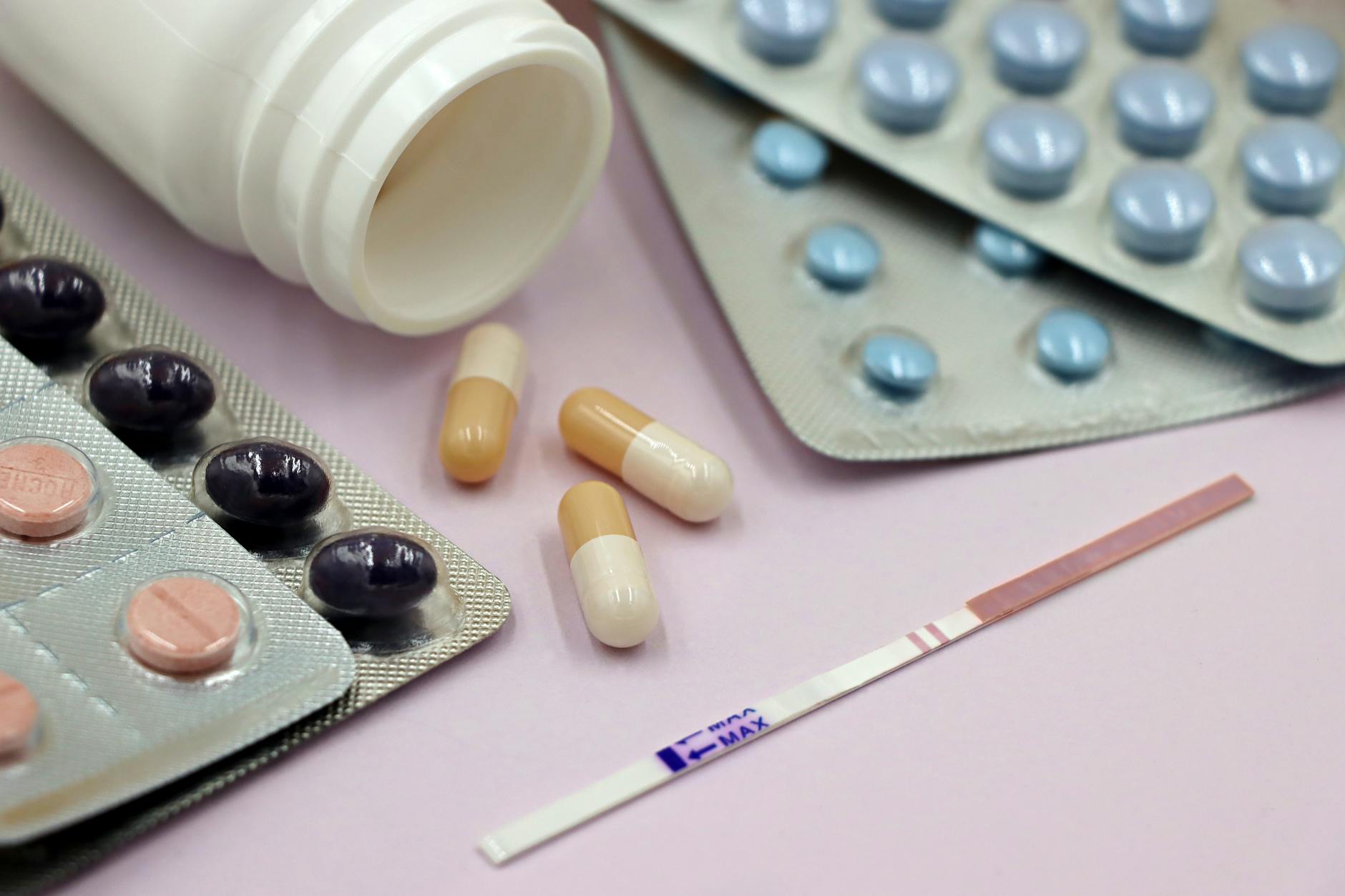
Consuming coffee before hormonal blood tests, saliva tests, or urine collections can significantly alter the results in ways that lead to inaccurate assessment and potentially inappropriate treatment decisions. Cortisol levels measured after coffee consumption reflect a pharmacologically elevated state rather than the individual’s true baseline, producing readings that may cause a clinician to overlook genuine adrenal dysfunction or to misinterpret the timing of the natural cortisol rhythm. Estrogen and testosterone measurements can also be affected by the acute metabolic and circulatory changes that caffeine produces, introducing variability that reduces the reliability of the data collected. Functional medicine practitioners who use comprehensive hormone panels as diagnostic tools routinely instruct patients to abstain from caffeine for a minimum of twelve hours before testing and to avoid it entirely on the day of collection. The frequency with which this instruction is either not given or not followed is cited by laboratory medicine specialists as one of the most common sources of confounding variation in hormone test results across clinical settings.
Adaptogen Interference

Consuming coffee simultaneously with or immediately before adaptogenic herbs and supplements that are taken specifically to support adrenal function and hormonal balance significantly reduces the therapeutic value of those compounds. Adaptogens including ashwagandha, rhodiola, and holy basil work by modulating the body’s stress response system and supporting the adrenal glands’ capacity to regulate cortisol output, but their regulatory effect is counteracted when the adrenal system is simultaneously being forcibly stimulated by caffeine. The combination effectively places the body in a push-pull state in which the supplement is attempting to calm and regulate the same hormonal axis that the coffee is actively stimulating, producing a net result that is considerably less beneficial than either compound would achieve in isolation. Integrative health practitioners who recommend adaptogens for hormonal support consistently advise separating their use from caffeine consumption by a minimum of two hours and ideally consuming them at a time of day when no coffee is planned. Individuals who are investing in hormonal support supplements without addressing their coffee timing habits may be significantly limiting the return on that investment without realizing it.
Cycle Tracking Interference
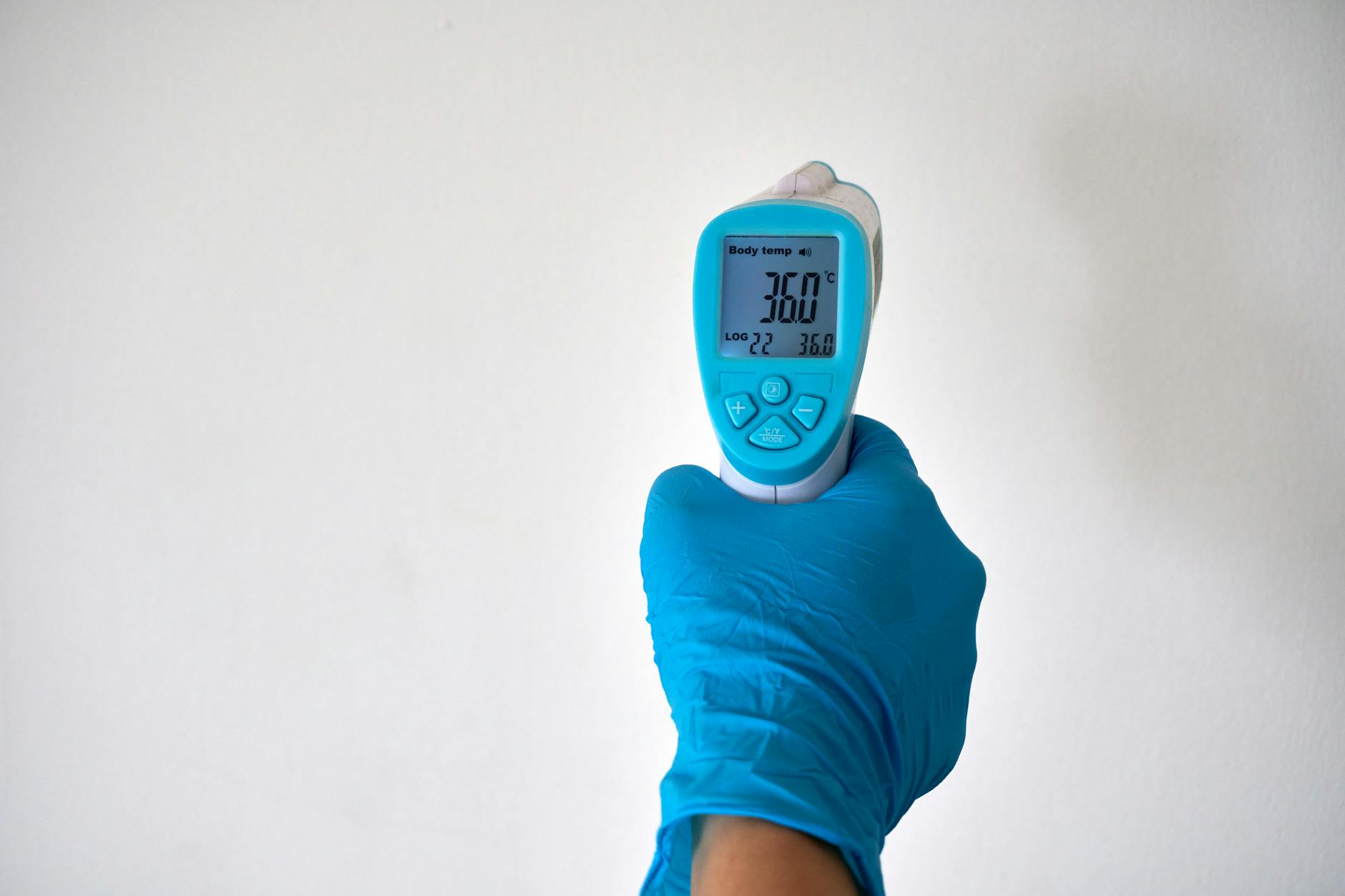
Women who use basal body temperature tracking as part of fertility awareness or cycle monitoring find that caffeine consumption introduces variability into their temperature readings that reduces the reliability of the data they are collecting. Basal body temperature is measured first thing in the morning before any food, drink, or physical activity specifically because even minor metabolic stimulation alters the reading, and caffeine is among the most potent of those stimulants. The cortisol and metabolic rate elevation produced by caffeine also affects the cervical fluid patterns and hormonal shift indicators that cycle trackers use alongside temperature data to identify ovulation and assess luteal phase quality. Fertility awareness educators note that women who consume coffee before or during their tracking window consistently produce less interpretable charts than those who maintain their tracking protocol with careful attention to caffeine timing. Establishing a consistent protocol that separates caffeine consumption from morning tracking measurements is one of the most practical steps a cycle tracker can take to improve the accuracy and clinical usefulness of the data they are generating.
Individual Metabolism

The degree to which coffee affects any individual’s hormonal environment is substantially determined by genetic variation in the CYP1A2 gene, which governs the rate at which the liver metabolizes caffeine and therefore how long its hormonal effects remain active in the body. Slow metabolizers of caffeine retain its stimulant and hormonal effects for considerably longer than fast metabolizers consuming identical amounts, meaning that a single afternoon coffee may produce the same degree of sleep and cortisol disruption in a slow metabolizer as three cups would in someone who processes it rapidly. The same genetic variation also influences how strongly caffeine interacts with estrogen metabolism pathways, meaning that the hormonal impact of a given coffee habit is not predictable from population research alone but requires individual assessment to understand accurately. Consumer genetic testing panels that include caffeine metabolism markers have become increasingly accessible and provide a useful starting point for individuals who want to understand why their response to coffee differs markedly from that of people around them who appear to consume it without consequence. Recognizing caffeine metabolism as an individual biological variable rather than a universal constant is the foundation of a genuinely personalized approach to managing coffee’s hormonal effects.
Have you noticed changes in your energy, mood, or cycle that might be connected to your coffee habits? Share your experience in the comments.




