While the raw food movement has gained significant popularity in recent wellness circles, science suggests that heat is sometimes necessary to unlock the full potential of certain ingredients. Cooking can break down tough cellular walls that trap essential vitamins and minerals so the human body can absorb them more effectively. Several vegetables contain natural compounds that block nutrient absorption or even cause digestive distress when consumed in their uncooked state. Applying heat often neutralizes these antinutrients while simultaneously increasing the bioavailability of powerful antioxidants. A balanced diet includes a mix of raw and cooked options to ensure the widest range of nutritional benefits.
Tomatoes
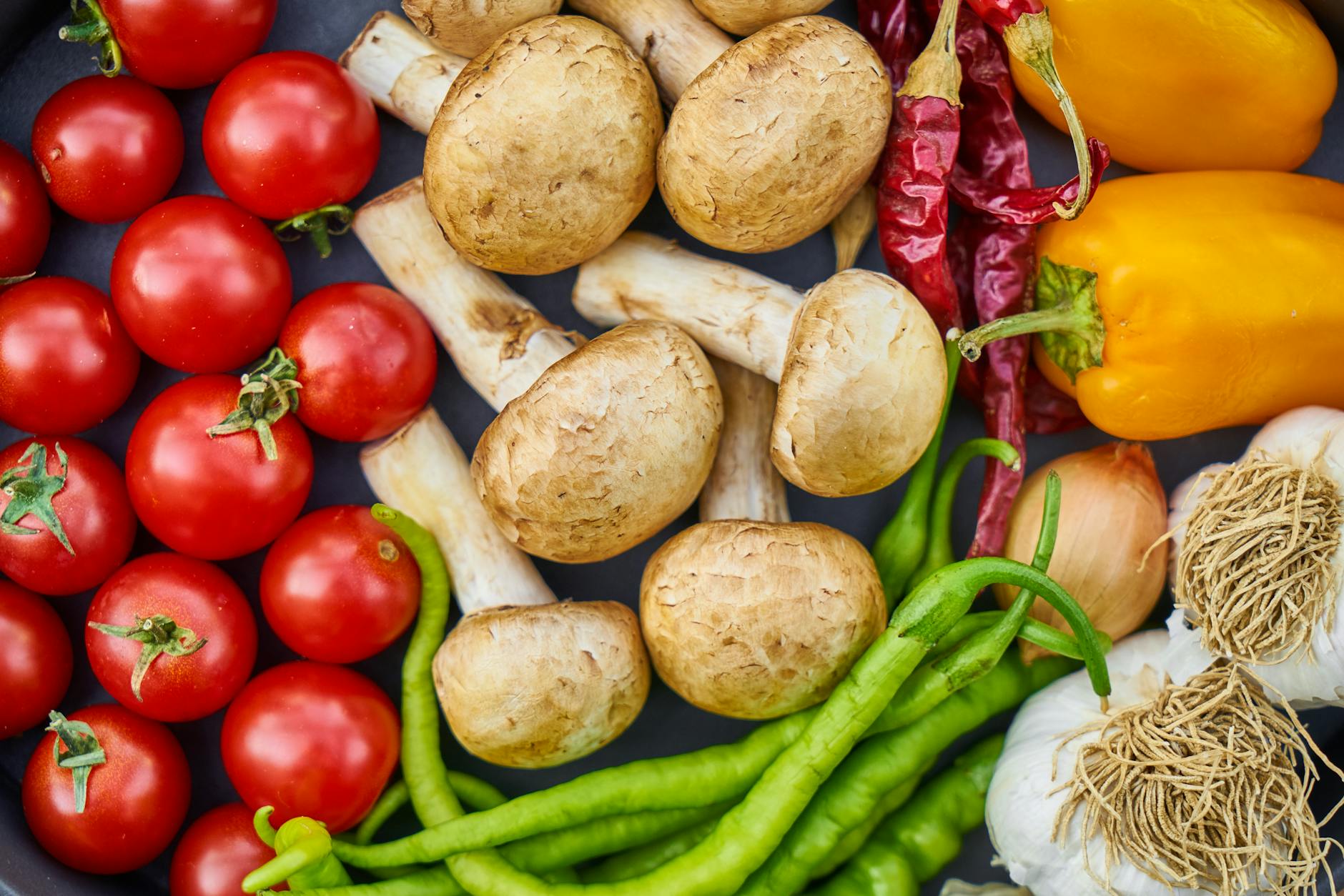
The nutritional profile of this vibrant red fruit transforms significantly when exposed to heat. Cooking tomatoes breaks down thick cell walls and releases a powerful antioxidant known as lycopene. This specific compound is linked to heart health and cell protection but remains largely locked away in raw tomatoes. Adding a small amount of healthy fat like olive oil during the cooking process further enhances the absorption of this nutrient.
Carrots

Beta-carotene gives these root vegetables their signature orange hue and converts to Vitamin A in the body. Raw carrots possess tough cellular structures that hold onto this vital nutrient tightly and make absorption difficult. Lightly steaming or boiling carrots softens these fibers and allows the digestive system to access significantly more beta-carotene. The presence of heat does not destroy this compound but actually makes it more bioavailable for immediate use by the body.
Spinach
Leafy greens like spinach are packed with iron and calcium but also contain high levels of oxalic acid. This naturally occurring acid binds to minerals and prevents the body from absorbing them efficiently during digestion. Cooking spinach drastically reduces the amount of oxalic acid and frees up calcium and iron for absorption. Steaming or boiling the leaves also shrinks them down so you can consume a much larger volume of nutrients in a single serving.
Asparagus

These fibrous green stalks are rich in vitamins A, C, and E along with folate. The thick cell walls of asparagus make it difficult for the body to access these vitamins when the vegetable is eaten raw. Cooking breaks down the fibrous cells to release the nutrients and makes the vegetable easier to chew and digest. Proper preparation ensures that the full antioxidant capacity of the stalks is available to support cellular health.
Mushrooms

Mushrooms contain a tough substance called chitin that is very difficult for humans to digest properly. Cooking breaks down this structure and releases the proteins, B vitamins, and minerals stored inside the fungal cells. Most varieties also contain small amounts of toxins or heavy metals that are effectively neutralized by the cooking process. Thorough heating ensures safety while unlocking the savory flavor and nutritional benefits hidden within the dense fibers.
Potatoes

Raw potatoes contain resistant starch that can cause significant gas and bloating because humans cannot digest it well. They also contain anti-nutrients that can interfere with the absorption of other essential minerals and enzymes. Baking, boiling, or roasting converts this resistant starch into digestible energy while breaking down problematic compounds. Cooking is essential to make the tubers safe to eat and to unlock their potassium and Vitamin C content.
Sweet Potatoes

These orange tubers are an excellent source of beta-carotene much like carrots. Cooking is necessary to soften the flesh and break down starch into maltose which gives them their sweet flavor. Heat treatment significantly improves the bioavailability of their potent antioxidants compared to eating them raw. The cooking process also reduces inhibitors that otherwise prevent enzymes from digesting proteins effectively.
Kale

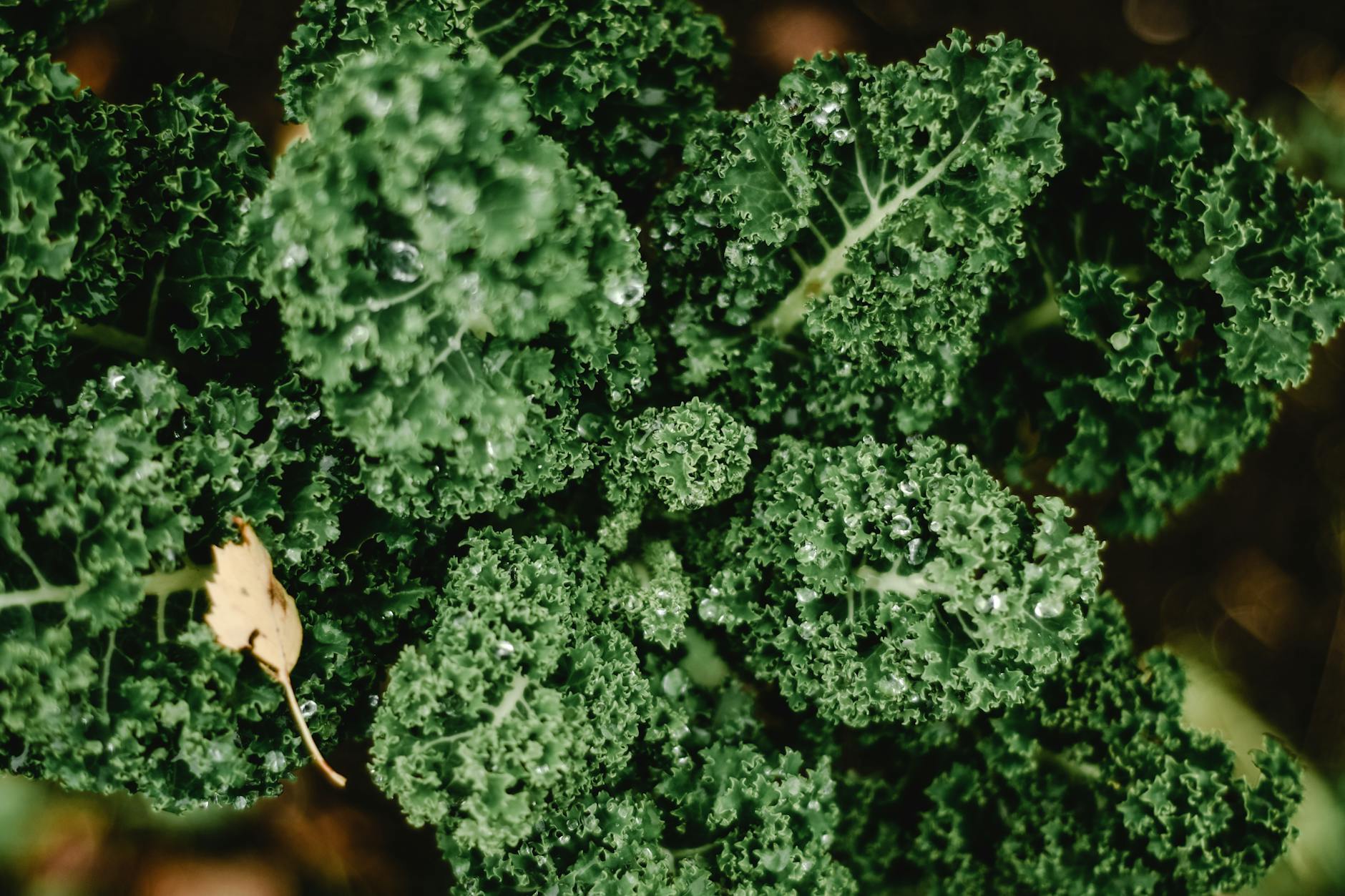
This cruciferous vegetable is famous for its nutrient density but can be hard on the thyroid when eaten raw in large quantities. Raw kale contains goitrogens that can interfere with thyroid function and iodine uptake in certain individuals. Lightly cooking or steaming kale deactivates these enzymes while retaining most of the vitamins and minerals. Heat also softens the tough fiber structure to make digestion smoother and less likely to cause bloating.
Brussels Sprouts
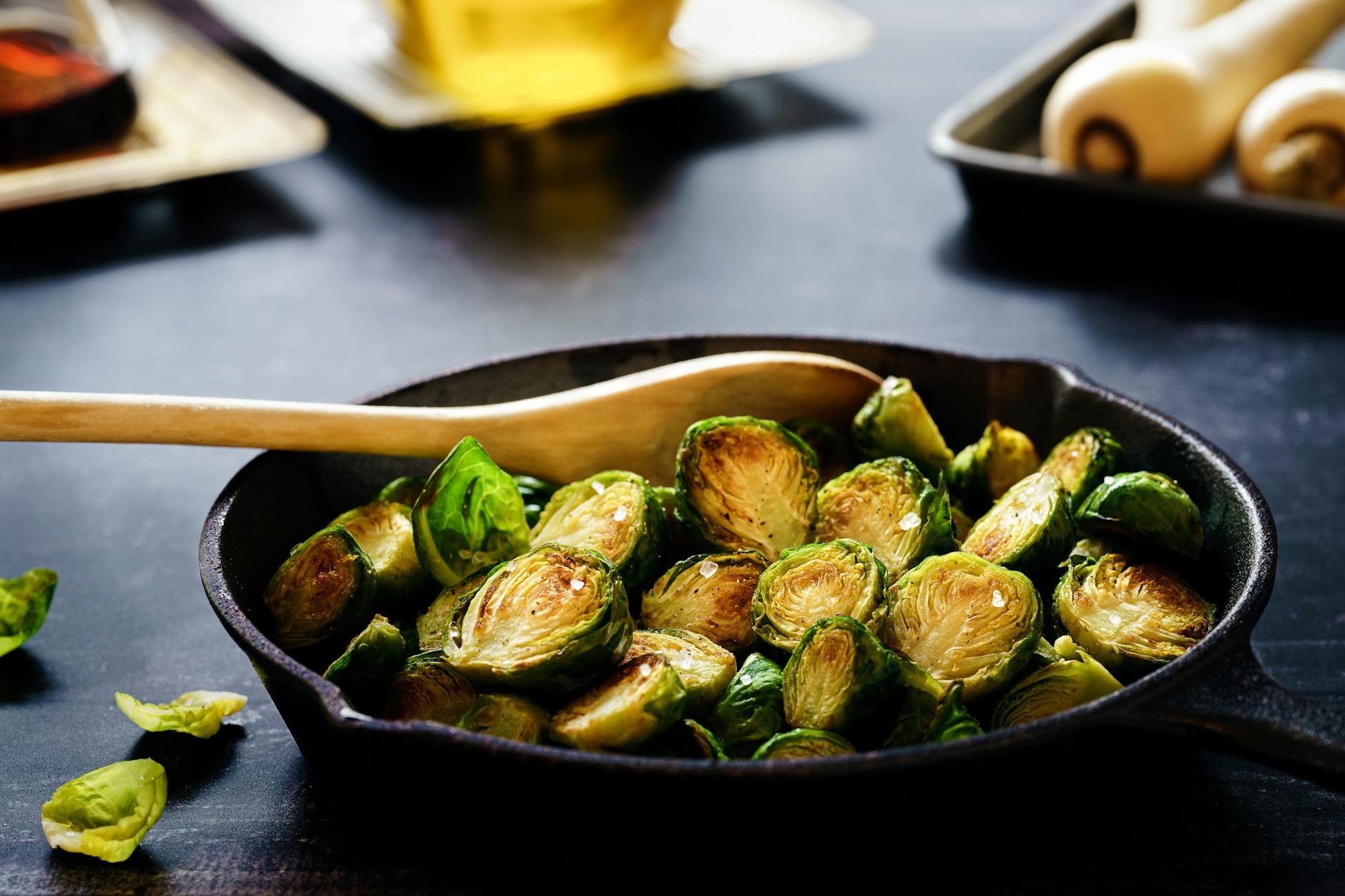
These miniature cabbages are dense with fiber and a compound called cellulose that the stomach struggles to break down. Eating them raw can lead to significant abdominal discomfort and gas due to the indigestible fibers. Roasting or steaming softens the cellulose and makes the glucosinolates within the sprouts more effective. Heat transforms them into a gut-friendly vegetable while preserving their high Vitamin K and Vitamin C content.
Green Beans

Raw green beans contain lectins which are proteins that can bind to the digestive tract and cause nausea or vomiting. Cooking neutralizes these lectins completely and makes the beans safe for consumption. The heat also breaks down fibrous skins to improve the digestibility of the vegetable. Steaming green beans preserves their vibrant color and crisp texture while eliminating the risks associated with raw legume consumption.
Red Kidney Beans

These legumes are actually toxic when consumed raw due to a very high concentration of a lectin called phytohaemagglutinin. Even a small handful of raw or undercooked kidney beans can cause severe gastrointestinal distress and illness. Thorough boiling for at least ten minutes is required to destroy the toxin and make the beans safe to eat. Once cooked they become an excellent and safe source of plant-based protein, fiber, and iron.
Eggplant

Raw eggplant contains solanine which is a bitter glycoalkaloid that can inhibit nutrient absorption and cause digestive upset. The spongy texture of raw eggplant is also unpalatable and difficult to chew effectively. Grilling or baking breaks down the solanine and collapses the air pockets in the flesh. This process results in a creamy texture and allows the vegetable to soak up flavors while becoming biologically safe.
Cassava

This starchy root vegetable is a staple in many diets but contains cyanogenic glycosides that turn into cyanide if eaten raw. Thorough peeling and cooking are absolutely mandatory to remove these toxic compounds and make the tuber safe. Boiling or roasting neutralizes the harmful chemicals and transforms the root into a valuable source of energy. It is never safe to consume any part of the cassava plant without proper processing and heat application.
Eggs

The protein in eggs is much more digestible when it has been denatured by heat. Raw egg whites contain a protein called avidin which binds to biotin and prevents the body from absorbing this essential B vitamin. Cooking the egg neutralizes avidin and allows for full biotin absorption. Heating also eliminates the risk of salmonella bacteria that can be present in raw eggs.
Chicken

Raw chicken presents a high risk of bacterial contamination from dangerous pathogens like salmonella and campylobacter. Cooking poultry to the proper internal temperature is the only way to kill these bacteria and ensure the meat is safe. The proteins in chicken are also tightly wound and difficult for enzymes to break down without heat. Cooking denatures these proteins and makes the amino acids bioavailable for muscle repair and growth.
Pork

Undercooked or raw pork carries the risk of transmitting parasites such as Trichinella spiralis or harmful bacteria. Heat treatment is essential to eliminate these pathogens and prevent serious foodborne illnesses. The digestive system handles cooked pork proteins much more efficiently than raw fibers. Proper cooking ensures that the iron and zinc found in the meat are absorbed without the risk of parasitic infection.
Fish

While sushi is popular there is always a risk of parasites and bacteria in raw fish that cooking eliminates. Heat destroys potential worms and pathogens that can cause digestive infections or more serious health issues. Cooking fish also changes the structure of its proteins to make them easier for the stomach to process. Many people find the texture and flavor of cooked fish more palatable which encourages higher consumption of omega-3 fatty acids.
Shellfish

Raw shellfish such as oysters and clams can carry Vibrio bacteria which thrive in coastal waters. These bacteria can cause severe illness particularly in individuals with compromised immune systems or liver issues. Cooking shellfish until the shells open ensures that harmful bacteria and viruses are destroyed. The heat treatment makes the protein safe to eat without diminishing the mineral content like zinc and selenium.
Rhubarb

The stalks of the rhubarb plant are very tart and fibrous when raw and the leaves are toxic due to high oxalic acid. Cooking the stalks with a sweetener breaks down the tough fibers and balances the intense acidity. Heat reduces the oxalate content in the stalks to make the calcium they contain more accessible. It creates a palatable texture that transforms a tough vegetable into a soft fruit-like ingredient.
Taro

Taro root contains calcium oxalate crystals that are sharp and can cause irritation or swelling in the mouth and throat. These crystals act like tiny needles if the root is eaten raw and can cause significant discomfort. Thorough cooking dissolves these crystals and removes the acrid taste completely. The heat transforms the starchy root into a smooth and nutritious food similar to a potato.
Elderberries
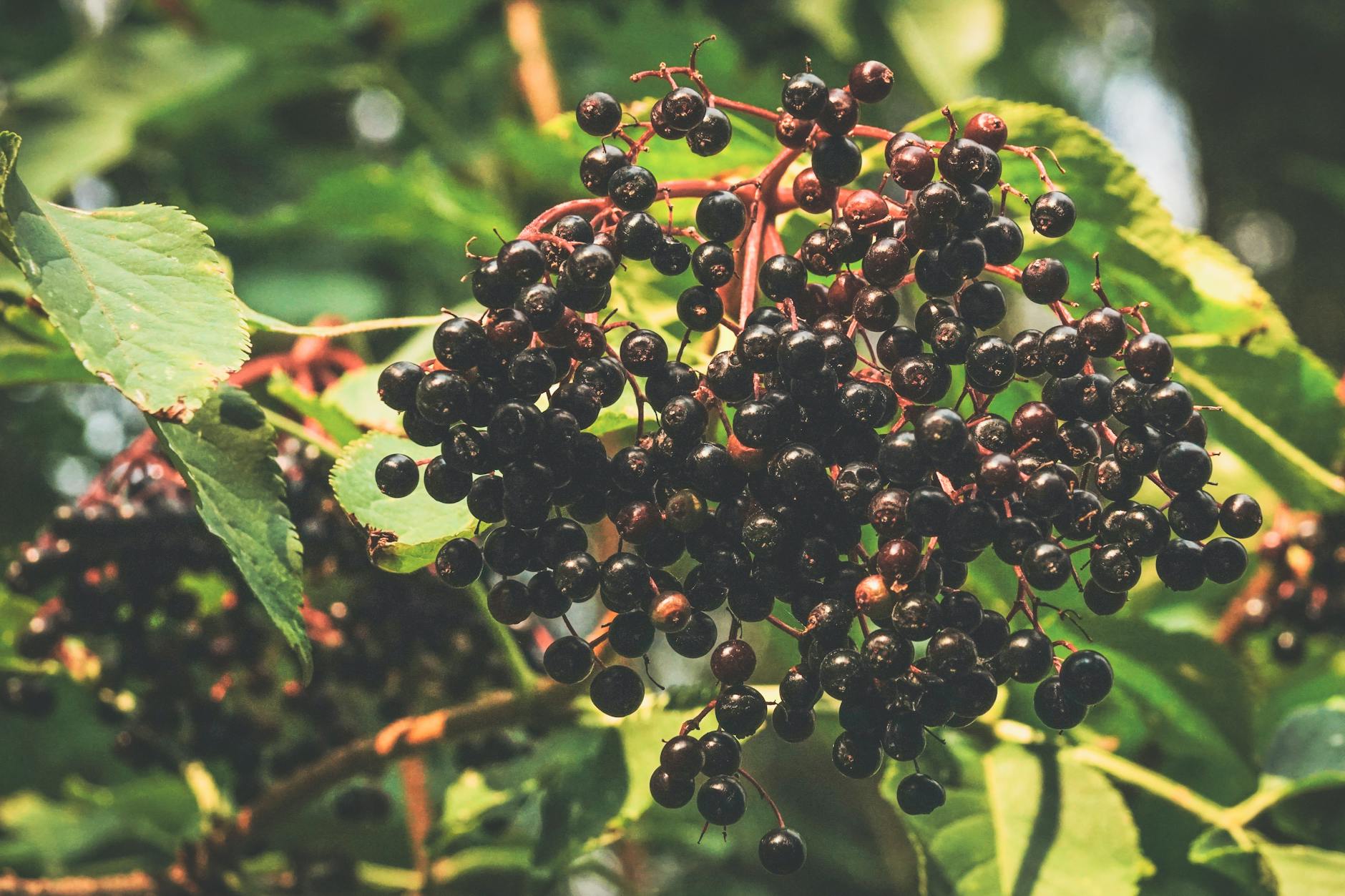
Raw elderberries contain cyanogenic glycosides which can induce nausea and vomiting if ingested without processing. Cooking the berries releases these toxins and makes the fruit safe for consumption in syrups or jams. The deep purple pigments remain intact during cooking and provide powerful antioxidants. Heat is the key step in turning a potentially toxic berry into a medicinal immune-boosting staple.
Olives
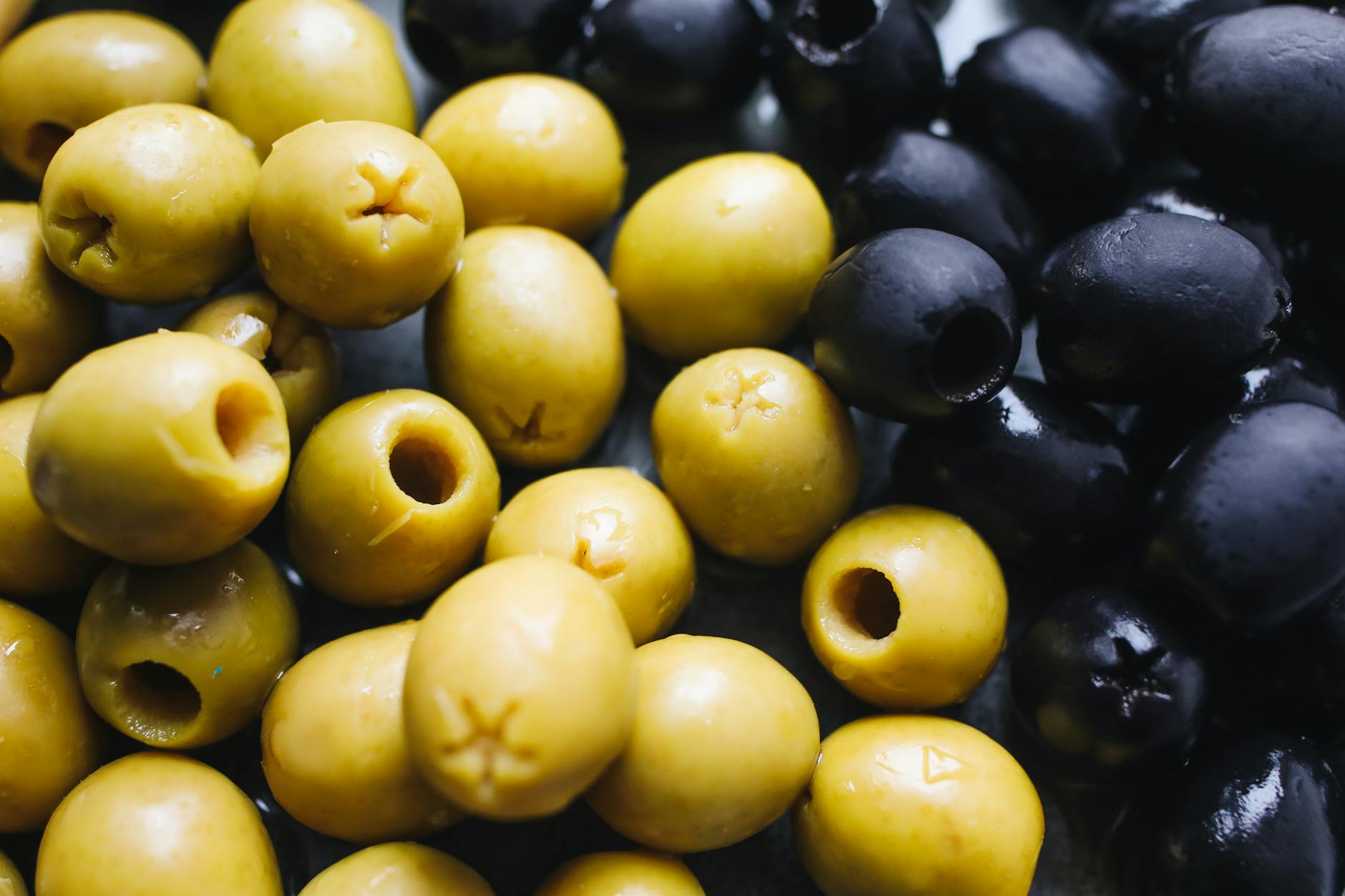
Fresh olives straight from the tree are incredibly bitter due to a compound called oleuropein. They require curing or fermentation often involving brine or heat to make them edible. The processing breaks down the bitterness and develops the rich savory flavor associated with olives. This transformation makes the healthy monounsaturated fats and polyphenols palatable and accessible.
Bamboo Shoots
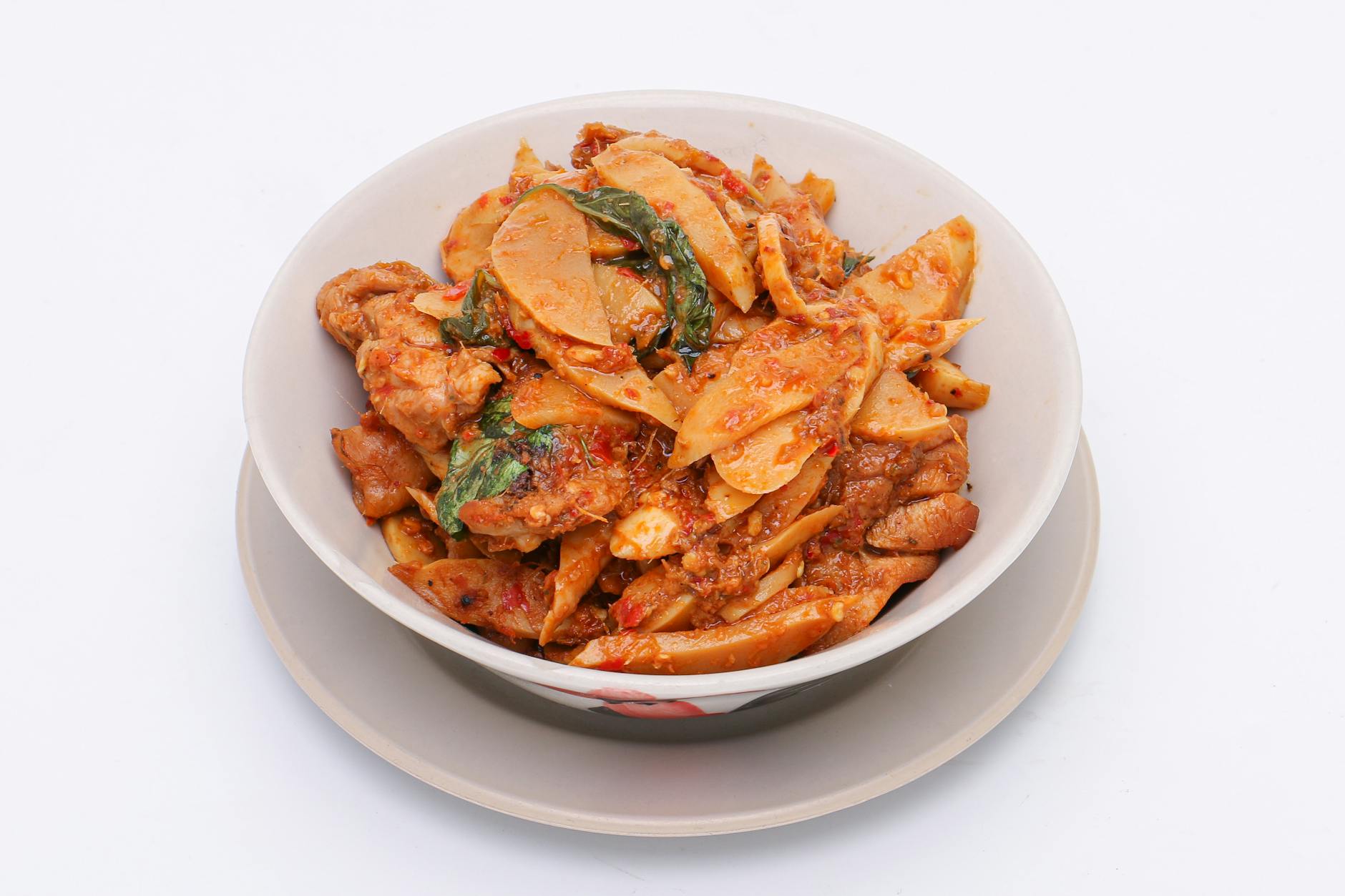
Fresh bamboo shoots contain taxiphyllin which is a cyanogenic glycoside that converts to cyanide in the gut. Boiling the shoots is necessary to degrade this toxin and remove the natural bitterness. The cooking process renders the shoots safe and tender enough to eat in curries and stir-fries. Proper preparation ensures you get the fiber benefits without the risk of toxicity.
Soybeans

Raw soybeans contain high levels of trypsin inhibitors which block the enzyme needed to digest protein. They also contain lectins and phytates that can reduce mineral absorption. Boiling or steaming soybeans neutralizes these antinutrients and improves protein digestibility. Fermentation is another method used to break down these compounds and enhance the nutritional profile.
Chickpeas
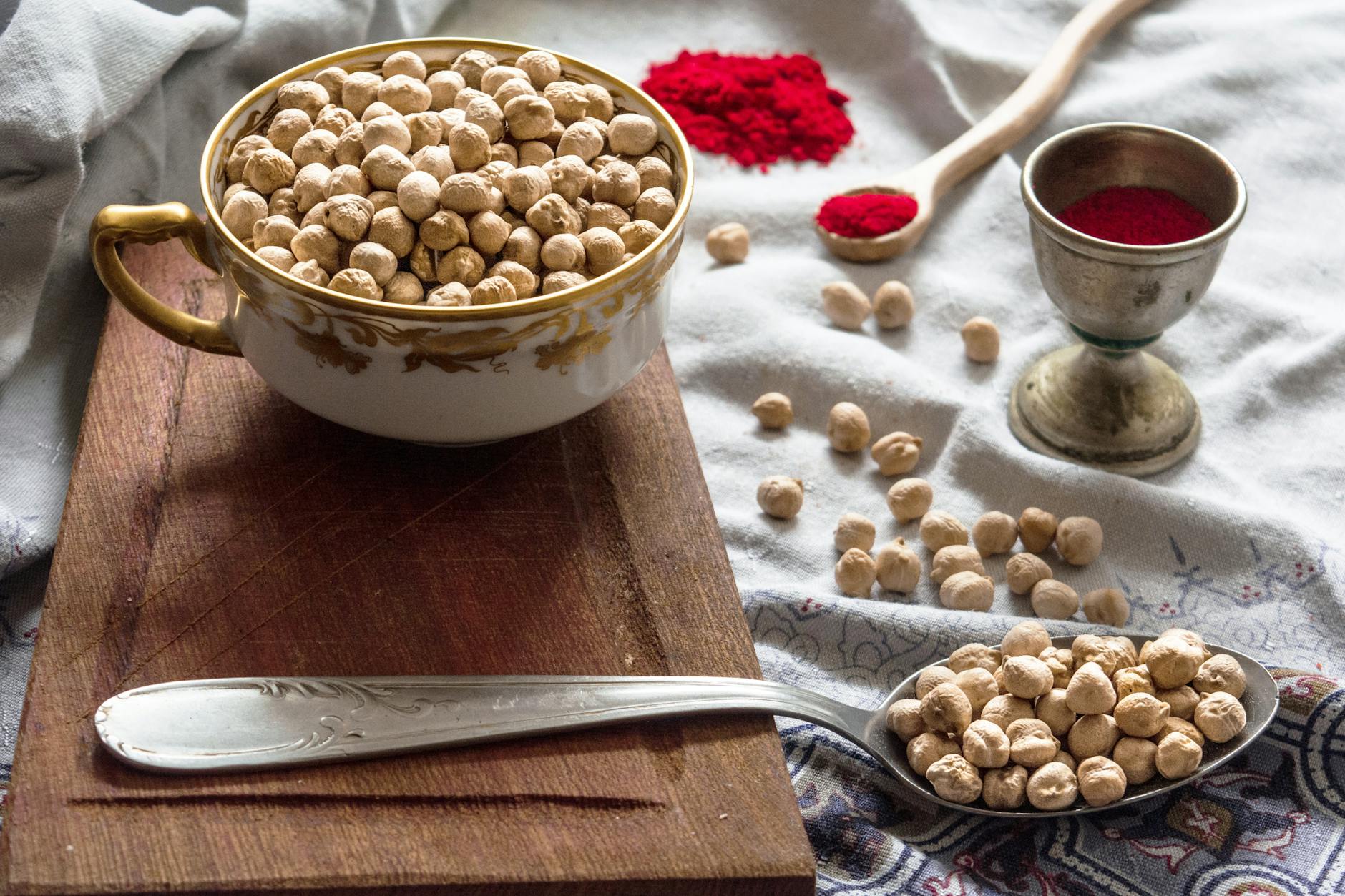
Dried chickpeas are incredibly hard and contain toxins that are hard on the digestive system. Soaking and boiling are required to soften the legumes and remove lectins and anti-nutrients. Cooking makes the protein and complex carbohydrates available for energy and muscle repair. Hummus and other chickpea dishes rely on this cooking process to create a smooth and digestible product.
Lentils

Like other legumes lentils contain phytic acid which binds to minerals like iron and zinc. Cooking reduces the phytic acid content and allows the body to absorb these nutrients more effectively. It also breaks down indigestible sugars that can cause gas and bloating. The result is a soft and versatile protein source that is gentle on the stomach.
Peanuts

Peanuts are legumes rather than true nuts and can contain aflatoxins produced by mold if not stored or processed correctly. Roasting or boiling peanuts reduces the risk of these toxins and degrades allergic proteins slightly. The heat also improves the flavor and texture making them crunchy or soft depending on the method. Cooking facilitates the digestion of peanut proteins and enhances the availability of antioxidants.
Cashews

The “raw” cashews sold in stores have actually been steamed to remove the shell and neutralize toxins. Truly raw cashews are surrounded by a double shell containing urushiol which is the same chemical found in poison ivy. Roasting or steaming is mandatory to remove this toxic resin and make the nut safe. This heat treatment ensures the consumer avoids a severe allergic skin reaction or internal irritation.
Morel Mushrooms

These prized wild mushrooms contain hydrazine toxins that are destroyed by heat but are harmful if eaten raw. Cooking eliminates the toxins and prevents gastrointestinal distress or neurological symptoms. The heat also brings out the deep earthy flavor that makes morels a delicacy. Never consume these mushrooms without thorough cooking to ensure safety.
Swiss Chard

Swiss chard is another leafy green high in oxalic acid that can contribute to kidney stones in susceptible people. Boiling the leaves and discarding the water significantly lowers the oxalate content. This cooking method preserves the magnesium and Vitamin K while reducing the antinutrients. The texture becomes tender and the bitterness is mellowed by the heat.
Beet Greens
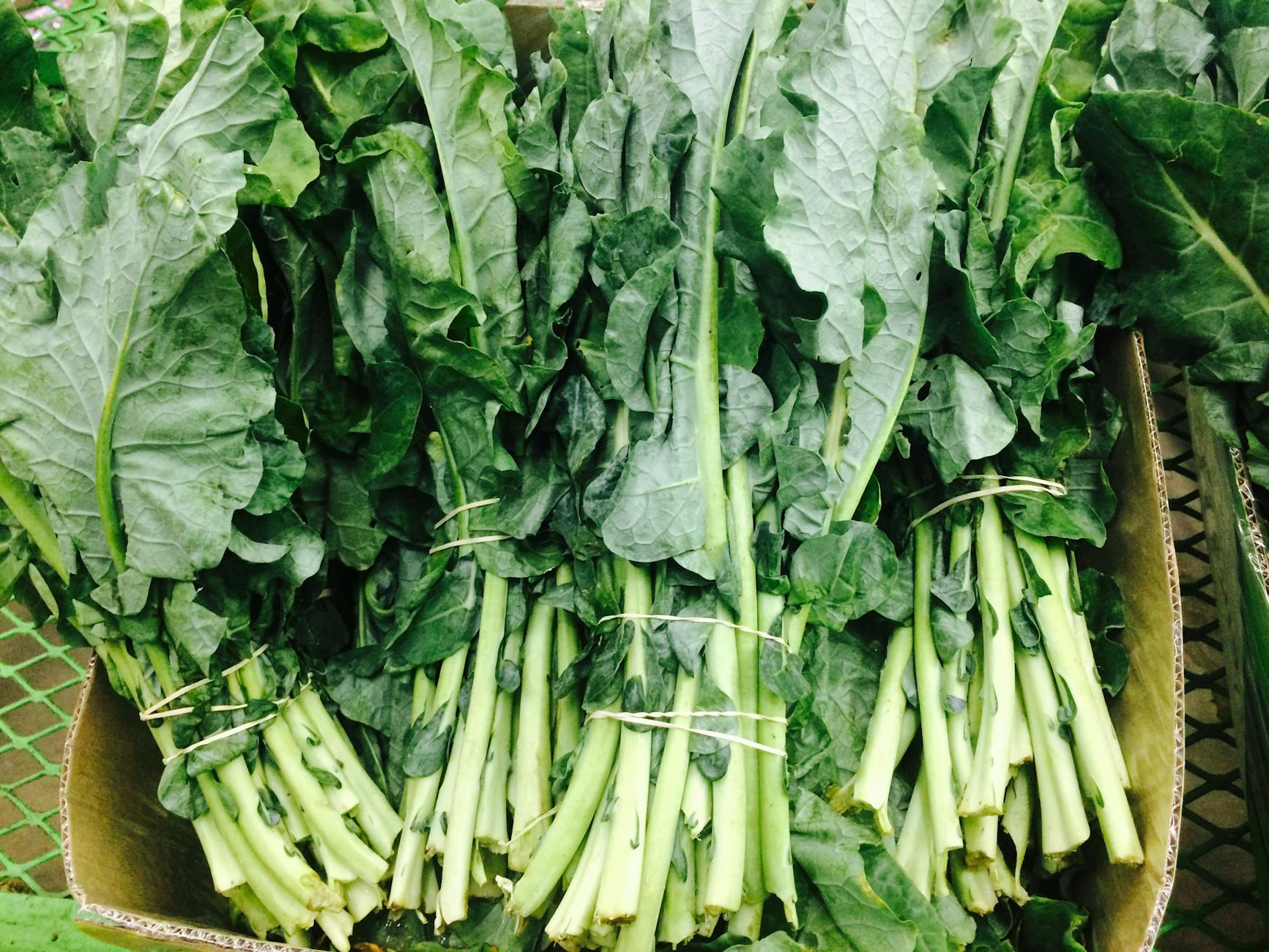
The leafy tops of beets are nutritious but contain high levels of oxalates and can be tough to chew. Sautéing or boiling the greens reduces the volume and the oxalic acid concentration. This makes the calcium and iron more available to the body during digestion. Cooking transforms them into a silky side dish similar to spinach but with a distinct earthiness.
Artichokes

The edible portion of a raw artichoke is difficult to separate from the tough and fibrous leaves. Cooking softens the heart and flesh of the leaves making them edible and delicious. Heat breaks down the cell walls to release cynarin which supports liver health. It turns a practically inedible thistle into a tender vegetable rich in fiber and antioxidants.
Pumpkin

Raw pumpkin is tough and fibrous with a flavor that is far less appealing than its cooked counterpart. Roasting or steaming softens the flesh and concentrates the flavor while making carotenoids more bioavailable. The heat breaks down the cellular matrix so the body can absorb Vitamin A and E efficiently. Cooked pumpkin is easier to digest and serves as a versatile base for soups and baked goods.
Winter Squash

Varieties like acorn and butternut squash have dense flesh that is difficult to eat without cooking. Baking or boiling converts the starches into sugars and softens the tough fibers. This process enhances the absorption of carotenoids which act as antioxidants in the body. Cooking makes the squash creamy and palatable while unlocking its full nutritional density.
Corn

Sweet corn contains ferulic acid which is a specific antioxidant that helps protect cells. Cooking corn significantly boosts the amount of ferulic acid available for absorption. The heat also gelatinizes the starches to make them easier to digest and use for energy. While raw corn is safe it provides fewer antioxidant benefits than cooked corn.
Cauliflower

Cooking cauliflower helps to soften the indigestible cellulose fibers that can cause bloating. Steam or heat helps release indole compounds which are currently being studied for their potential health benefits. The vegetable becomes much easier on the digestive tract when it is tender. Light cooking preserves the Vitamin C while making the other nutrients more accessible.
Broccoli

Steaming broccoli is often cited as the best method to preserve its cancer-fighting compounds while making it digestible. Raw broccoli can be very tough on the stomach and cause significant gas. Light heat softens the fiber and increases the bioavailability of carotenoids. It strikes a balance between preserving enzymes and making the vegetable comfortable to eat.
Peppers

Bell peppers are rich in Vitamin C and carotenoids that benefit skin and eye health. Roasting or stir-frying peppers breaks down the cell walls to release these carotenoids for better absorption. While raw peppers are healthy the heat makes certain antioxidants easier for the body to utilize. Cooking also mellows the flavor and changes the texture to be more versatile in dishes.
Zucchini

Boiling or steaming zucchini can help retain its antioxidant profile and soften the skin. The vegetable has a high water content and cooking concentrates the nutrients by reducing the volume. Heat breaks down the fibers which makes digestion easier for those with sensitive stomachs. It enhances the absorption of Vitamin A compared to eating the squash raw.
Cabbage

Cabbage contains goitrogens that can affect thyroid function if consumed raw in very large amounts. Cooking deactivates these compounds and creates a safer vegetable for regular consumption. The heat transforms the tough leaves into a sweet and tender food rich in Vitamin K. Fermentation also works to break down these compounds but cooking is the most direct method.
Share your favorite cooked vegetable recipe and how you prepare it in the comments.




