
Workplace dynamics are rarely spelled out directly, and social rejection tends to show up in quiet, easy-to-miss ways. Most people who are disliked by their colleagues are the last to realize it, largely because the signals are subtle and often disguised as ordinary workplace behavior. Paying attention to these patterns can be an important step toward improving relationships and building a healthier professional environment. Understanding where things may have gone wrong is the first move toward meaningful change.
Conversation Stops

When you walk into a room and conversations suddenly go quiet, it is rarely a coincidence. People who feel uncomfortable around a colleague will instinctively pause or redirect their discussions to avoid including that person. This pattern tends to repeat itself across different settings, from the break room to meeting areas. It signals that coworkers do not feel safe or comfortable speaking freely in that person’s presence. Noticing this shift consistently is one of the clearest early indicators of social distance in the office.
Lunch Invitations

Being consistently left out of lunch plans is one of the more telling signs that colleagues prefer to spend their downtime away from a particular person. Office lunch groups tend to form organically, and exclusion from them usually reflects a deliberate if unspoken preference. Someone who is well-liked is almost always included casually and without much thought. When invitations never come, even after months of working together, the message being sent is difficult to ignore. This kind of social exclusion often mirrors deeper tensions that exist throughout the working day.
Eye Contact

Colleagues who dislike someone will frequently avoid making eye contact during meetings or casual interactions. This is a deeply ingrained social behavior that signals discomfort, distrust, or a desire to disengage. When multiple people in a team display this pattern toward the same individual, it is rarely coincidental. Eye contact is a fundamental part of human connection, and its consistent absence communicates emotional distance. Observing whether others maintain natural eye contact during conversations can reveal a great deal about how they feel.
One-Word Replies

When coworkers respond to messages or in-person questions with the shortest possible answers, it often reflects a desire to limit interaction. Warm professional relationships typically involve some degree of casual conversation and elaboration. Consistently clipped responses that provide only the bare minimum suggest the other person is not interested in building rapport. This behavior tends to appear across both digital communication and face-to-face exchanges. It is a quiet but consistent way of maintaining distance without open confrontation.
Meeting Seating
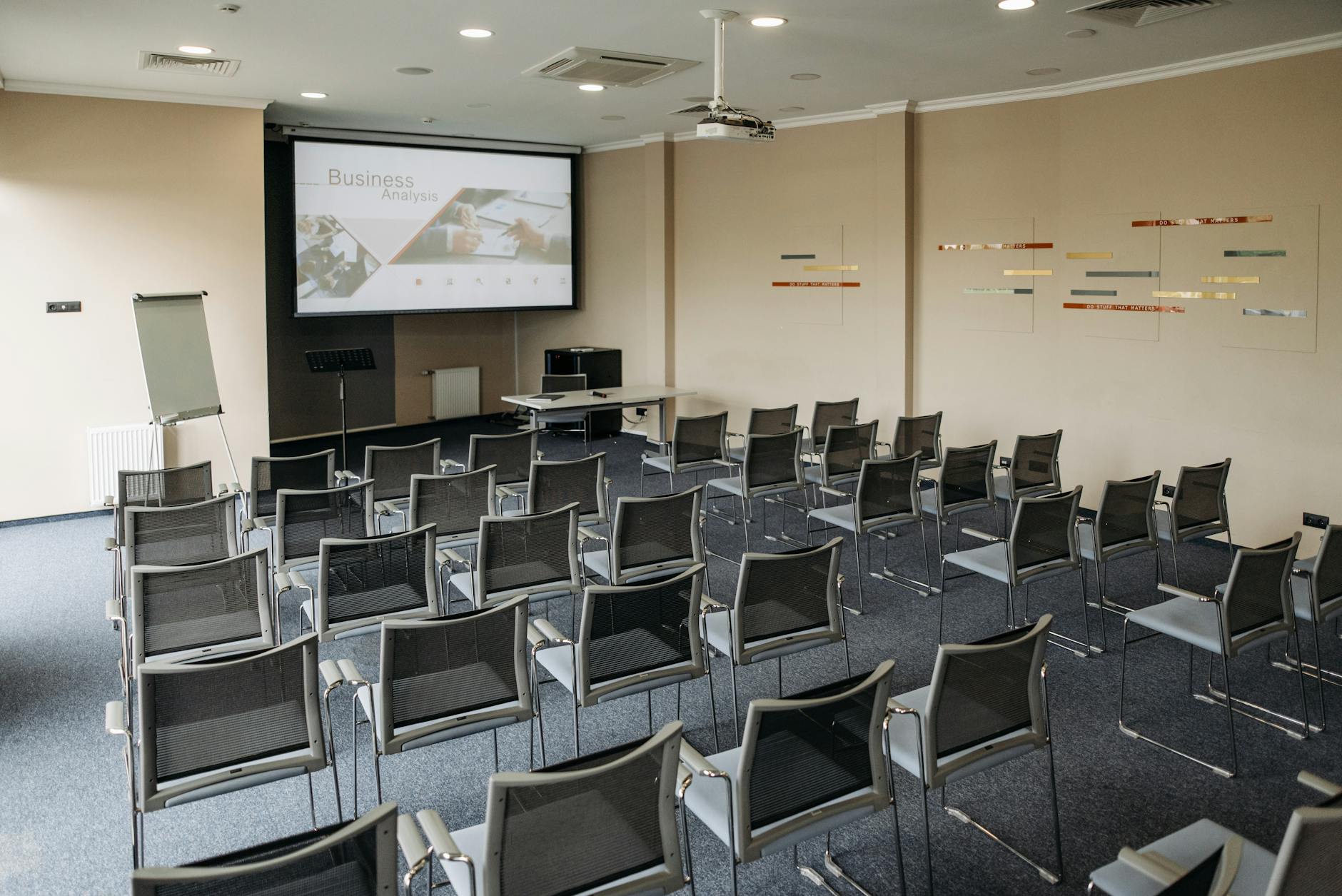
Where people choose to sit in meetings can reflect their social preferences more accurately than most realize. Colleagues who consistently avoid sitting near a particular person are often sending a nonverbal signal about their comfort level. In a team that gets along well, seating tends to be relaxed and varied. When the same person always ends up isolated at the table, the pattern becomes worth examining. Physical proximity in group settings is a reliable indicator of social connection and acceptance.
Credit Sharing

When a colleague’s contributions are consistently overlooked during presentations or team discussions, it may point to a broader dynamic of disrespect. Teams that function well tend to naturally acknowledge each member’s input, especially in front of leadership. Being left out of recognition, even for work that was clearly contributed, suggests that others are not invested in that person’s professional success. This behavior can be subtle enough to seem accidental on any single occasion. Across time and multiple instances, however, a pattern becomes apparent.
Group Chats

Being excluded from informal team messaging groups is a modern but significant sign of workplace isolation. These channels, whether on professional platforms or personal apps, are where a lot of bonding and casual communication takes place. Someone left out of these spaces misses not just the banter but also relevant information shared outside of formal channels. Colleagues rarely remove or exclude someone from these groups without reason. Discovering that such groups exist and that one is not part of them is a meaningful signal worth reflecting on.
Hallway Greetings

Most colleagues who share a positive relationship will acknowledge each other naturally when passing in hallways or common areas. When that basic social courtesy is consistently withheld by multiple people, it reflects something beyond simple absent-mindedness. Greeting someone in passing costs almost no effort, which is why its consistent absence tends to carry weight. A person who is well-regarded in the office almost always receives small but regular acknowledgments throughout the day. The lack of these micro-interactions, repeated over time, points to deliberate social distancing.
Body Language

Crossed arms, turned shoulders, and reduced physical openness during conversations are all ways the body communicates what words do not. Colleagues who feel negatively toward a person will often display closed-off posture without being fully conscious of doing so. This is especially telling in group settings where body language can be compared across different interactions. When someone notices that people consistently angle away from them or create physical barriers during exchanges, it is worth taking seriously. The body often tells a more honest story than professional courtesy allows.
Feedback Silence

Constructive feedback, even casual commentary on ideas, is a natural part of healthy team collaboration. When a particular person’s suggestions are met with silence or are simply passed over without acknowledgment, it reflects a lack of investment in that person’s input. Teams that respect all their members will engage with ideas even when they disagree with them. Consistent silence in response to contributions is a way of communicating that those contributions are not valued. Over time, this pattern can be deeply demoralizing and is a reliable sign of interpersonal friction.
Task Assignments

Being repeatedly assigned solo work while colleagues are grouped into collaborative projects can indicate more than a manager’s organizational choice. When the pattern is consistent and the person is regularly left to work alone, it sometimes reflects a team-wide preference to avoid pairing with that individual. Collaborative assignments are often opportunities for connection, and exclusion from them limits both professional growth and social integration. Noticing who gets paired with whom, and how often, can reveal underlying attitudes within a team. Isolation through task structure is one of the more subtle tools of workplace exclusion.
After-Work Plans

Social plans that extend beyond office hours are a strong indicator of genuine collegial warmth. When a person is never included in after-work gatherings, happy hours, or team social events, it suggests that colleagues do not wish to spend voluntary time with them. Unlike mandatory work functions, these events are chosen freely and reflect authentic preferences. Being consistently absent from the guest list, particularly when the same group of coworkers attends regularly, is a meaningful signal. Voluntary social inclusion is one of the clearest measures of how a person is truly regarded by their peers.
Performance Reviews

Informal peer feedback, when it consistently lacks warmth or specificity, can hint at underlying workplace tensions. Reviews and assessments that are technically adequate but noticeably cold in tone compared to those received by colleagues may reflect something beyond professional evaluation. Teams that genuinely respect a member tend to advocate for them in these processes. Sparse or indifferent language in feedback documents can be a quiet form of distancing. Reading between the lines of formal assessments sometimes reveals attitudes that coworkers would never express directly.
Office Humor

Shared humor is one of the strongest social glues in a workplace, and being consistently excluded from it is a meaningful sign. When jokes circulate freely among a group but stop or become awkward the moment a particular person enters, the dynamic is revealing. Colleagues who enjoy someone’s company naturally try to include them in lighthearted moments. A person who is never the recipient of playful exchanges or friendly teasing is often being kept at emotional arm’s length. Humor, in professional settings, is frequently a proxy for belonging.
Resource Sharing

In collaborative workplaces, colleagues often informally share resources, tools, templates, articles, and useful information with one another. When a person notices that these informal exchanges consistently bypass them, it suggests they are not part of the inner network of goodwill. This kind of sharing happens naturally among people who like and respect each other. Being left out of it means missing not only practical value but also the relational warmth that comes with it. Over time, this exclusion reinforces a sense of professional isolation that can be difficult to reverse without addressing the root cause.
Name Omissions
In team settings, people who are well-regarded tend to have their names mentioned naturally in conversations, planning sessions, and shoutouts. When a person’s name is consistently absent from these moments, even in contexts where their work is directly relevant, it reflects a quiet form of erasure. Colleagues who appreciate someone will naturally bring them into the conversation. Being routinely unnamed in discussions that concern one’s own contributions is both disheartening and telling. It suggests that others are either indifferent to or actively avoiding acknowledging that person’s presence in the team.
Meeting Interruptions

Being frequently talked over or interrupted during meetings, while others are allowed to finish their thoughts, points to a disparity in how much a person is valued in group settings. Interruptions in professional contexts are rarely random when they form a pattern directed at the same individual. Colleagues who respect someone will make space for that person to speak and will visibly engage with what they say. Consistent interruption communicates, without words, that the interrupted person’s contributions are not seen as worth waiting for. This dynamic can be especially damaging in front of leadership or clients.
Project Exclusions

When new projects or exciting assignments are consistently distributed among the same cluster of colleagues without including a particular person, it is worth examining why. Organizations and teams naturally extend opportunities to those they trust, enjoy, and want to see succeed. Repeated exclusion from meaningful work is rarely purely administrative. It often reflects a collective preference, spoken or unspoken, to keep certain people on the margins of the team’s most valued work. Noticing a consistent pattern of being passed over for high-visibility assignments is a significant indicator of diminished standing within the group.
Complaint Patterns

If a person becomes aware that colleagues have raised concerns or complaints about them to management on more than one occasion, the issue extends beyond personality clashes. Isolated complaints can happen in any workplace, but repeated formal or informal grievances suggest a more entrenched dynamic. People who are well-regarded rarely find themselves the subject of ongoing negative reports. When complaints come from multiple sources rather than a single individual, the pattern becomes even more difficult to dismiss. This kind of feedback, however uncomfortable to receive, contains important information about how one is being experienced by others.
Desk Visits

Colleagues who enjoy someone’s company will often stop by their workspace for brief, casual check-ins throughout the day. These small visits are a natural expression of warmth and social connection in office environments. When a person’s desk is consistently bypassed while nearby workspaces receive frequent visitors, the contrast becomes noticeable over time. Colleagues rarely make the effort to stop by when they feel ambivalent or negatively toward someone. The absence of these small social gestures, taken together with other signals, adds up to a clear picture of workplace disconnection.
Have you ever noticed any of these signs in your own workplace? Share your experiences and thoughts in the comments.




