
Many homeowners discover too late that their property was constructed using substandard materials that compromise both safety and long-term value. Builders working under tight budgets sometimes cut corners in ways that are not immediately visible to the untrained eye. Understanding the warning signs can help homeowners prioritize repairs, plan renovations, and make more informed decisions before purchasing a property. Knowing what to look for is the first step toward protecting one of the most significant investments a person will ever make.
Hollow Interior Doors
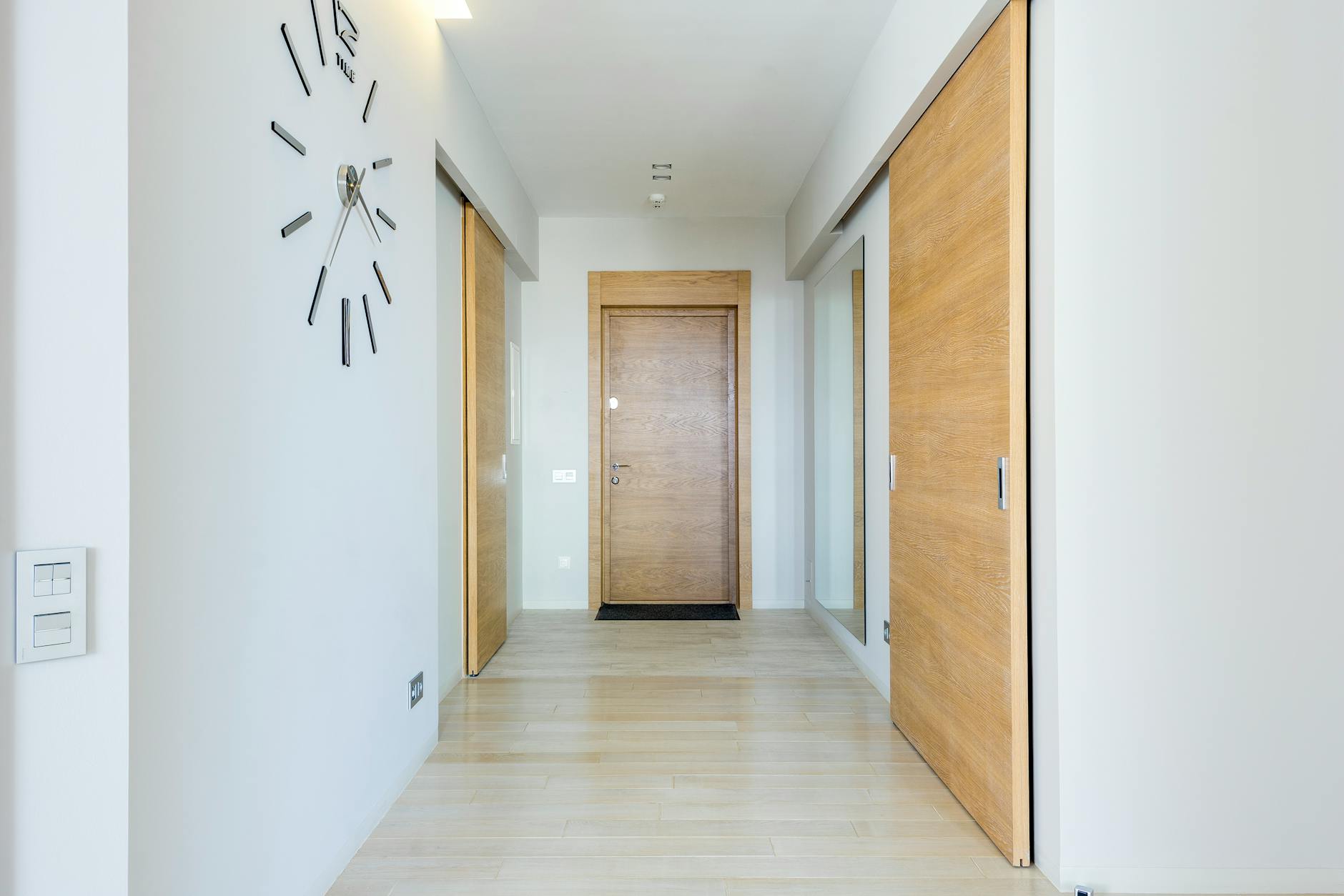
Hollow-core doors are one of the most telling signs of budget construction, as they offer virtually no sound insulation between rooms. A simple knock on the door surface produces a distinctly empty sound compared to the solid thud of a quality solid-wood door. These doors dent and damage far more easily than their solid counterparts, often showing wear within just a few years of regular use. They also provide minimal resistance in the event of a fire, which raises legitimate safety concerns for residents. Replacing them with solid-core alternatives is a worthwhile investment that immediately improves both privacy and security.
Thin Drywall
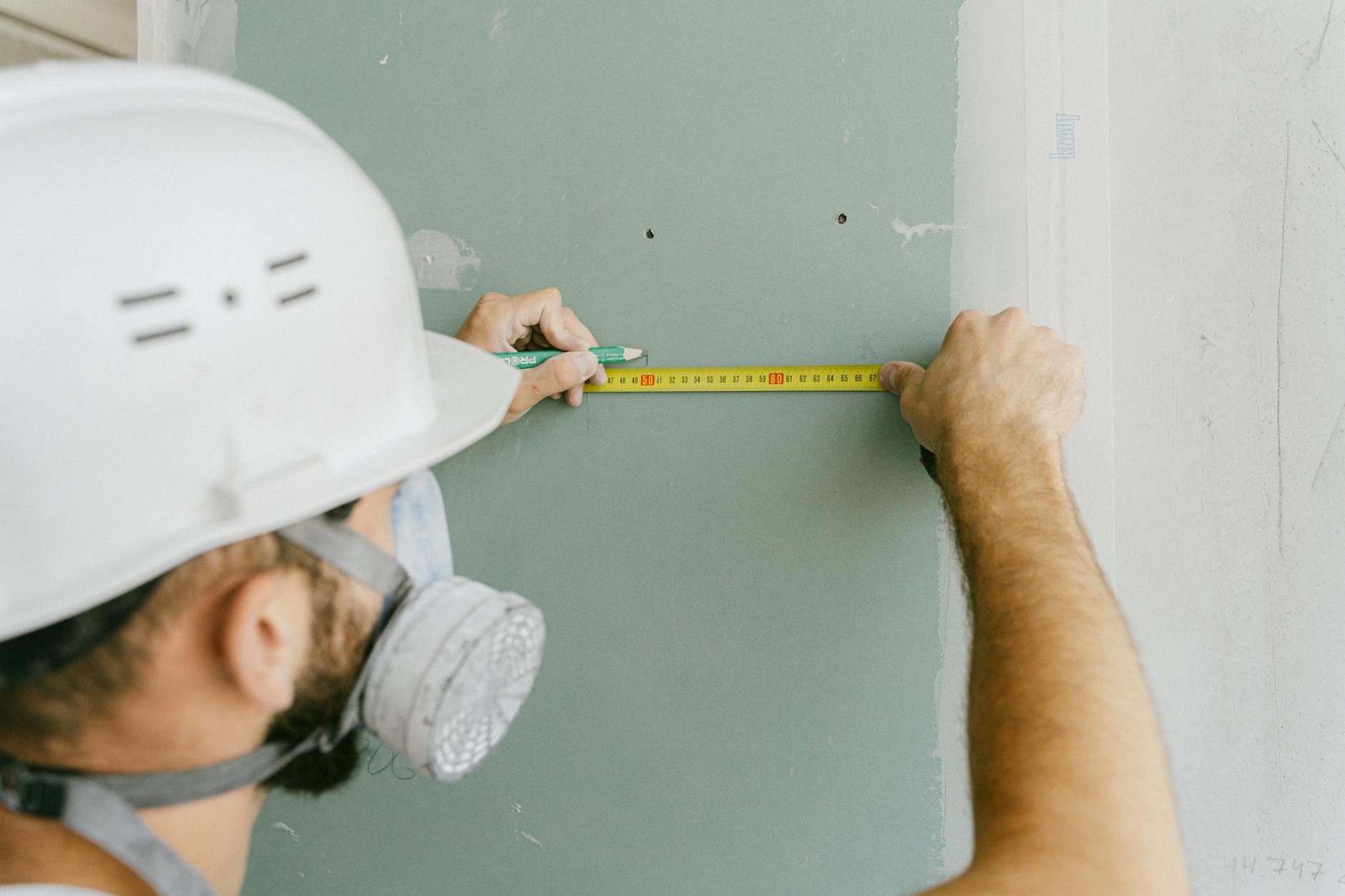
Standard drywall thickness in quality construction is typically five-eighths of an inch, but budget builders often use thinner half-inch or even three-eighths-inch panels throughout the home. Thinner drywall is more susceptible to dents, holes, and moisture damage, and it provides significantly less fire resistance. Walls that feel flimsy when pressed or that develop cracks quickly after minor settling are a strong indicator of undersized panels. Sound travels easily through thin drywall, making even normal household conversations audible from room to room. Homeowners dealing with persistent wall damage or noise issues should have the drywall thickness inspected by a professional.
Laminate Countertops
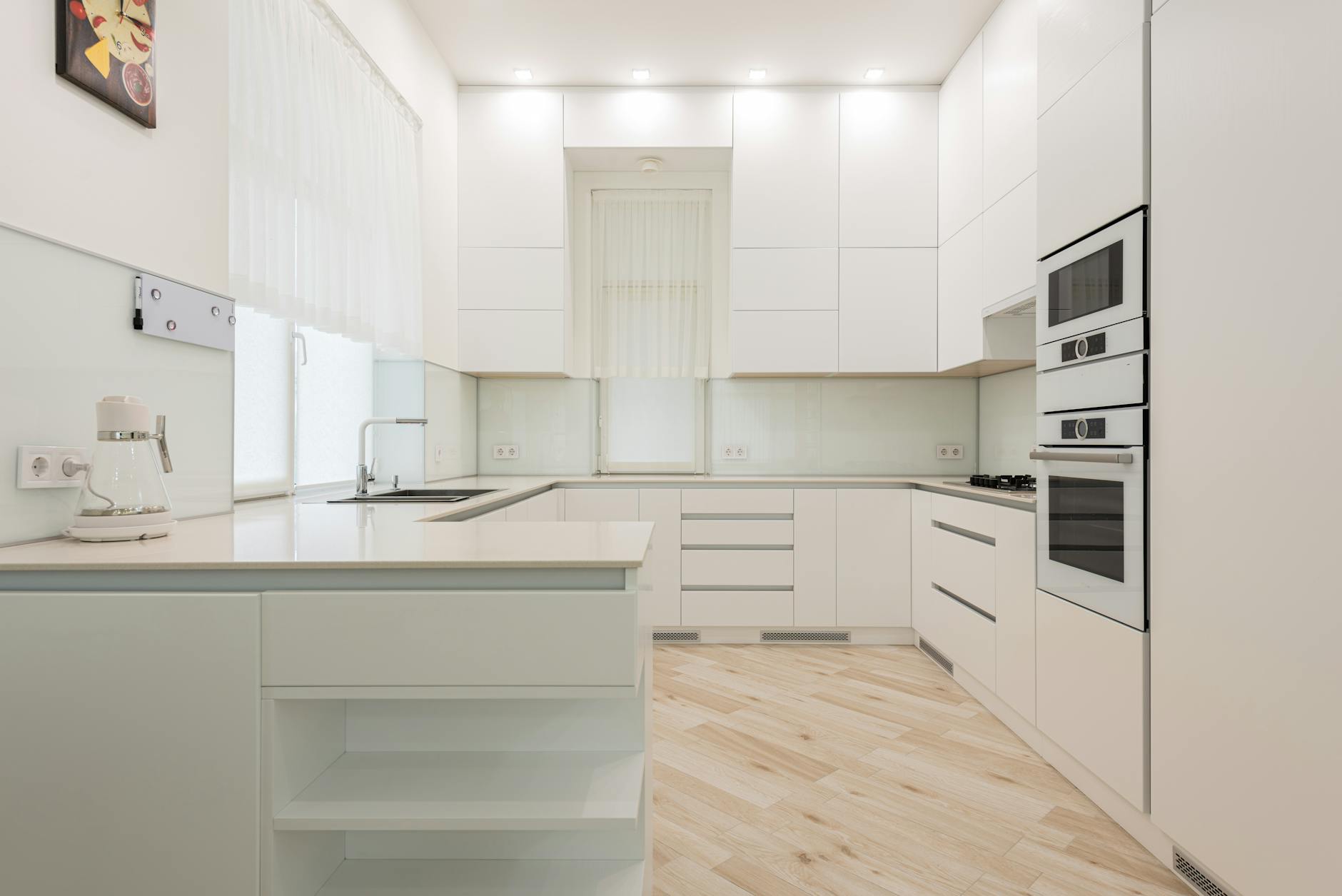
Low-grade laminate countertops are a common fixture in cheaply built homes and typically show their age within a relatively short period of use. The material is prone to peeling at the edges, bubbling near heat sources, and staining from everyday liquids like coffee and wine. Unlike stone or solid-surface alternatives, laminate cannot be sanded or refinished once it deteriorates, meaning full replacement is the only long-term solution. The substrate beneath the laminate is often particleboard, which absorbs moisture rapidly and can swell or warp near sinks and dishwashers. A kitchen featuring original builder-grade laminate is a reliable signal that other cost-cutting decisions were made throughout the rest of the home.
Thin Floor Joists
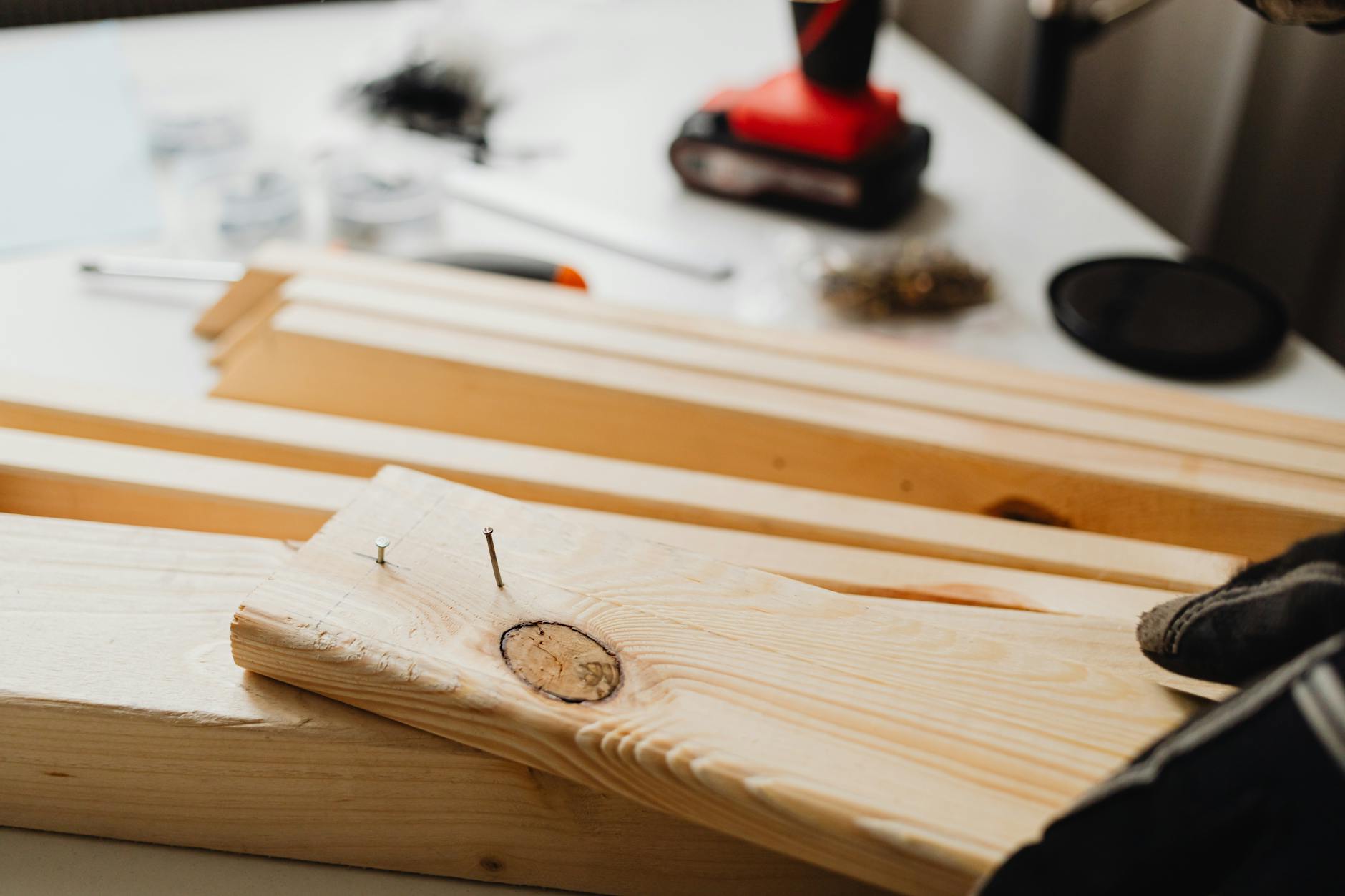
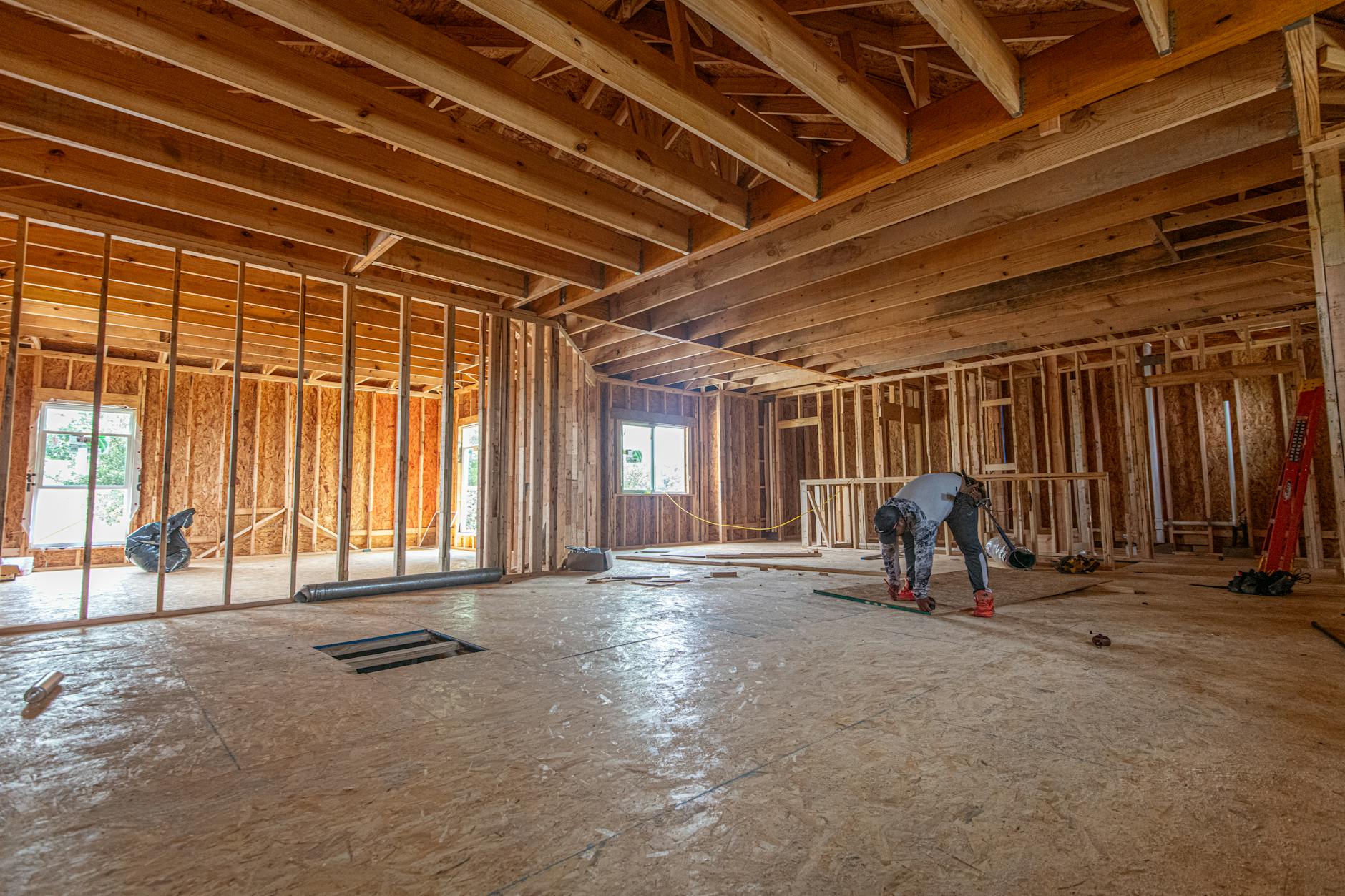
Floor joists that are undersized for the span they cover create noticeable bounce and flex underfoot, which many homeowners initially mistake for normal settling. In quality construction, joists are engineered to carry the expected load of the space without any perceptible movement during regular foot traffic. Excessive springiness in the floor is not only uncomfortable but can indicate structural inadequacy that worsens over time. Thin or widely spaced joists are also more vulnerable to moisture damage and pest infiltration, compounding the problem further. A structural engineer can assess whether existing joists meet modern building standards and recommend appropriate reinforcement.
Builder-Grade Carpet
Carpet installed in budget-built homes is typically the lowest grade available, featuring a thin pile and a flimsy backing that breaks down quickly under normal household traffic. Within a few years of installation, this type of carpet develops visible matting, fraying, and discoloration that no amount of cleaning can fully reverse. The padding beneath is often equally thin, providing little comfort or insulation from the subfloor below. Low-grade carpet also tends to trap allergens and odors more readily than higher-quality alternatives, affecting indoor air quality over time. Homes that still feature original builder-grade carpet from the time of construction are likely to have similar cost-cutting decisions elsewhere.
Plastic Plumbing Fixtures
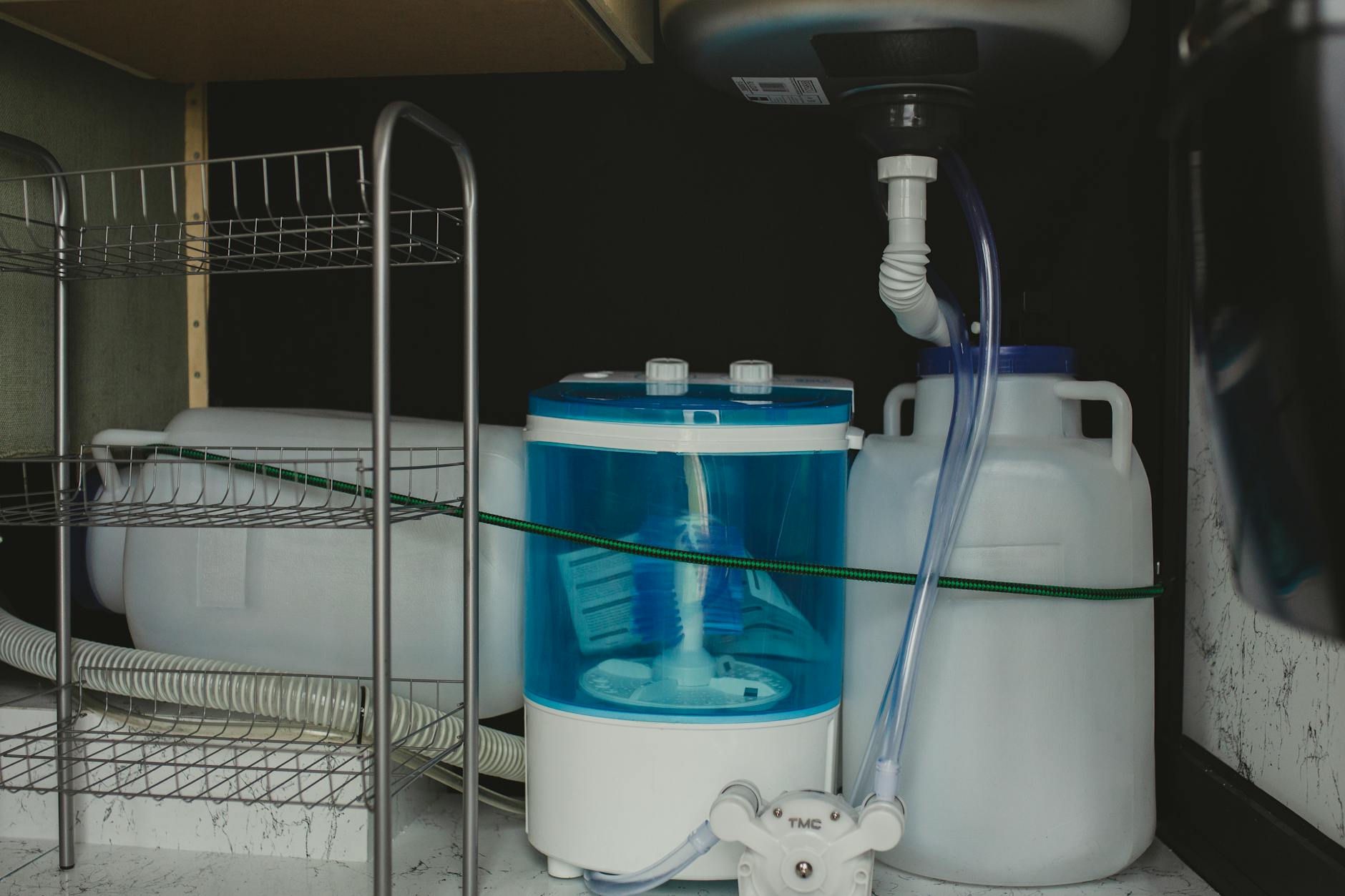
Faucets, handles, and visible plumbing hardware made from plastic rather than brass or stainless steel are a clear indicator of budget construction choices. Plastic fixtures are prone to cracking, discoloration, and stripped threading, often failing within just a few years of regular use. Beyond aesthetics, they can also affect water pressure and flow consistency as internal components wear down more rapidly than metal alternatives. In some cases, low-quality plastic components leach trace chemicals into the water supply, raising health concerns that go beyond mere cosmetics. Swapping out plastic fixtures for metal equivalents is one of the more affordable upgrades a homeowner can make with immediate results.
Single-Pane Windows
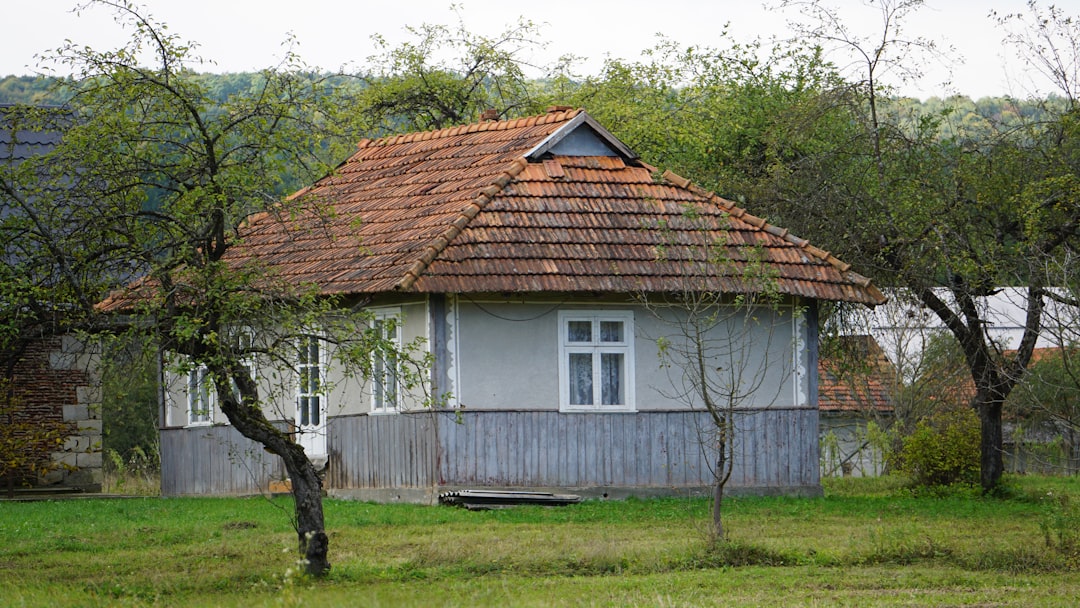
Single-pane windows are among the most energy-inefficient features a home can have, allowing heat to escape freely in winter and enter unchecked in summer. Homes built with single-pane glazing often have dramatically higher energy bills than comparable properties fitted with double or triple-pane alternatives. Condensation forming on the interior glass surface is a telltale sign that the window is failing to insulate the home adequately. Beyond energy loss, single-pane windows offer minimal sound dampening and far less security than modern glazing options. Upgrading to insulated glazing units is one of the highest-impact improvements available in terms of both comfort and long-term cost savings.
Popcorn Ceilings
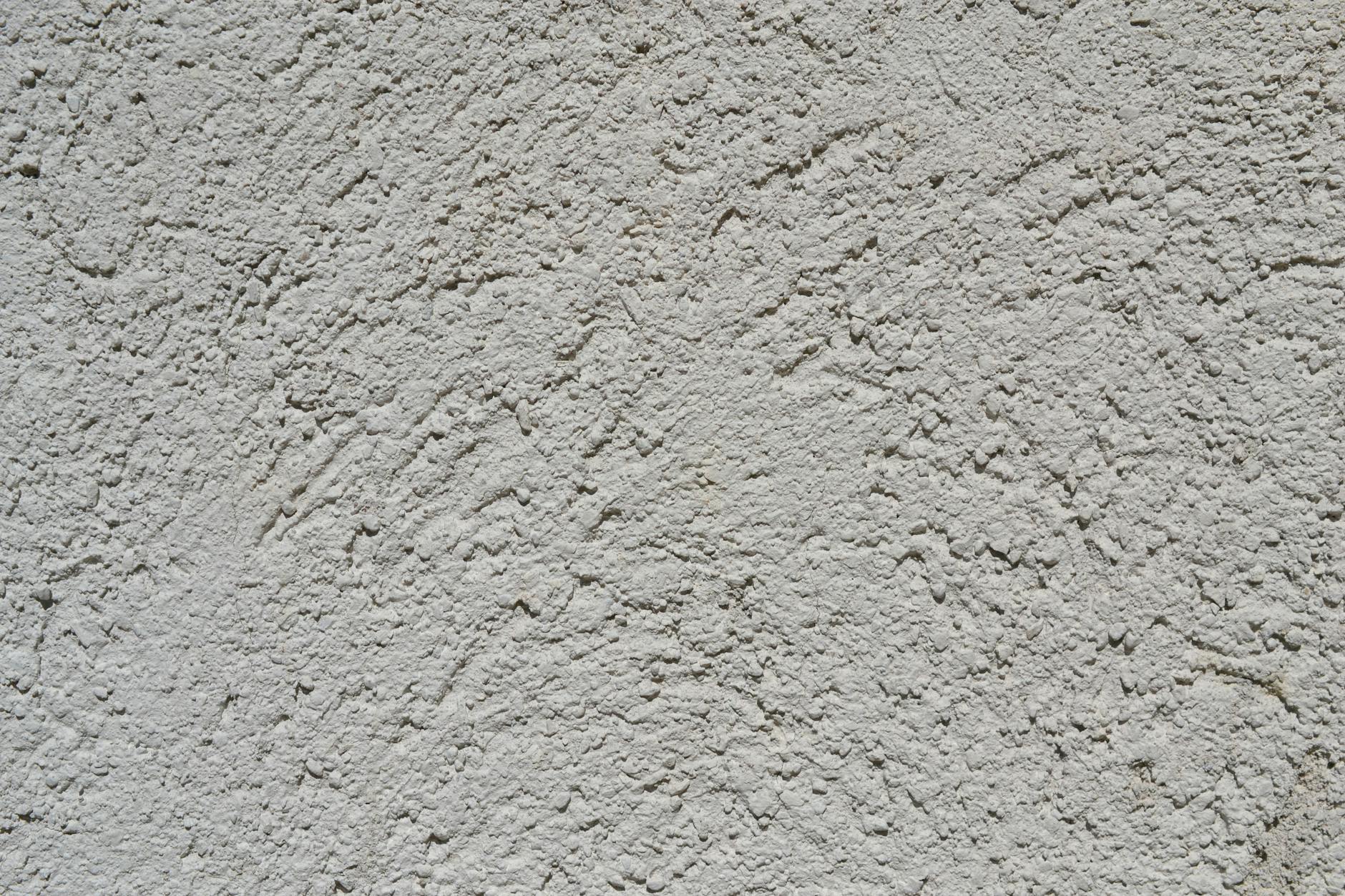
Popcorn ceilings were a popular cost-saving technique used by builders from the 1950s through the 1990s because the texture effectively concealed imperfect drywall finishing work beneath. The uneven surface is notoriously difficult to clean and tends to yellow, crack, and shed over time, particularly in humid environments like bathrooms and kitchens. In homes built before the 1980s, popcorn ceiling material may contain asbestos, which poses a significant health hazard if disturbed during renovation. Applying this finish allowed builders to skip the labor-intensive process of achieving a smooth, properly finished ceiling surface. Removal is possible but requires professional assessment first to rule out the presence of hazardous materials.
Vinyl Siding
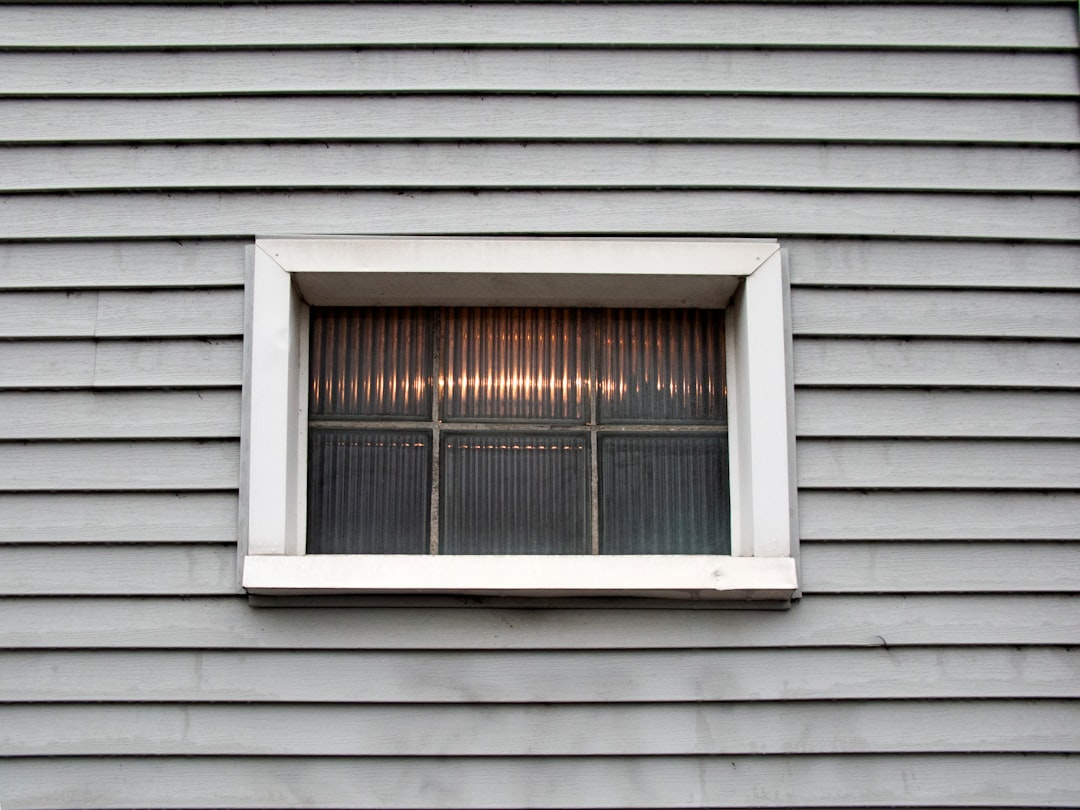
Vinyl siding is one of the most common exterior finishes used in budget residential construction due to its low upfront cost and minimal installation time. While modern vinyl has improved considerably, the lower grades used by cost-cutting builders are prone to warping in high heat, cracking in cold temperatures, and fading within a decade of installation. The material also offers limited insulation value on its own, contributing to energy inefficiency throughout the home. Unlike brick, fiber cement, or wood, cheap vinyl siding does little to enhance the structural resilience of the exterior walls it covers. Homes clad in thin, visibly wavy, or already discolored vinyl siding are likely to require full exterior replacement sooner than owners anticipate.
Hollow-Core Cabinets
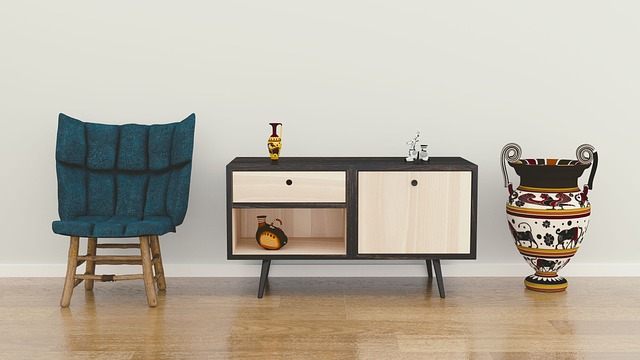
Kitchen and bathroom cabinets built from thin particleboard rather than plywood or solid wood are a hallmark of budget home construction. Particleboard is highly susceptible to moisture damage, swelling visibly around sinks and dishwashers and eventually crumbling at the joints. Cabinet doors made from hollow or low-density materials feel light and insubstantial and often warp over time, preventing them from closing properly. The drawer boxes in budget cabinets are typically fastened with staples rather than proper joinery, causing them to separate at the corners with regular use. Inspecting the interior construction of cabinets rather than just their surface finish is one of the most reliable ways to assess the overall quality of a home’s finishes.
Aluminum Wiring
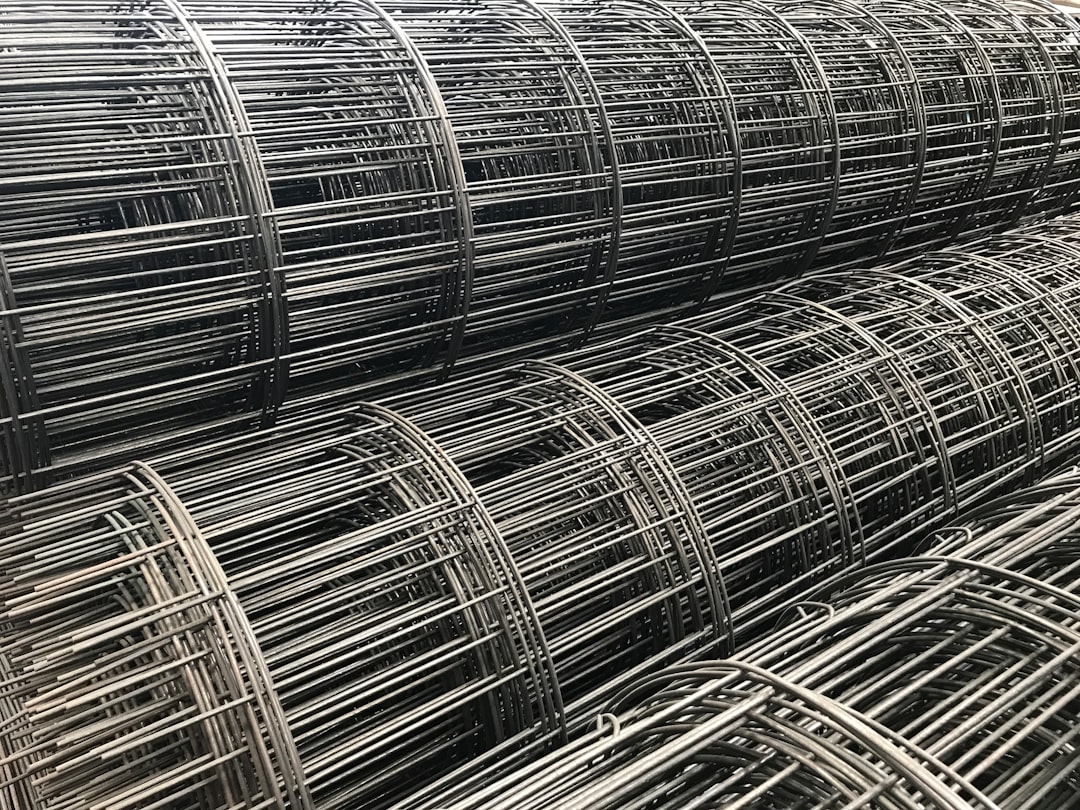
Aluminum wiring was used as a cost-saving substitute for copper in residential construction during a period in the late 1960s and 1970s when copper prices spiked dramatically. While aluminum is a functional conductor, it expands and contracts at a different rate than the outlets and switches it connects to, which can cause loose connections to develop over time. These loose connections generate heat and increase the risk of electrical fires, making aluminum wiring a serious safety concern rather than merely a cosmetic issue. Homes built during this era that have not been rewired or retrofitted with appropriate connectors should be inspected by a licensed electrician before purchase. Insurance companies in many regions charge higher premiums or decline coverage altogether for homes with aluminum wiring still in place.
Concrete Block Foundations
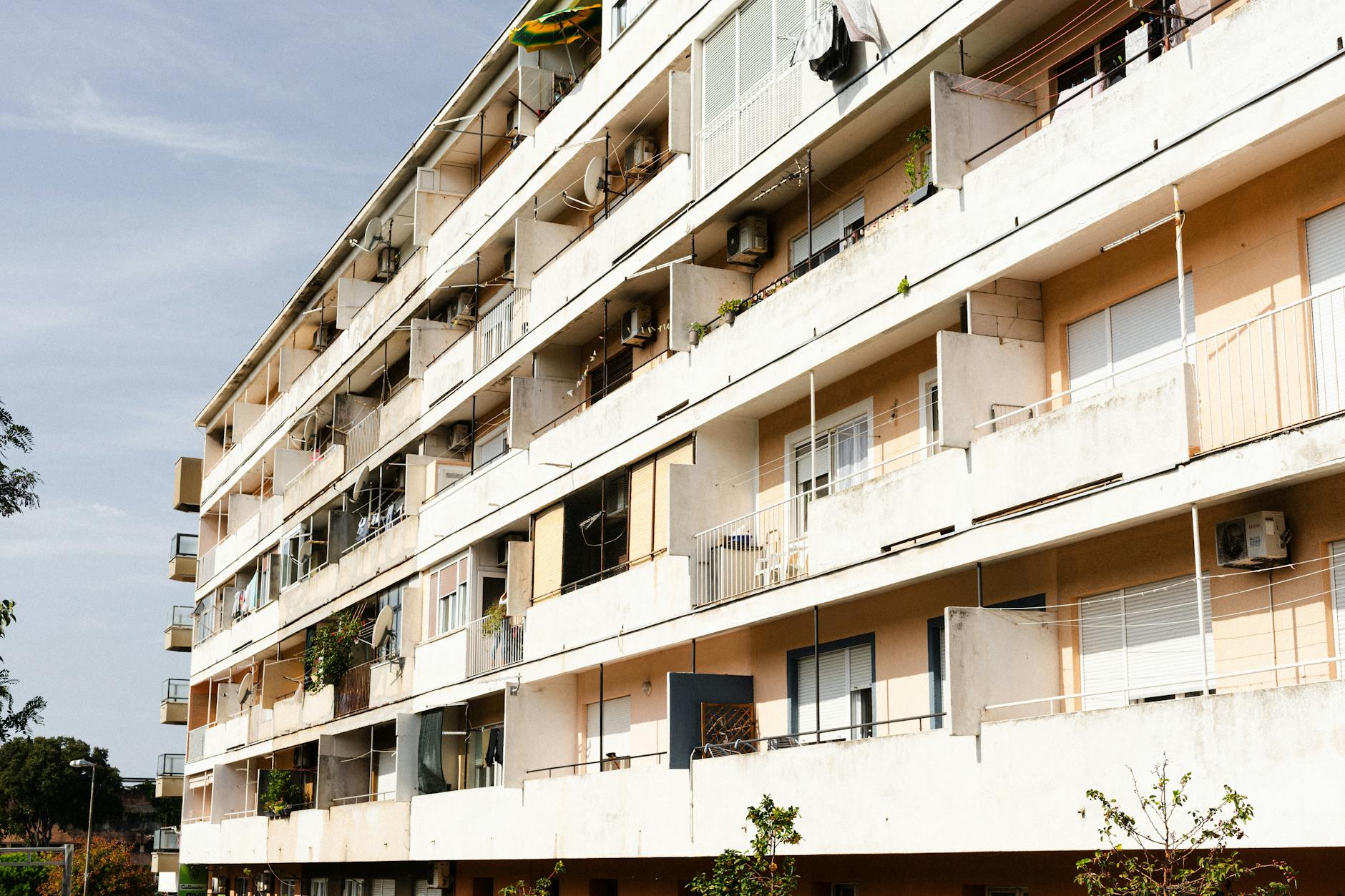
While concrete block is a legitimate building material, it is considerably more porous and less structurally continuous than poured concrete, making it a less desirable choice for residential foundations. Water infiltrates the hollow cores and mortar joints of block foundations far more readily than it does poured walls, leading to chronic moisture problems in basements and crawl spaces. Over time, the mortar between blocks can deteriorate and allow for shifting and cracking that compromises the structural integrity of the entire foundation. Homes built on concrete block foundations in flood-prone or high-water-table areas are particularly vulnerable to ongoing moisture intrusion and associated mold growth. Waterproofing treatments can help manage the symptoms, but they do not address the underlying permeability of the material itself.
Builder-Grade Insulation
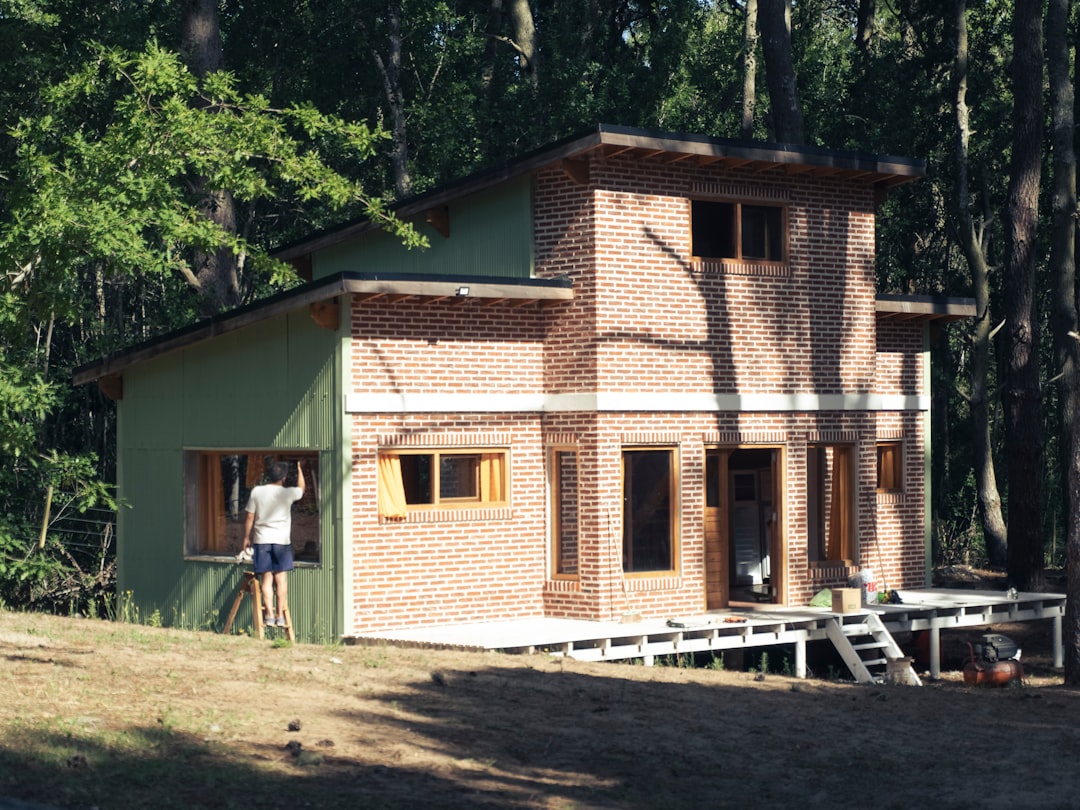
Minimum code insulation is often the default choice in budget residential construction, with builders installing just enough material to pass inspection rather than optimizing for long-term energy performance. Fiberglass batts installed hastily often leave gaps around electrical boxes, pipes, and structural members that dramatically reduce their effective insulating value. Attic insulation in cheaply built homes is frequently thinner than recommended for the climate, resulting in significant heat loss during winter and overheating during summer months. Poor insulation also contributes to moisture problems within wall cavities, as temperature differentials cause condensation to form on interior surfaces. Upgrading insulation throughout the home is one of the most cost-effective improvements available in terms of annual energy savings.
Undersized HVAC Systems
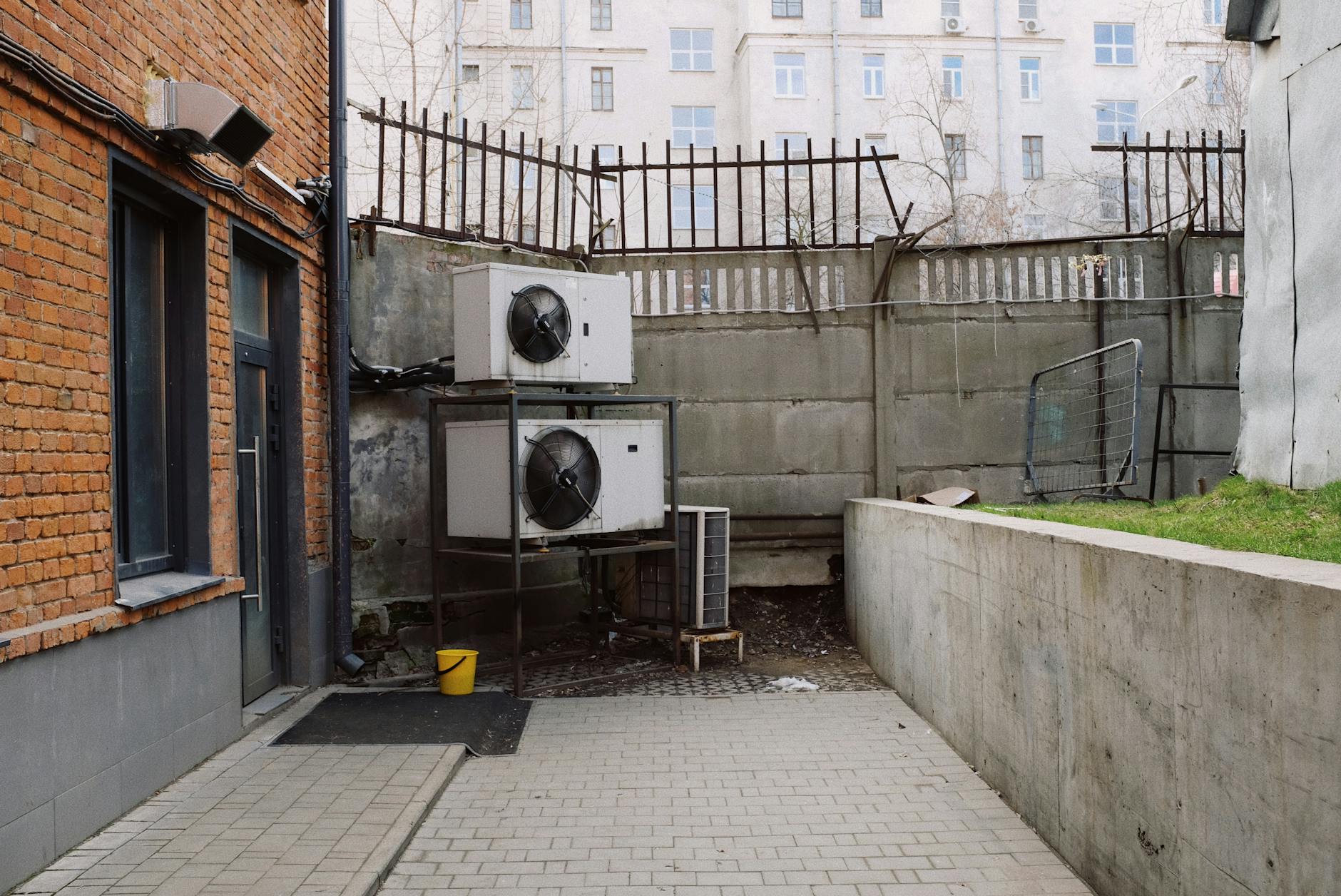
An HVAC system that struggles to maintain consistent temperatures throughout the home is often a sign that it was undersized relative to the square footage it was intended to serve. Budget builders frequently install lower-capacity units to reduce upfront costs, leaving future homeowners with systems that run constantly without ever fully meeting the heating or cooling load. Rooms that are perpetually too hot in summer or too cold in winter despite a functioning system are a reliable indicator of inadequate system capacity. An undersized system also wears out significantly faster than a properly sized unit because it operates under continuous strain without adequate recovery time. Having an HVAC professional perform a load calculation is the proper way to determine whether an existing system is appropriately matched to the home.
Thin Exterior Doors
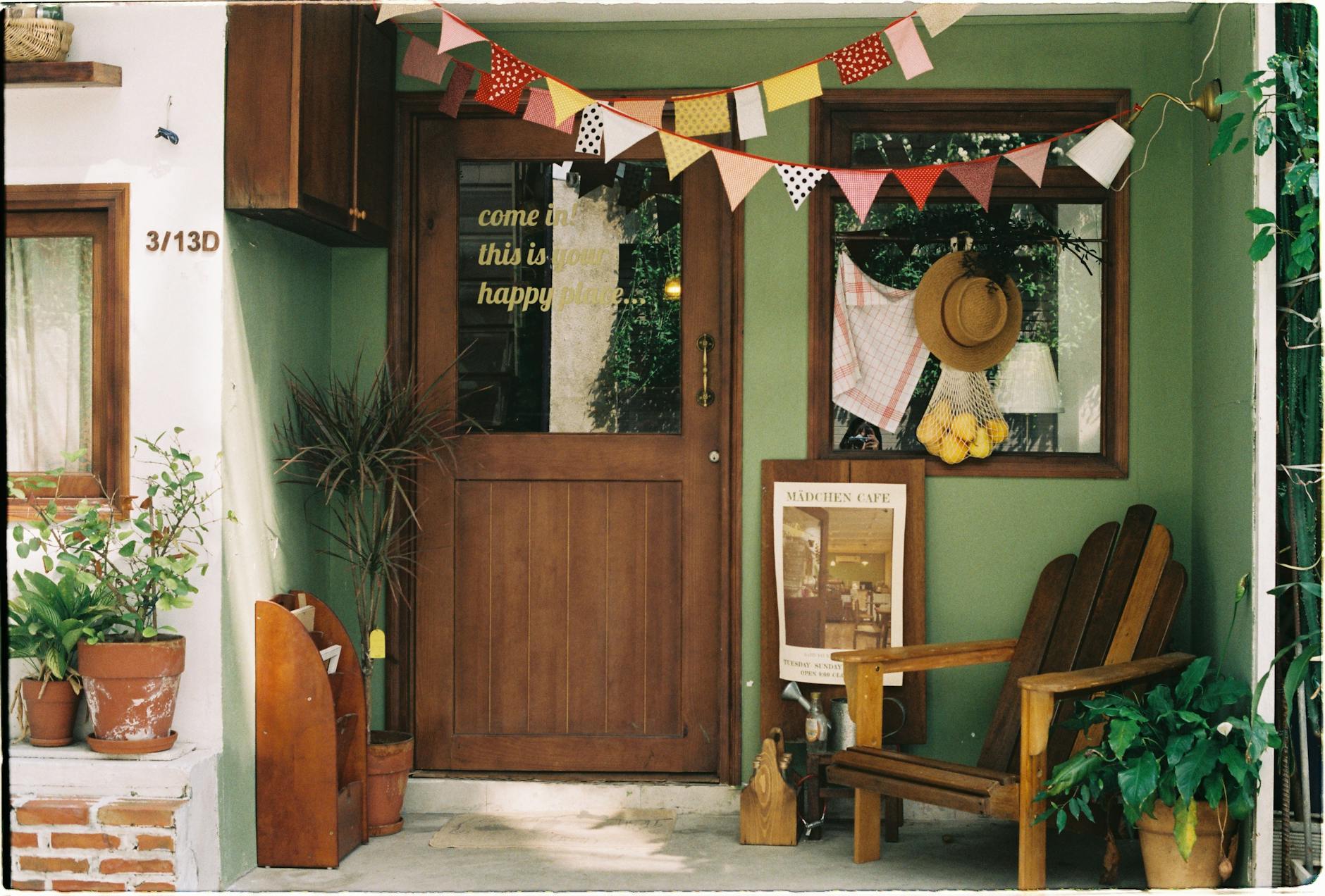
An exterior door that flexes noticeably when pushed or that allows drafts to enter around its edges is a strong sign that a budget-grade unit was installed during construction. Quality exterior doors are solid and substantial, providing meaningful resistance to forced entry as well as effective insulation against outdoor temperatures. Cheap exterior doors often feature minimal weatherstripping and poorly fitted thresholds that allow both air and moisture to penetrate the home year-round. The lock hardware on budget doors is frequently low-grade as well, offering less resistance to tampering than commercial-quality deadbolts and strike plates. Replacing an undersized or flimsy exterior door is one of the more impactful upgrades available from both a security and energy efficiency standpoint.
Have you spotted any of these warning signs in your own home? Share your experiences and questions in the comments.




