Every hairdresser has a mental list of clients they dread seeing walk through the door, and most people have no idea they are on it. Small behaviors that seem harmless in the moment can quietly damage the professional relationship and make a stylist’s job significantly harder. From poor communication to bad salon etiquette, these everyday habits signal to your hairdresser that an appointment with you is more trouble than it is worth. Understanding what stylists silently judge can help clients become the kind of customer every salon genuinely looks forward to welcoming back.
Chronic Lateness

Showing up late throws off a hairdresser’s entire schedule, leaving every client after you waiting longer than they should. Most stylists work back-to-back appointments with little room for delays, so even ten minutes can create a chain reaction of stress throughout the day. Repeated tardiness signals a disregard for the professional’s time and the time of fellow clients. Many salons have quiet policies about releasing appointments for clients who arrive beyond a certain window, and chronic offenders often find themselves with fewer available booking slots over time.
Vague Inspiration Photos
Bringing in a photo for reference is helpful, but arriving with a blurry, low-resolution image or a heavily filtered picture makes it nearly impossible for a stylist to accurately interpret what you want. Photos taken from unflattering angles or images of hair that is clearly a different texture than your own create unrealistic expectations from the start. Hairdressers rely on clear visual communication to deliver results that match a client’s vision, and poor reference material sets everyone up for disappointment. The most useful inspiration images show multiple angles in natural lighting with minimal editing applied.
Price Negotiating

Attempting to barter on the salon floor after a service is complete puts hairdressers in an uncomfortable and professionally demeaning position. Pricing reflects years of training, the cost of professional products, and the time invested in delivering a quality result. Clients who regularly question invoices, ask for discounts without cause, or compare prices mid-appointment create an environment of distrust. Most stylists take pride in transparent pricing structures and appreciate clients who respect that their expertise carries real value.
Constant Phone Use

Scrolling through a phone during a haircut makes it difficult for a stylist to move your head into the positions needed to achieve a precise result. Clients who are texting or watching videos often tilt their chin downward at critical moments, throwing off the line of a cut or causing uneven sections. Beyond the technical challenges, being ignored by a client throughout an appointment is professionally disheartening for someone trying to deliver focused, skilled work. Putting the phone away for the duration of a service is one of the simplest ways to show a stylist genuine respect.
Last-Minute Changes
Deciding mid-appointment that you want a completely different look than what was originally discussed disrupts the stylist’s plan, product usage, and time allocation. Major changes such as switching from a trim to a full color transformation require different tools, products, and scheduling that cannot be improvised on the spot. Hairdressers prepare mentally and practically for each client based on the service booked, and sudden pivots can compromise the quality of the result. Communicating any changes in direction before sitting in the chair gives your stylist the best chance of delivering exactly what you are envisioning.
Dirty Hair Arrival
Arriving with hair that is heavily coated in dry shampoo, product buildup, or natural oils can interfere with how color and chemical treatments take. While stylists do not expect squeaky clean hair for every appointment, excessive buildup requires additional preparation time that is not factored into the booking. Some product residues can react unpredictably with professional treatments, affecting the final result in ways that are difficult to correct. Coming in with relatively clean, dry hair for most appointments makes the stylist’s job smoother and improves the outcome.
Withholding History
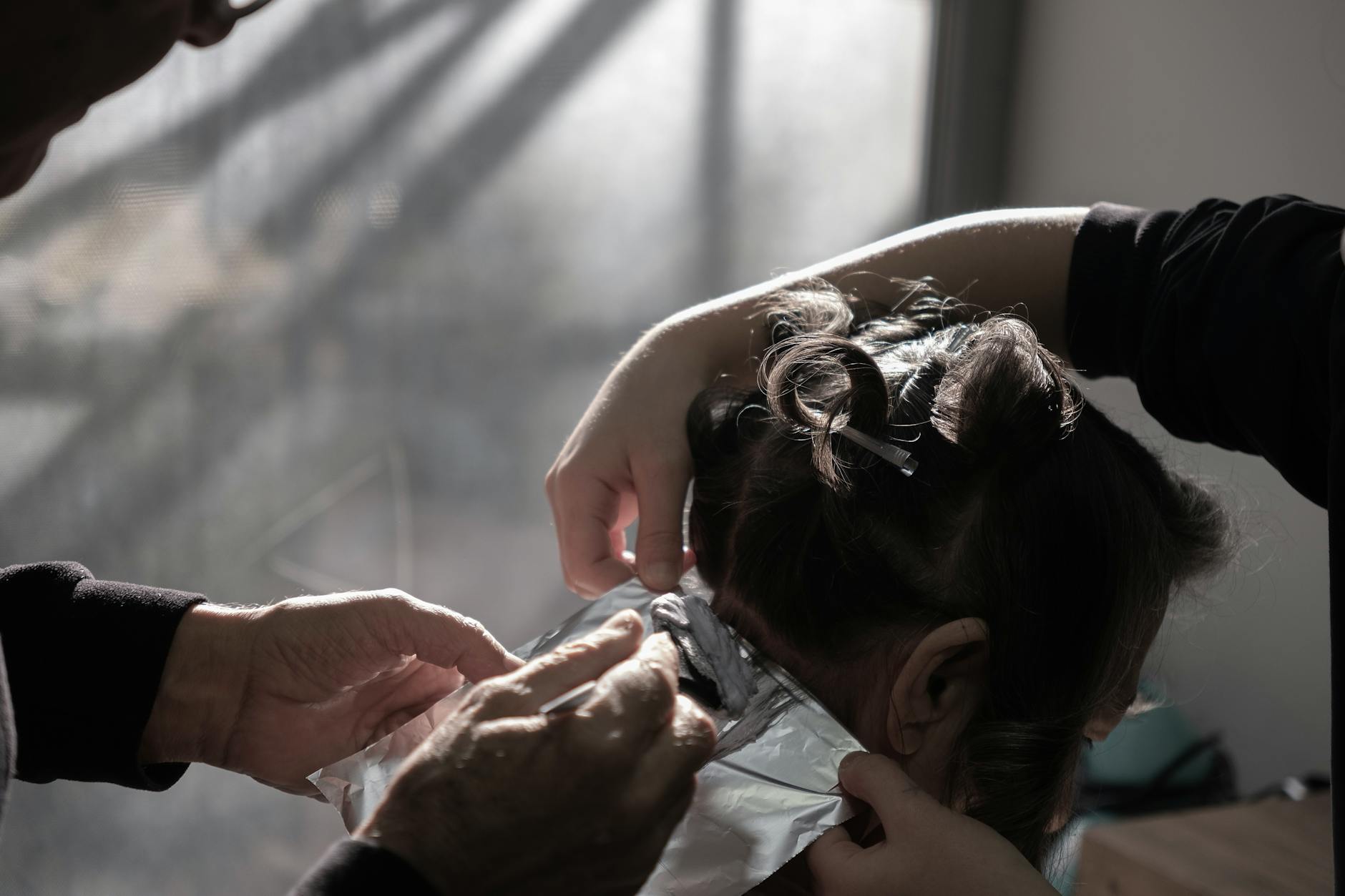
Failing to disclose previous chemical treatments, box dye use, or at-home experiments can lead to serious technical errors during a salon service. Hairdressers make decisions about formulas, processing times, and techniques based entirely on what they know about your hair history. Hidden information can cause unexpected reactions including breakage, uneven color, or damage that is difficult to reverse. Being fully transparent about everything that has been applied to your hair in recent months is one of the most important things a client can do for a successful appointment.
Bringing Extra Guests

Arriving to an appointment with uninvited friends or children in tow disrupts the calm environment that salons work hard to maintain for all clients. Styling chairs and waiting areas are designed for a specific capacity, and extra bodies create noise, distraction, and space issues that affect everyone present. Hairdressers cannot focus fully on their work when they are also managing the presence of unexpected visitors hovering nearby. Unless the salon has confirmed in advance that guests are welcome, keeping appointments to a solo visit is the considerate choice.
Skipping Consultations

Clients who wave off the pre-service consultation as unnecessary are removing the single most important step in achieving a result they will actually love. The consultation is where a stylist assesses hair condition, discusses realistic expectations, and identifies any potential challenges before picking up a tool. Rushing past this stage leaves both the client and the stylist without a shared understanding of the goal. Even clients who have been visiting the same salon for years benefit from a brief check-in before every service, especially if anything has changed in their routine or hair condition.
Dismissing Aftercare Advice
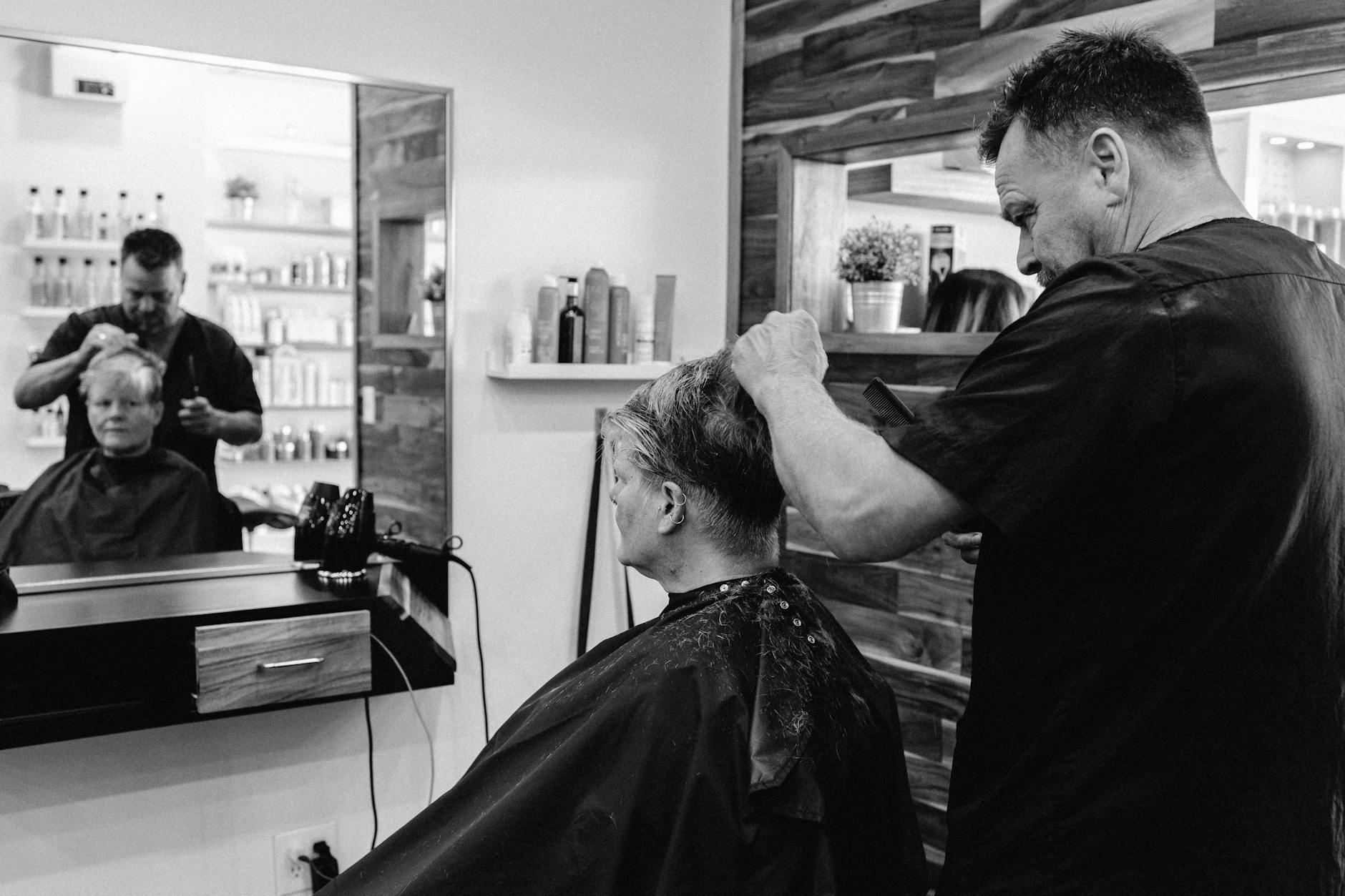
Tuning out when a hairdresser explains how to maintain a cut or color at home is one of the most frustrating habits a stylist encounters. Aftercare recommendations are given based on specific knowledge of your hair type, the products used during the service, and the results that need to be preserved. Clients who ignore this guidance and then complain at the next appointment that their color faded too quickly or their style lost its shape put stylists in an impossible position. Following professional aftercare instructions is the clearest sign that a client values both the work done and the relationship with their hairdresser.
Have any of these habits caught you by surprise? Share your thoughts in the comments.




