Every car owner has sat in a waiting room wondering whether the repair bill they are about to receive is fair or completely fabricated. Mechanics perform an essential service, but the industry has long been plagued by a small number of dishonest operators who exploit customers who lack technical knowledge. Knowing the warning signs can save hundreds or even thousands of dollars over the course of a vehicle’s life. The following guide covers the most telling red flags that a mechanic may not have your best interests in mind.
Unsolicited Repairs

A trustworthy mechanic fixes what the customer brings the car in for and consults before doing anything extra. When a shop performs additional work without asking for approval first, it is a serious breach of professional ethics and often illegal. Customers are legally entitled to authorize any repair before labor and parts are charged to their account. Some dishonest shops bank on customers being too intimidated or too busy to push back on surprise charges. Always request a written estimate before any work begins and expect a phone call before any additional repairs are touched.
Vague Invoices

A legitimate repair invoice lists every part by name, the associated labor hours, and the cost of each line item separately. When a bill arrives as a single lump sum with no breakdown, there is no way to verify whether the work was actually completed. Reputable shops use industry-standard labor guides and are happy to explain every charge in plain language. A mechanic who becomes defensive or evasive when asked to clarify an invoice is showing a significant red flag. Customers have every right to a detailed, itemized receipt for every dollar spent.
Urgency Pressure

Creating a false sense of urgency is one of the oldest tactics used to push unnecessary repairs through before a customer can think it over. Phrases like “this needs to be done today or your car will break down” are often designed to bypass logical decision-making. While some repairs are genuinely time-sensitive, a trustworthy mechanic explains why and provides evidence such as a worn part or a diagnostic printout. High-pressure language around routine maintenance items is almost always a warning sign. Taking the car to a second shop for a quote is always a reasonable response to urgency pressure.
Replaced Parts Disappear
Any mechanic who replaces a physical part should be willing and able to return the old part to the customer upon request. The old component serves as proof that the work was actually performed and that the part genuinely needed replacing. Shops that claim the old part was already disposed of or cannot be located are denying the customer basic verification rights. Many jurisdictions actually require shops to return replaced parts unless the customer signs a waiver. If a shop refuses or fumbles this request, it raises serious questions about whether the replacement happened at all.
Verbal-Only Estimates
A reputable shop puts every estimate in writing before a single wrench is picked up. Verbal quotes are unenforceable and leave the customer with no recourse if the final bill comes in dramatically higher. Written estimates protect both parties and are considered standard practice across the industry. A mechanic who resists putting numbers on paper is often planning to change those numbers later. Insisting on written documentation is not rude or distrustful but simply good consumer practice.
Unnecessary Flushes
Fluid flushes are one of the most commonly oversold services in the automotive repair industry. Transmission fluid, coolant, and brake fluid all have service intervals specified clearly in every vehicle’s owner manual. When a shop recommends flushing fluids that were recently changed or are well within their service life, the recommendation is not coming from a place of genuine concern. Customers who carry their owner manual or pull up manufacturer specifications on their phone are far better equipped to push back. Cross-referencing any fluid-flush recommendation against the manufacturer’s schedule is always worth the two minutes it takes.
Inflated Labor Hours
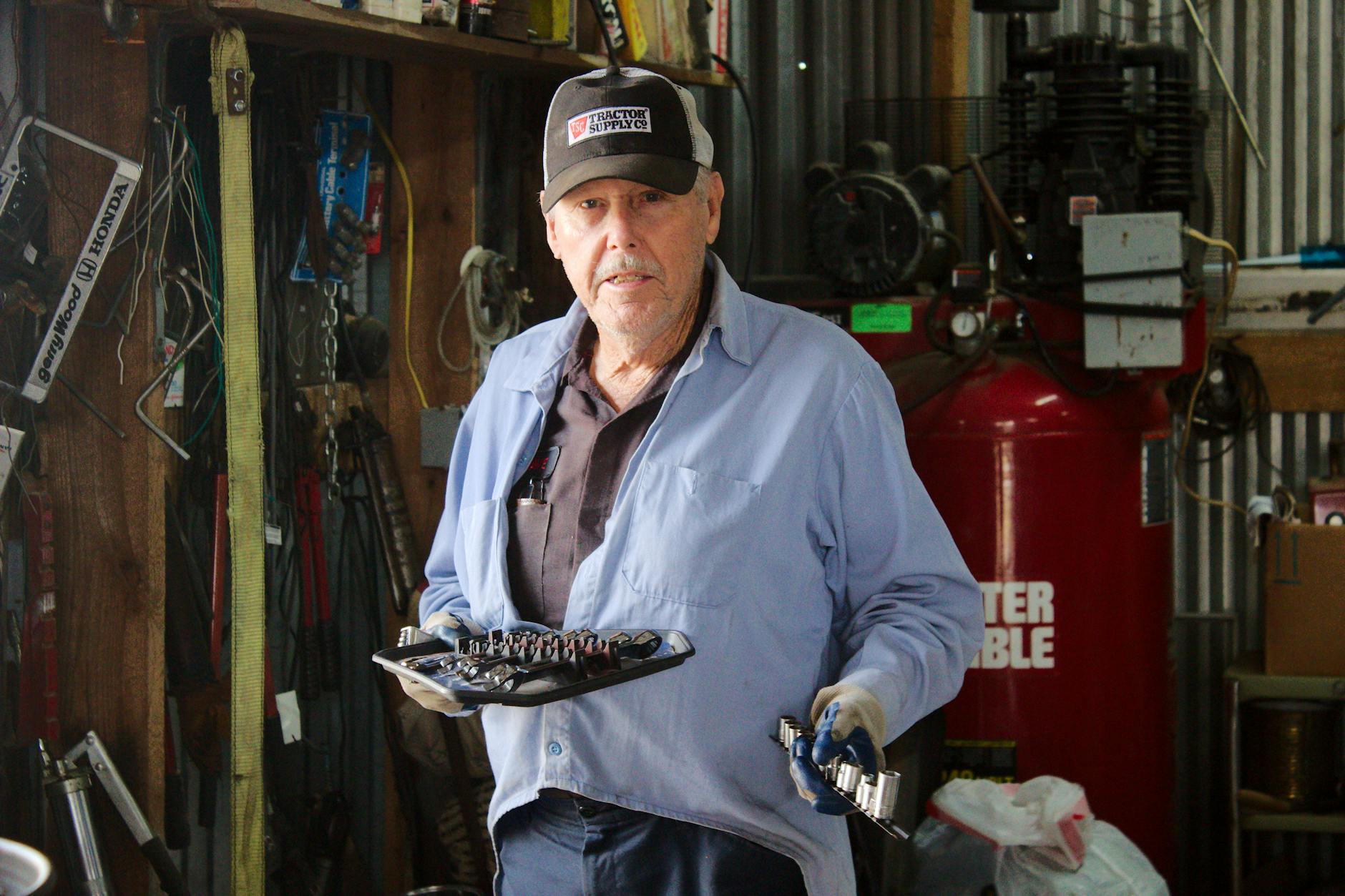
Every standard repair job in the industry is assigned a specific flat-rate labor time based on widely accepted guidelines. When a bill reflects far more hours than the published flat rate for a given repair, the shop may be padding the time to inflate the total. Customers can look up standard labor times online or call another shop to ask how many hours a specific job typically takes. A dramatic gap between the billed hours and the industry standard is difficult for a dishonest mechanic to explain away. Asking a shop to justify its labor hours before approving payment is a perfectly reasonable request.
Check Engine Deception

The check engine light can illuminate for hundreds of reasons ranging from a loose gas cap to a failing catalytic converter. Some shops use the light as a blank canvas to recommend expensive diagnostics and repairs that may have nothing to do with the actual fault code. Every auto parts retailer will read a vehicle’s diagnostic trouble codes for free, giving the owner a starting point before ever walking into a shop. A mechanic who refuses to share the actual fault code and insists on bundling it into a pricey diagnostic package deserves scrutiny. Understanding the specific code the car is throwing gives the customer far more leverage in any repair conversation.
Phantom Parts
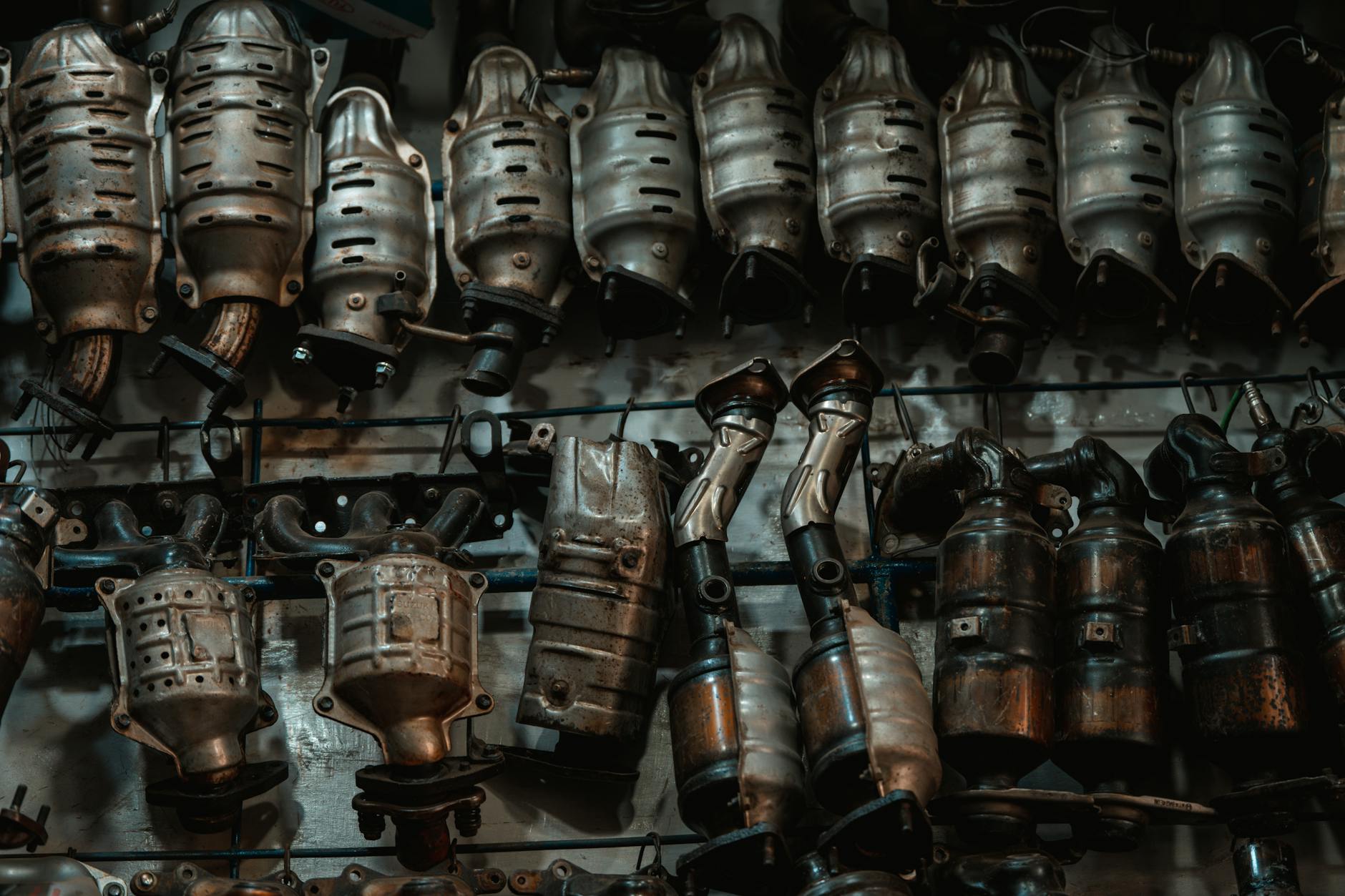
Charging for parts that were never actually installed is one of the most straightforward forms of automotive fraud. This scheme is particularly easy to attempt on components that are hidden deep within the engine bay or underneath the vehicle. Customers can ask to see every new part in its packaging before it is installed and compare the part number to the invoice afterward. Online databases and parts store websites make it easy to verify whether the listed part number matches the vehicle’s make, model, and year. Staying involved and asking questions throughout the repair process dramatically reduces the opportunity for phantom parts billing.
Lowball Quotes
An estimate that seems too good to be true is often designed to get the car onto the lift before the real charges begin. Some shops use an artificially low quote to win the job and then discover a cascade of additional problems once the vehicle is disassembled. Disassembly is used as leverage because customers feel trapped once the car is in pieces and cannot easily walk away. Comparing multiple quotes and being skeptical of any estimate that lands far below the others is sound consumer strategy. A fair price is rarely the absolute lowest price.
Scare Tactics
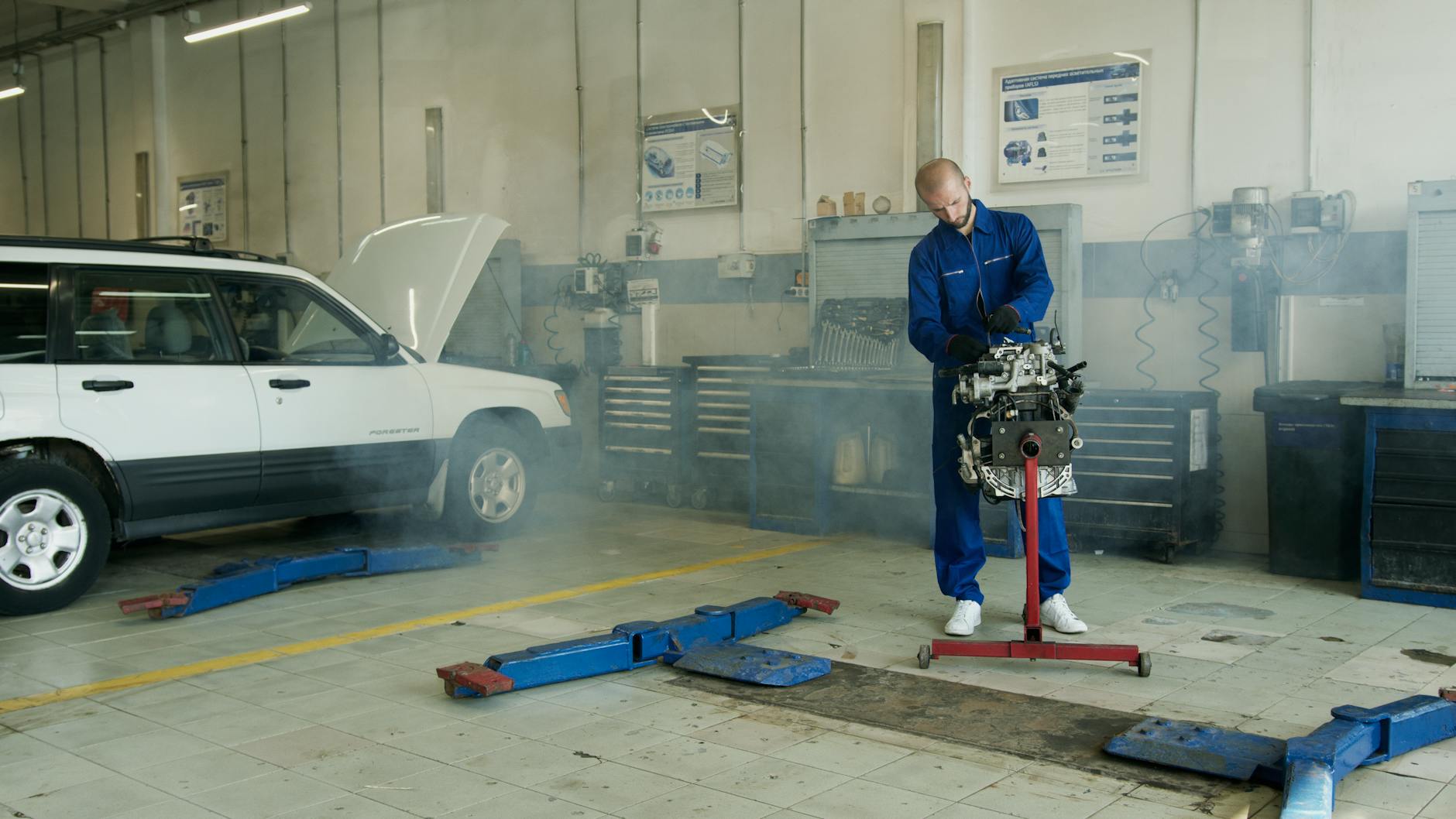
Showing a customer a greasy, worn-looking part pulled from a shelf rather than from their actual vehicle is a well-documented shop scam. The part may look alarming, but without proper documentation there is no way to confirm it came from the customer’s car. Legitimate mechanics walk customers to the vehicle and show them the actual component in place before recommending a replacement. A willingness to demonstrate the problem in person is one of the clearest signs of a trustworthy operation. Any shop that relies on horror stories rather than physical evidence to sell repairs deserves a second opinion.
Generic Diagnostics

Proper vehicle diagnostics involves connecting to the car’s onboard computer, reviewing live data, and sometimes conducting road tests to isolate a problem accurately. Some shops skip this process and jump to expensive part replacements based on guesswork or the most common fix for a given symptom. Replacing parts without confirming they are faulty is sometimes called shotgun diagnosis and it costs the customer money without guaranteeing a solution. A mechanic who cannot clearly explain the diagnostic process they followed before recommending a repair is a concern. Paying for a proper diagnosis upfront is almost always cheaper than paying for unnecessary parts.
Oil Change Upsells
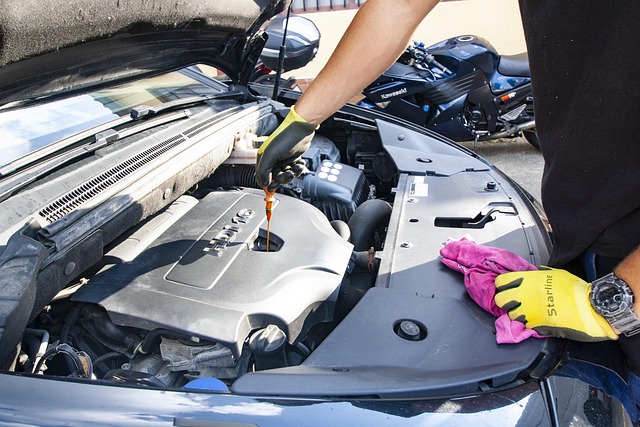
The standard oil change service has become a gateway for a long list of add-on services that are often unneeded. Air filters, cabin filters, wiper blades, and fuel injector treatments are frequently pushed during routine oil changes regardless of their actual condition. Customers can visually inspect their own air filter and check their wiper blades before arriving at the shop. Referring to the vehicle manufacturer’s recommended service intervals is always the most reliable guide for what actually needs attention. Entering a shop informed about the car’s actual maintenance history removes much of the upsell opportunity.
Bait and Switch Pricing
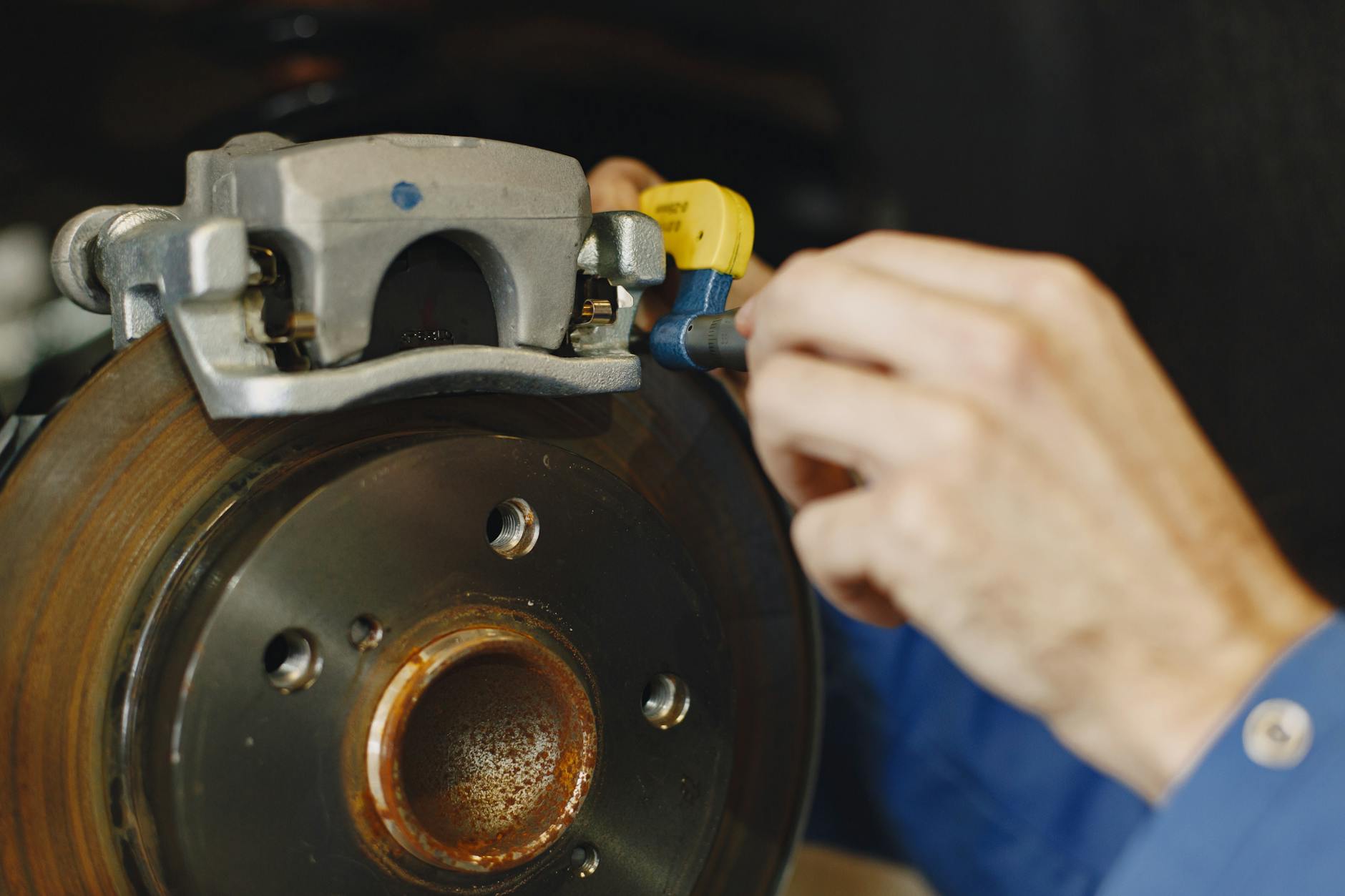
Advertised specials on oil changes, brake jobs, or tire rotations sometimes serve as the entry point for a bait and switch tactic. Once the vehicle is in the shop, customers are told the advertised price only applies to a specific product or configuration that their car does not use. The customer is then offered an upgraded service at a significantly higher price, often with little time to shop around. Legitimate shops honor their advertised pricing or make exclusions clearly visible before the customer books an appointment. Reading the fine print on any promotional offer before committing to a shop appointment is a smart habit.
Missing Test Drives
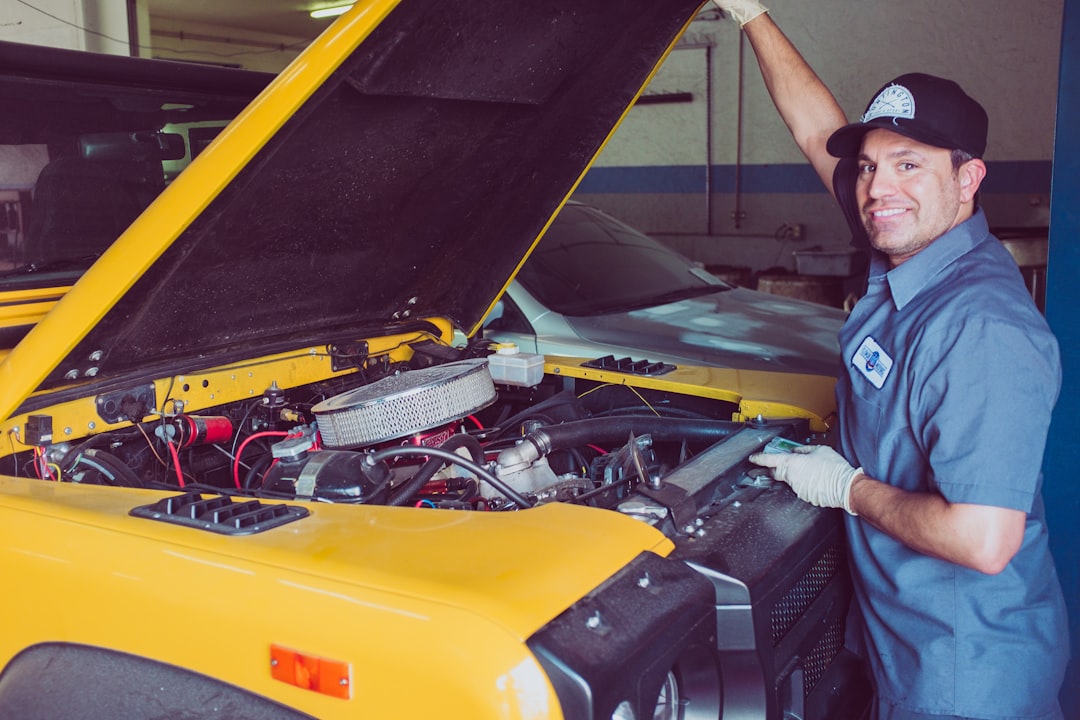
Many repairs directly affect vehicle handling, braking, or ride quality and should always be verified with a post-repair test drive before the customer leaves. Shops that rush customers out the door without confirming the repair solved the original problem are cutting corners. A responsible mechanic validates their own work and considers it part of the job rather than an inconvenience. If the problem returns shortly after pickup, a shop that skipped a test drive will have less accountability. Customers should ask whether a test drive is part of the process before authorizing any repair that affects drivability.
Warranty Dismissal
Certified repairs often come with a parts and labor warranty that protects the customer if the same problem returns within a set timeframe. Shops that become evasive or dismissive when a customer mentions a warranty claim are signaling that standing behind their work is not a priority. Every reputable shop has a clearly stated warranty policy available in writing before work begins. Asking about the warranty before authorizing any major repair is a simple and entirely appropriate question. A shop that cannot answer this question confidently is not one that deserves the business.
Price Gouging on Parts

Parts markups are standard practice in the repair industry, but there is a wide spectrum between reasonable and exploitative. Customers can research the retail cost of any part online in a matter of minutes using the part number listed on the invoice. A markup of two to three times the retail price for a common, readily available component is well outside normal industry practice. Shops that use exclusive supplier relationships as a justification for extreme parts costs deserve a closer look. Requesting the part number and doing a quick comparison before approving a repair is a habit worth building.
Refusing Second Opinions

A mechanic who becomes hostile or dismissive when a customer mentions seeking a second opinion is not operating with confidence in their own work. Customers have an absolute right to take their vehicle to another shop before authorizing any repair, regardless of how much diagnostic work has already been done. Shops that charge unreasonably high fees to reassemble a vehicle so it can be driven elsewhere are using financial pressure as a deterrent. Legitimate shops welcome the comparison and know their diagnosis will hold up. A confident, honest mechanic has no reason to fear outside scrutiny.
Ignored Maintenance Records
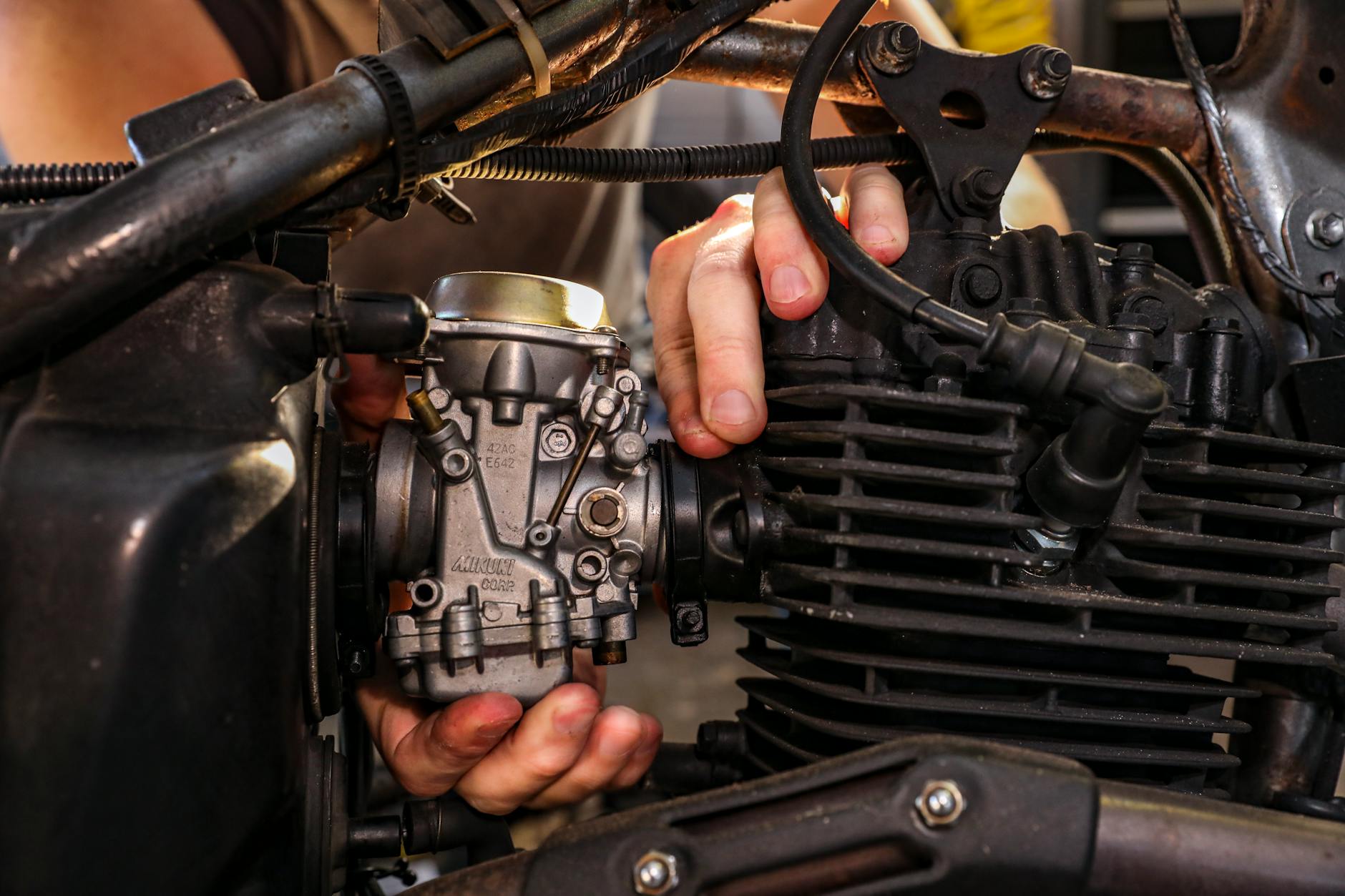
A professional mechanic asks about the vehicle’s service history before recommending any maintenance or repair. Skipping this step leads to recommending services that have recently been completed or missing context that changes the diagnosis entirely. Customers who keep a maintenance log or use an app to track service history are far harder to mislead. A shop that shows no interest in what has already been done to the vehicle is focused on selling rather than solving. Volunteering recent service information at the start of any appointment is a smart way to anchor the conversation in facts.
Dirty Shop Tactics
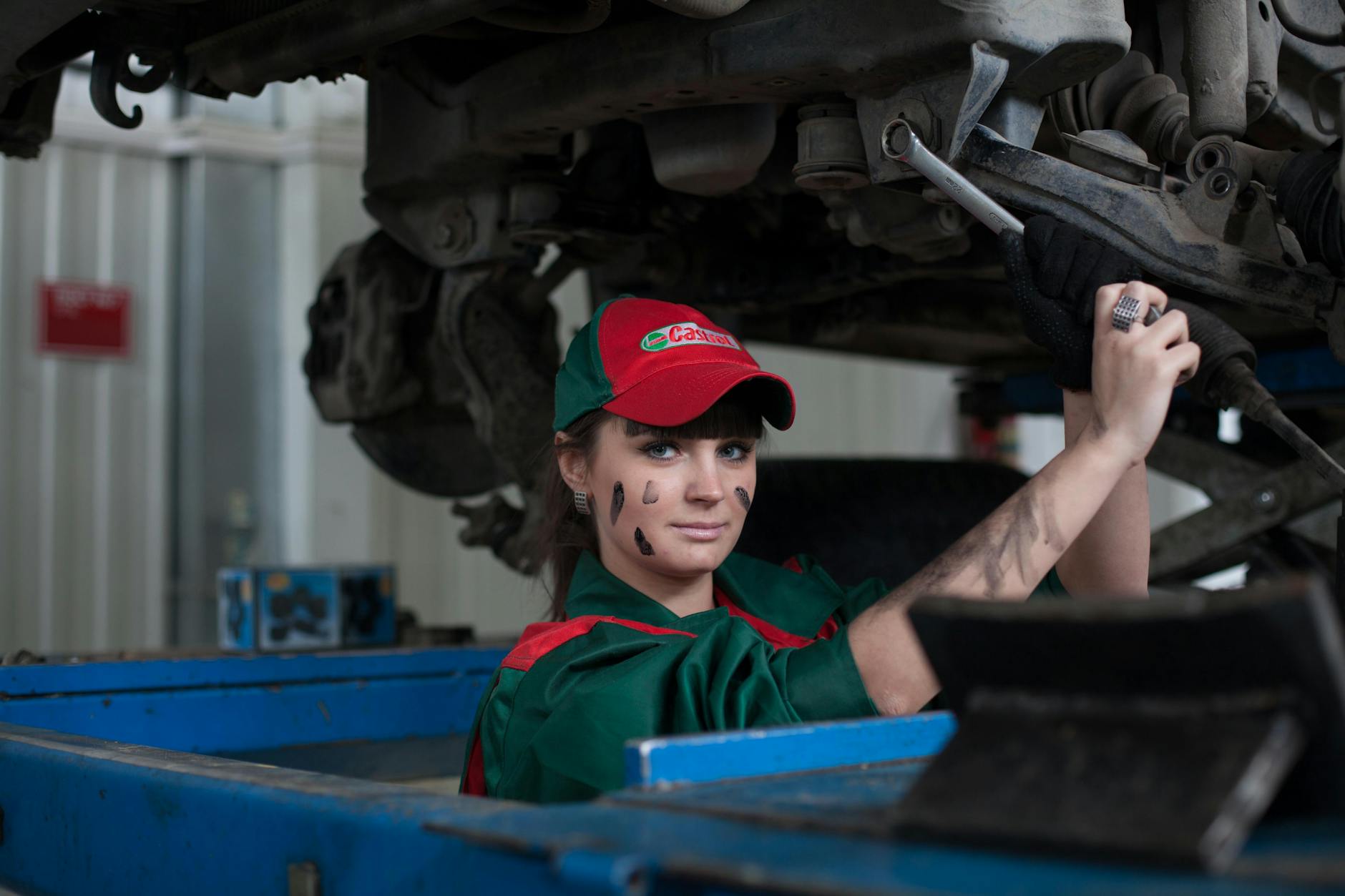
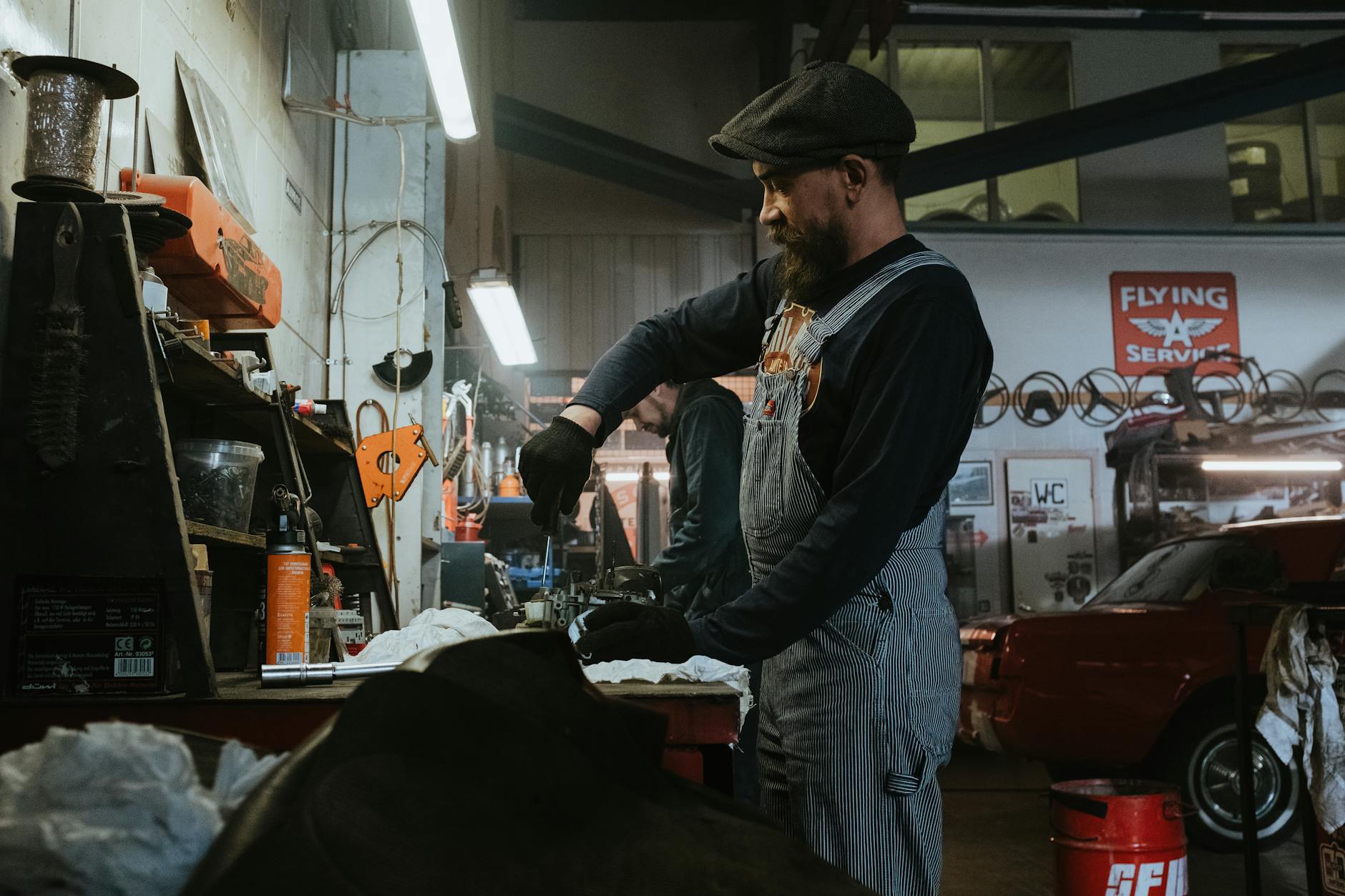
A repair facility’s physical environment can reveal a great deal about how it operates. Shops that are completely chaotic, lack basic organization, or have no visible record-keeping systems in place often reflect the same disorganization in their billing and diagnostic processes. Certified shops typically display their credentials and technician certifications on the wall and keep a reasonably clean working environment. A total absence of any professional documentation or affiliations visible to customers is worth noting. Choosing a shop with verifiable credentials and industry affiliations before ever needing a repair is one of the smartest preventive steps a car owner can take.
Mileage Inconsistencies

One of the simplest checks any car owner can perform is noting the odometer reading before dropping a vehicle off for service. If the mileage when the car is returned is significantly higher than expected, the vehicle may have been taken for an unauthorized joyride. Short test drives are normal and expected after certain repairs, but anything more than a few miles without explanation is a red flag. Documenting the mileage at drop-off with a quick photo of the dashboard takes seconds and creates an undeniable record. A shop with nothing to hide will have no problem accounting for every mile driven.
Unverifiable Certifications

Certifications from recognized automotive industry organizations indicate that technicians have met specific training and competency standards. Some shops display generic or fabricated credentials that sound impressive but are not backed by any verifiable accrediting body. Customers can verify technician certifications through official industry databases available to the public. Asking which certifications the shop holds and how they can be confirmed is a reasonable step before trusting anyone with a significant repair. A shop that cannot provide clear answers about its credentials is not one that has earned the necessary level of trust.
Convenient Timing

Some shops develop a habit of discovering additional problems immediately after a customer has just authorized a large repair. The timing creates a psychological environment where the customer feels committed and less likely to challenge a second round of charges. Patterns like this are rarely coincidental and often indicate a deliberate upselling strategy built into the shop’s workflow. Treating any newly discovered problem as a fresh decision rather than a continuation of an approved job is always the right approach. Asking for documentation of the newly discovered issue and taking time to verify it with another source before agreeing is sound practice.
Hidden Environmental Fees

Disposal fees for oil, tires, and other materials are legitimate costs in the repair industry, but they should be disclosed upfront and itemized clearly on the final invoice. Some shops bury environmental or shop supply fees deep in the fine print or add them without any prior disclosure. A fee that appears on the invoice for the first time at checkout with no prior mention is a transparency problem regardless of the amount. Asking at the time of the estimate whether any additional fees apply beyond parts and labor removes the opportunity for surprise charges. Clear shops state these costs openly because they have nothing to hide.
Discouraging Comparison Shopping
A shop that actively discourages customers from getting other quotes does so because it knows those quotes will reveal its prices are out of line. Phrases designed to create urgency around skipping the comparison process are a well-worn sales tactic. Comparison shopping is one of the most effective tools a consumer has for identifying fair pricing in any service industry. The few extra hours it takes to get a second or third quote can result in substantial savings on major repairs. Any mechanic worth trusting understands that earning the business through fair pricing and honest communication is the only sustainable approach.
What warning signs have you encountered at the mechanic shop? Share your experiences in the comments.




