
Financial stress affects millions of people, and some choose to conceal their situation rather than address it openly. On a first date, certain behaviors can reveal money troubles that a person is actively trying to hide. Recognizing these signs early can help someone make informed decisions about pursuing a romantic connection with long-term potential. While financial hardship is not a character flaw, dishonesty about one’s circumstances is a different matter entirely. Paying attention to these subtle cues can save time, emotional energy, and future heartache.
Vague Job Answers

When someone is asked what they do for work and responds with evasive or overly broad answers, it may indicate financial instability tied to inconsistent employment. A person who is secure in their career tends to answer job-related questions with ease and even enthusiasm. Vague responses like “I do a bit of everything” or “I’m in between things right now” can sometimes signal irregular income. This evasiveness is worth noting especially if the topic is quickly changed or met with visible discomfort. Consistent employment is often a cornerstone of financial health, and reluctance to discuss it can be telling.
Last-Minute Venue Changes

Suggesting a change of plans right before the date often points to a financial decision made at the last minute. Someone who originally proposed a nice restaurant may suddenly pivot to a walk in the park or a casual coffee stop. While spontaneity is not inherently suspicious, a pattern of downgrading plans can reflect an inability to follow through on financial commitments. This behavior becomes more notable when accompanied by an unconvincing explanation. A person comfortable with their finances typically follows through on the plans they initiate.
Card Declines
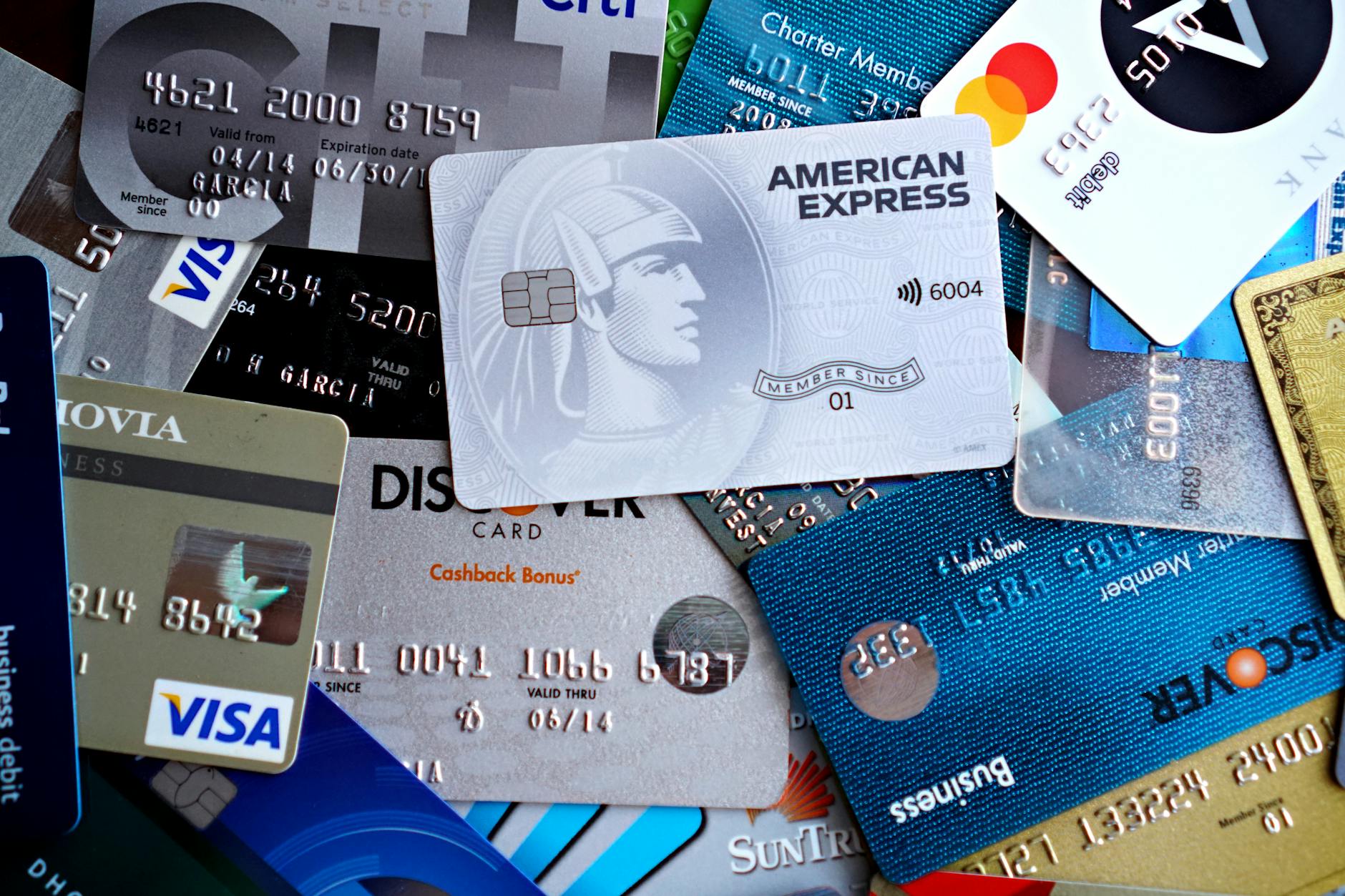
A card being declined at the point of payment is one of the most direct indicators of financial difficulty. It can happen to anyone on a rare occasion due to a banking error or a frozen account, but the reaction that follows is equally revealing. Someone who brushes it off with a rehearsed explanation and quickly produces an alternative payment method may have experienced this situation before. The discomfort, embarrassment, or irritation that follows can speak to deeper patterns. A single incident is not conclusive, but it is worth noting in the broader context of the date.
Extreme Couponing
Using discount codes, vouchers, or promotional deals on a first date is not inherently problematic, but doing so in an obsessive or secretive way can signal financial strain. A person who spends significant time at the table searching for codes before ordering may be managing a tighter budget than they have let on. Frugality is a positive trait, but concealing it while projecting a different financial image suggests a disconnect between reality and presentation. The behavior becomes a red flag when it contradicts other signals the person has sent about their lifestyle. Transparency about financial habits is far more attractive than a carefully constructed facade.
Borrowing for Tips

Asking a date to cover the tip or contribute to a small additional expense can indicate that the person is operating with very little financial buffer. While splitting costs is a perfectly acceptable modern practice when agreed upon in advance, being caught short on a small discretionary amount is a different scenario. Someone who planned the date without accounting for gratuity may not be managing their money with much foresight. This becomes more significant if it happens more than once or is accompanied by a casual attitude toward the shortfall. Financial planning that overlooks basic dining etiquette can hint at broader money management challenges.
Borrowed Car

Arriving in a vehicle that clearly belongs to someone else can be a minor curiosity or a meaningful signal depending on the context. A borrowed car is not automatically a problem, but when combined with other financial red flags it adds to a pattern worth noticing. Someone who mentions the car belongs to a friend or family member without further explanation may be concealing a lack of personal transportation due to financial constraints. The way a person speaks about the situation can reveal whether it is a temporary inconvenience or a recurring reality. Context and consistency are everything when interpreting this kind of signal.
Phone Plan Issues

A phone that constantly runs out of data, drops calls due to a limited plan, or needs to connect to restaurant Wi-Fi for basic functions can suggest budget limitations. While not everyone prioritizes a premium phone plan, someone who has projected financial confidence throughout the evening may contradict themselves through these small technological tells. Prepaid or severely restricted plans are practical choices for those managing tight budgets, but they become red flags when paired with other signs of concealment. A person who reacts with embarrassment when their phone limitations are noticed may be more aware of the discrepancy than they let on. Small technological details can reflect broader financial realities.
Order Anxiety

Visible stress when looking at a menu, particularly when prices are visible, can indicate that the person is calculating costs against a very limited budget. Someone who asks multiple questions about portion sizes, requests substitutions that reduce the price, or orders the cheapest item regardless of preference may be quietly navigating a financial constraint. This kind of behavior stands out especially when the person initially suggested the venue with confidence. Genuine comfort with one’s financial situation typically allows for a relaxed and enjoyable ordering experience. Menu anxiety that goes unexplained is worth factoring into the overall impression of the date.
Cash-Only Preference
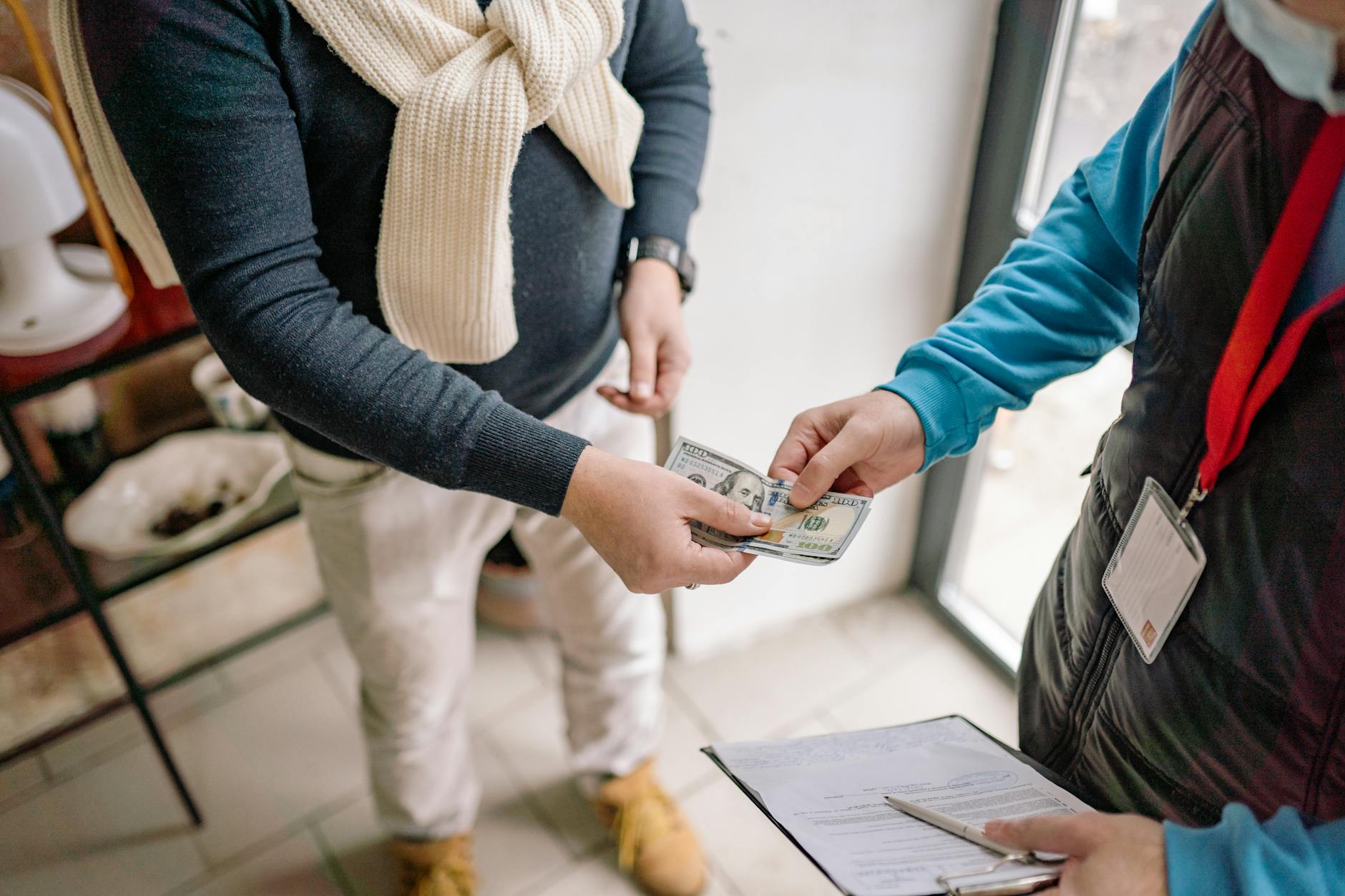
Insisting on paying with cash in situations where card payment is the obvious and convenient choice can sometimes point to a lack of access to traditional banking or credit. Some people prefer cash for legitimate budgeting reasons, but a strong preference on a first date can occasionally reflect a banking issue such as an overdrawn account or a frozen card. The way the preference is explained matters significantly in interpreting its meaning. Someone who is secretive or dismissive when asked about it may be concealing a more complicated financial picture. Openness about payment preferences, even unusual ones, tends to inspire more trust than deflection.
Constant Upsell Resistance

Politely declining every suggestion to add an appetizer, upgrade a drink, or share a dessert can paint a picture of someone operating at the very edge of their budget. While dietary preferences and simple taste account for some of these refusals, an across-the-board resistance to any additional spend can tell a different story. Someone who seems uncomfortable every time the conversation edges toward an optional extra may be quietly counting every dollar on the table. Financial caution is admirable, but when it overrides normal social ease it can signal stress rather than discipline. The pattern becomes more meaningful when it appears consistently throughout the evening.
Lifestyle Inconsistencies

When the life a person describes verbally does not match the details visible in person, it can indicate a significant gap between their projected and actual financial reality. Someone who claims to travel frequently, dine at upscale restaurants regularly, or shop at luxury retailers while showing signs of financial strain in person may be crafting an aspirational image rather than an honest one. These inconsistencies can emerge in small ways through offhand comments, the condition of personal items, or contradictory spending behavior during the date itself. A trustworthy partner is typically consistent between what they say and what they demonstrate. Significant lifestyle gaps are worth reflecting on before investing further emotionally.
Splitting Scrutiny
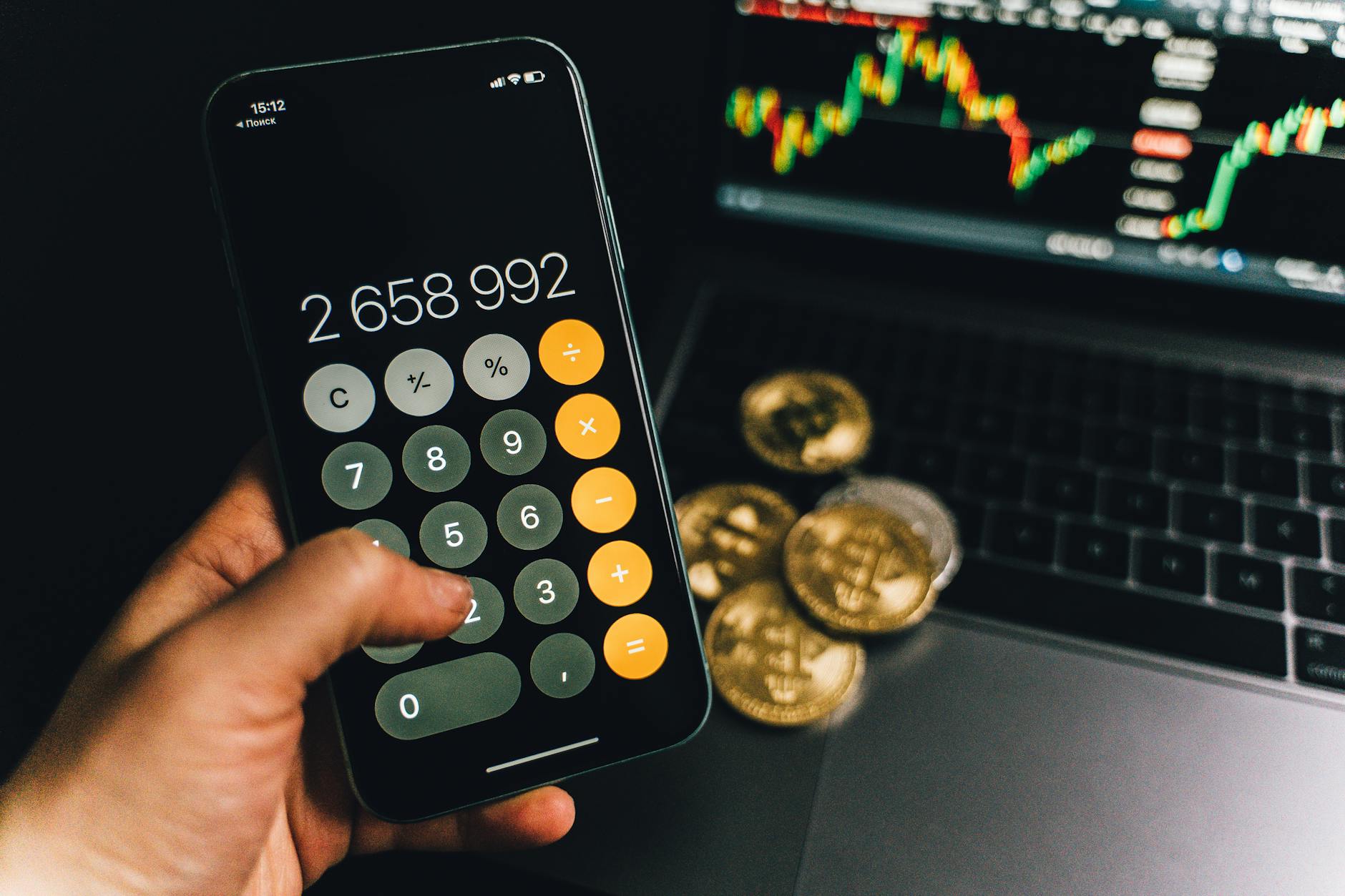
Suggesting a split that goes beyond a simple even divide and involves calculating exact amounts down to the cent can reflect a level of financial vigilance that suggests very little room for flexibility. While fairness in shared expenses is entirely reasonable, obsessive precision about small differences can sometimes reveal a person managing an extremely tight financial situation. This behavior becomes more notable when the person initially presented themselves as someone unbothered by money. The discomfort of a date who watches the bill with intense focus can shift the energy of the entire evening. Financial generosity does not require wealth but it does tend to require a degree of ease that stress can undermine.
Gift Overcompensation

Arriving with an unexpectedly lavish gift on a first date can occasionally be a sign of overcompensation rather than genuine generosity. Someone who cannot comfortably afford their evening but presents an expensive item may be trying to project an image of wealth they do not possess. This pattern is sometimes connected to financial behavior rooted in impression management rather than authentic connection. A gift that seems disproportionate to the occasion and the relationship is worth considering in the context of everything else observed during the date. Genuine generosity tends to feel natural and proportionate rather than performative.
App-Based Everything

Relying exclusively on discount dining apps, cashback platforms, or deal aggregators to plan every element of a date can suggest a financial situation that leaves very little room for spontaneity. Savvy spending is genuinely admirable, but when every choice is filtered through a lens of maximum cost reduction it can reveal a person stretched very thin financially. The use of these tools is not a red flag in isolation, but it becomes more significant when paired with other signs of concealment throughout the evening. Someone comfortable discussing their budget-conscious approach openly tends to signal self-awareness and honesty. It is the secrecy around the behavior rather than the behavior itself that warrants attention.
No Future Plans

A person who avoids any mention of upcoming trips, events, purchases, or experiences they are looking forward to may be living in a financial present with very little wiggle room for discretionary spending. Future-oriented conversation is a natural part of getting to know someone, and a consistent inability to engage with it can sometimes reflect a lack of financial bandwidth rather than a simple preference for living in the moment. This becomes more telling when combined with other behaviors observed throughout the date. Someone with financial stability typically has at least a few aspirational plans or experiences on the horizon worth mentioning. A complete absence of forward-looking conversation is a subtle but meaningful signal to consider.
Have you noticed any of these behaviors on a first date? Share your experiences and thoughts in the comments.




