
Even the most harmonious neighborhoods can be disrupted by everyday habits that seem completely harmless to the person doing them. Many homeowners and renters are completely unaware that their routine activities can cross legal or community boundaries in ways that prompt a neighbor to call law enforcement. Understanding these surprising triggers can help anyone avoid unnecessary friction and keep the peace on their street. From noise levels to property boundaries, the reasons a good neighbor might feel compelled to dial emergency services are far more varied than most people expect.
Loud Music

Sound travels much farther than most people realize, especially during evening and nighttime hours when ambient noise drops significantly. Most municipalities have noise ordinances that set specific decibel limits and quiet hours, and playing music above those thresholds is a legitimate reason for a police call. Even daytime music can become a legal issue if it is sustained for long periods or the bass is particularly heavy. Neighbors who have young children, work night shifts, or simply value a quiet environment are often quick to escalate when verbal requests go ignored. Investing in soundproofing or using headphones indoors can prevent this conflict entirely.
Overgrown Lawn
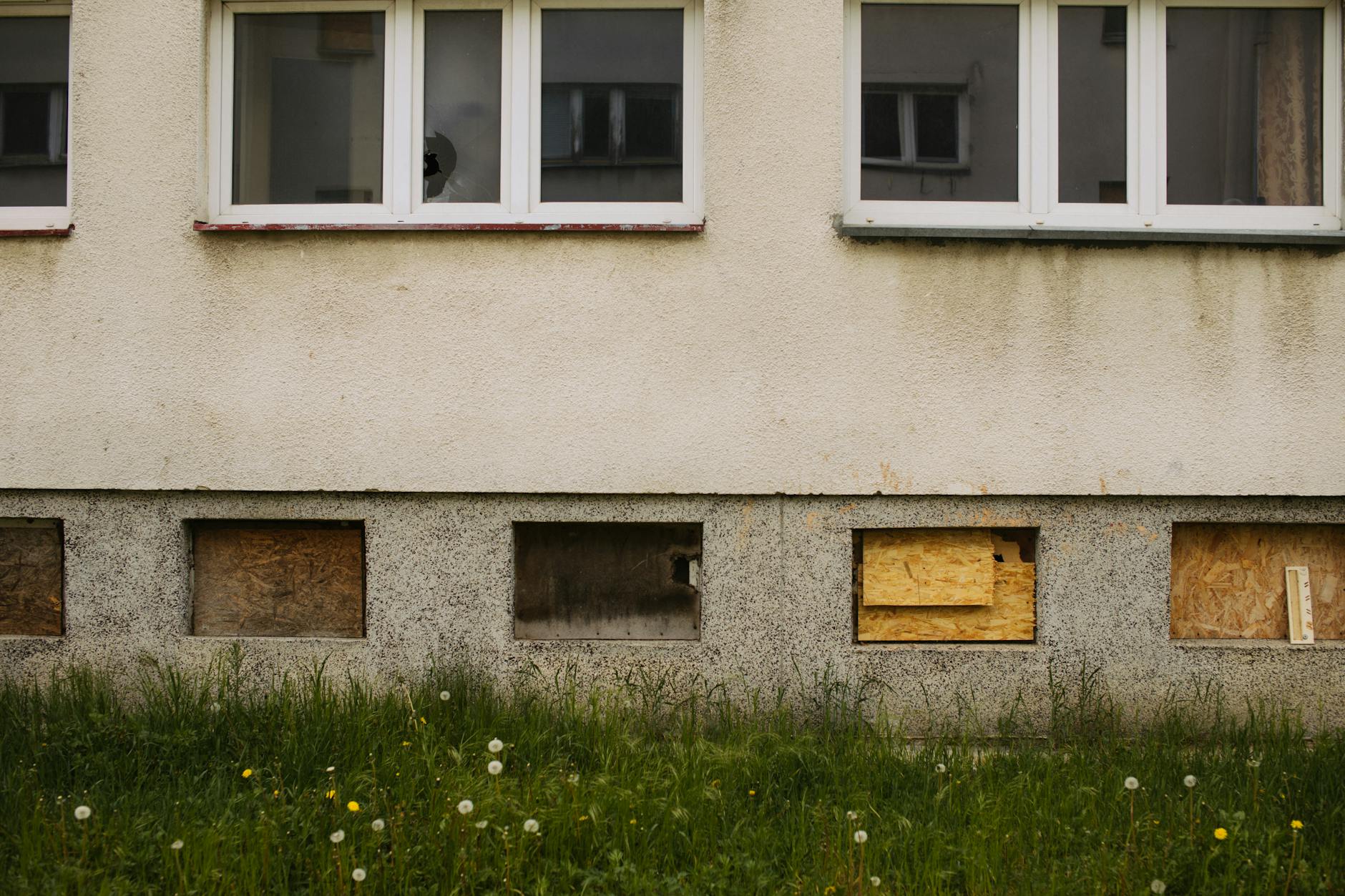
Many cities and counties have local ordinances that require residents to maintain their grass below a certain height, often around eight to twelve inches. A lawn that goes uncut for weeks can attract rodents, harbor pests, and reduce the overall property values of surrounding homes. Neighbors who take pride in their own landscaping may feel that an overgrown yard diminishes the appearance of the entire street. Code enforcement officers can issue fines, but concerned neighbors will sometimes call the non-emergency police line to report a potential violation. Regular mowing and basic yard upkeep is one of the simplest ways to stay in good standing with those who live nearby.
Parking Disputes

Parking in front of a neighbor’s home is generally legal on a public street, but doing it consistently can create surprising levels of tension. Some neighbors feel a strong sense of ownership over the curb space in front of their property even though it is technically shared public space. Issues escalate quickly when driveways are partially blocked, street cleaning rules are violated, or vehicles are left unmoved for extended periods. Many jurisdictions have laws about how long a vehicle can remain parked in one spot without being moved, and repeated violations can result in a police report. Being mindful of where guests park during gatherings can go a long way in avoiding this type of conflict.
Barking Dogs

A dog that barks persistently throughout the day or night is one of the most common triggers for a neighbor to call local authorities. Chronic barking is classified as a noise violation in most jurisdictions, and animal control or police can respond to formal complaints. Neighbors who are working from home, caring for infants, or dealing with health conditions are particularly sensitive to ongoing noise disruptions. Many owners are genuinely unaware of how much their dog barks when left alone, since the behavior tends to occur in their absence. Bark training, enrichment activities, and doggy daycare are among the most effective solutions for curbing this issue.
Bright Security Lights
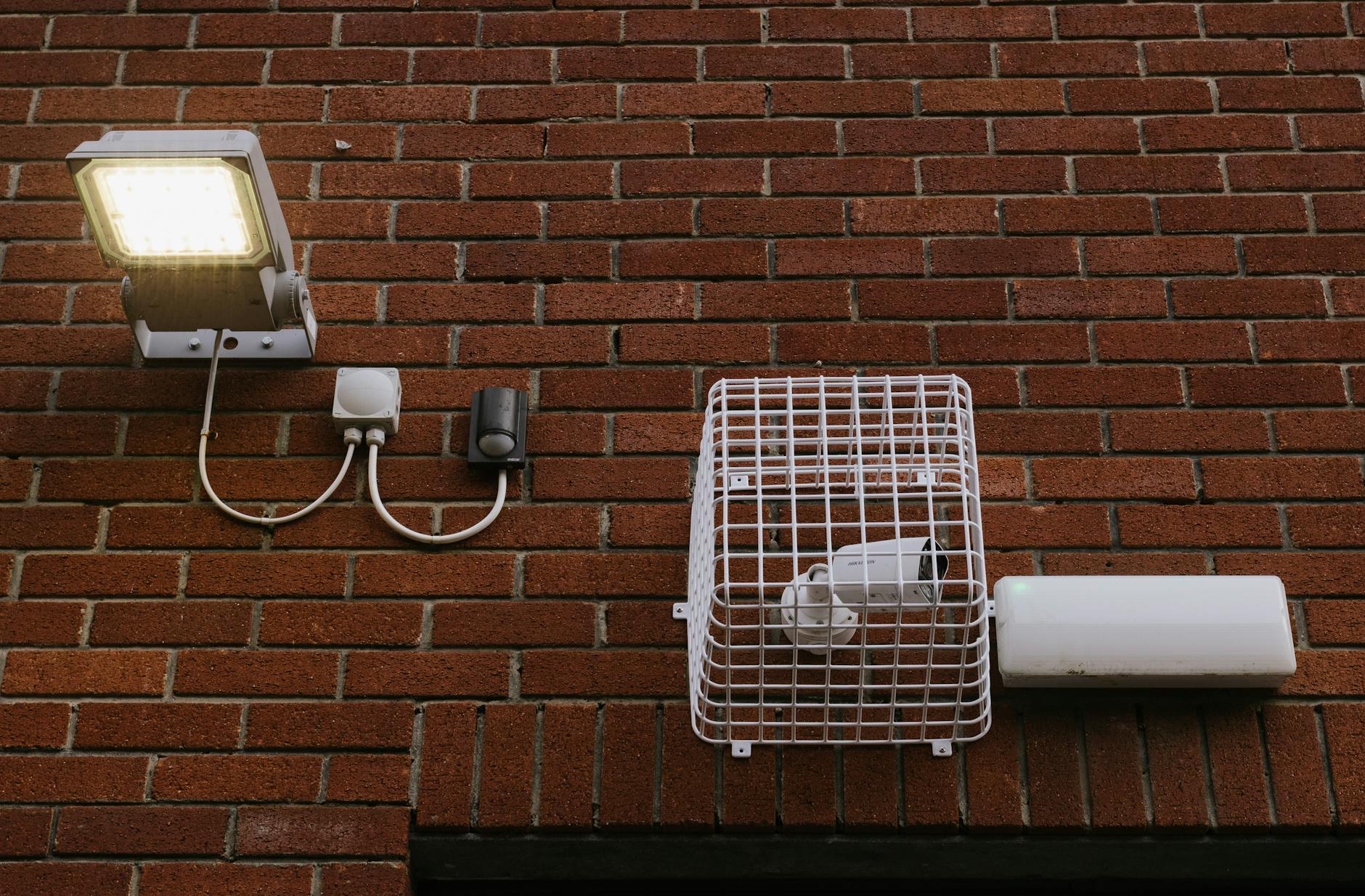
Motion-activated or always-on security lights can be an excellent safety tool, but poorly aimed fixtures create serious problems for neighbors. A bright light that floods directly into a bedroom window can disrupt sleep patterns and genuinely impact a person’s quality of life. In some areas, light trespass is recognized as a nuisance violation that can be reported to local authorities. Lights aimed at the sky rather than the ground also contribute to light pollution, which some communities actively regulate. Adjusting the angle of fixtures and using shields to direct light downward can resolve the issue quickly and respectfully.
Smoking Outdoors

While smoking on private property is generally permitted, the direction smoke travels is not always controllable and can create conflict with neighbors who have respiratory conditions. In multi-unit housing situations such as condominiums or townhomes, shared walls and ventilation systems can carry smoke into neighboring units in ways the smoker never intended. Many homeowners associations have adopted no-smoking policies in outdoor common areas, and violating these rules can result in a formal complaint or police involvement. Parents of young children are particularly likely to raise concerns if smoke is drifting into shared spaces like courtyards or playgrounds. Smoking in a designated area away from shared boundaries is a practical way to respect the needs of those living close by.
Fence Disputes
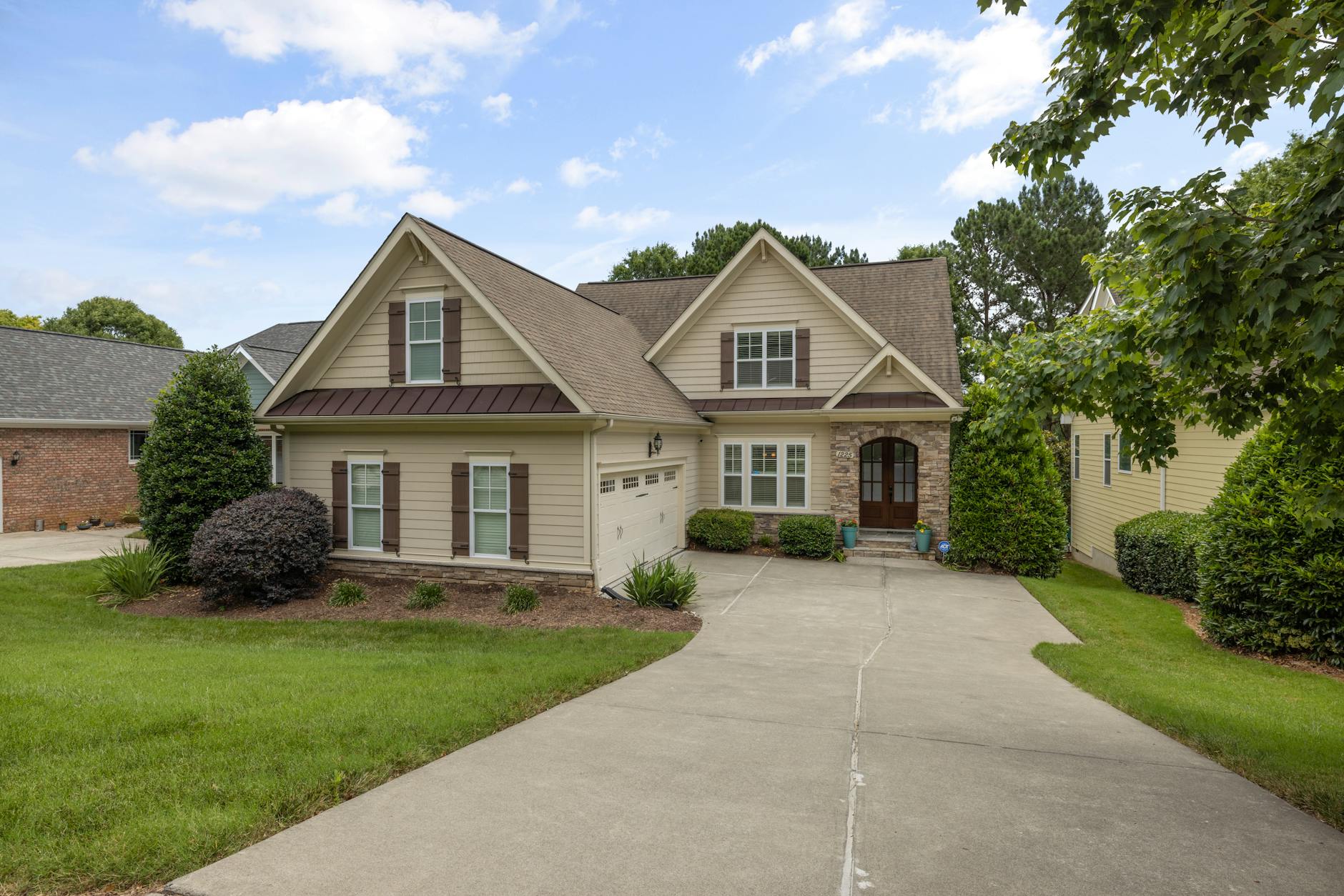
Installing or modifying a fence without checking property lines or local regulations is a surprisingly common source of neighborhood conflict. Erecting a structure even a few inches over a property line can constitute encroachment, which is a legal matter that neighbors may report to the police or pursue through civil court. Many municipalities also have rules about fence height, material, and placement that require permits before construction begins. A neighbor who feels their property or view has been impacted by a new fence may escalate the matter quickly, especially if communication has broken down. Hiring a licensed surveyor before any fence project begins can prevent a costly and stressful dispute from ever starting.
Holiday Decorations

Festive lights and decorations are a beloved tradition, but leaving them up well past the holiday season can become a point of contention in tightly regulated communities. Some homeowners associations have specific rules about when decorations must be removed, and failing to comply can result in formal complaints or fines. Particularly bright or flashing lights can also qualify as a light or nuisance violation if they disturb neighbors at night. Inflatable decorations that make noise or move erratically can also attract complaints depending on local noise and nuisance ordinances. Staying aware of community guidelines and seasonal norms helps keep the peace while still allowing for festive expression.
Party Gatherings

Hosting guests is a normal and enjoyable part of life, but large gatherings can quickly generate enough noise, traffic, and activity to concern nearby residents. Music, laughter, and raised voices from a backyard party can easily exceed local noise limits even when hosts believe the event is reasonably controlled. Guests who spill onto public sidewalks or streets can create concerns about blocking access or disturbing the neighborhood atmosphere. Events that run late into the night are particularly likely to prompt a call to law enforcement from a neighbor who has to be up early. Notifying nearby neighbors in advance and setting a reasonable end time can make a significant difference in how a gathering is received.
Short-Term Rentals

Listing a home on a short-term rental platform might seem like a purely private financial decision, but it has a direct impact on the surrounding neighborhood. Neighbors frequently object to a constant stream of strangers arriving with luggage, generating noise, and occupying parking spaces that regular residents depend on. Many cities have introduced strict regulations around short-term rentals, and operating without the proper permits can result in a police report or code enforcement action. A house that functions as an informal hotel can fundamentally change the character of a residential street in ways neighbors find deeply unsettling. Researching local laws and communicating openly with neighbors before listing a property can help avoid serious conflict.
Burning Debris
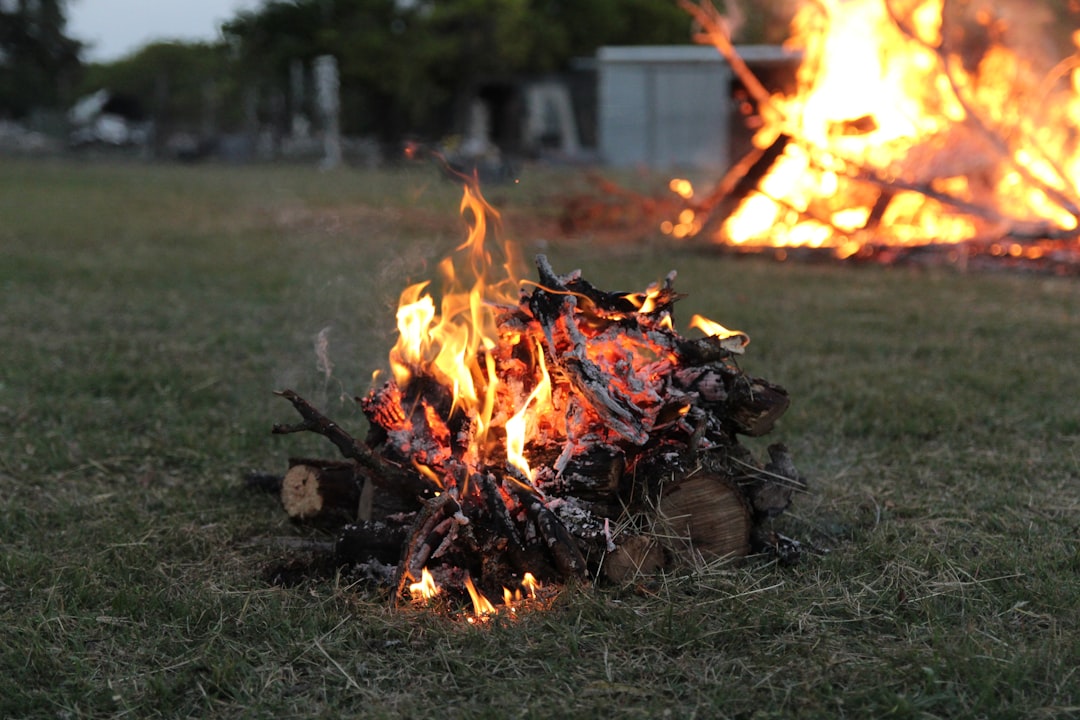
Burning leaves, branches, or other yard waste might feel like a natural and efficient disposal method, but open burning is regulated or outright banned in most urban and suburban areas. Smoke from burning debris can travel into neighboring homes, trigger respiratory issues, and create a genuine fire hazard if conditions are dry or windy. Neighbors who smell smoke are understandably alarmed, and many will call the fire department or police without hesitation. Even in areas where burning is technically permitted, doing so without notifying nearby residents is considered poor community etiquette. Composting, municipal yard waste collection, or renting a wood chipper are widely available alternatives that avoid the conflict entirely.
Abandoned Vehicles

A vehicle that sits unmoved for weeks or months in a driveway or on the street quickly becomes a neighborhood concern. Rusted, deflated, or visibly damaged cars can lower the aesthetic appeal of a street and signal neglect that neighbors find troubling. Many jurisdictions prohibit the storage of inoperable vehicles on residential property without specific permits, making this a legitimate code enforcement issue. A neighbor who is already frustrated by other tensions may use an abandoned vehicle as the final reason to contact authorities. Properly disposing of an unused vehicle through a licensed salvage yard or donation program resolves the issue cleanly and responsibly.
Water Runoff
Grading a yard, installing impermeable paving, or redirecting drainage systems can send excess water flowing directly onto a neighbor’s property. Water damage to landscaping, foundations, or basements is a serious matter that can quickly become a legal dispute. In many areas, knowingly redirecting water onto an adjacent property constitutes a nuisance violation that can involve civil or even criminal consequences. Neighbors who experience flooding or water damage as a result of changes on an adjoining property are well within their rights to contact authorities. Working with a licensed landscaper or drainage contractor before making changes to outdoor surfaces is the most reliable way to prevent this type of problem.
Structural Projects

Building a deck, adding a room, or making major exterior changes without obtaining the necessary permits is a surprisingly frequent source of neighbor complaints. Unpermitted construction can affect shared property values and raises concerns about structural safety that neighbors take seriously. Many residents know to check the local permit database, and a construction project with no listed permits is a red flag that can prompt a call to code enforcement or police. Work that begins very early in the morning or runs into the evening can also violate noise ordinances even when the project itself is otherwise legal. Always securing the proper documentation before breaking ground protects both the homeowner and the surrounding community.
Aggressive Pets

A dog or other animal that lunges, growls, or charges at passersby creates a legitimate public safety concern that neighbors are entitled to report. Even if a pet has never bitten anyone, threatening behavior toward pedestrians, cyclists, or children can be classified as a nuisance or potential danger under local animal control laws. Neighbors who are afraid to walk past a home because of an animal’s behavior will not hesitate to contact authorities, especially if multiple incidents have occurred. Owners are often blindsided by complaints because they perceive their pet as protective rather than dangerous. Secure fencing, proper leash training, and behavioral consultations with a professional trainer are the most effective steps toward resolving this kind of concern.
Trash Management
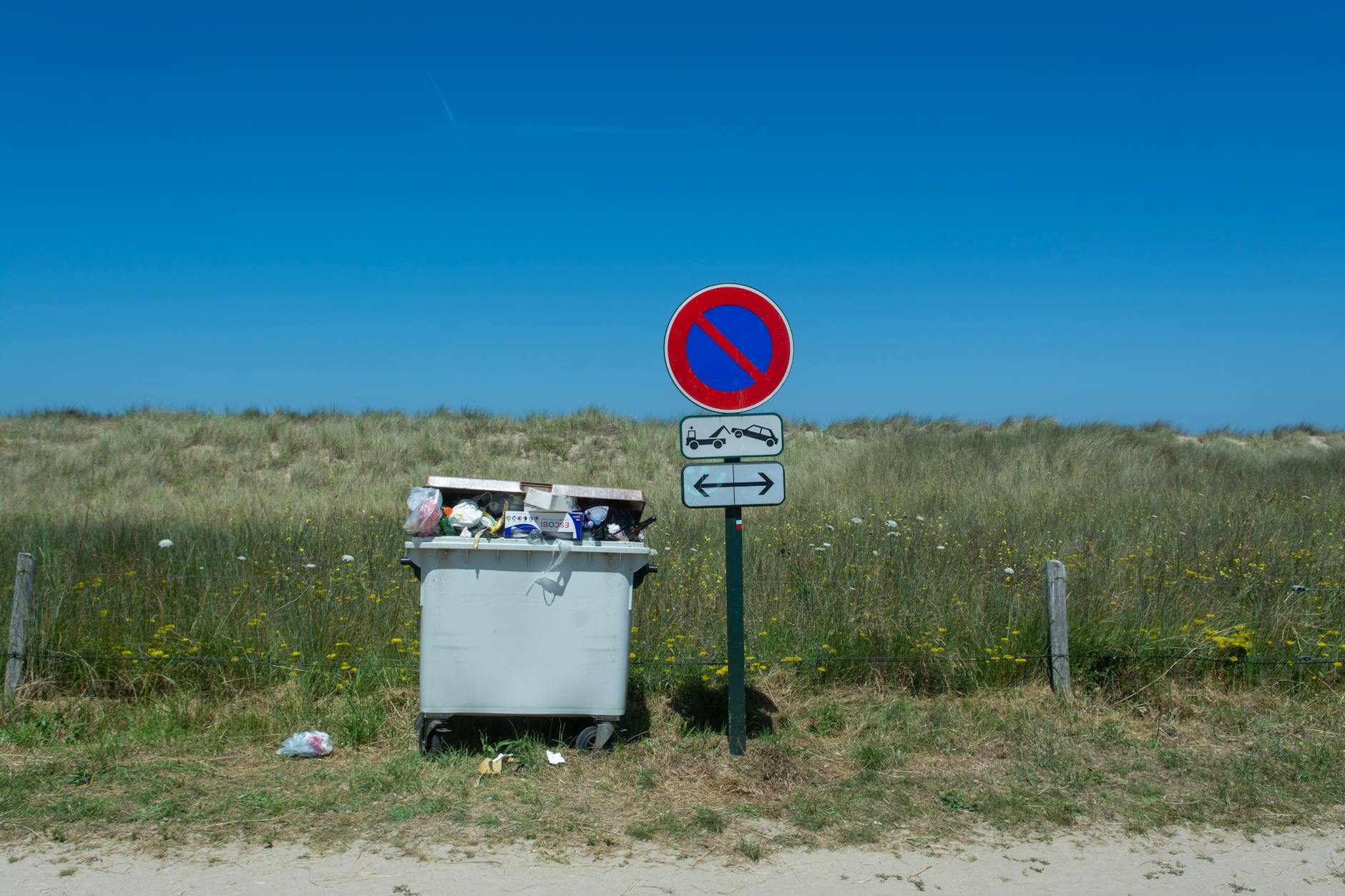
Leaving bins at the curb long after collection day, allowing waste to overflow, or creating a persistent odor from improperly managed garbage are all issues that frustrate neighbors and may violate local ordinances. Trash that is not properly secured can attract wildlife, scatter across the street, and create a health and safety hazard for the entire block. Many municipalities have specific rules about when bins can be placed at the curb and when they must be returned to the property, and repeated violations can result in fines or police involvement. Neighbors who live in areas with homeowners associations may find that trash management rules are even more strictly enforced than municipal standards. Developing a consistent routine for putting out and retrieving bins keeps both the street and the community relationship in good shape.
Home Businesses

Operating a business from home is increasingly common, but doing so in a way that generates frequent deliveries, customer traffic, or commercial activity can conflict with residential zoning laws. Neighbors who see a stream of unfamiliar people arriving at a private home throughout the day may suspect illegal activity and report it to the police before they have all the facts. Even entirely legal home businesses can violate zoning codes if they involve signage, employees, or commercial vehicles that alter the residential character of the street. Many municipalities require a home occupation permit to legally operate any business from a private residence. Being transparent with neighbors about the nature of a home business and ensuring full compliance with local zoning rules can prevent misunderstanding and conflict.
Utility Tampering
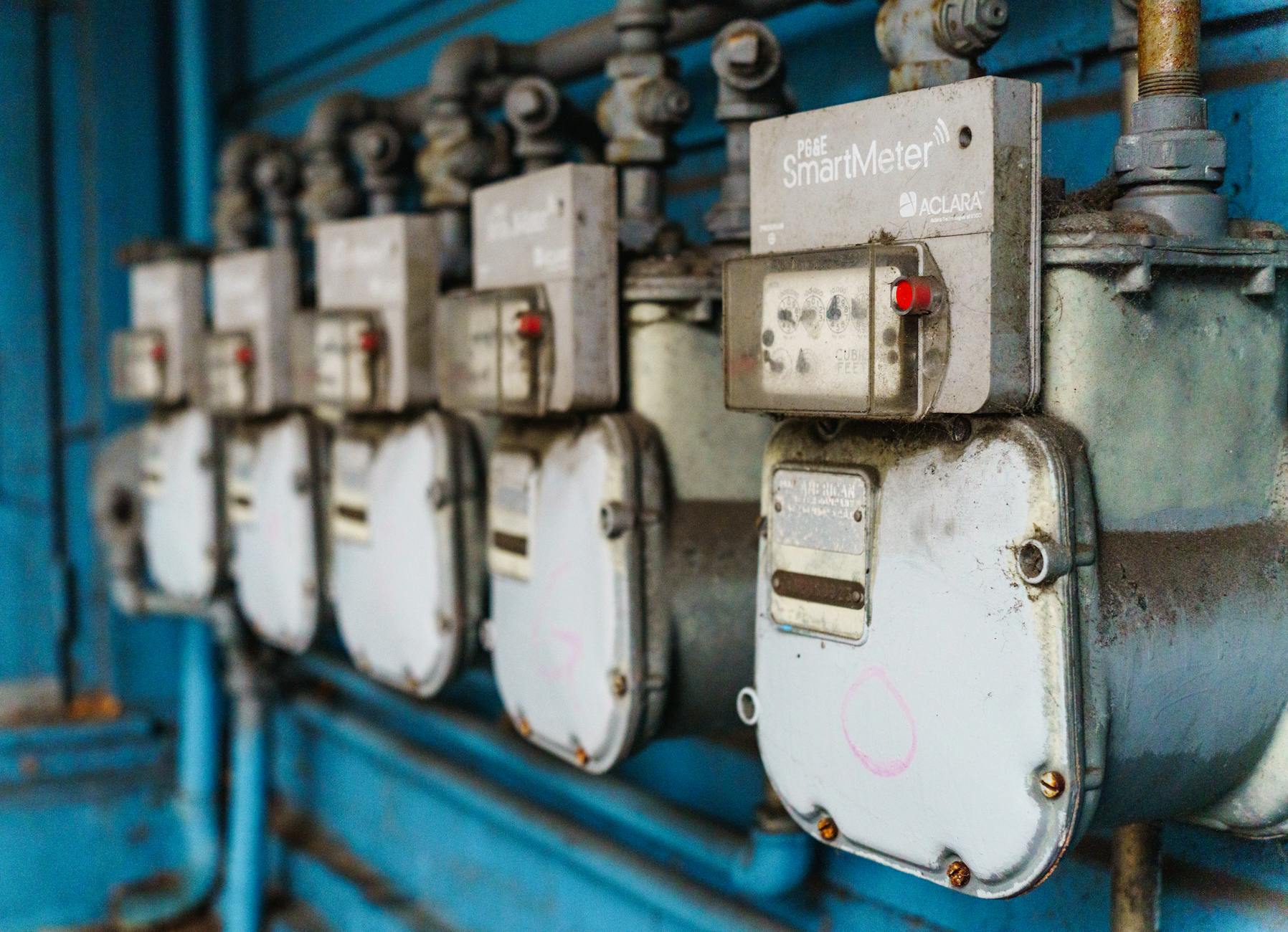
Tampering with shared utility infrastructure such as water meters, electrical boxes, or cable lines is illegal and dangerous, yet neighbors sometimes discover or suspect this activity and report it to both utility providers and police. Even unintentional interference with utility equipment during a DIY project can trigger a complaint if it affects service for surrounding properties. Installing private irrigation systems that tap into shared water supplies without authorization is one of the more common ways this issue arises in residential neighborhoods. Utility companies take interference with their infrastructure seriously and may pursue criminal charges in addition to service termination. Always contacting the appropriate utility provider before undertaking any project that involves digging or working near utility lines is both a legal and a safety imperative.
Excessive Clutter
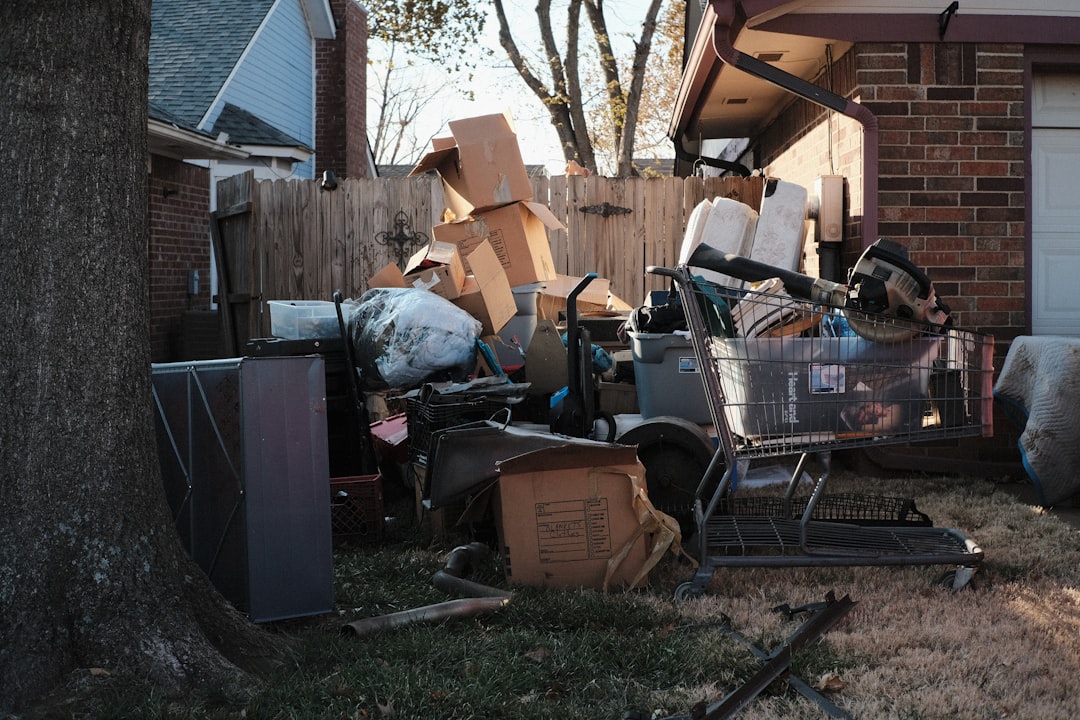
A yard filled with accumulated furniture, appliances, equipment, or debris is not just an eyesore to neighbors but can also constitute a legal violation of local property maintenance codes. Outdoor clutter can attract pests, create fire hazards, and signal conditions that may be associated with hoarding, which prompts genuine welfare concerns among those living nearby. In many cities, maintaining a property in an orderly condition is a requirement enforced by code enforcement officers who respond to neighbor complaints. Items left on a porch or in a driveway for extended periods often fall into a gray area that still generates friction even when no specific rule is being broken. Regular decluttering and proper disposal of unwanted items keeps a property looking well-maintained and signals to neighbors that the household is being responsibly managed.
Late Deliveries

The rise of around-the-clock delivery services means that packages and groceries can arrive at almost any hour of the day or night, and late-night deliveries that involve running vehicles, slamming doors, or phone alerts can disturb an entire block. In quiet residential areas, even a delivery truck idling outside a home at midnight is enough to prompt a concerned neighbor to call the police. Some delivery apps allow customers to set quiet delivery windows, a feature that is worth exploring in neighborhoods where houses are closely spaced. Repeated disturbances caused by delivery activity, even if unintentional, can damage a relationship with neighbors who value their rest. Communicating preferred delivery times and using scheduled delivery options where available is a considerate and practical solution.
Unsecured Trampolines

A trampoline that is not properly anchored or enclosed with safety netting poses a risk not just to the household but to the surrounding neighborhood. During high winds, an unsecured trampoline can become a dangerous projectile that damages fences, vehicles, and neighboring properties. Some homeowners insurance policies and local regulations specifically address trampoline safety requirements, and non-compliance can result in liability claims or code enforcement reports. Neighbors who have experienced property damage or who have young children they worry might access an unenclosed trampoline may contact authorities out of genuine concern for safety. Properly anchoring trampolines, installing full enclosure nets, and bringing equipment indoors during storms are responsible practices that protect everyone in the vicinity.
Share your own experiences with neighborhood surprises in the comments.




