
Across the globe, good manners take wildly different forms, and what feels like common courtesy in one culture can land as a genuine slight in another. Travelers and global professionals often find themselves unknowingly offending hosts, colleagues, and strangers despite their best intentions. Understanding these cultural gaps is one of the most important steps toward becoming a more thoughtful and respectful global citizen. The following behaviors are among the most commonly misread acts of politeness around the world.
Tipping at Restaurants
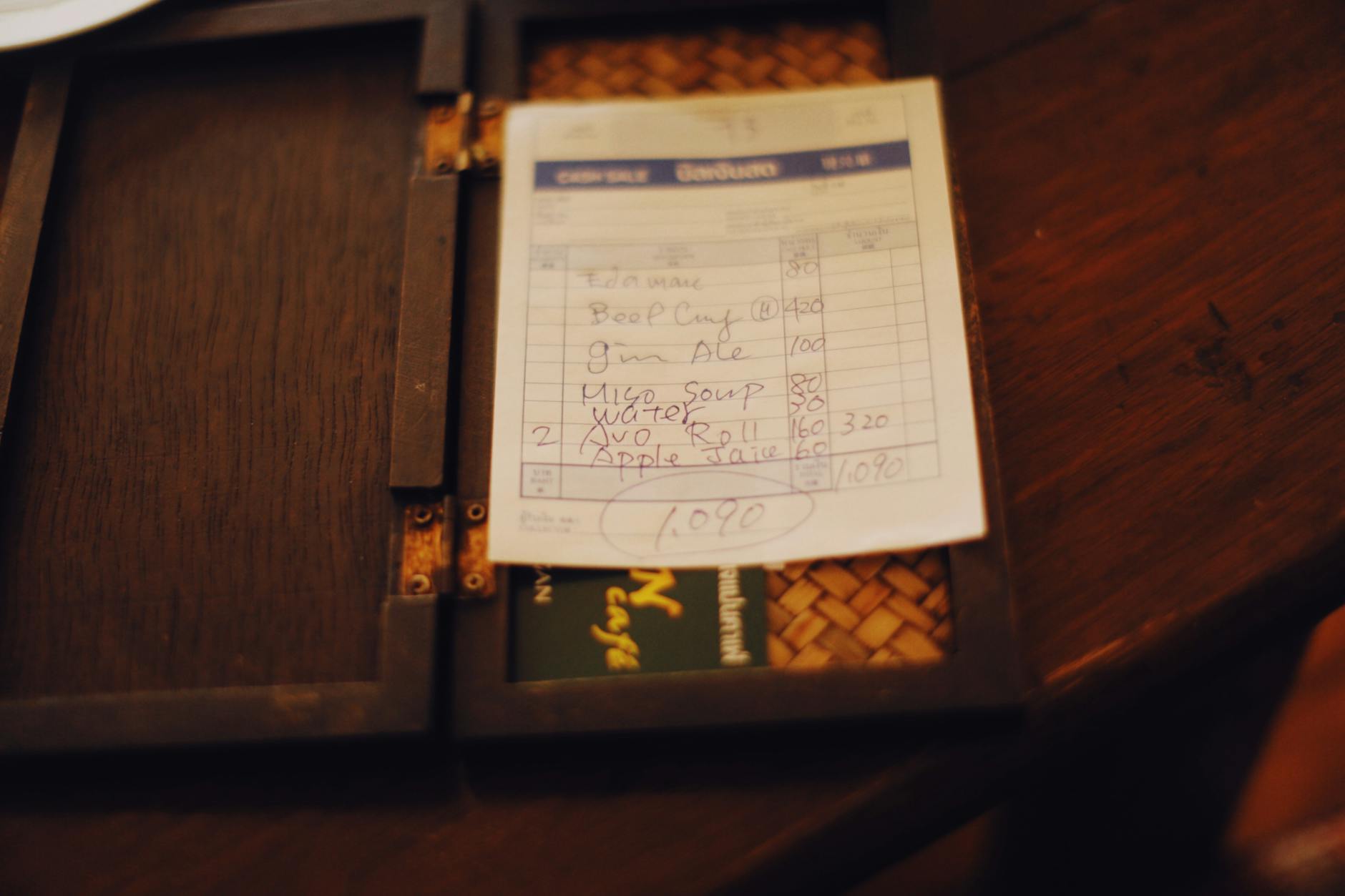
In many Western countries, leaving a tip after a meal is considered a basic sign of appreciation for good service. In Japan, however, tipping is widely seen as rude and can even be interpreted as suggesting the server needs charity. Several other countries including South Korea and China share this sentiment, where service staff may actually feel offended or embarrassed by the gesture. The price on the menu is understood to reflect the full and fair exchange between customer and establishment.
Finishing Your Plate

Cleaning your plate at dinner is a habit many people are raised to practice as a sign of gratitude and respect for the cook. In parts of China, the Philippines, and Thailand, however, leaving your plate completely empty signals to the host that they did not provide enough food. A small amount of food left behind communicates that the guest has been fully satisfied and that the host was generous in their portions. This custom can feel counterintuitive to visitors raised in cultures where waste is discouraged at the table.
Giving Flowers

Bringing a bouquet of flowers to a host is a classic gesture of warmth and appreciation throughout much of Europe and North America. In Russia and several Eastern European countries, however, the number of flowers in the arrangement carries significant meaning, and an even number is traditionally reserved for funerals. In some parts of Latin America and Asia, certain flower types such as white chrysanthemums are associated with mourning and death rather than celebration. A well-meaning floral gift can therefore send a deeply unintended message depending on where it is given.
Using Your Left Hand
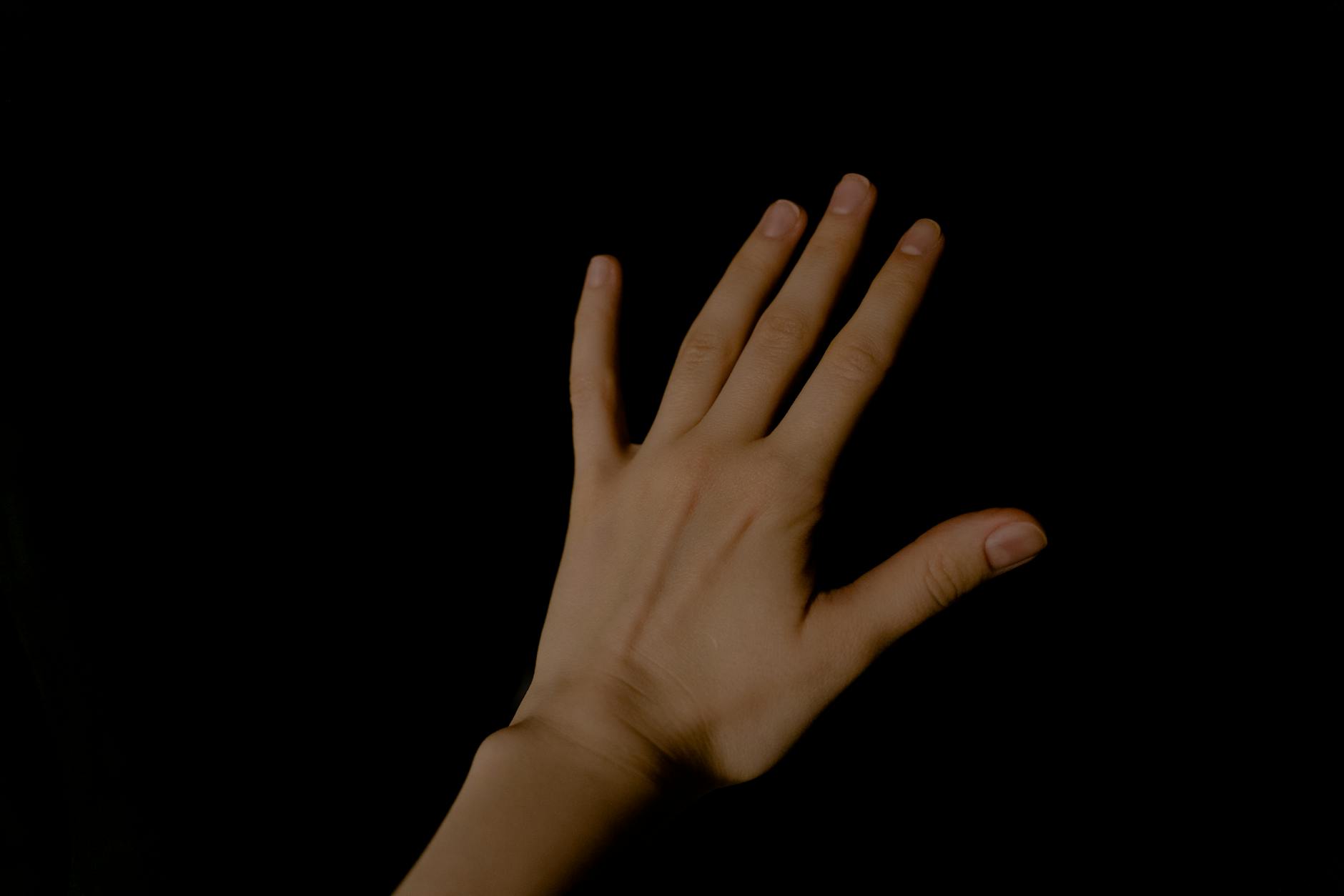
Offering an item, shaking hands, or eating with the left hand is a neutral act in most Western societies. In many countries across the Middle East, India, and parts of Africa, the left hand is traditionally considered unclean due to its historical association with personal hygiene. Handing someone a business card, a gift, or even food with the left hand in these regions can be perceived as disrespectful or dismissive. Visitors are generally advised to use the right hand for all exchanges and greetings in these cultural contexts.
Maintaining Eye Contact

Holding steady eye contact during conversation is commonly taught in Western cultures as a sign of confidence, honesty, and attentiveness. In Japan, South Korea, and many other East and Southeast Asian countries, prolonged eye contact can feel confrontational, disrespectful, or overly aggressive. In some Middle Eastern and African cultures, direct eye contact between people of different genders or social standings carries its own set of complex meanings. What registers as engaged listening in one room can register as a challenge or an intrusion in another.
Saying No to Food
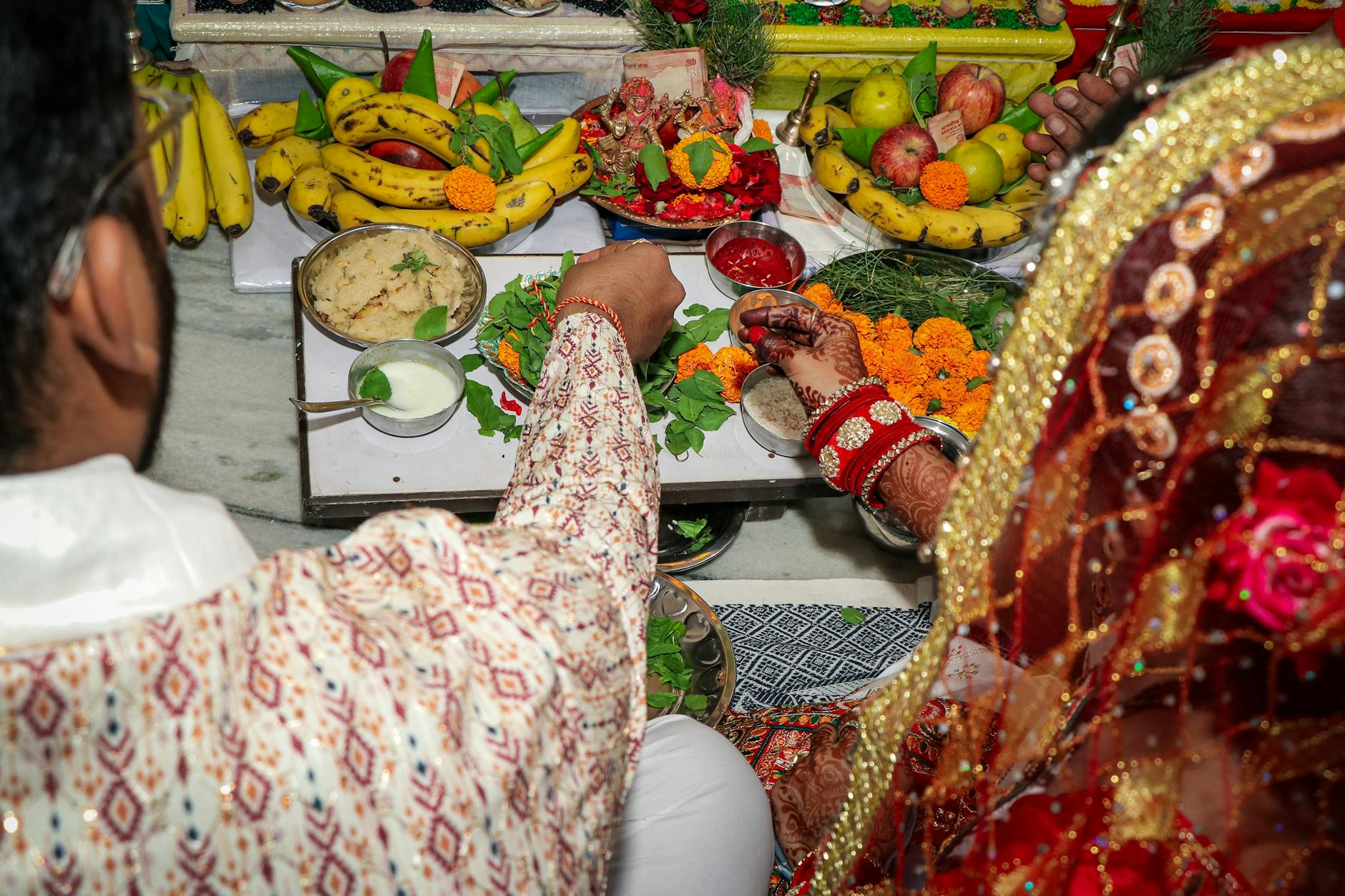
Politely declining food when offered is a perfectly acceptable act of preference or dietary awareness in many Western settings. In countries like Greece, India, and across much of the Arab world, refusing food that a host has prepared or offered is considered a serious rejection of their hospitality. Hosts in these cultures often interpret a refusal as a sign that the guest is unhappy or uncomfortable in their home. The culturally appropriate response is typically to accept at least a small portion as a token of goodwill and appreciation.
Showing the Soles of Your Feet
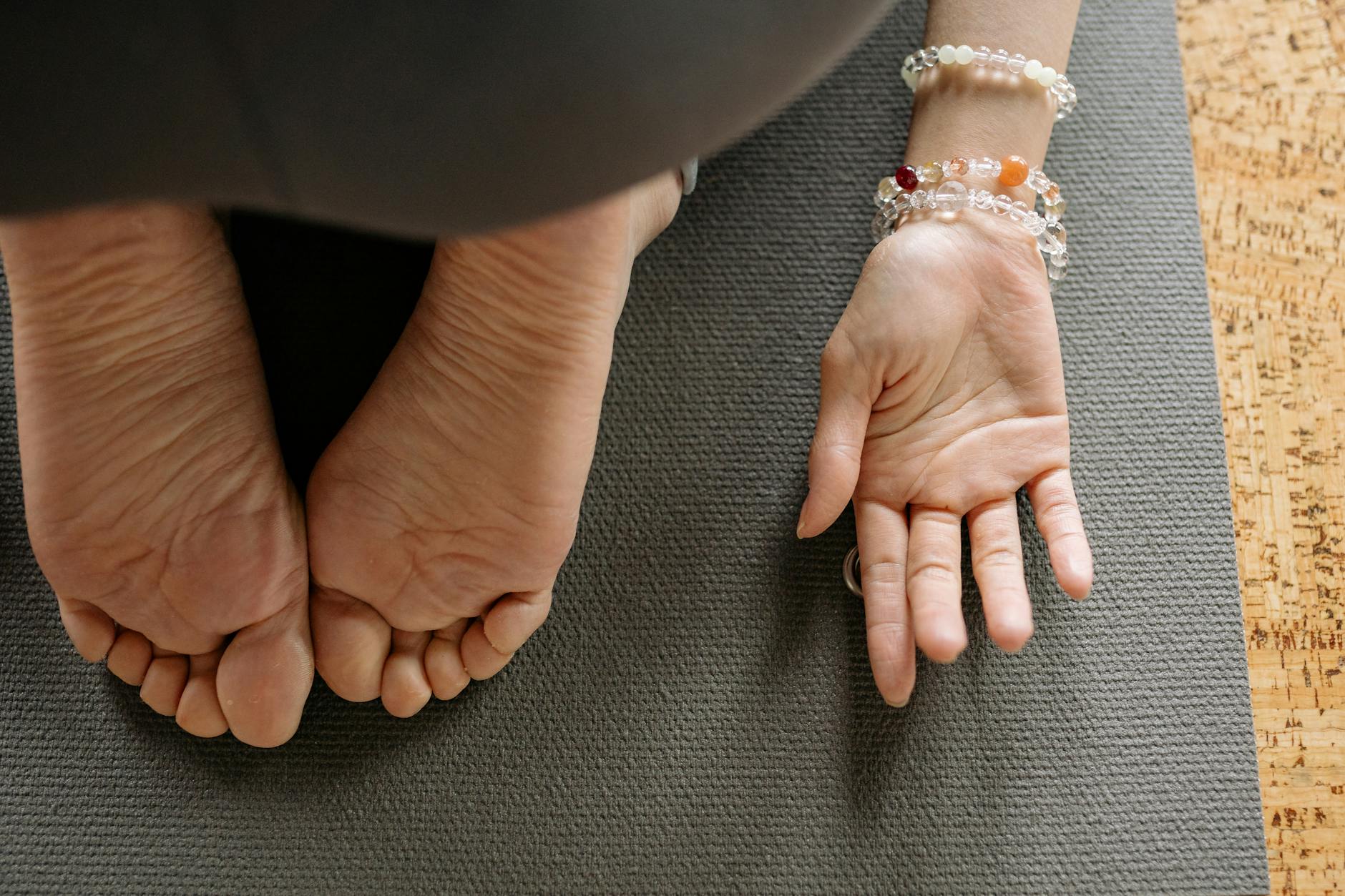
Sitting cross-legged or reclining in a way that points the soles of the feet toward another person tends to go unnoticed in casual Western environments. In Thailand, Saudi Arabia, Egypt, and across much of the Muslim and Buddhist world, the feet are considered the lowest and most spiritually impure part of the body. Directing them toward a person or a sacred object is viewed as deeply disrespectful and can cause genuine offense. Travelers should be mindful of their seated posture particularly when visiting temples, homes, and formal gatherings.
Nodding Your Head

A nod up and down is one of the most universally taught signals for agreement or acknowledgment in Western communication. In parts of Bulgaria, Greece, Iran, and the former Ottoman regions, a single upward nod or a sideways tilt carries the opposite meaning, signaling disagreement or a polite refusal. This reversal of one of the most basic nonverbal cues can lead to significant misunderstandings in both social and professional settings. Clarifying verbal confirmation alongside any gesture is a wise habit when communicating across these cultural boundaries.
Keeping Conversation Light

Sticking to cheerful, non-controversial topics during a first meeting is a social norm practiced widely across the English-speaking world as a form of politeness. In many European countries including France, Germany, and Russia, superficial small talk can be perceived as shallow or even insincere. Guests who avoid meaningful discussion may come across as uninterested or intellectually disengaged rather than diplomatically courteous. Thoughtful engagement on substantive topics is often interpreted as a sign of genuine respect for the other person’s intelligence and time.
Crossing Your Fingers
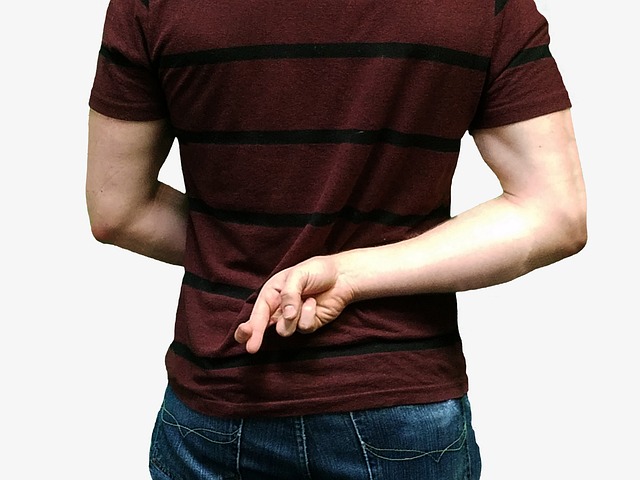
Crossing the index and middle fingers is a familiar gesture in many Western countries, typically used to wish someone luck or signal a hopeful outcome. In Vietnam and several other Southeast Asian countries, this gesture is considered highly obscene and offensive, as it is associated with a graphic anatomical reference. Displaying this symbol publicly or directing it at another person can provoke genuine outrage even when the intent is entirely innocent and well-meaning. Awareness of hand gestures is one of the most overlooked but important aspects of cross-cultural communication.
Patting Someone on the Head

Reaching out to gently pat a child or even a peer on the head is a familiar sign of warmth and affection in many Western and Latin cultures. In Thailand and across much of Southeast Asia, the head is considered the most sacred and spiritually elevated part of the human body. Touching someone’s head without permission is seen as a profound violation of their personal and spiritual dignity. This applies equally to children and adults, and the gesture is considered disrespectful regardless of how affectionate the intention may be.
Arriving Exactly on Time

Punctuality is treated as a mark of professionalism and respect in countries like Germany, Switzerland, Japan, and the United States. In many Latin American, Middle Eastern, and African cultures, arriving precisely on time to a social gathering can feel overly eager or even presumptuous to the host, who may still be preparing. A relaxed approach to arrival time is part of the social fabric, and early or exactly on-time guests can create mild awkwardness. Understanding the unspoken timekeeping customs of a region is just as important as respecting more visible etiquette rules.
Giving a Thumbs Up

The thumbs up gesture is widely understood across North America, the UK, and much of Europe as a signal of approval, agreement, or encouragement. In parts of the Middle East, West Africa, Russia, and Latin America, the same gesture carries a vulgar or deeply offensive connotation. Travelers who default to the thumbs up as a friendly non-verbal affirmation may unknowingly provoke confusion or hostility from those around them. Regional variations in the meaning of common hand signals are among the most frequent sources of unintentional cross-cultural offense.
Hugging as a Greeting

Embracing friends, acquaintances, or even new contacts is a warm and socially acceptable greeting across much of Southern Europe, Latin America, and North America. In Japan, the United Kingdom, and many Scandinavian countries, physical contact with someone who is not a close friend or family member can feel intrusive and uncomfortable. The expectation of personal space during greetings is deeply embedded in these cultures, and an unsolicited hug can register as a violation rather than a gesture of warmth. Reading the body language cues of the other person is always a more reliable guide than defaulting to familiar habits.
Splitting the Bill
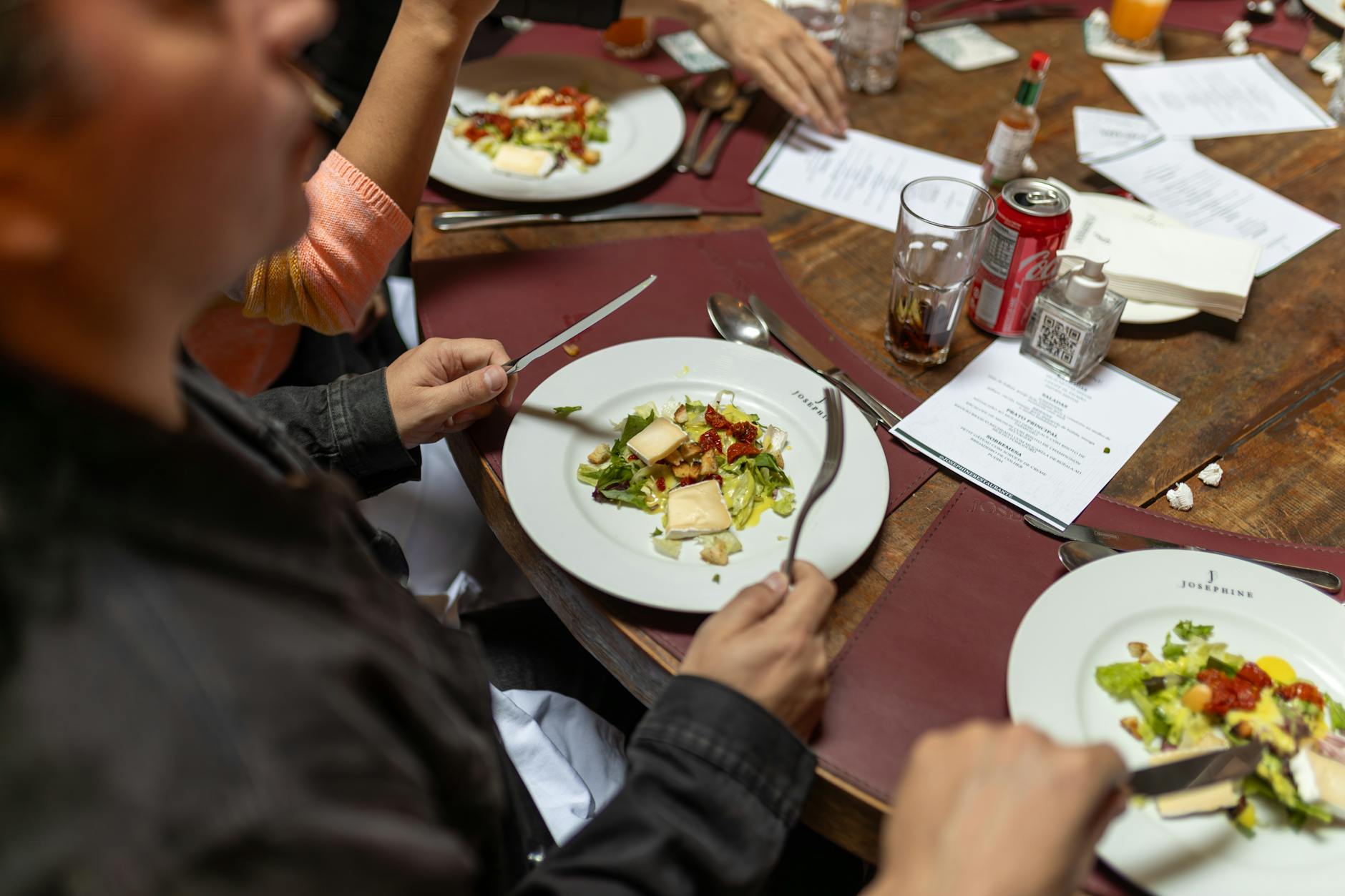
Suggesting that everyone pay their own share of a restaurant bill is a practical and egalitarian norm in many Northern European and North American social settings. In many parts of China, the Middle East, and parts of Southern Europe, the assumption that one person or family will host and cover the entire bill is a point of honor and generosity. Offering to split costs can imply that the host is unwilling or unable to be generous, which may cause quiet embarrassment or offense. Allowing the host to take the lead on billing is often the more culturally sensitive approach in these contexts.
Blowing Your Nose in Public

Discreetly blowing one’s nose with a tissue in public is considered perfectly hygienic and socially acceptable across much of the Western world. In Japan, China, and several other East Asian cultures, blowing the nose in front of others is considered unhygienic and rude, particularly at the dinner table or in formal settings. The preferred practice in these countries is to excuse oneself and address the matter privately in a restroom or away from other people. What feels like the tidy and considerate option to one person can feel deeply off-putting to another depending on cultural background.
Waving to Get Attention

Raising the hand and waving it gently to catch a waiter’s eye or signal someone from across the room is a natural and inoffensive habit in much of the Western world. In some parts of East Asia and the Middle East, beckoning someone with an upturned palm or a vigorous wave is associated with the way one would call an animal, and is considered demeaning. The appropriate gesture in many of these cultures involves a more subtle downward-facing hand motion to respectfully draw someone’s attention. Defaulting to restrained and minimal gestures is generally the safer approach in unfamiliar social environments.
Complimenting Possessions

Expressing genuine admiration for someone’s home, clothing, or belongings is a standard social courtesy across many Western cultures. In some Arab and traditional African cultures, openly and repeatedly admiring a possession can create an awkward obligation for the host to offer it as a gift. The social norm of generosity in these cultures means that a guest’s persistent praise may leave the host feeling pressured to part with something they value. Compliments in these settings are often best kept brief and general to avoid placing an unintended burden on the other person.
Keeping Shoes On Indoors

Wearing shoes inside a home is an accepted and unremarkable practice in many parts of Europe, North America, and Australia. In Japan, South Korea, Scandinavia, and across much of the Middle East and South Asia, shoes are always removed before entering a home as a mark of cleanliness and respect. Keeping footwear on after crossing the threshold is considered one of the most obvious breaches of household etiquette in these cultures. Guests who remain attentive to their host’s own behavior at the door will always find the most reliable cue to follow.
Asking About Salary or Age

Asking a new acquaintance what they earn or how old they are may be intended as friendly small talk or a way to establish common ground in some cultures. In the United States, Canada, and much of Western Europe, these topics are considered deeply private and are generally reserved for close friends or family. Raising them with someone you have just met can feel presumptuous, inappropriate, or even offensive regardless of the warmth behind the question. Many cultures that consider such questions invasive have unspoken rules about which personal details belong in casual conversation and which do not.
What polite habits have you discovered carry a different meaning in another culture? Share your experiences in the comments.




