Buying a home is one of the most significant financial decisions a person will ever make, yet many buyers walk away from inspections with a false sense of security. Beneath the surface of even the most polished properties, serious hazards can lurk undetected, either because they require specialized expertise or because standard inspection scopes simply do not cover them. Understanding what a general home inspection may overlook empowers buyers to ask better questions, hire additional specialists, and negotiate more confidently. These are the hidden dangers that deserve far closer attention before any purchase agreement is signed.
Aluminum Wiring
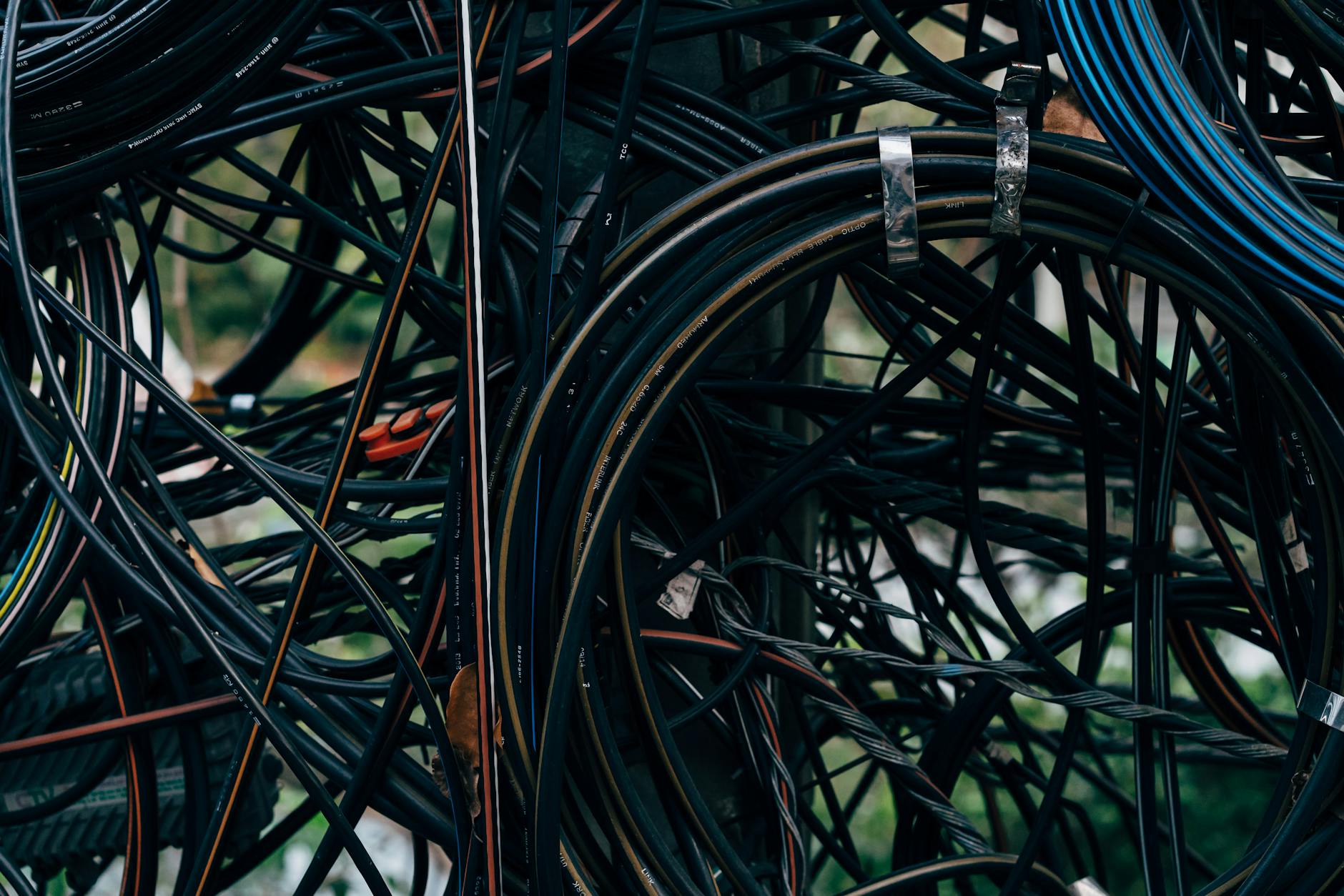
Aluminum wiring was widely used in residential construction during the 1960s and 1970s as a cost-effective alternative to copper. Over time, the material expands and contracts at a different rate than the connectors it meets, creating loose connections that generate dangerous heat. This process dramatically increases the risk of electrical fires, particularly at outlets, switches, and panel connections. Many general inspectors note its presence without fully conveying the seriousness of the hazard to buyers. A licensed electrician should evaluate any home built during this era for the scope of the wiring and the cost of remediation.
Polybutylene Pipes
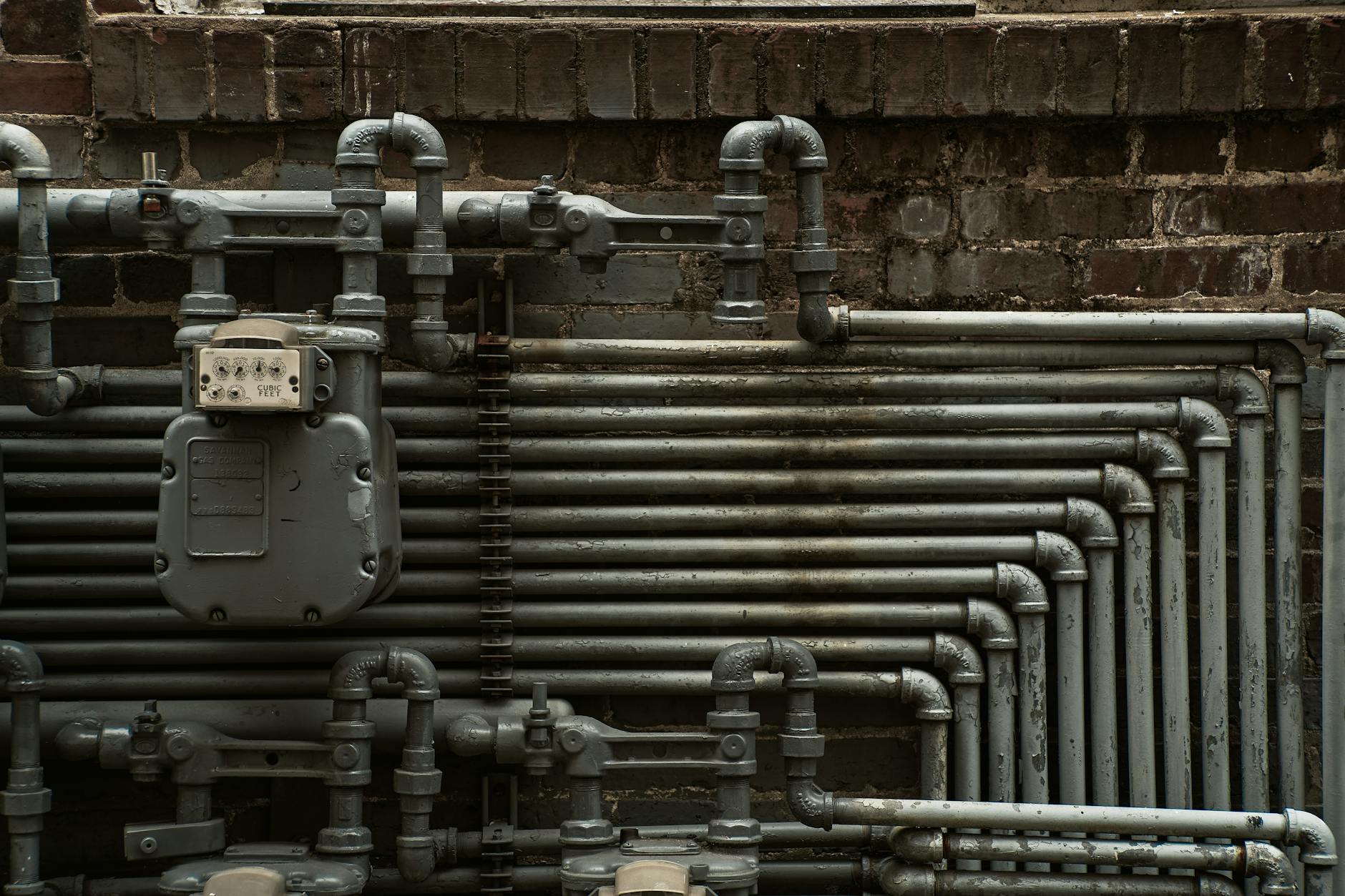
Polybutylene piping was installed in millions of homes between 1978 and 1995 and was once considered a reliable alternative to copper. Prolonged exposure to chlorinated water causes the material to become brittle, flake, and eventually fail without warning. Leaks can develop slowly inside walls or beneath floors, causing extensive water damage long before they are detected. The piping is identifiable by its gray, blue, or black color and is frequently found in attics, crawl spaces, and utility areas. Replacement is costly but necessary, and its presence should be a serious point of negotiation in any home purchase.
Chinese Drywall
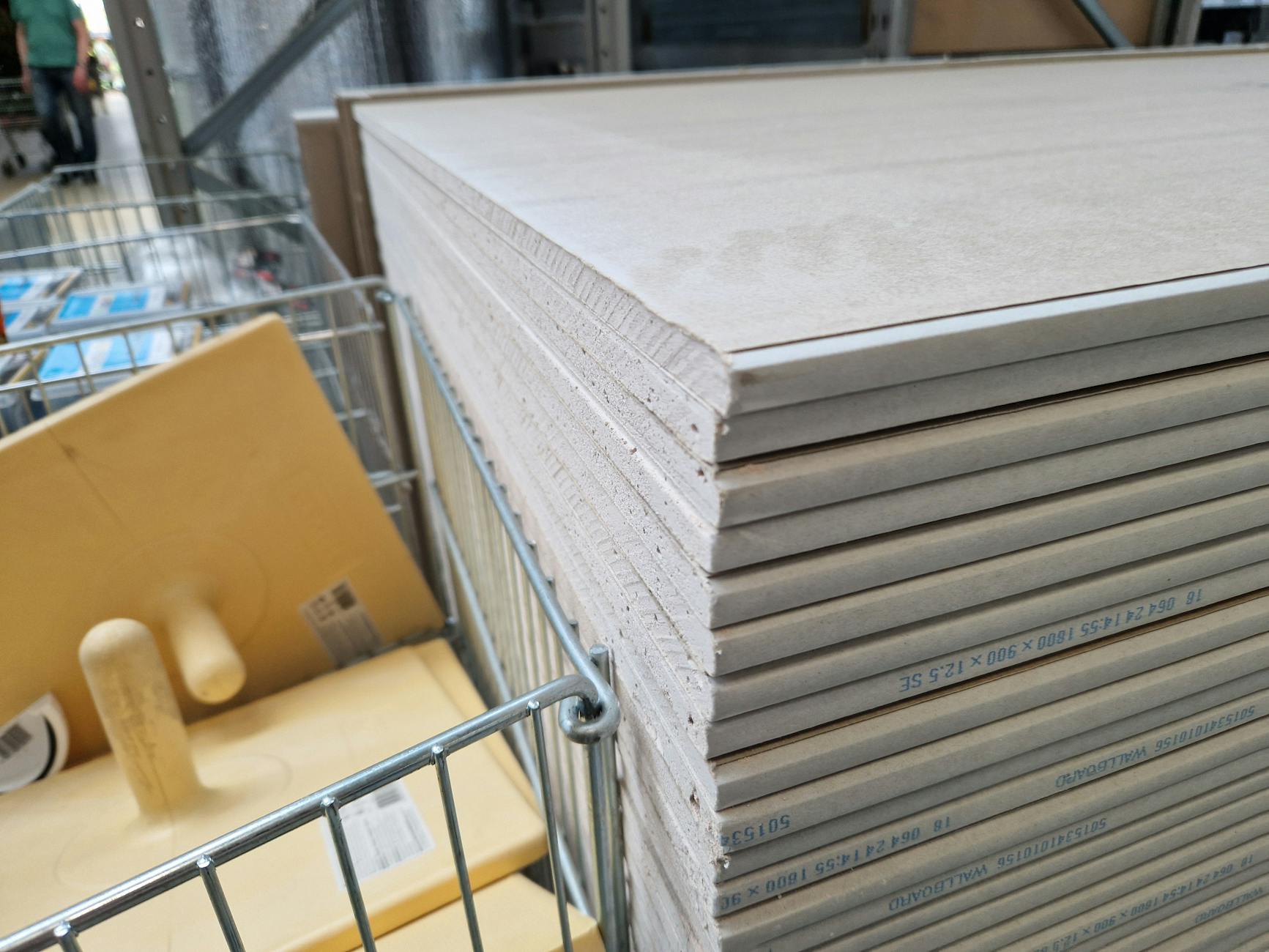
Imported drywall installed primarily between 2001 and 2009 has been linked to corrosion of copper wiring, HVAC components, and plumbing fixtures throughout affected homes. The material emits sulfur compounds that produce a persistent rotten egg odor and gradually destroy metal components throughout the structure. Health complaints associated with exposure include respiratory irritation, headaches, and sinus problems. Remediation requires the removal of all affected drywall, damaged wiring, and corroded systems, making it one of the most expensive problems a homeowner can face. Homes built or renovated during this period in certain states warrant additional scrutiny and targeted testing.
Knob and Tube Wiring
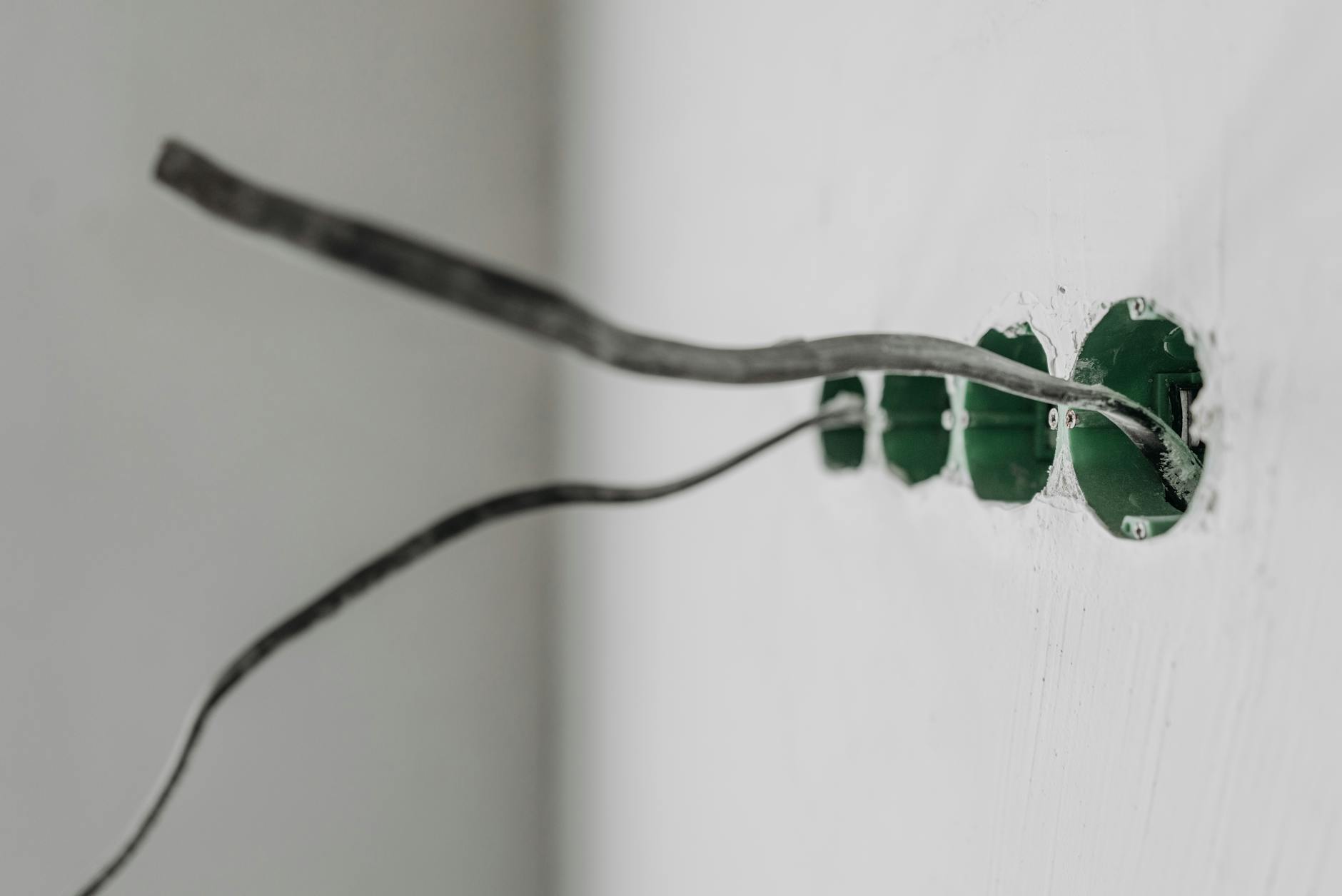
Knob and tube wiring was the standard electrical system in American homes built before the 1950s and remains present in many older properties today. The system consists of individual conductors run through ceramic knobs and tubes, with no grounding wire included in the circuit. Over decades, insulation deteriorates, connections loosen, and the system becomes increasingly incompatible with the electrical demands of modern appliances. Insurance companies frequently refuse to cover or charge significantly higher premiums for homes that still rely on this wiring. A complete rewire is often necessary, and buyers should budget accordingly before committing to any older home.
Vermiculite Insulation
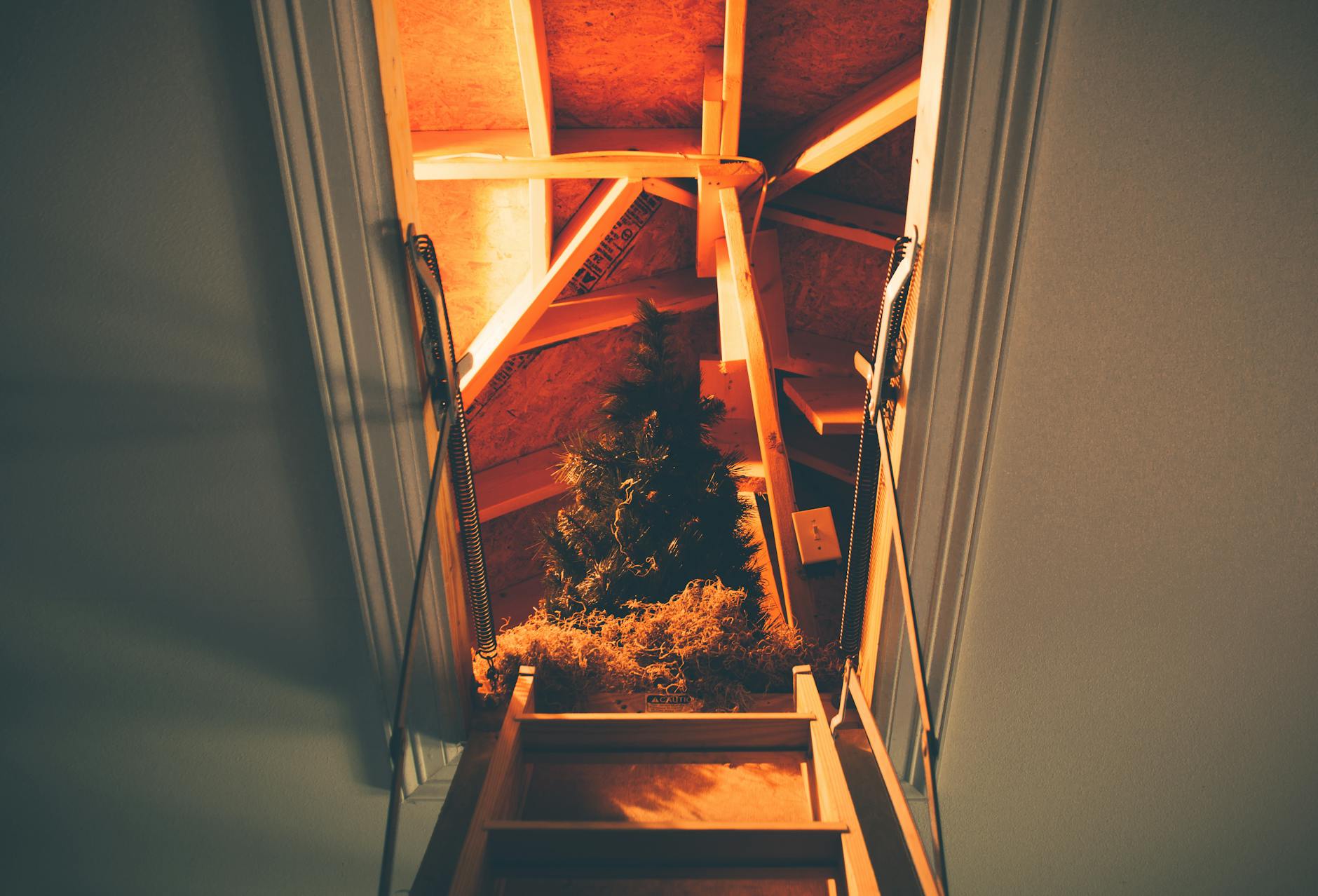
Vermiculite attic insulation, most commonly sold under the brand name Zonolite, was widely distributed before 1990 and is strongly associated with asbestos contamination from a specific mining source. The material has a distinctive pebble-like appearance and is typically found loose in attic spaces throughout the home. Disturbing vermiculite during renovations or inspections can release asbestos fibers into the air, creating a serious inhalation hazard. The EPA recommends treating all vermiculite insulation as potentially asbestos-containing until laboratory testing confirms otherwise. Buyers should have any identified vermiculite sampled by a certified asbestos professional before proceeding with a purchase.
Radon Gas
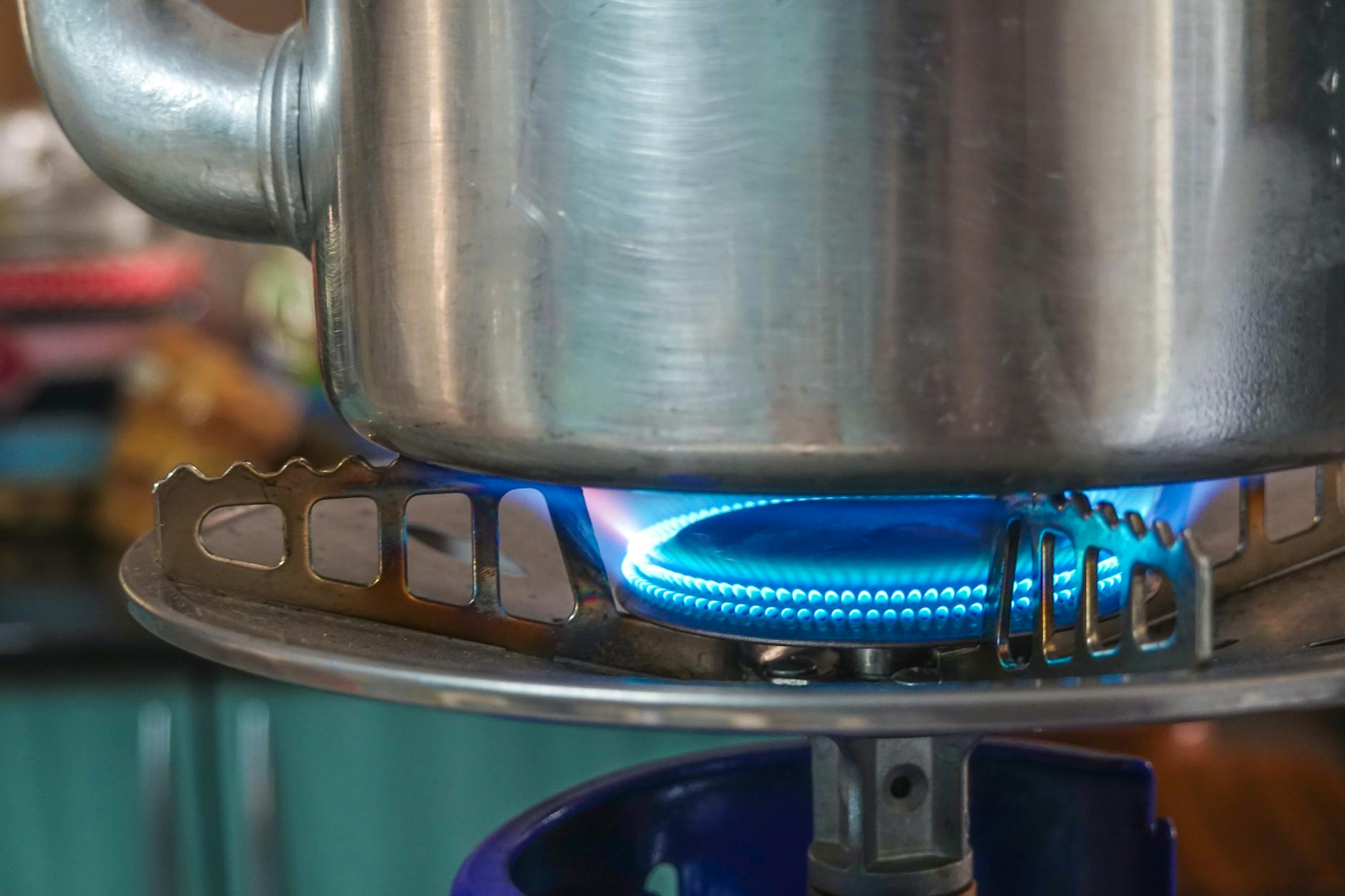
Radon is a naturally occurring radioactive gas that forms from the decay of uranium in soil and rock and can accumulate to dangerous levels inside homes. It enters through foundation cracks, construction joints, gaps around service pipes, and other openings at or below ground level. Long-term exposure to elevated radon concentrations is the second leading cause of lung cancer in the United States after smoking. Standard home inspections do not include radon testing, and the gas is completely odorless and invisible, making it impossible to detect without specialized equipment. Short-term and long-term test kits are available, and mitigation systems can effectively reduce radon levels in affected homes.
EIFS Cladding
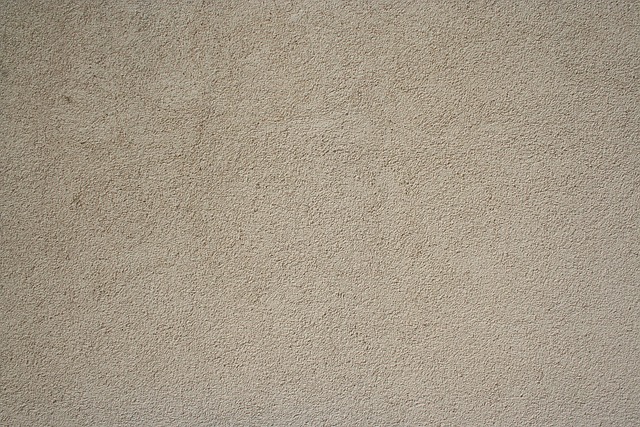
Exterior Insulation and Finish Systems, commonly called synthetic stucco, were applied to millions of homes from the 1980s onward as an energy-efficient cladding alternative. When improperly installed or sealed, EIFS traps moisture behind the cladding layer where it cannot escape, creating ideal conditions for wood rot and mold growth within the wall assembly. The damage is entirely hidden from view until structural components have been significantly compromised. Insurance carriers have historically viewed EIFS cladding as a high-risk feature, and coverage disputes are common in affected markets. An invasive moisture inspection using probes or infrared imaging is the most reliable way to assess the condition of EIFS-clad walls.
Galvanized Pipes
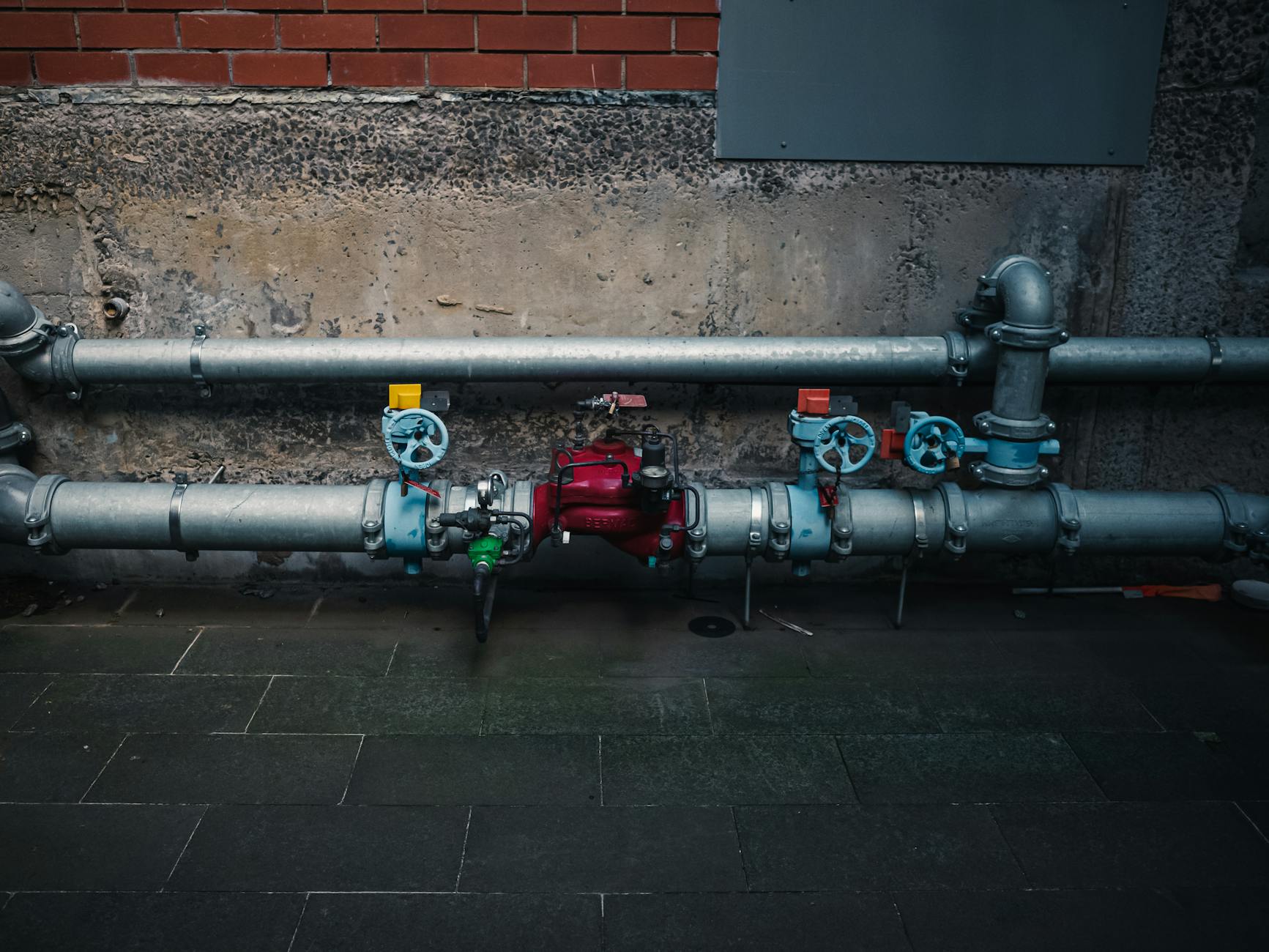
Galvanized steel pipes were the standard for residential plumbing in homes built before the 1960s and are still found in many older properties today. The zinc coating that protects the interior corrodes over time, leading to progressively restricted water flow, rust-colored water, and eventual pipe failure. The buildup of corrosion inside the pipes also creates conditions where lead from older solder joints or service lines can leach into the water supply. Reduced water pressure throughout the home is often the first sign that galvanized pipes are nearing the end of their service life. Full replacement with copper or PEX piping is generally recommended, and the cost should factor into any purchase negotiation.
Asbestos Insulation
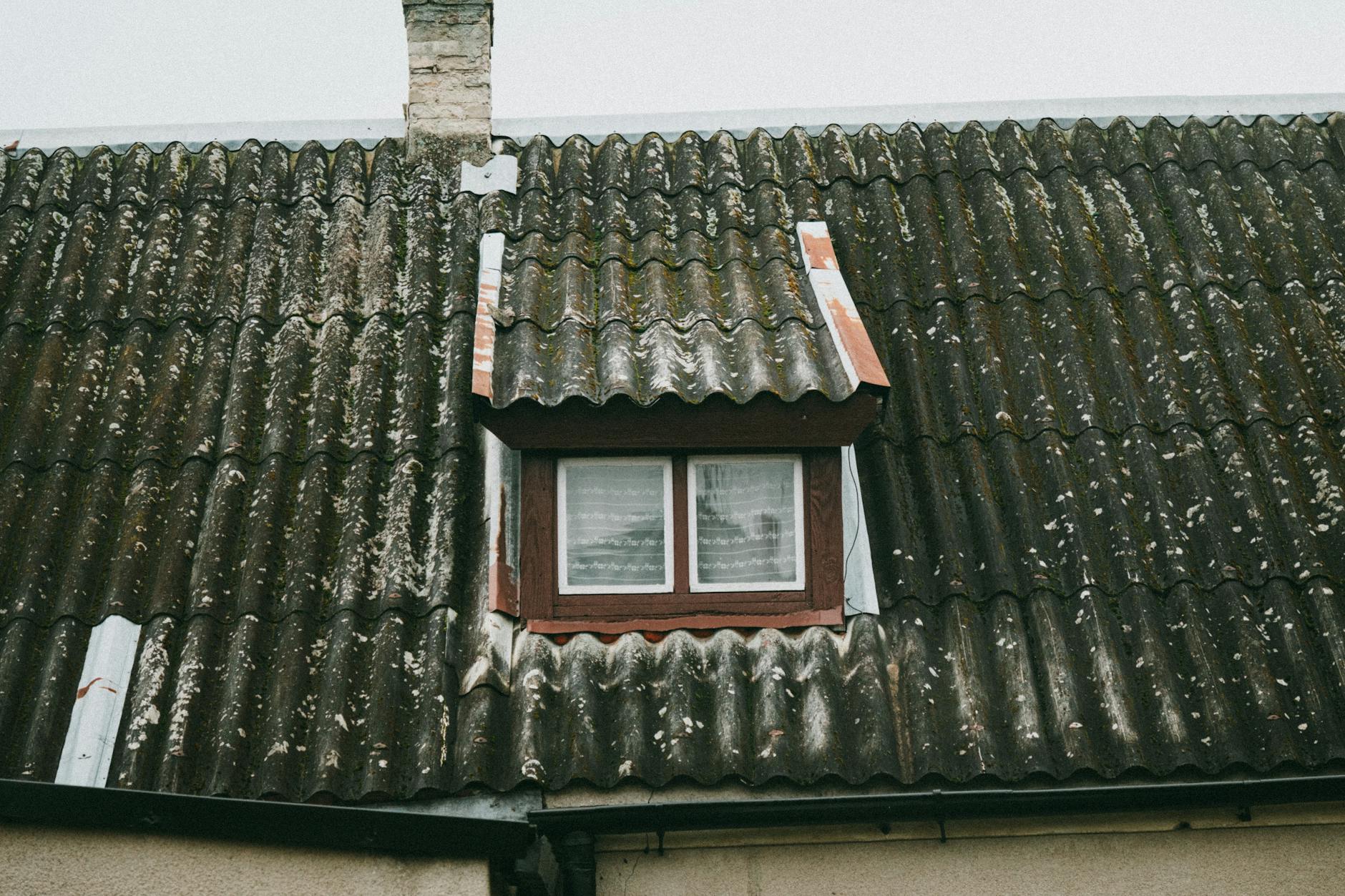
Asbestos was used extensively in residential construction materials throughout much of the twentieth century for its fire-resistant and insulating properties. It is commonly found in pipe insulation, floor tiles, ceiling tiles, roof shingles, and textured paint in homes built before the mid-1980s. When asbestos-containing materials are damaged or disturbed during renovations, they release microscopic fibers that can be inhaled and become permanently lodged in lung tissue. The health consequences include mesothelioma, asbestosis, and lung cancer, often appearing decades after initial exposure. A certified asbestos inspector should assess any pre-1980s home before purchase, and abatement costs should be factored into the overall budget.
Lead Paint
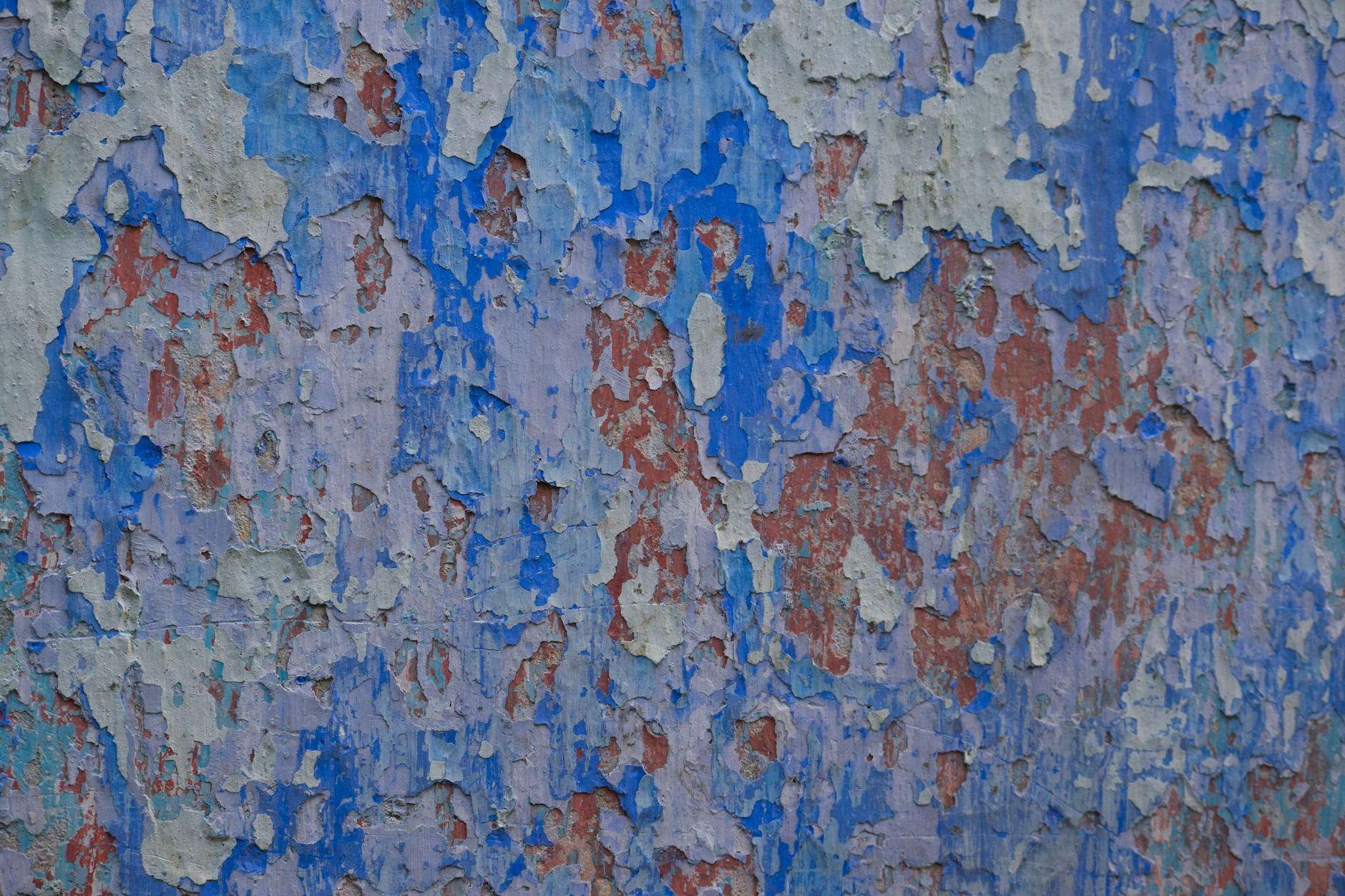
Lead-based paint was used in the majority of American homes built before 1978 and continues to pose a health risk wherever it has been left intact or disturbed through renovation. Deteriorating lead paint produces dust and chips that are particularly hazardous to young children, whose developing nervous systems are highly sensitive to lead exposure. Health effects include cognitive delays, behavioral problems, and developmental damage that can have lifelong consequences. Federal law requires sellers to disclose known lead paint hazards in pre-1978 homes, but disclosure depends entirely on seller knowledge. A certified lead paint inspector can test surfaces throughout the home and identify areas requiring stabilization or removal.
Mold Colonies
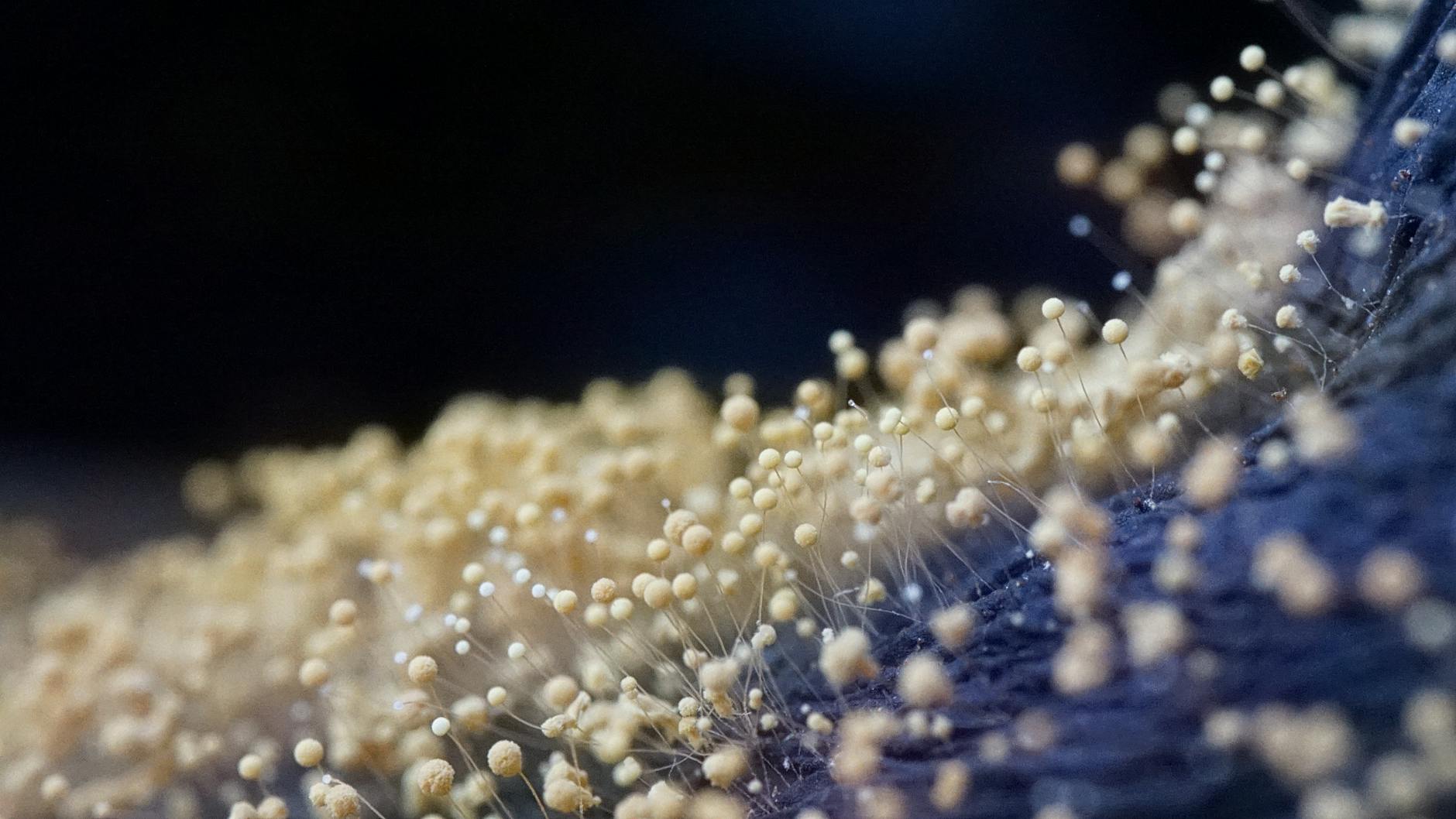
Mold growth in concealed areas of a home is one of the most frequently underestimated hazards in the residential real estate market. It thrives in dark, damp environments such as crawl spaces, wall cavities, attic sheathing, and behind bathroom tile where moisture has gone unaddressed. Certain mold species produce mycotoxins that can trigger respiratory illness, chronic fatigue, and neurological symptoms in sensitive individuals. A standard visual inspection rarely identifies hidden mold, and an inspector who limits their scope to visible surfaces may miss infestations behind walls or beneath flooring. Air quality testing and thermal imaging provide the most comprehensive picture of potential mold presence within a structure.
Carbon Monoxide Sources
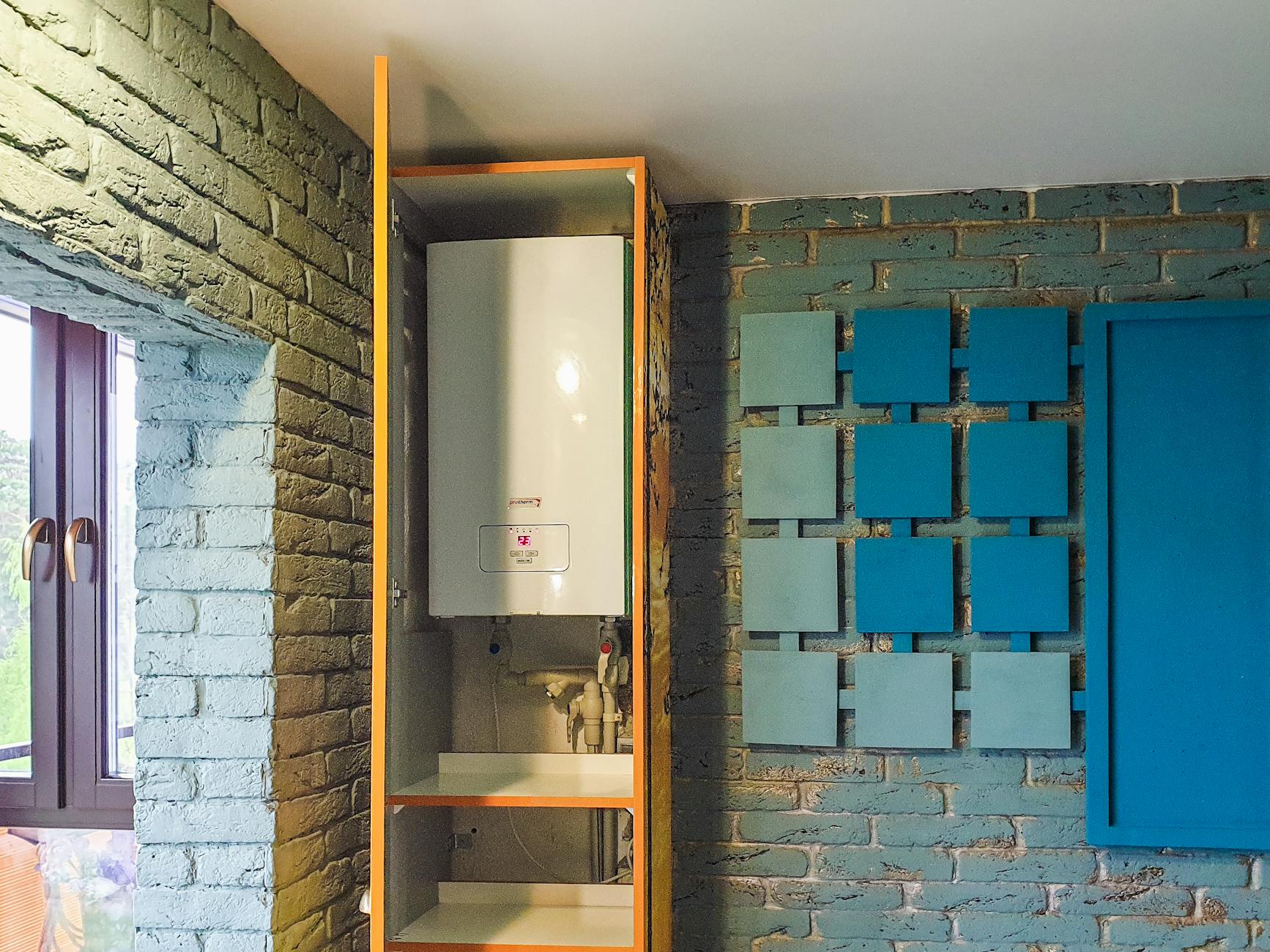
Carbon monoxide is an odorless and colorless gas produced by incomplete combustion in fuel-burning appliances such as furnaces, water heaters, and fireplaces. Cracked heat exchangers in older furnaces are one of the most common and dangerous sources of carbon monoxide intrusion into living spaces. The gas interferes with the body’s ability to transport oxygen and can be fatal at high concentrations, with symptoms at lower levels including headache, dizziness, and confusion. Many general inspections do not include combustion analysis or heat exchanger testing as part of their standard scope. Buyers should request that all fuel-burning systems be inspected by a licensed HVAC technician before closing on any home.
Foundation Cracks
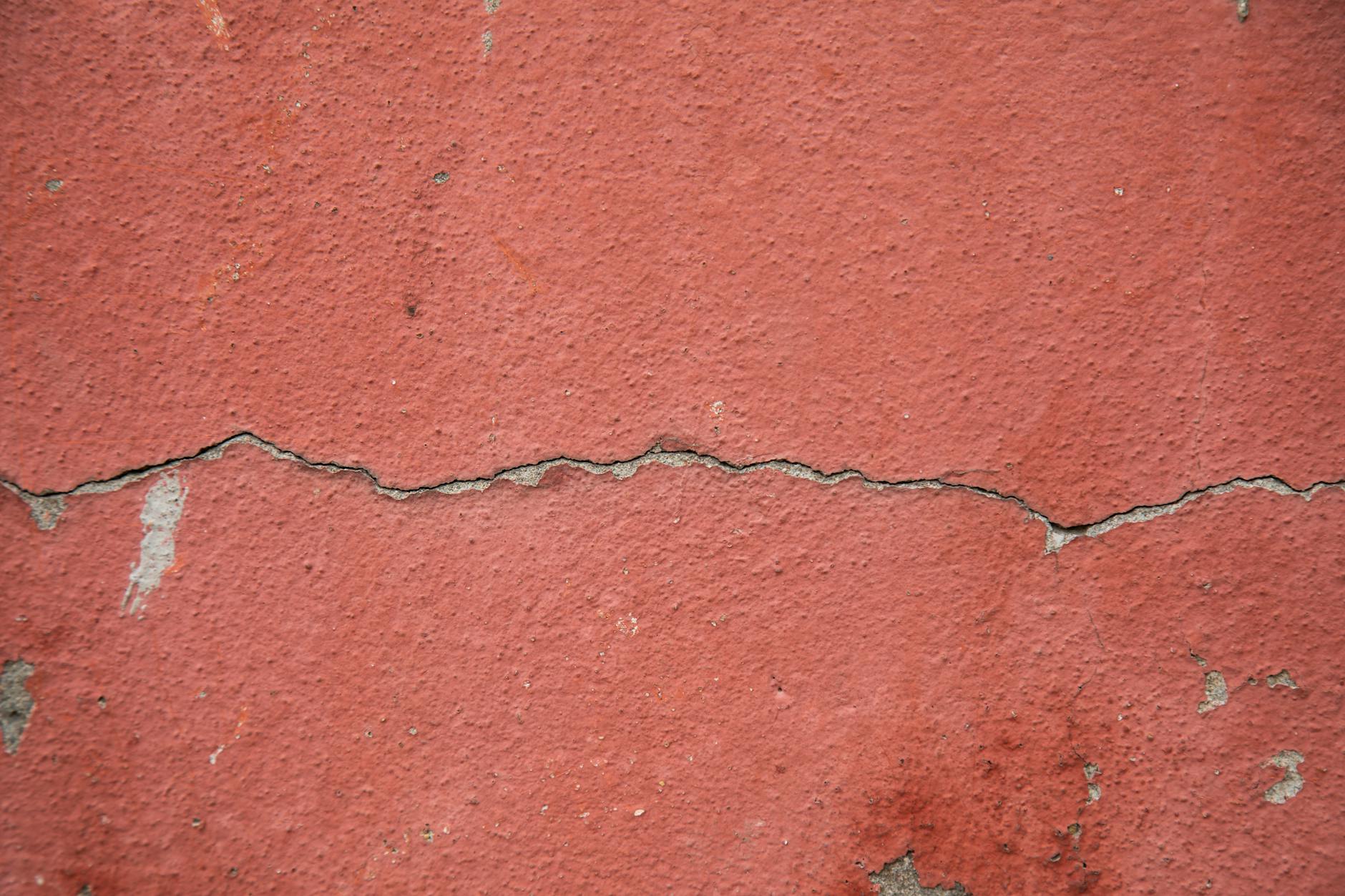
Cracks in a home’s foundation are among the most consequential structural issues a buyer can encounter, yet their severity varies widely and is frequently misread. Horizontal cracks in basement walls are particularly serious, as they indicate lateral soil pressure and potential wall failure that can compromise the entire structure. Stair-step cracking in block foundations or brick exteriors suggests differential settlement, meaning different sections of the foundation are moving at different rates. General inspectors are trained to note visible cracking but are not structural engineers and may lack the expertise to fully assess the implications. A licensed structural engineer’s evaluation is the appropriate next step whenever foundation irregularities are observed.
Sewer Line Collapse
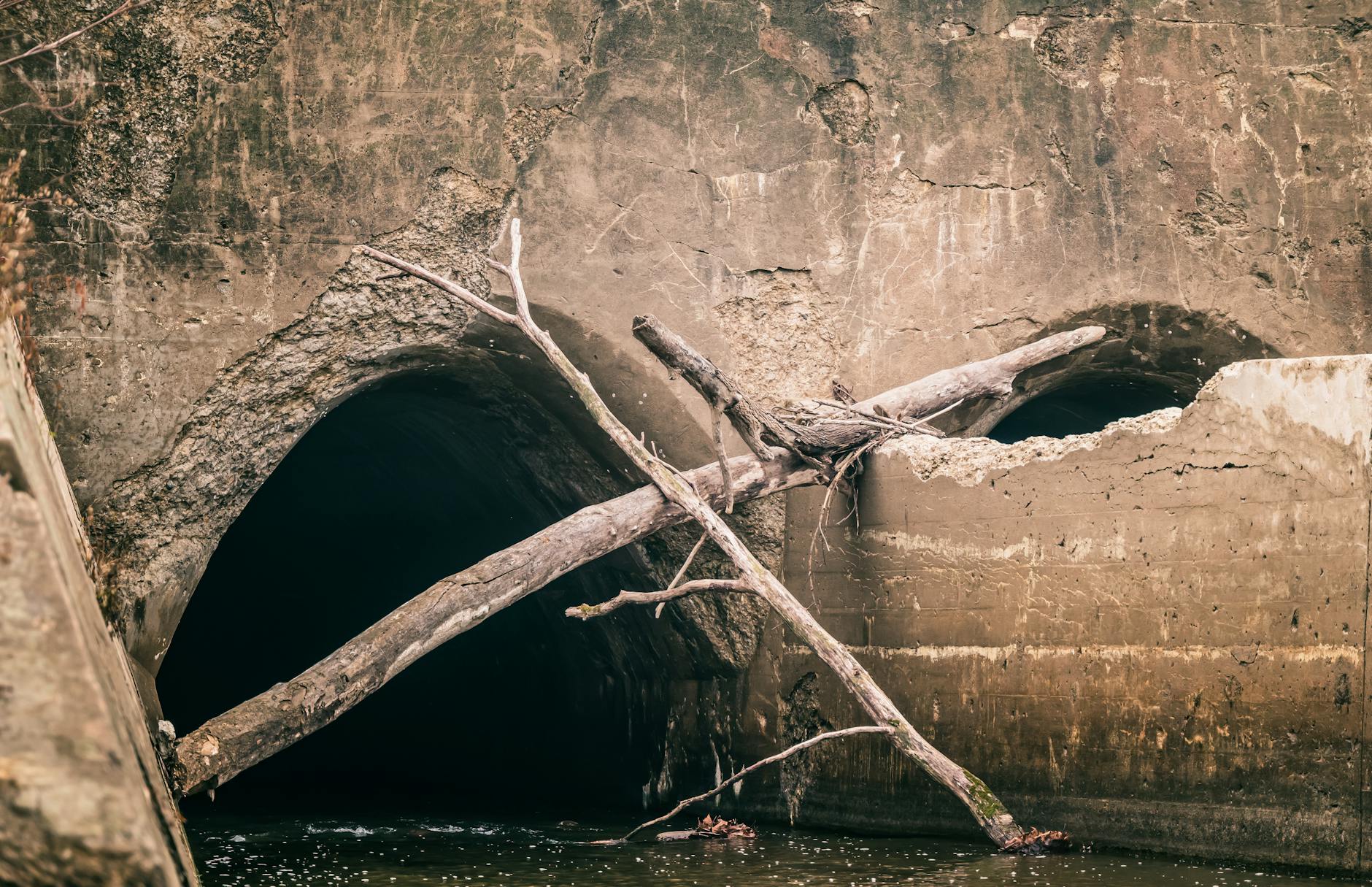
The sewer line connecting a home to the municipal system runs underground and is almost never included in a standard home inspection. Tree roots are the most common cause of damage, as they infiltrate pipe joints and grow to block or collapse the line entirely. Cast iron and clay pipes, common in homes built before the 1980s, are especially vulnerable to deterioration and root intrusion. A failed sewer line can cost thousands of dollars to excavate and replace, and the problem gives no visible warning signs inside the home until a backup occurs. A sewer scope inspection using a camera threaded through the line is an inexpensive precaution that should be considered for any older home.
Urea Formaldehyde
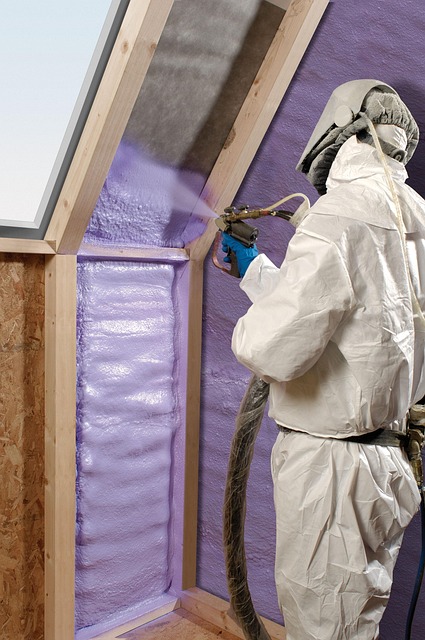
Urea formaldehyde foam insulation was injected into wall cavities of many homes during the 1970s energy crisis as a retrofit insulation solution. The material releases formaldehyde gas as it ages, particularly in warm and humid conditions, creating chronic indoor air quality problems. Health effects associated with long-term formaldehyde exposure include respiratory irritation, allergic reactions, and an increased risk of certain cancers. The product was banned by the Consumer Product Safety Commission in 1982, but homes that received it prior to the ban still contain it. Air quality testing is the most reliable method of confirming its presence, and mitigation typically involves sealing affected cavities or full removal.
Grading and Drainage
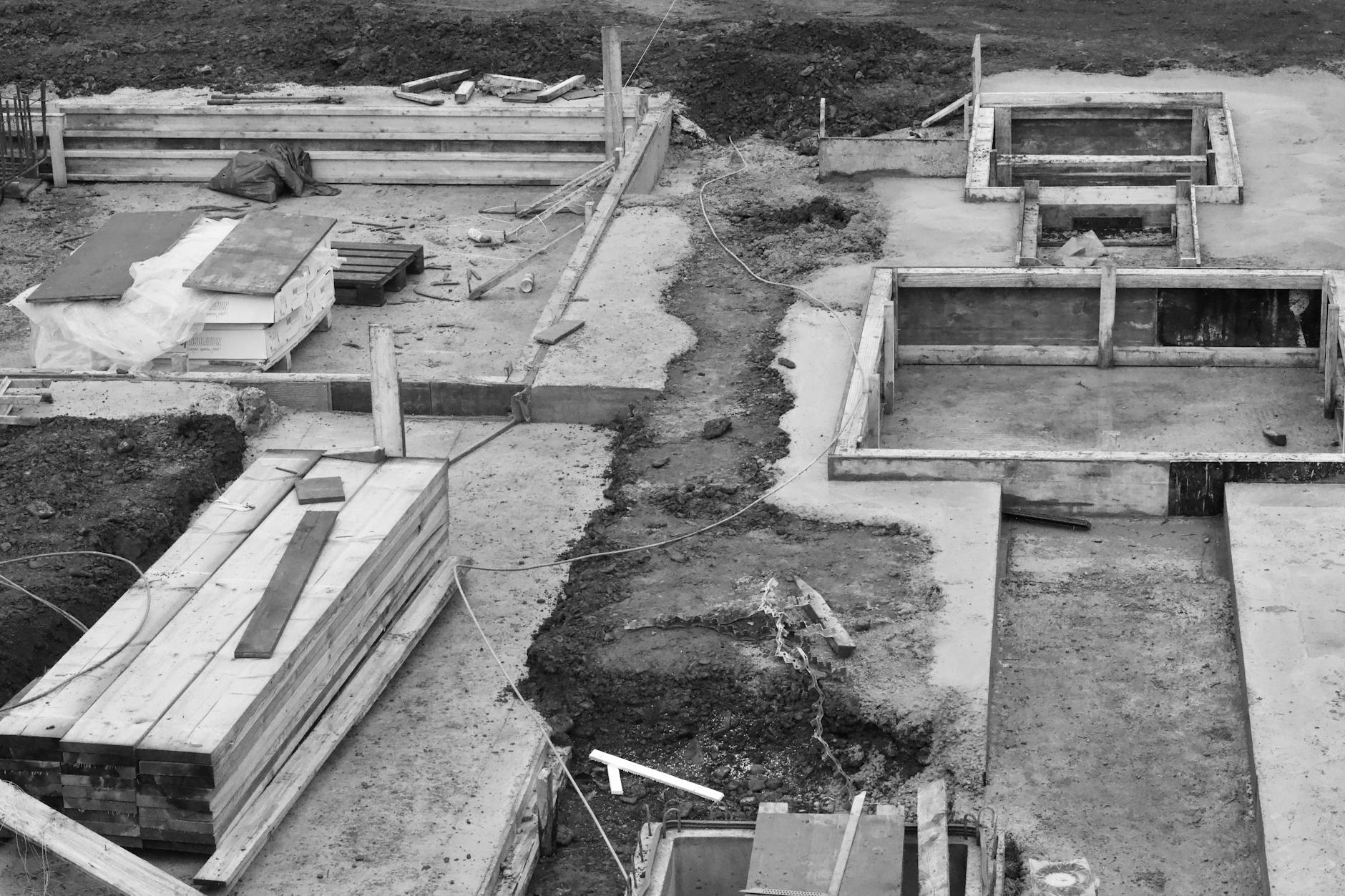
Improper grading around a home’s foundation is one of the leading causes of basement moisture intrusion and foundation damage, yet it is frequently overlooked in inspections. The ground should slope away from the foundation at a rate of at least six inches over the first ten feet to direct rainwater away from the structure. When soil has settled, been landscaped incorrectly, or allowed to erode over time, water pools against the foundation wall and works its way into the basement or crawl space. Over years, this moisture weakens the concrete, promotes mold growth, and can cause significant structural deterioration. Correcting improper grading is a relatively straightforward fix, but identifying it requires careful observation during or after a rainstorm.
Stucco Cracks
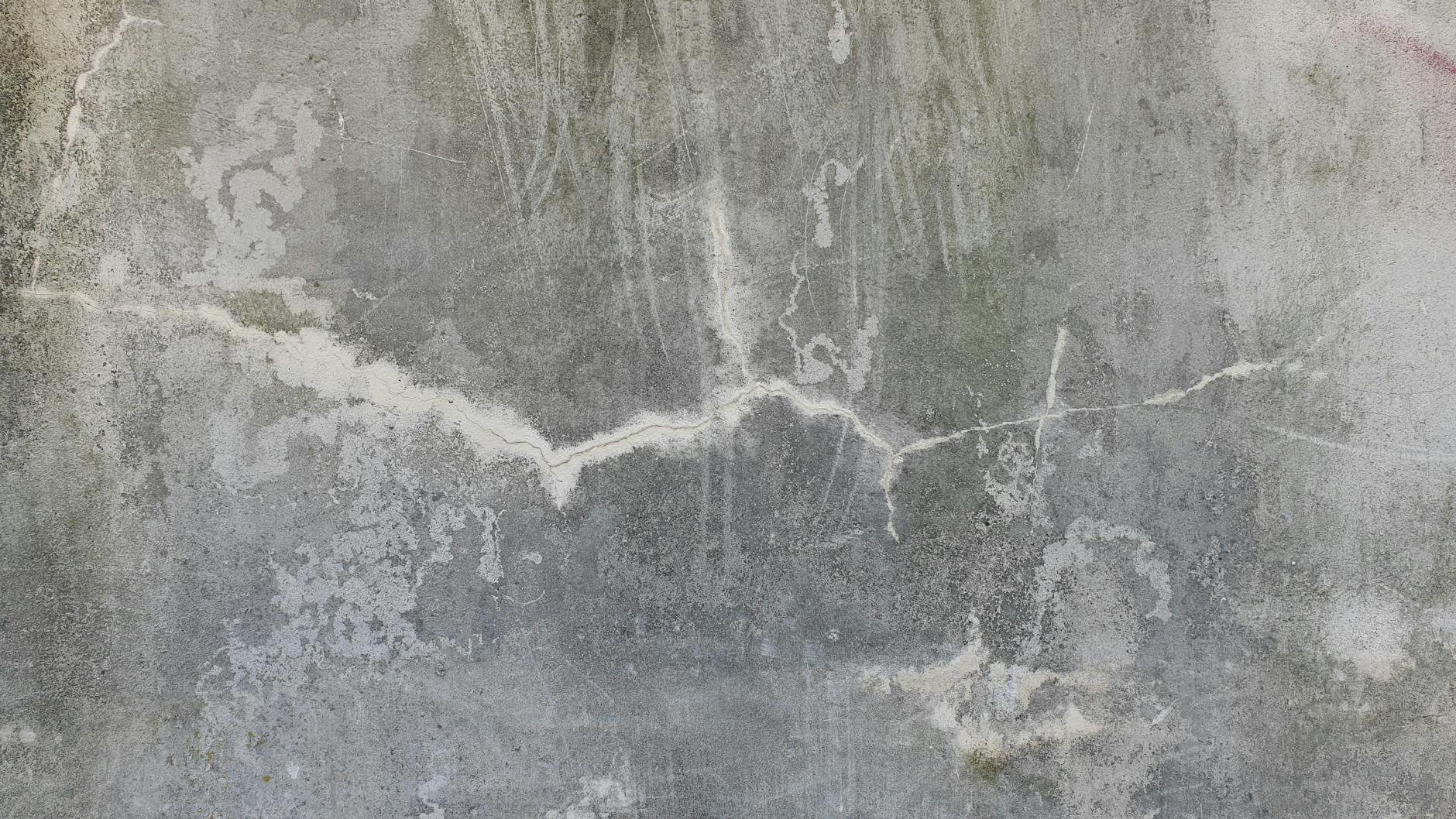
Traditional hard-coat stucco is a durable exterior finish when applied correctly, but cracks that develop in the cladding over time can allow water to infiltrate the wall system beneath. Fine hairline cracks are generally cosmetic, but cracks wider than a sixteenth of an inch represent pathways for moisture to bypass the weather barrier and reach the wood framing. Water that enters through stucco cracks tends to become trapped rather than drying out, accelerating rot and mold development within the wall cavity. The damage often progresses undetected for years until exterior stucco sections begin to bubble, delaminate, or fall away. A qualified stucco inspector or moisture specialist should evaluate any cracked stucco cladding before purchase, particularly in climates with frequent rainfall.
Attic Ventilation
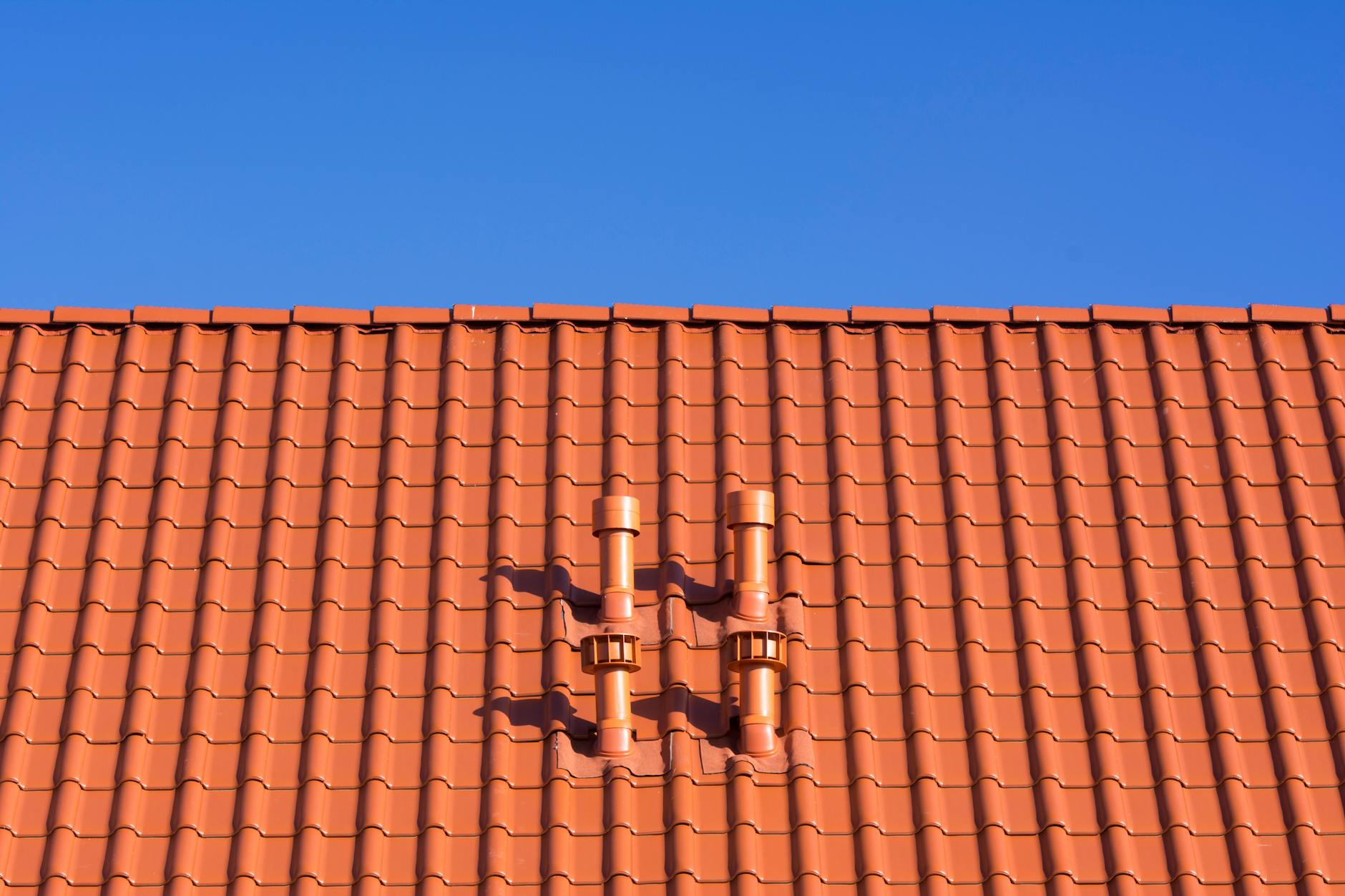
Inadequate attic ventilation is a systemic problem that affects roof longevity, energy efficiency, and indoor air quality simultaneously. In cold climates, poor ventilation leads to ice dam formation along roof eaves, which forces meltwater beneath shingles and into the structure. In warm climates, excessive heat buildup in an under-ventilated attic accelerates shingle deterioration and dramatically increases cooling costs throughout the home. Moisture that accumulates in a poorly ventilated attic also promotes mold growth on roof sheathing, insulation, and framing members. The ratio of intake to exhaust ventilation must meet specific building code requirements, and a knowledgeable inspector should assess the attic’s ventilation system during every inspection.
Electrical Panel Issues
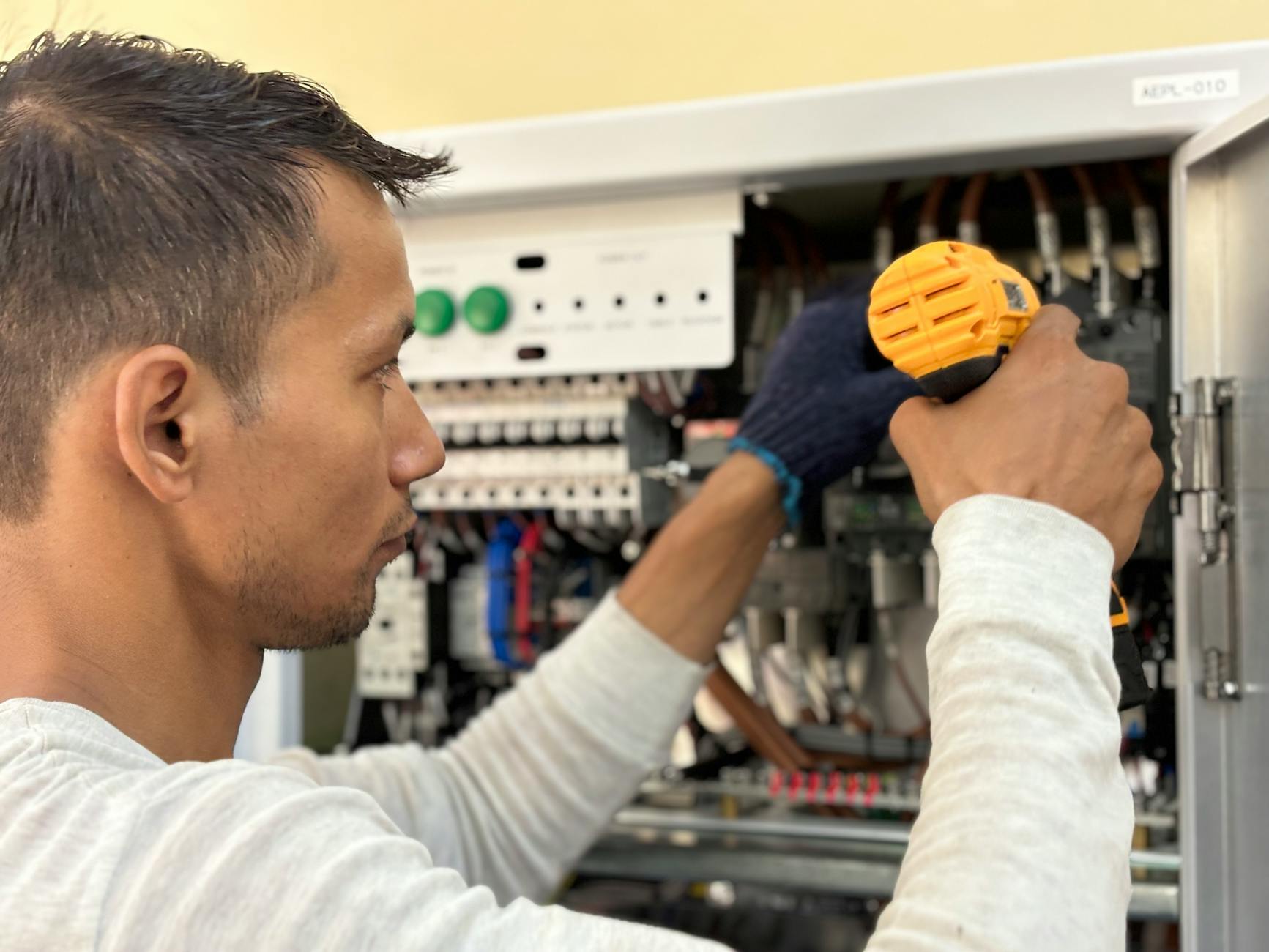
The main electrical panel is the heart of a home’s electrical system, and certain panel brands and configurations present serious safety hazards that have been documented in consumer product safety records. Federal Pacific Electric Stab-Lok panels and Zinsco panels have been associated with breakers that fail to trip during overload conditions, allowing wiring to overheat and potentially ignite. Double-tapped breakers, where two wires are connected to a single circuit breaker terminal, are a code violation that creates overheating risk at the connection point. Panels that have been modified by non-licensed individuals may contain improper wiring configurations that pose immediate fire hazards. A licensed electrician should inspect and evaluate any panel of uncertain age or brand history before a buyer proceeds with a purchase.
Septic System Failure
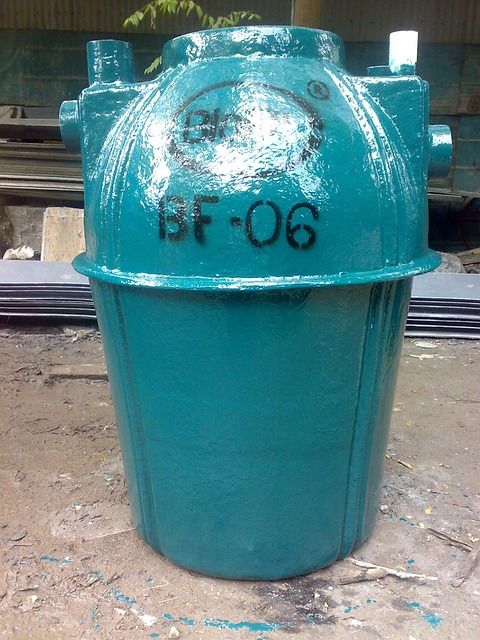
Homes served by private septic systems require inspection of those systems as a separate and distinct step from the general home inspection. Septic tanks that have not been pumped and maintained regularly accumulate solids that can migrate into the drain field, causing irreversible saturation and failure of the leach field. Signs of a failing system include slow drains throughout the home, sewage odors near the drain field area, and unusually lush or wet patches of grass over the system. A failed drain field can cost tens of thousands of dollars to replace, and the process often requires significant excavation of the yard. Buyers purchasing any home with a private septic system should require a full septic inspection by a licensed professional before finalizing any agreement.
Chimney Deterioration

A fireplace and chimney system that appears functional from inside the home can conceal serious structural and combustion safety hazards that are invisible without specialized equipment. Cracked or deteriorated flue liners allow combustion gases including carbon monoxide to migrate into living spaces rather than being safely exhausted. Spalling brick, deteriorated mortar joints, and damaged chimney caps allow water infiltration that accelerates structural breakdown from within the masonry. The Chimney Safety Institute of America recommends annual inspection by a certified chimney sweep for any actively used fireplace system. Buyers should request a Level 2 chimney inspection using video equipment for any home with a fireplace, wood stove, or gas insert before assuming the system is safe for use.
Subsurface Oil Tanks

Underground heating oil tanks were commonly installed at residential properties throughout much of the twentieth century and are still buried at many older homes today. When these tanks corrode and leak, petroleum contaminates the surrounding soil and can migrate to groundwater, creating significant environmental liability for the property owner. Remediation of a petroleum spill from a residential oil tank can cost anywhere from several thousand to hundreds of thousands of dollars depending on the extent of contamination. Sellers are not always aware that a decommissioned tank remains on the property, and permits for tank removal are not always recorded consistently. A ground-penetrating radar scan or review of local municipal records can identify the presence of a buried tank before purchase.
Window and Door Seals
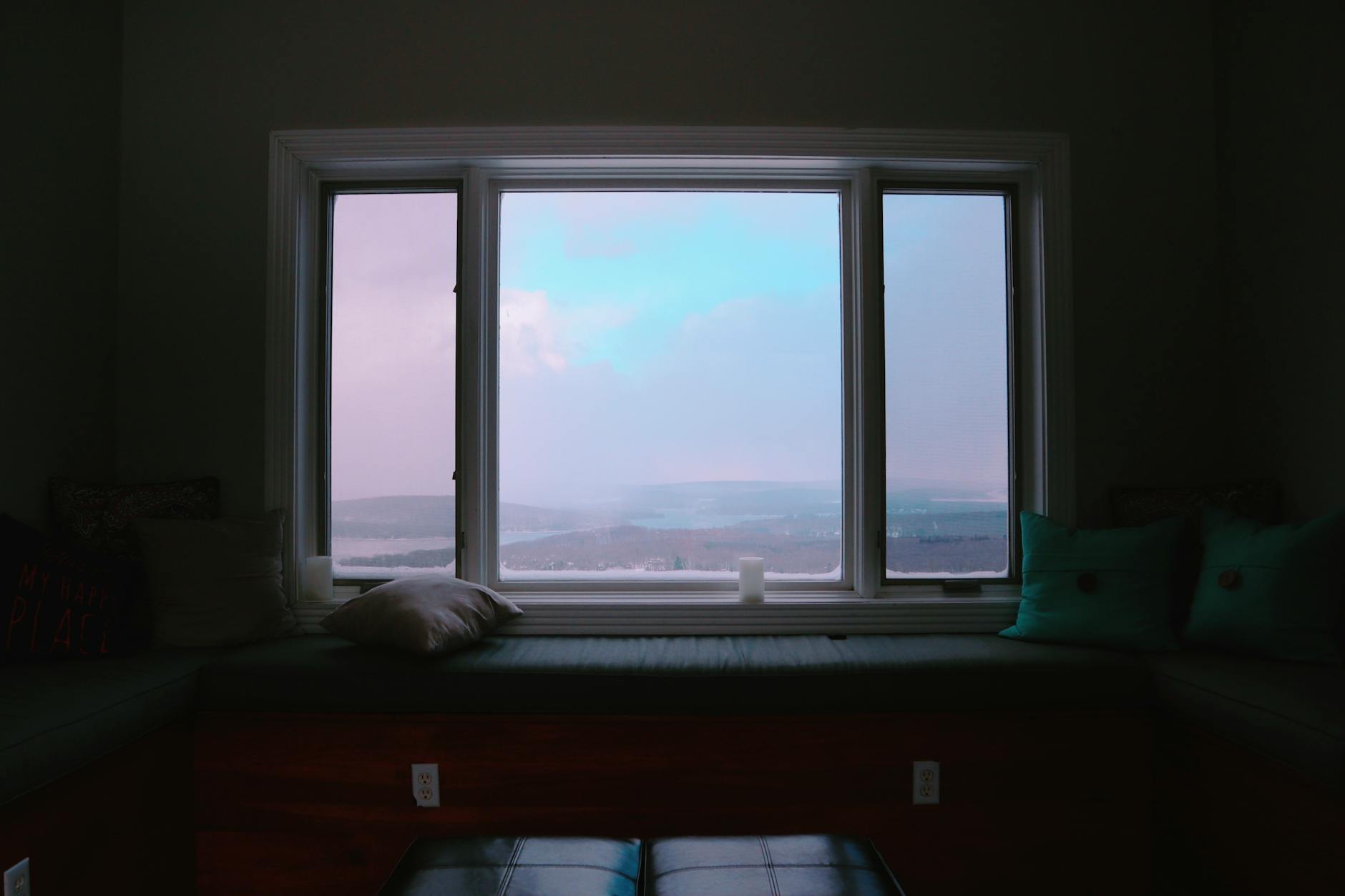
Failed seals in double and triple-pane windows are a common and frequently underestimated problem in residential properties, representing a significant ongoing energy cost for buyers. When the gas fill between panes escapes through a compromised seal, the window loses its insulating value entirely and condensation forms between the glass layers. This fogging is a visible confirmation of seal failure and indicates that the window is performing at far below its rated efficiency. In colder climates, failed window seals can substantially increase heating costs and contribute to interior moisture problems near the affected units. Replacing sealed units or full windows is a manageable expense when planned for in advance, but buyers should document all affected windows and include them in purchase negotiations.
Plumbing Venting
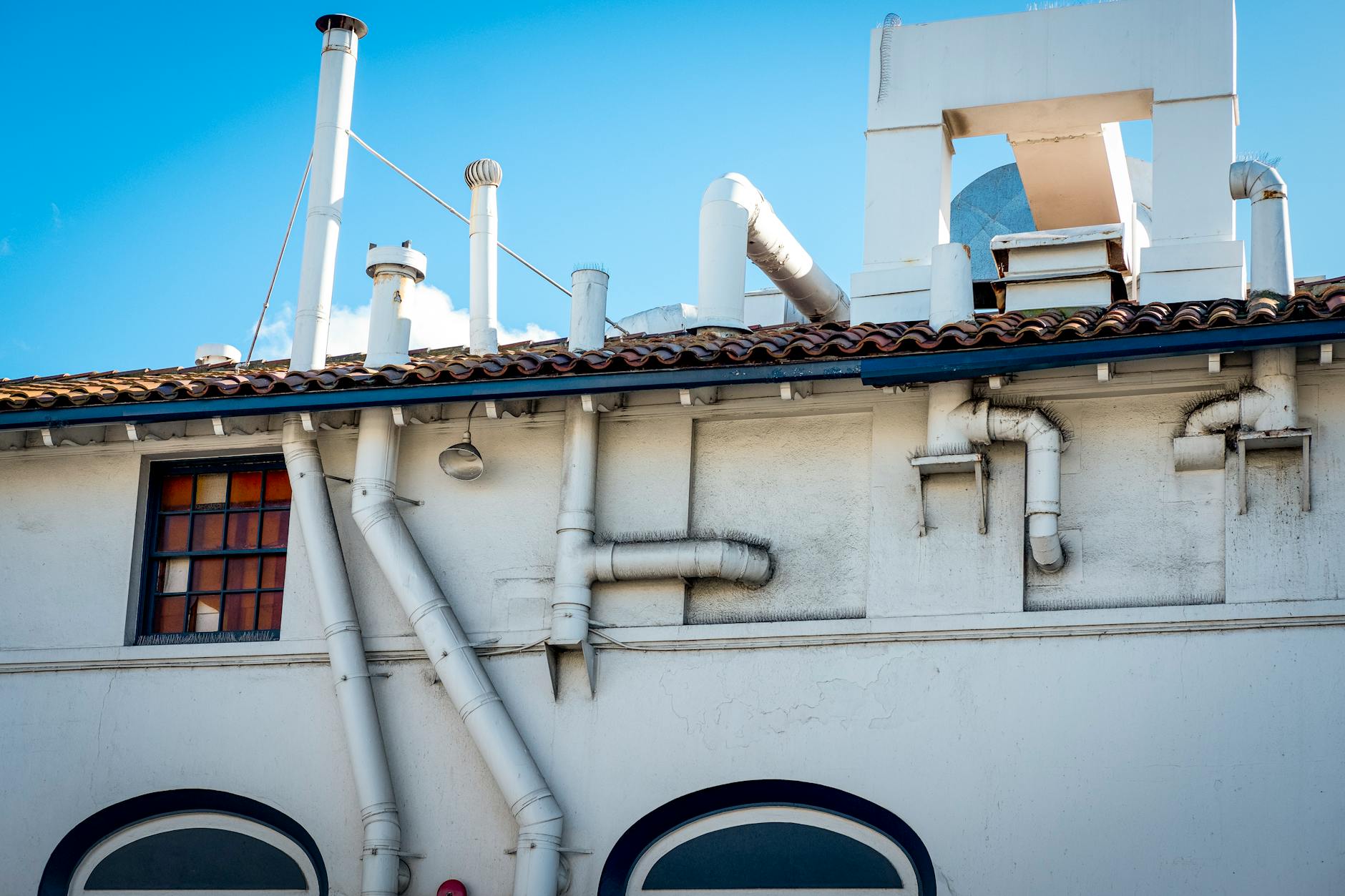
The plumbing vent system regulates air pressure within the drain lines to ensure that wastewater flows freely and that sewer gases are expelled safely above the roofline. Blocked, improperly configured, or missing vent pipes cause negative pressure conditions that pull water out of fixture traps, eliminating the barrier that prevents sewer gases from entering living spaces. Symptoms include gurgling drains, slow drainage throughout multiple fixtures, and persistent sewer odors that appear in bathrooms or kitchens. Venting problems can be difficult to diagnose without pressure testing or smoke testing of the drain system, methods that fall outside the scope of a standard visual inspection. Buyers who notice slow or gurgling drains during a walkthrough should request further evaluation of the plumbing vent system by a licensed plumber.
Crawl Space Moisture
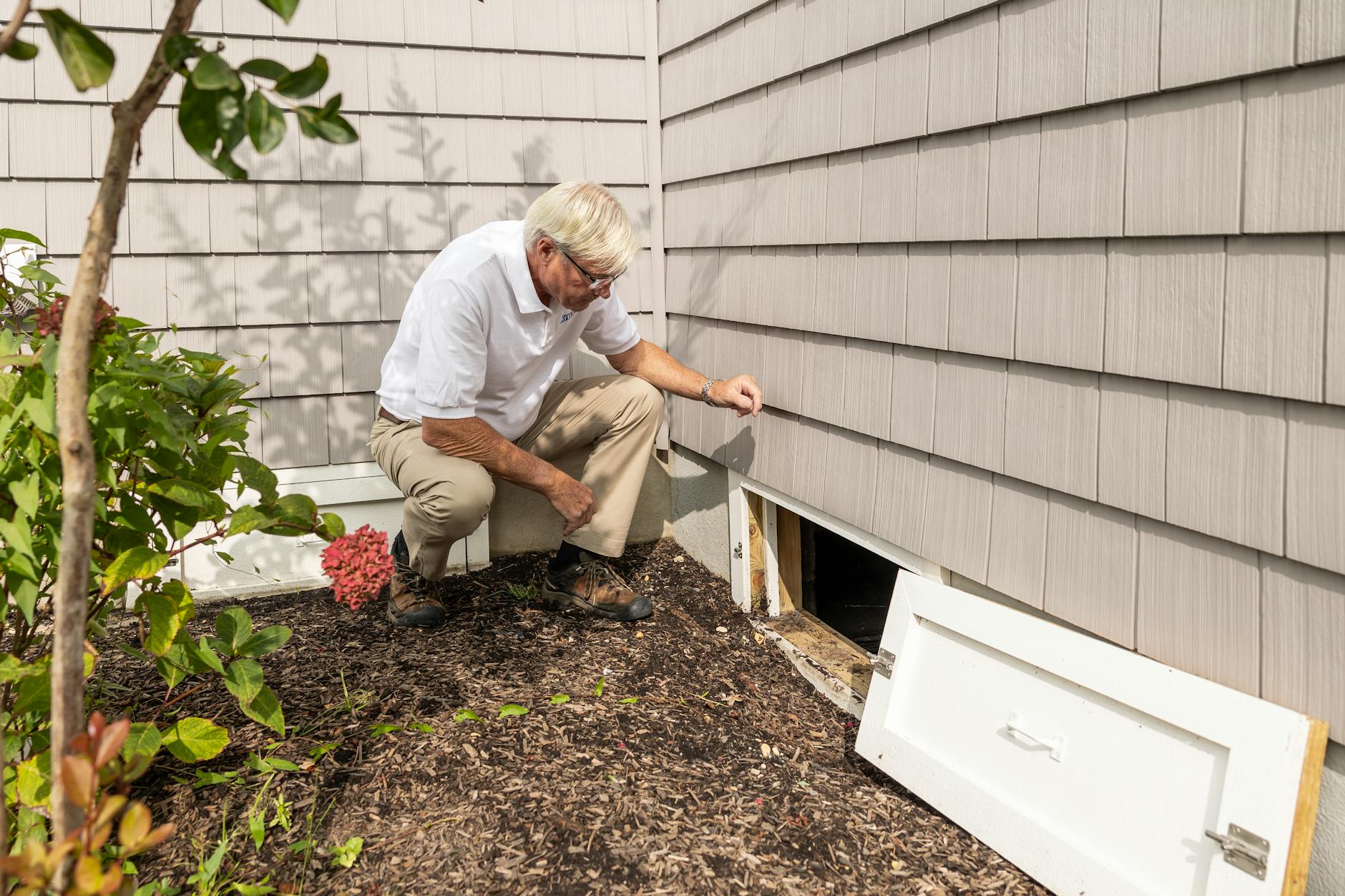
An unencapsulated or poorly maintained crawl space can be the single greatest source of moisture, mold, and pest damage in a single-family home. Ground moisture evaporates upward into the crawl space, elevating humidity to levels that promote mold growth on floor joists, subflooring, and insulation batting. Wood components saturated by chronic moisture exposure become vulnerable to fungal decay and eventually lose their structural integrity. Rodents and insects, including termites, are strongly attracted to dark, damp crawl spaces and can establish infestations that spread into the living areas above. A thorough crawl space inspection including moisture readings, visible mold assessment, and pest evaluation should be a non-negotiable part of any pre-purchase due diligence process.
What hidden home hazards have you encountered during a property purchase? Share your experience in the comments.




