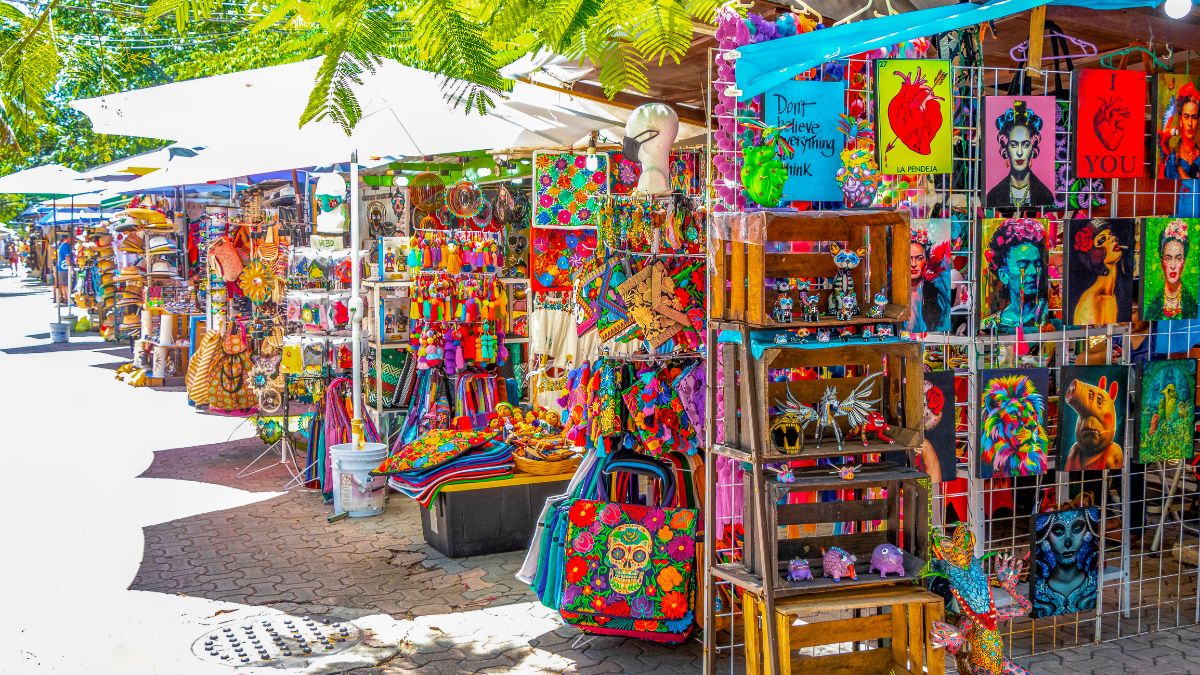
Travel is one of the most enriching experiences available to the curious mind, a genuine expansion of perspective that reshapes how a person understands the world and their place within it. The souvenir industry, however, has constructed an elaborate parallel economy around the impulse to capture that experience in physical form, producing an enormous category of objects whose relationship to the places they represent is purely commercial and whose effect on any home environment is reliably negative. The gap between the emotional significance of a travel memory and the aesthetic reality of the object purchased to commemorate it is one of the most consistent and least acknowledged phenomena in consumer behavior. Most tacky souvenirs are bought in a state of holiday euphoria that temporarily suspends the aesthetic judgment that would immediately reject the same object encountered in a home goods store. These are the twenty-two souvenir categories that experienced travelers and interior designers consistently agree make any living space look cheaper than it is.
Miniature Landmarks
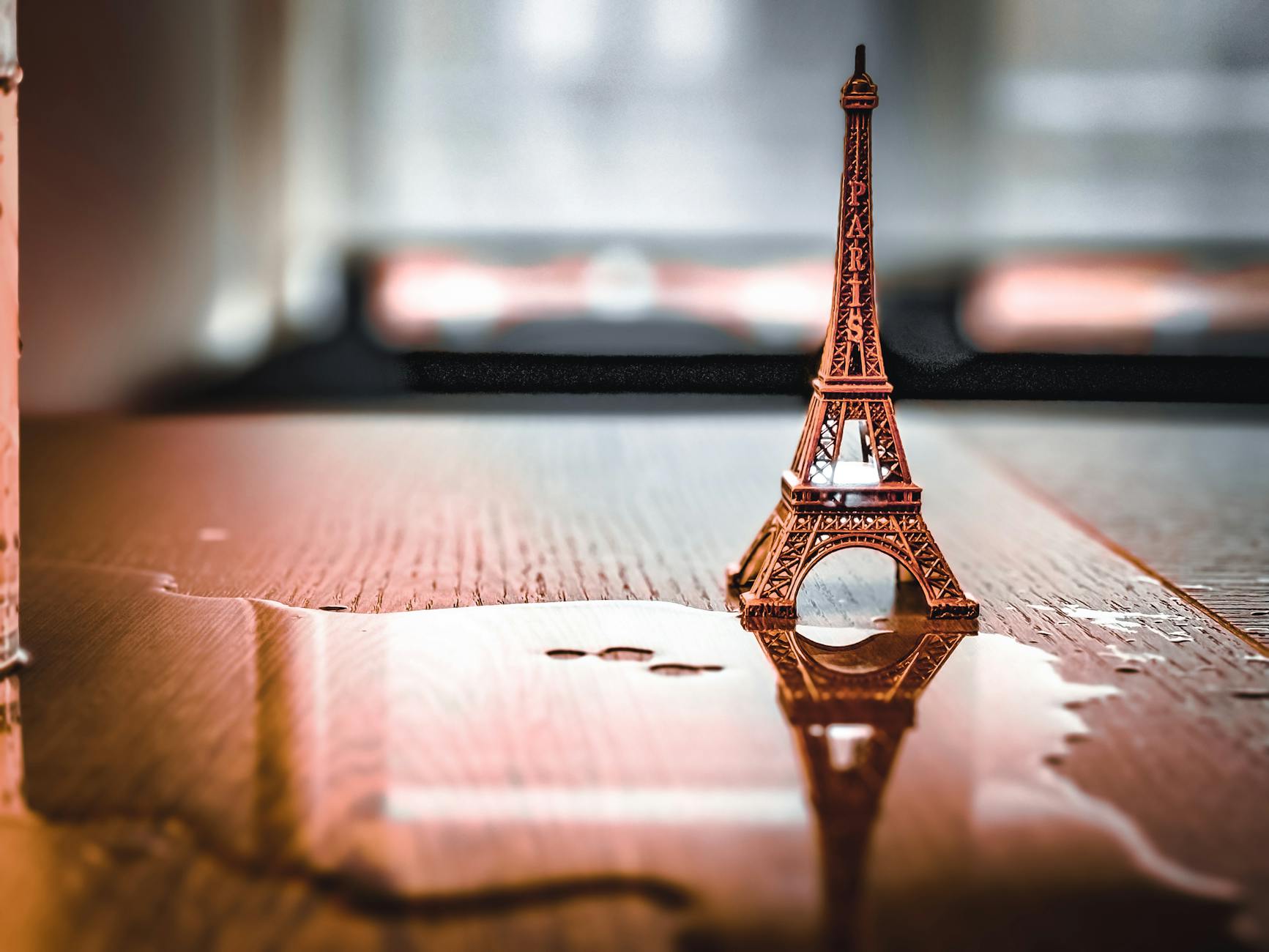
The miniature replica landmark is perhaps the most universally produced and universally regretted souvenir category in existence, manufactured in the same handful of Chinese factories regardless of which city’s name appears on the base and bearing only a passing resemblance to the actual structure it purports to represent. These objects occupy an aesthetic no-man’s-land between decorative art and functional object, doing neither job adequately and cluttering whatever surface they occupy with a visual message that communicates tourist rather than traveler. The Eiffel Tower in cold-cast resin, the Big Ben in painted pewter, and the Colosseum in molded plastic all share the quality of making a shelf look like the lost property office of a budget airline. Their proliferation in a home signals an approach to collecting that prioritizes the act of acquisition over any considered relationship between object and environment. A single miniature landmark purchased impulsively is a forgivable memory; a collection of them displayed together is an interior design emergency.
Shot Glasses
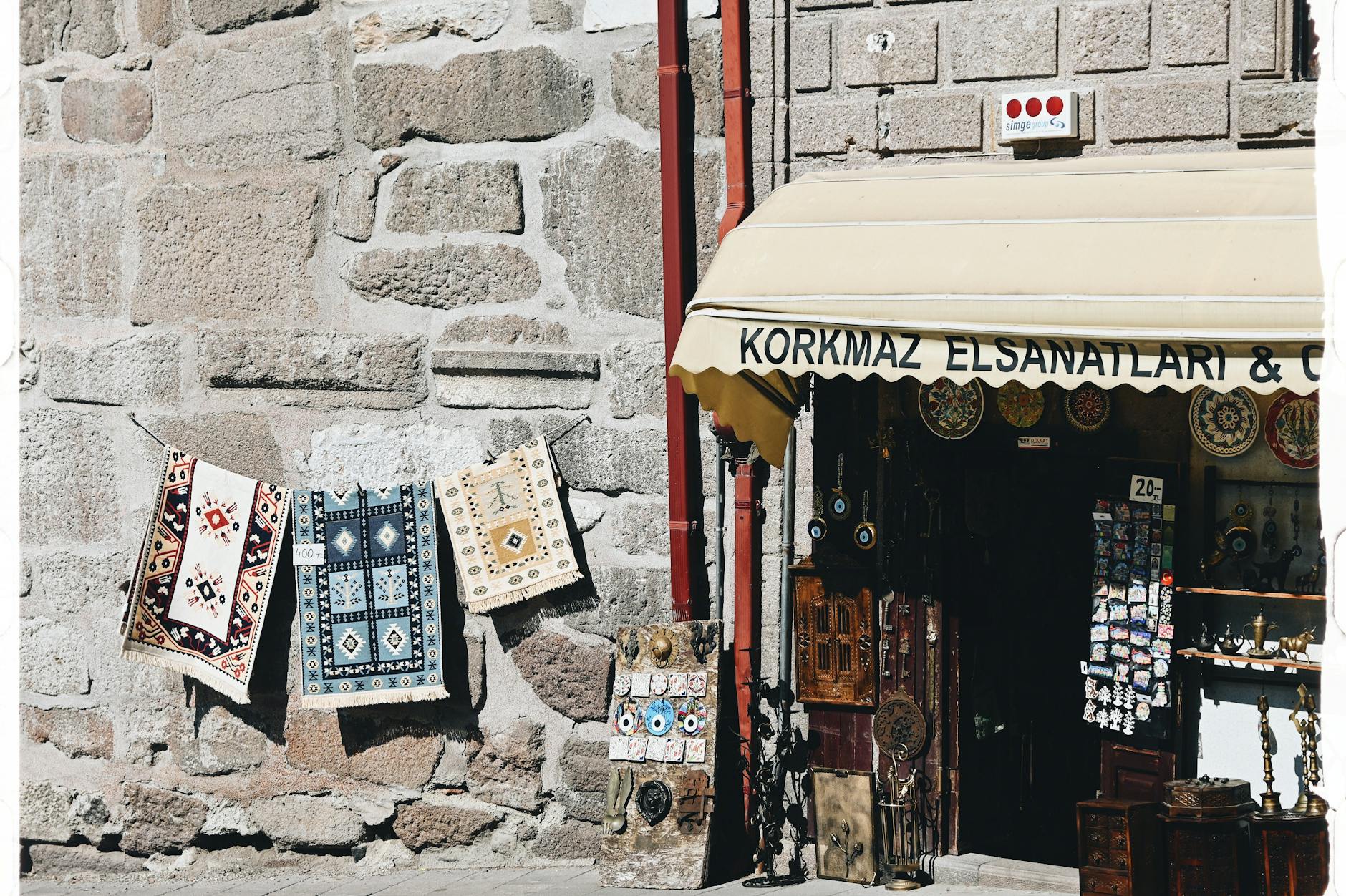
The destination shot glass represents one of the most efficient destructions of shelf space available to the traveling consumer, combining minimal aesthetic value with maximum visual clutter in an object whose primary function most adult households have limited practical use for at scale. Collections of destination shot glasses lining a kitchen shelf or display cabinet communicate a specific decorating philosophy that interior professionals consistently describe as college dormitory rather than considered adult home. The objects themselves are almost universally identical in form, differing only in the screenprinted city name and generic graphic that constitutes the souvenir element, meaning that a collection of fifty produces no more visual interest than a collection of three at significantly greater spatial cost. The impulse behind the collection is genuinely understandable as a record of places visited, but a map, a journal, or a well-chosen photograph serves the documentary function with considerably more elegance. Shot glass collections are among the most frequently inherited and immediately donated souvenir categories precisely because their meaning is entirely personal and their aesthetic value is essentially zero.
Fridge Magnets
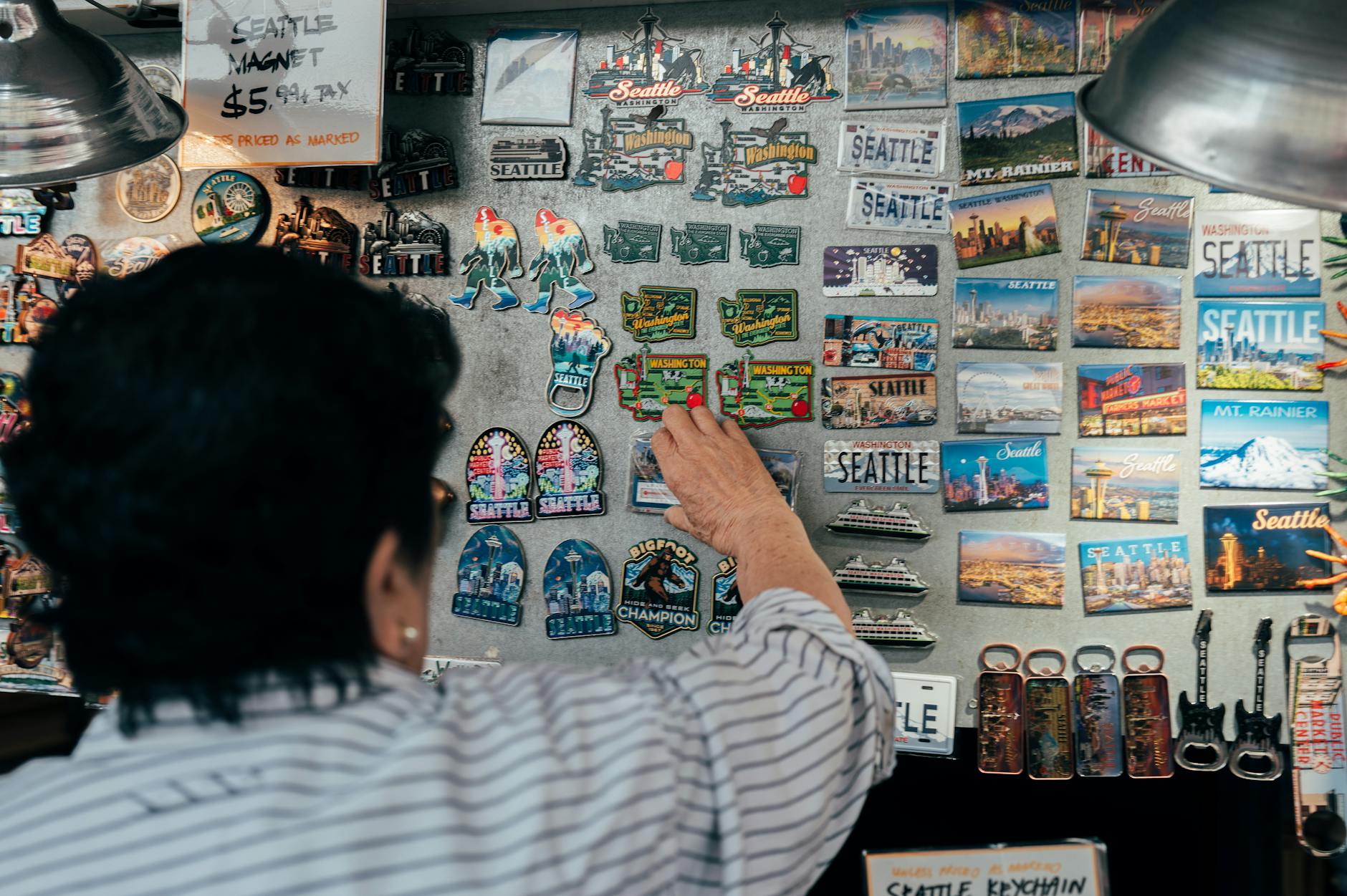
The souvenir fridge magnet has achieved a cultural ubiquity that has somehow inoculated it against the aesthetic criticism it consistently deserves, occupying refrigerator doors across the world in collections that transform a kitchen appliance into an accidental collage of competing fonts, colors, and graphic styles united only by their shared mediocrity. The individual fridge magnet is a minor visual offense whose cumulative effect in multiples becomes a significant degradation of the kitchen environment, creating a surface that reads as visually chaotic regardless of the care applied to the rest of the room’s design. Many souvenir magnets are manufactured to price points that result in magnetic strength insufficient to hold more than a single sheet of paper, meaning they fail at their only functional purpose while simultaneously compromising the aesthetic of the space they occupy. The refrigerator door is one of the most visible surfaces in the average home and one of the most frequently subjected to the gradual accumulation of objects that individually seemed harmless and collectively became overwhelming. A clean refrigerator door communicates a level of domestic intentionality that no collection of souvenir magnets, however personally meaningful, can replace.
Novelty Aprons
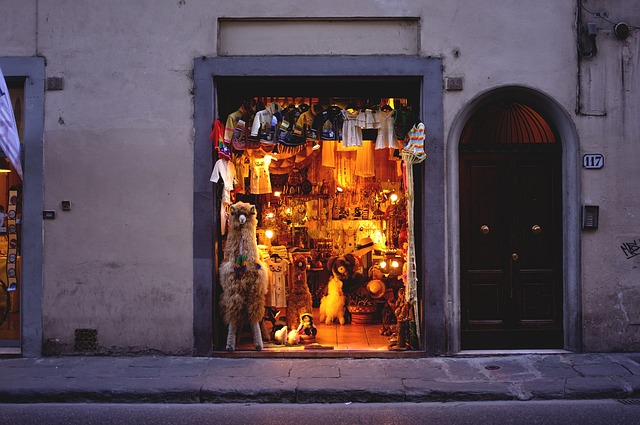
The destination novelty apron, printed with a local joke, a regional food reference, or a geographic pun calibrated to the tourist market of its origin city, combines the limited aesthetic appeal of the novelty item with the specific domestic context of the kitchen in a way that manages to make cooking feel like a theme park activity. These objects typically feature printing quality that deteriorates rapidly through washing, ensuring that within a few months the already dubious humor of the original graphic has faded to an illegibility that removes even the joke as a justification for continued ownership. Novelty aprons are frequently purchased as gifts rather than for personal use, which means they arrive in homes whose owners did not choose them and feel too guilty to discard them, occupying drawer space indefinitely in a state of semi-committed retention that satisfies neither the recipient nor the gift-giver’s intention. A kitchen in which a thoughtfully chosen apron contributes to the overall aesthetic of the cooking space is a noticeably more pleasant environment than one in which a novelty item announces its presence every time cooking occurs. The destination novelty apron is best understood as an impulse purchase whose full cost includes not just the purchase price but the long-term aesthetic and spatial taxation it imposes on the home.
Plastic Snow Globes

The souvenir snow globe occupies a peculiar position in the tacky souvenir taxonomy because it carries a nostalgic cultural resonance that its actual physical reality consistently fails to honor, producing an object that promises whimsy and delivers visual clutter in a liquid-filled plastic sphere whose manufacturing quality rarely survives the journey home intact. Water discoloration, bubble formation, and flake clumping are among the most common degradation patterns that begin within months of purchase, transforming an already marginal decorative object into one that looks neglected regardless of the care applied to it. The snow globe’s appeal is essentially cinematic, derived from its cultural associations rather than from any intrinsic aesthetic quality, and the gap between the remembered cultural warmth of the object type and the actual object sitting on a shelf becomes more apparent with each passing year of ownership. Collections of snow globes in various states of liquid discoloration arranged on a shelf represent one of the more reliable indicators of decorating decisions made primarily on the basis of sentiment rather than aesthetic judgment. The single snow globe kept for genuine personal reasons is an entirely different matter from the accumulated collection that signals a pattern of travel purchasing whose primary criterion was price and availability.
Keychains
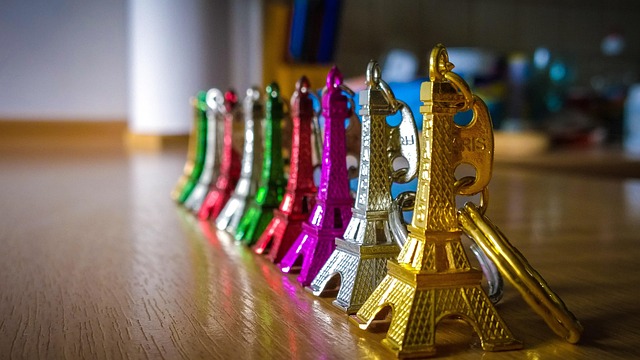
The destination keychain is the souvenir industry’s acknowledgment that some travelers will spend money on almost anything bearing a place name, producing objects of such minimal craft and material quality that their primary value is transactional rather than commemorative or functional. Metal keychains stamped with city names, plastic keychains shaped like regional symbols, and leather keychains branded with tourist destinations all share the quality of degrading through normal use to a condition of shabbiness within months that makes continued attachment to a key ring an act of either thrift or inertia rather than genuine appreciation of the object. The keychain’s particular challenge as a souvenir category is that its point of use is both highly visible and highly functional, meaning that a cheap or deteriorating keychain actively degrades the experience of the objects it holds rather than simply occupying neutral shelf space. Keychains purchased as display items rather than functional objects occupy a category of decorative purposelessness that is difficult to defend in any interior context. The impulse to buy one is almost perfectly universal among tourists and the regret that follows is similarly common, suggesting a gap between the purchase decision and the ownership experience that the souvenir industry has successfully exploited for decades.
Decorative Plates
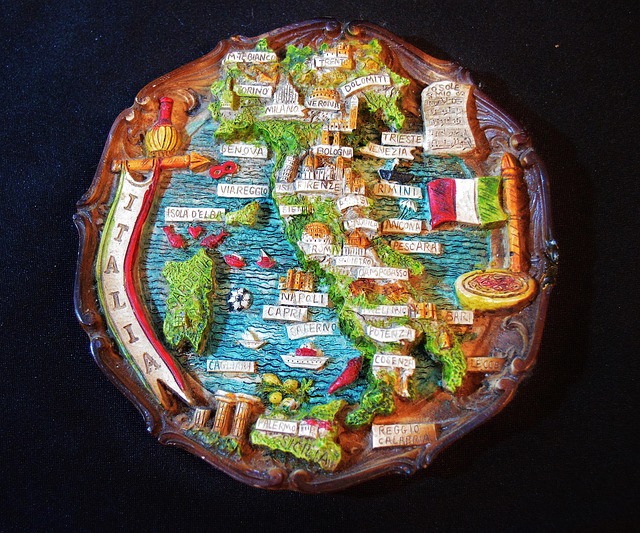
The souvenir decorative plate represents a meeting point between the genuine tradition of ceramic artisanship and its complete commercial debasement, producing objects that borrow the visual language of craft while delivering the material reality of mass production at tourist-market price points. Wall-mounted souvenir plates featuring destination graphics, regional maps, or local scenes painted over factory-produced ceramic blanks create a display category that reads simultaneously as unfinished and overcrowded, occupying wall space that could accommodate genuinely interesting art while delivering the visual impact of a restaurant menu. The plate rack, once a legitimate vehicle for displaying genuinely crafted ceramics, has been so thoroughly colonized by the souvenir industry that its presence in a contemporary home carries associations that are difficult to separate from its worst examples. A single handmade ceramic plate purchased from an actual artisan in its place of origin is an entirely legitimate decorative object with genuine provenance and craft value. The factory-produced souvenir plate purchased from a gift shop bears approximately the same relationship to that object as a postcard does to the painting it depicts.
Branded Glassware
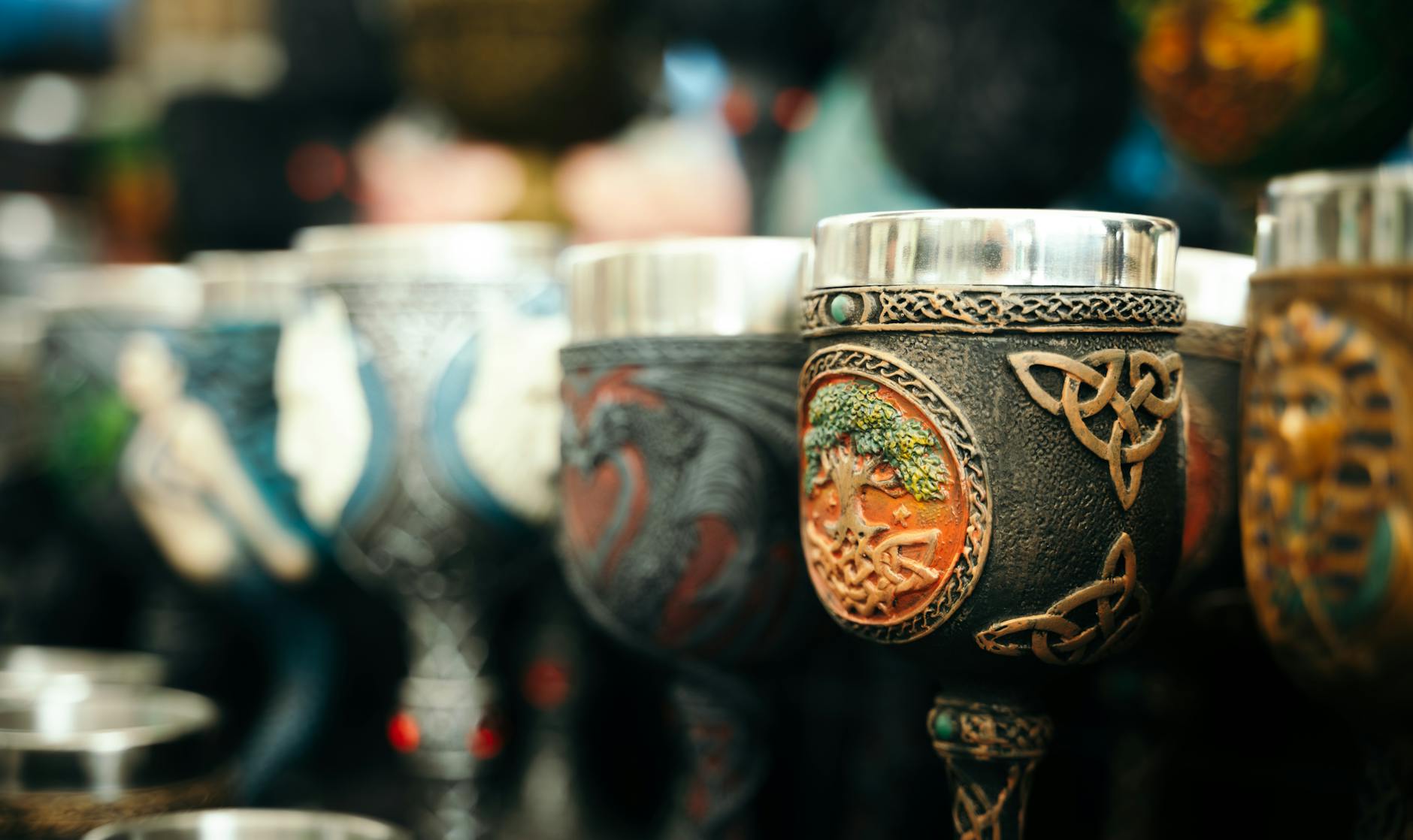
Destination-branded glassware including wine glasses, beer steins, and cocktail glasses printed with city names, regional crests, or tourist graphics occupies a product category that manages to make both drinking and display feel slightly less enjoyable than their unbranded equivalents. The printing quality on souvenir glassware is rarely sufficient to survive dishwasher use at the temperatures required for genuine hygiene, meaning the branded element that justified the purchase begins fading and peeling within a few months of regular use. A glass bearing the remnants of a partially removed city name graphic is aesthetically worse than either a fully branded glass or a clean unbranded one, which means souvenir glassware is reliably progressing toward its worst aesthetic state from the moment it enters regular household use. Guests served drinks in destination-branded glasses receive a decorating message about the host’s approach to tableware that most hosts would prefer to communicate more deliberately. The investment in a set of genuinely well-made unbranded glasses produces a more elegant serving experience at prices frequently comparable to the souvenir equivalent.
Stuffed Animals
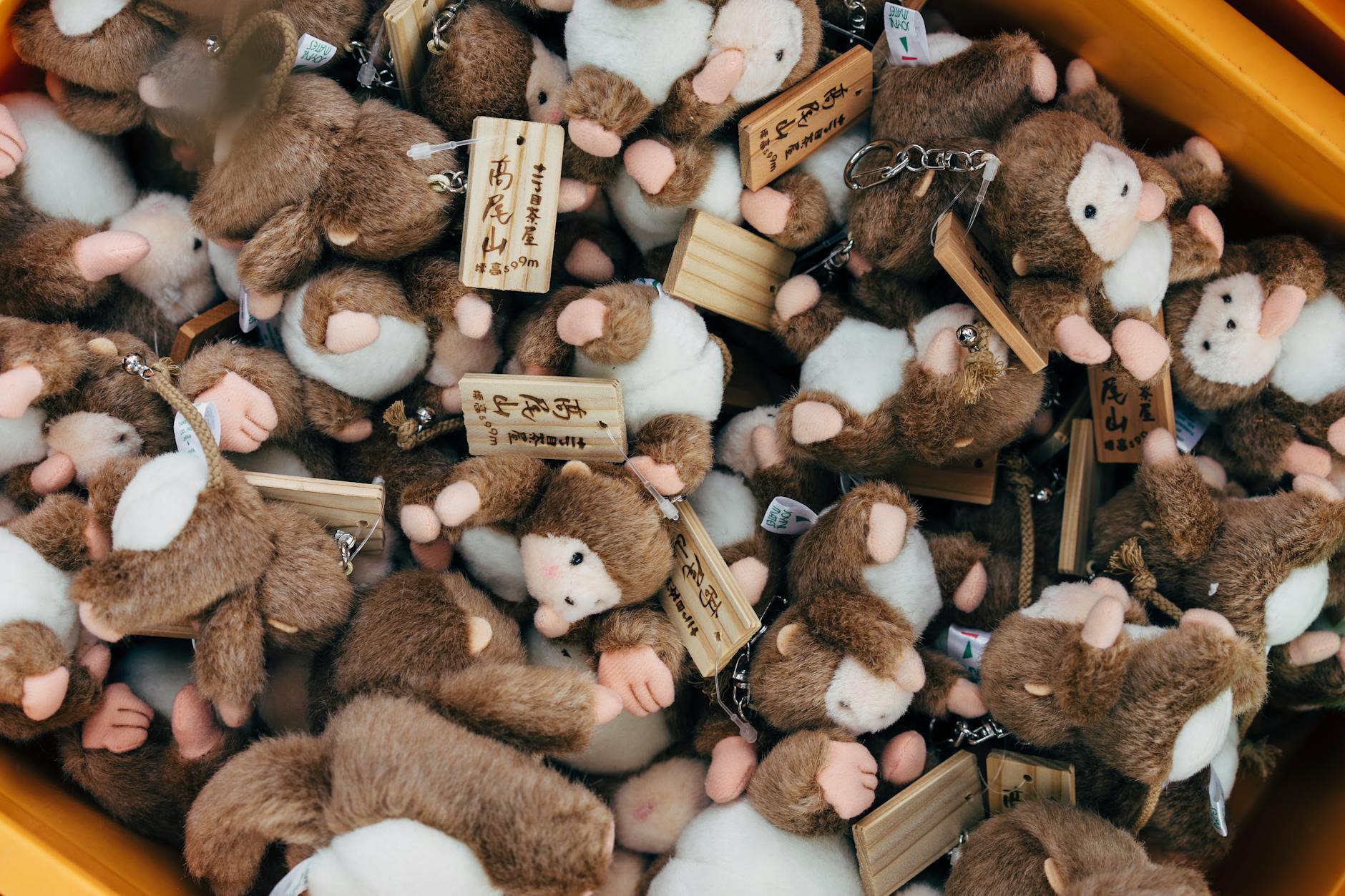
The destination stuffed animal wearing a screenprinted t-shirt bearing a city name or a regional identifier exists at the precise intersection of two of the souvenir industry’s most reliable impulse purchase triggers, combining the universal appeal of soft toys with the commemorative function of the destination product in a way that serves neither purpose particularly well past the first week of ownership. These objects are too adult to provide genuine comfort to children who want toys rather than souvenirs and too juvenile to function as legitimate decorative objects in adult spaces, occupying a categorical no-man’s-land that condemns them to indefinite storage within a relatively short period of purchase. The fabric quality of tourist-market stuffed animals is typically below that of purpose-made toys, meaning they deteriorate in both appearance and tactile quality at rates that accelerate any existing ambivalence about their presence in the home. A stuffed bear wearing a t-shirt reading the name of a European capital city is a very specific decorating statement and one that very few interior environments can absorb without visual disruption. The emotional impulse that produces this purchase is entirely human and understandable; the object that results from it is almost universally regretted within a year.
Novelty Bottle Openers
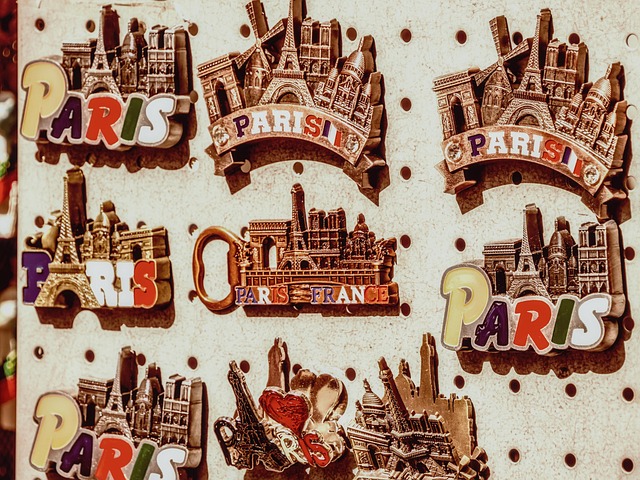
The destination novelty bottle opener, shaped as a local landmark, a regional animal, or a cultural symbol and finished to the aesthetic standards of the tourist gift shop price point, combines limited functional quality with limited decorative value in an object whose primary achievement is occupying drawer space without meaningfully serving either purpose it was designed for. The mechanical quality of novelty bottle openers is frequently insufficient for regular use, producing opener experiences that require multiple attempts and occasionally damage bottle caps in ways that straightforward functional openers never do. Display of novelty bottle openers as decorative objects requires a context in which their kitsch quality is either genuinely embraced as an aesthetic or explained by an ironic framing that most domestic environments cannot sustain across more than one or two examples. A collection of destination bottle openers mounted on a kitchen wall communicates a decorating philosophy that prioritizes accumulation over curation in ways that affect the perceived quality of the entire space. The utilitarian bottle opener is one of the few household objects whose functional form is genuinely elegant, and the novelty souvenir version consistently obscures rather than enhances that quality.
Scented Candles
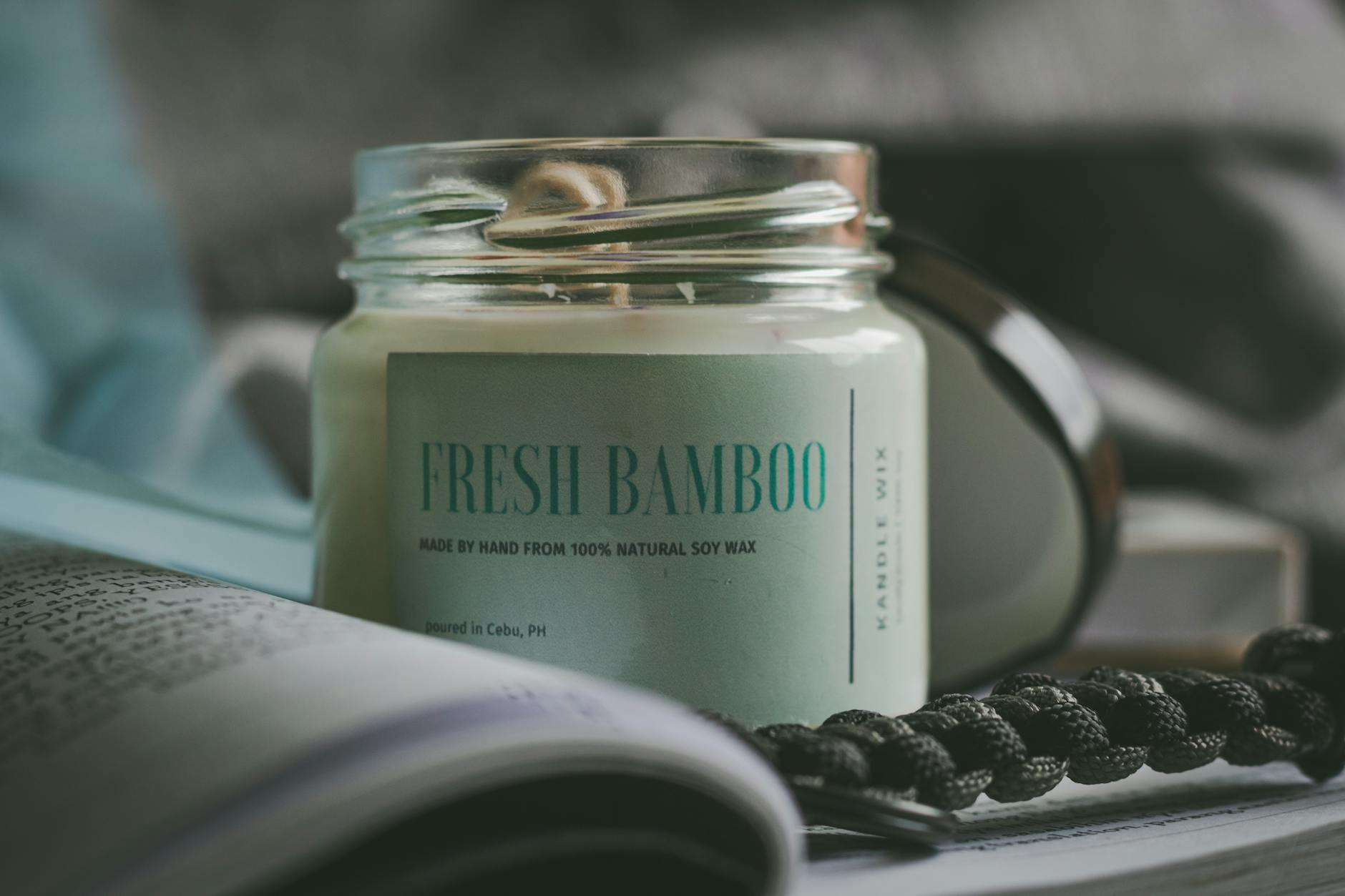
Destination-branded scented candles bearing the names of cities or regions alongside fragrance descriptions that claim to capture the essence of the place in wax form represent a category of souvenir whose primary problem is the gap between the evocative promise of their marketing and the generic reality of their actual fragrance composition. The candle labeled with the name of a Mediterranean coastal town and described as capturing sea air and wild herbs rarely delivers a fragrance experience meaningfully different from a similarly priced candle in any home goods store, while costing significantly more by virtue of its souvenir positioning and tourist-location retail markup. Beyond the fragrance disappointment, branded souvenir candles typically use lower-quality wax and wick combinations than purpose-made candles at equivalent price points, producing burn times, scent throw, and safety profiles that experienced candle buyers would reject in a non-souvenir context. The label and its associations are the primary product being purchased, with the candle itself functioning as a vehicle for the destination memory rather than as a genuine home fragrance investment. Candles are among the home objects most capable of elevating an environment through quality scent diffusion, and the souvenir category consistently delivers a version that underperforms relative to both its price and its promise.
Tea Towels
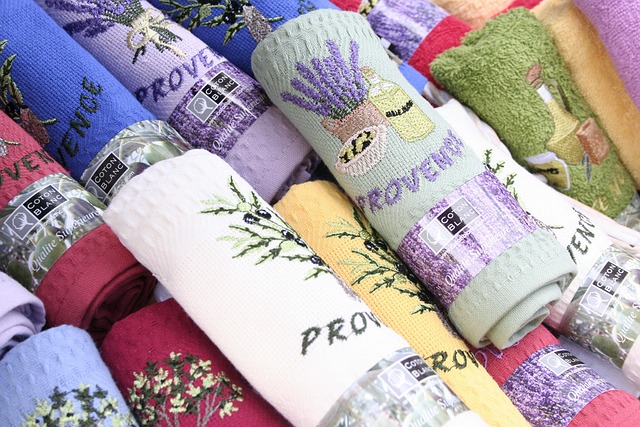
The destination souvenir tea towel printed with maps, local landmarks, regional recipes, or tourist-oriented illustrations of cultural icons exists in a product category whose everyday domestic visibility makes its aesthetic quality particularly consequential and whose souvenir version is particularly likely to fall short of the standard that regular visual exposure requires. A tea towel hanging in a kitchen or folded over an oven handle is one of the most frequently observed textile objects in domestic life, and the printing quality, color accuracy, and fabric weight of the souvenir version are consistently below those of purpose-designed kitchen textiles at comparable or lower price points. The illustration quality on souvenir tea towels typically reflects the graphic design standards of tourist-market production rather than the considered aesthetic of a commissioned textile artist, meaning the kitchen that displays them is regularly presenting its occupants with work of noticeably lower visual quality than the same space could accommodate at similar cost. The genuine textile souvenir tradition of a destination, where one exists, produces objects of genuinely different character and quality from the tourist gift shop alternative and represents an entirely different purchasing decision. A tea towel purchased from a local designer or producer with genuine craft investment behind it is a legitimate home textile; the heat-transferred landmark graphic on thin cotton is simply a photograph that requires more care in the washing machine.
Personalized Keepsakes
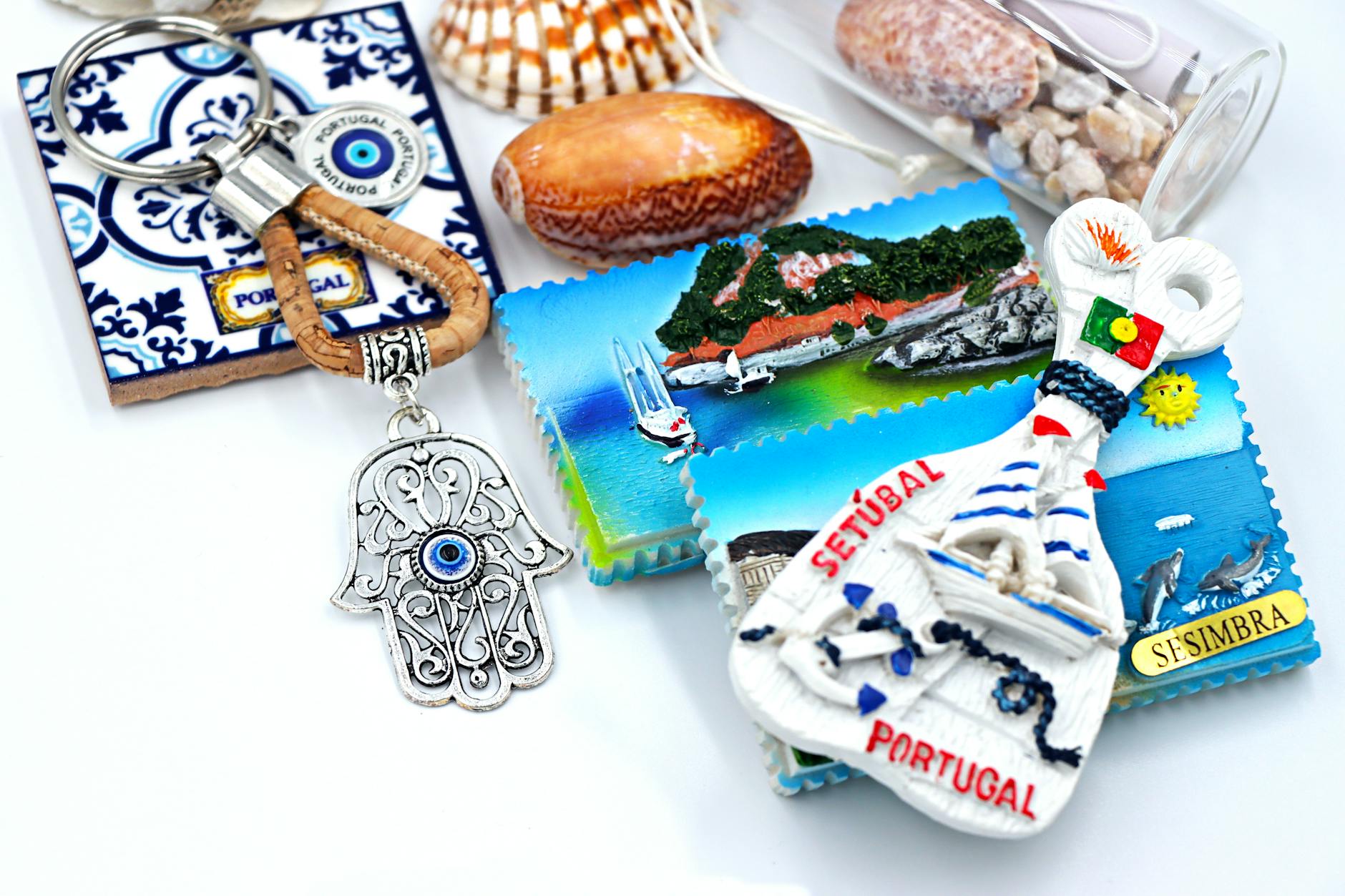
Souvenir objects personalized at point of purchase with a visitor’s name using engraving, printing, or stamping technology calibrated to tourist throughput rather than craft quality represent a category in which the personalization element provides emotional justification for a purchase whose object quality would not independently warrant it. The name-on-a-grain-of-rice, the engraved keychain produced in thirty seconds from a tourist kiosk, and the printed mug with a name added over a generic destination graphic all share the quality of being highly specific to one person while being essentially generic in execution, producing objects that feel personal without being particular. Personalization in genuine craft contexts, where an artisan incorporates a name or detail into a handmade object using skill and time, produces a meaningfully different result from the automated personalization of a mass-produced tourist item. The emotional weight placed on a personalized souvenir frequently exceeds its objective quality in ways that are apparent to everyone who observes the object except the person for whom it was purchased, creating a consistent asymmetry between the giver’s intention and the receiver’s experience. Objects whose primary recommendation is that they bear a specific person’s name occupy a narrower decorative bandwidth than almost any other category of home object and tend to work against rather than contribute to any considered interior aesthetic.
Novelty Clocks
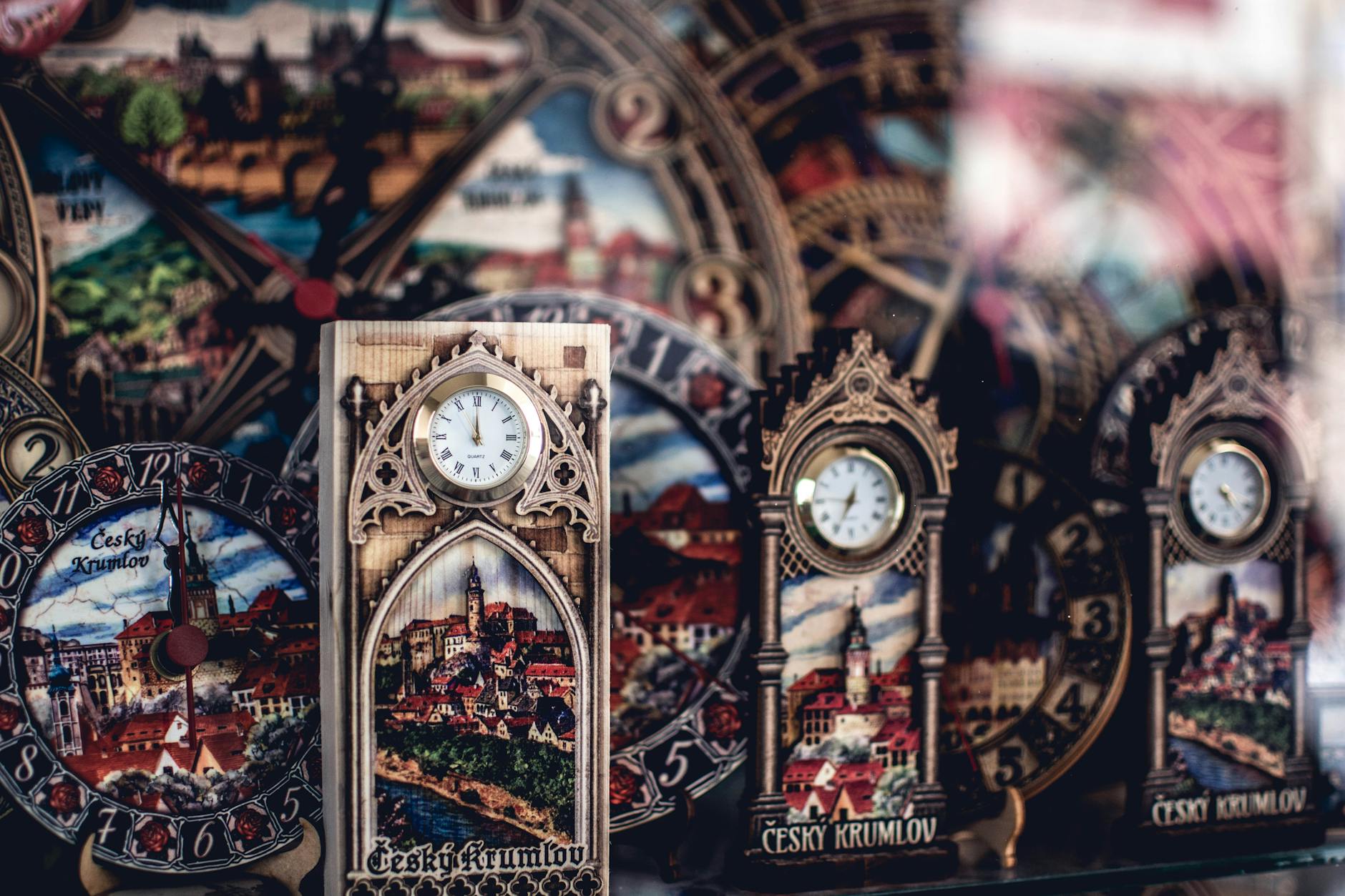
The destination novelty clock, shaped as a local landmark, a regional symbol, or a cultural reference and finished to gift shop production standards, combines the functional necessity of timekeeping with the decorative ambitions of the souvenir object in a way that typically compromises both without achieving either. Clock mechanisms installed in novelty-shaped housings are frequently of lower quality than those in purpose-designed timepieces, producing timekeeping accuracy and battery longevity that require more frequent attention than a functional clock should demand. The decorative dimension of the novelty clock is governed by the aesthetic of the tourist market rather than by any considered relationship between the object’s form and the domestic environment it will occupy, resulting in pieces that tend to compete visually with their surroundings rather than complementing them. A clock is one of the few genuinely functional decorative objects in any room, and the best examples achieve a quality of presence that serves the space regardless of whether anyone is actively reading the time. The novelty souvenir version inverts this quality, drawing attention to itself primarily through the incongruity of its form rather than through any intrinsic aesthetic merit.
Oversized Pencils

The oversized souvenir pencil bearing a destination name is a product category whose existence appears to be sustained entirely by impulse purchase behavior at tourist kiosks, as no considered reflection on the object’s decorative or functional utility would produce a decision to acquire one. At a scale that prevents use for its stated function and a quality level that precludes display as a genuine object of interest, the oversized souvenir pencil achieves a rare distinction of being simultaneously non-functional and non-decorative while occupying meaningful physical space in any home environment unlucky enough to receive one. These objects are most frequently purchased as gifts for children, who typically lose interest within hours of receiving them, at which point they migrate to the category of objects too specific to keep and too harmless to discard, occupying cupboard space in a state of indefinite domestic purgatory. The souvenir pencil’s persistence as a product category despite its obvious uselessness is a testament to the tourist impulse purchase’s immunity to rational evaluation at the moment of transaction. It represents the purest possible distillation of the souvenir industry’s fundamental proposition, which is that the act of buying matters more than the object bought.
Plastic Snowflake Ornaments

Destination-branded Christmas ornaments in plastic or low-quality glass bearing city names, regional graphics, or tourist imagery represent a souvenir category whose seasonal visibility makes their aesthetic quality particularly consequential and whose production standards are particularly likely to disappoint against that elevated context. A Christmas tree is one of the most carefully curated decorative installations in many households, and the introduction of tourist-market ornaments into a considered collection consistently degrades the overall visual quality of the display in proportion to their number and prominence. The ornaments are typically purchased during non-Christmas travel in a state of forward planning that imagines a future use context very different from the actual experience of retrieving them from storage and integrating them into a holiday display. Low-quality plastic ornaments also degrade through storage, arriving each subsequent year in slightly worse condition than the last, with printing that fades and surfaces that crack in ways that accelerate any existing ambivalence about their place in the collection. The Christmas tree that tells the story of its owner’s travels through a thoughtfully chosen ornament from each destination is a genuinely charming domestic narrative; the same tree overwhelmed by tourist-market plastic represents a different kind of collecting entirely.
Novelty Ties
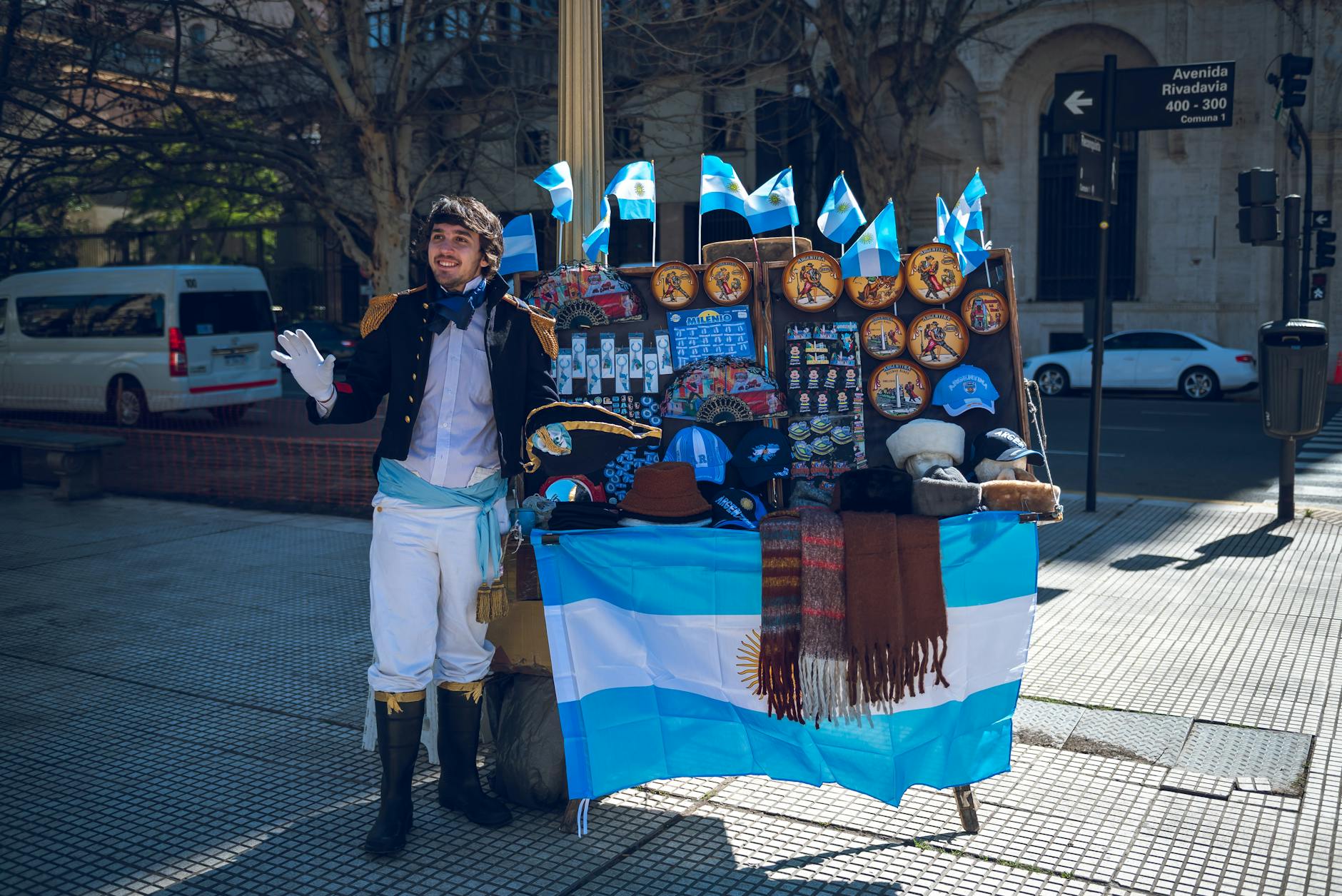
The novelty tie bearing a destination motif, a regional pattern executed in polyester, or a tourist graphic printed on a silk-alternative fabric represents a wearable souvenir category whose primary context of use, formal or semi-formal dress, is the setting in which low quality and incongruous decoration are most visible and most consequential. Neckwear is one of the few remaining clothing categories in which material quality, construction, and pattern selection are actively noticed by observers, making the tourist-market tie’s deficiencies in all three areas particularly apparent in the professional and social contexts where it is most likely to be worn. The humor intended by a novelty destination tie is most legible to the person wearing it and least legible to the colleagues and acquaintances who observe it without the travel context that explains the purchase, producing a communication gap that typically lands on the wrong side of the line between self-aware whimsy and simple bad taste. A tie purchased from an actual textile producer in its destination, made with regional materials and craft techniques, represents an entirely different object with genuine provenance and wearable quality. The tourist-market novelty version shares only the geographic label with that object while delivering none of its qualities.
Wooden Trinket Boxes
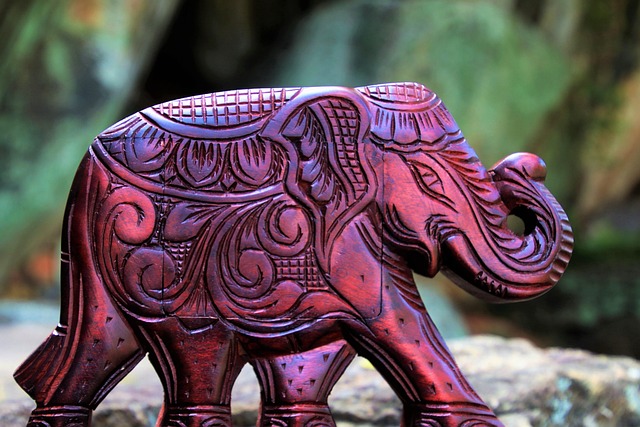
The small wooden trinket box bearing a destination name, a regional scene applied through pyrography or low-resolution printing, or a culturally referenced decorative element produced to gift shop price specifications represents a souvenir category that colonizes jewelry boxes, bedside tables, and bathroom surfaces across the world in quantities that consistently exceed any household’s actual trinket storage requirements. The functional proposition of these objects is undermined by construction quality that typically includes poorly fitting lids, unfinished interior surfaces that can damage the items stored within them, and joinery that loosens rapidly under the thermal fluctuations of normal domestic environments. Their decorative proposition is limited by the tension between the generic tourist aesthetic of the destination graphic and the personal interior environment into which they are expected to integrate without friction. Genuine wooden boxes produced by craftspeople using regional wood species and traditional joinery techniques are an entirely different category of object with real material and craft value. The tourist-market version is to that object what a photograph of a forest is to an actual tree, carrying the visual reference without any of the substance.
Themed Cushion Covers
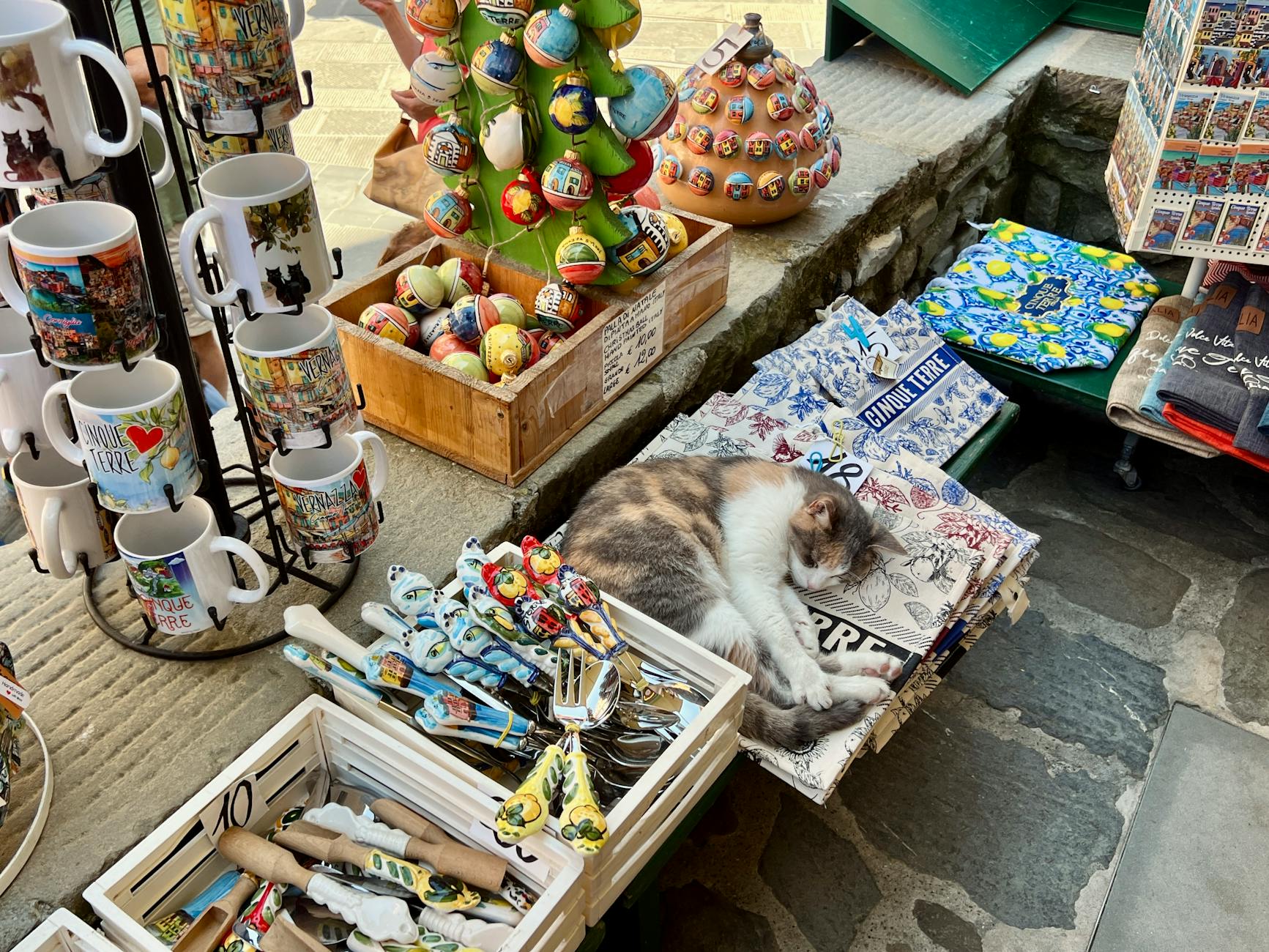
Destination-themed cushion covers bearing city skylines, regional maps, cultural slogans, or tourist graphics represent a souvenir category whose domestic visibility is high, whose replacement cost is low, and whose integration into an existing interior is almost universally difficult. Soft furnishings are among the most important contributors to the overall aesthetic coherence of a living space, and the introduction of a tourist-themed cushion cover into a considered upholstered environment typically reads as decorative interruption rather than personal expression. The fabric quality of tourist-market cushion covers is consistently below that of purpose-designed soft furnishings at comparable or lower price points, with printing that fades, fabric that pills, and closures that fail at rates that accelerate the object’s journey toward the charity donation pile. A cushion cover is also one of the most difficult souvenir categories to display without appearing to have confused a living room with a gift shop, as the tourist graphic lacks the visual authority required to anchor a soft furnishing decision in the way that a considered pattern or textile choice can. The souvenir cushion cover is most honestly understood as a temporary decorating experiment whose outcome is almost always confirmed within a few months of display.
Local Currency Displays
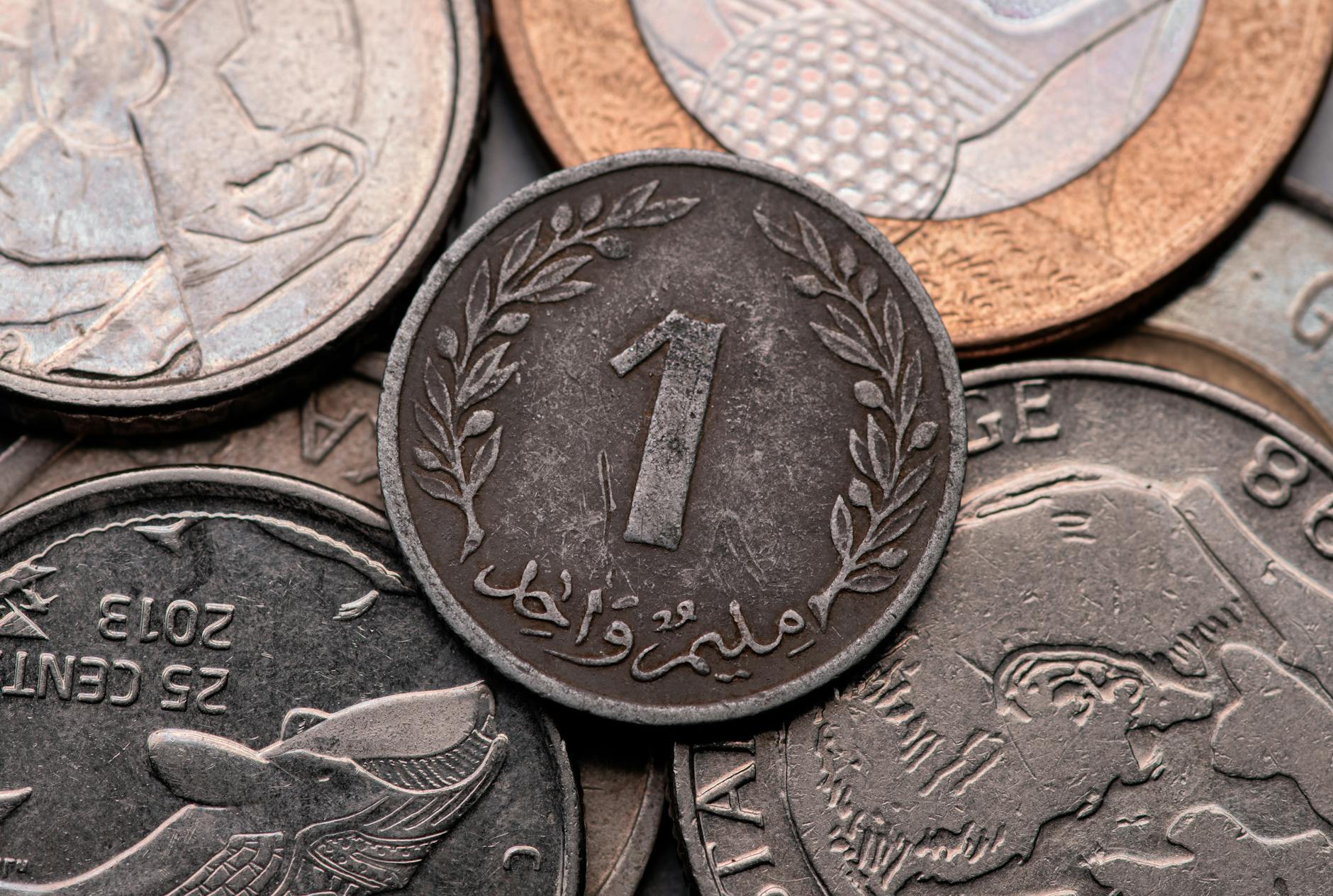
Framed or displayed collections of foreign currency, arranged in souvenir presentation mounts purchased at tourist locations, represent a decorating category that struggles to transcend its primary visual message of financial accumulation across borders in favor of any more sophisticated aesthetic or narrative statement. The visual appeal of currency as an object is real and can be explored with genuine elegance through considered display of historically significant, artistically exceptional, or personally meaningful individual notes or coins. The tourist-market version, presenting a generic selection of low-denomination notes from a visited country in a pre-fabricated frame with destination labeling, delivers the documentary function without the curatorial consideration that distinguishes a meaningful collection from an assembled one. Currency displays of this kind tend to communicate the fact of travel rather than the experience of it, delivering the same information as a passport stamp in a format that requires considerably more wall space. The wall that might accommodate a photograph, a textile, or an object with genuine visual presence is instead occupied by an artifact of foreign exchange whose primary interest is transactional rather than aesthetic.
Novelty Mugs

The destination novelty mug represents perhaps the most cumulatively damaging souvenir category in terms of its aggregate effect on kitchen cupboard quality and daily domestic experience, combining the high-frequency visibility of a regularly used object with the low aesthetic standards of the tourist gift market. A morning coffee or tea consumed from a well-designed mug is a small but consistent contribution to the quality of the day’s beginning; the same beverage consumed from a mug bearing a poorly executed city graphic or a joke calibrated to tourist comprehension delivers a mildly depressing aesthetic experience that begins the day in a register slightly below its potential. The printing on souvenir mugs is almost universally applied to the ceramic exterior in ways that deteriorate through dishwasher use, producing the characteristic fading and cracking that marks the souvenir mug as the cupboard’s lowest-status resident within a year or two of regular use. Collections of destination mugs occupying cupboard space that might hold a considered set of vessels represent a systematic downgrading of the daily drinking experience in exchange for a documentary record of places visited that a photograph, a journal, or a map would preserve with equal fidelity and far less spatial cost. The mug is one of the most tactilely intimate objects in domestic life, handled daily and brought to the face repeatedly, and it deserves to be chosen with at least some of the care that intimacy implies.
Plastic Cultural Figurines
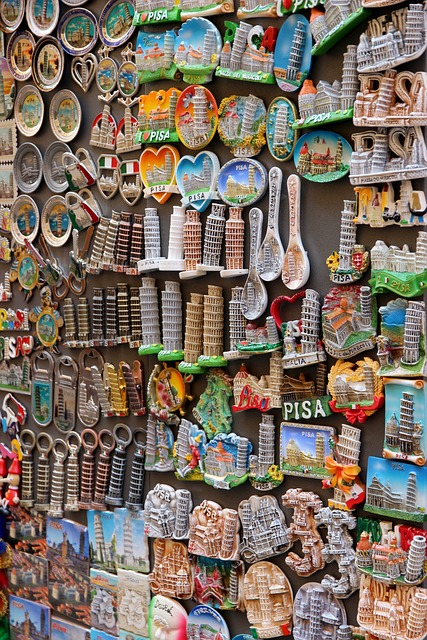
Mass-produced plastic figurines representing cultural or historical figures associated with a tourist destination, molded in simplified forms and painted to production line tolerances, represent a souvenir category that simultaneously trivializes the cultural significance of what it depicts and delivers negligible aesthetic value to the domestic environment in which it is displayed. These objects typically bear the same relationship to the cultural tradition they reference as a cartoon character bears to the literature it adapts, retaining only the most recognizable visual markers of the original while stripping away all the craft, complexity, and historical weight that gives the reference its meaning. The cultural figurine’s presence in a home sends a specific message about the owner’s relationship to the places they have visited, suggesting engagement at the level of the gift shop rather than at the level of genuine cultural curiosity. Genuine figurative objects produced through traditional craft processes using regional materials and techniques, where they exist, are categorically different objects with real cultural and material value that can anchor a shelf or display case with genuine authority. The plastic tourist version achieves the visual reference while delivering none of the substance, which is a reasonable summary of what separates a souvenir from a genuine object of interest.
If any of these objects are currently occupying space in your home and this list has prompted a reassessment, share your own souvenir regrets and redemptions in the comments.




