
The mindful coloring book industry emerged in the mid-2010s as one of the most commercially successful wellness trends of the decade, generating hundreds of millions in sales and spawning an entire ecosystem of adult coloring content marketed explicitly as a tool for stress relief, anxiety reduction, and meditative calm. The claims made by publishers, influencers, and wellness advocates on behalf of these products were rarely modest, positioning the act of filling intricate printed patterns with colored pencils as a genuine therapeutic practice with measurable benefits for mental health. What followed the initial enthusiasm was a quieter and considerably less commercially convenient body of evidence suggesting that the relationship between coloring books and genuine psychological wellbeing is considerably more complex, more conditional, and in many cases more illusory than the marketing had implied. The product category has continued to sell extremely well despite the accumulated skepticism precisely because the experience of coloring feels calming in ways that are difficult to disentangle from the question of whether it is actually producing the therapeutic outcomes its labeling promises. These are the twenty-three surprising truths that the mindful coloring book industry has never been particularly motivated to communicate clearly.
Marketing Language

The word mindful as applied to coloring books is a marketing descriptor rather than a clinical designation, carrying no standardized definition, no regulatory oversight, and no requirement for evidence of the meditative or therapeutic properties it implies to the consumer making a purchase decision based on wellness expectations. The term was borrowed from the established clinical practice of mindfulness-based stress reduction, a rigorously studied therapeutic approach with specific techniques, trained facilitators, and a substantial evidence base, and applied to a consumer product category whose relationship to that practice is essentially metaphorical. Publishers discovered that wellness-adjacent language dramatically increased the perceived value and marketability of what was fundamentally a recreational coloring product, producing a labeling inflation that the absence of any regulatory framework for wellness product claims made entirely permissible. Consumers who purchase a mindful coloring book with the expectation of receiving something functionally related to clinical mindfulness practice are responding to a category label whose primary function is commercial rather than descriptive. The gap between what the word mindful implies in clinical contexts and what it means when printed on a coloring book cover is one of the most consequential semantic gaps in the contemporary wellness product market.
Anxiety Amplification

For individuals whose anxiety is characterized by perfectionism, intrusive thoughts, or sensitivity to perceived failure, the structured nature of coloring within printed lines can actively amplify rather than reduce anxious arousal, producing an activity experience that is the psychological opposite of the relaxing flow state its marketing describes. The coloring book format presents the user with an implicit performance standard, the clean printed design, against which every color choice, line overstep, and shading decision is automatically evaluated, creating a low-stakes but persistent judgment context that perfectionist nervous systems find difficult to disengage from regardless of the meditative framing. Research examining individual differences in coloring book responses has consistently found that the relationship between the activity and anxiety levels is highly variable across personality types, with the most anxious individuals frequently reporting increased rather than decreased tension during structured coloring tasks. The product’s universal marketing as a stress relief tool for all users obscures this variability in ways that can leave genuinely anxious purchasers feeling that their failure to find the activity calming is itself a personal inadequacy rather than a predictable individual difference in response to the specific task structure. An activity that reliably increases anxiety in a meaningful proportion of its target users while being marketed exclusively as an anxiety reduction tool represents a wellness product whose evidence base is substantially weaker than its commercial positioning suggests.
Attention Requirements

The intricate geometric and botanical patterns featured in the most commercially successful adult coloring books require a level of sustained fine motor attention and spatial decision-making that engages the central executive network of the brain rather than the default mode network associated with genuine meditative states, producing a cognitive experience that is pleasantly absorbing but neurologically distinct from the contemplative awareness that mindfulness practice cultivates. Genuine mindfulness involves a particular quality of open, non-judgmental awareness that is trained through specific practices designed to reduce rather than direct attentional engagement, whereas intricate coloring actively directs and sustains attention on a specific fine motor task in a way that more closely resembles focused work than meditative rest. The absorbed quality of the coloring experience, which users frequently describe as similar to flow state, is real and valuable but represents a form of attentional engagement rather than attentional release, a distinction that matters considerably when the marketed benefit is stress reduction through mindful awareness rather than stress reduction through pleasant distraction. Pleasant distraction is a legitimate and valuable human activity whose benefits are real and whose honest acknowledgment would serve consumers better than the clinical framing that positions it as something neurologically more significant than it typically is. The coloring book that honestly marketed itself as a pleasant way to spend an hour without checking your phone would be selling something genuine; the one that promises meditative transformation is selling something considerably less reliable.
Pattern Complexity Paradox

The most elaborately detailed coloring book designs, marketed as the most immersive and therefore most mindful experiences available in the category, are precisely the designs most likely to produce frustration, decision fatigue, and the perfectionist pressure that undermines the relaxed engagement the activity is supposed to generate. Pattern complexity is marketed as a feature whose greater challenge produces greater meditative reward, a narrative borrowed from the logic of physical exercise where greater difficulty produces greater benefit, but which misapplies that logic to an activity whose psychological mechanism depends on ease and flow rather than challenge and effort. A design so intricate that completing a single page requires multiple sessions creates an ongoing relationship with unfinished work that many users experience as a low-level obligation rather than a freely chosen pleasure, adding a task to the mental inventory rather than clearing one. The commercial incentive to produce increasingly elaborate designs is driven by the visual impact of complexity on the retail shelf and in social media photography rather than by any evidence that greater intricacy produces greater wellbeing benefit for the person actually doing the coloring. The simpler, less photographically impressive designs that allow easy flow and completion within a single sitting may deliver more of the genuine relaxation benefit than the architecturally spectacular spreads that dominate premium product positioning.
Paper Quality Reality

The paper quality in the majority of commercially produced adult coloring books is calibrated to retail price points and manufacturing margins rather than to the performance requirements of the colored pencil, marker, and gel pen media that their marketing imagery consistently features, producing an experience whose material reality frequently falls short of the aspirational creative engagement the product promises. Bleed-through from markers, surface texture incompatible with smooth pencil application, and paper weights that buckle under any significant medium application are among the most consistently reported disappointments of coloring book users whose expectations were set by product photography shot with specialist art materials on paper considerably superior to what arrived in the package. The frustration generated by inadequate paper quality is not a minor inconvenience but a direct impediment to the relaxed absorption that the activity requires for its stress relief mechanism to operate, as the technical problems created by poor paper continuously interrupt the attentional flow that the experience depends on. Premium price positioning does not reliably predict paper quality in the adult coloring category, with many high-priced products from major publishers delivering paper weights and textures that experienced colorists find genuinely limiting. The consumer who invests in quality colored pencils or art markers on the basis of the product photography without independently researching the paper specifications of their chosen book is likely to encounter a technical mismatch that the marketing did nothing to prepare them for.
Social Media Distortion

The adult coloring book phenomenon was substantially shaped and sustained by social media sharing of completed pages, creating a display culture around the activity whose dynamics are fundamentally at odds with the private, non-evaluative awareness that genuine mindfulness practice requires and whose influence on how practitioners approach the activity introduces the performance anxiety that the practice is supposed to dissolve. The Instagram-worthy completed page became a parallel goal alongside the therapeutic experience, producing a hybrid activity whose social performance dimension exists in direct tension with the non-judgmental present-moment awareness that the mindful framing promises. Users who color with the awareness that the result may be photographed and shared are engaged in a creative performance whose evaluation dimension is impossible to fully separate from the experience of the activity itself, regardless of conscious intention to approach it meditatively. The social media ecosystem around adult coloring created aspirational standards of technical execution, color selection, and artistic interpretation that made the published results of experienced colorists the implicit benchmark against which beginners unconsciously measured their own output. A wellness practice whose primary social expression is public display of results has imported the evaluative dynamics of social performance into an activity that depends for its therapeutic mechanism on their absence.
Therapist Endorsement Gap

The widespread use of therapist and psychologist endorsements in adult coloring book marketing typically references the legitimate therapeutic use of coloring in structured clinical settings as a component of established art therapy protocols rather than providing evidence for the specific products being endorsed, a distinction that the marketing presentation consistently obscures. Art therapy is a recognized clinical practice conducted by trained professionals in therapeutic relationships, using creative activities including coloring as one component among many in a structured intervention designed by a qualified practitioner for a specific client’s needs. The solo use of a commercially produced coloring book at home, without therapeutic relationship, clinical context, or professional guidance, shares the surface activity with art therapy while lacking every structural element that gives the clinical practice its therapeutic efficacy. Publishers who cite art therapy research or feature therapist endorsements in their marketing are making an implied equivalence between solo consumer product use and clinical art therapy practice that the cited research does not support and that practicing art therapists frequently explicitly reject. The consumer who purchases a coloring book on the strength of its therapeutic endorsements without understanding the categorical difference between clinical art therapy and solo recreational coloring is making a decision based on a misleading use of professional credibility.
Completion Pressure

The book format of the standard adult coloring product introduces an implicit completion pressure absent from other meditative practices, as the partially colored pages visible when the book is opened create a visual record of incompletion that can generate the low-level obligation response associated with unfinished tasks rather than the freely chosen present-moment engagement that genuine mindfulness involves. Meditation, yoga, and other established mindfulness practices are structured as complete experiences in themselves that do not accumulate a visible record of sessions missed or incomplete, whereas the coloring book presents an ongoing project whose progress is permanently visible and whose incomplete pages can function as subtle environmental reminders of abandoned intention. Users who begin a coloring book with enthusiasm and then find their engagement diminishing are left with an object that documents the trajectory of their motivation in a way that few other wellness products do, converting a recreational activity into a mild ongoing source of self-reproach. The guilt associated with an abandoned partially-colored book is a minor but genuine psychological cost that the product’s format structure creates and that no other common stress relief practice produces in equivalent form. A wellness product that generates guilt upon abandonment has imported a stress mechanism into the very activity marketed as its relief.
Demographic Mismatch
The adult coloring book category was developed and marketed primarily for a broad adult consumer demographic whose stress profile, attention characteristics, and relationship with structured creative activity was assumed rather than researched, producing a product category that serves some users well and others poorly in ways that the universal marketing never acknowledges or addresses. The activity’s greatest benefit appears to accrue to individuals with specific characteristics including moderate rather than high anxiety, an existing comfort with fine motor creative tasks, a tolerance for structured rather than open-ended creative engagement, and an attentional profile that finds gentle sustained focus calming rather than taxing. These characteristics describe a meaningful but not universal proportion of the stressed adult population that the marketing addresses as a homogeneous group with shared stress relief needs and shared capacity to benefit from the same intervention. The user who finds coloring books genuinely calming has discovered a real compatibility between their psychological profile and the activity’s demands; the user who finds them frustrating, boring, or anxiety-provoking has encountered an equally real incompatibility that the product’s marketing gave them no basis to anticipate. Honest wellness product development would identify the population most likely to benefit from a specific activity and market accordingly rather than presenting a demographically specific intervention as a universal stress relief solution.
Distraction vs Mindfulness

The primary mechanism through which coloring books deliver their genuine stress relief benefit is pleasant distraction from ruminative thought rather than the cultivation of present-moment mindful awareness, a distinction that matters considerably for users whose stress is driven by chronic worry patterns that distraction temporarily suppresses but does not address or reduce. Distraction is a legitimate and widely used coping strategy whose value in temporarily reducing stress is real and well-documented, but its mechanism is categorically different from mindfulness practice, which aims to change the individual’s relationship to difficult thoughts rather than to displace them with absorbing activity. A user whose anxiety is significantly reduced while coloring but returns to its prior level immediately upon stopping has experienced effective distraction rather than mindfulness cultivation, and the difference between these two outcomes has significant implications for the long-term stress management value of the practice. Genuine mindfulness practice produces changes in how practitioners relate to stressful thoughts that persist outside the practice session and accumulate over time through neurological changes associated with sustained practice, outcomes for which no equivalent evidence exists for recreational coloring. The coloring book that reliably provides thirty minutes of pleasant thought displacement has delivered something real and worth having; the claim that it is building the same capacities as an established mindfulness practice is the element that the evidence does not support.
Color Choice Stress
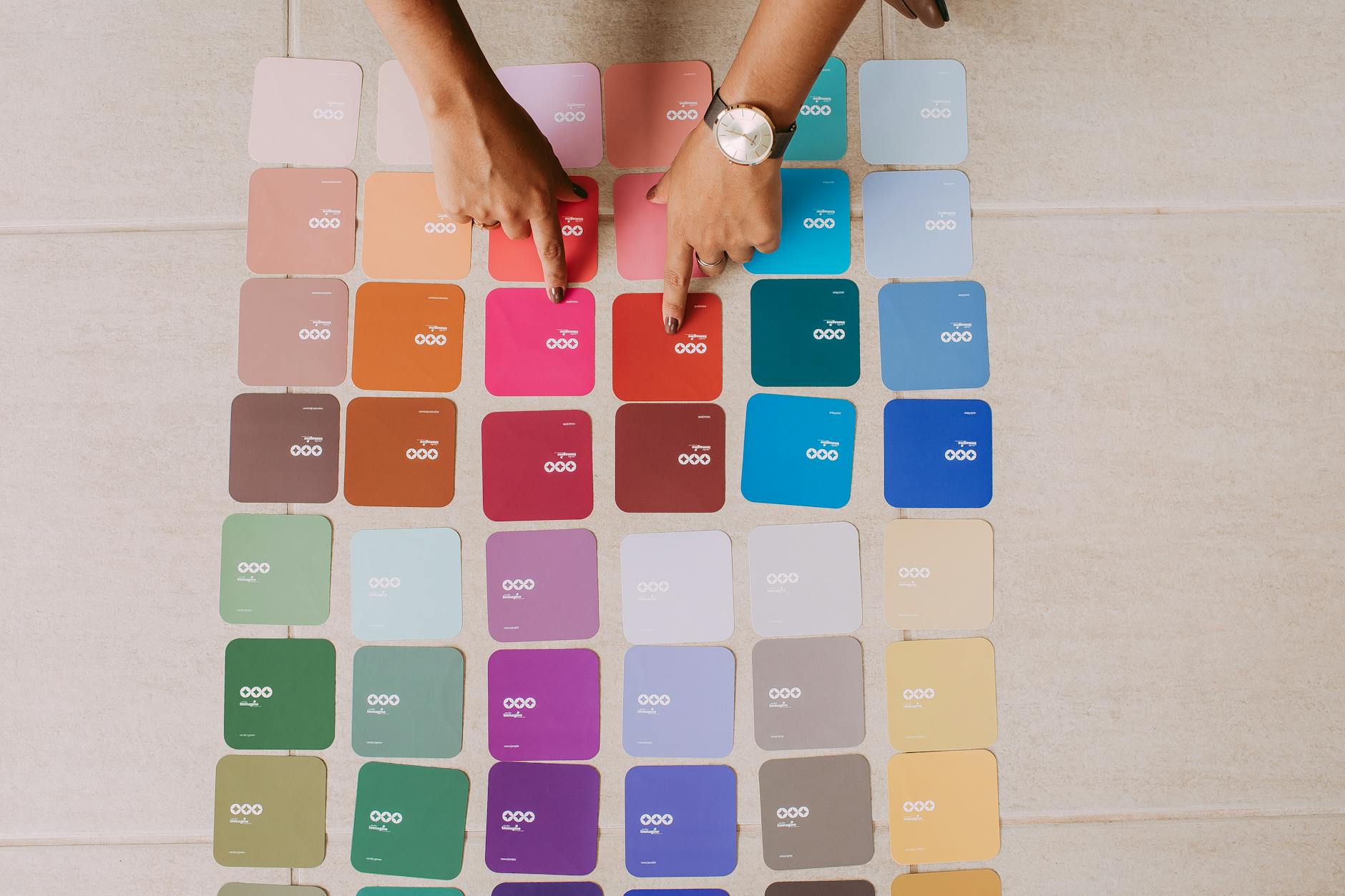
The open-ended color selection decisions required at every point in a complex coloring design introduce a creative judgment demand that generates its own mild but continuous stress response in individuals who experience decision-making as a source of anxiety rather than a source of pleasure, converting what is marketed as a decision-free relaxation activity into an unbroken sequence of aesthetic choices whose cumulative weight can exceed the relaxation benefit they are supposed to be producing. The paralysis that some users experience when confronted with a large set of colored pencils and a complex design requiring hundreds of individual color decisions is not an idiosyncratic quirk but a predictable response to a genuine decision demand that the product’s marketing frames as creative freedom rather than cognitive load. Pre-colored reference images provided in some books establish an implicit correctness standard for color selection that simultaneously reduces decision paralysis and introduces the evaluative comparison that makes deviation from the reference feel like error rather than expression. Color choice is experienced as genuinely liberating by users with a comfortable relationship with aesthetic decision-making and as genuinely stressful by users whose relationship with choice and judgment is more anxious, a difference that produces opposite experiences of the same activity in two individuals whose stress profiles would both seem to identify them as the product’s target market. An activity that requires continuous aesthetic decision-making is not a natural fit for the stress relief positioning it occupies in the wellness market.
Posture Problems

Extended coloring sessions conducted at a desk or table in the hunched-forward posture that fine detailed work naturally encourages produce the postural tension, eye strain, and physical discomfort whose physiological stress signals counteract and in some cases exceed the psychological relaxation that the activity generates, creating a net wellbeing outcome that is less positive than either the psychological experience or the physical experience in isolation would suggest. The physical demands of sustained fine motor work at close range, including cervical spine flexion, shoulder elevation, and prolonged near-focus visual accommodation, activate the same physiological stress response pathways as other forms of physical tension regardless of the psychological pleasantness of the task producing them. Users who complete a coloring session feeling psychologically refreshed but physically uncomfortable have experienced a partial wellbeing outcome that the product’s marketing never addresses because it requires acknowledging that the activity has a physical cost dimension entirely absent from established mindfulness practices such as meditation, breathing exercises, or gentle movement. The ergonomic setup required to conduct extended coloring sessions without physical cost is never mentioned in product marketing despite being a genuine prerequisite for the activity to deliver its promised benefits without generating compensatory physical stress. A wellness practice that requires specific ergonomic conditions to avoid counterproductive physical stress is a more demanding intervention than its presentation as simple relaxing recreation suggests.
Novelty Effect Decay

The stress relief benefits most consistently reported by adult coloring book users are concentrated in the early period of engagement with the activity, declining progressively as the novelty of the experience diminishes and the activity transitions from a fresh pleasurable discovery into a familiar routine whose performance no longer produces the psychological engagement that novelty-driven reward mechanisms initially generated. The novelty effect is a well-documented psychological phenomenon in which new activities produce elevated engagement, positive affect, and stress relief through mechanisms related to the rewarding quality of new experiences rather than through any specific therapeutic property of the activity itself, meaning that many wellness activities produce their most impressive early results through general novelty rather than specific efficacy. The adult coloring book industry’s commercial model, which produces continuous new titles with new designs and new themes, is structurally optimized to maintain novelty by providing regular replacement products as the engagement value of existing ones diminishes, a business model that serves the industry’s revenue needs while inadvertently confirming that the activity’s benefits are novelty-dependent rather than practice-dependent. A genuine mindfulness practice deepens and becomes more effective with sustained engagement over time, precisely inverting the benefit curve of novelty-driven activities whose peak value occurs at the beginning rather than accumulating through continued practice. Users who notice that their fifth coloring book produces less stress relief than their first have identified the novelty effect without necessarily having the framework to understand what they have observed.
Breath Neglect

The absence of any instruction regarding breathing in the vast majority of adult coloring books represents a significant omission from a product category whose therapeutic claims depend on mechanisms that are fundamentally connected to respiratory regulation, as the physiological component of the stress relief response attributed to mindful activities is primarily mediated through changes in breathing pattern that coloring alone does not reliably produce. Genuine mindfulness practices universally incorporate breath awareness as either the primary or a foundational element of their method precisely because respiratory regulation is the most direct and reliable pathway to autonomic nervous system calming available to conscious control. A coloring session conducted with the shallow, irregular breathing pattern that focused desk work typically produces delivers none of the physiological stress relief that breath-aware practice generates, while a coloring session conducted with conscious slow breathing produces benefits substantially attributable to the breathing rather than to the coloring. The product that marketed itself honestly as a pleasant activity to combine with conscious breathing would be selling something whose therapeutic claim is defensible; the product that implies the coloring itself produces the physiological calming is attributing to the activity benefits that belong to the breathing practice its users may or may not be conducting alongside it. The easiest improvement available to any coloring book user seeking genuine stress relief requires no product purchase but simply the addition of deliberate slow breathing to whatever activity they are already engaged in.
Spiritual Bypassing Risk

The use of adult coloring books as a primary stress management tool in place of engaging with the underlying sources and patterns of chronic stress represents a form of what psychologists call spiritual bypassing, in which a pleasant and culturally endorsed activity substitutes for the more challenging work of understanding and addressing the conditions generating the stress being managed. Coloring provides reliable temporary relief from the experience of stress without engaging its causes, a function that is genuinely valuable as one component of a comprehensive stress management approach and potentially counterproductive as a substitute for it. Users who have discovered that coloring reliably reduces their immediate stress experience may inadvertently reduce their motivation to address the workplace conditions, relationship patterns, cognitive habits, or life circumstances that are generating the stress in the first place, trading short-term symptom relief for long-term perpetuation of the underlying condition. The wellness industry’s structural incentive is to sell products that manage the experience of stress rather than to address its sources, as the former generates ongoing consumer demand while the latter, if successful, eliminates it. A coloring book that effectively reduces stress while the stressor remains entirely unaddressed has served the industry’s interests more reliably than the user’s.
Loneliness Amplification
The solitary nature of adult coloring book practice, conducted alone and in silence as its meditative framing implies it should be, removes the social connection dimension that is one of the most robustly supported contributors to stress reduction and psychological wellbeing in all of human health research, potentially producing a net stress profile that is higher than that of a socially engaged activity with less impressive wellness marketing credentials. The marketing of adult coloring as a restorative solo practice positions social withdrawal as a feature of its therapeutic mechanism rather than as a cost, framing the aloneness as the necessary condition of the mindful state rather than as a potential source of the isolation whose stress effects may be comparable to or greater than those of the environmental stressors the coloring is intended to address. Chronic loneliness is associated with stress hormone profiles, immune function impairments, and mental health outcomes of greater severity than those associated with many of the specific stress sources that coloring books are marketed as relieving, making the regular substitution of solo coloring for social engagement a potentially negative net exchange for isolated users. The coloring book sold to a lonely person as a companion for solitary evenings is meeting a real need for structured time-filling activity while potentially deepening the condition most responsible for that person’s stress. An honest wellness product assessment would acknowledge that for a significant proportion of its users, the prescription of more alone time is precisely the wrong direction.
Artistic Inadequacy

Users who approach adult coloring books without prior experience in color theory, shading techniques, or pencil control frequently encounter the gap between their technical execution and the aspirational results suggested by product marketing in ways that produce feelings of artistic inadequacy rather than the creative confidence and self-expression that the wellness framing implies the activity cultivates. The marketing photography and social media presentation of adult coloring results consistently features work produced by experienced colorists using professional materials with high levels of technical skill, creating a reference standard against which beginners’ early results compare unfavorably regardless of the effort and care invested. Creative activities that generate feelings of inadequacy in their practitioners are not functioning as wellness interventions regardless of how they are marketed, and the coloring book whose aspiration-to-reality gap reliably produces self-critical responses in new users is delivering outcomes measurably inconsistent with its therapeutic positioning. The beginner who colors a page carefully, compares the result to the social media examples that shaped their purchase decision, and feels disappointed has not failed at the activity but has encountered the natural consequence of aspirational marketing applied to a skill-dependent creative task. Honest product marketing would feature results typical of beginners rather than experts and acknowledge that the activity, like all creative practices, involves a learning curve whose early stages may not deliver the seamless relaxation experience the marketing implies is immediately available.
Repetition Fatigue

The structural similarity between different designs within any single adult coloring book and across the broader product category produces a repetition fatigue effect that develops more rapidly than the category’s novelty-dependent business model acknowledges, as the mandala-to-mandala, botanical-to-botanical, and pattern-to-pattern similarity of available designs means that experienced users of multiple books encounter a narrowing repertoire of essentially equivalent creative experiences rather than the expanding mindful engagement that sustained practice in a genuine skill-based activity would deliver. Coloring books do not develop the user’s creative or mindful capacities in ways that make subsequent books richer experiences than earlier ones, which means the hundredth hour of adult coloring produces no more psychological depth or therapeutic complexity than the first, a characteristic that distinguishes it from established practices including meditation, yoga, drawing, or musical instruments whose ongoing depth prevents the staleness that drives category abandonment. The industry’s response to repetition fatigue is the production of new books with new themes, a supply-side solution to a demand-side psychological reality that confirms the activity’s novelty dependence while providing no mechanism for deepening the practice itself. Users who have worked through multiple coloring books and notice a progressive decline in the quality of engagement and stress relief they produce are observing the natural trajectory of a novelty-dependent activity rather than a personal failure to practice it correctly. Repetition fatigue is the honest long-term story of adult coloring for most users, and it is a story the industry’s publication schedule implicitly confirms while its marketing consistently ignores.
Neurological Overpromising
The neuroscientific claims made in support of adult coloring book benefits, including references to bilateral brain stimulation, amygdala calming, and the activation of the relaxation response, are frequently cited without methodological context, sample size qualification, or acknowledgment of the significant gap between the laboratory conditions of the referenced studies and the domestic conditions of actual coloring book use. Consumer wellness marketing routinely extracts the most commercially useful finding from a study without communicating the conditions, limitations, or qualifications that make the finding meaningful or meaningless in the consumer context, producing a scientific credibility effect that the actual evidence does not consistently support. The studies most frequently cited in support of coloring book benefits often examined coloring as one condition in a broader investigation of creative activities, used samples too small to support population-level claims, or examined acute rather than cumulative effects in ways that say nothing about the long-term stress management value that the marketing implies. Neuroscientific language applied to consumer wellness products functions primarily as a credibility signal rather than as a substantive evidence claim, leveraging the cultural authority of brain science to elevate the perceived legitimacy of a recreational product whose therapeutic evidence base is considerably thinner than the references to neural mechanisms imply. The consumer who would be appropriately skeptical of a coloring book marketed as relaxing is considerably less skeptical of one marketed with references to amygdala function, a vulnerability that the wellness industry has identified and exploits with consistent commercial effectiveness.
Spiritual Misappropriation

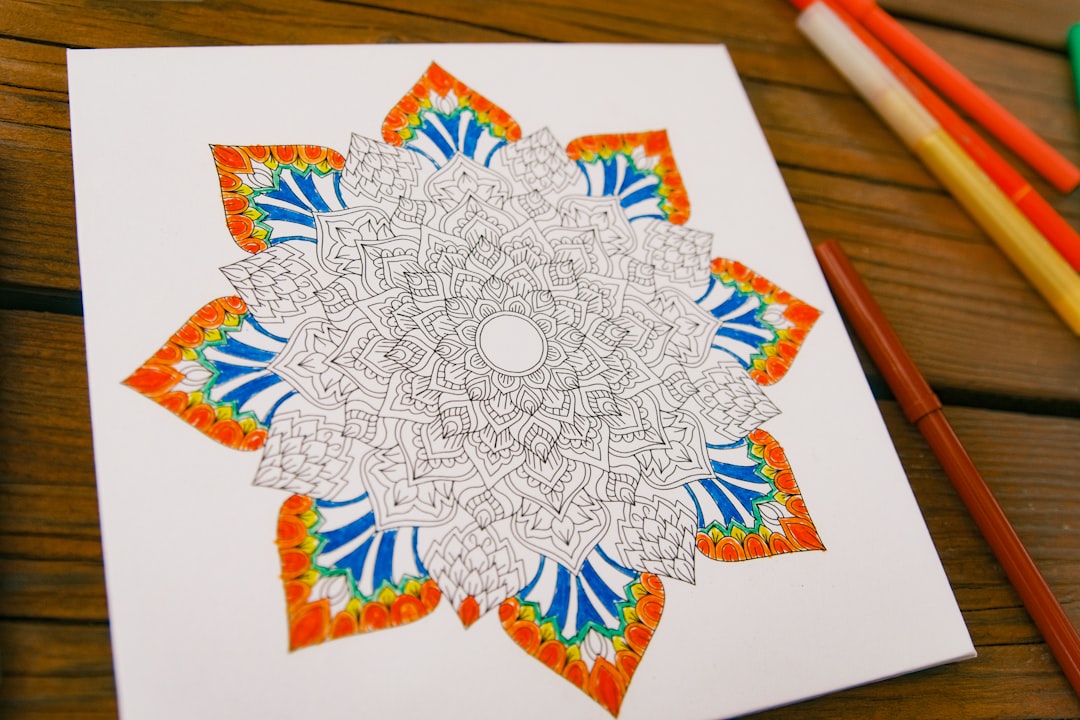
The mandala designs that form a significant proportion of the adult coloring book category’s most popular products were borrowed from Tibetan Buddhist and Hindu spiritual traditions in which they function as sacred objects of deep meditative significance requiring years of training to create and specific ritual contexts to engage with, a provenance that the commercial coloring book market has entirely stripped from the product while retaining the aesthetic and the implied spiritual credibility it lends to the wellness positioning. The reduction of a sacred spiritual instrument to a pre-printed coloring template sold in airport bookshops is the most extreme available example of the cultural decontextualization that characterizes much of the wellness industry’s relationship with contemplative traditions whose practices it borrows, repackages, and sells without the philosophical framework that gives those practices their meaning and efficacy. Users who purchase mandala coloring books in the expectation of accessing something of the meditative depth that genuine mandala practice involves are purchasing the aesthetic surface of a spiritual technology while receiving none of the underlying substance whose centuries of development produced the qualities they are seeking. The commercial mandala coloring book is to genuine mandala practice approximately what a poster of a cathedral is to the religious experience of worshipping within one, preserving the visual form while entirely evacuating the conditions that make the original experience what it is. Acknowledging this relationship does not diminish the recreational value of coloring mandala designs but does clarify the significant distance between that value and the spiritual and meditative claims that the designs’ traditional associations are used to imply.
Evidence Base Thinness

The clinical evidence base for adult coloring books as a standalone stress management intervention is substantially thinner than the category’s wellness positioning and therapeutic marketing imply, consisting primarily of a small number of studies with significant methodological limitations rather than the robust body of replicable research that established stress management practices have accumulated across decades of scientific investigation. The studies most supportive of coloring’s stress relief benefits have examined specific populations in specific conditions using specific designs in ways that do not straightforwardly generalize to the broad consumer use the product is marketed for, while the studies finding limited or no benefit have received considerably less marketing attention than the supportive ones. Publication bias in wellness research, the tendency for positive findings to be published and cited more readily than null or negative findings, means that the available evidence for coloring book benefits is systematically more favorable than the complete evidence base would suggest if all conducted studies were equally represented in the literature. Established stress management practices including mindfulness-based stress reduction, cognitive behavioral therapy, physical exercise, and social connection have evidence bases measured in thousands of studies and decades of replication whose quality and quantity are categorically different from the evidence supporting commercial coloring books. The consumer who chooses a coloring book over an evidence-based stress management practice on the strength of its therapeutic marketing has made a decision whose information environment has been shaped more by commercial incentive than by comparative evidence quality.
If any of these truths have shifted your perspective on the coloring books in your collection or the wellness claims that brought them home, share your thoughts in the comments.