Selecting the wrong paint shade can inadvertently make a pristine home feel perpetually unclean. Certain undertones mimic dust or grime while others cast shadows that obscure corners and architectural details. Lighting plays a crucial role in how these tricky pigments reveal themselves throughout the day. Homeowners must understand how specific hues interact with their environment to avoid a dingy aesthetic.
Builder Beige

This ubiquitous neutral often fails to provide a fresh backdrop in rooms lacking abundant natural light. The underlying yellow tones simulate the look of aged materials or discoloration from smoke. It absorbs light rather than reflecting it which creates a muddy atmosphere in corners. Many designers note that this shade prevents a room from ever feeling fully crisp or sanitary.
Muddy Brown

Painting an entire room in this earth tone creates a cavernous environment that feels heavy and soiled. The color naturally resembles dirt and mud which psychologically triggers a sense of uncleanliness. Without significant contrasting elements the walls appear to be coated in grime rather than intentional pigment. It absorbs so much light that dust motes become more visible in the remaining sunbeams.
Peachy Pink

This dated hue often carries a dusty cast that makes walls look faded rather than fresh. The color mimics the appearance of old plaster or sun bleached fabric found in neglected spaces. It reflects a warm light that can make white trim appear yellowed or aged by comparison. Such shades often recall the interiors of decades past which contributes to a stale atmosphere.
Olive Green

Darker variations of this green often resemble stagnant water or military surplus gear. The muted quality sucks the energy out of a room and creates a drab visual field. Shadows in the corners of an olive room can look like accumulation of dust or mold spores. It requires very specific lighting conditions to look intentional rather than murky and damp.
Cream with Yellow Undertones
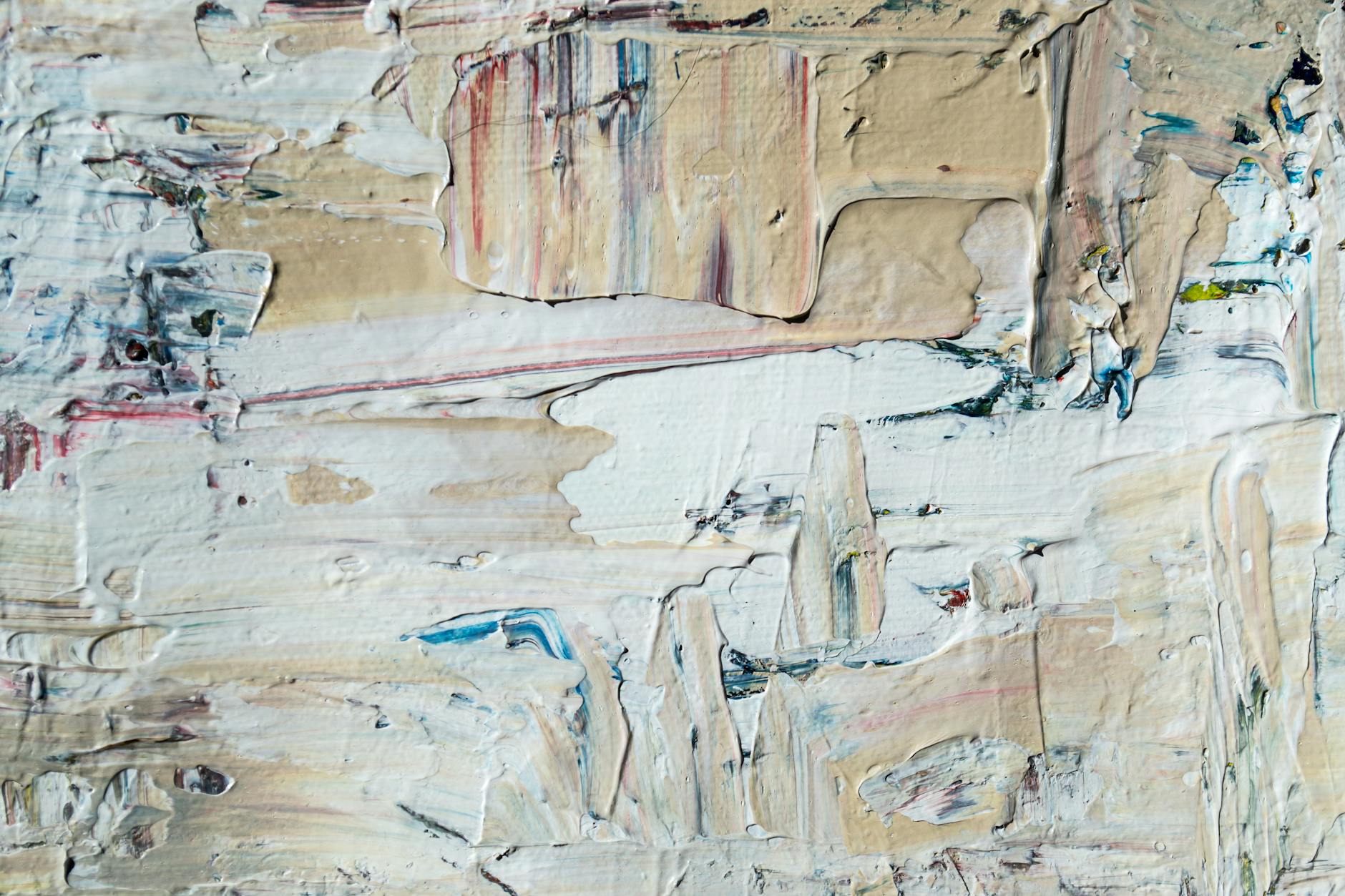
This specific off white shade often replicates the exact color of nicotine staining on drywall. It can make a room feel stuffy and unventilated even when the windows are wide open. The yellow cast distorts natural light and turns it into a sickly glow during the afternoon. Furniture and art placed against it may take on a dingy appearance due to the reflection.
Flat White
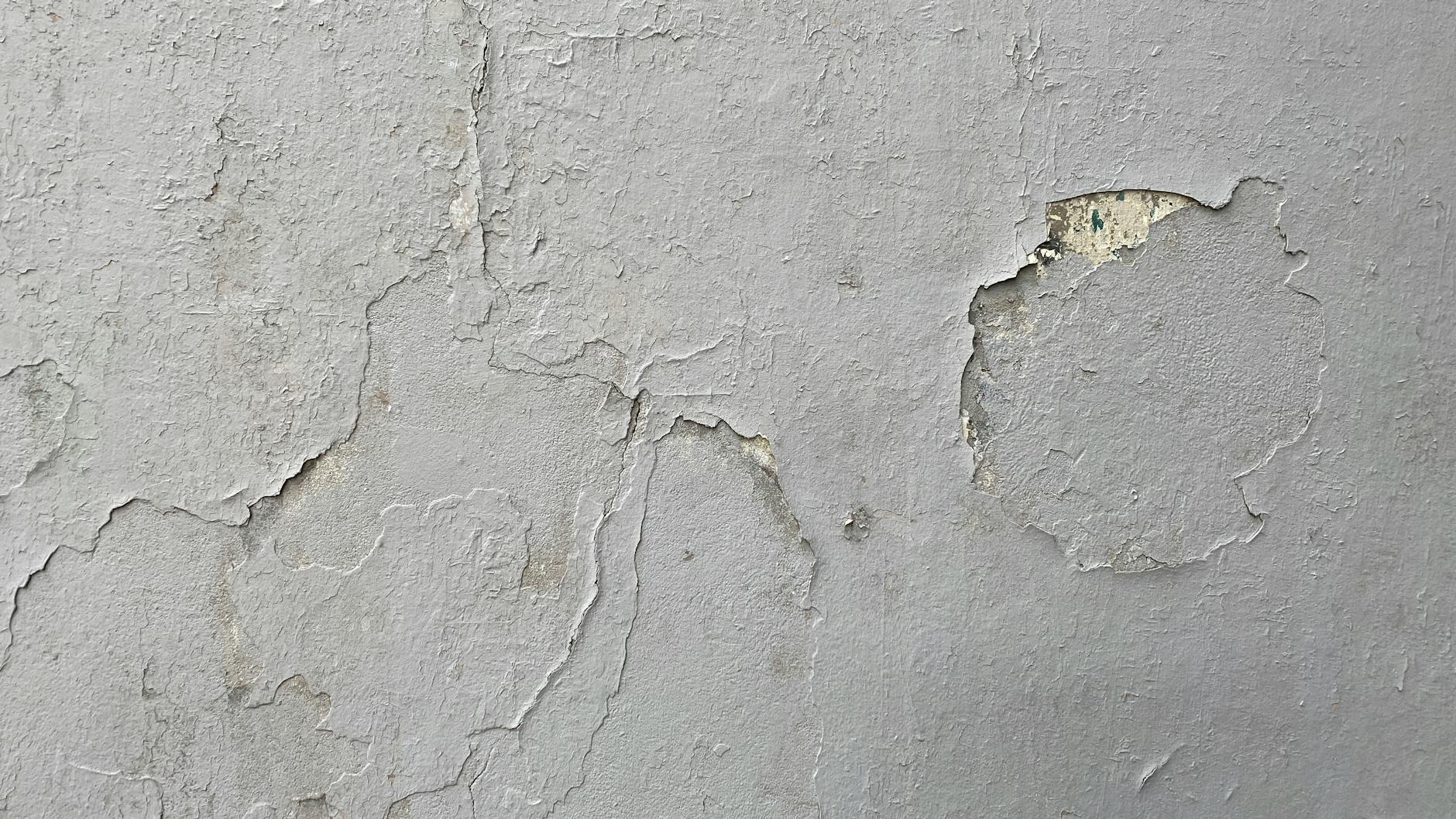
While white theoretically suggests cleanliness a flat finish acts as a magnet for fingerprints and smudges. Every minor scuff becomes immediately visible and creates a texture that looks permanently marked. The lack of sheen allows dust to settle into the microscopic pores of the paint surface. It creates a high maintenance environment where the walls never look truly pristine for long.
Terracotta

This clay inspired color creates a dry and dusty aesthetic that mimics the outdoors. The texture implied by the color often makes walls feel unwashed or coated in red earth. It casts a heavy red glow that can distort the appearance of fabrics and flooring. Small spaces painted in this shade frequently feel suffocating and cluttered regardless of organization.
Greige

Poorly mixed combinations of grey and beige often result in a color that looks like dirty dishwater. The shade tends to shift towards a bruise like purple or a muddy brown depending on the time of day. It creates a gloom that makes a home feel uninhabited or neglected rather than cozy. This color often fails to provide the clean contrast needed for modern furniture.
Pastel Yellow

Pale yellow hues often lack the saturation needed to look cheerful and instead appear sickly or faded. The color can resemble old linens that have yellowed significantly with age and improper storage. It reflects light in a way that highlights surface imperfections on the drywall. This shade often leaves a room feeling washed out and lacking in vitality.
Camel

This variation of tan sits right in the spectrum of cardboard boxes and packing materials. It creates a flat and uninspired look that suggests a temporary or unfinished state of living. The color absorbs brightness and leaves a room feeling dim and somewhat gritty. It rarely offers enough contrast with wood floors which leads to a monotonous and muddy visual.
Mauve

This dusty purple tone carries a retro connotation that often translates to a sense of mustiness. The grey undertones make the color appear to be covered in a layer of fine dust. It absorbs light in a way that creates shadows and dulls the sparkle of mirrors or glass. Interiors painted this color frequently struggle to feel airy or hygienic.
Chartreuse

This yellow green hybrid often evokes biological associations that are unsettling in a residential context. The neon quality can cast a sickly pallor over the inhabitants and the furnishings within the room. It resembles algae or chemical spills which prevents the mind from resting easily. The intense vibration of the color can make a space feel chaotic and messy.
Slate Grey

Dark grey walls in rooms without direct sunlight often resemble industrial soot or concrete dust. The color sucks the warmth out of a space and leaves it feeling cold and grime coated. It highlights dust particles floating in the air against the dark background. Without bright white accents this shade creates a cave like depression that feels perpetually dirty.
Salmon

This pink orange blend often looks like a white wall that has been stained by red clay. The color lacks clarity and often appears muddy when the sun goes down. It casts a flush over the room that can make neutral furniture look discolored. The aesthetic often leans towards a faded beach house that has weathered too many storms.
Ocher

This deep earth tone brings the color of raw soil directly onto the interior walls. It can make a room feel like an excavation site rather than a clean living space. The brown yellow mix absorbs blue light and creates a heavy atmosphere. It creates a perception of dryness and dustiness that is difficult to counter with decor.
Linen White

This color often darkens over time to create a beige grey cast that looks unintentional. It lacks the crisp brightness of pure white and the warmth of a true cream. In corners and shadows it frequently mimics the look of unwashed fabric. Homeowners often find themselves repainting this shade because it simply looks old.
Taupe

The purple and brown undertones in taupe can conspire to create a color that resembles bruising. It often looks muddy in artificial light and fails to reflect freshness. The color sits heavily on walls and makes a room feel smaller and less ventilated. It requires very specific cool lighting to avoid looking like dirty slush.
Lime Green
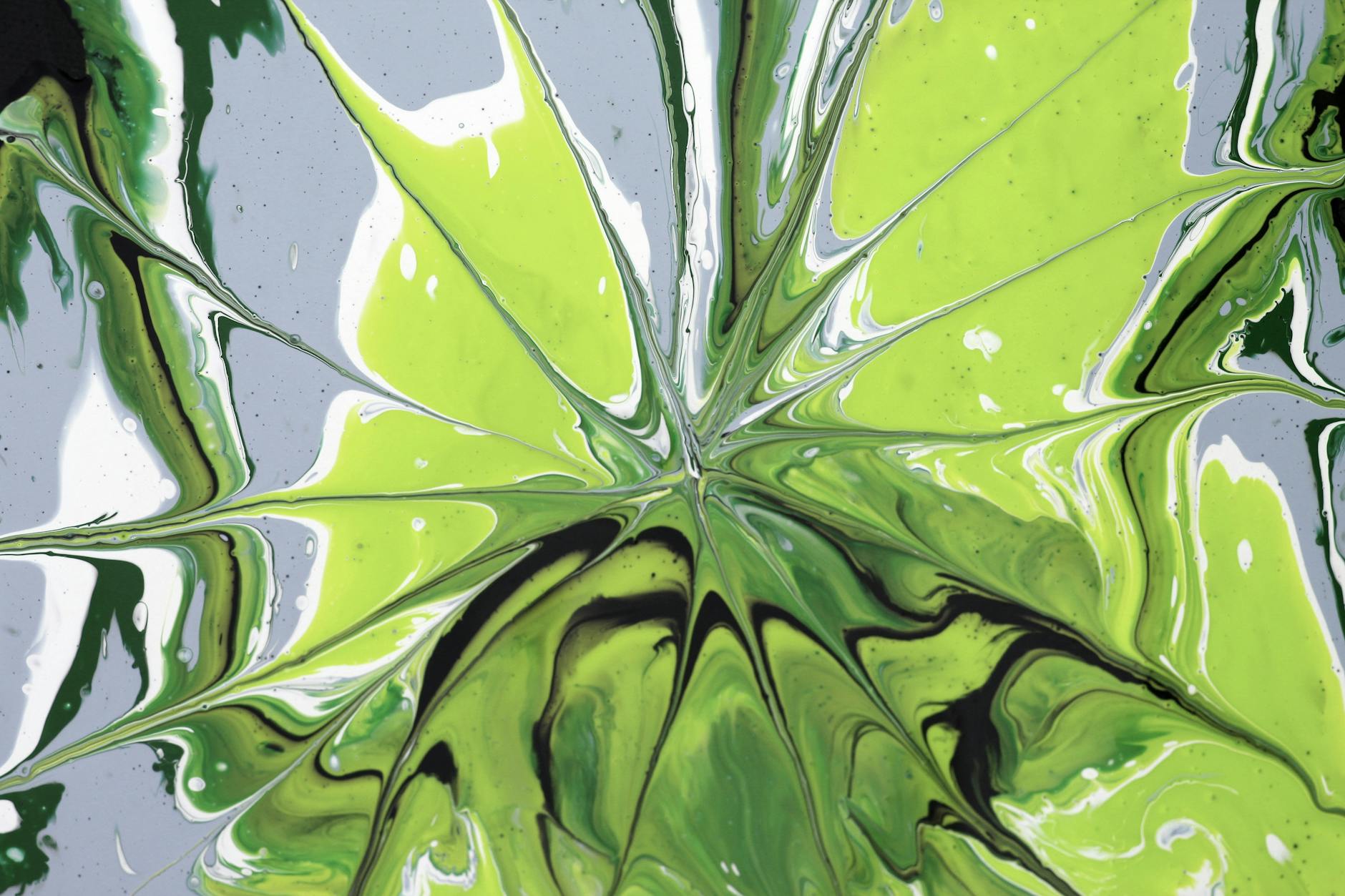
This electric shade creates a visual vibration that feels toxic rather than natural. It reflects onto surfaces in a way that makes clean countertops look stained with highlighter fluid. The color is associated with slime and artificiality which ruins a natural aesthetic. It is extremely difficult to keep a room feeling orderly when the walls are this aggressive.
Rust

This reddish brown hue mimics the look of corroded metal and oxidation. It creates a psychological link to decay and aging infrastructure within the home. The color absorbs light and creates deep shadows that hide dust bunnies. It often imparts a gritty texture to the visual landscape of the room.
Pale Lavender

While intended to be soft this color often turns into a dingy grey in low light. The blue undertones can make a room feel cold and reminiscent of institutional settings. It often looks like a white shirt that was accidentally washed with dark colors. The lack of saturation makes the walls appear stained rather than intentionally painted.
Buttercream
This rich yellow can easily cross the line into looking like accumulated grease in a kitchen. The heavy saturation feels sticky to the eye and suggests a lack of scrubbing. It reflects a yellow cast that alters the appearance of food and skin tones. The color can make cabinetry look dated and in need of a deep clean.
Charcoal
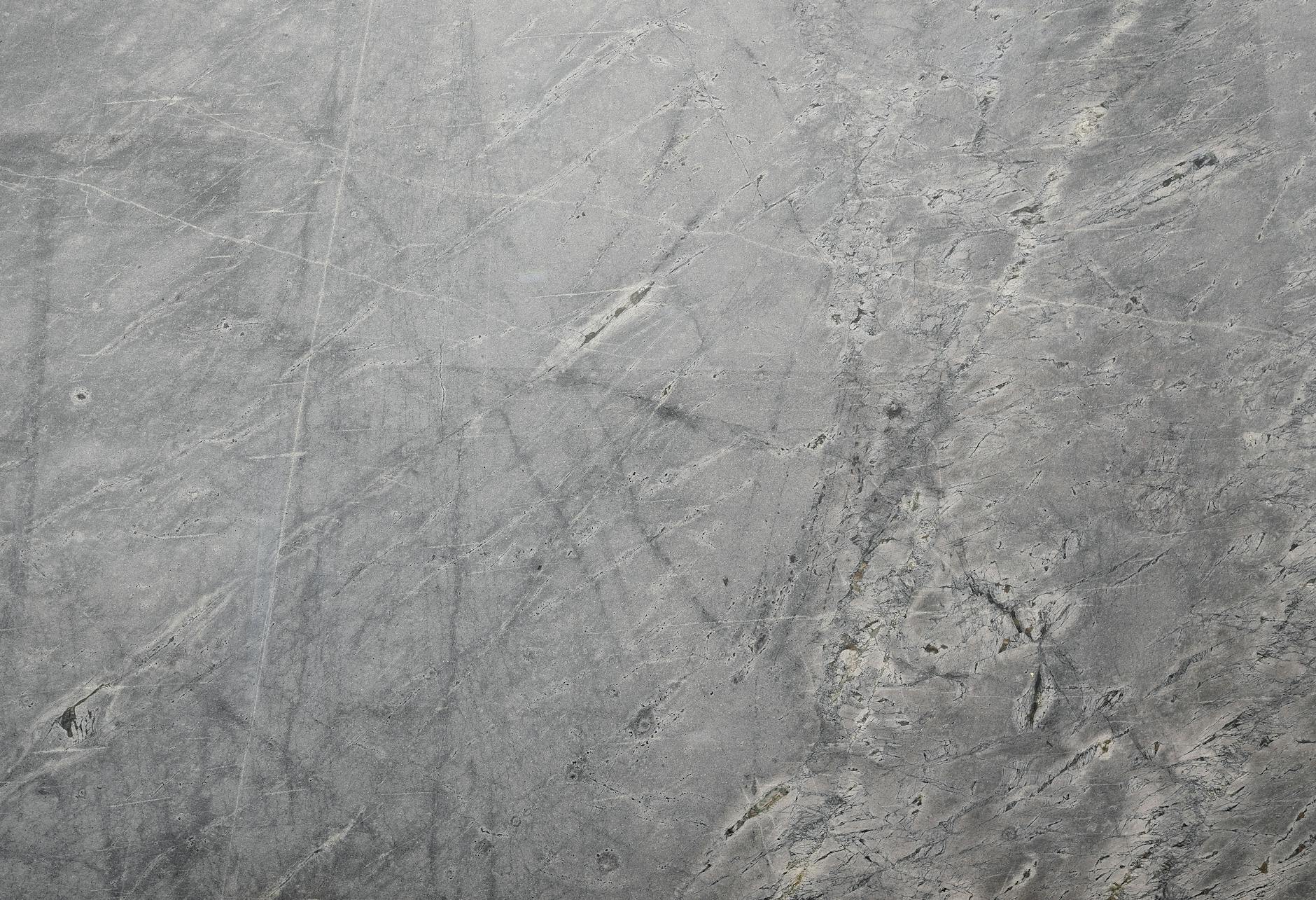
This near black shade is unforgiving when it comes to showing surface dust and drywall powder. Every scratch reveals the lighter drywall beneath which creates a scarred appearance. It absorbs all light and hides the clean lines of the room in shadow. The static charge of dark walls often attracts visible lint and pet hair.
Sand

This beige variation often contains black dots or pigments that mimic actual grit. It creates a texture that looks physically rough and unpolished to the naked eye. The color suggests the floor has been tracked onto the walls. It creates a blurred boundary between the ground and the walls that feels messy.
Khaki
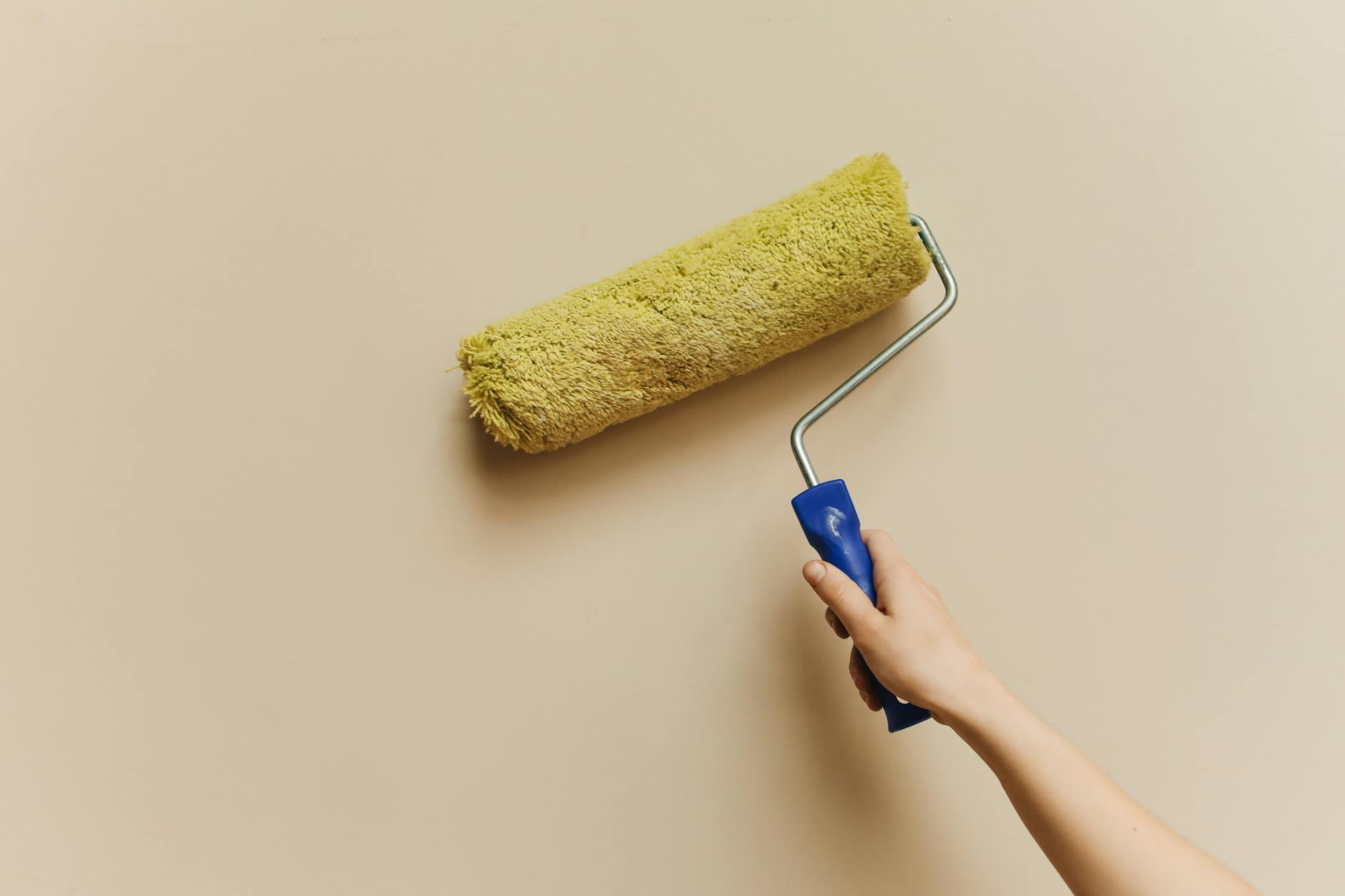
This green brown neutral is designed to camouflage dirt in clothing but simply looks like dirt on walls. It creates a utilitarian and muddy vibe that lacks residential comfort. The color sucks the vibrancy out of artwork and textiles placed nearby. It often resembles the color of dried vegetation and brings a stale energy to the home.
Matte Black

While trendy this finish shows every single oily fingerprint and skin transfer immediately. The lack of light reflection means that dust accumulation appears as a stark white haze. It requires constant wiping which can leave streak marks that look worse than the dust. The surface often appears patchy and uneven which suggests a poor cleaning regimen.
Tell us which paint colors you have regretted choosing by sharing your experiences in the comments.