Many pet owners love to treat their feline companions to scraps from the dinner table without realizing the hidden dangers involved. A cat possesses a unique metabolism that processes compounds differently than humans or even dogs. Certain everyday ingredients found in your pantry can cause severe health issues ranging from organ failure to fatal toxicity. Understanding which items are strictly off-limits is essential for maintaining the longevity and well-being of your pet. This guide identifies thirty common foods that pose significant risks to your feline friend.
Onions
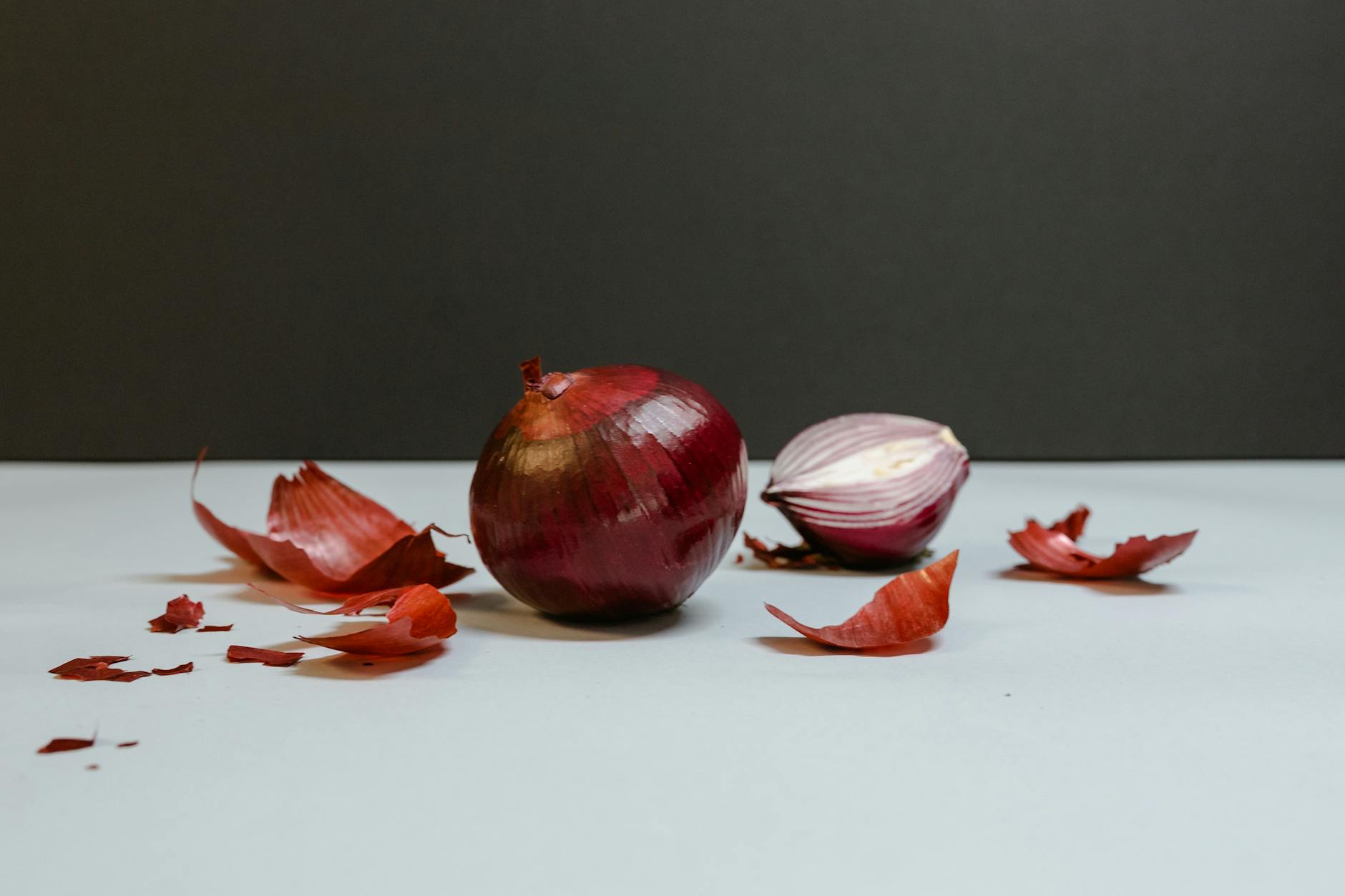
Onions contain specific oxidants that chemically damage red blood cells in felines. This damage makes the cells fragile and likely to burst which leads to hemolytic anemia. Even small amounts found in onion powder or baby food can prove toxic over time. Cooking does not eliminate the danger since the toxic compounds remain active after heat processing. Symptoms often include lethargy and pale gums that require immediate veterinary attention.
Garlic

Garlic belongs to the same plant family as onions but is estimated to be five times more potent. It causes oxidative damage to red blood cells and leads to gastroenteritis. Owners often overlook garlic when it is hidden in sauces or gravies intended for human consumption. While some sources claim health benefits for pets the risks far outweigh any potential rewards. Prompt treatment is necessary if a cat ingests even a single clove.
Chocolate

Chocolate contains theobromine and caffeine which are both methylxanthines. These substances cannot be metabolized by cats and cause dangerous stimulation of the nervous system. Darker chocolate and baking chocolate hold higher concentrations of these toxins than milk chocolate. Ingestion can result in heart arrhythmias and muscle tremors or seizures. The outcome depends heavily on the weight of the cat and the amount consumed.
Grapes
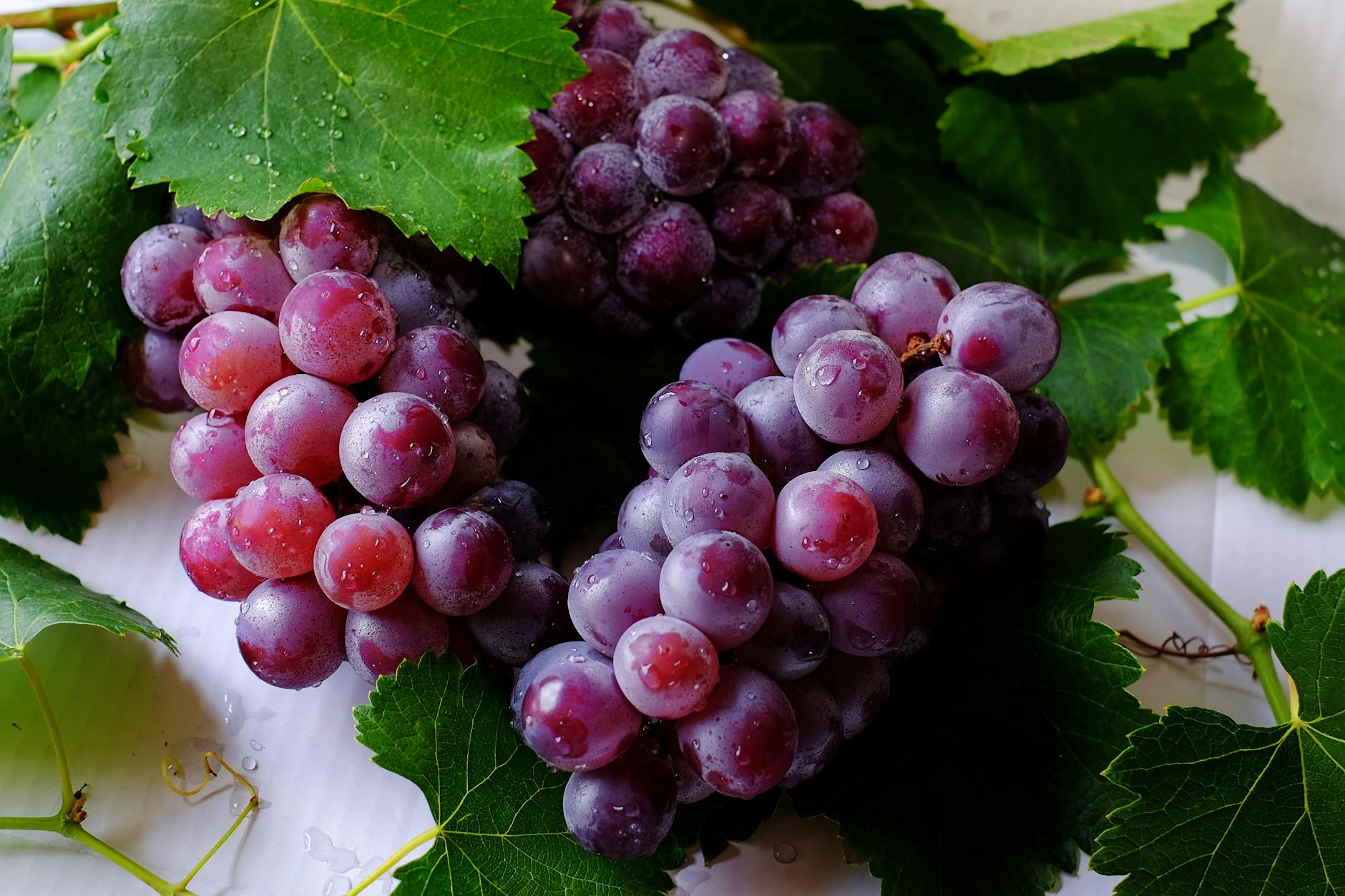
Grapes are well known for causing kidney failure in dogs but they are also toxic to cats. The exact toxic agent within the fruit remains unknown to scientists despite extensive research. Ingestion of even a small amount can lead to rapid kidney failure and anuria. Early signs of toxicity typically include repeated vomiting and hyperactivity. Avoiding this fruit entirely is the safest course of action for any pet owner.
Raisins

Raisins pose an even greater threat than grapes because the toxic components are highly concentrated. A very small quantity can cause sudden kidney failure in a healthy cat. Owners should be careful with baked goods like cookies or breads that may contain these dried fruits. The damage to the kidneys is often irreversible by the time symptoms become apparent. Immediate decontamination by a veterinarian is usually required to save the animal.
Alcohol

Alcohol effects the feline liver and brain much faster than it does in humans. Even a few teaspoons of hard liquor can put a cat into a coma. The beverage causes severe drops in blood sugar and blood pressure alongside respiratory failure. Items like rum cake or unbaked yeast dough can also introduce alcohol into their system. Recovery is difficult once the alcohol has been absorbed into the bloodstream.
Caffeine

Caffeine acts as a powerful stimulant that a cat’s body cannot tolerate. It increases heart rate and causes restlessness or muscle twitching. Sources include coffee grounds and tea bags as well as energy drinks and soda. Fatalities can occur if the heart rate becomes too elevated for the body to handle. There is no antidote for caffeine poisoning so supportive care is the only treatment option.
Xylitol

Xylitol is a common sugar substitute found in gum and candy as well as some peanut butters. It triggers a rapid release of insulin in many animals which leads to hypoglycemia. This sudden drop in blood sugar can cause loss of coordination and seizures. Liver failure is another potential outcome that can manifest days after ingestion. Checking labels for this artificial sweetener is crucial before sharing any treat.
Avocado
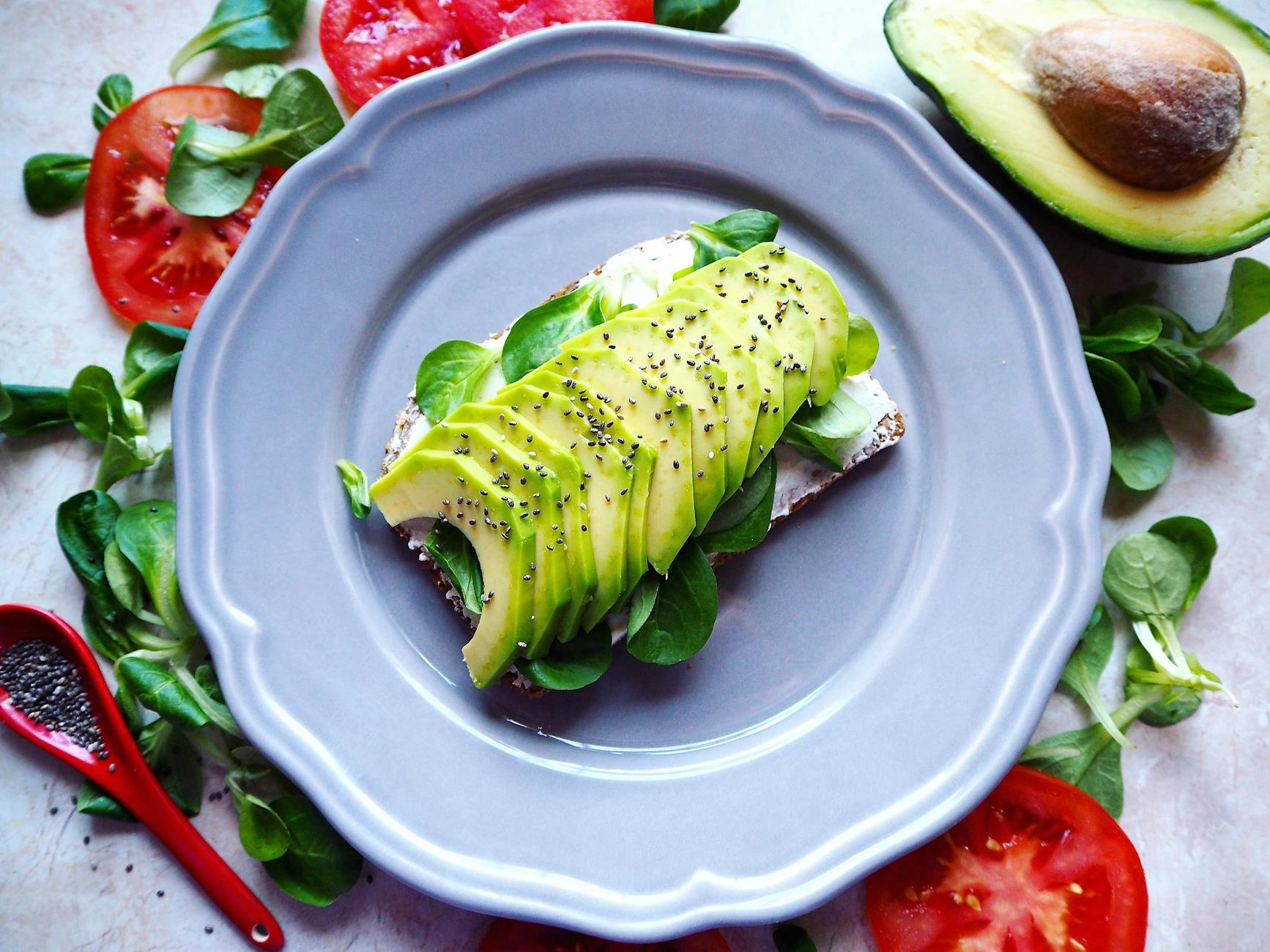
Avocado contains a fungicidal toxin known as persin which is present in the fruit and pit. While dogs are more resistant to persin it can cause significant health issues in other animals. High doses in cats may lead to fluid accumulation in the lungs and difficulty breathing. The high fat content can also trigger pancreatitis in sensitive digestive systems. Most veterinarians recommend keeping guacamole and avocado toast away from your pets.
Yeast Dough

Raw yeast dough continues to rise after it is swallowed by expanding in the warm environment of the stomach. This expansion can stretch the abdomen and cause severe pain or even a rupture. As the yeast ferments it produces alcohol which leads to alcohol poisoning. The combination of bloat and intoxication makes this a double threat to feline health. Surgical intervention is sometimes necessary to remove the expanding mass.
Macadamia Nuts

Macadamia nuts contain an unknown toxin that affects the muscles and nervous system. Ingestion can cause weakness and swollen limbs along with hyperthermia. The high fat content also poses a risk for digestive upset and inflammation of the pancreas. Cats may be unable to walk or stand due to the temporary paralysis caused by the nuts. Effects usually subside within two days but supportive care helps manage the symptoms.
Raw Eggs

Raw eggs carry a significant risk of salmonella or E. coli bacteria which cause food poisoning. They also contain a protein called avidin that interferes with the absorption of biotin. A biotin deficiency eventually leads to skin problems and a poor coat quality. Cooking the egg thoroughly neutralizes the avidin and kills harmful bacteria. It is always safer to serve cooked eggs as an occasional treat instead of raw ones.
Raw Fish

Raw fish can contain bacteria that cause food poisoning in both cats and humans. It also contains an enzyme that destroys thiamine which is an essential B vitamin for cats. A thiamine deficiency can lead to serious neurological problems including convulsions and coma. Commercial cat foods are supplemented to prevent this issue but a diet of raw fish lacks these safeguards. Cooked fish is generally safe if bones are removed.
Liver

Liver is safe in small amounts but consuming too much leads to vitamin A toxicity. This condition affects the bones and can cause deformed growth or osteoporosis. In severe cases the toxicity can result in death due to organ damage. Owners should treat liver as a supplement rather than a main meal replacement. Moderation is the key to gaining the nutritional benefits without the risks.
Citrus Fruits

The stems and leaves and peels of citrus fruits contain varying amounts of citric acid and essential oils. These compounds can cause significant irritation to a cat’s central nervous system. Ingesting large amounts causes stomach upset and potential depression of the nervous system. Even the smell is often repulsive to cats which is a natural deterrent. Avoiding lemons and limes and oranges prevents unnecessary gastrointestinal distress.
Salt

Large amounts of salt can lead to electrolyte imbalances known as sodium ion poisoning. Symptoms include excessive thirst and urination followed by tremors and seizures. Common sources include salty chips and processed meats or even play dough. The feline kidneys are not designed to handle high loads of sodium. Immediate fluid therapy is often needed to restore the electrolyte balance.
Dog Food

Dog food is formulated for the nutritional needs of canines and lacks essential nutrients for cats. It is deficient in taurine and vitamin A and arachidonic acid. Long term feeding of dog food can lead to heart disease and vision loss. While a single meal will not kill a cat it causes severe malnutrition over time. Cats are obligate carnivores and require the specific formulation found in feline diets.
Canned Tuna

Canned tuna intended for humans lacks the broad range of nutrients a cat needs for survival. A steady diet of tuna can lead to mercury poisoning due to the high levels found in predatory fish. It can also cause steatitis which is a painful inflammation of the body’s fat. The strong smell is addictive to cats and they may refuse other food if indulged too often. It should remain a rare treat rather than a dietary staple.
Green Tomatoes

Unripe green tomatoes contain a glycoalkaloid called tomatine which is toxic to cats. Ingestion can cause severe gastrointestinal upset and lethargy or confusion. As the tomato ripens the tomatine levels drop significantly and the fruit becomes less dangerous. The green parts of the plant including stems and leaves are also hazardous. Gardeners should keep their tomato plants fenced off from curious pets.
Raw Potatoes
Raw potatoes belong to the nightshade family and contain solanine in the skin. This compound affects the nervous system and causes digestive distress. Cooking the potato destroys the toxin and makes it safe for consumption in small amounts. Green potatoes are particularly dangerous due to higher solanine concentrations. Owners should ensure no raw peels fall on the floor during meal preparation.
Wild Mushrooms

Wild mushrooms can contain a variety of toxins that affect multiple body systems. Some varieties cause rapid liver failure or kidney damage while others attack the nervous system. It is difficult for the average person to distinguish between safe and toxic species. Store bought mushrooms are generally safe but wild foraging poses a lethal risk. Preveting access to the yard during damp seasons helps avoid accidental ingestion.
Chives

Chives are another member of the Allium family and share the toxic properties of onions and garlic. They can cause hemolysis and damage the red blood cells leading to anemia. Japanese breeds of cats are genetically more susceptible to this type of toxicity. Symptoms may be delayed for several days after the plant is eaten. Chives are often found in herb gardens and require careful monitoring.
Leeks

Leeks contain thiosulfate which the feline body cannot properly digest. This compound causes red blood cells to rupture and results in weakness and rapid breathing. The vegetable is often used in soups and stews that might be offered as leftovers. Cooking leeks does not reduce their toxicity to cats. Owners must ensure that any homemade broth is free of this ingredient.
Shallots
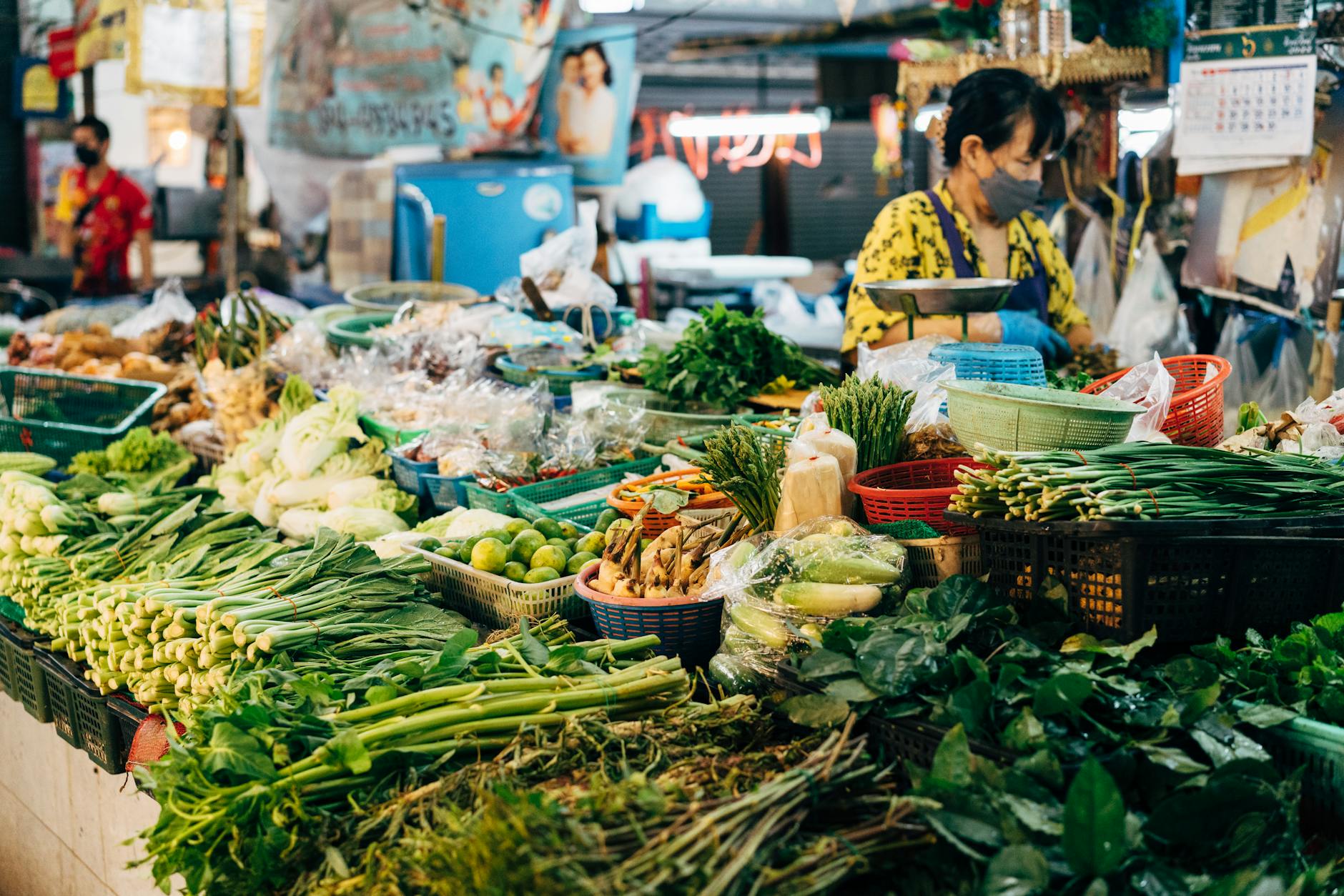
Shallots are a concentrated source of the toxic oxidants found in the onion family. They are frequently used in gourmet cooking and pose a high risk if consumed by pets. The damage to the blood cells leads to a reduced capacity to carry oxygen. This can result in fainting and a reddish discoloration of the urine. Veterinary care typically involves blood work to monitor anemia levels.
Nutmeg

Nutmeg contains a compound called myristicin which can be hallucinogenic in large doses. High intake leads to disorientation and increased heart rate along with high blood pressure. It is often found in holiday baked goods and eggnog. The spice is potent and even a small amount can cause severe symptoms. seizures are a possible outcome if a significant quantity is ingested.
Rhubarb

Rhubarb leaves contain soluble oxalates that are highly toxic to the kidneys. Ingestion leads to a drop in calcium levels and can cause acute renal failure. The stalks are less toxic but still pose a risk if consumed in large quantities. Symptoms include drooling and vomiting followed by tremors. Most cases occur when cats chew on the plants in the garden.
Mustard Seeds

Mustard seeds contain compounds that induce vomiting and diarrhea in cats. The plant itself can cause gastroenteritis if any part is chewed or swallowed. Prepared mustard often contains other toxic ingredients like garlic or onion powder. The intense flavor usually deters cats but curious kittens may still taste it. Keeping the pantry secure prevents accidental exposure to these seeds.
Apricot Pits
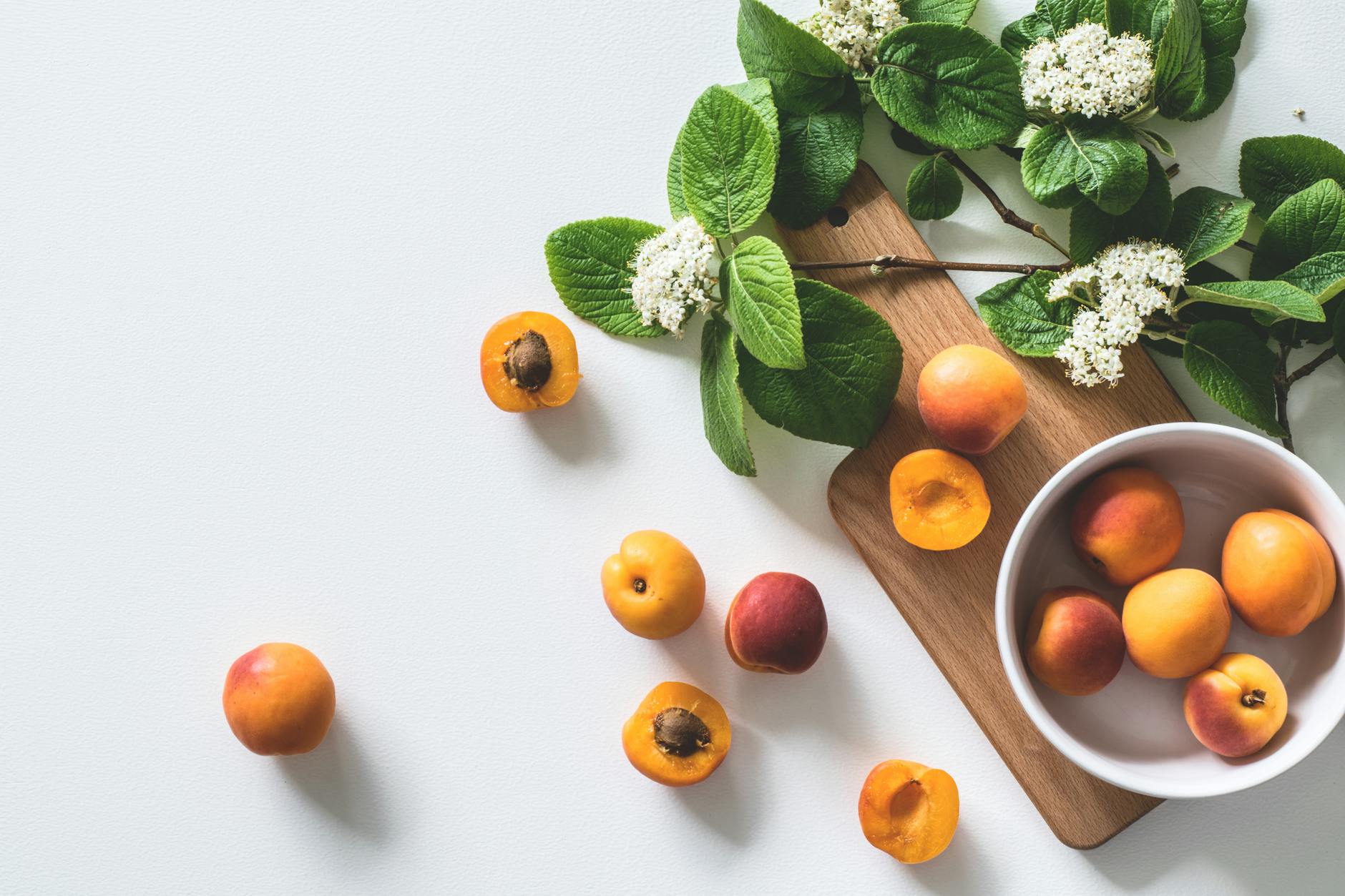
The pits of apricots contain amygdalin which breaks down into cyanide upon digestion. Cyanide interferes with the ability of the blood to transport oxygen to the cells. Signs of poisoning include dilated pupils and bright red gums along with difficulty breathing. Shock and death can occur rapidly without emergency intervention. Fruit should always be pitted before being left on the counter.
Cherry Pits
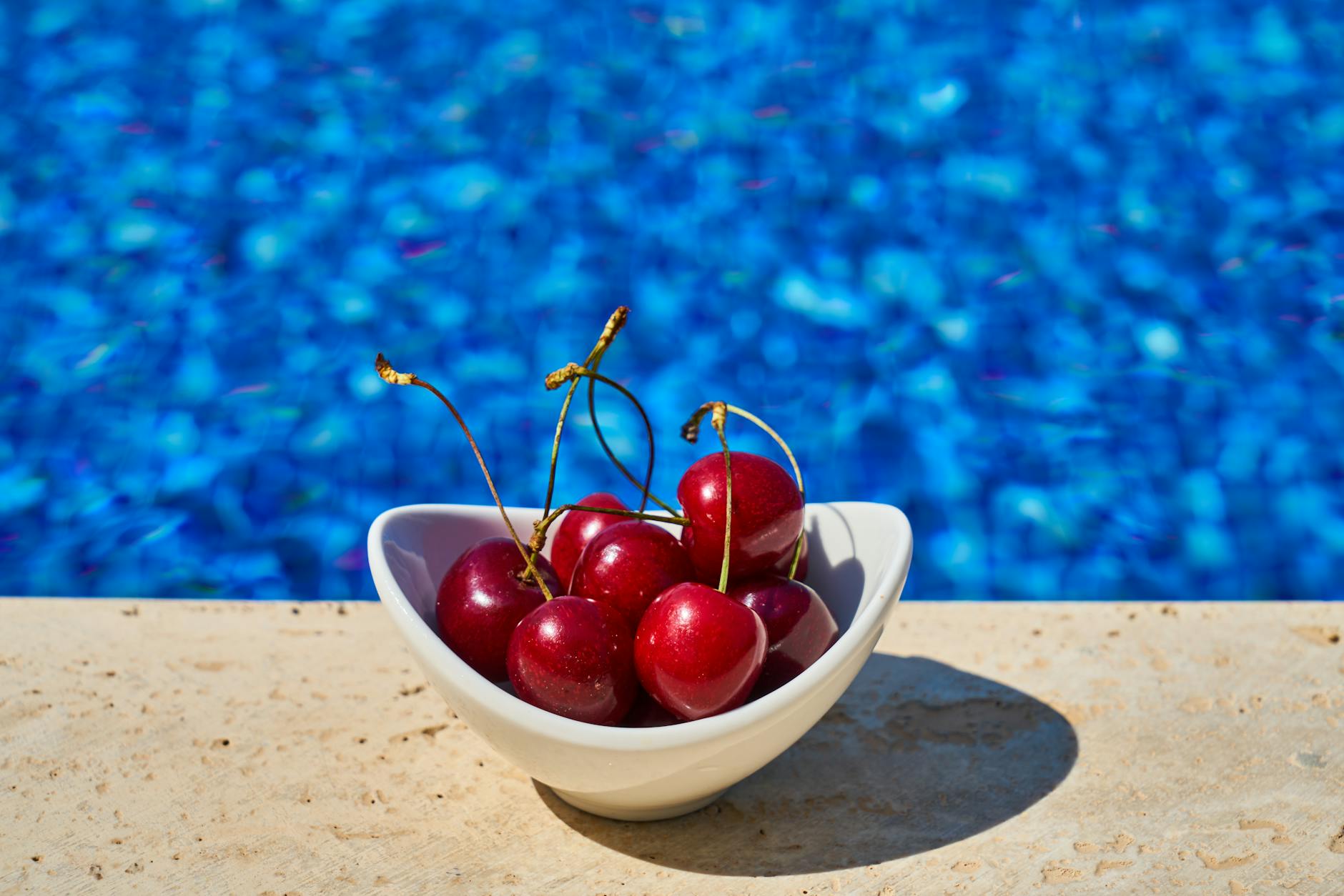
Cherry pits pose the same cyanide risk as apricot pits and apple seeds. The toxin is released when the hard shell of the pit is cracked or chewed. Cats may play with the pits and accidentally ingest them during the process. This leads to cellular asphyxiation where the body suffocates from the inside. Immediate oxygen therapy is often required to save the animal.
Fat Trimmings
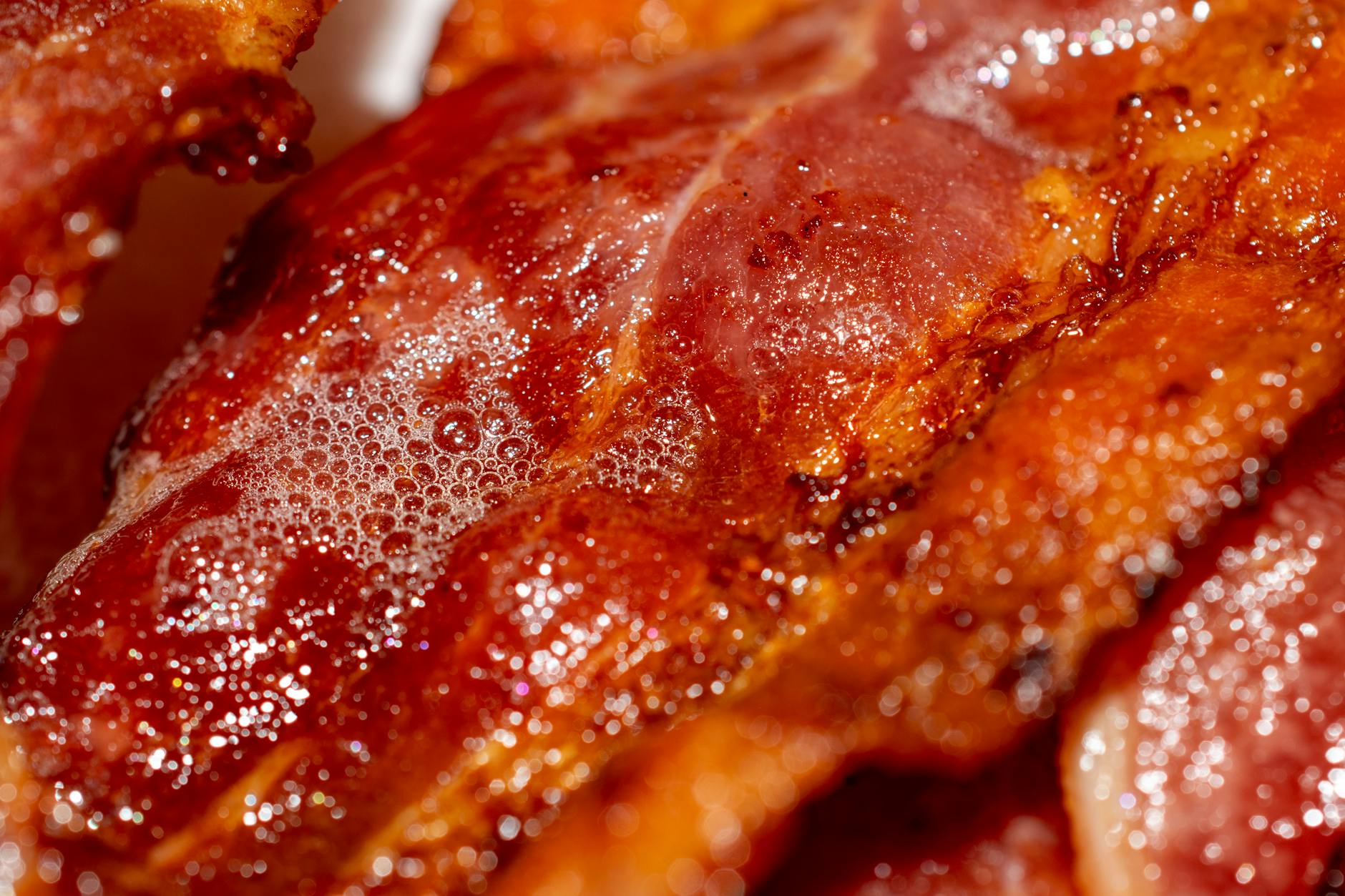
Trimmings from meat seem like a natural treat but they are dangerous in high quantities. Excess fat can trigger pancreatitis which is an inflammation of the pancreas. This condition is extremely painful and often requires hospitalization and fluids. It can also lead to digestive upset including vomiting and diarrhea. Sticking to lean meats is a much safer alternative for your pet.
Please let us know in the comments if you have ever had to rush your cat to the vet because of any of these foods.




