
The mid-afternoon energy dip is one of the most universally experienced yet consistently misunderstood phenomena in daily human physiology. Most people reach for caffeine or sugar and treat the slump as an inconvenience to push through rather than a signal worth paying attention to. The body’s afternoon communication is in fact a layered and sophisticated system of feedback that reflects everything from hydration status to sleep architecture to emotional load. Chronic dismissal of these signals is associated in health research with long-term fatigue disorders, metabolic disruption and reduced cognitive performance. The following 23 signals deserve genuine attention the next time the afternoon hours feel heavier than they should.
Dehydration

The body’s thirst mechanism is a late-stage indicator of fluid deficit meaning that by the time thirst is consciously felt mild dehydration has already begun to affect cognitive function and physical energy. Research in sports science and occupational health consistently identifies a fluid loss of as little as one to two percent of body weight as sufficient to produce measurable reductions in concentration and mood. Many people consume the majority of their daily fluid intake in the morning and early afternoon and arrive at the mid-afternoon window in a state of gradual deficit that compounds the natural circadian dip. The brain is approximately 75 percent water and its electrochemical signaling processes are among the first functions to degrade under suboptimal hydration conditions. Addressing fluid intake before the afternoon window rather than reactively during it produces significantly more stable energy levels throughout the day.
Blood Sugar
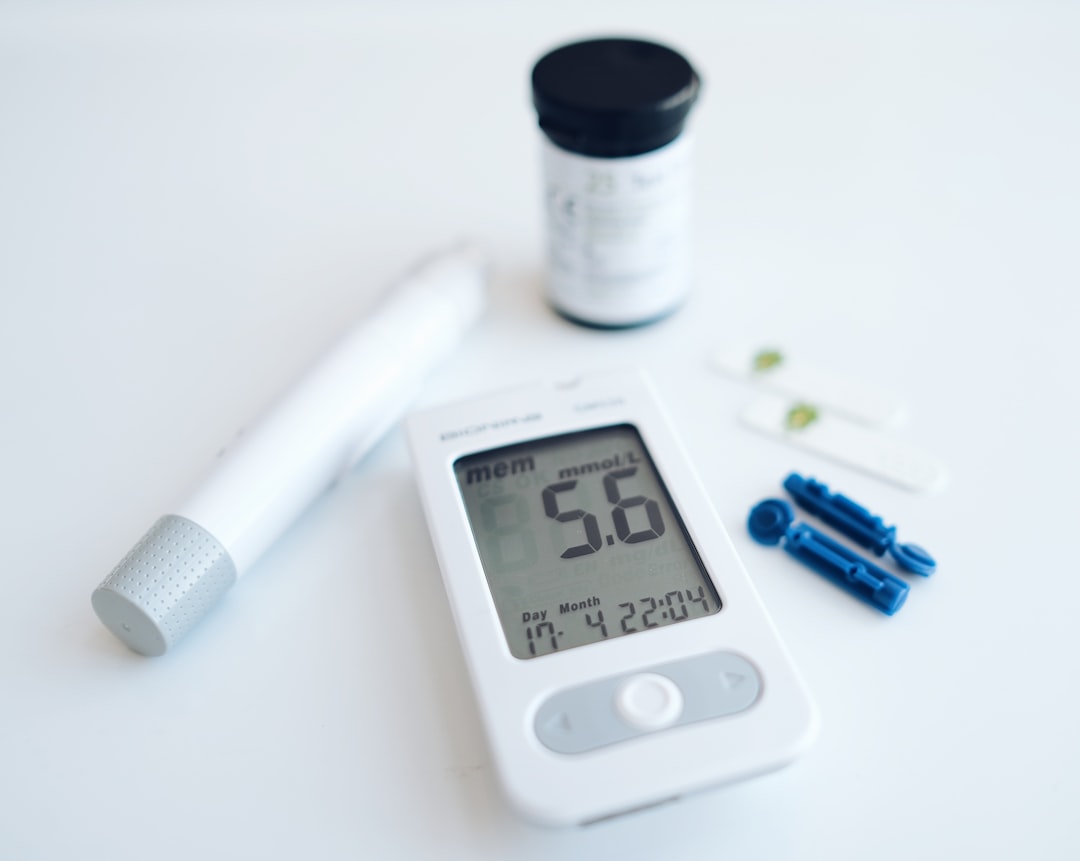
A rapid rise and subsequent crash in blood glucose following a carbohydrate-heavy midday meal is one of the most common and most overlooked drivers of the afternoon energy trough. Insulin response following a high-glycemic lunch triggers a sequence of hormonal adjustments that can produce fatigue irritability and reduced executive function within 90 to 120 minutes of eating. Nutritional science research identifies the glycemic index and glycemic load of the midday meal as strong predictors of afternoon cognitive performance across occupational and academic populations. The specific sensation of heaviness behind the eyes accompanied by difficulty sustaining attention is a particularly reliable signal of post-lunch glucose dysregulation rather than generalized tiredness. Balancing the midday meal with adequate protein fat and fiber slows gastric emptying and produces a more stable glucose curve throughout the afternoon.
Poor Sleep

An afternoon energy dip that feels disproportionately severe relative to the day’s physical and cognitive demands is frequently a signal of accumulated sleep debt from the preceding nights rather than anything specific to the current day. Sleep architecture research identifies the afternoon hours between 1pm and 3pm as a secondary circadian trough that is barely perceptible in well-rested individuals but becomes dramatically amplified when sleep pressure is elevated. The body uses this window to attempt partial recovery of slow-wave sleep processes that were incomplete during the previous night creating a pull toward drowsiness that is neurologically distinct from boredom or low motivation. Repeatedly treating this signal with stimulants rather than addressing the underlying sleep deficit progressively degrades the brain’s natural sleep drive making the problem self-compounding over time. Tracking the correlation between previous night sleep quality and afternoon energy consistently over two weeks is a reliable method for distinguishing sleep-debt fatigue from other causes.
Iron Deficiency

Persistent afternoon fatigue that does not respond to hydration dietary adjustment or improved sleep is a recognized clinical indicator of iron deficiency which is among the most prevalent nutritional deficiencies globally and one of the most frequently undiagnosed in otherwise healthy adults. Iron is essential for the production of hemoglobin which carries oxygen to every cell in the body and its deficiency creates a chronic low-level oxygen transport inefficiency that manifests as disproportionate tiredness relative to activity level. The afternoon hours are a particularly common window for iron deficiency fatigue because the body’s compensatory mechanisms for managing the deficit are most taxed following a day of sustained cognitive and physical activity. Symptoms that accompany this type of fatigue often include pallor cold extremities difficulty concentrating and a generalized heaviness that sleep does not fully resolve. A standard complete blood count panel ordered by a general practitioner is sufficient to identify iron deficiency and its resolution with appropriate supplementation typically produces noticeable energy improvement within four to six weeks.
Thyroid Function

Suboptimal thyroid function is a systemic condition that affects metabolism at the cellular level and produces a fatigue profile that is characteristically worse in the afternoon and early evening than in the morning hours. The thyroid gland regulates the rate at which every cell in the body converts nutrients into energy and even mild reductions in thyroid hormone output produce a broad constellation of symptoms of which afternoon fatigue is among the earliest and most consistent. Research in endocrinology identifies subclinical hypothyroidism as significantly underdiagnosed particularly in women between the ages of 30 and 60 who frequently attribute the symptoms to lifestyle factors or stress rather than seeking hormonal evaluation. Other afternoon-specific symptoms associated with thyroid insufficiency include mental fog difficulty with word retrieval a noticeable drop in motivation and a physical coldness that is disproportionate to the ambient temperature. Thyroid function is evaluated through a simple blood test measuring TSH T3 and T4 levels and abnormalities are highly treatable once identified.
Magnesium Levels

Magnesium is involved in more than 300 enzymatic reactions in the human body including the production of adenosine triphosphate which is the primary cellular currency of energy. Deficiency in this mineral is estimated to affect a significant proportion of adults in industrialized nations due to soil depletion of food crops and the magnesium-depleting effects of chronic stress caffeine consumption and certain medications. The afternoon hours are a common window for magnesium deficiency symptoms because the mineral’s role in energy metabolism becomes most apparent when the body’s energy demands have been sustained across a full morning of activity. Muscle tension headaches beginning in the temples or the base of the skull alongside afternoon fatigue are a particularly suggestive combination pointing toward inadequate magnesium status. Dietary sources including dark leafy greens pumpkin seeds and dark chocolate are effective for mild insufficiency while magnesium glycinate supplementation is widely recommended by nutritional clinicians for more significant deficits.
Cortisol Rhythm

The human body follows a predictable cortisol curve across the day with levels peaking shortly after waking and declining progressively through the afternoon into the evening. In individuals experiencing chronic stress adrenal fatigue or disrupted circadian rhythms this curve becomes dysregulated producing either an exaggerated afternoon cortisol drop or an abnormal flattening of the entire daily pattern. Psychoneuroendocrinology research identifies dysregulated cortisol rhythm as a driver of afternoon fatigue anxiety and mood instability that is distinct from and often compounded by other energy-affecting factors. The physical experience of a cortisol trough can include a sudden onset of overwhelm difficulty prioritizing tasks and a desire to withdraw from social interaction that is neurologically genuine rather than motivationally driven. Saliva cortisol testing conducted at multiple time points across a single day provides a reliable map of an individual’s cortisol rhythm and is available through functional medicine practitioners.
Sedentary Posture

Remaining in a static seated position for extended periods produces a progressive reduction in circulation that directly affects the delivery of oxygenated blood to the brain and contributes measurably to the afternoon fatigue experience. Research in occupational physiology identifies the compression of major blood vessels in the lower body during prolonged sitting as a mechanism that reduces cardiac output efficiency and creates a physiological state that the brain interprets as fatigue rather than inactivity. The specific drooping posture that develops in most people after several hours of desk work further compromises diaphragmatic breathing reducing the volume of oxygen exchanged with each breath cycle. Standing walking or performing five minutes of light movement every 45 to 60 minutes has been shown in multiple workplace studies to produce significant improvements in self-reported afternoon energy levels and concentration quality. The fatigue signal triggered by sedentary posture is the body accurately communicating a circulatory need rather than a caloric or sleep-related one.
Eye Strain

Digital eye strain produced by several consecutive hours of screen exposure is a significant and underrecognized contributor to the afternoon fatigue experience particularly in individuals who work primarily at computers. The ciliary muscles responsible for focusing the lens of the eye undergo sustained contraction during close-range screen work and their fatigue by mid-afternoon produces a physical tiredness that the brain interprets as general fatigue rather than localized ocular discomfort. Optometric research identifies the blue light component of screen emission as a secondary factor that contributes to afternoon eye strain by accelerating visual cortex activation in ways that create a neurological load over and above the mechanical strain of sustained focus. Symptoms that confirm eye strain as a component of afternoon fatigue include a burning or gritty sensation in the eyes increased sensitivity to light difficulty shifting focus between near and far distances and a desire to close or rub the eyes. The 20-20-20 method of looking at an object 20 feet away for 20 seconds every 20 minutes of screen time is widely supported in optometric practice as an effective preventative strategy.
Gut Microbiome
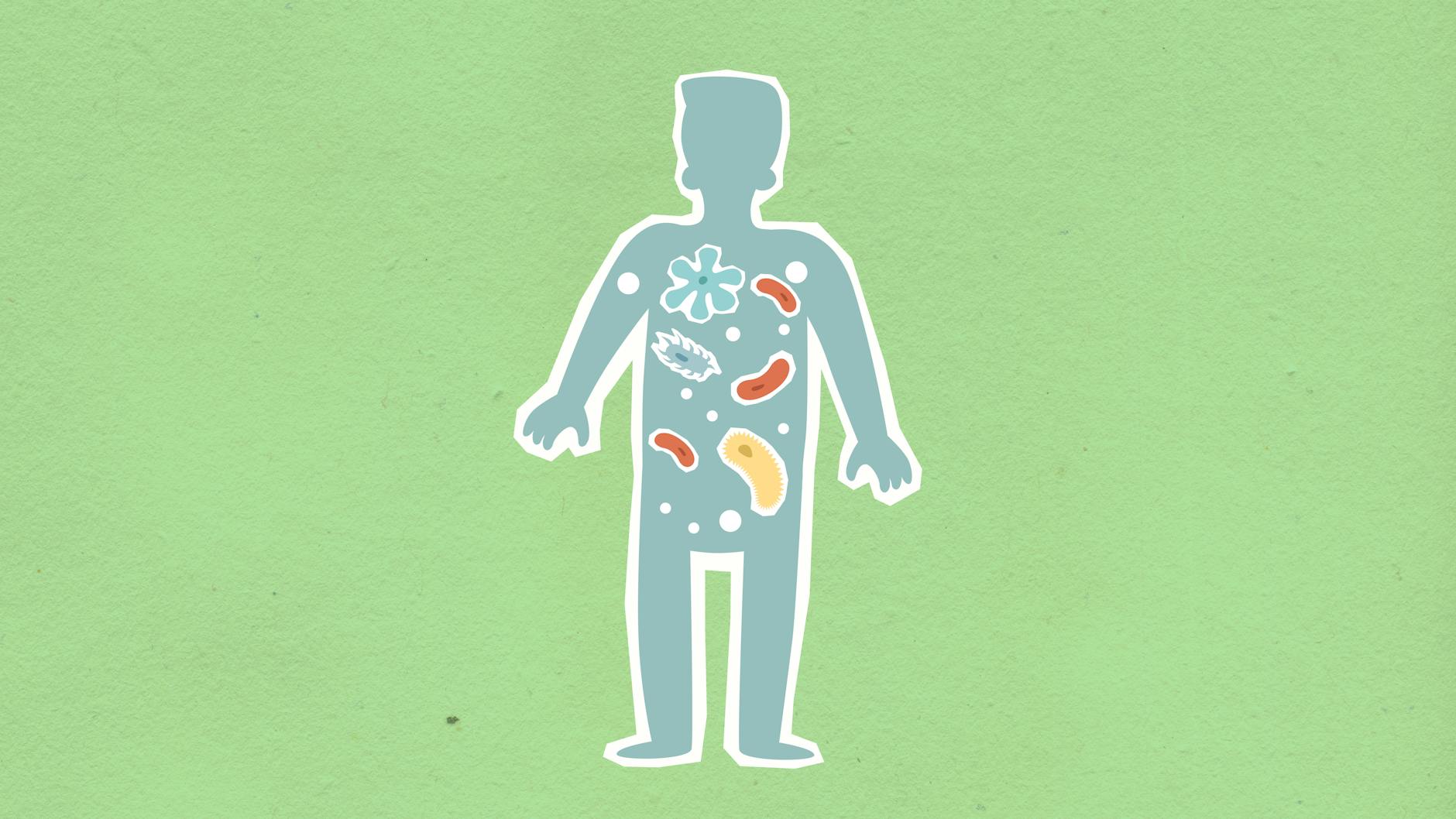
The gut-brain axis is a bidirectional communication network through which the state of the gastrointestinal environment directly influences neurological function mood and energy levels in ways that have become one of the most active areas of health research in the past decade. A microbiome that is imbalanced through chronic antibiotic exposure high sugar intake low dietary fiber or elevated stress produces inflammatory signaling compounds that cross the blood-brain barrier and create a neurological environment associated with fatigue low motivation and cognitive fog. The afternoon hours are a particularly common window for gut-driven fatigue because the postprandial digestive process following lunch places the greatest demand on gut function and amplifies the systemic effects of any existing microbiome disruption. Research published across gastroenterology and neuroscience journals consistently identifies individuals with irritable bowel syndrome small intestinal bacterial overgrowth and other gut conditions as significantly more prone to afternoon cognitive and energy impairment than the general population. Dietary interventions that prioritize prebiotic fiber fermented foods and reduced ultra-processed food intake produce measurable improvements in gut-brain axis function over periods of four to eight weeks.
Breathing Patterns

Shallow chest breathing which is the default respiratory pattern for most sedentary adults during desk-based work delivers significantly less oxygen per breath than diaphragmatic breathing and creates a chronic mild hypoxic state that contributes to afternoon mental fog and physical lethargy. Research in respiratory physiology identifies the transition into shallow breathing as something that typically occurs within the first 30 minutes of sustained cognitive work as concentration narrows and postural collapse reduces thoracic expansion. The carbon dioxide buildup that accompanies shallow breathing also has a direct sedative effect on the central nervous system creating a physiological environment that genuinely promotes drowsiness rather than alertness. Most people are completely unaware of their breathing pattern during focused work and would be surprised to discover how significantly their breath volume contracts during intense mental concentration. A deliberate practice of four to six slow diaphragmatic breaths taken every hour of desk work has been shown in respiratory psychology research to measurably improve afternoon alertness and reduce the severity of the circadian energy trough.
Vitamin D

Vitamin D deficiency is one of the most prevalent micronutrient insufficiencies in the global population and its effects on energy metabolism mood regulation and immune function make it a significant contributor to afternoon fatigue particularly in individuals who spend the majority of their daylight hours indoors. The vitamin functions as a hormone rather than a conventional nutrient influencing gene expression across multiple body systems including those governing mitochondrial energy production and serotonin synthesis. Research in nutritional psychiatry identifies low vitamin D status as strongly associated with fatigue depression and reduced motivational drive with the afternoon period representing the point in the day when these effects are most behaviorally observable. Geographic latitude seasonal variation in sun exposure skin tone and the consistent use of sunscreen all contribute to the wide variation in vitamin D status across populations. A 25-hydroxyvitamin D blood test ordered by a general practitioner provides a definitive assessment and deficiency is typically addressed effectively through supplementation with professional dosage guidance.
Mental Load

The invisible cognitive labor of tracking responsibilities anticipating needs managing logistics and holding multiple streams of ongoing information is a form of mental work that produces genuine neurological fatigue without any visible physical output to account for it. Research in cognitive psychology identifies the working memory system as a finite resource that is progressively depleted across the day and reaches its lowest functional state in the early to mid-afternoon window particularly when the morning has involved high-density decision-making or emotional management. The fatigue produced by excessive mental load is neurologically indistinguishable from physical tiredness and responds to the same recovery interventions including rest sensory reduction and a temporary withdrawal from additional information input. Individuals who carry disproportionate organizational or emotional labor within their households or workplaces consistently report more severe afternoon energy crashes than those whose cognitive load is more evenly distributed. Recognizing mental load as a legitimate source of afternoon fatigue rather than a psychological weakness is the first step toward addressing it structurally rather than pharmaceutically.
Emotional Suppression

The ongoing effort of managing suppressed emotions during social and professional interactions consumes measurable neurological and physiological resources that accumulate as fatigue across the course of a day. Research in affective neuroscience identifies emotional suppression as a cognitively expensive regulatory strategy that activates the prefrontal cortex continuously and depletes executive function resources at a rate comparable to demanding intellectual work. The afternoon hours represent the point at which the accumulated cost of a full morning of social performance emotional management or conflict avoidance becomes most physically apparent in the body. Physical sensations associated with this type of fatigue often include chest heaviness a generalized flatness of affect difficulty generating motivation and a particular desire for solitude that is more emotional than physical in character. Processing strategies including expressive writing brief somatic movement or a few minutes of conscious emotional acknowledgment have been shown to produce measurable reductions in suppression-related fatigue when practiced consistently.
Caffeine Dependency

Regular caffeine consumption creates a neurological dependency that progressively raises the baseline level of adenosine receptor sensitivity making the body’s natural mid-afternoon fatigue signal significantly more intense than it would be in a caffeine-naive individual. The stimulant effect of morning coffee produces an artificially elevated alertness state that the body must counterbalance with increased adenosine production creating a rebound fatigue in the early to mid-afternoon that is more severe than the circadian dip would naturally be. Pharmacological research on caffeine dependency consistently identifies the afternoon energy crash as being partly a withdrawal phenomenon in regular caffeine consumers rather than a pure reflection of natural biological rhythm. Individuals who attempt to manage this crash with additional afternoon caffeine intake perpetuate the cycle while simultaneously disrupting the sleep architecture needed to address the underlying fatigue. Gradual reduction of caffeine intake over a period of two to four weeks typically results in a measurably less severe afternoon energy trough after the initial withdrawal period resolves.
Protein Intake

Insufficient protein at the midday meal leaves the body without adequate amino acid availability to sustain neurotransmitter synthesis and stable blood glucose across the afternoon period. Tryptophan tyrosine and phenylalanine are amino acids derived directly from dietary protein that serve as precursors to serotonin dopamine and norepinephrine respectively and their availability in the afternoon directly affects mood alertness and motivational energy. Nutritional biochemistry research identifies protein-deficient meals as a consistent predictor of afternoon cognitive decline particularly in populations engaged in sustained mental work. The satiety effect of protein is also significantly longer-lasting than that of carbohydrates meaning that a protein-adequate lunch reduces the likelihood of the hunger-driven energy drop that many people experience between 2pm and 4pm. Adults engaged in moderate to high cognitive workloads are generally recommended to include a minimum of 25 to 30 grams of complete protein in their midday meal to support stable afternoon function.
Light Exposure

The quality and intensity of light in an indoor environment across the morning and early afternoon hours has a direct and measurable effect on the severity of the mid-afternoon energy trough through its influence on the circadian system and cortisol regulation. Chronobiology research identifies bright light exposure particularly in the blue-spectrum wavelengths as a primary zeitgeber or biological time cue that anchors the circadian rhythm and sustains appropriate cortisol levels across the active portion of the day. Individuals who work in artificially lit environments with low lux levels experience a blunted cortisol awakening response and a less robust circadian signal which produces a more pronounced and earlier-onset afternoon fatigue compared to those with adequate light exposure. Morning outdoor light exposure of even 10 to 15 minutes has been shown in multiple circadian rhythm studies to produce measurable improvements in afternoon alertness and mood stability. Supplementing indoor environments with high-lux full-spectrum light panels is a widely supported intervention for individuals whose work prevents regular outdoor light access during daylight hours.
Social Drain

Extended social interaction particularly when it involves managing interpersonal dynamics navigating group environments or engaging in high-stakes communication depletes specific neurological resources that do not recover simply through physical rest. Research in social neuroscience identifies the mentalizing network of the brain as the primary system engaged during social cognition and its progressive depletion across a morning of meetings presentations or interpersonal management produces a distinctly social form of fatigue that peaks in the early afternoon. This type of fatigue is particularly pronounced in individuals with introverted processing styles or those with elevated social anxiety for whom the neurological cost of sustained social engagement is significantly higher than the population average. The physical experience of social fatigue often includes a sudden strong preference for quiet a reduction in verbal output increased sensitivity to noise or light and a difficulty generating the motivation to initiate further interactions. Brief periods of genuine solitude without screen engagement are the most effective recovery intervention for socially-driven afternoon fatigue.
Digestive Load

The metabolic demand of digesting a substantial midday meal redirects significant blood flow to the gastrointestinal system in a process that measurably reduces the blood volume available to the brain and skeletal muscles during the peak digestive window of 60 to 90 minutes post-meal. This physiological prioritization of digestive function is a normal and necessary biological process but its energy cost is dramatically amplified by meal size composition and the presence of any existing gastrointestinal dysfunction. Research in nutritional physiology identifies meals high in fat and refined carbohydrates as producing the most significant post-prandial cognitive impairment because they require both a high digestive enzyme output and a large insulin response simultaneously. The sensation associated with excessive digestive load is characteristically different from other afternoon fatigue types and typically includes a physical heaviness in the abdomen an irresistible desire to be horizontal and a clouding of mental clarity that is more complete and sudden than typical tiredness. Moderating midday meal size and prioritizing easily digestible whole foods during working days is among the most immediately effective dietary interventions for afternoon cognitive performance.
Unprocessed Stress

Acute stressors that occur in the morning or early afternoon and are not adequately processed before being mentally archived leave a residual physiological activation that steadily depletes the nervous system’s regulatory resources across the remainder of the day. Research in psychophysiology identifies incomplete stress recovery as a state in which heart rate variability remains suppressed cortisol stays elevated and the autonomic nervous system fails to return fully to its parasympathetic baseline after a stressful event. This ongoing low-level physiological arousal consumes energy resources in the background of awareness producing a fatigue that feels disproportionate to the visible activities of the afternoon. The afternoon hours are when this accumulated physiological cost becomes most behaviorally apparent because the body’s energy reserves have been partially exhausted by the sustained stress response rather than channeled into productive cognitive or physical output. Brief practices that actively engage the parasympathetic nervous system including slow exhalation-extended breathing cold water face immersion or progressive muscle relaxation are among the most evidence-supported methods for interrupting incomplete stress responses.
Movement Deficit

The human musculoskeletal and cardiovascular systems are evolutionarily calibrated for regular intermittent movement throughout the day and sustained inactivity produces a progressive deterioration of circulatory efficiency that directly contributes to afternoon fatigue. Exercise physiology research consistently demonstrates that the total volume of light to moderate movement distributed across a day has a greater positive effect on afternoon energy than a single concentrated exercise session followed by extended sedentary periods. The muscles of the lower body particularly the large muscle groups of the legs and glutes function as auxiliary circulatory pumps and their prolonged inactivity during seated work reduces venous return to the heart creating a physiological environment that predisposes the individual to fatigue and mental fog. Many people who exercise regularly in the morning are surprised to discover that their afternoon energy levels are still significantly impaired by the subsequent eight hours of sedentary work that follows. Movement snacks of two to five minutes distributed every hour of desk time have been shown in occupational health research to produce greater afternoon energy benefits than a single longer exercise bout earlier in the day.
Workspace Temperature
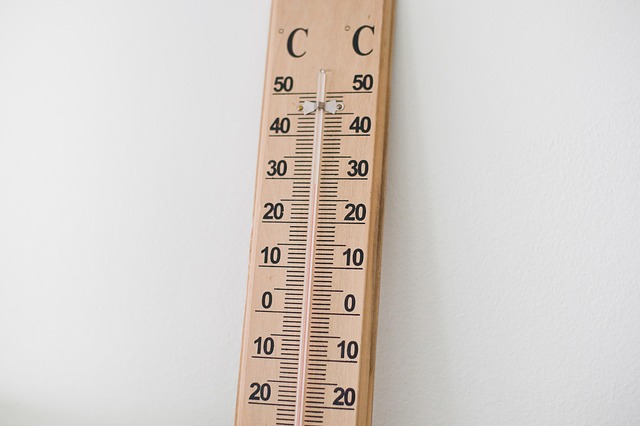
Ambient temperature in a work environment has a direct and measurable effect on cognitive performance and energy levels with research in environmental psychology identifying a narrow optimal temperature range for sustained mental work. Environments that are too warm activate thermoregulatory responses that redirect physiological resources toward cooling the body and produce a sedative effect on the central nervous system that amplifies the natural afternoon circadian dip. Conversely environments that are too cool create a physiological stress response that diverts energy toward maintaining core body temperature and increases cognitive load in ways that accelerate mental fatigue. Studies conducted in office environments identify the temperature range of 21 to 22 degrees Celsius as broadly optimal for afternoon cognitive performance across diverse adult populations. Individuals with limited control over workplace temperature can partially mitigate the effects through layering strategies desk fans or brief outdoor exposure to recalibrate thermoregulatory baseline during the afternoon window.
Autonomic Balance

The balance between the sympathetic and parasympathetic branches of the autonomic nervous system fluctuates continuously across the day and its state in the early afternoon is a significant determinant of energy perception mood stability and cognitive clarity. Research in heart rate variability science identifies low parasympathetic tone as a reliable biomarker of fatigue vulnerability with individuals demonstrating reduced HRV in morning measurements showing consistently more severe afternoon energy impairment than those with higher baseline variability. The modern lifestyle environment of chronic low-grade stress digital stimulation insufficient sleep and reduced nature exposure systematically biases the autonomic nervous system toward sympathetic dominance which paradoxically produces fatigue rather than sustained alertness. Interventions that reliably increase parasympathetic tone including slow-paced breathing nature exposure cold water immersion and vagus nerve stimulation practices have demonstrated measurable improvements in afternoon energy levels when practiced consistently in the morning or midday period. Wearable devices capable of measuring heart rate variability provide individuals with accessible real-time feedback on their autonomic state and can help identify which lifestyle factors most significantly affect their personal afternoon energy pattern.
Which of these signals resonates most with your own afternoon experience? Share your thoughts in the comments.




