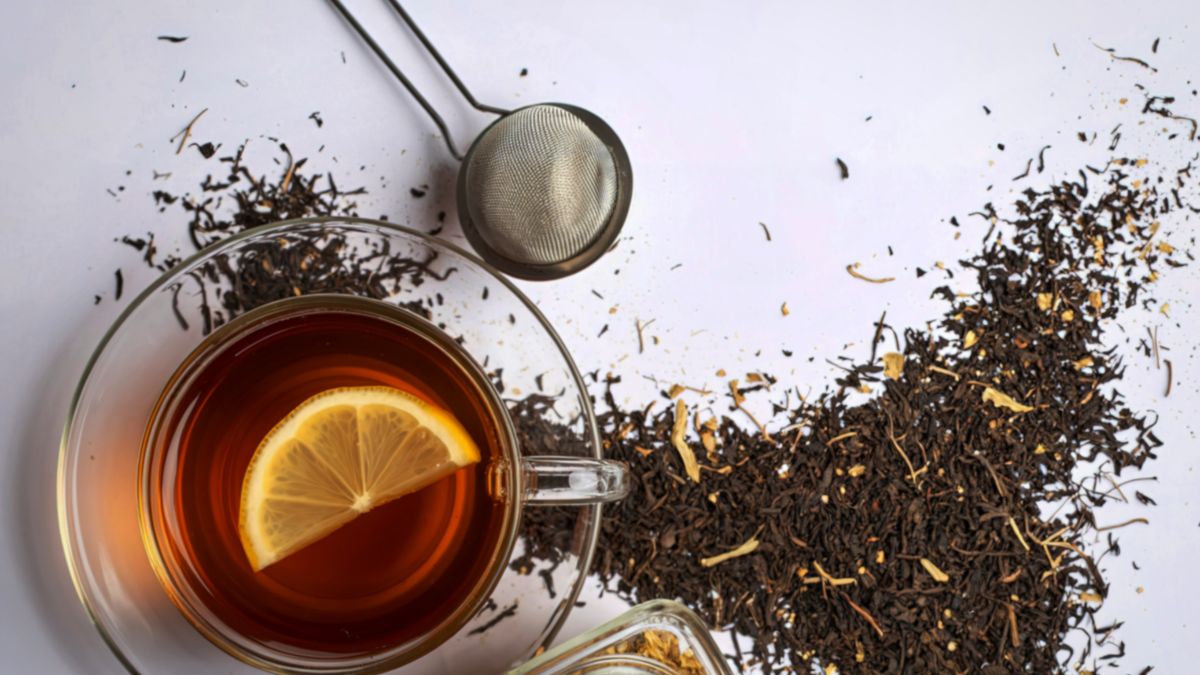
Tea is the second most consumed beverage on the planet and its relationship with human longevity is one of the most consistently documented associations in nutritional epidemiology. What separates the cultures with the most remarkable health and longevity outcomes from casual tea-drinking populations is rarely the tea itself but the elaborate ritualistic frameworks within which it is consumed. Anthropologists and public health researchers studying Blue Zone populations and other long-lived communities have increasingly identified the ceremonial and behavioral dimensions of tea consumption as independently significant contributors to the health outcomes observed. The rituals documented below range from the counterintuitive to the genuinely startling but each carries a physiological or psychosocial logic that modern science has begun to substantiate. The following 26 practices represent some of the most fascinating and effective tea-related traditions observed across cultures with exceptional longevity records.
Tibetan Butter Tea
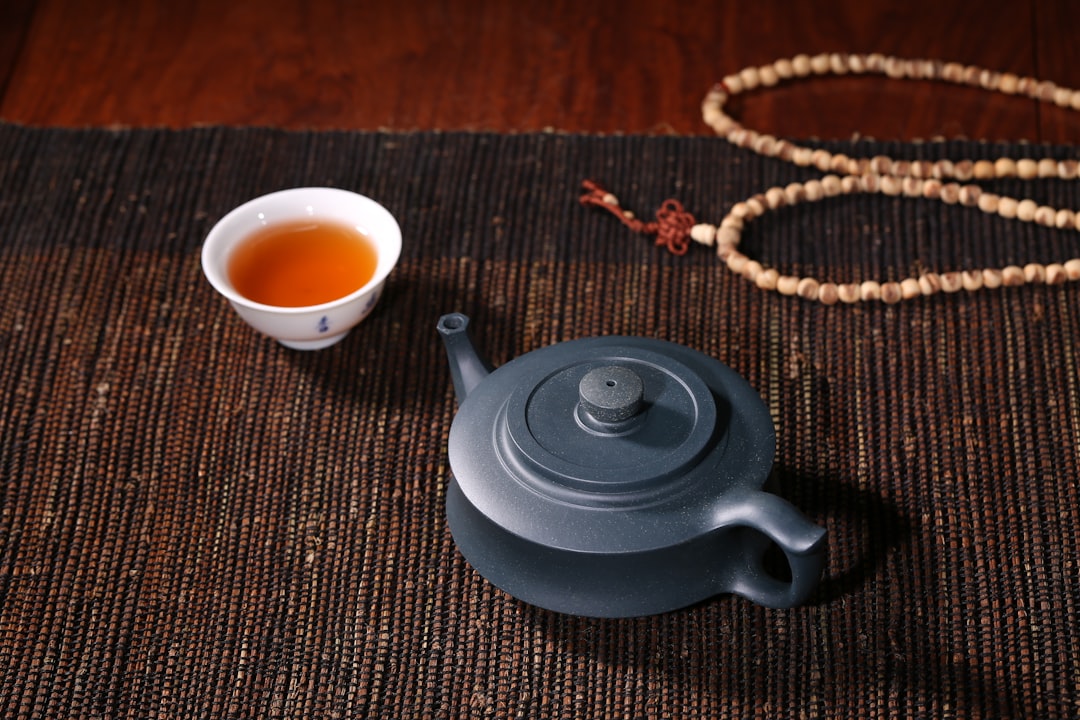
The practice of combining black tea with yak butter and salt into a thick emulsified drink consumed multiple times daily is a cornerstone of Tibetan highland culture that strikes most outside observers as deeply counterintuitive given contemporary nutritional assumptions about fat consumption. The drink known locally as po cha is prepared through an extended churning process that creates a stable emulsion delivering fat-soluble vitamins and sustained caloric energy across the extreme altitude and temperature conditions of the Tibetan plateau where other food sources are scarce and metabolically demanding. Research in high-altitude physiology identifies the combination of warming calories dense fat and the theaflavins present in the black tea base as a genuinely effective adaptation to an environment where standard carbohydrate-based energy sources are metabolically inefficient. The ritual of preparation itself involving a dedicated churning cylinder passed between household members serves as a daily communal bonding practice that anthropologists have connected to the exceptionally low rates of social isolation observed in traditional Tibetan communities. The salt content of po cha also addresses the specific electrolyte depletion associated with high-altitude respiration making the drink a functionally sophisticated physiological intervention disguised as a cultural tradition.
Japanese Matcha Ceremony
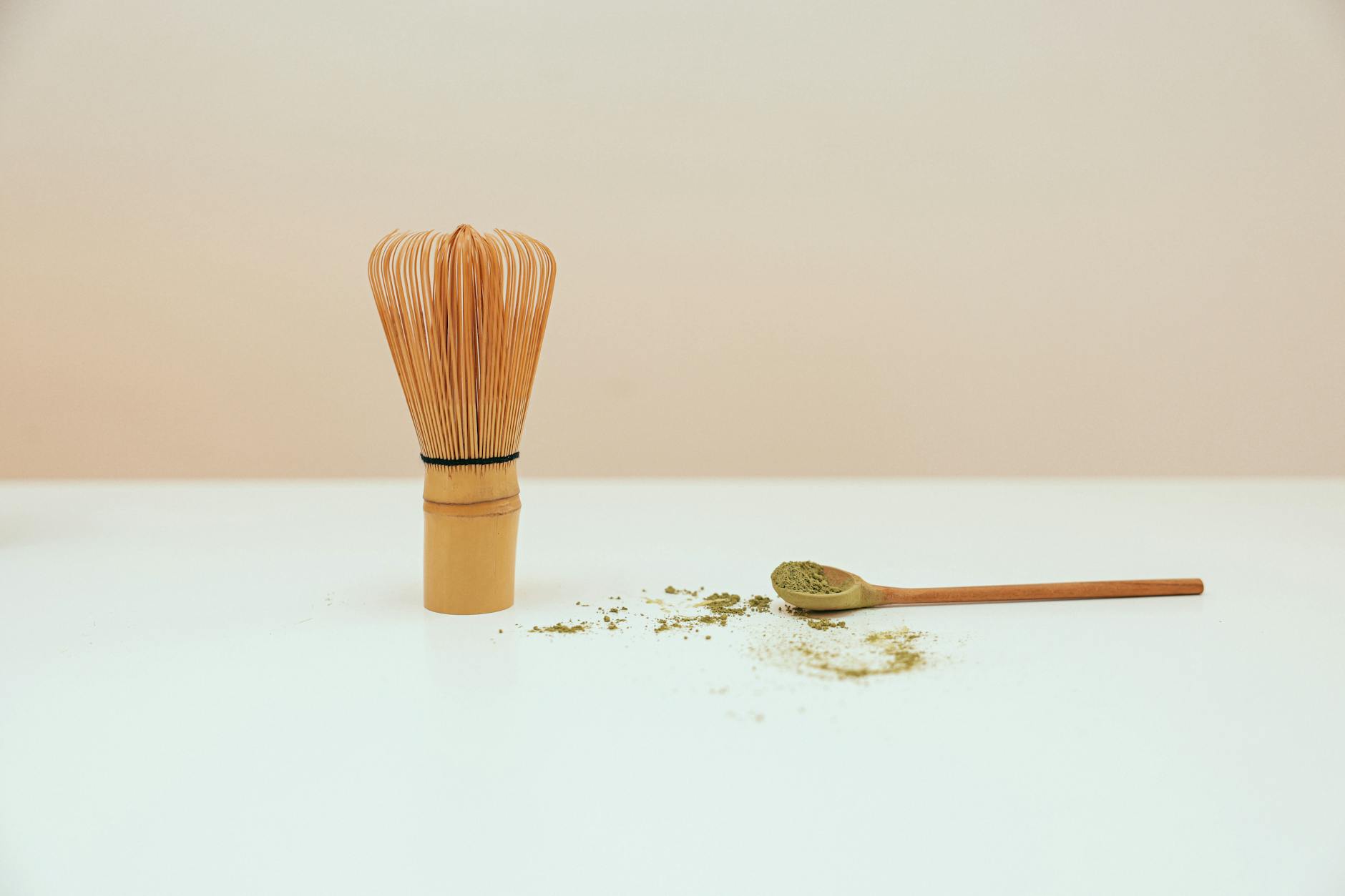
The Japanese tea ceremony known as chado involves a preparation and consumption ritual of such deliberate slowness and prescribed movement that its primary physiological effect operates almost entirely through the nervous system rather than through the tea’s biochemical constituents. Practitioners engage in a sequence of precisely choreographed movements lasting anywhere from 45 minutes to several hours during which the preparation and receipt of a single bowl of matcha becomes the complete object of conscious attention eliminating rumination about past or future events in a manner that neuroscience research identifies as structurally equivalent to formal mindfulness meditation. The matcha itself delivers a combination of L-theanine and caffeine in a ratio that produces a uniquely stable alertness profile characterized by enhanced attention without the anxiety or cardiovascular elevation associated with equivalent caffeine doses from other sources. Epidemiological data from Japanese prefectures with the highest rates of traditional tea ceremony participation shows correlation with lower rates of age-related cognitive decline that researchers have attributed to both the neuroprotective polyphenol content of matcha and the cognitive engagement demanded by the ceremony’s memorized procedural complexity. The bowl is rotated three times before drinking in a movement designed to avoid drinking from the front of the bowl which carries a social meaning about humility and aesthetic awareness that practitioners report as a daily psychological reset.
Moroccan Mint Tea
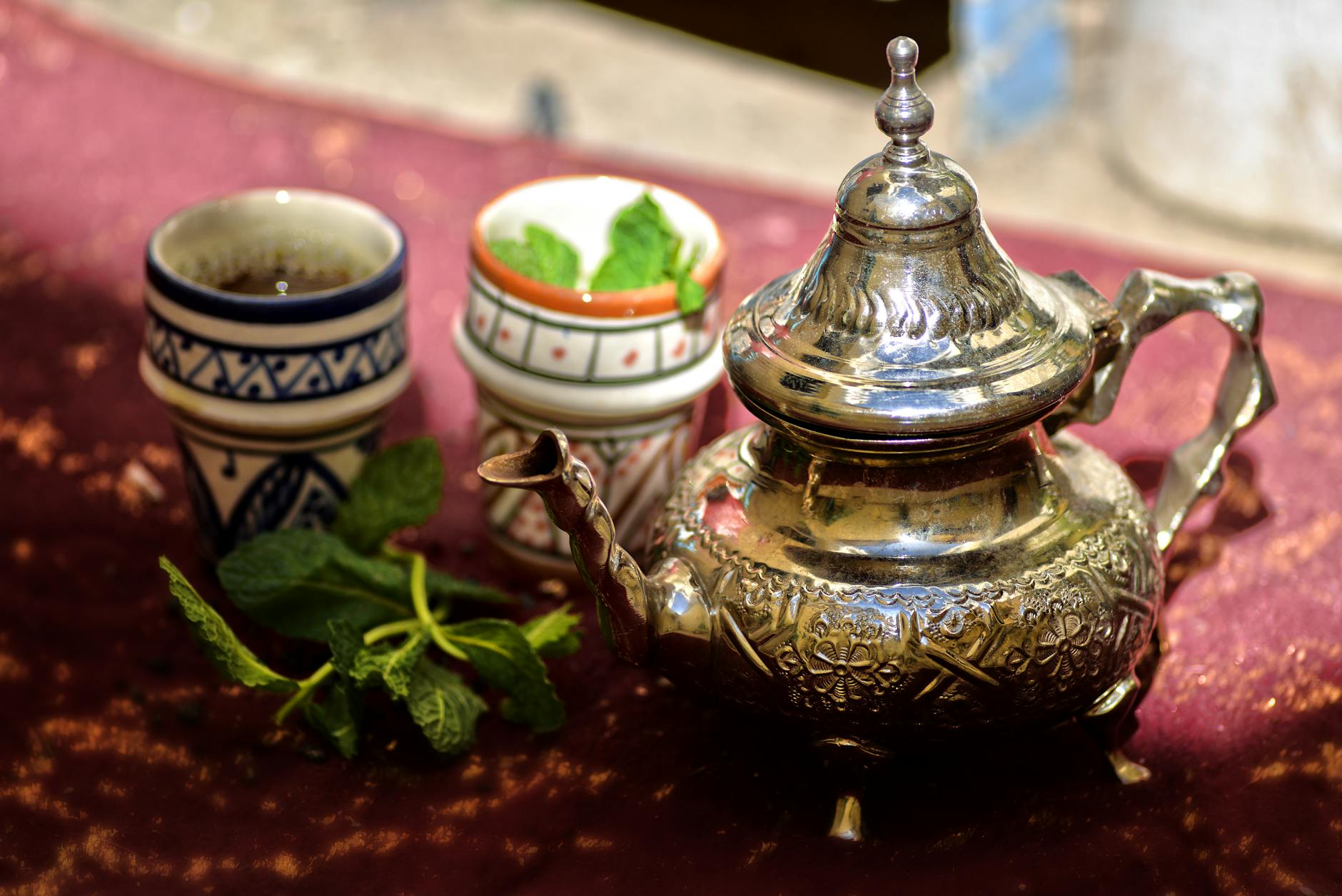
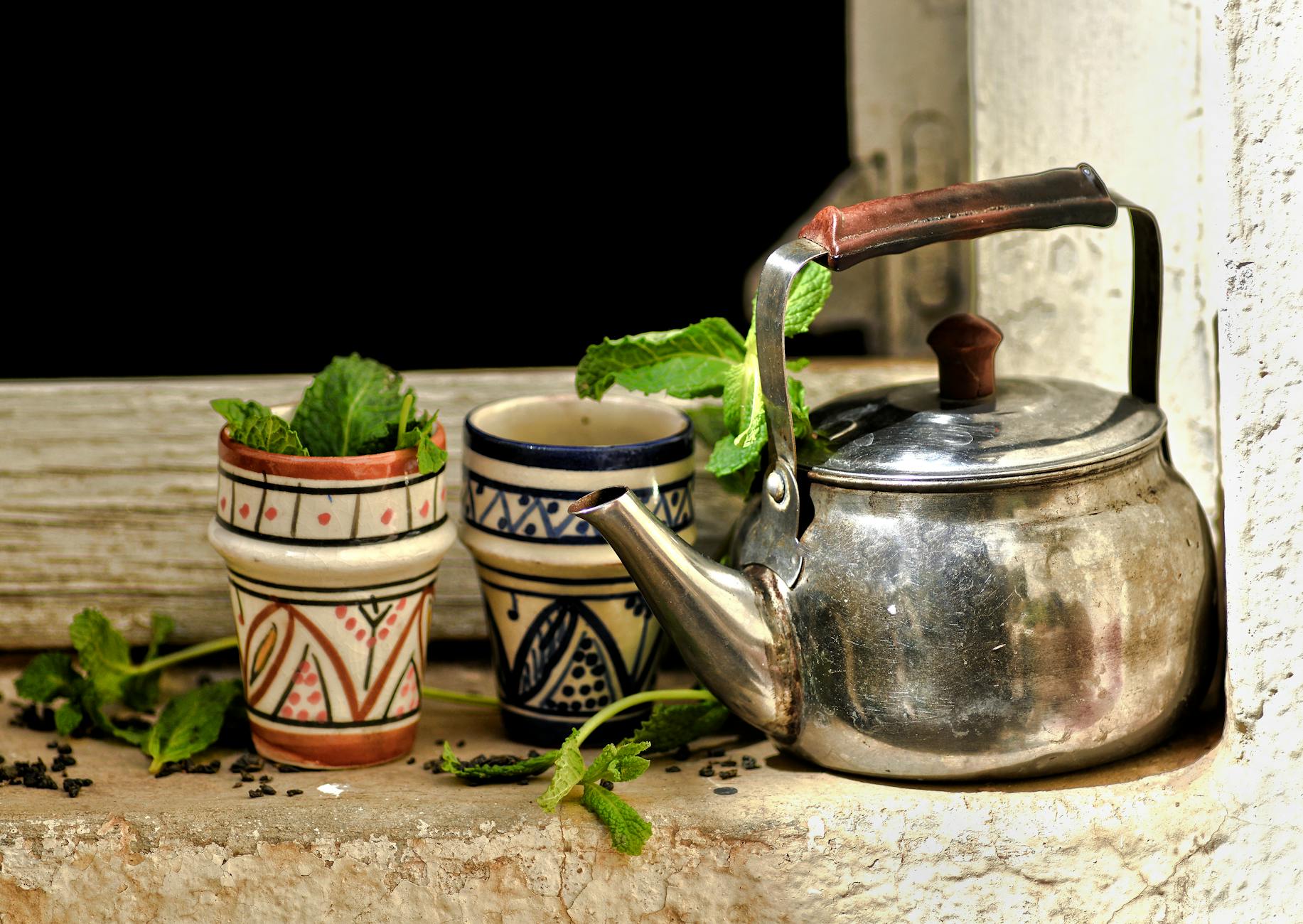
The preparation of Moroccan atai involves pouring the tea repeatedly between a tall pot and glasses held at dramatically increasing heights above the receiving vessel a technique that serves the functional purpose of aerating the drink and creating a foam layer but which carries deep cultural significance as a performance of hospitality generosity and skill that is evaluated and appreciated by recipients. The ritual requires three sequential glasses to be consumed during a single sitting with each glass carrying a distinct symbolic meaning captured in a traditional proverb comparing the first glass to life the second to love and the third to death creating a narrative arc within a single tea-drinking session that functions as a contemplative practice around the nature of existence. The gunpowder green tea base delivers a substantial catechin and antioxidant load while the fresh spearmint added in generous quantities contributes rosmarinic acid and flavonoids with documented anti-inflammatory properties that are particularly relevant to the digestive and metabolic health of populations consuming a traditionally spice-forward diet. Research in social gerontology identifies the obligatory hospitality dimension of Moroccan tea culture as a structural prevention mechanism against social isolation in elderly community members for whom tea preparation and service represents a daily social role with genuine cultural dignity. The sugar content of traditional atai which is added in quantities that surprise outside observers is partially offset by the polyphenol-mediated modulation of glucose absorption demonstrated in green tea research.
Chinese Gongfu Cha
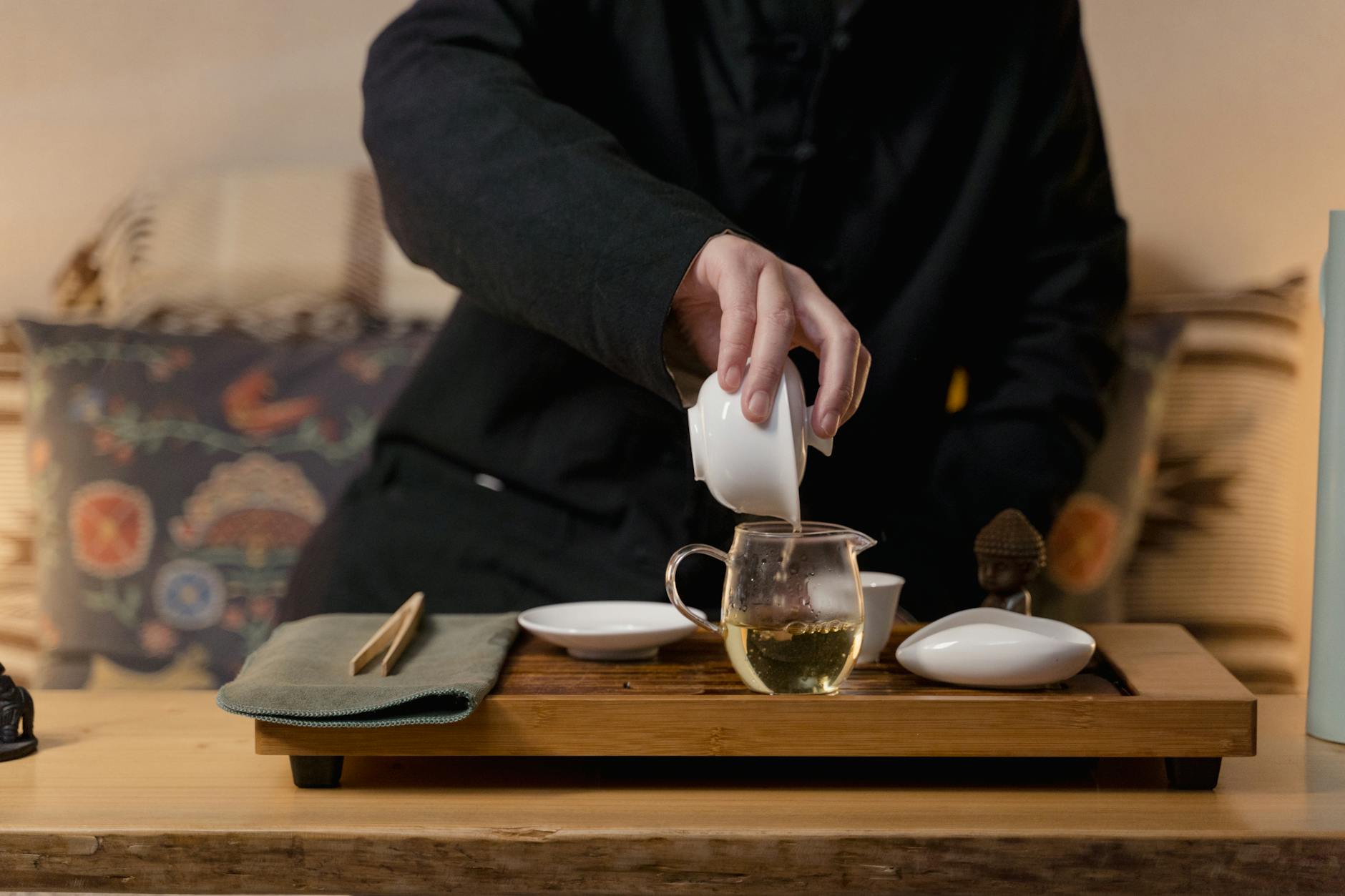
The gongfu cha tradition practiced extensively in Fujian Guangdong and Taiwan involves brewing the same leaves through a sequence of 8 to 15 increasingly brief infusions using water volumes so small that a single serving cup holds approximately 30 milliliters creating a tasting progression that reveals the evolving flavor chemistry of the leaf as successive steepings extract different molecular fractions. This sequential extraction method produces a biochemically distinct experience from Western-style single long infusions because different polyphenol categories including catechins theaflavins and thearubigins have different extraction kinetics meaning that the gongfu practitioner receives a broader spectrum of bioactive compounds distributed across the session than a single steeping can deliver. The extended duration of a full gongfu session which can last two to three hours creates a social environment of sustained unhurried conversation that practitioners and researchers alike identify as qualitatively different from conventional social interaction with the tea service structure providing pauses and focal points that regulate the rhythm of conversation in ways that reduce interpersonal stress. Longevity research conducted in Chaoshan communities where gongfu cha culture is most deeply embedded identifies regular practitioners as showing lower inflammatory biomarkers and higher self-reported wellbeing scores than age-matched non-practitioners even after controlling for other lifestyle variables. The dedicated clay teaware used in traditional gongfu practice particularly Yixing clay pots which are never washed with soap and absorb the oils of successive teas over decades of use is itself a subject of cultural reverence that creates an intergenerational continuity linking practitioners to ancestral tea traditions.
Indian Chai Spicing
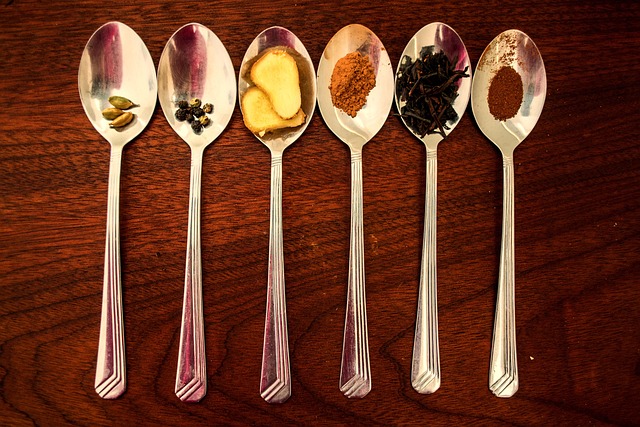
The preparation of masala chai in traditional Indian households involves a grinding and blending of fresh whole spices including cardamom ginger black pepper cloves and cinnamon in proportions that vary by family region and season creating a spice profile that functions as a personalized medicinal formulation rather than a standardized commercial recipe. Ayurvedic medicine which provides the theoretical framework within which traditional chai spicing is understood treats each spice as carrying distinct energetic and physiological properties with black pepper specifically included for its piperine content which research has demonstrated enhances the bioavailability of other bioactive compounds including the curcumin present in turmeric when it is added to the blend. The practice of simmering the spices with milk and tea for an extended period rather than simply steeping a tea bag creates a genuine extraction environment in which fat-soluble spice compounds dissolve into the milk phase while water-soluble tea polyphenols remain bioavailable in the liquid creating a more biochemically complex beverage than either component would produce independently. Ethnobotanical research identifies the seasonal variation of traditional chai spicing as a sophisticated environmental adaptation with warming spices emphasized in winter months and cooling herbs adjusted for summer preparation in a practice that mirrors the evidence-based principles of modern phytotherapy. The twice-daily rhythm of chai preparation in traditional households also functions as a domestic temporal anchor that structures the day and creates predictable social gathering moments whose psychological benefits are independent of the beverage’s biochemical content.
Georgian Wine-Region Tea
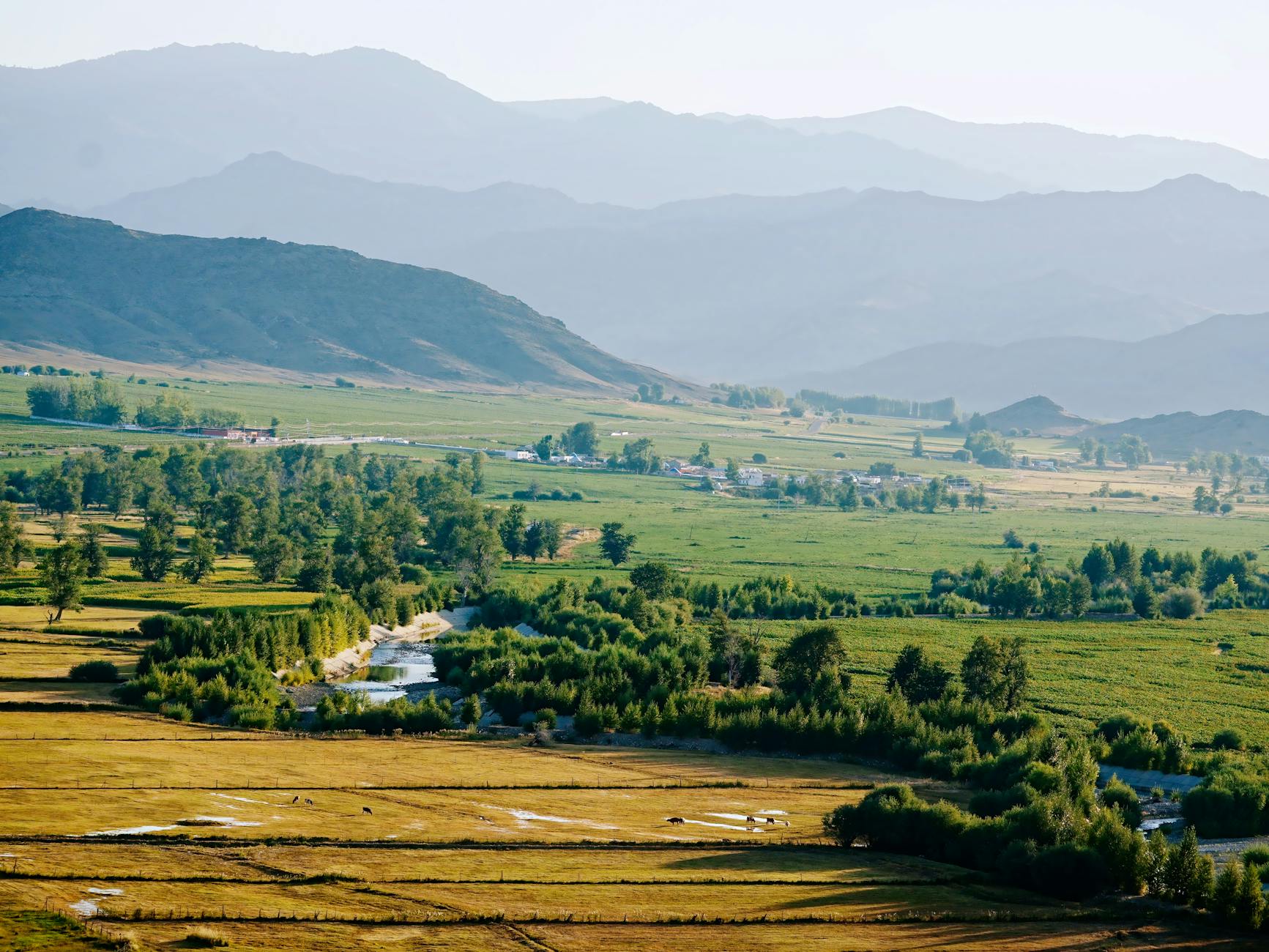
In the Caucasus region of Georgia where both tea cultivation and some of the world’s oldest continuous winemaking traditions coexist certain mountain communities practice the blending of locally grown black tea with small amounts of sour cherry juice wild berry infusions or grape-derived compounds in a tradition that reflects the region’s extraordinary botanical biodiversity and its long history of using plant combinations for medicinal purposes. The specific polyphenol combination produced by the intersection of tea catechins and the anthocyanins abundant in Caucasian wild berries has been investigated in research contexts for its synergistic antioxidant profile which demonstrates greater free radical scavenging capacity than either component produces independently. Georgian highland communities in areas including Adjara and Racha where this blended tea tradition is most prevalent are among those studied in longevity research examining the Caucasus region’s unusual concentration of centenarians with researchers noting the dietary polyphenol density of the local beverage culture as a potentially significant variable. The tea is typically consumed in a standing toast format borrowed from the region’s elaborate feast traditions known as supras where the tamada or toast master directs collective drinking with verbal performances that combine historical storytelling gratitude expression and philosophical reflection creating a social ritual of considerable psychological depth around even a simple beverage moment. The wild-harvested botanical additions to the tea vary by season and altitude ensuring that the beverage changes its biochemical profile throughout the year in a manner that inadvertently mirrors the seasonal supplementation principles of contemporary functional nutrition.
Mongolian Suutei Tsai

The Mongolian tradition of suutei tsai involves simmering green or black tea with large quantities of fresh or fermented animal milk and salt in a communal pot that remains on the hearth throughout the day providing a continuously available warm beverage that household members consume across dozens of small servings rather than in defined drinking occasions. The fermented milk variants of this tea tradition introduce a significant probiotic dimension to the drink with the lactobacillus species present in traditional airag and similar fermented dairy products combining with the prebiotic polyphenols of the tea to create a functional synbiotic beverage whose gut microbiome implications nutritional researchers have begun to examine with interest. The continuous availability of the tea pot as a social focal point in the traditional ger dwelling serves a hospitality function of profound cultural importance with the offering of suutei tsai to any visitor being among the most fundamental obligations of Mongolian host culture and its acceptance a mandatory social protocol that creates a guaranteed daily ritual of interpersonal warmth regardless of weather or circumstance. Research on Mongolian nomadic communities identifies the high calcium and protein content of milk-heavy tea preparations as a significant dietary contribution in a traditionally meat-dominant food culture where plant-sourced micronutrients are limited by the pastoral environment. The roasted grain or millet that is sometimes added to suutei tsai in certain regional traditions introduces a slow-digesting carbohydrate component that moderates the glycemic impact of the meal and extends the satiety window across long periods between the infrequent substantial meals of nomadic life.
Korean Darye
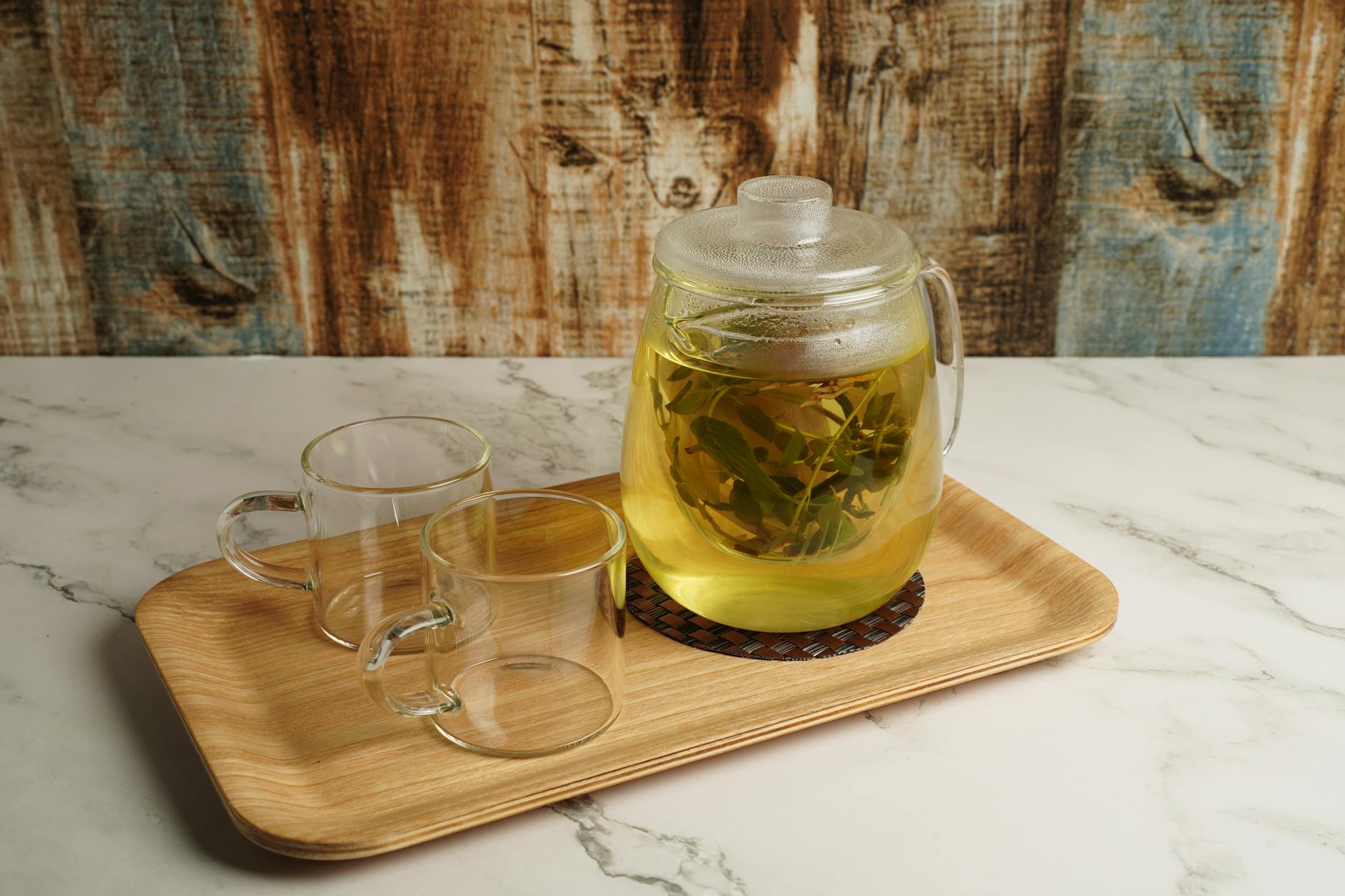
The Korean tea ceremony tradition of darye predates the more internationally recognized Japanese tea ceremony and is distinguished by its emphasis on naturalistic spontaneity over rigid procedural prescription with practitioners encouraged to adapt the ritual to the season the weather the relationship between host and guest and the specific characteristics of the tea being prepared rather than following a memorized sequence of movements. This philosophical orientation toward contextual awareness as a core ceremonial value functions as a daily practice in perceptual sensitivity that contemplative psychology researchers would recognize as a form of trained present-moment awareness applied to the sensory dimensions of tea preparation and consumption. Korean wild-harvested teas including the green teas of the Boseong region and the traditional ddok cha compressed teas of Jirisan are prepared in simple unglazed or celadon ceramic ware chosen for its capacity to complement the color and clarity of the liquor in ways that encourage aesthetic engagement with the beverage before it is tasted. The practice of inhaling the steam from the tea bowl before drinking which is a specific step in the darye tradition delivers volatile aromatic compounds including linalool and geraniol through the olfactory system in a manner that aromatherapy research has associated with reduced cortisol response and enhanced parasympathetic nervous system activity. Intergenerational transmission of darye practice within Korean families has been identified by cultural psychologists as a mechanism of values transmission and relational continuity whose social bonding effects are independent of the pharmacological properties of the tea itself.
Ethiopian Coffee-Adjacent Tea
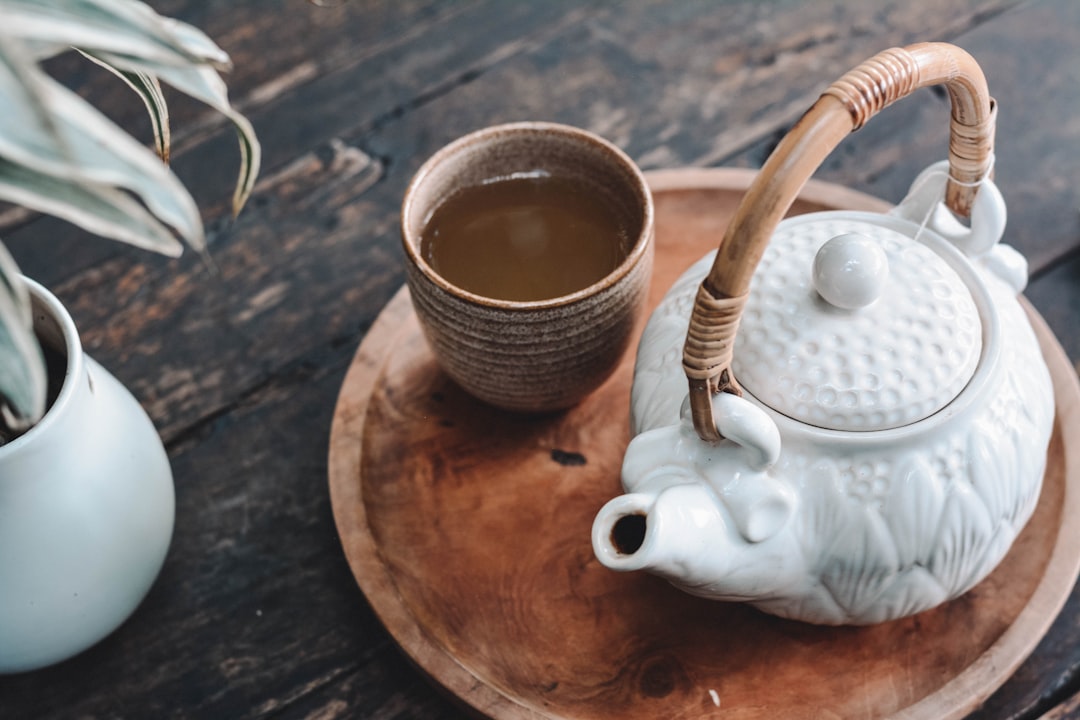
In certain highland regions of Ethiopia where the coffee ceremony culture is internationally recognized a parallel tradition exists involving the brewing of cascara which is the dried husk of the coffee fruit into a tea-like beverage called hashara that delivers caffeine theobromine and chlorogenic acids in a profile more similar to tea than to brewed coffee while carrying the ceremonial weight of the full Ethiopian coffee ritual including incense burning communal seating and three mandatory rounds of consumption. The chlorogenic acid content of cascara which is significantly higher than in brewed coffee has been studied in nutritional research for its effects on glucose metabolism and blood pressure regulation with prospective studies suggesting that habitual chlorogenic acid consumption is associated with reduced risk of type 2 diabetes at population level. The three-round structure of the Ethiopian ceremony in which the same husks are brewed progressively weaker across successive preparations mirrors the gongfu cha principle of sequential extraction while adding a spiritual dimension in which the third cup specifically is considered a blessing whose consumption carries distinct ceremonial significance. The communal seating arrangement of the ceremony which brings neighbors and extended family members together for a period of one to two hours of unhurried social engagement regardless of daily work demands creates a structural social prescription whose mental health implications gerontologists studying Ethiopian highland longevity have found difficult to separate statistically from the beverage’s direct physiological effects. The roasting of the cascara husks before brewing which varies in intensity by regional tradition and practitioner preference produces a distinct class of Maillard reaction compounds that contribute to the beverage’s antioxidant capacity in ways that conventional tea preparation does not replicate.
Taiwanese High Mountain Tea
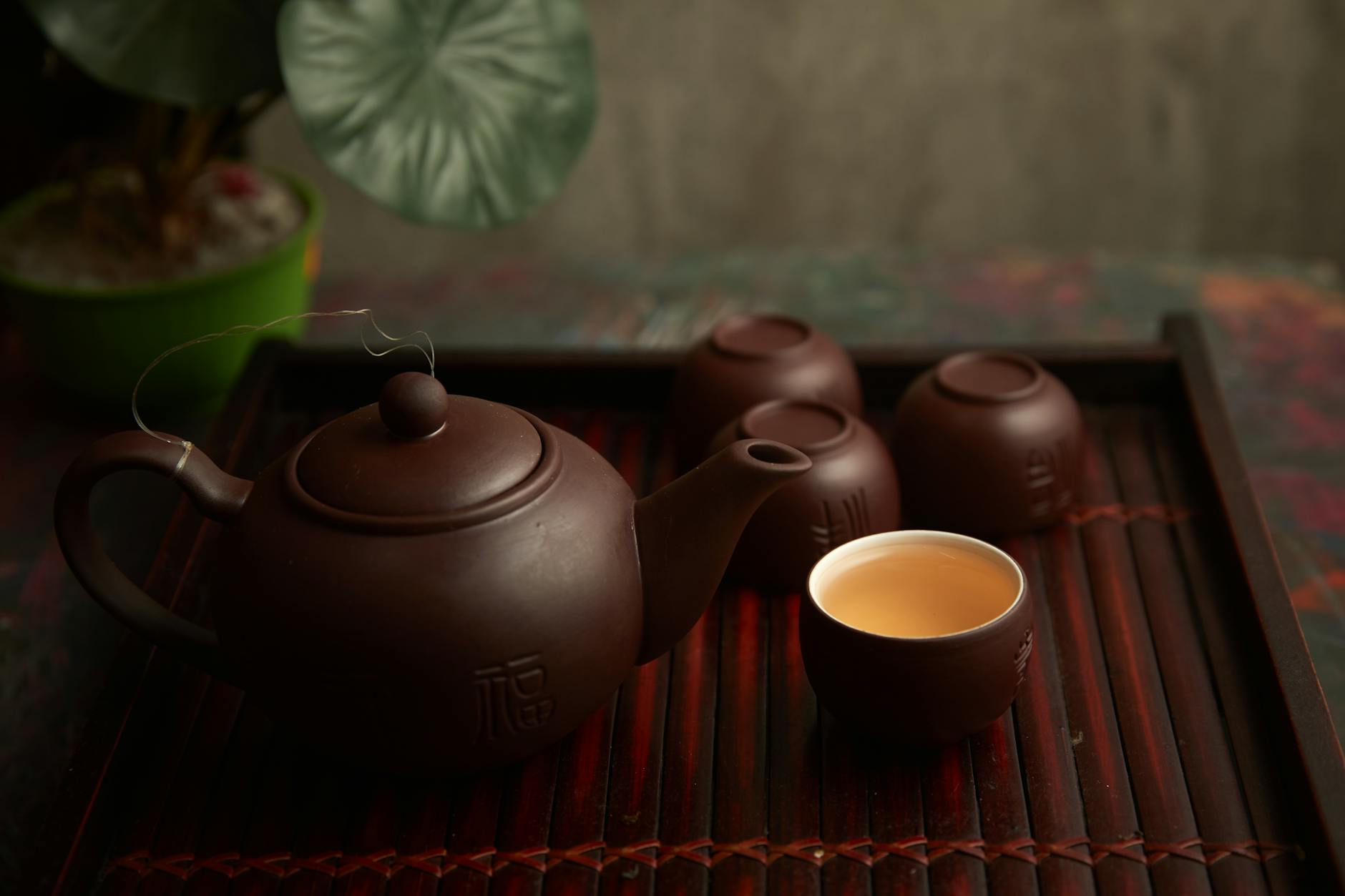
The oolong teas produced at elevations above 1000 meters in Taiwan’s central mountain ranges including the renowned Ali Shan and Li Shan growing areas are consumed within a cultural framework that emphasizes the concept of shan qi or mountain energy as a qualitative dimension of the beverage that practitioners believe they can perceive and absorb through mindful consumption creating an attentional practice around the act of drinking that has no direct equivalent in Western beverage culture. The partial oxidation process that defines oolong production creates a biochemical complexity that exceeds both green and black teas with the specific oxidation level of each batch producing a unique combination of aromatic compounds antioxidant profiles and amino acid concentrations that experienced practitioners distinguish through sensory evaluation in a manner that researchers studying expert tea tasters have compared neurologically to trained musical pitch discrimination. The cultural premium placed on high-altitude origin in Taiwanese tea culture has driven farming practices at these elevations that produce measurably higher concentrations of EGCG and L-theanine in the leaf due to the stress responses triggered by lower temperatures higher UV exposure and more limited growing seasons creating a genuine biochemical basis for the perceived quality distinction that traditional culture had identified empirically long before analytical chemistry could confirm it. Taiwanese longevity data from mountain farming communities in the central highland regions shows associations between regular high-mountain oolong consumption and lower rates of metabolic syndrome that researchers attribute to the combined effects of the beverage’s catechin content and the physical activity patterns of the communities who produce and traditionally consume it. The practice of evaluating the empty cup after drinking in which the residual aroma of cooled porcelain is considered an equal or superior expression of the tea’s quality to its flavor while being consumed trains a sustained sensory attention that practitioners report as extending into heightened perceptual awareness in other areas of daily life.
Azerbaijani Armudu Glass

The signature pear-shaped armudu glass used universally for tea service in Azerbaijan is not merely an aesthetic choice but a functionally designed vessel whose tapered waist maintains the temperature differential between the cooler lower portion held by the fingers and the hotter upper portion containing the tea creating a comfortable grip on a glass of very hot liquid while the narrow waist concentrates the aroma toward the drinking rim in a manner that deliberately engages the olfactory dimension of consumption before the liquid reaches the palate. Azerbaijani tea culture prescribes the accompaniment of tea with specific solid foods including rock sugar held between the teeth rather than dissolved in the cup saffron-infused jam consumed on a small spoon and dried fruits whose fiber content moderates the glycemic impact of the sugar consumed alongside the tea creating an inadvertent nutritional balancing act embedded in cultural protocol. The tea itself is brewed to an extraordinary strength in a small upper pot balanced on a larger vessel of boiling water maintaining an essentially continuous brewing process that keeps a concentrated tea liquid available for dilution to personal preference throughout extended social gatherings that Azerbaijan’s tea house culture has historically centered around. Azerbaijani society’s organization of significant social negotiation business discussion and community dispute resolution within the tea house environment means that the beverage has been structurally embedded in the mechanisms of social cohesion and conflict resolution for centuries creating a public health function of community mental wellbeing maintenance that transcends its biochemical properties. The specific ritual of pouring tea for others before oneself which is an observed social obligation in Azerbaijani tea culture creates a consistent daily micro-practice of other-orientation that positive psychology research associates with wellbeing outcomes in both the giver and the recipient.
Russian Zavarka
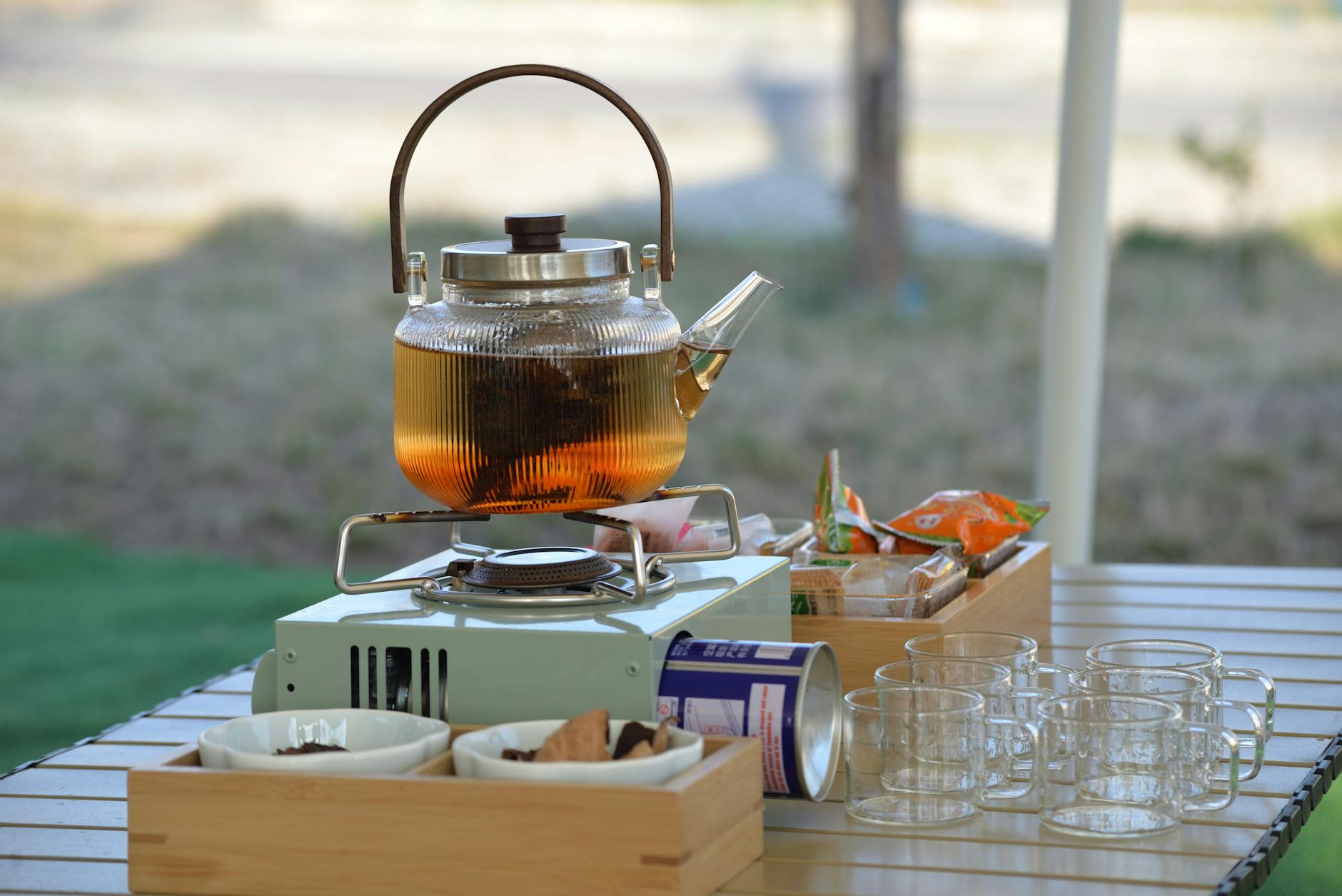
The Russian tradition of zavarka involves brewing an intensely concentrated tea extract in a small decorative teapot which is then diluted to individual preference with hot water from a samovar creating a two-component system that allows precise personal calibration of strength while maintaining a social focal point in the form of the samovar whose presence at the center of the table serves as a continuous invitation to gather that Russian domestic culture has historically organized family life around. The samovar tradition which developed across the 18th and 19th centuries created an architectural feature within the Russian domestic interior specifically oriented toward the communal consumption of tea whose social gravitational effect researchers studying Russian family cohesion have identified as functionally equivalent to the central hearth in other cultural traditions. The zavarka concentrate kept warm on top of the samovar undergoes a brief continued extraction during service that alters its polyphenol profile toward the higher-molecular-weight oxidized compounds associated with the anti-inflammatory effects studied in relation to black tea consumption making the serving temperature and duration inadvertent quality variables in the biochemistry of the beverage. Traditional accompaniments to Russian zavarka including black bread honey and preserved fruits contribute micronutrients and probiotic elements that complement the tea’s own bioactive compounds in a dietary combination that reflects the empirical nutritional wisdom of a culture that historically faced extreme seasonal food scarcity. The social norm of remaining at the samovar table until all guests have finished their tea and declined further offers creates a built-in minimum duration for social gatherings that prevents the abbreviated social interactions researchers associate with increased loneliness and reduced immune function in aging populations.
Yemeni Qishr
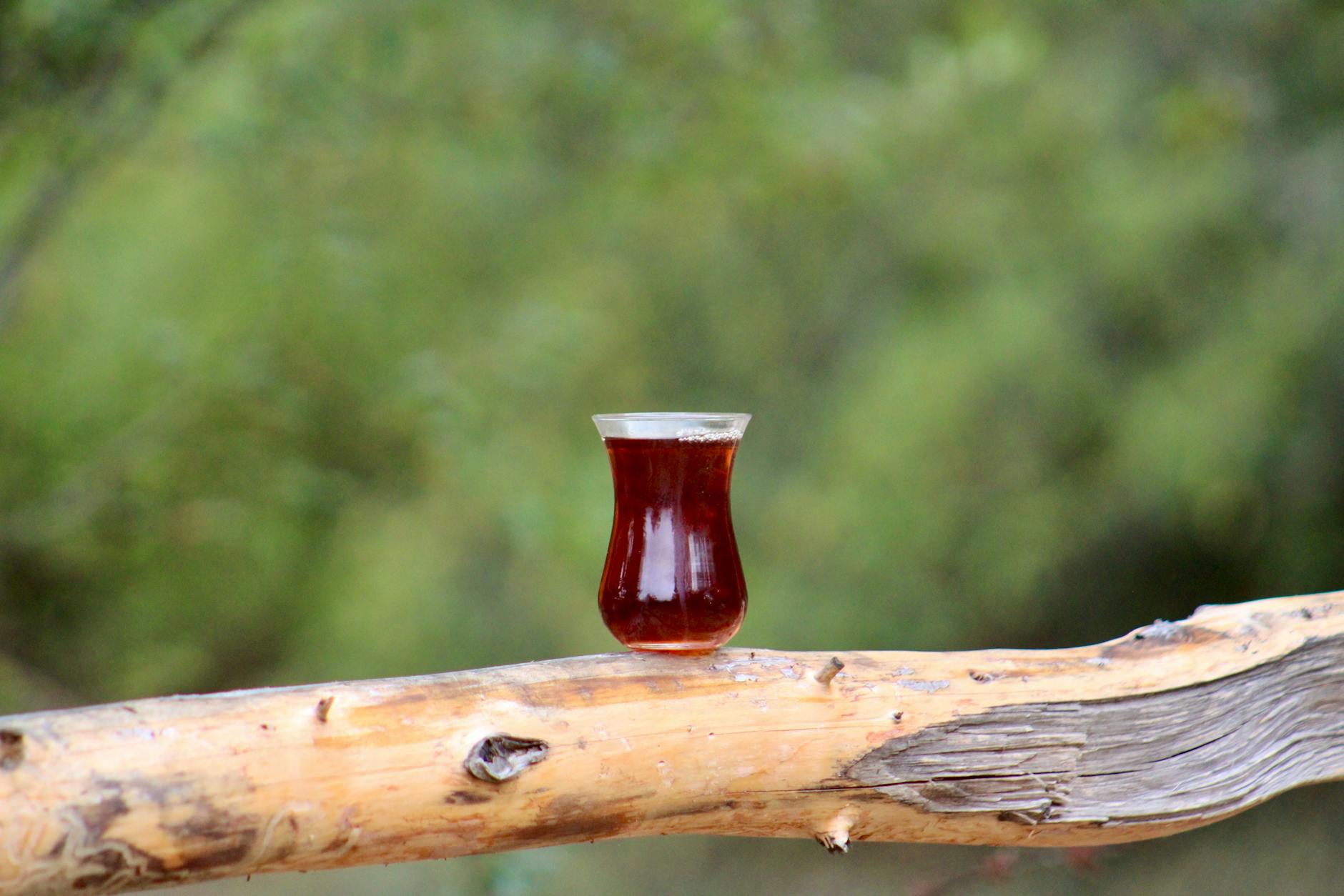
The Yemeni tradition of qishr involves brewing the dried husks of the coffee cherry with fresh ginger and sometimes other spices in a preparation that predates the global adoption of roasted bean coffee and represents a continuous thread of beverage culture extending back to the origins of coffee cultivation in the Arabian Peninsula providing a historical continuity that anthropologists have studied as a model of cultural practice persistence. The ginger content of qishr which is substantially higher than in most spiced tea traditions delivers gingerol and shogaol compounds whose anti-nausea anti-inflammatory and digestive stimulant properties are among the most extensively documented in the phytomedicine literature making their daily consumption through a traditional beverage an effective and self-sustaining community health practice. The caffeine and theobromine profile of qishr differs from both coffee and tea in ways that produce a mild sustained alertness without the peak intensity of brewed coffee making it physiologically well-suited to the extended afternoon rest and social visiting patterns of Yemeni daily life structure. Qishr is prepared and consumed in a social context that mirrors the broader coffee ceremony culture of the Arabian Peninsula with preparation performed publicly and the beverage served in small ceramic cups without handles requiring both hands to receive creating a physical receptivity gesture that cultural anthropologists have noted as a built-in moment of interpersonal engagement in each service interaction. The spice blending practice surrounding qishr preparation is considered a domestic skill of significance in Yemeni culture with family-specific spice ratios transmitted across generations in a form of embodied knowledge whose preservation researchers studying intangible cultural heritage have identified as a mechanism of community identity maintenance independent of the beverage’s direct health effects.
Sri Lankan Estate Tea
The tradition in Sri Lanka’s highland tea estate communities of consuming multiple daily servings of freshly brewed Ceylon tea within minutes of production from leaves harvested earlier the same morning represents a form of ultra-fresh tea consumption whose biochemical profile differs significantly from commercially processed tea stored for weeks or months before consumption. Research on polyphenol oxidation in post-harvest tea leaves indicates that freshly processed tea retains significantly higher concentrations of certain catechin variants and aromatic compounds than identically prepared tea from stored leaf with the freshness advantage being particularly pronounced for the volatile aroma compounds that are most rapidly lost during storage and transport. The estate community practice of consuming tea with jaggery rather than refined sugar introduces a less glycemically disruptive sweetener that retains trace minerals including iron potassium and magnesium present in raw cane that are removed during white sugar refining. The twice-daily communal tea breaks that structure the working day in Sri Lankan estate culture create guaranteed periods of collective rest and social interaction whose cardiovascular and psychological recovery benefits occupational health researchers have identified as significant contributors to the physical resilience of communities engaged in the physically demanding work of hand-harvesting across steep highland terrain. The specific appreciation for the terroir of locally produced tea in estate communities creates a relationship between residents and their landscape that environmental psychology research associates with sense of place wellbeing and reduced psychological stress response.
Ecuadorian Horchata Tea
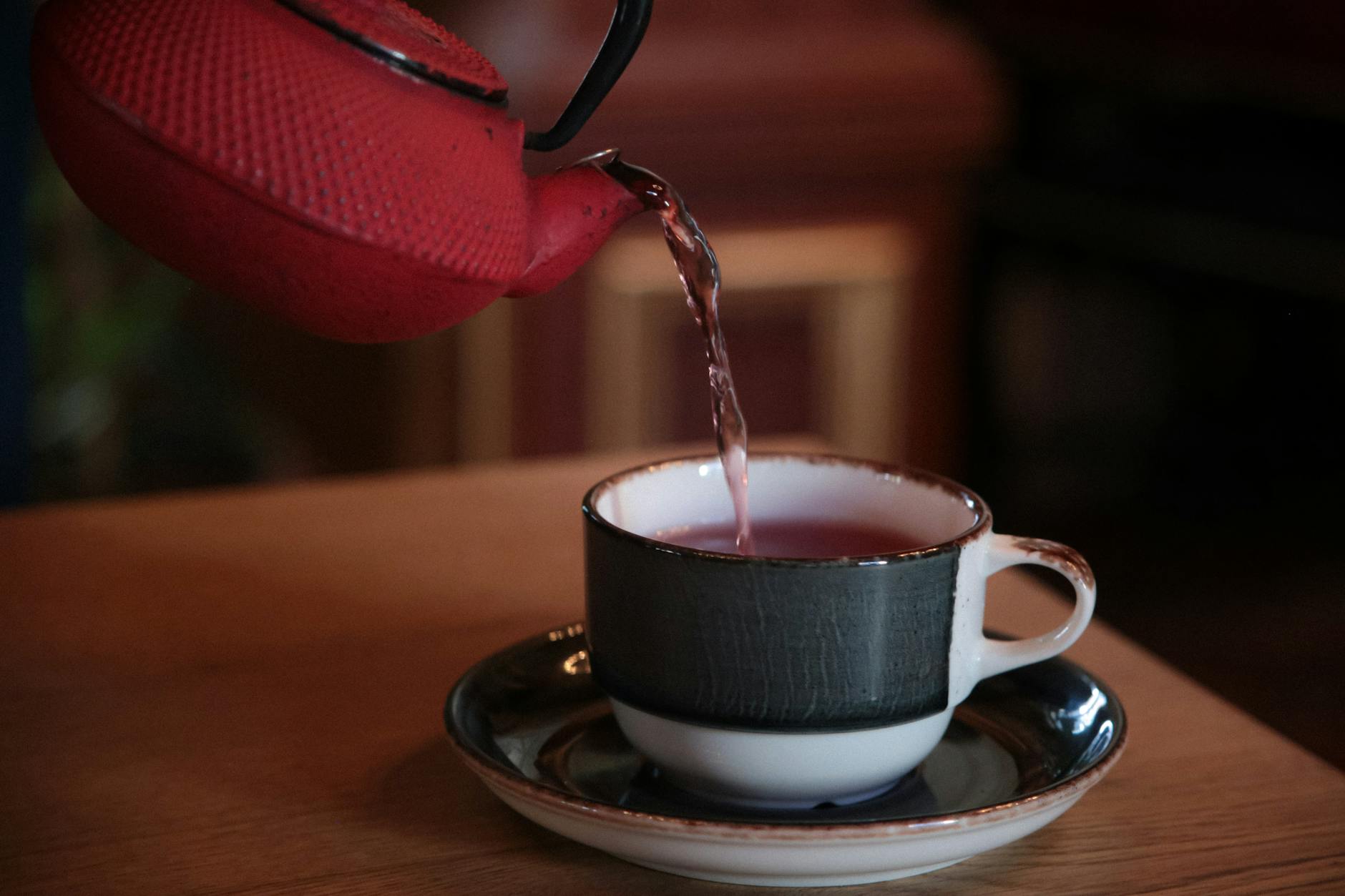
The Ecuadorian horchata tradition practiced most distinctively in the Loja region involves blending up to 28 different dried medicinal and aromatic plants into a single tea preparation whose extraordinary botanical diversity creates a polyphenol and phytochemical profile of complexity that no single-herb preparation can approach. The specific plant list which varies by practitioner and season but typically includes species from the rose family the mint family and several South American endemic botanicals represents an accumulated empirical pharmacopoeia developed over centuries of observation of the health effects of local flora in a population that has historically had limited access to pharmaceutical medicine. Research conducted by ethnobotanists working with Loja communities has identified numerous individual species within the traditional horchata blend as carrying bioactive compounds with documented anti-inflammatory antimicrobial and antioxidant properties that collectively produce a functional beverage of considerable complexity. The preparation of horchata in Loja involves a ritual of herb selection proportioning and blending that is considered a specific domestic skill with experienced preparers believed to intuitively adjust the blend based on the health needs of those who will consume it creating a personalized medicinal practice embedded within an everyday beverage tradition. Demographic research on the Loja region has noted longevity patterns that have attracted international health researchers with the botanical density of the traditional diet including the horchata tradition identified as one of several variables warranting further systematic investigation.
Okinawan Sanpin-Cha
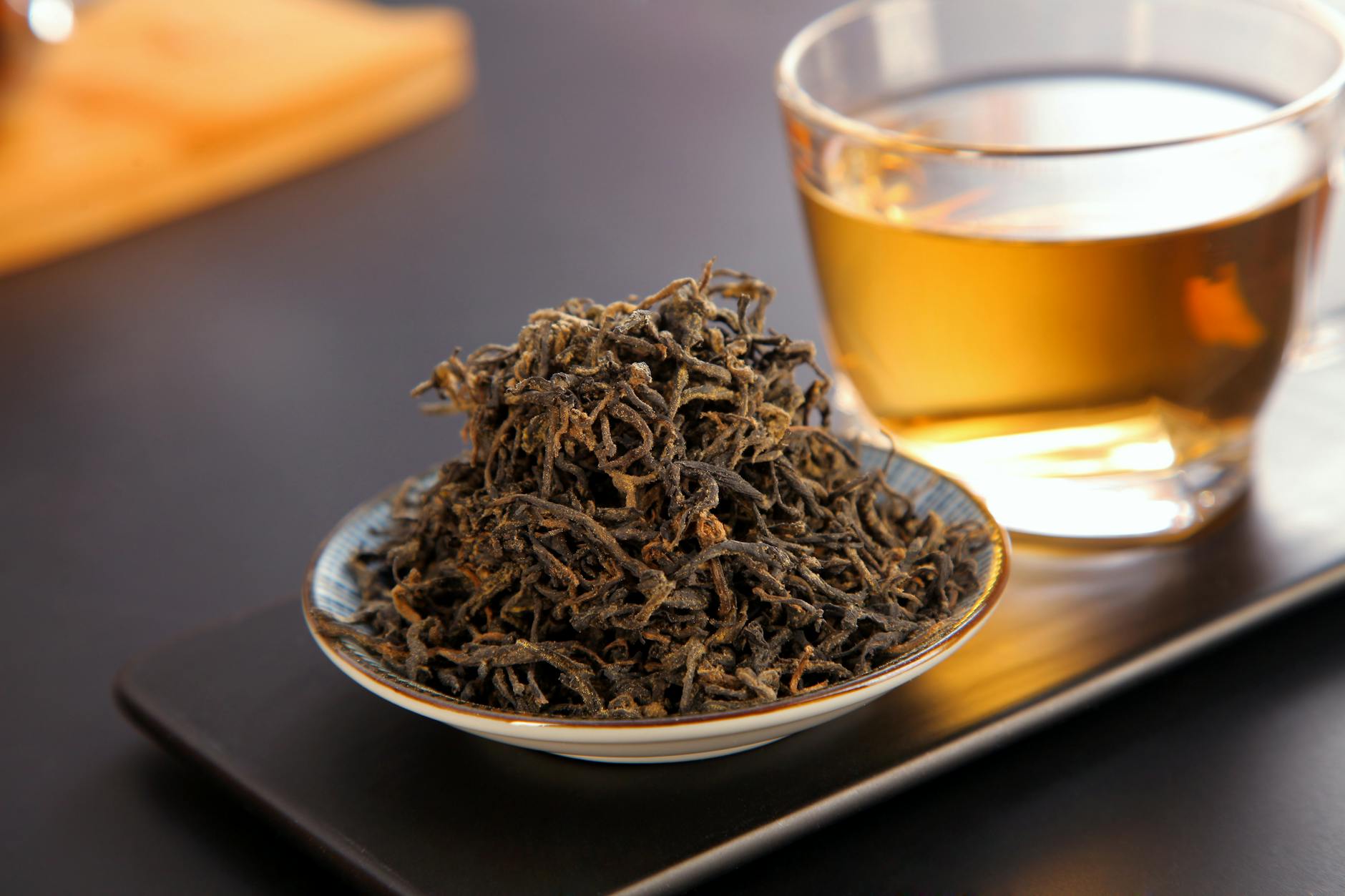
The Okinawan tradition of sanpin-cha which is jasmine-scented green tea consumed throughout the day in quantities that constitute one of the highest per-capita green tea intakes of any documented population is considered by longevity researchers studying the Okinawan Blue Zone to be among the most consistently distinguished dietary practices of the population cohort that has historically produced the world’s highest concentration of verified centenarians. The jasmine scenting process which involves layering fresh jasmine flowers with green tea leaf repeatedly over a period of days rather than adding jasmine extract or flavoring introduces the genuine aromatic compounds of the flower including linalool and benzyl acetate which have documented anxiolytic and sleep-quality-improving properties that extend the health benefits of the preparation beyond those of the tea base alone. The Okinawan cultural practice of consuming sanpin-cha cold or at room temperature rather than hot throughout the day increases total daily consumption volume compared to cultures where tea must be consumed hot making the beverage more compatible with Okinawa’s subtropical climate and reducing the esophageal heat stress associated with consistently hot beverage consumption in populations studied for upper gastrointestinal cancer risk. The social ubiquity of sanpin-cha in Okinawan culture means that its consumption occurs across all social contexts including the moai community support group gatherings that Okinawan social structure centers around creating an inseparable association between the beverage and the social connection framework that longevity researchers identify as equally significant to the tea’s direct biochemical contributions. Research on Okinawan centenarians consistently identifies lifelong sanpin-cha consumption as one of the few dietary variables that distinguishes the eldest cohort from younger generations whose adoption of mainland Japanese and Western dietary patterns has already begun to show in reduced longevity projections.
Bhutanese Butter Tea Variations
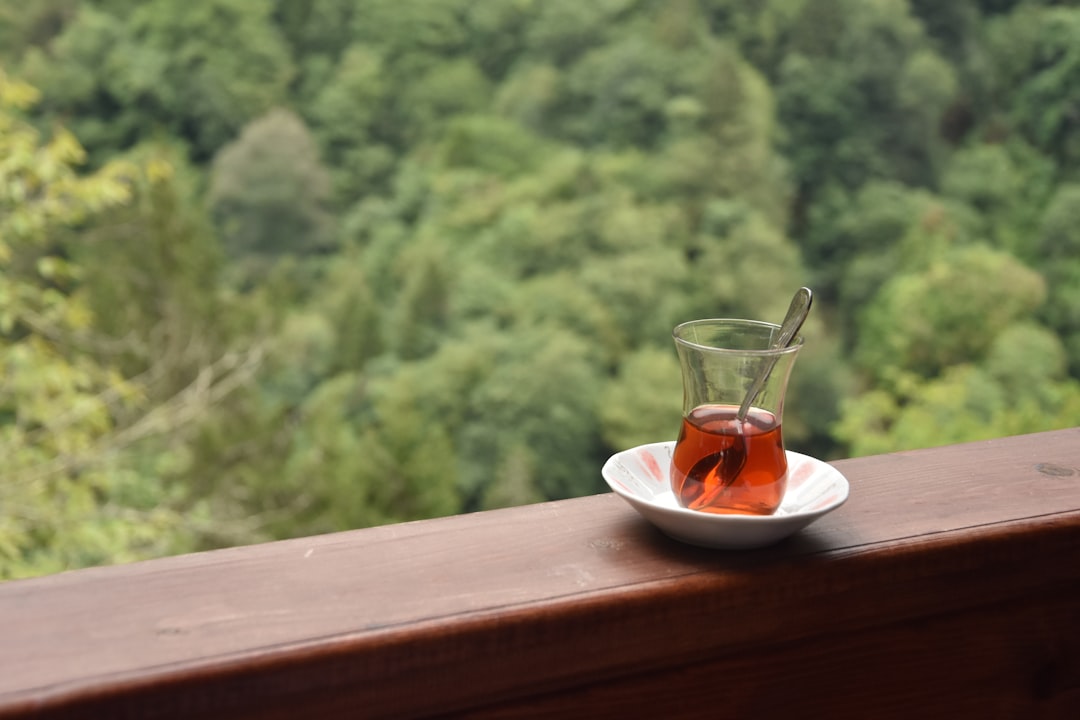
The Bhutanese adaptation of butter tea known as suja involves variations in the base tea used the type of butter employed and the addition of local highland herbs that distinguish it from the Tibetan po cha tradition and reflect the unique botanical environment of the Bhutanese highlands where a greater diversity of medicinal plants is incorporated into everyday food and beverage culture than in the more austere Tibetan plateau environment. The inclusion of wild-harvested herbs from Bhutan’s exceptional biodiversity in certain regional suja traditions introduces phytochemical compounds that are entirely absent from standardized tea preparations and whose biological activity in the context of the full beverage has not been systematically studied despite the empirical health observations of communities who have consumed them across generations. Bhutanese gross national happiness philosophy which treats psychological wellbeing as a primary national development metric has created a cultural framework in which the communal and contemplative dimensions of tea consumption are explicitly valued as contributions to collective flourishing rather than being treated as peripheral to the beverage’s nutritional function. The altitude-adapted physiological benefits of butter tea consumption identified in Tibetan research apply equally in the Bhutanese highland context with the additional dimension that Bhutan’s forest conservation policies have maintained the botanical diversity that supplies the wild-herb additions whose medicinal contributions differentiate the Bhutanese tradition. The preparation of suja as the first act of the morning in traditional Bhutanese households creates a daily ritual anchoring point whose neurological function as a circadian behavioral cue for wakefulness and social readiness has parallels in the morning routine research of behavioral chronobiology regardless of the specific beverage involved.
Turkish Çay Culture
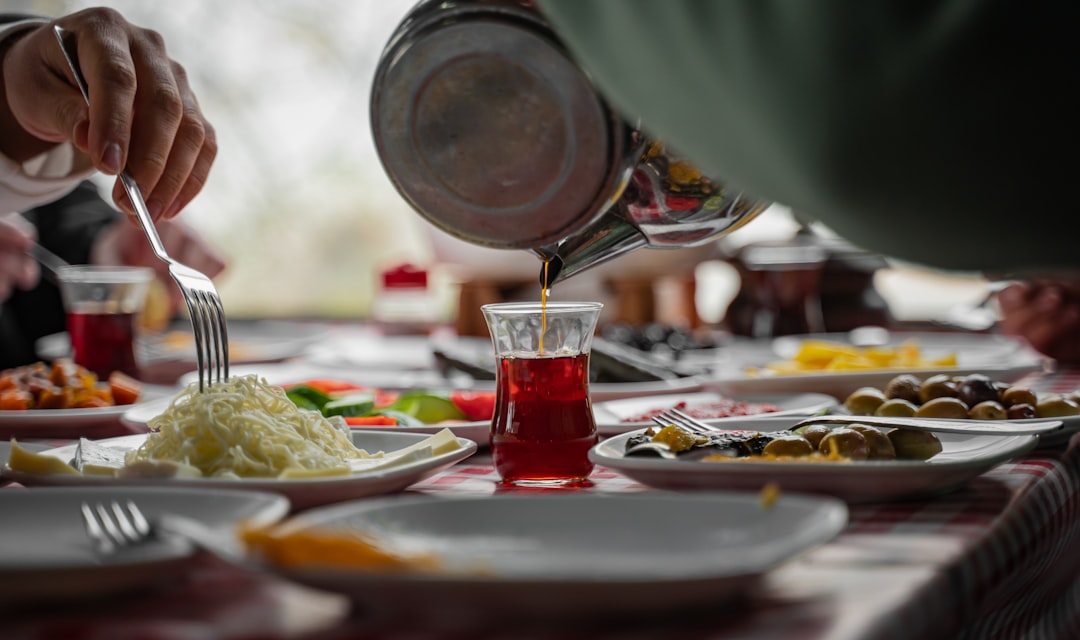
The double-teapot system used universally in Turkish tea preparation in which a small upper pot of intensely concentrated tea balances on a larger lower pot of boiling water maintains the brew at a serving-ready temperature indefinitely while allowing each drinker to dilute to their precise preference creating a service system that simultaneously accommodates individual variation and maintains a continuously available social beverage without the quality degradation of reheating. Turkey’s per-capita tea consumption is among the highest of any nation in the world with average daily intake estimated at multiple glasses per person and the tulip-shaped glass used for service which holds approximately 100 milliliters creating a portion size that naturally distributes consumption across many small servings throughout the day rather than concentrating intake into fewer large cups. The cultural obligation of tea service in Turkish professional commercial and social environments means that business meetings neighborhood visits and commercial transactions of any significance begin with tea service creating a universal social lubricant that structures the pacing of interpersonal interaction across virtually every domain of daily life. Research on Turkish tea culture identifies the frequency of tea-mediated social pauses throughout the working day as a structural rest and social connection mechanism whose cardiovascular and stress-reduction implications parallel those identified in occupational health research on regular work break practices. The specific black tea varieties traditionally used in Turkish çay culture produced primarily in the Rize region of the eastern Black Sea coast deliver a robust theaflavin content associated with the cholesterol-modulating and cardiovascular protective effects documented in black tea epidemiological research making the cultural practice of high-volume daily consumption an inadvertent population-level cardiovascular intervention.
Kenyan Chai Tradition
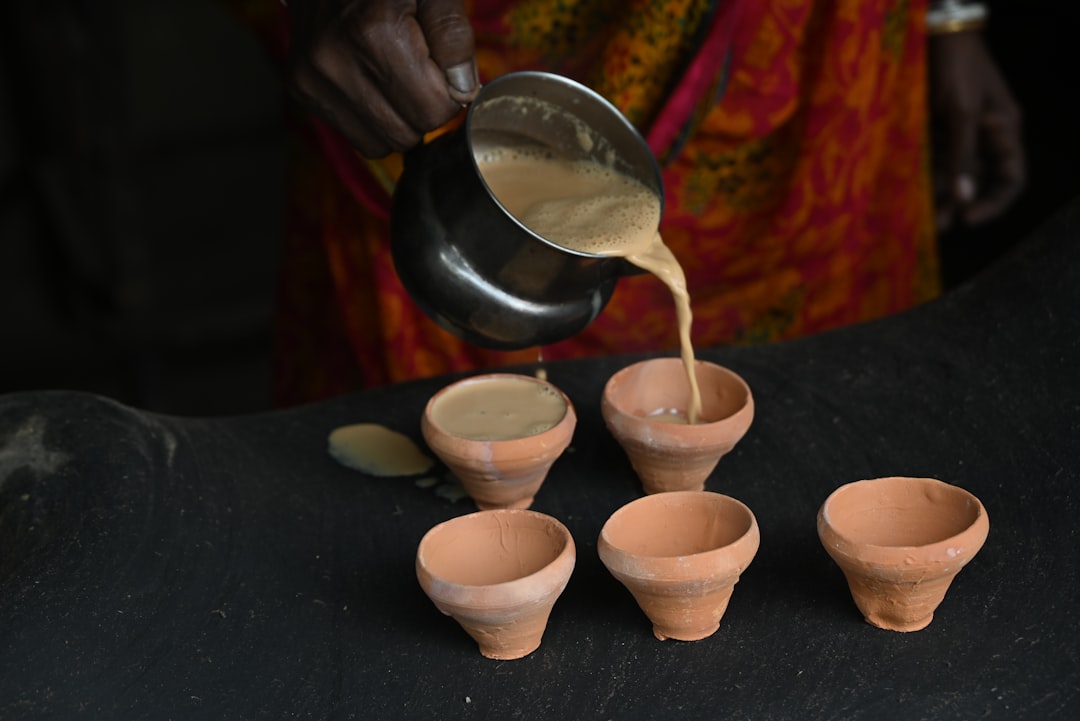
The Kenyan adaptation of the South Asian chai tradition involves simmering tea leaves directly in a mixture of water and milk from the beginning of preparation rather than adding milk to separately brewed tea a technique that produces a fundamentally different extraction environment in which the fat content of the milk influences which polyphenol fractions are extracted and how they interact with the milk proteins during the cooking process. Research on the nutritional implications of milk-tea co-extraction has produced complex findings with some studies identifying protein-polyphenol binding as a mechanism that reduces antioxidant bioavailability while others demonstrate that the thermal processing of the milk-tea mixture produces novel Maillard reaction compounds with their own distinct biological activity making the nutritional profile of Kenyan-style chai genuinely different from either the tea or the milk consumed separately. The communal preparation of chai in Kenyan social contexts particularly in rural communities involves a hospitality obligation of considerable cultural weight in which the quality of the chai offered reflects directly on the host’s social standing and care for guests creating a daily motivation for food preparation excellence that occupational therapists studying purposeful activity in aging populations would recognize as a significant psychological driver of engagement and skill maintenance. Kenya’s position as one of the world’s premier tea-producing nations means that the tea consumed in traditional Kenyan chai preparation is frequently of significantly higher quality and freshness than the export-grade product available internationally with the domestic beverage culture benefiting from access to the finest portion of the harvest that never reaches export markets. The sustained gentle heat of Kenyan chai preparation which typically involves simmering for 10 to 15 minutes rather than the brief steeping of Western tea preparation creates a specific extraction of heat-stable polyphenol compounds that shorter preparation methods do not fully mobilize from the leaf material.
Paraguayan Terere
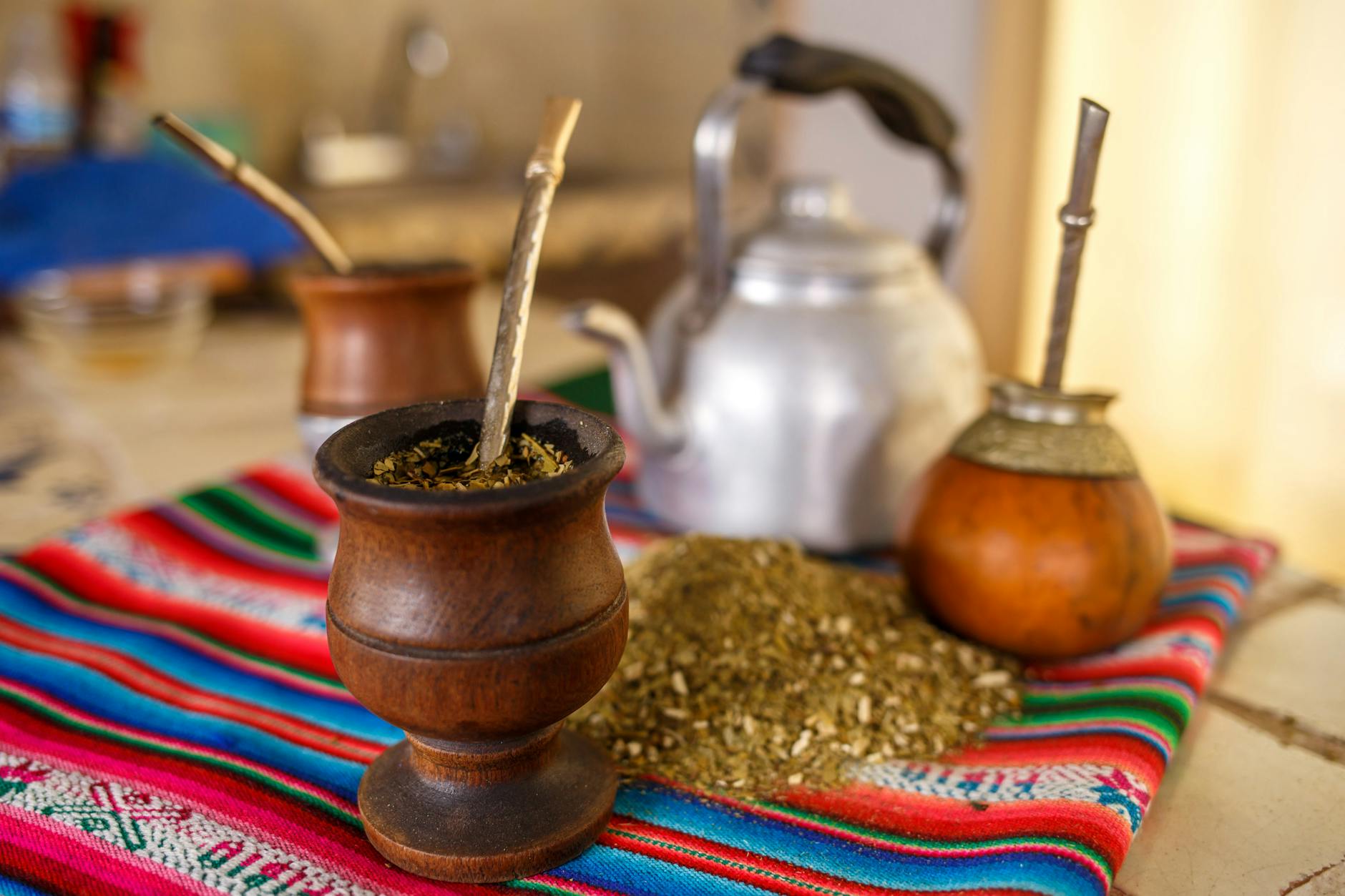
The Paraguayan tradition of terere involves drinking yerba mate herb through a metal filtering straw called a bombilla from a shared vessel filled with cold or ice water and sometimes fresh citrus juice in a communal passing ritual that represents one of the most socially embedded beverage traditions in the Americas with the shared vessel circulating among participants in a specific protocol that carries profound social meaning around equality and trust. The cold-water extraction used in terere produces a different polyphenol and methylxanthine profile than the hot-water mate preparation of Argentina and Uruguay with the lower extraction temperature preserving a higher concentration of certain volatile aromatic compounds while producing a less intense caffeine release that practitioners describe as producing a gentler more sustained energy effect than hot mate. Research on the xanthine alkaloid combination present in yerba mate including caffeine theobromine and theophylline identifies this mixture as pharmacologically distinct from any single-compound stimulant with the combined effect producing alertness enhancement and fatigue reduction through multiple receptor pathways simultaneously. The addition of fresh medicinal herbs including mint lemon verbena and boldo to the cold water used in terere preparation is a common traditional practice that introduces additional bioactive compounds into the beverage in a manner analogous to the Ecuadorian horchata tradition of multi-herb blending creating a functional complexity beyond what the base herb alone provides. Paraguay’s extraordinary cultural identification with terere which has been recognized as a UNESCO intangible cultural heritage element means that its consumption functions as a daily affirmation of national and community identity whose psychological implications for belonging and social cohesion are considered by Paraguayan social researchers to be inseparable from the beverage’s direct health effects.
Sardinian Myrtle Tea
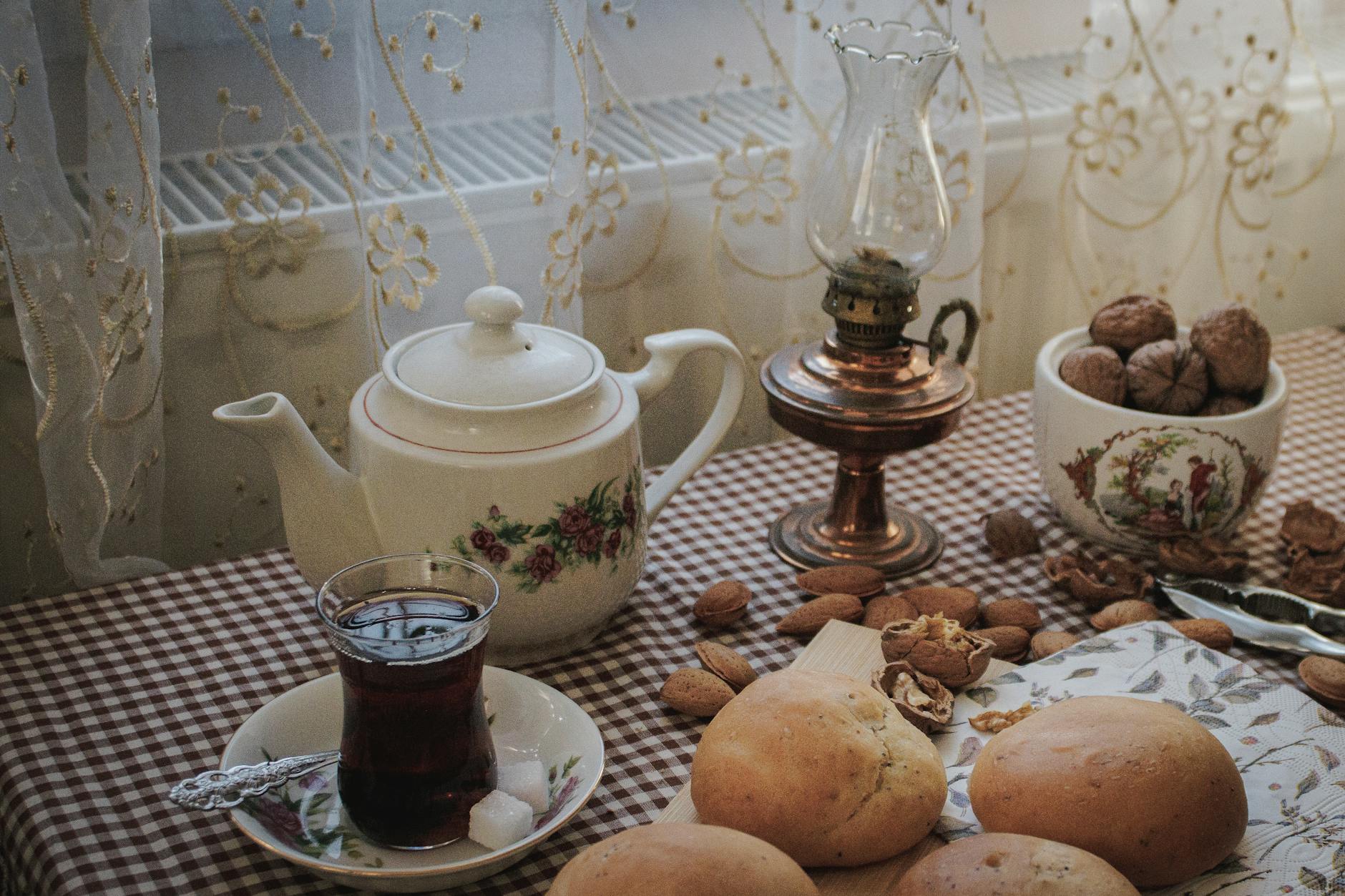
The tradition in certain communities of Sardinia one of the world’s five identified Blue Zones of preparing tea from the dried leaves and berries of the wild myrtle plant that grows across the Mediterranean macchia scrubland represents a hyperlocal botanical knowledge practice that connects the island’s extraordinary longevity record to its specific ecological environment in ways that researchers studying the Sardinian Blue Zone have found increasingly compelling. Myrtle leaf contains myricetin a flavonoid with documented antioxidant anti-inflammatory and potential anti-carcinogenic properties in laboratory research whose epidemiological significance in the context of the Sardinian longevity pattern has been noted by researchers though the specific contribution of myrtle consumption to population health outcomes remains under active investigation. The foraging practice associated with myrtle tea preparation which involves seasonal harvest of wild plant material from the surrounding landscape maintains a physical engagement with the natural environment and a continuity of ethnobotanical knowledge transmission between generations that environmental gerontologists identify as independently associated with cognitive health maintenance in elderly rural populations. The specific social context of myrtle tea consumption in Sardinian village culture which tends to occur in small groups of elderly men in particular during the late afternoon gatherings that Sardinian social structure organizes around creates a daily ritual of peer social engagement whose mental health protective effects gerontologists studying the Sardinian male longevity advantage have identified as a potentially significant contributor to the island’s unusual gender balance in its centenarian cohort. The bitter and astringent flavor profile of traditional myrtle tea which differs substantially from the sweetened commercial herbal teas familiar to international consumers reflects a cultural palate adaptation to bitter plant compounds that nutritional researchers associate with higher dietary phytonutrient intake across multiple food categories beyond tea consumption alone.
Andean Muña Tea
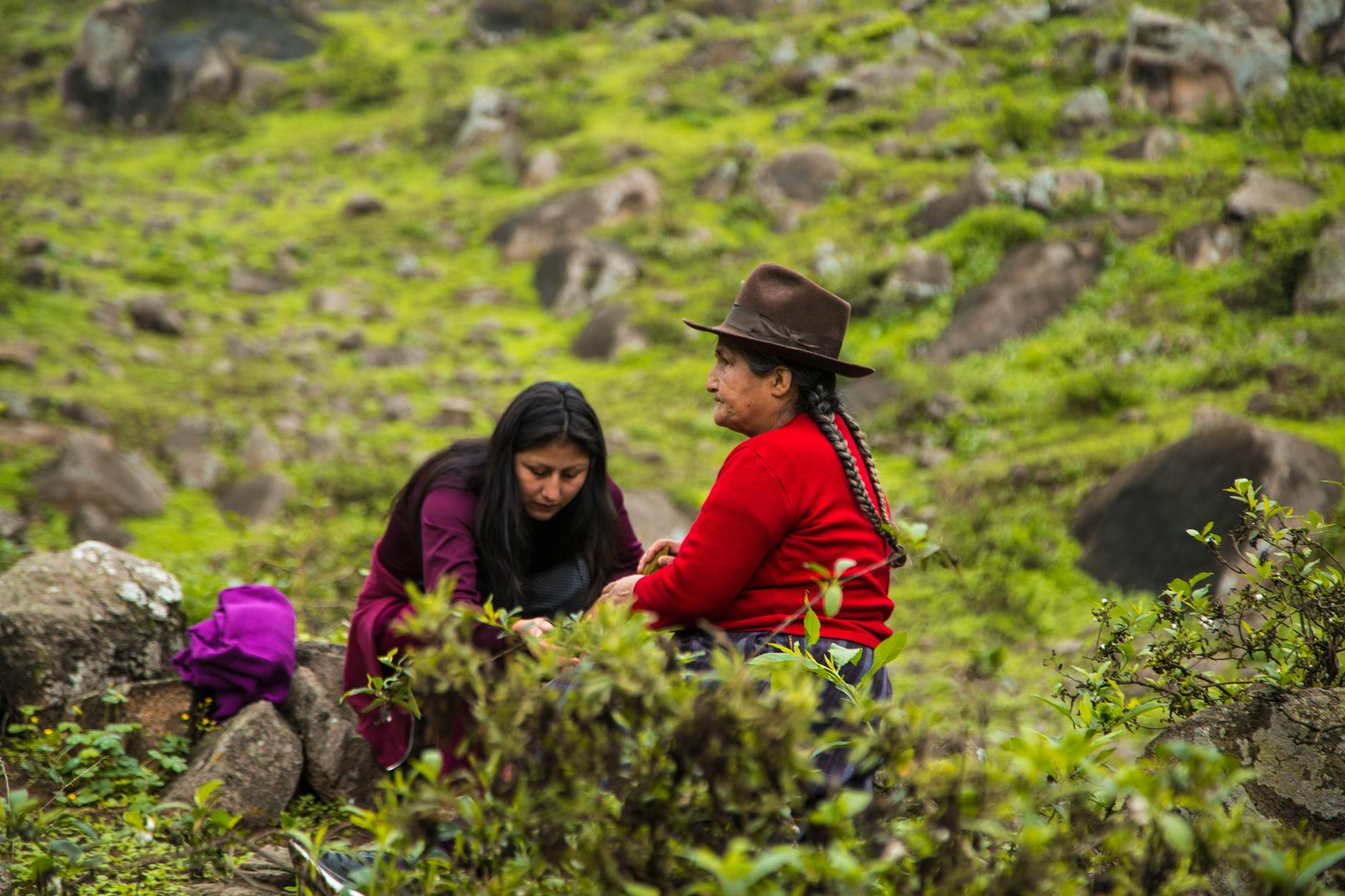
The high-altitude communities of the Peruvian and Bolivian Andes have consumed tea made from muña a small aromatic mint-family plant endemic to Andean elevations above 3000 meters as a daily staple with particular cultural emphasis on its consumption before and after physical exertion at altitude where its traditional reputation as an aid to respiratory efficiency and altitude adaptation has been passed through generations of oral knowledge. Preliminary phytochemical research on muña has identified volatile aromatic compounds including pulegone and menthone as well as flavonoids and phenolic acids whose combined biological activity in the respiratory and digestive systems provides partial scientific support for the traditional use claims made by Andean communities across centuries of empirical observation. The preparation of muña tea which involves a brief infusion of fresh or dried plant material in water just below boiling temperature is simple enough to be performed anywhere including on mountain trails making it a genuinely integrated daily practice rather than a domestic ceremony limited to the home environment. The cultural knowledge surrounding muña tea identification sustainable harvesting and preparation represents a form of traditional ecological knowledge that indigenous rights researchers and ethnobotanists are actively documenting as part of broader efforts to preserve Andean biocultural heritage before urbanization and market integration displace plant-based traditional medicine practices from everyday use. Communities in the Colca Canyon region of Peru where muña tea consumption is particularly prevalent and well-documented have been noted in demographic studies for health and physical capacity profiles in elderly individuals that researchers have flagged as warranting further investigation in the context of the plant’s potential physiological contributions.
Moroccan Argan Tea
A distinct tradition practiced in certain Berber communities of the Atlas Mountain region involves the addition of argan oil to prepared tea creating a beverage that combines the polyphenol content of the tea base with the oleic acid and tocopherol content of one of the world’s most nutrient-dense plant oils in a combination whose nutritional logic mirrors the fat-soluble vitamin absorption enhancement that makes Tibetan butter tea physiologically sophisticated. The argan trees whose fruits produce the oil are endemic to a specific ecological zone of southwestern Morocco and the cultural knowledge surrounding their sustainable management has been recognized by UNESCO as an intangible heritage element with the oil’s production traditionally controlled by women’s cooperatives that represent a significant economic and social empowerment structure within the communities where the tea tradition is also most prevalent. Research on argan oil consumption has documented associations with improved lipid profiles reduced inflammatory markers and enhanced skin barrier function in populations with regular dietary exposure making its incorporation into a daily beverage ritual an effective delivery mechanism for these compounds that avoids the palatability challenges of consuming oil directly. The specific preparation of argan tea which involves allowing the oil to float on the surface of the prepared tea and consuming both simultaneously requires a deliberate drinking technique that slows the pace of consumption and creates a sensory engagement with the beverage that practitioners describe as distinctly different from conventional tea drinking. Atlas Mountain communities where this tradition is most actively maintained are studied within the broader context of the Mediterranean diet’s longevity associations with the argan oil component contributing a monounsaturated fat profile that aligns with the oleocentric nutritional patterns that Mediterranean health research consistently identifies as beneficial.
Vietnamese Lotus Tea
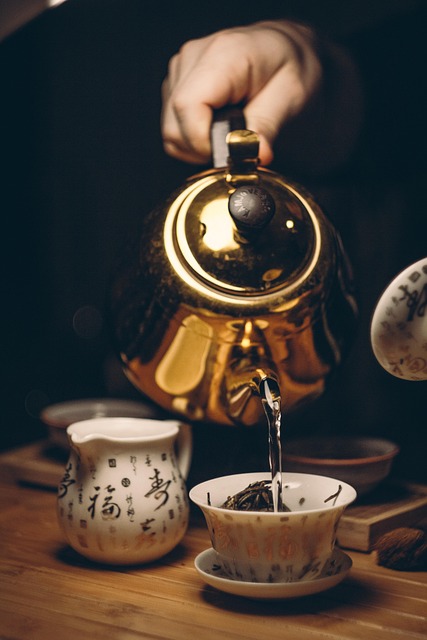
The Vietnamese tradition of lotus tea preparation involves embedding dried green tea leaves within the center of living lotus flowers and allowing the tea to absorb the natural fragrance compounds of the lotus overnight before the flowers are opened and the scented tea removed for brewing creating a scenting method of extraordinary delicacy that uses no artificial compounds and produces an aromatic profile that differs biochemically as well as sensorially from either the tea or the lotus consumed independently. The sacred cultural status of the lotus in Vietnamese Buddhist tradition means that lotus tea carries a ceremonial significance that elevates its consumption from a beverage moment to a contemplative practice associated with the Buddhist values of purity impermanence and the transformation of adverse conditions into beauty that the lotus’s growth from mud to blossom symbolizes within the tradition. The lotus flower itself contains compounds including nuciferine and nelumboside that have been investigated in pharmacological research for their sedative anxiolytic and anti-inflammatory properties raising the possibility that the overnight scenting process transfers some proportion of these bioactive compounds into the tea leaf in addition to the aromatic molecules that are the primary intended result of the preparation. The labor intensity of traditional lotus tea preparation which requires fresh lotus flowers harvested at specific times of the morning before the flowers fully open makes the beverage expensive and its production an act of considerable dedication that Vietnamese culture associates with the expression of deep respect and care for the recipient. Hanoi’s historic lake communities where lotus tea production has been concentrated for centuries have maintained a continuity of this botanical knowledge practice that ethnobotanists studying Vietnamese material culture identify as one of the most sophisticated examples of plant-fragrance artisanship in the global tea tradition.
Himalayan Herbal Adaptogen Tea
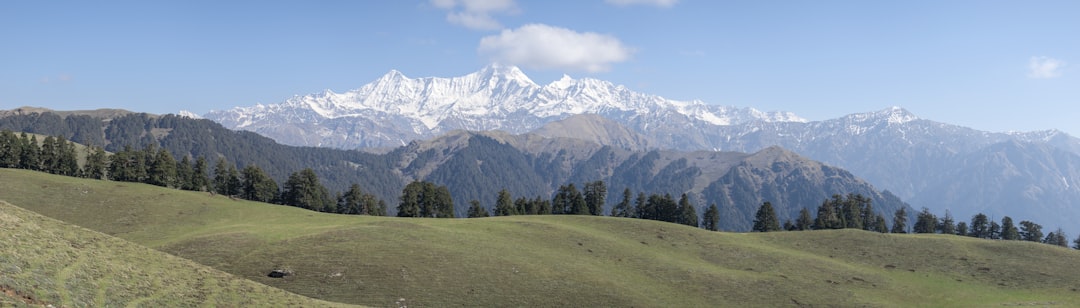
Communities throughout the greater Himalayan region spanning Nepal Sikkim and the highland border areas of northern India have developed traditions of incorporating locally harvested adaptogenic plants including rhodiola rosea ashwagandha and various indigenous astragalus species into hot water preparations consumed as daily tonics creating a functional beverage tradition that modern adaptogen research has substantially validated as physiologically significant. The concept of adaptogens which are defined in contemporary pharmacology as plant compounds that increase non-specific resistance to physical chemical and biological stress maps directly onto the traditional Himalayan understanding of these plants as substances that strengthen the body’s overall vital capacity rather than treating specific symptoms making the traditional tea practice a sophisticated systems-level health intervention by contemporary functional medicine standards. Research on rhodiola rosea which grows in the rocky high-altitude terrain of the Himalayan region has produced the strongest clinical evidence base of any single adaptogen with randomized controlled trials demonstrating significant effects on fatigue reduction stress resilience cognitive performance under pressure and exercise recovery in ways that are directly relevant to the physical demands of high-altitude agricultural life. The seasonal availability of different adaptogenic plants throughout the Himalayan year creates a natural rotation of botanical compounds consumed through the tea tradition that inadvertently prevents the receptor desensitization that repeated single-compound exposure produces and maintains a broader spectrum of biological activity across the annual cycle. The oral transmission of plant identification knowledge harvesting timing and preparation methods within Himalayan communities represents a repository of empirically validated botanical medicine whose systematic documentation by ethnopharmacologists has in numerous instances preceded and inspired formal pharmaceutical research into the same plant compounds.
What tea rituals have you encountered in your own travels or cultural background? Share your experiences in the comments.




