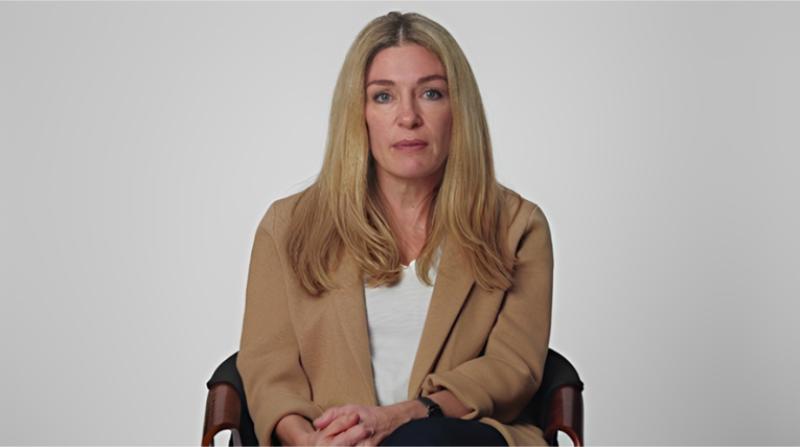
Many people hear the words psychopath and sociopath in popular culture and assume they describe exactly the same type of person. Films and television shows often toss them around as synonyms for someone dangerous or lacking a conscience. In reality the two terms point to distinct patterns even though both fall under the broader umbrella of antisocial behaviors. Psychologist and neuroscientist Abigail Marshhttps://youtu.be/P2pU9UCxlKY?si=6LtoUORvFYTlihIq has clarified that psychopathy stands as a recognized scientific and clinical concept while sociopathy remains more of a casual label without strict diagnostic criteria.
Psychopathy involves deep seated personality traits and emotional deficits that often trace back to genetic factors or differences in brain structure. Individuals with these traits typically appear charming and calculated on the surface. They can plan actions with precision and maintain a facade of normal life for long periods. Because the focus lies on internal emotional processing rather than outward rule breaking a person can show strong psychopathic traits without ever committing crimes. This separates it somewhat from antisocial personality disorder which centers more on repeated harmful behaviors.
Sociopathy on the other hand tends to develop from environmental influences such as childhood trauma neglect or unstable family surroundings. People described this way often act more impulsively and struggle to keep steady jobs or relationships. Their emotions flare up more easily leading to outbursts that draw attention. While they may form limited attachments to a small circle of people they still disregard broader social norms and show little consistent remorse. Experts note that sociopathy aligns closely with the official diagnosis of antisocial personality disorder in the DSM-5 yet it lacks its own formal checklist of traits.
The historical shift between these labels adds another layer. Earlier thinking held that antisocial patterns stemmed purely from social experiences which is why the term sociopath gained traction decades ago. Modern understanding reveals a more complex picture where biology and environment interact in varied ways. Psychopathy is sometimes linked to being born with certain predispositions while sociopathy highlights how life events can shape similar but not identical outcomes. Neither term serves as a standalone clinical diagnosis today but both help professionals discuss overlapping features of callousness impulsivity and lack of empathy.
In everyday encounters these distinctions matter because they influence how people behave and how others might respond. A calculated individual who hides intentions behind charisma poses different challenges than someone whose erratic actions create chaos openly. Awareness of the nuances prevents oversimplification and encourages looking beyond media stereotypes. Research continues to refine these ideas emphasizing that human personality exists on spectra rather than rigid categories.
Understanding these differences can help us navigate relationships and recognize when professional support might be needed for those showing concerning patterns. What experiences or observations have you had with these concepts and how do they shape your views on personality and behavior. Share your thoughts in the comments.




