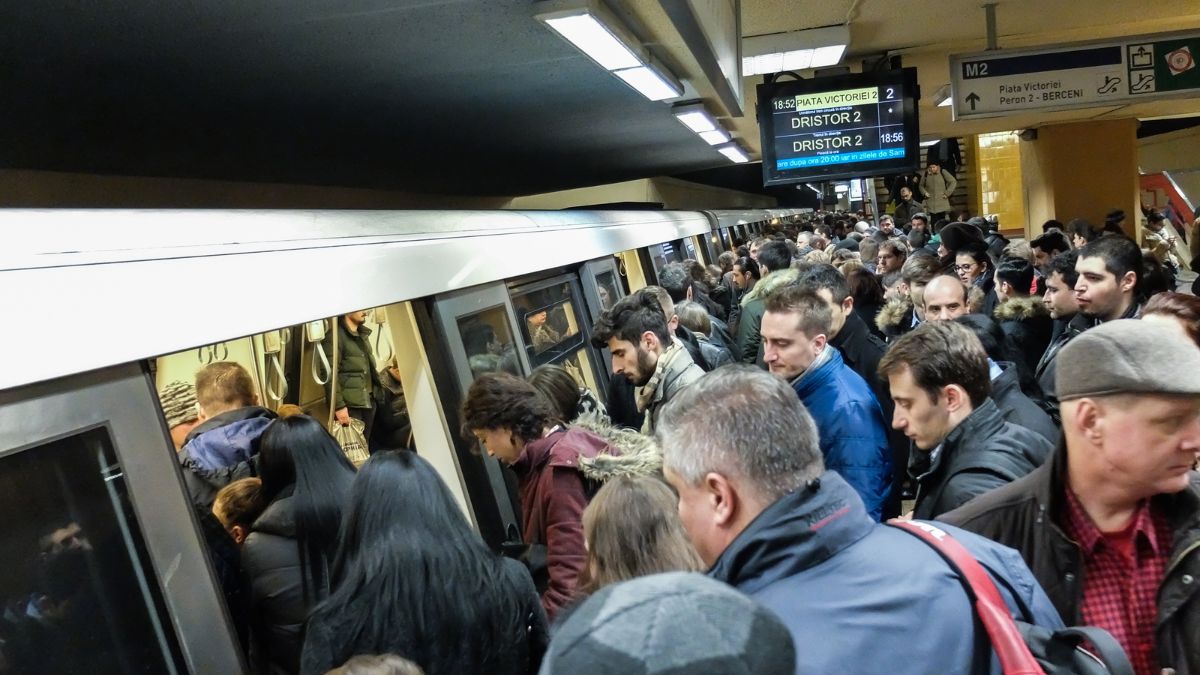
A pregnant woman in the later stages of her pregnancy recently sparked widespread discussion online after posting a video from a packed London Underground train where she remained standing because none of the passengers offered her a seat. Thirty one year old Giselle Major who goes by the handle gxselle_m on TikTok recorded the moment while heading to a routine prenatal checkup in central London. She was in her twenty eighth week at the time and dealing with sciatica pelvic pain nausea and exhaustion yet she chose the subway as the simplest option for a trip lasting under ten minutes.
Driving would have meant paying the congestion charge navigating heavy traffic and hunting for parking which often triggered immediate nausea for her. Major explained that throughout her pregnancy she had attended many appointments sometimes twice a month and had grown used to rarely being offered a seat even though her baby bump was obvious and she wore a visible pregnant badge. What struck her most was not just the lack of seats but the way people behaved around her. Passengers would glance up briefly make eye contact for a second and then quickly look away or return to their phones as if avoiding any interaction.
Before becoming pregnant Major said she always gave up her own seat to anyone who seemed to need it more so the experience left her feeling vulnerable and a bit confused while standing in the swaying carriage. She decided to film one such journey to capture exactly what it felt like in real time. The short clip quickly went viral on TikTok gathering one point eight million views and prompting hundreds of comments from women who shared their own similar stories during pregnancy.
Many commenters expressed frustration saying basic courtesy seems to have disappeared in modern life while others praised the idea of always offering seats to pregnant women or the elderly without hesitation. A few took a harsher view claiming pregnancy does not entitle anyone to special treatment but the majority of responses showed empathy and recognition of how physically demanding even short journeys can become. Major pointed out that carrying a child affects balance joints and energy levels in ways outsiders might underestimate making ordinary tasks far more challenging than they appear.
@gxselle_m I already hate public transport, but being pregnant made me hate it even more😮💨 I only took the train because it was a few stops to my prenatal apts. Driving meant congestion charge, finding parking and instant nausea so the train felt like the easier option🫠 I went to my appointments every month sometimes twice a month and I can honestly say I think I was offered a seat maybe once🥲 The rest of the time I was just standing there heavily pregnant, holding my bump on trains while people stared straight at their phones pretending not to notice🥴 One time I was so hormonal and overwhelmed that I actually cried and just went back home because no one even offered🥲 Maybe it sounds entitled, but pregnancy hormones don’t exactly help you brush things off🥴 People will literally watch a heavily pregnant woman standing on a packed train and suddenly everyone avoids eye contact🙃 #pregnancyjourney #mumsoftiktok #pregnancytiktok #firsttimemum #pregnantlife ♬ original sound – SPAM LIKE = BLOCK
She emphasized that small gestures of kindness can make a meaningful difference for someone quietly struggling. Major also addressed those who suggested she should simply ask for a seat noting that not everyone feels comfortable doing so which is precisely why priority seating exists on public transport. Her story highlights a broader conversation about awareness and everyday consideration in crowded urban spaces where people often remain absorbed in their own worlds.
Pregnancy places a significant load on the body and moments like these reveal how much a little attentiveness can ease the journey for expectant mothers. Major hopes sharing her experience encourages more people to notice those around them who might need support even if they do not speak up. In a busy city like London where commutes happen at high speed it is easy to miss subtle signs of need yet acting on them can turn an uncomfortable ride into one that feels supported.
What are your thoughts on this situation. Share them in the comments.




