
Across the rental market, tenants are increasingly reporting patterns of deliberate pressure designed to push them out of their homes without a formal eviction process. These tactics are often subtle enough to maintain plausible deniability while creating conditions that make staying feel impossible. Understanding what to look for can be the difference between protecting your tenancy and unknowingly surrendering it. The following list ranks the most commonly reported methods from the least to the most aggressively disruptive.
Maintenance Neglect

When minor repair requests go unanswered for weeks or months, the cumulative effect on a tenant’s daily life becomes significant. A dripping tap becomes a mold problem, a broken heating unit becomes a health hazard, and a faulty lock becomes a safety concern. The landlord avoids direct confrontation while the property quietly becomes less and less livable. Many tenants eventually decide the discomfort outweighs the stability of staying. This slow erosion of habitability is one of the most passive yet effective tools in the constructive eviction playbook.
Rent Spikes

Strategically timed and steeply raised rents are often used in markets where formal rent control protections are limited or poorly enforced. The increase is set just above what a tenant can reasonably absorb, making departure feel like a financial necessity rather than a forced choice. This tactic is particularly effective against long-term tenants whose below-market rates had previously made the property attractive. Landlords can present the increase as routine market adjustment while achieving the desired outcome. In many jurisdictions this practice occupies a legal grey area that tenants find difficult to challenge.
Communication Blackouts
Suddenly becoming unreachable is a method that leaves tenants in a state of prolonged uncertainty about their housing situation. Maintenance requests go unacknowledged, lease renewal queries receive no reply, and phone calls are consistently ignored. This manufactured silence creates frustration and anxiety that gradually chips away at a tenant’s sense of security. Without written communication, tenants also lack the documentation needed to build a formal complaint. The landlord preserves deniability by simply claiming to have been unavailable.
Inspection Overload

Scheduling frequent property inspections at short notice disrupts daily routines and signals a hostile living environment to the tenant. While landlords are typically entitled to inspect their properties, the frequency and timing of these visits can be weaponized. Visits scheduled early in the morning, late in the evening, or multiple times within a single month go beyond reasonable oversight. The psychological effect of repeated intrusions makes the home feel less like a sanctuary and more like a monitored space. Tenants who work from home or have young children are especially vulnerable to this form of pressure.
Utility Interference

In properties where the landlord controls utility accounts, the deliberate disruption of water, heating, or electricity access is among the more direct forms of constructive eviction. Outages are framed as billing errors, infrastructure faults, or administrative delays rather than intentional acts. The tenant is left to manage the practical fallout of living without essential services while the landlord maintains a veneer of innocence. Repeated occurrences create an environment that is genuinely unsafe and legally actionable in most regions. Despite this, many tenants leave before ever escalating the matter formally.
Lockout Tactics
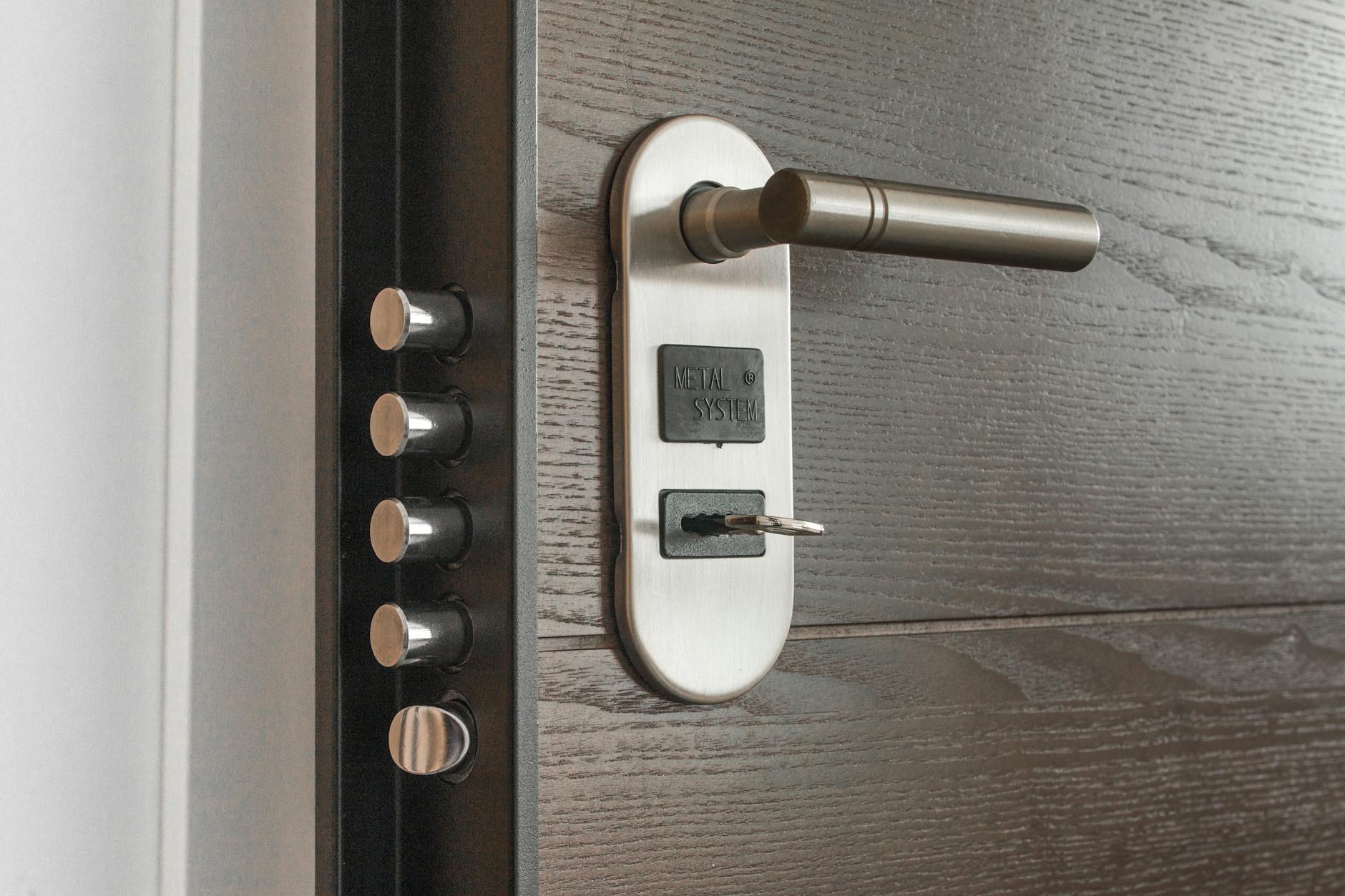
Changing locks under the pretense of a security upgrade is a blunt instrument that some landlords deploy when subtler methods have failed. The tenant may arrive home to find their key no longer works and face hours or even days of displacement before access is restored. This tactic is illegal in most jurisdictions but continues to be reported with regularity, particularly in markets with limited tenant advocacy resources. The immediate shock and disruption can prompt a spontaneous decision to vacate before the tenant has time to understand their legal rights. Documentation of the incident is critical for any subsequent legal challenge.
Cash for Keys

This approach involves offering a tenant a financial incentive to voluntarily vacate the property within an agreed timeframe. It is legal in most places and is often framed as a mutually beneficial arrangement rather than a pressure tactic. The offers are frequently made during moments of tenant vulnerability such as a job loss or family change when financial relief feels urgent. The sum offered is typically far below what the tenant would be entitled to through formal eviction proceedings. What appears to be generosity is often a cost-effective way to bypass tenant protections entirely.
Fake Renovations

Announcing sweeping renovation works that will render the property temporarily uninhabitable is a tactic used to justify requesting a tenant’s departure. In practice the scope and duration of the work is often exaggerated or never materializes at the intended scale. Tenants who leave temporarily on this basis often find their right to return is contested once they have vacated. The legal nuance between a genuine renovation and a bad-faith displacement can be difficult for a tenant to prove without specialist advice. Many tenants are unaware that in numerous jurisdictions landlords are legally obligated to guarantee the right of return before work begins.
Nuisance Creation

Deliberately introducing conditions that erode quality of life is a form of constructive eviction that is difficult to prove and easy to deny. This can include allowing or encouraging noise from neighboring units, failing to address pest infestations, or permitting deterioration of shared spaces to an uncomfortable degree. Each individual condition may fall just below the threshold of a formal complaint but the cumulative experience becomes unbearable. Tenants who raise concerns are often told the issues are being investigated without any meaningful action following. The goal is to make the home feel chaotic and unmanageable until departure feels like the only rational option.
Third-Party Harassment

Some landlords use third parties including contractors, property managers, or even other tenants to carry out pressure tactics at a remove. This creates a buffer between the landlord and the behavior, making it difficult to establish a direct link for legal purposes. Contractors may make unnecessary visits at disruptive hours, property managers may communicate in an intimidating or dismissive tone, and neighboring tenants may be quietly encouraged to file complaints. The targeted tenant experiences a coordinated campaign that appears unorganized from the outside. Recognizing the pattern rather than reacting to individual incidents is key to building a credible case.
Fraudulent Lease Claims
Misrepresenting the terms of a lease or falsely claiming a tenant has violated its conditions is a tactic that puts the tenant immediately on the defensive. The landlord may cite obscure clauses, invent breaches that did not occur, or selectively enforce rules that were never previously raised as concerns. Tenants without legal literacy often accept these claims at face value and begin the process of self-eviction without realizing the assertions are unfounded. The burden of disproving a false claim can feel overwhelming, particularly for tenants already under other forms of pressure. Written responses to every allegation and the retention of all lease documentation are essential protective measures.
Intimidation Visits

Personal visits from the landlord that carry an aggressive or threatening undertone are a form of direct psychological pressure that many tenants find deeply unsettling. These visits may not involve explicit threats but rely instead on tone, body language, and implied consequences to communicate that the tenant is no longer welcome. The informality of the encounter makes it difficult to document and easy to dismiss as a misunderstanding if challenged later. Tenants who live alone or who belong to groups with less legal recourse are disproportionately targeted by this approach. Keeping a written log of the date, time, and content of every interaction with a landlord is an important protective habit.
False Ownership Claims

Claiming that the property is being sold and that the new owner requires vacant possession is a tactic used to create urgency and panic in the tenant. In some cases no sale is underway at all and the claim is fabricated purely to prompt a voluntary departure. Even where a genuine sale does occur tenants in most jurisdictions retain their right to remain in the property under the existing lease terms. The complexity of property law means many tenants accept the claim without seeking independent verification. Consulting a local tenancy advisory service before taking any action is advisable when this situation arises.
Forged Documents
The use of falsified notices, fake legal letters, or counterfeit official documents to pressure tenants into leaving represents one of the most serious tactics on this list. These documents are designed to mimic genuine legal correspondence closely enough to convince a tenant that formal proceedings are already underway. The psychological pressure of believing a court order or eviction notice is real can prompt immediate departure. In most countries the production of such documents constitutes a criminal offense in addition to a civil wrong. Any formal-looking notice should be independently verified with a legal professional or official tenancy body before a tenant takes any action.
Coordinated Eviction Squads

At the most aggressive end of the spectrum sit organized operations involving groups of individuals used to physically intimidate or forcibly remove tenants without legal authority. These incidents have been documented in high-demand urban rental markets and typically target vulnerable tenants including recent migrants, elderly individuals, and those with limited language access to local legal systems. The operation is designed to move quickly before the tenant can access legal support and to create a sense of overwhelming force that makes resistance feel futile. Law enforcement involvement is sometimes delayed due to the private nature of landlord-tenant disputes. Organizations that specialize in housing rights advocacy are often the fastest and most effective point of contact when this level of pressure is being applied.
If you have experienced any of these tactics or know someone who has, share your story in the comments.




