
Financial secrecy is one of the most quietly damaging forces in a long-term relationship, often unfolding slowly before either partner fully recognizes the pattern. Credit card debt in particular tends to be concealed through small behavioral shifts rather than dramatic confessions. Recognizing these signs early can protect both emotional and financial wellbeing before the situation becomes unmanageable. The following signals are ordered from the most commonly observed down to the subtler patterns that often go unnoticed until much later.
Mail Behavior

Unexplained urgency around collecting the mail before you do is one of the earliest and most consistent indicators of hidden financial activity. A partner managing secret debt will often intercept envelopes from banks or financial institutions to prevent statements from being seen. They may switch all correspondence to paperless billing using a private email address you have no access to. Over time this protective behavior around physical mail becomes a habitual and automatic response.
Online Banking

A partner hiding significant debt will frequently change passwords on banking apps and online financial accounts without explanation. Devices are angled away or screens are dimmed the moment financial apps are opened in your presence. Logging out of shared tablets or computers immediately after use becomes a consistent pattern rather than an occasional habit. The casual transparency that once existed around financial activity quietly disappears over time.
Spending Conversations

Attempts to discuss household budgets or upcoming financial planning are met with deflection or sudden topic changes. A partner carrying hidden debt often introduces mild hostility or irritability the moment spending or savings come up in conversation. They may frequently reframe the discussion around your own spending habits to redirect attention. This pattern of avoidance becomes noticeably consistent across different financial topics over weeks and months.
New Cards

Unfamiliar credit cards appearing in a wallet or purse that were never discussed are a direct red flag worth noting. These cards are often tucked behind older cards or kept in a separate wallet compartment to reduce visibility. New card arrivals in the mail may coincide with the previously mentioned pattern of intercepting correspondence. The existence of accounts you were never told about suggests an active effort to keep financial activity compartmentalized.
Cash Withdrawals
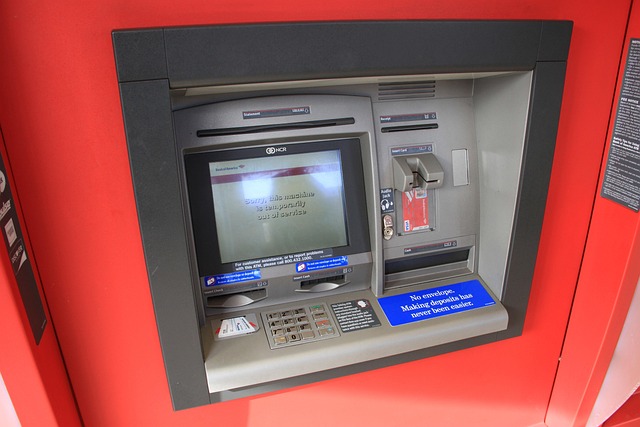
Frequent and unexplained ATM withdrawals suggest an attempt to move spending activity off traceable digital platforms. A partner managing hidden credit obligations may use cash to make minimum payments at physical bank branches to avoid online paper trails. Unusually high cash usage for everyday purchases that would normally appear on a shared account is worth noting. This shift toward cash-based spending often intensifies as debt levels rise.
Income Excuses

Repeated vague explanations about why there is less money available than expected can signal that income is being redirected toward hidden debt payments. Phrases about unexpected work deductions or delayed transfers become recurring themes without any accompanying documentation. A partner may claim bonuses were smaller than usual or that a paycheck was short without offering any verifiable details. This pattern of financial ambiguity is a protective mechanism used to buy time.
Loan Applications

Discovering credit inquiries on a shared credit report that were never discussed points strongly toward undisclosed financial activity. Hard inquiries from lenders or credit card companies appear on reports and leave a datestamped record of applications made. A partner attempting to manage mounting debt may apply for balance transfer cards or personal loans without informing you. These inquiry trails are among the most concrete and documentable signs available.
Secretive Phone Use

A sudden and pronounced increase in phone privacy around calls or messages from unknown numbers is a behavioral shift worth observing. Debt collection agencies and creditors contact borrowers frequently once accounts fall behind and these calls tend to come at predictable hours. A partner may step outside to take certain calls or allow unfamiliar numbers to go to voicemail consistently. The anxiety visible before or after these moments is often difficult to fully conceal.
Minimum Payments

A household that was once financially comfortable suddenly struggling to cover routine expenses may indicate that income is being absorbed by minimum card payments. Minimum payments on large balances consume a disproportionate share of monthly cash flow while barely reducing the actual debt. A partner making these payments secretly will find their available funds shrinking in ways that are difficult to explain to a co-habitant. The financial tightness feels real because it is real even if the cause remains hidden.
Financial Apps

The sudden deletion of budgeting or financial tracking apps that were previously used together is a meaningful behavioral change. Shared apps like budgeting tools or expense trackers are removed or simply abandoned without explanation. A partner may cite technical reasons or claim the app was unhelpful to justify disengaging from shared financial visibility. The removal of these tools eliminates a layer of transparency that would otherwise make hidden spending easier to detect.
Gift Overcompensation

Unexpectedly lavish gifts or sudden generosity with money during a period of apparent financial stress can indicate guilt-driven spending behavior. Partners concealing debt sometimes oscillate between extreme frugality and impulsive generosity in ways that feel emotionally inconsistent. Large purchases made for you without any plausible financial explanation suggest that spending patterns are not being governed by actual available funds. This overcompensation is often an emotional response to the psychological weight of sustained financial deception.
Credit Score Changes

A noticeable and unexplained drop in a partner’s personal credit score is one of the more objective data points available. Credit scores fall when utilization rates rise sharply or when payments are missed over consecutive billing cycles. A partner who was previously creditworthy but is now hesitant to apply for joint financing may be aware of a deteriorating score. Requesting a joint credit review and observing the response can itself be revealing.
Fake Receipts

Altered or vague receipts presented for purchases that seem inconsistent with the amount spent suggest deliberate obfuscation of financial activity. A partner may describe an expense as one thing while the actual charge on a card statement reflects something different entirely. Small inconsistencies between verbal explanations and actual documented costs accumulate into a recognizable pattern over time. This behavior reflects active management of a financial narrative rather than simple forgetfulness.
Night Anxiety

Disrupted sleep patterns characterized by late-night phone use or visible restlessness that coincides with billing cycle dates can be psychologically significant. Financial stress from hidden debt tends to peak around payment due dates and statement closing periods. A partner who begins experiencing sleep disturbance without any acknowledged cause may be managing significant internal pressure. The body’s stress response to financial anxiety is difficult to suppress even when the source is being deliberately concealed.
Joint Account Avoidance

A long-term resistance to opening shared financial accounts or combining finances despite relationship progression is worth examining in context. Partners with hidden debt are acutely aware that joint accounts would expose transaction histories and account balances. Repeated postponement of financial consolidation that was previously agreed upon signals discomfort with increased financial transparency. This avoidance is rarely acknowledged directly but tends to be consistent and firm.
Tax Reluctance
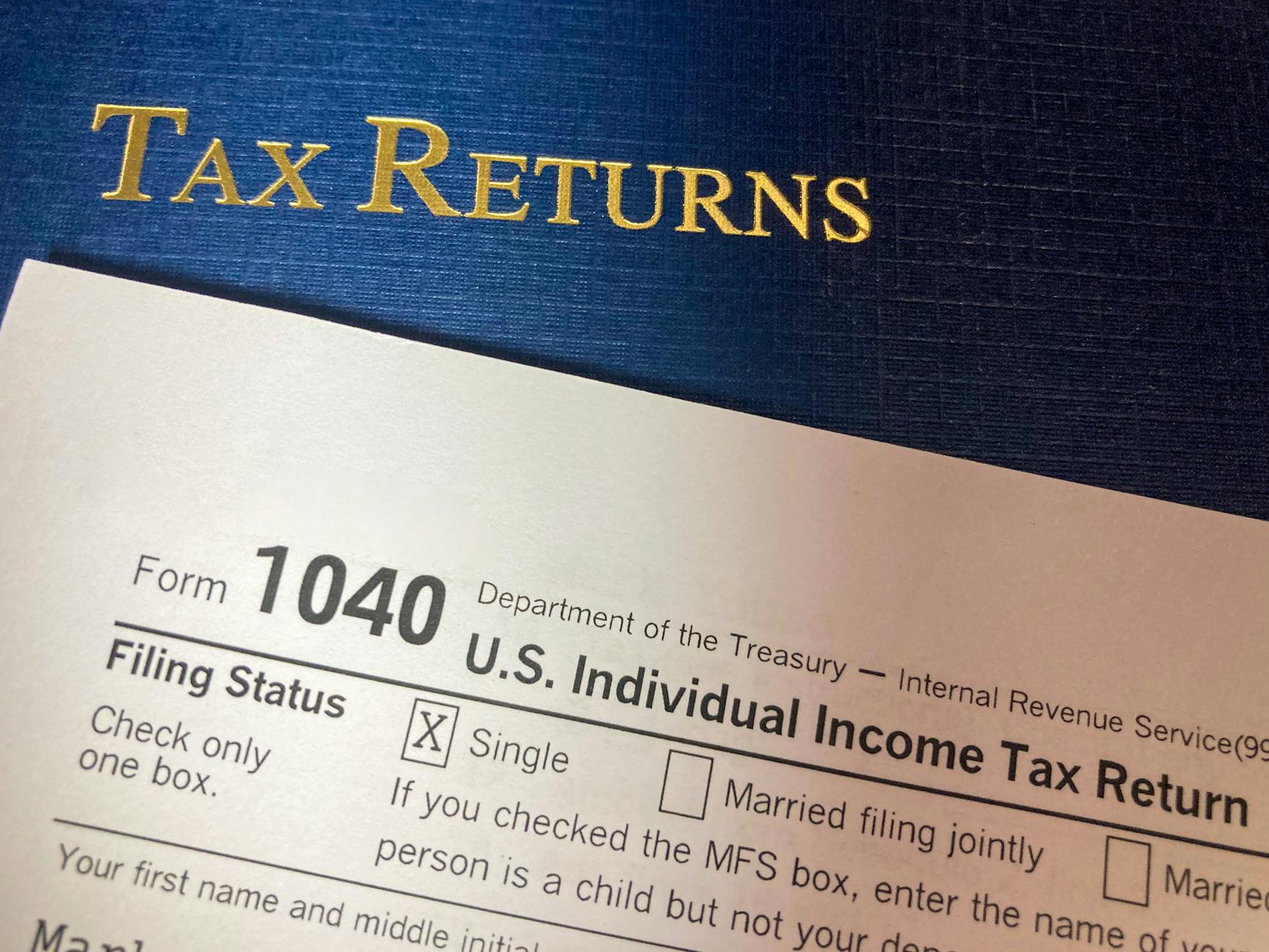
Hesitation around filing joint taxes or a strong preference for filing separately without a clear practical reason can be a telling signal. Tax returns require disclosure of income and financial details that a partner hiding debt may find uncomfortably revealing. A shift from previous joint filing habits to a sudden preference for individual returns deserves a direct and open conversation. Financial professionals advise that tax filing behavior changes without explanation warrant closer attention.
Creditor Calls

Receiving calls at your shared home phone from numbers identified as financial institutions or debt recovery agencies is a concrete and immediate signal. Creditors escalate contact methods when accounts become seriously delinquent and will attempt to reach borrowers through multiple channels. A partner who visibly tenses or quickly redirects when these calls come through is displaying stress-linked behavior. The frequency of these calls tends to increase proportionally with the severity of the debt situation.
Separate Accounts

The existence of personal bank accounts that were never disclosed during the course of a committed relationship indicates a deliberate choice to maintain financial separateness. While individual accounts are entirely normal it is the active concealment of their existence that becomes problematic. A partner who denies having personal accounts that later surface on documentation or tax records is engaging in direct financial dishonesty. This level of concealment typically protects more than just savings.
Work Overtime

Sudden and frequent increases in claimed overtime hours or a new secondary income stream that produces no visible financial improvement can indicate that earnings are being directed elsewhere. A partner earning more but with nothing to show for it in the household budget is effectively running a financial parallel track. The emotional and physical exhaustion associated with genuine overwork may also be present and serve as additional cover for stress related to debt. This pattern is particularly difficult to detect without access to actual pay documentation.
Vague Explanations

Consistent inability to explain where a specific sum of money went despite it being a significant amount is a pattern that compounds over time. Every household experiences occasional financial confusion but serial vagueness about larger sums crosses into deliberate information management. A partner who responds to financial questions with generalities and redirections is controlling what you are permitted to understand. This behavior is one of the most psychologically ingrained habits of someone managing sustained financial deception.
Shopping Bags

Unexplained shopping bags or new items appearing in the home that are quickly hidden or minimized in conversation suggest undisclosed expenditure. A partner managing credit card debt may continue spending impulsively even as balances grow because the behavior itself can be compulsive. New clothing tags removed quickly and items absorbed into the home without acknowledgment are small but consistent indicators. This behavior reflects a spending pattern that has become automatic and is no longer fully self-monitored.
Erratic Budgeting

Proposing strict household budgets with intensity and then abandoning them without explanation creates a cycle that is characteristic of debt-driven financial management. The initial push for budget discipline often reflects a genuine attempt to bring debt under control while the abandonment reflects the difficulty of sustaining that control. A partner cycling through these phases repeatedly is likely responding to the ebb and flow of their debt situation rather than household planning preferences. This inconsistency is frustrating to live with and difficult to attribute to any single cause.
Defensive Reactions

A reaction of disproportionate anger or defensiveness when routine financial questions are asked is among the more emotionally charged signals on this list. Questions about credit card bills or account balances that would be unremarkable between financially transparent partners instead trigger withdrawal or conflict. This defensiveness is a protective reflex developed over a period of sustained concealment and is difficult to suppress once the habit is established. The intensity of the reaction is often proportional to the scale of what is being hidden.
Unopened Envelopes

A collection of unopened financial correspondence discovered in drawers or personal spaces is a physical record of avoidance behavior. Individuals overwhelmed by debt often reach a psychological threshold where opening statements feels too confronting to manage. These envelopes represent mounting balances on accounts the receiving partner is aware of but unable to face directly. The accumulation of unopened mail is frequently one of the final visible signs before a debt situation becomes impossible to sustain privately any longer.
If any of these patterns feel familiar in your relationship, share your thoughts and experiences in the comments.




