
Herbal teas occupy a uniquely trusted place in wellness culture, positioned as gentle and natural additions to an evening routine that could only ever support rest and relaxation. Yet the biochemical reality of what happens when plant compounds enter the body is considerably more complex than the pastoral imagery on most tea packaging suggests. Some of the most beloved and widely consumed herbal blends are quietly reshaping sleep architecture, hormone rhythms, and neurological activity in ways that few drinkers ever connect back to what is in their cup. The following twenty-six effects are ordered from the most broadly documented and widely experienced down to the more specific and lesser-known mechanisms that research is only beginning to fully map.
Chamomile

Chamomile is the most consumed sleep-associated herbal tea in the world and its primary active compound apigenin binds to benzodiazepine receptors in the brain producing a measurable sedative effect that goes well beyond simple relaxation. Regular nightly consumption can gradually reduce the sensitivity of these receptors over time meaning that the same quantity of tea produces a diminishing response and drinkers find themselves needing larger amounts to achieve the same onset effect. The tea also reduces core body temperature which is a physiological trigger for sleep onset but this cooling effect can cause some individuals to wake during the night as body temperature rebounds. Chamomile contains mild uterine stimulant properties that make it biochemically active beyond its sedative function and its interaction with blood thinning medications is clinically documented. The broadly held perception of chamomile as a universally gentle sleep aid obscures the specificity and potency of its actual pharmacological activity.
Valerian Root

Valerian root tea operates on the GABAergic system in a manner that bears functional similarity to pharmaceutical sleep aids and its capacity to reduce sleep onset latency is among the most replicated findings in herbal sleep research. The compound valerenic acid inhibits the breakdown of GABA in the brain producing a calming effect that is physiologically distinct from simple drowsiness. A significant minority of drinkers experience a paradoxical stimulant response to valerian that produces vivid dreaming, restlessness, and heightened mental activity rather than sedation. Prolonged nightly use is associated with a withdrawal-like adjustment period when consumption is stopped including rebound insomnia that can last several days. The strength of valerian’s effect varies dramatically between preparations making consistent dosing difficult to achieve through tea consumption alone.
Lavender

Lavender tea delivers linalool and linalool oxide directly into systemic circulation through digestion producing neurological effects that are distinct from and potentially stronger than the aromatherapy applications for which lavender is more commonly studied. These compounds modulate the parasympathetic nervous system and reduce cortisol levels in ways that have been measured in controlled research settings. Drinking lavender tea in the hour before bed consistently advances sleep onset but also appears to increase the proportion of slow-wave deep sleep at the expense of REM sleep in some studied populations. Reduced REM sleep over consecutive nights is associated with impaired emotional processing and reduced cognitive consolidation of learned information. The hormonal activity of lavender compounds including mild estrogenic effects makes nightly consumption a consideration for individuals with hormone-sensitive conditions.
Peppermint

Peppermint tea is consumed by a large proportion of its drinkers as a post-dinner digestive aid without any awareness of its capacity to significantly disrupt sleep onset and maintenance. Menthol activates cold-sensitive receptors in the mouth and throat producing a mild stimulant effect on the nervous system that can delay sleep onset by increasing alertness and slightly elevating heart rate. The tea relaxes the lower esophageal sphincter which improves digestive comfort for most people but increases acid reflux incidence in individuals with gastroesophageal conditions and nighttime reflux is a documented cause of sleep fragmentation. Peppermint also has a measurable effect on respiratory passages and the nasal congestion relief it provides can alter breathing patterns during sleep in ways that affect sleep stage distribution. The association of peppermint with digestion rather than sleep means most drinkers never connect their consumption to the sleep disruptions that follow.
Lemon Balm
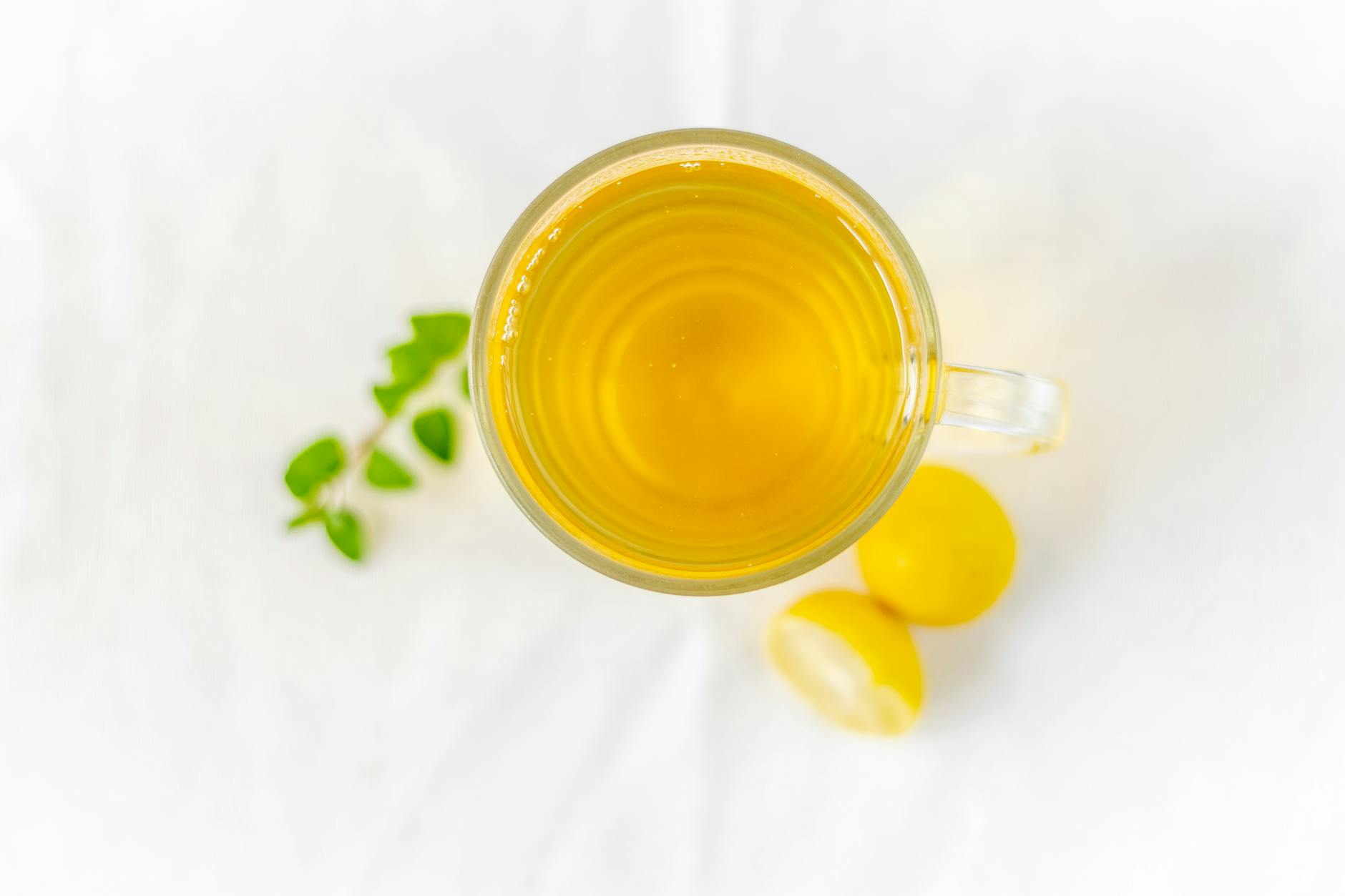
Lemon balm tea inhibits the enzyme GABA transaminase which is responsible for breaking down GABA in the nervous system producing an accumulation of this inhibitory neurotransmitter that generates genuine sedative and anxiolytic effects. Research populations consuming lemon balm extract consistently report improvements in sleep quality, reduced nighttime waking, and decreased anxiety at bedtime compared to control groups. The rosmarinic acid content of lemon balm also produces antioxidant and anti-inflammatory effects that may independently support the cellular processes involved in restorative sleep. However lemon balm interacts with thyroid medication and sedative drugs in ways that are clinically significant and largely unknown to casual tea drinkers who do not consider their evening cup a pharmacologically active consumption event. The tea’s pleasant and mild flavor profile contributes to an underestimation of its genuine biochemical potency.
Passionflower

Passionflower tea contains chrysin and other flavonoids that bind to GABA receptors and produce anxiolytic effects that have been directly compared to low-dose pharmaceutical anxiolytics in clinical trial settings. The tea has a documented ability to increase total sleep time and improve subjective sleep quality in individuals whose sleep disruption is primarily anxiety-driven rather than physiologically based. Its effects on REM sleep are complex with some research suggesting it both prolongs REM duration and reduces the frequency of REM-associated anxiety dreams. Passionflower interacts with blood thinning medications, sedatives, and MAO inhibitor antidepressants in ways that can amplify the effects of these drugs to clinically significant degrees. The tea’s relative obscurity outside herbal wellness communities means that most people who consume it have not encountered documentation of its genuine pharmacological strength.
Ashwagandha

Ashwagandha tea prepared from the root of this adaptogenic plant contains withanolides that regulate the hypothalamic-pituitary-adrenal axis and measurably reduce circulating cortisol levels with consistent nightly use over a period of weeks. The reduction in cortisol that ashwagandha produces is not immediate but accumulates across a supplementation period meaning that its effects on sleep deepen gradually rather than manifesting on the first night of consumption. Research published in peer-reviewed sleep medicine journals has documented reductions in sleep onset latency and improvements in sleep efficiency in populations consuming ashwagandha extract over eight-week periods. The adaptogenic classification of ashwagandha means it produces different effects in individuals with different baseline stress hormone profiles making its sleep impact highly variable across drinkers. Its interaction with thyroid hormone levels is clinically documented and nightly consumption over extended periods is not recommended without medical awareness for individuals managing thyroid conditions.
Licorice Root

Licorice root tea contains glycyrrhizin which inhibits the enzyme responsible for metabolizing cortisol allowing this stress hormone to remain active in the body for longer than it would otherwise. This cortisol-extending effect is directly counter to the hormonal conditions required for healthy sleep onset as cortisol levels are supposed to fall in the evening as part of the circadian rhythm that prepares the body for rest. Regular consumption of licorice root tea in the evening produces a sustained cortisol presence that delays the natural hormonal transition toward sleep-promoting neurochemistry. The compound also raises blood pressure in a mechanism that is well-documented and distinct from sodium-related hypertension making it a significant consideration for individuals already managing cardiovascular conditions. Licorice root tea is among the most pharmacologically consequential items on this list despite being marketed primarily as a soothing digestive and throat-comfort beverage.
Holy Basil

Holy basil or tulsi tea contains eugenol, ursolic acid, and rosmarinic acid compounds that together produce adaptogenic effects on the stress response system reducing the amplitude of cortisol peaks throughout the day and supporting a more gradual evening decline. The COX-2 inhibiting properties of eugenol produce a mild anti-inflammatory effect that may reduce the physical discomfort associated with inflammatory conditions that frequently disrupt sleep in affected individuals. Tulsi has documented effects on blood glucose regulation that are relevant to sleep quality because blood glucose fluctuations during the night are a common and underrecognized cause of sleep fragmentation. The tea’s modulation of serotonin activity creates an indirect pathway to sleep improvement given serotonin’s role as a precursor to the sleep hormone melatonin. Regular evening consumption alters the hormonal environment of sleep in ways that accumulate meaningfully over weeks of consistent use.
Skullcap

Skullcap tea contains baicalin and baicalein flavonoids that have demonstrated binding affinity for GABA receptors in research settings producing anxiolytic and mild sedative effects that operate through a mechanism similar to that of pharmaceutical benzodiazepines but with a significantly different potency and safety profile. The herb has a traditional application in treating nervous exhaustion and anxiety-related insomnia that predates modern pharmacological understanding by several centuries. Skullcap’s effects on sleep architecture include a documented tendency to reduce the frequency of nighttime arousal events making it particularly relevant for individuals who fall asleep easily but experience fragmented sleep across the night. The herb requires careful sourcing as commercial skullcap products have historically been subject to adulteration with germander a plant that carries hepatotoxic properties entirely absent from genuine skullcap. The quality variation between skullcap tea products is among the highest of any herb on this list making the actual biochemical experience of drinking it highly dependent on sourcing.
Rooibos

Rooibos tea is unusual among commonly consumed herbal teas in that it contains aspalathin a flavonoid found nowhere else in the plant kingdom that has demonstrated specific effects on adrenal gland function and cortisol secretion in animal model research. The tea is entirely caffeine-free and contains antioxidant compounds at concentrations that have been associated with reduced oxidative stress markers in human populations with regular consumption. Its mild estrogenic activity through phenolic compounds is relevant to sleep quality in perimenopausal and menopausal populations for whom hormonal fluctuation is a primary driver of sleep disruption. The iron-absorption-inhibiting properties of rooibos are relevant to sleep because iron deficiency is independently associated with restless leg syndrome a condition that significantly impairs sleep quality and is frequently underdiagnosed. Regular evening consumption of rooibos by individuals with borderline iron status may contribute to or worsen restless leg symptoms without any apparent direct connection being made.
Magnolia Bark
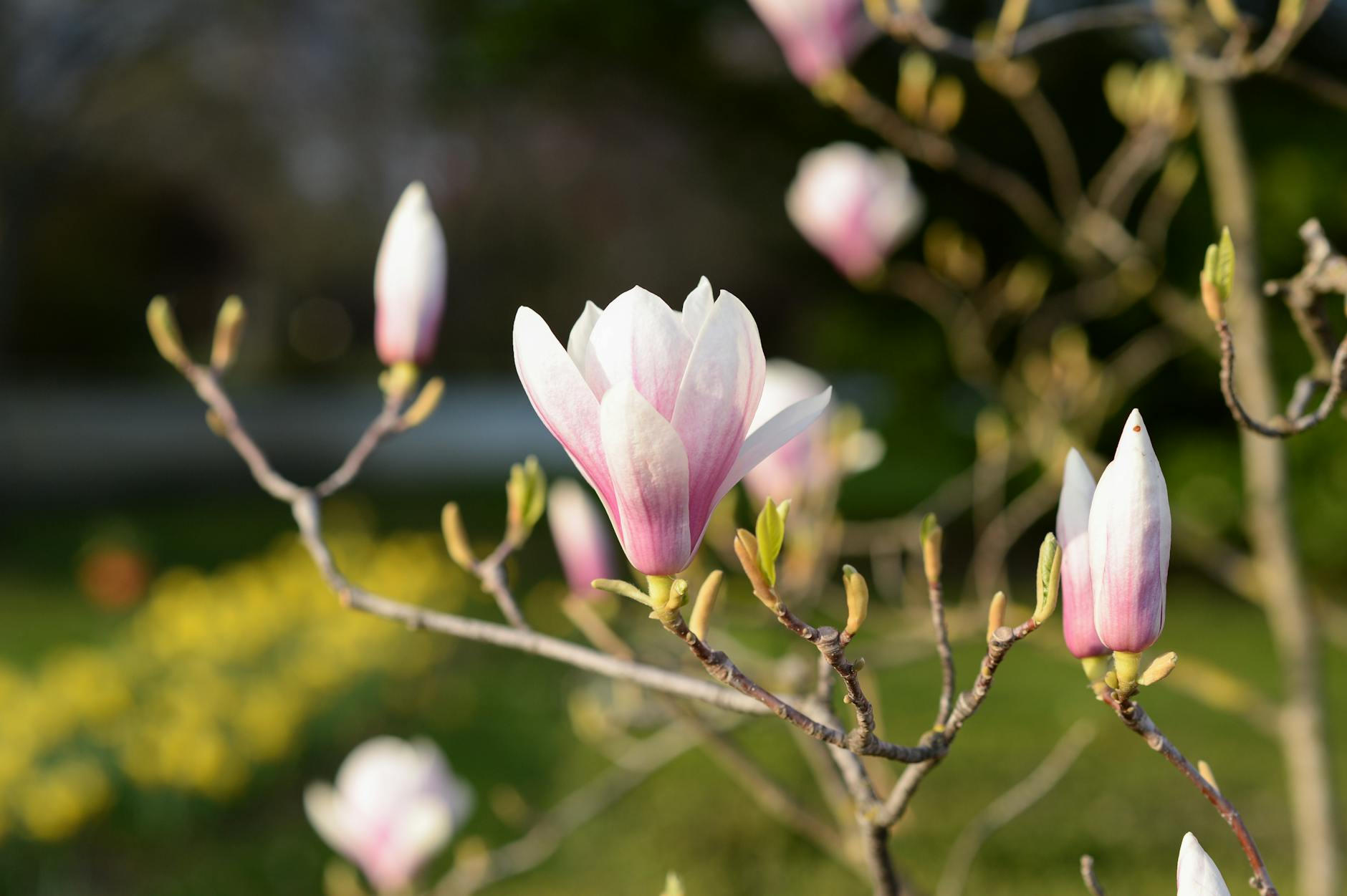
Magnolia bark tea prepared from the dried bark of magnolia species contains honokiol and magnolol compounds that have demonstrated effects on sleep architecture in research settings that are arguably the most specific and pharmacologically interesting of any herb on this list. Honokiol has been shown to activate the GABA-A receptor and reduce sleep onset latency while simultaneously increasing non-REM sleep time and modifying the ratio of sleep stages in ways that favor deep restorative sleep. The compound also reduces adrenaline levels and blocks the adrenaline receptor activation that produces the hyperarousal state underlying anxiety-related insomnia. Magnolia bark interacts with central nervous system depressants including alcohol and pharmaceutical sleep aids in ways that can amplify their effects significantly. Its relative obscurity in mainstream herbal tea culture means it is most commonly encountered in blended sleep formulas where its presence and concentration may not be prominently disclosed.
Hops

Hops tea made from the dried flower cones of the hop plant used in beer brewing contains 2-methyl-3-buten-2-ol a compound produced through the degradation of its primary sedative constituent dimethylvinyl carbinol during the drying process. This compound has documented sedative effects on the central nervous system and research on hop extracts has demonstrated reductions in nocturnal activity and advances in sleep onset comparable in some studies to low doses of pharmaceutical sleep aids. The combination of hops with valerian in commercial sleep tea blends produces a synergistic effect that is greater than the sum of either herb’s individual contribution. Hops contain phytoestrogens that are among the most potent found in any commonly consumed plant and the hormonal implications of regular consumption are particularly relevant for individuals with estrogen-sensitive health conditions. The association of hops primarily with beer consumption means most herbal tea drinkers are entirely unaware of the pharmacological sophistication of the plant they are steeping.
Kava
Kava tea occupies a different category of potency from most items on this list as it contains kavalactones that act on the limbic system including the amygdala producing anxiolytic and sedative effects that are clinically measurable and in some formulations approach the potency of low-dose pharmaceutical anxiolytics. The tea produces genuine muscle relaxation, cognitive quieting, and a reduction in the anxious rumination that underlies a significant proportion of sleep onset difficulties in adult populations. Kava’s hepatotoxic potential at high or prolonged doses is a documented clinical concern and regulatory agencies in multiple countries have issued consumption advisories that most casual tea drinkers have not encountered. The kavalactone content of kava tea varies dramatically between preparations and the method of preparation significantly affects both the potency and the safety profile of the resulting beverage. Among all herbs on this list kava is the one where the gap between popular perception and pharmacological reality is arguably the largest and most consequential.
Ginger
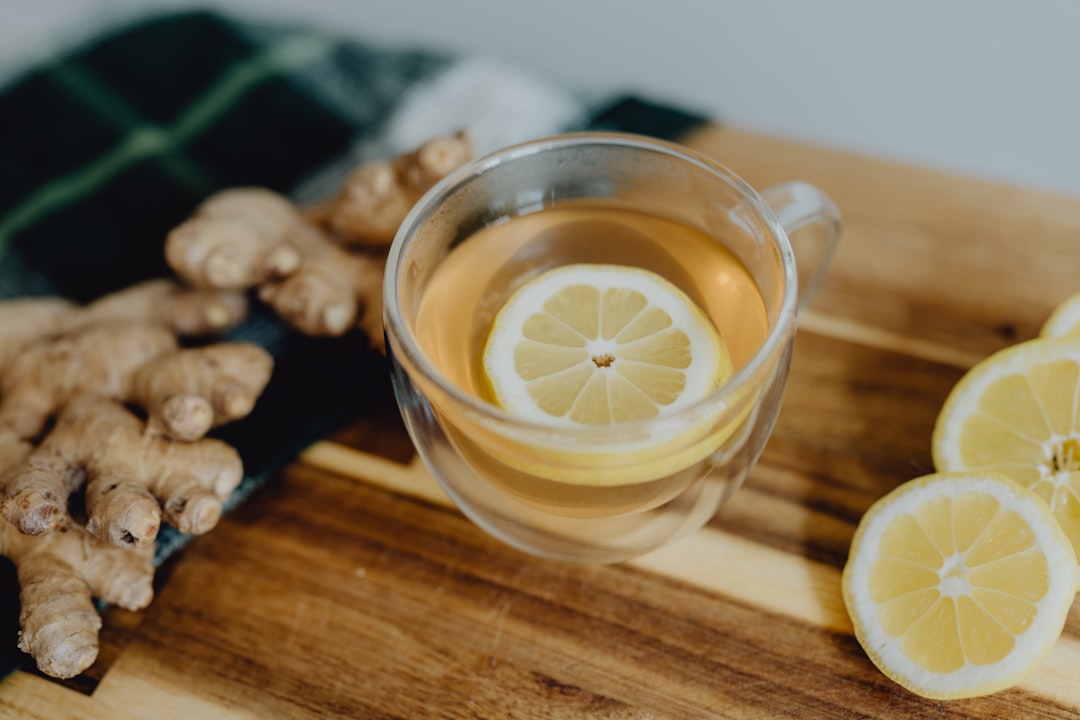
Ginger tea is consumed by the majority of its regular drinkers as a digestive comfort beverage without awareness of its capacity to alter thermoregulation, circulation, and blood sugar levels in ways that directly affect sleep quality. The thermogenic properties of gingerol and shogaol compounds raise core body temperature in a manner that directly opposes the temperature drop that the body requires to initiate and maintain deep sleep stages. This warming effect makes ginger tea a physiologically inappropriate evening beverage for most individuals despite its soothing associations and its frequent inclusion in bedtime blend formulations. Ginger’s blood-thinning properties interact with anticoagulant medications in ways that are clinically documented and its anti-platelet effects are measurable at quantities achievable through regular tea consumption. The digestive benefits of ginger are genuine but the timing of consumption relative to sleep is a variable that most drinkers have never considered.
Echinacea

Echinacea tea consumed regularly during periods of immune challenge contains alkamides and polysaccharides that modulate the immune system in ways that produce measurable changes in cytokine levels including inflammatory cytokines that have direct and complex effects on sleep architecture. Elevated inflammatory cytokine activity increases slow-wave sleep and suppresses REM sleep in a pattern that explains why illness itself produces heavy dreamless sleep as the immune system prioritizes cellular restoration. Regular echinacea consumption in healthy individuals may produce a milder version of this immune activation sleep pattern creating heavier but less cognitively restorative sleep over the period of supplementation. The immunomodulatory effects of echinacea are bidirectional meaning it can both stimulate and suppress immune activity depending on the individual’s baseline immune state. The tea is almost universally framed as an immune support product with its sleep architecture implications receiving no consumer-facing attention.
Nettle
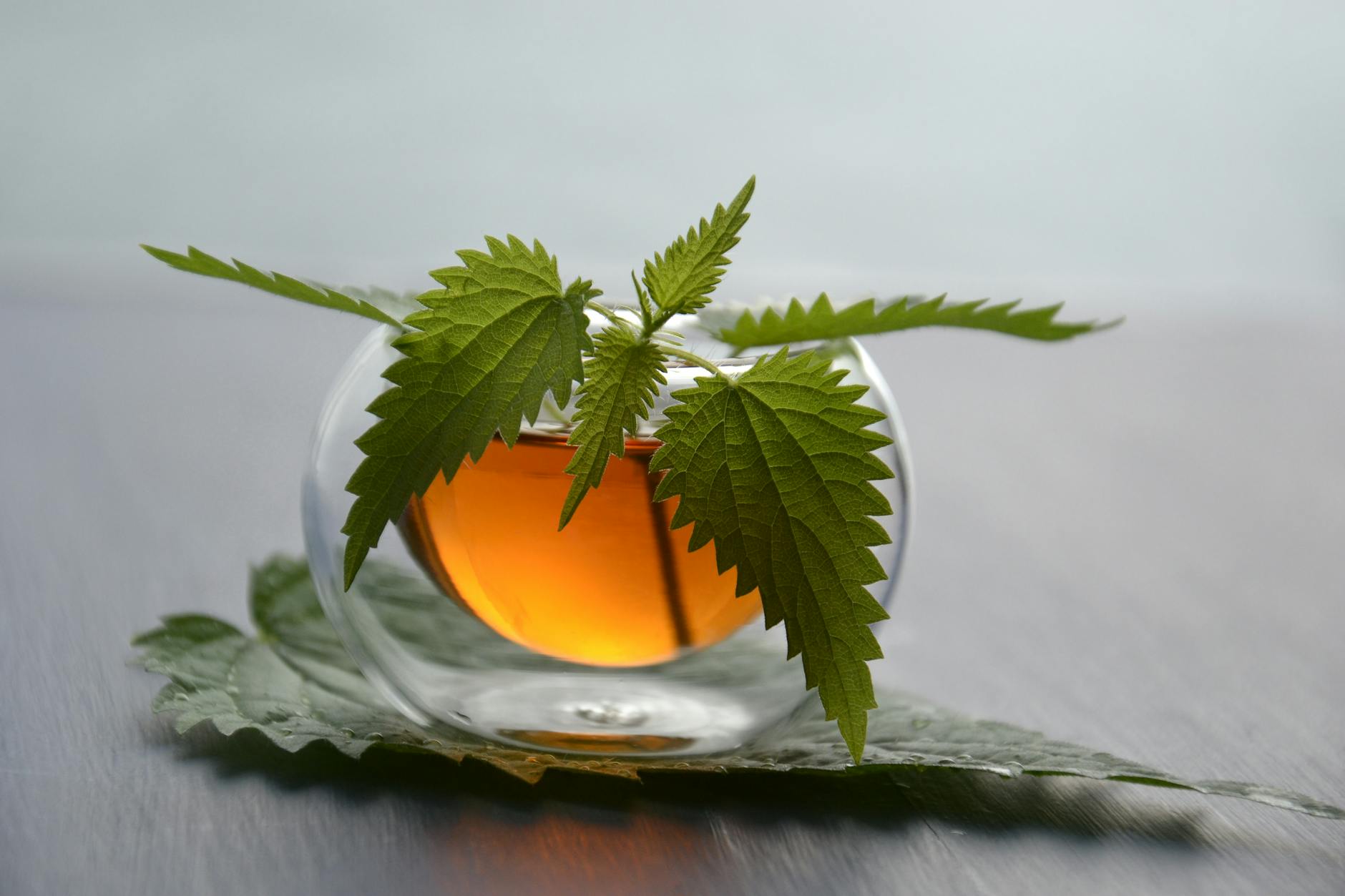
Nettle tea contains a broad spectrum of minerals including magnesium, calcium, and potassium in bioavailable forms and its regular consumption represents a genuine nutritional contribution to the mineral balance that governs neuromuscular relaxation and sleep quality. Magnesium in particular plays a documented role in the regulation of the nervous system and in supporting GABA function and its deficiency is associated with insomnia, nighttime leg cramps, and sleep fragmentation in clinical populations. The diuretic effect of nettle tea is mild but measurable and evening consumption contributes to the nighttime waking events associated with increased urinary urgency. Nettle also contains serotonin in small quantities and its precursor compounds that represent an indirect pathway to melatonin synthesis relevant to the body’s overnight hormonal processes. The mineral density of nettle makes it one of the few teas on this list whose sleep-relevant effects are primarily nutritive rather than pharmacological.
Hibiscus
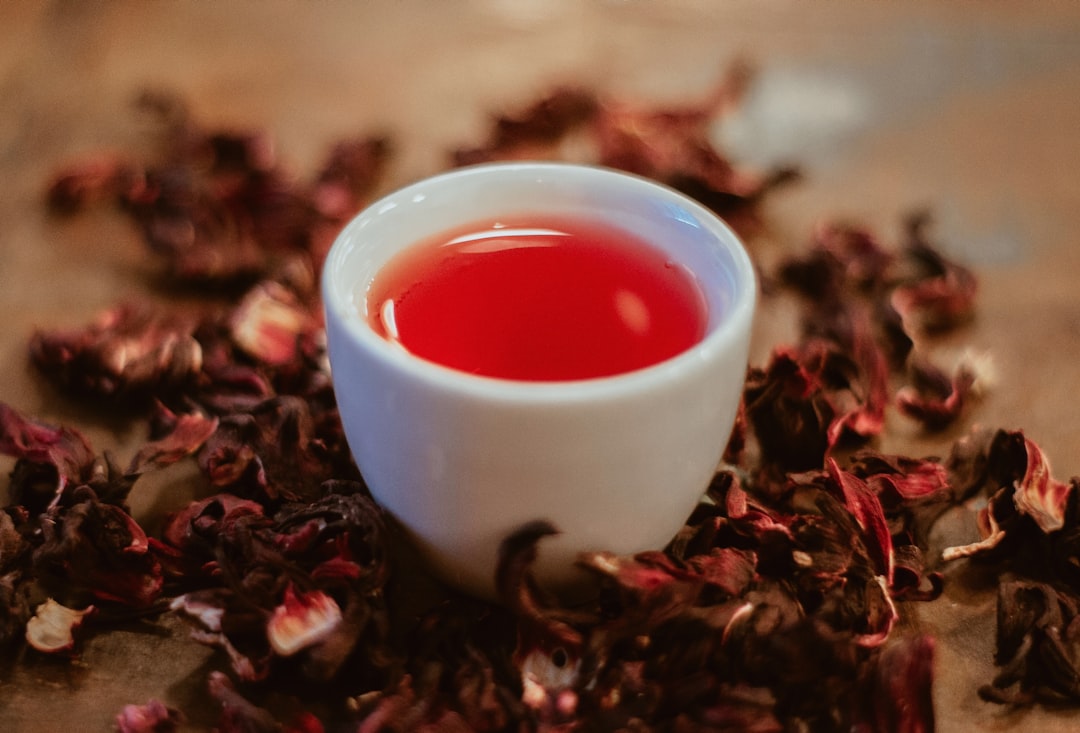
Hibiscus tea produces one of the most significant and measurable effects on blood pressure of any herbal tea in regular consumer use with multiple clinical trials demonstrating reductions in systolic blood pressure comparable in magnitude to low-dose antihypertensive medication. The blood pressure lowering effect is directly relevant to sleep as blood pressure follows a circadian pattern that includes a necessary nocturnal dip and anything that alters the baseline from which this dip occurs changes the cardiovascular environment of sleep. Regular hibiscus consumption in individuals already taking blood pressure medication creates an additive effect that can lower pressure beyond therapeutic targets during overnight hours. The anthocyanin pigments responsible for the tea’s deep red color have antioxidant activity that may support endothelial health in ways that indirectly benefit sleep quality through improved cardiovascular efficiency. Hibiscus is among the most potent antihypertensive agents available without prescription and its categorization purely as a refreshing and flavorful beverage significantly underrepresents its pharmacological activity.
Spearmint

Spearmint tea has received growing research attention for its antiandrogen properties with multiple studies documenting measurable reductions in free testosterone levels in women consuming spearmint tea twice daily over periods of one to four weeks. Testosterone plays a role in sleep regulation including sleep quality, sleep efficiency, and the maintenance of lean muscle mass that supports metabolic health during overnight fasting. The reduction of testosterone through regular spearmint consumption has sleep architecture implications that are functionally distinct from those of most other herbs on this list because they operate through the hormonal rather than the neurological system. Spearmint also contains rosmarinic acid and flavonoids that have demonstrated cognitive enhancement effects that may contribute to an increase in mental alertness that is counterproductive when consumed close to bedtime. The hormonal mechanism of spearmint’s effects makes its sleep implications highly dependent on the individual’s baseline hormone profile.
Lemon Verbena

Lemon verbena tea contains verbascoside and luteolin compounds with documented anti-inflammatory and antioxidant properties that have been studied in the context of exercise recovery and oxidative stress reduction. The anti-inflammatory properties are sleep-relevant because systemic inflammation is increasingly recognized in sleep medicine research as a driver of sleep fragmentation and reduced sleep efficiency. Lemon verbena has demonstrated mild anxiolytic effects in research settings that are mediated through serotonin receptor activity rather than the GABA pathway that most herbal sedatives utilize. This serotonergic mechanism creates an indirect contribution to melatonin availability given the metabolic pathway from serotonin to melatonin and may modestly advance sleep timing in regular drinkers. The tea interacts with thyroid function and kidney-filtered medications in ways that make prolonged nightly use a conversation worth having with a healthcare provider.
Blue Lotus
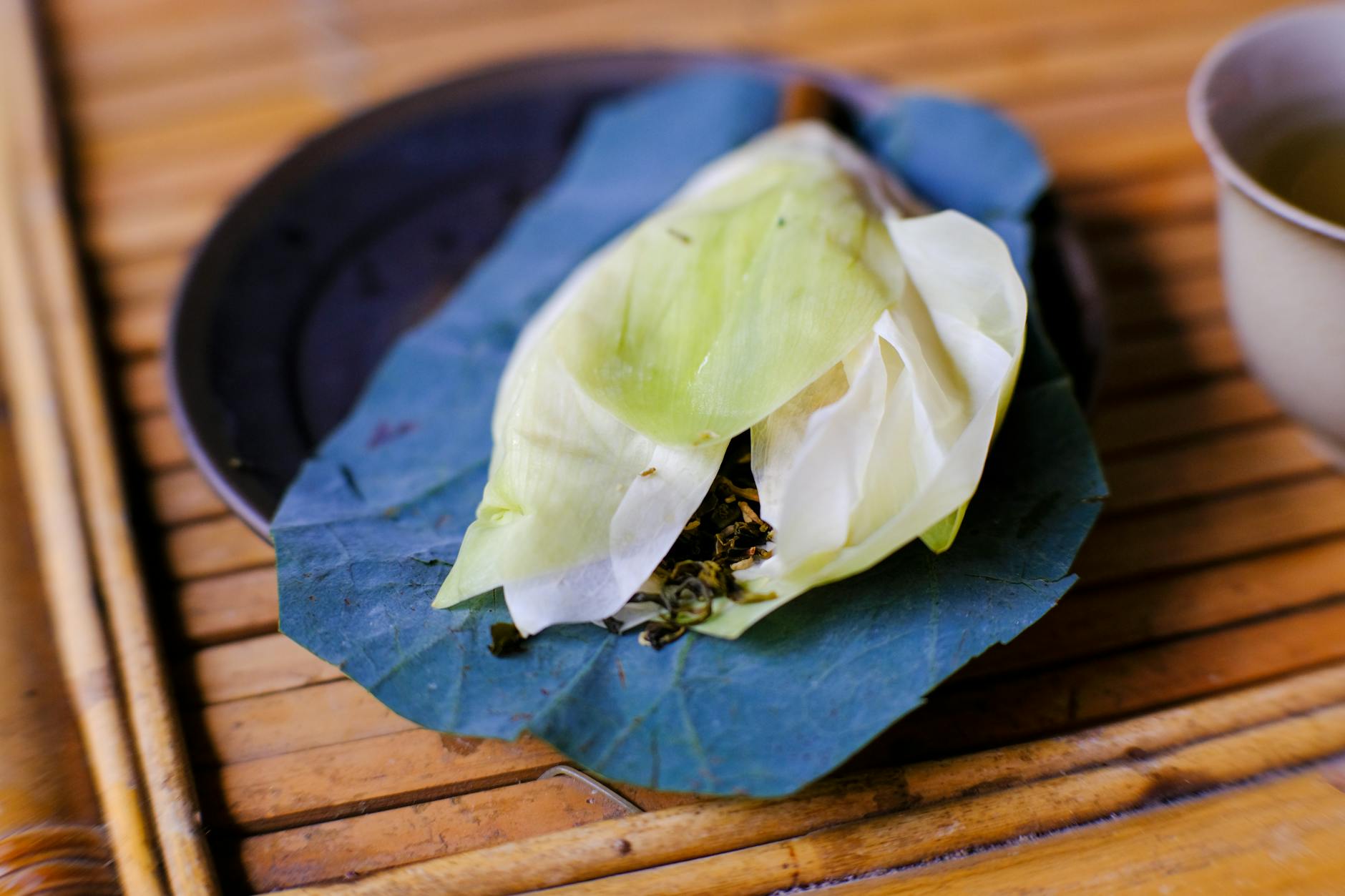
Blue lotus tea prepared from Nymphaea caerulea contains nuciferine and apomorphine compounds that act on dopamine receptors and produce mild psychoactive and sedative effects that are documented but occupy a regulatory grey area in several countries. The dopaminergic activity of these compounds produces effects on dream vividness and dream recall that are among the most consistently reported experiential outcomes of blue lotus consumption. The sedative effect is genuine but the alterations to dream experience including increased lucidity, narrative complexity, and emotional intensity of dreams represent a specific and significant modification to REM sleep function. Regular consumption creates a dependency on the dopaminergic stimulation for sleep onset in some individuals producing a rebound wakefulness when the tea is not consumed. Blue lotus is among the least understood items on this list from a clinical standpoint and its growing mainstream availability has significantly outpaced the research on its long-term sleep and neurological effects.
Catnip
Catnip tea contains nepetalactone and nepetalic acid compounds that produce sedative effects in humans through a mechanism that is entirely separate from the stimulant response the same plant triggers in felines. The human sedative response to catnip has been documented in herbal medicine literature for centuries and the tea is used in traditional herbal practice specifically for its ability to reduce nervous anxiety and support sleep onset. Catnip has mild antispasmodic properties that reduce gastrointestinal discomfort and nighttime digestive disturbance representing an indirect sleep quality benefit for individuals whose sleep is disrupted by gut-related discomfort. The nepetalactone content of catnip has demonstrated mild diaphoretic properties meaning it promotes perspiration which combined with the nighttime temperature regulation requirements of sleep can create a measurable impact on thermal comfort during the night. The tea’s association with its effect on cats creates a persistent trivialization of its genuine pharmacological activity in humans.
Motherwort
Motherwort tea contains leonurine and stachydrine alkaloids that produce genuine cardiovascular effects including a measurable reduction in heart rate and mild relaxation of coronary smooth muscle that have been studied in the context of anxiety-related palpitations and tachycardia. The reduction of resting heart rate and the relief of palpitation-related anxiety directly addresses one of the most common and distressing barriers to sleep onset experienced by individuals with anxiety disorders. Motherwort has documented uterine stimulant properties that make it pharmacologically active for women and contraindicated during pregnancy in a manner that is not prominently disclosed on most commercial tea packaging. The alkaloid content interacts with cardiac medications, thyroid drugs, and sedatives in ways that can produce additive cardiovascular effects beyond what either the medication or the tea would produce independently. Motherwort is the tea on this list most likely to be underestimated as a pharmacological agent by consumers who encounter it in a health food retail context.
Fennel
Fennel tea contains trans-anethole a phytoestrogen compound that mimics estrogen activity in the body and produces hormonal effects that are relevant to the sleep disruptions commonly associated with estrogen fluctuation including hot flashes, nighttime sweating, and the associated sleep fragmentation that accompanies these events. For individuals in perimenopause whose sleep disruption is directly tied to declining estrogen levels fennel tea’s phytoestrogenic activity may produce a genuine and measurable improvement in sleep continuity through partial hormonal compensation. The same phytoestrogenic mechanism makes regular fennel consumption a pharmacological consideration for individuals with estrogen-sensitive conditions or those taking hormonal medications. Fennel has mild diuretic properties that are relevant to nighttime consumption and its carminative effects while beneficial for digestive comfort can produce a gas-releasing motility stimulation in the gut that is not universally sleep-conducive. The tea is almost exclusively discussed in terms of its digestive benefits with its hormonal activity receiving negligible consumer-facing attention.
California Poppy
California poppy tea contains californidine, eschscholtzine, and protopine alkaloids that act on opioid receptors and GABA receptors producing sedative and analgesic effects that are genuinely potent and meaningfully distinct from the effects of most other herbal teas in regular consumer use. The alkaloids responsible for these effects are structurally different from those of the opium poppy and the tea does not produce dependency at normal consumption levels but its receptor activity is pharmacologically sophisticated enough to warrant informed and intentional use. The analgesic properties of California poppy are directly relevant to sleep in individuals whose nighttime waking is driven by pain as the tea reduces the arousal threshold elevation caused by chronic or acute pain stimuli. Regular use has been associated with a measurable advance in sleep onset timing and an increase in total sleep time in populations with anxiety-related insomnia. The legal availability of this tea and its botanical name’s association with the opium poppy family creates both a barrier and an enticement that frequently displaces accurate pharmacological understanding in the consumer population that encounters it.
Rhodiola

Rhodiola rosea tea made from the root of this high-altitude adaptogenic plant contains rosavin and salidroside compounds that modulate the stress response system and influence serotonin, dopamine, and norepinephrine activity in ways that produce effects on both alertness and recovery that are highly timing-dependent. Unlike most herbs on this list rhodiola is classified as a stimulating adaptogen meaning that it increases mental alertness, reduces fatigue, and supports cognitive performance in ways that make it an inappropriate evening beverage for most individuals seeking sleep support. Consumed in the morning or early afternoon rhodiola produces measurable improvements in stress resilience that reduce the cumulative cortisol load of the day and thereby support more natural sleep onset at night. Evening consumption of rhodiola is among the more counterproductive herbal tea choices a person seeking sleep improvement can make precisely because its stimulant properties have a duration that extends into overnight hours. The adaptogen category is broadly and loosely associated with wellness and calm in consumer marketing making rhodiola’s genuinely stimulating profile one of the most frequently misunderstood on this list.
If any of these teas have unexpectedly changed the way you sleep share your experience in the comments.




