
The professional nanny relationship sits at a unique intersection of trust, intimacy, and power that few other employment arrangements can match. A person employed to care for children in a private home is granted access to the most personal spaces, routines, and vulnerabilities of a family’s daily life. Most nannies are dedicated, ethical professionals who take their responsibilities seriously and genuinely care for the children in their charge. The following twenty-three behaviors are ordered from the most commonly reported down to the more calculated patterns that parents rarely discover until much later.
Thermostat Control
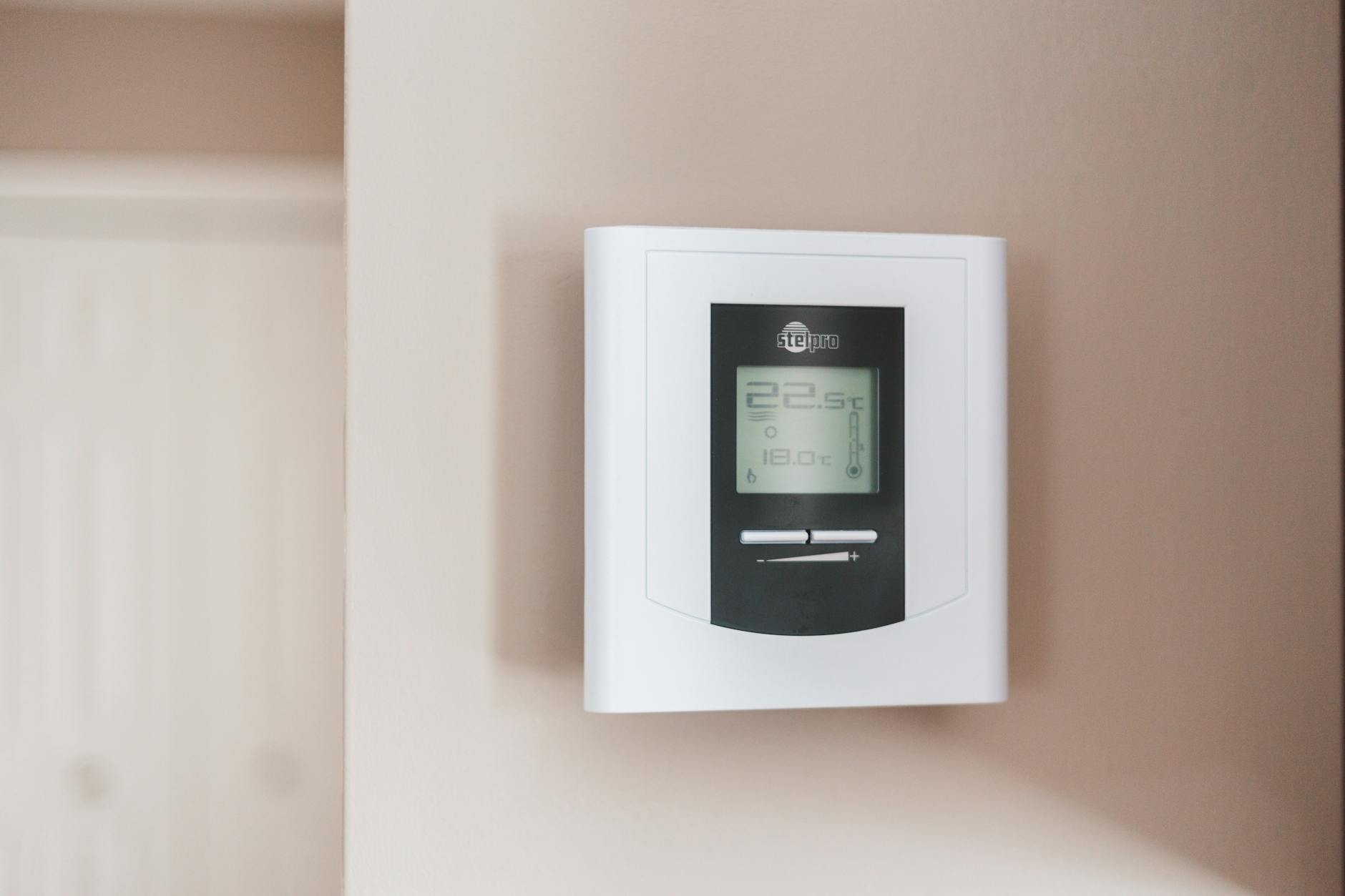
The thermostat is among the first things adjusted after a family departs in the morning and the change is typically significant enough to reflect personal comfort rather than child welfare considerations. Families who review smart home data after installing connected thermostats frequently discover a consistent pattern of temperature adjustment that begins within minutes of their departure. The preference tends toward warmer temperatures in winter and considerably cooler settings in summer than the household normally maintains. This adjustment is reset before the parents return creating a seamless illusion of continuity that is only detectable through logged device data. The behavior is so common among live-out caregivers that smart thermostat companies have noted it as a frequently cited discovery among their parent user base.
Food Raiding
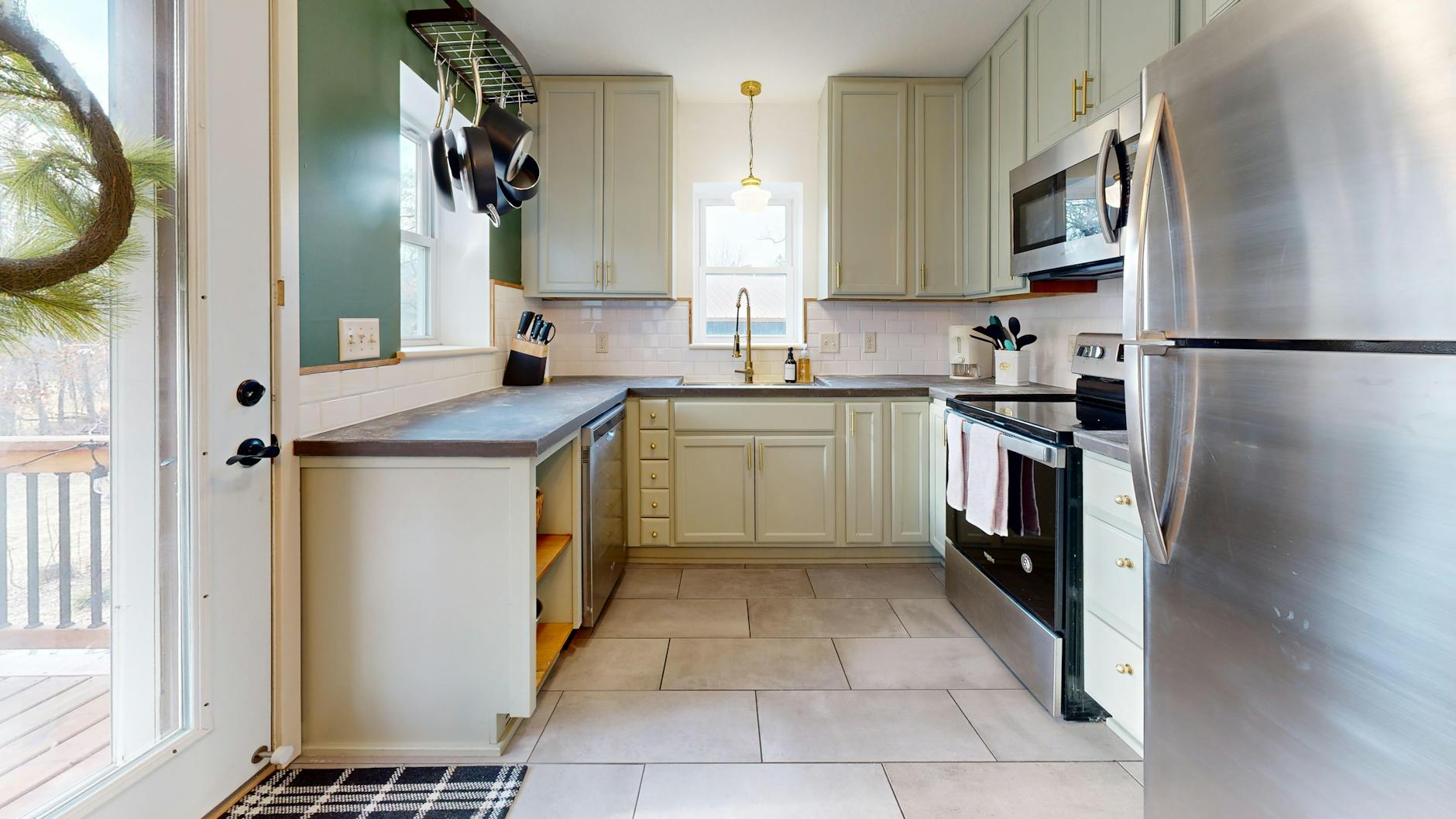
The household kitchen becomes a significantly more available resource the moment parents leave and the pattern of consumption extends well beyond what most employers would consider reasonable incidental eating during a workday. Specialty groceries, leftovers designated for family meals, expensive imported items, and food specifically purchased for the children are consumed in quantities that accumulate meaningfully over a working week. The behavior frequently involves items that are clearly not communal provisions and that the nanny would not consume in the employer’s presence. Replacement of consumed items before parents return is occasionally practiced but is more the exception than the standard behavior. Families who begin casually tracking grocery consumption often identify patterns of disappearance that align precisely with the nanny’s working hours.
Personal Calls

The volume and duration of personal phone calls conducted during working hours frequently exceeds what most parents would consider compatible with attentive childcare. These calls are conducted freely throughout the day including during periods when active child supervision is required and the content ranges from routine social contact to extended personal problem-solving conversations. Children in the care of a phone-occupied nanny adapt to the reduced attention by either entertaining themselves or by escalating behavior to compete with the call for attention. The duration of individual calls and the total daily phone time revealed by nanny cam footage consistently surprises parents who had formed a different impression of daytime phone habits during the hiring period. The phone behavior visible during supervised trial days rarely reflects what occurs during unsupervised working hours.
Social Media Use

Extended social media browsing, posting, and video consumption occupies a portion of working hours that most nannies would not disclose during a job interview. The behavior occurs on personal devices and is invisible to parents reviewing the home environment on their return unless nanny cam footage is reviewed or digital logs are examined. Children present during extended social media sessions receive a qualitatively different quality of engagement and stimulation than the interactive care model most parents believe they are paying for. The social media activity often includes photographing children and domestic environments for personal posting purposes without explicit employer permission. Parents who discover this behavior through footage or device logs report that the gap between the caregiving narrative presented and the documented reality is among the most disorienting aspects of the discovery.
Unauthorized Visitors

Inviting personal contacts into the employer’s home during working hours is practiced by a meaningful proportion of nannies and the visitors range from romantic partners and friends to other nannies meeting socially with their charges in an employer’s home without permission. The visit is typically timed to avoid overlap with the employer’s return and is presented to the children as a normal and unremarkable occurrence that the nanny’s implicit authority normalizes. Children questioned casually about their day frequently disclose visitor information without understanding its significance precisely because the nanny has not framed the visit as secret. The introduction of unknown individuals into a home with children represents a security and liability consideration that extends well beyond the breach of employment trust. Smart doorbell footage has become the primary mechanism through which parents discover the pattern.
Bedroom Entry
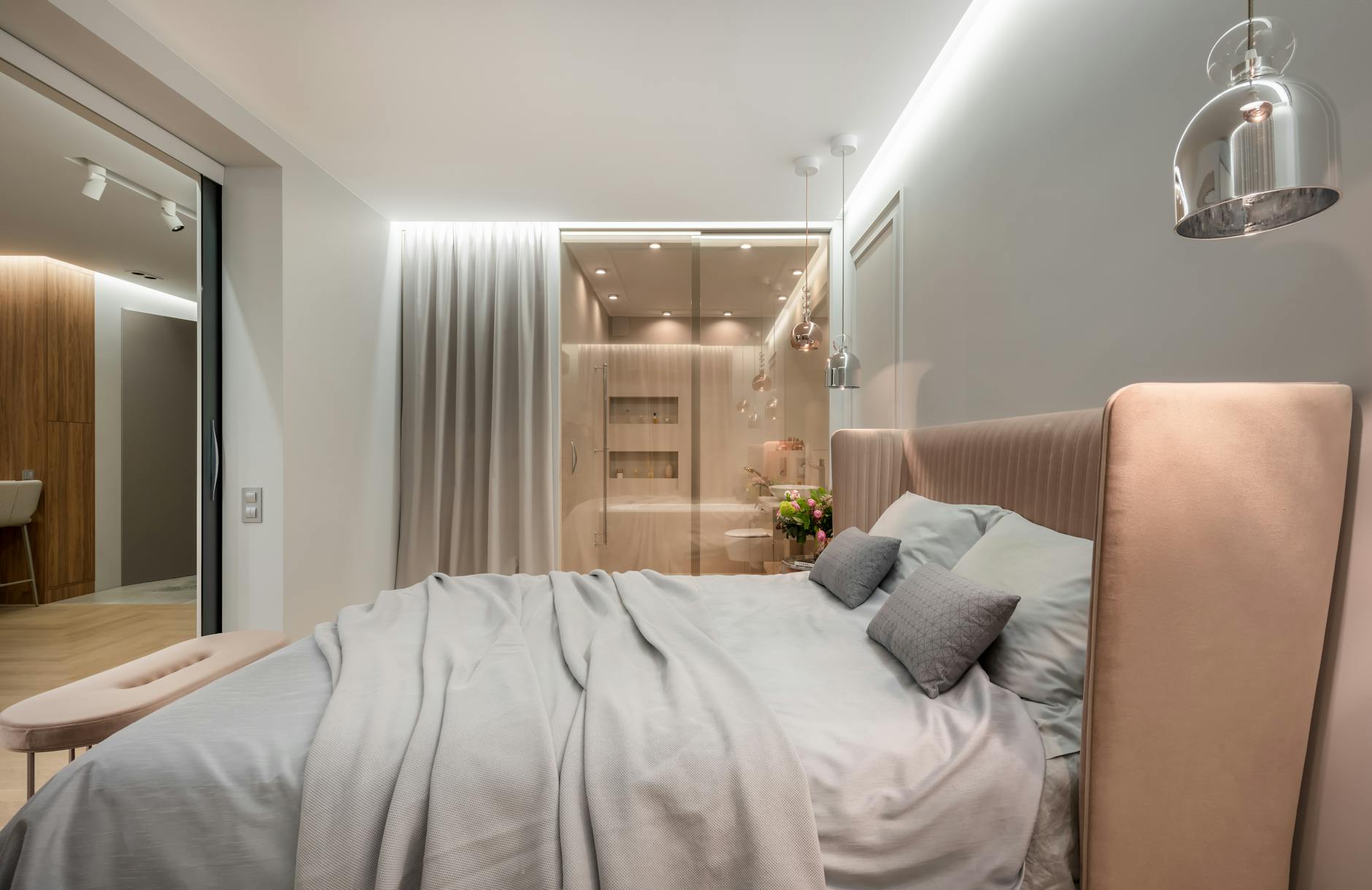
Entry into the parental bedroom occurs with a regularity and purposefulness that goes beyond the accidental or incidental access that a caregiver in a shared home might occasionally require. The behavior ranges from casual exploration and examination of personal items to use of the parental bathroom, bed, and wardrobe mirror for personal grooming purposes. Nannies who engage in this behavior typically take care to restore the environment to its original appearance before employers return and the habit is only detectable through footage or through the accumulation of small displacement details that a perceptive parent might eventually notice. The motivations behind bedroom entry are varied and include curiosity, comfort-seeking, and in some cases deliberate examination of personal documents and valuables. The bedroom as the most private domestic space in a home represents a significant boundary whose violation carries a psychological weight beyond the practical implications.
Nap Time Leisure

The hours during which young children sleep in the afternoon are designated in most nanny employment agreements as light duty periods for tidying and meal preparation but in practice frequently become extended leisure periods involving television, personal device use, and sleep. The nap period represents the most reliably unsupervised window of the working day and the behavior that fills it reflects the nanny’s actual relationship with their professional responsibilities rather than the performance of diligence maintained when children are awake. Employers who return unexpectedly during nap time report encountering scenes that diverge significantly from the quiet productive industriousness they had imagined. The duration and content of nap time activity is among the most revealing data sets captured by homes with nanny cam coverage. Families are frequently paying premium hourly rates for periods of time in which no childcare service is being actively rendered.
Television Habits
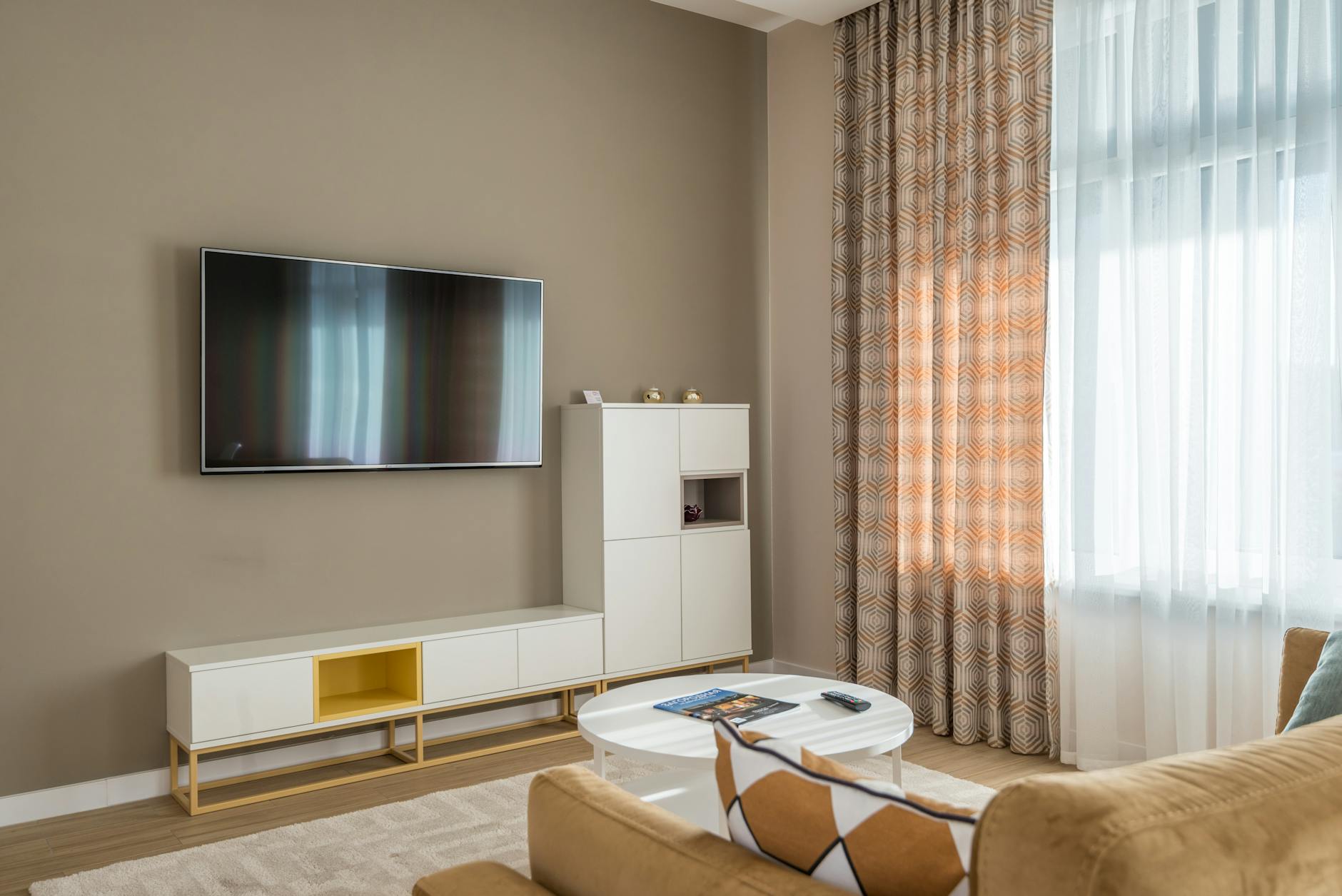
The television programming consumed in the employer’s home during working hours frequently extends well beyond the children’s content that most parents would consider appropriate for a caregiving environment. Adult programming including content that is inappropriate for the children present plays in the background of caregiving activity as a matter of routine rather than exception. Children absorb ambient television content regardless of whether they appear to be paying direct attention and their subsequent vocabulary, behavioral patterns, and content references sometimes alert parents to programming they were not aware their children had been exposed to. The use of the employer’s streaming subscriptions for personal entertainment consumption also generates viewing histories that occasionally prompt questions parents initially attribute to other household members. The television is typically switched to children’s programming in the period before parental return creating a curated presentation of the day’s media environment.
Parcel Inspection
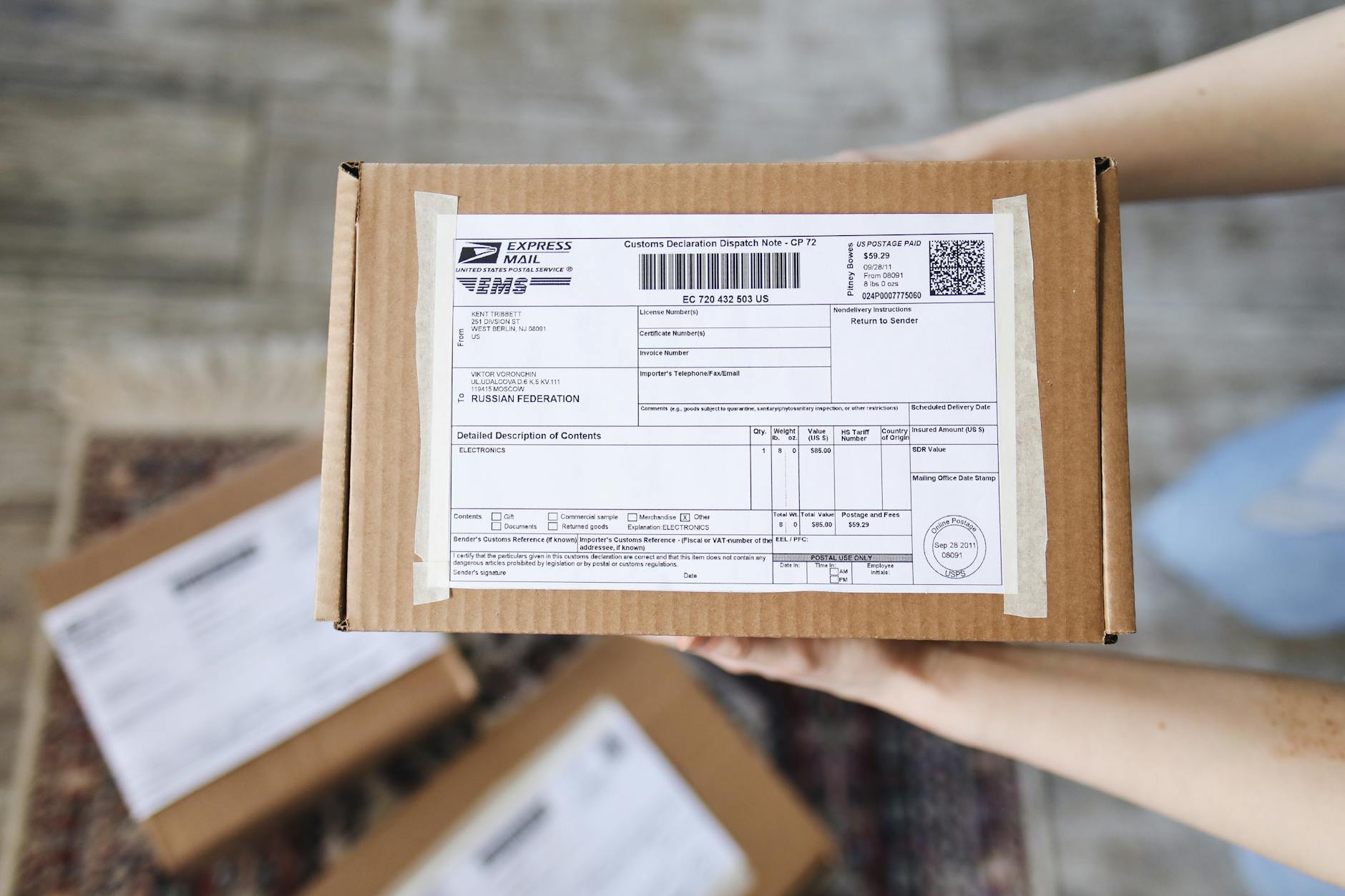
Deliveries arriving at the home during working hours are received, opened, and examined with a thoroughness that goes beyond the practical necessity of accepting a parcel. The contents of packages including clothing, personal items, medical products, and household purchases are examined and sometimes photographed before being replaced in their packaging in a condition intended to appear unopened. The information gathered through parcel inspection contributes to a detailed picture of the employer’s personal life, spending patterns, health concerns, and purchasing behavior that most families would be uncomfortable knowing their employee possessed. Some nannies share this information through personal communications during the working day. The expectation of parcel privacy in one’s own home is so fundamental that most parents never consider it a vulnerability until a specific incident brings the behavior to light.
Cleaning Theater
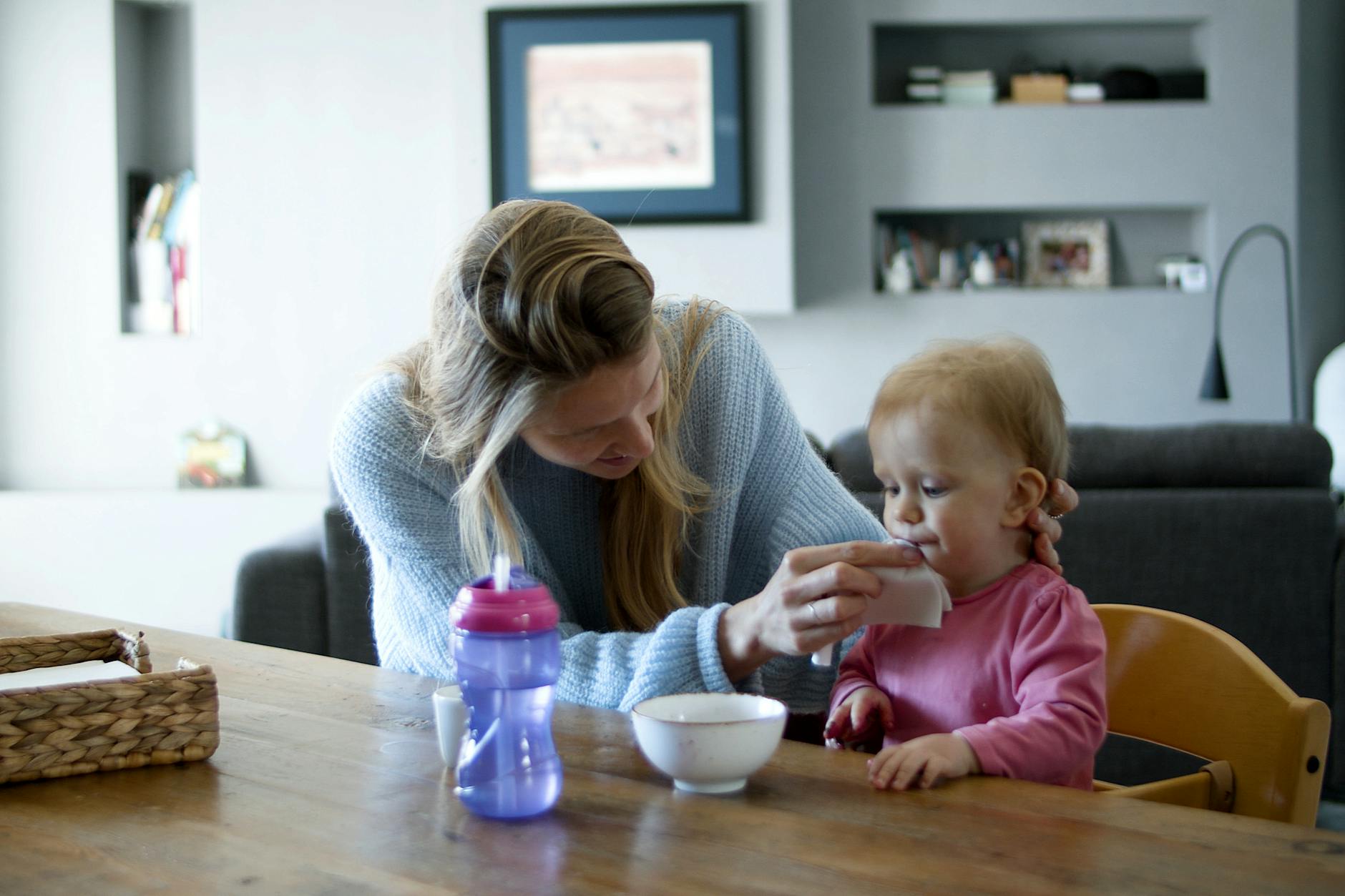
The visible and dramatic performance of housekeeping activity in the thirty minutes preceding the employer’s expected return is a widely practiced behavior that creates a false impression of the day’s domestic productivity. Surfaces are wiped, toys are gathered, and the kitchen is presented in a condition of tidiness that bears little relationship to the state it was in for the preceding seven hours of the working day. Children who have spent the day in a progressively more disordered environment are sometimes enlisted in the cleanup rush in ways that frame the activity as a game rather than evidence management. Parents who arrive home to a tidy environment and a verbally comprehensive account of a productive day are receiving a performance rather than a report. The gap between the presented version of the day and its actual content is something that most nannies manage with practiced efficiency.
Private Document Access

Household documents including financial statements, legal papers, medical records, and personal correspondence left in accessible areas of the home are read with an interest and retention that most employers would find profoundly uncomfortable. Home offices, kitchen counters, and open shelving represent particularly accessible repositories of sensitive information in the typical family home. The information gathered through casual document access informs a detailed understanding of the employer’s financial situation, relationship dynamics, legal circumstances, and health status. This knowledge asymmetry creates an imbalance in the employment relationship that the nanny holds and the employer is generally unaware of. The transition to paperless household management and locked filing systems is one of the most consistently recommended adjustments among families who have experienced privacy concerns with domestic employees.
Clothing Inspection

Wardrobe exploration including the examination of clothing, accessories, shoes, and jewelry belonging to the employer occurs during working hours and represents a form of private space access that is qualitatively different from functional household activity. The behavior ranges from brief curiosity-driven examination to the trying on of garments and accessories in the employer’s bedroom. Jewelry boxes, accessory drawers, and wardrobe interiors receive the kind of systematic attention that occasionally results in the discovery of items that are later reported missing. The displacement of items within a wardrobe that a meticulous owner might detect is the most common physical trace left by this activity. A nanny who has spent working hours in an employer’s wardrobe carries a detailed and intimate knowledge of the household’s material circumstances and personal aesthetic that most employers would not knowingly provide.
Partner Communication

Communications with the nanny’s personal partner conducted during working hours frequently involve the sharing of observations, assessments, and private details about the employer’s household, family dynamics, personal appearance, and relationship quality. The employer’s home becomes source material for a running personal narrative shared with someone entirely outside the household’s trust circle. Details including overheard arguments, observations about the marital relationship, comments about the employer’s physical appearance, and assessments of the household’s financial circumstances are communicated in real time. The intimacy of the domestic environment makes the nanny an inadvertent witness to a great deal of private family life and the boundaries around what is shared externally are rarely governed by any formal confidentiality understanding. Nanny employment contracts that include specific confidentiality clauses are still uncommon in private household arrangements.
Child Feeding Deviations

The meals and snacks provided to children during the working day frequently deviate from the dietary guidelines, food preferences, and specific restrictions communicated by parents in ways that range from minor to medically significant. Convenience foods, excessive snacks, and items specifically identified as off-limits appear in the child’s daily consumption pattern when parents are absent. Children fed differently during the day arrive at the dinner table with appetites and behaviors that sometimes prompt parental questions that the nanny addresses with selective account-giving. In households managing food allergies or specific dietary requirements the stakes of unsupervised feeding decisions extend beyond preference deviation into genuine health and safety territory. Children old enough to report their meals accurately become an unintentional audit mechanism for parents who ask specific rather than general questions about what they ate.
Online Shopping

The employer’s household WiFi and occasionally the employer’s devices are used for personal online browsing and shopping activity that consumes working hours and in some cases leaves digital traces in the form of browsing histories and autofilled address or payment information. The activity is conducted with the assumption that it will not be detected and the browsing history is sometimes cleared before the employer’s return in households where device sharing makes detection plausible. Personal packages arranged through workplace browsing are delivered to the nanny’s personal address rather than the employer’s home but the time and attention consumed by the shopping activity during working hours represents a straightforward diversion of paid time. The behavior is understood by most nannies who engage in it as a minor entitlement of unsupervised employment rather than as a breach of the employment agreement. Household device logs and router histories that parents rarely examine contain a detailed record of this activity.
Workout Use

Home gym equipment, yoga mats, exercise spaces, and in some cases the employer’s outdoor pool or recreational facilities are used for personal fitness activity during working hours in the absence of any explicit permission. The use of exercise equipment by a nanny during a child’s nap or while children are engaged in independent play is not universally problematic but occurs in most instances without employer knowledge or consent. In homes with extensive recreational facilities including pools the safety implications of divided attention during child supervision represent a genuine concern beyond the question of equipment use permission. The physical evidence of equipment use including adjusted settings, displaced mats, and moisture on pool facilities is sometimes attributed by employers to other explanations before the actual pattern is identified. Households that formally address facility use in their nanny employment agreements report fewer undisclosed access behaviors across all categories.
Grooming Use

The employer’s bathrooms are used for personal grooming routines that extend well beyond functional handwashing and include the use of skincare products, cosmetics, hair tools, perfume, and bath products belonging to the employer. Premium skincare and haircare products are particularly susceptible to this consumption given their high value and the difficulty of detecting gradual depletion in partially used containers. The employer’s personal grooming space is treated as a resource available during working hours and the products within it as shared utilities rather than private possessions. Children too young to report this behavior and older children who have normalized it through repeated exposure provide no reliable disclosure mechanism for parents. The transition from a shared family bathroom to separate employer and employee bathroom access where the home configuration allows it is a common adjustment among families who have identified product consumption as a recurring concern.
Nanny Network Gossip

Active participation in nanny social networks operating both online and through park and playground meetup culture involves the sharing of detailed and identifiable information about employer families that circulates within communities that employers have no access to. These networks serve genuine professional support functions but also function as information-sharing environments in which employers are discussed by name, address, and identifying detail. Reviews of employer generosity, work expectations, home environment, relationship dynamics, and personal behaviors are exchanged in these communities in ways that shape the information available to future potential nannies before any interview has taken place. A family’s private circumstances can achieve wide circulation within a local nanny community without the family’s knowledge that they have become a topic of discussion. The existence of these networks and their content is one of the more significant information asymmetries in the nanny employment relationship.
Furniture Rearrangement
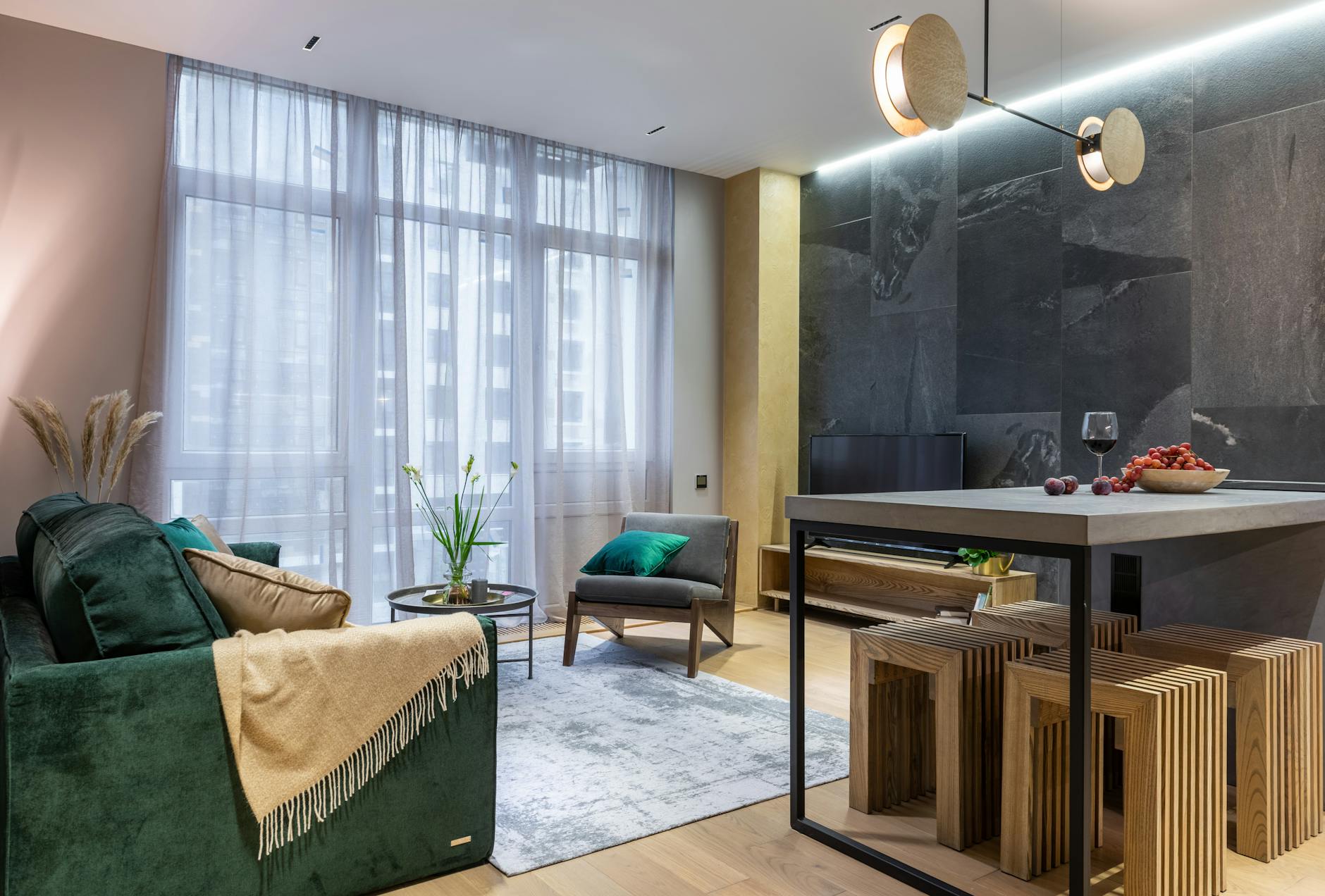
The subtle repositioning of furniture, cushions, and household objects to better accommodate the nanny’s preferences for the working day and then returned to approximate original positions before the employer’s return is a form of domestic customization that most employers never detect. The living room sofa moved to better face the television, the kitchen chair positioned differently for comfort at the counter, and the children’s play area reconfigured to suit a different supervisory arrangement than the parents designed are common expressions of this behavior. The imprecision of the restoration process is the most common point of detection as a perceptive homeowner notices that objects are consistently slightly wrong in ways they cannot attribute to a specific cause. Children who grow comfortable with the day’s configuration sometimes request it from parents who have no context for the preference. The behavior reflects a psychological relationship with the employer’s space as a temporary personal environment rather than a professional one.
Employer Research

Online research into the employer’s professional profile, social media presence, public records, and news appearances is conducted during working hours using personal devices and represents a form of background investigation that inverts the direction of the formal hiring process. This research produces detailed knowledge of the employer’s career, public reputation, professional history, and personal life that most employers would not knowingly provide to a household employee. The information gathered is sometimes shared within the nanny’s personal network and used to inform assessments of the employment arrangement and the employer’s credibility as a source of professional reference. Employers who are public figures, professionals with searchable digital footprints, or individuals with any publicly accessible personal history are particularly susceptible to thorough unsolicited research during working hours. The knowledge asymmetry created by this research reinforces the broader information imbalance that characterizes many nanny employment relationships.
Dispute Rehearsal

The mental and occasionally vocal rehearsal of anticipated employment disputes, salary renegotiations, and grievance presentations occurs during working hours as the nanny processes interpersonal dynamics in the extended solitude of the working day. This rehearsal is not inherently problematic but the emotional processing of employment frustration during working hours in the employer’s home creates a psychological dynamic in which resentment and entitlement are cultivated within the same space where professional service is being nominally rendered. Children present during these emotional processing periods absorb tension and distraction that affects the quality of care they receive. The rehearsed positions and accumulated grievances inform a negotiating posture that the employer encounters without any awareness of the time and emotional energy invested in its development. Nannies who spend working hours processing employment dissatisfaction rarely simultaneously produce the quality of engaged childcare that the position requires.
Photography Documentation

Systematic photography of the employer’s home, possessions, and domestic environment conducted through personal devices creates a visual archive of the household’s material circumstances that is retained beyond the employment period. This documentation ranges from incidental personal photography to deliberate cataloguing of valuable items, interior design details, and personal possessions. The motivation behind systematic home photography is varied and includes social sharing, personal interest, and in some cases the documentation of asset details that represent a more calculated interest. Children photographed during the working day appear in images stored on personal devices that leave the household permanently and whose distribution the employer cannot control. Photography policies stated explicitly in nanny employment agreements are among the most frequently recommended clauses by household employment attorneys who have handled disputes arising from undisclosed image documentation.
Departure Countdown

The final hour of the working day is managed with an orientation toward departure that progressively reduces the quality and attentiveness of childcare as the nanny mentally and physically transitions out of the professional role before the employer arrives home. Children in the late afternoon care of a countdown-oriented nanny receive a qualitatively diminished version of the engagement available earlier in the day as their caregiver’s attention shifts toward personal preparation for departure. Bags are packed, personal items are gathered, and personal device activity increases in the period that most parents arrive home believing represents the natural wind-down of a well-managed day. The employer’s arrival is anticipated with a precision that suggests clock-watching throughout the afternoon rather than immersive engagement with the children. The transition from caregiver to departing employee happens inside the nanny’s psychology well before it becomes visible to the returning parent.
If any of these behaviors resonate with your own experience as a parent share your observations and thoughts in the comments.