
Getting a good night’s sleep is one of the most powerful things a person can do for their overall health, yet many common evening habits quietly sabotage rest before the night even begins. The hours leading up to bedtime set the stage for how well the body recovers, repairs, and recharges. Small behavioral choices made in the late evening can mean the difference between waking up refreshed and dragging through the next day in a fog. Understanding what disrupts the sleep cycle allows for smarter choices that support deeper and more consistent rest. These are the habits that sleep experts and health professionals consistently identify as some of the biggest obstacles to truly restful sleep.
Caffeine Consumption

Caffeine is a powerful stimulant that blocks adenosine receptors in the brain, which are responsible for signaling tiredness and promoting sleep onset. It has a half-life of approximately five to six hours, meaning a late afternoon coffee can still be circulating in the system well into the night. Even when a person feels like they can fall asleep after caffeine, the quality of deep sleep stages is measurably reduced. Sources like coffee, tea, dark chocolate, and many sodas all contain significant amounts of caffeine that can interfere with the body’s natural wind-down process. Cutting off caffeine intake by early afternoon gives the body enough time to metabolize it before bedtime arrives.
Screen Time

The blue light emitted by phones, tablets, computers, and televisions suppresses melatonin production in the brain, which is the hormone responsible for regulating the sleep-wake cycle. Scrolling through social media or watching stimulating content also keeps the mind cognitively active at a time when it should be slowing down. Research consistently shows that people who use screens in the hour before bed take longer to fall asleep and experience lighter sleep overall. The brain begins to associate the bedroom environment with wakefulness when devices are regularly used there, making it harder to wind down over time. Replacing screens with a book, light stretching, or quiet conversation supports a smoother transition into sleep.
Heavy Meals

Eating a large or rich meal close to bedtime forces the digestive system to remain highly active during hours when the body is trying to shift into rest mode. Lying down shortly after eating can also trigger acid reflux and heartburn, which create physical discomfort that makes falling and staying asleep difficult. Foods high in fat and protein take considerably longer to digest than lighter options, prolonging the burden on the gastrointestinal system. The body’s core temperature also rises during digestion, which works against the natural cooling process that helps initiate sleep. Finishing the last substantial meal at least two to three hours before bed gives digestion enough time to settle before sleep begins.
Alcohol

Many people mistakenly believe that alcohol helps with sleep because it can induce drowsiness relatively quickly after consumption. While alcohol may help a person fall asleep faster, it significantly disrupts the architecture of sleep throughout the night. It suppresses REM sleep, which is the stage most critical for emotional processing, memory consolidation, and cognitive restoration. As the body metabolizes alcohol in the second half of the night, sleep becomes fragmented and lighter, often causing early waking. Consistent alcohol use before bed is associated with chronic sleep problems that worsen over time even when the habit feels helpful in the moment.
Intense Exercise

Physical activity is broadly beneficial for sleep quality when done regularly and at the right time of day. However, vigorous exercise performed within two to three hours of bedtime elevates heart rate, raises core body temperature, and triggers the release of stimulating hormones like adrenaline and cortisol. These physiological responses signal alertness and readiness to the nervous system rather than calm and readiness for rest. Some individuals are more sensitive to this effect than others, but sleep researchers generally advise finishing intense workouts earlier in the day to avoid interference. Gentle movement such as yoga, walking, or light stretching in the evening supports relaxation without overstimulating the body.
Emotional Arguments

Engaging in heated discussions or unresolved arguments in the hours before bed activates the stress response system and floods the body with cortisol and adrenaline. These stress hormones are designed to promote alertness and physical readiness, which are the opposite of what the body needs to transition into sleep. Emotional tension also tends to produce racing thoughts that are very difficult to quiet once a person lies down in the dark. Sleep researchers have found that negative emotional arousal before bed is one of the leading contributors to sleep-onset insomnia. Difficult conversations are better addressed earlier in the evening or postponed to the following day when both parties are rested and more emotionally regulated.
Work Emails

Checking work emails in the evening keeps the professional mindset active and prevents the mental separation between work and personal time that good sleep hygiene depends on. Reading a stressful message or an unresolved task list close to bedtime can trigger anxiety and rumination that persists long after the phone is put down. The anticipation of needing to respond also keeps the brain in a low-level state of alertness that interferes with the natural wind-down process. Studies on workplace boundaries and sleep health consistently link after-hours email checking with higher rates of insomnia and reduced sleep satisfaction. Setting a firm cutoff time for professional communication is one of the most effective ways to protect evening mental recovery.
Napping Late

A nap taken too late in the afternoon or early evening directly reduces sleep pressure, which is the body’s built-up biological drive to sleep at night. Sleep pressure accumulates naturally throughout the day and reaches its peak in the evening, making it easier to fall asleep and stay asleep at the appropriate time. A late nap disrupts this process by partially relieving that pressure before bedtime, resulting in difficulty falling asleep or maintaining deep sleep later. Short naps of twenty minutes or less taken before mid-afternoon are generally considered safe for most people and do not significantly interfere with nighttime sleep. Napping after approximately three in the afternoon, however, poses a consistent risk to the quality and timing of the night’s rest.
Fluid Overconsumption

Drinking large amounts of liquid in the hour or two before bed significantly increases the likelihood of waking during the night to use the bathroom. These nighttime awakenings, even if brief, disrupt the continuity of sleep and prevent the body from completing full and uninterrupted sleep cycles. Deep and restorative stages of sleep require sustained periods of uninterrupted rest that are difficult to achieve when physical urges frequently interrupt the cycle. Staying well hydrated throughout the day reduces the urge to drink heavily in the evening and allows the body to begin tapering fluid intake naturally. Finishing the last large glass of water at least ninety minutes before bed is a practical step toward fewer nighttime disruptions.
Bright Lighting

Exposure to bright overhead lighting in the home during the evening hours sends signals to the brain that delay the release of melatonin and prolong the feeling of wakefulness. The circadian rhythm is highly sensitive to light cues and interprets bright white or blue-toned light as a signal that it is still daytime. Dimming household lights in the final one to two hours before bed mimics the natural fading of daylight and encourages the brain to begin its sleep preparation sequence. Warm-toned and low-intensity lighting options such as lamps and candles are far less disruptive to the body’s internal clock than harsh overhead fixtures. Creating a consistently dim evening environment conditions the brain over time to associate that lighting shift with the approach of sleep.
Hot Showers Timing

The body’s core temperature naturally begins to drop in the hours leading up to sleep, and this cooling process is an important physiological cue that initiates drowsiness. Taking a very hot shower immediately before bed can temporarily elevate core body temperature, which may delay this natural cooling and push back sleep onset. However, timing matters significantly here because a warm shower taken approximately one to two hours before bed can actually accelerate the cooling process as heat is dispersed through the skin afterward. The contrast between elevated skin temperature and cooler bedroom air helps draw heat away from the body core more efficiently. Understanding this timing distinction allows people to use showering strategically rather than inadvertently disrupting the body’s preparation for sleep.
Bedroom Clutter

The visual environment of the bedroom has a measurable effect on the psychological state a person enters when trying to fall asleep. A cluttered or disorganized room can activate low-level stress and a sense of unfinished tasks that keeps the mind from fully settling. Environmental psychology research supports the idea that disordered spaces contribute to disordered thinking and make it harder for the nervous system to shift into a calm and restful state. The bedroom functions most effectively as a sleep environment when it is kept clean, organized, and free of visual reminders of work, obligations, or unresolved tasks. Making the space intentionally calm and orderly signals to the brain that this is a place for rest rather than activity.
Sugar Intake

Consuming foods or beverages high in refined sugar close to bedtime causes rapid fluctuations in blood glucose levels that can interfere with the body’s ability to sustain deep and uninterrupted sleep. A spike in blood sugar is often followed by a crash, and the hormonal response to that crash can trigger a mild stress reaction that wakes the body during the night. High sugar intake before bed has also been linked to more restless sleep and a greater proportion of lighter sleep stages overall. The energy fluctuations caused by sugar metabolism are poorly suited to the stable internal conditions the body needs to cycle through restorative sleep architecture. Choosing low-glycemic snacks or avoiding eating altogether in the final hour before bed supports more stable and uninterrupted rest.
Midnight Snacking

Eating late at night engages the digestive system at a time when the body is biologically prepared to be in a fasting and repair state. The gut has its own circadian rhythm and performs certain maintenance and microbial regulation functions during overnight fasting periods that are disrupted when food is introduced too close to sleep. Late-night eating has also been associated with increased caloric intake overall and a tendency toward weight gain over time. For people prone to acid reflux, even small snacks eaten late can cause enough discomfort to disturb sleep without the person fully waking. Establishing a consistent kitchen close time in the evening supports both digestive health and more restorative overnight rest.
Clock Watching

Repeatedly checking the time during the night or while trying to fall asleep is one of the most counterproductive habits associated with insomnia and disrupted rest. Each glance at the clock triggers a quick mental calculation of how much time is left before morning, which activates problem-solving thinking and increases anxiety around sleep. This cognitive arousal makes it significantly harder for the nervous system to settle, creating a self-reinforcing cycle of wakefulness and frustration. Sleep specialists consistently recommend removing visible clocks from the bedroom or turning them away from view entirely to reduce this behavior. Trusting the body’s natural alarm system rather than monitoring time creates a more relaxed relationship with sleep.
Room Temperature
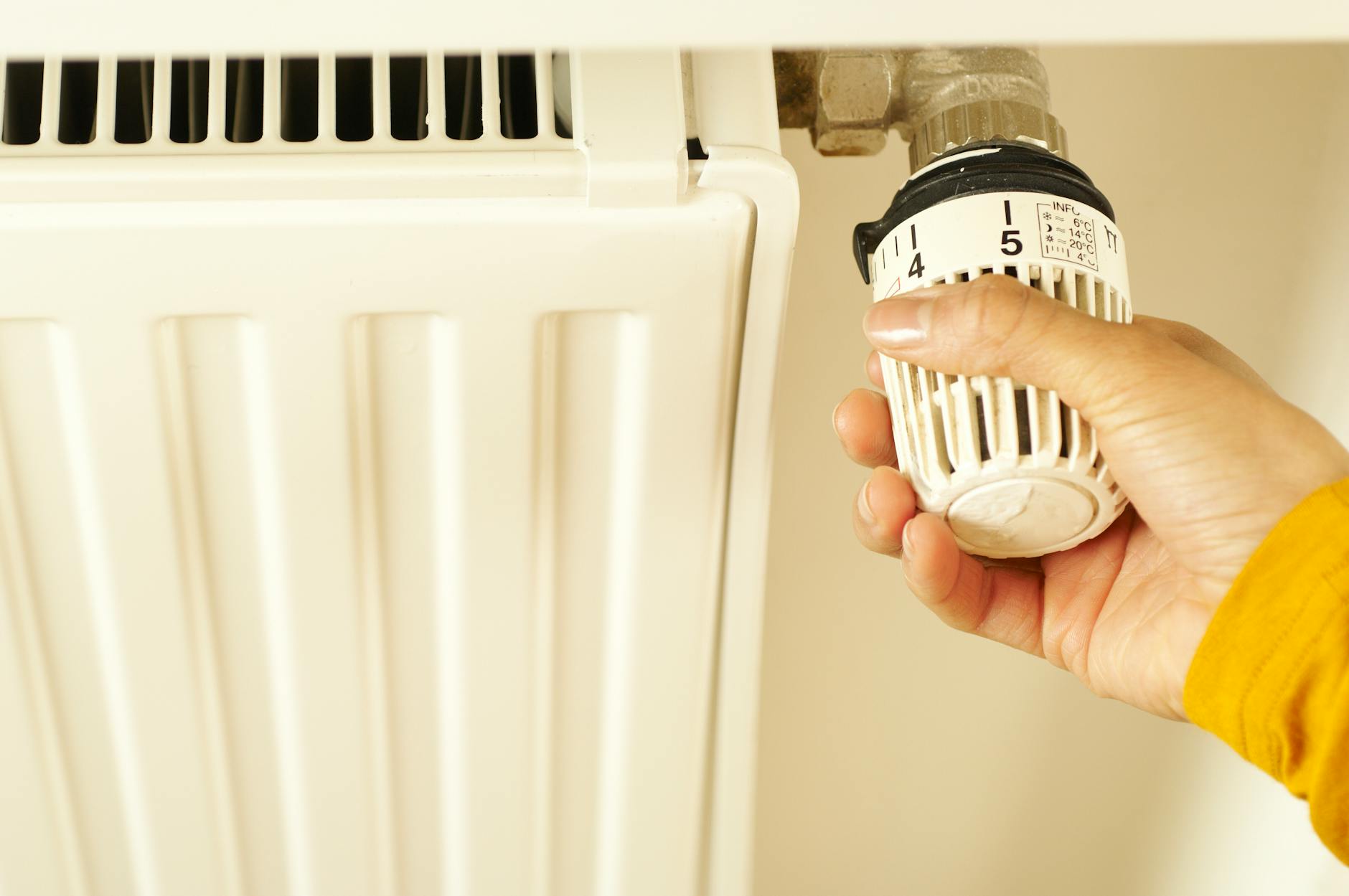
Sleep researchers have consistently identified bedroom temperature as one of the most significant environmental variables affecting sleep quality. The body’s core temperature naturally drops during sleep onset, and a room that is too warm works against this physiological process by preventing proper heat dissipation. Most adults sleep best in a room kept between approximately sixty and sixty-seven degrees Fahrenheit, though individual preferences vary slightly within that range. An overly hot sleeping environment has been specifically linked to reduced time spent in slow-wave sleep, which is the deepest and most physically restorative stage of the sleep cycle. Adjusting thermostat settings, using breathable bedding, or opening a window in the evening can meaningfully improve the depth and continuity of overnight rest.
Negative Media

Consuming disturbing news, violent films, or emotionally charged content in the final hours before bed leaves the nervous system in a heightened state of arousal that is difficult to wind down from. The brain processes emotional content from media similarly to real experiences, triggering stress hormones and emotional responses that can persist well after the content ends. Disturbing imagery or narratives can also contribute to more vivid and disruptive dreams that reduce the restorative quality of sleep even when a person remains technically asleep. A steady diet of intense media in the evenings can gradually shift the baseline level of nervous system activation and make chronic sleep difficulties more likely. Choosing calming or neutral content in the hour before bed provides a gentler mental transition into rest.
Overthinking
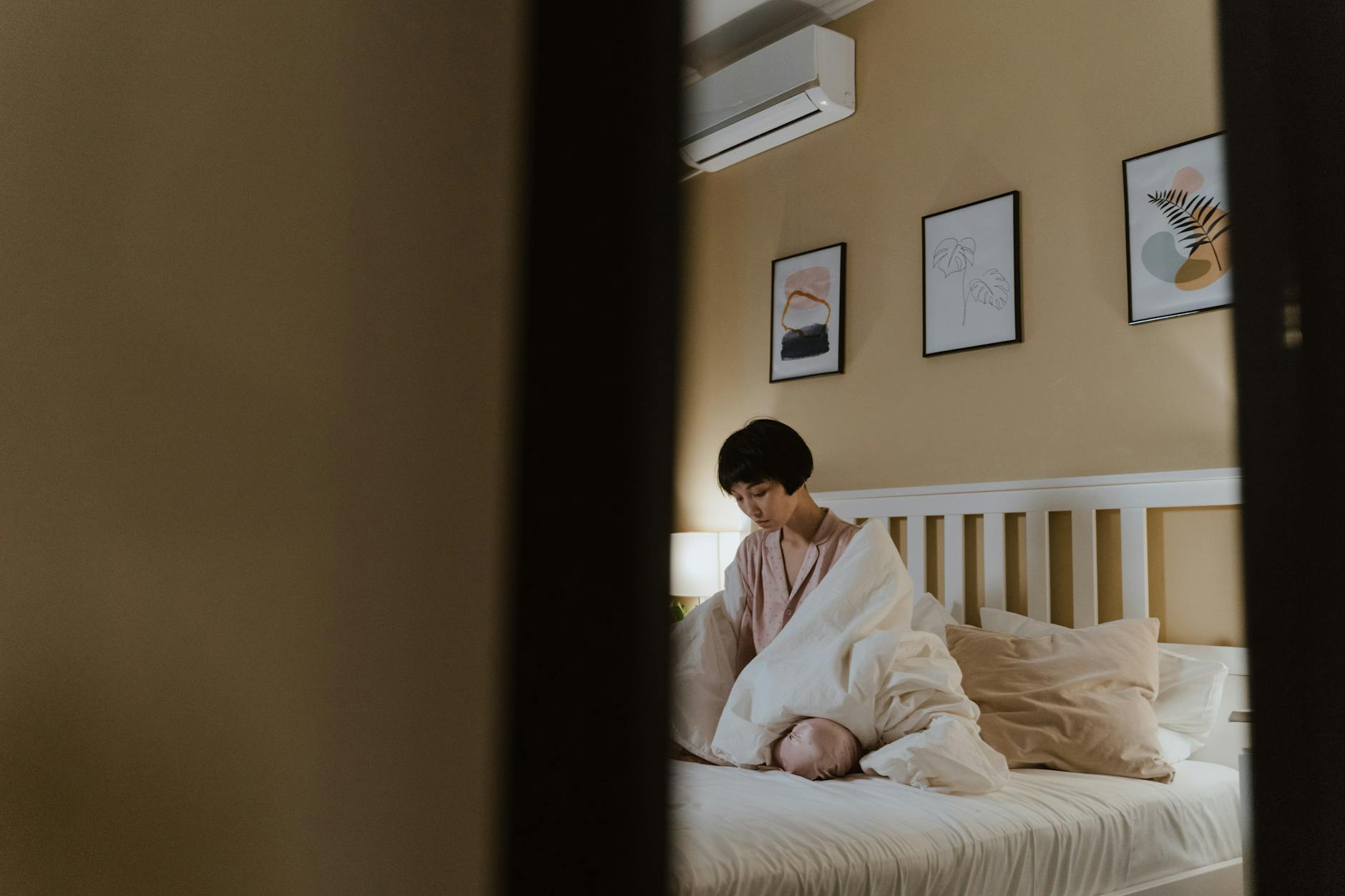
Lying in bed while mentally rehearsing problems, planning upcoming events, or replaying difficult interactions is one of the most common causes of sleep-onset difficulty reported by adults. This pattern of nighttime rumination keeps the prefrontal cortex engaged in analytical and emotional processing when the brain needs to be gradually releasing into the quieter states that precede sleep. Over time, the habit of lying awake thinking trains the brain to associate the bed with wakefulness and cognitive activity rather than rest. Writing down worries or to-do lists earlier in the evening before getting into bed is a technique supported by sleep research as an effective way to externalize and discharge those thoughts. Creating a consistent pre-sleep wind-down ritual that gradually transitions away from problem-focused thinking is one of the most reliable strategies for reducing nighttime rumination.
Irregular Bedtime
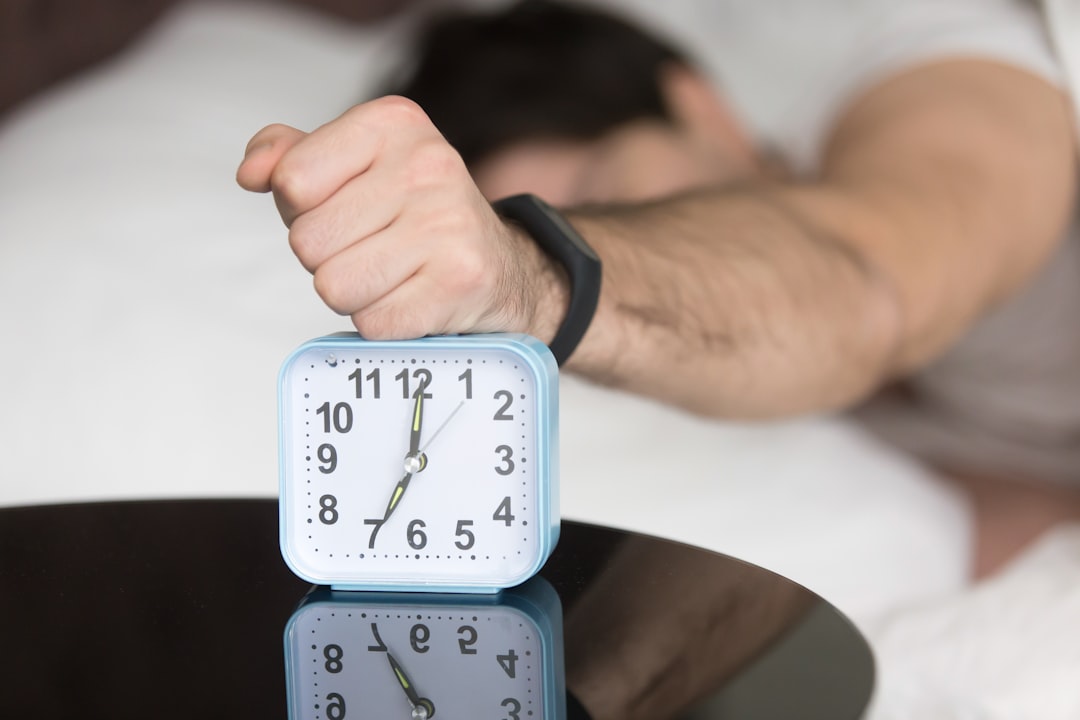
Going to bed at dramatically different times from night to night disrupts the circadian rhythm, which is the body’s internal twenty-four-hour clock that regulates the timing of sleep and wake cycles. The circadian system thrives on predictability and begins preparing the body for sleep in advance of a consistent bedtime by releasing melatonin and lowering core temperature at the expected time. When bedtime shifts frequently, the body cannot anticipate when to begin these preparations, leading to difficulty falling asleep and reduced sleep quality overall. Weekend schedule shifts that differ significantly from weekday patterns create a phenomenon sometimes referred to as social jet lag, which produces similar cognitive and physical effects to traveling across time zones. Anchoring sleep and wake times to a consistent schedule even on days off is one of the foundational principles of healthy sleep hygiene.
Sleeping In

While sleeping in on weekends or days off may feel restorative after a short sleep period, it consistently disrupts the circadian rhythm and makes it harder to fall asleep at the appropriate time the following night. The impulse to sleep in is often the result of accumulated sleep debt during the week, which is better addressed through earlier bedtimes rather than delayed wake times. Delaying wake time by more than an hour beyond the regular schedule pushes back the timing of morning light exposure, which is a critical anchor for the entire circadian cycle. Over time the habit of irregular wake times contributes to a chronically misaligned body clock that reduces sleep quality even when sufficient hours are technically achieved. Sleep specialists generally recommend maintaining a consistent wake time every day as the single most impactful step toward stable and restorative sleep.
Nicotine Use

Nicotine is a stimulant that increases heart rate, raises blood pressure, and activates the central nervous system in ways that are directly incompatible with the physiological state needed for sleep onset. Smokers and those who use nicotine products before bed often experience more difficulty falling asleep and spend less time in deeper stages of sleep compared to non-users. Nicotine also has a relatively short half-life, meaning withdrawal symptoms can begin within a few hours and cause nighttime awakenings even when the person does not consciously register them as cravings. Research shows that smokers report significantly higher rates of insomnia and non-restorative sleep than non-smokers, even when controlling for other lifestyle variables. Avoiding nicotine for several hours before bedtime and gradually reducing overall use supports meaningful improvements in sleep quality.
Energizing Music

Listening to fast-paced, rhythmically driven, or emotionally intense music in the period before bed can raise heart rate and increase neural arousal in ways that delay the transition into sleep. Music with a strong beat activates motor-related brain regions and can make the body feel more awake and energized rather than calm and settled. The emotional content of music also matters because lyrics or compositions that evoke strong feelings engage parts of the brain that should be quieting down as bedtime approaches. Research on music and sleep consistently shows that slow-tempo instrumental music with a rhythm of approximately sixty beats per minute best supports relaxation and sleep onset. Curating a specific evening playlist that emphasizes calm and slow compositions can meaningfully support the pre-sleep wind-down routine.
Sleeping With Pets

Sharing a bed with a pet can be a comforting habit, but research consistently identifies it as a significant contributor to nighttime sleep disruption for many adults. Animals tend to move, reposition, and sometimes vocalize throughout the night without regard for their owner’s sleep cycles, causing brief awakenings that fragment rest even when the person does not fully regain consciousness. Pets also introduce allergens, dander, and variations in body heat into the sleep environment that can affect respiratory comfort and temperature regulation during the night. A study published through the Mayo Clinic found that a substantial proportion of pet owners who allowed animals in their beds reported their pets disturbing their sleep on a regular basis. Training pets to sleep in their own designated space nearby rather than in the bed itself can preserve the emotional comfort of closeness while protecting sleep quality.
Uncomfortable Bedding

The physical surface and materials a person sleeps on have a direct and measurable effect on sleep quality, yet bedding quality is frequently overlooked as a contributing factor to poor rest. Mattresses that are too firm, too soft, or unevenly worn create pressure points that prompt the body to shift positions frequently throughout the night, interrupting deeper sleep stages. Pillows that fail to properly support the neck and spine alignment can contribute to tension and discomfort that builds over the course of the night. Sheets and blankets made from synthetic materials that trap heat can disrupt temperature regulation and cause uncomfortable awakenings during warmer months. Investing in bedding that suits individual sleep position, body temperature, and comfort preferences is one of the most practical and impactful changes a person can make for long-term sleep improvement.
Skipping Wind-Down

Transitioning directly from high-energy evening activity into bed without any period of deceleration is one of the most common patterns underlying difficulty falling asleep. The nervous system requires time to shift from the activated state associated with work, socializing, or stimulating entertainment into the quieter parasympathetic state that supports sleep onset. Sleep science consistently shows that a dedicated wind-down period of thirty to sixty minutes before bed significantly reduces sleep latency and improves overall sleep quality. Activities that support this transition include light reading, gentle stretching, breathing exercises, quiet music, or any low-stimulation routine done consistently at the same time each evening. Over time the wind-down routine itself becomes a conditioned sleep cue that signals the brain to begin its natural preparation for rest.
Which of these habits are you working to change? Share your experience in the comments.




