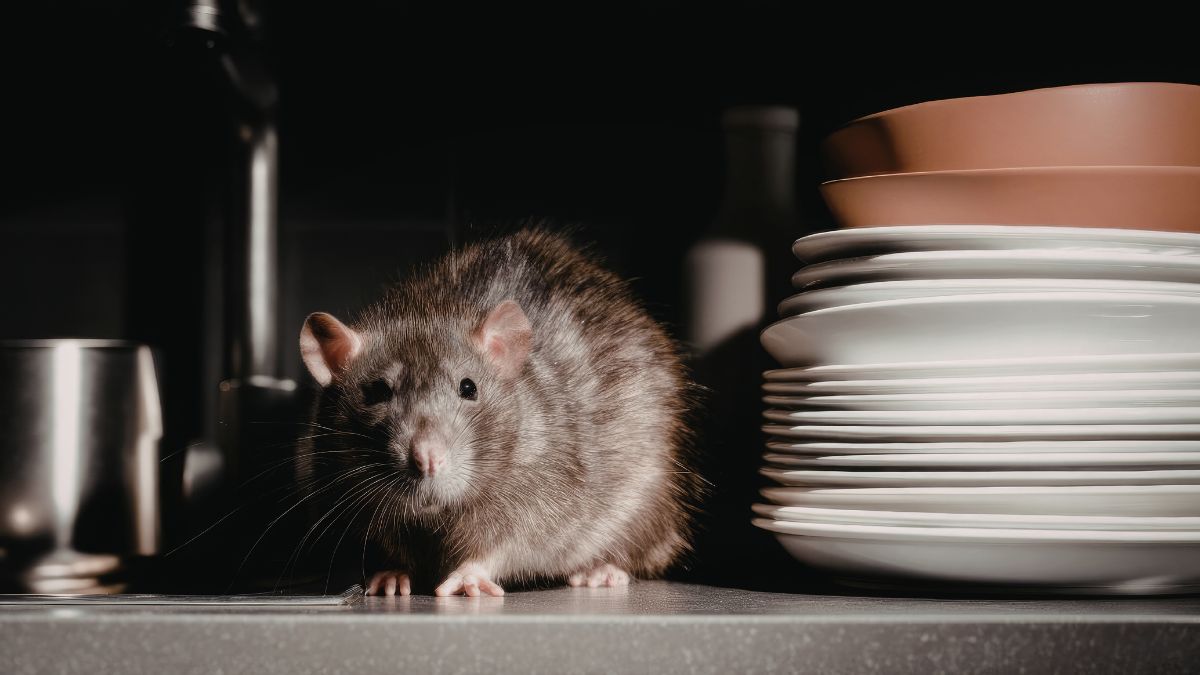
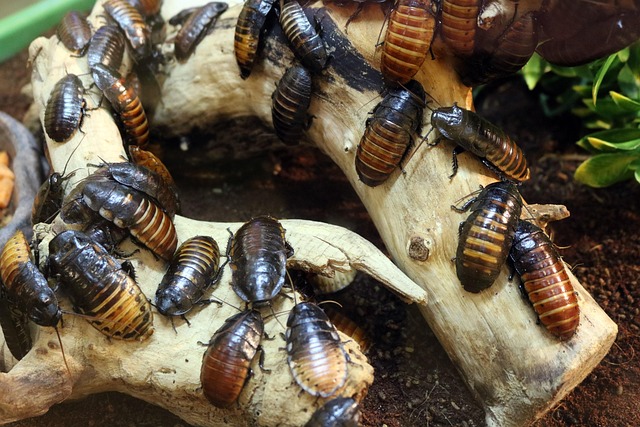
A clean-looking kitchen can still harbor hidden conditions that invite unwanted pests into the home. Roaches and rats are opportunistic creatures that thrive wherever food, moisture, and shelter are easy to find. Many everyday habits that seem harmless are actually open invitations for infestations to take hold. Understanding which routines create these vulnerabilities is the first step toward a truly pest-resistant kitchen.
Dirty Dishes

Leaving dishes in the sink overnight is one of the most reliable ways to draw pests into a kitchen. Food residue and standing water create an ideal feeding environment for roaches, which are most active during nighttime hours. Even a small amount of grease or sauce left on a pan provides enough sustenance to sustain a growing colony. Rats are also attracted to the lingering smells that build up in unwashed cookware. Washing dishes promptly after use eliminates one of the most significant pest attractants in any home.
Open Food Containers

Storing dry goods like cereal, pasta, or flour in their original packaging invites pests to chew through and contaminate entire pantry sections. Roaches and rats have a remarkable ability to detect food odors through thin cardboard and plastic wrapping. Once one container is breached, pests leave behind chemical trails that guide others to the same location. Transferring pantry staples into sealed glass or hard plastic containers creates a physical barrier that pests cannot easily overcome. This single habit change can significantly reduce the attractiveness of a kitchen to foraging insects and rodents.
Overripe Fruit

Fruit left out on the counter past its prime releases strong fermentation odors that attract both roaches and rats from considerable distances. The soft, moist texture of decaying fruit also makes it an ideal nesting material for certain insects. A bowl of overripe bananas or bruised apples can quietly become a pest hotspot within a matter of days. Refrigerating fruit before it reaches peak ripeness helps contain odors and extends freshness simultaneously. Any fruit that has begun to rot should be sealed in a bag and removed from the home promptly.
Pet Food Bowls
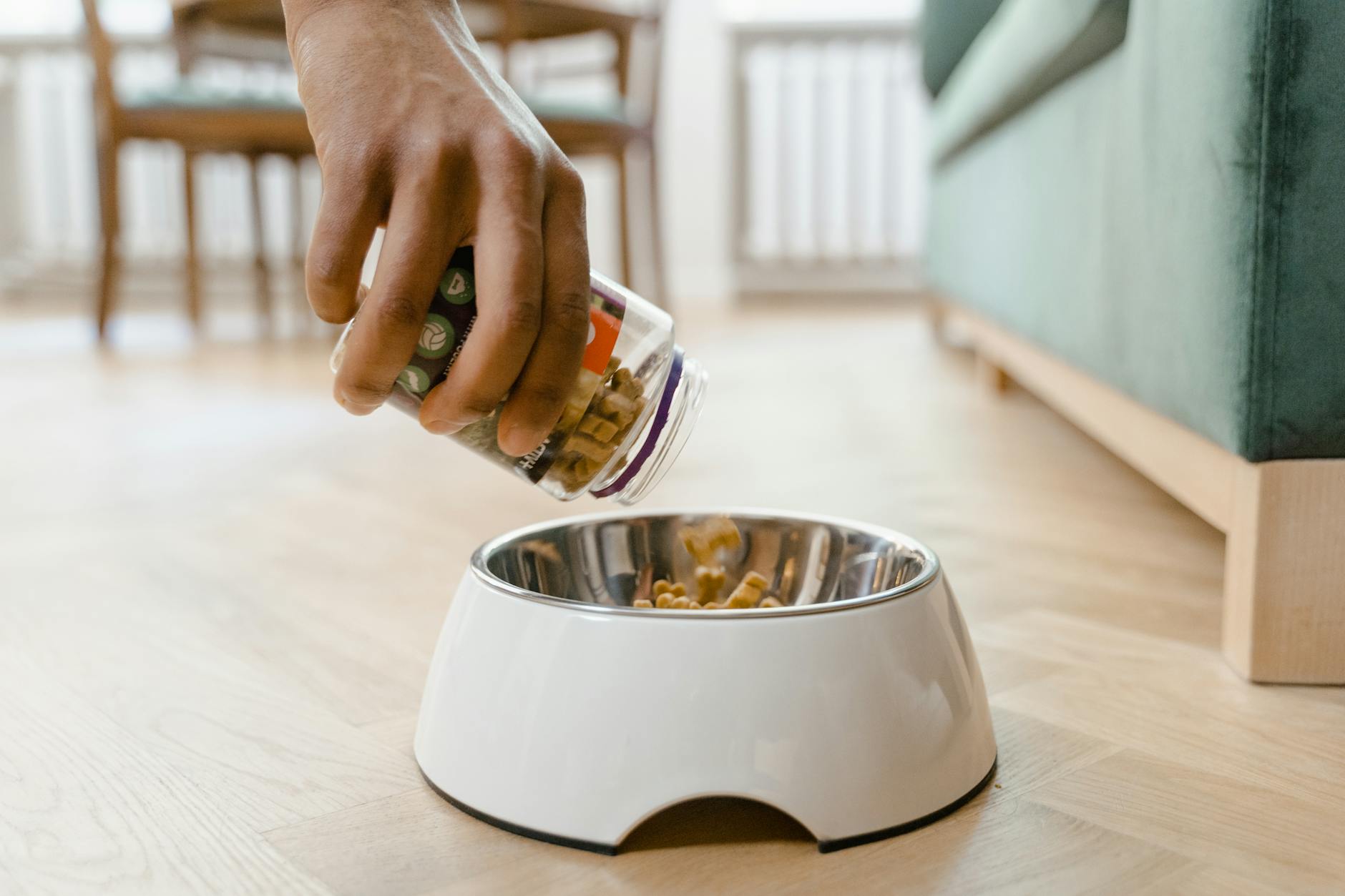
Leaving pet food out around the clock provides a consistent and easily accessible food source for roaches and rats. Dry kibble in particular carries strong scent compounds that travel through walls and under doors. Rats are bold enough to approach pet bowls even during daylight hours if they feel a reliable food source is present. Establishing set feeding times for pets and removing uneaten food immediately after meals removes this ongoing attractant. Storing pet food in sealed containers rather than open bags further reduces the odor signature inside the kitchen.
Grease Buildup

Accumulated grease on stovetops, range hoods, and backsplashes is a rich food source that roaches actively seek out. The warm environment near cooking surfaces also provides the heat that pest colonies need to survive and reproduce. Grease that drips behind appliances or into crevices is particularly difficult to detect and creates a long-term infestation risk. Regular degreasing of all cooking surfaces and the areas surrounding them is essential for keeping pests at bay. Even a thin film of cooking residue left consistently over time can attract and sustain a significant roach population.
Trash Can Lids

Leaving trash cans uncovered or using bins without tight-fitting lids turns the kitchen waste area into an all-night buffet for pests. Roaches and rats are drawn to the complex mixture of food smells that emanates from household garbage. A single night with an open bin after a meal containing meat or fish scraps can be enough to establish a pest’s interest in a kitchen. Investing in bins with locking or weighted lids creates an important line of defense against nighttime scavengers. Taking out the trash before it reaches capacity also reduces the intensity of odors that attract pests from outside the home.
Crumbs Under Appliances

The space beneath and behind refrigerators, stoves, and microwaves accumulates crumbs and food debris that rarely gets cleaned. These hidden deposits are a prime feeding ground for roaches, which prefer to eat in dark and undisturbed areas. Rats may also burrow into gaps near appliances to access these food sources and take up residence nearby. Pulling out major appliances for a thorough cleaning at least once a month removes this overlooked attractant. Using a thin vacuum attachment regularly around appliance bases can help maintain cleaner conditions between deep cleans.
Standing Water
Even small amounts of standing water near sinks, under appliances, or in drip trays provide the moisture that roaches need to survive. Roaches can live for extended periods without food but require water much more frequently. A leaking pipe under the sink or a refrigerator drip tray that is never emptied creates a reliable hydration source that supports a growing colony. Rats are equally drawn to moisture and will seek out any consistent water source within their territory. Checking for and eliminating all sources of standing water in the kitchen dramatically reduces its appeal to both types of pests.
Unsealed Gaps

Small gaps around pipes, behind cabinets, and beneath baseboards serve as easy entry points for roaches and rats. Rats can squeeze through openings as small as a quarter and roaches require even less space to gain access. Once inside wall cavities and cabinet interiors, pests are extremely difficult to detect until an infestation is well established. Sealing gaps with steel wool, caulk, or foam filler closes off these access routes before pests can exploit them. Conducting a periodic inspection of the kitchen’s perimeter helps identify new vulnerabilities that develop over time.
Cardboard Boxes

Storing items in cardboard boxes inside kitchen cabinets or pantry areas creates a preferred nesting material for roaches. Roaches are drawn to the warmth and darkness that layered cardboard provides and will lay egg cases within the corrugated lining. Cardboard also absorbs food odors over time, making it doubly attractive to foraging pests. Rats will shred cardboard to use as nesting material if it is accessible in lower cabinet areas. Replacing cardboard storage with hard plastic bins or shelf organizers removes both a nesting site and a structural attractant.
Dirty Mop Heads
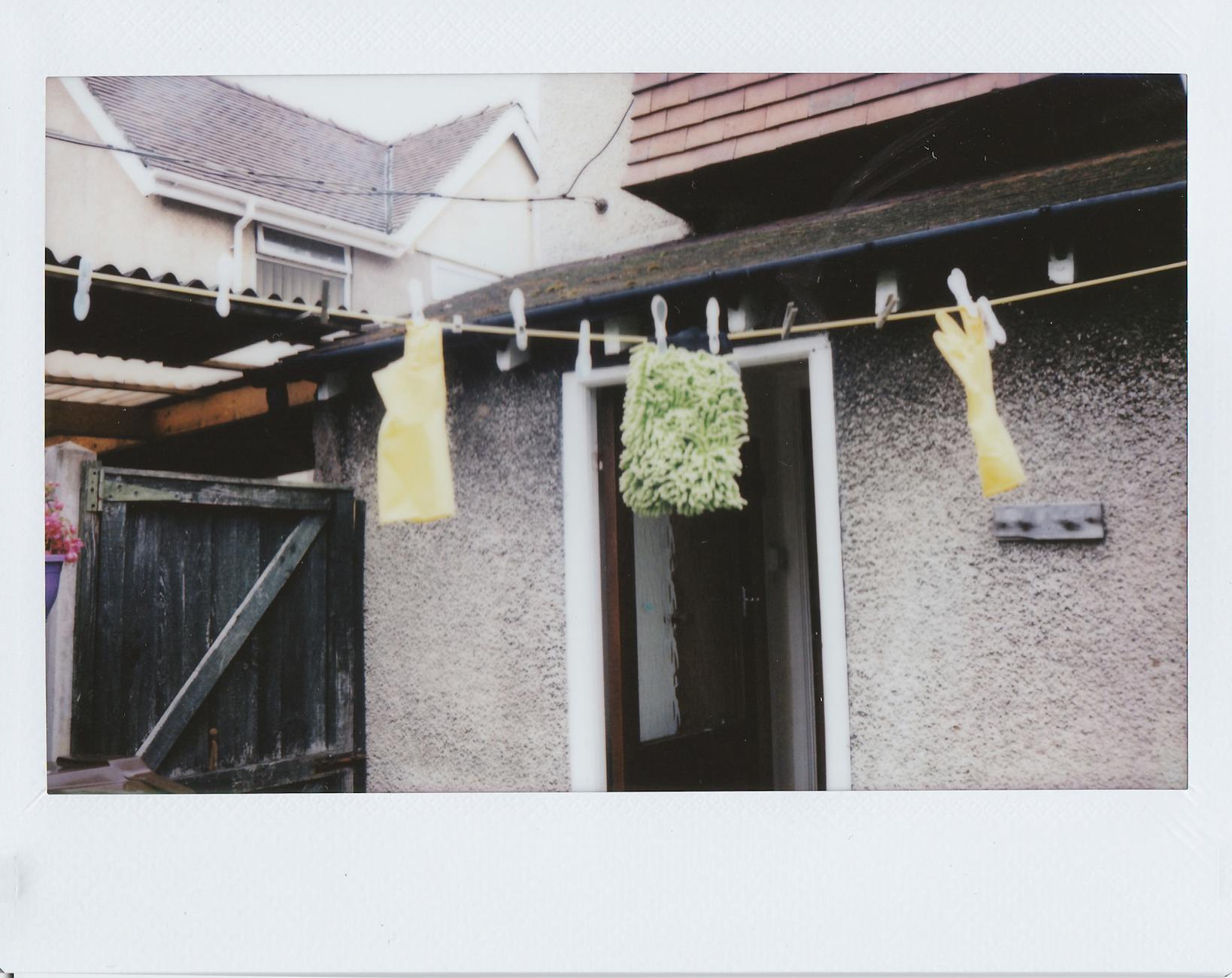
Mop heads stored in kitchen areas without proper drying harbor moisture and food residue that attract pests over time. The damp, organic fibers of a used mop create conditions that roaches find ideal for both feeding and sheltering. Rats may also investigate the strong smells associated with a dirty mop left in a corner or closet near the kitchen. Allowing mops to dry completely before storage and replacing mop heads regularly prevents this often-overlooked issue. Keeping mops stored outside the kitchen in a well-ventilated area further reduces the risk.
Food Spills
Spills that are wiped up superficially but not thoroughly cleaned leave behind a sticky residue that pests detect easily. Sugary liquids like juice or soda are particularly problematic because they leave an invisible but highly attractive film on floors and counters. Roaches are especially drawn to sugar residue and will return repeatedly to a spot where a spill has occurred. A proper clean-up using an appropriate cleaning solution that cuts through residue is necessary to fully eliminate the attractant. Addressing spills thoroughly at the moment they happen prevents them from becoming long-term pest magnets.
Recycling Bins

Unwashed cans, bottles, and containers placed in indoor recycling bins release food and beverage odors that attract pests. Roaches are drawn to the film left inside sauce jars, soup cans, and condiment bottles even when the containers appear visually clean. Rats will investigate any bin that emits complex food odors, particularly those containing meat or dairy residue. Rinsing recyclables before placing them in bins and keeping the recycling container in a sealed or outdoor location reduces risk considerably. Emptying indoor recycling bins frequently prevents odor accumulation from reaching problematic levels.
Cluttered Counters

Excessive clutter on kitchen counters creates the dark, undisturbed hiding spots that roaches actively seek during daylight hours. Items like stacked paper bags, rarely used appliances, and decorative objects provide cover that makes pests feel secure enough to take up residence. Rats exploring a kitchen will gravitate toward cluttered areas where they are less likely to be detected. Maintaining clear and uncluttered counter surfaces makes the kitchen feel less hospitable to pests and makes infestations easier to spot early. A minimalist counter philosophy has practical pest-prevention value beyond its aesthetic appeal.
Forgotten Leftovers

Food left out after meals rather than promptly refrigerated becomes an attractant within minutes as odors begin to disperse through the kitchen. Proteins like cooked chicken or fish emit particularly strong signals that rats can detect from outside the building. Roaches are capable of consuming a wide variety of foods and will readily investigate any uncovered dish left at room temperature. Refrigerating or covering leftovers within two hours of cooking is a widely recommended practice that serves both food safety and pest prevention. Even covering dishes with a plate or wrap significantly reduces the odor footprint that attracts pests.
Wet Sponges
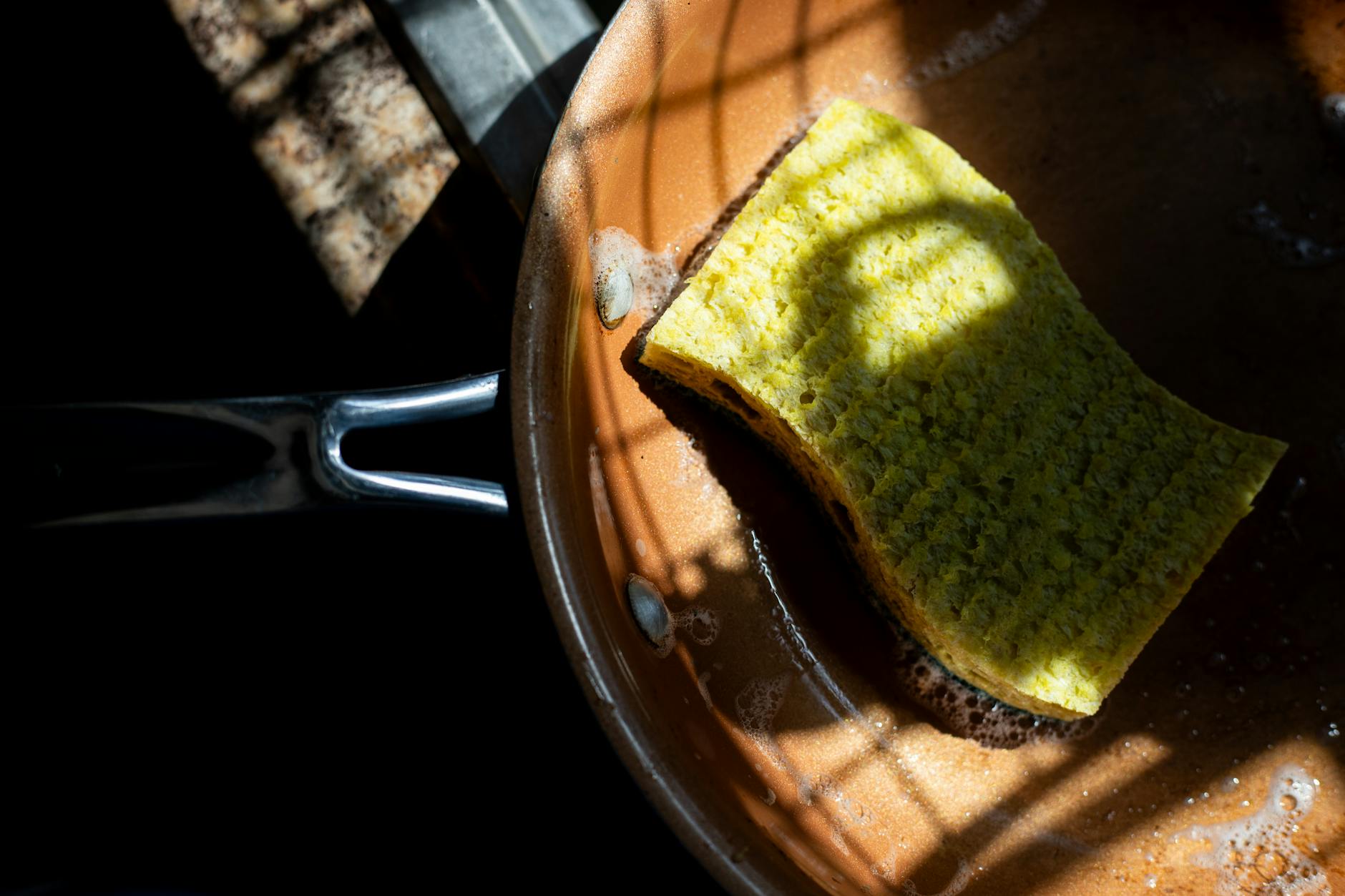
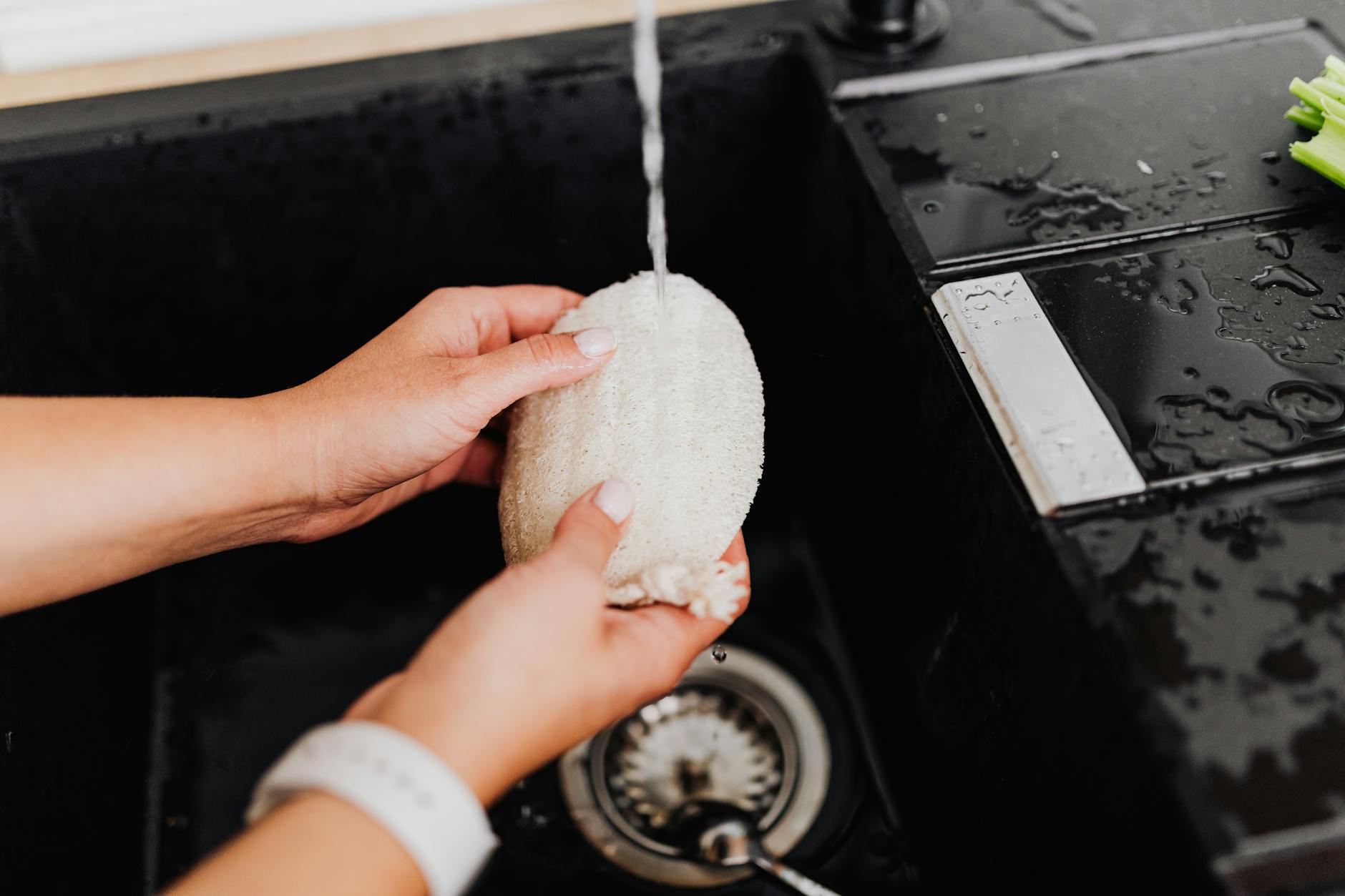
Kitchen sponges that remain damp between uses create a moist microenvironment near the sink that roaches find appealing. The organic material embedded in a used sponge also provides a minor but real food source for foraging insects. Leaving wet sponges sitting on the counter or in a dish creates exactly the conditions that support roach activity near food preparation areas. Wringing sponges out completely after use and storing them in a position that allows full airflow reduces this risk. Replacing sponges frequently and using sponge holders that allow for drainage maintains better overall hygiene near the sink.
Fruit Flies
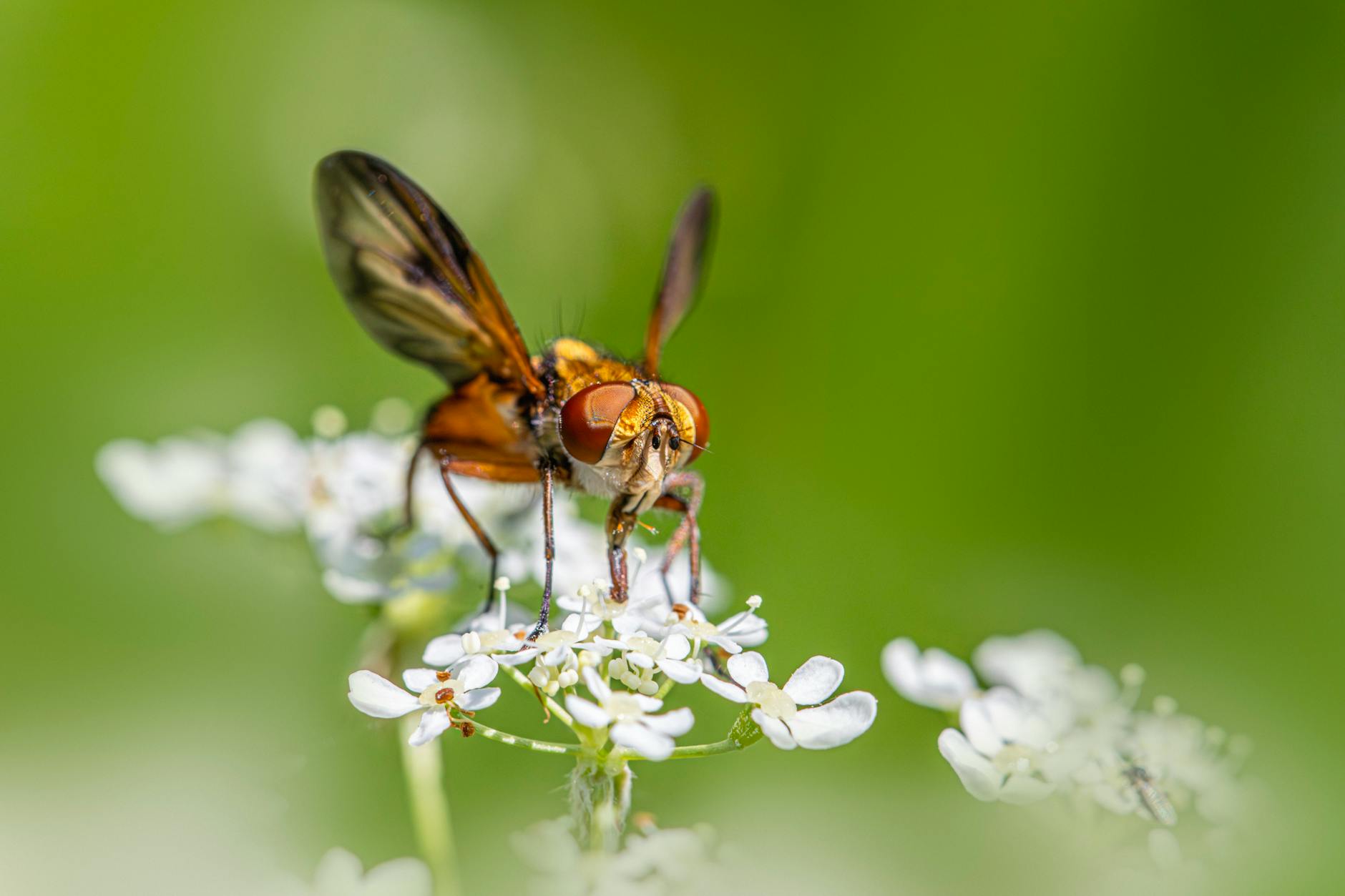
An unchecked fruit fly presence in the kitchen signals the same decaying organic matter that attracts roaches and rats. Fruit fly breeding sites including overripe produce, damp drains, and fermenting residue in garbage bins are equally appealing to larger pests. Rats in particular are more likely to enter spaces where they can detect active organic decomposition. Addressing a fruit fly problem quickly by eliminating its source also removes conditions that make the kitchen attractive to more serious pests. Treating drains with enzymatic cleaners helps break down the organic buildup that sustains both fruit flies and roach populations.
Compost Bins

Indoor compost bins without tight-sealing lids are among the most potent pest attractants that can exist in a kitchen. The fermentation process that occurs within a compost bin produces odors that are detectable by rats from impressive distances. Roaches are drawn to the warm and moist decomposing contents and will readily feed on vegetable scraps and coffee grounds. Using a sealed compost container specifically designed for indoor use and emptying it every one to two days prevents odor from reaching dangerous levels. Keeping the compost bin away from the main kitchen area such as in a garage or on a balcony reduces proximity risk.
Dirty Stovetop Drip Pans

The drip pans beneath stovetop burners collect grease and food debris with every cooking session and are frequently left uncleaned for extended periods. Roaches are particularly attracted to the combination of heat and food residue that accumulates in these trays. The dark, enclosed space beneath a drip pan creates an ideal harborage point for roach eggs and young nymphs. Removing and washing drip pans regularly with a degreasing solution prevents this hidden habitat from developing. Lining drip pans with aluminum foil makes them easier to clean and reduces the bonding of residue over time.
Bread Left Out

Bread stored in open bags or left on the counter uncovered emits yeast odors that attract both roaches and rats reliably. Rats are known to target bread products specifically and will gnaw through cabinets to reach a consistent supply. The soft texture of bread also makes it easy for smaller pests to consume without leaving obvious signs of activity. Storing bread in a sealed bread box or in the refrigerator removes both the accessibility and the odor signature. Even bread that appears untouched should be inspected if it has been stored in a potentially compromised area.
Leaky Pipes

A slow leak beneath the kitchen sink creates a persistently damp environment that roaches require for long-term survival. The combination of moisture and the dark, enclosed cabinet space makes under-sink areas one of the most common roach harborage sites in any home. Rats are also attracted to the dripping sounds and consistent moisture that a leaky pipe provides. Repairing leaks promptly and checking under-sink areas regularly for moisture prevents this critical resource from being available to pests. Placing a moisture meter or simply checking by hand for dampness monthly can catch new leaks before they create pest-friendly conditions.
Starchy Spills

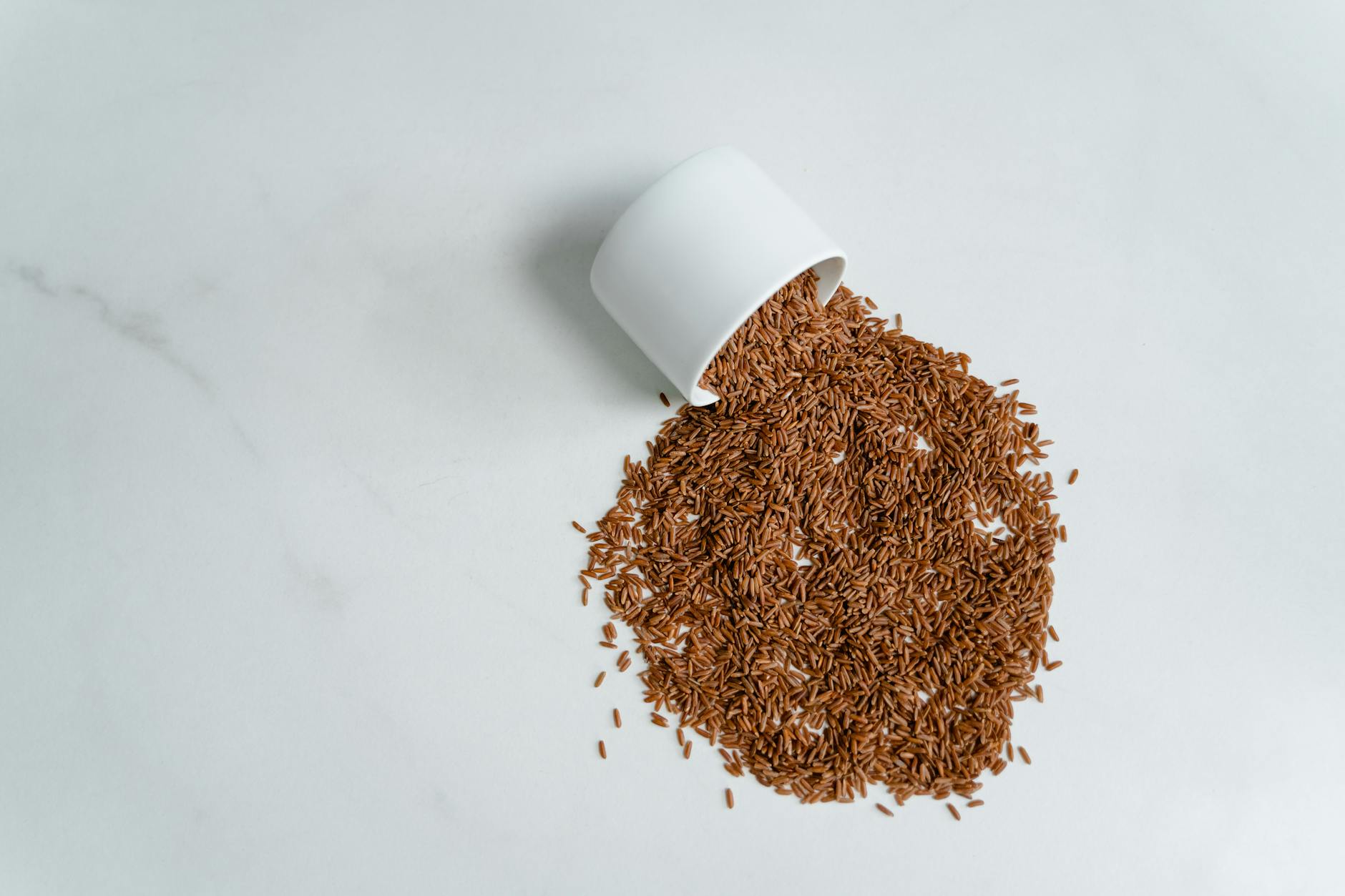
Spilled rice, dried pasta, and other starchy foods that fall into cracks or behind appliances are frequently overlooked during routine cleaning. These dense caloric deposits can sustain roach colonies for extended periods without any other food source being necessary. Rats are also highly attracted to starchy foods and will seek out even small quantities hidden in floor crevices. Sweeping and vacuuming kitchen floors with attention to corners and appliance gaps after every meal preparation session prevents accumulation. Using a light-colored floor covering can make starchy debris more visible and easier to clean up immediately.
Cluttered Pantries

A disorganized pantry where items are rarely moved or rotated creates undisturbed conditions that pests exploit for both feeding and nesting. Old boxes and bags pushed to the back of shelves are often the first places a roach infestation establishes itself undetected. Rats that gain access to a pantry will quickly identify the quietest and most sheltered corners as safe territory. Rotating pantry stock regularly by bringing older items to the front and checking expiration dates disrupts this stability. Pantry shelves lined with washable shelf paper that is replaced periodically also help maintain a cleaner and less pest-hospitable environment.
Dirty Dish Towels

Dish towels that are used repeatedly without washing accumulate food residue and moisture that attract insects over time. Roaches will feed on the organic matter embedded in fabric and may treat a heavily soiled towel as both a food source and a sheltered resting spot. Damp towels left bunched on the counter or over the oven handle create the humid microenvironment that pest colonies favor. Washing dish towels every one to two days and hanging them to dry fully between uses removes this attractant. Replacing fabric towels with disposable or quick-dry options in high-activity kitchens can further reduce this risk.
Food Debris in Drains

Kitchen drains accumulate a significant amount of food debris that decomposes and generates powerful organic odors over time. Roaches are well adapted to living in and around drain environments and will feed on the biofilm that builds up on drain walls. Rats have been documented entering buildings through drain systems and are attracted by the food odors emanating upward from kitchen pipes. Flushing drains weekly with boiling water or an enzymatic drain cleaner breaks down this organic buildup effectively. Installing a fine-mesh drain strainer prevents food particles from entering the pipe system in the first place.
Overnight Cooking Residue
Pots and pans left on the stovetop overnight with cooking residue still inside release slow-burning food odors throughout the evening. Roaches are nocturnal feeders and are most likely to investigate these sources during the hours when the kitchen is dark and quiet. Even a thin layer of dried sauce or fat on the interior of a pot provides meaningful nutrition for a foraging pest. Rinsing cookware immediately after use and before it sits overnight eliminates this nighttime attractant. This habit is particularly important in warmer months when pest activity tends to increase significantly.
Unswept Floors
Kitchen floors that are swept infrequently allow a gradual accumulation of crumbs, dust, and food fragments that create a foraging environment for pests. Roaches will scavenge even the smallest and least visible food particles from floor surfaces with reliable efficiency. Rats traversing a kitchen at night will readily consume any floor debris they encounter while mapping the space. Sweeping kitchen floors nightly and mopping two to three times per week with a cleaning solution disrupts the feeding patterns of pests that have entered the space. Paying extra attention to the areas along baseboards and beneath furniture ensures that the most pest-favored zones are kept clear.
Warm, Dark Storage Areas

Kitchen storage spaces that remain consistently warm and undisturbed such as the cabinet above the refrigerator or behind the stove create ideal harborage conditions. Roaches specifically seek out spaces with temperatures between 70 and 80 degrees Fahrenheit and will establish colonies in any warm and sheltered cavity. Items stored infrequently in these areas go undisturbed for long enough that a roach population can grow substantially before being noticed. Periodically emptying and inspecting warm storage areas disrupts any colonies that may be forming. Adding a small cedar block or pest-deterrent sachet to these spaces provides an additional layer of protection.
Infrequent Deep Cleaning
A kitchen that receives only surface-level cleaning on a regular basis accumulates hidden grime in the places pests exploit most. Grease traps, oven interiors, cabinet interiors, and the tops of upper cabinets are frequently missed in routine cleaning routines. Rats and roaches depend on these overlooked zones to establish themselves before their presence becomes visible. Scheduling a full kitchen deep clean once a month that includes moving appliances, wiping cabinet interiors, and cleaning oven components removes the conditions that allow infestations to grow quietly. Consistency in deep cleaning is one of the most reliable long-term pest prevention strategies available to any household.
Share which of these kitchen habits you are working on changing in the comments.




