The open house is a carefully orchestrated presentation of someone’s home, often representing years of financial investment, personal pride and emotional attachment. Sellers spend days cleaning, staging and preparing every corner of their property for public viewing, and real estate agents invest significant professional effort in creating an atmosphere that reflects the home’s value. Into this environment walks the general public, and with them comes an astonishing range of clothing choices that undermine the occasion with a thoroughness that most wearers never intend and rarely recognize. What a visitor chooses to wear to an open house communicates their attitude toward the property, the seller and the entire transaction before they have uttered a single word. These are the clothing choices that real estate professionals, sellers and experienced buyers identify as the most consistently disrespectful and socially tone-deaf appearances at open house events.
Muddy Boots

Arriving at an open house wearing boots that carry visible mud, soil or outdoor debris signals an indifference to the condition of the home’s floors that is immediately noticed by every agent and seller present. Sellers who have spent hours cleaning and polishing their floors experience a specific kind of dismay when a visitor walks across pale carpet or light hardwood in footwear that leaves a trail of outdoor material behind it. The damage caused by a single pair of muddy boots on a freshly cleaned light-colored floor can require professional cleaning before the next viewing, adding cost and inconvenience to an already stressful sales process. Real estate agents in properties with premium flooring sometimes position themselves near the entrance specifically to intercept visitors whose footwear appears likely to cause damage, a task that should never be necessary. The basic social expectation of removing or cleaning outdoor footwear before entering any private home is amplified at an open house where the floors are both a selling feature and another person’s cherished possession.
Gym Clothes

Attending an open house directly from a workout session without changing clothes introduces the particular combination of perspiration, body odor and athletic fabric that signals to everyone present that this viewing was an afterthought rather than a considered visit. Sellers who have prepared their home to project a specific lifestyle and aesthetic find the presence of heavily perspiring visitors in compression tights and damp singlets a jarring contrast to the environment they have created. The smell associated with post-workout clothing in an enclosed space affects the sensory experience of other visitors who arrived appropriately dressed and are trying to assess the home’s atmosphere. Real estate agents report that visitors in gym clothes are frequently perceived by sellers as less serious buyers, regardless of their actual financial position or genuine interest in the property. Changing into clean casual clothing before attending an open house requires no more than ten minutes and communicates a basic level of respect for the occasion.
Offensive Printed Tees
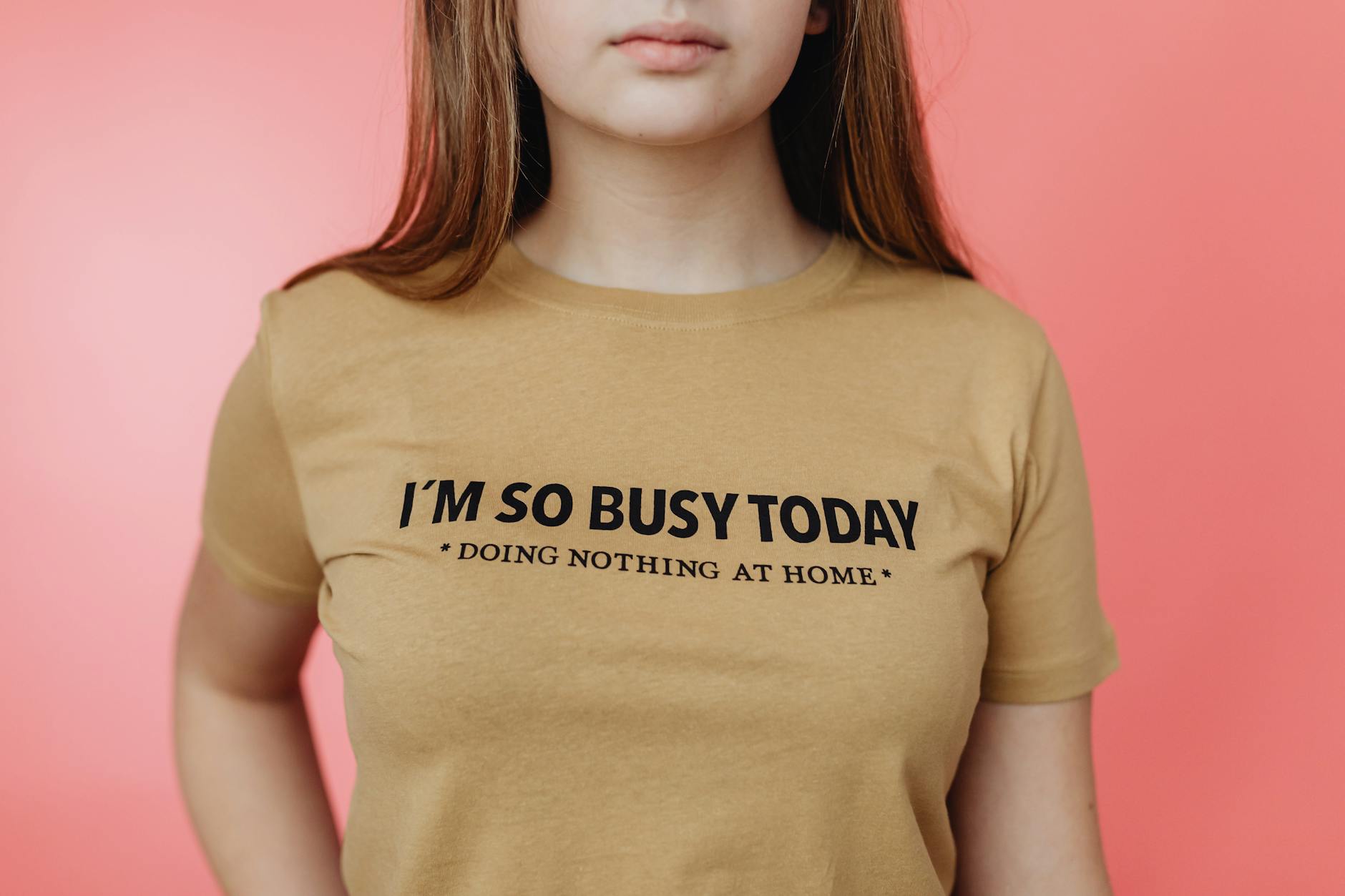
T-shirts carrying offensive slogans, aggressive political statements, explicit imagery or language designed to provoke a reaction are worn to open houses with a frequency that surprises even experienced real estate professionals. The seller of a family home who encounters a visitor wearing a shirt with aggressive or explicit content experiences a visceral discomfort in their own living space that is difficult to separate from the viewing experience as a whole. Children of sellers who are present during an open house, as is sometimes unavoidable in family home sales, may be directly exposed to content that their parents find wholly inappropriate. Real estate agents have the legal and professional authority to ask visitors wearing genuinely offensive material to leave an open house, but exercising this authority creates an atmosphere that damages the event for every other attendee. A visitor who attends an open house wearing clothing that would be refused entry to a workplace, school or formal event demonstrates a fundamental misreading of the social nature of the occasion.
Outdoor Work Gear
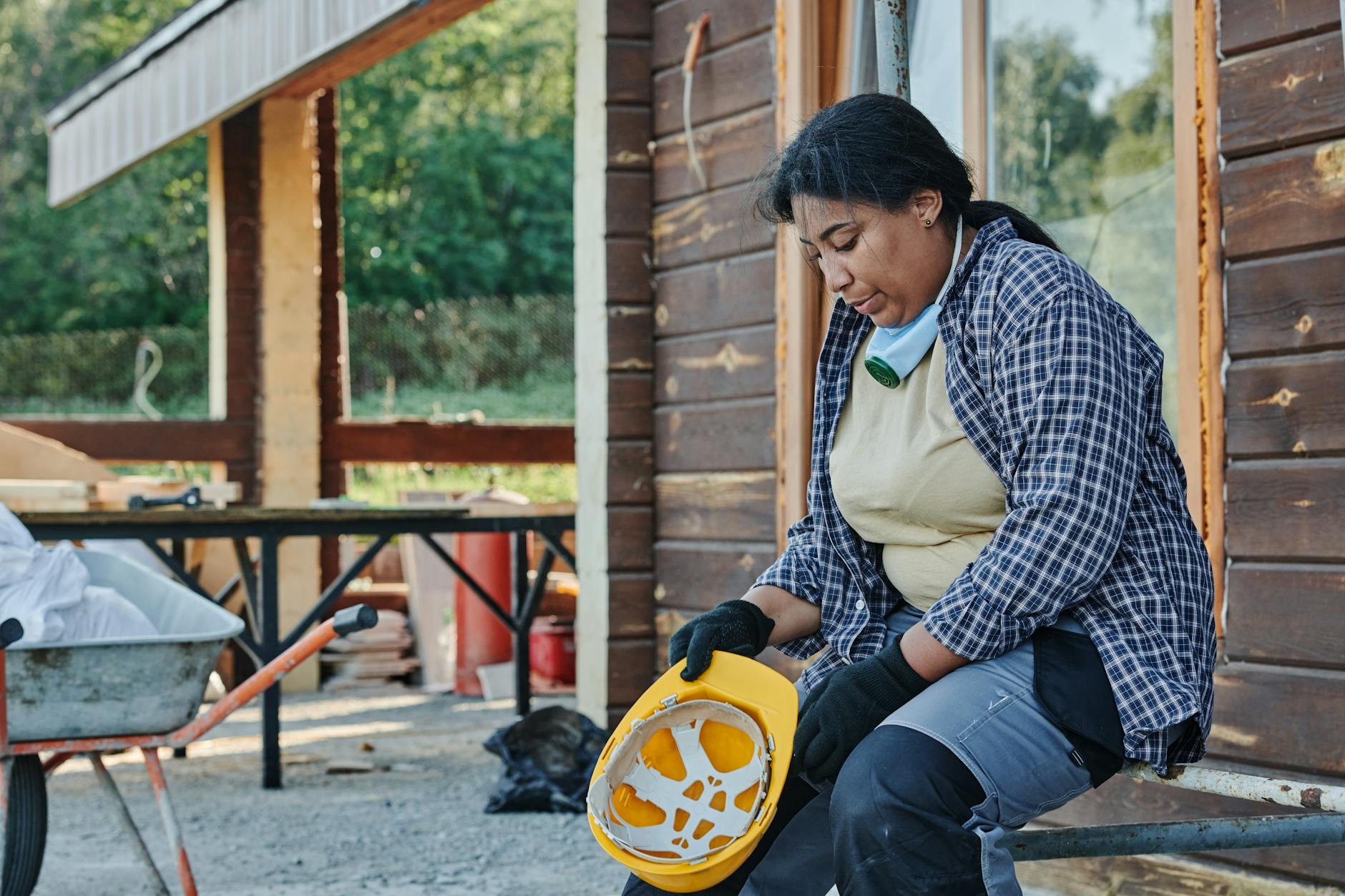
Overalls, high-visibility vests, paint-splattered work trousers and other trade clothing worn directly from a job site to an open house communicate a casual disregard for the home’s interior surfaces and the seller’s presentation effort. The debris associated with active trade work including sawdust, plaster dust, paint residue, concrete particles and metal filings can transfer from clothing to upholstered surfaces, carpet and freshly painted walls with a thoroughness that requires professional remediation. Sellers who have repainted rooms, deep-cleaned upholstery and replaced fixtures in preparation for a sale face the possibility of a single visitor in trade clothing undoing hours of preparation through incidental fabric contact. The practical argument that a tradesperson had no time to change before attending does not reduce the impact of the damage caused or the impression created. A set of clean clothes kept in a vehicle for exactly this kind of social obligation is a basic professional courtesy that most trades people extend naturally in other contexts.
House Slippers
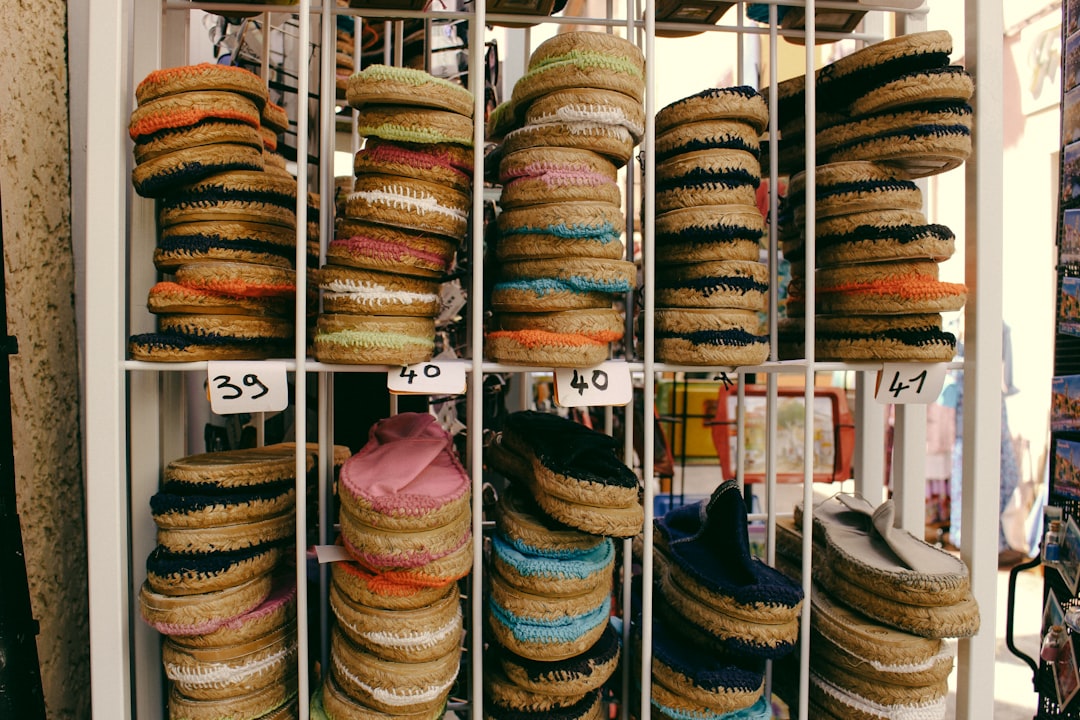
Wearing personal house slippers to an open house, whether brought from home and changed into at the door or worn throughout the journey to the property, creates an immediate impression of excessive familiarity with a space the visitor has no established right to treat as their own. The house slipper carries a specific cultural association with domestic ownership and private comfort that makes its appearance in someone else’s home during a formal viewing event feel presumptuous and socially illiterate. Real estate agents report that visitors who arrive in personal slippers often exhibit a broader pattern of overly familiar behavior including opening drawers, testing beds and making proprietorial comments that sellers find distressing. Some open house visitors wear slippers in a misguided attempt to protect the seller’s floors, not realizing that the social impression created outweighs any practical benefit. The appropriate response to concern about floor protection is to ask the agent whether shoe removal is preferred, not to arrive in one’s own domestic footwear.
Swimwear

Arriving at an open house in a swimsuit, bikini or swim shorts from a nearby beach or pool outing is an extreme version of the casual disregard that characterizes the most insulting open house attire. Wet or recently worn swimwear introduces chlorine, salt water, sand and body moisture to upholstered surfaces, carpets and wooden floors at a rate that causes immediate and sometimes irreversible damage. The exposure level of swimwear creates a social discomfort for both sellers and agents that transforms what should be a professional property viewing into an uncomfortable personal encounter. Sellers who have staged their home with carefully chosen soft furnishings and premium upholstery face specific material damage risks from a visitor in damp swimwear who sits on a sofa or leans against a wall. The five minutes required to change into basic casual clothing before attending an open house is a minimum courtesy that the occasion demands regardless of what activity preceded the viewing.
Heavily Soiled Clothing

Clothing that is visibly stained, heavily soiled or carrying the residue of food, grease, soil or other materials communicates an indifference to the social nature of the open house occasion that sellers and agents register immediately. The practical concern about transfer of soiling material to the seller’s surfaces is secondary to the interpersonal signal that visibly dirty clothing sends about the visitor’s attitude toward the home and its owners. Sellers who have invested in premium soft furnishings, light-colored carpets and freshly painted walls are disproportionately affected by visitors whose clothing presents a credible soiling risk to these surfaces. Real estate agents managing high-value property listings report that heavily soiled visitors create a distressing impression on sellers who are watching the open house from a neighbor’s home via agent feedback. The standard of cleanliness appropriate for an open house is no higher than that expected for any ordinary social visit to another person’s home, which makes heavily soiled clothing a particularly avoidable offense.
Strong Perfume

Arriving at an open house wearing perfume or cologne applied at a strength that fills a room with fragrance is a sensory imposition that directly interferes with one of the most important aspects of a property viewing for other attendees. Sellers who have used specific scent strategies such as fresh flowers, baked goods or neutral diffusers to create a welcoming sensory atmosphere find these efforts completely overwhelmed by a visitor wearing overpowering fragrance. Other visitors who are attempting to assess the home’s natural smell, an important factor in identifying damp, mold or ventilation issues, are prevented from making this assessment by the presence of a dominant artificial scent. Visitors with fragrance sensitivities or allergies may be effectively driven from the open house by the presence of a heavily perfumed attendee, reducing the seller’s potential buyer pool. The closed environment of a recently staged home amplifies fragrance significantly more than outdoor or larger public spaces, making the impact of heavy perfume at an open house disproportionate to what the wearer likely anticipates.
Festival Wristbands
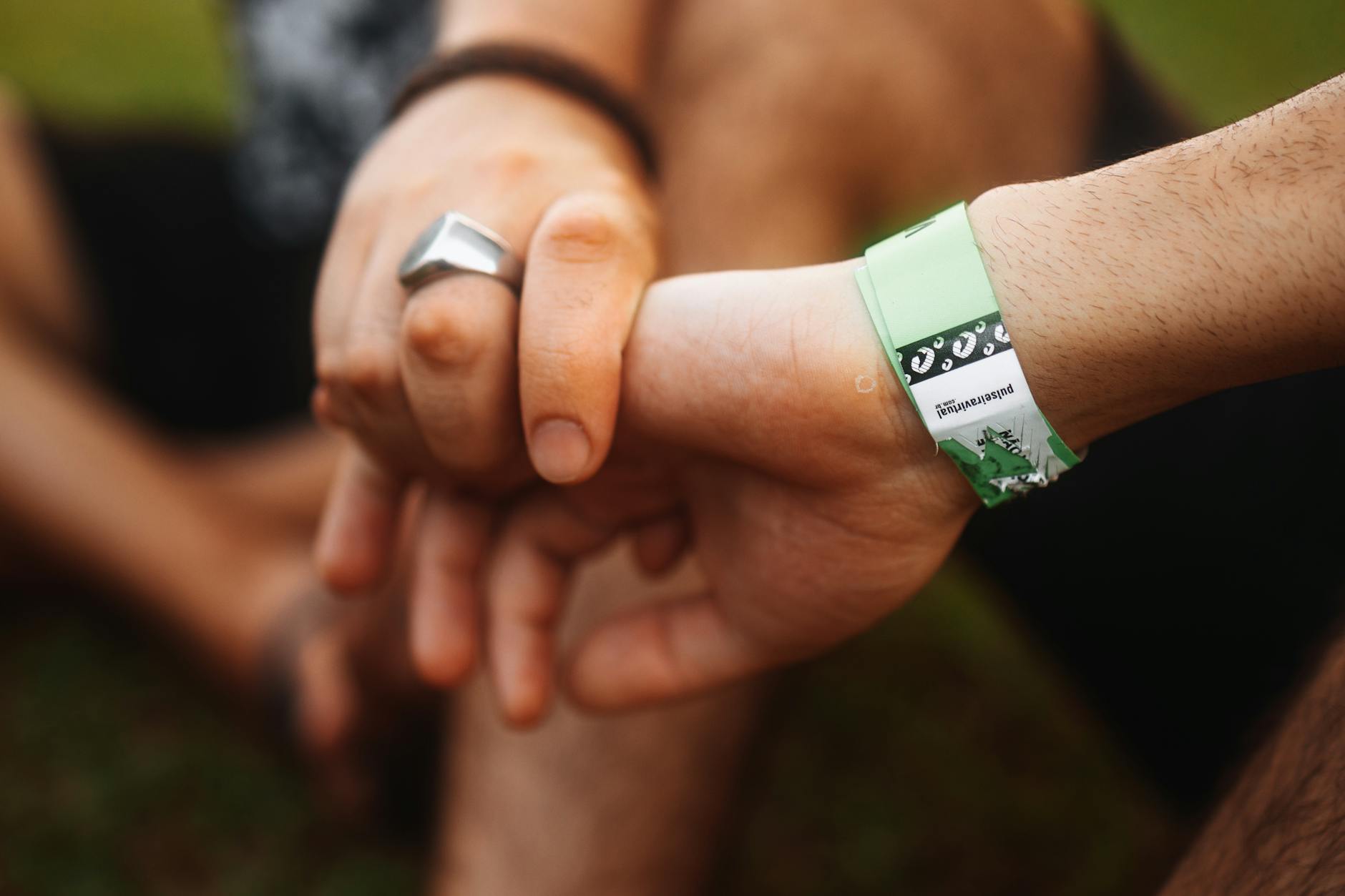
Attending an open house with multiple festival wristbands, event stamps and accumulated social event memorabilia on wrists and clothing creates an impression of recreational priority over the serious financial and legal transaction that purchasing a home represents. Sellers marketing a family home, a premium property or any listing with a specific buyer demographic in mind may find the festival aesthetic of a heavily adorned visitor at odds with the lifestyle their home is intended to project. Real estate agents report that accumulated festival and event wristbands on a visitor’s wrists occasionally prompt sellers to ask directly whether that particular attendee represents a realistic buyer prospect. The issue is not the wristbands themselves but the broader presentation they contribute to when combined with other casual or inappropriate clothing choices at a formal property viewing. The open house is a transaction environment masquerading as a social one, and dressing for a music festival rather than a property viewing reflects a misreading of the occasion’s true nature.
Torn Clothing

Deliberately torn, distressed or heavily frayed clothing worn to an open house creates an ambiguous impression that ranges from fashionably casual to actively disrespectful depending on the property’s market positioning and the seller’s personal sensibility. A seller who has invested significant resources in presenting a premium home may find a visitor in extensively torn clothing a challenging presence to welcome into a space they are proud of and emotionally invested in. The fashion context of intentionally distressed clothing is not universally legible to sellers of all ages and backgrounds, and what a visitor intends as a style statement may be received as a signal of careless disregard. Real estate agents managing properties with older sellers, conservative neighborhoods or family-oriented marketing strategies report that torn clothing creates a disproportionately negative impression in these specific contexts. The safe social standard for an open house is clean, neat and reasonably appropriate casual wear that communicates respect for the occasion without requiring formal dress.
Rival Sports Team Gear
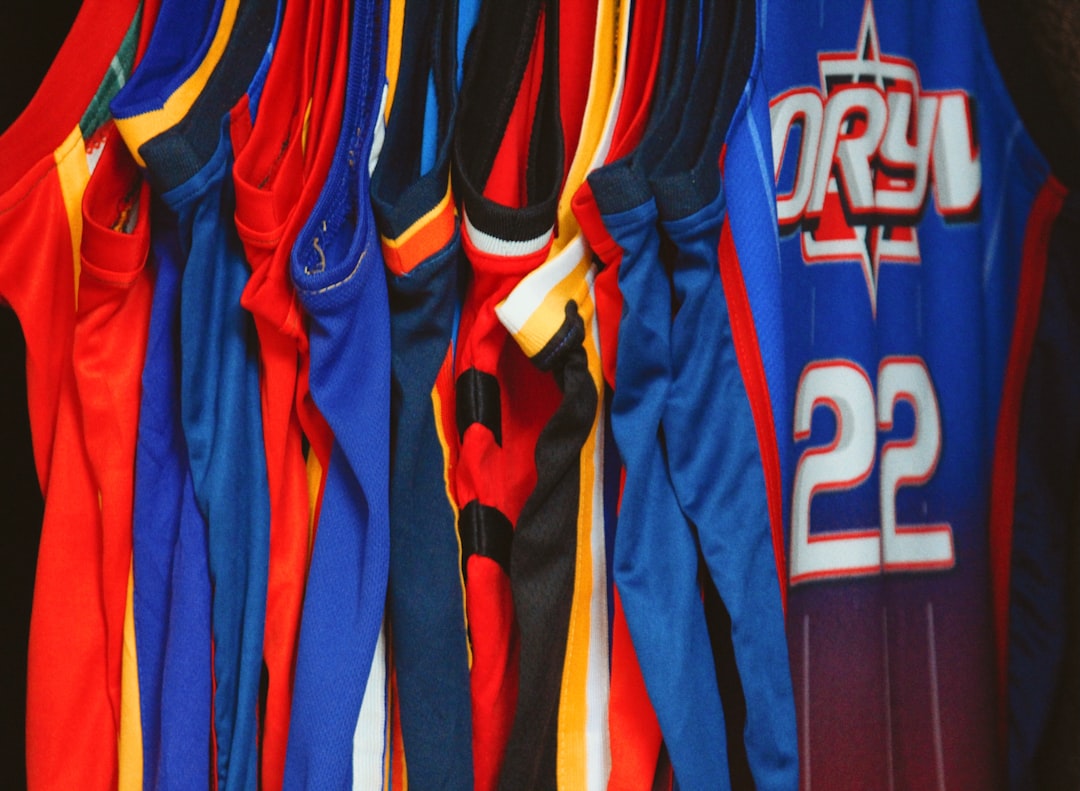
Wearing the colors, branding or insignia of a sports team when attending an open house in a neighborhood where loyalty to a rival team is prevalent creates an unnecessary social friction that experienced buyers learn to avoid. Sellers who are passionate sports supporters may experience a genuine negative reaction to a visitor wearing the colors of a rival team in their home, an emotional response that can subtly influence their receptiveness to that visitor’s eventual offer. Real estate agents in areas with intense local sporting culture report that rival team merchandise creates surprisingly strong reactions from sellers in some markets, particularly in regions where sporting identity is a significant component of neighborhood culture. The open house is not a neutral public space but a private home temporarily opened to the public, and the seller’s emotional response to visitors affects the entire transaction dynamic. Leaving sports team affiliation at home for the duration of a property viewing costs nothing and removes a potential negative variable from what is already a complex interpersonal negotiation.
Novelty Costumes

Arriving at an open house in a novelty costume, a themed outfit, a character costume or any form of dress that is clearly designed for an event or occasion unrelated to property viewing creates an immediate tone problem for everyone present. Sellers who have spent days preparing their home for a serious viewing event find the presence of a costumed visitor a disorienting experience that undermines the professional atmosphere their agent has worked to create. Children in a family attending together in costumes carry more social latitude than adults in full character dress, but even this creates a distraction from the purpose of the event. Real estate agents who have conducted open houses during Halloween weekends report that costumed adult visitors divide seller opinion sharply, with some finding it charming and others finding it deeply disrespectful to the seriousness of the occasion. The fundamental issue is that a costume signals that the wearer’s primary commitment on that day is to another event, and the open house is an afterthought accommodated without the basic gesture of a wardrobe change.
Visible Underwear
Clothing that prominently exposes underwear through deliberate styling, poor fit or the accumulation of wear that has caused garments to lose their structural integrity creates a social discomfort at an open house that sellers and agents navigate with considerable diplomatic effort. Sellers who are hosting a formal property viewing in their family home may find prominently displayed underwear an unexpected and unwelcome feature of an occasion they have prepared with care and expense. The reaction is generational and contextual but in the mixed demographic environment of a general open house the probability that visible underwear will create a negative impression with at least one decision-making party is high. Real estate agents managing the viewing experience must maintain professional neutrality regardless of what visitors wear while internally managing the seller feedback that follows if a notable wardrobe incident occurred during the event. The standard of modesty appropriate for an open house is equivalent to that expected at a formal appointment, a job interview or any other occasion where a first impression carries significant weight.
Branded Competitor Gear

Attending an open house wearing branded clothing from a competing real estate agency or property development company creates an immediate professional awkwardness that colors the entire viewing experience for the hosting agent and sometimes for the seller. A visitor wearing the branded polo shirt, jacket or cap of a competing agency while touring a listed property introduces a commercial rivalry dynamic into what should be a neutral property assessment. Real estate agents hosting an open house are in a professionally vulnerable position relative to any competing brand presence on their listing, and the discomfort this creates can affect their willingness to engage constructively with the visitor. Sellers who notice competing agency branding on a visitor may wonder whether the visit is motivated by genuine purchase interest or by professional intelligence gathering on behalf of a competitor. Property industry professionals attending open houses in a personal rather than professional capacity should make this clear through their clothing choices as a basic professional courtesy to the hosting agent.
Overly Formal Wear
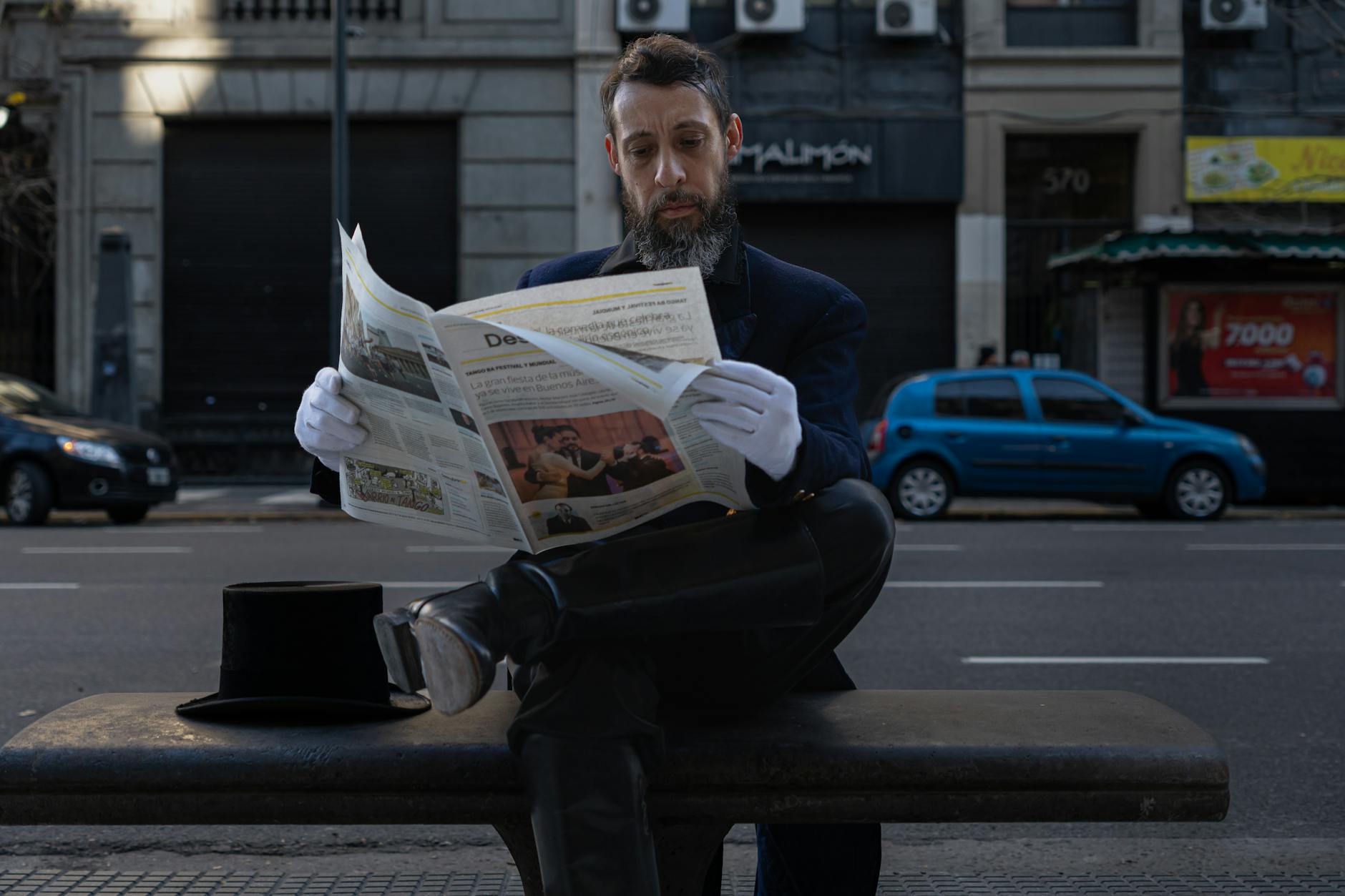
Arriving at a residential open house in a full business suit with briefcase, formal evening wear or any form of dress that is dramatically over-dressed for a casual property viewing creates a social imbalance that makes other visitors and the hosting agent uncomfortable. The open house is a casual viewing occasion that invites the general public to tour a property at their own pace, and the presence of an exceptionally formally dressed visitor changes the social dynamics of the space in ways that the hosting agent must manage. Sellers observing visitor feedback from their agent sometimes react with unease to descriptions of formally dressed visitors because the extreme formality can read as performative or as a power display rather than as genuine respect for the occasion. Other visitors who are dressed appropriately for a casual viewing may feel inadvertently underdressed in the presence of an extremely formally attired attendee, reducing their comfort in the space. The open house occupies a specific middle ground between casual and professional that most visitors navigate instinctively and that extreme formal dress ignores entirely.
Animal Print Excess
Head-to-toe animal print ensembles worn to an open house in a property where the seller has invested in a specific neutral or minimalist interior aesthetic create a visual clash that sellers notice and agents must diplomatically manage in their post-event feedback. The issue is not animal print as a fashion choice but the wearing of a maximalist statement outfit to a neutral-palette property where the contrast between the visitor and the environment is extreme enough to be visually disruptive. Real estate photographers and staging consultants who work to create a specific visual and atmospheric impression in a property find that maximalist visitor appearances during open houses are regularly cited by sellers as a jarring element of an otherwise well-managed event. Sellers of minimalist, Scandinavian-influenced or architecturally neutral properties report a specific sensitivity to high-impact fashion worn within their carefully curated interiors. The mismatch between a bold personal style statement and a restrained interior aesthetic is more keenly felt in the intimate context of a private home than it would be in any public setting.
Dirty Sneakers
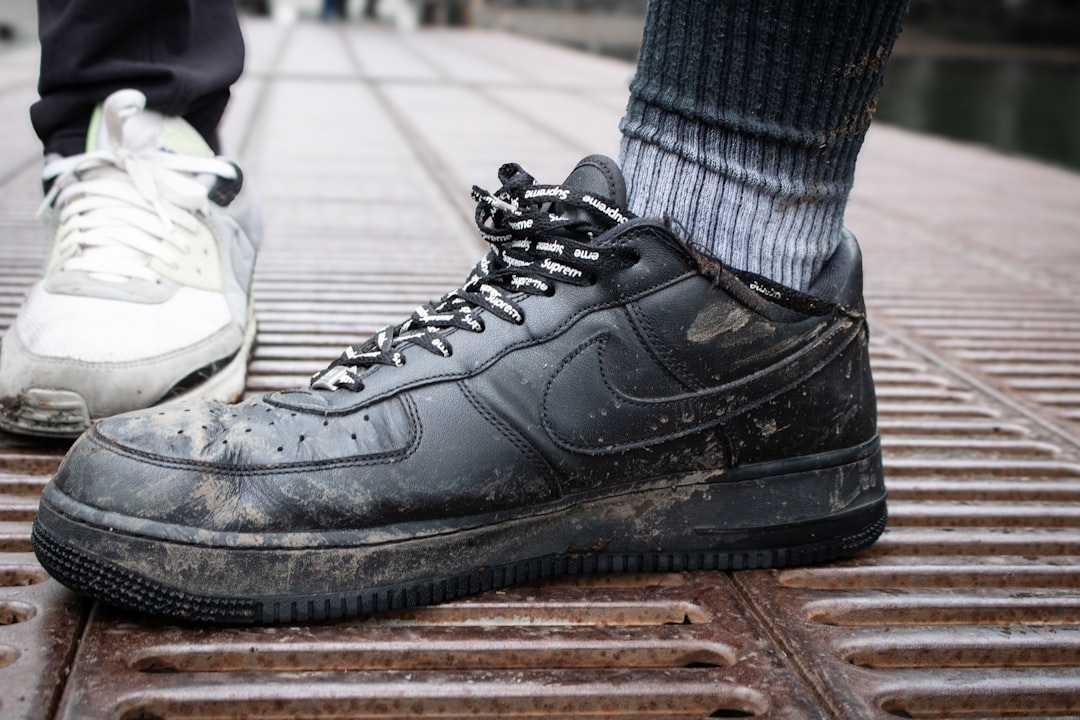
Heavily worn, visibly dirty or structurally deteriorating sneakers worn to an open house present both an aesthetic and a practical concern for sellers who have cleaned and prepared their floors as part of the staging process. The soles of well-worn sneakers accumulate debris that transfers readily to carpet, hardwood and tile floors, while deteriorating foam or rubber components can leave marks and fragments on smooth surfaces. Sellers who have paid for professional floor cleaning before an open house may find that visitor footwear is the single greatest threat to that preparation during the event itself. Real estate agents managing properties with pale carpets or sensitive floor surfaces sometimes request shoe removal at the door, a practice that reveals the true state of visitor footwear and occasionally creates social awkwardness when the socks beneath heavily worn shoes are in an equally poor condition. A basic standard of clean and intact footwear for a property viewing is a courtesy that costs nothing beyond the five minutes required to select an appropriate pair before leaving home.
Pajamas
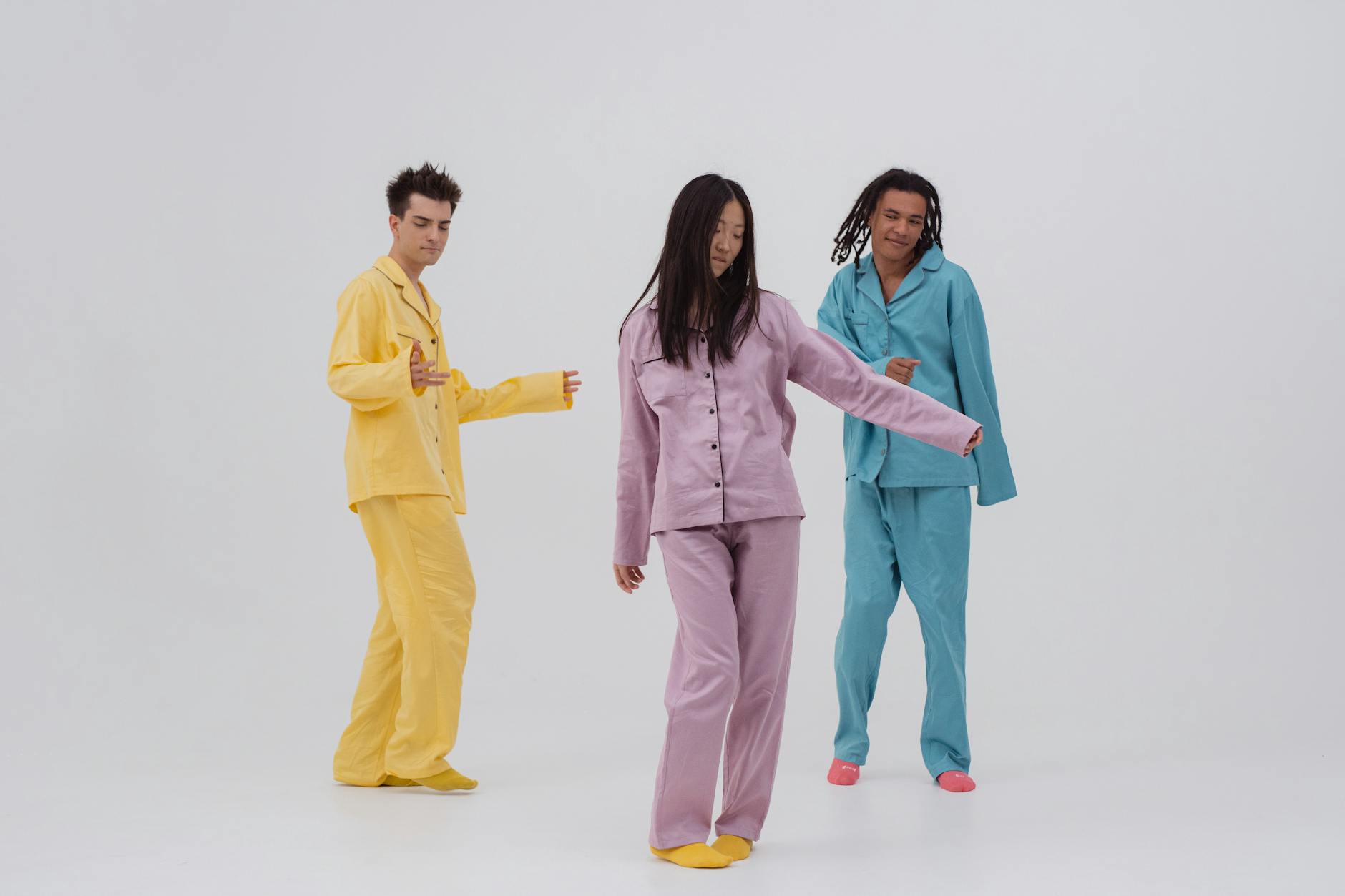
Attending an open house in sleepwear, pajama pants, dressing gown or any component of a sleep-oriented wardrobe communicates with startling clarity that the visitor considers the viewing occasion insufficiently important to warrant getting dressed. Sellers who have dedicated an entire weekend morning to preparing their home for public presentation find the presence of a pajama-clad visitor a particularly pointed signal of disrespect that agents consistently rank among the most commented-upon open house wardrobe incidents. The pajama open house visitor occasionally attempts to mitigate the impression through engagement and questions but the initial visual impression is rarely fully recovered regardless of how knowledgeable or financially credible the visitor subsequently proves to be. Real estate agents who relay open house feedback to sellers must find diplomatic language to describe pajama-clad visitors without inflaming the seller’s emotional response to their own home being treated with such evident casualness. The physical effort required to change from pajamas into basic casual clothing before attending a property viewing is so minimal that its absence represents a deliberate choice rather than an oversight.
Heavily Branded Luxury Wear
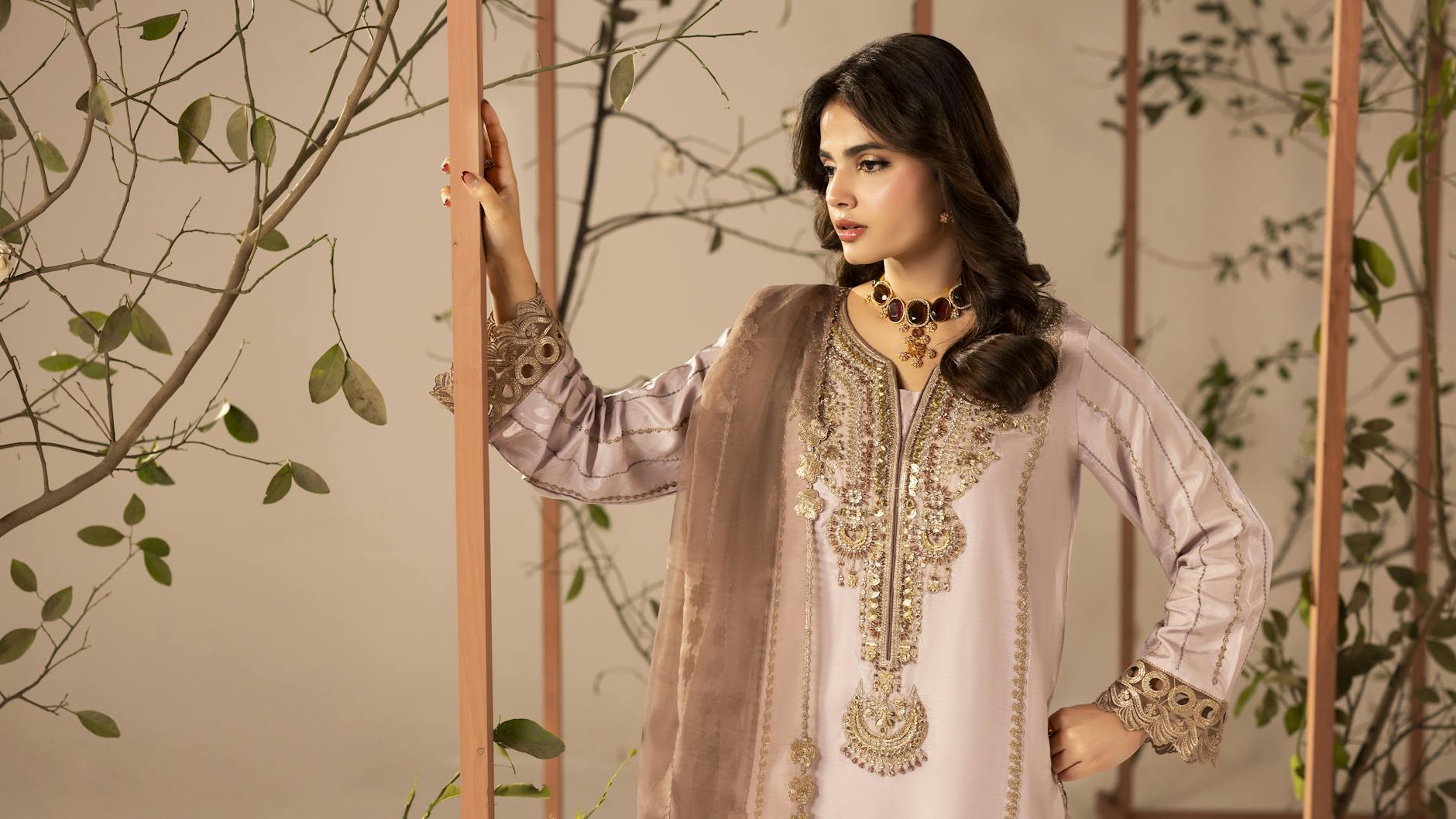
Attending an open house in head-to-toe conspicuously branded luxury clothing creates a performative dynamic that experienced real estate agents recognize as counterproductive to the genuine assessment of a property and its negotiating environment. Visitors who arrive visibly displaying expensive brand logos across every garment signal their financial position in a way that removes any negotiating ambiguity and can actually strengthen the seller’s resistance to price negotiation. Real estate agents advise buyers that presenting as financially capable without broadcasting the extent of that capability is a basic negotiating principle, and a visitor dressed in obvious luxury branding has already communicated information that should be withheld until the formal offer stage. Sellers who observe an ostentatiously branded visitor touring their home may recalibrate their price expectations upward based solely on that visual signal. The strategically neutral presentation that serves buyers best in an open house context is almost the opposite of the conspicuous display that heavy luxury branding represents.
High Heels on Sensitive Floors
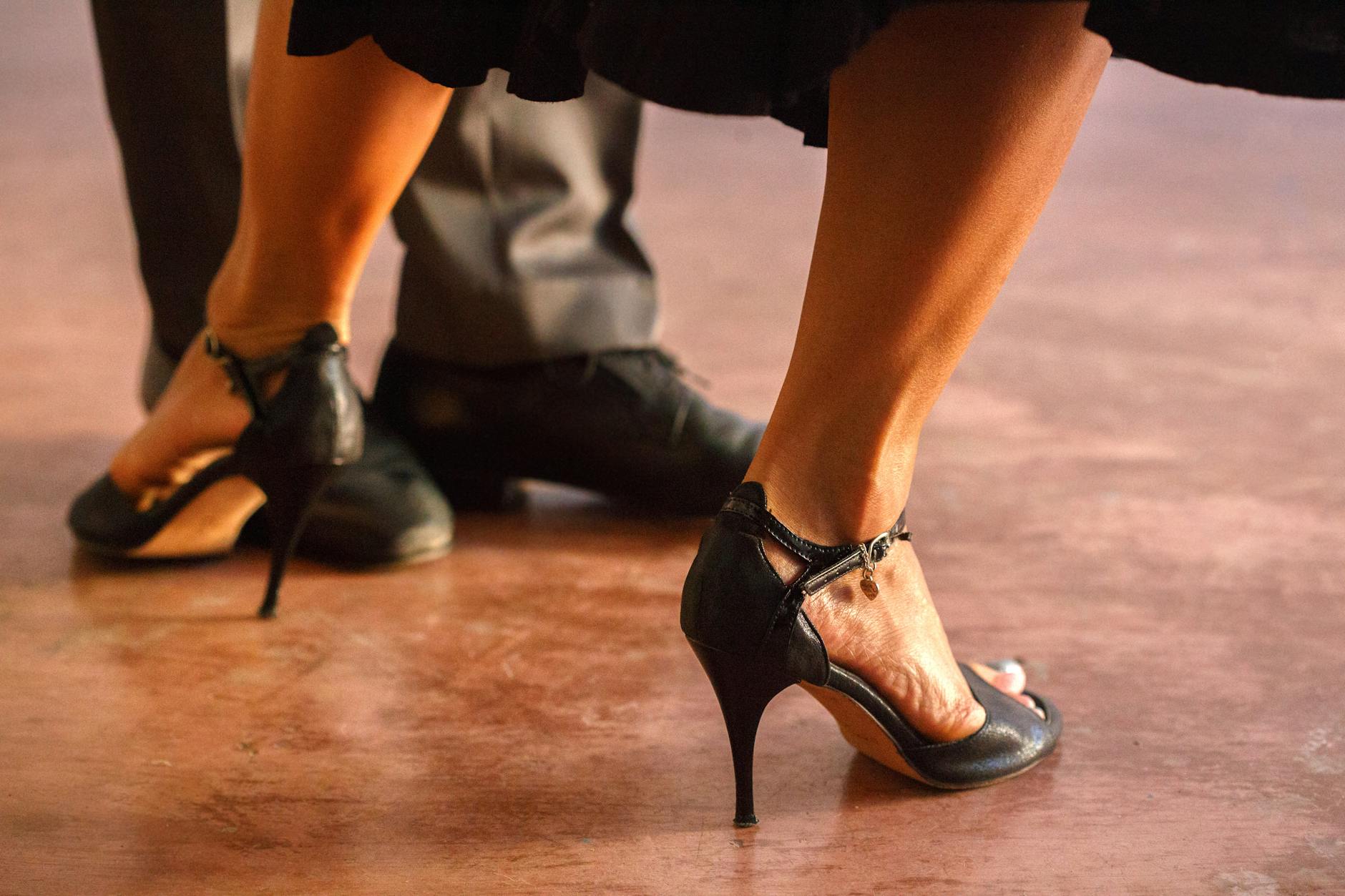
Stiletto heels and pointed high-heel footwear worn on hardwood, engineered timber, luxury vinyl or any other finish-sensitive flooring cause immediate and sometimes irreversible damage through the concentration of body weight onto an extremely small contact point. The pressure exerted by a stiletto heel on flooring can exceed that of an elephant’s foot per square centimeter, and a single misstep or pivot on a premium hardwood floor can leave an indentation that requires professional filling and refinishing. Sellers who have recently refinished timber floors as part of their pre-sale preparation and who watch helplessly as a visitor navigates their home in stiletto heels are experiencing one of the most stressful moments of the open house process. Real estate agents managing properties with sensitive flooring sometimes place discreet signage requesting heel removal at the door, but guests who ignore this signage create a conflict that the agent must manage diplomatically. Flat shoes or low heels are the obvious and considerate footwear choice for any occasion involving walking through another person’s privately owned home.
Wet Weather Gear

Dripping wet raincoats, umbrellas that have not been shaken or bagged outside and waterproof overtrousers still shedding water from recent outdoor use introduce significant moisture to a seller’s interior surfaces when worn inside an open house without being removed or fully dried at the entrance. Water tracked across hardwood floors from wet footwear and dripping outerwear poses an immediate slip hazard for other visitors and a damage risk to the floor finish that sellers and agents are acutely aware of. Sellers who have paid particular attention to the condition of their floors as a selling feature are disproportionately affected by the water introduction that wet weather gear brings into a carpeted or hardwood-floored home. The social expectation of shaking an umbrella outside, leaving it at the door and removing a dripping raincoat before entering any private home is so widely understood that its violation at an open house registers immediately as a lapse in basic social awareness. A moment spent at the entrance managing wet outerwear is a standard courtesy that every visitor to a private home during wet weather is expected to observe.
Strong Food Smells

Attending an open house while actively eating or while wearing clothing that has absorbed the strong smell of a recent meal, food preparation or a particularly aromatic cuisine introduces a competing sensory element into a space where the seller has carefully managed the olfactory environment. Sellers who have baked bread, used fresh flowers or diffused specific scents to create a welcoming home atmosphere find the sudden introduction of a competing food smell an undermining of their entire sensory strategy. Real estate agents who rely on a carefully scented property to support an emotional response in potential buyers find the same effect disrupted by a visitor carrying strong food odors into the space. Eating while walking through an open house is a specific version of this problem that combines the smell issue with the visual impression of casual disregard and the practical crumb and drip risk to the seller’s surfaces. Finishing any strongly scented meal before attending a property viewing and changing any clothing that has absorbed cooking odors is a basic courtesy that the occasion warrants.
Clothing With Structural Damage
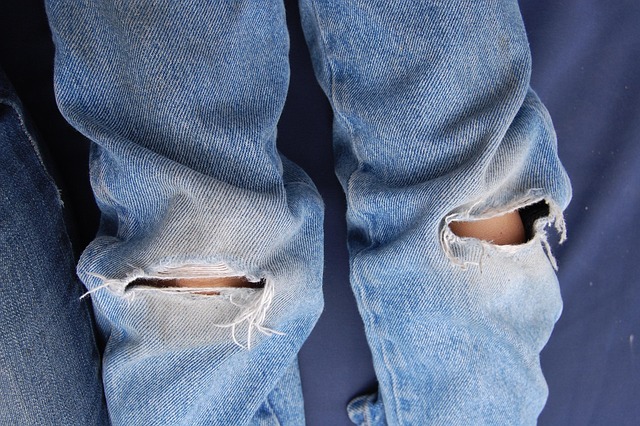
Garments with broken zippers, detached buttons, fraying hems, structural tears or other forms of physical damage that cause parts of the clothing to drag, catch or shed material present a practical hazard in a staged home that has been prepared with attention to its surfaces and furnishings. A dragging hem that picks up floor debris and redistributes it across a newly cleaned surface causes the same effect as a dirty mop being drawn through a recently washed room. Loose threads from severely deteriorating clothing can catch on upholstery, cabinet hardware and door handles, potentially causing damage to the seller’s furnishings during the course of a routine viewing. Sellers who have staged their home with specific attention to the condition and appearance of every surface find clothing that is visibly falling apart a difficult presence to welcome into a space they are presenting as aspirational. The message communicated by clothing in active structural decline at a formal property viewing is one of profound indifference to the occasion that sellers and agents receive clearly regardless of the visitor’s intentions.
Sportswear With Excessive Logos
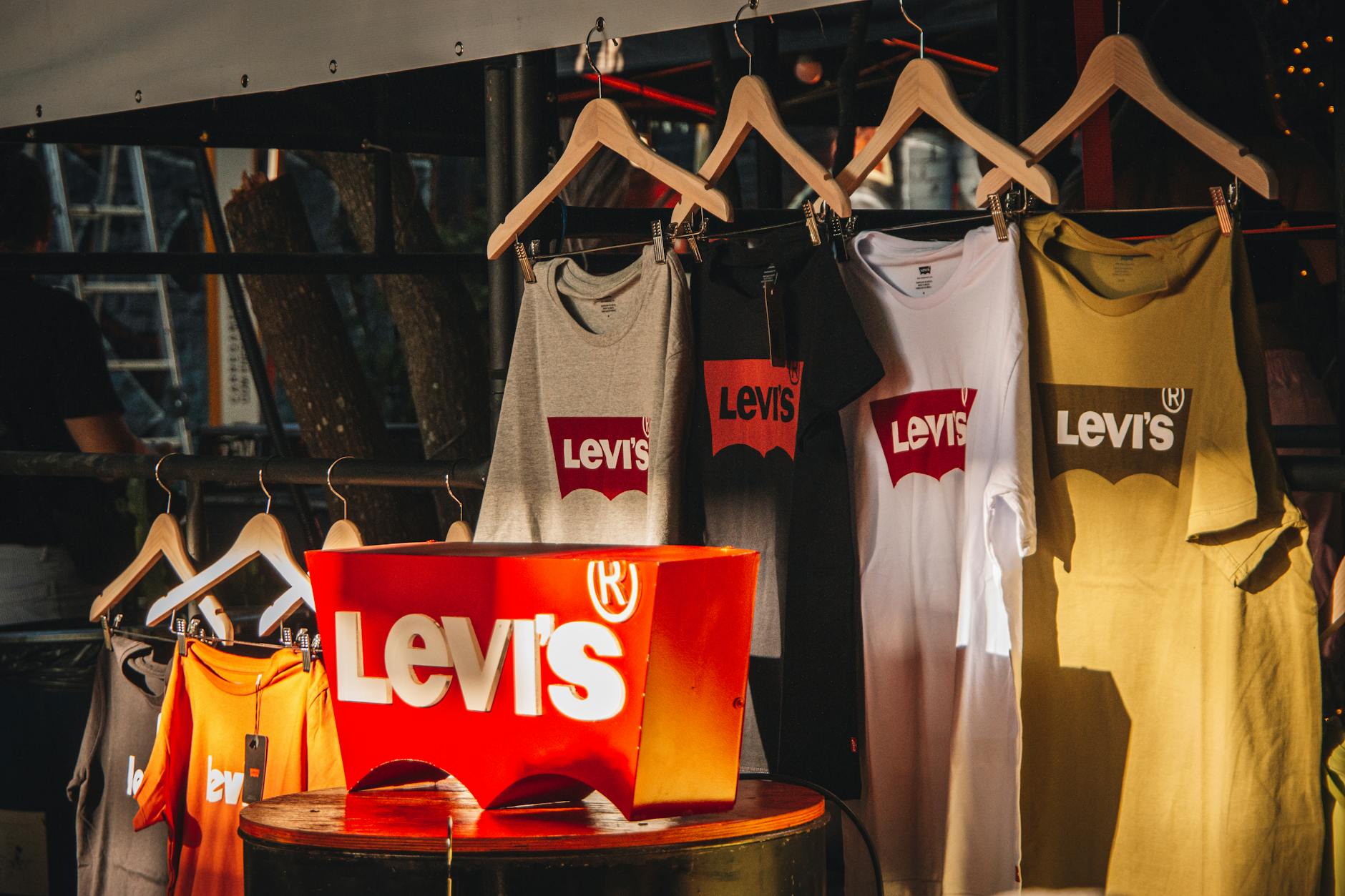
Athletic clothing covered in large commercial sponsorship logos, team advertising or brand markings that give the garment the appearance of a sponsored athletic uniform rather than casual wear creates an incongruously professional sports context in a domestic residential viewing environment. The visual noise of a heavily logoed athletic ensemble in a carefully staged home environment competes with the seller’s interior presentation in a way that a plain casual outfit would not. Sellers who have invested in neutral and sophisticated interior staging find the commercial aesthetic of heavily branded athletic wear a jarring presence that agents must incorporate into their post-event feedback with appropriate diplomacy. The specific combination of athletic cut, synthetic fabric and heavy commercial branding that characterizes sponsored sportswear places it in a category of open house attire that reads as both casual and commercially incongruous in a residential context. A plain athletic top or unbranded sports casual item would carry the same practical comfort benefits without the visual disruption that heavy commercial branding introduces.
Fragrant Smoke

Attending an open house with clothing, hair and skin that carry the strong and pervasive smell of cigarette or cigar smoke introduces one of the most practically damaging sensory elements possible into a property that a seller may be actively marketing on the basis of its fresh, clean and smoke-free interior. Sellers of non-smoking homes who encounter a heavily smoke-scented visitor experience an immediate anxiety about the permeation of that smell into their staged interior, an anxiety that is not entirely without basis given how readily tobacco smoke odor transfers to soft furnishings, curtains and upholstery. The presence of heavy tobacco smoke smell on a visitor in a non-smoking property also affects other attendees who may be highly sensitive to this particular odor and who may prematurely leave the open house as a result. Real estate agents know that smoke odor is one of the most reliably negative factors in property buyer decision-making, and the introduction of that specific odor into a smoke-free staged property by a visiting attendee creates an association that can affect subsequent visitors who arrive in the same hour. Freshening clothing and ensuring smoke odor is not carried into another person’s home for a viewing appointment is a minimum social courtesy that any regular smoker attending a property event should observe.
Inappropriate Slogan Hats
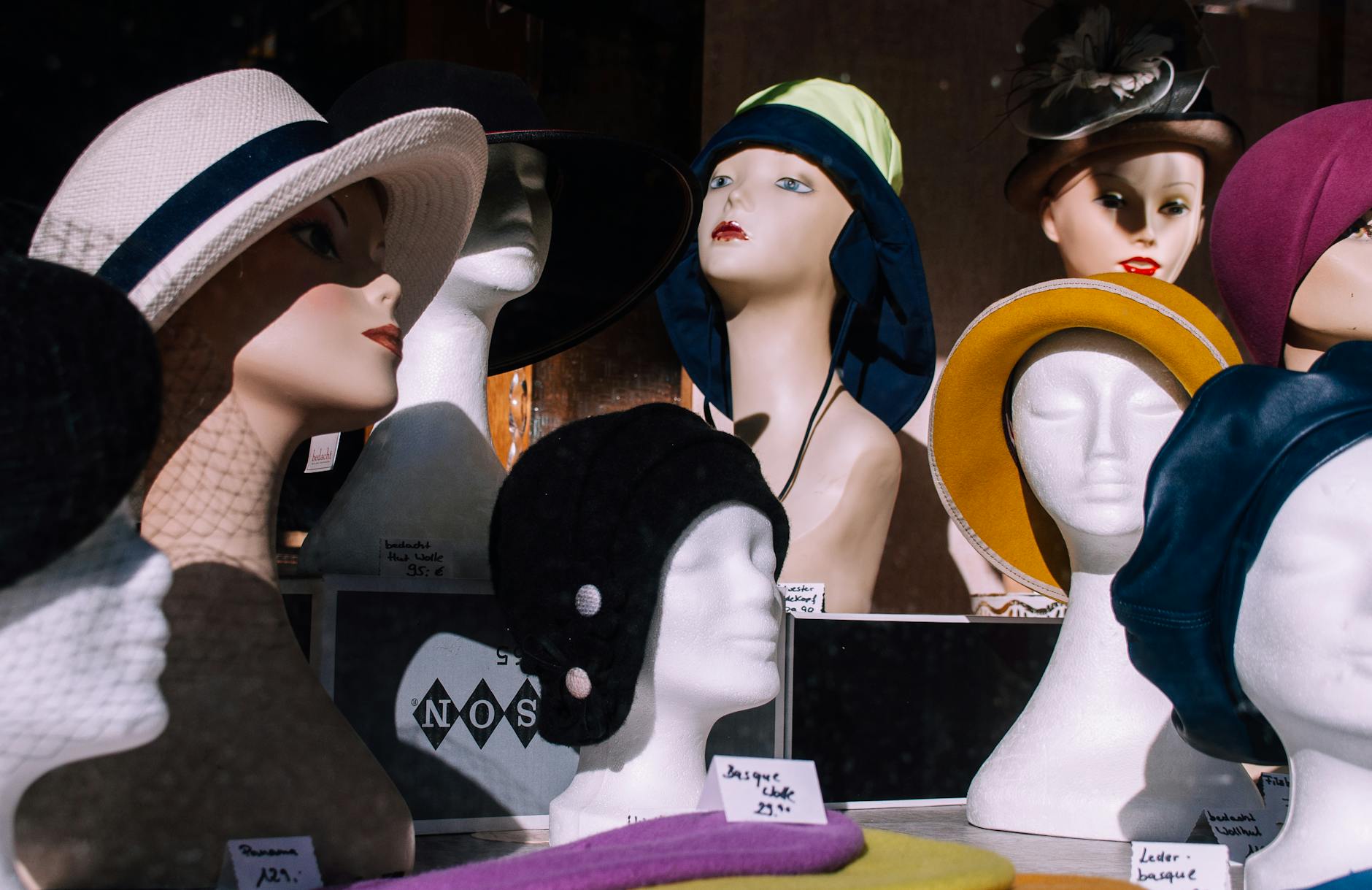
Hats and caps carrying aggressive, politically provocative, sexually explicit or otherwise inappropriate slogans worn inside a private home during a property viewing create an immediate interpersonal tension that affects the entire atmosphere of the open house event. The convention of removing a hat when entering a private home is a widely understood social norm in many cultures, and its consistent violation at open houses by visitors who continue to wear inappropriate or provocative headwear throughout the interior viewing signals a general disregard for the social conventions of the occasion. Sellers of family homes who encounter visitors wearing explicitly sloganed headwear inside their children’s bedrooms experience a particularly acute version of the discomfort that any inappropriate hat slogan creates in the domestic setting of a private home. Real estate agents who must maintain professional neutrality while managing the seller’s emotional reaction to a provocative hat-wearing visitor are navigating a social situation that should never arise in the context of a properly considered property viewing. The open house is a guest occasion in someone else’s home, and the decision to wear or remove a hat with any kind of statement branding inside that space is a straightforward exercise in social awareness that the occasion consistently demands.
Share your most memorable open house encounter or the most surprising outfit you have ever seen at a property viewing in the comments.




