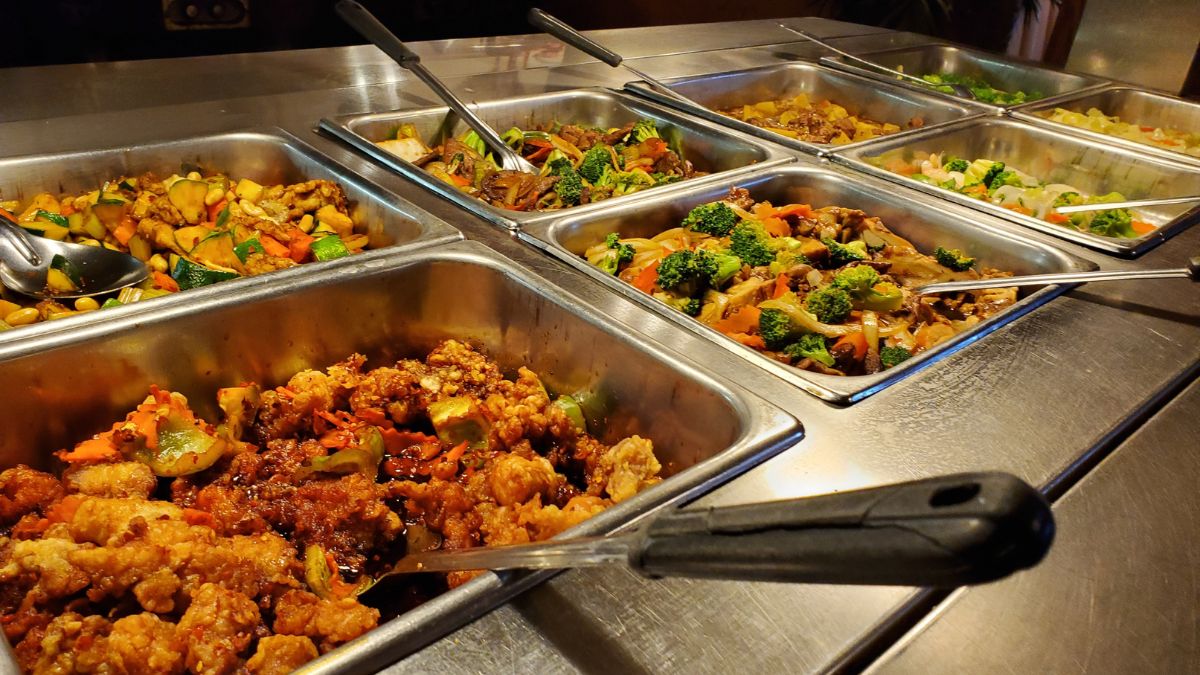
The buffet is one of the most democratic dining formats ever conceived, offering abundance, variety and freedom in a single sitting for a fixed price. Yet this openness attracts a subset of diners whose behavior transforms a pleasant communal dining experience into something that hospitality staff, fellow guests and restaurant management find genuinely offensive and operationally disruptive. Buffet restaurants operate on a foundation of trust between the establishment and its customers, and certain behaviors shatter that trust so completely that removal from the premises becomes the only appropriate management response. Food safety regulations, public health obligations and the rights of other paying guests all create a framework within which buffet management has not only the right but the legal duty to act against egregious behavior. These are the actions that buffet staff and management identify as the most reliably likely to result in a customer being asked to leave.
Direct Mouth Contact
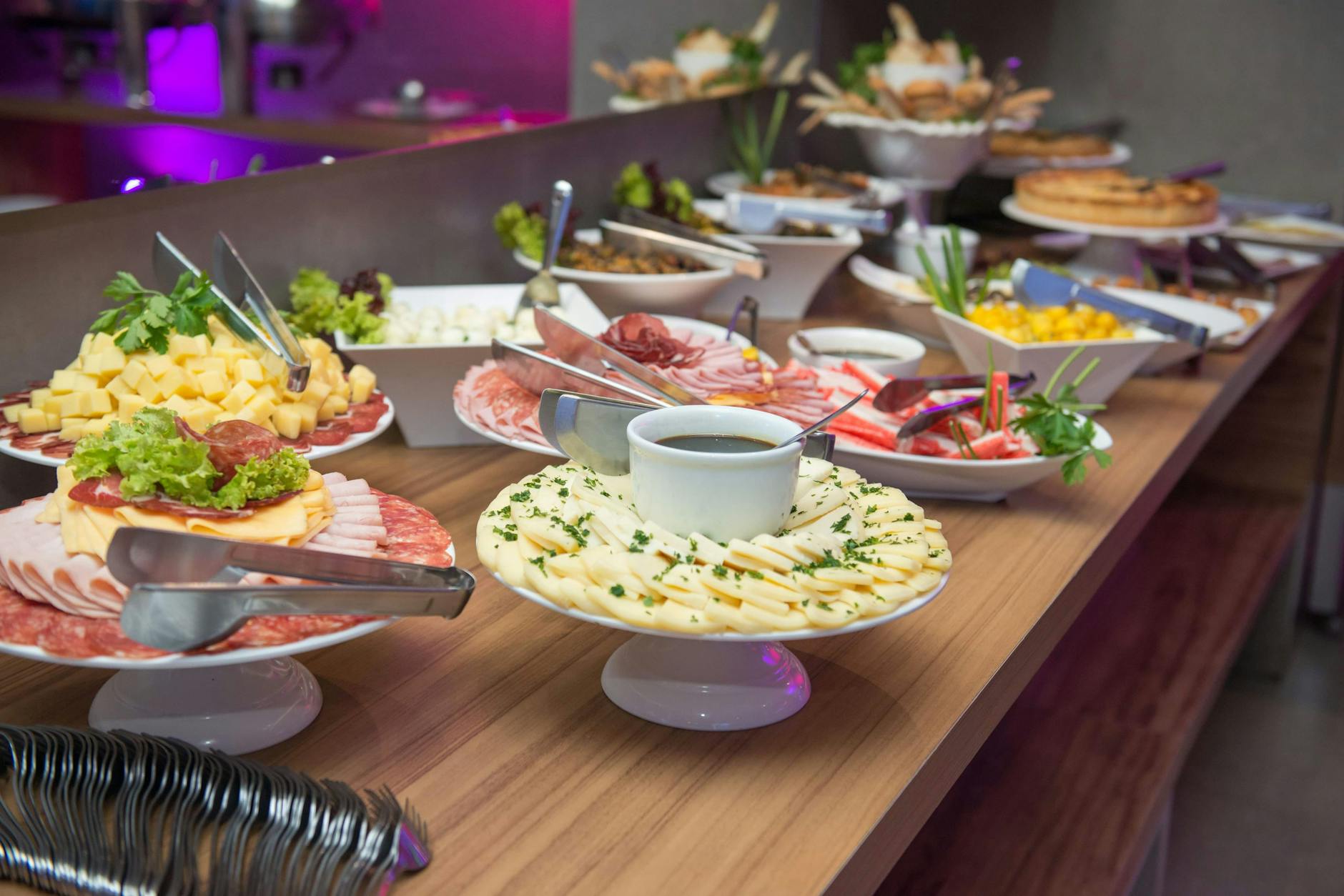
Placing a serving spoon, tong handle or any shared buffet utensil directly into the mouth before returning it to the communal food station is a food safety violation serious enough to trigger immediate removal in most professionally managed buffet environments. The oral bacteria transferred to a shared utensil from a single instance of mouth contact are then distributed to every subsequent dish that utensil touches and to every guest who uses it afterward. Food safety regulations in most jurisdictions classify deliberate contamination of a shared food supply as a health code violation that gives management both the right and the obligation to remove the responsible individual. Staff who observe this behavior are trained to remove and replace the affected utensil and to report the incident to management rather than ignore it as a minor social lapse. The communicable disease risk associated with direct mouth contact on a shared utensil in a high-volume dining environment is significant enough that most buffet operators treat it as an immediate removal offense without exception.
Plate Stacking Fraud
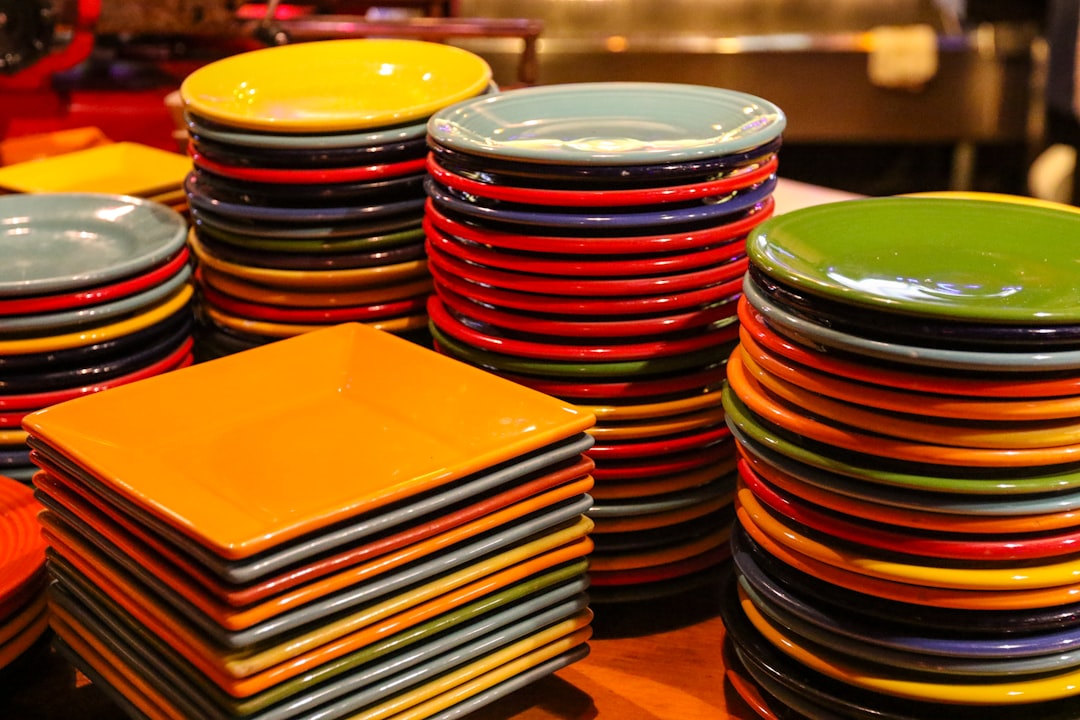
Arriving at a buffet with the deliberate intention of stacking multiple plates with food intended for non-paying individuals who are waiting outside or in a vehicle is a form of theft that buffet management and security staff have become highly practiced at identifying and addressing. The behavioral pattern associated with this activity is distinctive and recognizable including excessive plate loading, repeated trips to different stations in rapid succession, unusual attention to portioning across multiple plates and body language suggesting awareness of being observed. Buffet operators in high-traffic locations near tourist areas and transport hubs have implemented plate monitoring systems specifically to detect and prevent this practice. The legal consequence of removal in this scenario extends beyond the social embarrassment of being asked to leave because the activity constitutes theft from a commercial establishment and can result in a requirement to pay for the full number of portions taken. Staff who approach a customer engaged in this activity are trained to do so with a manager present and to frame the interaction in terms of the establishment’s charging policy rather than an accusation of dishonesty.
Food Hoarding
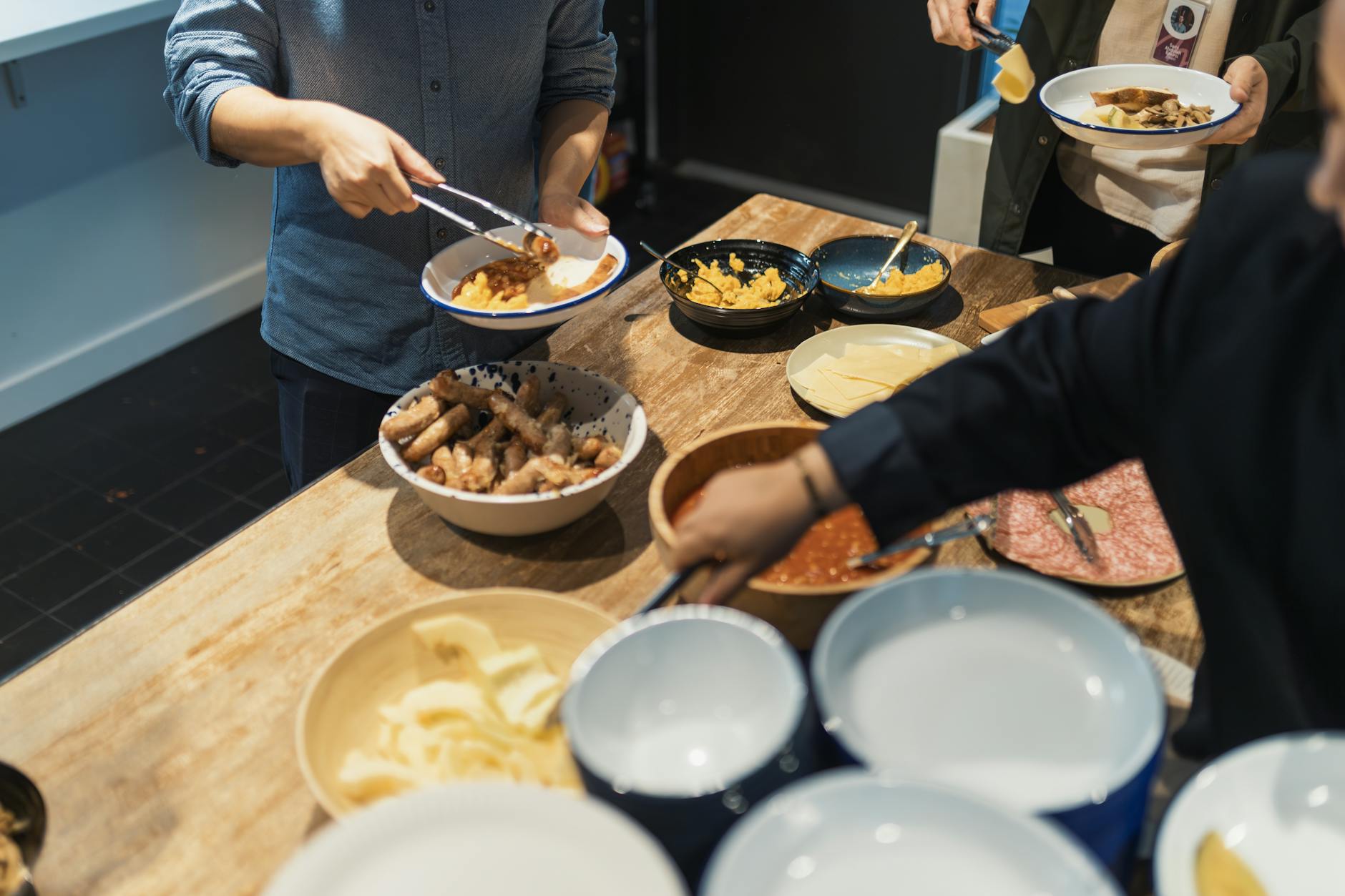
Transferring an excessive quantity of a single popular item from the buffet station directly to a personal plate or into personal containers in a way that prevents other diners from accessing that item is a behavior that buffet management consistently identifies as grounds for removal or refusal of further service. The buffet social contract is based on the understanding that food is shared communally and that individual diners take reasonable portions with the expectation that others will have equal access to the same items. A diner who loads every remaining piece of a popular item onto their own plate at a time when other guests are visibly waiting to access the same station is violating the fundamental premise of the buffet format. Staff who observe hoarding behavior are typically instructed to approach the table and explain the establishment’s portion guidance before escalating to removal, but repeat behavior within the same visit is managed more directly. The hoarding of food into bags, containers or personal storage items brought specifically for the purpose represents a more serious version of the same behavior that crosses into theft and is managed accordingly.
Personal Container Use

Producing personal containers, zip-lock bags, food storage boxes or any other receptacle brought from home for the purpose of removing buffet food from the premises is a theft of commercial food product that gives management immediate grounds for removal and in some cases for involving law enforcement. The practice is sufficiently common in certain buffet environments that some operators have introduced bag checks or table monitoring specifically to detect and prevent it. Food removed from a buffet in personal containers has not been paid for by the cover charge, which covers consumption on the premises during the meal period and nothing beyond it. Staff who observe a guest transferring food into personal containers are typically instructed to approach immediately, request that the containers be emptied back into the appropriate station and inform the guest that they are required to leave. The food safety implications of buffet food leaving the temperature-controlled environment of the serving station also give management a hygiene-based argument for the removal policy independent of the commercial theft dimension.
Illness While Dining

Continuing to serve oneself from a communal buffet station after experiencing a vomiting episode, a significant coughing or sneezing event at close range to an open food display, or any other visible illness symptom that creates a direct contamination risk is a food safety emergency that buffet management is legally required to respond to immediately. Staff who observe a guest become visibly unwell in proximity to a food station are trained to clear and replace the affected food, sanitize the station surface and approach the guest to offer assistance while simultaneously alerting management. A guest who continues to access food stations after becoming visibly ill and who resists staff intervention represents a public health risk that management has both the right and the obligation to remove from the dining area. Food safety regulations in most jurisdictions place the burden of contamination prevention on the establishment, creating a legal incentive for management to act decisively and without hesitation when a contamination event occurs. The removal in these circumstances is typically managed with discretion and without hostility toward the individual, recognizing that illness is involuntary while the continuation of food access after the event is the behavior being addressed.
Child Mismanagement

Allowing young children to access buffet stations unsupervised in ways that result in direct hand contact with communal food, contamination of serving utensils, repeated handling and replacement of food items or disruptive behavior near hot food service equipment is a management scenario that buffet staff encounter with enough frequency to have established clear protocols for addressing it. Parents who remain seated while children independently navigate a buffet service area expose both the children and the food supply to risks that the establishment has a duty of care to prevent. A child who handles multiple food items before selecting one, who places fingers directly into serving dishes or who introduces foreign materials including toys, drinks or personal items into the buffet display area creates a contamination event that requires immediate staff response. Management who approach parents about their child’s buffet behavior are engaged in one of the most socially delicate conversations in hospitality, and the escalation to removal typically follows only after a clear initial communication has been ignored. The safety dimension of unsupervised children near hot chafing dishes, steam equipment and serving implements creates an additional ground for management intervention independent of the food contamination concern.
Verbal Abuse of Staff
Directing verbal abuse, threatening language, sustained hostility or personal insults toward buffet staff in response to food quality, waiting times, pricing, portion guidance or any other aspect of the dining experience is grounds for immediate removal from any hospitality establishment regardless of the buffet format. Buffet staff who manage the service area, replenish food stations and monitor the dining room are performing a physically demanding role in a high-volume environment and are entitled to the same basic workplace dignity protections as any other employee. Management who observe or receive a report of verbal abuse toward a staff member are legally and professionally obligated to intervene and in most jurisdictions have the right to remove the abusive guest without refund. The power dynamic of a service environment sometimes encourages guests to direct frustrations at staff members who have no decision-making authority over the source of the complaint, a pattern that well-managed establishments address with a zero-tolerance policy. Guests who are removed from a buffet for verbal abuse toward staff are typically informed that they are banned from future visits and in serious cases are reported to the relevant authorities.
Sneeze Guard Reaching

Deliberately reaching around, under or through the sneeze guard protecting a buffet food display rather than using the designated serving point and utensils is a behavior that introduces a direct contamination pathway between the guest’s hands, breath and the communal food supply. Sneeze guards are installed as a legal food safety requirement in most jurisdictions and their function is to create a physical barrier between the breathing and handling zone of guests and the exposed food surface. A guest who circumvents this barrier by reaching directly over an open food container to access a dish at the back of the display compromises the protection the guard provides for every other item in that section of the buffet. Staff who observe this behavior are trained to approach the guest immediately and redirect them to the correct serving method, with repeat behavior treated as grounds for removal. The deliberate and repeated circumvention of a legal food safety installation represents a form of willful non-compliance with health regulations that management is entitled to treat as a removal offense.
Alcohol Smuggling
Introducing personal alcohol into a buffet restaurant that either does not serve alcohol or that charges separately for drinks is a theft of commercial revenue that gives management immediate grounds for removal and in some cases for involving licensing authorities. The introduction of personal spirits into a licensed premises where alcohol is sold commercially may constitute a licensing offense in jurisdictions where the sale and consumption of alcohol in hospitality venues is regulated. Staff who observe guests consuming alcohol that has not been purchased from the establishment are trained to approach and request that the personal alcohol be removed, with refusal treated as grounds for asking the guest to leave the premises. Guests who conceal personal alcohol in opaque bottles, flasks or personal containers and transfer it to glasses at the table may not be detected immediately, but the behavioral patterns associated with concealed alcohol consumption are recognizable to experienced hospitality staff. Management who discover smuggled alcohol mid-service face both a commercial loss and a potential licensing liability that makes decisive action a professional necessity.
Aggressive Queue Behavior

Physically pushing, verbally intimidating or deliberately obstructing other diners at a busy buffet service station in order to gain priority access to a popular dish is an aggressive social behavior that buffet management is required to address to protect the safety and comfort of other paying guests. The queue at a popular buffet station represents a social contract between diners, and its violation through physical aggression or deliberate obstruction creates a conflict environment that staff are trained to de-escalate before it affects the wider dining room. A guest who repeatedly pushes ahead of others, who uses physical size or aggressive posture to clear space at a service station or who directs hostility toward other diners attempting to access the same food represents a safety concern that management addresses with escalating interventions from verbal redirection to removal. The presence of aggressive queue behavior at a family buffet where children are navigating the service area independently creates a specific safety concern that accelerates the management response timeline. Most buffet management teams maintain a policy of offering a single calm redirection before escalating to removal in response to physical aggression at service stations.
Photography Obsession

Spending extended periods photographing the buffet display, other diners or staff members in ways that obstruct the service area, delay other guests and create an uncomfortable surveillance dynamic in the dining room is a behavior that buffet management increasingly encounters and must manage with diplomatic but firm intervention. A guest who sets up photography equipment including tripods, ring lights or external flash units at a buffet station to create content creates an obstruction that prevents normal service flow and inconveniences other guests trying to access the food. Staff who are repeatedly photographed without consent while performing their duties have privacy rights that management is obligated to protect, and a guest who continues to photograph staff after being asked to stop is engaging in behavior that constitutes grounds for removal. The commercial dimension of a guest who uses the buffet primarily as a content creation venue rather than as a dining experience raises legitimate questions about the legitimacy of the cover charge transaction. Management who observe photography behavior that is obstructing service, making staff uncomfortable or creating a surveillance atmosphere in the dining room are entitled to request that the activity cease and to remove a guest who refuses to comply.
Food Criticism Performance
Conducting a loud and sustained public performance of food criticism directed at the buffet selection, quality or preparation in a way that is audible to surrounding tables, distressing to staff and damaging to the dining experience of other guests is a behavior that hospitality management identifies as grounds for removal when it persists after an initial intervention. A guest who speaks at volume about the inferiority of specific dishes, who directs derogatory comments about food quality toward staff members and who continues this performance across multiple courses is creating a hostile atmosphere that other paying guests have a right to be protected from. The commercial damage of a sustained loud negative commentary in a dining room that other guests paid to enjoy is a legitimate business harm that gives management the grounds to ask the guest to moderate their behavior or leave. Staff who are the direct target of food criticism delivered in a demeaning or contemptuous manner have the same workplace dignity protections that apply in any employment context. The distinction between legitimate customer feedback delivered to management and a public performance of contempt toward the establishment and its employees is one that management is experienced at making and acting on.
Furniture Misuse
Using buffet seating, tables or equipment in ways that are structurally inappropriate including standing on chairs to reach overhead fixtures, using serving tables as personal workstations for laptops and paperwork or rearranging the dining room furniture without permission creates operational and liability issues that management must address immediately. A guest who stands on a chair or bench seat to access an overhead display or to manage luggage stored on a high shelf creates a fall hazard and a furniture damage liability that the establishment is responsible for managing. Guests who use buffet tables as extended workstations during a service period, spreading paperwork, electronic equipment and personal items across a surface needed for food service create an operational blockage that staff cannot work around during a busy meal period. The rearrangement of dining room furniture by individual guests without management permission disrupts the safety compliance of the room layout, which is designed around fire exit clearance, service flow and maximum occupancy regulations. Management who encounter furniture misuse are typically required by their safety compliance obligations to address it immediately regardless of the guest’s explanation.
Deliberate Contamination
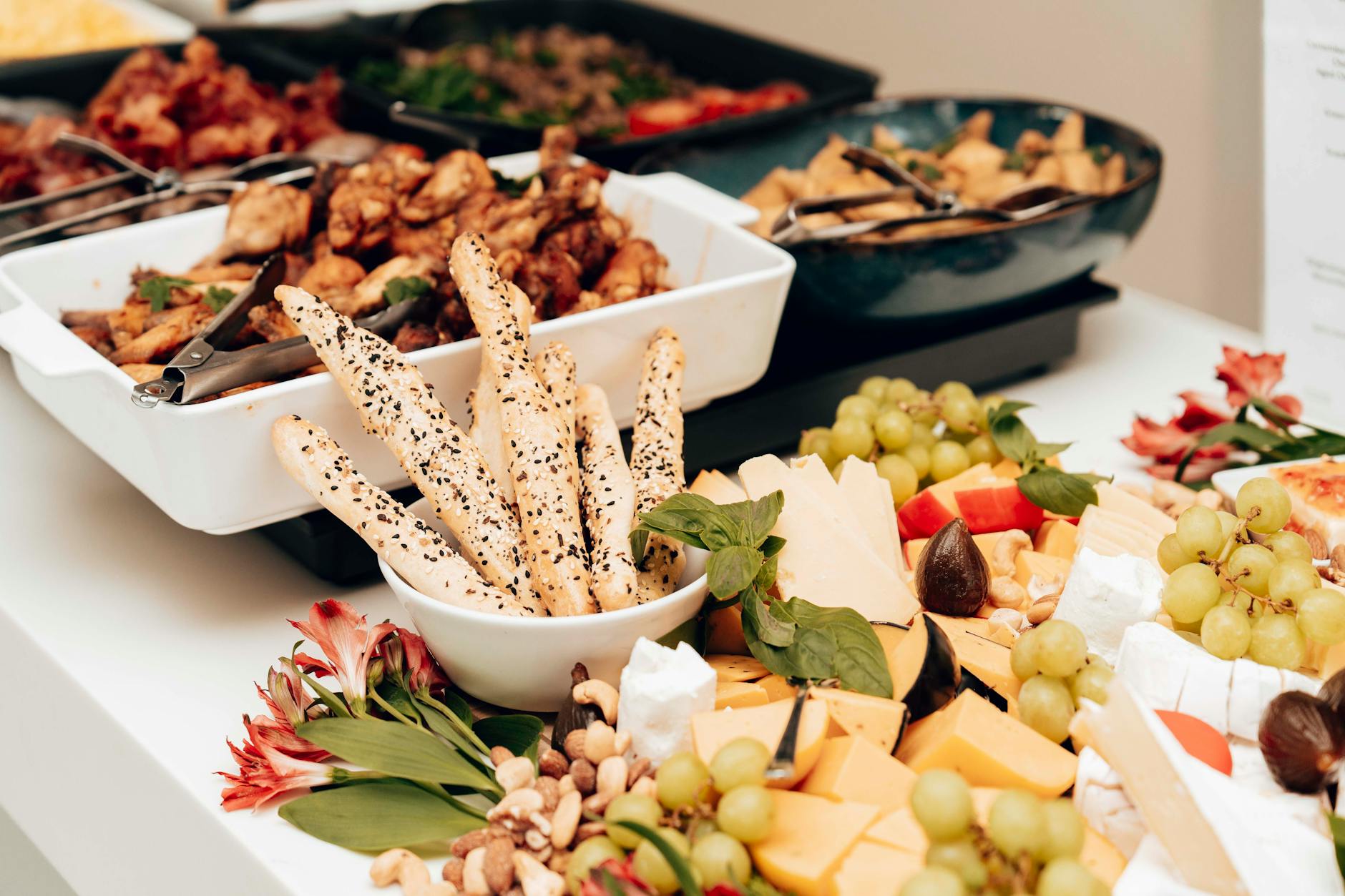
Introducing any foreign substance, personal item or non-food material into a buffet food display deliberately or through grossly negligent behavior is the most serious form of buffet misconduct and represents both a criminal offense and an immediate removal situation in every jurisdiction that regulates food safety. Staff who observe or receive a credible report of deliberate contamination of a food display are required under food safety law to immediately remove the affected food, close the affected station, notify management and in most cases report the incident to the relevant food safety authority. The individual responsible for the contamination event is removed from the premises immediately and in serious cases is detained pending the arrival of law enforcement. The legal consequences of deliberate food contamination extend well beyond removal from the restaurant and in most jurisdictions constitute a criminal offense under food safety, public health or criminal damage legislation. Management responses to deliberate contamination are not discretionary but legally mandated, and the documentation of the incident, the disposal of affected food and the reporting to authorities are all required steps in the establishment’s compliance obligations.
Extended Table Occupation
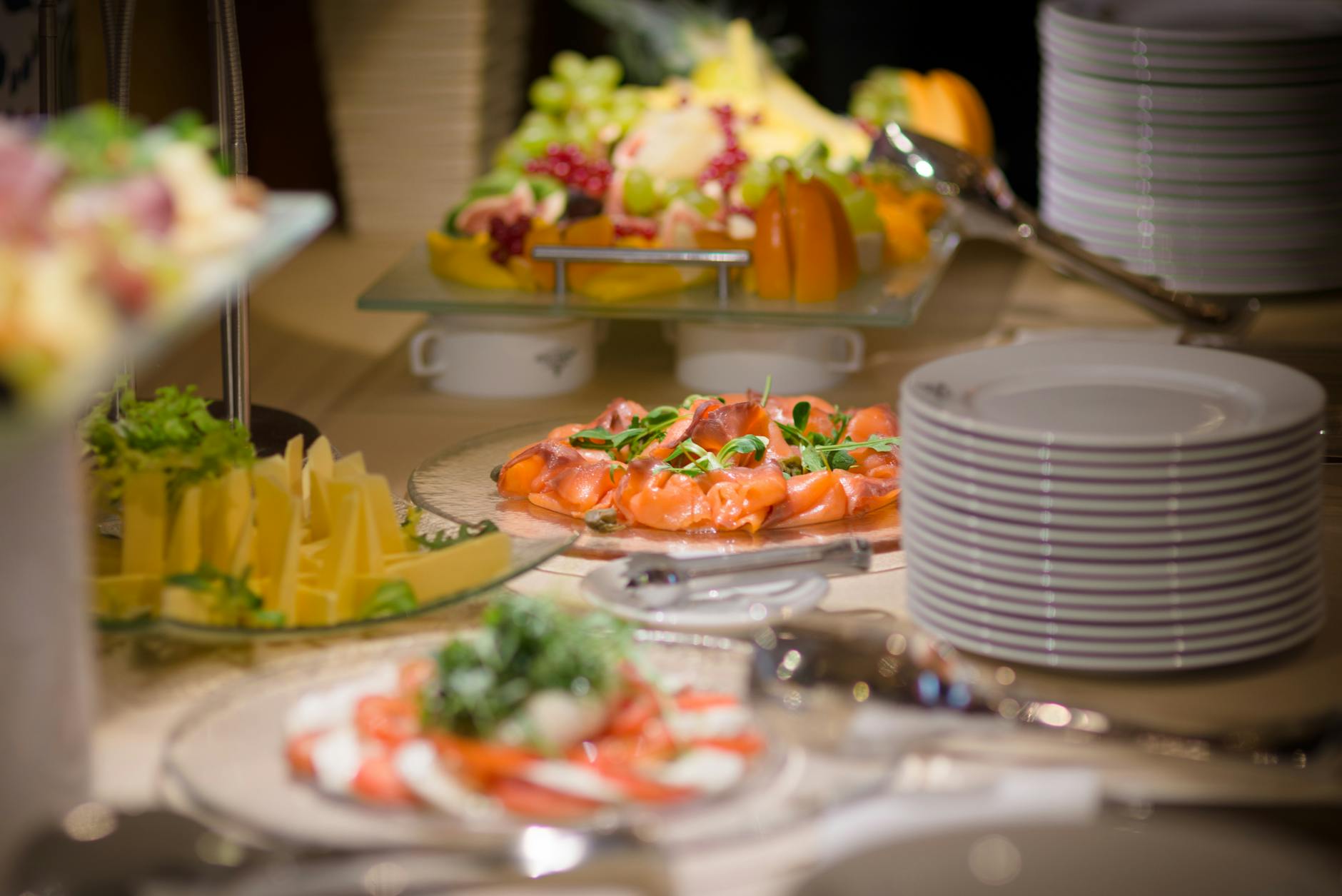
Occupying a buffet table for a period significantly beyond what the establishment’s service model accommodates, typically through sustained refusal to vacate after the meal period has clearly ended and during a period when other guests are visibly waiting for seating, is a behavior that management must address to maintain the operational viability of the service. Buffet restaurants typically operate on a faster table turnover model than à la carte service, and a table occupied for three or more hours during a busy service period represents a commercial loss that compounds throughout the affected service session. Staff who approach a guest who has clearly finished eating and who has been occupying a table for an extended period are performing a legitimate service management task, not a social imposition. A guest who responds to a polite request to vacate a table with hostility or sustained refusal creates a situation that management escalates to removal rather than continued negotiation. The calculation of what constitutes reasonable occupation time varies by establishment but is typically communicated through the cover charge structure and any posted service period notices that form part of the dining agreement the guest accepts on entry.
Extreme Waste
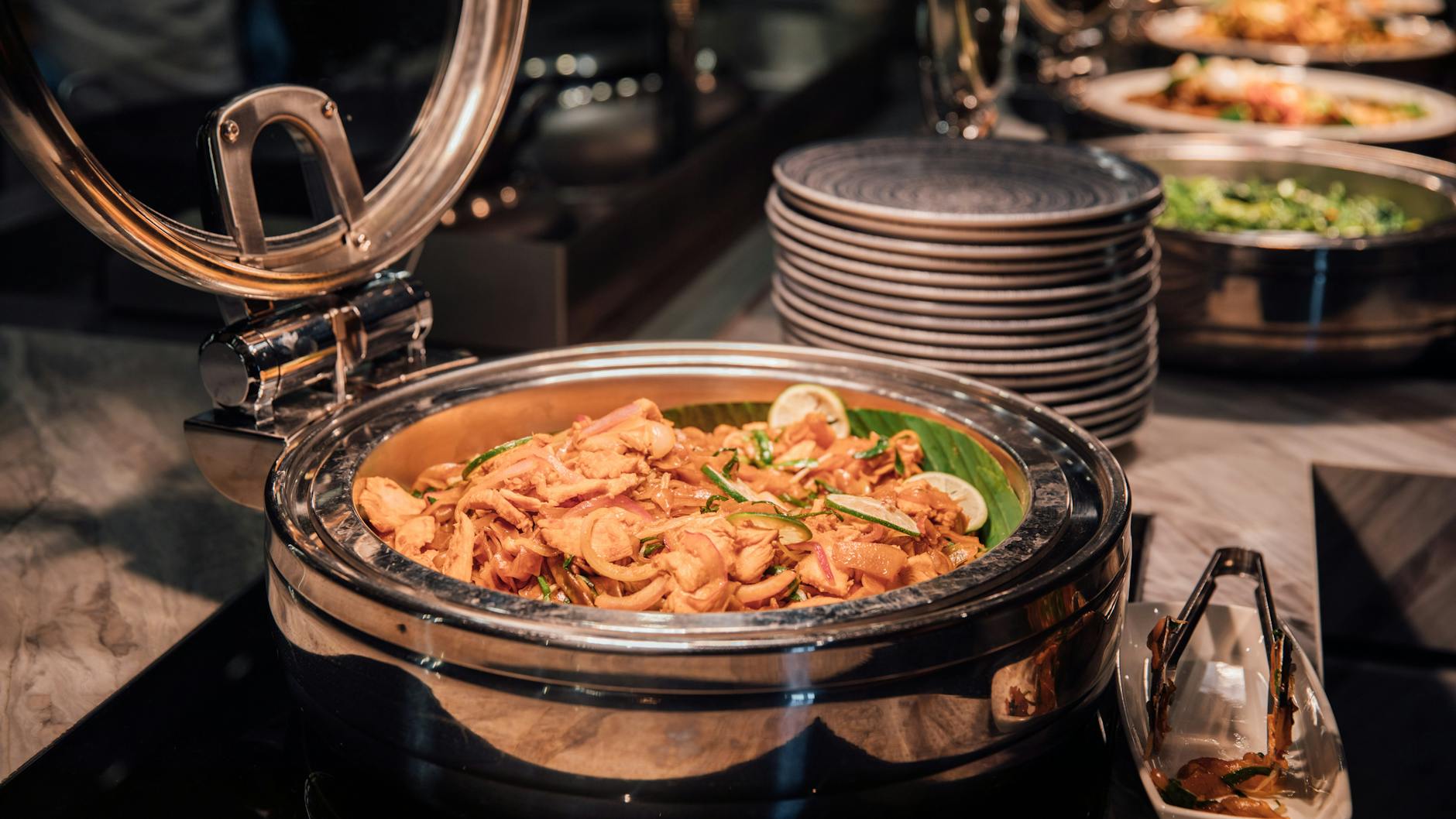
Repeatedly loading plates with large quantities of food and returning them to the collection area largely uneaten across multiple service trips in a pattern that suggests deliberate waste rather than misjudged appetite is a behavior that many buffet operators have incorporated into their service policies as grounds for additional charging or removal. Some buffet establishments operate an explicit policy of charging for excessive plate waste displayed on a per-plate or per-weight basis, and a guest who continues to waste food after being informed of this policy and who refuses to pay the applicable charge creates a billing dispute that management resolves through removal. The food waste dimension of extreme buffet plate loading has also acquired an ethical profile that many establishments now address through their service policies in response to customer and community feedback about commercial food waste. Staff who observe a guest disposing of multiple largely full plates across an extended meal are trained to approach and remind the guest of the establishment’s portion guidance and waste policy before escalating. The removal sanction in food waste cases is typically reserved for situations where the guest has been informed of the policy and has continued the behavior deliberately.
Intoxication on Arrival

Arriving at a buffet restaurant in a state of visible intoxication creates a range of operational, safety and legal concerns that give management the grounds and in most jurisdictions the legal obligation to refuse service and request that the individual leave the premises. A visibly intoxicated guest at a self-service buffet presents a practical hazard in proximity to hot chafing dishes, steam equipment, glass serving ware and the crowded service area where spills, falls and collisions are more likely. The behavior associated with intoxication including elevated volume, reduced social inhibition and impaired judgment creates a disruptive dynamic in a family dining environment that other paying guests have a right to be protected from. Licensed premises in most jurisdictions are legally prohibited from serving alcohol to visibly intoxicated individuals and have a broader duty of care that extends to refusing admission to guests who arrive already intoxicated regardless of the beverage service model. Management who refuse admission to or remove an intoxicated guest are acting within a legal framework that protects both the establishment and the guest from the consequences of continued service.
Seat Saving Monopoly
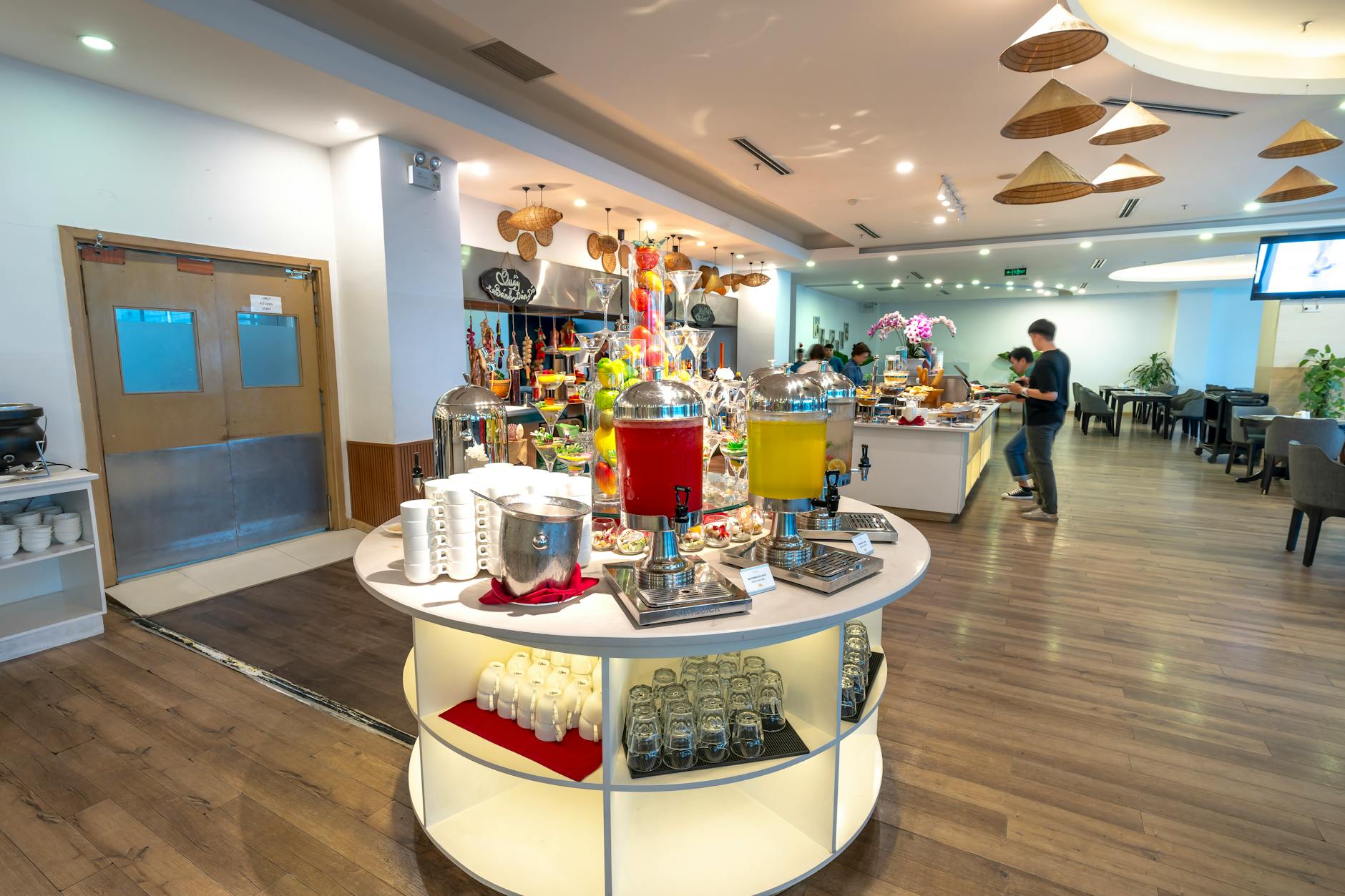
Reserving an excessive number of seats, tables or sections of the dining room with personal items for a group that has not yet arrived or that is significantly smaller than the reserved space creates a scarcity of available seating for other paying guests that management is required to address during peak service periods. Placing bags, coats, children’s items and personal belongings across multiple tables and chairs to hold them vacant while the responsible guest continues to eat creates a visual and practical blockage in a dining room that may be managing significant seating demand. Staff who approach a guest engaged in excessive seat reservation are performing a legitimate service management function and are typically instructed to request that personal items be moved to allow other guests to be seated. A guest who responds to this request with hostility, who refuses to release reserved seats and who continues to obstruct access to seating during a busy service period creates a confrontation that management escalates to removal rather than continued accommodation. The buffet dining room is a communal space in which no guest has an exclusive claim to seating beyond their own party’s reasonable requirements for the duration of their meal.
Dish Handle Contact
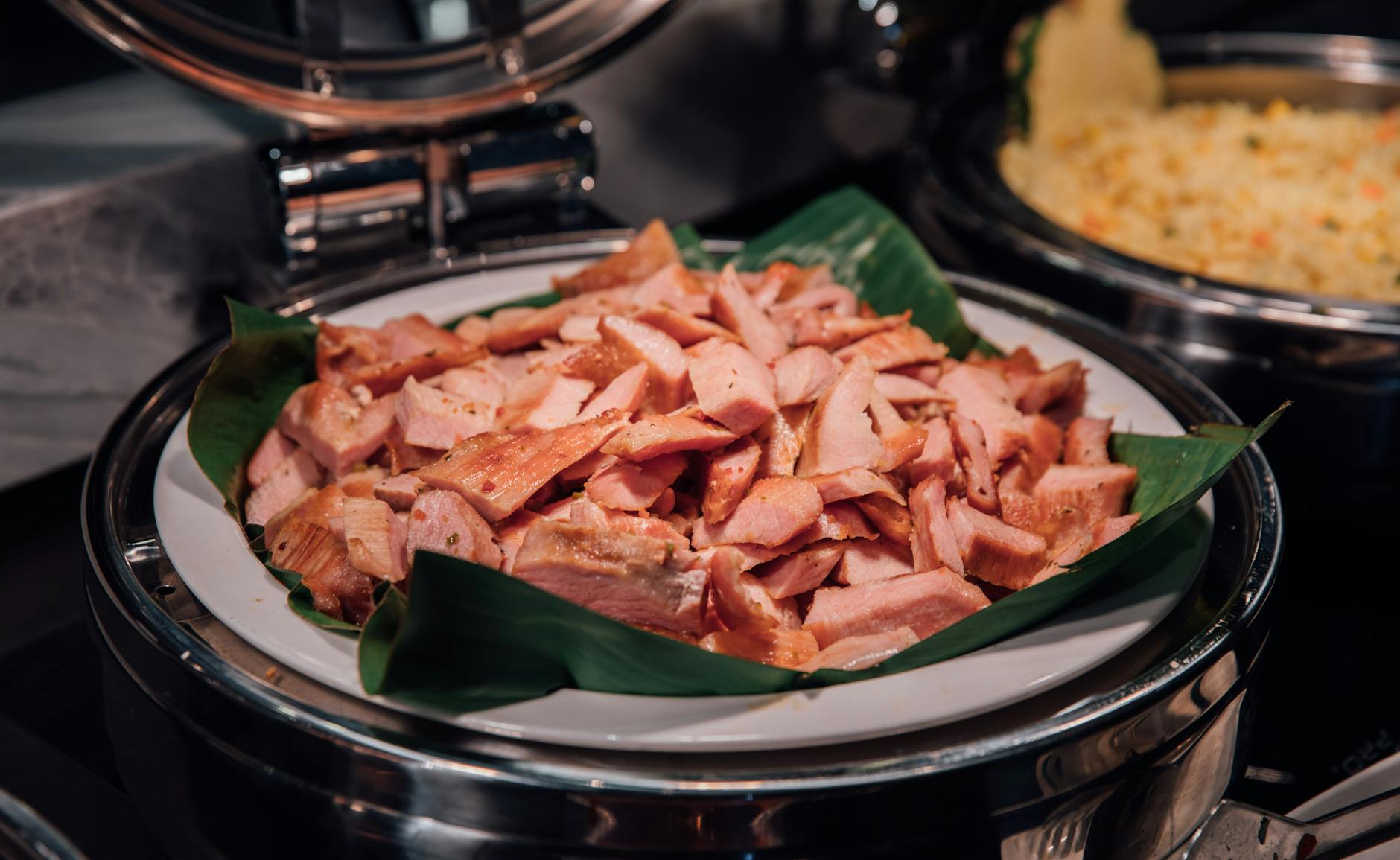
Grasping the serving dish itself rather than using the provided serving utensil to access food from a buffet station is a hand contact contamination event that introduces the full bacterial load of the guest’s hand surface to a communal food container that dozens of other diners will subsequently approach. The handle, rim and exterior surface of a buffet serving dish accumulate contact contamination from repeated handling by guests who grip the dish for stability while serving themselves or who move the dish to a more convenient position. Food safety protocols at professionally managed buffets specify that serving dishes are to be handled exclusively by staff during replenishment and that guests are to use only the designated serving utensils to access food. Staff who observe a guest grasping serving dishes directly are trained to approach and redirect to the correct serving method, noting the contamination event for the station monitoring record. A guest who repeatedly handles serving dishes directly after being redirected by staff is engaging in a pattern of non-compliance with food safety protocols that management is entitled to treat as a removal offense.
Competitive Eating Display
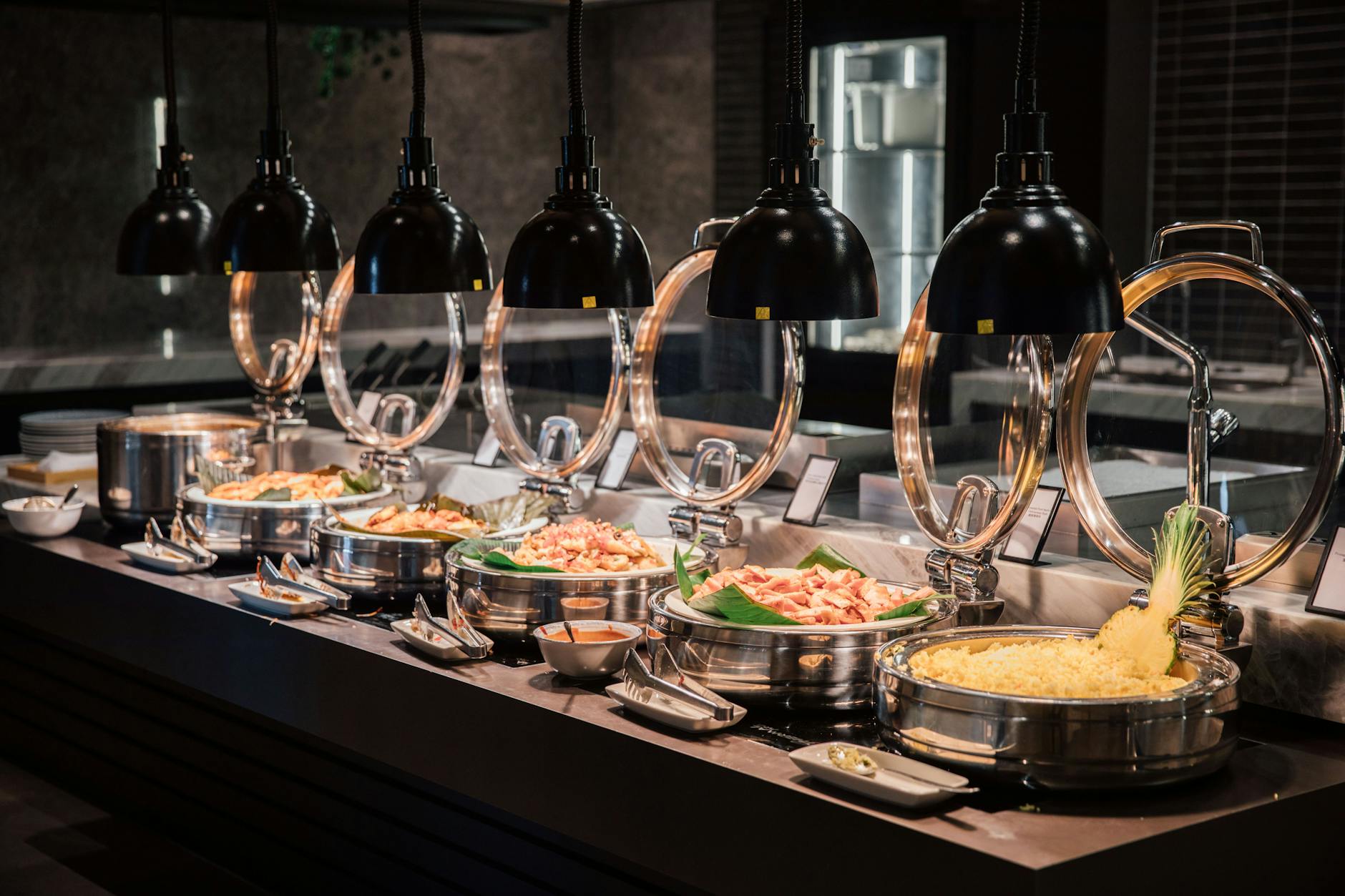
Using a buffet service as the venue for a competitive eating performance, speed eating challenge or any other display of extreme consumption that creates visual disturbance, occupies service area space beyond reasonable personal use and affects the dining experience of surrounding guests is a behavior that management identifies as requiring direct intervention. The physical experience of witnessing extreme consumption at close range in a family dining environment creates a distress response in some guests that is incompatible with the comfortable dining experience the establishment has a commercial and ethical obligation to provide. A guest engaged in a competitive eating performance at a commercial buffet without the prior knowledge or consent of management has introduced an event into the establishment’s service environment that it has not agreed to host and that may conflict with its licensing, health and safety obligations. Staff who identify a competitive eating performance in progress are trained to alert management immediately rather than attempt to address the situation independently. Management who approach a guest engaged in this behavior typically offer a single intervention before escalating to removal, recognizing that the disruption to other diners makes extended negotiation at the table impractical.
Harassment of Other Diners
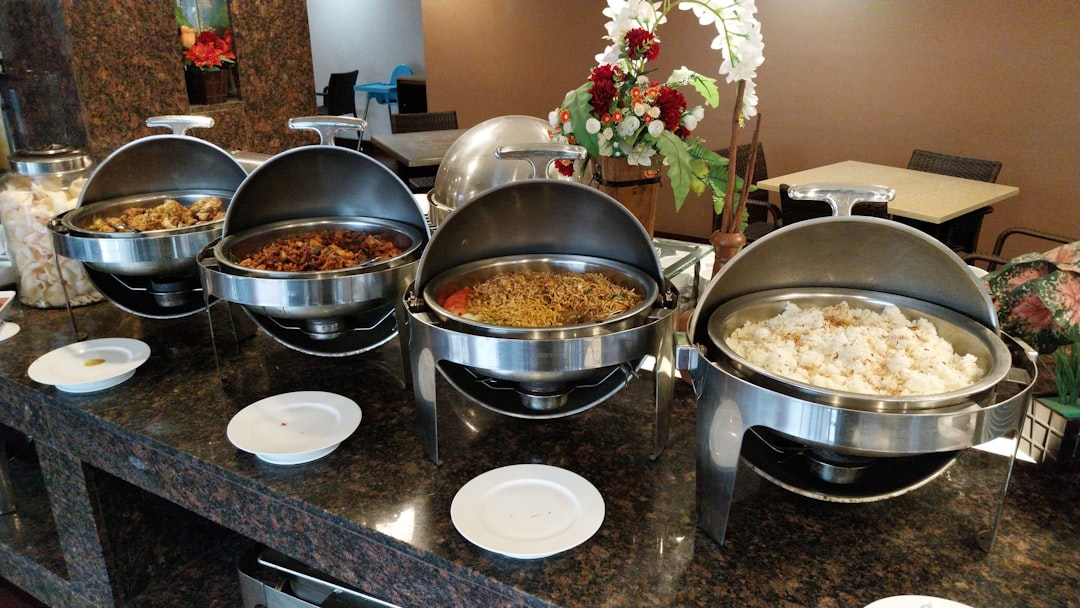
Directing unwanted conversation, persistent attention, physical proximity or any form of intimidating or harassing behavior toward other diners in the buffet service area or dining room is a conduct issue that management addresses with the same seriousness applied to staff harassment. The buffet service area is a shared space where guests are in closer physical proximity than in a conventional table service restaurant, creating a higher-risk environment for unwanted interpersonal contact that management must monitor and address. A guest who repeatedly approaches other diners at service stations, who follows specific individuals between tables or who directs sustained unwanted attention toward a single guest or group creates a safety concern that the establishment has a legal duty of care to address. Staff who receive a complaint about guest harassment from another diner are trained to report to management immediately rather than attempt to mediate the situation independently. The removal of a guest for harassment of other diners is one of the most legally clear-cut removal scenarios in a hospitality environment and is typically executed promptly once management has received and assessed the complaint.
Cultural Food Disrespect
Deliberately contaminating, mishandling or openly mocking specific dishes that represent a cultural food tradition in a way that is observable to staff, management and other diners creates an atmosphere of disrespect that conflicts with the establishment’s obligation to provide a welcoming environment for all guests. Buffet restaurants often celebrate culinary diversity as a core element of their service proposition, and a guest who treats culturally specific dishes with contempt or deliberate disrespect is undermining a fundamental aspect of the establishment’s identity. Staff who observe deliberate disrespect toward specific cultural dishes are trained to report to management rather than engage directly with the guest, allowing management to assess the severity of the behavior before determining the appropriate response. The distinction between an honest personal preference communicated privately and a public performance of cultural food contempt is one that management applies in determining whether removal is the appropriate response. Establishments with a strong cultural food identity are particularly likely to take a firm management position in response to observable disrespect toward the dishes that define their offering.
Germ Spreading Behavior
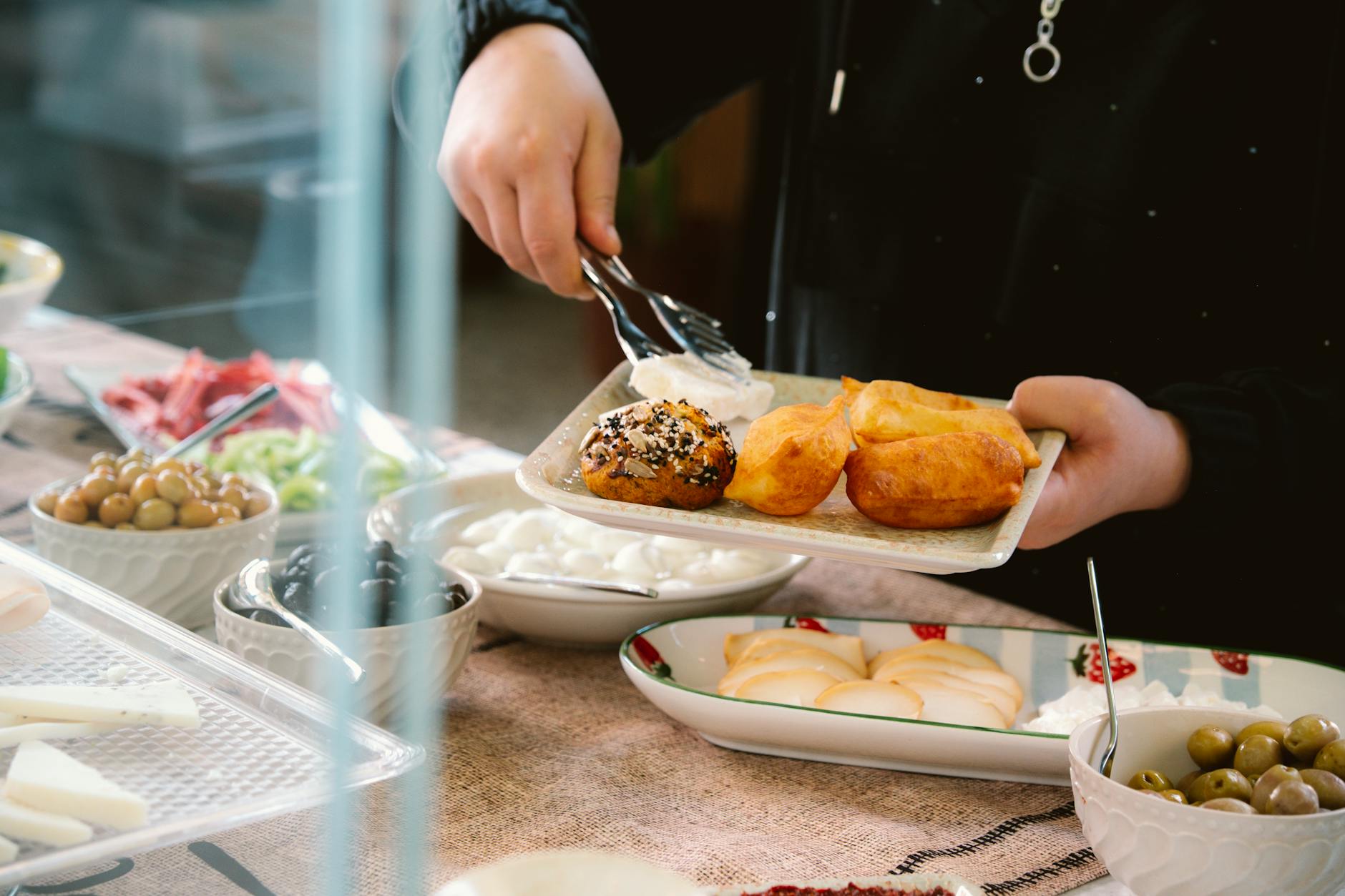
Attending a buffet while displaying visible symptoms of a communicable illness including persistent coughing, sneezing, streaming eyes or other indicators of an active infection and continuing to access communal food stations despite these symptoms is a public health concern that buffet management has both the right and the obligation to address. Food safety regulations in most jurisdictions give hospitality management the authority to refuse service to individuals who present an observable infection risk in proximity to an open food display. Staff who observe a guest with significant illness symptoms repeatedly accessing buffet stations are trained to notify management immediately rather than allow the service interaction to continue. The management approach to this situation typically begins with a compassionate offer of table service as an alternative to self-service access, with removal reserved for guests who refuse the alternative and insist on continued access to the communal food display. The protection of other paying guests and the legal food safety obligations of the establishment create a convergent mandate for management action that makes this one of the clearest removal scenarios in the buffet environment.
Trolley and Stroller Obstruction

Navigating oversized strollers, luggage trolleys, shopping carts or any other wheeled conveyance through a buffet service area in a way that obstructs the service flow, creates collision hazards for other guests and prevents normal access to the food stations is an operational issue that buffet management must address during a busy service period. The narrow service corridors of most buffet layouts are designed around pedestrian flow and do not accommodate the turning radius or width of large wheeled items that guests sometimes introduce from adjacent shopping or transport environments. A stroller that blocks access to an entire section of the buffet service area during a peak service period creates a queue disruption that affects dozens of other guests and prevents staff from replenishing the affected stations. Management who approach a guest about their stroller or trolley in the service area are typically offering a practical solution including designated parking for the item near the table before the interaction becomes a removal scenario. A guest who refuses to move an obstructing wheeled item after being offered an alternative and who continues to create a flow obstruction during a busy service period creates an operational impasse that management resolves through escalation.
Personal Heating of Food
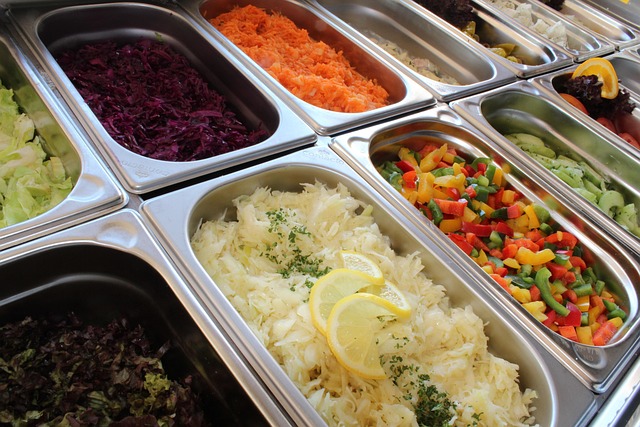
Producing a personal heating device including a travel food warmer, a portable induction plate or any other electrical or flame-based food heating equipment at a buffet table for the purpose of reheating buffet food or warming personal food items brought from outside the establishment is a fire safety, food safety and commercial conduct issue that management addresses immediately on discovery. The introduction of personal heating equipment into a commercial dining room creates a fire hazard, a potential electrical safety issue and a food safety complication that the establishment’s insurance and compliance obligations do not accommodate. A guest who brings personal food items into a buffet restaurant and heats them at the table is simultaneously introducing outside food into the establishment and using unauthorized equipment in a public dining room, creating two independent grounds for removal. Staff who discover personal heating equipment at a table are trained to notify management rather than engage with the guest directly about the policy implications of what they have observed. The removal in these circumstances is typically swift because the active use of unauthorized electrical or heating equipment in a public dining room creates a live safety concern that overrides the standard escalation process.
Trolley Loading

Systematically transferring large quantities of buffet food into a personal luggage trolley, large bag or wheeled container brought into the restaurant specifically for the purpose of removing significant quantities of food from the premises represents a large-scale theft of commercial food product that gives management grounds for removal, billing for the removed food and in serious cases for involving law enforcement. The scale of food removal possible through trolley loading distinguishes this behavior from simple personal container use and places it in a category that most buffet operators treat as a criminal matter rather than a policy compliance issue. Security staff at high-volume buffet venues in tourist areas and entertainment districts are trained specifically to identify the behavioral patterns associated with large-scale food removal including repeated service trips with minimal table consumption and the presence of large bags or containers beneath the table. Management who discover a large-scale food removal operation in progress are typically instructed to call for management support and security assistance before approaching the guest, reflecting the more serious nature of the incident relative to standard removal scenarios. The documentation of large-scale food theft is maintained by most operators as part of a loss prevention record that may be shared with neighboring establishments and with law enforcement as part of a broader pattern identification process.
Share the most outrageous buffet behavior you have ever witnessed and tell us whether the person responsible was actually asked to leave in the comments.