
The kitchen is often called the heart of the home, but it can also be the source of unseen health risks that build up over time. Many everyday habits that seem harmless or even hygienic are actually exposing your family to bacteria, toxins, and harmful compounds. From the way food is stored to the tools used for cooking, small missteps can have surprisingly serious consequences. Understanding which habits to avoid is one of the most important steps toward keeping your household safe and healthy.
Wooden Cutting Boards

Wooden cutting boards can harbor dangerous bacteria deep within their grooves and cuts, especially when used for raw meat and then rinsed without proper sanitizing. The porous surface of wood absorbs moisture and food particles, creating an ideal environment for pathogens like Salmonella and E. coli to thrive. Many households use the same board for vegetables and raw proteins without adequate cleaning in between, which significantly raises the risk of cross-contamination. Replacing or thoroughly sanitizing wooden boards on a regular basis is essential for food safety. A dedicated board for raw meat and a separate one for produce is a simple habit that dramatically reduces risk.
Sponge Use
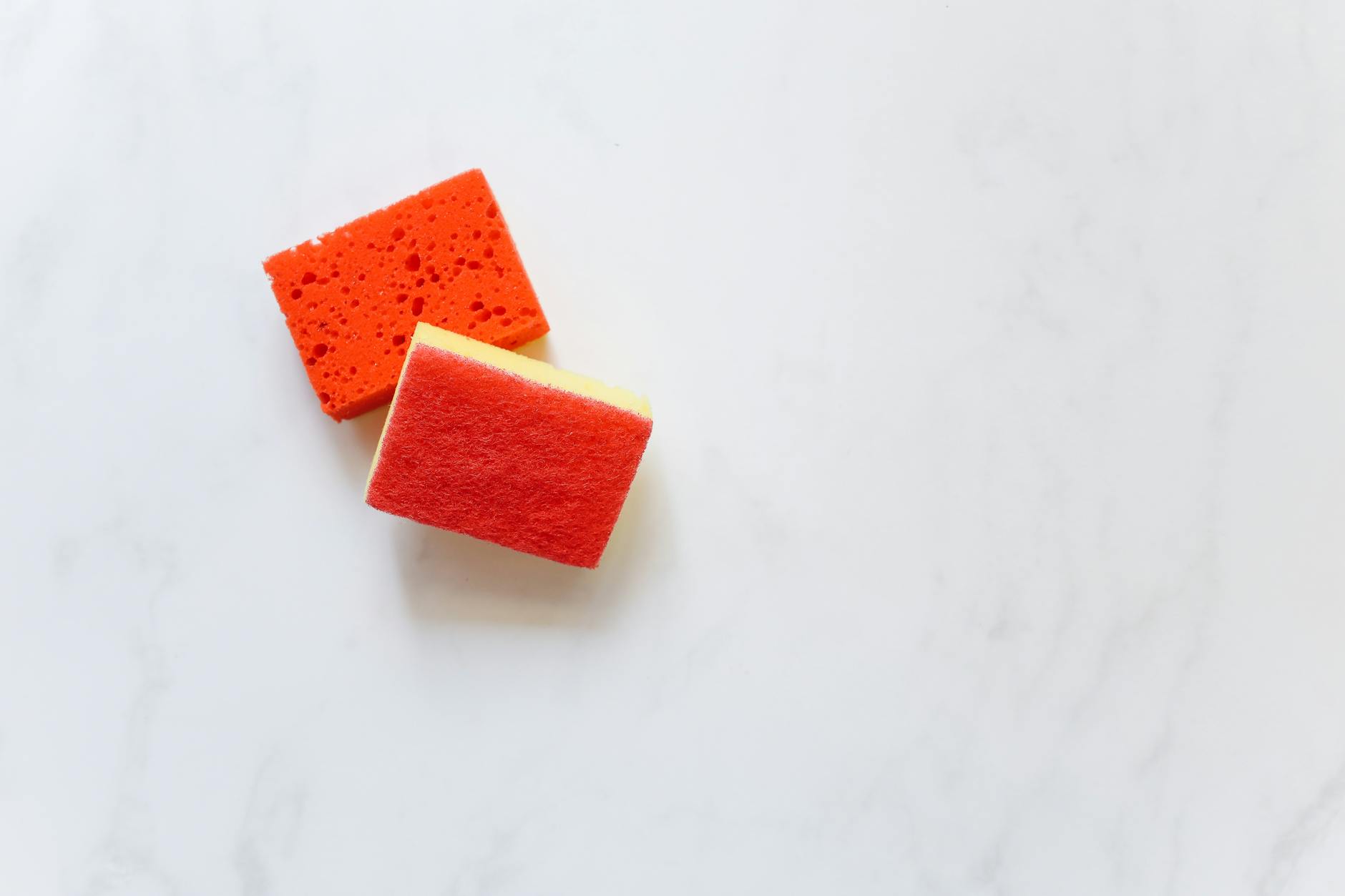
Kitchen sponges are one of the most bacteria-laden objects in the average home, yet most households use them across multiple surfaces without a second thought. A damp sponge left on the counter between uses becomes a breeding ground for harmful microorganisms, including E. coli and Salmonella, within just a few hours. Using a single sponge to wipe countertops, clean dishes, and mop up raw meat spills allows bacteria to spread rapidly across the entire kitchen. Sponges should be replaced frequently and sanitized daily by microwaving them when damp or soaking them in a diluted bleach solution. Switching to washable cloths or silicone scrubbers is a far more hygienic long-term alternative.
Non-Stick Pans
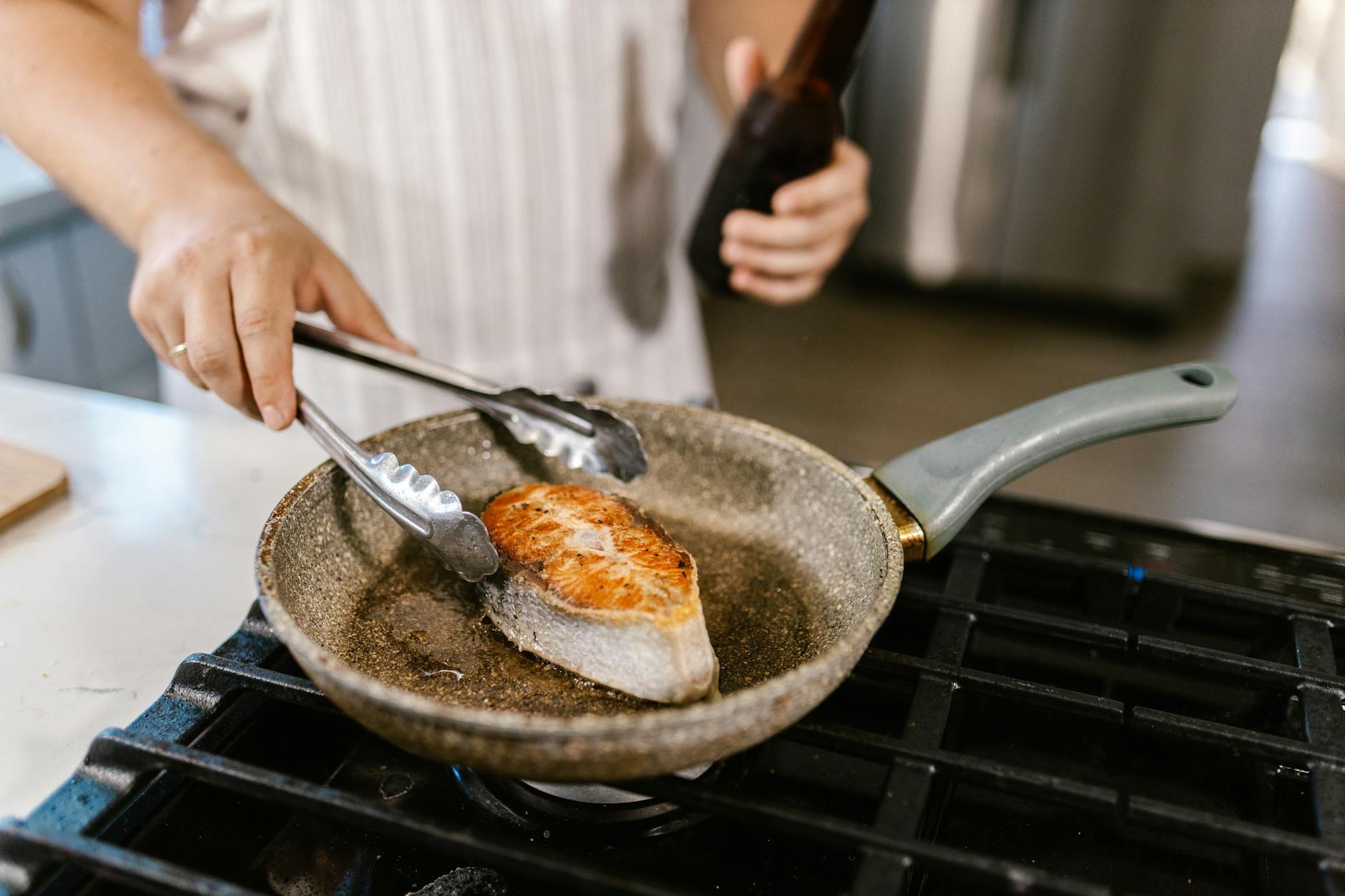
Non-stick cookware coated with polytetrafluoroethylene can release toxic fumes and particles when heated beyond a certain temperature. Many home cooks routinely preheat empty non-stick pans on high heat or leave them unattended on the stove, which can cause the coating to begin breaking down rapidly. The fumes released at high temperatures have been shown to cause flu-like symptoms in humans and can be fatal to pet birds. Scratched or damaged non-stick surfaces are particularly dangerous, as flakes of the coating can mix directly into food being prepared. Replacing worn non-stick cookware and keeping heat at medium or lower settings significantly reduces this risk.
Refrigerator Temperature
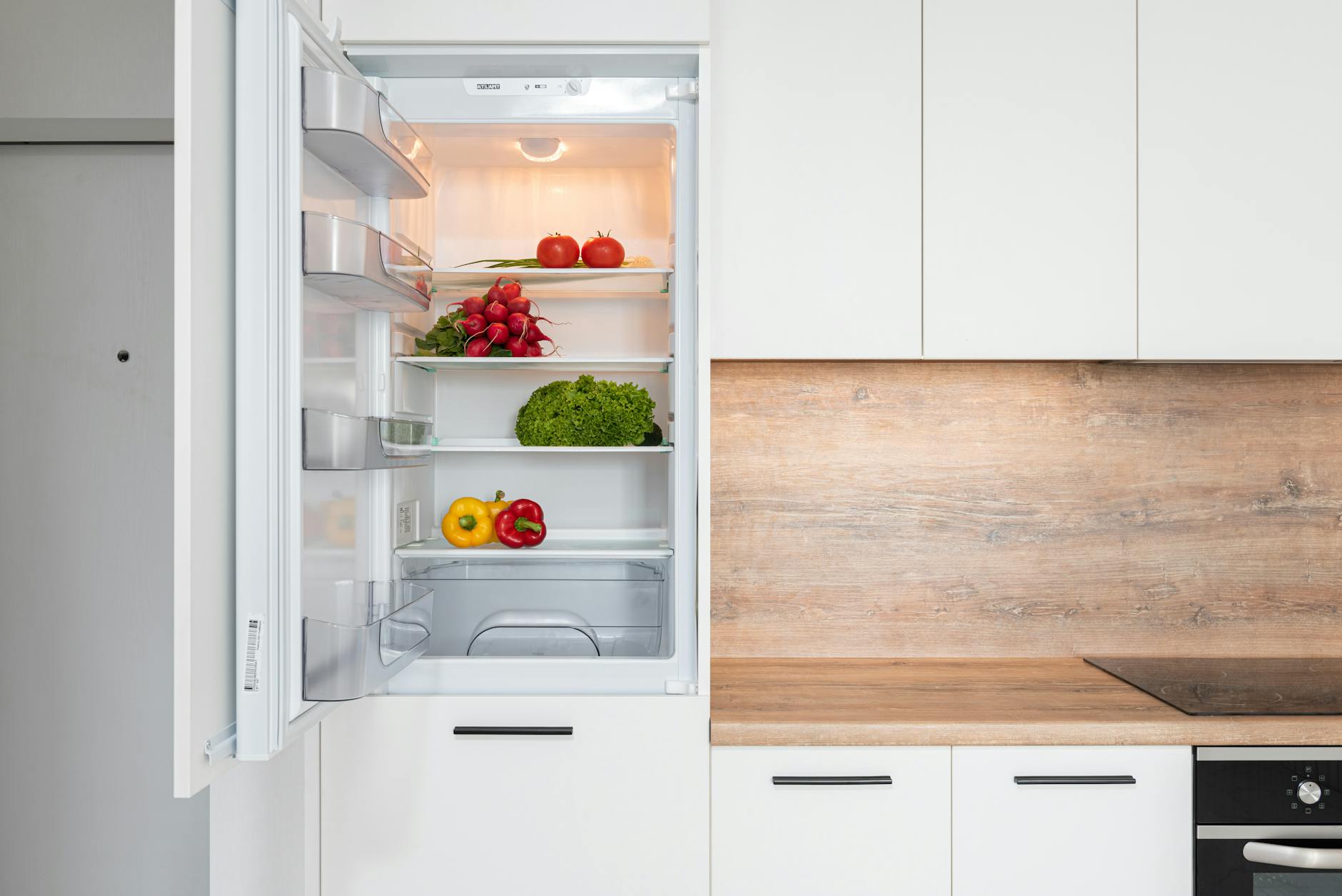
Many households keep their refrigerator set at a temperature that feels cool but is not actually cold enough to slow bacterial growth effectively. The safe refrigerator temperature for food storage is at or below 40 degrees Fahrenheit, yet a large number of home appliances run several degrees warmer due to improper settings or a worn door seal. Perishable foods stored in a refrigerator that is too warm can develop dangerous bacterial levels long before any visible spoilage becomes apparent. Opening the refrigerator door frequently or for extended periods also allows warm air to flood in, raising the internal temperature repeatedly throughout the day. Checking the temperature with an inexpensive thermometer is a quick way to confirm that the appliance is functioning within a safe range.
Leftover Storage

Leaving cooked food out on the counter for extended periods before refrigerating it is one of the most common and dangerous kitchen habits in many homes. Bacteria multiply at their fastest rate between 40 and 140 degrees Fahrenheit, a range that food safety experts refer to as the danger zone. A pot of soup or a tray of roasted vegetables left to cool on the stovetop for two or more hours before being refrigerated may already contain unsafe bacterial levels by the time it is stored. Many people also store leftovers in large, deep containers, which means the center of the food stays warm long after the outside has cooled down. Dividing leftovers into shallow containers and refrigerating them within two hours of cooking keeps bacterial growth firmly in check.
Thawing on Counters
Thawing frozen meat, poultry, or seafood by leaving it on the kitchen counter is a widespread habit that creates serious food safety hazards. As the outer surface of the food reaches room temperature, bacteria begin to multiply rapidly while the interior remains frozen. By the time the food is fully thawed using this method, the outer layers may have spent hours in the bacterial danger zone. The safest methods for thawing food include placing it in the refrigerator overnight, submerging it in cold water that is changed every 30 minutes, or using the microwave immediately before cooking. Planning ahead and transitioning meat from the freezer to the refrigerator the night before eliminates this risk almost entirely.
Reusing Marinades
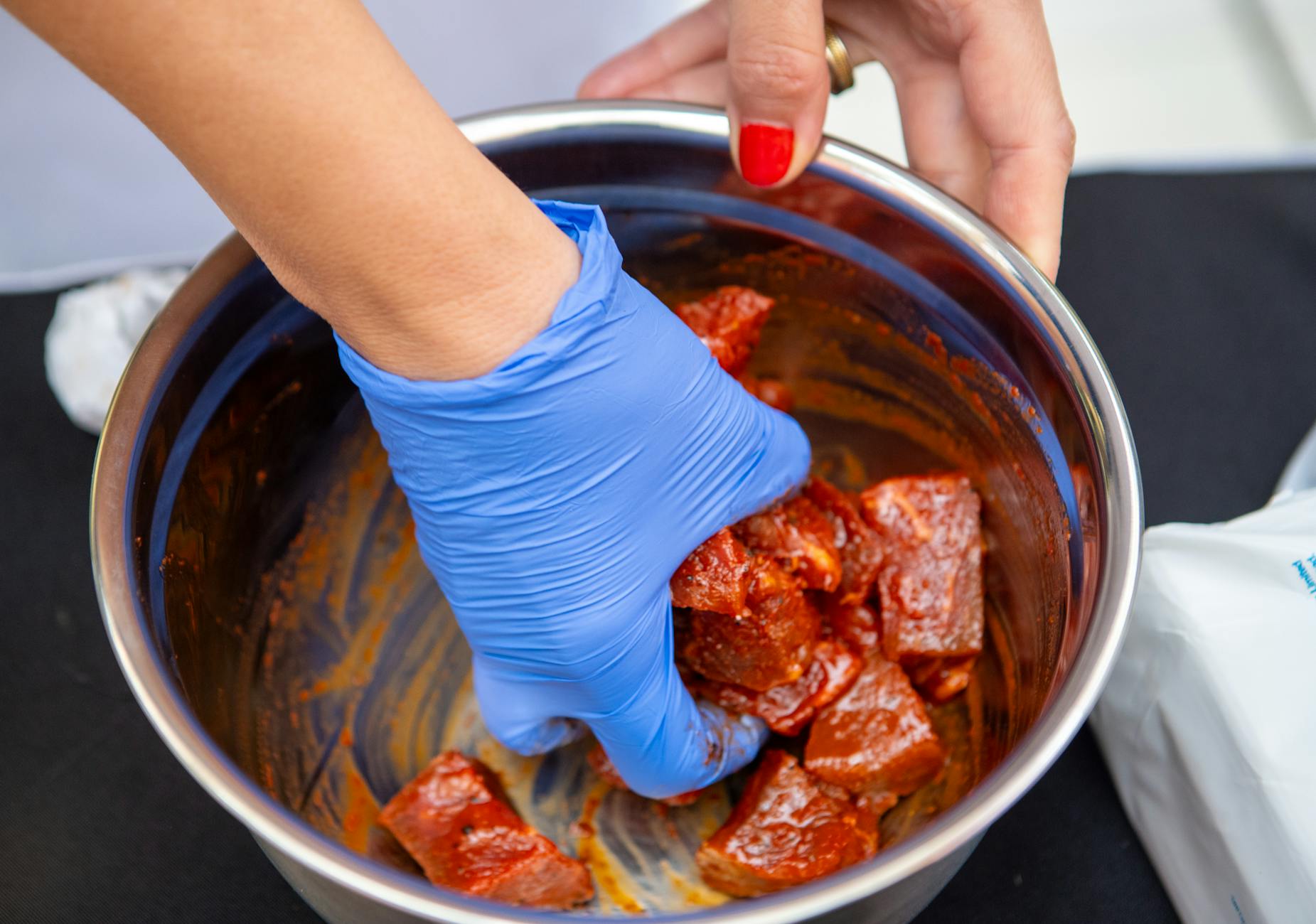
Marinating meat is a popular way to add flavor, but reusing or serving the same marinade as a sauce afterward is a practice that carries significant contamination risk. Raw meat releases bacteria into a marinade during the soaking process, meaning the liquid that was in contact with uncooked protein is no longer safe to consume without further treatment. Many home cooks are unaware of this and pour the same marinade over finished dishes or use it as a basting liquid without cooking it thoroughly first. If a marinade is intended for use as a sauce, a separate portion should be set aside before any raw meat is added. Bringing a used marinade to a full rolling boil before serving it can also eliminate the bacterial risk effectively.
Knife Handling
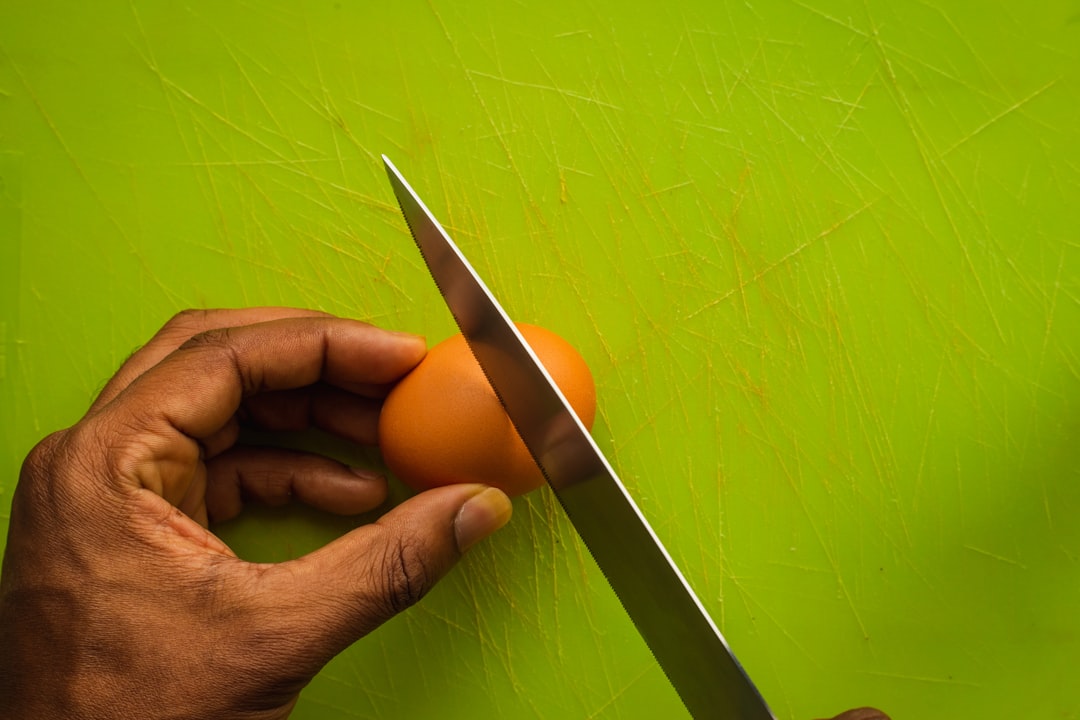
Improper knife handling in the kitchen goes far beyond the obvious risk of cuts, and includes several habits that quietly spread contamination across multiple food surfaces. Using the same knife to cut raw chicken and then slice a tomato without washing in between transfers harmful bacteria directly onto produce that will likely be consumed raw. Storing knives loosely in a drawer where the blades knock against other utensils dulls the edges and creates unsanitary contact with unknown residue. A dull knife also requires more force to cut, which increases the chance of the blade slipping and causing injury. Washing knives thoroughly between tasks, storing them on a magnetic strip or in a knife block, and keeping edges sharp makes a significant difference in both safety and hygiene.
Expired Condiments
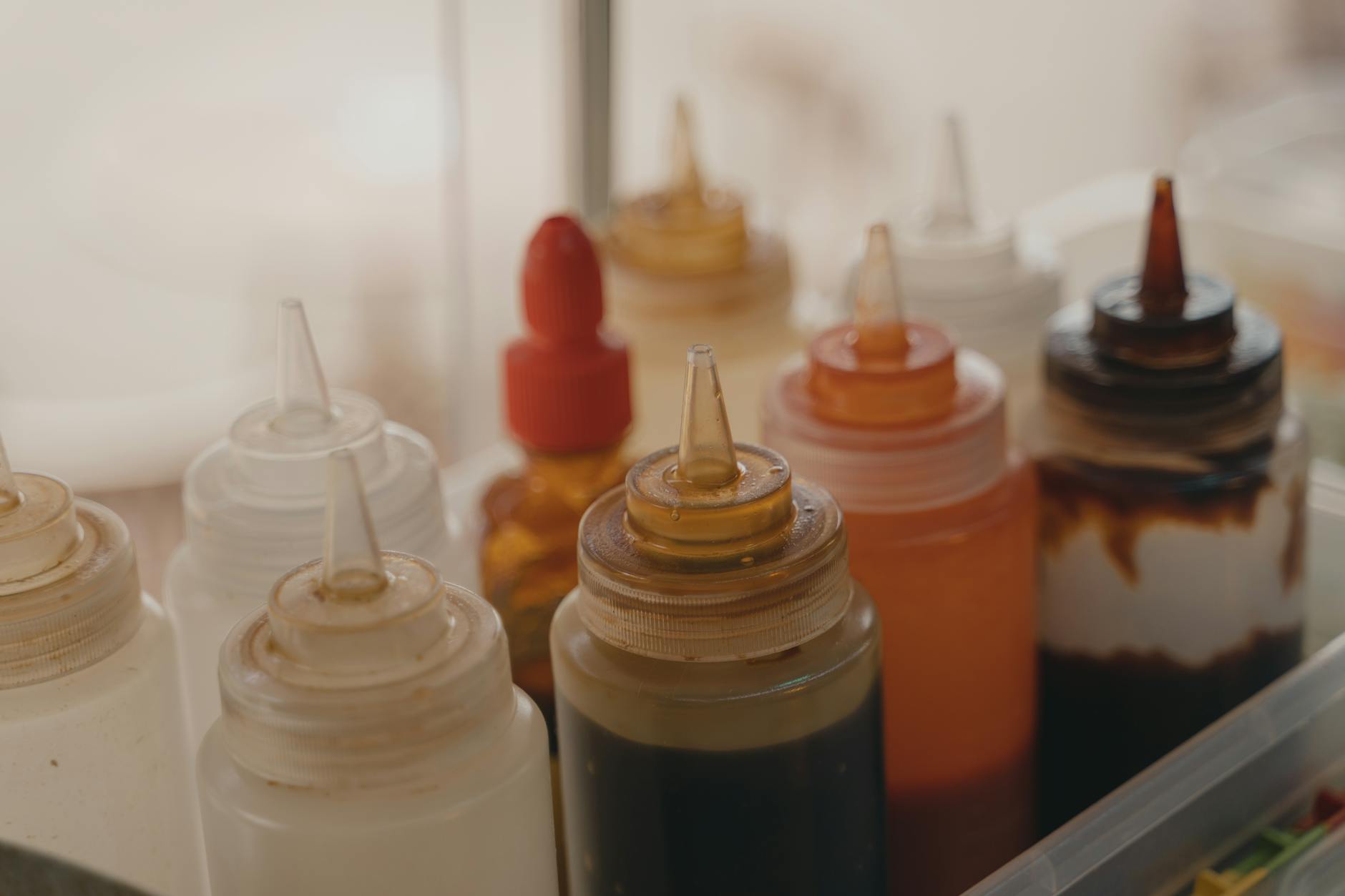
Condiments tucked into the back of the refrigerator door are among the most commonly overlooked sources of expired and potentially unsafe food in the average kitchen. Many households operate under the assumption that high-sugar or high-acid condiments like ketchup and mustard are immune to spoilage, but these products do have finite shelf lives once opened. Mold, yeast, and off-flavors can develop in condiments well before any visible signs appear, particularly if the bottles have been repeatedly exposed to contaminated utensils. Double-dipping a spoon or knife that has touched another food into a shared condiment jar introduces new bacteria that then incubate in the product over time. A monthly check of opened condiments and strict adherence to the “best by” dates printed on each label keeps this risk well managed.
Microwave Hygiene
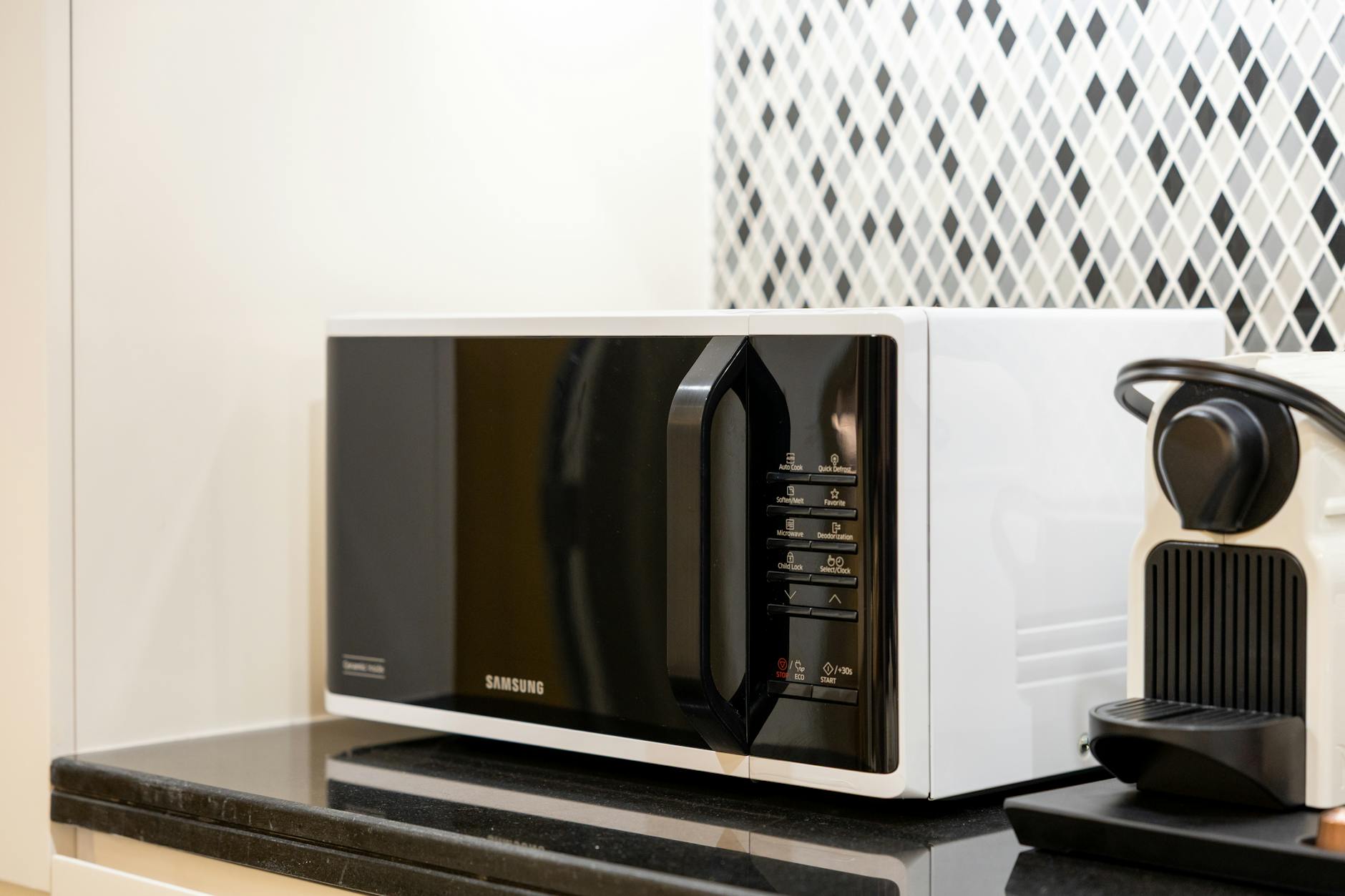
The interior of the microwave is one of the most neglected surfaces in most kitchens, despite being exposed to food splatter and steam on a near-daily basis. Food particles left on the walls and ceiling of the microwave dry and harden quickly, creating a textured surface that is increasingly difficult to clean and that harbors bacteria and mold over time. Heating uncovered food in the microwave causes moisture and fat to spray across the interior, meaning every subsequent use reheats and potentially aerosolizes residual contamination. Many households also use the microwave to heat raw or undercooked proteins without understanding that microwaves often heat food unevenly, leaving cold spots where bacteria survive. Covering food during heating, cleaning the interior after each use, and rotating dishes to ensure even heating are straightforward steps that make microwave use significantly safer.
Plastic Containers
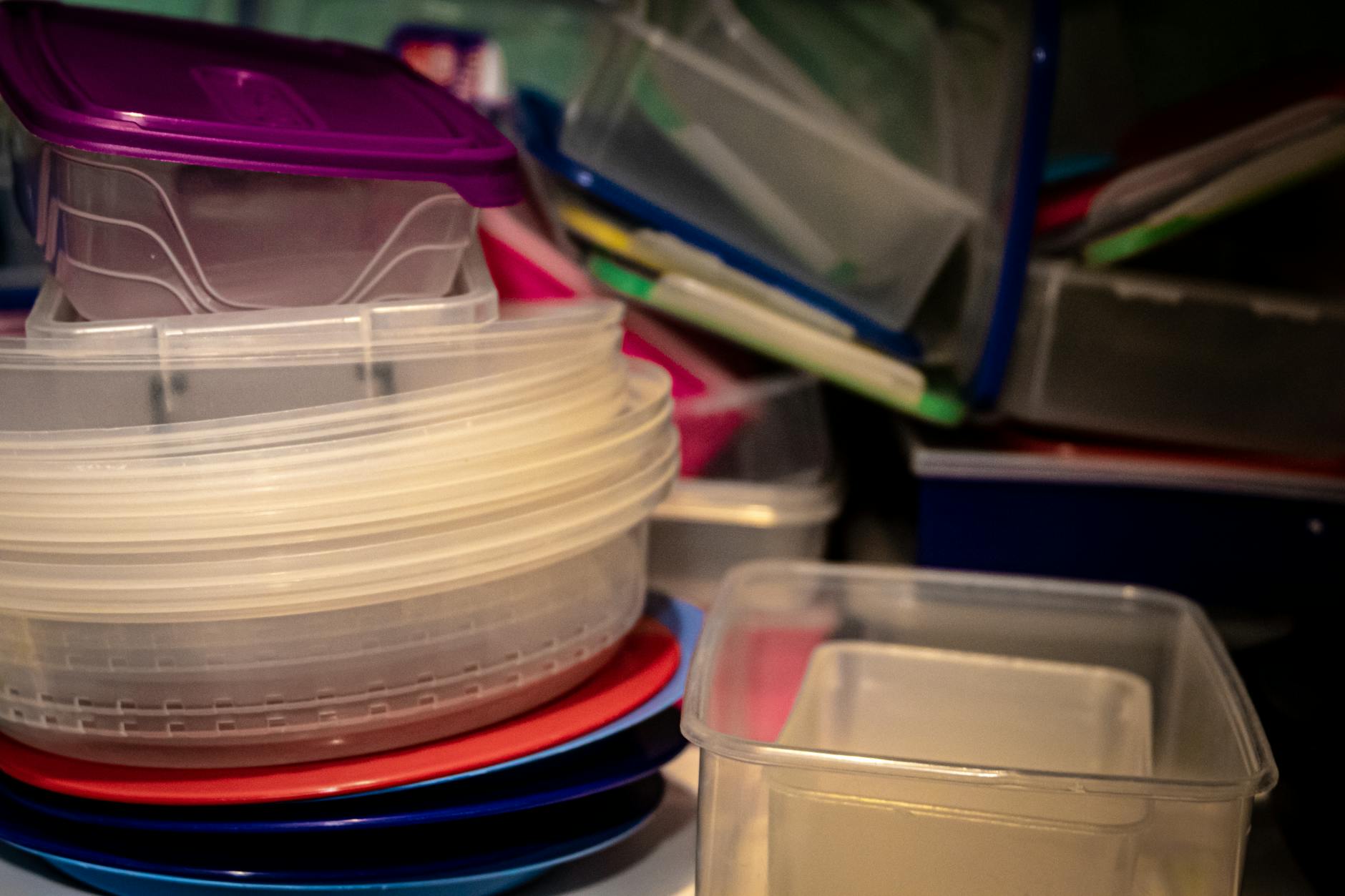
Plastic food storage containers are a kitchen staple, but the habit of reusing old, scratched, or heat-damaged plastic containers introduces a range of chemical risks into the food supply. Certain types of plastic contain compounds that can leach into food, particularly when exposed to heat in a dishwasher or microwave. Containers that are scratched or cloudy from repeated use have compromised surfaces that are more likely to harbor bacteria and transfer chemicals into whatever they hold. Many households store acidic foods like tomato-based sauces or citrus dishes in plastic containers, which accelerates the leaching process. Transitioning to glass or stainless steel food storage eliminates these concerns and provides a longer-lasting and more hygienic alternative.
Dishcloth Habits
Kitchen dishcloths that are used for wiping hands, mopping spills, drying dishes, and cleaning surfaces throughout the day accumulate alarming quantities of bacteria by the time the day is done. Unlike paper towels, which are disposed of after a single use, reusable cloths are often left damp and folded on the counter or draped over the oven handle, creating a warm moist environment that accelerates microbial growth. A damp dishcloth left out overnight can harbor millions of bacteria by the following morning, which are then spread across every surface it touches the next day. Washing dishcloths in hot water at least every two days and having a dedicated rotation of cloths for different tasks dramatically reduces cross-contamination. Hanging cloths to dry fully between uses slows bacterial growth considerably and extends the life of the cloth.
Cooking Oil Reuse

Reusing cooking oil that has already been heated to high temperatures is a common practice, but one that introduces both chemical and microbial risks into subsequent meals. Each time oil is heated, it undergoes chemical changes that produce compounds associated with cellular damage and inflammation when consumed regularly. Food particles left in the oil from a previous cooking session continue to break down, creating rancid flavors and potentially harmful byproducts that carry over into anything cooked in the same batch. Storing reused oil at room temperature rather than refrigerating it accelerates this degradation and increases the likelihood of bacterial contamination. Filtering oil after use, refrigerating it promptly, and discarding it after one or two uses based on its color and smell is a more responsible approach.
Handwashing Gaps
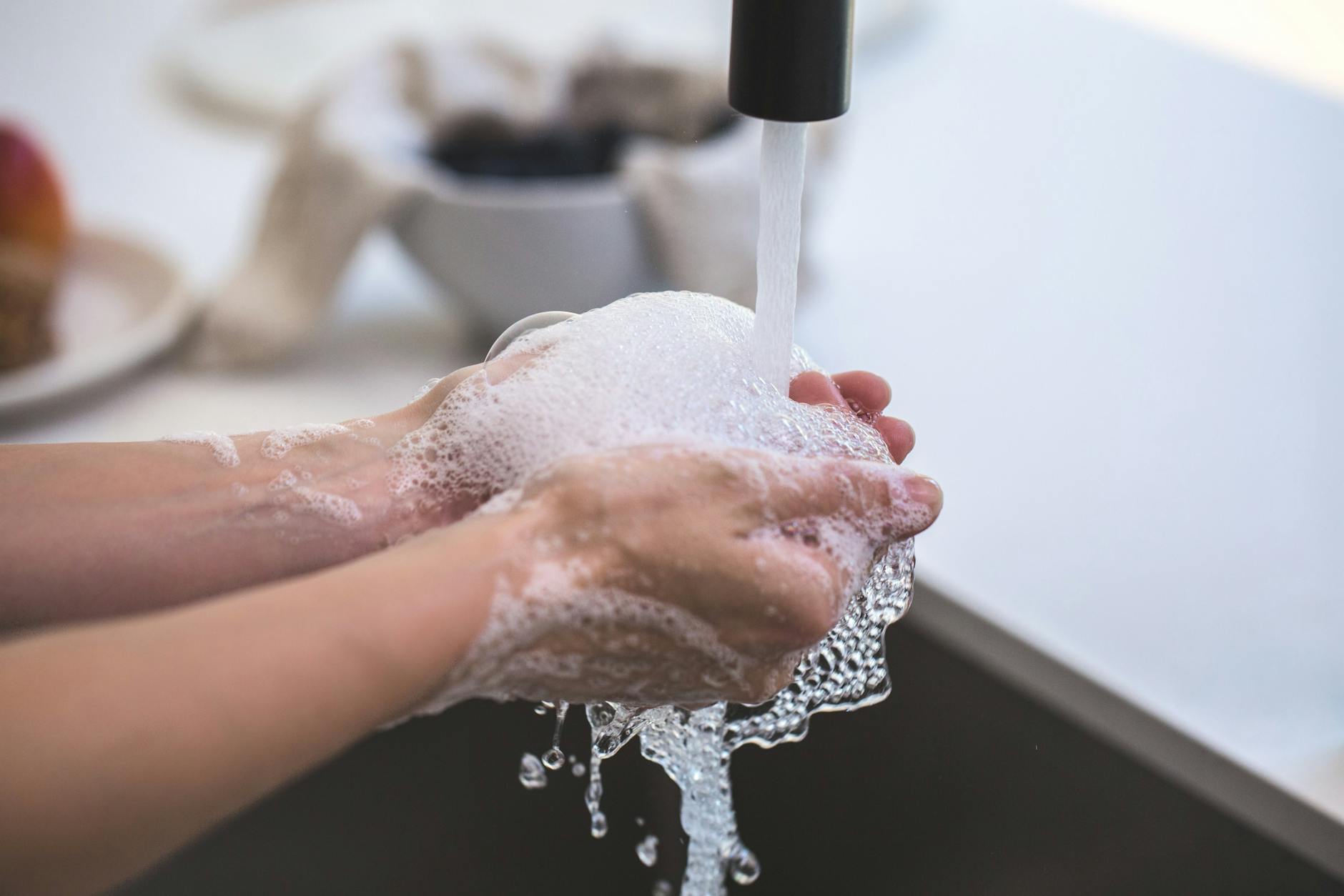
Thorough and frequent handwashing is widely understood to be one of the most effective barriers against kitchen contamination, yet gaps in this habit are extremely common even among otherwise careful home cooks. Touching raw meat and then reaching for a spice jar, adjusting the stove dial, or opening the refrigerator transfers bacteria directly onto surfaces that are then touched repeatedly throughout the meal preparation process. Many people wash their hands after handling raw protein but fail to wash before handling ready-to-eat foods like salad greens or bread, which creates the same contamination risk from the reverse direction. Handwashing should last at least 20 seconds with soap and warm water to be effective, yet the majority of people wash for a fraction of that time. Building deliberate handwashing checkpoints into every stage of cooking is a simple and powerful food safety measure.
Rice Reheating
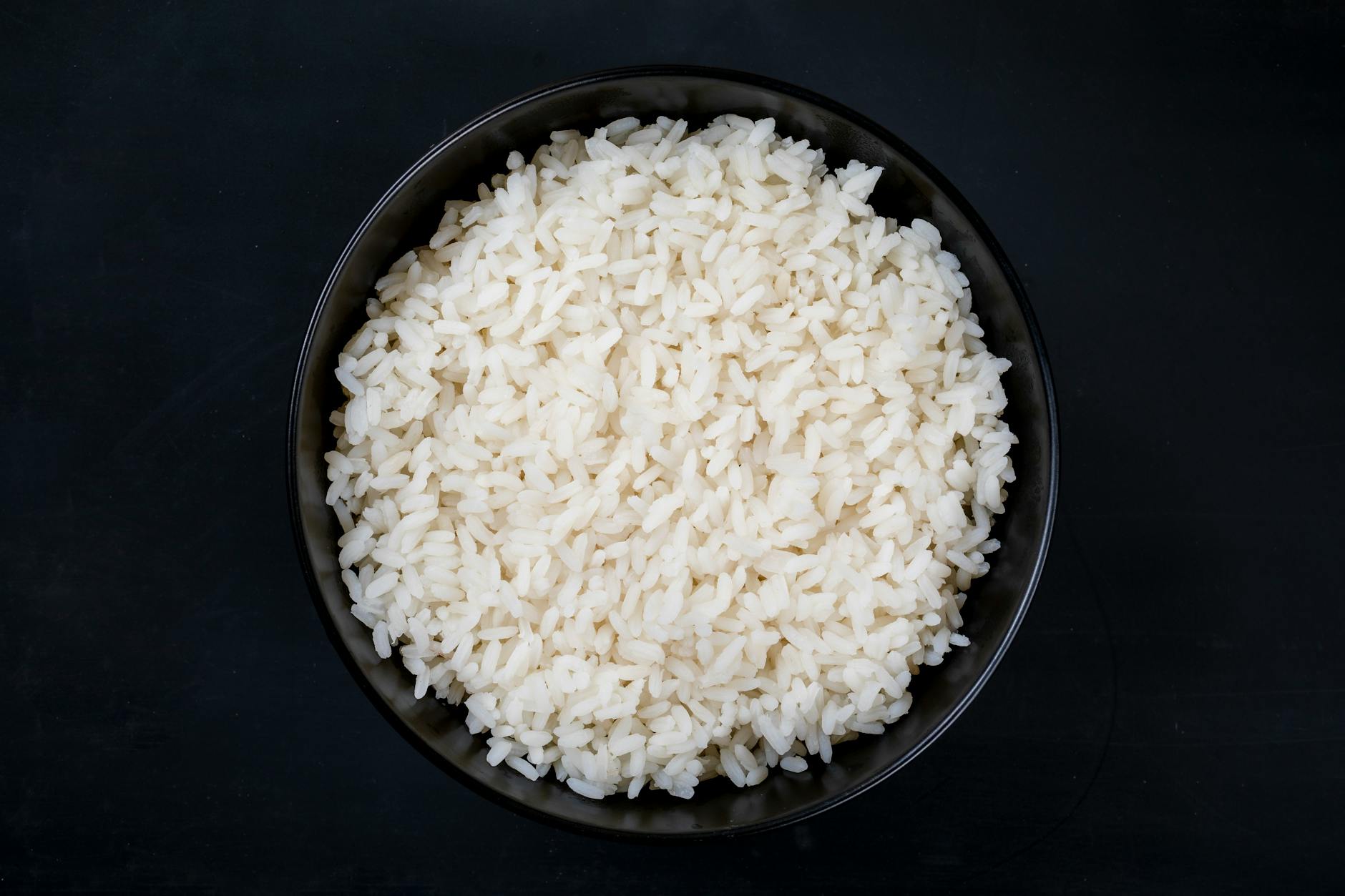
Leftover rice is one of the most commonly mishandled foods in home kitchens, and its potential to cause food poisoning is widely underestimated. Cooked rice can contain spores of Bacillus cereus, a bacterium that survives the initial cooking process and rapidly produces toxins once the rice is left to cool slowly or is stored incorrectly. Leaving a large pot of rice to cool on the counter for an extended time before refrigerating it allows these toxins to develop even before storage begins. Reheating rice that has been through this process may destroy the bacteria but does not eliminate the toxins that have already formed. Cooling rice quickly by spreading it on a flat tray and refrigerating it within an hour of cooking significantly reduces this risk.
Raw Egg Contact
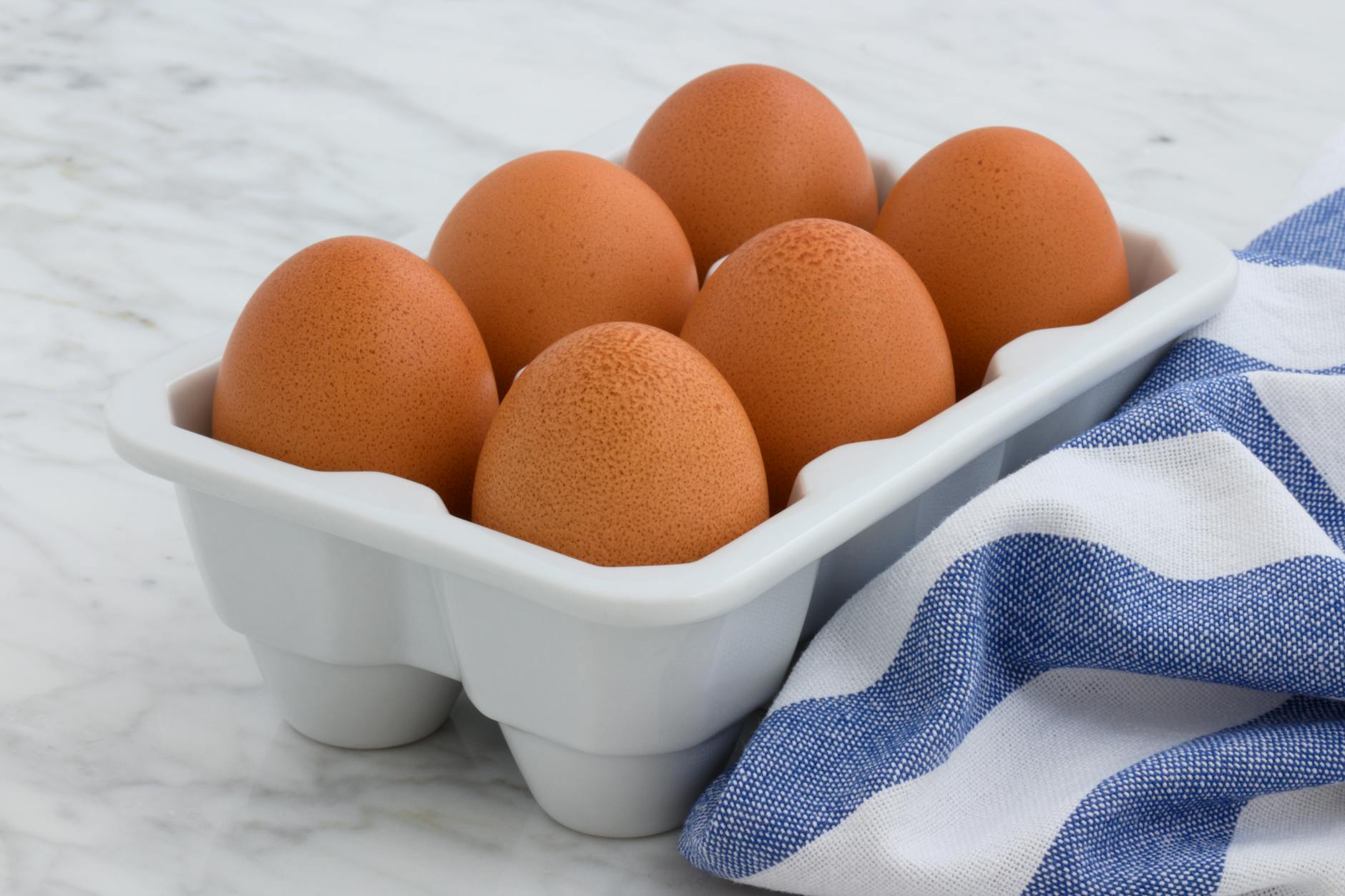
Raw eggs are present in a wider range of kitchen scenarios than most people realize, from cracking shells over other ingredients to whisking in shared bowls that are not immediately washed. The exterior of an eggshell can carry Salmonella, meaning that touching the shell and then reaching into a spice rack or picking up a utensil immediately afterward transfers bacteria to multiple surfaces. Many recipes call for raw or lightly cooked eggs in preparations like homemade mayonnaise, cookie dough, or runny yolks, which are particularly risky for young children, pregnant individuals, and elderly household members. Washing hands immediately after handling raw eggs and cleaning any surfaces or utensils that came into contact with the shell or interior significantly reduces transmission risk. Using pasteurized eggs in recipes that do not call for full cooking is a practical way to enjoy these dishes without the associated hazard.
Produce Washing
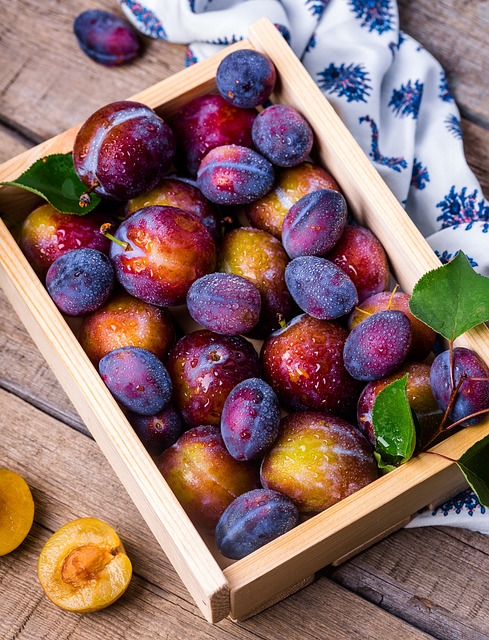
Skipping or rushing the process of washing fresh produce before consumption or cooking is a habit that introduces pesticide residues, soil bacteria, and surface pathogens directly into meals. Many people rinse produce briefly under cold water and consider the task complete, but this is insufficient for removing waxy coatings, pesticide films, and bacteria on firmer fruits and vegetables. Pre-washed or pre-packaged greens labeled as ready to eat are frequently consumed straight from the bag, yet studies have found that additional rinsing further reduces microbial loads even on these products. Produce that grows close to the soil, such as root vegetables and leafy greens, tends to carry the highest bacterial and pesticide burden and warrants the most thorough cleaning. Scrubbing firm produce with a clean brush under running water and soaking leafy greens in a large bowl of water before a final rinse are methods that substantially reduce surface contamination.
Appliance Neglect

Kitchen appliances that are used daily are often cleaned only on their visible external surfaces, while internal components accumulate residue, moisture, and bacteria over time. The interior of a toaster, for instance, collects crumbs that can become moldy or attract pests and are rarely removed until a problem becomes visible. Blender gaskets and the area beneath the blade assembly trap food residue that is difficult to reach with standard cleaning and that can develop mold within days of use. Coffee makers cycle water through internal reservoirs and tubes that build up mineral deposits and microbial biofilm, which then pass through every cup brewed afterward. Disassembling appliances according to manufacturer instructions for periodic deep cleaning is an important step that many kitchen routines consistently overlook.
Salt and Pepper Shakers
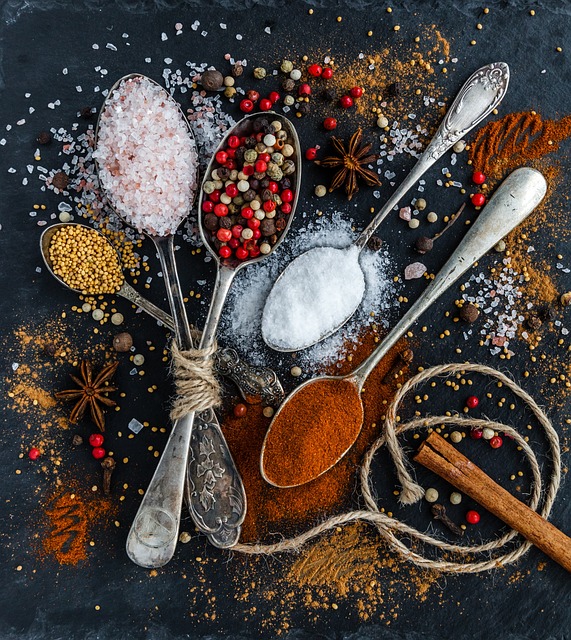
Salt and pepper shakers sit on the table or countertop through every meal and are handled by multiple people throughout the day, yet they are rarely included in routine kitchen cleaning. Studies on kitchen surface contamination have identified seasoning shakers as among the most bacteria-laden objects touched during meal preparation, including during raw meat handling. Because they are not typically washed between uses, any bacteria transferred to the surface of the shakers during cooking is present the next time someone reaches for them at the dinner table. This makes them an effective vehicle for spreading pathogens across the household without anyone recognizing the source. Including the shakers in a regular wipe-down routine using an appropriate food-safe disinfectant is a small habit that closes a significant gap in kitchen hygiene.
Sink Neglect

The kitchen sink is rinsed constantly throughout the day but is one of the most bacterially contaminated surfaces in the entire home, a fact that surprises many people given how frequently water flows through it. Raw meat juices, produce soil, and food scraps accumulate in the basin and particularly around the drain, providing a nutrient-rich environment where bacteria multiply quickly. Placing washed produce directly in the sink for rinsing or draining means that food comes into direct contact with one of the dirtiest surfaces in the kitchen. The faucet handle is also a frequent contamination point, as it is touched by unwashed hands and then rarely sanitized as part of regular cleaning. Scrubbing the sink basin with a disinfecting cleaner daily and treating the drain and faucet as part of the same cleaning task significantly reduces the bacterial load in this frequently overlooked area.
Slow Cooker Safety
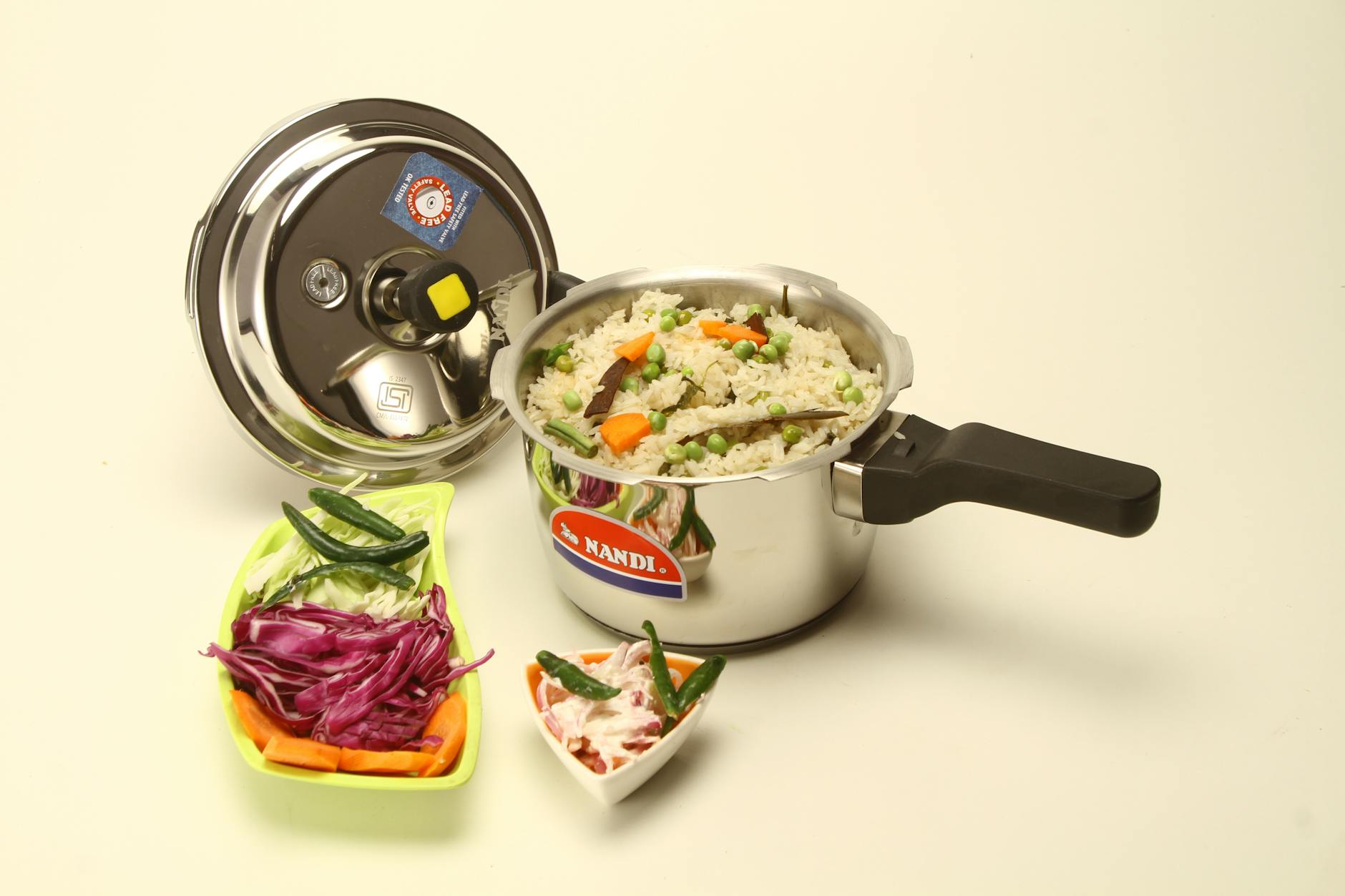
Slow cookers are beloved for their convenience but carry a specific set of food safety risks that are tied to how food is prepared and stored in connection with them. Placing large frozen cuts of meat directly into a slow cooker and cooking on a low setting means the interior of the food may spend hours in the bacterial danger zone before reaching a safe internal temperature. Many users also refrigerate leftovers inside the slow cooker insert, which is too thick and insulated to cool food to a safe temperature efficiently. Preparing and combining ingredients the night before and then storing them in a separate container in the refrigerator before transferring to the slow cooker in the morning is a safer approach. Using a food thermometer to confirm that the finished dish has reached the appropriate internal temperature adds an additional layer of safety that is particularly important for poultry and large meat portions.
Food Color Confusion
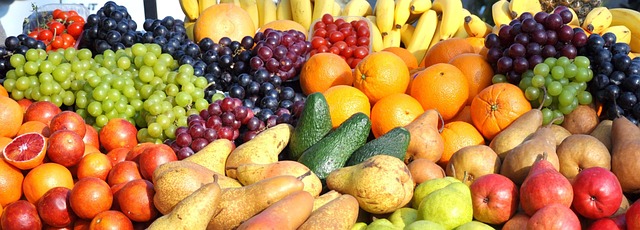
Relying on the color of cooked meat as the sole indicator of safety is a widespread habit that leads to both undercooking and unnecessary overcooking. The assumption that pink meat is undercooked and brown meat is safe is not always accurate, as factors such as the age of the meat, the presence of certain additives, and the cooking method can all affect the final color independently of internal temperature. Poultry can appear fully white and cooked while harboring internal temperatures well below the level needed to eliminate Salmonella. Conversely, certain ground beef preparations can turn brown quickly during cooking while still containing live pathogens at their center. A reliable meat thermometer is the only accurate way to confirm that food has reached a safe internal temperature and should be a non-negotiable part of the cooking process.
Pantry Organization
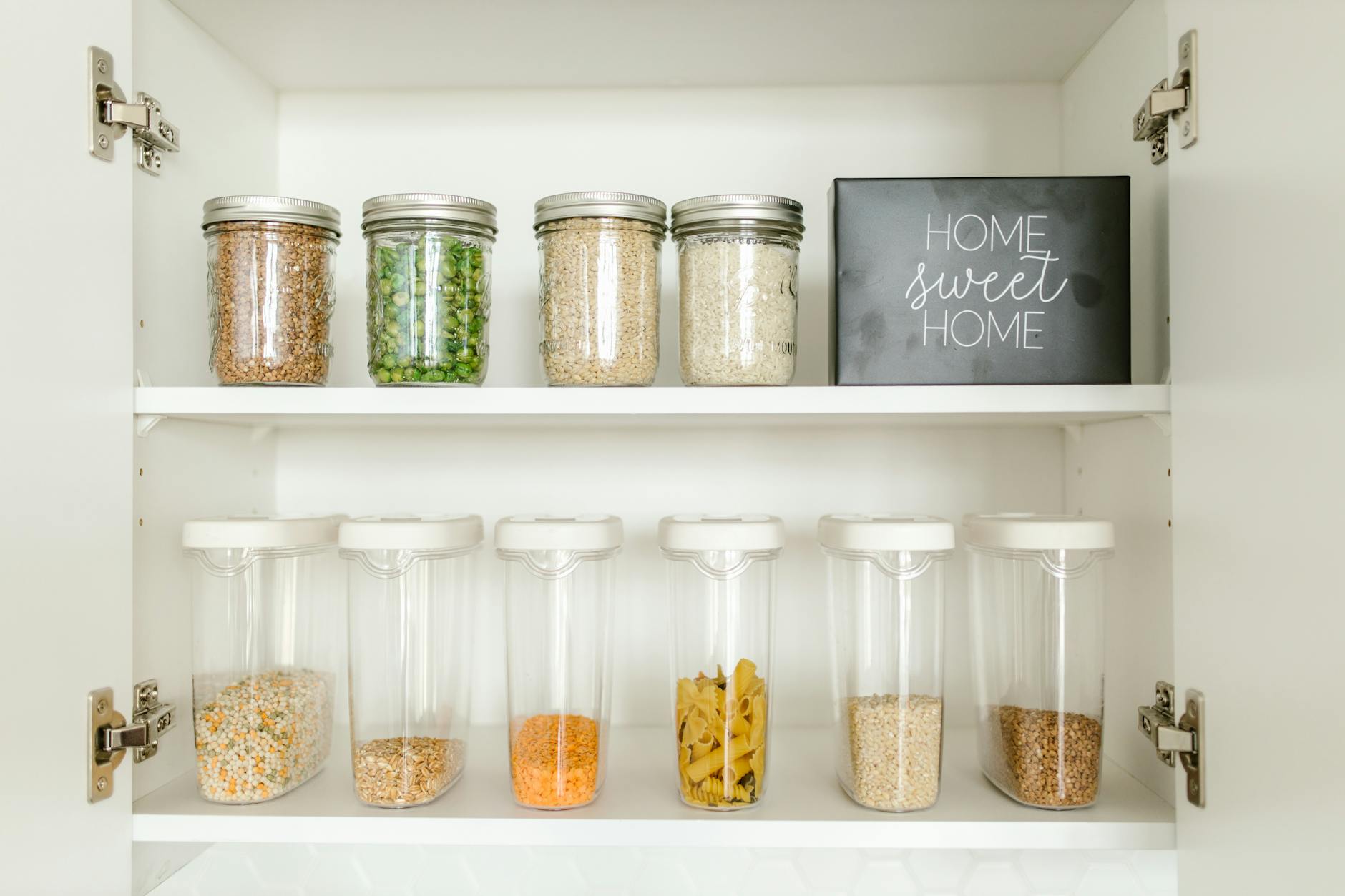
Disorganized pantry shelves where newer products are placed in front of older ones create conditions where older items are perpetually pushed to the back and forgotten. Dry goods that are past their best quality dates may not cause acute illness in all cases, but they can harbor insects, mold spores, and bacteria that are introduced into cooked meals without detection. Opened packages of flour, grains, and dried legumes that are not sealed properly attract pests and absorb moisture, creating ideal conditions for microbial growth over time. Many households also store cleaning products or non-food items on the same shelves as dry food goods, raising the risk of accidental contamination or chemical transfer. Rotating stock so that older items are used first, storing opened dry goods in airtight containers, and keeping food and non-food items on separate shelving are straightforward measures with meaningful safety benefits.
Lid and Pot Hygiene
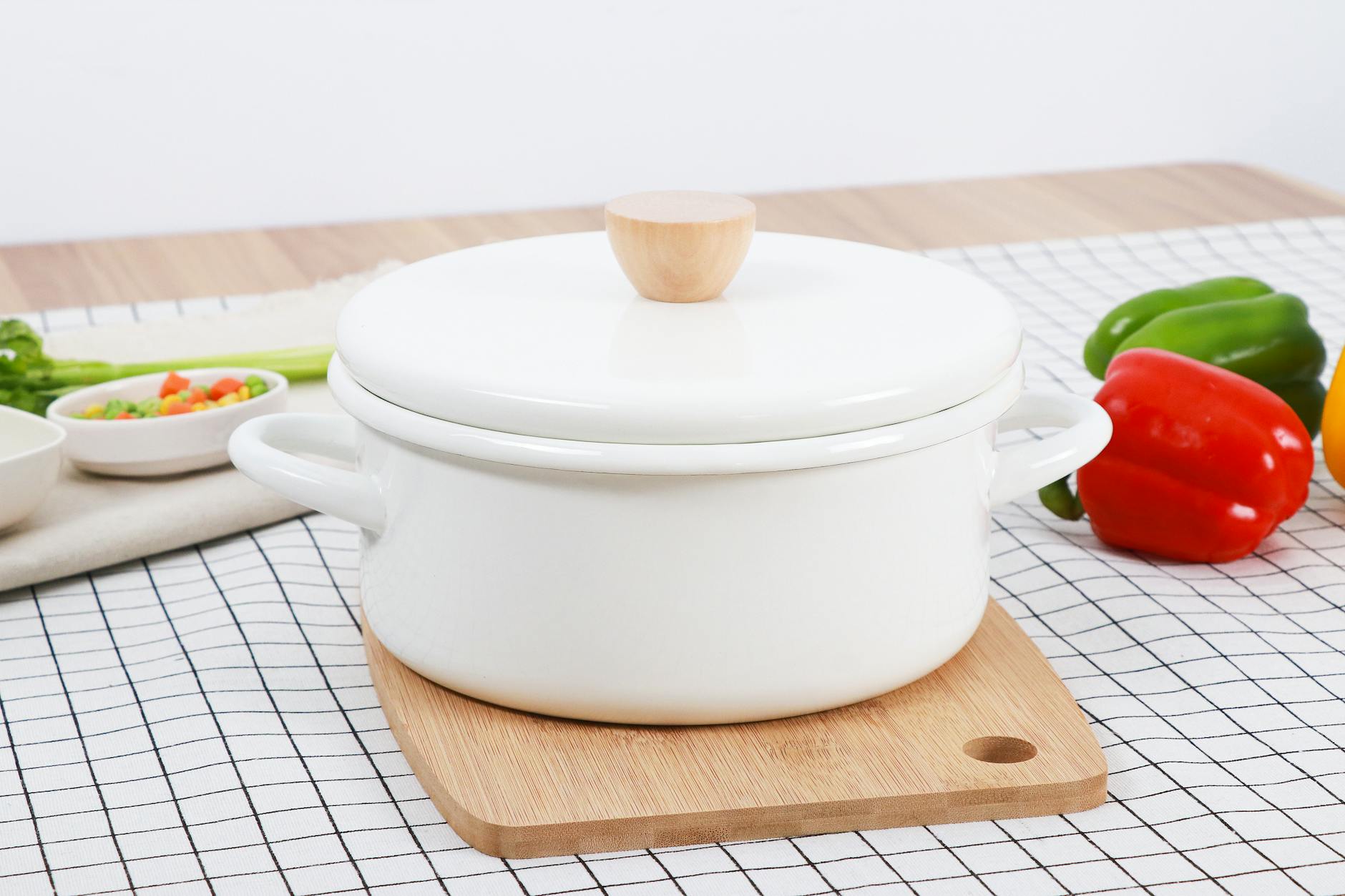
The lids used to cover pots and pans during cooking are touched repeatedly with unwashed or partially washed hands and are rarely given the same attention as the cookware itself. Steam and condensation that collect on the interior of a lid carry food particles and bacteria from the pot below, which then drip back into the food each time the lid is lifted and replaced. Lids stored in cabinets or drawers may also accumulate dust and residue between uses that passes directly into food when they are placed over a cooking pot. Handles on both lids and cookware are touched constantly during cooking and represent a consistent cross-contamination point that is easy to overlook during cleaning. Washing lids with the same diligence applied to pots and pans and storing them in clean, covered conditions ensures this overlooked surface does not become a source of contamination.
Spice Jar Handling

Reaching into the spice cabinet with hands that have recently touched raw meat or unwashed produce is one of the most common contamination pathways in the kitchen, yet it is one that rarely registers as a hygiene concern. Spice jars are handled with bare hands multiple times per meal and accumulate bacterial transfer from every cook who reaches for them without first washing thoroughly. Because spices are added directly to food and the jars themselves are almost never sanitized between cooking sessions, any bacteria transferred to the exterior of the container is perpetuated through every subsequent use. The lids of spice jars, which make direct hand contact, are particularly high-risk because they are also rarely cleaned. Pre-measuring spices before beginning the preparation of raw proteins, or using a spoon to dispense spices rather than pouring directly from a jar held in contaminated hands, are practical methods for interrupting this transmission route.
Countertop Sanitizing

Wiping down countertops with a damp cloth or sponge is not the same as sanitizing them, yet many households treat these two actions as equivalent. A damp cloth or a dirty sponge may redistribute bacteria across the counter surface rather than removing it, leaving behind a thin film of contamination that dries invisibly on the surface. Raw meat juices, egg residue, and soil from unwashed produce can all find their way onto countertop surfaces during food preparation and remain infectious for several hours. Sanitizing requires the use of an appropriate disinfecting product applied after the surface has already been cleaned of visible debris, with adequate contact time for the active agent to be effective. Building a two-step cleaning and sanitizing routine into the end of each cooking session is one of the most important surface hygiene measures a household can adopt.
Pet Interaction

Allowing household pets into the kitchen during food preparation, or failing to wash hands after touching animals before handling food, introduces a distinct category of contamination risk into the cooking environment. Pets carry bacteria including Salmonella, Campylobacter, and various zoonotic pathogens on their fur and paws that can transfer to hands and surfaces during routine contact. Dogs in particular may lick food preparation surfaces, jump onto counters, or come into contact with food that has fallen on the floor, each of which creates a direct contamination pathway. Food dropped on the floor and then returned to the pot or plate after the “five second rule” carries whatever the floor has accumulated, which in a pet-friendly household is considerably more than in a pet-free environment. Establishing kitchen boundaries for pets and maintaining thorough handwashing after any animal contact during cooking significantly reduces the risk of zoonotic transmission.
Smoke and Burned Food
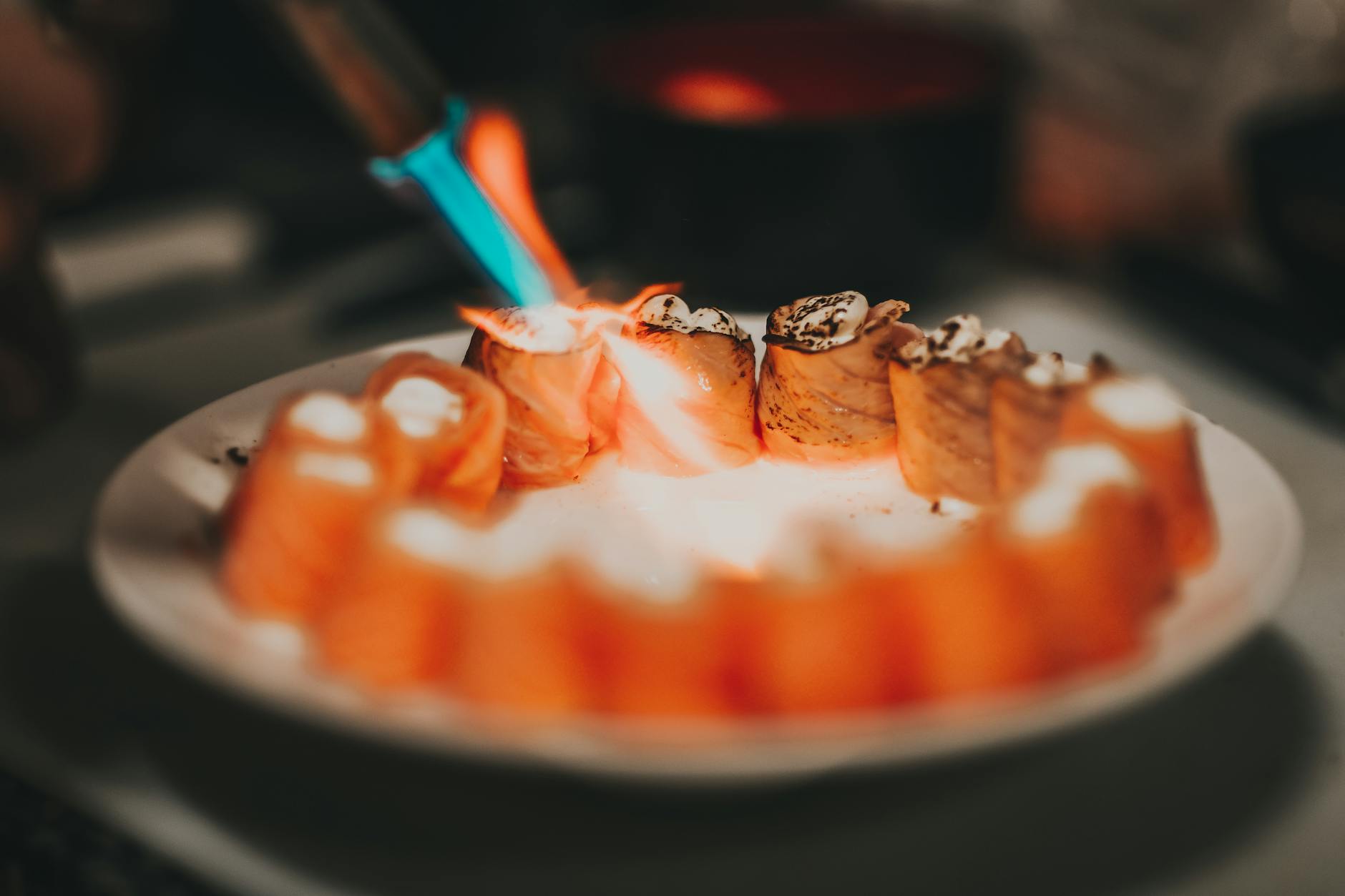
Regularly cooking food to the point of charring or burning introduces compounds into meals that have been associated with significant health concerns when consumed frequently over time. Burning starchy foods like bread, potatoes, or grains produces acrylamide, a compound that forms during high-heat cooking and that regulatory agencies and researchers continue to study for its potential effects on health with prolonged dietary exposure. Charred meat cooked over very high heat or open flame produces polycyclic aromatic hydrocarbons and heterocyclic amines, compounds that accumulate in the blackened exterior of proteins. Many households also allow burnt residue to build up on oven trays and grill grates, which then carbonizes and transfers to food during subsequent cooking sessions. Cooking at moderate temperatures, trimming visibly charred portions before eating, and cleaning cooking surfaces regularly are practical measures for minimizing exposure to these compounds.
Food Handling Jewelry

Wearing rings, bracelets, and watches during food preparation is a hygiene issue that is standard knowledge in professional kitchen environments but largely ignored in home cooking. Jewelry creates crevices and surfaces where food particles, raw meat residue, and bacteria accumulate and persist even after handwashing. The underside of a ring, for instance, can trap food debris and moisture that is not reliably removed by standard handwashing, meaning bacteria continue to be transferred from the jewelry to food throughout the cooking process. Watches and bracelets that extend over the wrist and lower hand create similar contamination traps and are almost never considered part of the handwashing process. Removing rings and wrist jewelry before beginning food preparation is a simple and effective measure that professional kitchen hygiene standards have recognized as important for decades.
Grocery Bag Reuse

Reusable grocery bags are an environmentally responsible choice, but infrequent washing of these bags transforms them into a source of cross-contamination that travels between the store and the kitchen repeatedly. Raw meat packages that leak in transit leave behind bacteria that persist in the fabric of the bag and can then transfer to produce, bread, and other ready-to-eat items placed in the same bag on subsequent shopping trips. Studies on reusable grocery bags have found significant levels of coliform bacteria and other foodborne pathogens in bags that are not regularly washed. The handles of these bags, touched with unwashed hands throughout the shopping process, are also high-contamination surfaces that come into direct contact with kitchen countertops when the bags are set down. Washing reusable bags after every use that includes raw meat or produce, and using dedicated bags for specific food categories, effectively eliminates this often-overlooked contamination pathway.
Microplastic Cooking
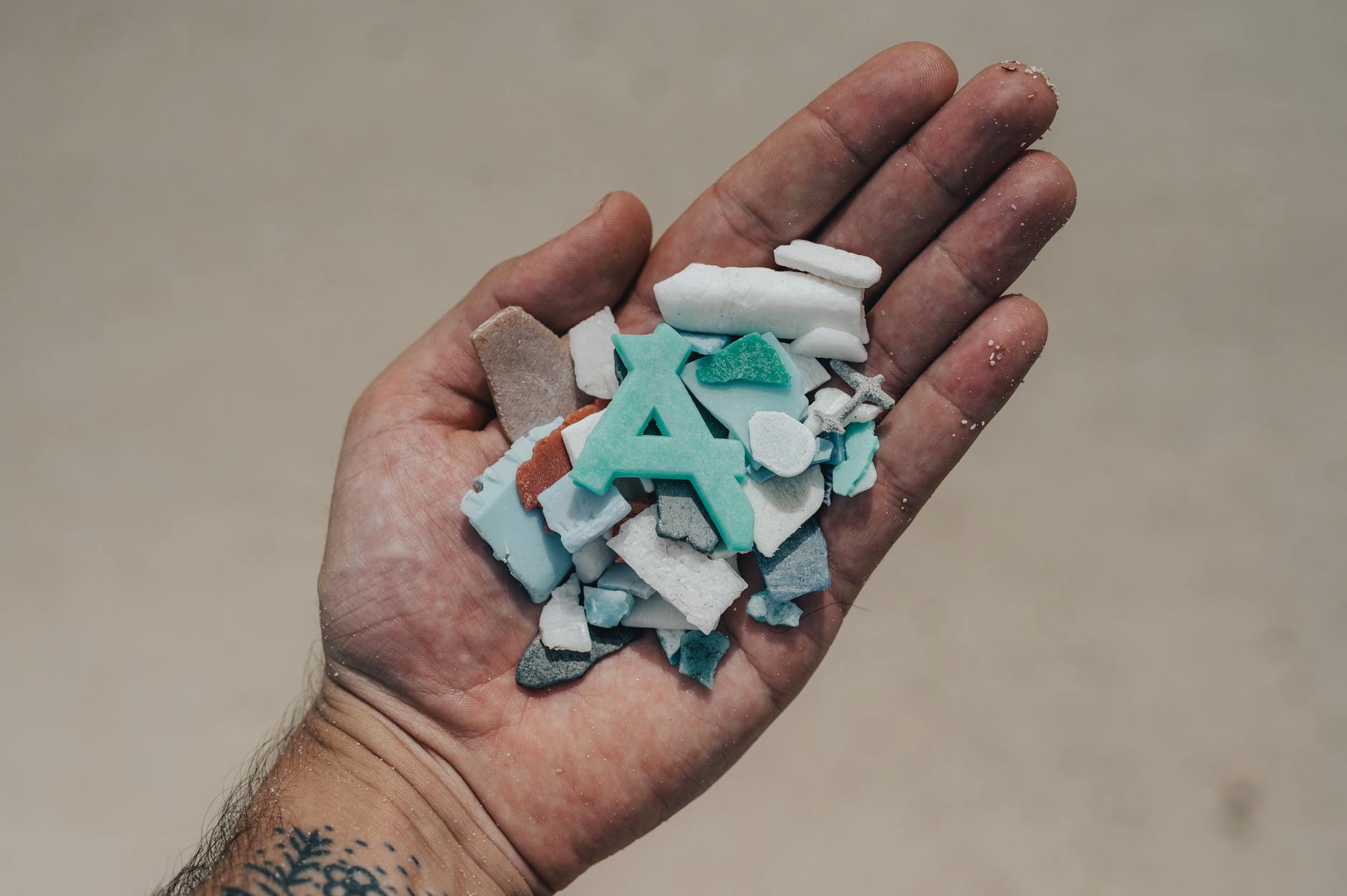
Cooking with damaged or low-quality plastic utensils exposes food to microplastic particles and chemical leachates that accumulate in the body over time. Plastic spoons, spatulas, and ladles that are scratched, melted, or heat-discolored release microscopic particles into food, particularly when stirring hot liquids or sauces. Many commonly used plastic kitchen utensils are not rated for high-heat cooking and begin degrading at temperatures routinely reached during everyday meal preparation. Researchers studying microplastic contamination have found these particles in human blood, organs, and breast milk, raising ongoing questions about the long-term health implications of consistent dietary exposure. Replacing plastic cooking utensils with wooden, stainless steel, or silicone alternatives rated for high-heat use is a straightforward step toward reducing this source of contamination.
What habits have you noticed in your own kitchen that you’ve had to rethink? Share your thoughts in the comments.




