
Some people seem to glide through winter without so much as a sniffle while everyone around them is reaching for tissues and cold medicine. The difference rarely comes down to luck. Instead, it tends to be a consistent set of daily habits that quietly reinforce the body’s natural defenses. These are the thirty practices that healthy people rely on year after year to stay well when seasonal illness is at its peak.
Quality Sleep

Sleep is when the body repairs itself and produces cytokines, the proteins that help fight infection and inflammation. People who consistently get seven to nine hours of uninterrupted sleep give their immune system the recovery window it needs to function at full capacity. A regular sleep schedule that keeps wake and bedtime consistent even on weekends supports the body’s natural circadian rhythm. Skimping on rest even for a few nights can measurably suppress immune response and increase vulnerability to viruses. Prioritizing sleep is one of the most powerful and underutilized tools for staying healthy through flu season.
Hand Washing

Frequent and thorough hand washing remains one of the most effective ways to prevent the spread of respiratory illness. People who rarely get sick treat handwashing as a non-negotiable ritual before eating, after commuting, and after any contact with shared surfaces. The technique matters as much as the frequency since scrubbing for at least twenty seconds with soap removes significantly more pathogens than a quick rinse. Alcohol-based hand sanitizer is used as a reliable backup when soap and water are not immediately available. This simple habit interrupts the most common transmission route for cold and flu viruses.
Nasal Rinsing

Saline nasal rinsing helps flush out airborne irritants, allergens, and viral particles before they have a chance to take hold in the upper respiratory tract. Regular practitioners use a neti pot or saline spray after spending time in crowded environments or heavily air-conditioned spaces. The practice helps maintain healthy moisture levels in the nasal passages, which serve as the body’s first line of defense against inhaled pathogens. Research has shown that nasal irrigation can reduce the frequency and duration of upper respiratory infections. It is a straightforward daily habit that many chronically healthy people swear by throughout the colder months.
Zinc

Zinc is an essential mineral that plays a direct role in immune cell development and inflammatory response regulation. People who maintain adequate zinc levels through diet or supplementation tend to experience shorter and less severe illnesses when they do occur. Foods rich in zinc include oysters, pumpkin seeds, legumes, and lean red meat, making it accessible through a balanced diet. Zinc lozenges taken at the earliest sign of symptoms have been studied for their ability to shorten cold duration when used correctly. Maintaining consistent zinc intake rather than scrambling for it after symptoms appear is the approach taken by those who stay healthiest.
Vitamin D

Vitamin D plays a significant role in regulating immune function and has been associated with reduced susceptibility to respiratory infections in numerous studies. Many people become deficient during winter months when sun exposure decreases dramatically and the body’s natural synthesis slows. Healthy individuals often supplement with vitamin D3 starting in autumn to maintain optimal blood levels throughout the colder season. Fatty fish, egg yolks, and fortified dairy products offer dietary sources though supplementation is often necessary to reach therapeutic levels. Getting levels tested before winter allows for a more targeted and effective supplementation approach.
Hydration

Consistently drinking adequate water throughout the day supports nearly every system involved in immune defense. Mucous membranes in the nose and throat depend on proper hydration to trap and expel pathogens efficiently. People who stay well tend to carry water with them habitually and treat thirst as a signal they should have acted on earlier. Herbal teas and broths count toward daily fluid intake while also providing warming comfort during cold weather. Reducing reliance on caffeine and alcohol, both of which contribute to dehydration, is a quiet but meaningful part of this habit.
Garlic Consumption
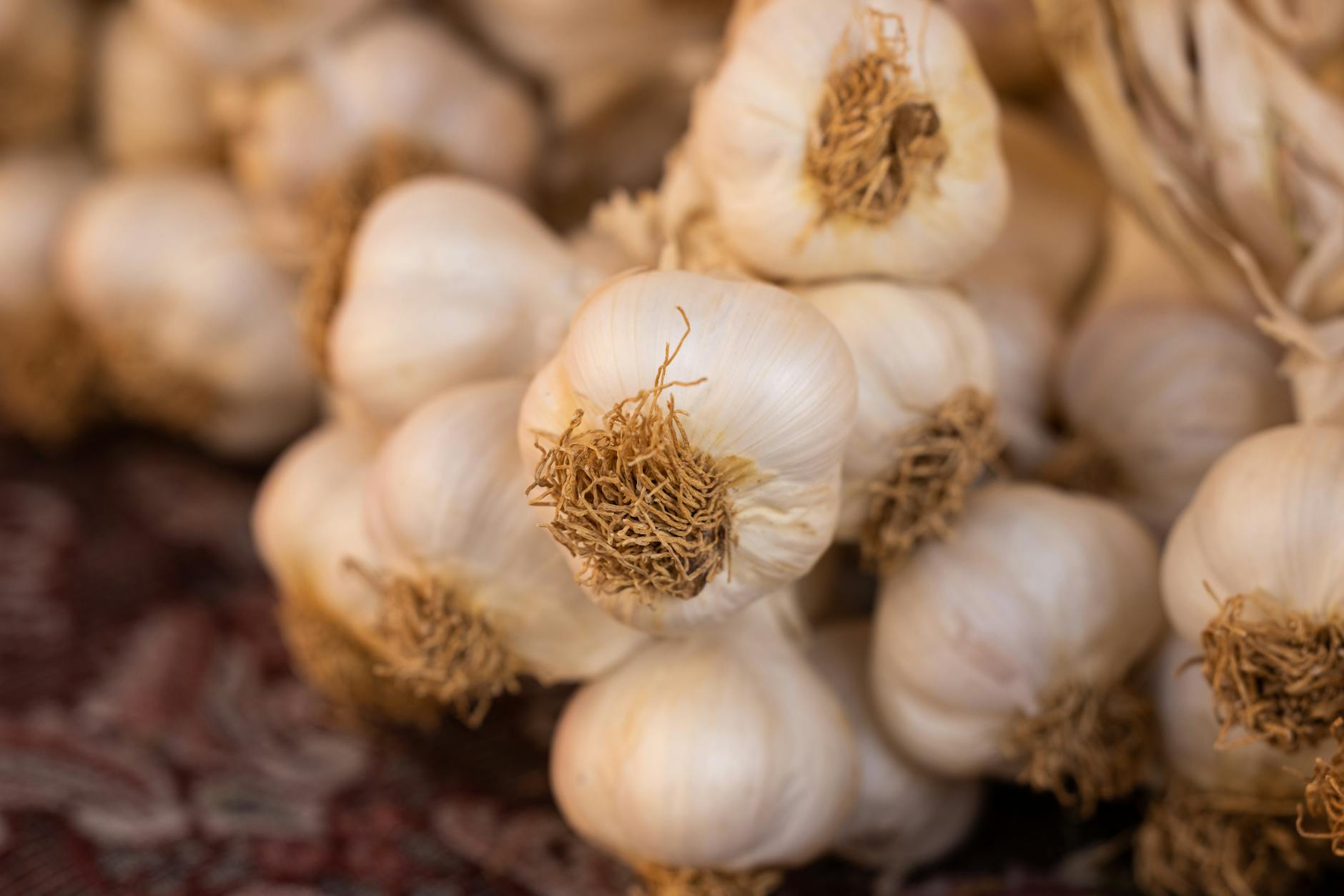
Garlic contains allicin and a range of sulfur compounds that have been shown to have antimicrobial and immune-modulating properties. Regular consumption throughout the year rather than only during illness is what distinguishes the habits of consistently healthy people. Raw garlic delivers the highest concentration of active compounds though cooked garlic still provides meaningful benefit. Many people incorporate it daily into salad dressings, soups, roasted vegetables, and stir-fries as a seamless part of their regular diet. The immune benefits of garlic appear to accumulate over time making it a long-term dietary investment rather than a quick fix.
Probiotic Foods
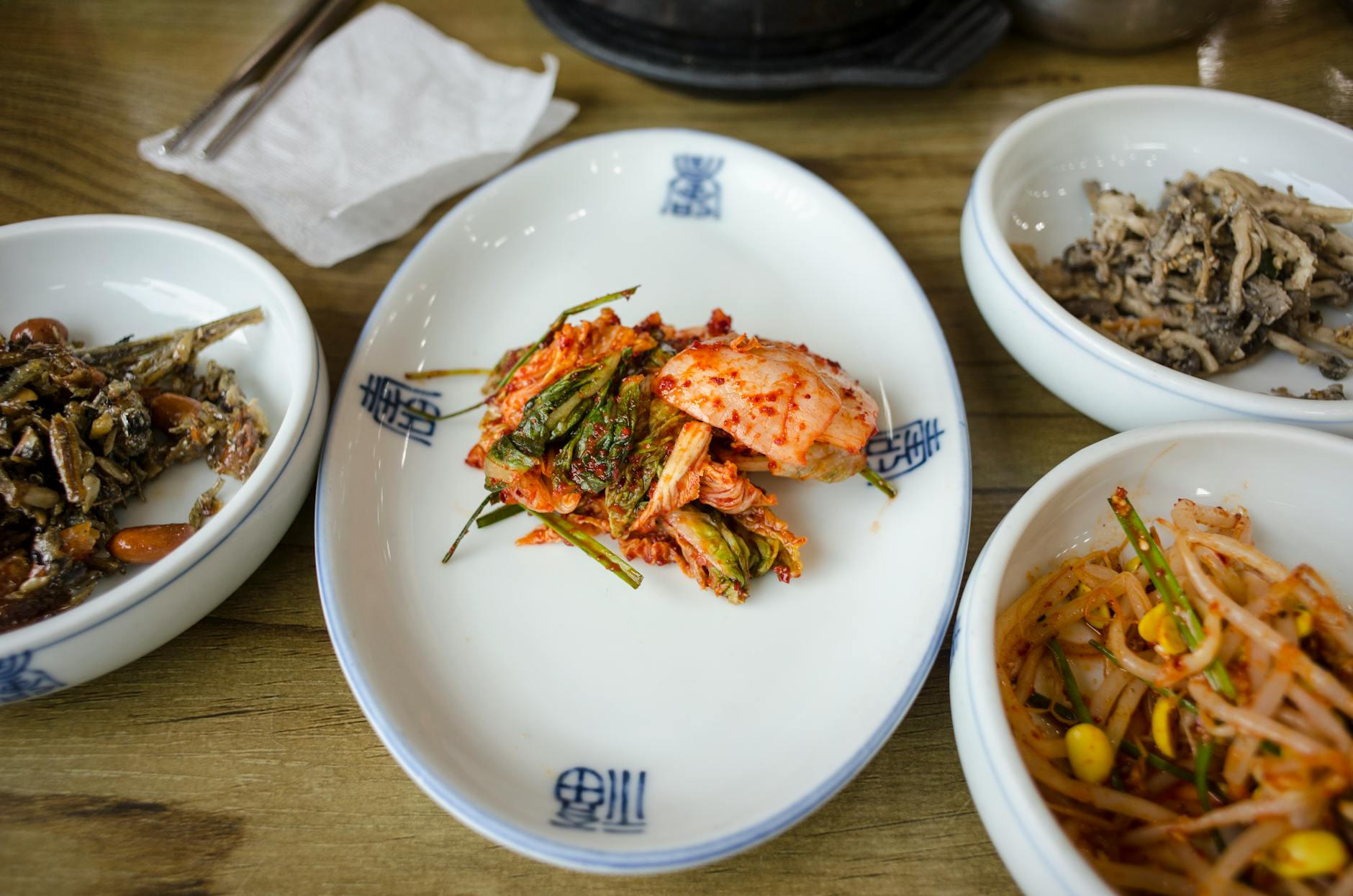
The gut is home to a significant portion of the body’s immune tissue making digestive health directly relevant to overall resistance to illness. People who rarely get sick tend to consume fermented foods rich in beneficial bacteria on a regular basis. Yogurt with live cultures, kefir, kimchi, sauerkraut, miso, and kombucha are among the most common sources incorporated into daily meals. These foods help maintain a diverse and balanced gut microbiome which supports a more measured and effective immune response. Consistency matters far more than quantity and even small daily servings contribute meaningfully over time.
Stress Management

Chronic stress triggers the sustained release of cortisol which suppresses immune function and leaves the body more susceptible to infection over time. People who tend to stay healthy have developed reliable practices for managing their stress load rather than simply enduring it. Meditation, breathwork, time in nature, journaling, and regular creative outlets are among the strategies that chronically healthy individuals use most consistently. These practices lower physiological stress markers and help the nervous system return to a state more conducive to healing and defense. Even fifteen minutes of deliberate stress reduction daily can produce meaningful immune benefits over a full season.
Regular Exercise

Moderate regular physical activity strengthens immune surveillance by promoting healthy circulation of immune cells throughout the body. People who exercise consistently tend to have more robust immune responses and lower rates of upper respiratory infection compared to sedentary individuals. The key word is moderate since both intense over-training and complete inactivity are associated with reduced immune competence. A brisk daily walk, cycling, swimming, or yoga sessions several times a week represent the level of activity most consistently linked to better health outcomes. Regular movement also supports better sleep and stress reduction which creates a compounding effect on overall immunity.
Outdoor Time

Spending time outdoors regularly provides exposure to natural light, fresh air, and microorganisms in the environment that help train the immune system to respond appropriately. Research increasingly supports the idea that contact with green spaces and natural environments reduces inflammation and supports psychological wellbeing. People who maintain outdoor routines through autumn and winter benefit from continued vitamin D synthesis on sunny days and relief from the dry indoor air that can compromise respiratory defenses. Even a twenty-minute daily walk outside in natural light offers meaningful physiological benefits. The habit of getting outside regardless of mild cold or grey skies is a distinguishing trait of people who rarely fall ill.
Face Touching

Avoiding unnecessary face touching dramatically reduces the likelihood of transferring viruses from contaminated surfaces to the mucous membranes of the eyes, nose, and mouth. The average person touches their face hundreds of times per day often without awareness making this one of the most impactful habits to change. People who rarely get sick have typically developed a heightened awareness of this pattern and use strategies like keeping hands occupied or placing reminders in their workspace. Masks worn during high-risk situations serve a dual purpose by creating a physical barrier against both inhalation and inadvertent face contact. Building this awareness takes time but becomes an automatic protective behavior with consistent practice.
Alcohol Moderation

Excessive alcohol consumption suppresses multiple components of the immune system including the function of white blood cells that identify and destroy pathogens. People who tend to stay healthy through flu season approach alcohol with moderation rather than abstinence being their defining principle. They tend to limit drinking to social occasions and avoid using alcohol as a daily stress-relief tool which is where immune compromise tends to compound. Staying well-hydrated on days when alcohol is consumed and choosing lighter options helps reduce the overall physiological impact. The cumulative effect of consistent moderation rather than occasional excess is what distinguishes the drinking habits of chronically healthy individuals.
Antioxidant-Rich Foods

Antioxidants neutralize free radicals that can damage immune cells and impair the body’s ability to mount an effective defense against infection. Deeply colored fruits and vegetables including blueberries, pomegranates, leafy greens, beets, and red peppers are among the richest dietary sources. People who rarely fall ill typically consume a wide variety of plant foods throughout the week ensuring broad antioxidant coverage across different nutrient families. Variety matters because different antioxidants act through different biological pathways and no single food covers all bases. Making color and plant diversity the organizing principle of meals is a practical and effective way to maintain this habit.
Breathwork Practice

Intentional breathing techniques have measurable effects on the autonomic nervous system helping to reduce stress hormones and support immune regulation. Practices like box breathing, diaphragmatic breathing, and the Wim Hof method have gained significant attention for their documented effects on inflammatory markers. People who incorporate breathwork into a daily routine report fewer sick days and better recovery when illness does occur. Even five to ten minutes of slow controlled breathing in the morning can shift the nervous system toward a more parasympathetic state that is more conducive to immune function. This is one of the most accessible immune-supporting habits available requiring no equipment and minimal time investment.
Dry Brushing
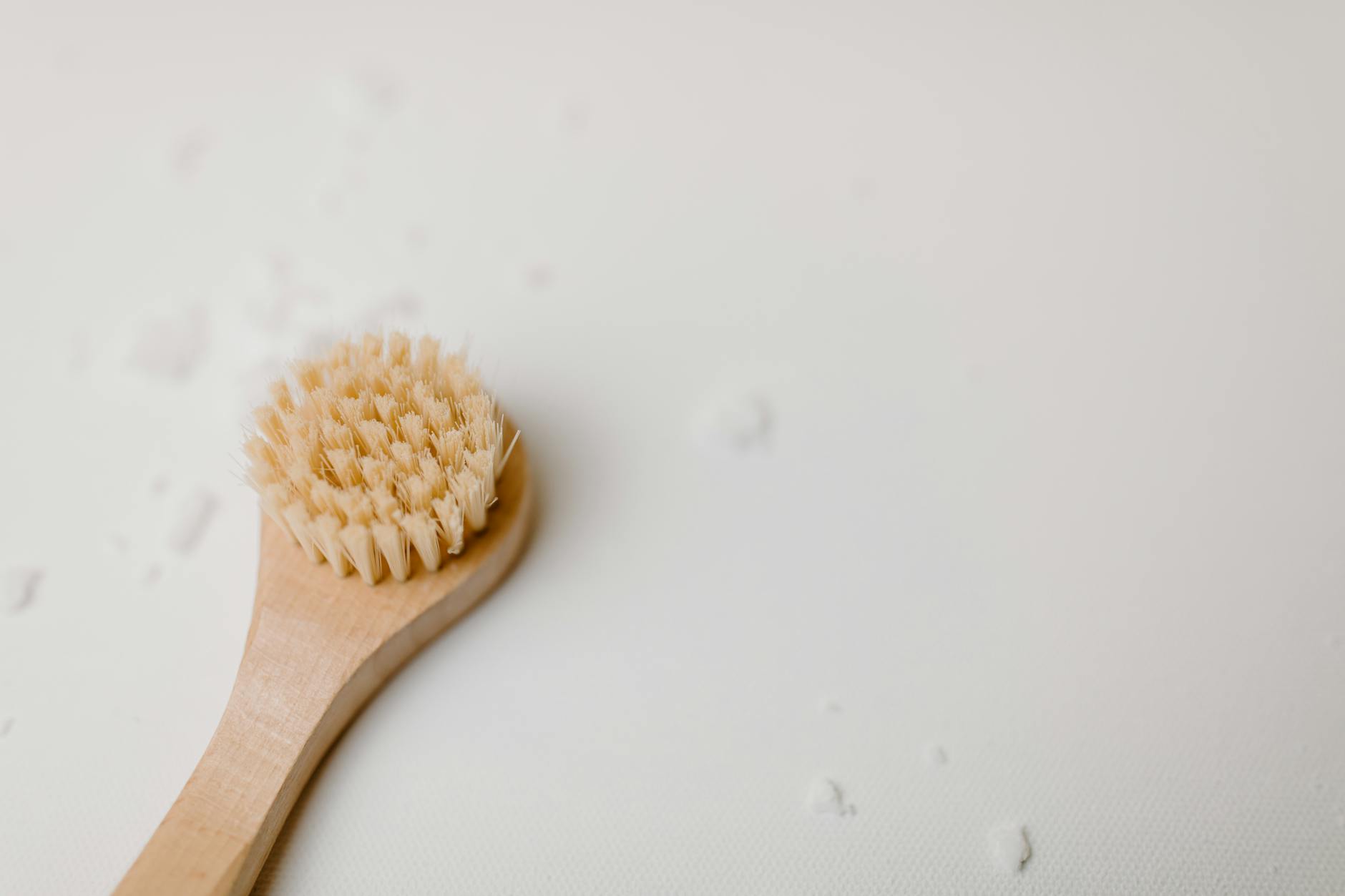
Dry brushing the skin before showering stimulates the lymphatic system which is a critical but often overlooked component of immune defense and toxin removal. The lymphatic system does not have its own pump the way the cardiovascular system does and depends on movement and manual stimulation to circulate properly. Regular dry brushing with a natural bristle brush using long upward strokes toward the heart encourages lymph flow and helps the body clear waste products more efficiently. People who practice this daily often report improved energy and reduced frequency of minor illness over time. It takes only a few minutes and pairs naturally with existing shower routines making it one of the easier immune habits to sustain.
Sufficient Protein
Protein provides the amino acids necessary for building and repairing immune cells including the antibodies that identify and neutralize pathogens. People who consistently avoid illness tend to prioritize adequate protein intake at every meal rather than treating it as optional. Animal sources like eggs, fish, poultry, and dairy offer complete amino acid profiles while plant-based eaters can combine legumes, tofu, tempeh, and whole grains to meet their needs. Insufficient protein intake is associated with weakened immunity even when other nutritional markers appear healthy. The habit of building meals around a quality protein source is one of the foundational dietary practices of people who stay well.
Nature Bathing

Shinrin-yoku or forest bathing is the practice of spending slow mindful time in wooded or natural environments and has been studied extensively for its effects on immune function. Research has documented increased levels of natural killer cell activity following time spent in forested areas attributed in part to phytoncides released by trees. People who make regular nature immersion a priority rather than an occasional treat show sustained improvements in immune markers that persist for days after each session. The pace and intentionality of forest bathing distinguish it from ordinary outdoor exercise in terms of the depth of relaxation response it generates. Even urban parks and green corridors provide measurable benefit for those without easy access to forests.
Social Connection

Strong social bonds are associated with healthier immune function lower rates of chronic inflammation and greater resilience to both physical and psychological stressors. Loneliness and social isolation have been shown to have physiological effects comparable to other well-recognized risk factors for poor health. People who rarely get sick often maintain rich and consistent social lives and tend to prioritize meaningful connection even during busy seasons. In-person interaction offers physical and emotional dimensions of connection that digital communication does not fully replicate. The habit of nurturing close relationships is as relevant to physical immunity as any supplement or dietary protocol.
Warming Foods
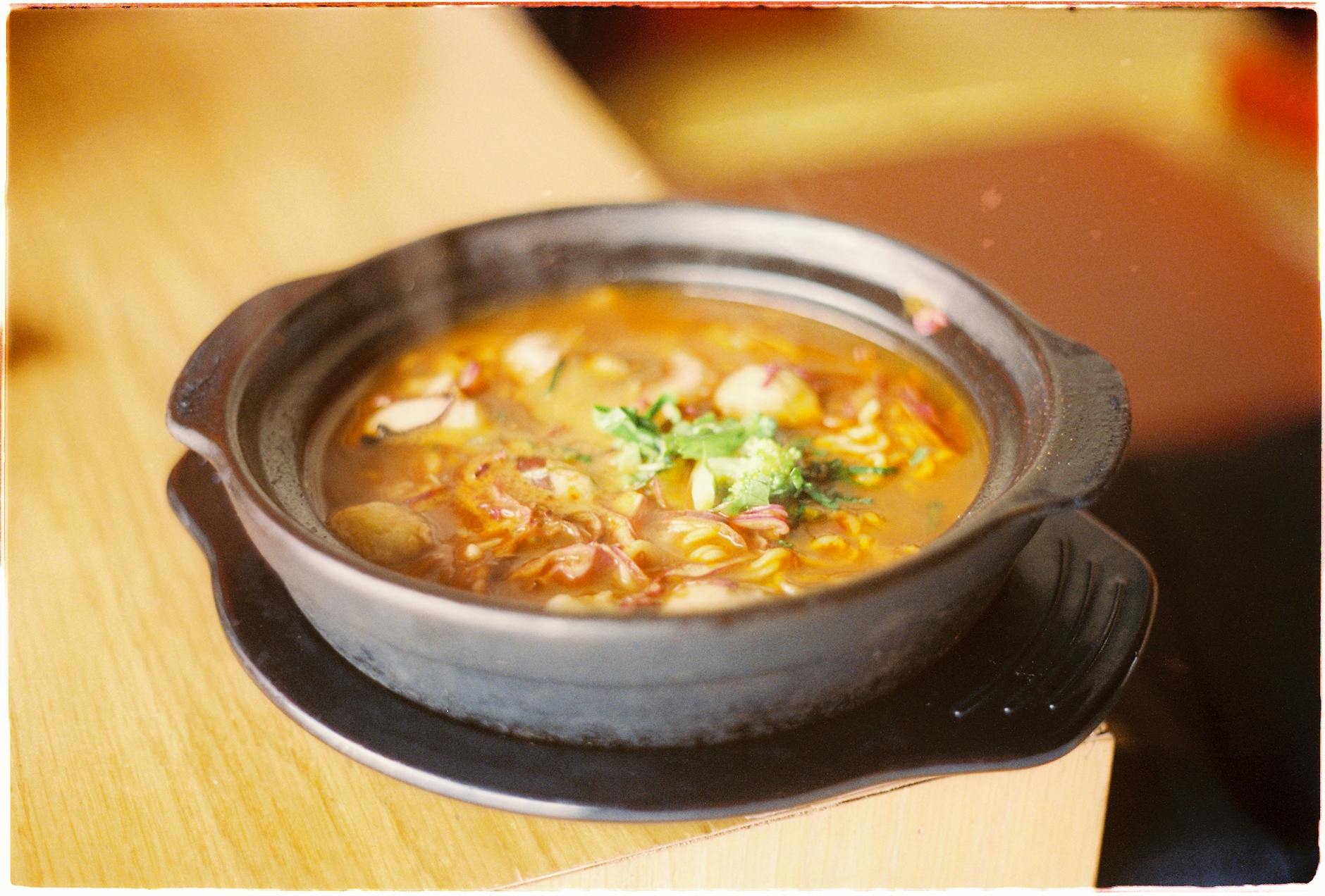
Traditional dietary approaches across many cultures emphasize warming and easily digestible foods during cold months as a way of supporting the body’s natural defenses. Broths, soups, stews, porridges, and spiced teas are among the foods most commonly associated with seasonal immune support in traditional medicine systems worldwide. These foods provide hydration, electrolytes, and warming compounds like ginger and turmeric that have demonstrated anti-inflammatory properties. People who cook seasonally and prioritize warm cooked meals over cold raw foods during winter often report fewer respiratory illnesses. This habit aligns eating patterns with the body’s seasonal needs rather than treating nutrition as a year-round constant.
Ginger and Turmeric

Ginger and turmeric are two of the most studied culinary roots for their anti-inflammatory and immunomodulatory properties. Gingerol in ginger has been shown to inhibit the replication of respiratory viruses and reduce the severity of airway inflammation. Curcumin in turmeric modulates multiple pathways in the immune system and has a well-documented ability to reduce chronic low-grade inflammation. People who stay healthy through flu season frequently incorporate both roots into daily cooking through teas, golden milk, smoothies, soups, and spice blends. Pairing turmeric with black pepper significantly enhances curcumin absorption making it a combination seen consistently in the diets of health-conscious individuals.
Cold Exposure

Brief deliberate cold exposure through cold showers or winter swimming has gained scientific attention for its ability to activate immune responses and improve stress tolerance. Repeated cold exposure trains the body’s physiological response systems over time leading to more efficient regulation of inflammation and immune activation. Studies have shown that people who practice cold showers regularly tend to take fewer sick days and recover faster from illness. The practice also triggers the release of norepinephrine which has anti-inflammatory effects and supports mood and alertness. Starting with thirty seconds of cold water at the end of a warm shower and gradually extending the duration is the approach most commonly used by long-term practitioners.
Consistent Schedule

Maintaining a consistent daily schedule for sleeping, eating, exercising, and winding down supports the body’s circadian biology which in turn regulates immune timing and hormone release. Immune function is not constant throughout the day but follows rhythmic patterns tied to the body’s internal clock. People who keep irregular schedules or frequently shift their daily timing disrupt these patterns and show measurable decreases in immune competence. Chronically healthy individuals tend to be creatures of habit not because of rigidity but because they understand the physiological value of rhythm and predictability. Even modest consistency in sleep and meal timing produces meaningful immune benefits over time.
Mushroom Intake
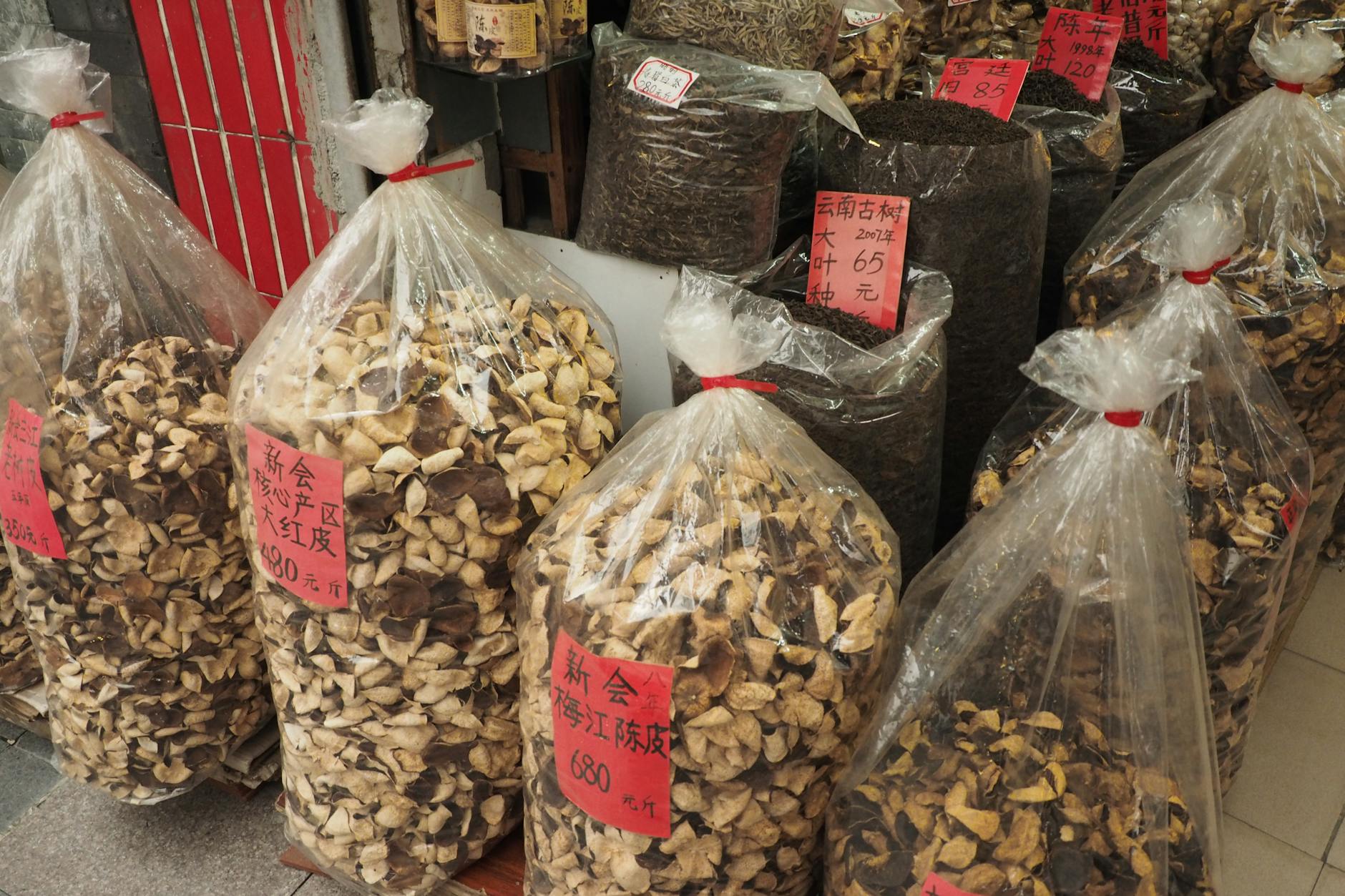
Medicinal mushrooms including reishi, lion’s mane, shiitake, chaga, and turkey tail contain beta-glucans and other polysaccharides that have demonstrated significant immunomodulatory effects in research settings. Regular consumption appears to prime immune cells for more rapid and targeted responses without triggering excessive inflammation. People who prioritize functional mushrooms as part of their diet or supplement routine often do so year-round rather than only during cold and flu season. Culinary mushrooms like shiitake and maitake deliver meaningful immune benefit when eaten regularly as food and can be easily incorporated into soups, stir-fries, and grain dishes. The growing body of research on medicinal mushrooms has made them one of the most discussed functional foods in preventive health circles.
Positive Mindset

Psychological optimism and positive expectation have been shown to correlate with stronger immune function across multiple longitudinal studies. The biological mechanism involves the relationship between mood-regulating neurotransmitters and immune signaling pathways which communicate bidirectionally. People who approach health proactively and believe in their body’s ability to stay well tend to engage more consistently in health-supporting behaviors as a natural extension of that outlook. Cognitive practices like gratitude journaling, affirmations, and cognitive reframing are not merely motivational tools but have measurable effects on physiological stress markers. A constructive and grounded relationship with one’s own health appears to be a meaningful predictor of how seldom a person falls ill.
Protective Clothing

Dressing appropriately for cold and damp conditions is a practical habit that reduces the physiological stress the body must manage when exposed to harsh elements. While cold itself does not cause illness it does divert energy toward thermoregulation and can suppress local immune defenses in the upper respiratory tract. People who rarely get sick tend to layer effectively insulate the neck and extremities and avoid prolonged exposure to wet or windy conditions without adequate protection. Merino wool and technical base layers maintain warmth even when damp and are favored by people who spend significant time outdoors in autumn and winter. Treating appropriate dress as a daily non-negotiable rather than a vanity concern is part of the practical immune toolkit.
Elderberry

Elderberry has one of the strongest evidence bases among natural immune-supporting supplements with multiple clinical trials supporting its ability to shorten the duration and reduce the severity of cold and flu symptoms. The dark berries contain flavonoids and anthocyanins that appear to interfere with viral replication and reduce the inflammatory cascade that produces the worst flu symptoms. People who stay well through flu season often begin taking elderberry syrup or lozenges as a seasonal precaution before exposure rather than waiting for symptoms to appear. The supplement is well tolerated by most adults and is available in standardized syrup, gummy, capsule, and lozenge forms from reputable manufacturers. Its dual role as both a preventive and acute remedy makes it one of the most practical additions to a seasonal immune protocol.
Air Quality

Indoor air quality has a significant and often underestimated impact on respiratory health and immune function particularly during winter when windows remain closed for extended periods. People who rarely get sick pay attention to ventilation regularly opening windows during dry or mild days to refresh stale recirculated air. HEPA air purifiers in sleeping and working spaces reduce the concentration of airborne particles viruses and allergens that the immune system must continuously contend with. Houseplants such as peace lilies and snake plants contribute to air quality improvement and have additional benefits for mood and stress regulation. Maintaining a clean and well-ventilated indoor environment is a foundational habit for anyone serious about staying healthy through the colder months.
Mindful Eating
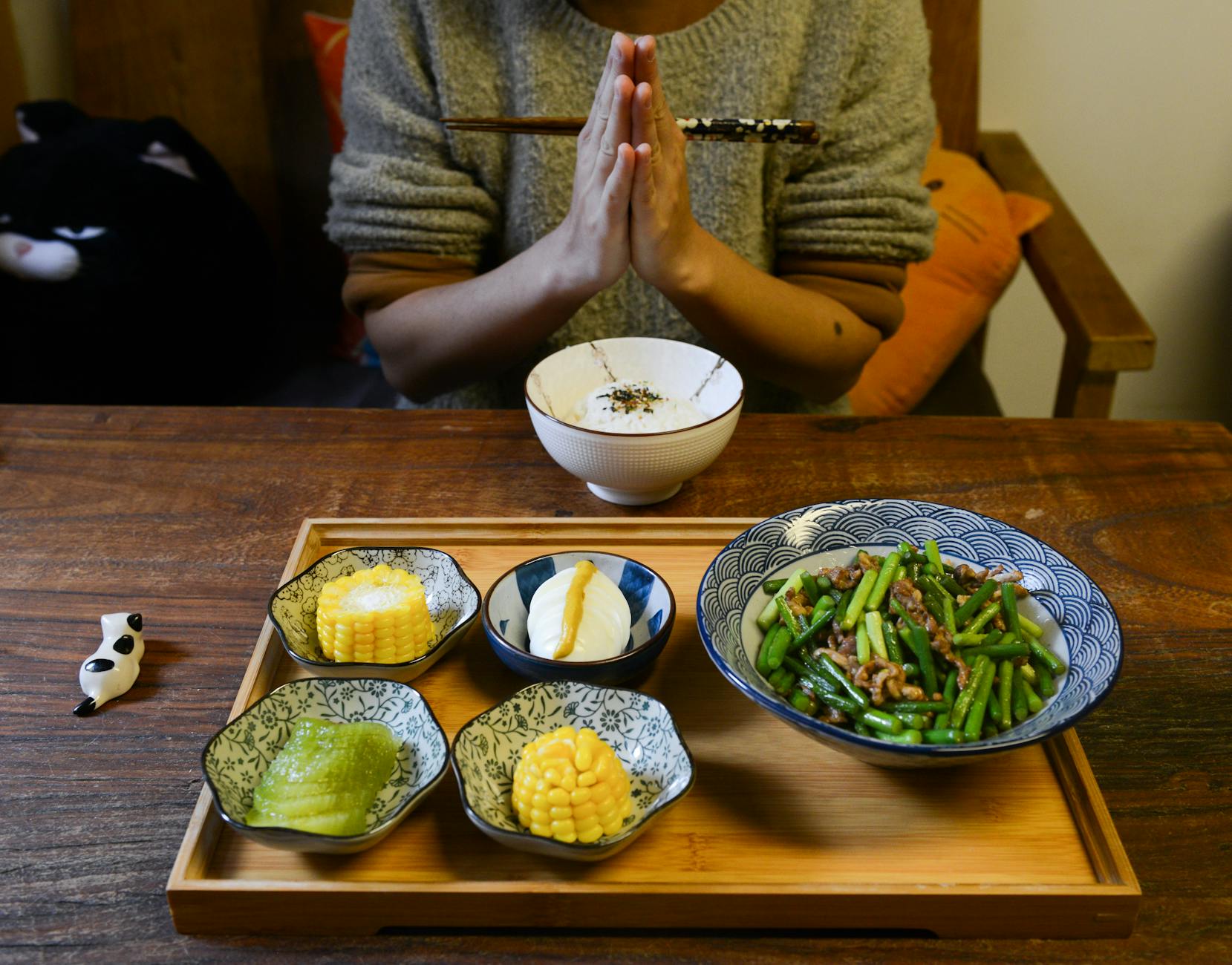
Eating slowly and with full attention rather than in a distracted rush allows the digestive system to function more efficiently and supports better nutrient absorption from every meal. Chewing food thoroughly is the first step in digestion and people who do it consistently tend to have better gut health and stronger immune function as a downstream benefit. Mindful eaters tend to make more deliberate food choices naturally gravitating toward whole nutrient-dense options rather than processed convenience foods. The parasympathetic state engaged during calm focused eating supports optimal digestive enzyme production and reduces the cortisol-driven eating patterns that compromise both gut health and immunity. This habit connects the mind and body in a way that elevates the immune benefit of nearly every other dietary practice on this list.
If you have habits of your own that help you sail through flu season without getting sick, share them in the comments.




