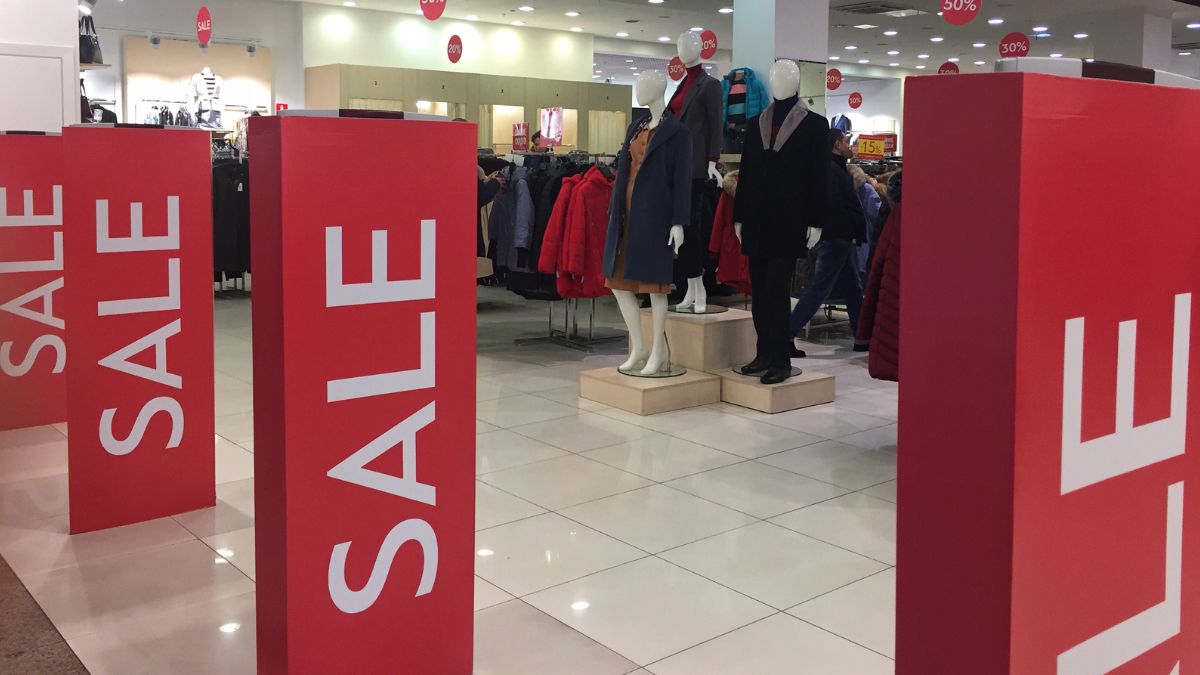
Retailers have spent decades studying consumer psychology, and the modern shopping environment is engineered down to the smallest detail to encourage unplanned spending. From the moment a customer walks through the door, carefully designed systems are working in the background to influence decisions, override willpower, and extract more money than intended. Understanding these tactics does not require a marketing degree but simply a closer look at the environment most people navigate on autopilot every week.
The Entrance Effect
Stores deliberately design their entryways to slow customers down and shift them into a relaxed, receptive mental state. This transitional zone, sometimes called the decompression zone, is typically free of merchandise because retailers know shoppers need a moment to adjust before they are truly open to buying. Bright lighting, pleasant scents, and attractive seasonal displays are strategically placed just beyond this zone to create an immediate emotional response. The goal is to make the shopping experience feel welcoming and enjoyable so that the customer’s guard is lowered before they have even reached the first aisle.
Loss Leader Pricing
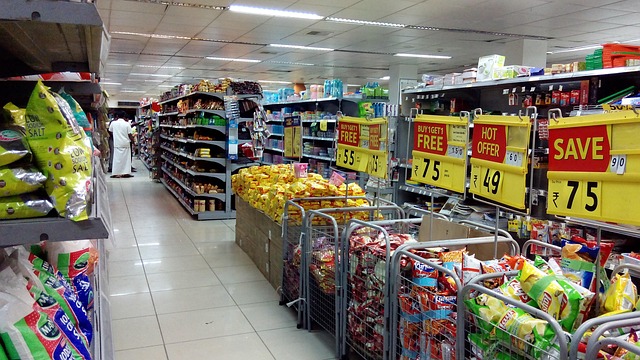
Certain products are sold at or below cost specifically to lure customers into the store with the expectation that they will spend far more once inside. These deeply discounted items are almost always placed at the back of the store so that shoppers must walk past hundreds of other products to reach them. Along the way, the carefully arranged merchandise triggers impulse purchases that were never part of the original shopping plan. The savings on the advertised item are typically offset many times over by the additional items placed in the cart during the journey.
Eye Level Placement
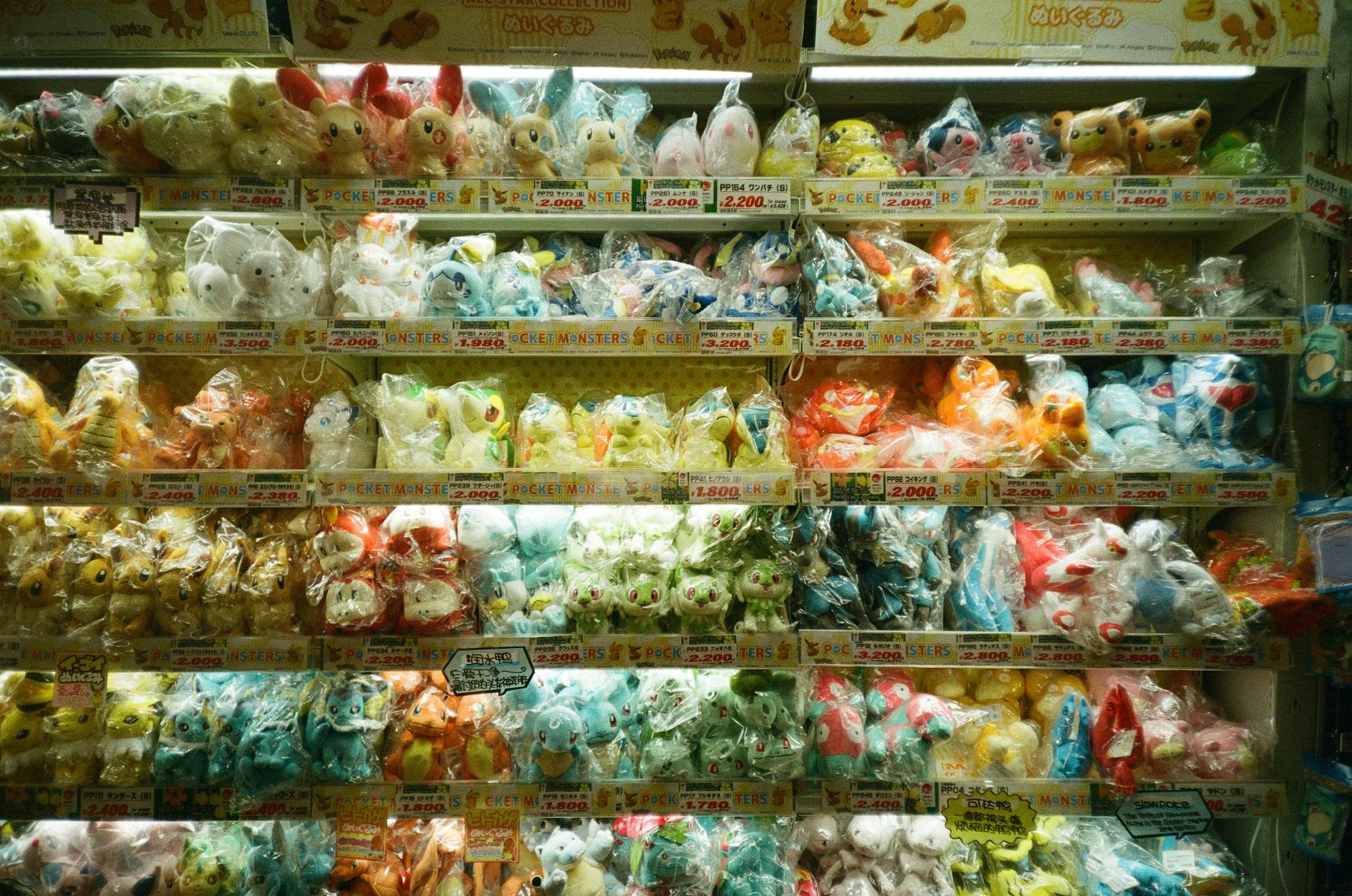
Product placement on retail shelves is not random and follows a precise logic designed to maximize sales of the most profitable items. Products placed at eye level receive significantly more attention and are purchased far more frequently than those placed on lower or higher shelves. Brands pay premium fees to secure these prime positions, and retailers use this real estate to promote higher-margin goods rather than the best value options. Shoppers who take a moment to look at the full shelf from top to bottom often discover better quality or better priced alternatives that were never meant to be found easily.
Scarcity Messaging
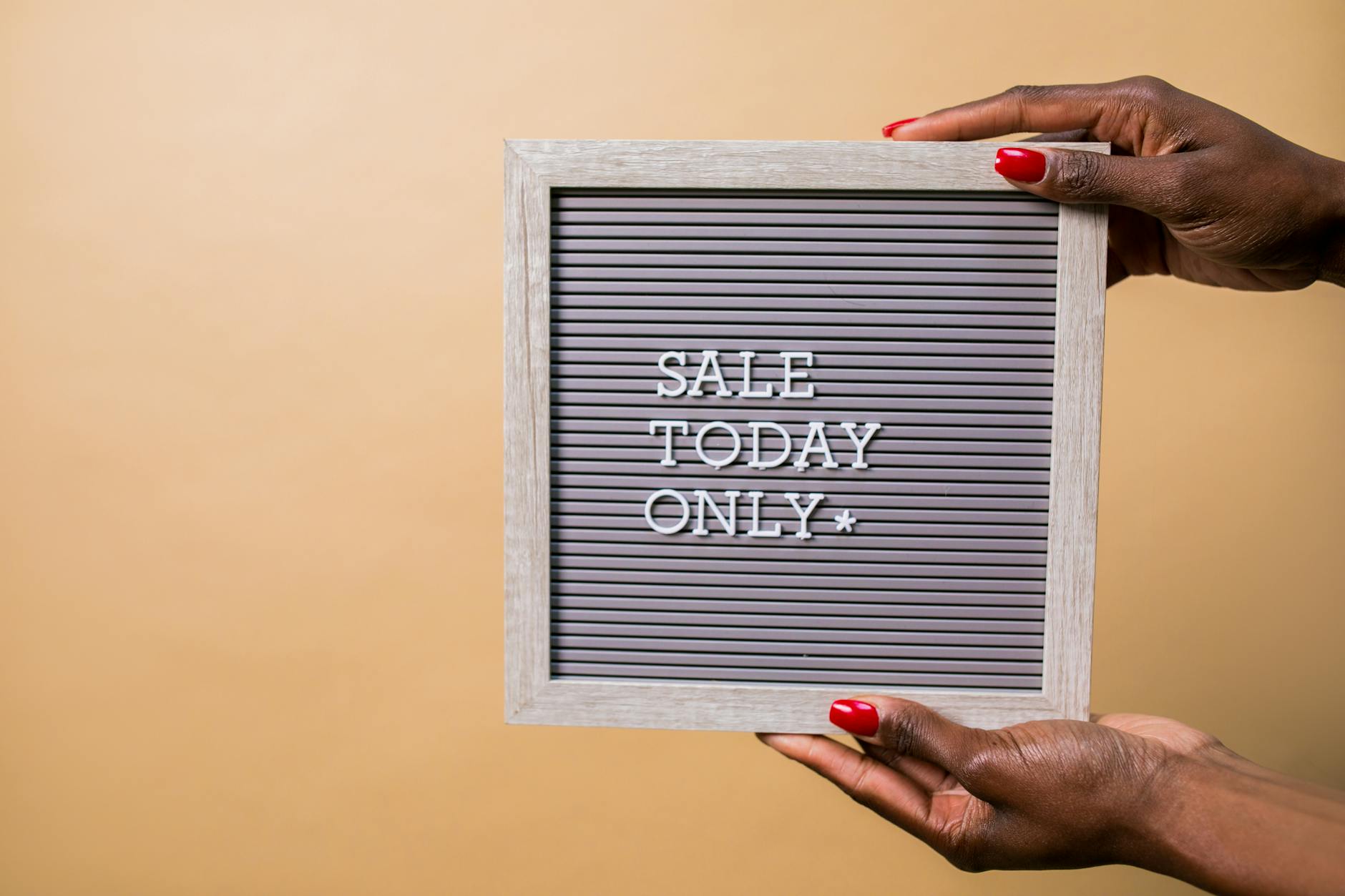
Phrases such as “limited time offer,” “while supplies last,” and “only a few left” are engineered to trigger anxiety and urgency in shoppers who might otherwise take time to consider a purchase carefully. This tactic exploits a well-documented psychological tendency to assign greater value to things that appear rare or about to disappear. Even when stock levels are plentiful, retailers use this language to accelerate decision-making and reduce the likelihood that a customer will leave to compare prices elsewhere. The fear of missing out is one of the most reliable drivers of unplanned purchases across both physical and online retail environments.
Cart Size Design
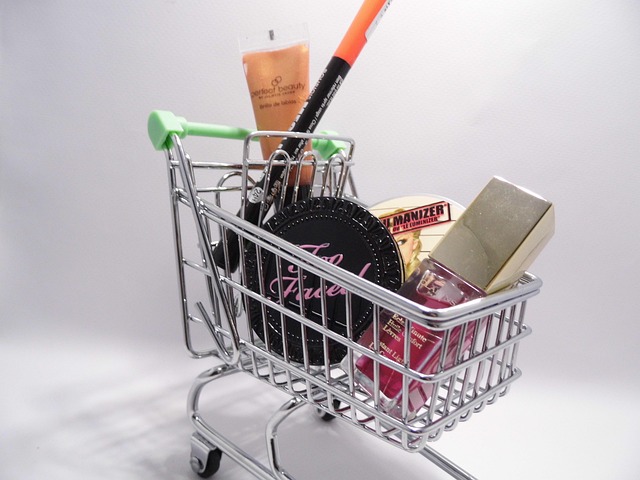
Shopping carts have grown considerably larger over the decades, and this is not a coincidence driven by consumer demand. Research has consistently shown that a larger cart prompts shoppers to fill it more completely, as an empty or half-filled cart creates a subtle psychological discomfort. Retailers use oversized carts to make a typical purchase look small and to encourage customers to keep adding items until the cart feels appropriately full. Even customers who arrived with a short list often find themselves spending significantly more simply because the container they were given was designed to hold far more than they needed.
Music and Tempo
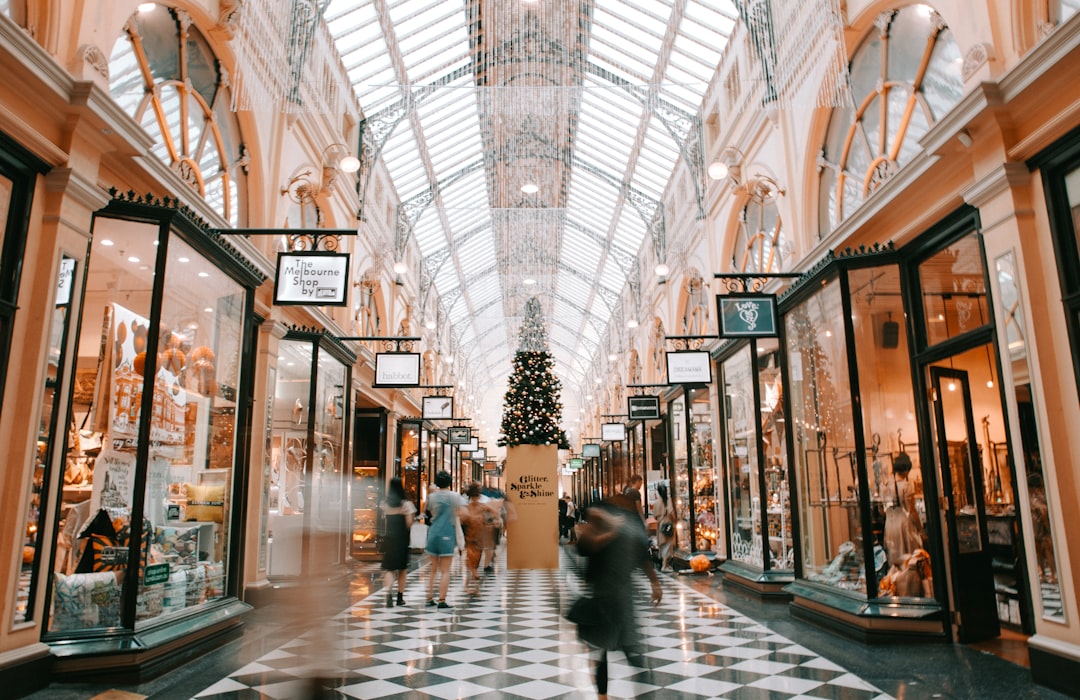
The tempo of background music played in retail stores is deliberately calibrated to influence how long customers spend shopping and how much they ultimately buy. Slower music has been shown to extend the amount of time shoppers linger in aisles, increasing the likelihood of additional purchases with each extra minute spent browsing. Upbeat or faster music is used in contexts where quick turnover is preferred, such as fast food environments or checkout areas. The effect operates largely below conscious awareness, meaning most shoppers have no idea that the soundtrack around them is actively shaping their spending behavior.
Loyalty Programs
Reward programs are designed to appear as gifts to the customer while actually functioning as sophisticated data collection and behavioral conditioning tools. Every point earned creates a psychological sense of investment that makes it harder to shop elsewhere, even when competitors offer better prices or quality. The accumulated points feel like money waiting to be spent, which encourages shoppers to return more frequently and spend more per visit to maintain or increase their reward status. The data gathered through these programs also allows retailers to send highly targeted promotions timed precisely to when a customer is most likely to make an unplanned purchase.
Checkout Zone Displays
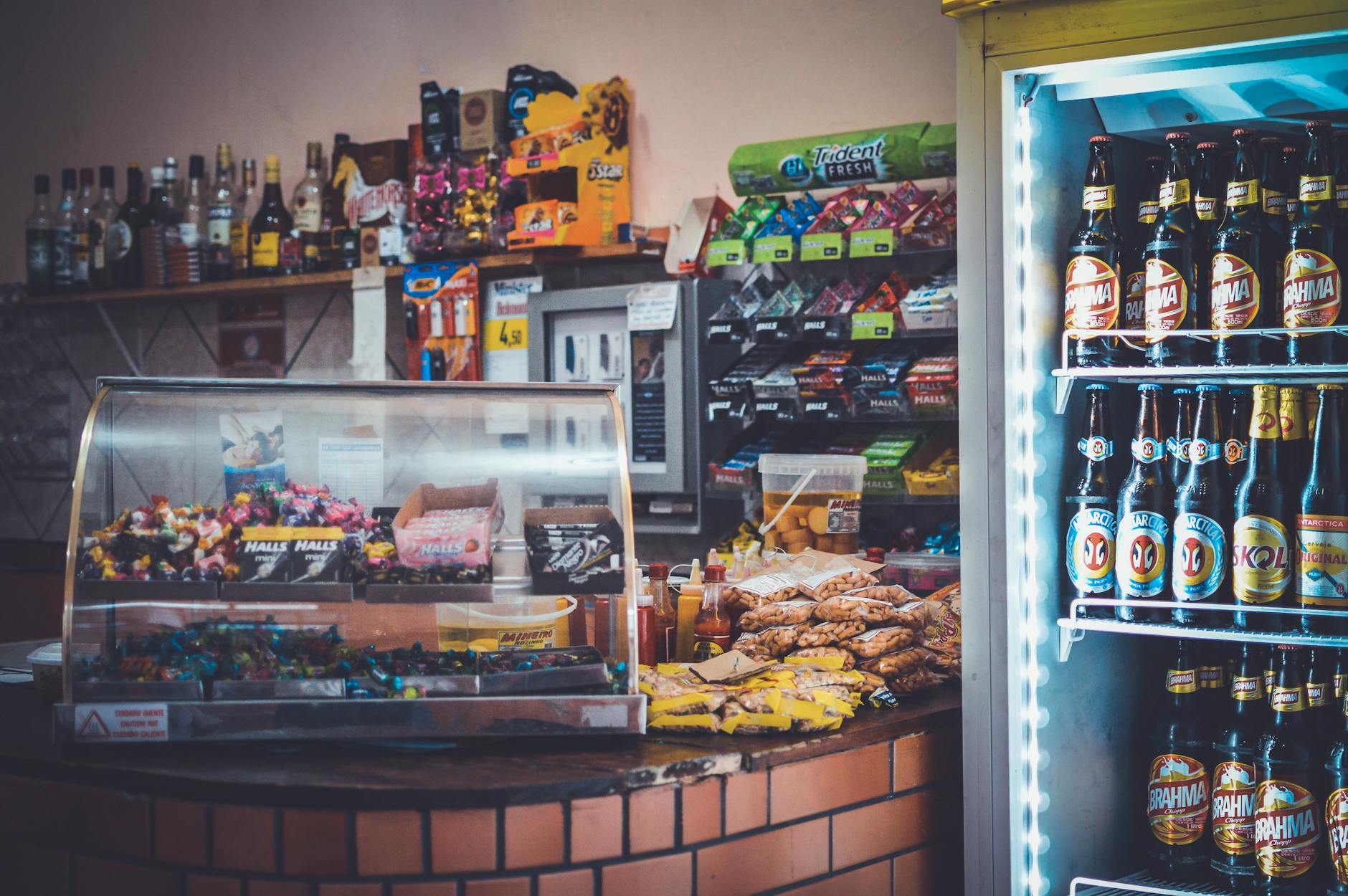
The area surrounding the checkout line is one of the most profitable pieces of real estate in any retail store, and it is filled with low-cost items chosen specifically for their impulse appeal. Shoppers waiting to pay are a captive audience with idle hands and a mind that has already shifted into a spending mindset after navigating the rest of the store. Small items like snacks, batteries, lip balm, and novelty products are placed at exactly the right height to be picked up without much deliberation. The low price point of these items makes it psychologically easy to justify adding them to an already-loaded cart at the last moment.
Anchor Pricing
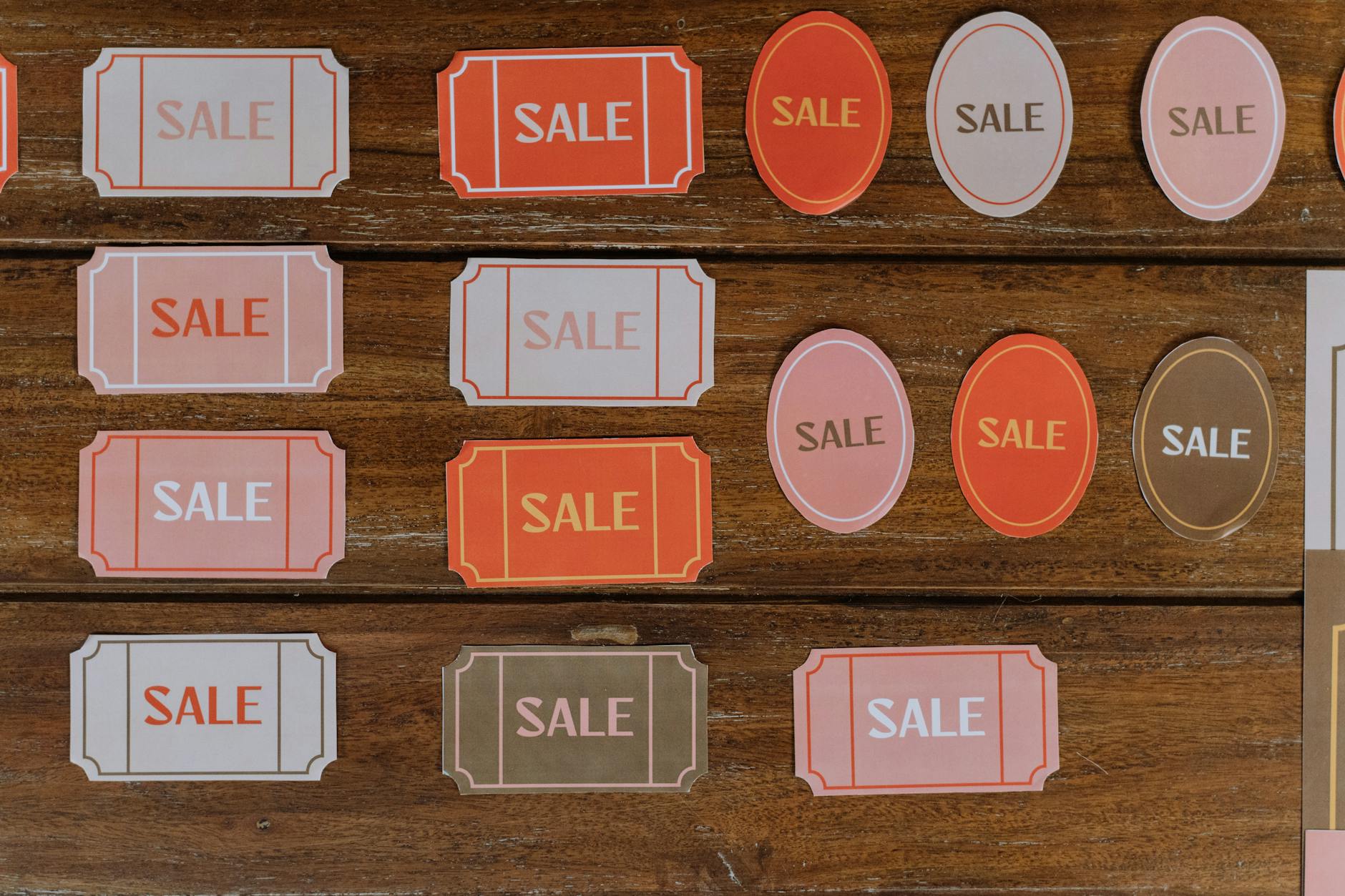
Retailers frequently display an inflated original price next to a sale price to make the discount appear far more substantial than it may actually be. This anchoring effect causes the brain to use the higher number as a reference point, making the sale price feel like an exceptional deal even when the item was never genuinely sold at the original figure. Consumers are then motivated to buy not because they needed the product but because the perceived savings feel too good to pass up. Regulatory bodies in many countries have taken note of this practice, but it remains widespread because it consistently and reliably drives purchasing behavior.
Free Shipping Thresholds
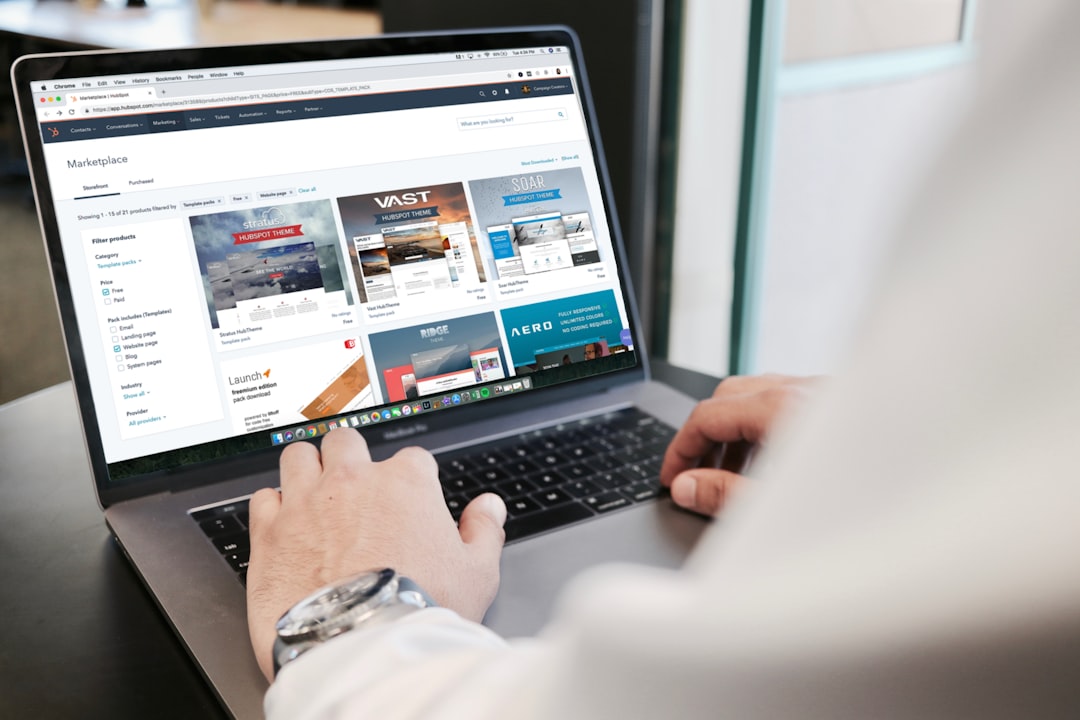
Online retailers have perfected the art of using minimum order thresholds to increase average transaction values without the customer feeling coerced. When a shopper is informed they are just a small amount away from qualifying for free shipping, they are highly likely to add another item to reach that threshold rather than pay the shipping fee. In many cases the extra item added costs more than the shipping would have, making the “savings” illusory. This tactic is particularly effective because it frames unnecessary spending as logical and even financially responsible decision-making on the part of the shopper.
Bundling Deals
Offers that group multiple products together at a combined discount are structured to move inventory that might not sell well on its own by pairing it with a desirable item. The perceived value of the bundle makes it feel wasteful to purchase only the one item a shopper actually came in for, nudging them toward a larger transaction. In many cases the savings achieved through the bundle are modest while the total spend is considerably higher than originally planned. Retailers use bundling particularly effectively in categories like groceries, cosmetics, and electronics where consumers are already familiar with the concept of sets and kits.
Sensory Marketing

Beyond music and visual displays, many retailers deploy scent, temperature, and texture as tools to create an emotional atmosphere that encourages spending. Bakery aromas pumped through ventilation systems in supermarkets have been shown to increase food purchases across multiple categories, not just baked goods. Comfortable temperatures and soft lighting in clothing stores create a relaxed mood that reduces the critical thinking a shopper might otherwise apply when evaluating a purchase. Every sensory element in a well-designed retail environment has been considered as part of a holistic strategy to make customers feel good and associate that feeling with buying.
The Decoy Effect
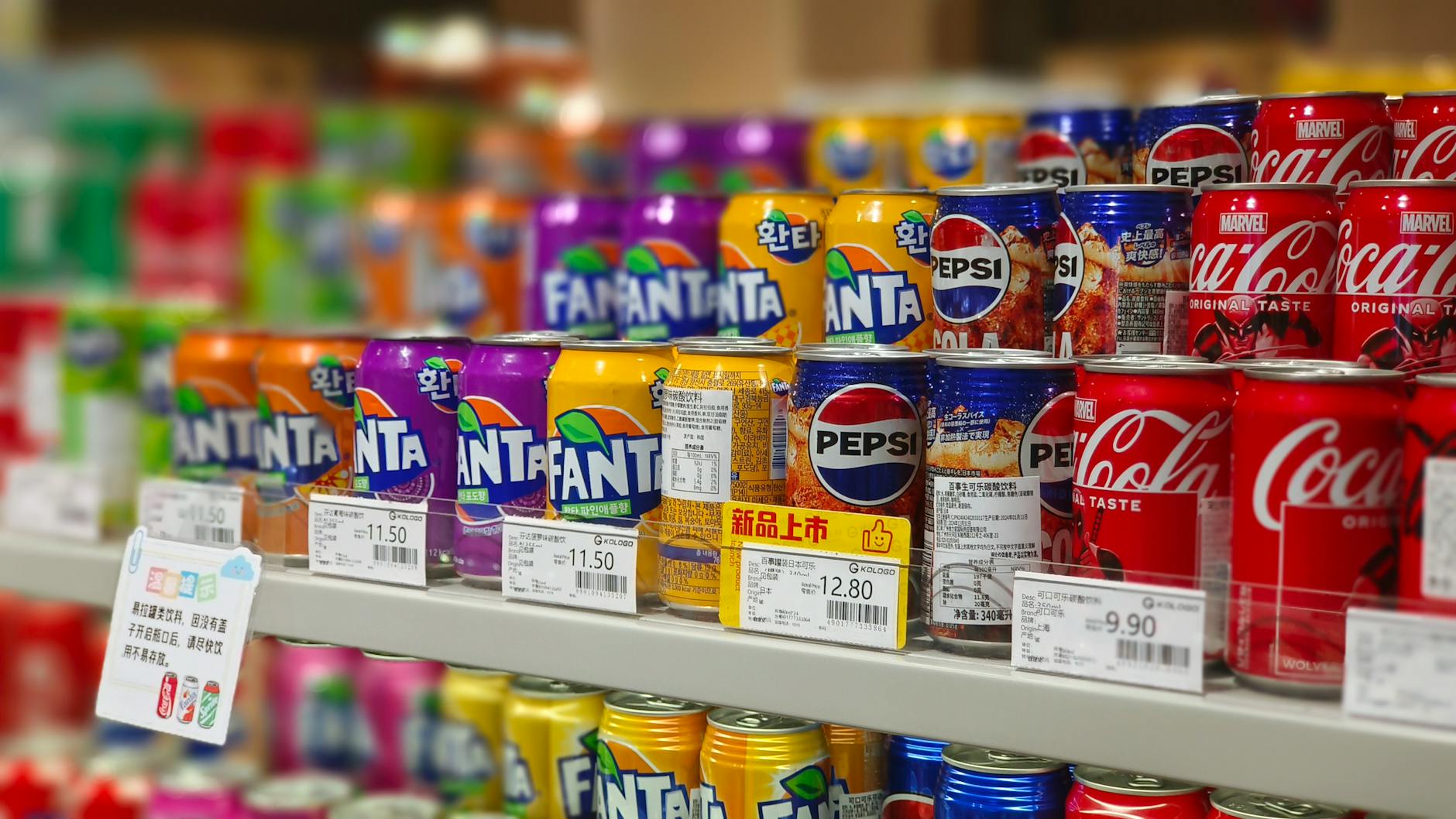
When a retailer presents three versions of a product at different price points, the middle option is almost always engineered to be the most profitable rather than the most logical choice for the consumer. The most expensive option exists primarily to make the middle tier feel reasonable by comparison, while the cheapest option is made just unattractive enough to steer shoppers away from it. This three-tier pricing structure exploits a well-studied cognitive bias in which people gravitate toward the middle option as a form of compromise. Shoppers who believe they are making a sensible, balanced decision are in fact following a path that was mapped out for them before they ever arrived at the store.
Have you noticed any of these tactics on your last shopping trip? Share your thoughts in the comments.




