
Every teacher enters the classroom with the best intentions, ready to support each student equally and fairly. But certain patterns of parental behavior can unintentionally create friction between a child and their educator before the school year has even found its rhythm. Research in educational psychology consistently shows that teacher perceptions are shaped not only by a student’s actions but also by the dynamics families bring into the school environment. Understanding these missteps is the first step toward building a healthier relationship between home and school.
Excessive Emailing

Teachers manage dozens of students and are responsible for planning, grading, and administrative tasks throughout the day. When a parent sends multiple emails daily about minor concerns, it signals a lack of trust in the teacher’s professional judgment. This communication style can create a subconscious association between the child and stress before that student even walks through the door. Most schools have designated communication windows for a reason, and respecting those boundaries reflects well on the entire family. Teachers consistently report that students whose parents over-communicate tend to receive more scrutiny rather than more support.
Classroom Drop-Ins
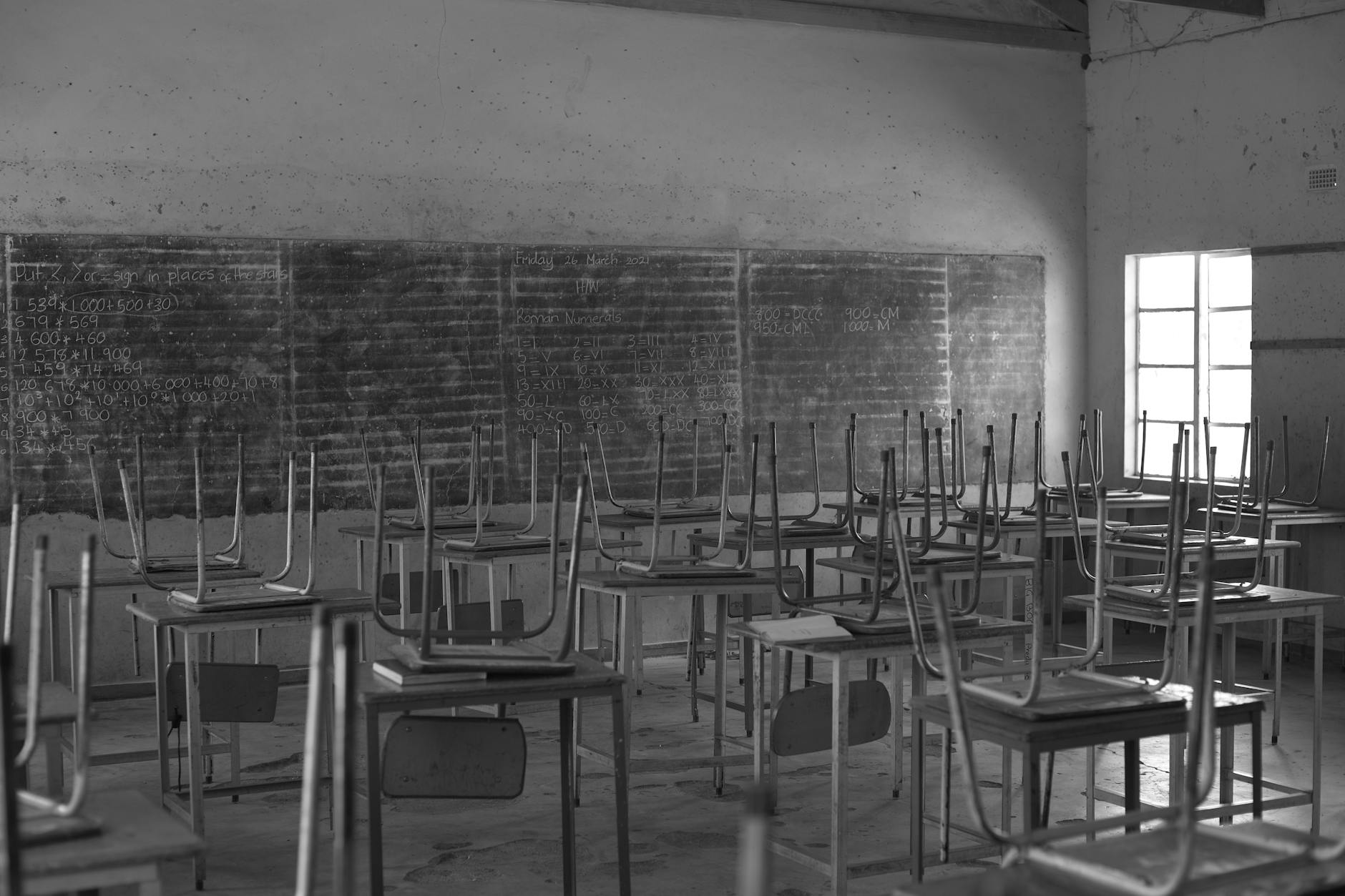
Showing up unannounced to observe a lesson or deliver forgotten homework disrupts the flow of an entire class. Teachers are trained professionals running structured environments, and unexpected interruptions break concentration for every student in the room. The child of a parent who frequently drops in without notice can become associated with that disruption in the teacher’s mind. Most schools have clear protocols for visiting, and following those procedures demonstrates respect for the learning environment. Consistent unannounced appearances can make a teacher feel monitored rather than supported.
Grade Disputes

Challenging a teacher’s assessment without first understanding how the grade was reached puts the educator immediately on the defensive. When parents march into school demanding a higher mark with no supporting context, it signals that the child may not be held accountable for their academic performance at home. Teachers notice when students adopt a similar entitlement in the classroom, expecting to negotiate rather than improve. A constructive conversation about where a student went wrong is always more productive than a confrontation over the score itself. The distinction between advocating and arguing is one teachers recognize almost instantly.
Homework Completion

When a parent completes a child’s homework assignment for them, teachers typically identify it within the first few minutes of review. Handwriting, vocabulary, and reasoning that exceed a child’s demonstrated classroom ability are immediate red flags. This practice deprives the student of genuine learning while creating a misleading picture of their abilities. Over time, the child struggles with in-class tasks that build on concepts they were never actually taught. Teachers often feel they cannot address the gap honestly because doing so risks a confrontational response from the parent.
Peer Complaints
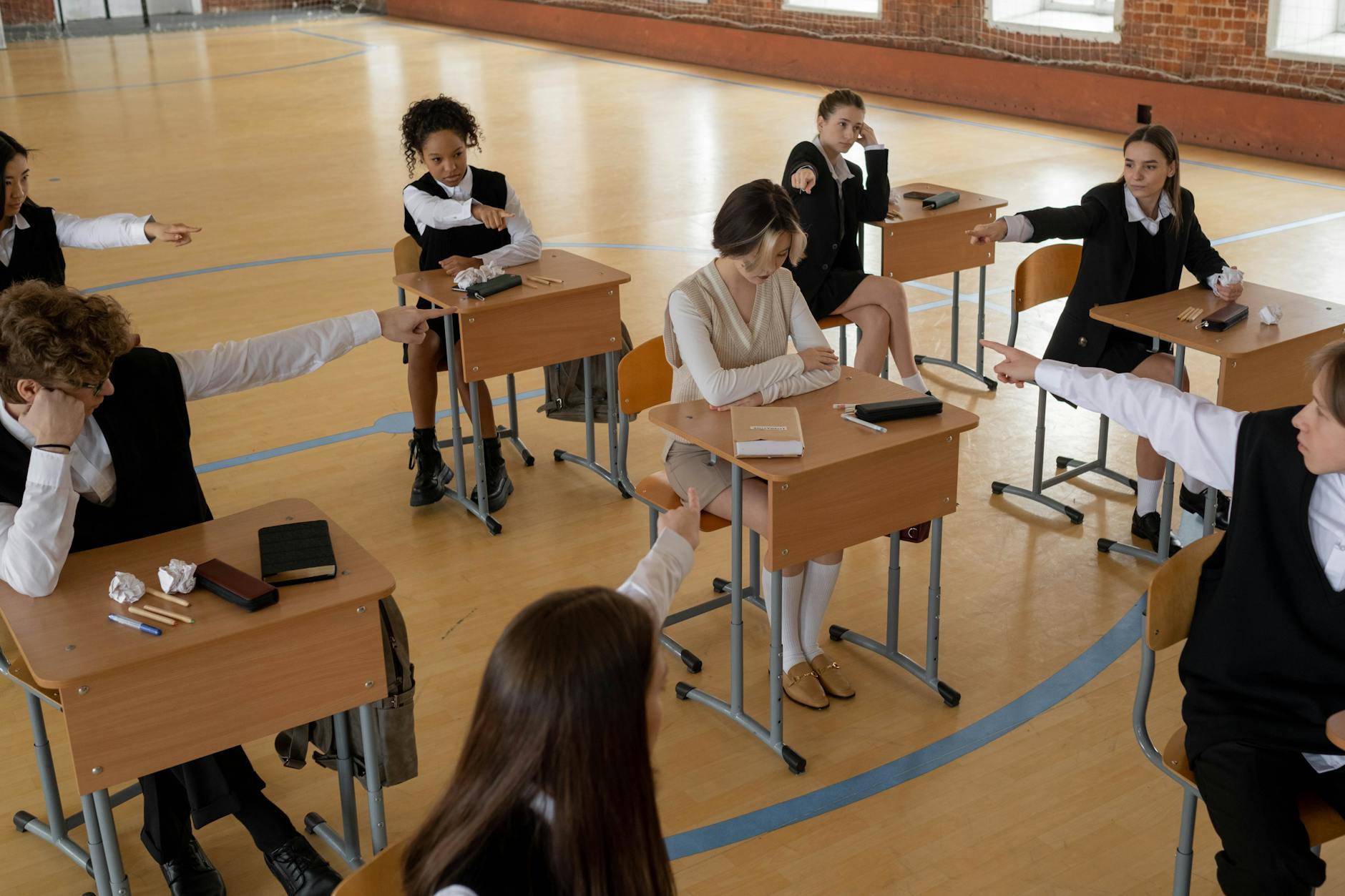
Parents who contact the school to complain about specific classmates put teachers in an uncomfortable position of navigating social dynamics between families. These complaints often arrive one-sided and emotionally charged, making it difficult for the teacher to act fairly. The child of the complaining parent can become perceived as a source of social tension within the class group. Teachers are trained to handle peer conflict through structured approaches, and parental interference frequently undermines those processes. Students caught in the middle of parent-driven disputes often experience more social difficulty rather than less.
Teacher Comparisons

Telling a teacher that their predecessor did things differently is one of the fastest ways to create professional friction. Educators develop their methodologies through training, experience, and a deep understanding of their current students’ needs. When parents imply that another teacher was superior, it dismisses everything the current educator brings to the role. This comparison often reaches the student, who then begins to mirror the skepticism at home by questioning classroom authority. A teacher who feels professionally undermined is in a far less receptive position to advocate enthusiastically for that child.
Public Criticism

Criticizing a teacher openly in front of other parents at pickup or school events creates lasting reputational damage in a close-knit school community. Word travels quickly among staff, and comments made in the parking lot frequently reach the classroom. A child whose parent is known for publicly disparaging teachers can be viewed through a more guarded lens by educators across multiple subjects. Teachers are more likely to go above and beyond for families who demonstrate mutual respect even when disagreements arise. Professional concerns belong in private meetings, not in hallway conversations.
Diagnosis Demands

Some parents arrive at school insisting that their child has a specific learning condition and demanding that the teacher adjust accordingly without any formal assessment in place. While parental intuition is valuable, educators are not qualified to diagnose and are bound by specific legal and institutional protocols. Pressuring a teacher to act on an unverified diagnosis places them in a professionally and legally difficult position. The child can end up receiving inconsistent support as a result of the confusion between parental expectation and institutional process. Formal evaluations through the appropriate school channels exist precisely to ensure every child gets the right help in the right way.
Lavish Gifts

Presenting a teacher with an expensive or elaborate gift can create an uncomfortable sense of obligation rather than genuine appreciation. While small tokens of gratitude are warmly received across the profession, costly gifts blur the professional boundary between educator and family. Other students who notice the exchange may draw unfair conclusions about preferential treatment. Teachers are ethically expected to maintain impartiality, and accepting significant gifts puts that principle under pressure. A heartfelt handwritten note from a student typically means more to a teacher than any material offering ever could.
Meeting Ambushes

Arriving at a scheduled parent-teacher conference with a list of prepared accusations rather than questions puts the educator in an adversarial position from the first minute. Teachers prepare for these meetings to share progress updates and collaborate on solutions, not to field an interrogation. When a parent enters with a combative tone, the conversation shifts away from the child’s needs entirely. The student loses out on the collaborative planning that these meetings are specifically designed to produce. Teachers who leave a conference feeling attacked are unlikely to feel enthusiastic about going the extra mile for that family.
Social Media Posts

Publicly posting about a teacher’s methods, classroom decisions, or perceived failures on social media creates consequences that extend far beyond the school gates. These posts are often discovered by other parents, students, and school administrators, generating a wave of tension that directly affects the child’s classroom experience. Teachers who become aware of public posts about them naturally become more guarded around the family involved. In some cases, posts have led to formal complaints that consume school resources and damage professional reputations unfairly. The child is invariably caught in the fallout of a conflict they did not choose.
Curriculum Objections

Parents who frequently object to assigned reading material, project topics, or lesson content force teachers into a defensive position that disrupts planning for the entire class. While legitimate concerns about age-appropriate content deserve to be heard through the proper channels, ongoing objections to standard curriculum signal a fundamental distrust of the school’s educational framework. Teachers must balance the needs of many students simultaneously, and constant individual challenges make that task significantly harder. The child of a parent who objects regularly may begin to adopt a resistant attitude toward assigned work as a reflection of what they observe at home. Schools have curriculum review committees precisely so these concerns can be addressed systematically rather than in the middle of a school term.
Volunteering Overreach

Parents who volunteer in the classroom and then attempt to direct activities, correct students, or offer unsolicited feedback to the teacher cross a clear professional boundary. Volunteering is intended to support the teacher’s vision, not to introduce an alternative approach to classroom management. When a parent begins giving instructions to children other than their own, it undermines the teacher’s authority in front of the entire class. The dynamic becomes particularly uncomfortable when the volunteer’s child witnesses the shift in power and begins to test boundaries as a result. Teachers who feel their space has been taken over are understandably reluctant to invite that parent back.
Excuse Culture

When a parent consistently provides elaborate justifications for incomplete work, poor test results, or behavioral incidents, it signals to the teacher that the child is unlikely to be held accountable at home. Teachers understand that circumstances arise, but a pattern of excuses removes the opportunity for a student to develop responsibility and resilience. Over time, the teacher adjusts their expectations downward for that student, which limits the academic challenge offered to them. Children who observe a parent explain away every shortcoming often replicate that behavior by avoiding accountability in the classroom as well. A simple acknowledgment that a student needs to do better goes much further than a carefully crafted explanation for why they did not.
Last-Minute Requests

Contacting a teacher the evening before a deadline to ask for an extension, a letter of recommendation, or special accommodation creates unnecessary pressure on a professional who has already planned their schedule. Teachers operate within structured academic calendars, and last-minute requests disrupt workflows that affect every student they teach. When this becomes a pattern for one family, it signals that the child may not be learning time management or forward planning at home. Educators appreciate families who communicate well in advance and follow established school procedures for making requests. A student associated with repeated last-minute disruptions is often remembered more for the inconvenience than for their actual potential.
Have you experienced any of these situations from either side of the desk? Share your thoughts in the comments.




