
Success leaves clues, but the most powerful habits rarely make it to anyone’s feed. While social media tends to highlight polished outcomes and curated wins, the real work happens far away from any audience. Highly successful people share a set of consistent private practices that shape their decisions, protect their energy, and fuel their long-term growth. These behind-the-scenes behaviors are rarely discussed, yet they form the foundation of lasting achievement across industries and walks of life.
Morning Journaling

Many high achievers begin their day by writing privately before engaging with the outside world. This practice helps them process thoughts, clarify intentions, and set a deliberate tone before the noise of the day begins. Journaling provides a space to confront fears, track patterns, and document progress without the pressure of an audience. Research consistently links expressive writing to improved emotional regulation and clearer decision-making. It remains one of the most quietly powerful habits in a successful person’s daily routine.
Therapy Sessions

A significant number of accomplished individuals work regularly with therapists or professional coaches to maintain their mental and emotional health. These sessions offer a confidential space to unpack stress, examine blind spots, and develop greater self-awareness. Many leaders credit therapy with helping them navigate conflict, manage relationships, and make more grounded decisions under pressure. The practice carries no public fanfare but delivers measurable returns in resilience and clarity. It is one of the most understated investments a high performer can make.
Deep Work Blocks

Successful people routinely carve out long, uninterrupted stretches of focused work that they protect fiercely. During these blocks, phones are silenced, notifications are disabled, and access is restricted to nearly everyone. This kind of concentrated effort allows for the complex thinking and creative problem-solving that shallow, fragmented work simply cannot produce. The concept has been widely studied and linked to the production of an individual’s most meaningful and high-quality output. These quiet hours rarely get documented anywhere because the work itself is the entire point.
Saying No

The ability to decline opportunities, invitations, and requests is a skill that successful people practice constantly and privately. Most high achievers make far more no decisions than yes ones, using their time and energy with deliberate intention. This boundary-setting happens behind the scenes and rarely earns the kind of public admiration that a big announcement or new venture might attract. Each refusal is effectively a vote cast in favor of a higher priority. Learning to say no without explanation or apology is one of the quieter marks of a mature, successful mindset.
Reading Widely

Voracious and consistent reading is one of the most common private habits among high-achieving individuals across every field. Many successful people dedicate hours each week to books, long-form articles, and research that extends well beyond their immediate industry. This cross-disciplinary curiosity builds mental frameworks that inform better decisions and more innovative thinking over time. The habit is rarely shared in real time because it is slow, unglamorous work with no immediate visible payoff. Its compounding returns, however, tend to show up clearly in the quality of a person’s ideas and judgment.
Financial Tracking

Highly successful people tend to monitor their finances with a level of detail and consistency that most people never see. They review budgets, track spending, and analyze investments on a regular basis rather than delegating full oversight to others. This hands-on awareness creates a precise understanding of where money is flowing and where it can be better allocated. Financial literacy at this granular level often plays a central role in the wealth accumulation that observers notice but rarely understand the mechanics of. It is disciplined, private work that happens long before any visible results appear.
Relationship Audits

Successful people periodically and deliberately evaluate the relationships in their personal and professional lives. They assess which connections energize and challenge them and which ones consistently drain their resources or introduce unnecessary complexity. This process is rarely discussed openly because it involves difficult and nuanced judgments about people who may be close to them. Acting on those assessments, by investing more in some relationships and pulling back from others, requires a kind of quiet courage that attracts no applause. Over time, this curation of their inner circle has a profound effect on their mindset and trajectory.
Mentorship Seeking

Many high achievers quietly and persistently seek out mentors, advisors, and people who are further along than they are. These relationships are often cultivated with care over long periods and involve a level of humility that does not translate well to public performance. A mentor’s candid feedback can redirect years of effort in a single conversation, which is why successful people tend to prioritize these relationships above nearly everything else. The dynamic is private by design, as genuine mentorship depends on honesty and trust rather than an audience. What looks like overnight expertise from the outside often traces back to a series of these invisible conversations.
Sleep Optimization

Contrary to the hustle culture narrative, most genuinely successful people treat sleep as a non-negotiable pillar of performance. They maintain consistent sleep and wake times, create structured evening routines, and actively protect their rest from work and screen time. Sleep is understood not as a luxury but as the biological foundation for cognitive function, emotional regulation, and physical recovery. This prioritization rarely surfaces publicly because it conflicts with the romanticized image of relentless grinding. Behind the scenes, however, high achievers treat their sleep with the same seriousness they apply to any other strategic asset.
Failure Analysis

After setbacks, successful people tend to conduct thorough and private post-mortems rather than moving on immediately. They sit with what went wrong, examine the decisions that led there, and extract specific lessons that can inform future choices. This process is rarely comfortable, and it is almost never shared publicly in real time. The willingness to honestly interrogate failure rather than reframe it or dismiss it quickly is one of the more difficult and distinguishing habits of high performers. The insights gathered in these private reviews often prove to be among the most valuable inputs in their long-term decision-making.
Solitude Practice

Many accomplished individuals deliberately spend time alone with no agenda, no productivity goal, and no digital input. This intentional solitude serves as a reset that allows the mind to process information, generate new connections, and recover from the relentless stimulus of modern work life. It is a practice that sits in direct contrast to the always-on, always-available culture that many people perform for their audiences. Time alone also tends to surface important personal truths that the noise of daily life can easily drown out. Successful people protect this space because they understand how directly it feeds the clarity behind their best thinking.
Strategic Networking

High achievers approach relationship-building with a level of intention and research that rarely gets discussed publicly. Before entering any new professional environment, they identify the people they most want to connect with and think carefully about what value they can offer those individuals. The actual conversations that build their most important professional relationships happen in private settings and are rarely broadcast or documented. This quiet, deliberate approach to networking is far more effective than the visible, performative version that often gets celebrated online. The relationships that drive meaningful career and business growth are almost always built in rooms with no audience.
Gratitude Practice

A private gratitude practice is a consistent feature in the routines of many highly successful individuals. This can take the form of a written list, a quiet moment of reflection, or a structured review of recent positive developments. Research has linked regular gratitude practice to increased psychological resilience, greater motivation, and improved overall wellbeing. For most high achievers, this habit is kept entirely private because its value is internal rather than performative. It functions as a daily recalibration that keeps perspective intact during the inevitable pressures of ambitious pursuits.
Investment Research

Successful people spend significant private time researching and evaluating financial opportunities before making any decisions. This includes reading prospectuses, studying market dynamics, examining historical data, and stress-testing assumptions with trusted advisors. The work behind a single investment decision can represent dozens of hours of quiet, unsexy analysis that never surfaces publicly. What appears to be a bold or instinctive financial move from the outside is almost always the product of this painstaking background research. High performers understand that the quality of an investment decision is determined before any money changes hands.
Personal Vision Work
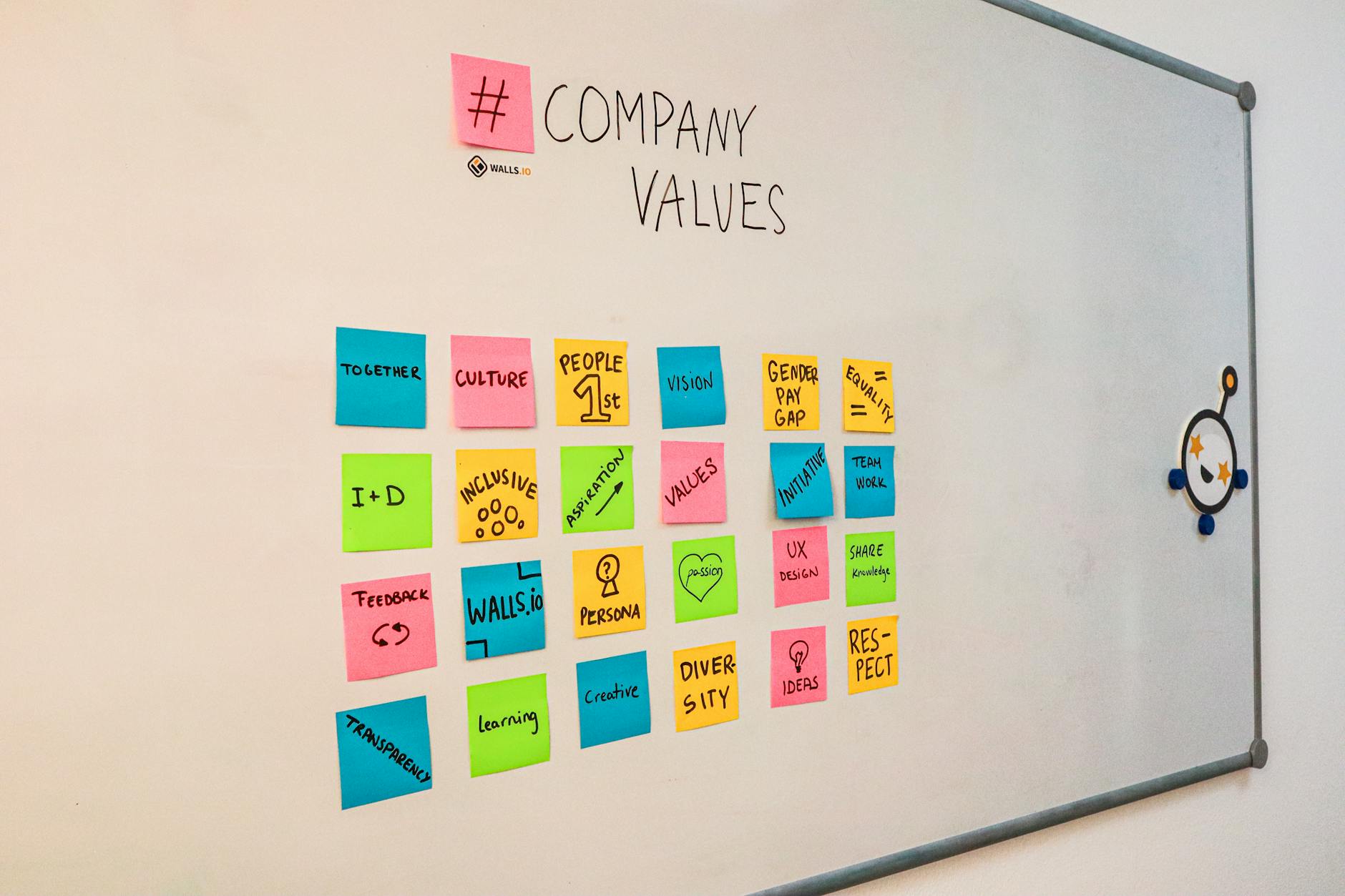
Many successful individuals regularly revisit and refine a private personal vision for their life and career. This involves writing out long-term goals, examining whether current choices align with those goals, and making adjustments to their direction and priorities. The process is rarely shared because it is still in motion and because its value depends on honesty rather than presentation. Having a clear internal compass allows successful people to make faster, more confident decisions when opportunities or obstacles arise. This ongoing private work is what gives their public actions a coherence and intentionality that outside observers often attribute to luck or talent.
Cold Exposure

Many high performers have adopted cold shower or cold plunge routines as a private tool for mental and physical conditioning. Regular exposure to cold temperatures has been studied for its effects on mood regulation, inflammation reduction, and stress resilience. The practice demands a consistent willingness to do something deeply uncomfortable, which serves as a form of mental training as much as a physical one. Most people who practice this daily do not broadcast it because the habit is inherently personal and its benefits accumulate quietly over time. It functions as an early test of discipline that many find sets a focused and determined tone for the hours that follow.
Skill Stacking

Successful people often spend private time developing secondary and tertiary skills that sit adjacent to their primary expertise. This deliberate accumulation of complementary abilities creates a unique combination that becomes increasingly difficult for others to replicate. A marketing professional who quietly studies behavioral psychology, or a founder who takes coding courses, is expanding the range of problems they can solve and the value they can offer. This kind of background skill-building rarely gets announced because it is still in progress and because the competitive advantage it creates depends partly on it remaining underestimated. Over time, the combination of skills becomes a signature that defines how that person thinks and operates.
Competitive Research

Many highly effective professionals dedicate consistent private time to studying the people and organizations they compete with or aspire to surpass. They monitor industry trends, analyze competitor strategies, and identify gaps that represent opportunity. This intelligence-gathering is treated with a seriousness that most people reserve for their own work rather than their broader landscape. Understanding the field deeply and honestly requires setting aside ego and acknowledging where others are doing things better. The insights drawn from this private study often inform the pivots and improvements that later appear as instinctive genius to the outside world.
Mindful Eating

Away from public meals and social dining, many successful people apply a quiet and deliberate approach to their daily nutrition. They treat food as a tool for sustained energy and cognitive performance rather than a social activity or emotional outlet. This means consistent meal timing, careful attention to how different foods affect their focus and mood, and a willingness to prioritize function over pleasure at the routine level. The discipline behind this habit rarely gets documented because it is embedded in the ordinary rhythms of a private day. Over time, however, the cumulative effect on energy levels, mental clarity, and physical health is significant.
Consistent Exercise

Beyond any public fitness content or shared gym check-ins, truly consistent exercise is a private and unglamorous daily commitment for most successful people. They show up to move their bodies on the days they feel motivated and on the many more days when they do not. The psychological benefits of this consistency extend far beyond physical health, providing a reliable structure that reinforces discipline and helps regulate mood and stress. Most of this happens quietly, without documentation, because the real value is in the long-term habit rather than any single session worth sharing. It is one of the clearest examples of a private behavior that pays disproportionately large dividends over time.
Value Clarification

High achievers frequently revisit the question of what they actually value most in work and in life. This ongoing private inquiry helps them avoid the trap of pursuing goals that once mattered but have since been replaced by new priorities or circumstances. The process involves honest self-examination about what is driving their choices and whether those drivers still reflect who they want to become. Many significant course corrections in a successful person’s life trace back to one of these quiet, private reckonings rather than any external catalyst. Staying intentionally connected to core values is what allows them to evolve without losing direction.
Digital Detoxing

Many accomplished individuals regularly and deliberately step away from all screens and connectivity for defined periods. These intentional breaks can range from a few hours in the evening to full days or weekends spent entirely offline. The practice helps restore attentional capacity, reduce ambient anxiety, and create the kind of mental spaciousness that deep thinking requires. Most successful people do not announce these breaks, in part because the point is to genuinely disengage rather than perform disengagement for an audience. The clarity that returns after a true digital detox is something they guard as one of their most productive private tools.
Conflict Resolution

Successful people do much of their most important relational work in private, addressing conflict directly and promptly rather than allowing tension to accumulate. They initiate difficult conversations with colleagues, family members, and partners without an audience and without the protective distance of indirect communication. This willingness to move toward friction rather than away from it reflects a level of emotional maturity that is rarely visible to the outside world. Resolving conflict cleanly and early protects the energy and trust that relationships require to function well over long periods. It is a consistently practiced skill that shapes the quality of every professional and personal environment they inhabit.
Learning from Critics

Rather than dismissing criticism publicly or engaging in defensive responses, many high achievers privately and carefully examine the feedback they receive, including the harshest and most uncomfortable varieties. They create space to consider whether there is truth in a critique before deciding how to respond or whether to respond at all. This capacity to sit with difficult feedback without immediately reacting is one of the more demanding private disciplines of sustained success. The ability to extract signal from criticism and use it as input for genuine improvement is a competitive advantage that is invisible by design. It requires setting aside the ego at a level that rarely fits within the performance of confidence that success is expected to project.
Evening Reviews

Many successful people end their day with a private review of what was accomplished, what was missed, and what needs attention tomorrow. This structured reflection prevents important insights and unresolved items from slipping into the background and ensures that the next day begins with a clear and intentional starting point. The habit also serves as a natural completion ritual that helps the mind transition out of work mode and into genuine rest. Most people who practice this keep it entirely private because it is honest and often unflattering in the moment. Over time, however, the accumulating record of these reviews becomes an invaluable map of how they think, work, and grow.
The most powerful habits are often the ones that nobody sees coming. Share which of these private practices resonates most with you in the comments.




