
Wellness culture has never been more mainstream, with millions of people adopting new health habits every year in pursuit of better energy, clearer skin, and a longer life. From juice cleanses to cold plunges, these trends often come packaged with glowing testimonials and influencer endorsements. But even the most celebrated routines can carry surprising consequences that rarely make it into the promotional material. Understanding the full picture helps people make smarter, more informed choices about their health.
Intermittent Fasting

Intermittent fasting has gained a devoted following for its potential benefits related to weight management and metabolic health. However, some people experience a significant spike in cortisol levels during fasting windows, which can contribute to increased anxiety and disrupted sleep. Women in particular may notice hormonal shifts that affect their menstrual cycle after sustained fasting periods. Digestive discomfort, including bloating and constipation, has also been reported as the body adjusts to compressed eating windows. For those with a history of disordered eating, the restrictive structure can sometimes trigger obsessive thoughts around food.
Cold Plunging

Cold plunge therapy has surged in popularity thanks to its association with improved mood and faster muscle recovery. What many enthusiasts fail to mention is that repeated cold exposure can temporarily suppress immune function in people who overdo it. The shock to the cardiovascular system can pose real risks for individuals with undiagnosed heart conditions or high blood pressure. Some practitioners report a paradoxical increase in inflammation when sessions are taken too frequently without adequate recovery time. Sleep disruption is another underreported side effect, particularly when cold plunges are taken late in the evening and raise alertness at the wrong time of day.
Juice Cleansing

Juice cleanses are marketed as a way to flush toxins and reset the digestive system, but the liver and kidneys already perform that function continuously. The high sugar content found in many commercial fruit-based juices can cause rapid blood sugar spikes followed by energy crashes. Extended cleanses have been linked to muscle loss because they rarely provide sufficient protein to maintain lean tissue. Some people develop headaches, irritability, and brain fog within the first few days as blood glucose levels fluctuate. Dental enamel erosion is also a concern with frequent consumption of acidic juices over time.
Mouth Taping

Mouth taping during sleep has become a popular biohacking trend promoted as a way to encourage nasal breathing and reduce snoring. For people with undiagnosed sleep apnea, taping the mouth shut can actually make the condition significantly more dangerous by restricting airflow. Skin irritation and contact dermatitis around the lips are commonly reported by regular users of adhesive sleep tape. Those with nasal congestion or structural breathing issues may find the practice causes increased nighttime waking and oxygen disturbances. Medical professionals have flagged that self-diagnosing and self-treating a breathing issue without a sleep study can delay necessary clinical intervention.
Activated Charcoal
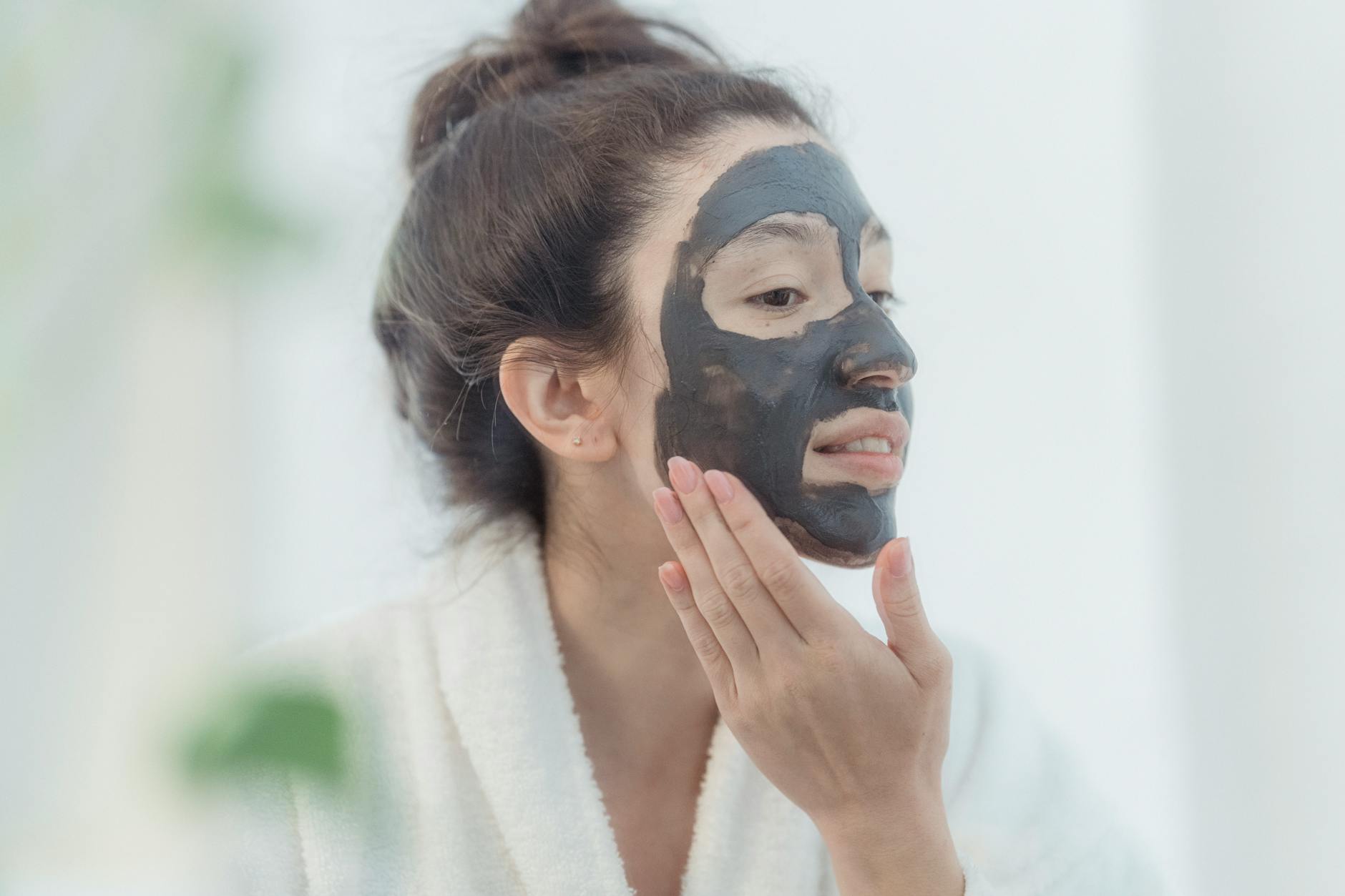
Activated charcoal became a wellness staple after appearing in everything from lemonades to face masks and toothpastes. When consumed internally, it does not selectively absorb only “bad” substances and can interfere with the absorption of prescription medications and oral contraceptives. Regular ingestion has been associated with constipation, black stools, and in some cases, serious gastrointestinal blockages. The teeth-whitening claims tied to charcoal toothpaste have not been supported by dental research, and the abrasive texture may actually wear down enamel over time. Its anti-toxin reputation is largely based on emergency medical use in cases of poisoning, a context very different from daily wellness consumption.
Collagen Supplements
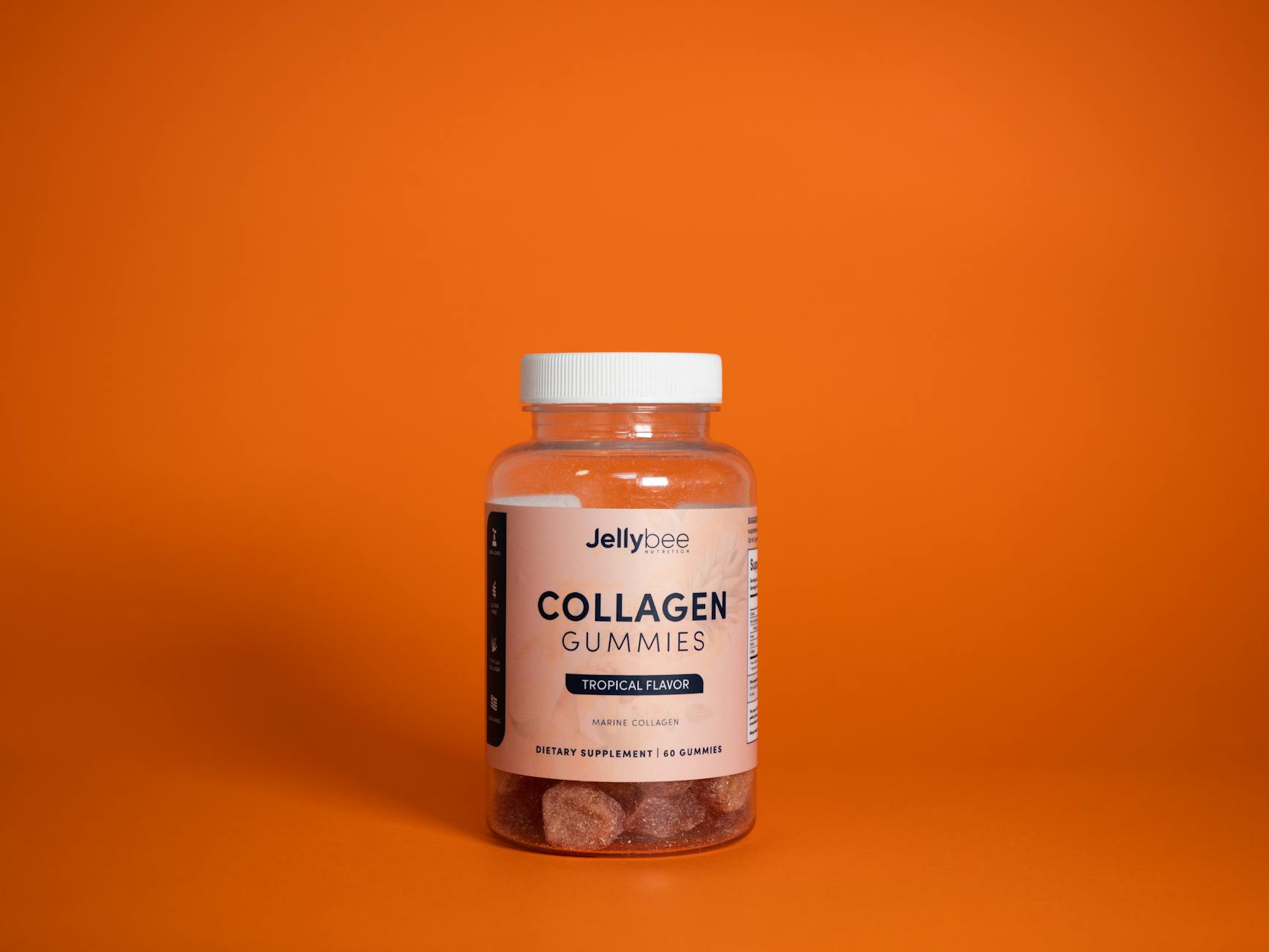
Collagen supplements have become a daily ritual for people seeking improvements in skin elasticity, joint health, and hair strength. The body breaks down ingested collagen into amino acids before reassembling it, meaning there is no guarantee those amino acids will be directed toward skin or joint tissue. Some collagen powders sourced from marine or bovine origins have triggered allergic reactions in sensitive individuals. High-dose collagen supplementation has also been associated with elevated calcium levels in the blood, which can affect kidney function over time. People with gout may experience flare-ups since certain collagen hydrolysates are rich in compounds that elevate uric acid levels.
Dry Fasting
Dry fasting involves abstaining from both food and water for a set period and has gained traction in certain wellness communities as an intensified form of fasting. Unlike standard intermittent fasting, withholding water creates significant stress on the kidneys and can accelerate the formation of kidney stones. Even short dry fasting periods have been shown to cause dangerous drops in blood pressure, dizziness, and fainting. The practice can disrupt electrolyte balance rapidly, increasing the risk of cardiac arrhythmia in vulnerable individuals. Medical authorities in multiple countries have issued warnings against dry fasting precisely because its risks are disproportionate to any claimed benefits.
Seed Cycling
Seed cycling involves consuming specific seeds during different phases of the menstrual cycle with the goal of balancing estrogen and progesterone levels naturally. Scientific evidence supporting this practice is currently minimal, and relying on it as a substitute for medical hormonal treatment can delay proper diagnosis of underlying conditions. Individuals with nut and seed allergies may unknowingly trigger reactions, particularly with flaxseeds which are among the most common allergens in this category. Excessive flaxseed consumption has been noted to have a mild estrogenic effect that may be counterproductive for people with estrogen-sensitive conditions. Digestive side effects including gas and loose stools are frequently reported during the initial weeks of seed cycling due to the increased fiber load.
Raw Water

Raw water refers to unfiltered and untreated water collected from natural springs or surface sources, promoted by some wellness advocates as a living alternative to municipal water. Without standard filtration and treatment processes, raw water can carry harmful bacteria including E. coli as well as parasites such as Giardia and Cryptosporidium. Consuming contaminated raw water has caused documented outbreaks of gastrointestinal illness in communities that have experimented with the practice. The minerals present in untreated water vary wildly by source and can include arsenic, lead, and nitrates at concentrations that exceed safety thresholds. Public health agencies consistently classify the promotion of raw water as a significant misinformation risk given its potential to cause serious illness.
Earthing

Earthing or grounding involves walking barefoot on natural surfaces with the belief that direct contact with the earth transfers beneficial electrons to the body. The scientific literature on grounding is still emerging and the majority of existing studies are small in scale with significant methodological limitations. People who practice barefoot earthing in public parks or outdoor spaces face real exposure risks including contact with sharp objects, animal waste, and soil contaminants like pesticides and heavy metals. Those with peripheral neuropathy or diabetes who attempt barefoot walking may sustain foot injuries without realizing it due to reduced sensation in the feet. The wellness claims around earthing often extend far beyond what current evidence supports, leading some practitioners to delay seeking conventional care for conditions that require it.
Oil Pulling

Oil pulling is an ancient Ayurvedic practice involving swishing oil in the mouth for up to twenty minutes and has been revived as a natural oral health remedy. Dentists have noted that it should never be used as a replacement for evidence-based practices like brushing and flossing, yet many enthusiasts treat it as a primary oral care routine. Swallowing the oil during or after the session introduces a significant load of bacteria-laden liquid into the digestive tract, which can cause nausea and gastrointestinal distress. Aspirating even a small amount of oil into the lungs during the swishing process poses a risk of lipoid pneumonia, a serious and underreported complication. Some individuals have also reported jaw soreness and temporomandibular joint discomfort from the sustained muscular effort required by the practice.
Sun Gazing

Sun gazing involves staring directly at the sun during low-light periods and is promoted in some spiritual wellness circles as a way to boost energy and reduce the need for food. Even brief and repeated exposure of the retina to direct sunlight can cause solar retinopathy, a form of permanent damage to the central visual field. The practice has been linked to cases of lasting vision impairment that ophthalmologists have documented following viral wellness trends online. The claim that sun gazing reduces hunger has no credible scientific basis and may discourage participants from meeting basic nutritional needs. Eye care professionals uniformly advise against any form of deliberate direct sun exposure to the eyes regardless of the time of day or duration.
Coffee Enemas
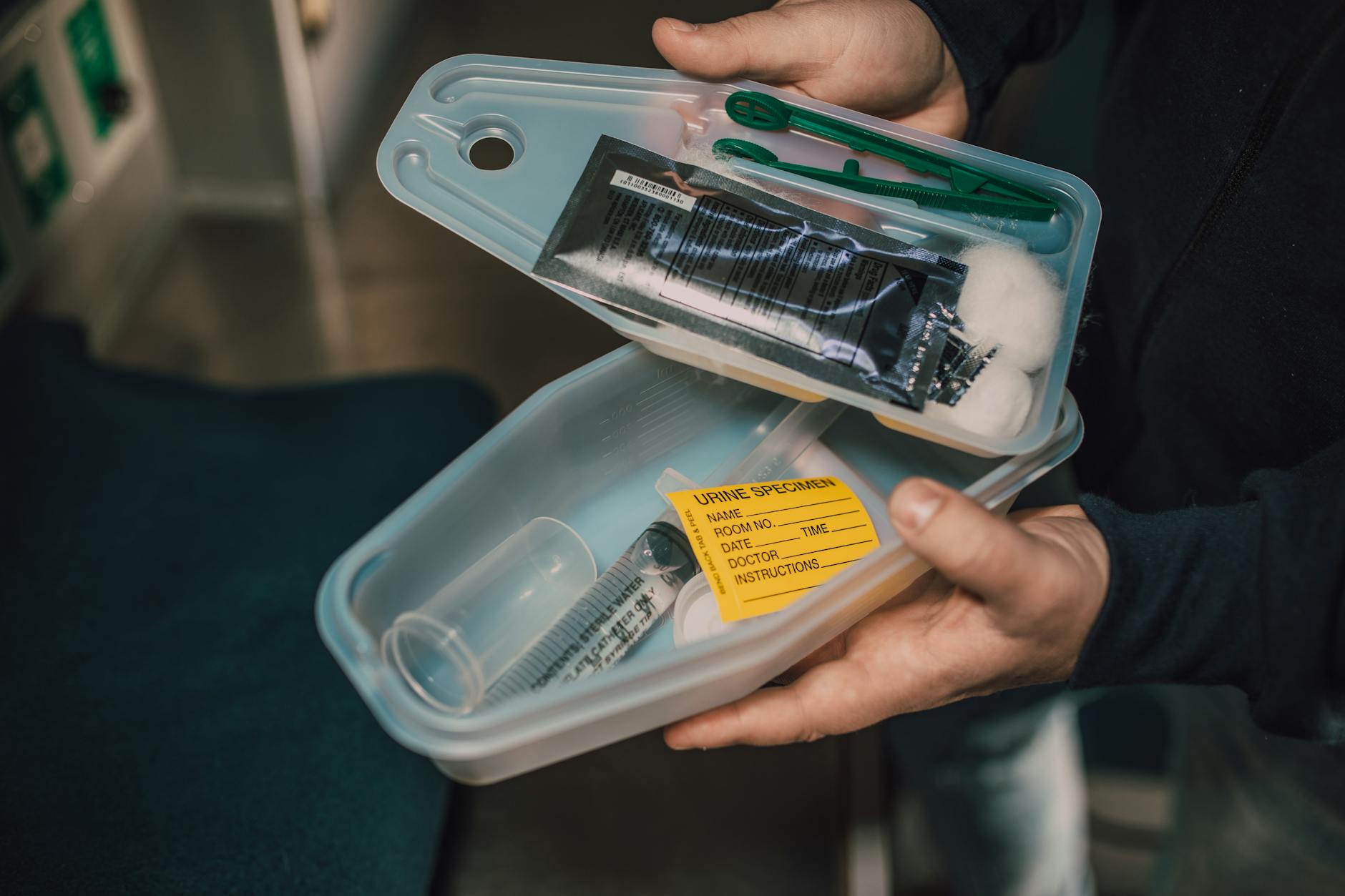
Coffee enemas have circulated in alternative wellness spaces for decades, often promoted as a method of detoxification or as part of certain cancer treatment protocols. The medical consensus is that the colon does not require assistance in expelling waste and that introducing coffee rectally bypasses the normal protective filters of digestion. Repeated use has been associated with electrolyte imbalances, rectal burns from improperly heated liquid, and bacterial infections introduced through unsterilized equipment. Several deaths have been reported in connection with the practice globally, representing some of the most severe documented outcomes among alternative wellness rituals. Medical gastroenterologists strongly advise against the procedure outside of clinically supervised settings where legitimate therapeutic indications exist.
Tongue Scraping

Tongue scraping has roots in Ayurvedic tradition and involves removing the coating on the tongue each morning with a curved metal or plastic tool. While the practice is generally considered safe, vigorous scraping can damage the delicate papillae on the tongue’s surface and cause soreness or inflammation with daily use. Some users apply excessive pressure in an attempt to remove more residue, which has led to minor bleeding and increased sensitivity. Dentists point out that the coating on the tongue is partly made up of beneficial bacteria and that aggressive removal may disrupt the oral microbiome. Like oil pulling, tongue scraping is sometimes elevated to a status that leads practitioners to skip professionally recommended dental hygiene steps in its favor.
Alkaline Water

Alkaline water is sold at a premium with claims that its higher pH level neutralizes acid in the body and improves hydration at the cellular level. The stomach produces hydrochloric acid specifically to maintain an acidic environment for digestion, and introducing highly alkaline substances can disrupt this balance over time. Long-term or excessive consumption of alkaline water has been linked to a condition called metabolic alkalosis, which presents with symptoms including nausea, vomiting, muscle tremors, and confusion. The kidneys work to maintain the body’s pH within a narrow range naturally, meaning most alkaline water is simply neutralized before it reaches the bloodstream. Independent research has not confirmed that alkaline water provides meaningful advantages over standard filtered water for healthy individuals.
OMAD
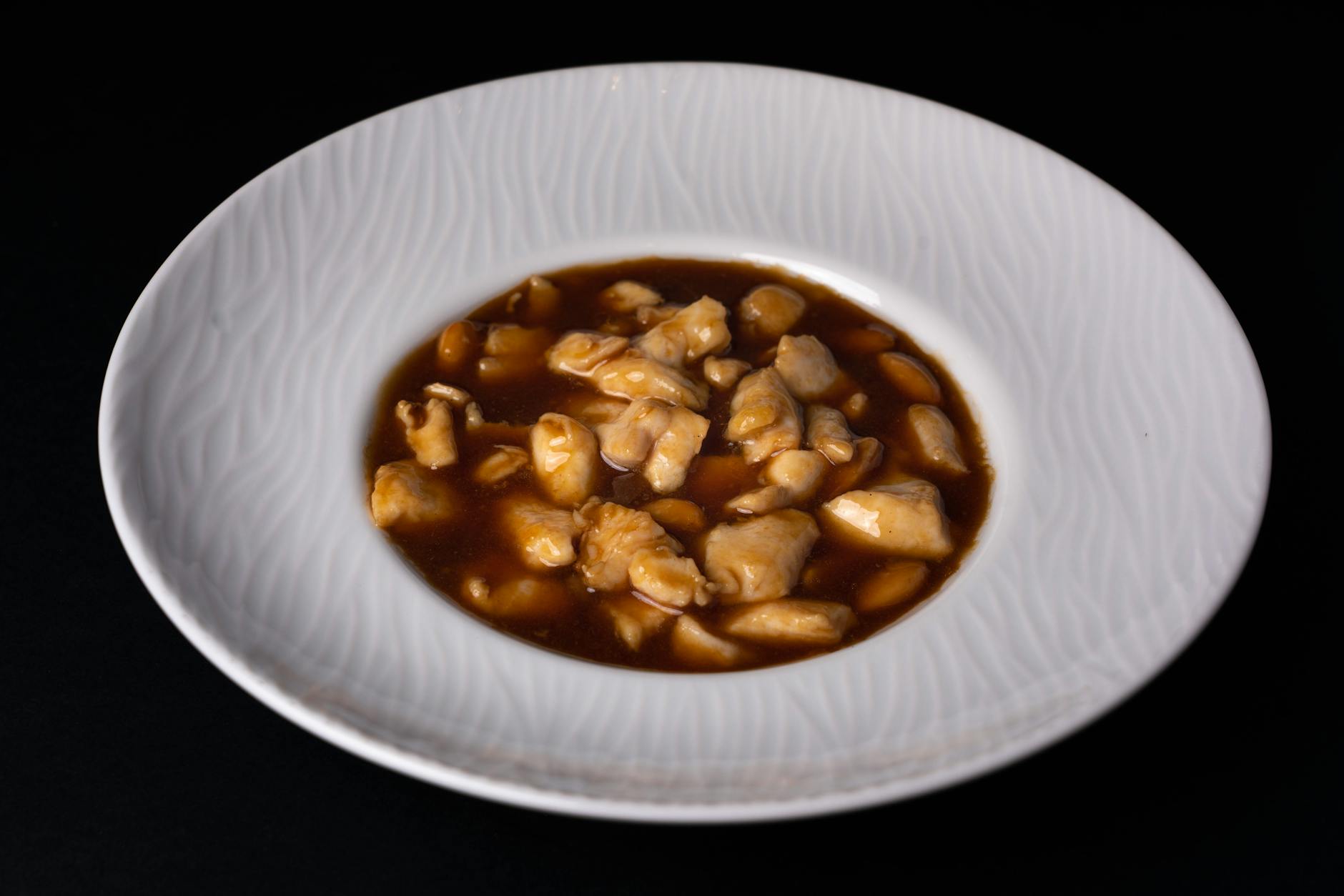
OMAD or eating one meal a day is an extreme variation of intermittent fasting in which all daily calories are consumed within a single sitting. The practice makes it structurally difficult to meet daily micronutrient needs, particularly for calcium, potassium, and B vitamins, in a single meal without careful planning. Eating a full day’s worth of food at once places a significant burden on the digestive system, and many practitioners report uncomfortable bloating, acid reflux, and delayed gastric emptying. Blood sugar regulation becomes more volatile under OMAD conditions, which can impair concentration and mood throughout the day. Research has also raised concerns about a potential link between prolonged one-meal-a-day eating and adverse cardiovascular markers over time.
Urine Therapy

Urine therapy involves applying or ingesting one’s own urine and has been promoted by fringe wellness communities as a cure for a wide range of conditions. Urine contains metabolic waste products that the body has specifically filtered out and reintroducing those compounds serves no verified therapeutic purpose. Drinking urine has been associated with increased sodium load, electrolyte imbalance, and a risk of reintroducing pathogens if a urinary tract infection is present but undetected. Topical application carries a risk of skin irritation and worsening of open wounds or active dermatological conditions. No credible body of clinical research supports urine therapy as an effective treatment for any condition recognized by mainstream medicine.
Prolonged Dry Brushing
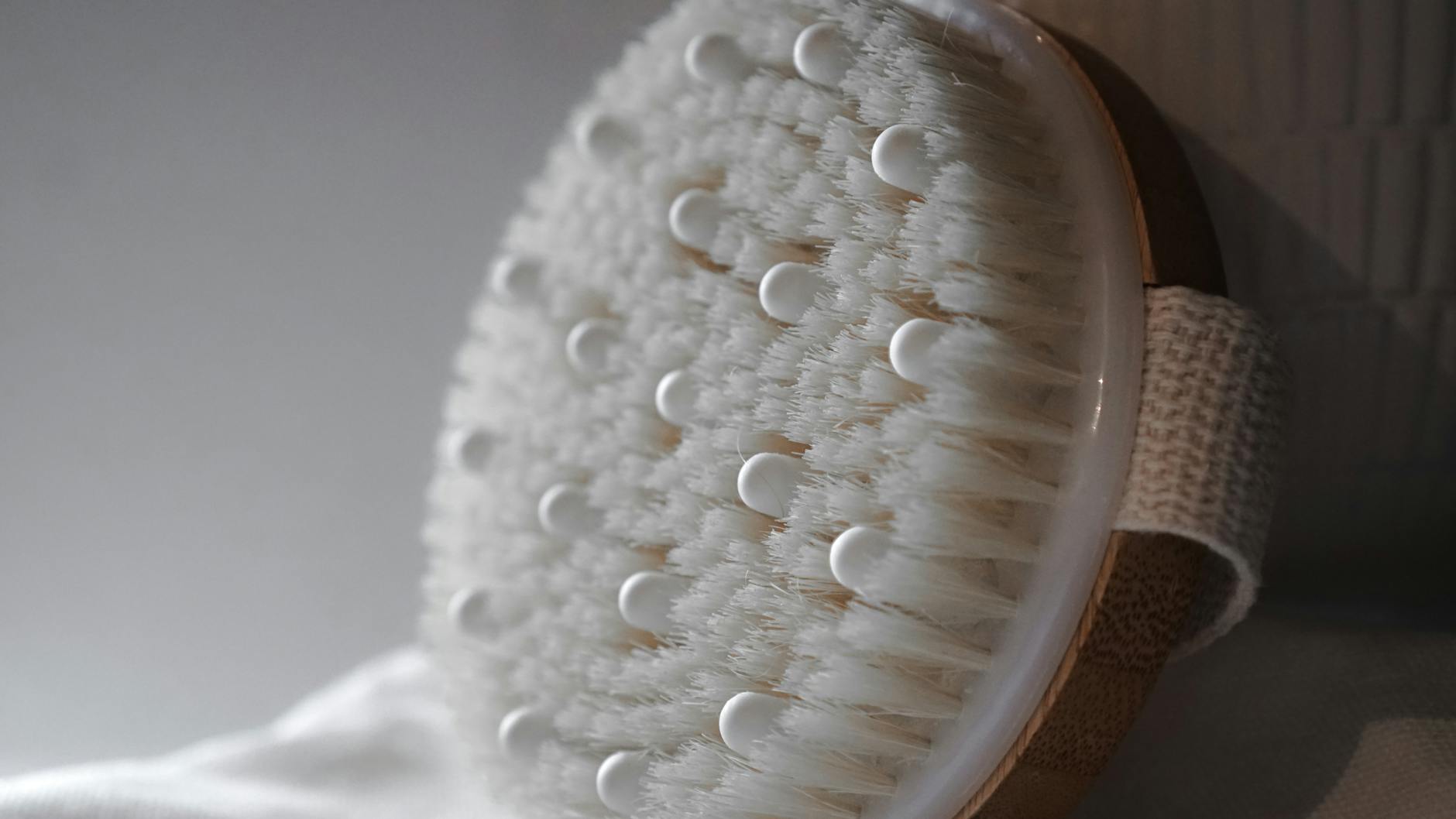
Dry brushing involves using a stiff-bristled brush on the skin before bathing and is promoted as a method of lymphatic stimulation and exfoliation. Dermatologists note that the lymphatic system is not activated through surface-level skin stimulation in the way wellness content typically describes. Aggressive or frequent dry brushing strips the skin of its natural oils and disrupts the protective moisture barrier, leading to increased sensitivity and dryness. People with eczema, psoriasis, or rosacea who attempt dry brushing can experience significant flare-ups of their condition. The micro-tears created by overly vigorous brushing also create entry points for bacteria, elevating the risk of skin infection in people who brush broken or irritated skin.
Forest Bathing

Forest bathing or shinrin-yoku is a Japanese wellness practice involving slow and mindful time spent in forested environments for stress reduction and immune support. While generally beneficial, forested environments carry real exposure risks including ticks that transmit Lyme disease and other tick-borne illnesses depending on geographic location. Individuals with pollen allergies may find prolonged forest time worsens respiratory symptoms significantly during certain seasons. Some practitioners have developed contact dermatitis from exposure to plants like poison ivy or wild parsnip while practicing mindful walking without adequate attention to their surroundings. The romanticization of forest bathing in wellness media can lead people to underestimate the importance of appropriate clothing, insect repellent, and awareness of the local environment.
Fasting Mimicking Diet
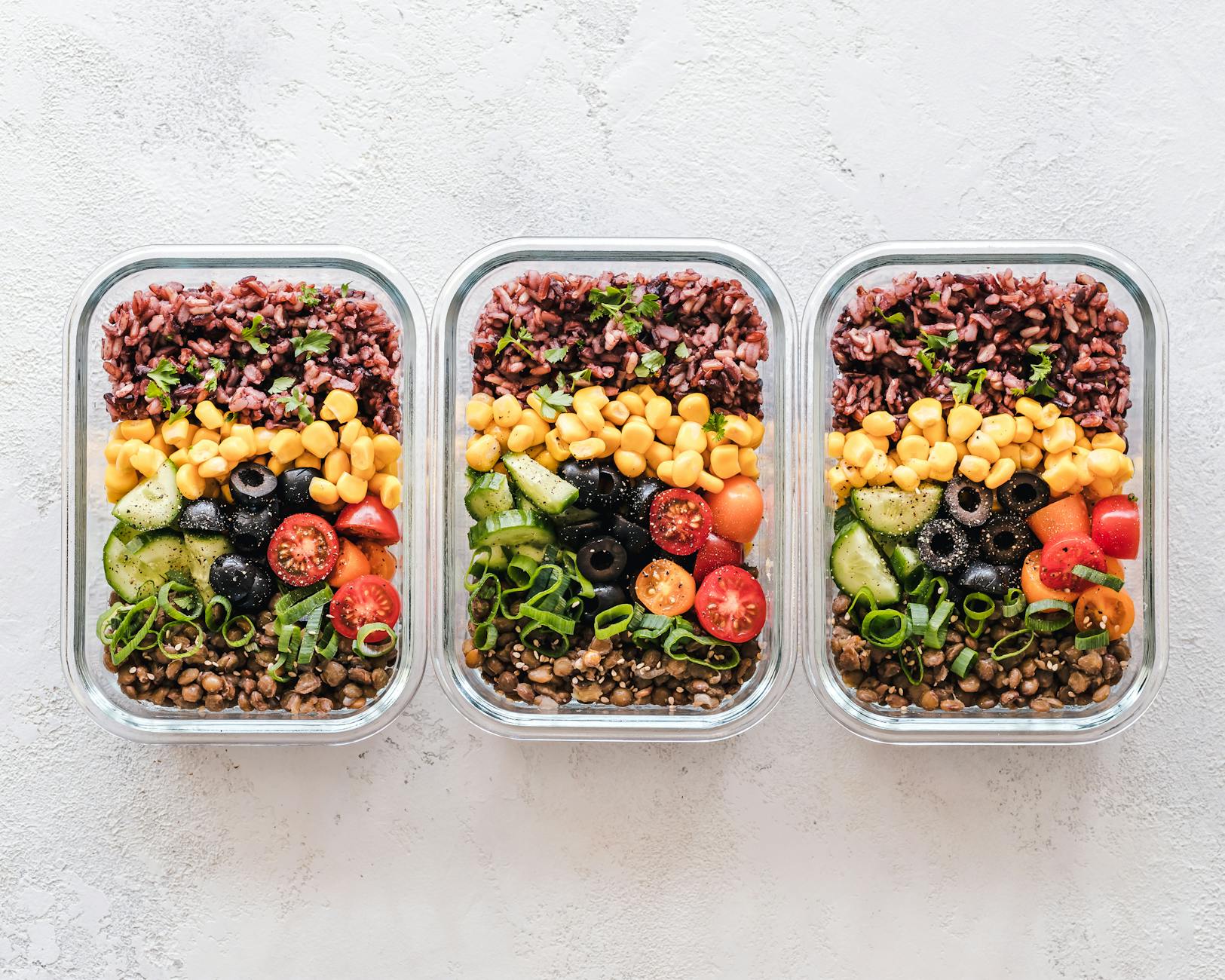
The fasting mimicking diet is a structured five-day low-calorie protocol designed to trigger the cellular benefits of fasting while still allowing limited food intake. Some users experience significant fatigue, brain fog, and irritability during the restricted days, particularly in the first cycle before the body adapts. The protocol is not appropriate for people with a history of eating disorders, yet it is frequently marketed directly to general consumer audiences without prominent health screening guidance. Blood sugar instability during the five active days has caused dizziness and fainting in individuals who attempted to maintain their regular exercise routines simultaneously. Repeated monthly cycles without medical supervision have raised concerns among dietitians about potential muscle wasting in people who are already at a low body weight.
If any of these surprising side effects caught you off guard, share your thoughts and experiences in the comments.




